
Deutsch-Chinesische Enzyklopädie, 德汉百科
 Vacation and Travel

 Architecture
 Baden-Wuerttemberg
 Music
Music


 Berlin

Die Kulturbrauerei (Eigenschreibweise: KulturBrauerei) in Berlin-Prenzlauer Berg ist ein 25.000 m² großes Bauensemble. Die ehemalige Brauerei im Kollwitzkiez (Bezirk Pankow) steht mit ihren Höfen und ihrer einzigartigen Architektur seit 1974 unter Denkmalschutz. Sie gehört zu den wenigen gut erhaltenen Denkmälern der Industriearchitektur in Berlin vom Ende des 19. Jahrhunderts.
Heute wird sie von der TLG Immobilien kommerziell als Kulturzentrum betrieben. Dort befinden sich unter anderem Kinos, Theater, Diskotheken und Veranstaltungsräume.
文化酿酒厂(Kulturbrauerei)是位于德国柏林的一座建筑群,面积25,000平方米(270,000平方英尺)。这里曾经是一座啤酒厂。 自1974年开始,这里因其独特的建筑外观和成为历史保护建筑,并且是得到完好保存的19世纪末期柏林工业建筑之一。现在这里经常作为活动场地使用。
 European Union
 International cities
 Traditions

 World Heritage
 Saxony
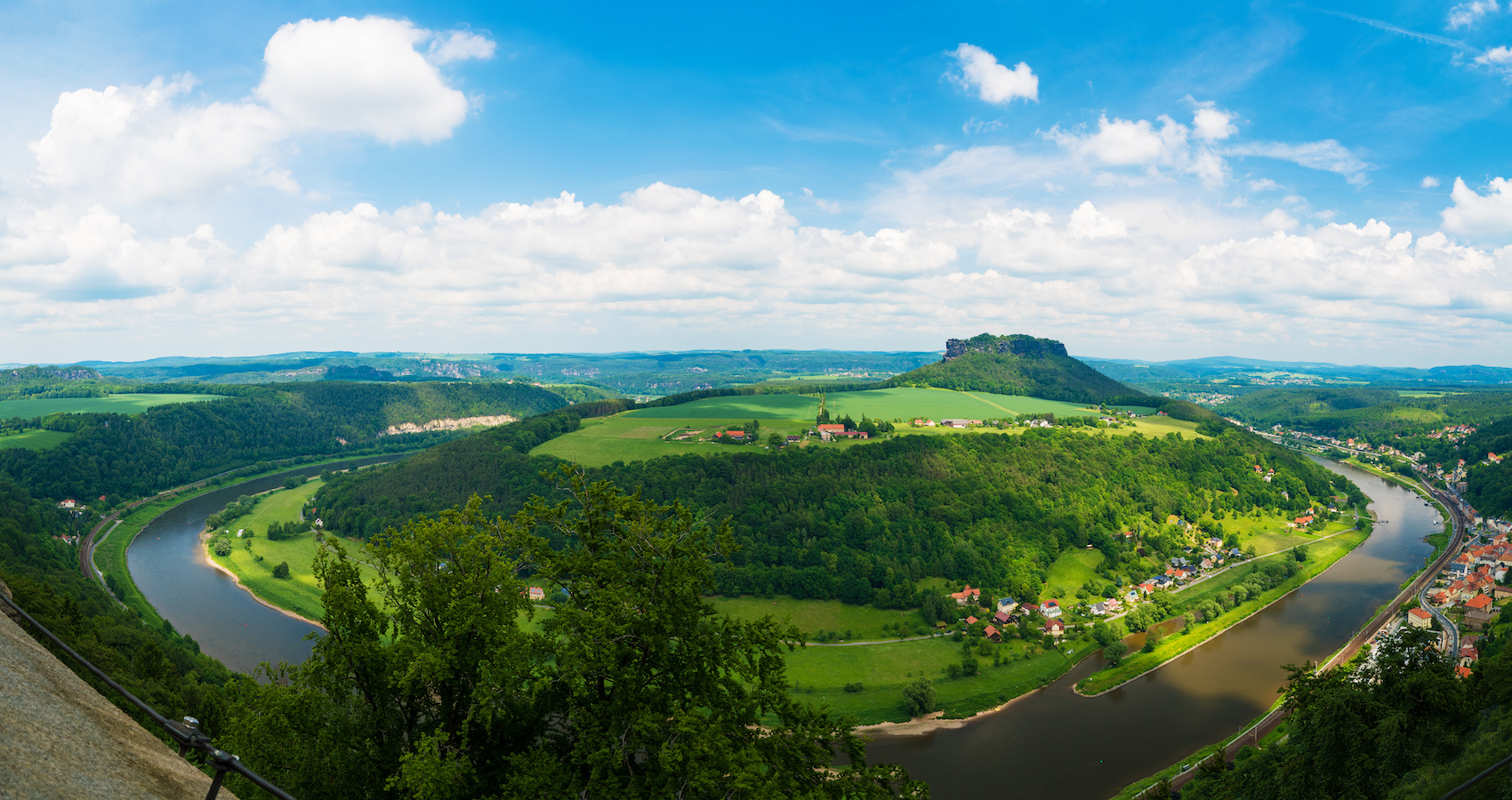
18世纪和19世纪的德累斯顿 易北河谷景观沿着河谷纵深有18公里长,它主要由古老的牧场、宫殿、纪念碑、公园,以及19世纪和20世纪郊区的具有自然风光的别墅和花园组成。至今,河 谷边一些沿着河倾斜的梯田仍然被用于葡萄种植,一些古老的村庄仍然保留着工业革命时期的建筑和自然风光。特别是长147米的钢桥(1891—1893)、 空中铁路(1898—1901)、古老的渡船(起源于1879年)和成立于1900的造船厂至今仍在使用中。
空中铁路。 1880年以后,Elberfeld 和Barmen这两个城镇之间急需一条新的交通线路,由于地面上已经没有空地,所以科隆的工程师Eugen Langen 的在易北河上架设悬挂铁路的设计方案被采纳。这条铁路于1898年开始建设,1900年10月24日由当时的德国皇帝威廉二世亲自乘车测试这条空中铁路, 1901年3月1日,这条铁路对公众开放。这条铁路是全钢结构,在建构、工程技术方面都是当时最先进的,100年之后的今天,这条空中铁路依然是全世界独 一无二的悬挂铁路,目前德国正在对这条铁路进行翻修,希望它再运行100年。
奥古斯特三世信奉天主教之后,下令修建一座天主教教堂。于是,德累斯顿天主教堂由意大利建筑大师Gaetano Chiaveri 在1939——1755年间建成了, 这是德累斯顿——萨克森地区规模最大的巴洛克风格的天主教堂, 该教堂内部装饰华美,布道台上有雕塑大师Balthasar Permoser 的洛可可式的雕塑,祭坛上有Raphael Meng的壁画,管风琴是Gottfried Silbermann的最后杰作。虽然这座大教堂逃过了18、19世纪的战火,但是在第二次世界大战中在劫难逃,被夷为平地,1945年开始重建, 1971年完工。1980年,这座大教堂成为德累斯顿——麦森教区的主教教堂,这座易北河边的天主教堂也成为德累斯顿的一道美丽的风景。
(Quelle: www.guwh.com)
 Animal world
 Geography

介绍:
新锡德尔湖匈牙利名“费尔特湖”。多瑙河中游平原西部湖泊。在奥地利和匈牙利边境,是欧洲内陆最大的平原湖。湖面海拔113米,面积323 平方公里,平均深1.5米。面积及深度随季节变化而变动。湖底浅平,没有一处超过1.8米深。新锡德尔湖本属匈牙利, 1922年将三分之二的湖区划归奥地利。有运河与匈境内多瑙河支流雷普采河相通。湖岸芦苇茂密,栖有珍贵水禽,为国际禁猎地。新锡德尔湖四周由芦苇环绕 着,没有支流的湖水经过严重的蒸发略含咸味。由于地貌所致,新锡德尔湖是自然的天堂。250多种鸟类在这片自然保护区内自由自在地生活。
在新锡德尔湖的西岸,有一个小城叫鲁斯特。这里的居民世代享受着大自然的恩赐。夏天一到,从地中海飞来的鹳鸟在房顶上搭窝建巢,当地人也 以此来判断夏季的到来在中欧地区,鲁斯特是植物生长期间日照天数最多的地方。在鲁斯特种植葡萄已有两千年历史,早在1524年,这个地方特产的葡萄酒已十 分闻名。
湖畔的另一个城市莫尔比施的标志是酒桶上装饰着鹳鸟和孩子亲昵的样子,给人们的生活蒙上了一层童话色彩。孩子们都是由鹳鸟妈妈带来人世的 传说在这里已经是人人皆知了。1957年,一个叫赫伯特·埃尔森的人发起创立了“湖上音乐节”,四十多年来从未间断过。与平时不同的是,露天剧场外面多了 不少服务摊点。每年的七、八月份,慕名而来的游客晚间的一项重要的活动就是在这里听湖上音乐会。夏季一到,仅有2300多人的小镇迎接着来自世界各地上万 人次的游客,仅在一天晚上观看轻歌剧演出的观众人数就超过了二万人。
沿新锡德尔湖的是布尔根兰州,意为城堡之地。迄今为止,这个州还有68座城堡,很多城堡都记载着一段段传说和故事。1918年,第一次世 界大战结束之后,匈牙利王国的这块土地被划入奥地利,成为奥地利最东部地区的一个州。斯特哈泽宫殿是布尔根兰州保存最完善的贵族建筑。这座中世纪的城堡在 17、18和19世纪经过了两次大规模的扩建和整修。爱斯特哈泽宫殿内的海顿大厅曾经是海顿工作三十年的地方。在这里,海顿首演了他大部分作品。如今,人 们为了纪念他,还经常在此举行音乐会。海顿出生在一个平凡的家庭,一生也过着俭朴的生活。他在布尔根兰的首府艾森施塔特市为爱斯特哈泽家族服务了三十年, 却一直居住在非常简陋的环境里。在海顿路(Haydngasse 21)上,人们保留了海顿从1766年到1778年所居住的故居。简陋的花园里开满鲜花。这座小小的展览馆让人回忆起这位伟大作曲家的生活与创作。(Quelle: www.ndcnc.gov.cn/datalib/2004/WorldBequest/DL/DL-20031121142212/)

 Mecklenburg-Vorpommern

 Performing Arts
 Holidays
 Lower Saxony

 Bremen
 Art
Art

 Museum

美术馆位於苏黎世大教堂的东侧,最初的馆藏属於一七八七年成立的艺术家协会,因於一九一零年扩充并迁入现址新楼中,目前拥有全欧洲最完整的艺术文献,以及 从文艺復兴时期到现在的欧洲各种绘画、雕刻、素描和版画等,尤以许多德国早期画家和德国中世纪木、石雕刻、绘画。而馆内瑞士本土名画家们的作品,被誉為代 表近代瑞士绘画主流的宝库。一楼展览室中,展出瑞士二十世纪初期代表性书画家贺德勒的一系列作品。苏黎世美术馆以瑞士画家的作品居多,包括绘画、雕塑以及版画等,美术馆常年展出毕加索、莫奈、蒙克、马蒂斯、塞尚、雷诺阿、罗丹等伟大的画家和雕刻家的作品。(Quelle:http://www.yoyv.com/)
 Vienna
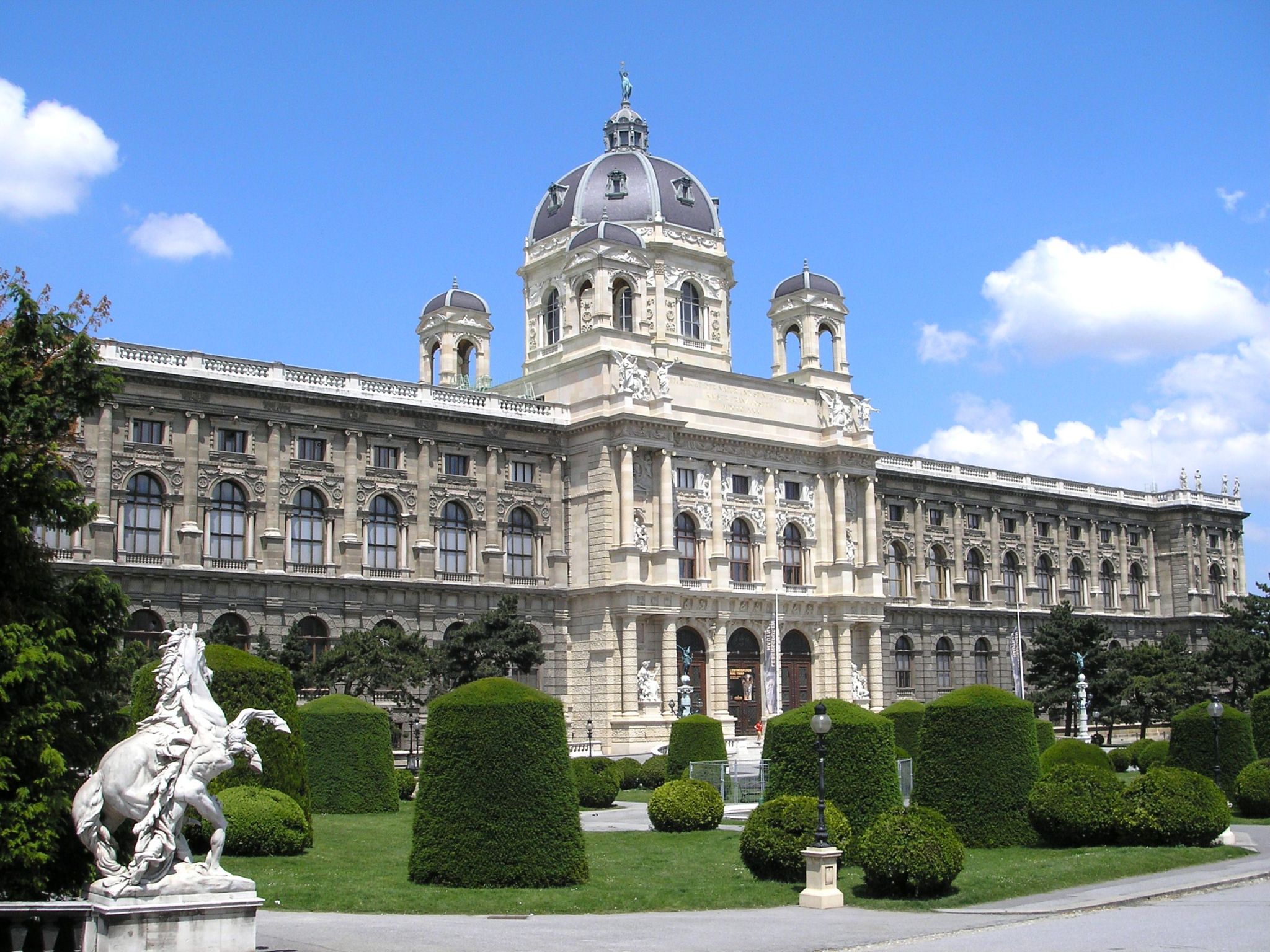
维也纳艺术史博物馆(Kunsthistorisches Museum)坐落在维也纳环城大街旁边,与霍夫堡皇宫相对。十九世纪下半叶,维也纳老城墙被拆除之後,就开始了博物馆得建造工作。1871-1891年 间,两座辉煌的博物馆建筑拔地而起,这就是维也纳艺术史博物馆和维也纳自然史博物馆。两座博物馆之间是为纪念奥地利唯一的女皇帝-玛丽亚特蕾西亚而建得广 场。如今,维也纳艺术史博物馆是全世界第四大艺术博物馆。这里珍藏著哈布斯堡王朝数百年来收集的欧洲珍品。卢本斯、伦勃朗、丢勒、拉菲尔、提香等著名画家 的作品使这座艺术博物馆的名声倍增。(Quelle: www.youer.com/)
艺术史博物馆(德语:Kunsthistorisches Museum)是奥地利维也纳的一座博物馆,设在戒指路旁富丽堂皇的大楼内,有一个圆满的八角形穹顶,是世界上藏品最丰富的美术和装饰艺术博物馆之一。
Das Kunsthistorische Museum (KHM) ist ein Kunstmuseum in der österreichischen Hauptstadt Wien. Es zählt zu den größten und bedeutendsten Museen der Welt. Es wurde im Jahr 1891 eröffnet und 2015 von ca. 1,4 Millionen Menschen besucht.[1]
Das Kunsthistorische Museum gehört mit seinem Schwestergebäude, dem gegenüber liegenden Naturhistorischen Museum, zu den bedeutendsten historistischen Großgebäuden der Ringstraßenzeit. Zusammen umstehen sie den Maria-Theresien-Platz (neben dem Burgring), auf dem das Maria-Theresien-Denkmal steht. Dieser Platz bedeckt einen Teil des ehemaligen Glacis zwischen heutiger Ringstraße und Zweierlinie und bildet ein Ensembledenkmal, das auch zum Weltkulturerbe Historisches Zentrum von Wien gehört.
美術史美術館(びじゅつしびじゅつかん、独: Kunsthistorisches Museum)は、オーストリア・ウィーンにある美術館。美術史博物館(びじゅつしはくぶつかん)とも呼ばれる。古代から19世紀に至るヨーロッパ各地の美術品を収蔵している。自然史博物館と対になる施設として建てられ[3]、1891年に開館。現在は組織上ウィーン大学の一部局である。
The Kunsthistorisches Museum (lit. "Museum of Art History", also often referred to as the "Museum of Fine Arts") is an art museum in Vienna, Austria. Housed in its festive palatial building on Ringstraße, it is crowned with an octagonal dome. The term Kunsthistorisches Museum applies to both the institution and the main building. It is the largest art museum in the country.
It was opened around 1891 at the same time as the Natural History Museum, Vienna, by Emperor Franz Joseph I of Austria-Hungary.[2] The two museums have similar exteriors and face each other across Maria-Theresien-Platz. Both buildings were built between 1871 and 1891 according to plans drawn up by Gottfried Semper and Karl Freiherr von Hasenauer.
The two Ringstraße museums were commissioned by the emperor in order to find a suitable shelter for the Habsburgs' formidable art collection and to make it accessible to the general public. The façade was built of sandstone. The building is rectangular in shape, and topped with a dome that is 60 meters high. The inside of the building is lavishly decorated with marble, stucco ornamentations, gold-leaf, and paintings.
Le musée d'Histoire de l'art de Vienne (en allemand : Kunsthistorisches Museum) de Vienne, en Autriche est un musée d'art considéré comme l'un des premiers musées d'art ancien du monde.
Il Kunsthistorisches Museum (in italiano "Museo della storia dell'arte"), che nel 2012 ha contato 1.351.940 visitatori[1], è uno dei principali musei di Vienna ed uno dei più antichi e ricchi al mondo. L'edificio principale, sormontato da una cupola ottagonale alta 60 metri, si trova in Maria-Theresien-Platz, lungo la Ringstraße che circonda il distretto di Innere Stadt.
Il Museo venne inaugurato ufficialmente il 17 ottobre 1891 alla presenza dell'imperatore Francesco Giuseppe I d'Asburgo dopo oltre trent'anni dalla prima commissione. Dal 22 ottobre venne aperto al pubblico. L'edificio si affaccia sulla Maria-Theresien-Platz, specularmente al Naturhistorisches Museum (Museo storico-naturalistico). I due musei vennero commissionati dall'imperatore nel 1858 per contenere l'immensa collezione di opere d'arte degli Asburgo e di rendere il loro patrimonio accessibile a tutti. Il concorso per la realizzazione degli edifici venne bandito nel 1867 e vinto dagli architetti Carl von Hasenauer e Gottfried Semper. La prima pietra venne posata, senza troppe cerimonie, il 27 novembre 1871. Le facciate richiamano lo stile rinascimentale italiano e gli interni sono decorati con marmo, ornamenti di stucco e d'oro e pitture.
Una delle più importanti sculture del museo, la Saliera di Benvenuto Cellini, è stata rubata l'11 maggio 2003 e recuperata il 21 gennaio 2006 in una scatola, sepolta sotto terra, in una foresta vicino alla città di Zwettl, in Austria. È stato il più grande furto d'arte nella storia austriaca.
El Museo de Historia del Arte de Viena (en alemán, Kunsthistorisches Museum) es uno de los primeros museos de bellas artes y artes decorativas del mundo. Tiene por sede un palacio de la Ringstraße, coronado con una cúpula octogonal. El término Kunsthistorisches Museum se aplica tanto a la institución como a su edificio principal.
Se inauguró en 1891 al mismo tiempo que el Museo de Historia Natural (Naturhistorisches Museum) por el emperador Francisco José I de Austria-Hungría. Los dos museos tienen exteriores idénticos y están uno frente a otro flanqueando la Plaza de María Teresa. Ambos edificios fueron erigidos entre 1872 y 1891 de acuerdo a los planos diseñados por Gottfried Semper y Karl Freiherr von Hasenauer.
Los dos museos de la Ringstraße fueron encargados por el Emperador para dar un alojamiento adecuado a la formidable colección de arte de los Habsburgo y hacerla accesible al gran público. La fachada se edificó de piedra arenisca. Tiene planta rectangular y acaba en una cúpula de 60 metros de alto. Está coronado por una estatua colosal de Palas Atenea. El interior del edificio está lujosamente decorado con mármol, ornamentación de estuco, pan de oro y pinturas, haciendo de él una obra de arte por sí mismo.
Este museo alberga la mejor colección mundial de Rubens y su círculo, junto con la del Museo del Prado, así como varios retratos esenciales de Velázquez, que fueron remitidos por Felipe IV de España debido a los lazos de parentesco que unían ambas cortes. El grupo de pinturas de Brueghel el Viejo supone alrededor de un tercio de toda su producción.
Музей истории искусств (Художественно-исторический музей, нем. Kunsthistorisches Museum, сокращенно KHM) — известный художественный музей в Вене. Он был открыт в 1891 году напротив идентичного по внешнему облику Музея естествознания на площади Марии Терезии во Внутреннем Городе. Приказ о строительстве был отдан императором Францем Иосифом I в рамках расширения города в 1858 году. Оба музея построены в стиле итальянского Ренессанса по проекту Готфрида Земпера и барона Карла фон Хазенауера.