Deutsch-Chinesische Enzyklopädie, 德汉百科
 土耳其
土耳其


 汽车
汽车
 企业
企业
 阿卜杜拉·本·阿卜杜勒-阿齐兹
安倍晋三
非洲联盟
阿卜杜拉·本·阿卜杜勒-阿齐兹
安倍晋三
非洲联盟
 罗伯特·穆加贝
安格娜·默克尔
贝拉克·奥巴马
戴维·卡梅伦
迪尔玛·罗塞夫
唐纳德·图斯克
恩里克·培尼亚·涅托
金融稳定委员会
马克·卡尼
罗伯特·穆加贝
安格娜·默克尔
贝拉克·奥巴马
戴维·卡梅伦
迪尔玛·罗塞夫
唐纳德·图斯克
恩里克·培尼亚·涅托
金融稳定委员会
马克·卡尼
 财政金融
联合国粮食及农业组织
若泽·格拉齐亚诺·达席尔瓦
联合国秘书长
潘基文
财政金融
联合国粮食及农业组织
若泽·格拉齐亚诺·达席尔瓦
联合国秘书长
潘基文
 手拉手
伊利哈姆·阿利耶夫
国际货币基金组织
克里斯蒂娜·拉加德
雅各布·祖玛
让-克洛德·容克
佐科·维多多
贾斯汀·特鲁多
李显龙
麦基·萨勒
马尔科姆·特恩布尔
马里亚诺·拉霍伊
马泰奥·伦齐
纳吉·阿都拉萨
纳伦德拉·莫迪
经济合作与发展组织
何塞·安赫尔·古里亚
朴槿惠
雷杰普·塔伊普·埃尔多安
罗伯特·穆加贝
土耳其
世界银行
金墉
手拉手
伊利哈姆·阿利耶夫
国际货币基金组织
克里斯蒂娜·拉加德
雅各布·祖玛
让-克洛德·容克
佐科·维多多
贾斯汀·特鲁多
李显龙
麦基·萨勒
马尔科姆·特恩布尔
马里亚诺·拉霍伊
马泰奥·伦齐
纳吉·阿都拉萨
纳伦德拉·莫迪
经济合作与发展组织
何塞·安赫尔·古里亚
朴槿惠
雷杰普·塔伊普·埃尔多安
罗伯特·穆加贝
土耳其
世界银行
金墉
 经济和贸易
弗拉基米尔·弗拉基米罗维奇·普京
世界贸易组织
罗伯托·阿泽维多
习近平
经济和贸易
弗拉基米尔·弗拉基米罗维奇·普京
世界贸易组织
罗伯托·阿泽维多
习近平
 体育
体育





 国际城市
国际城市
加济安泰普(Gaziantep),又名安泰普,是土耳其的一座城市,也是仍有人居住的世界上最古老的城市之一,可追溯到前3650年[2]。截至2010年,加济安泰普的城市圈范围包括整个加济安泰普省,人口达到130万,由此也成为土耳其第六大城市。
Gaziantep (arabisch عينتاب, DMG ʿAyintāb oder عنتاب / ʿAntāb, armenisch Այնթա Aynt’ap, kurdisch Entep bzw. Dîlok), auch kurz Antep genannt, ist eine Stadt in Südostanatolien und Hauptstadt der gleichnamigen Provinz. Mit etwa 2,1 Mio. Einwohnern (Stand 2019) ist sie die sechstgrößte Stadt der Türkei. Neben Türken und Kurden leben auch Araber in Gaziantep.
 历史
历史
 威尼托大区
威尼托大区
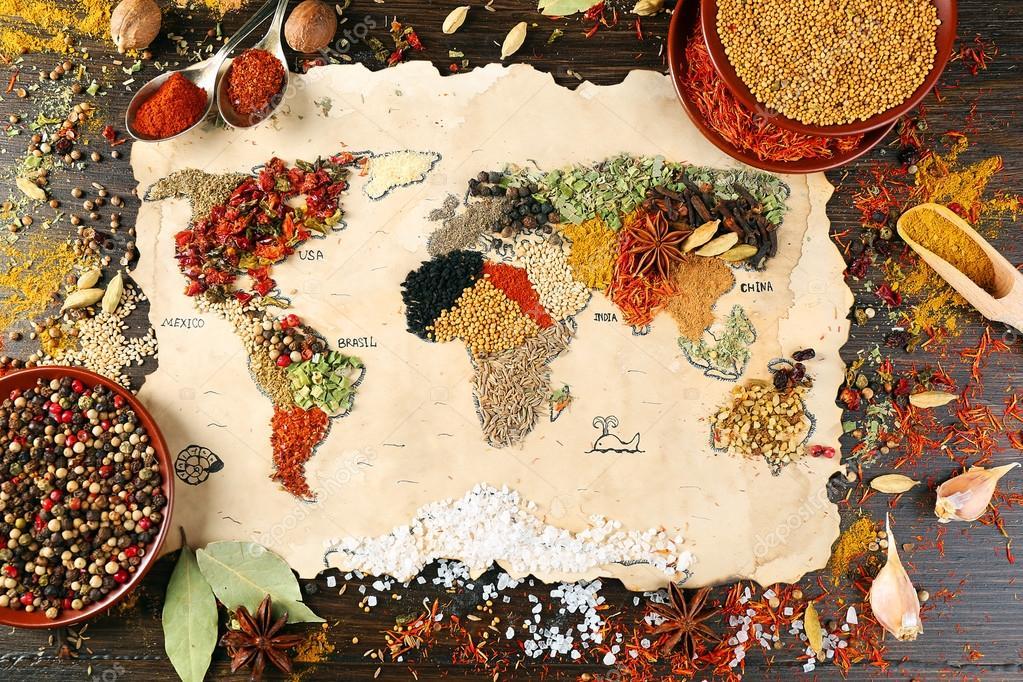
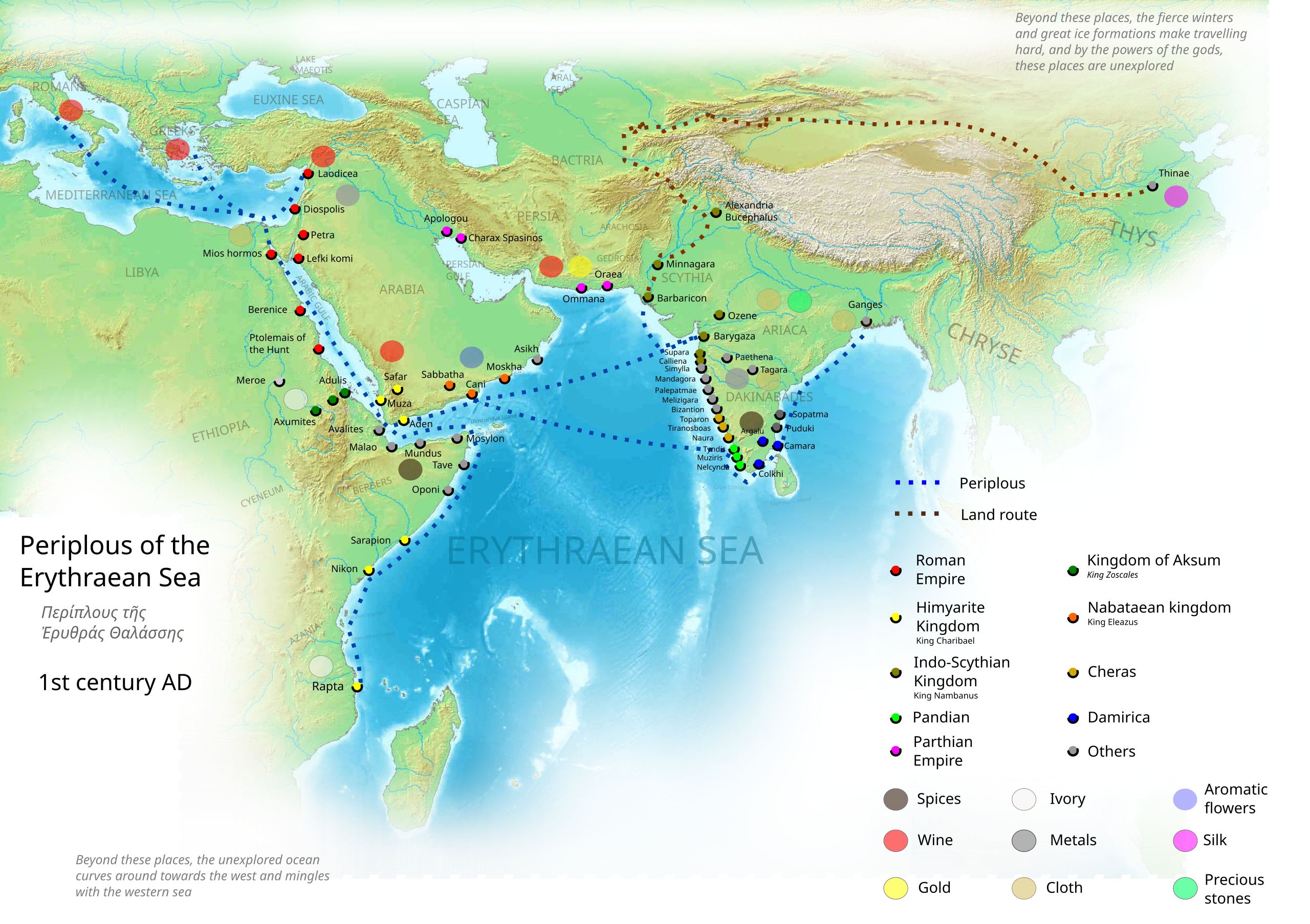
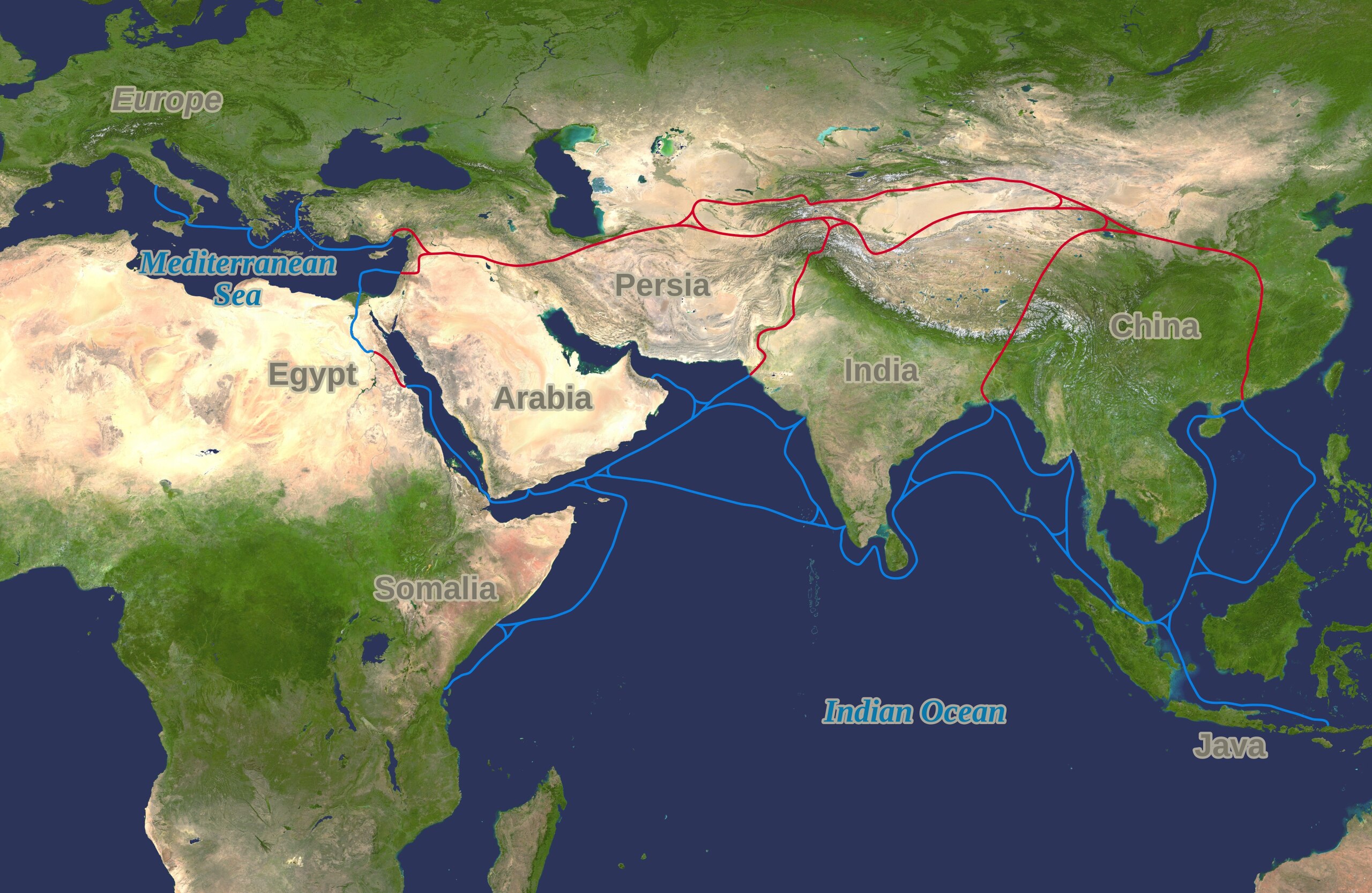
香料贸易在人类历史上有着举足轻重的作用,尤其是中世纪的欧洲,对香料的渴望直接催生了地理大发现。从遥远的东方运送香辛料到欧洲的贸易线路被称为香料之路。香料作为当时最贵重的商品之一,其价值几与黄金相当。英语中“Spice”(香辛料)这个词来源于拉丁语“species”,常用来指代贵重但量小的物品。
在16世纪,葡萄牙统治了东印度的香料贸易,17世纪的霸主是荷兰,而18世纪则是英国。而在16~19世纪初,中国大陆是世界上最大的香料市场,东南亚大部分香料都销往这里;而荷兰、英国、美国等国商人,就由广州运载中国香料返国,广州成为早期东南亚香料的集散中心[1]。
Der Gewürzhandel umfasste historische Zivilisationen in Asien, Nordostafrika und Europa. Gewürze wie Zimt, Kassia, Kardamom, Ingwer, Pfeffer, Muskatnuss, Sternanis, Nelken und Kurkuma waren bereits in der Antike bekannt und wurden in der östlichen Welt gehandelt. Diese Gewürze fanden ihren Weg in den Nahen Osten noch vor Beginn der christlichen Zeitrechnung, wobei fantastische Geschichten ihre wahre Herkunft verschleierten.
Der maritime Aspekt des Handels wurde von den austronesischen Völkern in Südostasien dominiert, nämlich den alten indonesischen Seefahrern, die bis 1500 v. Chr. Routen von Südostasien nach Sri Lanka und Indien (und später nach China) etablierten. [2] Diese Waren wurden dann von indischen und persischen Händlern über die Weihrauchroute und die römisch-indischen Routen auf dem Landweg zum Mittelmeer und in die griechisch-römische Welt transportiert. Die maritimen Handelswege der Austronesier dehnten sich später bis ins 1. Jahrtausend n. Chr. auf den Nahen Osten und Ostafrika aus, was zur austronesischen Kolonisierung Madagaskars führte.
The spice trade involved historical civilizations in Asia, Northeast Africa and Europe. Spices, such as cinnamon, cassia, cardamom, ginger, pepper, nutmeg, star anise, clove, and turmeric, were known and used in antiquity and traded in the Eastern World.[1] These spices found their way into the Near East before the beginning of the Christian era, with fantastic tales hiding their true sources.[1]
The maritime aspect of the trade was dominated by the Austronesian peoples in Southeast Asia, namely the ancient Indonesian sailors who established routes from Southeast Asia to Sri Lanka and India (and later China) by 1500 BC.[2] These goods were then transported by land toward the Mediterranean and the Greco-Roman world via the incense route and the Roman–India routes by Indian and Persian traders.[3] The Austronesian maritime trade lanes later expanded into the Middle East and eastern Africa by the 1st millennium AD, resulting in the Austronesian colonization of Madagascar.
Within specific regions, the Kingdom of Axum (5th century BC – 11th century AD) had pioneered the Red Sea route before the 1st century AD. During the first millennium AD, Ethiopians became the maritime trading power of the Red Sea. By this period, trade routes existed from Sri Lanka (the Roman Taprobane) and India, which had acquired maritime technology from early Austronesian contact. By the mid-7th century AD, after the rise of Islam, Arab traders started plying these maritime routes and dominated the western Indian Ocean maritime routes.[citation needed]
Arab traders eventually took over conveying goods via the Levant and Venetian merchants to Europe until the rise of the Seljuk Turks in 1090. Later the Ottoman Turks held the route again by 1453 respectively. Overland routes helped the spice trade initially, but maritime trade routes led to tremendous growth in commercial activities to Europe. [citation needed]
The trade was changed by the Crusades and later the European Age of Discovery,[4] during which the spice trade, particularly in black pepper, became an influential activity for European traders.[5] From the 11th to the 15th centuries, the Italian maritime republics of Venice and Genoa monopolized the trade between Europe and Asia.[6] The Cape Route from Europe to the Indian Ocean via the Cape of Good Hope was pioneered by the Portuguese explorer navigator Vasco da Gama in 1498, resulting in new maritime routes for trade.[7]
This trade, which drove world trade from the end of the Middle Ages well into the Renaissance,[5] ushered in an age of European domination in the East.[7] Channels such as the Bay of Bengal served as bridges for cultural and commercial exchanges between diverse cultures[4] as nations struggled to gain control of the trade along the many spice routes.[1] In 1571 the Spanish opened the first trans-Pacific route between its territories of the Philippines and Mexico, served by the Manila Galleon. This trade route lasted until 1815. The Portuguese trade routes were mainly restricted and limited by the use of ancient routes, ports, and nations that were difficult to dominate. The Dutch were later able to bypass many of these problems by pioneering a direct ocean route from the Cape of Good Hope to the Sunda Strait in Indonesia.
阿尔巴尼亚
亚历山大·武契奇
亚历山大·德克罗
亚历山大·斯图布
安道尔
安德烈·普兰科维奇
亚美尼亚
阿塞拜疆
比利时
布亚尼·本尼迪克特松
波斯尼亚和黑塞哥维那
保加利亚
夏尔·米歇尔
丹麦
戴尼斯·贝契罗维奇
联邦德国
迪克·斯霍夫
唐纳德·图斯克
埃迪·拉马
埃马纽埃尔·马克龙
英格兰
爱沙尼亚
 欧洲联盟
埃维卡·西利尼亚
芬兰
法国
格鲁吉亚
乔治亚·梅洛尼
吉塔纳斯·瑙塞达
希腊
赫里斯蒂扬·米茨科斯基
伊利哈姆·阿利耶夫
爱尔兰
冰岛
意大利
雅科夫·米拉托维奇
延斯·斯托尔滕贝格
约纳斯·加尔·斯特勒
卡娅·卡拉斯
基尔·斯塔默
克劳斯·约翰尼斯
科索沃
克罗地亚
基里亚科斯·米佐塔基斯
拉脱维亚
列支敦斯登
立陶宛
吕克·弗里登
卢森堡
玛亚·桑杜
马耳他
梅特·弗雷德里克森
摩尔多瓦
摩纳哥
黑山
荷兰
尼科尔·帕希尼扬
北马其顿
挪威
奥拉夫·绍尔茨
奥地利
欧洲联盟
埃维卡·西利尼亚
芬兰
法国
格鲁吉亚
乔治亚·梅洛尼
吉塔纳斯·瑙塞达
希腊
赫里斯蒂扬·米茨科斯基
伊利哈姆·阿利耶夫
爱尔兰
冰岛
意大利
雅科夫·米拉托维奇
延斯·斯托尔滕贝格
约纳斯·加尔·斯特勒
卡娅·卡拉斯
基尔·斯塔默
克劳斯·约翰尼斯
科索沃
克罗地亚
基里亚科斯·米佐塔基斯
拉脱维亚
列支敦斯登
立陶宛
吕克·弗里登
卢森堡
玛亚·桑杜
马耳他
梅特·弗雷德里克森
摩尔多瓦
摩纳哥
黑山
荷兰
尼科尔·帕希尼扬
北马其顿
挪威
奥拉夫·绍尔茨
奥地利
 政党和政府组织
欧洲政治共同体高峰会议
佩德罗·桑切斯
彼得·菲亚拉
波兰
葡萄牙
罗伯特·阿贝拉
罗伯特·戈洛布
罗马尼亚
鲁门·拉德夫
圣马力诺
瑞典
瑞士
塞尔维亚
西蒙·哈里斯
斯洛伐克
斯洛文尼亚
西班牙
捷克
土耳其
乌克兰
匈牙利
英国
欧尔班·维克多
维奥拉·阿姆赫德
弗拉基米尔·泽连斯基
塞浦路斯
政党和政府组织
政党和政府组织
欧洲政治共同体高峰会议
佩德罗·桑切斯
彼得·菲亚拉
波兰
葡萄牙
罗伯特·阿贝拉
罗伯特·戈洛布
罗马尼亚
鲁门·拉德夫
圣马力诺
瑞典
瑞士
塞尔维亚
西蒙·哈里斯
斯洛伐克
斯洛文尼亚
西班牙
捷克
土耳其
乌克兰
匈牙利
英国
欧尔班·维克多
维奥拉·阿姆赫德
弗拉基米尔·泽连斯基
塞浦路斯


亚历山大·卢卡申科
阿塞拜疆
白俄罗斯
中国
埃莫马利·拉赫蒙
印度
伊朗
哈萨克斯坦
吉尔吉斯斯坦
穆罕默德·穆赫贝尔
 蒙古
巴基斯坦
卡西姆若马尔特·托卡耶夫
俄罗斯
萨德尔·扎帕罗夫
肖开提·米尔则亚耶夫
夏巴兹·谢里夫
塔吉克斯坦
土耳其
土库曼斯坦
乌兹别克斯坦
经济和贸易
弗拉基米尔·弗拉基米罗维奇·普京
习近平
蒙古
巴基斯坦
卡西姆若马尔特·托卡耶夫
俄罗斯
萨德尔·扎帕罗夫
肖开提·米尔则亚耶夫
夏巴兹·谢里夫
塔吉克斯坦
土耳其
土库曼斯坦
乌兹别克斯坦
经济和贸易
弗拉基米尔·弗拉基米罗维奇·普京
习近平

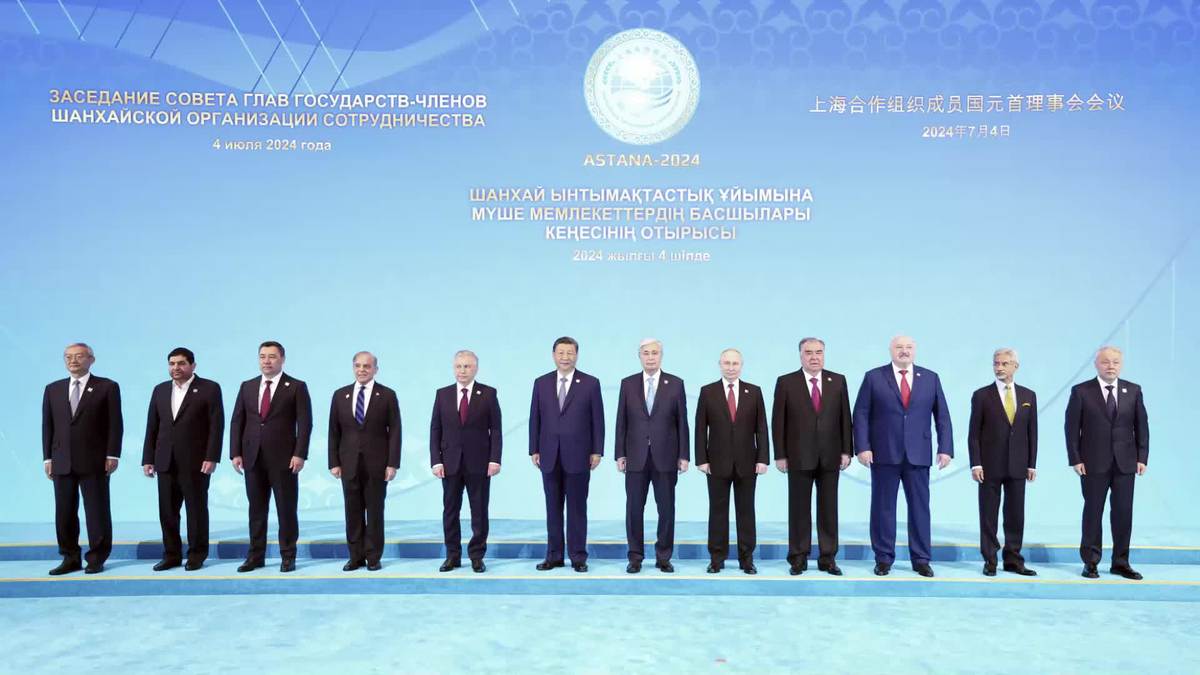
The 2024 SCO summit was the 24th annual summit of heads of state of the Shanghai Cooperation Organisation held between 3 and 4 July 2024 in Astana, Kazakhstan.
2024 年上海合作组织峰会是上海合作组织第二十四次元首年度峰会,于 2024 年 7 月 3 日至 4 日在哈萨克斯坦阿斯塔纳举行。
 文化遗产
文化遗产
 文明
文明


 地理
地理