Deutsch-Chinesische Enzyklopädie, 德汉百科
 Switzerland
 Architecture
 Automobile
 Hand in Hand

 IT-Times
 Aerospace
Useful info
Aerospace
Useful info
 Ships and Nautics
 Transport and traffic
 Important International Organizations
 Science and technology

 Driving school
Egypt
Australia
Belgium
Brazil
Denmark
Germany
Finland
France
Greece
Hand in Hand
Hand in Hand
Driving school
Egypt
Australia
Belgium
Brazil
Denmark
Germany
Finland
France
Greece
Hand in Hand
Hand in Hand
 Driver's license
India
Indonesia
Italy
Japan
Canada
Kasachstan
Croatia
Malaysia
Mexico
Driver's license
India
Indonesia
Italy
Japan
Canada
Kasachstan
Croatia
Malaysia
Mexico
 Mongolei
New Zealand
Netherlands
Useful info
Austria
Portugal
Republic of Korea
Russia
Saudi Arabia
Sweden
Switzerland
Singapore
Spain
South Africa
Thailand
Czech Republic
Turkey
Hungary
Mongolei
New Zealand
Netherlands
Useful info
Austria
Portugal
Republic of Korea
Russia
Saudi Arabia
Sweden
Switzerland
Singapore
Spain
South Africa
Thailand
Czech Republic
Turkey
Hungary
 Vacation and Travel
United Arab Emirates
United States
United Kingdom
Vacation and Travel
United Arab Emirates
United States
United Kingdom

国际驾驶执照(International Driving Permit)依照1949年日内瓦国际道路交通公约及1968年维也纳国际道路交通公约,由公约签署国政府签发,方便本国驾驶员在其他签约国驾驶私人车辆。国际驾驶执照为附加在一国驾驶执照之上的一本附加多国语言的说明,标注了驾驶人的基本信息以及允许驾驶的对应车辆种类等,解决驾驶员与其他国家的交通管理部门之间的沟通障碍。国际驾照不能独立存在,当驾驶员同时持有一国驾照与该国政府签发的国际驾照时,此国际驾照才视作有效。[1]
国际驾驶执照之内容及格式依照维也纳道路交通会议制订,但并非各国均批准该公约。
Ein Internationaler Führerschein ist ein Dokument, das von den Straßenverkehrsbehörden oder Automobilclubs[1] eines Landes aufgrund zwischenstaatlicher Verträge ausgestellt wird. Er soll vor allem der Polizei eines anderen Landes die Feststellung ermöglichen, ob ein ausländischer Kraftfahrer die Fahrerlaubnis hat, die für sein aktuelles Fahrzeug erforderlich ist.
An International Driver's Permit (IDP) allows you to drive a vehicle in another country, as long as you also have a valid driver's license issued by your state. It is also recognized as a proper form of identification in over 175 countries and by many major car rental companies internationally.
Getting an International Driver's Permit (sometimes incorrectly called an international driver's license) can take anywhere from a day to a few weeks, depending on whether you're going through walk-in processing or applying via mail, so make sure to plan ahead if you're planning to drive on your international trip. There are only two locations in the United States that issue these documents: The American Automobile Association (AAA) and the American Automobile Touring Alliance (AATA).
In the United States, International Driver Permits (IDPs) are only issued by the American Automobile Association and the American Automobile Touring Alliance, and the State Department recommends against purchasing an IDP from other outlets as they are all entirely illegal to buy, carry, or sell.
IDPs can be issued to anyone over 18 who has had a valid driver's license for six months or longer. They typically remain valid for one year or the expiration of your existing state driving license. It's essential to investigate an IDP before your trip and make sure you know the requirements.
Both AAA and AATA are excellent sources for these documents, so once you've selected a provider, go to either the AAA's or NAATA's website, print out the International Driving Permit Application, complete all applicable fields, and submit it.
Once you have the application completed, you can send it in via the mail or visit a local office of an organization like AAA; you'll also need two original passport-sized photos and a signed copy of your valid U.S. driver's license as well as an enclosed check for the fee.
Tips to Getting and Using Your Permit
AAA offices can process IDPs during your visit, but processing generally takes 10 to 15 business days if you send the application in. However, expedited services may be available to get your license within one or two business days for an additional fee.
When applying, you'll need a computer and printer, a completed application, a copy of your valid U.S. driver's license, two passport photos, and a check, money order, or credit card to complete the process. Remember to bring these with you if you're applying in person.
Always make sure to carry your valid United States driver's license when driving internationally, as your IDP is invalid without this accompanying proof of eligibility to drive. IDPs only translate domestically-accepted licenses and do not allow those without government-issued driver's licenses to drive abroad.
You'll also want to make sure to enclose the proper fees (the fee for the IDP, as well as any shipping and handling fees), photos, and photocopies of your license when submitting your application to AAA or AATA as omitting any of these required documents will result in your application being rejected.
You should also check the driving requirements and laws for the countries you will be driving in on your vacation, so you'll know what will be required in the event you get stopped by local authorities. (Quelle:https://www.tripsavvy.com/)
 Sport
Sport

国际皮划艇联合会(International Canoe Federation,ICF)是一个国际性的皮划艇体育组织,由世界各国的皮划艇协会组成。目前共有147个会员协会。皮划艇竞速,原称为静水竞赛(世界皮划艇竞速锦标赛从1938年开始举办) 皮划艇激流,原称为激流竞赛(世界皮划艇激流锦标赛从1949年开始举办) 激流皮划艇 皮划艇马拉松(世界皮划艇马拉松锦标赛从1988年开始举办) 皮艇球(世界皮艇球锦标赛从1994年开始举办) 龙舟 皮划艇花式 皮划艇风帆 皮划艇海洋竞赛 帕艇
Die International Canoe Federation (ICF) ist der Dachverband der nationalen Kanuverbände weltweit. Die ICF ist Mitglied im Internationalen Olympischen Komitee, der GAISF und der IWGA und vertritt dort die Belange des Kanusports.

 United Nations
Argentina
Australia
Belgium
Brazil
China
Denmark
Germany
United Nations
Argentina
Australia
Belgium
Brazil
China
Denmark
Germany
 Financial
International Bank for Cooperation
Financial
***Key regulatory authorities
France
India
Indonesia
Internationaler Währungsfonds
Camille Gutt
Internationaler Währungsfonds
Christine Lagarde
Internationaler Währungsfonds
Dominique Strauss-Kahn
Internationaler Währungsfonds
Horst Köhler
Internationaler Währungsfonds
Ivar Rooth
Internationaler Währungsfonds
Jacques de Larosière
Internationaler Währungsfonds
Johan Witteveen
Internationaler Währungsfonds
Michel Camdessus
Internationaler Währungsfonds
Per Jacobsson
Internationaler Währungsfonds
Pierre-Paul Schweitzer
Internationaler Währungsfonds
Rodrigo Rato
Internationaler Währungsfonds
Kristalina Georgiewa
Italy
Japan
Canada
Malaysia
Mexico
Netherlands
Nigeria
Norwegen
Austria
Poland
Republic of Korea
Russia
Saudi Arabia
Sweden
Switzerland
Spain
South Africa
Venezuela
United States
United Kingdom
Financial
International Bank for Cooperation
Financial
***Key regulatory authorities
France
India
Indonesia
Internationaler Währungsfonds
Camille Gutt
Internationaler Währungsfonds
Christine Lagarde
Internationaler Währungsfonds
Dominique Strauss-Kahn
Internationaler Währungsfonds
Horst Köhler
Internationaler Währungsfonds
Ivar Rooth
Internationaler Währungsfonds
Jacques de Larosière
Internationaler Währungsfonds
Johan Witteveen
Internationaler Währungsfonds
Michel Camdessus
Internationaler Währungsfonds
Per Jacobsson
Internationaler Währungsfonds
Pierre-Paul Schweitzer
Internationaler Währungsfonds
Rodrigo Rato
Internationaler Währungsfonds
Kristalina Georgiewa
Italy
Japan
Canada
Malaysia
Mexico
Netherlands
Nigeria
Norwegen
Austria
Poland
Republic of Korea
Russia
Saudi Arabia
Sweden
Switzerland
Spain
South Africa
Venezuela
United States
United Kingdom
 Washington, D.C.
Important International Organizations
Washington, D.C.
Important International Organizations
 Economy and trade
Economic and political research
Economy and trade
Economic and political research

国际货币基金组织(法语:Fonds Monétaire International,缩写:FMI;英语:International Monetary Fund,缩写:IMF)于1945年12月27日成立,与世界银行同为世界两大金融机构,由189个国家组成,致力于促进全球货币合作,确保金融稳定,促进国际贸易。职责是监察货币汇率和各国贸易情况、提供技术和资金协助[3][4][5],确保全球金融制度运作正常;其总部设置于美国华盛顿特区。
Der Internationale Währungsfonds (IWF; englisch International Monetary Fund, IMF; auch bekannt als Weltwährungsfonds) ist eine rechtlich, organisatorisch und finanziell selbständige Sonderorganisation der Vereinten Nationen mit Sitz in Washington, D.C., USA.
Hauptaufgabe des IWF ist die Vergabe von Krediten an Länder ohne ausreichende Währungsreserven, die in Zahlungsbilanzschwierigkeiten geraten sind. Weitere Tätigkeitsfelder sind die Förderung der internationalen Zusammenarbeit in der Währungspolitik, Ausweitung des Welthandels, Stabilisierung von Wechselkursen, Überwachung der Geldpolitik und technische Hilfe.
Der IWF und seine Schwesterorganisation Weltbank haben ihren Ursprung im 1944 geschaffenen Bretton-Woods-System fester Wechselkurse, das auf der damals mit Gold gedeckten Leitwährung US-Dollar beruhte. Sie waren als internationale Steuerungsinstrumente geplant, mit denen eine Wiederholung der Währungsturbulenzen der Zwischenkriegszeit und der Fehler des Goldstandards aus den 1920er Jahren verhindert werden sollte. Beide Organisationen werden daher als Bretton-Woods-Institution bezeichnet. Die Kreditvergabe des IWF ist an wirtschaftspolitische Auflagen geknüpft, die die Rückzahlung der Kredite sichern sollen. Anders als der IWF vergibt die Weltbank auch Kredite für spezielle Projekte.
Der IWF hat zurzeit (Stand April 2020) 189 Mitgliedstaaten, deren Stimmrecht sich an ihrem Kapitalanteil orientiert. Die Mitgliedstaaten mit den größten Stimmanteilen sind: USA 16,51 %, Japan 6,15 %, China 6,08 %, Deutschland 5,32 %, Frankreich 4,03 %, Vereinigtes Königreich 4,03 % und Italien 3,02 %. Von den deutschsprachigen Ländern haben außerdem Luxemburg 0,29 %, Österreich 0,81 % und die Schweiz 1,18 % Stimmenanteile.[4]
Beschlüsse müssen im IWF mit einer Mehrheit von 85 % getroffen werden. Dadurch verfügen jeweils die USA allein und die EU-Staaten gemeinsam de facto über eine Sperrminorität.[5]
国際通貨基金(こくさいつうかききん、英語: International Monetary Fund, IMF)は、国際金融、並びに、為替相場の安定化を目的として設立された国際連合(国連)の専門機関である。本部は、アメリカ合衆国の首都ワシントンD.C.にある。2018年現在、加盟国は189か国である[2]。
加盟国の経常収支が著しく悪化した場合などに融資などを実施することで、国際貿易の促進、加盟国の高水準の雇用と国民所得の増大、為替の安定、などに寄与する事を目的としている。 また、為替相場の安定のために、経常収支が悪化した国への融資や、為替相場と各国の為替政策の監視などを行っている。各国の中央銀行の取りまとめ役のような役割を負う。世界銀行と共に、国際金融秩序の根幹を成す。
The International Monetary Fund (IMF) is an international organization headquartered in Washington, D.C., consisting of 189 countries working to foster global monetary cooperation, secure financial stability, facilitate international trade, promote high employment and sustainable economic growth, and reduce poverty around the world while periodically depending on the World Bank for its resources.[1] Formed in 1944 at the Bretton Woods Conference primarily by the ideas of Harry Dexter White and John Maynard Keynes,[6] it came into formal existence in 1945 with 29 member countries and the goal of reconstructing the international payment system. It now plays a central role in the management of balance of payments difficulties and international financial crises.[7] Countries contribute funds to a pool through a quota system from which countries experiencing balance of payments problems can borrow money. As of 2016, the fund had XDR 477 billion (about US$ 667 billion).[8]
Through the fund and other activities such as the gathering of statistics and analysis, surveillance of its members' economies, and the demand for particular policies,[9] the IMF works to improve the economies of its member countries.[10] The organization's objectives stated in the Articles of Agreement are:[11] to promote international monetary co-operation, international trade, high employment, exchange-rate stability, sustainable economic growth, and making resources available to member countries in financial difficulty.[12] IMF funds come from two major sources: quotas and loans. Quotas, which are pooled funds of member nations, generate most IMF funds. The size of a member's quota depends on its economic and financial importance in the world. Nations with larger economic importance have larger quotas. The quotas are increased periodically as a means of boosting the IMF's resources in the form of special drawing rights.[13]
The current Managing Director (MD) and Chairwoman of the IMF is Bulgarian Economist Kristalina Georgieva, who has held the post since October 1, 2019.[14]
Gita Gopinath was appointed as Chief Economist of IMF from 1 October 2018. She received her PhD in economics from Princeton University. Prior to her IMF appointment she was economic adviser to the Chief Minister of Kerala, India.[15]
Le Fonds monétaire international (FMI) est une institution internationale regroupant 189 pays, dont le but est de promouvoir la coopération monétaire internationale, garantir la stabilité financière, faciliter les échanges internationaux, contribuer à un niveau élevé d’emploi, à la stabilité économique et faire reculer la pauvreté2.
Le FMI a ainsi pour fonction d'assurer la stabilité du système monétaire international (SMI) et la gestion des crises monétaires et financières. Pour cela, il fournit des crédits aux pays qui connaissent des difficultés financières mettant en péril l'organisation gouvernementale du pays, la stabilité de son système financier (banques, marchés financiers) ou les flux d'échanges de commerce international avec les autres pays.
Lors d'une crise financière, pour éviter qu’un pays ne fasse « défaut » (c’est-à-dire que ce pays ne puisse plus rembourser ses créanciers, voire ne plus payer ses dépenses courantes), le FMI lui prête de l’argent le temps que la confiance des agents économiques revienne. Le FMI conditionne l’obtention de prêts à la mise en place de certaines réformes économiques visant en principe à réguler la gestion des finances publiques (ingérence financière) et à établir une croissance économique équilibrée à long terme.
L'institution a été créée le 27 décembre 1945 et devait à l'origine garantir la stabilité du système monétaire international, dont l'écroulement après le krach de 1929 avait eu des effets catastrophiques sur l'économie mondiale. Après 1976 et la disparition d’un système de change fixe, le FMI perd l'essentiel de sa raison d'être et hérite d'un nouveau rôle face aux problèmes d'endettement des pays en développement et à certaines crises financières.
Il Fondo Monetario Internazionale (in sigla FMI; in inglese International Monetary Fund, IMF) è un'organizzazione internazionale pubblica[1] a carattere universale composta dai governi nazionali di 189 Paesi e insieme al gruppo della Banca Mondiale fa parte delle organizzazioni internazionali dette di Bretton Woods, dal nome della località in cui si tenne la famosa conferenza che ne sancì la creazione. L'FMI è stato formalmente istituito il 27 dicembre 1945, quando i primi 44 stati firmarono l'accordo istitutivo e l'organizzazione nacque nel maggio del 1946. Attualmente gli Stati membri sono 189.
El Fondo Monetario Internacional o FMI (en inglés: International Monetary Fund, IMF) es una organización financiera internacional con sede en Washington D. C., Estados Unidos. Nace como idea el 22 de julio de 1944 en los acuerdos de Bretton Woods, una reunión de 730 delegados de 44 países aliados de la Segunda Guerra Mundial, entrando en vigor oficialmente el 27 de diciembre de 1945. Después de 1976 y de la desaparición del sistema de cambio fijo, el FMI toma un papel preponderante ante países en desarrollo y crisis financieras internacionales. En 2010, durante la 14ª revisión general de cuotas los fondos financieros disponibles del FMI se situaban en 755 700 millones de U.S.dólares.1
A través del fondo y otras actividades como la recolección de estadísticas y datos, monitoreo de las actividades económicas de los países miembros, y la demanda de políticas concretas,2 el FMI trabaja para mejorar la economía de sus países miembros.3 Los objetivos proclamados por la organización son:4 promover la cooperación monetaria internacional, comercio internacional, reducir la desocupación, conseguir tasas de cambio sustentables, lograr crecimiento económico, y otorgar razonablemente recursos a países miembros en dificultades económicas.5 El FMI se financia con dos grandes herramientas: cuotas y préstamo. Las cuotas son aportes realizados por los países miembros al fondo común de la organización. Las mayores economías hacen aportes proporcionales mayores que las economías más pequeñas. Además, las obligaciones de cuotas aumentan periódicamente como forma de aumentar los recursos de los que puede disponer el FMI en forma de derechos especiales de giro.6
Esta organización ha sido fuertemente criticada en las últimas décadas. Las principales críticas se centran en el papel dominante que tienen los países desarrollados dentro del organismo, lo que causa que el FMI oriente sus políticas globales al fomento de un capitalismo que suele denominarse neoliberal,7 a causa de haber impuesto a los países en vías de desarrollo —y más recientemente a algunos países europeos— sus programas económicos basados en el Consenso de Washington que consisten en la reducción del déficit y del gasto público y consecuentemente de servicios y prestaciones sociales, con fundamento en las políticas y teorías monetaristas y en el principio de libre mercado,8 que deben llevarse a cabo como condiciones de los préstamos realizados y que según sus críticos ha provocado un aumento de la brecha entre ricos y pobres y un empeoramiento de los servicios públicos, como la sanidad.9 También está acusada por haber apoyado y financiado a las dictaduras militares en Latinoamérica y Africa,10 y se le han criticado puntualmente sus políticas sobre medio ambiente11 y alimentación.12
Международный валютный фонд, (МВФ) (англ. International Monetary Fund, IMF) — специализированное учреждение (валютный фонд) Организации объединённых наций (ООН) с главным офисом в городе Вашингтон, США.
189 стран являются членами МВФ, в его структурах работают 2500 человек из 133 государств мира. МВФ предоставляет кратко- и среднесрочные кредиты при дефиците платёжного баланса государства. Предоставление кредитов обычно сопровождается набором определённых условий и рекомендаций. Политика и рекомендации МВФ в отношении развивающихся стран неоднократно подвергались критике, суть которой состоит в том, что выполнение рекомендаций и условий, в итоге, направлено не на повышение самостоятельности, стабильности и развитие национальной экономики государства, а лишь на привязывание её к международным финансовым потокам.
В отличие от Всемирного банка, деятельность МВФ сосредоточена на относительно кратковременных макроэкономических кризисах. Всемирный банк предоставляет кредиты только бедным странам, МВФ может давать кредиты любой из своих стран-членов, которая испытывает нехватку иностранной валюты для покрытия краткосрочных финансовых обязательств.
 Film & TV Produktion

瑞士第一个国际电影节,世界上最早的国际电影节之一。创办于1946年(另一说是1948年)。每年 7月至8月之间举行,为期两周。每年有20~30个国家参加,放映几十部影片。电影节的主要目的是放映瑞士从未看过的外国影片,鼓励各国青年导演或新导演拍摄具有新风格和新内容的影片。
| 第1-10届 | 第11-13届 | 第14-16届 | 第17-20届 | 第21-22届 | 第23-24届 | 第25-26届 |
| 第27-28届 | 第29-30届 | 第31-32届 | 第33-35届 | 第36-37届 | 第38-39届 | 第40-41届 |
| 第42-43届 | 第44-45届 | 第46-47届 | 第48-49届 | 第50-51届 | 第52-53届 | 第54-55届 |
| 第56届 | 第57届 | 第58届 |
*International Olympic Committee
Dimitrios Vikelas
*International Olympic Committee
Avery Brundage
*International Olympic Committee
Godefroy de Blonay
*International Olympic Committee
Henri de Baillet-Latour
*International Olympic Committee
Jacques Rogge
*International Olympic Committee
Juan Antonio Samaranch
*International Olympic Committee
Michael Morris, 3. Baron Killanin
*International Olympic Committee
Pierre de Coubertin
*International Olympic Committee
Sigfrid Edström
*International Olympic Committee
Thomas Bach
*International Olympic Committee
Kirsty Coventry
2016 Summer Olympics
2020 Summer Olympics
 2024 Summer Olympics
2028 Summer Olympics
2018 Winter Olympics
2022 Winter Olympics
2026 Winter Olympics
Switzerland
Lausanne
Important International Organizations
2024 Summer Olympics
2028 Summer Olympics
2018 Winter Olympics
2022 Winter Olympics
2026 Winter Olympics
Switzerland
Lausanne
Important International Organizations

国际奥委会总部设在瑞士洛桑 国际奥林匹克委员会于1894年6月23日 成立,共有49个体育组织和12个国家的79名代表参 加在巴黎举行的成立大会。国际奥委会总部设在瑞士洛桑。 国际奥委会是一个非政府性、非盈利性和永久性的国 际体育组织。它是领导奥林匹克运动和决定有关奥林匹克 运动问题的最高权力机关。 国际奥委会与其成员国或地区,以及国际单项体育组 织相互承认。 国际奥委会宗旨是:鼓励组织和发展体育运动和体育 竞赛;在奥林匹克思想指导下,鼓舞和领导体育运动,从 而促进和加强各国运动员之间的友谊;保证按期举办奥运 会。 国际奥委会对每4年举办一次的奥运会拥有一切权力。 从1924年开始又单独举行冬季奥运会,也是4年 一次。 国际奥委会是依照奥林匹克宪章领导奥林匹克运动的。 宪章包括73项规则及其实施细目。国际奥委会是奥运会 及其五环会徽的专管机构。 国际奥委会全体会议的任务之一,是选定每届奥运会 的主办城市。根据国际奥委会的规定,主席不参加申办奥 运会的投票。 由奥委会全体会议选出国际奥委会主席,任期8年。 主席任期的延长期限只有4年。全体会议还要选出任期4 年的4名副主席和6名委员,由他们与主席一起组成执行 委员会。 法语和英语是国际奥委会的两种官方工作语言,它还 有另外四种工作语言:德语、西班牙语、俄语和阿拉伯语。 国际奥委会委员是由奥委会全体会议选举产生的,委 员数目并不是固定的。 国际奥委会全体会议的职能就像议会一样,它每年举 行一次会议。国际奥委会委员是国际奥委会驻在委员所在 国的使节,而不是委员所在国驻国际奥委会的代表。一个 国家只能出一名奥委会委员,对于那些已组织过一次以上 奥运会(冬季奥运会或夏委奥运会)的国家则不在此列, 这样的国家可以出两名委员。 国际奥委会执行委员会每年至少开4次执委会议。 1993年奥委会共有委员91人,按洲际分布是: 欧洲38人,非洲16人、拉丁美洲16人、亚洲14人、 大洋洲4人、北美洲3人。 在奥委会委员中,除了那些在1966年以前自行选 出的委员,以及那些作为终身委员的人士之外,凡年龄到 了75岁的委员,就将成为名誉委员。截止1993年有 终身委员12位。 在国际奥委会代表大会期间和奥运会期间,均为"义 务工作者"的普通委员每人每天在洛桑可获得105美元 的津贴,在洛桑以外的地方为150美元1天。执委会成 员在职执委开会期间可获得1000美元。 1999年12月12日,国际奥委会在瑞士洛桑召 开了第110届全会。在会上国际奥委会采纳了" 2000年委员会"提出的50条改革措施,部分修改了 奥林匹克宪章,对国际奥委会的组成以及奥运会主办城市 的选择方式等作出了重大调整。 大会决定,国际奥委会委员人数增至115人,其中 最多可以包括15名运动员,15名国际单项运动联合会 的主席,15名国家或各大洲奥委会主席,其余还有70 名个人委员;国际奥委会的委员任期为8年,可以连任; 当选的新委员年龄最大不得超过70岁;国家奥委会主席 的任期最长不得超过12年;奥委会的执行委员会的人数 也将由11名增加到15名。会议还决定设立由国际单项 运动联合会、国际奥委会、运动员委员会等体育组织的代 表组成评价委员会,负责对奥运会申办城市的评估,同时 禁止国际奥委会委员访问申办城市。 成员国: 截止1998年12月,国际奥委会共拥有200个 成员国或地区。 1993年6月20日国际奥委会执委会决定暂时承 认马其顿为其成员。同年9月,巴勒斯坦被接受为临时委 员。 1993年9月,布隆迪、佛得角、科摩罗群岛、圣 多美和普林西比、多米尼加等被接纳为新成员。 1994年6月,瑙鲁加入国际奥委会。 1995年7月,柬埔寨、几内亚比绍加入国际奥委 会。 1998年12月,帕劳、厄立特里亚加入国际奥委 会。 出版物:《奥林匹克月刊》;《奥林匹克通讯》。
国际奥林匹克委员会(简称国际奥委会;法语:Comité international olympique,CIO;英语:International Olympic Committee,IOC)是一个非政府、非营利的国际体育组织,总部位于瑞士洛桑。由法国人皮埃尔·德·顾拜旦于1894年6月23日建立,首任主席是泽麦特里乌斯·维凯拉斯。目前有100个委员和32个荣誉委员。
国际奥委会组织举办奥林匹克运动会、青年奥林匹克运动会、冬季奥林匹克运动会、残疾人奥林匹克运动会。它组织的首届夏季奥运会于1896年于希腊雅典举行,首届冬奥会于1924年在法国霞慕尼举行,首届青奥会于2010年在新加坡举行。
国际奥委会依照《奥林匹克宪章》领导奥林匹克运动,为奥林匹克运动会及其五环会徽的专管机构,和领导奥林匹克运动和决定有关奥林匹克运动问题的最高权力机关;对每4年举办一次的奥运会拥有一切权力;它与其成员国或地区,以及国际单项体育组织相互承认。其第一负责人即国际奥林匹克委员会主席,由国际奥委会全体会议选出,另设副主席4人,委员6名;工作语言为法语和英语,另外还使用德语、西班牙语、俄语和阿拉伯语。国际奥委会为带有奥林匹克休战永久性质的联合国观察员
Das Internationale Olympische Komitee (kurz IOK; französisch Comité International Olympique, CIO; englisch International Olympic Committee, IOC; auch im Deutschen meist Verwendung der englischen Abkürzung IOC) ist eine nichtstaatliche Organisation in der Rechtsform eines Vereins mit Sitz im schweizerischen Lausanne. Zweck des Komitees, das aus bis zu 115 regulären Mitgliedern besteht, ist die Organisation und Betreuung der Olympischen Spiele der Neuzeit. Es hält die Schirmherrschaft über die Olympische Bewegung und beansprucht alle Rechte an den olympischen Symbolen, wie Fahne, Mottos und Hymne, sowie an den Spielen selbst. Seine Hauptverantwortung liegt in der Betreuung und Organisation der Sommer- und Winterspiele. Verkehrssprachen sind Französisch und Englisch.
国際オリンピック委員会(こくさいオリンピックいいんかい、仏: Comité international olympique、CIO、英: International Olympic Committee、IOC、以下IOCと記述)は、近代オリンピックを主催する団体であり、またオリンピックに参加する各種国際スポーツ統括団体を統括する組織である。本部はスイス・ローザンヌのオリンピックハウス。
2009年に国際連合総会オブザーバー資格を得たため、国際機関の一つと思われがちだが、非政府組織 (NGO)の非営利団体 (NPO)であり、その運営資金は、主に放映権料販売とスポンサーシップ収入による。
The International Olympic Committee (IOC; French: Comité international olympique, CIO) is a non-governmental sports organisation based in Lausanne, Switzerland. Founded by Pierre de Coubertin and Demetrios Vikelas in 1894, it is the authority responsible for organising the modern Summer and Winter Olympic Games.[2]
The IOC is the governing body of the National Olympic Committees (NOCs), which are the national constituents of the worldwide Olympic Movement. As of 2016, there are 206 NOCs officially recognised by the IOC. The current president of the IOC is Thomas Bach of Germany, who succeeded Jacques Rogge of Belgium in September 2013.[3]
Le Comité international olympique (CIO) est une organisation créée par Pierre de Coubertin en 18941, pour réinstaurer les Jeux olympiques antiques puis organiser cet événement sportif tous les quatre ans, puis en alternant tous les deux ans à partir de 1994, Jeux olympiques d'été et Jeux olympiques d'hiver.
Depuis 1981, c'est une organisation internationale non gouvernementale à but non lucratif dont le siège est à Lausanne selon la Charte olympique2. Cette association est dotée de la personnalité juridique à durée illimitée et son statut est reconnu par la Confédération suisse par arrêté du Conseil fédéral du 17 septembre 1981. Depuis le 10 septembre 2013 et pour une période de huit ans, le neuvième président du CIO est Thomas Bach.
Il Comitato Olimpico Internazionale, noto anche come CIO (dalle iniziali del nome originale francese: Comité International Olympique), è un'organizzazione non governativa creata da Pierre de Coubertin nel 1894 per far rinascere i Giochi olimpici della Grecia antica attraverso un evento sportivo quadriennale dove gli atleti di tutti i paesi potessero competere fra loro. Dal 2013 è presieduto dal tedesco Thomas Bach. È il massimo organismo sportivo mondiale.
El Comité Olímpico Internacional (COI; en francés, Comité international olympique, CIO; en inglés, International Olympic Committee, IOC)Nota 1 es un organismo encargado de promover el olimpismo en el mundo y coordinar las actividades del Movimiento Olímpico.4 Fue creado el 23 de junio de 1894 por el barón Pierre de Coubertin en París con el fin de revivir los Juegos Olímpicos Antiguos.
Está encargado de supervisar y administrar todo lo concerniente a los Juegos Olímpicos. Es dueño de todos los derechos asociados a los símbolos olímpicos: la bandera, el himno, el lema, el juramento y los juegos. Controla los derechos de transmisión de los juegos, la publicidad y demás actividades de acuerdo a la Carta Olímpica. Por otra parte, es el encargado de seleccionar las ciudades que serán sedes de los Juegos Olímpicos cada cuatro años.
Междунаро́дный олимпи́йский комите́т (сокр. МОК, фр. Comité international olympique, англ. International Olympic Committee) — международная организация, созданная для возрождения Олимпийских игр и пропаганды олимпийского движения. Штаб-квартира комитета находится в Лозанне (Швейцария).
МОК основан по инициативе барона Пьера де Кубертена 23 июня 1894 года в Париже с целью возрождения и организации Олимпийских игр[2]. Первым президентом МОК стал грек Деметриус Викелас[3].
Официальные языки — английский и французский. Девиз — «Быстрее, выше, сильнее» (лат. Citius, altius, fortius)[2]. Ежегодно 23 июня празднуется Международный Олимпийский день.
 European Union
 Party and government

 Literature
Hand in Hand
Hand in Hand
Institute of Culture and Language
Italy
San Marino
Switzerland
Vatican city
Literature
Hand in Hand
Hand in Hand
Institute of Culture and Language
Italy
San Marino
Switzerland
Vatican city
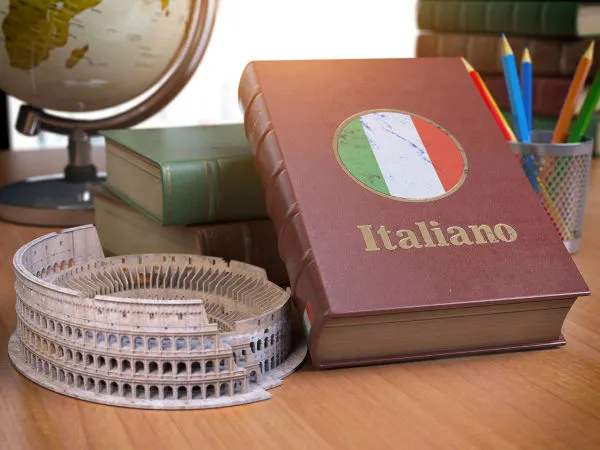
意大利语(Italiano),中文也简称为意语,隶属于印欧语系的罗曼语族。现有7千万人日常用意大利语,大多是意大利居民。另有28个国家使用意大利语,其中4个立它为官方语言。标准意大利语源自于托斯卡纳语中的佛罗伦萨方言,发音处于意大利中北部方言之间。标准音近来稍微加进了经济较为发达的米兰地区口音。在作曲领域中,亦使用为数不少的意大利文字词。意大利语和拉丁语一样,有长辅音。其他的罗曼语族语言如西班牙语、法语已无长辅音。
Italienisch (Italienisch lingua italiana, italiano [itaˈli̯aːno]) ist eine Sprache aus dem romanischen Zweig der indogermanischen Sprachen. Innerhalb dieses Sprachzweiges gehört das Italienische zur Gruppe der italoromanischen Sprachen.
イタリア語(イタリアご、Italiano [itaˈljaːno] ( 音声ファイル), Lingua italiana)は、インド・ヨーロッパ語族イタリック語派に属する言語の1つで、おおよそ6千万人ほどが日常的に使用しており、そのほとんどがイタリアに住んでいる。後置修飾で、基本語順はSVO。イタリアは漢字で「伊太利亜」と表記することから、「伊太利亜語」を略記し伊語と称される。
Italian (italiano [itaˈljaːno] ( listen) or lingua italiana [ˈliŋɡwa itaˈljaːna]) is a Romance language of the Indo-European language family. Italian is, by most measures and together with Sardinian, the closest language to Latin, from which it descends via Vulgar Latin.[6] Italian is an official language in Italy, Switzerland (where it is the main language of Ticino and southern Grisons[note 1]), San Marino and Vatican City. It has an official minority status in western Istria (Croatia and Slovenia). It formerly had official status in Albania, Malta, Monaco, Montenegro (Kotor), Greece (Ionian Islands and Dodecanese) and is generally understood in Corsica (due to its close relation with the Tuscan-influenced local language) and Savoie. It also used to be an official language in the former Italian East Africa and Italian North Africa, where it still plays a significant role in various sectors. Italian is also spoken by large expatriate communities in the Americas and Australia.[7] Italian is included under the languages covered by the European Charter for Regional or Minority languages in Bosnia and Herzegovina and in Romania, although Italian is neither a co-official nor a protected language in these countries.[8][9] Many speakers of Italian are native bilinguals of both Italian (either in its standard form or regional varieties) and other regional languages.[10]
Italian is a major European language, being one of the official languages of the Organization for Security and Co-operation in Europe and one of the working languages of the Council of Europe. It is the second most widely spoken native language in the European Union with 67 million speakers (15% of the EU population) and it is spoken as a second language by 13.4 million EU citizens (3%).[1][2] Including Italian speakers in non-EU European countries (such as Switzerland, Albania and the United Kingdom) and on other continents, the total number of speakers is approximately 85 million.[11] Italian is the main working language of the Holy See, serving as the lingua franca (common language) in the Roman Catholic hierarchy as well as the official language of the Sovereign Military Order of Malta. Italian is known as the language of music because of its use in musical terminology and opera; numerous Italian words referring to music have become international terms taken into various languages worldwide.[12] Its influence is also widespread in the arts and in the food and luxury goods markets.
Italian was adopted by the state after the Unification of Italy, having previously been a literary language based on Tuscan as spoken mostly by the upper class of Florentine society.[13] Its development was also influenced by other Italian languages and, to some minor extent, by the Germanic languages of the post-Roman invaders. The incorporation into Italian of learned words from its own ancestor language, Latin, is another form of lexical borrowing through the influence of written language, scientific terminology and the liturgical language of the Church. Throughout the Middle Ages and into the early modern period, most literate Italians were also literate in Latin and thus they easily adopted Latin words into their writing—and eventually speech—in Italian. Unlike most other Romance languages, Italian retains Latin's contrast between short and long consonants. Almost all native Italian words end with vowels, a factor that makes Italian words extremely easy to use in rhyming. Italian has a 7 vowel sound system ('e' and 'o' have mid-low and mid-high sounds); Classical Latin had 10, 5 with short and 5 with long sounds.
L'italien (en italien : italiano) est une langue appartenant au groupe des langues romanes de la famille indo-européenne. Il existe un très grand nombre de dialectes italo-romans.
Comme beaucoup de langues nationales, l'italien moderne est un dialecte qui a « réussi » en s'imposant comme langue propre à une région beaucoup plus vaste que sa région dialectale originelle. En l'occurrence, c'est le dialecte toscan, de Florence, Pise et Sienne, qui s'est imposé, quoique dans sa forme illustre (koinè littéraire à base florentine enrichie par des apports siciliens, latins et d'autres régions italiennes), non pas pour des raisons politiques comme c'est souvent le cas, mais en raison du prestige culturel qu'il véhiculait. Le toscan est en effet la langue dans laquelle ont écrit Dante Alighieri, Pétrarque et Boccace, considérés comme les trois plus grands écrivains italiens de la fin du Moyen Âge. C'est aussi la langue de la ville de Florence, réputée pour sa beauté architecturale et son histoire prospère. C'est donc sans surprise que l'italien fut pendant longtemps la langue internationale de la culture et des arts, et que le vocabulaire de toutes les langues européennes conserve jusqu'à nos jours un grand nombre de termes italiens (notamment en musique, lesquels sont même repris dans d'autres langues comme le japonais).
Les normes générales de grammaire italienne ne furent pourtant fixées qu'à la Renaissance, avec la réforme linguistique de Pietro Bembo, érudit vénitien collaborateur d'Alde Manuce, qui en exposa les idées fondamentales dans Gli Asolani.
L'italiano ([itaˈljaːno][Nota 1] ) è una lingua romanza parlata principalmente in Italia.
È classificato al 27º posto tra le lingue per numero di parlanti nel mondo e, in Italia, è utilizzato da circa 58 milioni di residenti.[2] Nel 2015 era la lingua materna del 90,4% dei residenti in Italia,[3] che spesso lo acquisiscono e lo usano insieme alle varianti regionali dell'italiano, alle lingue regionali e ai dialetti. In Italia viene ampiamente usato per tutti i tipi di comunicazione della vita quotidiana ed è largamente prevalente nei mezzi di comunicazione nazionali, nell'amministrazione pubblica dello Stato italiano e nell'editoria.
Oltre ad essere la lingua ufficiale dell'Italia, è anche una delle lingue ufficiali dell'Unione europea,[Nota 2] di San Marino,[4] della Svizzera,[5] della Città del Vaticano e del Sovrano militare ordine di Malta. È inoltre riconosciuto e tutelato come "lingua della minoranza nazionale italiana" dalla Costituzione slovena e croata nei territori in cui vivono popolazioni di dialetto istriano.
È diffuso nelle comunità di emigrazione italiana, è ampiamente noto anche per ragioni pratiche in diverse aree geografiche ed è una delle lingue straniere più studiate nel mondo.[4]
Dal punto di vista storico l'italiano è una lingua basata sul fiorentino letterario usato nel Trecento.[6]
El italiano ( italiano (?·i) o lingua italiana) es una lengua romance procedente del latín hablado, especialmente de la variante toscana arcaica,3 y pertenece al grupo itálico de la familia italorromance, integrante a su vez las lenguas indoeuropeas. Es el idioma oficial de Italia, San Marino, Ciudad del Vaticano y uno de los cuatro idiomas nacionales helvéticos (con el alemán, el francés y el romanche). Es, además, lengua cooficial, con el croata, en el condado de Istria (Croacia), y con el esloveno en los municipios costeros del Litoral esloveno. En Somalia el uso del italiano como segunda lengua, junto al inglés, está regulado por la constitución transitoria de 2004 (art.6).4 El italiano es usado también, como primera o segunda lengua, por varios millones de inmigrantes italianos y sus descendientes esparcidos por el mundo, sobre todo en Europa. Se calcula que en el año 2006, unos 64 millones de ciudadanos comunitarios hablaban el italiano como lengua materna y 14,7 millones como segunda o tercera lengua.5 Núcleos consistentes de italófonos se encuentran también en América y, en menor medida, en África y Oceanía (escasa la presencia en Asia).6
Италья́нский язы́к (italiano, lingua italiana) — официальный язык Италии, Ватикана (наряду с латинским), Сан-Марино и Швейцарии (наряду с немецким, французским и ретороманским). Признан вторым официальным языком в нескольких округах Хорватии и Словении.
Итальянский язык непосредственно восходит к народной латыни, распространённой на территории Италии. В Средние века, когда Италия была политически разъединена, общего литературного языка не существовало, хотя сохранились письменные памятники различных диалектов. Начиная с эпохи Ренессанса, наиболее престижным становится диалект Тосканы, а точнее — Флоренции, на котором писали Данте, Петрарка и Боккаччо. Тем не менее, высокообразованные люди продолжали называть итальянский язык «простонародным» — volgare, по контрасту с классической чистой латынью. С XVIII—XIX веков формируется единый итальянский литературный язык на основе тосканского диалекта, являющегося переходным между северными и южными идиомами. В то же время на территории Италии распространено множество диалектов, взаимопонимание между которыми может быть затруднено: североитальянские диалекты с исторической точки зрения являются галло-романскими, а южноитальянские — итало-романскими. Помимо диалектов, существует несколько региональных разновидностей итальянского литературного языка[4], а также ряд идиомов, считающихся отдельными языками, а не диалектами итальянского языка (в первую очередь сардинский и фриульский).
Строй итальянского языка достаточно типичен для романской семьи[5]. В фонологии сохраняется формальное противопоставление открытых и закрытых гласных, что обычно для новых романских языков (французский, португальский, каталонский), хотя его роль в фонематическом смыслоразличении невелика. В лексике помимо исконного латинского фонда присутствует множество поздних, «книжных» заимствований из латыни.
 Exhibition
Belgium
Exhibition
Belgium
 Cataluña
Germany
France
Cataluña
Germany
France
 Hessen
 Ile-de-France
Italy
Ile-de-France
Italy
 Lombardia
Netherlands
Sweden
Switzerland
Spain
United Kingdom
Lombardia
Netherlands
Sweden
Switzerland
Spain
United Kingdom

Auf der weltweit größten Textilmaschinenmesse ITMA trifft sich die globale Textil. und Bekleidungsindustrie alle vier Jahre an einem wechselnden Standort in Europa. Neben innovativen technischen Lösungen für die textile Wertschöpfung bieten Veranstaltungen und Konferenzen die Möglichkeit zum Know-how-Austausch.
*U.S. foreign territories
Australia
China
Germany
France
ITU World Championship Series
Japan
Canada
Kasachstan
Mexico
New Zealand
Netherlands
Austria
Portugal
Republic of Korea
Sweden
Switzerland
Spain
South Africa
Hungary
United Arab Emirates
United States
United Kingdom
United Kingdom
Bermuda