
Deutsch-Chinesische Enzyklopädie, 德汉百科
 Parteien und Regierung
 *Politisches System Italiens
*Think Tanks in Italien
*Politisches System Italiens
*Think Tanks in Italien
 Europäische Union
 Finanz
 *Italien-Konjunkturdaten
Italien
*Italien-Konjunkturdaten
Italien
 Lombardia
 Wirtschaft und Handel
Wirtschafts- und Politikforschung
Wirtschaft und Handel
Wirtschafts- und Politikforschung



Il Canto degli Italiani (‚Das Lied der Italiener‘; nach der ersten Textzeile auch Fratelli d’Italia, „Brüder Italiens“) ist die Nationalhymne Italiens. Der Text stammt von Goffredo Mameli (weshalb die Hymne auch als Inno di Mameli, „Mameli-Hymne“, bekannt ist), die Melodie wurde von Michele Novaro komponiert.
| Italienisch | Deutsch | |
|---|---|---|
|
|
Brüder Italiens, |
|
|
CORO |
REFRAIN |
|
|
Noi siamo da secoli |
Wir werden seit Jahrhunderten |
|
|
Uniamoci, amiamoci, |
Vereinigen wir uns, lieben wir uns |
|
|
CORO |
REFRAIN |
|
|
Dall’Alpi a Sicilia |
Von den Alpen bis Sizilien |
|
|
Son giunchi che piegano |
Weich wie die Binsen |
|
|
CORO |
REFRAIN |
《意大利人之歌》(Il Canto degli Italiani)是意大利的国歌,意大利人常以作词者之名称其为马梅利之歌 (Inno di Mameli),也可以称为意大利的弟兄 (Fratelli d'Italia)。
1847年由葛弗雷多·马梅利作词,不久由米歇尔·纳瓦罗谱曲。1946年6月2日,意大利共和国成立后并没有定下国歌,而《意大利人之歌》在很长一段时间内经常被拿来做“代国歌”使用,从此成为一个不成文的规定。最终,意大利政府在2017年12月4日正式认可《意大利人之歌》,在法律层面将它定义为全意大利共和国的唯一官方国歌。
| 意大利语 | 直译 | 诗歌译文 |
|---|---|---|
|
|
|
Europäische Union
Geschichte der Europäischen Union
Europäische Union
*Gründerstaaten
 Geographie
***IWF Entwickelte Länder
Italien
IWF entwickelte Länder
IWF entwickelte Länder
TOP3
Geographie
Geographie
***IWF Entwickelte Länder
Italien
IWF entwickelte Länder
IWF entwickelte Länder
TOP3
 Mitglieder der NATO
Parteien und Regierung
Gruppe der zwanzig wichtigsten Industrie- und Schwellenländer
Parteien und Regierung
Gruppe der Sieben,G7
Mitglieder der NATO
Parteien und Regierung
Gruppe der zwanzig wichtigsten Industrie- und Schwellenländer
Parteien und Regierung
Gruppe der Sieben,G7
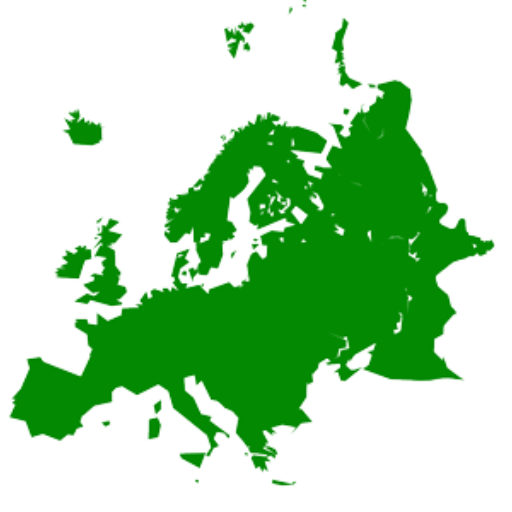 Staaten Europas

意大利共和国(意大利语:Repubblica Italiana[注 1]),通称意大利(Italia),是欧洲主权国家,主要由位于南欧的靴型意大利半岛及两个地中海岛屿西西里岛和撒丁岛所组成。意大利北方的阿尔派恩山地区与法国、瑞士、奥地利以及斯洛文尼亚接壤,其领土包围着两个微型国家——圣马力诺和梵蒂冈及一个主权实体 ——马耳他骑士团,而在瑞士拥有座落于卢加诺湖湖畔的意大利坎波内这个境外领土。全国行政上划分为20个区域(其中5个为自治区)、110个省与8,100个城市。首都为罗马,意大利王国在1870年将首都设置在此,而都灵(1861年-1865年)及佛罗伦萨(1865年-1870年)也曾是意大利王国的首都。根据2017年统计,意大利人口为6,059万,领土面积为301,338平方公里,人口密度约每平方公里201.1人,属于温带地中海型气候。意大利是欧洲人口第5多的国家,人口在世界上排名第23位。意大利因其拥有美丽的自然风光和为数众多的人类文化遗产而被称为美丽的国度(Belpaese)。
现今的意大利地区是以前欧洲民族及文化的摇篮,曾孕育出罗马文化及伊特拉斯坎文明,而意大利的首都罗马,几个世纪以来都是西方世界的政治中心,也曾经是罗马帝国的首都。当罗马帝国在西部的统治瓦解后,意大利遭受了多次外族入侵,包括伦巴第人、东哥德人等日耳曼民族,之后还有诺曼人等。拜占庭帝国曾一度重新占领意大利地区。在14世纪后,意大利转而成为文艺复兴的发源地[7],而文艺复兴对欧洲影响深远,让欧洲思想前进了一大步。意大利过去分裂为许多王国与城邦,但最终在1871年成为统一的意大利王国(除了圣马力诺)[8]。意大利殖民帝国巅峰是在1942年第二次世界大战时期,首相墨索里尼统治下的意大利王国变成一个地中海帝国,把势力范围延伸到北非(利比亚 、突尼斯)、东非(厄立特里亚、索马里兰、埃塞俄比亚)、巴尔干(阿尔巴尼亚、达尔马提亚、黑山、克罗地亚独立国西部、希腊、罗得岛与十二群岛)和法国南部(隆河以东的领土、科西嘉岛、摩纳哥),而且拥有中国天津的租界[9]。1945年,墨索里尼建立的意大利社会共和国被盟军击垮,意大利在二战后,废除了君主制,意大利王国灭亡,建立了现在的意大利共和国。战后根据1947年巴黎和平条约,意大利殖民帝国终结。
意大利也在政治、文化、科学、医疗卫生、教育、体育、艺术、时尚、宗教、料理、电影、建筑、经济及音乐等方面具有重要的影响力。米兰是意大利的经济及工业中心,根据2009年全球语言监察组织(Global Language Monitor)的资料[10],它也是世界时尚之都。在2007年造访意大利的游客人数位居世界第5位,总共超过4,370万人次的国际游客造访[11],而罗马则是欧盟国家中第3多游客造访的城市[12],也被认为世界上最美丽的十大古城之一[13]。威尼斯则被认为是世界上最美丽的城市,《纽约时报》形容它“无疑是世界上最美丽的人造城市”[14]。
意大利共和国是一个议会制民主共和国,是一个发达国家,世界七大工业国之一,最佳出生地指数则在世界排名第8名[15]。意大利在2017年人类发展指数列表中则名列第28位[16],并拥有高度人均国内生产总额[17][18]。根据国内生产总额与购买力平价国内生产总值的数据,意大利分别是世界第8大与第10大经济体[19]。意大利的政府预算金额则是位居世界第5位[20]。意大利是北大西洋公约和欧盟的创始会员国,也是七大工业国集团、20国集团和成员之一。意大利也参与经济合作暨发展组织、世界贸易组织、欧洲议会、西欧联盟及欧洲创新中心(Central European Initiative)。意大利也参加申根协议,也是世界世界国防预算金额第9高的国家且分享北约的核武器。
意大利在欧洲及全球的军事、文化和外交事务扮演重要的角色,首都罗马则是世界上对于政治及文化具有重要影响力的城市,世界上许多著名的机构,例如国际农业发展基金会(International Fund for Agricultural Development)[21]、全球在地论坛(Glocal Forum)[22]、世界粮食计划署及联合国粮食及农业组织的总部都设在罗马。意大利也拥有较高的教育指数、劳动力人口[23]及慈善捐助金额[24]。人均预期寿命排名世界第11位[25]。医疗保健系统在2000年被世界卫生组织评比为世界第2。意大利也是一个全球化的国家[26]。意大利的国家品牌价值在2009年名列世界第6位[27]。意大利在艺术、科学和技术上拥有悠久的传统,且至2017年共有53处世界遗产,是拥有最多世界遗产的西方国家[28][29]。
Italien (italienisch Italia [iˈtaːlja], amtlich Italienische Republik, italienisch Repubblica Italiana [reˈpubblika itaˈljaːna]) ist ein Staat in Südeuropa; seine Hauptstadt ist Rom.
Das italienische Staatsgebiet liegt zum größten Teil auf der vom Mittelmeer umschlossenen Apenninhalbinsel und der Po-Ebene sowie im südlichen Gebirgsteil der Alpen. Der Staat grenzt an Frankreich, die Schweiz, Österreich und Slowenien. Die Kleinstaaten Vatikanstadt und San Marino sind vollständig vom italienischen Staatsgebiet umschlossen. Neben den großen Inseln Sizilien und Sardinien sind mehrere Inselgruppen vorgelagert.
Als Kreuzweg der Zivilisationen des Mittelmeerraumes ist der italienische Beitrag zum kulturellen und historischen Erbe Europas und der Welt beachtenswert, das Gebiet des heutigen Italien war in der Antike die Kernregion des Römischen Reiches, die oberitalienische Toskana war das Kernland der Renaissance, ihr folgte von Rom ausgehend die Epoche des Barock.
Mit dem Risorgimento entstand der moderne italienische Nationalstaat: Von 1861 bis 1946 bestand unter dem Haus Savoyen das Königreich Italien, das rapide industrialisiert wurde, zu einer europäischen Großmacht aufstieg und ab den 1880er Jahren ein Kolonialreich in Nord- und Ostafrika errichtete. Die kostspielige und verlustreiche Teilnahme am Ersten Weltkrieg von 1915 bis 1918 führte zwar zur Vergrößerung des Staatsgebietes, aber auch zu schweren sozialen Unruhen und ebnete den italienischen Faschisten unter Benito Mussolini den Weg zur Macht. Das faschistische Regime herrschte von 1922 bis 1943/45 über Italien und führte das Land 1940 auf der Seite der Achsenmächte in den Zweiten Weltkrieg. Die Kriegsniederlage führte zum Verlust der Kolonien und zu vergleichsweise geringfügigen Gebietsabtretungen an den Nachbarstaat Jugoslawien. Im Juni 1946 beendete eine Volksabstimmung die Monarchie; die heutige Republik wurde ausgerufen.
Italien ist Mitinitiator der Europäischen Integration und Gründungsmitglied der Europäischen Union, des Europarates und der Lateinischen Union. Das Land ist Mitglied der G7, der G20, der NATO, der Vereinten Nationen (UNO), der Organisation für wirtschaftliche Zusammenarbeit und Entwicklung (OECD) und der Welthandelsorganisation (WTO).
Italien zählt laut Index der menschlichen Entwicklung als Industriestaat zu den höchstentwickelten Ländern der Erde[4] und ist gemessen am nominalen Bruttoinlandsprodukt die achtgrößte Volkswirtschaft der Welt.[5] Das Land genießt einen hohen Lebensstandard sowie Bildungsgrad und besitzt eine der höchsten Lebenserwartungen.[6] Italien ist das Land mit den meisten Welterbestätten der UNESCO (58)[7] und mit rund 65 Millionen Touristen jährlich eines der meistbesuchten Länder der Welt.[8]
イタリア共和国(イタリアきょうわこく、イタリア語: Repubblica Italiana)、通称イタリア(イタリア語: Italia、IPA: [iˈtaːlja] ( 音声ファイル) イターリャ)は、南ヨーロッパに位置する共和制国家。首都はローマ。 北をスイスとオーストリア、西がフランス、 東はスロベニアと国境を接している。南は地中海が位置しており、アルバニア、アルジェリア、クロアチア、ギリシャ、リビア、マルタ、モンテネグロ、スペイン、チュニジアと海上境界線を共有している。また、国土には独立国として小規模であるバチカンとサンマリノが存在している。
イタリアはヨーロッパにおける古代文化の発祥地の一つとして知られ、同時に世界的な文化大国の一国に数えられている。文化・学問・宗教で歴史的に影響力を発揮しており、バチカン市国を首都ローマの領域内に事実上保護し、レオナルド・ダ・ヴィンチやガリレオ、ミケランジェロ、コロンブス、マキャヴェリといった偉人たちの故国でもある。かつてのローマ帝国の中枢となる地域であり、またルネサンスやリソルジメントなどの幾つかの世界史的事象の主要な舞台となった。
また、高い人間開発指数を持つイタリアは文化・経済ともに先進国であり[1]、名目GDPでは世界第8位かつ購買力平価では世界第12位、ユーロ圏ではドイツとフランスに次ぐ第3位の経済規模を持つ経済大国である[2]。
国際連合、北大西洋条約機構、G7、G20、OECD、欧州評議会、地中海連合、パリクラブの一員であり、ヨーロッパにおける四大国「ビッグ4」や、文化的・経済的・政治的に大きな影響を及ぼす列強の一角に数えられる[3][4]。また、コンセンサス連合の参加国であると同時に主導国である。軍事面では、世界第8位の軍事力を有している[5]。
総面積は30万1,338km2で、ロ・スティヴァレ(lo Stivale)と称される地中海に突き出たブーツ状のイタリア半島を中心に、地中海に浮かぶシチリア島とサルディーニャ島を主要な領土としており、いくつかの小島も領有している。北部にはアルプス山脈が、半島に沿ってアペニン山脈が走っており、平野はその間にあるポー平原などに限られ、国土の40%が山岳地帯である[6]。気候は各地ともに温暖で、北部を除き国土の大部分は温帯の地中海性気候に属し、これは農業と歴史に大きな影響を与えてきた[7]。西に港へ適したリグリア海、東には大陸棚が海の幸を豊富にもたらすアドリア海、南東部にはバルカン半島へと繋がるイオニア海があり、地理的に恵まれている。南にはティレニア海があり周辺にはストロンボリ火山やヴェスヴィオ山、エトナ山などの火山が集まっていて、世界有数の地震地帯である[6]。
Italy (Italian: Italia [iˈtaːlja] ( listen)), officially the Italian Republic (Italian: Repubblica Italiana [reˈpubblika itaˈljaːna]),[13][14] is a country consisting of a peninsula delimited by the Alps and several islands surrounding it,[15] whose territory largely coincides with the homonymous geographical region.[16] Italy is located in the centre of the Mediterranean Sea, in Southern Europe,[17][18][19] and is also considered part of Western Europe.[20][21] A unitary parliamentary republic with Rome as its capital and largest city, the country covers a total area of 301,340 km2 (116,350 sq mi) and shares land borders with France, Switzerland, Austria, Slovenia, and the enclaved microstates of Vatican City and San Marino. Italy has a territorial exclave in Switzerland (Campione) and a maritime exclave in Tunisian waters (Lampedusa). With around 60 million inhabitants, Italy is the third-most populous member state of the European Union.
Due to its central geographic location in Southern Europe and the Mediterranean, Italy has historically been home to myriad peoples and cultures. In addition to the various ancient peoples dispersed throughout what is now modern-day Italy, the most predominant being the Indo-European Italic peoples who gave the peninsula its name, beginning from the classical era, Phoenicians and Carthaginians founded colonies mostly in insular Italy,[22] Greeks established settlements in the so-called Magna Graecia of Southern Italy, while Etruscans and Celts inhabited central and northern Italy respectively. An Italic tribe known as the Latins formed the Roman Kingdom in the 8th century BC, which eventually became a republic with a government of the Senate and the People. The Roman Republic initially conquered and assimilated its neighbours on the Italian peninsula, eventually expanding and conquering parts of Europe, North Africa and Asia. By the first century BC, the Roman Empire emerged as the dominant power in the Mediterranean Basin and became a leading cultural, political and religious centre, inaugurating the Pax Romana, a period of more than 200 years during which Italy's law, technology, economy, art, and literature developed.[23][24]
During the Early Middle Ages, Italy endured the fall of the Western Roman Empire and barbarian invasions, but by the 11th century numerous rival city-states and maritime republics, mainly in the northern and central regions of Italy, became prosperous through trade, commerce, and banking, laying the groundwork for modern capitalism.[25] These mostly independent statelets served as Europe's main trading hubs with Asia and the Near East, often enjoying a greater degree of democracy than the larger feudal monarchies that were consolidating throughout Europe; however, part of central Italy was under the control of the theocratic Papal States, while Southern Italy remained largely feudal until the 19th century, partially as a result of a succession of Byzantine, Arab, Norman, Angevin, Aragonese, and other foreign conquests of the region.[26] The Renaissance began in Italy and spread to the rest of Europe, bringing a renewed interest in humanism, science, exploration, and art. Italian culture flourished, producing famous scholars, artists, and polymaths. During the Middle Ages, Italian explorers discovered new routes to the Far East and the New World, helping to usher in the European Age of Discovery. Nevertheless, Italy's commercial and political power significantly waned with the opening of trade routes that bypassed the Mediterranean.[27] Centuries of foreign meddling and conquest, and the rivalry and infighting between the Italian city-states, such as the Italian Wars of the 15th and 16th centuries, left Italy politically fragmented, and it was further conquered and divided among multiple foreign European powers over the centuries.
By the mid-19th century, rising Italian nationalism and calls for independence from foreign control led to a period of revolutionary political upheaval. After centuries of foreign domination and political division, Italy was almost entirely unified in 1861 following a war of independence, establishing the Kingdom of Italy.[28] From the late 19th century to the early 20th century, Italy rapidly industrialised, mainly in the north, and acquired a colonial empire,[29] while the south remained largely impoverished and excluded from industrialisation, fuelling a large and influential diaspora.[30] Despite being one of the victorious allied powers in World War I, Italy entered a period of economic crisis and social turmoil, leading to the rise of the Italian fascist dictatorship in 1922. Participation in World War II on the Axis side ended in military defeat, economic destruction, and the Italian Civil War. Following the rise of the Italian Resistance and the liberation of Italy, the country abolished its monarchy, established a democratic Republic, enjoyed a prolonged economic boom, and became a highly developed country.[31]
L'Italie (/itali/11 Écouter ; en italien : Italia /iˈtaːlja/12 Écouter), en forme longue la République italienne (en italien : Repubblica Italiana /reˈpubblika itaˈljaːna/12 Écouter), est un pays d'Europe du Sud correspondant physiquement à une partie continentale, une péninsule située au centre de la mer Méditerranée et une partie insulaire constituée par les deux plus grandes îles de cette mer, la Sicile et la Sardaigne, et beaucoup d'autres îles plus petites (hormis la Corse, française depuis 1768). Elle est rattachée au reste du continent par le massif des Alpes. Le territoire italien correspond approximativement à la région géographique homonyme.
L'Italie apporte une contribution très importante à la civilisation occidentale : elle est notamment le berceau de la civilisation étrusque, de la Grande-Grèce, de l'Empire romain, du Saint-Siège, des républiques maritimes, de l'humanisme et de la Renaissance. Existant en tant qu'État unitaire depuis 1861 à la suite du Risorgimento (Renaissance ou Résurrection) mené par le royaume de Sardaigne, l'Italie est une république depuis l'abolition par référendum de la monarchie italienne en 1946. Elle est membre fondateur de l'Union européenne et de la zone euro.
L'Italie est, en ce début de XXIe siècle, une puissance moyenne13, forte de ses soixante millions d'habitants, de sa position en 2017 de huitième puissance économique mondiale et de troisième économie de la Zone Euro, et de son rôle au sein de nombreuses organisations internationales comme l'Union européenne, l'Organisation du traité de l'Atlantique nord, le G7 et l'Organisation de coopération et de développement économiques.
L'Italia (/iˈtalja/,[8] ), ufficialmente Repubblica Italiana,[9] è uno Stato situato nell'Europa centro-meridionale, il cui territorio coincide in gran parte con l'omonima regione geografica. L'Italia è una repubblica parlamentare unitaria e conta una popolazione di circa 59,3 milioni di abitanti, che ne fanno il terzo Stato dell'Unione europea per numero di abitanti. La capitale è Roma.
La parte continentale, delimitata dall'arco alpino, confina a nord, da ovest a est, con Francia, Svizzera, Austria e Slovenia; il resto del territorio, circondato dai mari Ligure, Tirreno, Ionio e Adriatico, si protende nel mar Mediterraneo, occupando la penisola italiana e numerose isole (le maggiori sono Sicilia e Sardegna), per un totale di 302068,26 km².[10] Gli Stati della Città del Vaticano e di San Marino sono enclavi della Repubblica, mentre Campione d'Italia è un'exclave italiana.
Crocevia di numerose culture preistoriche, l'Italia antica fu unificata dalla civiltà romana diventando il centro amministrativo, economico, culturale e politico dell'Impero romano. Dopo la caduta dell'Impero romano d'Occidente, l'Italia medievale fu soggetta a invasioni e dominazioni di popolazioni barbariche, perdendo la propria unità politica. Tra XV secolo e XVI secolo, con la diffusione dell'umanesimo e del Rinascimento, divenne nuovamente il centro culturale del mondo occidentale e anche il campo di battaglia delle maggiori potenze europee durante le guerre d'Italia. La penisola conobbe poi la controriforma, il barocco, e il neoclassicismo.
Dopo la parentesi napoleonica, gli italiani lottarono per l'unificazione e l'indipendenza nazionale durante il Risorgimento, finché, dopo la seconda guerra d'indipendenza e la spedizione dei Mille, nel 1861 nacque il Regno d'Italia, che ottenne la vittoria nella prima guerra mondiale (1918), completando il processo di unificazione nazionale. Nel 1946, dopo il ventennio fascista (1922-1943), la sconfitta nella seconda guerra mondiale, e la definitiva guerra di liberazione, a seguito di un referendum istituzionale, lo Stato italiano divenne una repubblica.
Nel 2020 l'Italia, ottava potenza economica mondiale e terza nell'Unione europea, è un paese con un alto livello di vita: l'indice di sviluppo umano è molto alto, 0.883, e la speranza di vita è di 83,4 anni.[11] È membro fondatore dell'Unione europea, della NATO, del Consiglio d'Europa e dell'OCSE; aderisce all'ONU e alla Convenzione di Schengen. L'Italia è inoltre membro del G7 e del G20, partecipa al progetto di condivisione nucleare della NATO, si colloca in nona posizione nel mondo per spesa militare, ed è sia una potenza regionale che una grande potenza globale.[12][13] È il quarto paese più visitato del mondo e vanta il maggior numero di siti dichiarati patrimonio dell'umanità dall'UNESCO (58).[14]
Italia (en italiano, Italia, pronunciado /i'talja/ ( escuchar)), oficialmente la República Italiana (en italiano, Repubblica Italiana pronunciado /re'pub:lika ita'ljana/), es un país soberano transcontinental, miembro y fundador de la Unión Europea, constituido en una república parlamentaria compuesta por veinte regiones, formadas estas, a su vez, por 110 provincias.8
Italia se ubica en el centro del mar Mediterráneo, en Europa meridional. Ocupa la península itálica, así como la llanura Padana, la islas de Sicilia y Cerdeña y alrededor de ochocientas islas menores, entre las que se destacan las islas Tremiti en el mar Adriático, los archipiélagos Campano y Toscano en el mar Tirreno, o las islas Pelagias en África septentrional, entre otras. En el norte, está rodeada por los Alpes y tiene frontera con Francia, Suiza, Austria y Eslovenia. Los micro-Estados de San Marino y Ciudad del Vaticano son enclaves dentro del territorio italiano. A su vez, Campione d'Italia, es un municipio que forma un pequeño exclave italiano en territorio suizo.9
Debido a su localización central en el Mar Mediterráneo, Italia recibió, durante la Antigüedad,1011 diversas influencias de civilizaciones mediterráneas exteriores, como la de los fenicios y cartagineses en sus islas mayores1213 y de los antiguos griegos en la llamada Magna Grecia,1415 así como también fue el hogar de muchas culturas propias distintas, como la civilización nurágica, los etruscos y los latinos, siendo estos últimos quienes dieron vida a la civilización romana,1617 y asistió al nacimiento de la República y del posterior Imperio romano.1819 Tras la caída del Imperio romano de Occidente, bizantinos, lombardos y musulmanes se disputaron el control sobre el territorio itálico,2021 quebrando así su anterior unidad política.2223 A partir de la Plena Edad Media, Italia fue la cuna de repúblicas marítimas como Venecia, Génova, Pisa y Amalfi, de los Estados Pontificios y también del humanismo, del Renacimiento y del movimiento barroco, entre otros Estados y movimientos culturales.2425 En el curso del siglo XIX, mediante el proceso histórico conocido como Risorgimento, los varios territorios italianos lograron unificarse bajo un mismo Estado: el Reino de Italia.2627
La capital de Italia, Roma, ha sido durante siglos el centro político y cultural de la civilización occidental. Además, es la ciudad santa para la Iglesia católica, siendo el papa el obispo de Roma y encontrándose dentro de la ciudad el micro-Estado del Vaticano. El significado cultural del país se refleja en todos sus Patrimonios de la Humanidad, ya que tiene 58,28 el país con mayor número del mundo.29
Es el tercer país de Europa que más turistas recibe por año,30 siendo Roma la tercera ciudad más visitada del continente.31 Otras ciudades importantes son: Milán, centro de finanzas y de industria, y, según el Global Language Monitor, la capital de la Moda;32 Nápoles, importante puerto en el Mediterráneo, capital histórica y ciudad más poblada del Mezzogiorno;33 Turín, centro de industria automovilística y de diseño industrial. Italia es una república democrática, forma parte del G7 o grupo de las siete más grandes naciones avanzadas del mundo y es un país desarrollado con una calidad de vida muy alta,34 encontrándose en 2005 entre las siete primeras del mundo.35
Es el país número 28 (informe 2017) en materia de alto índice de desarrollo humano.36 Es una potencia regional y mundial,37383940 miembro fundador de la Unión Europea, firmante del Tratado de Roma en 1957. También es miembro fundador de la Organización del Tratado del Atlántico Norte (OTAN) y miembro del OTAN Quint, de la Organización para la Cooperación y el Desarrollo Económico, de la Organización Mundial del Comercio, del Consejo de Europa, del G-4, del G-12 y del G20. El país, y especialmente su capital, tiene una fuerte repercusión en temas de política y cultura, en organizaciones mundiales como la Organización para la Agricultura y la Alimentación (FAO),41 el Fondo Internacional de Desarrollo Agrícola (IFAD), el Glocal Forum42 o el Programa Mundial de Alimentos (WFP).
Ита́лия (итал. Italia [iˈtaːlja]), официальное название — Италья́нская Респу́блика (итал. Repubblica Italiana [reˈpubːlika itaˈljaːna]) — государство в Южной Европе, в центре Средиземноморья. Входит в Европейский союз и НАТО с момента их создания, является третьей по величине экономикой еврозоны.
Граничит с Францией на северо-западе (протяжённость границы — 488 км), Швейцарией (740 км) и Австрией (430 км) — на севере, Словенией — на северо-востоке (232 км).
Внутри территории Италии находятся два государства-анклава: государство Сан-Марино и расположенное внутри территории Рима ассоциированное с Италией государство Ватикан, с каждым из которых Италия имеет внутреннюю границу протяжённостью соответственно 39 км и 3,2 км.
Занимает Апеннинский полуостров, крайний северо-запад Балканского полуострова, Паданскую равнину, южные склоны Альп, острова Сицилия, Сардиния и ряд мелких островов[7].
На территории Италии находится 55 памятников всемирного наследия ЮНЕСКО — Италия разделяет с Китаем первое место по их количеству.
 Hand in Hand


The current Italian government is led by Giorgia Meloni. As of October 2022, the government has 25 ministers, of whom 9 are without portfolio.

.jpg)
.jpg)


.jpg)


.jpeg)
.jpg)
.jpg)
.jpg)
.jpg)
.jpg)
.jpg)
.jpg)
.jpg)
.jpg)

.jpg)

.jpg)
.jpg)
.jpg)



 Geschichte
N 2000 - 2100 nach Christus
Geschichte
M 1500 - 2000 nach Christus
Geschichte
IWF entwickelte Länder
IWF entwickelte Länder
TOP2
Japan
Parteien und Regierung
Gruppe der zwanzig wichtigsten Industrie- und Schwellenländer
Parteien und Regierung
Gruppe der Sieben,G7
Geschichte
N 2000 - 2100 nach Christus
Geschichte
M 1500 - 2000 nach Christus
Geschichte
IWF entwickelte Länder
IWF entwickelte Länder
TOP2
Japan
Parteien und Regierung
Gruppe der zwanzig wichtigsten Industrie- und Schwellenländer
Parteien und Regierung
Gruppe der Sieben,G7
 Staaten Asiens

日本国(日语:日本国/にっぽんこく、にほんこく Nippon-koku, Nihon-koku */?),通称日本,是位于东亚的岛屿国家,由日本列岛、琉球群岛和伊豆-小笠原群岛等6,852个岛屿组成[10],面积约37.8万平方公里[11]。国土全境被太平洋及鄂霍次克海、日本海、东海等缘海环抱,西邻朝鲜半岛及俄属远东,东北接千岛群岛,西南面台湾及中国大陆东部。人口达1.26亿[6],居于世界各国第11位,当中逾3,500万人居住于首都东京及周边数县构成的首都圈,为世界最大的都市圈[12]。政体施行议会制君主立宪制,君主天皇为国家与国民的象征,实际的政治权力则由国会、以及内阁总理大臣(首相)所领导的内阁掌管[13]。
传说日本于公元前660年2月11日建国[14],在公元4世纪出现首个统一政权,并于大化改新中确立了天皇的中央集权体制,文化上则深受中国隋唐两代之影响。12世纪后的六百年间,日本由幕府等数个武士阶级政权实际统治,期间包括了政治纷乱的南北朝与战国时代。17世纪起江户幕府颁布锁国令,至1854年被黑船迫以开港才结束。此后,日本在西方列强进逼的时局下,首先天皇从幕府手中收回政治实权,接着在19世纪中期的明治维新进行大规模政治与经济改革,引入欧洲的科学与技艺,日本的社会于是实现了工业化及现代化,施行天皇专权的君主立宪制,将北海道正式纳为领土;而自19世纪末起,日本开始进行对外扩张,首先并吞琉球,之后将台湾、朝鲜、库页岛等地纳为殖民地。进入20世纪时,日本已成为当时各国承认的帝国主义列强之一,也是当时东方世界唯一的大国。日本后来成为第二次世界大战的轴心国之一,但最终于1945年投降。败战后,日本在盟军主导下转型为以国会为中心的民主政体,天皇地位虚位化[13],同时依据新宪法放弃发动战争的权利,仅维持防御性的武装力量。
日本是世界第三大经济体,亦为七国集团成员,是世界先进国家之一,主要奠基于日本经济在二战后的巨幅增长。现时日本的科研能力、工业基础和制造业技术均位居世界前茅[15],并是世界第4大出口国和进口国[16]。2018年,日本的人均国内生产总值依国际汇率可兑换成为四万零八百美元,人均国民收入则在四万四千四百美元左右,人类发展指数亦在最高组群行列[17]。
Japan (japanisch 日本, ausgesprochen als Nihon oder Nippon; ) ist ein 6852 Inseln umfassender ostasiatischer Staat im Pazifik, der indirekt im Norden und Nordwesten an Russland, im Westen an Nord- und Südkorea und im Südwesten an Taiwan und China grenzt und flächenmäßig der viertgrößte Inselstaat der Welt ist. De-facto-Hauptstadt und größte urbane Siedlung ist Tokio.

Die Bildung des japanischen Staatswesens begann im 5. Jahrhundert unter kulturellem Einfluss des chinesischen Kaiserreichs. Seit dem 16. Jahrhundert stand Japan im Kontakt mit dem Westen und stieg seit dem 19. Jahrhundert zur Großmacht auf, erwarb Kolonien wie Korea und Taiwan, nahm an beiden Weltkriegen teil und beherrschte kurzzeitig große Teile Südost- und Ostasiens. Das Japanische Kaiserreich war bis 1947 eine nach dem monarchischen Prinzip ausgerichtete, zum Teil an preußischem Vorbild angelehnte, konstitutionelle Monarchie mit dem japanischen Kaiser als Staatsoberhaupt. Seine aggressive Expansionspolitik in China im Vorfeld und während des Zweiten Weltkrieges (Pazifikkrieg) führte schließlich zur Niederlage an der Seite der Achsenmächte im August 1945. Im unter Douglas MacArthurs Besatzungsregierung gestalteten japanischen Staat seit 1947 ist der Souverän das Volk, höchstes Organ der Staatsgewalt das Parlament, dessen Kammern seither beide direkt vom Volk gewählt werden. Das Kaisertum wurde nicht abgeschafft, aber der Kaiser als „Symbol des Staates“ auf zeremonielle Aufgaben ohne eigenständige Autorität in Staatsangelegenheiten reduziert. Außer Japan gibt es keinen Staat mehr mit einem Kaiser.
Japan wird zu den dichter besiedelten Ländern Asiens gezählt und liegt mit ca. 126 Millionen Einwohnern auf Platz elf der bevölkerungsreichsten Länder der Erde. Die japanische Bevölkerung konzentriert sich überwiegend auf die vier Hauptinseln und besteht zu 99 % aus Japanern. Zu den Minderheiten gehören Koreaner, Chinesen, Filipinos und Taiwaner. Seit den 2000er Jahren leben in Japan auch mehrere Tausend Gastarbeiter und Asylbewerber aus Afrika und anderen asiatischen Ländern. Die meisten Einwohner sind Anhänger des Shintoismus und Buddhismus.
Als historisch erste Industrienation Asiens hat Japan heute eine sehr hoch entwickelte Volkswirtschaft und war viele Jahre lang die weltweit zweitgrößte Wirtschaftskraft hinter den Vereinigten Staaten, mit denen es militärisch seit 1952 verbündet ist. Japan ist Mitglied der Gruppe der Sieben größten Industrienationen der Welt und der OECD. Japan nimmt in der Rangfolge gemäß dem Index der menschlichen Entwicklung der Vereinten Nationen den 19. Platz der 188 vom Index berücksichtigten Mitgliedstaaten der Vereinten Nationen ein.
日本では、大和政権が統一以降に自国を「ヤマト」と称していたようであるが、古くから中国や朝鮮は日本を「倭」と呼んできた。石上神宮の七支刀の銘や、中国の歴史書(『前漢書』『三国志』『後漢書』『宋書』『隋書』など)や、高句麗の広開土王の碑文も、すべて倭、倭国、倭人、倭王、倭賊などと記している。そこで大和の代表者も、外交時には(5世紀の「倭の五王」のように)国書に「倭国王」と記すようになった[46]。
しかし中国との国交が約120年に渡って中絶した後、7世紀初期に再開された時には、『日本書紀』では「東の天皇が敬いて西の皇帝に白す」、『隋書』には「日出ずる処の天子、書を日没する処の天子に致す。恙無しや」とする国書を日本側が渡した記述があり、従来のように倭と称する事を避けている。中国側では『旧唐書』の「東夷伝」に初めて日本の名称が登場し、「日本国は倭国の別種なり。其の国、日の辺に在るを以ての故に、日本を以て名と為す」「或いは曰く、倭国自ら其の名の雅ならざるを悪(にく)み、改めて日本と為す」「或いは曰く、日本は旧(もと)小国、倭国の地を併す」のように、倭が名称を日本に変えた理由を説明している[47]。また、『新唐書』においては「国日出ずる所に近し、以に名をなす」とあり、隋書の「日出処天子」と共通している。
この7世紀には、遣隋使に続いて遣唐使がしばしば派遣されているが、いつから「倭」に変えて「日本」を国号と変えたのかは明らかでない[48]。使者の毎回の交渉について詳しく記述している『日本書紀』も、8世紀に国号としての日本が確立した後の書物であり、原資料にあった可能性のある「倭」の字を、国号に関する限りすべて「日本」と改めている。それ以外の文献では、733年(天平5年)に書かれた『海外国記』の逸文で、664年(天智3年)に太宰府へ来た唐の使者に「日本鎮西筑紫大将軍牒」とある書を与えたというが、真偽は不明である。結局確かなのは『続日本紀』における記述であり、702年(大宝2年)に32年ぶりで唐を訪れた遣唐使は、唐側が「大倭国」の使者として扱ったのに対し、「日本国使」と主張したという。『旧唐書』の「東夷伝」の記事も、この日本側の説明に基づいているようである[49]。
Japan (Japanese: 日本; Nippon [ɲippoɴ] or Nihon [ɲihoɴ]; formally 日本国 Nippon-koku or Nihon-koku, lit. "State of Japan") is an island country in East Asia. Located in the Pacific Ocean, it lies off the eastern coast of the Asian continent and stretches from the Sea of Okhotsk in the north to the East China Sea and the Philippine Sea in the south.
The kanji that make up Japan's name mean "sun origin", and it is often called the "Land of the Rising Sun". Japan is a stratovolcanic archipelago consisting of about 6,852 islands. The four largest are Honshu, Hokkaido, Kyushu, and Shikoku, which make up about ninety-seven percent of Japan's land area and often are referred to as home islands. The country is divided into 47 prefectures in eight regions, with Hokkaido being the northernmost prefecture and Okinawa being the southernmost one. The population of 127 million is the world's tenth largest, of which 98.5% are ethnic Japanese. 90.7% of people live in cities, while 9.3% live in the countryside.[16] About 13.8 million people live in Tokyo,[17] the capital of Japan. The Greater Tokyo Area is the most populous metropolitan area in the world with over 38 million people.[18]
Archaeological research indicates that Japan was inhabited as early as the Upper Paleolithic period. The first written mention of Japan is in Chinese history texts from the 1st century AD. Influence from other regions, mainly China, followed by periods of isolation, particularly from Western Europe, has characterized Japan's history.
From the 12th century until 1868, Japan was ruled by successive feudal military shōguns who ruled in the name of the Emperor. Japan entered into a long period of isolation in the early 17th century, which was ended in 1853 when a United States fleet pressured Japan to open to the West. After nearly two decades of internal conflict and insurrection, the Imperial Court regained its political power in 1868 through the help of several clans from Chōshū and Satsuma – and the Empire of Japan was established. In the late 19th and early 20th centuries, victories in the First Sino-Japanese War, the Russo-Japanese War and World War I allowed Japan to expand its empire during a period of increasing militarism. The Second Sino-Japanese War of 1937 expanded into part of World War II in 1941, which came to an end in 1945 following the Japanese surrender. Since adopting its revised constitution on May 3, 1947, during the occupation led by SCAP, the sovereign state of Japan has maintained a unitary parliamentary constitutional monarchy with an Emperor and an elected legislature called the National Diet.
Japan is a member of the ASEAN Plus mechanism, UN, the OECD, the G7, the G8, and the G20, and is considered a great power.[19][20][21] Its economy is the world's third-largest by nominal GDP and the fourth-largest by purchasing power parity. It is also the world's fourth-largest exporter and fourth-largest importer.
Japan benefits from a highly skilled and educated workforce; it has among the world's largest proportion of citizens holding a tertiary education degree.[22] Although it has officially renounced its right to declare war, Japan maintains a modern military with the world's eighth-largest military budget,[23] used for self-defense and peacekeeping roles; it ranked as the world's fourth most-powerful military in 2015.[24] Japan is a highly developed country with a very high standard of living and Human Development Index. Its population enjoys the highest life expectancy and third lowest infant mortality rate in the world, but is experiencing issues due to an aging population and low birthrate. Japan is renowned for its historical and extensive cinema, influential music industry, anime, video gaming, rich cuisine and its major contributions to science and modern technology.[25][26]
Le Japon, en forme longue l’État du Japon, en japonais Nihon ou Nippon (日本) et Nihon-koku ou Nippon-koku (日本国) respectivement, est un pays insulaire de l’Asie de l’Est, situé entre l’océan Pacifique et la mer du Japon, à l’est de la Chine, de la Corée et de la Russie, et au nord de Taïwan. Étymologiquement, les kanjis (caractères chinois) qui composent le nom du Japon signifient « pays (国, kuni) d’origine (本, hon) du Soleil (日, ni) » ; c’est ainsi que le Japon est désigné comme le « pays du soleil levant ».
Le Japon forme, depuis 1945, un archipel de 6 852 îles de plus de 100 m2, dont les quatre plus grandes sont Hokkaidō, Honshū, Shikoku, et Kyūshū représentant à elles seules 95 % de la superficie terrestre du pays. L’archipel s’étend sur plus de trois mille kilomètres. La plupart des îles sont montagneuses, parfois volcaniques ; par exemple, le plus haut sommet du Japon, le mont Fuji (3 776 m), est un volcan (inactif depuis 1707). Le Japon est le douzième pays le plus peuplé du monde, avec environ 127 millions d’habitants pour 377 488 km2 (337 hab./km2), dont l'essentiel est concentré sur les étroites plaines littorales du sud d'Honshū et du nord de Shikoku et Kyūshū, formant un ensemble pratiquement urbanisé en continu appelé « Mégalopole japonaise » ou « Taiheiyō Belt » (太平洋ベルト, Taiheiyō beruto, littéralement « ceinture Pacifique »). Le Grand Tokyo, qui comprend la capitale Tokyo et plusieurs préfectures environnantes, est la plus grande région métropolitaine du monde, avec plus de 35 millions d’habitants. La ville a été première place financière mondiale en 1990.
Les recherches archéologiques démontrent que le Japon était peuplé dès la période du Paléolithique supérieur. Les premières mentions écrites du Japon sont de brèves apparitions dans des textes de l’histoire chinoise du Ier siècle. L’histoire du Japon est caractérisée par des périodes de grande influence dans le monde extérieur suivies par de longues périodes d’isolement. Depuis l’adoption de sa constitution en 1947, le Japon a maintenu une monarchie constitutionnelle avec un empereur et un parlement élu, la Diète.
Le Japon est la troisième puissance économique du monde pour le PIB nominal et la quatrième pour le PIB à parité de pouvoir d’achat. Il est aussi le quatrième pays exportateur et le sixième pays importateur au monde. Acteur majeur du commerce international et puissance épargnante, il a ainsi accumulé une position créancière nette vis-a-vis du reste du monde (en) de plus de 325 000 milliards de yens4, le plaçant en première position devant la Chine5. C’est un pays développé, avec un niveau de vie très élevé (dix-septième IDH le plus élevé) et la plus longue espérance de vie au monde selon les estimations de l’ONU6. Mais ce tableau idyllique ne doit pas masquer d’importants problèmes qui pèsent sur l’avenir du pays : le Japon souffre d’un des taux de natalité les plus bas du monde, très en dessous du seuil de renouvellement des générations7. Le pays est actuellement en déclin démographique8. C’est également le pays pour lequel le poids de la dette publique brute est le plus important au monde9, cette dernière s’élève en 2014 à 233 % du PIB10.
Il Giappone (AFI: [ʤapˈpoːne][6][7]; in giapponese 日本 Nihon? o Nippon?, ufficialmente 日本国 Nihon-koku? o Nippon-koku?) è uno Stato insulare dell'Asia orientale.
Situato nell'oceano Pacifico, il Giappone si trova a est del mar del Giappone, Cina, Corea del Nord, Corea del Sud e Russia. Si sviluppa nell'area compresa tra il mare di Ochotsk nel nord, fino al mar Cinese Orientale e Taiwan nel sud. Il Giappone è un arcipelago composto da 6.852 isole, le cui quattro isole più grandi sono: Honshū, Hokkaidō, Kyūshū e Shikoku (tutte e quattro collegate tramite ponti o tunnel sottomarini), che da sole rappresentano circa il 97% della superficie terrestre del Giappone. Molte isole sono montagne, alcune di origine vulcanica e la vetta più alta del Giappone è il Monte Fuji, un vulcano attivo.[8]
Con una popolazione di circa 127 milioni di abitanti è il decimo Stato più popoloso del mondo. La Grande Area di Tokyo, che include Tokyo e numerose prefetture vicine, è di fatto la più grande area metropolitana del mondo con oltre 30 milioni di residenti. Ricerche archeologiche indicano che l'arcipelago è abitato dal Paleolitico superiore. La prima menzione scritta sul Giappone si ha con una breve apparizione in un libro di storia cinese del primo secolo a.C. Alle influenze provenienti dal mondo esterno seguì un lungo periodo di isolamento che caratterizzò profondamente la storia del Giappone. Fin dall'adozione dell'odierna Costituzione il Giappone mantiene una monarchia parlamentare con un imperatore e un parlamento eletto noto come Dieta, rendendolo di fatto l'ultimo impero rimasto nel mondo.
Grande potenza regionale asiatica,[9][10] il Giappone ha la terza maggiore economia per prodotto interno lordo e la quarta maggiore per potere d'acquisto, è anche il quarto maggiore esportatore e il sesto maggiore importatore a livello mondiale. Il Giappone è inoltre uno Stato membro del G8 e del G7 ed è un membro non permanente del consiglio di sicurezza delle Nazioni Unite. Lo Stato ha un moderno apparato militare utilizzato per l'autodifesa, per missioni di pace e per aiutare gli alleati all'estero nel rispetto della Costituzione. Il Giappone è uno Stato sviluppato con una qualità di vita molto elevata (ventesimo a livello mondiale). I cittadini giapponesi hanno inoltre la maggiore aspettativa di vita al mondo e il tasso di mortalità infantile è il secondo più basso dietro al Principato di Monaco.[11][12]
Japón (en japonés: 日本, Nihon o Nippon), oficialmente Estado del Japón (日本国, Nihon-koku (?·i) o Nippon-koku), es un país soberano insular del este de Asia. Situado en el océano Pacífico; tiene al oeste el mar del Japón, China, Corea del Norte, Corea del Sur y Rusia, al norte el mar de Ojotsk y al este y sur el mar de China Oriental y Taiwán. Los caracteres que componen el nombre de Japón pueden significar «el origen del sol» o «la base del sol», motivo por el que el país también es conocido como la Tierra del Sol Naciente, ya que desde la perspectiva de China, el sol sale desde Japón.
Japón es un archipiélago compuesto por 6852 islas. El Área del Gran Tokio en la isla de Honshū, donde está la ciudad de Tokio, capital de facto de la nación, es la mayor área metropolitana del mundo, con más de treinta millones de residentes. Y a su vez, Tokio, la capital, es la ciudad más grande del mundo en cuanto a extensión.
Los restos arqueológicos indican que el ser humano ha vivido en Japón desde el Paleolítico superior. La primera mención escrita de las islas se encuentra en textos de la antigua China del siglo I d. C. La historia de Japón ha alternado periodos de influencia extranjera con otros muy prolongados de aislamiento total. Desde el siglo XII hasta 1868 Japón estuvo gobernado por sucesivos shogunatos militares que ejercían el poder en nombre del emperador. En el siglo XVII el país entró en un largo periodo de aislamiento que no terminó hasta mediados del siglo XIX. Después de casi dos décadas de conflictos internos e insurrecciones se restauró al emperador Meiji como jefe del Estado en 1868 y se proclamó el Imperio del Japón.
A finales del siglo XIX y principios del XX, los éxitos en la Primera guerra sino-japonesa, en la guerra ruso-japonesa y en la Primera Guerra Mundial permitieron a Japón expandir su imperio y fortalecer sus fuerzas armadas. La Segunda guerra sino-japonesa que se inició en 1937, acabó formando parte de la Segunda Guerra Mundial desde 1941, conflictos que terminaron tras la rendición de Japón debido a los bombardeos atómicos sobre Hiroshima y Nagasaki en 1945. Desde la adopción de la constitución revisada en 1947, Japón ha mantenido una monarquía constitucional unitaria con un emperador y un órgano de gobierno democrático llamado Dieta.
Japón es desde hace varias décadas, una de las grandes potencias económicas mundiales8 y en la actualidad es la tercera mayor economía de acuerdo a su PIB. Asimismo, es el cuarto mayor exportador e importador de mercancías. Aunque Japón renunció oficialmente a su derecho a declarar la guerra tras la Segunda Guerra Mundial, posee unas modernas fuerzas armadas y el quinto mayor presupuesto militar mundial9 para su autodefensa y el mantenimiento de la paz.
Es miembro de la Organización de las Naciones Unidas, el G7, el G4 y la APEC. Japón es el segundo país con la menor tasa de homicidios, solo por detrás de Singapur,10 las mujeres japonesas tienen la segunda mayor esperanza de vida11 y, según la ONU, el país presenta la tercera menor mortalidad infantil del mundo.1213
Япо́ния (яп. 日本 Нихон, Ниппон, букв. «место, где восходит Солнце»[8]), официальное название «Нихон коку», «Ниппон коку» (яп. 日本国) — островное государство в Восточной Азии. Находится в Тихом океане к востоку от Японского моря, Китая, Северной и Южной Кореи, России. Занимает территорию от Охотского моря на севере до Восточно-Китайского моря и Тайваня на юге. Поэтическое название — Страна восходящего солнца.
Расположена на Японском архипелаге, состоящем из 6852 островов[прим 2][9]. Четыре крупнейших острова — Хонсю, Хоккайдо, Кюсю и Сикоку — составляют 97 % общей площади архипелага. Большинство островов горные, многие вулканические. Высшая точка Японии — вулкан Фудзияма (3776 м). С населением более 126 миллионов человек, Япония занимает десятое место в мире. Большой Токио, включающий в себя столицу Японии Токио и несколько близлежащих префектур, с населением более 30 миллионов человек является крупнейшей городской агломерацией в мире.
По форме государственного устройства Япония — децентрализованное унитарное государство, по форме государственного режима — демократическое государство.[10]
Являясь великой экономической державой[11], Япония занимает третье место в мире по номинальному ВВП и четвёртое по ВВП, рассчитанному по паритету покупательной способности. Япония является четвёртым по величине экспортёром и шестым по величине импортёром.
Япония — развитая страна с очень высоким уровнем жизни (семнадцатое место по индексу развития человеческого потенциала). В Японии одна из самых высоких ожидаемых продолжительностей жизни (в 2009 году она составила 82,12 года[12]) и один из самых низких уровней младенческой смертности[13].
Япония входит в число стран — членов «Большой семёрки» и АТЭС, а также регулярно избирается непостоянным членом Совета Безопасности ООН. Япония официально отказалась от своего права объявлять войну, но она имеет силы самообороны, которые используются также и в миротворческих операциях.
Япония является единственной страной в мире, против которой было применено ядерное оружие.
Император Японии — Акихито (с 1989 года), премьер-министр Японии — Синдзо Абэ (с 2012 года), председатель Либерально-демократической партии Японии.
*Politisches System Japans
*Think Tanks in Japan
Finanz
*Japan-Konjunkturdaten
Japan
Kantō
Wirtschaft und Handel
Wirtschafts- und Politikforschung
