
Deutsch-Chinesische Enzyklopädie, 德汉百科
 Architecture

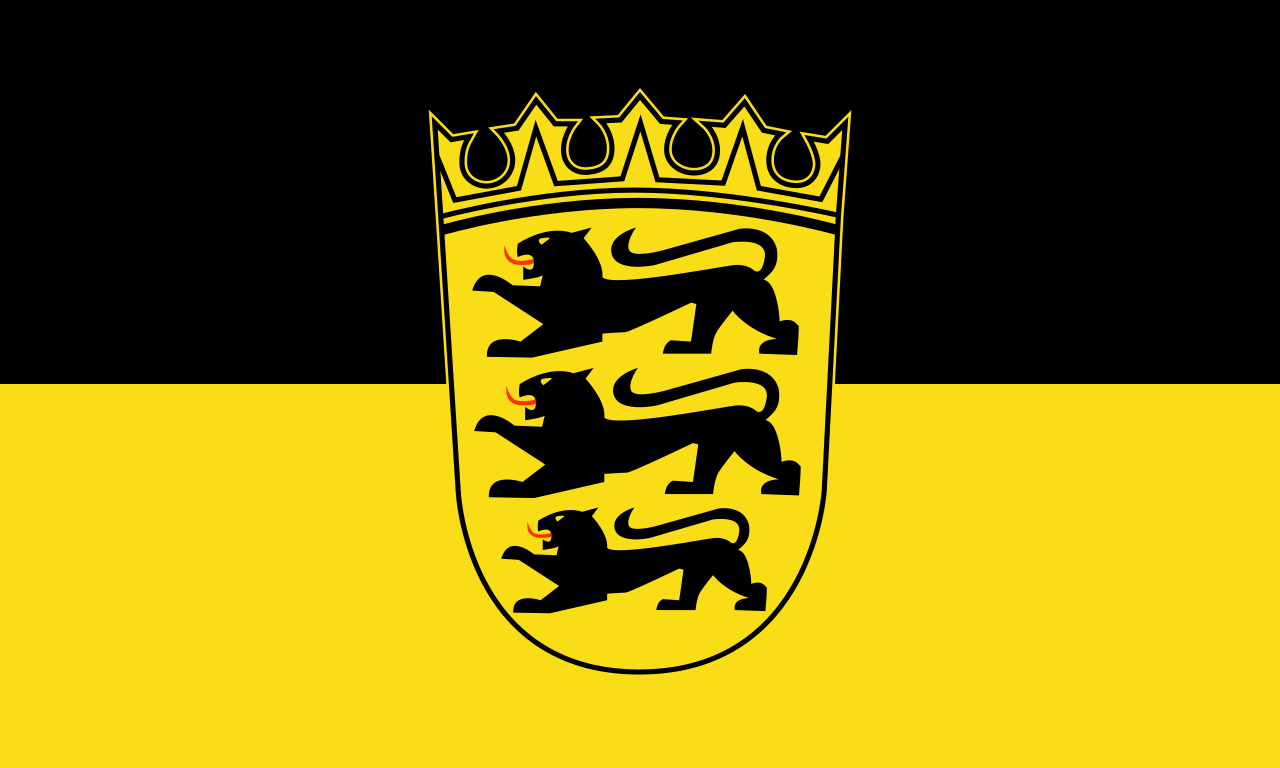 Baden-Wuerttemberg
 Vacation and Travel
 Architecture
 Neoclassic architecture *
France
 History
L 1000 - 1500 AD
 Ile-de-France
Schloss Fontainebleau
 World Heritage

枫丹白露宫(法语:Château de Fontainebleau)是法国最大的王宫之一,在法国北部法兰西岛地区塞纳-马恩省的枫丹白露镇,从12世纪起用作法国国王狩猎的行宫。「枫丹白露」的法文原义为美丽的泉水[1]。枫丹白露风景绮丽,森林茂盛,古迹众多,是著名的旅游胜地。
1137年,法王路易六世下令在此修建城堡,后经历代君王的改建、扩建、装饰和修缮,使枫丹白露宫成为一座富丽堂皇的行宫[1]。16世纪时,弗朗索瓦一世想造就一个“新罗马”,把此宫加以改建和扩大,面貌一新的宫殿被巨大开阔的庭院所环绕。富有意大利建筑的韵味,把文艺复兴时期的风格和法国传统艺术完美和谐地融合在一起。这种风格被称为“枫丹白露派”。
亨利二世、亨利四世、路易十四、路易十五、路易十六和拿破仑等法国帝王都曾在此居住过。有的国王在此长住,有的仅把它作为打猎的行宫。王室的婚丧大典也常在这里举行。瑞典女王克里斯蒂娜、俄国沙皇彼得一世、丹麦及挪威国王克里斯蒂安七世都曾下榻于此[2]。
由于17世纪以后法国王室居住于凡尔赛宫,法国大革命前枫丹白露宫已趋破败。大革命期间宫内家具陈设全被变卖,以筹措政府经费。拿破仑称帝后,选择以枫丹白露宫作为自己的帝制纪念物,对其加以修复。1812年至1814年,罗马教皇庇护七世被拿破仑囚禁在这里。1814年,拿破仑被迫在这里签字让位,并对其近卫军团发表了著名的告别演说[1]。1945年-1965年,北大西洋公约组织军事总部设于此,枫丹白露宫墙外至今还残留有“NATO”的标记。
枫丹白露宫(法文:Château de Fontainebleau[1] ,法语发音:[fɔ̃tɛnblo],英文:Palace of Fontainebleau)[1] ,位于法国北部法兰西岛地区塞纳-马恩省的枫丹白露镇,从12世纪起用作法国国王狩猎的行宫,也是法国最大的王宫之一,曾是路易七世到拿破仑三世等法国君主的住所。[2]
枫丹白露周围地区风景绮丽,森林茂盛,古迹众多,其中王宫于1927 年成为国家博物馆,并因其独特的建筑和历史重要性而在1981年指定为联合国教科文组织的世界遗产。
Das Schloss Fontainebleau in Fontainebleau, Département Seine-et-Marne, ist ein französisches Schloss rund 60 km südlich von Paris. Es ist vor allem berühmt für seine Innenausstattung aus der Zeit der Renaissance, an der zahlreiche italienische Künstler arbeiteten, und wurde 1981 von der UNESCO zum Weltkulturerbe erklärt.
Der erste Akt der Oper Don Carlos von Giuseppe Verdi, der nicht auf das als Vorlage verarbeitete Drama von Friedrich Schiller zurückgeht, spielt auf Schloss Fontainebleau, wobei die geschilderte Handlung historisch nicht nachweisbar ist.
Der Name des Schlosses Fontainebleau, früher auch „Fontainbleau“ geschrieben, leitet sich ab von fontaine belle eau, was „Quelle Schönes Wasser“ bedeutet.
Die Anlage wurde unter Franz I. und Heinrich II. an der Stelle einer Burganlage aus dem 13. Jahrhundert gebaut, dessen Donjon in den Bau eingefügt und unter König Franz I. zu einem Jagdschloss erweitert wurde. Bauanfang des heute sichtbaren Zentralbaus war 1528. Das Schloss gilt als erster Renaissancebau auf französischem Boden. Es wurde in der Zeit der Könige Heinrich IV., Ludwig XIII. und Ludwig XIV. mehrfach umgebaut.
Schloss Fontainebleau hat fünf Höfe, eine Kapelle, Prunkräume, Fresken und Stuckaturen. Die Arbeiten für das Schloss wurden ab 1530 von italienischen Künstlern wie Rosso Fiorentino ausgeführt. Diese brachten manieristische Stilelemente und italienisches Formengut nach Frankreich.
Ludwig XIV. ließ in den Gärten ein neues Parterre im Stil des Barocks, einen großen Kanal und einen neuen Park anlegen. Der gesamte Hof zog unter ihm und seinen Nachfolgern jedes Jahr zur Jagdsaison im Herbst von Schloss Versailles nach Fontainebleau um. Nur hier erlaubte sich der Monarch Abweichungen vom Zeremoniell am Hof von Versailles, wo er ansonsten ein auf die Minute durchgetaktetes Leben führte. Er liebte die Parforcejagd zu Pferde, oft bis in die Dunkelheit, meist in Begleitung seiner Schwägerin Liselotte von der Pfalz, die seine Jagdleidenschaft teilte[1], sowie ausgesuchter Höflinge. Der König wie auch Liselotte überlebten mehrfach gefährliche Stürze. Später schossen sie vom offenen Jagdwagen aus auf vorübergetriebenes Wild. Ludwig XIV. ließ den Wald von Fontainebleau durch Aufforstung erheblich erweitern, heute hat er eine Fläche von 25.000 Hektar.
Auch Kaiser Napoleon Bonaparte nutzte das Jagdschloss und stattete Räume mit Möbeln im Empirestil aus.


丹麦哥本哈根水晶宫,即菲特烈堡宫(又译腓特列斯堡,Frederiksborg Slot),位于距哥本哈根市西北约45公里处的西兰岛北部小城西 勒洛德(Hillerod),其建筑群坐落在湖中的三个小岛上。古堡本来是丹麦贵族海洛夫·特罗勒的私人庄园。1560年,这座美丽的庄园被国王菲特烈二 世看中,于是用西兰岛南部的一座森林寺院同特罗勒的庄园作交换,该庄园于是易名为菲特烈斯堡,国王将其送给了爱妻苏菲。在城堡中,他盖了一个“皇后长廊 ”,让苏菲可以足无尘土地走过城堡去教堂祈祷。菲特烈二世的儿子克里斯钦四世(1588-1648)继位后拆除原有的部分建筑,于1600年在最东部的小岛增建了新的建筑物。这座宫殿有60个厅堂,采用了荷兰文艺复兴时期的建筑风格,是北欧现存最显赫的文艺复兴风格的建筑,有“丹麦的凡尔赛宫”之称,人们 简称其为“水晶宫”。
水晶宫的正面和右翼是宫殿,左翼是教堂。宫殿以铜板铺顶,四个尖塔装饰其间。东北角有一长廊,它跨越湖水,把人们引入国王的接见大厅。自1671年至 1840年间,历代国王都在水晶宫教堂举行加冕典礼。1859年,一场大火烧毁了宫内的大部分家俱,宫顶和尖塔全部被毁,仅教堂幸免于难。1876年,热 心于文化事业的嘉士伯啤酒厂创始人雅可布森为修复水晶宫捐赠了全部修缮费,并提出把水晶宫辟为丹麦国家历史博物馆。他的建议得到采纳。在修复过程中,骑士 大厅等重要厅堂恢复了原貌,其它房间则根据博物馆的需要进行了修建。1878年,丹麦国家历史博物馆建立,当中展示了丹麦王国悠久的历史文化及珍贵的油画 及艺术珍品等。现今,水晶宫每年吸引大批观光游客参观,成为著名的景点之一。(Quelle:http://www.fotoe.com/sub/100679)
Schloss Frederiksborg (dänisch Frederiksborg Slot) ist ein Wasserschloss in Hillerød auf der dänischen Insel Seeland. Es gilt als größtes und bedeutendstes Bauwerk der nordischen Renaissance und beherbergt heute das Dänische Nationalhistorische Museum.
Frederiksborg Castle (Danish: Frederiksborg Slot) is a palatial complex in Hillerød, Denmark. It was built as a royal residence for King Christian IV of Denmark-Norway in the early 17th century, replacing an older castle acquired by Frederick II and becoming the largest Renaissance residence in Scandinavia. Situated on three islets in the Slotssøen (castle lake), it is adjoined by a large formal garden in the Baroque style.
After a serious fire in 1859, the castle was rebuilt on the basis of old plans and paintings. Thanks to public support and the brewer J. C. Jacobsen, the building and its apartments were fully restored by 1882 when it was reopened to the public as the Danish Museum of National History. Open throughout the year, the museum contains the largest collection of portrait paintings in Denmark. It also provides visitors with an opportunity to visit several of the castle's state rooms including the restored Valdemar Room and Great Hall as well as the Chapel and the Audience Chamber which were both largely spared by the fire and contain sumptuous decorations.
Le château de Frederiksborg (Frederiksborg Slot en danois) est un château danois construit pour Christian IV à Hillerød.
Il s'agit du plus grand palais de Scandinavie. Il symbolise la puissance de la monarchie absolue danoise. En effet, la famille royale y résidait et les rois y étaient sacrés lorsque le Danemark était une monarchie absolue s'étendant sur une partie de la Suède actuelle et jusqu'à la Norvège. Ses proportions exceptionnelles, sa splendeur font de lui le « Versailles danois ».
Frederiksborg è il nome alternativo della cittadina di Hillerød (nome in uso fino al 1910 c.a.), dove Federico II, Re di Danimarca, costruì un primo castello come sua residenza. Il figlio Cristiano IV rase al suolo quasi interamente la dimora del padre e vi costruí quello che tutt'oggi è il famoso castello rinascimentale in stile Olandese, eretto su alcune piccole isole del lago Slotsø (appunto Lago del Castello) nella località nota come Hilleødsholm fin dai tempi della famiglia Gøye (1275), che vi risiedeva.
In passato fu una fortezza e ora è un museo nazionale. Conta più di 70 sale aperte al pubblico, con soffitti dorati, tappezzerie alle pareti e molti dipinti. Interessante è la Riddershalen (Sala dei Cavalieri) e la Slotskirken (Cappella dell'Incoronazione), dove furono incoronati i re di Danimarca tra il 1671 e il 1840.
La cappella del castello contiene quattro organi a canne, uno dei quali, famoso in tutto il mondo, fu costruito da Esaias Compenius nel 1610 ed è tuttora perfettamente conservato e funzionante.
El palacio de Frederiksborg (en danés Frederiksborg slot) es un palacio danés construido en Hillerød sobre tres islotes del Slotssø («lago del palacio») entre 1560 y 1630, obra de Hans van Steenwinckel el Antiguo. Se le considera como la mayor figura del Renacimiento danés. Fue nombrado en honor de Federico II.
Se trata del palacio más grande de Escandinavia. Simboliza la potencia de la monarquía absoluta danesa. En efecto, la familia real lo habitaba y se consagraba a los reyes cuando Dinamarca era una monarquía absoluta que se extendía hasta Noruega.
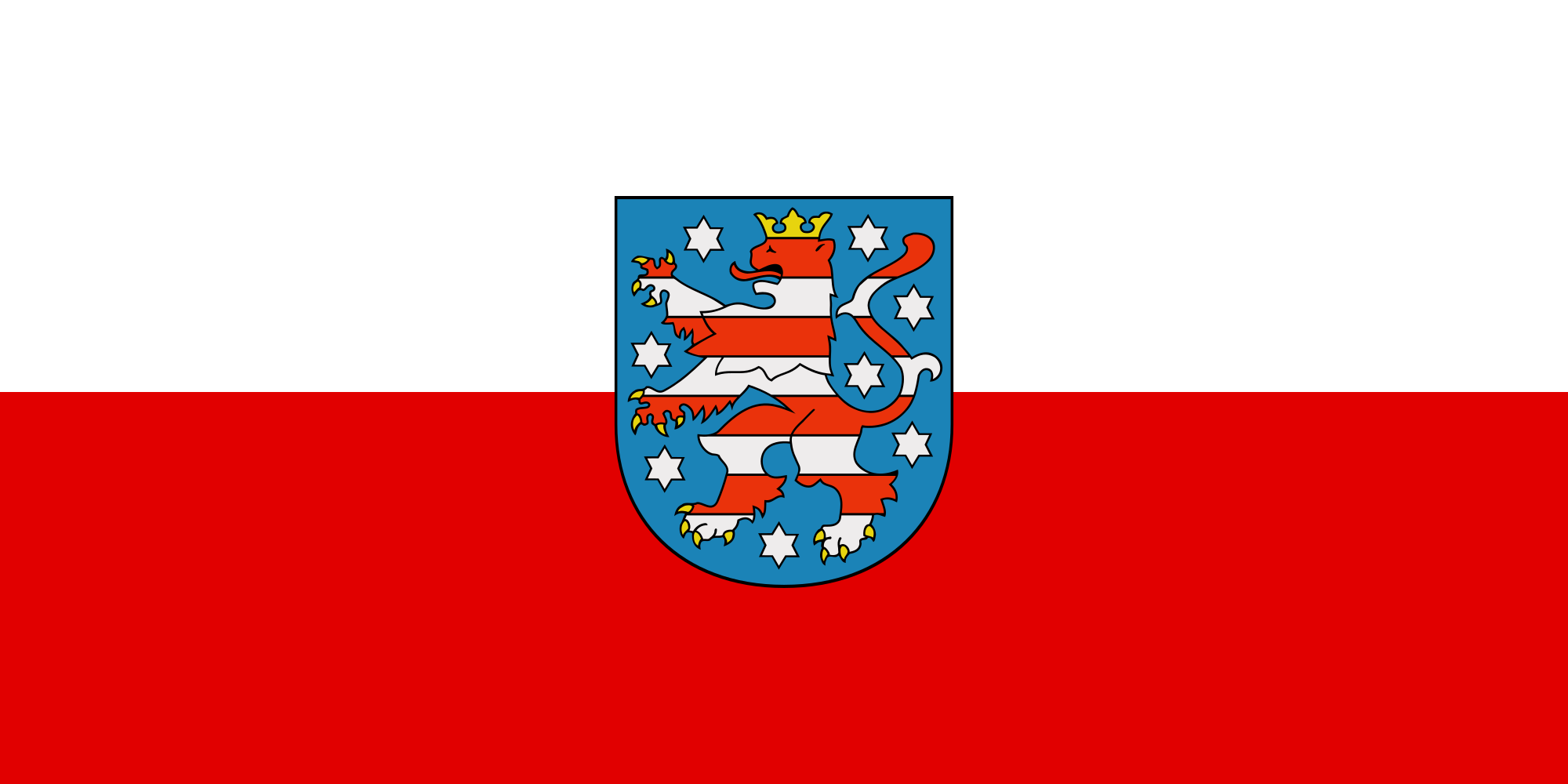 Thuringia

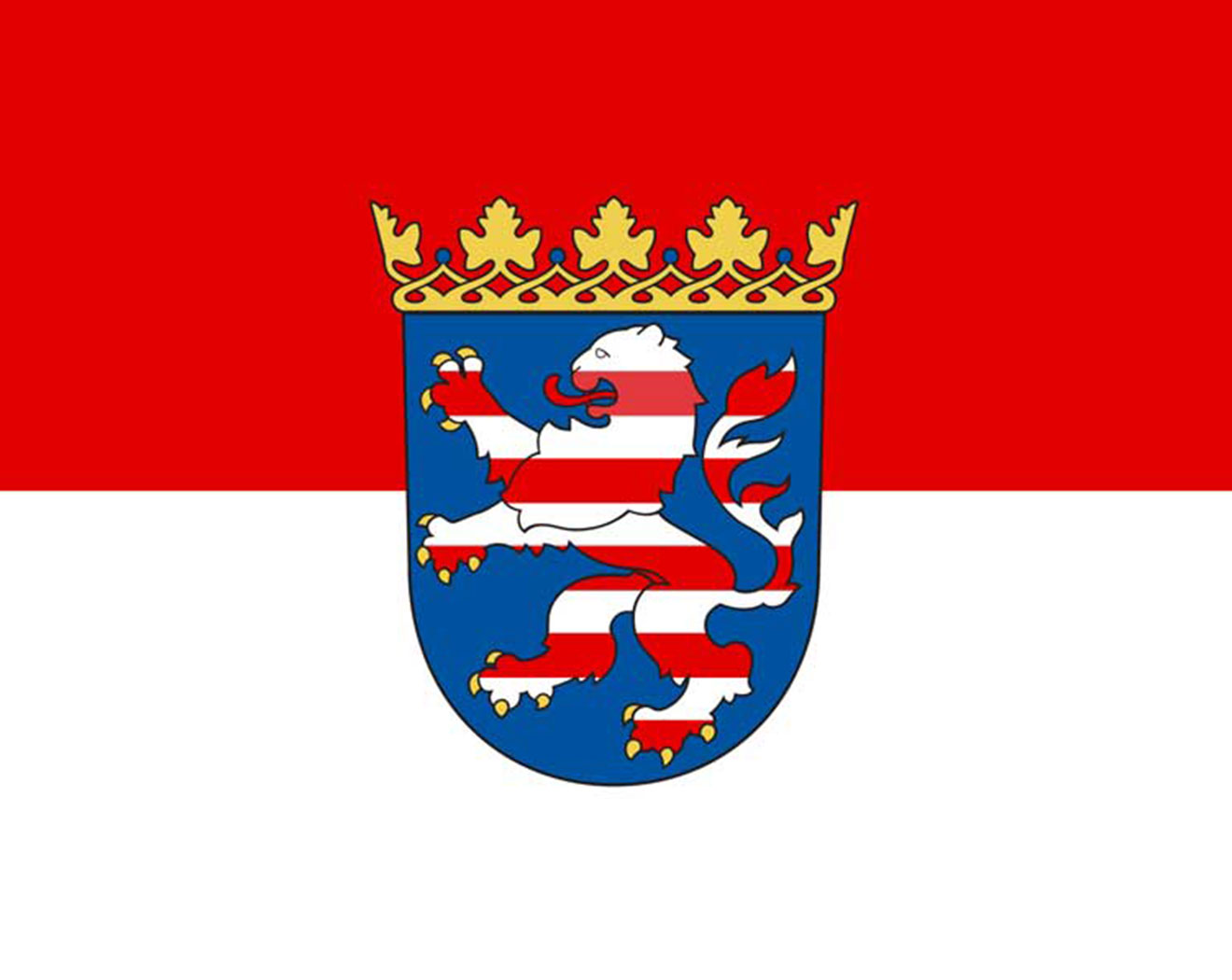 Hessen

Schloss Friedrichshof ist eine ehemalige kaiserliche Residenz in Kronberg im Taunus.
弗里德里希斯霍夫宫是位于陶努斯山克朗贝格的一座旧皇宫。
维多利亚皇后1888年9月买下克龙贝格一片100多英亩的土地,建造了一座维多利亚风格的宫殿,作为自己寡居的寓所。为纪念丈夫,她称此寓所为弗雷德里克宫殿(Schloss Friedrichshof)。维多利亚皇后1901年去世后,这个宫殿传给了她的小女儿。
二战期间,这里被美军用作部队住房,并作为美军总司令艾森豪威尔将军的住所。艾森豪威尔将军及其随从人员在此住了七年,期间他把宫殿周围的园林,设计改建成一个18洞的标准高尔夫球场,它是德国最美的高尔夫球场之一。一位游客徜徉其间,看着气派的宫殿与清幽绵绵的绿地,说,“看了这个高尔夫球场,为自己不会打高尔夫球而抱憾终生!”
艾森豪威尔将军后来成为美国第34任总统。

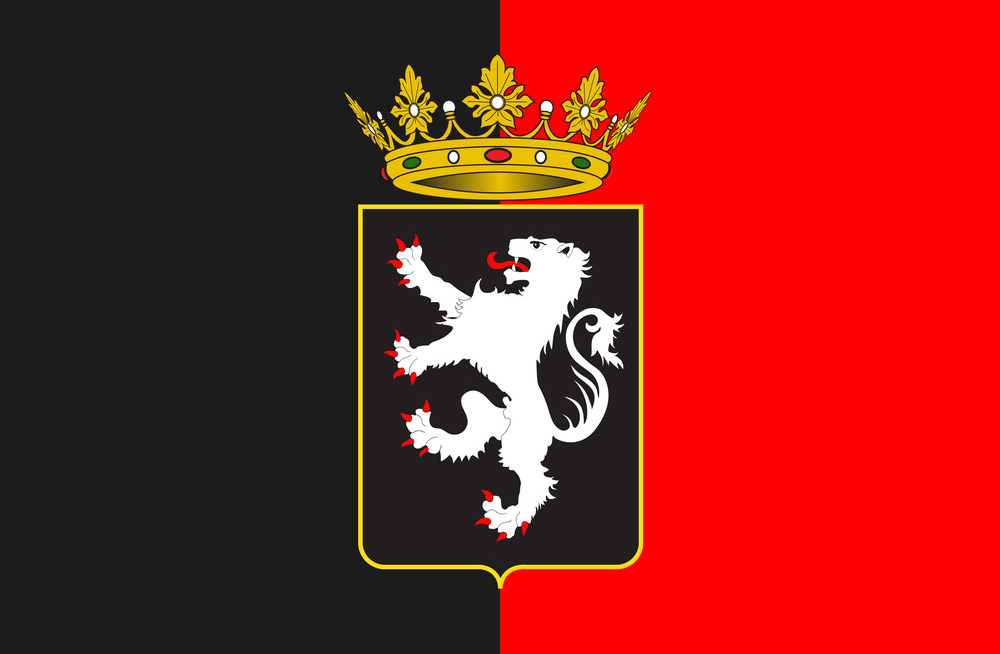 Valle d´Aosta

 Berlin

 Schleswig-Holstein
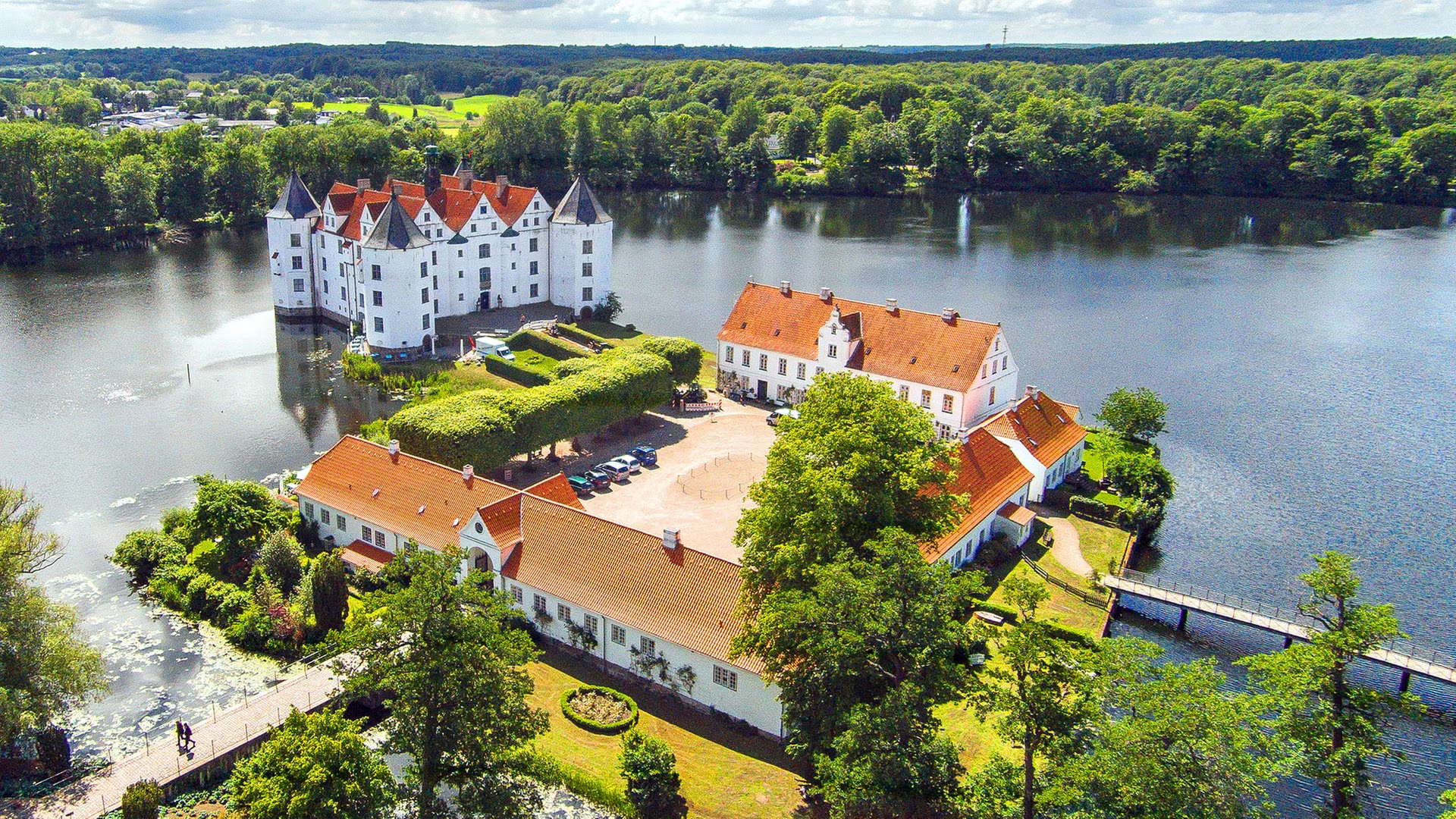
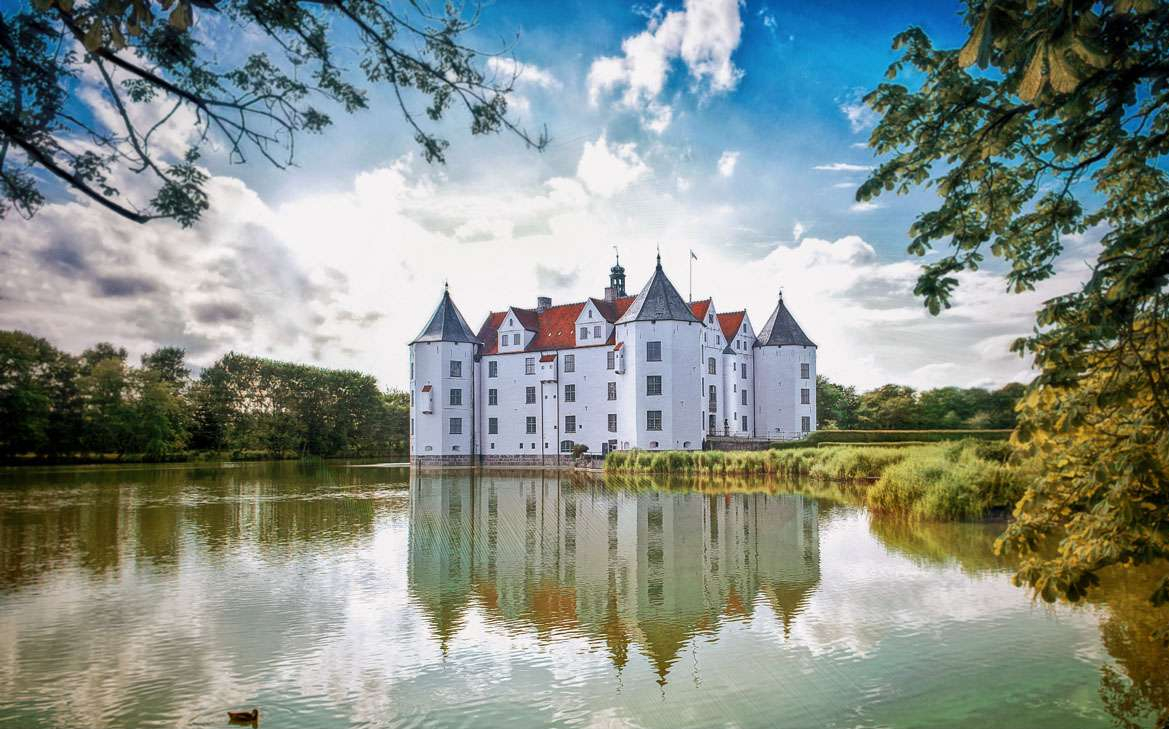
在濒临丹麦的边境,坐落着四面邻水的格吕克斯堡(福堡/Glücksburg),这是文艺复兴时期建筑艺术的典范。格吕克斯堡凭借华丽的建筑与美丽的公园成为石勒苏益格-荷尔斯泰因州最大的文化名胜之一,并为婚礼与家庭庆祝提供贵族式的氛围。
Das Schloss Glücksburg (dänisch: Lyksborg Slot) zählt zu den bedeutendsten Renaissanceschlössern Nordeuropas.[1][2] Es diente den herzoglichen Linien des Hauses Glücksburg als Stammsitz und war zeitweilige Residenz des dänischen Königshauses. Der Bau, ein Wasserschloss, liegt in Glücksburg an der Flensburger Förde. Die Familienmitglieder des nach dem Schloss benannten Hauses Glücksburg sind mit nahezu allen europäischen Dynastien verwandt.
Das Schloss ist eine der bekanntesten Sehenswürdigkeiten Schleswig-Holsteins. Es beherbergt ein Museum und ist für Besucher zugänglich.
 Saxony-Anhalt

