
Deutsch-Chinesische Enzyklopädie, 德汉百科
 Religion
 Architecture

 History



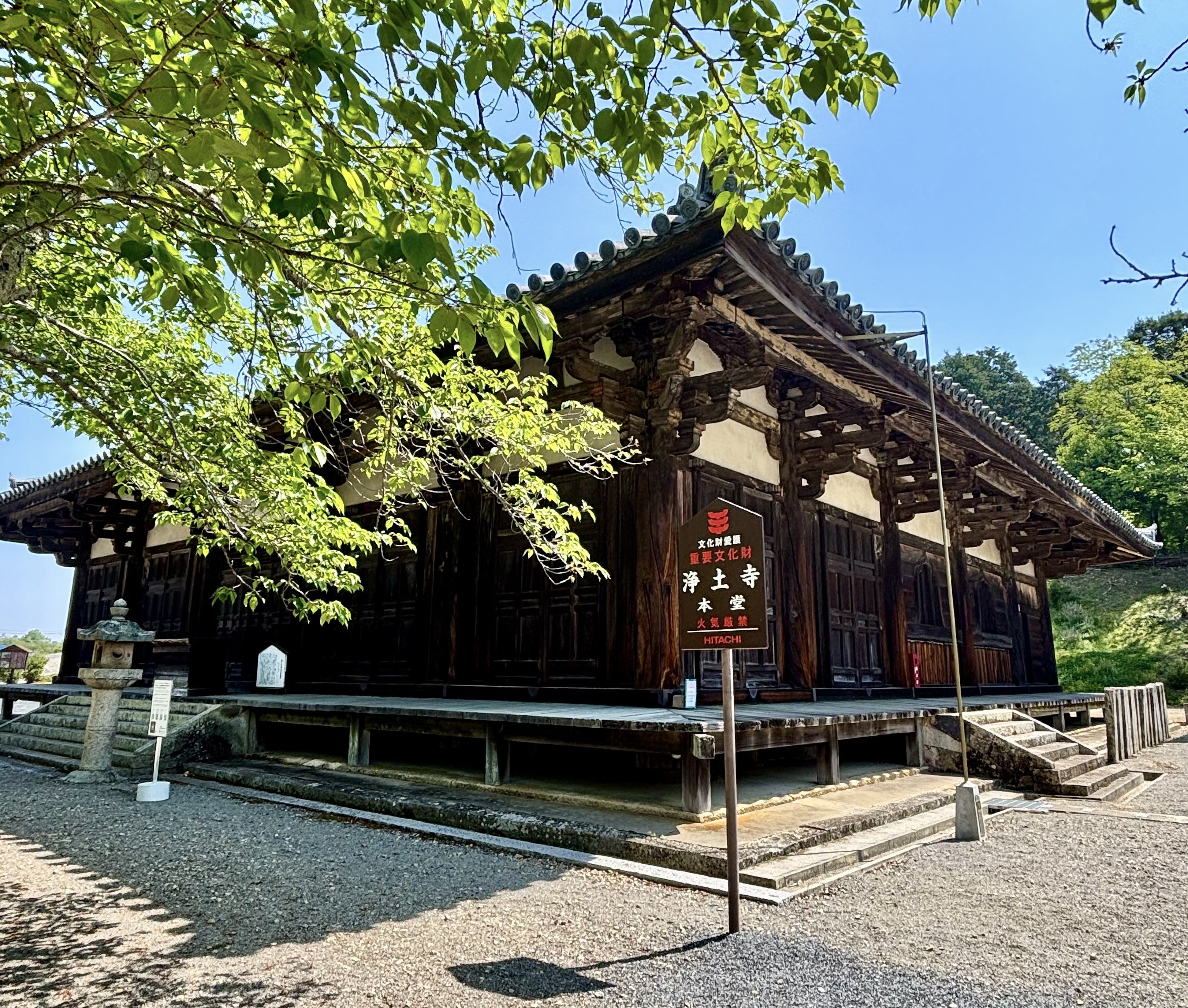

Johannes Calvin (* 10. Juli 1509 in Noyon, Picardie; † 27. Mai 1564 in Genf) war einer der einflussreichsten systematischen Theologen unter den Reformatoren des 16. Jahrhunderts. Sein Hauptwerk, die Institutio Christianae Religionis, wird als eine „protestantische Summa“ bezeichnet.
约翰·加尔文(法语:Jean Calvin,1509年7月10日—1564年5月27日)是宗教改革时代法国著名的宗教改革家与神学家,创设了被称为“加尔文主义”的基督教神学体系,基督教的公理宗、长老宗与归正宗皆受加尔文的神学思想影响。


 Literature

约翰·威克里夫(John Wyclif,约1320年—1384年),欧洲宗教改革的先驱。
威克里夫生于英国约克郡,其父亲是威克里夫农庄的主人。他于1345年到牛津大学墨顿学院就读,并于1362年在牛津大学贝利奥尔学院完成硕士学位。其后,他花了9 年时间供读博士学位,并于1372年正式取得该学位。[1]曾任牛津大学哲学、神学博士,1369年起任英王的侍从神父,1374年受英王委派与教宗代表就英国教会的神职任免权问题进行谈判,未达成协议,从此抨击教宗权力至上。
威克里夫(John Wycliffe)为中世纪末期的改教先驱,于公开场合批评罗马大公教会所定的各项规条及不合神心意的教宗。威氏生于1320年,曾在英国牛津大学皇后学院读书,于1372年得到了神学博士的学位。之后就在该校任教,学识渊博,但为人不茍言笑。于1376年开始批评圣职人员,原因即是教会过于和执政掌权者亲近、政教不分,且生活优渥不愁吃穿,教会腐化的程度超乎想像。对于教宗所立的多项规条也不符合圣经的教导,一切应回归到圣经,以圣经为信仰生活的准则。另外由于当时圣经所采取的是武加大译本翻译出来的拉丁文圣经,人民阅读不易,故为了大家都能懂得圣经中的意思,威氏于1380到1382年间,[2]与数位朋友将此圣经合译成英文圣经,同时也将教义等等资料汇总,均以英文来呈现,并带到英国各地方。但此举引发教宗及圣职人员的不满,威氏开始遭受到逼迫,幸赖许多王公贵族及平民百姓支持他,直到过世都未落入逼迫者的手中。[3]威氏曾有一段时间任职于王室,当时英王爱德华三世和 教宗贵革利十一世发生冲突,国王仗着国会对他的支持,拒绝效忠教宗,由于威氏早就敌视教宗,于是以写文章的方式来护卫国王,前后写了〈教皇分裂 (Schisma Place)〉一书,说明了教宗根本不是清心寡欲的使徒;〈圣经真理与实意(On the Truth and Meaning of Scripture)〉一书,提及应将圣经翻译成英文,真正明白圣经的真理及神的旨意,不需要教宗及教会插手其中。当时印刷术尚未发明,整个翻译的工作是 以手抄的方式一段段完成,每抄完一段即流传出去,最后再做总整理,使完整的英文译本可以问世。威氏在1384年12月31日中风过世于卢多倭(Lutterworth)。[4]
John Wyclif [ˈwɪklɪf], auch Wicklyf, Wicliffe, Wiclif, Wiclef, Wycliff, Wycliffe, genannt Doctor evangelicus (* spätestens 1330 in Hipswell, Yorkshire; † 31. Dezember 1384 in Lutterworth, Leicestershire), war ein englischer Philosoph, Theologe und Kirchenreformer.
 World Heritage
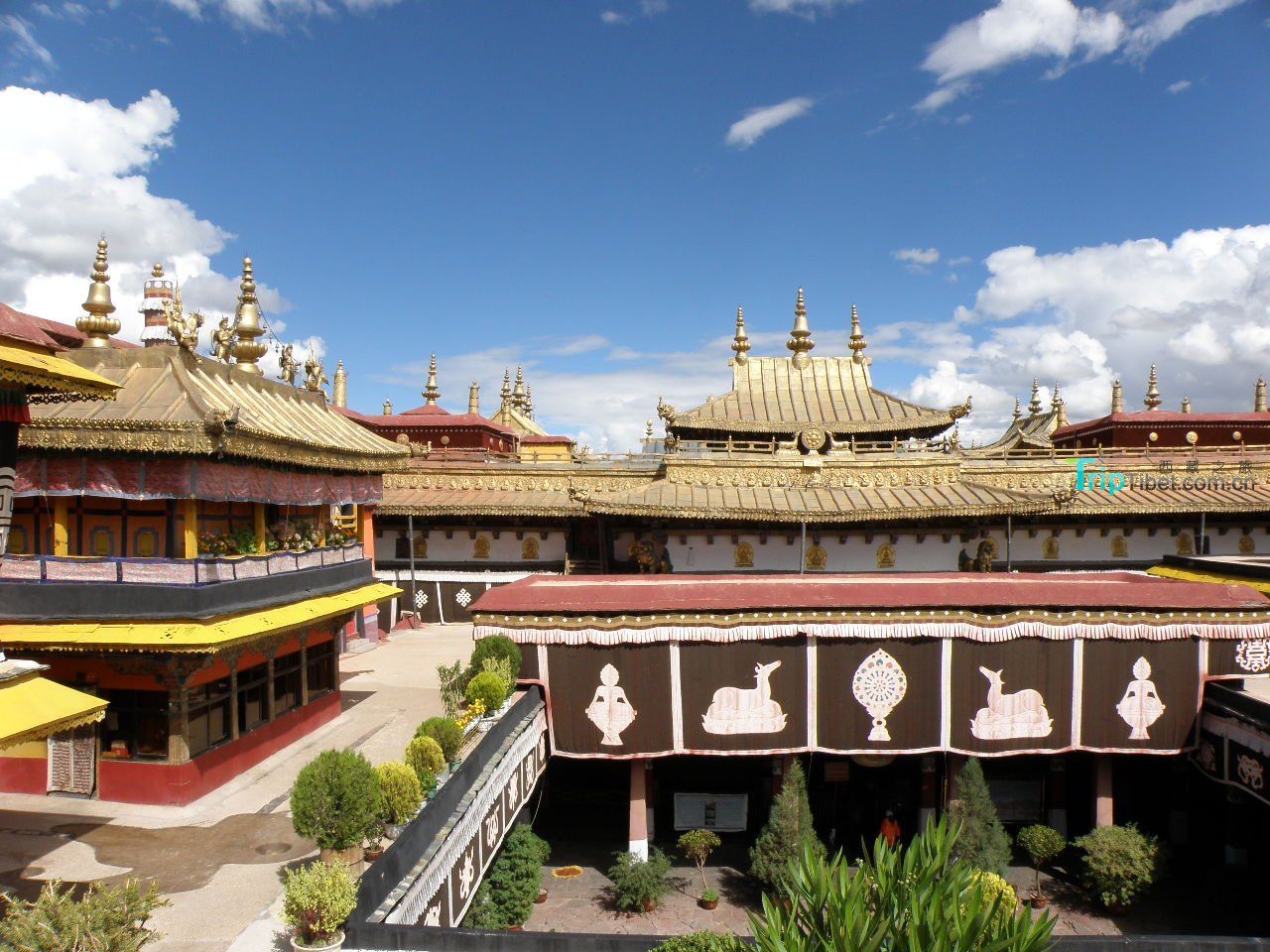
大昭寺,又名“祖拉康”、“觉康”(藏语意为佛殿),位于拉萨老城区中心,是一座藏传佛教寺院,是藏王松赞干布建造,拉萨之所以有“圣地”之誉, 与这座佛像有关。寺庙最初称“惹萨”,后来惹萨又成为这座城市的名称,并演化成当下的“拉萨”。大昭寺建成后,经过元、明、清历朝屡加修改扩建,才形成了现今的规模。
大昭寺(藏语:ཇོ་ཁང་,藏语拼音:Qokang,威利:jo khang)是位于中国西藏自治区拉萨市中心的一座藏传佛教寺院,该寺院在藏传佛教中拥有至高无上的地位。2000年,大昭寺作为布达拉宫的扩展项目被列为世界文化遗产。 大昭寺始建于七世纪吐蕃王朝的鼎盛时期,建造的目的据传说是为了供奉一尊不动金刚佛像,即释迦牟尼八岁等身像,该佛像据传是当时的吐蕃赞普松赞干布迎娶的尼泊尔尺尊公主从家乡带去的[1][2]。据说当地原为一座湖泊,但在松赞干布的努力之下,将它填平建为寺院。
之后寺院经历代扩建,目前占地25100余平方米。
值得一提的是,现在大昭寺内供奉的是唐朝文成公主带去的释迦牟尼十二岁等身像,而八岁等身像于八世纪被转供奉在小昭寺,后毁于文化大革命。在大昭寺的泥制大佛之中,安放了尺尊公主带至西藏的木制释迦牟尼佛像,相传松赞干布化身为光芒,进入佛像之中。
由于默朗钦莫及其政教合一的传统,大昭寺在文化大革命期间成为“破四旧”的目标。1966年,红卫兵攻击大昭寺,摧毁了许多佛像[3][4]。一楼松赞干布所建的观音像在文革时被扔到大街上,藏人偷偷保存其愤怒与慈悲的头像各一,后来辗转流传到印度达兰萨拉献给达赖喇嘛,成为楚拉康寺(Tsug Lagkhang)此像复制品的一部分。[5][6]大昭寺成为屠猪场,西藏人被禁止进入膜拜,直至1972年,开始重建大昭寺,1980年完成重建工程。
Der Jokhang[1] ist das bedeutendste Heiligtum innerhalb des Lhasa Tsuglagkhang und liegt inmitten der Altstadt von Lhasa, der Hauptstadt des Autonomen Gebiets Tibet der Volksrepublik China. Für die Tibeter bildet er eine Art Zentralheiligtum, zu dem man nach Möglichkeit mindestens einmal im Leben gepilgert sein sollte.
Der Legende nach wurde der Jokhang im Jahre 639 von König Songtsen Gampos nepalesischer Gemahlin, der Prinzessin Bhrikuti (tib.: khri btsun) errichtet, nachdem der ehemals an dieser Stelle gelegene Milchsee (tib. ’o thang gi mtsho) mit Hilfe der Divination von Songtsen Gampos chinesischer Gemahlin Wen Cheng trockengelegt worden war. Der zwischen 642 und 653 fertiggestellte Bau wurde von den in Begleitung Bhrikutis in das Schneeland gekommenen nepalesischen Künstlern vollendet. Ursprünglich dürfte es sich um ein relativ kleines Gebäude gehandelt haben. Indem die Anlage des Jokhang später – vermutlich insbesondere zur Zeit Tsongkhapas (1357–1419) – um zahlreiche Nebengebäude und weitere Stockwerke erweitert wurde, erhielt sie den Namen Lhasa Tsuglagkhang. Die Gesamtanlage besaß damit eine Fläche von etwa 21.500 m².[2] und bildete von dieser Zeit an die Stätte zur Abhaltung des „Großen Gebetes“ des sogenannten Mönlam Chenmo (tib.: smon lam chen mo).
Während des Aufstandes von 1959 achtete die Volksbefreiungsarmee peinlich darauf, den Tempel nicht zu beschädigen, doch während der Kulturrevolution von 1966 bis 1976 wurde der Jokhang unter Beteiligung der Bevölkerung von Lhasa geplündert und schließlich als Hauptquartier der Roten Garden sowie als Gästehaus und Filmtheater genutzt.[3]
Im Jahr 1981 wurde der Jokhang unter nationalen Denkmalschutz gestellt. Im Jahr 2000 wurde er zusammen mit dem Potala-Palast als „Historisches Ensemble Potala-Palast in Lhasa“ zum UNESCO-Weltkulturerbe erklärt. 2001 kam noch der Norbulingka dazu.
トゥルナン寺(トゥルナンじ)は、中華人民共和国チベット自治区の首府ラサにあるチベット仏教の寺院である[1]。中国名は大昭寺。一般的には本堂に相当する部分の名称であるジョカンと呼ばれることが多い。また、本堂という意味のツクラカンをつけて、トゥルナン・ツクラカンと呼ばれることもある。
正門前では、五体投地で祈る熱心なチベット仏教徒を多く見ることができる。
内部には多くのマニ車を備えた回廊があり、コルラすることが出来る。
本尊は、ソンツェン・ガンポに嫁した唐の玄宗皇帝の娘、文成公主が中国から持参したとされる釈迦牟尼像である。
The Jokhang (Tibetan: ཇོ་ཁང།, Chinese: 大昭寺), also known as the Qoikang Monastery, Jokang, Jokhang Temple, Jokhang Monastery and Zuglagkang (Tibetan: གཙུག་ལག་ཁང༌།, Wylie: gtsug-lag-khang, ZYPY: Zuglagkang or Tsuklakang), is a Buddhist temple in Barkhor Square in Lhasa, the capital city of Tibet. Tibetans, in general, consider this temple as the most sacred and important temple in Tibet. The temple is currently maintained by the Gelug school, but they accept worshipers from all sects of Buddhism. The temple's architectural style is a mixture of Indian vihara design, Tibetan and Nepalese design.
The Jokhang was founded during the reign of King Songtsen Gampo. According to tradition, the temple was built for the king's two brides: Princess Wencheng of the Chinese Tang dynasty and Princess Bhrikuti of Nepal. Both are said to have brought important Buddhist statues and images from China and Nepal to Tibet, which were housed here, as part of their dowries. The oldest part of the temple was built in 652. Over the next 900 years, the temple was enlarged several times with the last renovation done in 1610 by the Fifth Dalai Lama. Following the death of Gampo, the image in Ramcho Lake temple was moved to the Jokhang temple for security reasons. When King Tresang Detsen ruled from 755 to 797, the Buddha image of the Jokhang temple was hidden, as the king's minister was hostile to the spread of Buddhism in Tibet. During the late ninth and early tenth centuries, the Jokhang and Ramoche temples were said to have been used as stables. In 1049 Atisha, a renowned teacher of Buddhism from Bengal taught in Jokhang.
Around the 14th century, the temple was associated with the Vajrasana in India. In the 18th century the Qianlong Emperor of the Qing dynasty, following the Gorkha-Tibetan war in 1792, did not allow the Nepalese to visit this temple and it became an exclusive place of worship for the Tibetans. During the Chinese development of Lhasa, the Barkhor Square in front of the temple was encroached. During the Cultural Revolution, Red Guards attacked the Jokhang temple in 1966 and for a decade there was no worship. Renovation of the Jokhang took place from 1972 to 1980. In 2000, the Jokhang became a UNESCO World Heritage Site as an extension of the Potala Palace (a World Heritage Site since 1994). Many Nepalese artists have worked on the temple's design and construction.
Le temple ou monastère du Jokhang (tibétain : ཇོ་ཁང་, Wylie : jo khang), signifiant « maison du Jowo » en référence à la célèbre statue qu'il abrite, aussi appelé Tsuklakang, est le premier temple bouddhiste construit au Tibet. Cœur spirituel de Lhassa et lieu de pèlerinage depuis des siècles, il est situé dans le quartier du Barkhor.
Depuis 2000, le Jokhang est inscrit au patrimoine mondial de l'UNESCO dans le cadre de l'« ensemble historique du palais du Potala », et il est un des hauts-lieux touristiques de Lhassa avec le palais du Potala et le parc du Norbulingka.
Jokhang è il tempio buddista più importante di Lhasa. Il luogo è ricco di arte tipica del Tibet.
El templo de Jokhang o monasterio de Jokhang es el más famoso de los templos budistas de Lhasa en el Tíbet. Es el centro espiritual de la ciudad y tal vez su atracción turística más famosa. Está considerado por la Unesco como Patrimonio de la Humanidad junto con el Palacio de Potala y el Palacio Norbulingka.
El templo fue construido por el rey Songtsen Gampo, probablemente en 642. En origen su nombre fue Rasa Tulnang Tsuklakang. Tanto Bhirututi como Wencheng, las esposas nepalí y china del rey, aportaron como dote numerosas imágenes budistas que fueron instaladas en este templo. Jochan, junto con el templo de Ramoche, es uno de los primeros construidos en la ciudad así como uno de los más venerados ya que alberga una imagen de Jowo, el joven Buda que se dice fue esculpida en vida de Siddhārtha Gautama.
Se trata de una construcción de cuatro pisos, con tejados cubiertos con azulejos de bronce dorado. El estilo arquitectónico está basado en el diseño vihara de la India que más tarde se transformó en una mezcla entre el estilo nepalí y el de la dinastía Tang. En el tejado se encuentra unas estatuas de dos ciervos dorados que flanquean una rueda de dharma.
El complejo del templo tiene numerosos altares y habitaciones decoradas. La sala principal de los edificios del templo alberga la estatua de Jowo. También hay estatuas del rey Songtsan Gambo así como de sus dos esposas. Durante la revolución cultural se destruyeron numerosas de estas esculturas que se han reconstruido utilizando en algunos casos partes rotas de las estatuas originales.
Frente al templo se encuentra una zona cerrada que contiene algunos sauces llamados Jowo Utra (cabello del Jowo) así como un pilar erigido por los chinos en 1793 durante una epidemia de viruela. En él está grabado el tratado sino-tibetano firmado en 822, hecho cumplir por el emperador Ralpacan. El texto incluye algunas medidas de higiene para prevenir la infección de viruela.1
Джоканг (тиб. ཇོ་ཁང, Вайли Jo-khang; кит. упр. 大昭寺, пиньинь: Dàzhāosì) в городе Лхасе в Тибете — буддийский храм и монастырь, особо почитаемый тибетцами. Сюда сходятся многочисленные паломники и зарубежные туристы. Как часть общего комплекса храмов в Лхасе, является охраняемым объектом Всемирного Наследия ЮНЕСКО.
Джоканг начал строить царь Тибета Сонгцен Гампо в 639 году. Китайская принцесса Вэньчэн исследовала местность с помощью геомантии (фэншуй)[1]. На месте храма располагалось тогда небольшое озеро. Принцесса отождествила местность с телом огромной демоницы, озеро — с её гениталиями, а сердце — c тем местом, где сейчас находится храм Потала. Царь приказал осушить озеро и построить храм, а вокруг воздвигнуть ступы и монастыри, чтобы пригвоздить демоницу к земле и обезвредить.