
漢德百科全書 | 汉德百科全书
 China
China
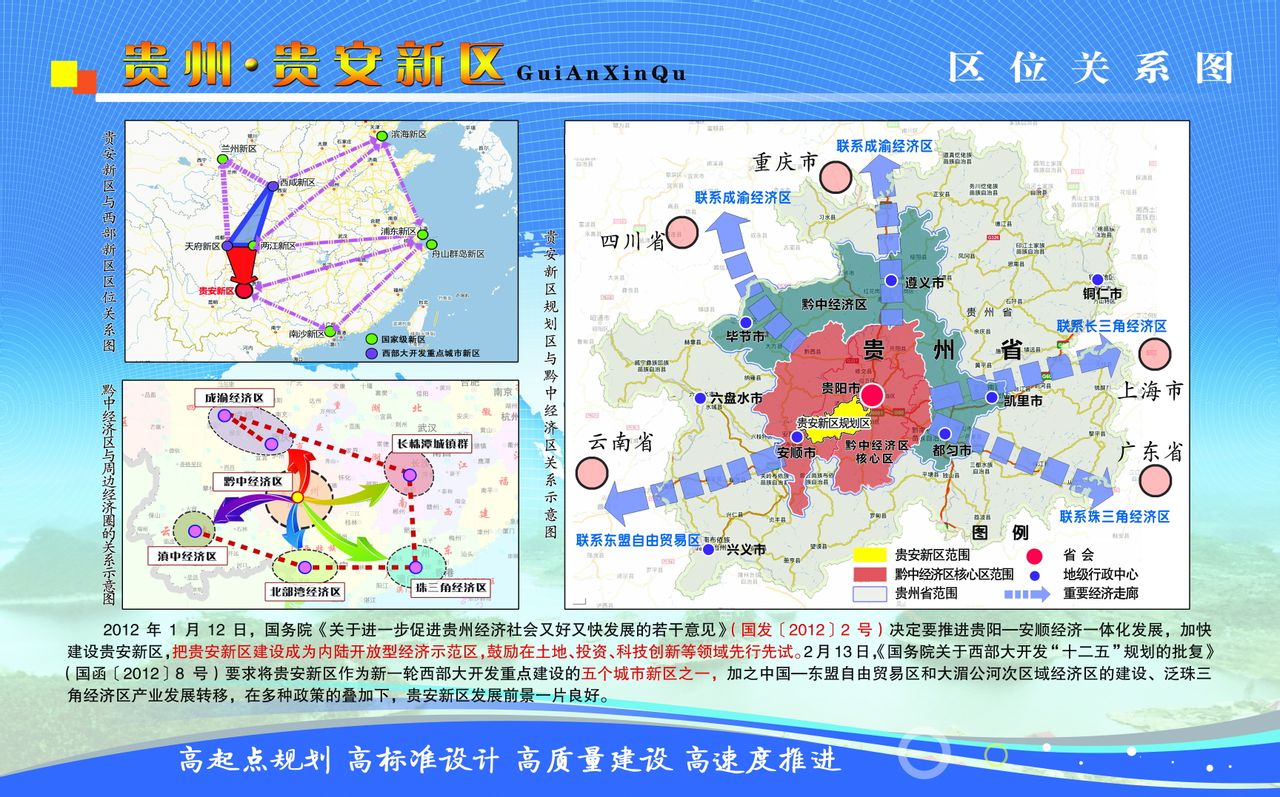
 Internationale Städte
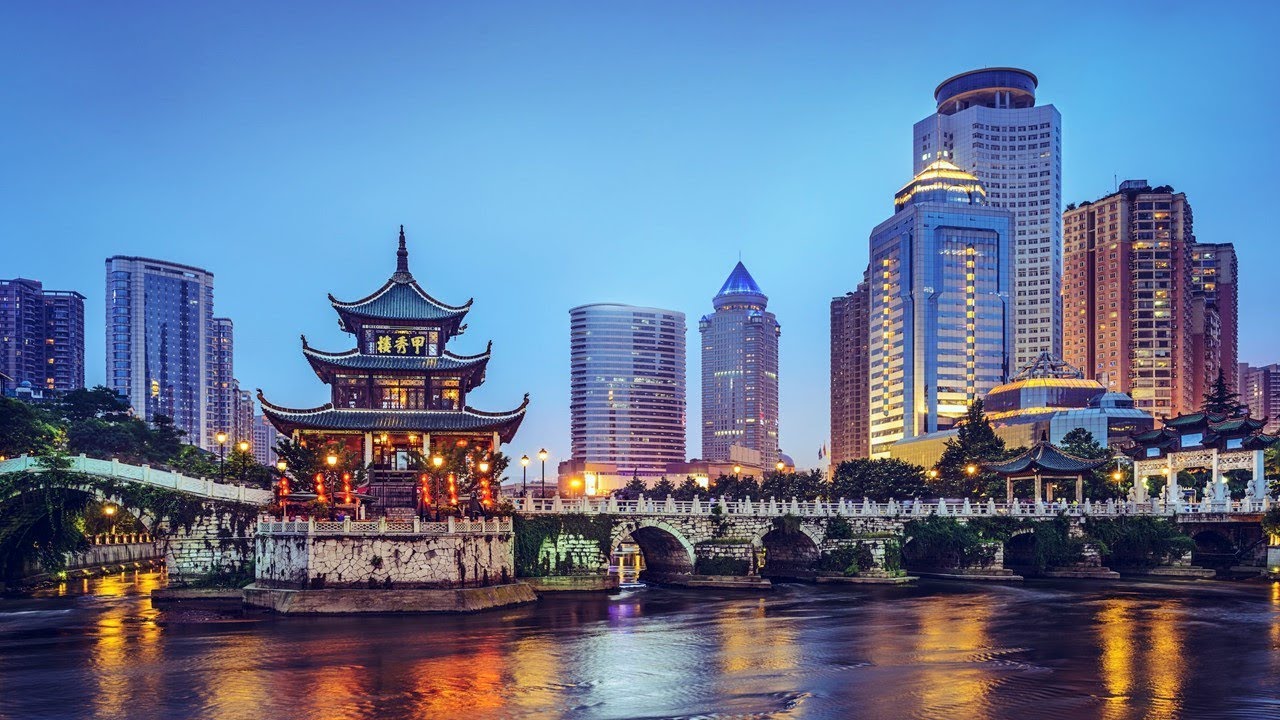
Die Hauptstadt der südwestchinesischen Provinz Guizhou, Guiyang, heißt auf Deutsch „wertvoller Sonnenschein". Denn in der Region gibt es nur selten reinen blauen Himmel. Doch genau aus diesem Grund herrscht hier ein so angenehmes Klima, geradezu perfekt für Ausflüge in die Umgebung.
Etwa 40 Prozent der Fläche Guiyangs und seiner Umgebung ist bewaldet. Der Stadtkern der Provinzhauptstadt ist von einem 70 Kilometer langen Waldgürtel umgeben. Das erklärt, warum in der südwestchinesischen Stadt das ganze Jahr über ein angenehmes Klima herrscht.
Guiyang ist nicht nur ideal zum Erholen, sondern auch ein interessantes Reiseziel für Erkundungstouren. Die Vielfalt der dortigen Kulturen ist eine große Attraktion.
In Guiyang leben neben Han-Chinesen auch noch 37 nationale Minderheiten neben- und miteinander. Die ethnischen Minoritäten machen einen Anteil von etwa 15 Prozent der Stadtbevölkerung aus. Auch in den Vororten liegen viele Siedlungen von ethnischen Minderheiten.(Quelle: german.cri.cn/401/2008/09/27/1s100118.htm)
Die Stadt Guiyang (chinesisch 貴陽市 / 贵阳市, Pinyin Guìyáng Shì) ist die Hauptstadt der Provinz Guizhou im Südwesten der Volksrepublik China. Die Stadt wird auch Lincheng (林城, Línchéng ‚Wald-Stadt‘) genannt.
贵阳市,简称筑,别称林城。中国贵州省省会,全省政治、经济、文教、交通和旅游服务中心,西南地区沟通珠三角、长三角的交通通信枢纽和物流集散地,生态旅游休闲度假旅游城市。
贵阳市位于贵州省中部,云贵高原东部,长江流域和珠江流域分水岭地带。全市海拔最高处为1762米,最低处为506米,主城区平均海拔1070米。
贵阳,贵州省省会,简称筑、金筑,有“林城”之美誉,因境内贵山之南而得名。是贵州省的政治、经济、文化、科教、交通中心和西南地区重要的交通、通信枢纽、工业基地及商贸旅游服务中心 。西南地区中心城市之一、全国生态休闲度假旅游城市 、全国综合性铁路枢纽 。属于亚热带湿润温和型气候,年平均气温15.3℃,年平均相对湿度77%,2016年森林覆盖率为46.5%,有森林公园11个。
贵阳是国家级大数据产业发展集聚区 、呼叫中心与服务外包集聚区 、大数据交易中心、数据中心集聚区 。为中国首个国家森林城市 、国家循环经济试点城市 、中国避暑之都 ,荣登“中国十大避暑旅游城市”榜首 。2017年,贵阳市复查确认保留全国文明城市荣誉称号。
贵阳之名较早见于明(弘治)《贵州图经新志》,元代始建顺元城,明永乐年间,贵州建省,贵阳成为贵州省的政治、军事、经济、文化中心。境内有30多种少数民族,有山地、河流、峡谷、湖泊、岩溶、洞穴、瀑布、原始森林、人文、古城楼阁等32种旅游景点.
貴陽市(きようし、簡体字: 贵阳市、拼音: Guìyáng、英語: Guiyang)は、中華人民共和国貴州省の省都。市内に森林が多いことから林城の別名がある。市名は貴山の南にあることに由来する。
古来より少数民族が割拠し、戦国時代には夜郎国の地であった。唐代になると烏江以南の地域に羈縻州を設置、市域は矩州に属した。宋代になると貴州と改称、1279年(至元16年)には八番羅甸宣慰司、1282年(至元19年)、順元等路軍民宣慰司を設置、1292年(至元29年)には順元、八番の両宣慰司を統合、八番順元宣慰司都元帥府を貴陽に設置し貴州と称された。
明代になると1413年(永楽11年)、貴州等処承宣布政使司を設置され、省級行政単位が成立した。1568年(隆慶2年)、省会は程番府が貴州城に編入、1569年(隆慶3年)に程番府が貴陽府と改称され、貴陽の行政区画名称が使用されるようになった。1601年(万暦29年)、貴陽府は貴陽軍民府と改称され、明末には新貴県、貴定県、開州、広順州、定番州を管轄した。
1659年(順治16年)、清朝は貴州巡撫駐貴陽軍民府 を設置、1666年(康熙5年)には雲貴総督が貴陽に駐留している。1687年(康熙26年)、貴陽軍民府を貴陽府と改称、清末には貴築県、貴定県、竜里県、修文県、開州、広順州、定番州、羅斛庁の4県3州1庁を管轄した。
中華民国が成立すると1914年(民国3年)、貴陽府が廃止され貴陽市が成立、当初は黔中道の管轄に於かれた。1920年(民国9年)、道制が廃止されると貴州省長公署の直轄とされ、1936年(民国25年)の行政督察区制度の施行に伴い第一行政督察区の所管とされた。1941年(民国30年)7月1日、行政院により貴陽市設置が正式に認可され、1949年(民国33年)には市内に9区を設置している。
1949年11月5日、共産党軍が貴陽市に入城、11月23日に貴陽市人民政府が成立している。翌日貴陽行政督察専員公署が修文県に成立、下部に修文、竜里、貴定、息烽、開陽、貴築、清鎮、恵水、甕安、長順、羅甸の11県を管轄した。1952年、貴陽区行政督察専員公署が廃止となり貴定専区に改編、1954年3月には貴築県の大部分が、同年12月には安順専区管轄の清鎮、修文、開陽の3県及び黔南州管轄の恵水県が貴陽市に移管されている。1963年10月、開陽県は遵義専署、修文、清鎮県は安順専署、恵水県は黔南州に移管された。1972年、市内に白雲区を新設、1996年には安順地区管轄の清鎮市、修文県、息烽県、開陽県が貴陽市に移管されている。2001年1月、市内に小河区が新設された。
Guiyang is the capital of Guizhou province of Southwest China. It is located in the center of the province, situated on the east of the Yunnan–Guizhou Plateau, and on the north bank of the Nanming River, a branch of the Wu River. The city has an elevation of about 1,100 meters (3,600 ft). It has an area of 8,034 square kilometers (3,102 sq mi).[1] At the 2010 census, its population was 4,324,561, out of whom 3,037,159 lived in the 7 urban districts.[2]
A city with humid subtropical climate, Guiyang is surrounded by mountains and forest. The area, inhabited since at least the Spring and Autumn period, formally became the capital of the surrounding province in 1413, during the Yuan dynasty. The city is home to a large Miao and Bouyei ethnic minority population. Guiyang has a diversified economy, traditionally a center for aluminum production, phosphate mining, and optical instrument manufacturing; however, following reforms, the majority of the city's economic output in the services sector. Since 2015, it has seen targeted investments into big data and quickly emerged as a local innovation hub.
Guiyang (贵阳 ; pinyin : Guìyáng) est la capitale de la province du Guizhou en Chine.On y parle le dialecte de Guiyang du mandarin du sud-ouest.
Guiyang (cinese: 贵阳S, GuìyángP) è una città della Cina, capitale della provincia di Guizhou.
Guiyang (chino simplificado: 贵阳, chino tradicional: 貴陽, pinyin: Guìyáng, transcripción antigua: Kweiyang) es la capital de la provincia de Guizhou en la República Popular China. Está situada en el centro de la provincia, al este de la Meseta Yunnan-Guizhou. Tiene una población de más de cuatro millones de habitantes (2010).
Гуйян (кит. упр. 贵阳, пиньинь: Guìyáng) — городской округ в провинции Гуйчжоу КНР, административный центр провинции. Расположен по обоим берегам реки Нань-Мипхэ (бассейн реки Янцзы). Делится на восточную — старую часть города, и западную — с новыми спальными районами и промышленными предприятиями. Аэропорт Лундунбао.
*Double First-rate
 A-Klasse
*Double First-rate
Fachlicher orientierter Aufbau
Anhui Sheng-AH
A-Klasse
*Double First-rate
Fachlicher orientierter Aufbau
Anhui Sheng-AH
 Bildung und Forschung
China
Hunan Sheng-HN
Bildung und Forschung
China
Hunan Sheng-HN

 IT-Times
HPC
IT-Times
HPC
 Fahrschule
Ägypten
Australien
Belgien
Brasilien
China
Dänemark
Deutschland
Finnland
Frankreich
Griechenland
Fahrschule
Ägypten
Australien
Belgien
Brasilien
China
Dänemark
Deutschland
Finnland
Frankreich
Griechenland
 Hand in Hand
Führerschein
Indien
Indonesien
Italien
Japan
Kanada
Kasachstan
Kroatien
Malaysia
Hand in Hand
Hand in Hand
Führerschein
Indien
Indonesien
Italien
Japan
Kanada
Kasachstan
Kroatien
Malaysia
 Mongolei
Neuseeland
Niederlande
NuetzlicheInfo
Österreich
Portugal
Republik Korea
Russland
Saudi-Arabien
Schweden
Schweiz
Singapur
Spanien
Südafrika
Thailand
Tschechien
Türkei
Ungarn
Mongolei
Neuseeland
Niederlande
NuetzlicheInfo
Österreich
Portugal
Republik Korea
Russland
Saudi-Arabien
Schweden
Schweiz
Singapur
Spanien
Südafrika
Thailand
Tschechien
Türkei
Ungarn
 Urlaub und Reisen
Vereinigte Arabische Emirate
Vereinigte Staaten
Vereinigtes Königreich
Urlaub und Reisen
Vereinigte Arabische Emirate
Vereinigte Staaten
Vereinigtes Königreich

国际驾驶执照(International Driving Permit)依照1949年日内瓦国际道路交通公约及1968年维也纳国际道路交通公约,由公约签署国政府签发,方便本国驾驶员在其他签约国驾驶私人车辆。国际驾驶执照为附加在一国驾驶执照之上的一本附加多国语言的说明,标注了驾驶人的基本信息以及允许驾驶的对应车辆种类等,解决驾驶员与其他国家的交通管理部门之间的沟通障碍。国际驾照不能独立存在,当驾驶员同时持有一国驾照与该国政府签发的国际驾照时,此国际驾照才视作有效。[1]
国际驾驶执照之内容及格式依照维也纳道路交通会议制订,但并非各国均批准该公约。
Ein Internationaler Führerschein ist ein Dokument, das von den Straßenverkehrsbehörden oder Automobilclubs[1] eines Landes aufgrund zwischenstaatlicher Verträge ausgestellt wird. Er soll vor allem der Polizei eines anderen Landes die Feststellung ermöglichen, ob ein ausländischer Kraftfahrer die Fahrerlaubnis hat, die für sein aktuelles Fahrzeug erforderlich ist.
An International Driver's Permit (IDP) allows you to drive a vehicle in another country, as long as you also have a valid driver's license issued by your state. It is also recognized as a proper form of identification in over 175 countries and by many major car rental companies internationally.
Getting an International Driver's Permit (sometimes incorrectly called an international driver's license) can take anywhere from a day to a few weeks, depending on whether you're going through walk-in processing or applying via mail, so make sure to plan ahead if you're planning to drive on your international trip. There are only two locations in the United States that issue these documents: The American Automobile Association (AAA) and the American Automobile Touring Alliance (AATA).
In the United States, International Driver Permits (IDPs) are only issued by the American Automobile Association and the American Automobile Touring Alliance, and the State Department recommends against purchasing an IDP from other outlets as they are all entirely illegal to buy, carry, or sell.
IDPs can be issued to anyone over 18 who has had a valid driver's license for six months or longer. They typically remain valid for one year or the expiration of your existing state driving license. It's essential to investigate an IDP before your trip and make sure you know the requirements.
Both AAA and AATA are excellent sources for these documents, so once you've selected a provider, go to either the AAA's or NAATA's website, print out the International Driving Permit Application, complete all applicable fields, and submit it.
Once you have the application completed, you can send it in via the mail or visit a local office of an organization like AAA; you'll also need two original passport-sized photos and a signed copy of your valid U.S. driver's license as well as an enclosed check for the fee.
Tips to Getting and Using Your Permit
AAA offices can process IDPs during your visit, but processing generally takes 10 to 15 business days if you send the application in. However, expedited services may be available to get your license within one or two business days for an additional fee.
When applying, you'll need a computer and printer, a completed application, a copy of your valid U.S. driver's license, two passport photos, and a check, money order, or credit card to complete the process. Remember to bring these with you if you're applying in person.
Always make sure to carry your valid United States driver's license when driving internationally, as your IDP is invalid without this accompanying proof of eligibility to drive. IDPs only translate domestically-accepted licenses and do not allow those without government-issued driver's licenses to drive abroad.
You'll also want to make sure to enclose the proper fees (the fee for the IDP, as well as any shipping and handling fees), photos, and photocopies of your license when submitting your application to AAA or AATA as omitting any of these required documents will result in your application being rejected.
You should also check the driving requirements and laws for the countries you will be driving in on your vacation, so you'll know what will be required in the event you get stopped by local authorities. (Quelle:https://www.tripsavvy.com/)
 Sport
Sport

Der Internationale Drachenbootverband (engl.: International Dragon Boat Federation/IDBF) ist der Dachverband der nationalen Drachenbootverbände weltweit. Er veranstaltet seit 1995 alle zwei Jahre Weltmeisterschaften im Drachenbootsport.
国际龙舟联合会(英语:International Dragon Boat Federation,缩写:IDBF)是一个国际性龙舟体育组织。该会由中国、香港、中华台北、澳大利亚、英国、印尼、意大利、马来西亚、菲律宾、新加坡和美国等国家和地区代表于1991年6月24日在香港成立。[2]截至2018年。共有73个会员国,和3个有意发展的国家。
Australien
China
Deutschland
Frankreich
ITU World Championship Series
Japan
Kanada
Kasachstan
Mexiko
Neuseeland
Niederlande
Österreich
Portugal
Republik Korea
Schweden
Schweiz
Spanien
Südafrika
Ungarn
Vereinigte Arabische Emirate
Vereinigte Staaten
Vereinigtes Königreich
Vereinigtes Königreich
Bermuda

 Wissenschaft und Technik



 Architektur
Beijing Shi-BJ
China
Chinesische darstellende Künste
Architektur
Beijing Shi-BJ
China
Chinesische darstellende Künste
 Darstellende Künste
 Musik
Musik
Gesang
Musik
Oper
Urlaub und Reisen
Musik
Musik
Gesang
Musik
Oper
Urlaub und Reisen
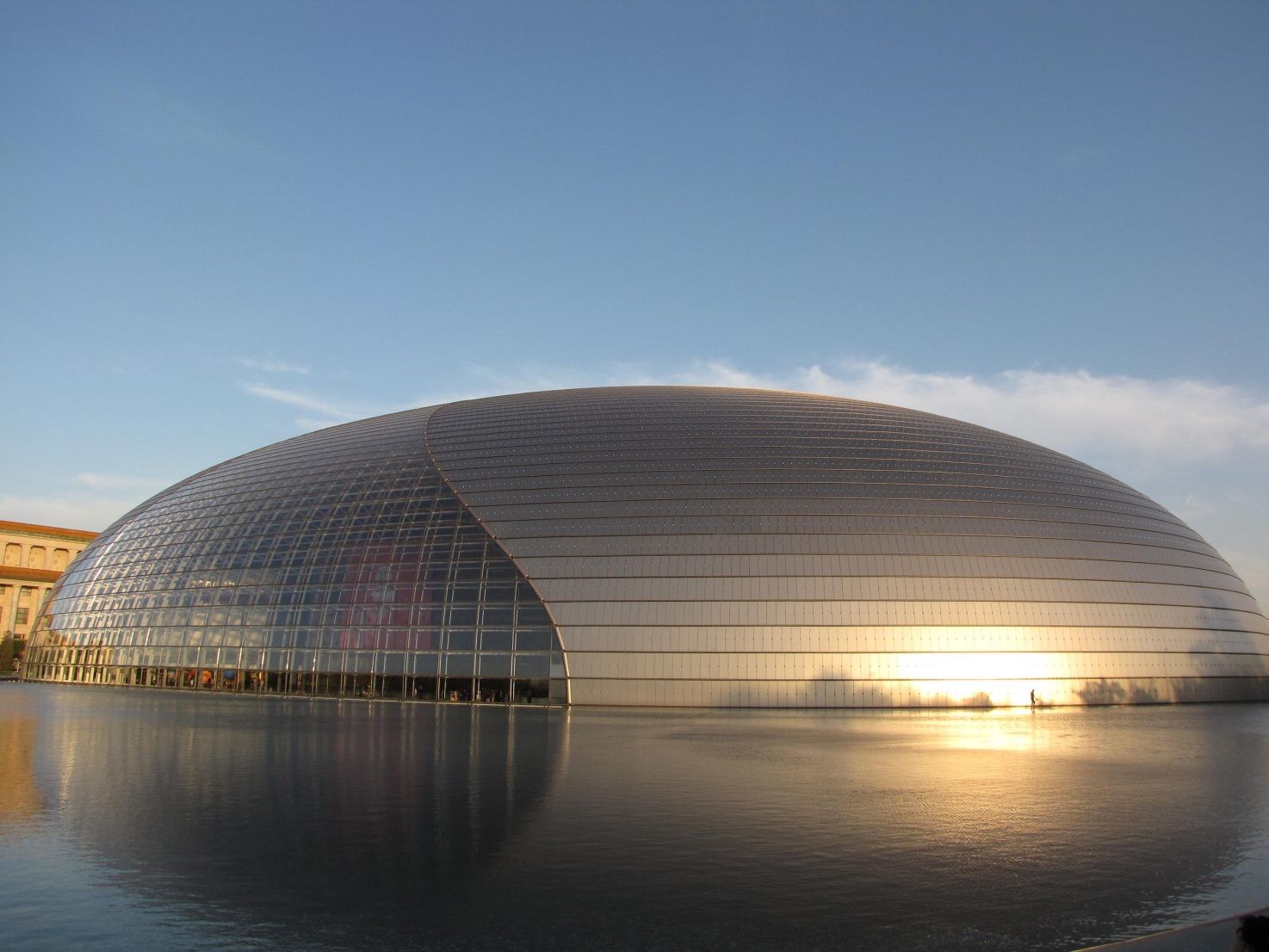
Das chinesische Nationale Zentrum für Darstellende Künste (chinesisch 國家大劇院 / 国家大剧院, Pinyin Guójiā dà jùyuàn; englisch National Grand Theatre), auch als Chinesisches Nationaltheater oder Chinesische Nationaloper bezeichnet, ist ein großes Theater- und Operngebäude in der chinesischen Hauptstadt Peking.
Es befindet sich in der Innenstadt westlich des Tian’anmen-Platzes und der Großen Halle des Volkes im Pekinger Stadtbezirk Xicheng.
Das von dem französischen Architekten Paul Andreu entworfene Gebäude wurde 2007 eröffnet. Es gilt durch seine eiförmige spektakuläre Außen- und Innenansicht – ellipsenförmig, aus Glas und Titan, an das traditionelle Yin-und-Yang-Motiv erinnernd, umgeben von einem künstlichen See – als eine der modernen architektonischen Sehenswürdigkeiten der Stadt.
Es ist eine Spielstätte für nationale und internationale Theater-, Opern-, Musik- und Tanzaufführungen.
国家大剧院占地11.893万平方米,总建筑面积149520平方米,主体建筑由外部围护结构和内部歌剧院、戏剧场、音乐厅和公共大厅及配套用房组成。国家大剧院共設有5473个座位,其中歌剧院席位2416个,戏剧院席位1040个,音乐厅席位2017个。外部围护钢结构壳体呈半椭球形,其平面投影东西长212.20米,南北宽143.64米,建筑物高46.285米,基础埋深的最深部分达到32.5米。椭球形屋面主要采用钛金属板饰面,中部为渐开式玻璃幕墙。椭球壳体外环绕人工湖,湖面面积达35500平方米,各种通道和入口都设在水面下。
中国国家大劇院(ちゅうごくこっかだいげきいん)は2007年9月に完成した中国北京の中心部に位置する国立劇場である。天安門広場の西側にあり人民大会堂にも隣接する。
2004年に着工。総工費は32億元。設計者はシャルル・ド・ゴール国際空港などを手がけたフランスの建築家ポール・アンドリュー[1]。外観では卵の形にしたドーム型の施設で、2,416席のオペラ劇場2,017席収容の音楽ホール、1,040席収容のコンサートホール等がある。
元々は1998年に当時の江沢民党総書記・国家主席が、国家大劇院を建設すると発表したことに始まり、2007年12月に正式にこけら落とされた。
こけら落とし公演はガラコンサートで、開場記念事業にはマリインスキー・オペラや、小澤征爾指揮中国国家交響楽団のジルベスターコンサートなどが2008年4月まで続けられた。
The National Centre for the Performing Arts (NCPA) (simplified Chinese: 国家大剧院; traditional Chinese: 國家大劇院; pinyin: Guójiā dà jùyuàn; literally: National Grand Theatre), and colloquially described as The Giant Egg (巨蛋), is an arts centre containing an opera house in Beijing, People's Republic of China. The Centre, an ellipsoid dome of titanium and glass surrounded by an artificial lake, seats 5,452 people in three halls and is almost 12,000 m² in size. It was designed by French architect Paul Andreu. Construction started in December 2001 and the inaugural concert was held in December 2007.
Le Centre national des arts du spectacle, précédemment appelé le Grand Théâtre national (en chinois 国家大剧院), est un bâtiment de Pékin comprenant dans 150 000 m2 une salle d’opéra de 2 416 places, une salle de concert de 2 017 places, et un théâtre de 1 040 places. Il est couramment appelé de manière un peu abusive l’opéra de Pékina, ou localement l’Œuf. Le bâtiment est situé sur l'avenue Chang'an (长安街), en plein centre historique de Pékin, face au parc de Zhongnanhai, immédiatement à l’ouest de la place Tian'anmen (dont il est séparé par le palais de l'Assemblée du Peuple) et au sud-ouest de la Cité interdite.
Cette construction qui a été inaugurée en décembre 2007 après six ans de travaux, a été conçu par l’architecte français Paul Andreu.
Elle consiste en un dôme de titane et de verre en forme d’ellipse, évoquant le motif traditionnel du yin et du yang, et entouré d’un lac artificiel qui lui donne l'impression de flotter sur l'eau. On accède à l'entrée principale qui se trouve au nord du bâtiment par l'intermédiaire d'une large esplanade inclinée permettant de pénétrer dans l'édifice en passant sous le lac.
Il Centro Nazionale per le Arti dello Spettacolo (国家大剧院S, Guójiā dà jùyuànP, letteralmente "Grande Teatro Nazionale"), noto come l'Opera di Pechino o, più familiarmente, L'uovo, è un teatro d'opera a Pechino, Repubblica Popolare Cinese.
Il Centro, una cupola ellissoidale di titanio e vetro circondata da un lago artificiale, comprende in un'area di oltre 200.000 m² una sala per l'opera di 2.416 posti, una sala concerti con 2.017 posti ed un teatro di 1.040 posti.
È stato progettato dall'architetto francese Paul Andreu. La costruzione è iniziata nel dicembre 2001 e il concerto inaugurale si è tenuto nel dicembre 2007. Il teatro è una cupola ellissoide in titanio, interrotta in direzione nord-sud da un rivestimento in vetro che si allarga gradualmente dall'alto verso il basso; si tratta di oltre 18.000 lamine di titanio ed oltre 1000 di vetro ad alta trasmissione luminosa. È stato progettato come qualcosa di emblematico che potesse essere immediatamente riconoscibile. La cupola misura 212 metri da est ad ovest, 144 da nord a sud ed è alta 46 metri. Gli ospiti giungono dal lato nord dopo aver camminato attraverso un corridoio lungo 80 metri passante al di sotto la superficie del lago.
El Gran Teatro Nacional de China, también conocido como «El Huevo», es un teatro de ópera en Pekín (República Popular China). Abrió sus puertas en junio de 2007. El arquitecto francés Paul Andreu fue el encargado de diseñarlo, con una planificación de coste inicial de unos 2.688 millones de yuanes. El teatro puede acoger hasta 6.500 personas en sus 200.000 m² de superficie.
 Unternehmen
 Energieressource
 Wirtschaft und Handel

State Grid Corporation of China (SGCC) ist ein Energieunternehmen der Volksrepublik China, das für den Großteil des Netzbetriebes zuständig ist. Es fand sich 2006 auf dem 24. Platz der Fortune 500 [1] wieder.
SGCC wurde am 29.Dezember 2002 als ein Pilotstaatsunternehmen von dem Staatsrat gegründet und ist hauptsächlich für die Zuverlässigkeit und Sicherheit des Netzbetriebes sowie dessen ständigen Ausbau zuständig. Der Konzern ging im Zuge der im Jahr 2000 durchgeführten "Kraftwerk-Netz-Separation" aus der staatlichen State Power Corporation of China hervor, die einen enormen Teil des nationalen Energieversorgungsnetzes und viele Kraftwerke Chinas betrieb. Seit der Reform wird der Netzbetrieb von der eigentlichen Energieerzeugung getrennt. So übernahmen SGCC und CSG die Energieübertragung und -verteilung, während die Kraftwerke nun von fünf großen Energieerzeugungsunternehmen betrieben werden.(Quelle:Wikipedia)