漢德百科全書 | 汉德百科全书
 Texas-TX


 IT-Times
 Wissenschaft und Technik


 Automobil

美国公路安全保险协会(英语:Insurance Institute for Highway Safety,缩写成IIHS),是美国一家由汽车保险公司资助的非盈利性第三方机构[1],也因为非官方身份,撞击测试的受测车辆是直接购入市售车款进行,而非由车厂自行提供,分级也更为严苛,所以地位极其重要,甚至可比拟政府的NHTSA,等于是美国的安全测试权威。
Das Insurance Institute for Highway Safety (IIHS) ist eine amerikanische Non-Profit-Organisation, finanziert von Autoversicherern[1][2], gegründet 1959 und mit Sitz in Arlington. Das IIHS arbeitet darauf hin, die Zahl der Unfälle von Motorfahrzeugen zu reduzieren und die Verletzungsrate sowie die Vermögensschäden zu senken, die durch Unfälle entstehen. Das renommierte Institut betreibt Forschung, führt Crashtests durch[3] und veröffentlicht Ranglisten für beliebte PKW wie auch für bestimmte Produkte wie Autokindersitze. Das IIHS erforscht auch die Gestaltung von Straßen und Verkehrsführung und leistet durch seine Forschungs- und Informationsarbeit Beiträge zu politischen Entscheidungsprozessen.
 Transport und Verkehr
737 MAX
Transport und Verkehr
737 MAX
 8
737 Next Generation
737-800
Airbus A320
A319-100
Airbus A320
A320-100 / -200
Airbus A320
A321-100 / -200
Airbus A320
A321neo
Airbus A330
A330-200
Airbus A330
A330-300
Airbus A350
A350-900
American Airlines
Boeing 737
737 MAX 8
Boeing 737
737 Next Generation
Boeing 757
Boeing 757-200
Boeing 767
767-300ER
Boeing 777
777-200ER
Boeing 777
777-300ER
Boeing 787
Boeing 787-8
Boeing 787
Boeing 787-9
Embraer E-Jet family
E190
8
737 Next Generation
737-800
Airbus A320
A319-100
Airbus A320
A320-100 / -200
Airbus A320
A321-100 / -200
Airbus A320
A321neo
Airbus A330
A330-200
Airbus A330
A330-300
Airbus A350
A350-900
American Airlines
Boeing 737
737 MAX 8
Boeing 737
737 Next Generation
Boeing 757
Boeing 757-200
Boeing 767
767-300ER
Boeing 777
777-200ER
Boeing 777
777-300ER
Boeing 787
Boeing 787-8
Boeing 787
Boeing 787-9
Embraer E-Jet family
E190

 Luft- und Raumfahrt
Oneworld
McDonnell Douglas
MD-82
McDonnell Douglas
MD-83
Texas-TX
Luft- und Raumfahrt
Oneworld
McDonnell Douglas
MD-82
McDonnell Douglas
MD-83
Texas-TX
 Unternehmen
*Größte Fluggesellschaften
Vereinigte Staaten
Unternehmen
*Größte Fluggesellschaften
Vereinigte Staaten
 Architektur
 Sport
Sport

Heimspielbetrieb Dallas Mavericks (NBA, seit 2001) Dallas Stars (NHL, seit 2001) Dallas Desperados (AFL, 2002, 2004–2008) Dallas Vigilantes (AFL, 2010–2011) Veranstaltungen Spiele der NBA Finals 2006 NHL All-Star Game 2007 Spiele der NBA Finals 2011
*Politisches System der Vereinigten Staaten
 California-CA
Federal Reserve System,Fed
California-CA
Federal Reserve System,Fed
 Finanz
*Vereinigte Staaten-Konjunkturdaten
Finanz
*Brasilien-Konjunkturdaten
Finanz
*China-Konjunkturdaten
Finanz
*Deutschland-Konjunkturdaten
Finanz
*Europäische Union-Konjunkturdaten
Finanz
*Frankreich-Konjunkturdaten
Finanz
*Indien-Konjunkturdaten
Finanz
*Indonesien-Konjunkturdaten
Finanz
*Italien-Konjunkturdaten
Finanz
*Japan-Konjunkturdaten
Finanz
*Kanada-Konjunkturdaten
Finanz
*Russland-Konjunkturdaten
Finanz
*Vereinigtes Königreich-Konjunkturdaten
Finanz
***Wichtige Aufsichtsbehörden
Finanz
*Vereinigte Staaten-Konjunkturdaten
Finanz
*Brasilien-Konjunkturdaten
Finanz
*China-Konjunkturdaten
Finanz
*Deutschland-Konjunkturdaten
Finanz
*Europäische Union-Konjunkturdaten
Finanz
*Frankreich-Konjunkturdaten
Finanz
*Indien-Konjunkturdaten
Finanz
*Indonesien-Konjunkturdaten
Finanz
*Italien-Konjunkturdaten
Finanz
*Japan-Konjunkturdaten
Finanz
*Kanada-Konjunkturdaten
Finanz
*Russland-Konjunkturdaten
Finanz
*Vereinigtes Königreich-Konjunkturdaten
Finanz
***Wichtige Aufsichtsbehörden
 Georgia-GA
Geschäfte tätigen
Georgia-GA
Geschäfte tätigen
 Illinois-IL
 Massachusetts-MA
 Minnesota-MN
 Missouri-MO
 New York-NY
 Ohio-OH
 Pennsylvania-PA
Texas-TX
Unternehmen
Vereinigte Staaten
Pennsylvania-PA
Texas-TX
Unternehmen
Vereinigte Staaten
 Virginia-VA
 Washington, D.C.
 Wirtschaft und Handel
Wirtschafts- und Politikforschung
Wirtschaft und Handel
Wirtschafts- und Politikforschung


Das Federal Reserve System [ˈfɛdə˞əl rɪˈzɜ˞ːv ˈsɪstəm], oft auch Federal Reserve oder einfach die Fed (als US-Notenbank), ist das Zentralbank-System der Vereinigten Staaten. Es besteht aus dem Board of Governors, zwölf regionalen Federal Reserve Banken, dem Federal Open Market Committee (FOMC), einer Vielzahl von Mitgliedsbanken (Mitgliedspflicht ab einer bestimmten Größe) und anderen Institutionen.
Die Fed berichtet regelmäßig an den Kongress der Vereinigten Staaten über ihre Aktivitäten und ihre Pläne zur Geldpolitik. Das Tagesgeschäft und die operativen Entscheidungen der Fed werden von ihr frei und eigenständig entschieden. Der Kongress hat allerdings die Befugnis, die Gesetze betreffend die Geschäftstätigkeit der Fed zu ändern.[1]
联邦储备系统(英语:Federal Reserve System(Fed),简称美联储)是美国的中央银行体系,依据美国国会通过的1913年《联邦储备法案》而创设,以避免再度发生类似1907年的银行危机。整个系统包括联邦储备委员会、联邦公开市场委员会、联邦储备银行、三千家会员银行、及3个咨询委员会(Advisory Councils)。
連邦準備制度(れんぽうじゅんびせいど、英語: Federal Reserve System, FRS)は、アメリカ合衆国の中央銀行制度である。ワシントンD.C.にある連邦準備制度理事会(Federal Reserve Board, FRB)が全国の主要都市に散在する連邦準備銀行(Federal Reserve Bank, FRB)を統括する。連邦準備制度理事会は連邦議会の下にある政府機関であるが、予算の割当や人事の干渉を受けない。各連邦準備銀行は株式を発行する法人(body corporate)である。
The Federal Reserve System (also known as the Federal Reserve or simply the Fed) is the central banking system of the United States of America. It was created on December 23, 1913, with the enactment of the Federal Reserve Act, after a series of financial panics (particularly the panic of 1907) led to the desire for central control of the monetary system in order to alleviate financial crises.[list 1] Over the years, events such as the Great Depression in the 1930s and the Great Recession during the 2000s have led to the expansion of the roles and responsibilities of the Federal Reserve System.[5][10][11]
The U.S. Congress established three key objectives for monetary policy in the Federal Reserve Act: maximizing employment, stabilizing prices, and moderating long-term interest rates.[12] The first two objectives are sometimes referred to as the Federal Reserve's dual mandate.[13] Its duties have expanded over the years, and currently also include supervising and regulating banks, maintaining the stability of the financial system, and providing financial services to depository institutions, the U.S. government, and foreign official institutions.[14] The Fed also conducts research into the economy and provides numerous publications, such as the Beige Book and the FRED database.
The Federal Reserve System is composed of several layers. It is governed by the presidentially appointed board of governors or Federal Reserve Board (FRB). Twelve regional Federal Reserve Banks, located in cities throughout the nation, regulate and oversee privately owned commercial banks.[15][16][17] Nationally chartered commercial banks are required to hold stock in, and can elect some of the board members of, the Federal Reserve Bank of their region. The Federal Open Market Committee (FOMC) sets monetary policy. It consists of all seven members of the board of governors and the twelve regional Federal Reserve Bank presidents, though only five bank presidents vote at a time (the president of the New York Fed and four others who rotate through one-year voting terms). There are also various advisory councils. Thus, the Federal Reserve System has both public and private components.[list 2] It has a structure unique among central banks, and is also unusual in that the United States Department of the Treasury, an entity outside of the central bank, prints the currency used.[22]
The federal government sets the salaries of the board's seven governors, and it receives all the system's annual profits, after a statutory dividend of 6% on member banks' capital investment is paid, and an account surplus is maintained. In 2015, the Federal Reserve earned a net income of $100.2 billion and transferred $97.7 billion to the U.S. Treasury.[23] Although an instrument of the US Government, the Federal Reserve System considers itself "an independent central bank because its monetary policy decisions do not have to be approved by the President or anyone else in the executive or legislative branches of government, it does not receive funding appropriated by Congress, and the terms of the members of the board of governors span multiple presidential and congressional terms."[24]
La Réserve fédérale (officiellement Federal Reserve System, souvent raccourci en Federal Reserve ou Fed) est la banque centrale des États-Unis. Elle est créée en décembre 1913, durant les fêtes, par le Federal Reserve Act dit aussi Owen-Glass Act, à la suite de plusieurs crises bancaires, dont la panique bancaire américaine de 1907. Son rôle évolue depuis et elle renforce son indépendance lors de l'instabilité monétaire des années 1975 et 1985.
Le Congrès des États-Unis définit trois objectifs de politique monétaire dans le Federal Reserve Act : plein emploi, stabilité des prix, et taux d'intérêt à long terme modérés1. Les deux premiers sont souvent appelés le « double objectif » ou « double mandat » de la Fed2. Outre la politique monétaire, la Fed est maintenant chargée de superviser et réguler le système bancaire, de maintenir la stabilité du système financier, et d'offrir des prestations financières aux organismes de dépôt, au gouvernement fédéral, et aux institutions financières étrangères3. Elle étudie de surcroît l'économie américaine, et publie de nombreux rapports, tels que le livre beige, un résumé des conditions économiques dans chaque région.
La Réserve fédérale se compose d'un conseil des gouverneurs (dont Jerome Powell est le président depuis 2018), du Federal Open Market Committee (FOMC), de douze banques régionales (Federal Reserve Banks), des banques membres, et de plusieurs conseils consultatifs4,5. Le FOMC est le comité responsable de la politique monétaire ; il se compose des sept membres du bureau des gouverneurs et des douze présidents des banques régionales (dont cinq seulement ont le droit de vote à un moment donné). La Réserve fédérale comporte ainsi des aspects publics et privés : cette structure est unique au monde pour une banque centrale, et correspond à une volonté de répondre à la fois à l'intérêt public et à ceux, privés, des banques membres. Une autre particularité du système monétaire américain est que ce n'est pas la banque centrale mais le département du Trésor qui crée la monnaie fiduciaire6.
La Fed est une banque centrale indépendante : ses décisions ne sont pas sujettes à l'autorisation du président des États-Unis ou d'une autre partie du gouvernement fédéral, elle ne reçoit pas de budget du Congrès, et les mandats des gouverneurs sont beaucoup plus longs que ceux des élus fédéraux. Le gouvernement peut cependant exercer un contrôle : l'autorité de la Fed est définie par le Congrès et celui-ci peut exercer son droit de surveillance (congressional oversight). Les membres du bureau des gouverneurs, y compris le président et le vice-président, sont nommés par le président des États-Unis et confirmés par le Sénat. Le gouvernement nomme également les hauts fonctionnaires de la banque et fixe leur salaire. Toutes les banques commerciales autorisées à exercer en dehors d'un seul État sont obligatoirement membres de la Réserve fédérale régionale où se trouve leur siège et détiennent des parts dans celle-ci, ce qui autorise ces banques à élire une partie des membres du bureau de chaque Réserve fédérale régionale. Le gouvernement fédéral reçoit tous les profits de la Fed, hormis un dividende de 6 % versé aux banques membres.
Il Federal Reserve System, conosciuto anche come Federal Reserve (it. Riserva federale) ed informalmente come la Fed, è la banca centrale degli Stati Uniti d'America.
El Sistema de la Reserva Federal (en inglés, Federal Reserve System, también conocido como Reserva Federal o informalmente Fed) es el banco central de los Estados Unidos.1 Es un consorcio publico-privado que controla la estructura organizativa en la cual participa una agencia gubernamental, conocida como Junta de Gobernadores, con sede en Washington D. C.2 Así, algunos consideran esto como el aspecto público del sistema, y los 12 Bancos de la Reserva de todo el país el aspecto privado.3 Está encargada de custodiar parte de las reservas de los "bancos miembros" estadounidenses: los federales, y los estatales asociados voluntariamente.4
La Junta de Gobernadores del Sistema de la Reserva Federal es una agencia gubernamental independiente, sin embargo está sujeta a la Ley de Libertad de Información (Freedom of Information Act). Como muchas de las agencias independientes, sus decisiones no tienen que ser aprobadas por el Presidente o por alguna persona del poder ejecutivo o legislativo: son decisiones de carácter unilateral. La Junta de Gobernadores no recibe dinero del Congreso, y su mandato tiene una duración que abarca varias legislaturas. Una vez que el presidente designa a un miembro de la junta, este actúa con "independencia", aunque puede ser destituido por el presidente según lo establecido en la sección 242, Título 12, del Código de Estados Unidos.5
El Sistema de la Reserva Federal fue creado el 23 de diciembre de 1913 por la Ley de la Reserva Federal (Federal Reserve Act). Todos los bancos nacionales tuvieron que unirse al sistema. Los billetes de la Reserva Federal (Federal Reserve Notes) fueron creados para tener una oferta monetaria "flexible".6
Федера́льная резе́рвная систе́ма (Federal Reserve System, ФРС, Федеральный резерв, FED) — специально созданное 23 декабря 1913 года независимое федеральное агентство для выполнения функций центрального банка и осуществления централизованного контроля над коммерческой банковской системой Соединённых Штатов Америки. В ФРС входят 12 федеральных резервных банков, расположенных в крупнейших городах, около трёх тысяч коммерческих так называемых банков-членов, назначаемый президентом Совет управляющих, Федеральный комитет по операциям на открытом рынке и консультационные советы. Основанием для создания является Закон о Федеральном резерве. В управлении ФРС определяющую роль играет государство, хотя форма собственности капитала является частной — акционерная с особым статусом акций.
С точки зрения управления, ФРС является независимым органом в правительстве США. Как национальный центральный банк, ФРС получает полномочия от Конгресса США. Независимость в работе обеспечивается тем, что принимаемые решения о кредитно-денежной политике не должны быть одобрены президентом США или кем-либо иным из исполнительной или законодательной ветвей власти. ФРС не получает финансирование от Конгресса. Срок полномочий членов Совета управляющих Федеральной резервной системы охватывает несколько сроков президентских полномочий и членов Конгресса. В то же время ФРС подконтрольна Конгрессу, который часто анализирует деятельность ФРС и может изменить обязанности ФРС законодательным образом[1].
С 2006 по 2014 год пост председателя совета управляющих ФРС занимал Бен Бернанке. В феврале 2014 года его сменила Джанет Йеллен, которая в течение двух лет работала его заместителем[2]. С 5 февраля 2018 года главой Федеральной резервной системы является Джером Пауэлл.


 Militär,Verteidigung und Ausrüstung

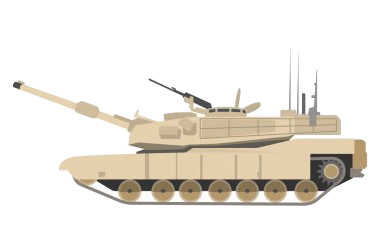
陆军未来司令部(英语:Army Futures Command,AFC)是美国陆军负责现代化建设的机构,指挥官为四星上将,主导未来战场所需的概念、能力和组织结构,并与企业界和学术界合作[1]。总部设于德克萨斯州奥斯汀,因为当地聚集许多高科技人才和资源。
Das United States Army Futures Command (AFC) ist ein Kommando der US-Armee, das Modernisierungsprojekte durchführt. Es hat seinen Sitz in Austin, Texas.
Das AFC nahm seine Tätigkeit am 1. Juli 2018 auf. Es wurde als Pendant zum Forces Command (FORSCOM), Training and Doctrine Command (TRADOC) und Army Materiel Command (AMC) gegründet. Während sich die anderen Kommandos auf die Bereitschaft zum „Kampf heute Abend“ konzentrieren, zielt das AFC darauf ab, die künftige Bereitschaft für den Wettbewerb mit gleichrangigen Streitkräften zu verbessern. Der Befehlshaber des AFC fungiert als oberster Modernisierungsbeauftragter des Heeres.
Unterstützt wird er durch das United States Army Reserve Innovation Command (75th Innovation Command).
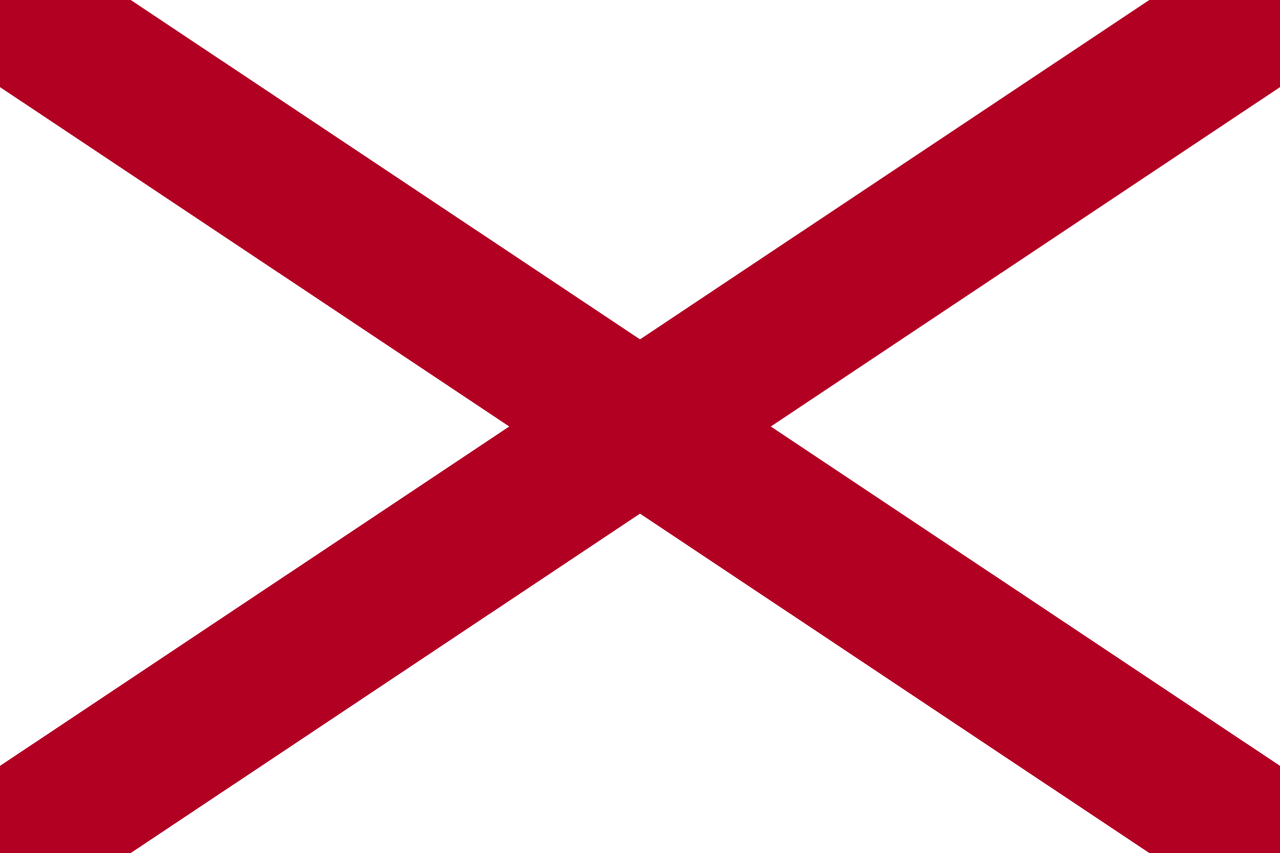 Alabama-AL
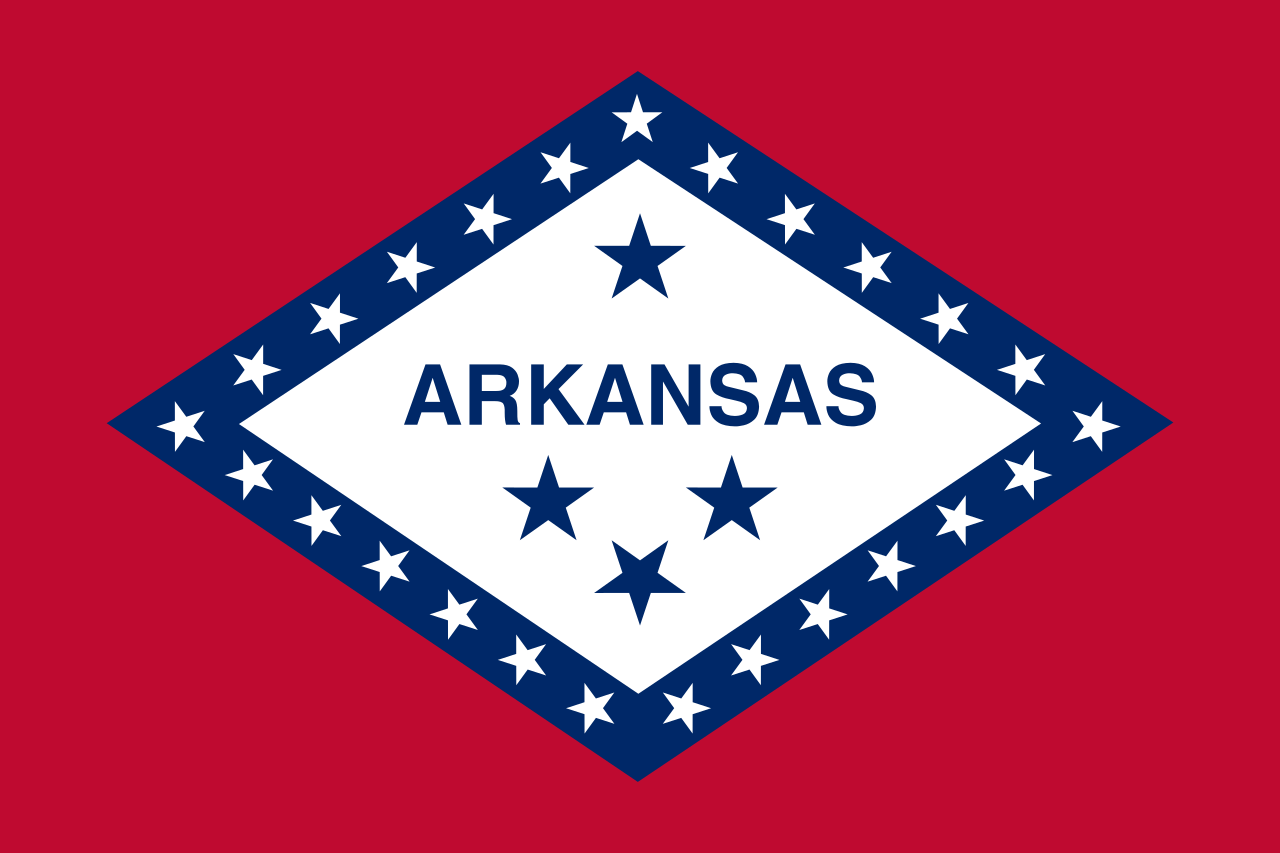 Arkansas-AR
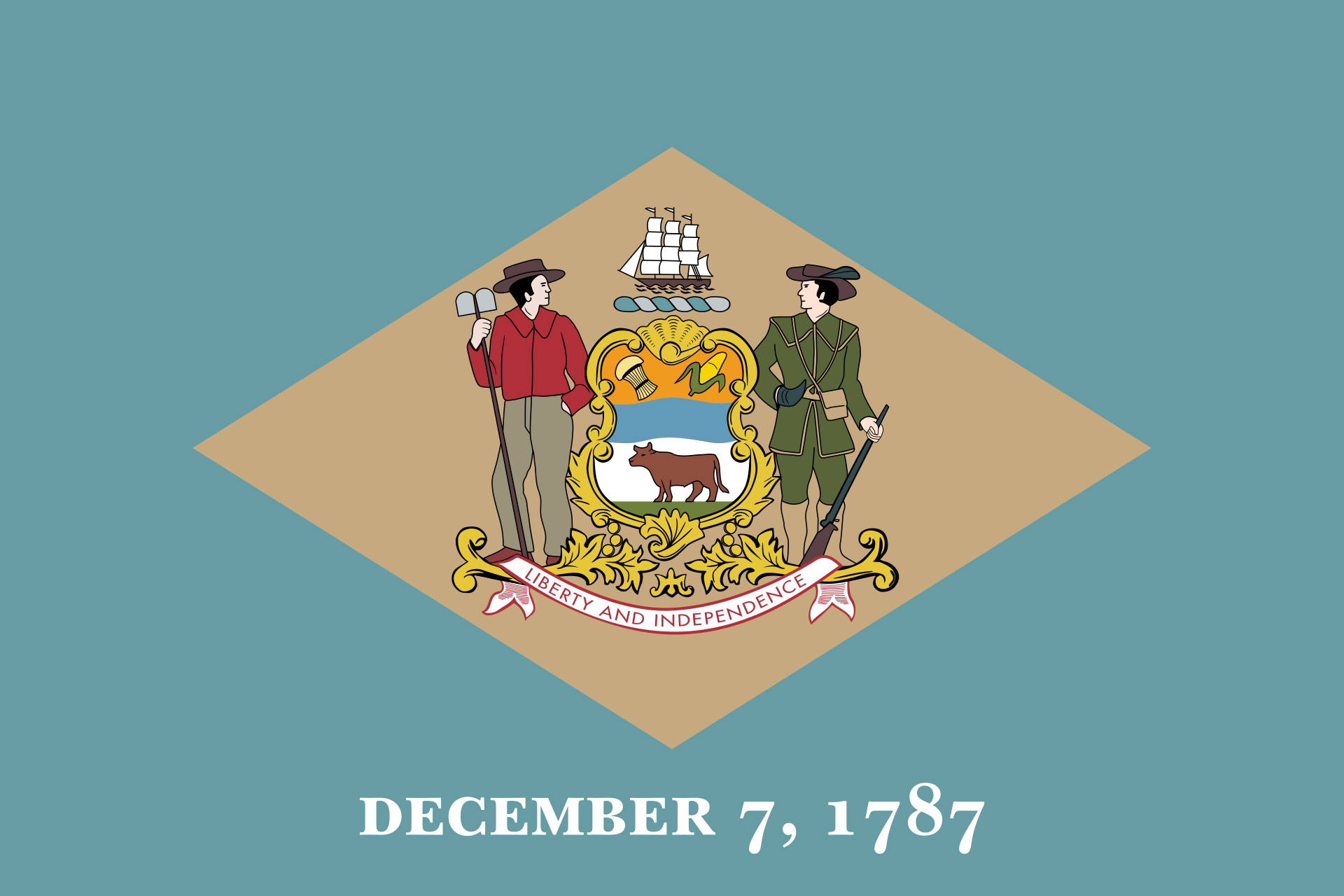 Delaware-DE
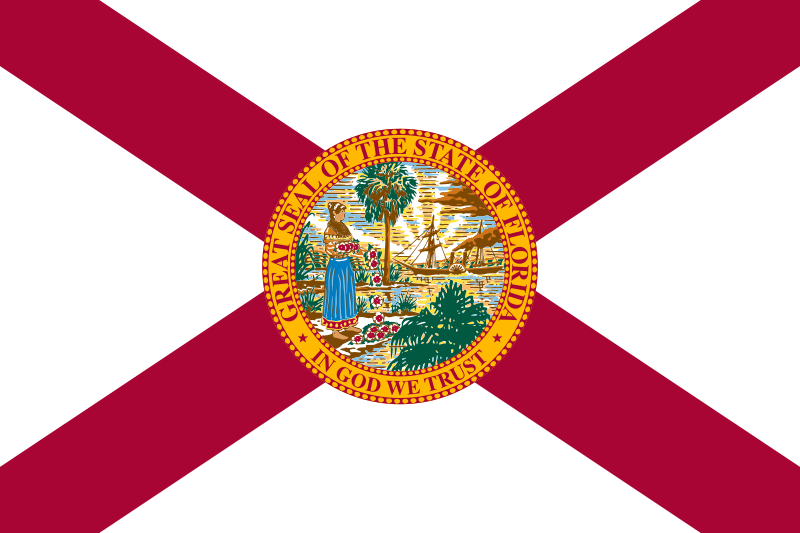 Florida-FL
 Geographie
Georgia-GA
Geographie
Georgia-GA
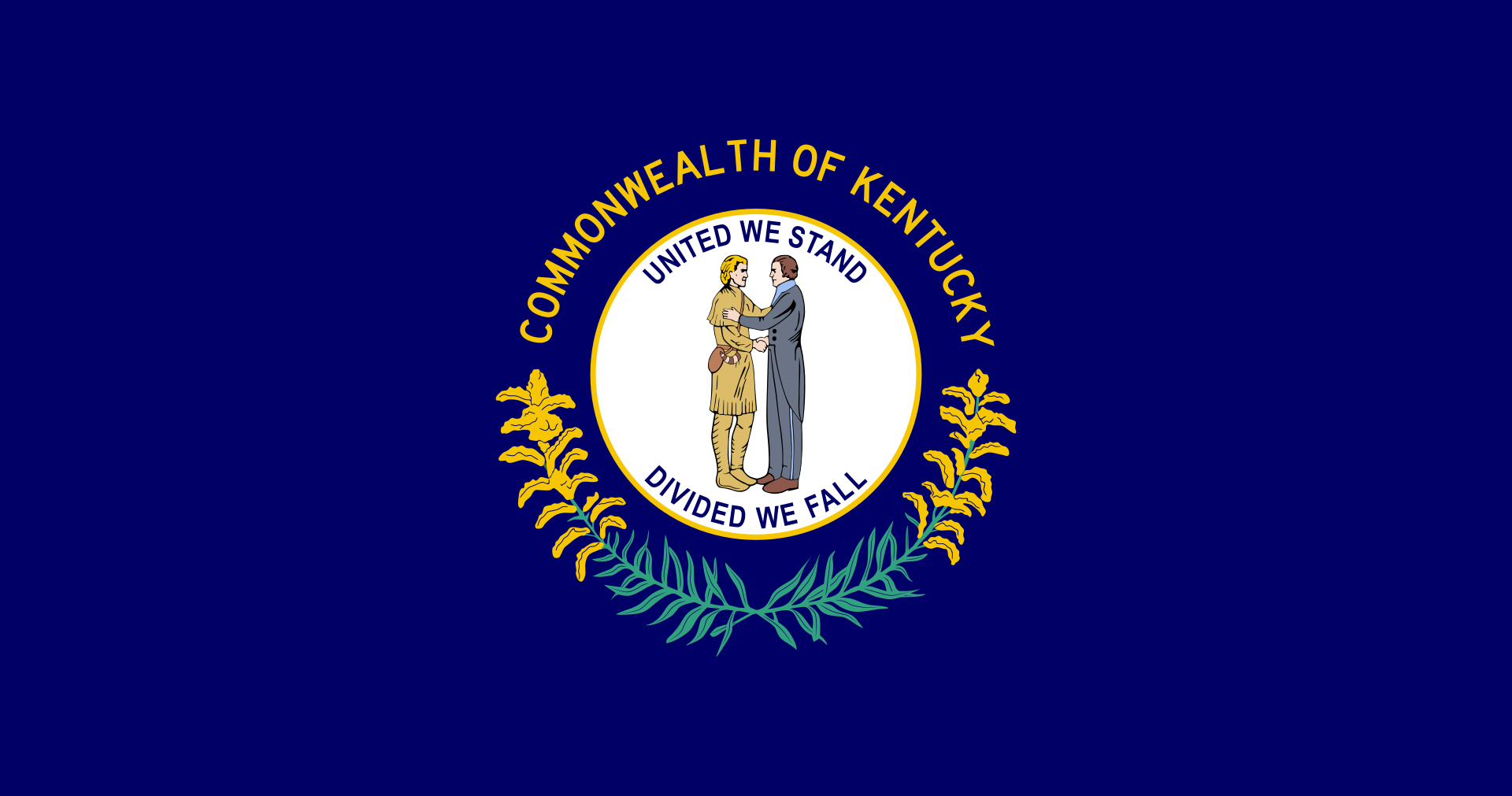 Kentucky-KY
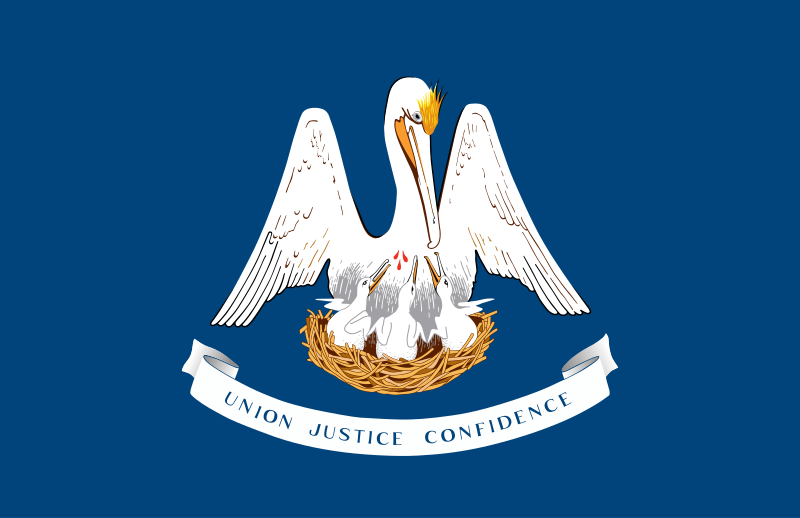 Louisiana-LA
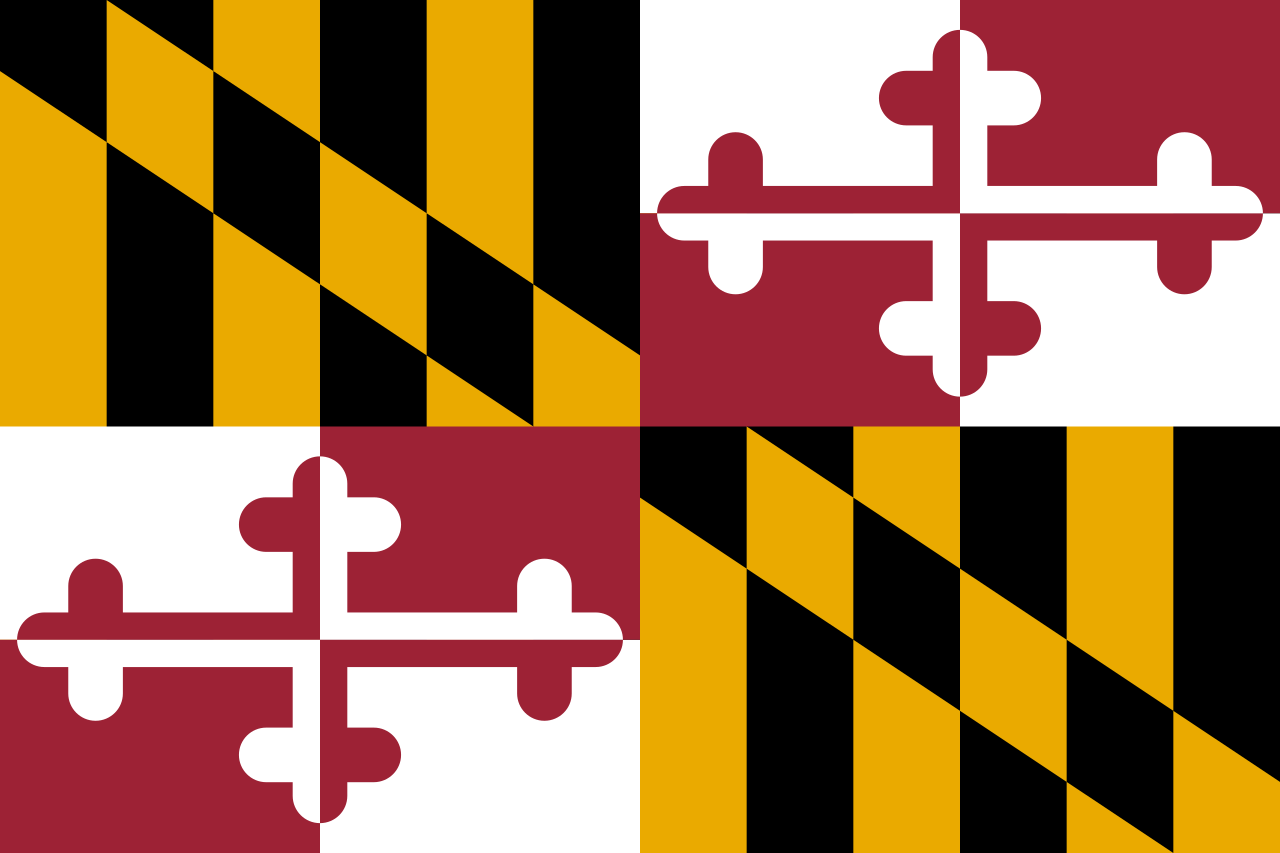 Maryland-MD
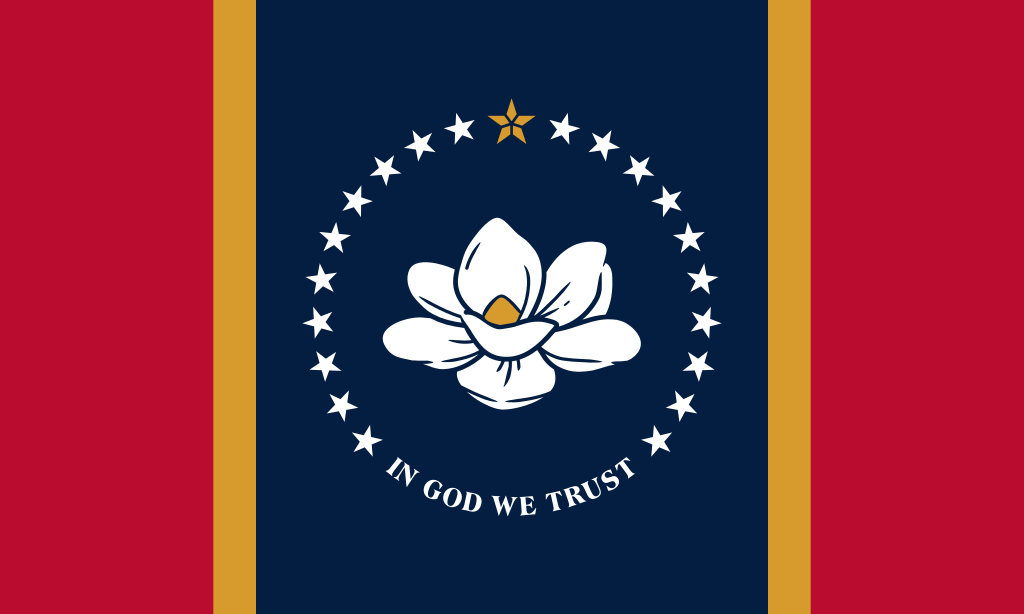 Mississippi-MS
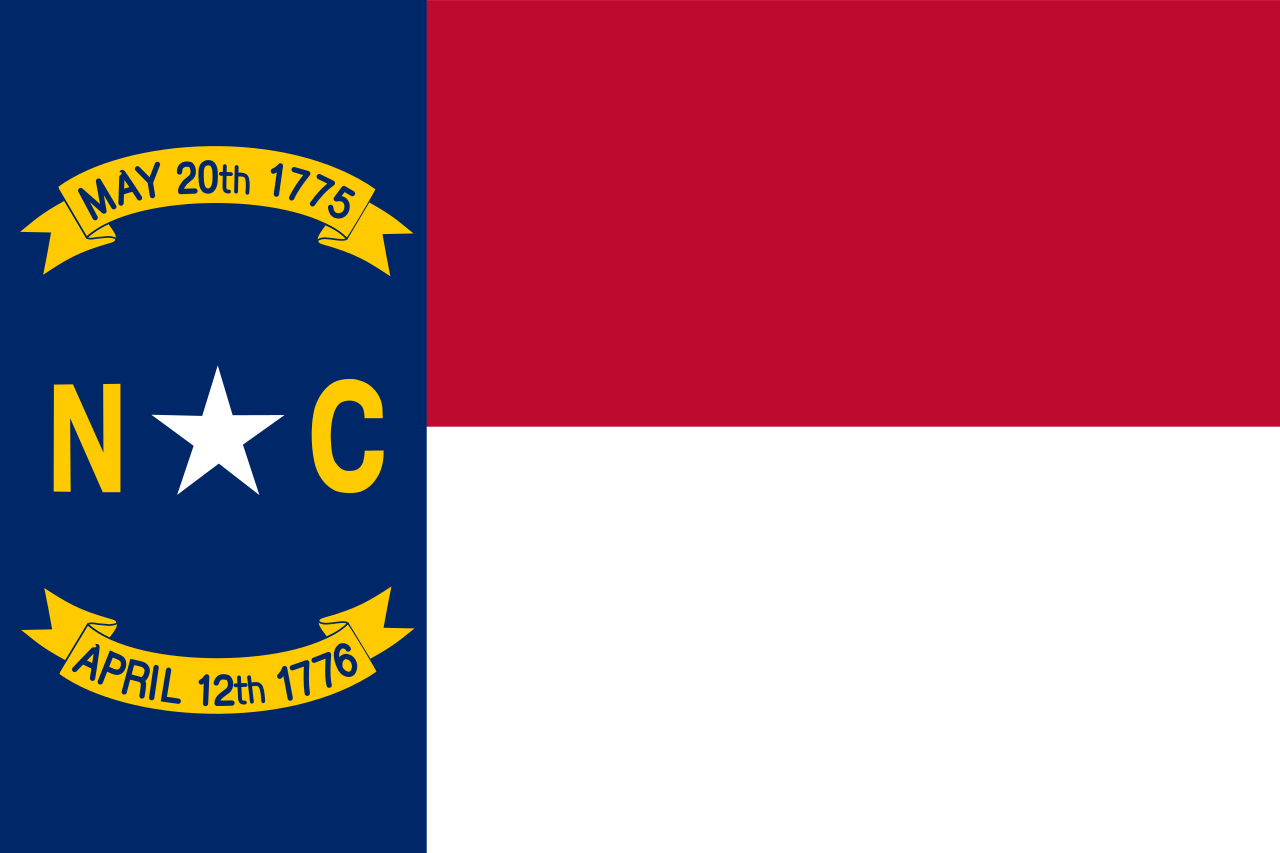 North Carolina-NC
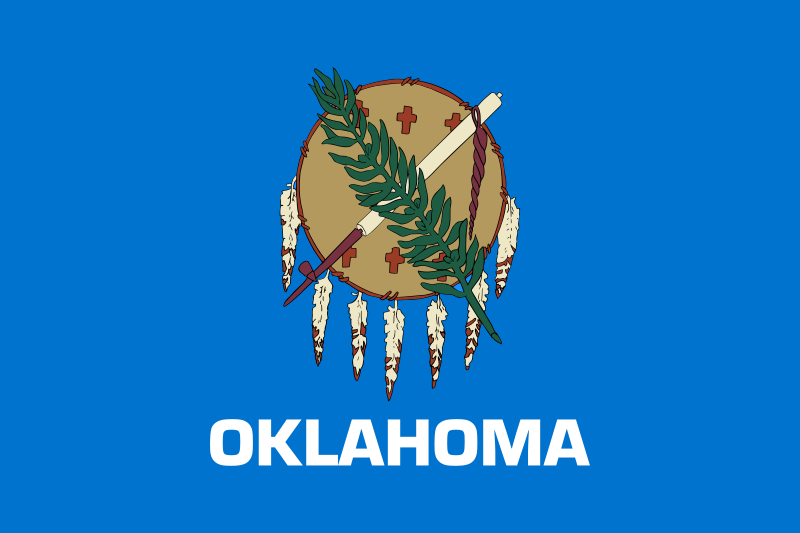 Oklahoma-OK
 South Carolina-SC
 Tennessee-TN
Texas-TX
Virginia-VA
Tennessee-TN
Texas-TX
Virginia-VA
 West Virginia-WV

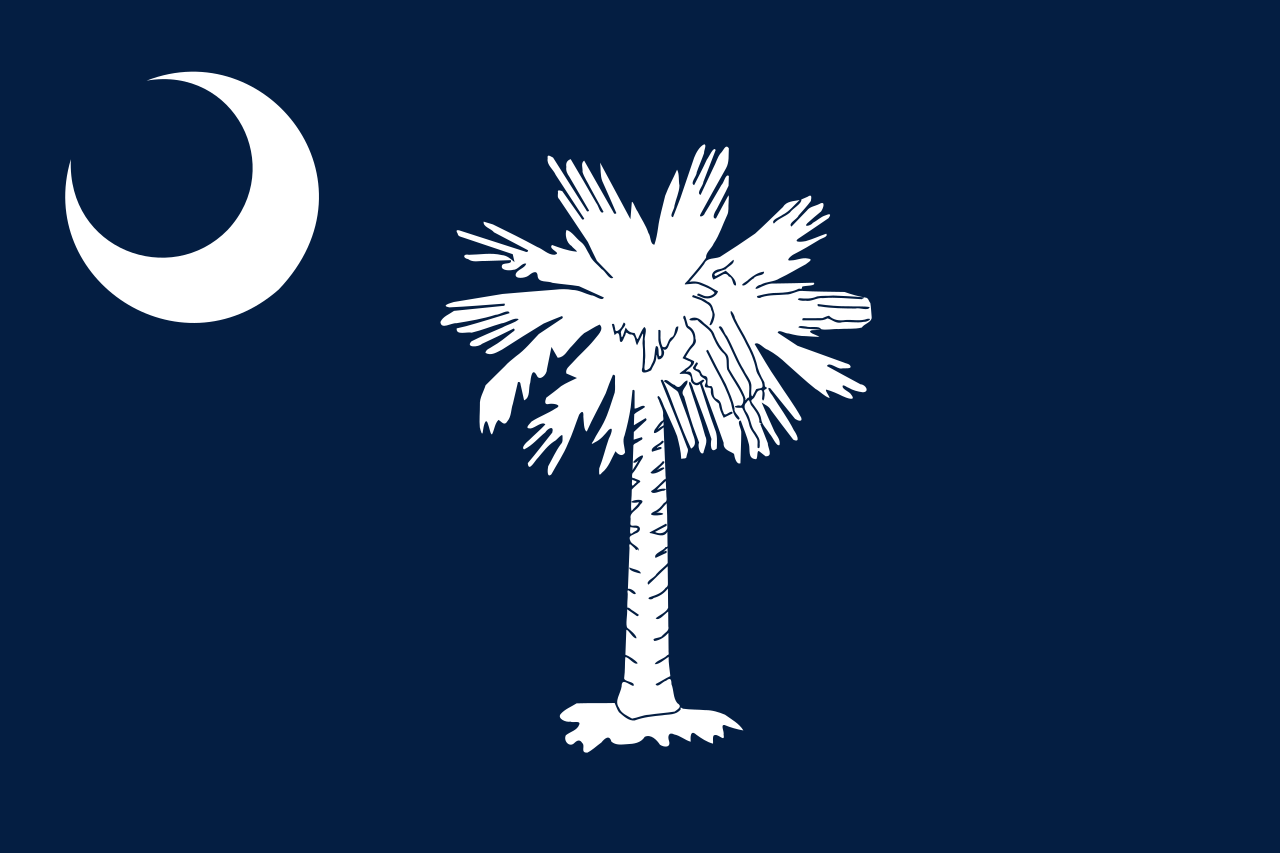
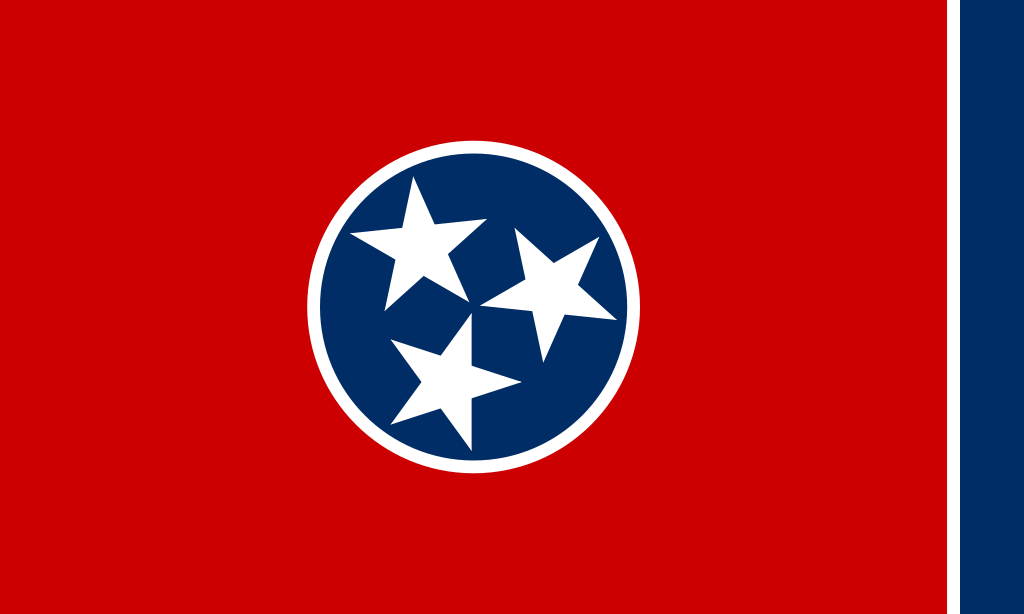
Die Südstaaten sind eine Großregion im Südosten der USA. Nach der geografisch orientierten Definition des United States Census Bureau bestehen die Südstaaten aus insgesamt 16 Staaten mit knapp 100 Millionen Einwohnern auf 2.384.143 km². Es handelt sich um jene 15 eher östlichen Bundesstaaten, die südlich der Mason-Dixon-Linie, der Grenze zwischen Pennsylvania und Maryland, liegen und in denen bis 1865 die Sklavenhaltung erlaubt war, sowie Oklahoma, das erst 1907 gegründet wurde.
美国南部(英语:Southern United States,或 American South)也经常被简称为美南、迪克西、或直接称为南部,构成了美国南部至东南部的一片广大地区。这个地区带有相当特殊的文化和历史背景,包括了早期欧洲殖民时期留下的痕迹、对于州权原则的坚持、早期的奴隶制度、以及在联盟国分离时于美国内战中受到的冲击,该地发展出了美国其他地区相异的独特文学、音乐、料理等文化传统。
 British Columbia-BC
California-CA
British Columbia-BC
California-CA
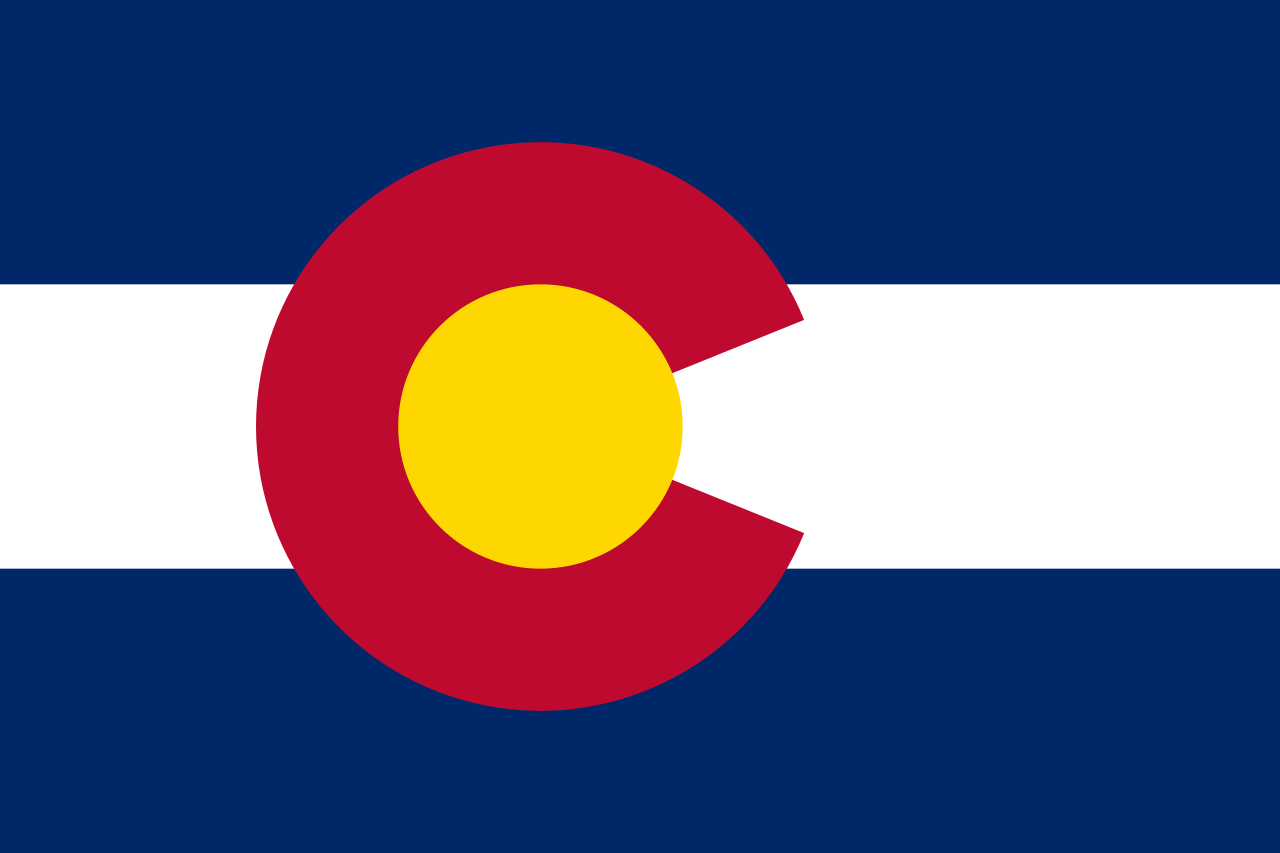 Colorado-CO
Florida-FL
Georgia-GA
Illinois-IL
Kanada
Major League Soccer 2025
Massachusetts-MA
Minnesota-MN
Missouri-MO
Colorado-CO
Florida-FL
Georgia-GA
Illinois-IL
Kanada
Major League Soccer 2025
Massachusetts-MA
Minnesota-MN
Missouri-MO
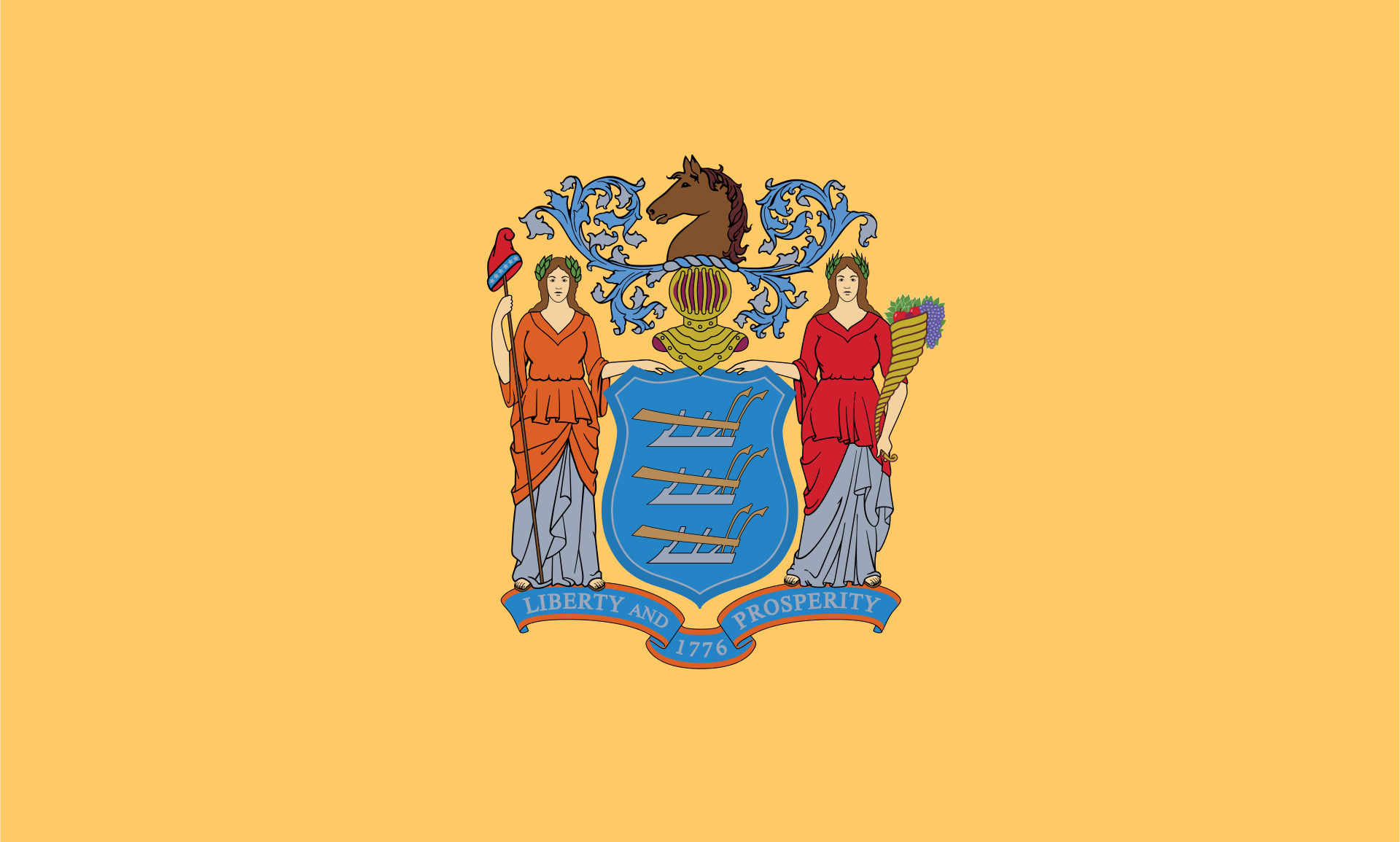 New jersey-NJ
New York-NY
North Carolina-NC
Ohio-OH
New jersey-NJ
New York-NY
North Carolina-NC
Ohio-OH
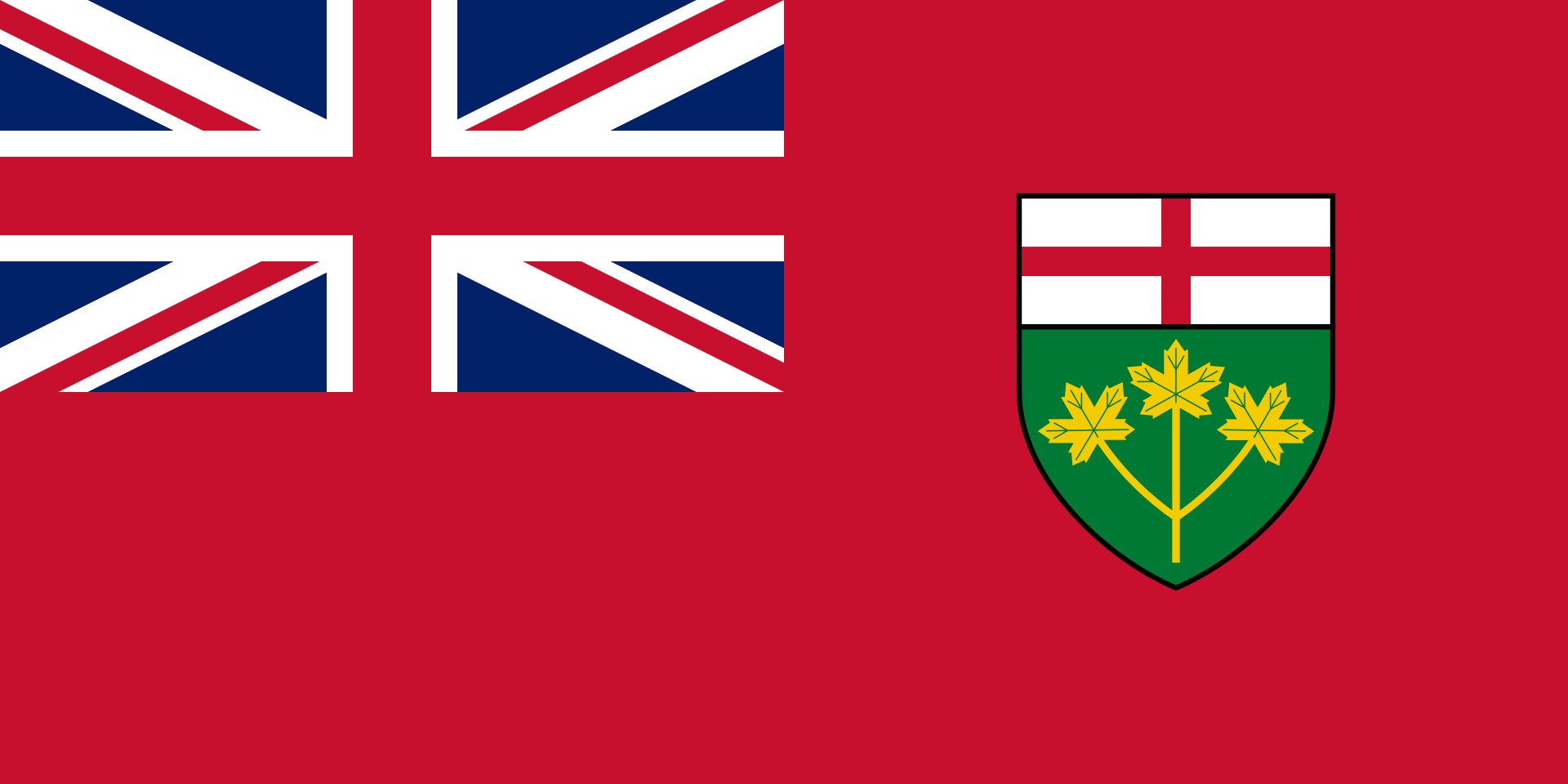 Ontario-ON
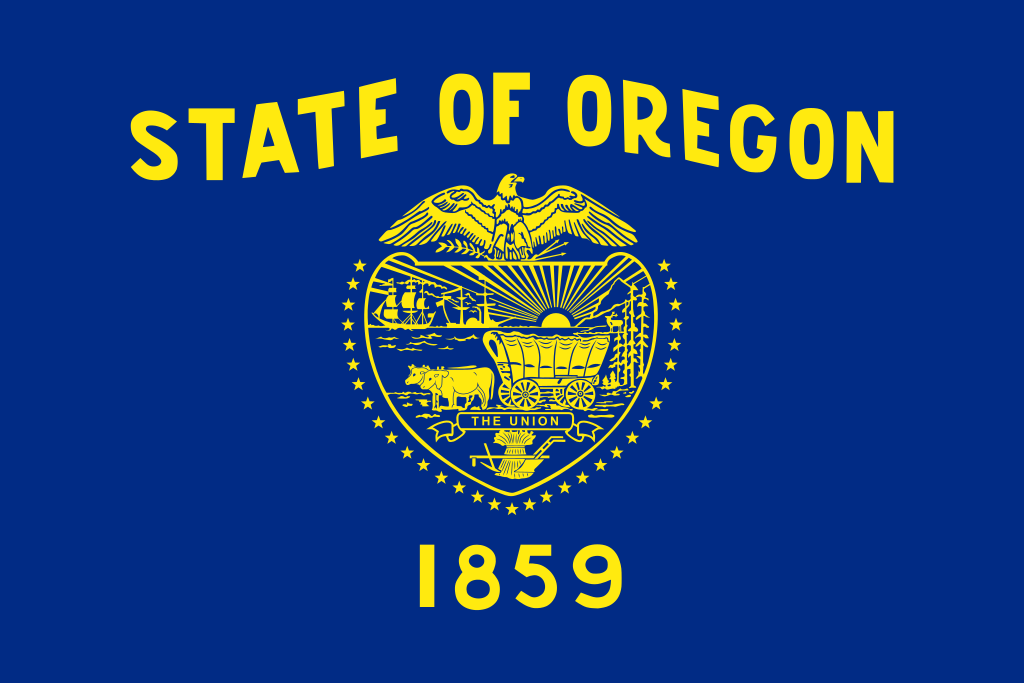 Oregon-OR
Pennsylvania-PA
Oregon-OR
Pennsylvania-PA
 Quebec-QC
Tennessee-TN
Texas-TX
Quebec-QC
Tennessee-TN
Texas-TX
 Utah-UT
Vereinigte Staaten
Utah-UT
Vereinigte Staaten
 Washington-WA
Washington, D.C.
Washington-WA
Washington, D.C.

California-CA
Colorado-CO
Georgia-GA
Illinois-IL
 Kansas-KS
Major League Soccer 2025
New York-NY
Ohio-OH
Ontario-ON
Oregon-OR
Texas-TX
Utah-UT
Washington-WA
Washington, D.C.
Kansas-KS
Major League Soccer 2025
New York-NY
Ohio-OH
Ontario-ON
Oregon-OR
Texas-TX
Utah-UT
Washington-WA
Washington, D.C.
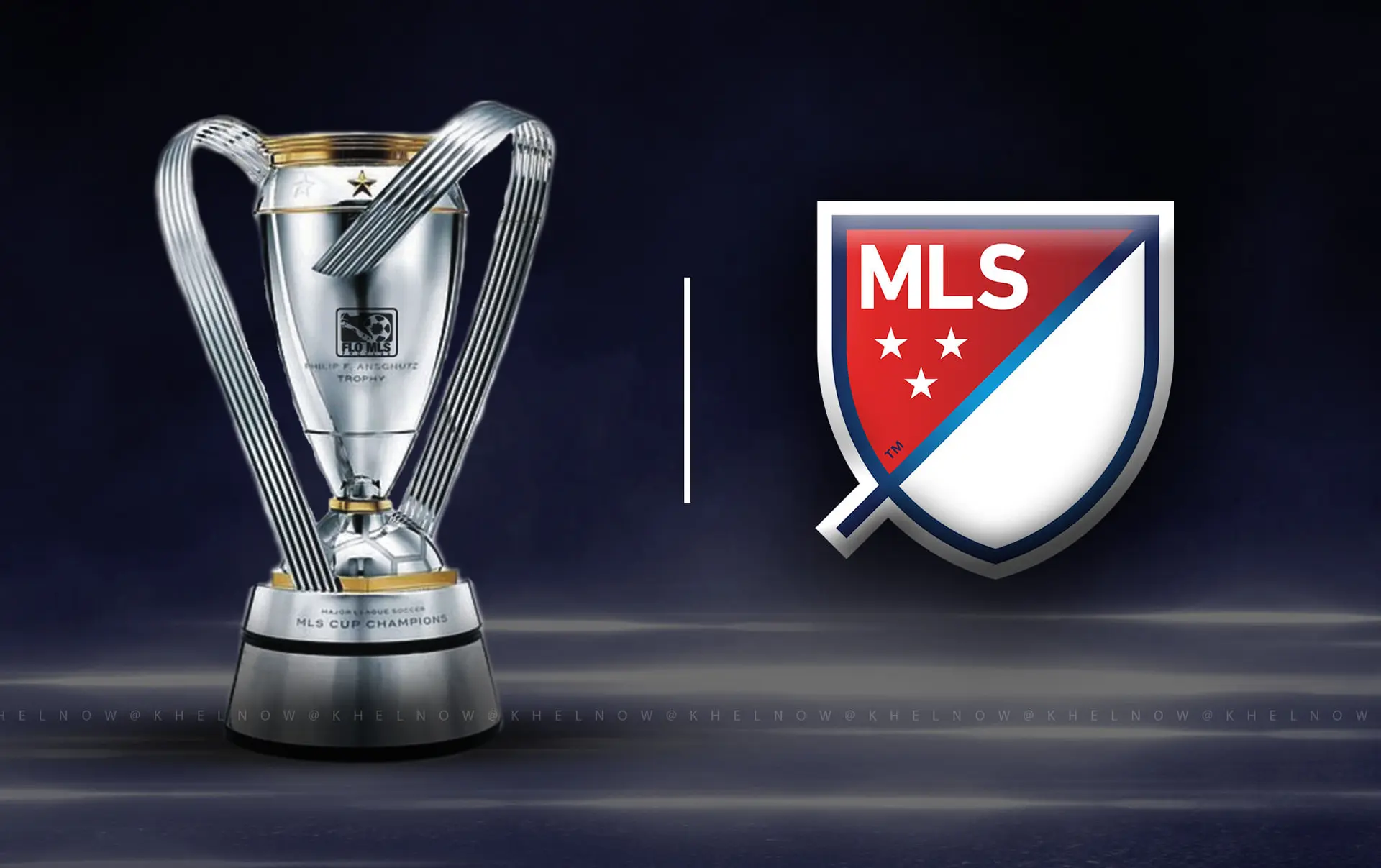
美国职业足球大联盟杯(MLS Cup)是美国职业足球大联盟的年度决赛,由东部地区决赛的胜者对阵西部地区决赛的胜者。大联盟杯的胜者会被授予联赛冠军的称号。
MLS在常规赛后使用季后赛来决定其年度联赛冠军,这种方法在北美其他主要体育联盟中很常见,但与世界上大多数足球联赛不同(后者将赛季结束时积分最高的俱乐部视为联赛冠军;MLS则为赛季积分最高的俱乐部颁发支持者之盾)。
大联盟杯冠军与支持者之盾冠军或会代表美国参与中北美洲及加勒比海联赛冠军杯(若大联盟杯冠军同年赢得支持者之盾冠军或其他可晋级该赛事的杯赛冠军,例如是北美联赛杯、美职联赛杯,则递补为支持者之盾的亚军)。
Der MLS Cup ist das Finalspiel der US-amerikanischen Fußballliga Major League Soccer. Der Sieger des MLS Cups ist Meister und qualifiziert sich zusammen mit dem Sieger des MLS Supporters’ Shield für die CONCACAF Champions League.
Als Trophäe wird dem Sieger die Philip F. Anschutz Trophy überreicht, die nach einem der größten Förderer der MLS benannt ist. Bis 2007 wurde die Alan I. Rothenberg Trophy verliehen, die nach dem Gründungsvorsitzenden der MLS benannt war. Der Sieger des MLS Cups darf in der folgenden Saison den Scudetto tragen. Der Scudetto zeigt in Anlehnung an die italienische Serie A die gewonnene Trophäe und einen Meisterstern.
Der Austragungsort wird in der Regel ein bis zwei Jahre im Voraus bestimmt. Fünfmal wurde der MLS Cup im Stadion eines der Finalteilnehmer ausgetragen.
 Arizona-AZ
California-CA
Fertigung und Innovation
Finanz
Finanz
*Vereinigte Staaten-Konjunkturdaten
Illinois-IL
Arizona-AZ
California-CA
Fertigung und Innovation
Finanz
Finanz
*Vereinigte Staaten-Konjunkturdaten
Illinois-IL
 Indiana-IN
 Michigan-MI
North Carolina-NC
Ohio-OH
Texas-TX
Unternehmen
Wirtschaft und Handel
Michigan-MI
North Carolina-NC
Ohio-OH
Texas-TX
Unternehmen
Wirtschaft und Handel
 Wisconsin-WI

 Motorsport