Deutsch-Chinesische Enzyklopädie, 德汉百科
 艺术
艺术

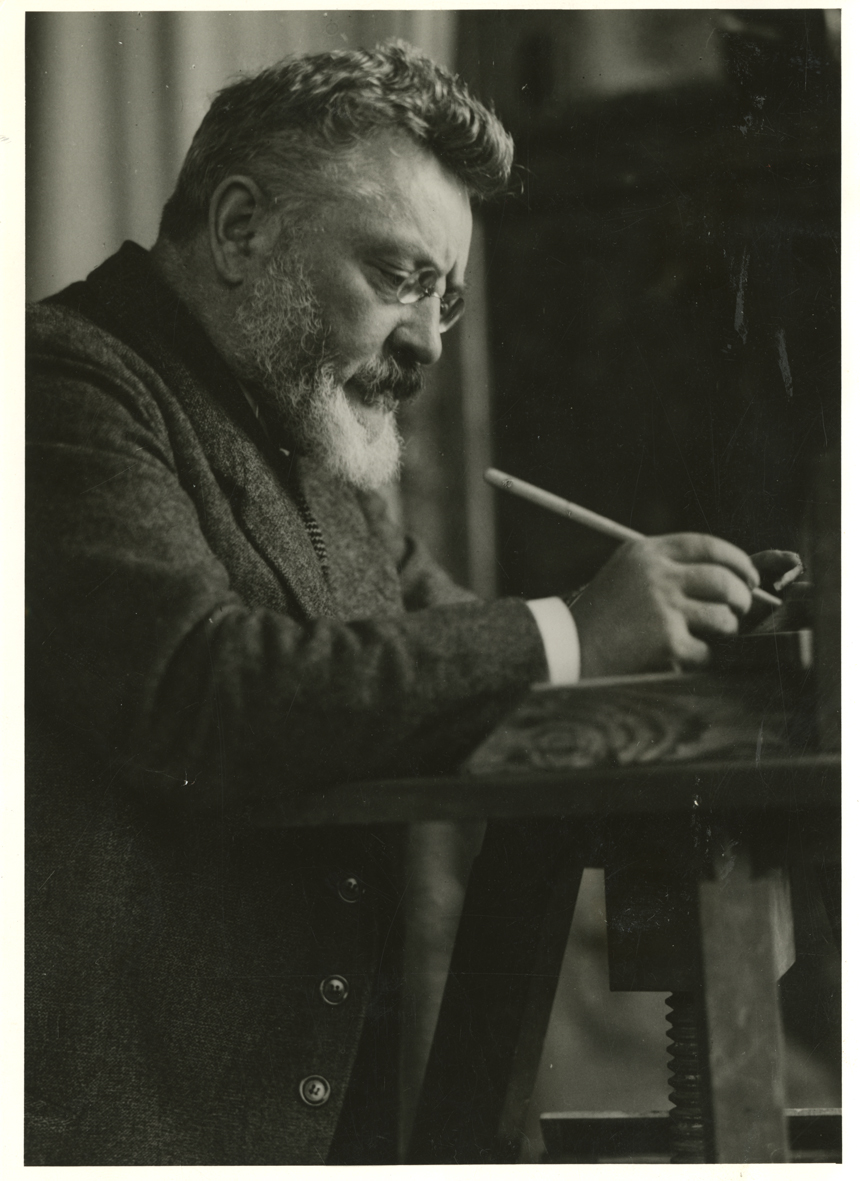

Max Švabinský (* 17. September 1873 in Kroměříž; † 10. Februar 1962 in Prag) war ein tschechischer Maler und Grafiker.
马克斯·什瓦宾斯基(Max Švabinský,1873年9月17日—1962年2月10日),捷克画家,布拉格形象艺术学院成员。1873年9月17日生于今属兹林州的克罗梅日什,早期的艺术作品表现出现实主义、象征主义和新艺术倾向。20世纪初,他在帕尔杜比采州杰斯卡特里波瓦附近的柯兹洛夫开始系统性的作画。1945年被授予“民族艺术家”称号。1962年2月10日逝世于布拉格。

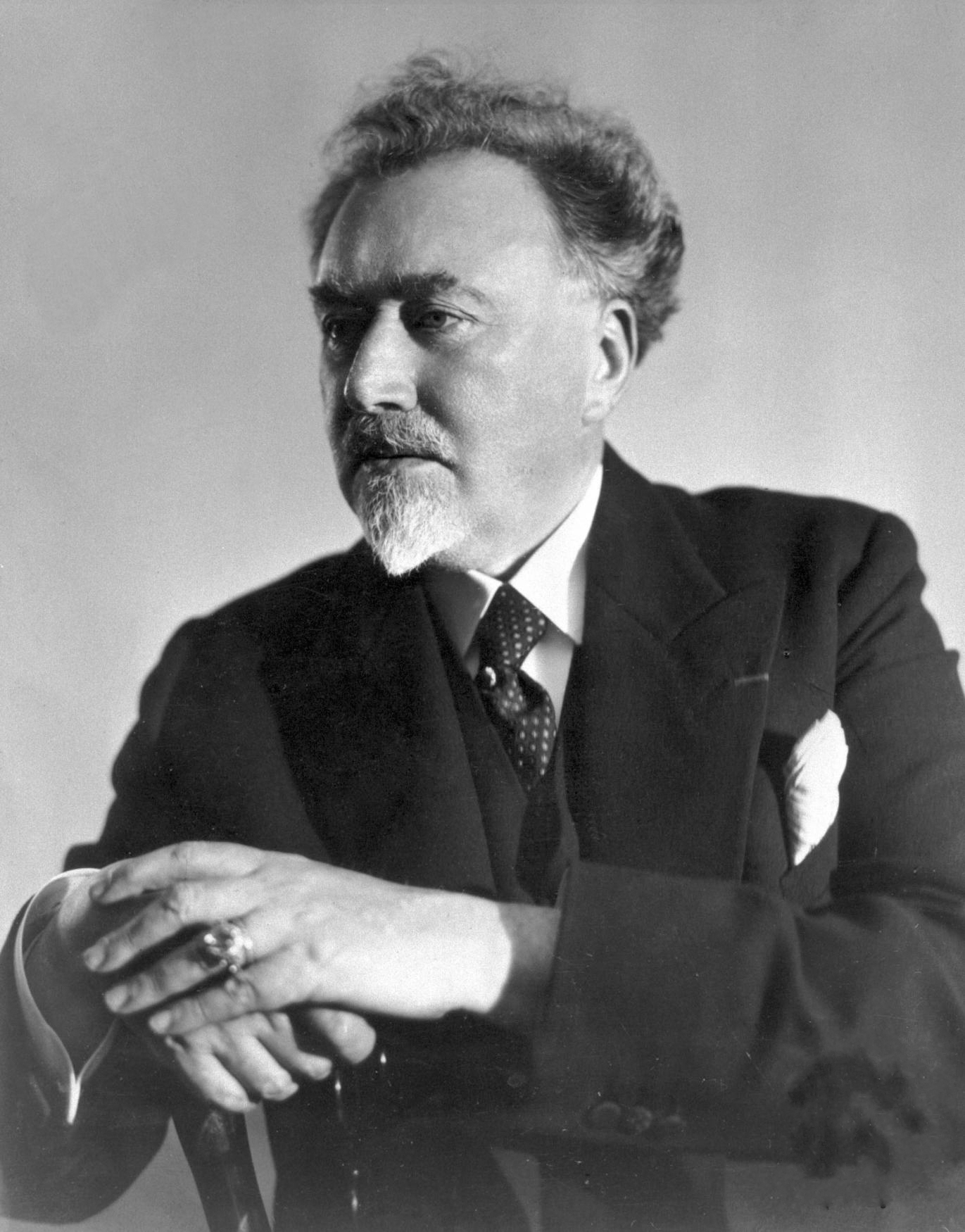
1937年6月23日,马克斯·乌里克(Max Uhlig)作为家中长子出生于德国古老的艺术中心德累斯顿。他另有弟妹4人,父亲卡尔·乌里克是林业技师,妈妈艾丽卡女士,娘家姓罗克斯。
乌里克的童年在战乱中度过。1939年,其父应征参加二战。1943年,乌里克在德累斯顿上小学,同年秋天,和家人一起逃往古本(Guben) 附近的乡村,在那里居住至1945年1月,期间因病休学。1945年1月,一家人搬回德累斯顿,但因房屋已严重毁坏,又搬迁至弗劳恩施泰因 (Frauenstein)。1945年3月,其父战死。1945年5月初,全家人又徒步逃到捷克投靠朋友。不久所有德国人都被驱逐处境,一家人先回到弗 劳恩施泰因,后来在夏天住在破败不堪的被逃亡者占据的德累斯顿的家中。(Quelle:http://www.zgyspp.com)
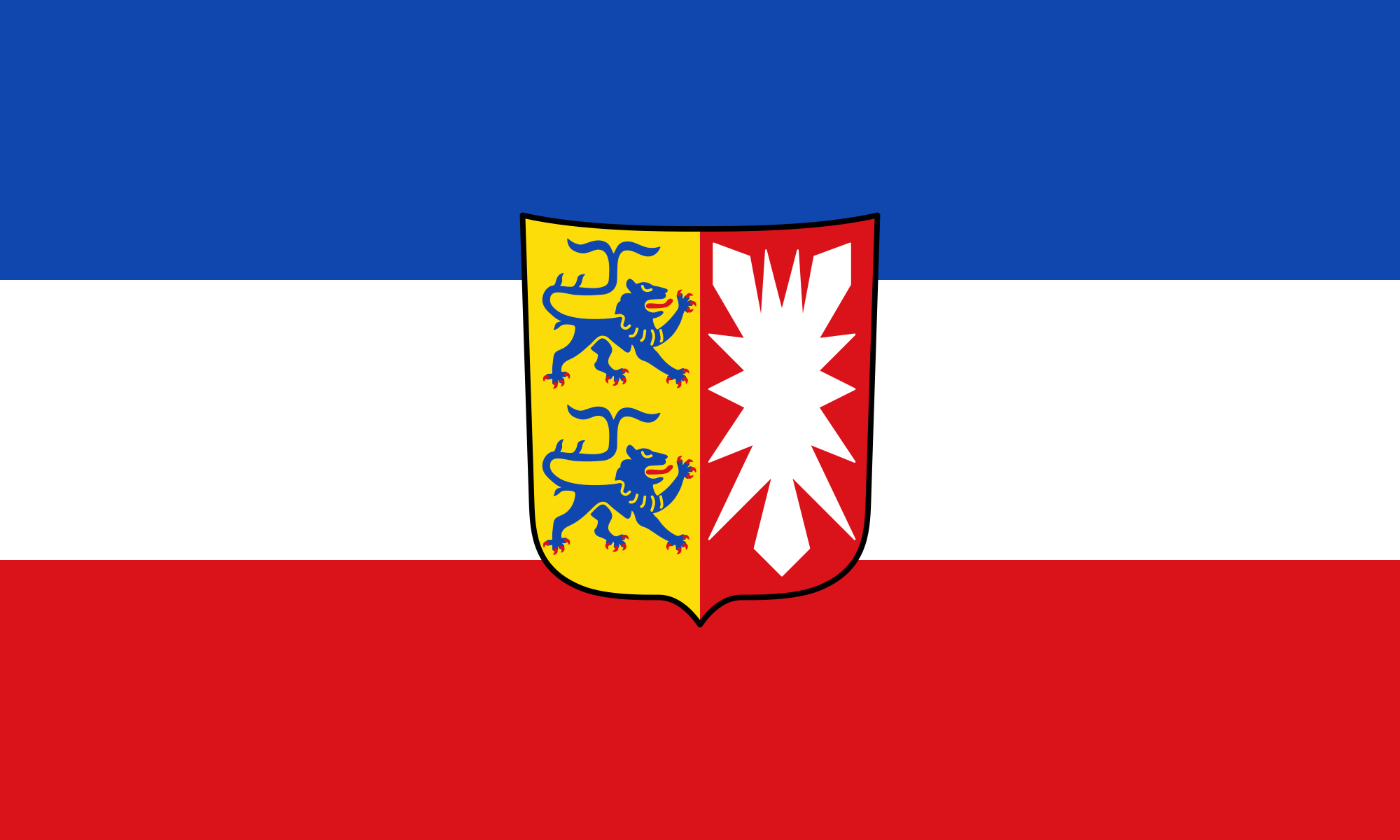 石勒苏益格-荷尔斯泰因州
 科学技术
科学技术

 历史
历史
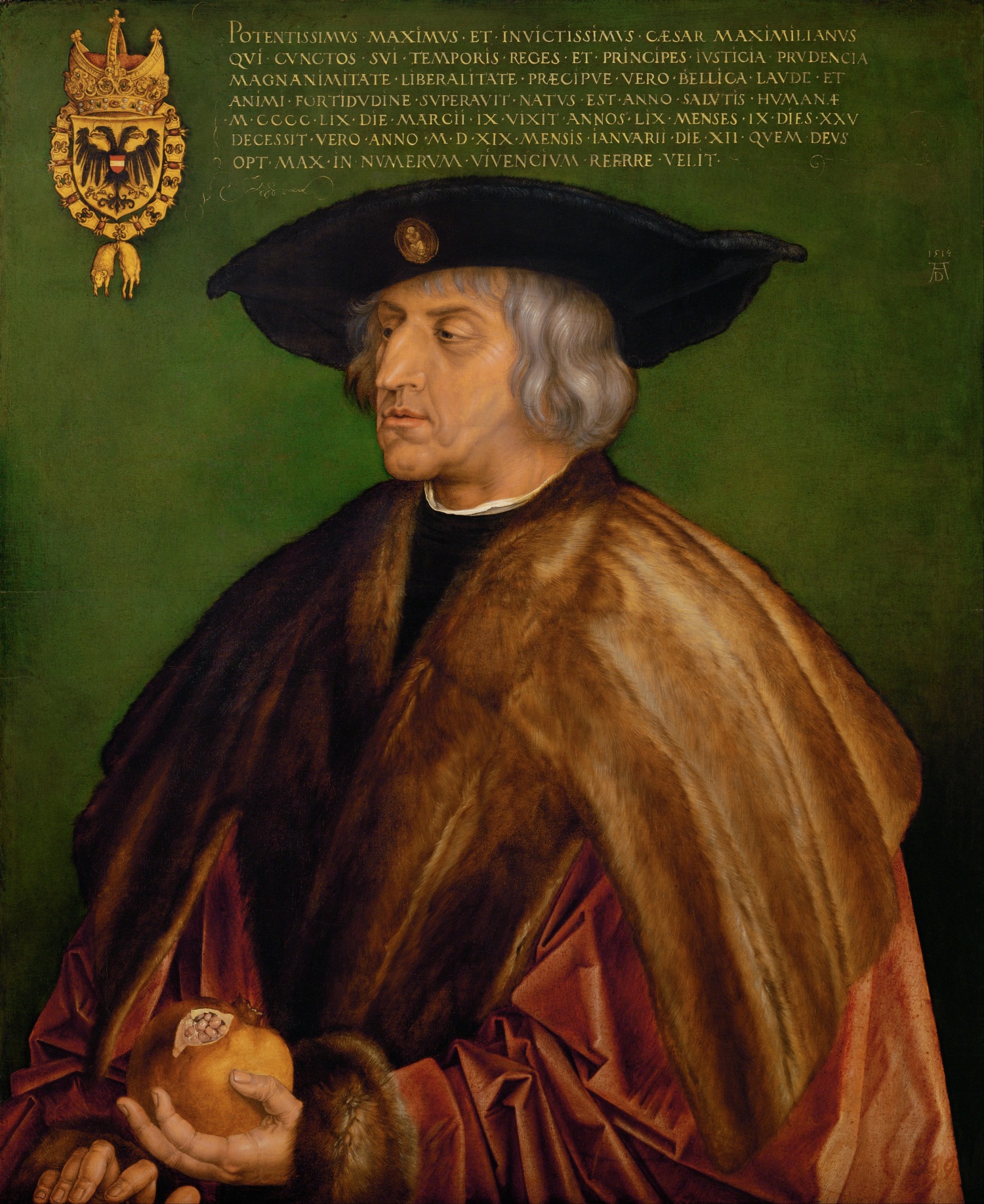
Albrecht Dürer: Maximilian I., 1519, Kunsthistorisches Museum
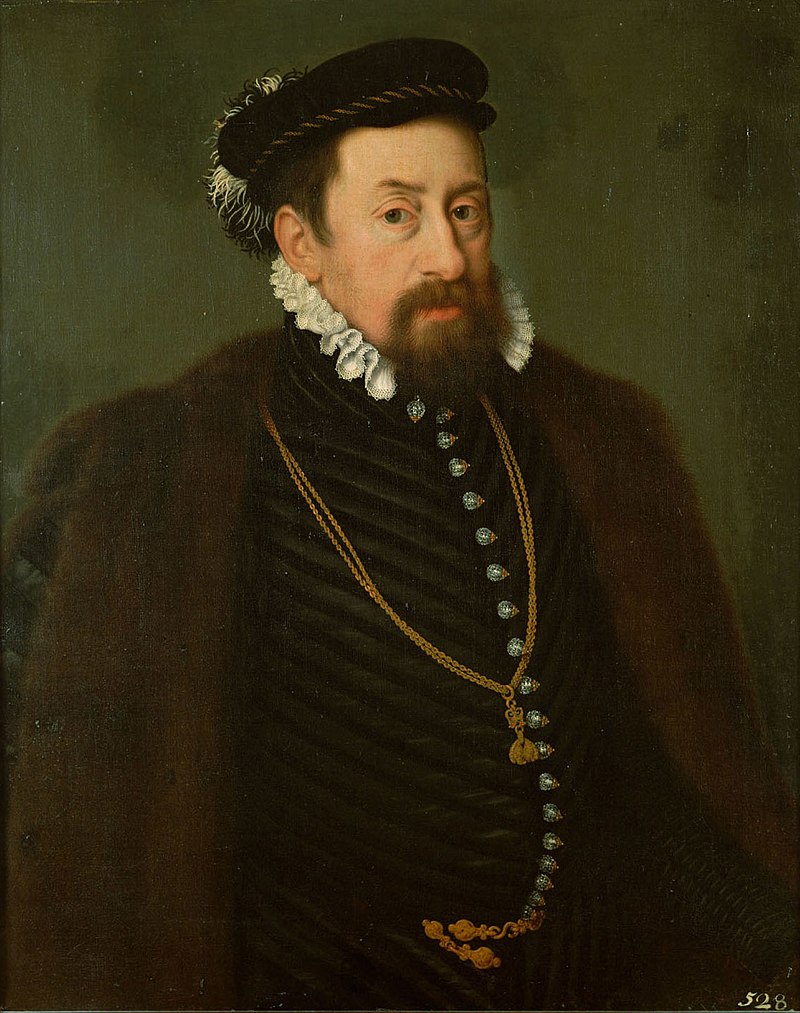
马克西米利安二世(Maximilian II.,1527年7月31日—1576年10月12日)是哈布斯堡王朝的神圣罗马帝国皇帝(1564年—1576年在位)与匈牙利国王马克西米利安一世( 1563年 — 1576年在位, 是唯一一位名叫马克西米利安的匈牙利国王)。
马克西米利安1527年出生在维也纳,父亲斐迪南一世是神圣罗马帝国皇帝(1556年—1564年在位),母亲安娜·雅盖洛是波希米亚和匈牙利国王弗拉迪斯拉夫四世的女儿。1548年马克西米利安同神圣罗马帝国皇帝查理五世(1530年—1556年在位)的女儿玛丽亚结婚,查理五世同时也是马克西米利安父亲斐迪南一世的哥哥,即马克西米利安的伯父。
1548年至1550年马克西米利安摄政西班牙,1562年被选为波希米亚选侯(1564年—1576年在位)和德意志国王(1562年—1576年在位),1563年又继承为匈牙利国王(1564年—1576年在位),1564年当选为神圣罗马帝国皇帝。他也曾试图当选波兰国王与立陶宛大公,但没有成功。
马克西米利安童年接受了良好的人文主义教育,对新教显示出特别的好感,但最终出于政治前途的考虑放弃了自己的信仰,公开宣布改宗天主教。但他因为反对查理五世,赢得了新教诸侯(Reichsfürsten)的好感。
Maximilian II. (* 31. Juli 1527 in Wien; † 12. Oktober 1576 in Regensburg), zeitgenössisch auch Maximilian der Ander[e], war Kaiser des Heiligen Römischen Reiches Deutscher Nation und Erzherzog zu Österreich von 1564 bis 1576.
Maximilian wurde am 14. Mai 1562 in Prag zum König von Böhmen gekrönt und am 24. November desselben Jahres in Frankfurt am Main zum römisch-deutschen König gewählt. Am 16. Juli 1563 erfolgte in Pressburg seine Krönung zum König von Ungarn und Kroatien. Am 25. Juli 1564 folgte er seinem verstorbenen Vater Ferdinand I. in der Herrschaft des Heiligen Römischen Reiches Deutscher Nation nach.
Vor Beginn seiner Herrschaft war Maximilian dem Protestantismus zugeneigt und trat auch mit den böhmischen, protestantischen Landesfürsten in Verbindung. Um jedoch die Nachfolge seines Vaters antreten zu können, legte er zwar ein Bekenntnis zum Katholizismus ab, verfolgte aber kirchenpolitisch wie sein Vater einen Kurs der Kompromisse mit dem Ziel einer friedlichen und dauerhaften Koexistenz von Luthertum und Katholizismus. Er verstand sich als Bewahrer des Augsburger Religionsfriedens und regierte und handelte auch als Landesherr in Teilen des Erzherzogtums Österreichs in diesem Sinne. In seiner Regierungszeit erlebte der Protestantismus dort eine Hochzeit in seiner Bedeutung.
Seine Hoffnungen, die konfessionelle Spaltung dauerhaft überwinden zu können, erfüllten sich aber nicht. Der einzige größere militärische Konflikt in seiner Herrschaftszeit war der erneuerte Krieg gegen die Osmanen, der im Frieden von Adrianopel im Grunde mit der Rückkehr zum Status quo ante endete. In Italien und anderen Gebieten führte seine Politik aber zu beträchtlichen Konflikten mit dem spanischen Zweig der Habsburger.

 传统
传统
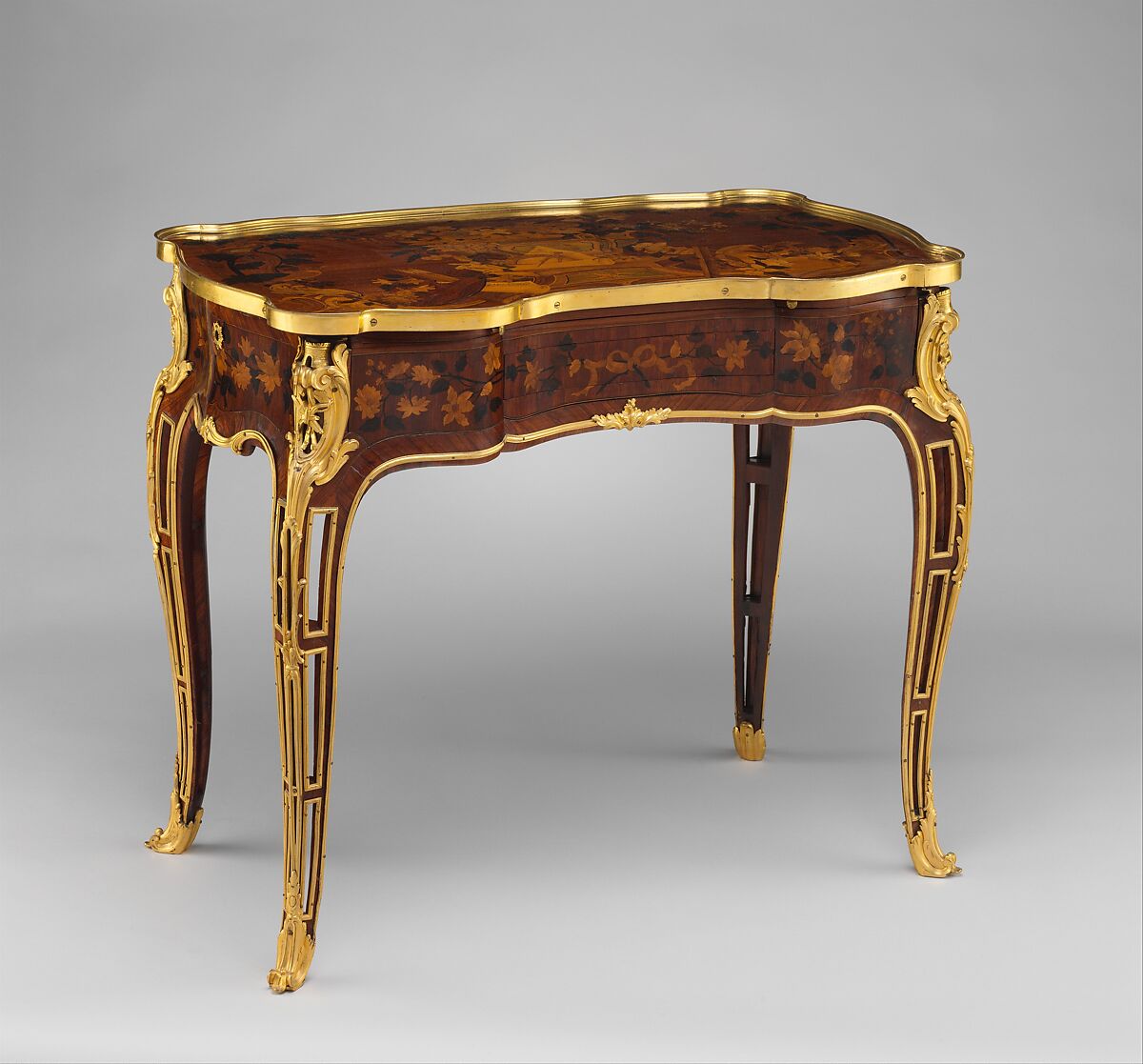
This table has long been recognized as one of the masterpieces of Jean-François Oeben, cabinetmaker to Louis XV (1710–1774).[1] It was made for Oeben's most important client, the king's mistress Madame de Pompadour (1721–1764). The main charge of her coat of arms, a tower, appears at the top of the gilt-bronze mount at each corner. On the vase at the center of the marquetry top is the ducal coronet (Madame de Pompadour was given the title "duchesse-marquise de Pompadour" in 1752). The top, a tour de force of Rococo design, shows allegorical trophies of her chief interests-architecture, music, painting, gardening, and, last but not least, love-within a scrolling foliate border, executed with dazzling skill in marquetry of etched, stained, and natural mahogany, rosewood, holly, and other woods. Combining an extraordinary design with marquetry of great sophistication, the top is one of the finest panels in all of Oeben's furniture.
Oeben's skills are also apparent in the elaborate mechanism that allows the top to slide back as the large drawer below moves forward. With the drawer open, the table could be used for either reading or writing. A central arched panel, hinged at the front, rises by means of a hidden ratchet support and contains a rectangular panel, which can be rotated and fixed in position so that either side faces forward. One side of this panel is lined with blue moiré silk; the other contains a panel of imitation Japanese lacquer. Flanking this are two flaps, which are inlaid with large tulips overlapping ribbon-bound borders and which cover two shaped compartments veneered with tulipwood. A concealed button releases a shallow drawer below the reading-and-writing panel. One of the most unusual features of this table is the treatment of the legs, each of which is pierced with three openings framed with a gilt-bronze rim. This detail is unique in Oeben's work.
Madame de Pompadour ordered a number of pieces of furniture from Oeben in 1761, but it is not clear that this table was among them. This group was left unfinished on Oeben's death in 1763 and completed by his brother-in-law, Roger Vandercruse (called Lacroix; 1728–1799), whose stamp (R.V.L.C.) along with Oeben's and also "JME," the monogram of the guild, are found on the underside of this table. It cannot be identified in the inventory prepared after Oeben's death, either in the list of ten items awaiting delivery to Madame de Pompadour or in his large stock of completed and partly completed furniture, mainly because of the brevity of the entries.[2] Madame de Pompadour died in April 1764, and the inventory of her possessions presents the same problem.[3] Whether she ever took possession of this table has not been determined.
Oeben made a number of similar tables with sliding tops and drawers, sometimes fitted as combination writing and toilette tables. The related tables by Oeben are in the Musée du Louvre, Paris; the J. Paul Getty Museum, Los Angeles; the Huntington Art Gallery, San Marino, California; the National Gallery of Art, Washington, D.C.; the Rijksmuseum, Amsterdam; the Residenzmuseum, Munich; the Victoria and Albert Museum, London; the Bowes Museum, Barnard Castle, Durham; and the Museu Calouste Gulbenkian, Lisbon.
For such a well-known piece of furniture, this table has a surprisingly vague history until the early twentieth century. It may have belonged to Madame de Pompadour's brother and principal heir, the marquis de Marigny, although there is no evidence to support this idea.[4] In the catalogue of the 1928 sale of Judge Elbert H. Gary's collection,[5] a series of previous owners of the table was listed (the marquess of Tullibardine; Mrs. Mary Gavin Baillie-Hamilton; and Lady Harvey, London, from whom it was acquired by the Paris dealers Lewis and Simmons), but in none of these collections has it been documented. In the twentieth century it was sold twice at public auction, both times fetching record prices for a piece of French furniture: at the Gary sale it was acquired by the dealer Joseph Duveen (1869–1939), and at the sale of the Martha Baird Rockefeller collection in 1971, it was acquired by Jack and Belle Linsky.[6]
[William Rieder, 2006]
Footnotes:
1. For a more detailed discussion of this table and a partial bibliography, see The Metropolitan Museum of Art. The Jack and Belle Linsky Collection in The Metropolitan Museum of Art. New York, 1984, pp. 210–12, no. 128 (entry by William Rieder). See also William Rieder. "A Table for Madame de Pompadour." Magazine Antiques 151 (January 1997), pp. 226–29.
2. Jules Guiffrey, ed. "Inventaire de Jean-François Oeben." Nouvelles archives de l'art français, 3rd ser., 15 (1899), pp. 298–367.
3. Jean Cordey, Inventaire des biens de Madame de Pompadour: Rédigé après son décès. Paris, 1939.
4. Ronald Freyberger. "The Judge Elbert H. Gary Sale." Auction 2, no. 10 (June 1969), pp. 12–13.
5. Judge Elbert H. Gary sale, American Art Association, New York, 21 April 1928, lot 271.
6. Martha Baird Rockefeller sale, Sotheby's, New York, 23 October 1971, lot 711.
 生活时尚
生活时尚
 厨房设备
厨房设备
 萨克森州
萨克森州
 企业
企业

 建筑艺术
建筑艺术