漢德百科全書 | 汉德百科全书

       
Chinese — German
Catalog Religion

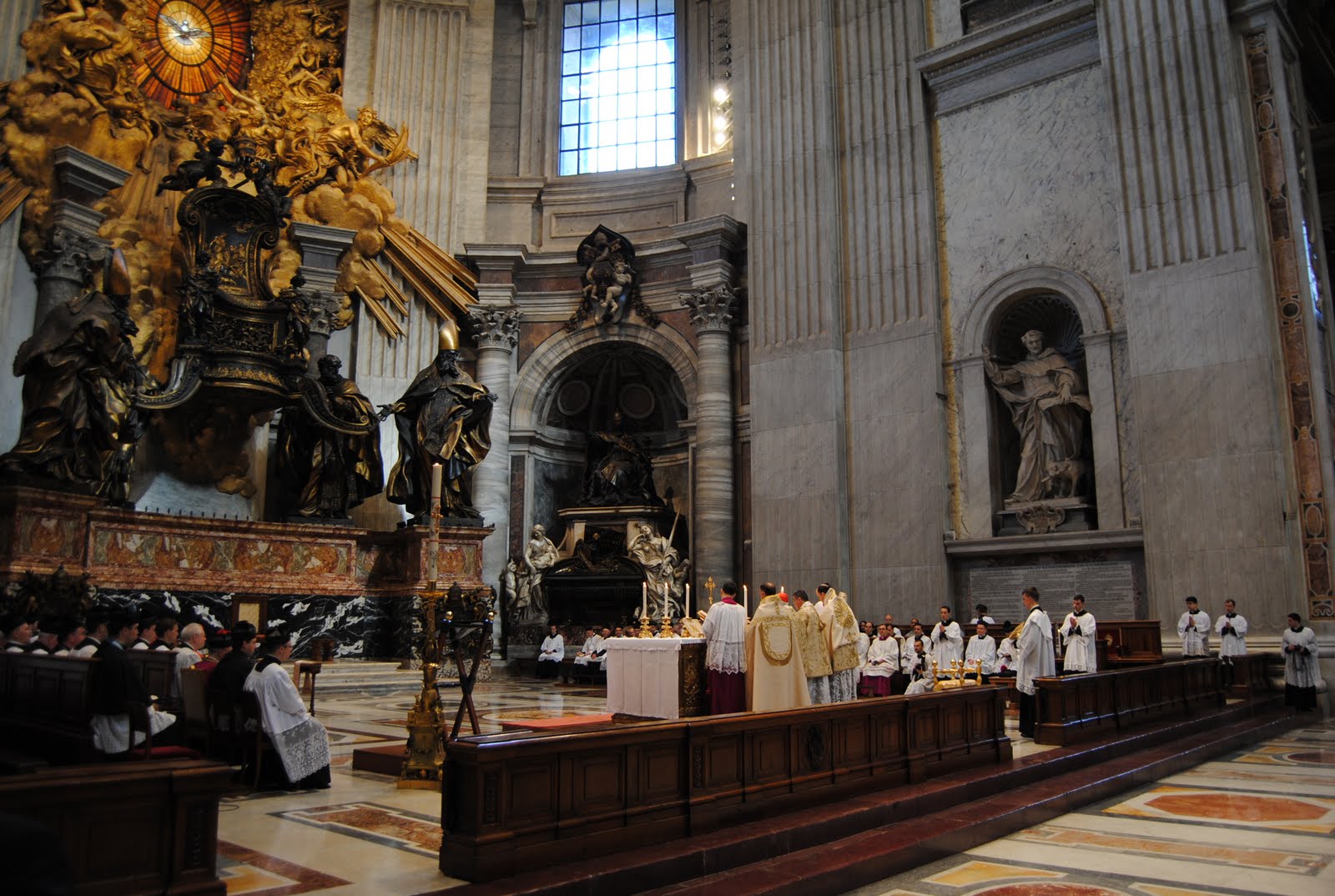
Pontifikale
/assets/contentimages/Pontificale~0.JPG
This image, video or audio may be copyrighted. It is used for educational purposes only. If you find it, please notify us byand we will remove it immediately.
Pontifikat
This image, video or audio may be copyrighted. It is used for educational purposes only. If you find it, please notify us byand we will remove it immediately.
You do not currently have editing permission, please login !
Zhu Sheng-Tempel
/assets/contentimages/Zhu20Sheng20Si20.jpg
This image, video or audio may be copyrighted. It is used for educational purposes only. If you find it, please notify us byand we will remove it immediately.
Gebetsmühle/转经轮/མ་ནི།/Prayer wheel
转经筒在西藏非常常见,是藏传佛教的祈祷法器的一种,又叫“嘛呢”经筒,嘛呢轮。分为手摇式和固定式两种。 手摇式转经筒也叫手摇嘛呢轮,用金、银、铜皮制成,压制着各种花纹图案,并刻有六字真言。内装有经卷。并装有可转动的轴。转一转嘛呢轮,就等于诵经一遍。 固定式转经筒是指装置在藏传佛教寺院里的经筒。寺庙里的转经筒有大有小,一般有铜制和木制两种,经筒筒身刻有“唵、嘛、呢、叭、咪、哞”六字真言,里面装有经卷。 依据藏传佛教的教律,凡转动经筒一回,等于诵读了一遍内藏经文。转经是藏传佛教信徒们忏悔往事、消灾避难、修积功德最好的方式。

转经筒在西藏非常常见,是藏传佛教的祈祷法器的一种,又叫“嘛呢”经筒,嘛呢轮。分为手摇式和固定式两种。

手摇式转经筒也叫手摇嘛呢轮,用金、银、铜皮制成,压制着各种花纹图案,并刻有六字真言。内装有经卷。并装有可转动的轴。转一转嘛呢轮,就等于诵经一遍。

固定式转经筒是指装置在藏传佛教寺院里的经筒。寺庙里的转经筒有大有小,一般有铜制和木制两种,经筒筒身刻有“唵、嘛、呢、叭、咪、哞”六字真言,里面装有经卷。

依据藏传佛教的教律,凡转动经筒一回,等于诵读了一遍内藏经文。转经是藏传佛教信徒们忏悔往事、消灾避难、修积功德最好的方式。

This image, video or audio may be copyrighted. It is used for educational purposes only. If you find it, please notify us byand we will remove it immediately.
You do not currently have editing permission, please login !
Protestantischen Reformation
http://www.net4info.eu/albums/albums/userpics/10003/protestanten_reformation.png
This image, video or audio may be copyrighted. It is used for educational purposes only. If you find it, please notify us byand we will remove it immediately.
You do not currently have editing permission, please login !
Jongmyo
宗庙(韩语:종묘/宗廟 Jongmyo)是供奉朝鲜王朝君主和王妃的灵位的太庙,1394年由朝鲜太祖李成桂下令修建。作为世界最古老的皇家儒教祠庙,宗庙于1995年获列入世界遗产。宗庙每年在5月份的第一个星期天举行祭祀朝鲜历代君主和王妃的儒教仪式——宗庙祭礼。宗庙祭礼的音乐是朝鲜宫廷音乐的一种,被称为“宗庙祭礼乐”。宗庙祭礼和宗庙祭礼乐2001年被联合国教科文组织列入人类非物质文化遗产代表作名录。

Jongmyo ist ein konfuzianischer Schrein in der koreanischen Hauptstadt Seoul. Er dient der Ahnenverehrung für die Herrscher der Joseon-Dynastie, die Korea von 1392 bis 1910 beherrschte und den Konfuzianismus in Korea förderte. 1985 wurde Jeongjeon, die Haupthalle des Schreins, mit der Registrierungsnummer 227 in die Nationalschätze Südkoreas aufgenommen, 1995 wurde der gesamte Schrein von der UNESCO zum Weltkulturerbe erklärt.[1] Das jährlich in dem Schrein abgehaltene Ritual der Ahnenverehrung und die dazugehörige Musik wurden 2008 in die Repräsentative Liste des immateriellen Kulturerbes der Menschheit eingetragen.

宗庙(韩语:종묘宗廟 Jongmyo)是供奉朝鲜王朝君主和王妃的灵位的太庙,1394年由朝鲜太祖李成桂下令修建。作为世界最古老的皇家儒教祠庙,宗庙于1995年获列入世界遗产。宗庙每年在5月份的第一个星期天举行祭祀朝鲜历代君主和王妃的儒教仪式——宗庙祭礼。宗庙祭礼的音乐是朝鲜宫廷音乐的一种,被称为“宗庙祭礼乐”。宗庙祭礼和宗庙祭礼乐2001年被联合国教科文组织列入人类非物质文化遗产代表作名录

This image, video or audio may be copyrighted. It is used for educational purposes only. If you find it, please notify us byand we will remove it immediately.
Päpstliches Gallium-Kolleg/Pontificio Collegio Gallio
Das Päpstliche Gallio-Kolleg ist eine Bildungseinrichtung in Como, die 1583 von Kardinal Tolomeo Gallio gegründet und von den regulären Klerikern der Somasca-Kongregation geleitet wurde.

This image, video or audio may be copyrighted. It is used for educational purposes only. If you find it, please notify us byand we will remove it immediately.
You do not currently have editing permission, please login !
Sōji-ji
总持寺(日语:總持寺)是位于日本神奈川县横滨市鹤见区的曹洞宗大本山寺院。山号诸岳山(しょがくさん)。本尊释迦如来。寺内还有鹤见大学。

总持寺(日语:總持寺)是位于日本神奈川县横滨市鹤见区曹洞宗大本山寺院。山号诸岳山(しょがくさん)。本尊释迦如来。寺内还有鹤见大学

Der Sōji-ji (jap. 總持寺) ist neben dem Eihei-ji der zweite Haupttempel der japanischen Zen-Linie Sōtō-shū. Ehemals ein Shingon-Tempel, wurde der Sōji-ji nach Einsetzung von Keizan Jōkin als Abt 1321 zu einem Zentrum der Sōtō-shū. Der heutige Standort des Klosters ist Yokohama (Präfektur Kanagawa).

This image, video or audio may be copyrighted. It is used for educational purposes only. If you find it, please notify us byand we will remove it immediately.
You do not currently have editing permission, please login !
Saijo Inari
最上稻荷(さいじょういなり)是位在日本冈山县冈山市的日莲宗寺院。山号“最上稻荷山”(さいじょういなりさん),正式的寺号是最上稻荷山妙教寺(みょうきょうじ)。本尊久远实成本师释迦牟尼佛,祈祷本尊为最上位经王大菩萨(荼吉尼天)、开基(创立者)为报恩大师。最上稻荷为佛寺,但设有信徒为荼吉尼尊天奉献的鸟居。

最上稻荷(さいじょういなり)是位在日本冈山县冈山市日莲宗寺院。山号“最上稻荷山”(さいじょういなりさん),正式的寺号是最上稻荷山妙教寺(みょうきょうじ)。本尊久远实成本师释迦牟尼佛,祈祷本尊为最上位经王大菩萨(荼吉尼天)、开基(创立者)为报恩大师。最上稻荷为佛寺,但设有信徒为荼吉尼尊天奉献的鸟居。

This image, video or audio may be copyrighted. It is used for educational purposes only. If you find it, please notify us byand we will remove it immediately.
Zuohai-Tempel
甘肃省甘南藏族自治州夏河县甘加乡的寺庙 作海寺,又称泽秀寺,全称为泽秀雍仲苯旦普济林,位于甘肃省甘南藏族自治州夏河县甘加乡作海村。 作海寺,海拔2900米,作海寺坐落在风光优美的大象山之怀,依山而建,坐北朝南,北面的靠山如大象般傲然而居。

Tempel in der Gemeinde Ganga, Kreis Xiahe, Autonome Präfektur Gannan-Tibet, Provinz Gansu Der Zuohai-Tempel, auch als Zexiu-Tempel bekannt, befindet sich im Dorf Zuohai in der Gemeinde Ganga, Kreis Xiahe, Autonome Präfektur Gannan-Tibet, Provinz Gansu.

This image, video or audio may be copyrighted. It is used for educational purposes only. If you find it, please notify us byand we will remove it immediately.