Deutsch-Chinesische Enzyklopädie, 德汉百科
 Argentinien
Brasilien
Brasilien
Brasilien
Brasilien
Dänemark
FIFA-Konföderationen-Pokal 2013
FIFA-Konföderationen-Pokal 2017
Frankreich
Frankreich
Mexiko
Argentinien
Argentinien
Brasilien
Brasilien
Brasilien
Brasilien
Dänemark
FIFA-Konföderationen-Pokal 2013
FIFA-Konföderationen-Pokal 2017
Frankreich
Frankreich
Mexiko

 Motorsport
Ägypten
Algerien
Motorsport
Ägypten
Algerien
 Andalucía
Argentinien
Andalucía
Argentinien
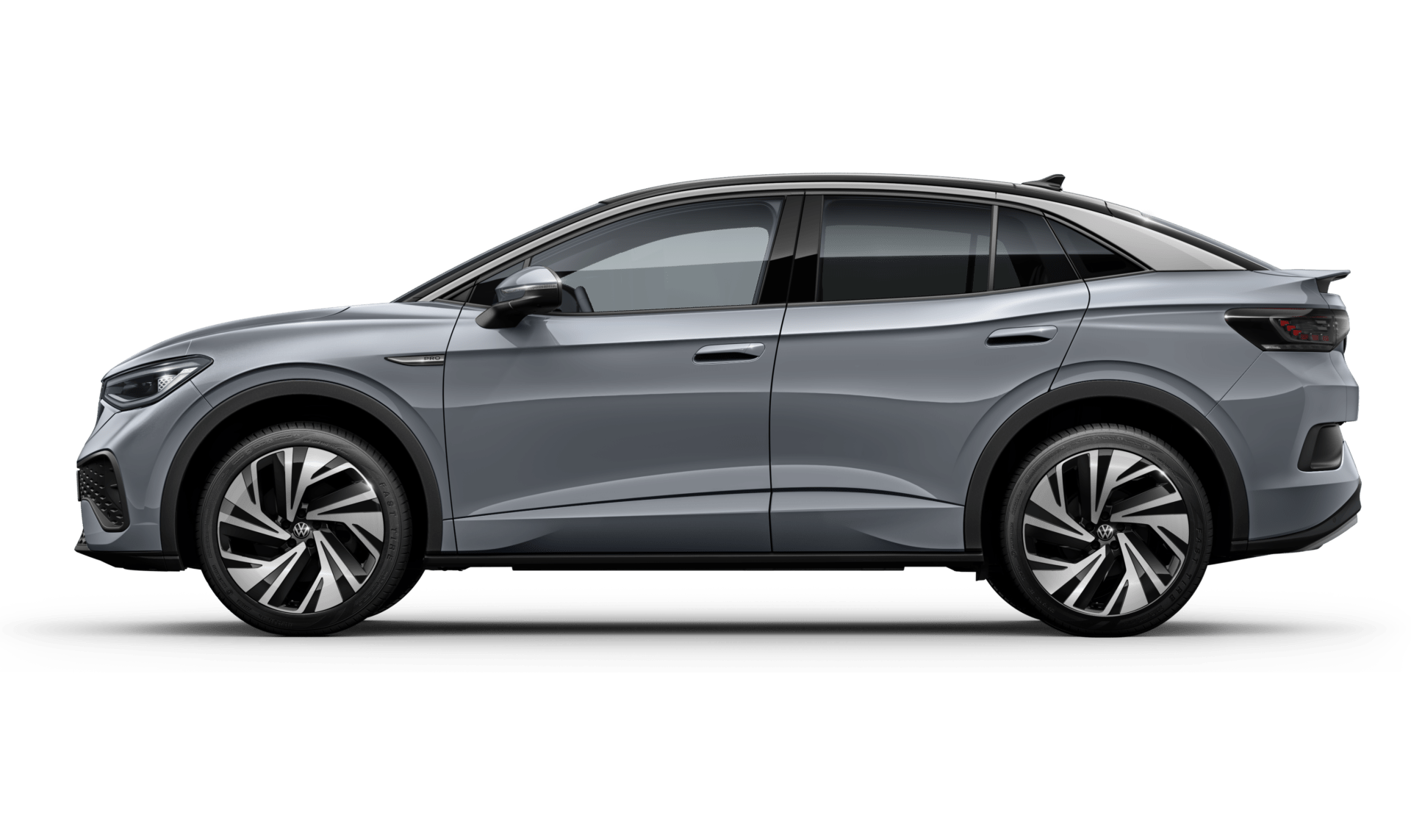
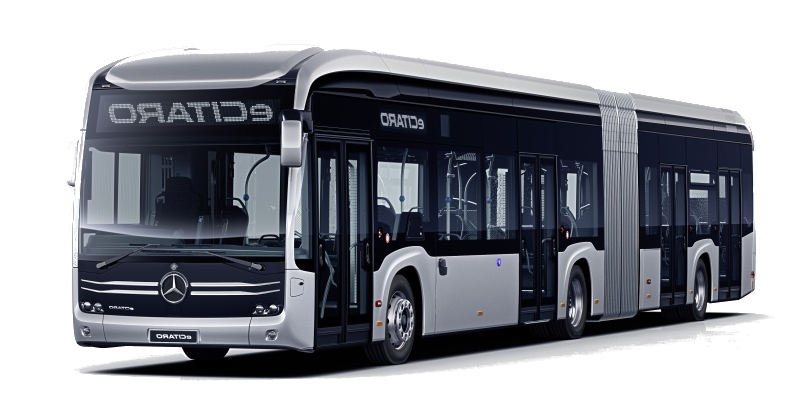
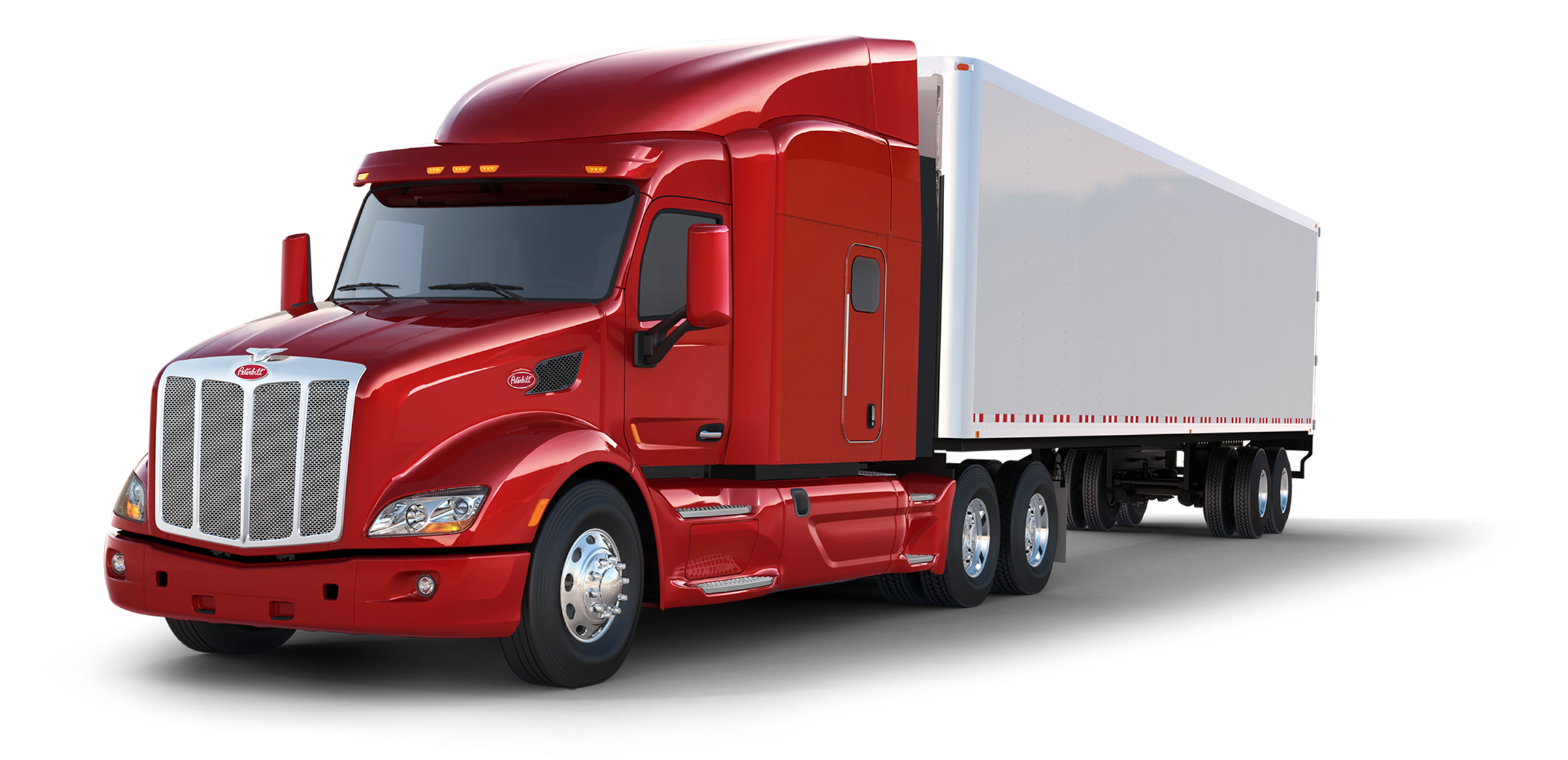 Automobil
Automobil
Automobil
 PEUGEOT
Automobil
MINI
Automobil
Volkeswagen
Automobil
Kamaz
Automobil
IVECO
Automobil
Mitsubishi
Automobil
MAN
Automobil
Tatra
Automobil
Hino
Automobil
Citroën
Automobil
Porsche
Automobil
DAF
Automobil
Mercedes
Automobil
Renault
Automobil
Land Rover
PEUGEOT
Automobil
MINI
Automobil
Volkeswagen
Automobil
Kamaz
Automobil
IVECO
Automobil
Mitsubishi
Automobil
MAN
Automobil
Tatra
Automobil
Hino
Automobil
Citroën
Automobil
Porsche
Automobil
DAF
Automobil
Mercedes
Automobil
Renault
Automobil
Land Rover
 Auvergne-Rhône-Alpes
Bolivien
Auvergne-Rhône-Alpes
Bolivien
 Cataluña
Chile
Frankreich
Cataluña
Chile
Frankreich
 Hauts-de-France
 Ile-de-France
Libyen
Ile-de-France
Libyen
 Madrid
Niger
Portugal
Madrid
Niger
Portugal
 Provence-Alpes-Côte d´Azur
Senegal
Spanien
Provence-Alpes-Côte d´Azur
Senegal
Spanien
 Sport
Südafrika
Tunesien
Sport
Südafrika
Tunesien

Die Rallye Dakar (früherer Name Rallye Paris–Dakar) ist ein Rallye-Raid-Wettbewerb, der als die bedeutendste Langstrecken- und Wüstenrallye der Welt gilt. Sie wurde von 1978 bis 2007 einmal jährlich hauptsächlich auf dem afrikanischen Kontinent ausgetragen. Im Jahr 2008 wurde die Rallye Dakar aufgrund einer Terrordrohung abgesagt. Seit 2009 findet sie aus Sicherheitsgründen auf dem südamerikanischen Kontinent statt.
2016 fand die 38. Auflage vom 2. bis 16. Januar in Argentinien und Bolivien statt. Neben einem Prolog von Buenos Aires nach Rosario wurden 13 Etappen und 9246 km Strecke gefahren, 4792 km flossen in die Wertung ein. Aufgrund des Naturphänomens El Niño verzichtete man auf Strecken in Peru.[1]
Die Sieger und Strecken der Rallye Dakar seit 1979
| Jahr | Autos | Motorräder | Trucks | Quads | UTVs | Strecke | |||||
|---|---|---|---|---|---|---|---|---|---|---|---|
| Fahrer | Marke | Fahrer | Marke | Fahrer | Marke | Fahrer | Marke | Fahrer | Marke | ||
| 1979 |  Alain Génestier Alain Génestier |
Range Rover | Cyril Neveu |
Yamaha | – | – | – | – | – | – | Paris–Algier–Dakar |
| 1980 |  Freddy Kottulinsky Freddy Kottulinsky |
Volkswagen | Cyril Neveu |
Yamaha |  Miloud Ataouat Miloud Ataouat |
Sonacome | – | – | – | – | Paris–Algier–Dakar |
| 1981 | René Metge |
Range Rover | Hubert Auriol |
BMW | Adrien Villette |
ALM/ACMAT | – | – | – | – | Paris–Algier–Dakar |
| 1982 | Claude Marreau |
Renault | Cyril Neveu |
Honda | Georges Groine |
Mercedes-Benz | – | – | – | – | Paris–Algier–Dakar |
| 1983 |  Jacky Ickx Jacky Ickx |
Mercedes-Benz | Hubert Auriol |
BMW | Georges Groine |
Mercedes-Benz | – | – | – | – | Paris–Algier–Dakar |
| 1984 | René Metge |
Porsche | Gaston Rahier |
BMW | Pierre Laleu |
Mercedes-Benz | – | – | – | – | Paris–Algier–Dakar |
| 1985 | Patrick Zaniroli |
Mitsubishi | Gaston Rahier |
BMW |  Karl-Friedrich Capito Karl-Friedrich Capito |
Mercedes-Benz | – | – | – | – | Paris–Algier–Dakar |
| 1986 | René Metge |
Porsche | Cyril Neveu |
Honda |  Giacomo Vismara Giacomo Vismara |
Mercedes-Benz | – | – | – | – | Paris–Algier–Dakar |
| 1987 |  Ari Vatanen Ari Vatanen |
Peugeot | Cyril Neveu |
Honda |  Jan de Rooy Jan de Rooy |
DAF | – | – | – | – | Paris–Algier–Dakar |
| 1988 | Juha Kankkunen |
Peugeot | Edi Orioli |
Honda |  Karel Loprais Karel Loprais |
Tatra | – | – | – | – | Paris–Algier–Dakar |
| 1989 | Ari Vatanen |
Peugeot | Gilles Lalay |
Honda | – | – | – | – | – | – | Paris–Tunis–Dakar |
| 1990 | Ari Vatanen |
Peugeot | Edi Orioli |
Cagiva | Giorgio Villa |
Perlini | – | – | – | – | Paris–Tripolis–Dakar |
| 1991 | Ari Vatanen |
Citroën | Stéphane Peterhansel |
Yamaha | Jacques Houssat |
Perlini | – | – | – | – | Paris–Tripolis–Dakar |
| 1992 | Hubert Auriol |
Mitsubishi | Stéphane Peterhansel |
Yamaha | Francesco Perlini |
Perlini | – | – | – | – | Paris–Sirt–Kapstadt |
| 1993 | Bruno Saby |
Mitsubishi | Stéphane Peterhansel |
Yamaha | Francesco Perlini |
Perlini | – | – | – | – | Paris–Tanger–Dakar |
| 1994 | Pierre Lartigue |
Citroën | Edi Orioli |
Cagiva | Karel Loprais |
Tatra | – | – | – | – | Paris–Dakar–Paris |
| 1995 | Pierre Lartigue |
Citroën | Stéphane Peterhansel |
Yamaha | Karel Loprais |
Tatra | – | – | – | – | Granada–Dakar |
| 1996 | Pierre Lartigue |
Citroën | Edi Orioli |
Yamaha |  Wiktor Moskowskich Wiktor Moskowskich |
KAMAZ | – | – | – | – | Granada–Dakar |
| 1997 |  Kenjirō Shinozuka Kenjirō Shinozuka |
Mitsubishi | Stéphane Peterhansel |
Yamaha |  Peter Reif Peter Reif |
Hino | – | – | – | – | Dakar–Agadez–Dakar |
| 1998 | Jean-Pierre Fontenay |
Mitsubishi | Stéphane Peterhansel |
Yamaha | Karel Loprais |
Tatra | – | – | – | – | Paris–Granada–Dakar |
| 1999 | Jean-Louis Schlesser |
Schlesser Buggy | Richard Sainct |
BMW | Karel Loprais |
Tatra | – | – | – | – | Granada–Dakar |
| 2000 | Jean-Louis Schlesser |
Schlesser Buggy | Richard Sainct |
BMW | Wladimir Tschagin |
KAMAZ | – | – | – | – | Dakar–Kairo |
| 2001 | Jutta Kleinschmidt |
Mitsubishi | Fabrizio Meoni |
KTM | Karel Loprais |
Tatra | – | – | – | – | Paris–Dakar |
| 2002 | Hiroshi Masuoka |
Mitsubishi | Fabrizio Meoni |
KTM | Wladimir Tschagin |
KAMAZ | – | – | – | – | Arras–Madrid–Dakar |
| 2003 | Hiroshi Masuoka |
Mitsubishi | Richard Sainct |
KTM | Wladimir Tschagin |
KAMAZ | – | – | – | – | Marseille–Scharm El-Scheich |
| 2004 | Stéphane Peterhansel |
Mitsubishi |  Nani Roma Nani Roma |
KTM | Wladimir Tschagin |
KAMAZ | – | – | – | – | Clermont-Ferrand–Dakar |
| 2005 | Stéphane Peterhansel |
Mitsubishi | Cyril Despres |
KTM | Firdaus Kabirow |
KAMAZ | – | – | – | – | Barcelona–Dakar |
| 2006 | Luc Alphand |
Mitsubishi | Marc Coma |
KTM | Wladimir Tschagin |
KAMAZ | – | – | – | – | Lissabon–Dakar |
| 2007 | Stéphane Peterhansel |
Mitsubishi | Cyril Despres |
KTM | Hans Stacey |
MAN | – | – | – | – | Lissabon–Dakar |
| 2008 | Am 4. Januar 2008, einen Tag vor dem geplanten Start, aus Sicherheitsgründen abgesagt.[17] Ersatzveranstaltung war die Mitteleuropa-Rallye. | Ursprünglich geplante Route: Lissabon–Dakar | |||||||||
| 2009 |  Giniel de Villiers Giniel de Villiers |
Volkswagen | Marc Coma |
KTM | Firdaus Kabirow |
KAMAZ | Josef Macháček |
Yamaha | – | – | Buenos Aires–Valparaíso–Buenos Aires |
| 2010 | Carlos Sainz senior |
Volkswagen | Cyril Despres |
KTM | Wladimir Tschagin |
KAMAZ |  Marcos Patronelli Marcos Patronelli |
Yamaha | – | – | Buenos Aires-Antofagasta–Buenos Aires |
| 2011 |  Nasser Al-Attiyah Nasser Al-Attiyah |
Volkswagen | Marc Coma |
KTM | Wladimir Tschagin |
KAMAZ | Alejandro Patronelli |
Yamaha | – | – | Buenos Aires–Arica–Buenos Aires |
| 2012 | Stéphane Peterhansel |
Mini | Cyril Despres |
KTM | Gerard de Rooy |
Iveco | Alejandro Patronelli |
Yamaha | – | – | Mar del Plata–Lima |
| 2013 | Stéphane Peterhansel |
Mini | Cyril Despres |
KTM | Eduard Nikolajew |
KAMAZ | Marcos Patronelli |
Yamaha | – | – | Lima–Santiago de Chile |
| 2014 | Nani Roma |
Mini | Marc Coma |
KTM | Andrei Karginow |
KAMAZ |  Ignacio Casale Ignacio Casale |
Yamaha | – | – | Rosario–Valparaíso |
| 2015 | Nasser Al-Attiyah |
Mini | Marc Coma |
KTM | Airat Mardejew |
KAMAZ |  Rafał Sonik Rafał Sonik |
Yamaha | – | – | Buenos Aires–Iquique–Buenos Aires |
| 2016 | Stéphane Peterhansel |
Peugeot |  Toby Price Toby Price |
KTM | Gerard de Rooy |
Iveco | Marcos Patronelli |
Yamaha | – | – | Buenos Aires–Rosario |
| 2017 | Stéphane Peterhansel |
Peugeot |  Sam Sunderland Sam Sunderland |
KTM | Eduard Nikolajew |
KAMAZ | Sergei Karjakin |
Yamaha |  Leandro Torres Leandro Torres |
Polaris | Asunción–Rio Cuarto–Buenos Aires |
| 2018 | Carlos Sainz senior |
Peugeot | Matthias Walkner |
KTM | Eduard Nikolajew |
KAMAZ | Ignacio Casale |
Yamaha | Reinaldo Varela |
Can-Am | Lima–La Paz–Córdoba |
| 2019 | Nasser Al-Attiyah |
Toyota | Toby Price |
KTM | Eduard Nikolajew |
KAMAZ | Nicolás Cavigliasso |
Yamaha | Francisco López Contardo |
Can-Am | Lima–Arequipa–Lima |
| 2020 | Carlos Sainz senior |
Mini |  Ricky Brabec Ricky Brabec |
Honda | Andrei Karginow |
KAMAZ | Ignacio Casale |
Yamaha | Casey Currie |
Can-Am | Dschidda–Quiddiya |
| 2021 | Stéphane Peterhansel |
Mini | Kevin Benavides |
Honda | Dmitri Sotnikow |
KAMAZ | Manuel Andújar |
Yamaha | Francisco López Contardo |
Can-Am | Dschidda–Dschidda |
| 2022 | Nasser Al-Attiyah |
Toyota | Sam Sunderland |
GasGas | Dmitri Sotnikow |
KAMAZ | Alexandre Giroud |
Yamaha | Austin Jones |
Can-Am | Dschidda–Dschidda |
| 2023 | Nasser Al-Attiyah |
Toyota | Kevin Benavides |
KTM | Janus van Kasteren |
Iveco | Alexandre Giroud |
Yamaha | Austin Jones |
Can-Am | Dschidda–Dammam |
| 2024 | Carlos Sainz senior |
Audi | Ricky Brabec |
Honda | Martin Macík |
Iveco | Manuel Andújar |
Yamaha | Xavier de Soultrait |
Polaris | al-ʿUla-Yanbu |
| 2025 |  Yazeed Al-Rajhi Yazeed Al-Rajhi |
Toyota | Daniel Sanders |
KTM | Martin Macík |
Iveco | – | – | Brock Heger |
Polaris | Bischa-Schaiba |
Konstrukteurssiege
Autos
| Siege | Konstrukteur | Jahr(e) |
|---|---|---|
| 12 | Mitsubishi |
1985, 1992, 1993, 1997, 1998, 2001–2007 |
| 7 | Peugeot |
1987–1990, 2016–2018 |
| 6 | Mini |
2012–2015, 2020–2021 |
| 4 | Citroën |
1991, 1994–1996 |
| Volkswagen |
1980, 2009–2011 | |
| Toyota |
2019, 2022, 2023, 2025 | |
| 3 | Renault |
1982, 1999, 2000 |
| 2 | Land Rover |
1979, 1981 |
| Porsche |
1984, 1986 | |
| 1 | Audi |
2024 |
| Mercedes-Benz |
1983 |
Motorräder
| Siege | Konstrukteur | Jahr(e) |
|---|---|---|
| 20 | KTM |
2001–2007, 2009–2019, 2023, 2025 |
| 9 | Yamaha |
1979, 1980, 1991–1993, 1995–1998 |
| 8 | Honda |
1982, 1986–1989, 2020–2021, 2024 |
| 6 | BMW |
1981, 1983–1985, 1999, 2000 |
| 2 | Cagiva |
1990, 1994 |
| 1 | GasGas |
2022 |
Trucks
| Siege | Konstrukteur | Jahr(e) |
|---|---|---|
| 19 | KAMAZ |
1996, 2000, 2002–2006, 2009–2011, 2013–2015, 2017–2022 |
| 6 | Tatra |
1988, 1994, 1995, 1998, 1999, 2001 |
| 5 | Mercedes-Benz |
1982–1986 |
| Iveco |
2012, 2016, 2023–2025 | |
| 4 | Perlini |
1990–1993 |
| 1 | Sonacome |
1980 |
| ACMAT |
1981 | |
| DAF |
1987 | |
| Hino |
1997 | |
| MAN |
2007 |
Quads
| Siege | Konstrukteur | Jahr(e) |
|---|---|---|
| 16 | Yamaha |
2009–2024 |
Side-by-Sides
| Siege | Konstrukteur | Jahr(e) |
|---|---|---|
| 6 |  Can-Am Can-Am |
2018–2023 |
| 3 | Polaris |
2017, 2024, 2025 |
 Internationale Städte
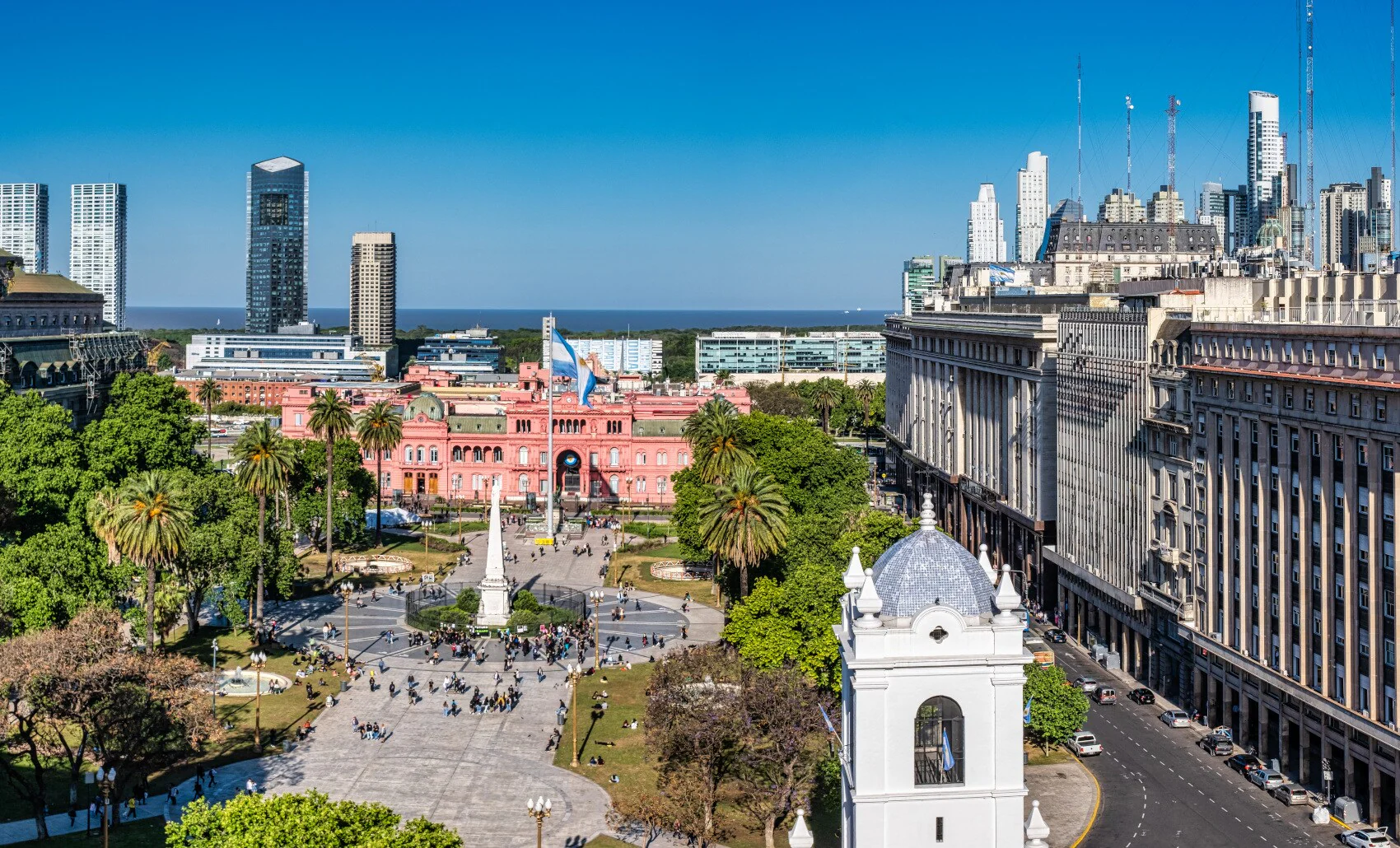
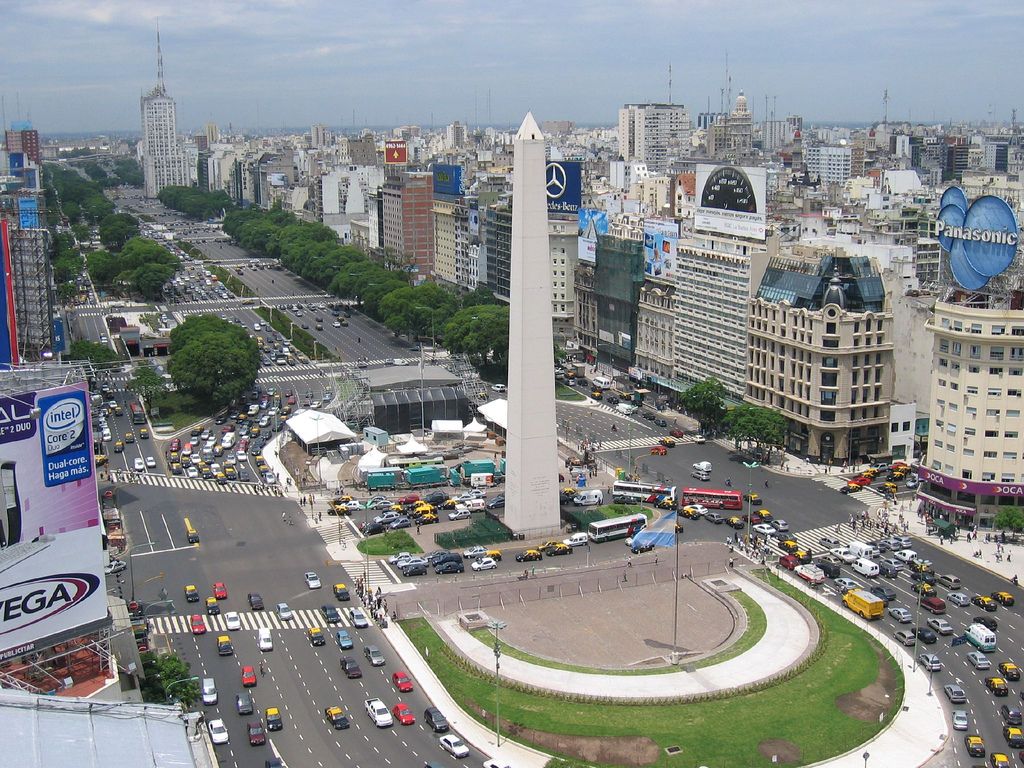
布宜诺斯艾利斯(西班牙语:Buenos Aires,意为“好空气”或“顺风”)简称BA,华人常略称为布宜诺斯或布宜诺。阿根廷政治、经济中心,也是阿根廷最大城市、首都及第一大港。布宜诺斯艾利斯是拉丁美洲第三大都市,都市区拥有1300万人口,素有“南方巴黎”之美称。刚独立时只是小城市,但自从Sarmiento的欧洲化、现代化的政策实施后,吸引了许多意大利、西班牙的移民,成为中南美最欧洲化的城市。七月九日大道(La Avenida 9 de Julio)是世界最宽的马路,有约130米宽(超过16线道)。有名的阿根廷探戈是从这个城市的boca地区发源。
布宜诺斯艾利斯的对面就是乌拉圭,布宜诺斯艾利斯生产总值非常的高,占据阿根廷约一半的GDP,生活水平也是阿根廷最高的。阿根廷布宜诺斯艾利斯拥有很多的美丽风景区,被评为世界第三美丽城市。
布宜诺斯艾利斯自治市(西班牙语:Ciudad Autónoma de Buenos Aires,简称:西班牙语:C.A.B.A.,意为“好空气”),当地华人常略称为布宜诺市或布市,旧译佳气城或布诺赛尔,是阿根廷的首都和最大城市,位于拉普拉塔河(直译:银之河)南岸、南美洲东南岸、对岸为乌拉圭(东方)。2014年,在大布宜诺斯艾利斯地区(Gran Buenos Aires)有常住人口17,180,000[4],是拉丁美洲第二大都会区,仅次于大圣保罗地区(2012年19,956,590人)。布宜诺斯艾利斯为拉丁美洲最欧洲化的城市。七月九日大道是世界最宽的马路,有约130米宽(超过16车道)。有名的阿根廷探戈的发源地就在布市的博卡区(La Boca)。 布宜诺斯艾利斯名字的起源颇有争议,西班牙探险家佩卓·门多萨为了纪念圣母玛丽亚(为美洲大多数的西班牙探险家故乡安达卢西亚和地中海国家水手守护圣人)将这座空气清新的城市称为布宜艾利的圣母玛利亚(Santa María del Buen Aire,“布宜艾利”在西班牙语中是“空气清新”的意思)。
Buenos Aires [ˈbwenos ˈai̯ɾes] (frühere Schreibweise Buenos Ayres; offiziell Ciudad Autónoma de Buenos Aires/Autonome Stadt Buenos Aires) ist die Hauptstadt und Primatstadt, also das politische, kulturelle, kommerzielle und industrielle Zentrum Argentiniens. Ihre Gründer benannten sie nach der Heiligen Santa María del Buen Ayre (spanisch für Heilige Maria der Guten Luft).[2]
Die offiziell nur 202 Quadratkilometer große Stadt bildet den Kern einer der größten Metropolregionen Südamerikas, des Gran Buenos Aires mit etwa 13 Millionen Einwohnern. Sie streckt sich heute rund 68 Kilometer von Nordwest nach Südost und etwa 33 Kilometer von der Küste nach Südwesten aus. Sie wird oft als „Wasserkopf“ Argentiniens bezeichnet, da sich hier fast alle wichtigen Institutionen des Landes befinden und in der Stadt und vor allem in der Umgebung etwa ein Drittel aller Argentinier wohnt. Zudem ist sie als einzige Stadt Argentiniens als „Capital Federal“ autonom, also nicht an eine bestimmte Provinz gebunden. Sie ist ein wichtiges kulturelles Zentrum und wurde 2005 durch die UNESCO mit dem Titel Stadt des Designs ausgezeichnet.[3]
ブエノスアイレス(西: Buenos Aires)は、人口289万人(2010年)[1]を擁するアルゼンチンの首都である[2]。
どの州にも属しておらずブエノスアイレス自治市[3]とも呼ばれる(なお、1880年の首都令以来、ブエノスアイレス州の州都はラ・プラタ市である)。大ブエノスアイレス都市圏の都市圏人口は2016年時点で1,428万人であり、世界第21位である[4]。建国以来アルゼンチンの政治、経済、文化の中心である。アルゼンチンの縮図ともなっている一方で、内陸部との差異が大きすぎるため、しばしば「国内共和国」と呼ばれる。
「南米のパリ」の名で親しまれ[5][6]、南米の中で美しい町の1つとして数えられる。
ラ・プラタ川(Río de la Plata スペイン語で「銀の川」の意)に面しており、対岸はウルグアイのコロニア・デル・サクラメント。
意味はスペイン語で「buenos(良い)aires(空気、風)」の意。船乗りの望む「順風」が街の名前になったものである。
独立当時は「偉大な田舎」と呼ばれる人口5万人程の小さな町だったが、サルミエント (Sarmiento) 政権による欧州化、文明化政策の実施以降数多くの移民がイタリア・スペインなどから渡来し、中南米の中でも最も欧州的な街になった。
かつて南米随一の豊かさを誇ったアルゼンチンの首都として、20世紀において長らくブエノスアイレスは南米最大級の都市であった[7]。1970年代以降のアルゼンチン経済の悪化に伴い、南米最大の都市はブラジルのサンパウロに移ってしまったものの、現在でもブエノスアイレスはスペイン語圏の都市として重要性を保ち、アメリカのシンクタンクが2019年に発表した世界都市ランキングでは24位に評価され、南米の都市の中で首位であった[8]。
かの有名なアルゼンチン・タンゴはこの街のボカ地区で育った。また、サッカーが盛んなことでも有名で、ディエゴ・マラドーナが在籍したボカ・ジュニアーズやCAリーベル・プレートなど名門チームを数多く擁する。
市民はポルテーニョ(porteño, 女性はポルテーニャporteña; 港の人、港っ子の意)と呼ばれる[9]。
Buenos Aires (/ˌbweɪnəs ˈɛəriːz/ or /-ˈaɪrɪs/;[9] Spanish pronunciation: [ˈbwenos ˈajɾes])[10], officially Autonomous City of Buenos Aires, of is the capital and largest city of the Republic Argentina. The city is located on the western shore of the estuary of the Río de la Plata, on the South American continent's southeastern coast. "Buenos Aires" can be translated as "fair winds" or "good airs", but the former was the meaning intended by the founders in the 16th century, by the use of the original name "Real de Nuestra Señora Santa María del Buen Ayre", named after the Madonna of Bonaria in Sardinia. The Greater Buenos Aires conurbation, which also includes several Buenos Aires Province districts, constitutes the fourth-most populous metropolitan area in the Americas, with a population of around 15.6 million.[7]
The city of Buenos Aires is neither part of Buenos Aires Province nor the Province's capital; rather, it is an autonomous district. In 1880, after decades of political infighting, Buenos Aires was federalized and removed from Buenos Aires Province.[11] The city limits were enlarged to include the towns of Belgrano and Flores; both are now neighborhoods of the city. The 1994 constitutional amendment granted the city autonomy, hence its formal name of Autonomous City of Buenos Aires (Ciudad Autónoma de Buenos Aires; "CABA"). Its citizens first elected a chief of government (i.e. mayor) in 1996; previously, the mayor was directly appointed by the President of the Republic.
Buenos Aires' quality of life was ranked 91st in the world in 2018, being one of the best in Latin America.[12][13] In 2012, it was the most visited city in South America, and the second-most visited city of Latin America (behind Mexico City).[14]
It is known for its preserved Eclectic European architecture[15] and rich cultural life.[16] Buenos Aires held the 1st Pan American Games in 1951 and was the site of two venues in the 1978 FIFA World Cup. Most recently, Buenos Aires hosted the 2018 Summer Youth Olympics[17] and the 2018 G20 summit.[18]
Buenos Aires is a multicultural city, being home to multiple ethnic and religious groups. Several languages are spoken in the city in addition to Spanish, contributing to its culture and the dialect spoken in the city and in some other parts of the country. This is because since the 19th century the city, and the country in general, has been a major recipient of millions of immigrants from all over the world, making it a melting pot where several ethnic groups live together and being considered one of the most diverse cities of the Americas.
Buenos Aires [bɥenɔz‿ɛʁ]1 (en espagnol : [ˌbu̯enos ˈai̯ɾes]2) est la capitale et la ville la plus importante de l'Argentine. Les projections pour 2015 établies en 2005 estiment la population de la ville à 3 090 900 habitants3. Son agglomération urbaine, le Grand Buenos Aires, compte 14 500 000 habitants. Les habitants sont appelés « Portègnes4 » (Porteños en espagnol, littéralement « les habitants du port ») ou « Buenos-Airiens5 » (Bonaerenses), nom aussi donné aux habitants de la province de Buenos Aires dont ne fait pas partie la capitale fédérale6. Ils sont pour la plupart d’origine espagnole ou italienne et la religion prépondérante est le catholicisme.
Buenos Aires est située sur la rive sud-ouest de l'estuaire Río de la Plata et le centre-ville se trouve à trente-trois kilomètres au sud-sud-est de l'embouchure du fleuve Paraná. La ville est bordée sur sa façade nord-est par le Río de la Plata (l’Uruguay se trouve au nord-est, sur l’autre rive du Río de la Plata, l'océan Atlantique prolongeant l'estuaire à l'est-sud-est), la Pampa à l’ouest et la province de Buenos Aires au sud. La ville est autonome. Elle possède le port le plus important du pays et est le centre politique et économique du pays. C’est aussi un centre artistique important de la culture occidentale avec de nombreux musées, théâtres, bibliothèques et galeries d'art.
La plupart des rues de la ville se croisent à angle droit, respectant l'ancien plan hippodamien de l'urbanisme espagnol qu'on retrouve dans de nombreuses villes du continent sud-américain. De nombreux immeubles modernes remplacent les vieilles maisons à un étage de la période coloniale.
Buenos Aires[4] ([ˈbwenos ˈaiɾes]) è la capitale e maggiore città dell'Argentina. Soprannominata La Regina del Plata o La Parigi del Sudamerica[4], e nota anche con l'abbreviativo Baires[5]. Oltre a essere la città più popolosa del paese è anche una delle più grandi metropoli sudamericane, la terza dell'America Latina, la seconda dell'emisfero australe dopo San Paolo e la 67ª città più popolata al mondo con i suoi 3 068 043 abitanti, nonché sede di uno dei maggiori porti del continente[6]; l'area metropolitana, nota con il nome di Grande Buenos Aires, conta 14 576 300 persone, mentre l'intera provincia raggiunge i 17 693 657 abitanti, il che lo rende il 4º agglomerato urbano più popolato del continente americano, i cui residenti corrispondono a oltre un terzo dell'intera popolazione del Paese[6]. La capitale argentina, inoltre, è una delle poche municipalità a livello internazionale a possedere lo status di città autonoma, pur essendo compresa nel territorio della provincia omonima, da cui si separò definitivamente nel 1880 in seguito alle Guerre civili argentine mediante un lento processo di federalizzazione[4][7]. La città ospitò i giochi panamericani nel 1951 e 12 partite del Campionato mondiale di calcio 1978, fra cui la partita inaugurale e le finali per il primo e terzo posto; nel 2018 ha ospitato i III Giochi olimpici giovanili estivi e il 13º vertice del G20[8].
Suddivisa in 15 comuni e quindi in 48 barrio, è uno dei più importanti centri politici, culturali e finanziari dell'economia nazionale[4][7] e, in virtù della fitta rete di nodi stradali e autostradali che si diramano lungo la metropoli, funge da principale punto di convergenza per i trasporti di tutta l'America meridionale.[4]
La città fu fondata la prima volta nel 1536 dall'adelantado Pedro de Mendoza. Distrutta dai nativi, fu rifondata nel 1580 dall'esploratore Juan de Garay, e dopo essere stata accorpata al Vicereame del Perù nel 1776 fu designata capitale del Vicereame del Río de la Plata, appena costituitosi per conto del re di Spagna sotto la Corona d'Aragona. Durante la prima delle invasioni britanniche, avvenuta nel 1806, la città fu occupata dalle forze britanniche e rimase per 45 giorni sotto la bandiera del Regno Unito. Nel 1810 ci fu la rivoluzione di Maggio, che spodestò il viceré e diede inizio alla guerra d'indipendenza. Nel 1880, sotto il governo di Nicolás Avellaneda, fu federalizzata, e la città venne separata dalla provincia omonima che la circonda. La "Grande Buenos Aires" è stata una delle principali destinazioni del processo di immigrazione che ha riguardato l'Argentina dalla fine del XIX secolo.
Attualmente occupa il 20º posto nella classifica delle città globali[9]. Nel 2018 la rivista Foreign Policy l'ha inserita alla 91ª posizione nella lista delle 100 città con la più alta qualità di vita, uno dei migliori piazzamenti in America Latina[7][10].
Buenos Aires, oficialmente Ciudad Autónoma de Buenos Aires (CABA) o Ciudad de Buenos Aires (tal y como figura en su Constitución),1011 es la capital y ciudad más poblada de la República Argentina. Esta metrópolis es una ciudad autónoma que constituye uno de los 24 distritos, o «jurisdicciones de primer orden»12, que conforman el país. Tiene sus propios poderes ejecutivo, legislativo y judicial. Está situada en la región centro-este del país, sobre la orilla sur del Río de la Plata, en la región pampeana. La Ciudad de Buenos Aires fue cedida por la provincia de Buenos Aires para que fuera la capital federal del país; pero en virtud de la Constitución Nacional es una ciudad autónoma.
Su tejido urbano se asemeja a un abanico que limita al sur, oeste y norte con la lindante Provincia de Buenos Aires y al este con el Río de la Plata. Oficialmente la ciudad se encuentra dividida en 15 comunas que agrupan a 48 barrios. Desde 1880 hasta el presente se la llama también Capital Federal,131415 aunque desde 1996 no figura oficialmente con ese nombre ni en su Constitución propia16 ni en la Constitución Nacional.17
La población estimada de la ciudad es de 3 075 646 habitantes18 y la del Aglomerado Gran Buenos Aires (conformado por la propia Ciudad Autónoma de Buenos Aires junto a ciertos partidos-municipios de la lindera Provincia de Buenos Aires) es de 17 541 141 habitantes,1 siendo este último el segundo aglomerado de Hispanoamérica, el segundo de América del Sur y una de las 20 mayores ciudades del mundo.1920
Buenos Aires es una ciudad cosmopolita y un importante destino turístico.2122 Su compleja infraestructura la convierte en una de las metrópolis de mayor importancia en América y es una ciudad global de categoría alfa,23 dadas sus influencias en el comercio, finanzas, moda, arte, gastronomía, educación, entretenimiento y principalmente en su marcada cultura.2425 Según un estudio de calidad de vida (2016) de Mercer Human Resource Consulting la ciudad se encuentra en la posición 93 a nivel mundial y segunda de América Latina tras Montevideo.26 Su renta per cápita es de las más altas de la región.2728
Su perfil urbano es marcadamente ecléctico. Se mezclan los estilos colonial español, art decó, art nouveau, neogótico, italianizante, francés borbónico y academicismo francés. Por esto último sumado a su desarrollo edilicio y marcada influencia europea en su arquitectura en determinadas zonas, es que se la conoce en el mundo por el apodo de «La París de América».29
Буэ́нос-А́йрес (исп. Buenos Aires, букв. «хорошие воздухи» или «добрые ветра»; [ˈbwenos ˈai̯ɾes]) — город, столица Аргентины, административный, культурный и экономический центр страны и один из крупнейших городов Южной Америки. Буэнос-Айрес расположен в центрально-восточной части страны, на западном берегу крупнейшего залива-эстуария Рио-де-ла-Плата, являющегося продолжением устья второй по длине реки Южной Америки — Параны́. Своё современное укороченное название — «Буэнос-Айрес» город носит с XVII века. До этого город официально именовался следующим полным именем: исп. Ciudad de la Santísima Trinidad y Puerto de Nuestra Señora de Santa María de los Buenos Aires, букв. «Город Пресвятой Троицы и Порт Богородицы Святой Марии Добрых Ветров».
В Аргентине столицу порой называют «город с разными названиями». Название «Капита́ль Федера́ль» (исп. Capital Federal) — «федеральная столица» является одним из наиболее часто используемых имён города. Часто используется также термин «Город Буэнос-Айрес» (исп. Ciudad de Buenos Aires), или просто «Буэнос-Айрес», хотя это название иногда вводит в заблуждение из-за одноимённой провинции. Название города «Автономный город Буэнос-Айрес» (исп. Ciudad Autónoma de Buenos Aires, сокр. исп. CABA) официально принято уставом города в 1996 году. Часто в просторечии город называют «Ба́йрес» (Baires), это сокращение оригинальной формы, распространённое в городе (особенно среди молодёжи), но такое название не используется в официальных документах[3][4]. Жителей столицы в Аргентине называют «порте́ньос» (исп. porteños), то есть — «обитатели порта».
Город Буэнос-Айрес был основан дважды. Первый раз его основал в 1536 году Педро де Мендоса[5]. При нападении индейцев в 1541 году город был сожжён, а в 1580 году восстановлен Хуаном де Гараем (по настоянию юриста Хуана де Матьенсо[6]). В момент основания и после восстановления, город входил в состав Вице-королевства Перу, которое являлось частью Испанской империи. В 1776 году Буэнос-Айрес стал столицей вновь созданного Вице-королевства Рио-де-ла-Плата.
Во время первого британского вторжения, которое произошло в 1806 году, город в течение нескольких месяцев был оккупирован британскими войсками. В 1810 году произошла Майская революция, во время которой в городе был смещён испанский наместник и сформирован временный правительственный орган — Первая хунта, ставшая первым национальным правительством Аргентины. В начале XX века Большой Буэнос-Айрес стал одним из основных центров иммиграции в Южную Америку. В 1913 году в городе было начато строительство метро, ставшего первым в Латинской Америке.
Буэнос-Айрес также является федеральной столицей, в которой расположено правительство Аргентины. Буэнос-Айрес не является частью одноимённой провинции, а представляет собой отдельный административный район, основанный в 1880 году, который входит в число 24 провинций Аргентины. Официально город разделён на 48 районов, такое деление города утверждено в XIX веке. После конституционной реформы 1994 года город получил право на самоуправление, и глава города избирается прямым голосованием. По переписи 2010 года, численность населения города равна 2 891 082 жителям[1], а в черте мегаполиса Большого Буэнос-Айреса (Gran Buenos Aires) проживает 12 801 364 жителя[1]. Буэнос-Айрес — крупнейший город в Аргентине, восьмой в Южной Америке.
Город Буэнос-Айрес является главным образовательным центром страны. Среди его известных институтов Colegio Nacional de Buenos Aires (Национальный институт Буэнос-Айреса) и Университет Буэнос-Айреса. Буэнос-Айрес стал одним из городов Аргентины, где были проведены матчи чемпионата мира по футболу 1978 года[7].
По индексу уровня глобализации (Global Cities Index) занимает первое место в Южной Америке (2012 год)[8].
В рейтинге глобальных городов GaWC он признан Альфа-городом, стоя в одном ряду с Амстердамом, Москвой и Брюсселем[9][10].
 Tierwelt
 Geographie

阿根廷冰川国家公园(Los Glaciares National Park)是世上罕见存在大型活冰川的国家公园,目前全球有3个冰川国家公园,北美洲2个,分别位于美国和加拿大。由于全球气候变暖,美国那个公园内的大 冰川近年逐步变成小冰川,小冰川干脆消失了,留下许多形态各异的山川、湖泊和瀑布。
阿根廷冰川国家公园位于阿根廷南部Santa Cruz省,安第斯山脉南端巴塔哥尼亚(Patagonia)高原,紧邻智利边界,面积4459平方公里。1937年,阿根廷政府在这里建立了国家公 园,1945年,冰川国家公园正式破土动工,1981年联合国教科文组织(UNESCO)依据自然遗产遴选标准N(II)(III)将其批准为世界自然遗 产。这个冰川区有47座大型冰川,13座流向大西洋,其中10座位于公园内,通常游客前往Perito Moreno冰川游览。Moreno冰川是世界上唯一一个旅游者可以轻松接近的冰川,面积约250平方公里,发源于南巴塔哥尼亚冰原,这个冰原是世界第三 大淡水储存库,仅次于南极和格陵兰冰原。Moreno冰川长约35公里,其最前端是一条宽约4000米,高60米的冰坝,溶化的冰水注入阿根廷湖 (Lago Argentino),经Santa Cruze河最终流入大西洋。(Quelle:http://www.ccthere.com)
冰川国家公园 (西班牙語:Parque Nacional Los Glaciares)是巴塔哥尼亞地区的一座国家公园,位于阿根廷圣克鲁斯省,总面积4459 km²。[1]1981年被联合国教科文组织列入世界遗产。
冰川国家公园建立于1937年,是阿根廷第二大的国家公园。公园名称里的“冰川”指的是在安第斯山脉附近的47个巨大的冰盖,其中有13个流向大西洋。国家公园里的冰盖是世界上除了南极和格陵兰以外最大的。在世界的其他地方,冰川至少要在平均海拔高于2500米的高度处才开始形成,但由于这里冰川的规模较大,1500米时即形成了冰川。
Der Nationalpark Los Glaciares (spanisch Parque Nacional Los Glaciares = „die Gletscher“) liegt im argentinischen Teil Patagoniens (Provinz Santa Cruz). Er bedeckt eine Fläche von 4459 km² und wurde von der UNESCO 1981 in die Welterbeliste aufgenommen.
Der Nationalpark besteht neben einigen kleineren Gletschern im Wesentlichen aus den drei großen Gletschern Perito-Moreno-Gletscher, Upsala-Gletscher und Viedma-Gletscher. Diese münden in zwei Seen, den Lago Argentino und den Lago Viedma, die jedoch nur teilweise innerhalb des Nationalparks liegen. Am Upsala-Arm des Lago Argentino liegt die Bahía Onelli.
Im Nordteil des Parks befinden sich die Granitberge Cerro Fitz Roy und Cerro Torre, welche für Bergsteiger und Trekking-Touristen von Interesse sind.
Im Süden des Nationalparks grenzt der chilenische Nationalpark Torres del Paine an.
Los Glaciares wird von Touristen aus aller Welt besucht. Ausgangspunkt ist die am Lago Argentino gelegene Kleinstadt El Calafate sowie das 1985 gegründete Dorf El Chaltén.
Argentinien
Bolivien
Brasilien
Chile
Columbia
Costa Rica
Ecuador
Honduras
Jamaika
Japan
Mexiko
Paraguay
Peru
Uruguay
Venezuela
Vereinigte Staaten

美洲杯(Copa América)是一项由南美足协成员国参加的最重要的国家级足球赛事,赛事前身名为南美足球锦标赛(Campeonato Sud Americano de Football),亦是全世界历史最悠久的国家级足球赛事,也是世界上观看人数第三多的比赛。在1916年7月2日至17日于阿根廷举行首届赛事,该届赛事同时为了庆祝阿根廷独立一百周年,安排在独立日内进行赛事。通常每二年举行一届,但相隔举行的时间常出现变化,现在每四年举行一届。由于南美足协只有10支球队,所以本赛事也是唯一不举行资格赛的洲际国家级赛事。同时南美足协亦会邀请两支非南美足协球队参与赛事。
自1916年赛事举办以来,10支南美足协参赛球队中有8支在47场比赛中至少赢得过一次比赛,只有厄瓜多尔和委内瑞拉尚未获胜。阿根廷和乌拉圭在世界杯历史上夺冠次数最多,各夺得15座奖杯。阿根廷于1916年举办了首届赛事,举办次数最多( 次)。 自2016年以来,美国是唯一一个主办这项赛事的非南美足协国家。该赛事曾三次(1975年、1979年和1983年)在多个南美国家举行。
Die Copa América – bis 1972 Campeonato Sudamericano de Fútbol – ist ein kontinentales Turnier für Fußball-Nationalmannschaften zur Ermittlung des Südamerikameisters im Fußball, das seit 1916 von der CONMEBOL ausgerichtet wird. Der Austragungsmodus wurde mehrfach verändert. Teilnehmer sind traditionell die Mitglieder des Verbandes, nämlich die südamerikanischen Staaten Argentinien, Bolivien, Brasilien, Chile, Ecuador, Kolumbien, Paraguay, Peru, Uruguay und Venezuela.
Seit 1993 werden auch Fußballmannschaften aus Nord- und Mittelamerika eingeladen. Für gewöhnlich sind dies der Sieger und der Zweitplatzierte des CONCACAF Gold Cup, der Kontinentalmeisterschaft des nord- und mittelamerikanischen Verbandes CONCACAF. Weit seltener wird auch eine Mannschaft aus Asien eingeladen. In den Jahren 1999 und 2019 war dies die japanische Fußballnationalmannschaft. Im Jahr 2019 nahm zudem die katarische Fußballnationalmannschaft teil, da eine Teilnahme von Ländern des CONCACAF aufgrund des parallel stattfindenden CONCACAF Gold Cup 2019 nicht möglich war.
 Wirtschaft und Handel
 Afghanistan
Ägypten
Albanien
Angola
Antigua und Barbuda
Argentinien
Armenien
Australien
Bahrain
Bangladesh
Barbados
Belgien
Belize
Benin
Bolivien
Botsuana
Brasilien
Brunei Darussalam
Bulgarien
Burkina Faso
Burundi
Chile
China
Columbia
Costa Rica
Côte d´Ivoire
Cuba
Dänemark
Demokratische Republik Kongo
Deutschland
Dominica
Dominikanische Republik
Dschibuti
Ecuador
Estland
Afghanistan
Ägypten
Albanien
Angola
Antigua und Barbuda
Argentinien
Armenien
Australien
Bahrain
Bangladesh
Barbados
Belgien
Belize
Benin
Bolivien
Botsuana
Brasilien
Brunei Darussalam
Bulgarien
Burkina Faso
Burundi
Chile
China
Columbia
Costa Rica
Côte d´Ivoire
Cuba
Dänemark
Demokratische Republik Kongo
Deutschland
Dominica
Dominikanische Republik
Dschibuti
Ecuador
Estland
 Europäische Union
Fidschi
Europäische Union
Fidschi
 Finanz
Finnland
Frankreich
Gabun
Gambia
Georgien
Ghana
Grenada
Griechenland
Guatemala
Guinea
Guinea-Bissau
Guyana
Honduras
Hongkong Tebiexingzhengqu-HK
Indien
Indonesien
Irland
Island
Israel
Italien
Jamaika
Japan
Jemen
Jordanien
Kambodscha
Kamerun
Kanada
Kap Verde
Kasachstan
Katar
Kenia
Kirgisistan
Kroatien
Kuwait
Laos
Lesotho
Lettland
Liberia
Liechtenstein
Litauen
Luxemburg
Macau Tebiexingzhengqu-MO
Madagaskar
Malawi
Malta
Marokko
Mauretanien
Mauritius
Mexiko
Moldawien
Finanz
Finnland
Frankreich
Gabun
Gambia
Georgien
Ghana
Grenada
Griechenland
Guatemala
Guinea
Guinea-Bissau
Guyana
Honduras
Hongkong Tebiexingzhengqu-HK
Indien
Indonesien
Irland
Island
Israel
Italien
Jamaika
Japan
Jemen
Jordanien
Kambodscha
Kamerun
Kanada
Kap Verde
Kasachstan
Katar
Kenia
Kirgisistan
Kroatien
Kuwait
Laos
Lesotho
Lettland
Liberia
Liechtenstein
Litauen
Luxemburg
Macau Tebiexingzhengqu-MO
Madagaskar
Malawi
Malta
Marokko
Mauretanien
Mauritius
Mexiko
Moldawien
 Mongolei
Montenegro
Mosambik
Myanmar
Namibia
Nepal
Neuseeland
Nicaragua
Niederlande
Niger
Nigeria
Nordmazedonien
Norwegen
Oman
Österreich
Pakistan
Panama
Papua-Neuguinea
Paraguay
Peru
Philippinen
Polen
Portugal
Republik El Salvador
Republik Haiti
Republik Kongo
Republik Korea
Ruanda
Rumänien
Russland
Salomonen
Sambia
Samoa
Saudi-Arabien
Schweden
Schweden
Schweiz
Genf
Senegal
Seychellen
Sierra Leone
Simbabwe
Singapur
Slowakei
Slowenien
Spanien
Sri Lanka
St. Kitts und Nevis
St. Lucia
St. Vincent und die Grenadinen
Südafrika
Suriname
Swasiland
Tadschikistan
Taiwan Sheng-TW
Tansania
Thailand
Togo
Tonga
Trinidad und Tobago
Tschad
Tschechien
Tunesien
Türkei
Uganda
Ukraine
Ungarn
Uruguay
Vanuatu
Venezuela
Vereinigte Arabische Emirate
Vereinigte Staaten
Vereinigtes Königreich
Vietnam
Mongolei
Montenegro
Mosambik
Myanmar
Namibia
Nepal
Neuseeland
Nicaragua
Niederlande
Niger
Nigeria
Nordmazedonien
Norwegen
Oman
Österreich
Pakistan
Panama
Papua-Neuguinea
Paraguay
Peru
Philippinen
Polen
Portugal
Republik El Salvador
Republik Haiti
Republik Kongo
Republik Korea
Ruanda
Rumänien
Russland
Salomonen
Sambia
Samoa
Saudi-Arabien
Schweden
Schweden
Schweiz
Genf
Senegal
Seychellen
Sierra Leone
Simbabwe
Singapur
Slowakei
Slowenien
Spanien
Sri Lanka
St. Kitts und Nevis
St. Lucia
St. Vincent und die Grenadinen
Südafrika
Suriname
Swasiland
Tadschikistan
Taiwan Sheng-TW
Tansania
Thailand
Togo
Tonga
Trinidad und Tobago
Tschad
Tschechien
Tunesien
Türkei
Uganda
Ukraine
Ungarn
Uruguay
Vanuatu
Venezuela
Vereinigte Arabische Emirate
Vereinigte Staaten
Vereinigtes Königreich
Vietnam
 Wichtige internationale Organisationen
World Trade Organization
Roberto Azevêdo
World Trade Organization
Mike Moore
World Trade Organization
Ngozi Okonjo-Iweala
World Trade Organization
Pascal Lamy
World Trade Organization
Peter Sutherland
World Trade Organization
Renato Ruggiero
World Trade Organization
Supachai Panitchpakdi
Zentralafrikanische Republik
Zypern
Wichtige internationale Organisationen
World Trade Organization
Roberto Azevêdo
World Trade Organization
Mike Moore
World Trade Organization
Ngozi Okonjo-Iweala
World Trade Organization
Pascal Lamy
World Trade Organization
Peter Sutherland
World Trade Organization
Renato Ruggiero
World Trade Organization
Supachai Panitchpakdi
Zentralafrikanische Republik
Zypern

世界贸易组织(简称世贸组织或世贸;英语:World Trade Organization,缩写为 WTO;法语:Organisation Mondiale du Commerce,缩写为 OMC;西班牙语:Organización Mundial del Comercio,缩写为 OMC)是负责监督成员经济体之间各种贸易协议得到执行的一个国际组织,前身是1948年起实施的关税及贸易总协定的秘书处。
世贸总部位于瑞士日内瓦,现任总干事是罗伯托·阿泽维多。截至2016年7月29日,世界贸易组织共有164个成员。[5]世界贸易组织的职能是调解纷争,加入WTO不算签订一种多边贸易协议,但其设置的入会门槛可以做为愿意降低关税、法政上配合、参与国际贸易的门票,它是贸易体制的组织基础和法律基础,是众多贸易协定的管理者,是各成员贸易立法的监督者,是就贸易提供解决争端和进行谈判的场所。该机构是当代最重要的国际经济组织之一,其成员间的贸易额占世界贸易额的绝大多数,被称为“经济联合国”。
Die Welthandelsorganisation (englisch World Trade Organization, WTO; französisch Organisation mondiale du commerce, OMC; spanisch Organización Mundial de Comercio, OMC) ist eine internationale Organisation mit Sitz in Genf, die sich mit der Regelung von Handels- und Wirtschaftsbeziehungen beschäftigt. Sie wurde am 15. April 1994 aus dem General Agreement on Tariffs and Trade (GATT) in der Uruguay-Runde nach siebenjähriger Verhandlungszeit gegründet. Am 1. Januar 1995 nahm sie ihre Arbeit in Genf auf. Die WTO ist neben dem IWF und der Weltbank eine der zentralen internationalen Organisationen, die Handels- und Wirtschaftspolitik mit globaler Reichweite verhandelt.
世界貿易機関(せかいぼうえききかん、英: World Trade Organization、略称:WTO)は、自由貿易促進を主たる目的として創設された国際機関である。常設事務局がスイスのジュネーブに置かれている。
GATT(ガット)ウルグアイ・ラウンドにおける合意によって、世界貿易機関を設立するマラケシュ協定(WTO設立協定)に基づいて1995年1月1日にGATTを発展解消させて成立した。
本来GATTは、第二次世界大戦後の安定を見据え、国際通貨基金および国際復興開発銀行とともに設立が予定されていた国際貿易機関(ITO)の設立準備の際に、暫定協定として結ばれたものであった。国際貿易機関の設立が廃案となり、GATTがその代替として発展強化されていくうちに、再びこの分野の常設機関が求められ、WTOが設立されることとなった。発展解消であるため、GATTの事務局及び事務局長もWTOへと引き継がれることとなった[4]。
WTOはGATTを継承したものであるが、GATTが協定(Agreement)に留まったのに対し、WTOは機関(Organization)であるのが根本的な違いである。
を基本原則としている。また、物品貿易だけでなく金融、情報通信、知的財産権やサービス貿易も含めた包括的な国際通商ルールを協議する場である。
対抗処置の発動では、紛争処理機関(パネル)の提訴に対し全加盟国による反対がなければ採択されるというネガティブ・コンセンサス方式(逆コンセンサス方式)を採用した強力な紛争処理能力を持つ。これは国際組織としては稀な例であり、コンセンサス方式を採っていたGATTとの大きな違いで、WTOの特徴の一つといえる。
新多角的貿易交渉(新ラウンド)は、2001年11月にカタールのドーハで行われた第4回WTO閣僚会議で開始を決定し、ドーハ・ラウンドと呼ばれていた。2002年2月1日の貿易交渉委員会で新ラウンドがスタートした。しかし9年に及ぶ交渉は先進国と、急速に台頭してきたBRICsなど新興国との対立によって中断と再開を繰り返した末、ジュネーブで行われた第4回WTO閣僚会議(2011年12月17日)で「交渉を継続していくことを確認するものの、近い将来の妥結を断念する」(議長総括)となり事実上停止状態になった。
その後、2013年のバリ島における閣僚会議で、貿易円滑化協定を含む合意が成立し、2014年7月まで貿易円滑化協定をWTO協定に加える(附属書1Aに追加)するための文書を一般理事会で採択すべきとされた[5]。しかしインドが合意を蒸し返す状態で反対したため期限までに採択できなかった[6]。その後食糧備蓄への補助金の問題で先進国側が譲歩することでようやくインドが合意し、2014年11月27日の一般理事会で貿易円滑化協定が採択された[6]。WTO加盟国の3分の2が改正を受諾した日に発効することになっており、2017年2月22日にこの要件を満たし、協定が発効した。
The World Trade Organization (WTO) is an intergovernmental organization that regulates international trade. The WTO officially commenced on 1 January 1995 under the Marrakesh Agreement, signed by 124 nations on 15 April 1994, replacing the General Agreement on Tariffs and Trade (GATT), which commenced in 1948. It is the largest international economic organization in the world.[5][6]
The WTO deals with regulation of trade in goods, services and intellectual property between participating countries by providing a framework for negotiating trade agreements and a dispute resolution process aimed at enforcing participants' adherence to WTO agreements, which are signed by representatives of member governments[7]:fol.9–10 and ratified by their parliaments.[8] The WTO prohibits discrimination between trading partners, but provides exceptions for environmental protection, national security, and other important goals.[9] Trade-related disputes are resolved by independent judges at the WTO through a dispute resolution process.[9]
The WTO's current Director-General is Roberto Azevêdo,[10][11] who leads a staff of over 600 people in Geneva, Switzerland.[12] A trade facilitation agreement, part of the Bali Package of decisions, was agreed by all members on 7 December 2013, the first comprehensive agreement in the organization's history.[13][14] On 23 January 2017, the amendment to the WTO Trade Related Aspects of Intellectual Property Rights (TRIPS) Agreement marks the first time since the organization opened in 1995 that WTO accords have been amended, and this change should secure for developing countries a legal pathway to access affordable remedies under WTO rules.[15]
Studies show that the WTO boosted trade,[16][17][9] and that barriers to trade would be higher in the absence of the WTO.[18] The WTO has highly influenced the text of trade agreements, as "nearly all recent [preferential trade agreements (PTAs)] reference the WTO explicitly, often dozens of times across multiple chapters... in many of these same PTAs we find that substantial portions of treaty language—sometime the majority of a chapter—is copied verbatim from a WTO agreement."[19]
L'Organisation mondiale du commerce (OMC ; en anglais : World Trade Organization, WTO, en espagnol : Organización Mundial del Comercio, OMC) est une organisation internationale qui s'occupe des règles régissant le commerce international entre les pays. Au cœur de l'organisation se trouvent les accords de l'OMC, négociés et signés en avril 1994 à Marrakech1 par la majeure partie des puissances commerciales du monde2 et ratifiés par leurs assemblées parlementaires. L'OMC a pour but principal de favoriser l'ouverture commerciale. Pour cela, elle tâche de réduire les obstacles au libre-échange, d'aider les gouvernements à régler leurs différends commerciaux et d'assister les exportateurs, les importateurs et les producteurs de marchandises et de services dans leurs activités.
Depuis 2001, le cycle de négociation mené par l'OMC est le Cycle de Doha3. Bien que l'OMC ne soit pas une agence spécialisée de l'ONU, elle entretient des liens avec cette dernière4. Le siège de l'OMC est au Centre William-Rappard, à Genève. Depuis le 1er septembre 2013, l'organisation est présidée par le Brésilien Roberto Azevêdo qui a été élu directeur général.
L'Organizzazione mondiale del commercio, abbreviato in OMC (in inglese: World Trade Organization, WTO), è un'organizzazione internazionale creata allo scopo di supervisionare numerosi accordi commerciali tra gli stati membri. Vi aderiscono[3] 164 Paesi, a cui se ne aggiungono altri 22 con ruolo di osservatori,[4] comprendendo così oltre il 95% del commercio mondiale di beni e servizi.[5]
La sede dell'OMC si trova, dal 1995, presso il Centro William Rappard a Ginevra, Svizzera.[6]
La Organización Mundial del Comercio (OMC) fue establecida en 1995. Tiene su sede en Ginebra, Suiza, y sus idiomas oficiales son el inglés, el francés y el español. La OMC no forma parte del sistema de las Naciones Unidas, y tampoco de los organismos de Bretton Woods como el Banco Mundial o el FMI.Nota 1
Всеми́рная торго́вая организа́ция (ВТО; англ. World Trade Organization (WTO), фр. Organisation mondiale du commerce (OMC), исп. Organización Mundial del Comercio) — международная организация, созданная 1 января 1995 года с целью либерализации международной торговли и регулирования торгово-политических отношений государств-членов. ВТО образована на основе Генерального соглашения по тарифам и торговле (ГАТТ), заключенного в 1947 году и на протяжении почти 50 лет фактически выполнявшего функции международной организации, но не являвшегося тем не менее международной организацией в юридическом смысле.
ВТО отвечает за разработку и внедрение новых торговых соглашений, а также следит за соблюдением членами организации всех соглашений, подписанных большинством стран мира и ратифицированных их парламентами. ВТО строит свою деятельность, исходя из решений, принятых в 1986—1994 годах в рамках Уругвайского раунда и более ранних договоренностей ГАТТ. Обсуждения проблем и принятие решений по глобальным проблемам либерализации и перспективам дальнейшего развития мировой торговли проходят в рамках многосторонних торговых переговоров (раунды). К настоящему времени проведено 8 раундов таких переговоров, включая Уругвайский, а в 2001 году стартовал девятый в Дохе, Катар. Организация пытается завершить переговоры по Дохийскому раунду переговоров, который был начат с явным акцентом на удовлетворение потребностей развивающихся стран. По состоянию на декабрь 2012 года будущее раунда переговоров в Дохе остаётся неопределённым: программа работы состоит из 21 части, а первоначально установленный окончательный срок 1 января 2005 года был давно пропущен[3]. В ходе переговоров возник конфликт между стремлением к свободной торговле и стремлением множества стран к протекционизму, особенно в плане сельскохозяйственных субсидий. До сих пор эти препятствия остаются главными и мешают любому прогрессу для запуска новых переговоров в рамках Дохийского раунда. По состоянию на июль 2012 года, существуют различные группы переговоров в системе ВТО для решения текущих вопросов в плане сельского хозяйства, что приводит к застою в самих переговорах[4].
Штаб-квартира ВТО расположена в Женеве, Швейцария. Глава ВТО (генеральный директор) — Роберту Карвалью ди Азеведу, в штате самой организации около 600 человек[5].
На 26 апреля 2015 года в ВТО состояли 162 страны[6].
Правила ВТО предусматривают ряд льгот для развивающихся стран. В настоящее время развивающиеся страны — члены ВТО имеют (в среднем) более высокий относительный уровень таможенно-тарифной защиты своих рынков по сравнению с развитыми. Тем не менее, в абсолютном выражении общий размер таможенно-тарифных санкций в развитых странах гораздо выше, вследствие чего доступ на рынки высокопередельной продукции из развивающихся стран серьёзно ограничен[7].
Правила ВТО регулируют только торгово-экономические вопросы. Попытки США и ряда европейских стран начать дискуссию об условиях труда (что позволило бы считать недостаточную законодательную защиту работников конкурентным преимуществом) были отвергнуты из-за протестов развивающихся стран, которые утверждали, что такие меры только ухудшат благосостояние работников в связи с сокращением числа рабочих мест, снижением доходов и уровня конкурентоспособности[7].
Mitglieder der WTO
| Staat | Beitrittsdatum |
|---|---|
 Ägypten Ägypten |
30. Juni 1995 |
 Afghanistan Afghanistan |
29. Juli 2016 |
 Albanien Albanien |
8. September 2000 |
 Angola Angola |
23. November 1996 |
 Antigua und Barbuda Antigua und Barbuda |
1. Januar 1995 |
| Argentinien |
1. Januar 1995 |
 Armenien Armenien |
5. Februar 2003 |
| Australien |
1. Januar 1995 |
 Bahrain Bahrain |
1. Januar 1995 |
 Bangladesch Bangladesch |
1. Januar 1995 |
 Barbados Barbados |
1. Januar 1995 |
| Belgien |
1. Januar 1995 |
 Belize Belize |
1. Januar 1995 |
 Benin Benin |
22. Februar 1996 |
 Bolivien Bolivien |
12. September 1995 |
 Botswana Botswana |
31. Mai 1995 |
| Brasilien |
1. Januar 1995 |
 Brunei Brunei |
1. Januar 1995 |
 Bulgarien Bulgarien |
1. Dezember 1996 |
 Burkina Faso Burkina Faso |
3. Juni 1995 |
 Burundi Burundi |
23. Juli 1995 |
| Chile |
1. Januar 1995 |
 Volksrepublik China Volksrepublik China |
11. Dezember 2001 |
 Costa Rica Costa Rica |
1. Januar 1995 |
 Dänemark Dänemark |
1. Januar 1995 |
| Deutschland |
1. Januar 1995 |
 Dominica Dominica |
1. Januar 1995 |
 Dominikanische Republik Dominikanische Republik |
9. März 1995 |
 Dschibuti Dschibuti |
31. Mai 1995 |
 Ecuador Ecuador |
21. Januar 1996 |
 El Salvador El Salvador |
7. Mai 1995 |
 Elfenbeinküste Elfenbeinküste |
1. Januar 1995 |
 Estland Estland |
13. November 1999 |
 Eswatini Eswatini |
1. Januar 1995 |
 Europäische Union Europäische Union |
1. Januar 1995 |
 Fidschi Fidschi |
14. Januar 1996 |
| Finnland |
1. Januar 1995 |
 Frankreich Frankreich |
1. Januar 1995 |
 Gabun Gabun |
1. Januar 1995 |
 Gambia Gambia |
23. Oktober 1996 |
 Georgien Georgien |
14. Juni 2000 |
 Ghana Ghana |
1. Januar 1995 |
 Grenada Grenada |
22. Februar 1996 |
 Griechenland Griechenland |
1. Januar 1995 |
 Guatemala Guatemala |
21. Juli 1995 |
 Guinea Guinea |
25. Oktober 1995 |
 Guinea-Bissau Guinea-Bissau |
31. Mai 1995 |
 Guyana Guyana |
1. Januar 1995 |
 Haiti Haiti |
30. Januar 1996 |
 Honduras Honduras |
1. Januar 1995 |
 Hongkong Hongkong |
1. Januar 1995 |
 Indien Indien |
1. Januar 1995 |
 Indonesien Indonesien |
1. Januar 1995 |
 Irland Irland |
1. Januar 1995 |
 Island Island |
1. Januar 1995 |
 Israel Israel |
21. April 1995 |
| Italien |
1. Januar 1995 |
 Jamaika Jamaika |
9. März 1995 |
 Jemen Jemen |
26. Juni 2014 |
| Japan |
1. Januar 1995 |
 Jordanien Jordanien |
11. April 2000 |
 Kambodscha Kambodscha |
13. Oktober 2004 |
 Kamerun Kamerun |
13. Dezember 1995 |
| Kanada |
1. Januar 1995 |
 Kap Verde Kap Verde |
23. Juli 2008 |
 Kasachstan Kasachstan |
30. November 2015 |
| Katar |
13. Januar 1996 |
 Kenia Kenia |
1. Januar 1995 |
 Kirgisistan Kirgisistan |
20. Dezember 1998 |
 Kolumbien Kolumbien |
30. April 1995 |
 Demokratische Republik Kongo Demokratische Republik Kongo |
1. Januar 1997 |
 Republik Kongo Republik Kongo |
27. März 1997 |
 Kroatien Kroatien |
30. November 2000 |
 Kuba Kuba |
20. April 1995 |
 Kuwait Kuwait |
1. Januar 1995 |
 Laos Laos |
2. Februar 2013 |
 Lesotho Lesotho |
31. Mai 1995 |
 Lettland Lettland |
10. Februar 1999 |
 Liberia Liberia |
14. Juli 2016 |
 Liechtenstein Liechtenstein |
1. September 1995 |
 Litauen Litauen |
31. Mai 2001 |
 Luxemburg Luxemburg |
1. Januar 1995 |
 Macau Macau |
1. Januar 1995 |
 Madagaskar Madagaskar |
17. November 1995 |
 Montenegro Montenegro |
29. April 2012 |
 Malawi Malawi |
31. Mai 1995 |
 Malaysia Malaysia |
1. Januar 1995 |
 Malediven Malediven |
31. Mai 1995 |
 Mali Mali |
31. Mai 1995 |
 Malta Malta |
1. Januar 1995 |
 Marokko Marokko |
1. Januar 1995 |
 Mauretanien Mauretanien |
31. Mai 1995 |
 Mauritius Mauritius |
1. Januar 1995 |
 Nordmazedonien Nordmazedonien |
4. April 2003 |
 Mexiko Mexiko |
1. Januar 1995 |
 Moldau Moldau |
26. Juli 2001 |
 Mongolei Mongolei |
29. Januar 1997 |
 Mosambik Mosambik |
26. August 1995 |
 Myanmar Myanmar |
1. Januar 1995 |
 Namibia Namibia |
1. Januar 1995 |
 Nepal Nepal |
23. April 2004 |
 Neuseeland Neuseeland |
1. Januar 1995 |
 Nicaragua Nicaragua |
3. September 1995 |
| Niederlande |
1. Januar 1995 |
 Niger Niger |
13. Dezember 1996 |
 Nigeria Nigeria |
1. Januar 1995 |
 Norwegen Norwegen |
1. Januar 1995 |
 Oman Oman |
9. November 2000 |
| Österreich |
1. Januar 1995 |
 Pakistan Pakistan |
1. Januar 1995 |
 Panama Panama |
6. September 1997 |
 Papua-Neuguinea Papua-Neuguinea |
9. Juni 1996 |
 Paraguay Paraguay |
1. Januar 1995 |
 Peru Peru |
1. Januar 1995 |
 Philippinen Philippinen |
1. Januar 1995 |
| Polen |
1. Juli 1995 |
 Portugal Portugal |
1. Januar 1995 |
 Ruanda Ruanda |
22. Mai 1996 |
 Rumänien Rumänien |
1. Januar 1995 |
| Russland |
22. August 2012 |
 Salomonen Salomonen |
26. Juli 1996 |
 Sambia Sambia |
1. Januar 1995 |
| Saudi-Arabien |
11. Dezember 2005 |
 Samoa Samoa |
10. Mai 2012 |
| Schweden |
1. Januar 1995 |
 Schweiz Schweiz |
1. Januar 1995 |
 Senegal Senegal |
1. Januar 1995 |
 Seychellen Seychellen |
26. April 2015 |
 Sierra Leone Sierra Leone |
23. Juli 1995 |
 Simbabwe Simbabwe |
5. März 1995 |
 Singapur Singapur |
1. Januar 1995 |
 Slowakei Slowakei |
1. Januar 1995 |
 Slowenien Slowenien |
30. Juli 1995 |
| Spanien |
1. Januar 1995 |
 Sri Lanka Sri Lanka |
1. Januar 1995 |
 St. Kitts und Nevis St. Kitts und Nevis |
21. Februar 1996 |
 St. Lucia St. Lucia |
1. Januar 1995 |
 St. Vincent und die Grenadinen St. Vincent und die Grenadinen |
1. Januar 1995 |
| Südafrika |
1. Januar 1995 |
 Südkorea Südkorea |
1. Januar 1995 |
 Suriname Suriname |
1. Januar 1995 |
 Tadschikistan Tadschikistan |
2. März 2013 |
 Taiwan[1] Taiwan[1] |
1. Januar 2002 |
 Tansania Tansania |
1. Januar 1995 |
 Thailand Thailand |
1. Januar 1995 |
 Togo Togo |
31. Mai 1995 |
 Tonga Tonga |
27. Juli 2007 |
 Trinidad und Tobago Trinidad und Tobago |
1. März 1995 |
 Tschad Tschad |
19. Oktober 1996 |
| Tschechien |
1. Januar 1995 |
 Tunesien Tunesien |
29. März 1995 |
 Türkei Türkei |
26. März 1995[2] |
 Uganda Uganda |
1. Januar 1995 |
 Ukraine Ukraine |
16. Mai 2008 |
 Ungarn Ungarn |
1. Januar 1995 |
 Uruguay Uruguay |
1. Januar 1995 |
 Venezuela Venezuela |
1. Januar 1995 |
 Vereinigte Arabische Emirate Vereinigte Arabische Emirate |
10. April 1996 |
| Vereinigtes Königreich |
1. Januar 1995 |
| Vereinigte Staaten |
1. Januar 1995 |
 Vanuatu Vanuatu |
24. August 2012 |
 Vietnam Vietnam |
11. Januar 2007 |
 Zentralafrikanische Republik Zentralafrikanische Republik |
31. Mai 1995 |
 Zypern Zypern |
30. Juli 1995 |
 Essen und Trinken
 Landwirtschaft, Forstwirtschaft, Viehzucht, Fischerei

In Argentinien wird Weinbau seit dem 16. Jahrhundert betrieben. In der letzten Statistik des OIV von 2022 nimmt Argentinien hinter Italien, Frankreich, Spanien, USA, Australien und Chile, den 7. Rang ein. Auf fast 207.000 Hektar Rebfläche werden jährlich 11.500.000 Hektoliter (Jahr 2022) Wein produziert. Diese Menge entspricht in etwa 4,4 % der weltweit produzierten Weinmenge.[1] Allerdings wird für 2023 aufgrund von klimatischen Faktoren wie Wasserknappheit, steigenden Temperaturen und lokalen dürreähnliche Bedingungen eine Mindermenge von - 23 % erwartet.[2] Während die Menge der produzierten Weißweine seit dem Jahr 2000 stagniert, vervielfachte sich bis 2013 die Menge der erzeugten Rotweine von knapp 4 Millionen auf über 15,2 Millionen Hektoliter.[3]
Bis vor 20 Jahren wurden praktisch nur einfache Weine in großer Menge für den lokalen Markt produziert. Seit Anfang der 1990er Jahre überzeugen auch Qualitätsweine auf dem Exportmarkt. Im Jahr 2004 exportierte der südamerikanische Staat Wein im Wert von 431 Millionen US-Dollar, vor allem die Sorte Malbec.
Die stark zergliederten Rebflächen erstrecken sich in etwa von Salta im Norden bis zur Provinz Chubut im Süden. Sie bilden im Westen des Landes entlang der Ausläufer der Anden einen Streifen in einer Länge von 1750 Kilometer und einer Breite von 100 Kilometer.
阿根廷是世界第五大葡萄酒生产国[1]。随着西班牙殖民美洲,阿根廷的葡萄酒生产历史也随之开始。阿根廷的葡萄酒生产传统上重量不重质,1990年代之前,阿根廷的葡萄酒产量超过欧洲以外的所有国家,但品质不足以出口[2]。但1990年代,阿根廷葡萄酒开始出口,品质也取得很大进步。现在阿根廷是南美最大的葡萄酒出口国。2010年,阿根廷政府定葡萄酒为阿根廷的国酒。
阿根廷葡萄酒与欧洲的渊源极深,自从16世纪中叶,西班牙籍的Juan Cedrón神父为了弥撒用酒,而在阿根廷北部的圣地亚哥艾斯德罗省 ( Santiago del Estero )种下
第一株葡萄苗,此后阿根廷葡萄园的开垦就持续的往西南方发展,而整个产业成长的契机,却一直等了三百年。 1850 ~ 1900 年间,正值欧洲葡萄园根瘤蚜虫害肆虐之时,
以意大利、西班牙、德国和法国为主的欧洲移民潮,为阿根廷葡萄产业带来更多的葡萄品种、种植方法和酿造技术。 阿根廷葡萄酒产量世界排行第五,全国酿酒葡萄的种植面
积达到 21 万公顷(2005年),整个产区主要分布在南纬 22 ~ 42 度的安地斯山脉东麓,其中以圣璜省 ( San Juan ) 和门多萨省 ( Mendoza ) 两大产区最为知名,两省
产量即占全国总产量的92%。 每年从西边吹来的太平洋潮湿季风,在横越平均四千公尺高的安地斯山脉前,水气便已丧失殆尽,造成了圣璜省和门多萨省一带的高原荒漠
地貌:黄土砾石,林木稀疏,白天艳阳高照,夜晚大幅降温,一年有三百天以上的晴朗日子。 虽然平均年雨量不足200毫米,但依赖天然融雪而建立的庞大灌溉系统,造就本区
成为适合栽种葡萄的地方,也使得欧洲移民带来的各类葡萄品种,像是 Cabernet Sauvignon、Cabernet Franc、Pinot Noir、Syrah、Merlot、Bonarda、Sangiovese、
Tempranillo、Chardonnay、Riesling、Chenin、Sauvignon Blanc,有机会在本区寻找最适合自己生长的微气候和微地形。 (Quelle:http://www.winetour.cn/)
 Parteien und Regierung



Argentinien
Audi Cup
César Luis Menotti
FIFA-Klub-Weltmeisterschaft 2025
FIFA-Klub-Weltmeisterschaft 2025
Gruppe C
Sport
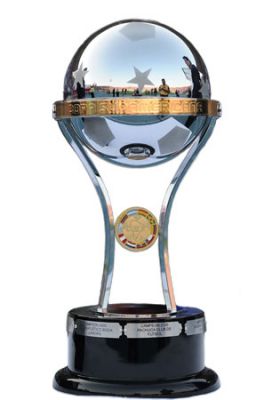
(F)Copa Sudamericana