Deutsch-Chinesische Enzyklopädie, 德汉百科
 India
India
 Motorsport
Azerbaijan
Australia
Bahrain
Belgium
Brazil
China
Germany
Motorsport
Azerbaijan
Australia
Bahrain
Belgium
Brazil
China
Germany
 Emilia-Romagna
England
Emilia-Romagna
England
 Florida-FL
Formel-1-Weltmeisterschaft 2017
Formel-1-Weltmeisterschaft 2018
Florida-FL
Formel-1-Weltmeisterschaft 2017
Formel-1-Weltmeisterschaft 2018
 Formula 1 World Championship 2025
France
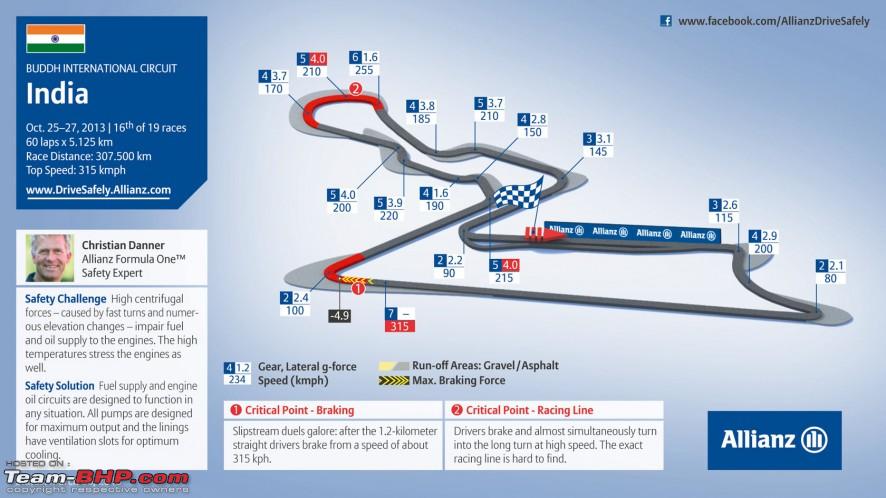
India
Italy
Japan
Canada
Katar
Kinki
Formula 1 World Championship 2025
France
India
Italy
Japan
Canada
Katar
Kinki
 Lombardia
Mexico
Monaco
Lombardia
Mexico
Monaco
 Nevada-NV
Austria
Nevada-NV
Austria
 Quebec-QC
Russia
São Paulo
Saudi Arabia
Switzerland
Shanghai Shi-SH
Singapore
Spain
Quebec-QC
Russia
São Paulo
Saudi Arabia
Switzerland
Shanghai Shi-SH
Singapore
Spain
 Sport
Sport
 Styria
 Texas-TX
Hungary
United Arab Emirates
United States
United Kingdom
Texas-TX
Hungary
United Arab Emirates
United States
United Kingdom
 Victoria-VIC

一级方程式赛车(英语:Formula One,也叫Formula 1或者F1)是由国际汽车联盟举办的最高等级的年度系列场地方程式赛车比赛,正式名称为“国际汽车联合会世界一级方程式锦标赛”。名称中“方程式”是指一组所有参赛车辆都必须遵守的规则[1]。F1赛季包括一系列的比赛,而这些所谓的“大奖赛”(Grand Prix,出自法语,本意Great Prizes)的场地是全封闭的专门赛道或者是临时封闭的普通公路。每场比赛的结果算入积分系统并以此确定两个年度世界冠军:一个给车手和另一个给制造商。F1的车手、制造商、组织者以及赛道都必须持有FIA超级驾驶执照,这是国际汽联颁发的最高级别执照。
一级方程式赛车通过产生大量的空气动力学下压力达到非常高的过弯速度,是风靡全球的赛车运动。发动机性能限制在每分钟最多15000转时,其比赛最高速度就可以超过360公里/小时。赛车过弯的横向加速度超过5个标准重力。F1赛车的性能非常依赖电子系统(牵引力控制系统和其他辅助驾驶装置自2008年已被禁止)、空气动力学、悬挂和轮胎。
Die Formel 1 ist eine vom Automobil-Dachverband Fédération Internationale de l’Automobile (FIA) festgelegte Formelserie. Hersteller konstruieren Autos, die den Formel-1-Regeln entsprechen. Diese Autos treten im Rahmen der Formel-1-Weltmeisterschaft zu Rennen in ungefähr 20 Orten pro Jahr an. Am Ende der Saison wird der Fahrer mit den meisten Punkten F1 Fahrerweltmeister und der Hersteller mit den meisten Punkten Konstrukteursweltmeister.
Die Formel 1 ist die höchstrangige von der FIA veranstaltete Rennserie des Formelsports. Sie wird als Königsklasse des Automobilsports bezeichnet, da sie den Anspruch erhebt, die höchsten technischen, fahrerischen, aber auch finanziellen Anforderungen aller Rennserien an Fahrer und Konstrukteure zu stellen. Sie wird auch kurz F1 genannt. Die F1 Weltmeisterschaft heißt offiziell FIA Formula One World Championship, bis 1980 hat sie Automobil-Weltmeisterschaft geheissen.
Formula One (also Formula 1 or F1) is the highest class of single-seater auto racing sanctioned by the Fédération Internationale de l'Automobile (FIA) and owned by the Formula One Group. The FIA Formula One World Championship has been one of the premier forms of racing around the world since its inaugural season in 1950. The "formula" in the name refers to the set of rules to which all participants' cars must conform.[2] A Formula One season consists of a series of races, known as Grands Prix (French for "grand prizes" or "great prizes"), which are held worldwide on purpose-built circuits and public roads.
The results of each race are evaluated using a points system to determine two annual World Championships: one for drivers, the other for constructors. Drivers must hold valid Super Licences, the highest class of racing licence issued by the FIA.[3] The races are required to be held on tracks graded "1" (formerly "A"), the highest grade rating issued by the FIA.[3] Most events are held in rural locations on purpose-built tracks, but there are several events in city centres throughout the world, with the Monaco Grand Prix being the most well-known.
Formula One cars are the fastest regulated road course racing cars in the world, owing to very high cornering speeds achieved through the generation of large amounts of aerodynamic downforce. The cars underwent major changes in 2017,[4] allowing wider front and rear wings, and wider tyres, resulting in cornering forces closing in on 8g and top speeds of up to approximately 375 km/h (230 mph).[5] The hybrid engines are currently limited in performance to a maximum of 15,000 rpm and the cars are very dependent on electronics—although traction control and other driving aids have been banned since 2008—and also on aerodynamics, suspension, and tyres.
While Europe is the sport's traditional base, the championship is truly global, with 11 of the 21 races in the 2018 season taking place outside Europe. With the annual cost of running a mid-tier team—designing, building, and maintaining cars, pay, transport—being US$120 million,[6] Formula One has a significant economic and job-creation effect, and its financial and political battles are widely reported. Its high profile and popularity have created a major merchandising environment, which has resulted in large investments from sponsors and budgets (in the hundreds of millions for the constructors). On 8 September 2016, it was announced that Liberty Media had agreed to buy Delta Topco, the company that controls Formula One, from private equity firm CVC Capital Partners for $4.4 billion in cash, stock, and convertible debt.[7] On 23 January 2017, it was confirmed that the acquisition had been completed, for $8 billion.[8]
La Formule 1, communément abrégée en F1, est une discipline de sport automobile considérée comme la catégorie reine de ce sport. Elle a pris au fil des ans une dimension mondiale et elle est, avec les Jeux olympiques et la Coupe du monde de football, l'un des événements sportifs les plus médiatisés.
Chaque année depuis 1950, un championnat mondial des pilotes est organisé, complété depuis 1958 par un championnat mondial des constructeurs automobiles. La compétition est basée sur des Grands Prix, courses à bord de voitures monoplaces disputées sur circuits routiers fermés permanents mais parfois tracés en ville et temporaires, comme à Monaco, Valence, Singapour, et Bakou.
Cette discipline sportive, régie par la Fédération internationale de l'automobile (FIA), est gérée par la Formula One Administration (FOA) et un ensemble de sociétés satellites contrôlées par Liberty Media. Après l'ère des artisans des années 1960 et 1970, elle a peu à peu attiré les grands constructeurs automobiles mondiaux qui y investissent des sommes élevées, en espérant tirer profit des retombées médiatiques d'éventuels succès. La Formule 1 est considérée comme la vitrine technologique de l'industrie automobile qui y expérimente des nouveautés techniques, parfois issues de la technologie spatiale et susceptibles d'être adaptées ensuite sur les voitures de série.
Outre la compétition, le terme Formule 1 désigne l'ensemble des règles techniques des voitures monoplaces qui sont mises à jour tous les ans par la FIA. Ces règles sont très strictes sur les dimensions des voitures, la cylindrée des moteurs, les technologies mises en œuvre ; elles définissent également les mesures de sécurité des voitures pour assurer la protection du pilote. Les monoplaces de course répondant aux caractéristiques de la réglementation de la Formule 1 sont généralement désignées sous le terme générique de Formules 1.
La Formula 1 o Formula Uno,[1] in sigla F1, è la massima categoria (in termini prestazionali) di vetture monoposto a ruote scoperte da corsa su circuito definita dalla Federazione Internazionale dell'Automobile (FIA).
La categoria è nata nel 1948 (in sostituzione della Formula A, a sua volta sorta solo qualche anno prima, nel 1946), diventando poi a carattere mondiale nella stagione 1950. Inizialmente definita dalla Commissione Sportiva Internazionale (CSI) dell'Associazione Internazionale degli Automobil Club Riconosciuti (AIACR), associazione antesignana della Federazione Internazionale dell'Automobile, oggi la Formula Uno è regolata dal Consiglio Mondiale degli Sport Motoristici (in inglese: World Motor Sport Council, WMSC) della Federazione Internazionale dell'Automobile.
Il termine "formula", presente nel nome, fa riferimento a un insieme di regole alle quali tutti i partecipanti, le macchine e i piloti, devono adeguarsi; esse introducono un numero di restrizioni e specifiche nelle auto, al fine di evitare le eccessive disparità tecniche tra le auto, di porre dei limiti al loro sviluppo e di ridurre i rischi di incidenti. La formula ha avuto molti cambiamenti durante la sua storia. Ad esempio, ci sono stati differenti tipi di motori, con schemi da quattro fino a sedici cilindri e con cilindrate da 1,5 a 4,5 l.
La Fórmula 1, abreviada como F1 y también denominada la «categoría reina del automovilismo»1 o «la máxima categoría del automovilismo»,23 es la competición de automovilismo internacional más popular y prestigiosa, superando a categorías de automovilismo como la NASCAR, el Campeonato Mundial de Rally, el Campeonato Mundial de Turismos o la Fórmula E, entre otras.4 A cada carrera se le denomina Gran Premio y el torneo que las agrupa se denomina Campeonato Mundial de Fórmula 1. La entidad que la dirige es la Federación Internacional del Automóvil (FIA). El Formula One Group es controlado por la empresa estadounidense Liberty Media desde septiembre de 2016.5
Los automóviles utilizados son monoplazas con la última tecnología disponible, siempre limitadas por un reglamento técnico; algunas mejoras que fueron desarrolladas en la Fórmula 1 terminaron siendo utilizadas en automóviles comerciales, como el freno de disco.6 La mayoría de los circuitos de carreras donde se celebran los Grandes Premios son autódromos, aunque también se utilizan circuitos callejeros y anteriormente se utilizaron circuitos ruteros.
El inicio de la Fórmula 1 moderna se remonta al año 1950, en el que participaron escuderías como Ferrari, Alfa Romeo y Maserati. Algunas fueron reemplazadas por otras nuevas como McLaren, Williams, Red Bull y Renault, que se han alzado varias veces con el Campeonato Mundial de Constructores. Las escuderías tienen que planear sus fichajes y renovación de contratos 2 o 3 carreras antes del fin de la temporada. Por su parte, los pilotos deben contar con la superlicencia de la FIA para competir, que se obtiene sobre la base de resultados en otros campeonatos.

瑜伽是一种非常古老的能量知识修炼方法,集哲学、科学和艺术于一身。瑜伽的基础建筑在古印度哲学上,数千年来,心理、生理和精神上的戒律已经成为印度文化 中的一个重要组成部分。古代的瑜伽信徒发展了瑜伽体系,因为他们深信通过运动身体和调控呼吸,可以完全控制心智和情感,以及保持永远健康的身体。
Badminton World Federation
 BWF World Championships
China
Denmark
England
France
India
Indonesia
Canada
Malaysia
Schottland
Sweden
Switzerland
Spain
United States
BWF World Championships
China
Denmark
England
France
India
Indonesia
Canada
Malaysia
Schottland
Sweden
Switzerland
Spain
United States

国际羽联世界锦标赛,通常称世界羽毛球锦标赛,是一项由国际羽毛球联合会组织的羽毛球单项锦标赛事,以之为世界顶尖的羽毛球选手加冕。
该赛由1977年开始举办,1983年以前每三年举办一次。然而,在头两届比赛时国际羽联遇到过麻烦:世界羽毛球联合会(后来与国际羽毛球联合会合并)在国际羽联世界锦标赛后一年以相同的目的举办相同性质的比赛。1981年两组织合并后,该问题也随之解决。
从1985年起,该项赛事改为两年举办一次,直到2005年止。2006年起,锦标赛成为了国际羽联日程表上一年一次的赛事,目的在于给与运动员们更多机会去赢得官方的“世界冠军”称号。但每到奥运会举办的年份,锦标赛不举办,以便为奧運會羽毛球比賽让路。(Quelle:Wikipedia)
 Religion
 Architecture
 History
 Art
Art
 World Heritage

 Afghanistan
Australia
Bangladesh
England
Afghanistan
Australia
Bangladesh
England
 Geography
West Indies
India
Ireland
New Zealand
Pakistan
Simbabwe
Sri Lanka
South Africa
United Kingdom
Geography
Geography
West Indies
India
Ireland
New Zealand
Pakistan
Simbabwe
Sri Lanka
South Africa
United Kingdom
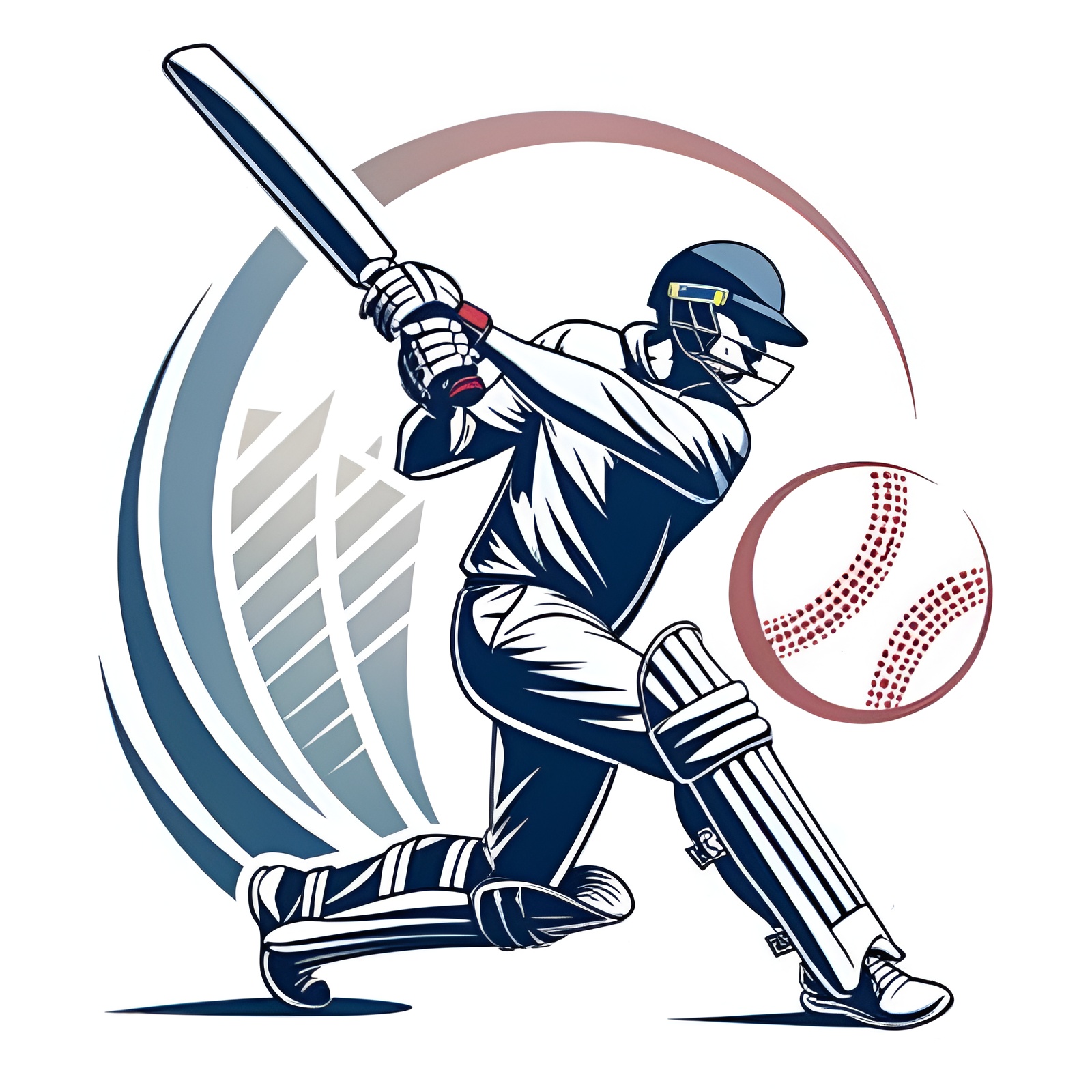

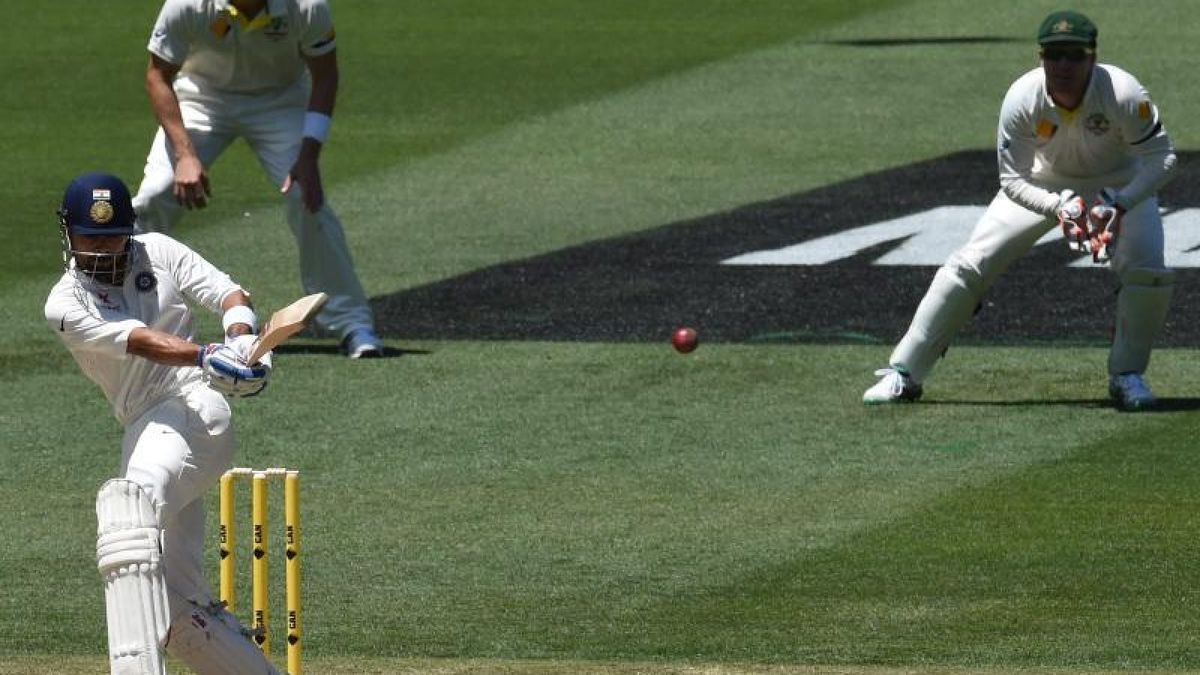
板球(或称木球、桨球、柴球,英语:Cricket)是由两队各十一人进行对抗比赛的一项团队运动。其现代形式起源于英格兰,盛行于英联邦国家,如在英国、澳大利亚、新西兰、印度、南亚、非洲南部、西印度群岛等地。板球的球季主要在春季与夏季,与在秋季与冬季踢的足球互补。
板球比赛时间长度不一,国际板球对抗赛的一场比赛每天进行六小时或以上,并长达五天;还有许多午餐和饮茶的休息时间;以及丰富的板球术语,都使板球门外汉非常困扰。但对于球迷来讲,这项运动以及顶尖板球国家队之间的激烈竞争,都为他们提供了充满激情的娱乐。
Cricket (englisch [ˈkɹɪkɪt]; in Deutschland amtlich auch Kricket,[1][2] in den Anfängen auch Thorball) ist ein Schlagballspiel, bei dem zwei Mannschaften mit jeweils elf Spielern gegeneinander antreten. Kernelement des Spiels ist das Duell zwischen dem Bowler (Werfer) und dem Batter (Schlagmann). Während der Bowler versucht, den Batter zu einem Fehler zu bewegen und damit ausscheiden zu lassen, versucht der Batter seinerseits, durch Wegschlagen des Balls sogenannte Runs (Punkte) zu erzielen. Der Bowler wird in seiner Aufgabe durch die anderen Feldspieler unterstützt, die versuchen, den Ball so schnell wie möglich zurückzubringen.
Bahrain
 Hand in Hand
Institute of Culture and Language
India
Katar
National Capital Territory
Oman
Saudi Arabia
Uttar Pradesh
United Arab Emirates
Hand in Hand
Hand in Hand
Institute of Culture and Language
India
Katar
National Capital Territory
Oman
Saudi Arabia
Uttar Pradesh
United Arab Emirates

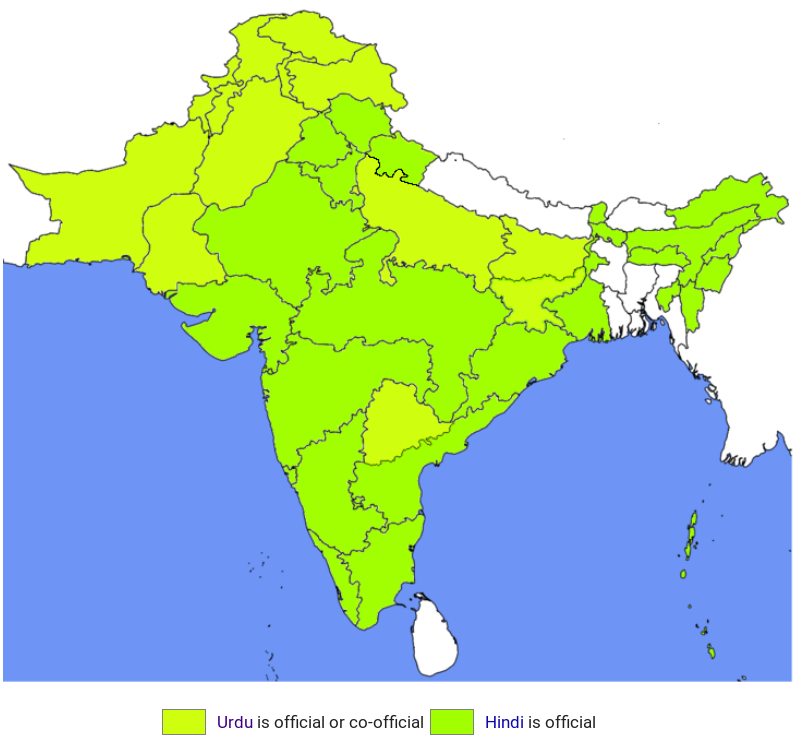
Urdu (anhörenⓘ/?) (persisch: اردو DMG urdū; kurz für زبان اردو معلہ DMG zabān-i urdū-yi muʿalla, deutsch ‚Sprache des königlichen Lagers‘)[1] ist eine indoarische Sprache und gehört zum indoiranischen Zweig der indogermanischen Sprachfamilie. Die Bezeichnung „Urdu“ tauchte erstmals im Jahr 1780 in den Gedichten von Ghulam Hamdani Mushafi auf. Ältere und heute weniger gebräuchliche indigene Namen waren لشکری Laschkarī, abgekürzt von لشکری زبان laschkarī zubān, deutsch ‚Armeesprache‘, کھڑی بولی kharī bolī, deutsch ‚stehende / etablierte Sprache‘ oder einfach ہندوی Hindavī, deutsch ‚indisch‘.
乌尔都语(乌尔都语:اُردُو)是属于印欧语系印度-伊朗语族的印度-雅利安语支。从使用人数来看,乌尔都语大约排名世界第20名,是巴基斯坦的国语,也是印度的24种规定语言之一。如果从宏观角度来看,乌尔都语可看成是印度斯坦语的一部分,所有印度斯坦语言构成世界上第四大的语言。在1200年到1800年,南亚在德里苏丹国和莫卧儿帝国的统治下,乌尔都语受到波斯语、突厥语、库尔德语和阿拉伯语的影响。
 Economy and trade
Afghanistan
Egypt
Albania
Angola
Antigua and Barbuda
Argentina
Armenia
Australia
Bahrain
Bangladesh
Barbados
Belgium
Belize
Benin
Bolivia
Botsuana
Brazil
Brunei Darussalam
Bulgaria
Burkina Faso
Burundi
Chile
China
Columbia
Costa Rica
Côte d´Ivoire
Cuba
Denmark
Demokratische Republik Kongo
Germany
Dominica
Dominikanische Republik
Djibouti
Ecuador
Estonia
Economy and trade
Afghanistan
Egypt
Albania
Angola
Antigua and Barbuda
Argentina
Armenia
Australia
Bahrain
Bangladesh
Barbados
Belgium
Belize
Benin
Bolivia
Botsuana
Brazil
Brunei Darussalam
Bulgaria
Burkina Faso
Burundi
Chile
China
Columbia
Costa Rica
Côte d´Ivoire
Cuba
Denmark
Demokratische Republik Kongo
Germany
Dominica
Dominikanische Republik
Djibouti
Ecuador
Estonia
 European Union
Fidschi
European Union
Fidschi
 Financial
Finland
France
Gabun
Gambia
Georgia
Ghana
Grenada
Greece
Guatemala
Guinea
Guinea-Bissau
Guyana
Honduras
Hongkong Tebiexingzhengqu-HK
India
Indonesia
Ireland
Iceland
Israel
Italy
Jamaika
Japan
Yemen
Jordan
Cambodia
Cameroon
Canada
Kap Verde
Kasachstan
Katar
Kenya
Kyrgyzstan
Croatia
Kuwait
Laos
Lesotho
Latvia
Liberia
Liechtenstein
Lithuania
Luxembourg
Macau Tebiexingzhengqu-MO
Madagaskar
Malawi
Malta
Morocco
Mauritania
Mauritius
Mexico
Moldawien
Financial
Finland
France
Gabun
Gambia
Georgia
Ghana
Grenada
Greece
Guatemala
Guinea
Guinea-Bissau
Guyana
Honduras
Hongkong Tebiexingzhengqu-HK
India
Indonesia
Ireland
Iceland
Israel
Italy
Jamaika
Japan
Yemen
Jordan
Cambodia
Cameroon
Canada
Kap Verde
Kasachstan
Katar
Kenya
Kyrgyzstan
Croatia
Kuwait
Laos
Lesotho
Latvia
Liberia
Liechtenstein
Lithuania
Luxembourg
Macau Tebiexingzhengqu-MO
Madagaskar
Malawi
Malta
Morocco
Mauritania
Mauritius
Mexico
Moldawien
 Mongolei
Montenegro
Mosambik
Myanmar
Namibia
Nepal
New Zealand
Nicaragua
Netherlands
Niger
Nigeria
Nordmazedonien
Norwegen
Oman
Austria
Pakistan
Panama
Papua-Neuguinea
Paraguay
Peru
Philippines
Poland
Portugal
Republik El Salvador
Republik Haiti
Republik Kongo
Republic of Korea
Ruanda
Romania
Russia
Salomonen
Sambia
Samoa
Saudi Arabia
Sweden
Sweden
Switzerland
Genf
Senegal
Seychellen
Sierra Leone
Simbabwe
Singapore
Slovakia
Slovenia
Spain
Sri Lanka
Saint Kitts and Nevis
St. Lucia
St. Vincent and the Grenadines
South Africa
Suriname
Swasiland
Tajikistan
Taiwan Sheng-TW
Tansania
Thailand
Togo
Tonga
Trinidad und Tobago
Tschad
Czech Republic
Tunisia
Turkey
Uganda
Ukraine
Hungary
Uruguay
Vanuatu
Venezuela
United Arab Emirates
United States
United Kingdom
Vietnam
Mongolei
Montenegro
Mosambik
Myanmar
Namibia
Nepal
New Zealand
Nicaragua
Netherlands
Niger
Nigeria
Nordmazedonien
Norwegen
Oman
Austria
Pakistan
Panama
Papua-Neuguinea
Paraguay
Peru
Philippines
Poland
Portugal
Republik El Salvador
Republik Haiti
Republik Kongo
Republic of Korea
Ruanda
Romania
Russia
Salomonen
Sambia
Samoa
Saudi Arabia
Sweden
Sweden
Switzerland
Genf
Senegal
Seychellen
Sierra Leone
Simbabwe
Singapore
Slovakia
Slovenia
Spain
Sri Lanka
Saint Kitts and Nevis
St. Lucia
St. Vincent and the Grenadines
South Africa
Suriname
Swasiland
Tajikistan
Taiwan Sheng-TW
Tansania
Thailand
Togo
Tonga
Trinidad und Tobago
Tschad
Czech Republic
Tunisia
Turkey
Uganda
Ukraine
Hungary
Uruguay
Vanuatu
Venezuela
United Arab Emirates
United States
United Kingdom
Vietnam
 Important International Organizations
World Trade Organization
Roberto Azevêdo
World Trade Organization
Mike Moore
World Trade Organization
Ngozi Okonjo-Iweala
World Trade Organization
Pascal Lamy
World Trade Organization
Peter Sutherland
World Trade Organization
Renato Ruggiero
World Trade Organization
Supachai Panitchpakdi
Central African Republic
Cyprus
Important International Organizations
World Trade Organization
Roberto Azevêdo
World Trade Organization
Mike Moore
World Trade Organization
Ngozi Okonjo-Iweala
World Trade Organization
Pascal Lamy
World Trade Organization
Peter Sutherland
World Trade Organization
Renato Ruggiero
World Trade Organization
Supachai Panitchpakdi
Central African Republic
Cyprus

世界贸易组织(简称世贸组织或世贸;英语:World Trade Organization,缩写为 WTO;法语:Organisation Mondiale du Commerce,缩写为 OMC;西班牙语:Organización Mundial del Comercio,缩写为 OMC)是负责监督成员经济体之间各种贸易协议得到执行的一个国际组织,前身是1948年起实施的关税及贸易总协定的秘书处。
世贸总部位于瑞士日内瓦,现任总干事是罗伯托·阿泽维多。截至2016年7月29日,世界贸易组织共有164个成员。[5]世界贸易组织的职能是调解纷争,加入WTO不算签订一种多边贸易协议,但其设置的入会门槛可以做为愿意降低关税、法政上配合、参与国际贸易的门票,它是贸易体制的组织基础和法律基础,是众多贸易协定的管理者,是各成员贸易立法的监督者,是就贸易提供解决争端和进行谈判的场所。该机构是当代最重要的国际经济组织之一,其成员间的贸易额占世界贸易额的绝大多数,被称为“经济联合国”。
Die Welthandelsorganisation (englisch World Trade Organization, WTO; französisch Organisation mondiale du commerce, OMC; spanisch Organización Mundial de Comercio, OMC) ist eine internationale Organisation mit Sitz in Genf, die sich mit der Regelung von Handels- und Wirtschaftsbeziehungen beschäftigt. Sie wurde am 15. April 1994 aus dem General Agreement on Tariffs and Trade (GATT) in der Uruguay-Runde nach siebenjähriger Verhandlungszeit gegründet. Am 1. Januar 1995 nahm sie ihre Arbeit in Genf auf. Die WTO ist neben dem IWF und der Weltbank eine der zentralen internationalen Organisationen, die Handels- und Wirtschaftspolitik mit globaler Reichweite verhandelt.
世界貿易機関(せかいぼうえききかん、英: World Trade Organization、略称:WTO)は、自由貿易促進を主たる目的として創設された国際機関である。常設事務局がスイスのジュネーブに置かれている。
GATT(ガット)ウルグアイ・ラウンドにおける合意によって、世界貿易機関を設立するマラケシュ協定(WTO設立協定)に基づいて1995年1月1日にGATTを発展解消させて成立した。
本来GATTは、第二次世界大戦後の安定を見据え、国際通貨基金および国際復興開発銀行とともに設立が予定されていた国際貿易機関(ITO)の設立準備の際に、暫定協定として結ばれたものであった。国際貿易機関の設立が廃案となり、GATTがその代替として発展強化されていくうちに、再びこの分野の常設機関が求められ、WTOが設立されることとなった。発展解消であるため、GATTの事務局及び事務局長もWTOへと引き継がれることとなった[4]。
WTOはGATTを継承したものであるが、GATTが協定(Agreement)に留まったのに対し、WTOは機関(Organization)であるのが根本的な違いである。
を基本原則としている。また、物品貿易だけでなく金融、情報通信、知的財産権やサービス貿易も含めた包括的な国際通商ルールを協議する場である。
対抗処置の発動では、紛争処理機関(パネル)の提訴に対し全加盟国による反対がなければ採択されるというネガティブ・コンセンサス方式(逆コンセンサス方式)を採用した強力な紛争処理能力を持つ。これは国際組織としては稀な例であり、コンセンサス方式を採っていたGATTとの大きな違いで、WTOの特徴の一つといえる。
新多角的貿易交渉(新ラウンド)は、2001年11月にカタールのドーハで行われた第4回WTO閣僚会議で開始を決定し、ドーハ・ラウンドと呼ばれていた。2002年2月1日の貿易交渉委員会で新ラウンドがスタートした。しかし9年に及ぶ交渉は先進国と、急速に台頭してきたBRICsなど新興国との対立によって中断と再開を繰り返した末、ジュネーブで行われた第4回WTO閣僚会議(2011年12月17日)で「交渉を継続していくことを確認するものの、近い将来の妥結を断念する」(議長総括)となり事実上停止状態になった。
その後、2013年のバリ島における閣僚会議で、貿易円滑化協定を含む合意が成立し、2014年7月まで貿易円滑化協定をWTO協定に加える(附属書1Aに追加)するための文書を一般理事会で採択すべきとされた[5]。しかしインドが合意を蒸し返す状態で反対したため期限までに採択できなかった[6]。その後食糧備蓄への補助金の問題で先進国側が譲歩することでようやくインドが合意し、2014年11月27日の一般理事会で貿易円滑化協定が採択された[6]。WTO加盟国の3分の2が改正を受諾した日に発効することになっており、2017年2月22日にこの要件を満たし、協定が発効した。
The World Trade Organization (WTO) is an intergovernmental organization that regulates international trade. The WTO officially commenced on 1 January 1995 under the Marrakesh Agreement, signed by 124 nations on 15 April 1994, replacing the General Agreement on Tariffs and Trade (GATT), which commenced in 1948. It is the largest international economic organization in the world.[5][6]
The WTO deals with regulation of trade in goods, services and intellectual property between participating countries by providing a framework for negotiating trade agreements and a dispute resolution process aimed at enforcing participants' adherence to WTO agreements, which are signed by representatives of member governments[7]:fol.9–10 and ratified by their parliaments.[8] The WTO prohibits discrimination between trading partners, but provides exceptions for environmental protection, national security, and other important goals.[9] Trade-related disputes are resolved by independent judges at the WTO through a dispute resolution process.[9]
The WTO's current Director-General is Roberto Azevêdo,[10][11] who leads a staff of over 600 people in Geneva, Switzerland.[12] A trade facilitation agreement, part of the Bali Package of decisions, was agreed by all members on 7 December 2013, the first comprehensive agreement in the organization's history.[13][14] On 23 January 2017, the amendment to the WTO Trade Related Aspects of Intellectual Property Rights (TRIPS) Agreement marks the first time since the organization opened in 1995 that WTO accords have been amended, and this change should secure for developing countries a legal pathway to access affordable remedies under WTO rules.[15]
Studies show that the WTO boosted trade,[16][17][9] and that barriers to trade would be higher in the absence of the WTO.[18] The WTO has highly influenced the text of trade agreements, as "nearly all recent [preferential trade agreements (PTAs)] reference the WTO explicitly, often dozens of times across multiple chapters... in many of these same PTAs we find that substantial portions of treaty language—sometime the majority of a chapter—is copied verbatim from a WTO agreement."[19]
L'Organisation mondiale du commerce (OMC ; en anglais : World Trade Organization, WTO, en espagnol : Organización Mundial del Comercio, OMC) est une organisation internationale qui s'occupe des règles régissant le commerce international entre les pays. Au cœur de l'organisation se trouvent les accords de l'OMC, négociés et signés en avril 1994 à Marrakech1 par la majeure partie des puissances commerciales du monde2 et ratifiés par leurs assemblées parlementaires. L'OMC a pour but principal de favoriser l'ouverture commerciale. Pour cela, elle tâche de réduire les obstacles au libre-échange, d'aider les gouvernements à régler leurs différends commerciaux et d'assister les exportateurs, les importateurs et les producteurs de marchandises et de services dans leurs activités.
Depuis 2001, le cycle de négociation mené par l'OMC est le Cycle de Doha3. Bien que l'OMC ne soit pas une agence spécialisée de l'ONU, elle entretient des liens avec cette dernière4. Le siège de l'OMC est au Centre William-Rappard, à Genève. Depuis le 1er septembre 2013, l'organisation est présidée par le Brésilien Roberto Azevêdo qui a été élu directeur général.
L'Organizzazione mondiale del commercio, abbreviato in OMC (in inglese: World Trade Organization, WTO), è un'organizzazione internazionale creata allo scopo di supervisionare numerosi accordi commerciali tra gli stati membri. Vi aderiscono[3] 164 Paesi, a cui se ne aggiungono altri 22 con ruolo di osservatori,[4] comprendendo così oltre il 95% del commercio mondiale di beni e servizi.[5]
La sede dell'OMC si trova, dal 1995, presso il Centro William Rappard a Ginevra, Svizzera.[6]
La Organización Mundial del Comercio (OMC) fue establecida en 1995. Tiene su sede en Ginebra, Suiza, y sus idiomas oficiales son el inglés, el francés y el español. La OMC no forma parte del sistema de las Naciones Unidas, y tampoco de los organismos de Bretton Woods como el Banco Mundial o el FMI.Nota 1
Всеми́рная торго́вая организа́ция (ВТО; англ. World Trade Organization (WTO), фр. Organisation mondiale du commerce (OMC), исп. Organización Mundial del Comercio) — международная организация, созданная 1 января 1995 года с целью либерализации международной торговли и регулирования торгово-политических отношений государств-членов. ВТО образована на основе Генерального соглашения по тарифам и торговле (ГАТТ), заключенного в 1947 году и на протяжении почти 50 лет фактически выполнявшего функции международной организации, но не являвшегося тем не менее международной организацией в юридическом смысле.
ВТО отвечает за разработку и внедрение новых торговых соглашений, а также следит за соблюдением членами организации всех соглашений, подписанных большинством стран мира и ратифицированных их парламентами. ВТО строит свою деятельность, исходя из решений, принятых в 1986—1994 годах в рамках Уругвайского раунда и более ранних договоренностей ГАТТ. Обсуждения проблем и принятие решений по глобальным проблемам либерализации и перспективам дальнейшего развития мировой торговли проходят в рамках многосторонних торговых переговоров (раунды). К настоящему времени проведено 8 раундов таких переговоров, включая Уругвайский, а в 2001 году стартовал девятый в Дохе, Катар. Организация пытается завершить переговоры по Дохийскому раунду переговоров, который был начат с явным акцентом на удовлетворение потребностей развивающихся стран. По состоянию на декабрь 2012 года будущее раунда переговоров в Дохе остаётся неопределённым: программа работы состоит из 21 части, а первоначально установленный окончательный срок 1 января 2005 года был давно пропущен[3]. В ходе переговоров возник конфликт между стремлением к свободной торговле и стремлением множества стран к протекционизму, особенно в плане сельскохозяйственных субсидий. До сих пор эти препятствия остаются главными и мешают любому прогрессу для запуска новых переговоров в рамках Дохийского раунда. По состоянию на июль 2012 года, существуют различные группы переговоров в системе ВТО для решения текущих вопросов в плане сельского хозяйства, что приводит к застою в самих переговорах[4].
Штаб-квартира ВТО расположена в Женеве, Швейцария. Глава ВТО (генеральный директор) — Роберту Карвалью ди Азеведу, в штате самой организации около 600 человек[5].
На 26 апреля 2015 года в ВТО состояли 162 страны[6].
Правила ВТО предусматривают ряд льгот для развивающихся стран. В настоящее время развивающиеся страны — члены ВТО имеют (в среднем) более высокий относительный уровень таможенно-тарифной защиты своих рынков по сравнению с развитыми. Тем не менее, в абсолютном выражении общий размер таможенно-тарифных санкций в развитых странах гораздо выше, вследствие чего доступ на рынки высокопередельной продукции из развивающихся стран серьёзно ограничен[7].
Правила ВТО регулируют только торгово-экономические вопросы. Попытки США и ряда европейских стран начать дискуссию об условиях труда (что позволило бы считать недостаточную законодательную защиту работников конкурентным преимуществом) были отвергнуты из-за протестов развивающихся стран, которые утверждали, что такие меры только ухудшат благосостояние работников в связи с сокращением числа рабочих мест, снижением доходов и уровня конкурентоспособности[7].
Mitglieder der WTO
| Staat | Beitrittsdatum |
|---|---|
 Ägypten Ägypten |
30. Juni 1995 |
 Afghanistan Afghanistan |
29. Juli 2016 |
 Albanien Albanien |
8. September 2000 |
 Angola Angola |
23. November 1996 |
 Antigua und Barbuda Antigua und Barbuda |
1. Januar 1995 |
 Argentinien Argentinien |
1. Januar 1995 |
 Armenien Armenien |
5. Februar 2003 |
 Australien Australien |
1. Januar 1995 |
 Bahrain Bahrain |
1. Januar 1995 |
 Bangladesch Bangladesch |
1. Januar 1995 |
 Barbados Barbados |
1. Januar 1995 |
 Belgien Belgien |
1. Januar 1995 |
 Belize Belize |
1. Januar 1995 |
 Benin Benin |
22. Februar 1996 |
 Bolivien Bolivien |
12. September 1995 |
 Botswana Botswana |
31. Mai 1995 |
 Brasilien Brasilien |
1. Januar 1995 |
 Brunei Brunei |
1. Januar 1995 |
 Bulgarien Bulgarien |
1. Dezember 1996 |
 Burkina Faso Burkina Faso |
3. Juni 1995 |
 Burundi Burundi |
23. Juli 1995 |
 Chile Chile |
1. Januar 1995 |
 Volksrepublik China Volksrepublik China |
11. Dezember 2001 |
 Costa Rica Costa Rica |
1. Januar 1995 |
 Dänemark Dänemark |
1. Januar 1995 |
 Deutschland Deutschland |
1. Januar 1995 |
 Dominica Dominica |
1. Januar 1995 |
 Dominikanische Republik Dominikanische Republik |
9. März 1995 |
 Dschibuti Dschibuti |
31. Mai 1995 |
 Ecuador Ecuador |
21. Januar 1996 |
 El Salvador El Salvador |
7. Mai 1995 |
 Elfenbeinküste Elfenbeinküste |
1. Januar 1995 |
 Estland Estland |
13. November 1999 |
 Eswatini Eswatini |
1. Januar 1995 |
 Europäische Union Europäische Union |
1. Januar 1995 |
 Fidschi Fidschi |
14. Januar 1996 |
 Finnland Finnland |
1. Januar 1995 |
 Frankreich Frankreich |
1. Januar 1995 |
 Gabun Gabun |
1. Januar 1995 |
 Gambia Gambia |
23. Oktober 1996 |
 Georgien Georgien |
14. Juni 2000 |
 Ghana Ghana |
1. Januar 1995 |
 Grenada Grenada |
22. Februar 1996 |
 Griechenland Griechenland |
1. Januar 1995 |
 Guatemala Guatemala |
21. Juli 1995 |
 Guinea Guinea |
25. Oktober 1995 |
 Guinea-Bissau Guinea-Bissau |
31. Mai 1995 |
 Guyana Guyana |
1. Januar 1995 |
 Haiti Haiti |
30. Januar 1996 |
 Honduras Honduras |
1. Januar 1995 |
 Hongkong Hongkong |
1. Januar 1995 |
 Indien Indien |
1. Januar 1995 |
 Indonesien Indonesien |
1. Januar 1995 |
 Irland Irland |
1. Januar 1995 |
 Island Island |
1. Januar 1995 |
 Israel Israel |
21. April 1995 |
 Italien Italien |
1. Januar 1995 |
 Jamaika Jamaika |
9. März 1995 |
 Jemen Jemen |
26. Juni 2014 |
 Japan Japan |
1. Januar 1995 |
 Jordanien Jordanien |
11. April 2000 |
 Kambodscha Kambodscha |
13. Oktober 2004 |
 Kamerun Kamerun |
13. Dezember 1995 |
 Kanada Kanada |
1. Januar 1995 |
 Kap Verde Kap Verde |
23. Juli 2008 |
 Kasachstan Kasachstan |
30. November 2015 |
 Katar Katar |
13. Januar 1996 |
 Kenia Kenia |
1. Januar 1995 |
 Kirgisistan Kirgisistan |
20. Dezember 1998 |
 Kolumbien Kolumbien |
30. April 1995 |
 Demokratische Republik Kongo Demokratische Republik Kongo |
1. Januar 1997 |
 Republik Kongo Republik Kongo |
27. März 1997 |
 Kroatien Kroatien |
30. November 2000 |
 Kuba Kuba |
20. April 1995 |
 Kuwait Kuwait |
1. Januar 1995 |
 Laos Laos |
2. Februar 2013 |
 Lesotho Lesotho |
31. Mai 1995 |
 Lettland Lettland |
10. Februar 1999 |
 Liberia Liberia |
14. Juli 2016 |
 Liechtenstein Liechtenstein |
1. September 1995 |
 Litauen Litauen |
31. Mai 2001 |
 Luxemburg Luxemburg |
1. Januar 1995 |
 Macau Macau |
1. Januar 1995 |
 Madagaskar Madagaskar |
17. November 1995 |
 Montenegro Montenegro |
29. April 2012 |
 Malawi Malawi |
31. Mai 1995 |
 Malaysia Malaysia |
1. Januar 1995 |
 Malediven Malediven |
31. Mai 1995 |
 Mali Mali |
31. Mai 1995 |
 Malta Malta |
1. Januar 1995 |
 Marokko Marokko |
1. Januar 1995 |
 Mauretanien Mauretanien |
31. Mai 1995 |
 Mauritius Mauritius |
1. Januar 1995 |
 Nordmazedonien Nordmazedonien |
4. April 2003 |
 Mexiko Mexiko |
1. Januar 1995 |
 Moldau Moldau |
26. Juli 2001 |
 Mongolei Mongolei |
29. Januar 1997 |
 Mosambik Mosambik |
26. August 1995 |
 Myanmar Myanmar |
1. Januar 1995 |
 Namibia Namibia |
1. Januar 1995 |
 Nepal Nepal |
23. April 2004 |
 Neuseeland Neuseeland |
1. Januar 1995 |
 Nicaragua Nicaragua |
3. September 1995 |
 Niederlande Niederlande |
1. Januar 1995 |
 Niger Niger |
13. Dezember 1996 |
 Nigeria Nigeria |
1. Januar 1995 |
 Norwegen Norwegen |
1. Januar 1995 |
 Oman Oman |
9. November 2000 |
 Österreich Österreich |
1. Januar 1995 |
 Pakistan Pakistan |
1. Januar 1995 |
 Panama Panama |
6. September 1997 |
 Papua-Neuguinea Papua-Neuguinea |
9. Juni 1996 |
 Paraguay Paraguay |
1. Januar 1995 |
 Peru Peru |
1. Januar 1995 |
 Philippinen Philippinen |
1. Januar 1995 |
 Polen Polen |
1. Juli 1995 |
 Portugal Portugal |
1. Januar 1995 |
 Ruanda Ruanda |
22. Mai 1996 |
 Rumänien Rumänien |
1. Januar 1995 |
 Russland Russland |
22. August 2012 |
 Salomonen Salomonen |
26. Juli 1996 |
 Sambia Sambia |
1. Januar 1995 |
 Saudi-Arabien Saudi-Arabien |
11. Dezember 2005 |
 Samoa Samoa |
10. Mai 2012 |
 Schweden Schweden |
1. Januar 1995 |
 Schweiz Schweiz |
1. Januar 1995 |
 Senegal Senegal |
1. Januar 1995 |
 Seychellen Seychellen |
26. April 2015 |
 Sierra Leone Sierra Leone |
23. Juli 1995 |
 Simbabwe Simbabwe |
5. März 1995 |
 Singapur Singapur |
1. Januar 1995 |
 Slowakei Slowakei |
1. Januar 1995 |
 Slowenien Slowenien |
30. Juli 1995 |
 Spanien Spanien |
1. Januar 1995 |
 Sri Lanka Sri Lanka |
1. Januar 1995 |
 St. Kitts und Nevis St. Kitts und Nevis |
21. Februar 1996 |
 St. Lucia St. Lucia |
1. Januar 1995 |
 St. Vincent und die Grenadinen St. Vincent und die Grenadinen |
1. Januar 1995 |
 Südafrika Südafrika |
1. Januar 1995 |
 Südkorea Südkorea |
1. Januar 1995 |
 Suriname Suriname |
1. Januar 1995 |
 Tadschikistan Tadschikistan |
2. März 2013 |
 Taiwan[1] Taiwan[1] |
1. Januar 2002 |
 Tansania Tansania |
1. Januar 1995 |
 Thailand Thailand |
1. Januar 1995 |
 Togo Togo |
31. Mai 1995 |
 Tonga Tonga |
27. Juli 2007 |
 Trinidad und Tobago Trinidad und Tobago |
1. März 1995 |
 Tschad Tschad |
19. Oktober 1996 |
 Tschechien Tschechien |
1. Januar 1995 |
 Tunesien Tunesien |
29. März 1995 |
 Türkei Türkei |
26. März 1995[2] |
 Uganda Uganda |
1. Januar 1995 |
 Ukraine Ukraine |
16. Mai 2008 |
 Ungarn Ungarn |
1. Januar 1995 |
 Uruguay Uruguay |
1. Januar 1995 |
 Venezuela Venezuela |
1. Januar 1995 |
 Vereinigte Arabische Emirate Vereinigte Arabische Emirate |
10. April 1996 |
 Vereinigtes Königreich Vereinigtes Königreich |
1. Januar 1995 |
 Vereinigte Staaten Vereinigte Staaten |
1. Januar 1995 |
 Vanuatu Vanuatu |
24. August 2012 |
 Vietnam Vietnam |
11. Januar 2007 |
 Zentralafrikanische Republik Zentralafrikanische Republik |
31. Mai 1995 |
 Zypern Zypern |
30. Juli 1995 |


Egypt
Armenia
Azerbaijan
Belarus
India
Indonesia
Iran
Israel
Japan
Kasachstan
Kyrgyzstan
Moldawien
Mongolei
Republic of Korea
Russia
Singapore
Tajikistan
Thailand
Hungary
Vietnam
Important International Organizations

Die Eurasische Entwicklungsbank (Eurasian Development Bank - EDB) ist eine internationale Entwicklungsbank, die in die Entwicklung der Volkswirtschaften, den Handel und andere Wirtschaftsbeziehungen sowie die Integration in den eurasischen Ländern investiert. Auf der Grundlage des eingezahlten Kapitals (Stand: Januar 2023) gehören zu den Hauptaktionären: Russland (44,78 %) Kasachstan (37,28 %) Belarus (5,21 %) Tadschikistan (4,25 %) Kirgisistan (4,22 %) Armenien (4,22 %)
欧亚开发银行是一家总部位于哈萨克斯坦阿拉木图的开发性金融机构,成立于2006年。该银行主要投资欧亚大陆国家的经济发展项目。该银行在圣彼得堡设有分行,并在阿斯塔纳、比什凯克、杜尚别、埃里温、明斯克和莫斯科设有代表处。
截至2023年1月,该银行的主要股东有:
- 俄罗斯 (44.78 %)
- 哈萨克斯坦 (37.28%)
- 白俄罗斯 (5.21 %)
- 塔吉克斯坦 (4.25%)
- 吉尔吉斯斯坦 (4.22%)
- 亚美尼亚(4.22%)