
Deutsch-Chinesische Enzyklopädie, 德汉百科
 Switzerland
 Motorsport
Azerbaijan
Australia
Bahrain
Belgium
Brazil
China
Germany
Motorsport
Azerbaijan
Australia
Bahrain
Belgium
Brazil
China
Germany
 Emilia-Romagna
England
Emilia-Romagna
England
 Florida-FL
Formel-1-Weltmeisterschaft 2017
Formel-1-Weltmeisterschaft 2018
Florida-FL
Formel-1-Weltmeisterschaft 2017
Formel-1-Weltmeisterschaft 2018
 Formula 1 World Championship 2025
France
India
Italy
Japan
Canada
Katar
Kinki
Formula 1 World Championship 2025
France
India
Italy
Japan
Canada
Katar
Kinki
 Lombardia
Mexico
Monaco
Lombardia
Mexico
Monaco
 Nevada-NV
Austria
Nevada-NV
Austria
 Quebec-QC
Russia
São Paulo
Saudi Arabia
Switzerland
Shanghai Shi-SH
Singapore
Spain
Quebec-QC
Russia
São Paulo
Saudi Arabia
Switzerland
Shanghai Shi-SH
Singapore
Spain
 Sport
Sport
 Styria
 Texas-TX
Hungary
United Arab Emirates
United States
United Kingdom
Texas-TX
Hungary
United Arab Emirates
United States
United Kingdom
 Victoria-VIC

一级方程式赛车(英语:Formula One,也叫Formula 1或者F1)是由国际汽车联盟举办的最高等级的年度系列场地方程式赛车比赛,正式名称为“国际汽车联合会世界一级方程式锦标赛”。名称中“方程式”是指一组所有参赛车辆都必须遵守的规则[1]。F1赛季包括一系列的比赛,而这些所谓的“大奖赛”(Grand Prix,出自法语,本意Great Prizes)的场地是全封闭的专门赛道或者是临时封闭的普通公路。每场比赛的结果算入积分系统并以此确定两个年度世界冠军:一个给车手和另一个给制造商。F1的车手、制造商、组织者以及赛道都必须持有FIA超级驾驶执照,这是国际汽联颁发的最高级别执照。
一级方程式赛车通过产生大量的空气动力学下压力达到非常高的过弯速度,是风靡全球的赛车运动。发动机性能限制在每分钟最多15000转时,其比赛最高速度就可以超过360公里/小时。赛车过弯的横向加速度超过5个标准重力。F1赛车的性能非常依赖电子系统(牵引力控制系统和其他辅助驾驶装置自2008年已被禁止)、空气动力学、悬挂和轮胎。
Die Formel 1 ist eine vom Automobil-Dachverband Fédération Internationale de l’Automobile (FIA) festgelegte Formelserie. Hersteller konstruieren Autos, die den Formel-1-Regeln entsprechen. Diese Autos treten im Rahmen der Formel-1-Weltmeisterschaft zu Rennen in ungefähr 20 Orten pro Jahr an. Am Ende der Saison wird der Fahrer mit den meisten Punkten F1 Fahrerweltmeister und der Hersteller mit den meisten Punkten Konstrukteursweltmeister.
Die Formel 1 ist die höchstrangige von der FIA veranstaltete Rennserie des Formelsports. Sie wird als Königsklasse des Automobilsports bezeichnet, da sie den Anspruch erhebt, die höchsten technischen, fahrerischen, aber auch finanziellen Anforderungen aller Rennserien an Fahrer und Konstrukteure zu stellen. Sie wird auch kurz F1 genannt. Die F1 Weltmeisterschaft heißt offiziell FIA Formula One World Championship, bis 1980 hat sie Automobil-Weltmeisterschaft geheissen.
Formula One (also Formula 1 or F1) is the highest class of single-seater auto racing sanctioned by the Fédération Internationale de l'Automobile (FIA) and owned by the Formula One Group. The FIA Formula One World Championship has been one of the premier forms of racing around the world since its inaugural season in 1950. The "formula" in the name refers to the set of rules to which all participants' cars must conform.[2] A Formula One season consists of a series of races, known as Grands Prix (French for "grand prizes" or "great prizes"), which are held worldwide on purpose-built circuits and public roads.
The results of each race are evaluated using a points system to determine two annual World Championships: one for drivers, the other for constructors. Drivers must hold valid Super Licences, the highest class of racing licence issued by the FIA.[3] The races are required to be held on tracks graded "1" (formerly "A"), the highest grade rating issued by the FIA.[3] Most events are held in rural locations on purpose-built tracks, but there are several events in city centres throughout the world, with the Monaco Grand Prix being the most well-known.
Formula One cars are the fastest regulated road course racing cars in the world, owing to very high cornering speeds achieved through the generation of large amounts of aerodynamic downforce. The cars underwent major changes in 2017,[4] allowing wider front and rear wings, and wider tyres, resulting in cornering forces closing in on 8g and top speeds of up to approximately 375 km/h (230 mph).[5] The hybrid engines are currently limited in performance to a maximum of 15,000 rpm and the cars are very dependent on electronics—although traction control and other driving aids have been banned since 2008—and also on aerodynamics, suspension, and tyres.
While Europe is the sport's traditional base, the championship is truly global, with 11 of the 21 races in the 2018 season taking place outside Europe. With the annual cost of running a mid-tier team—designing, building, and maintaining cars, pay, transport—being US$120 million,[6] Formula One has a significant economic and job-creation effect, and its financial and political battles are widely reported. Its high profile and popularity have created a major merchandising environment, which has resulted in large investments from sponsors and budgets (in the hundreds of millions for the constructors). On 8 September 2016, it was announced that Liberty Media had agreed to buy Delta Topco, the company that controls Formula One, from private equity firm CVC Capital Partners for $4.4 billion in cash, stock, and convertible debt.[7] On 23 January 2017, it was confirmed that the acquisition had been completed, for $8 billion.[8]
La Formule 1, communément abrégée en F1, est une discipline de sport automobile considérée comme la catégorie reine de ce sport. Elle a pris au fil des ans une dimension mondiale et elle est, avec les Jeux olympiques et la Coupe du monde de football, l'un des événements sportifs les plus médiatisés.
Chaque année depuis 1950, un championnat mondial des pilotes est organisé, complété depuis 1958 par un championnat mondial des constructeurs automobiles. La compétition est basée sur des Grands Prix, courses à bord de voitures monoplaces disputées sur circuits routiers fermés permanents mais parfois tracés en ville et temporaires, comme à Monaco, Valence, Singapour, et Bakou.
Cette discipline sportive, régie par la Fédération internationale de l'automobile (FIA), est gérée par la Formula One Administration (FOA) et un ensemble de sociétés satellites contrôlées par Liberty Media. Après l'ère des artisans des années 1960 et 1970, elle a peu à peu attiré les grands constructeurs automobiles mondiaux qui y investissent des sommes élevées, en espérant tirer profit des retombées médiatiques d'éventuels succès. La Formule 1 est considérée comme la vitrine technologique de l'industrie automobile qui y expérimente des nouveautés techniques, parfois issues de la technologie spatiale et susceptibles d'être adaptées ensuite sur les voitures de série.
Outre la compétition, le terme Formule 1 désigne l'ensemble des règles techniques des voitures monoplaces qui sont mises à jour tous les ans par la FIA. Ces règles sont très strictes sur les dimensions des voitures, la cylindrée des moteurs, les technologies mises en œuvre ; elles définissent également les mesures de sécurité des voitures pour assurer la protection du pilote. Les monoplaces de course répondant aux caractéristiques de la réglementation de la Formule 1 sont généralement désignées sous le terme générique de Formules 1.
La Formula 1 o Formula Uno,[1] in sigla F1, è la massima categoria (in termini prestazionali) di vetture monoposto a ruote scoperte da corsa su circuito definita dalla Federazione Internazionale dell'Automobile (FIA).
La categoria è nata nel 1948 (in sostituzione della Formula A, a sua volta sorta solo qualche anno prima, nel 1946), diventando poi a carattere mondiale nella stagione 1950. Inizialmente definita dalla Commissione Sportiva Internazionale (CSI) dell'Associazione Internazionale degli Automobil Club Riconosciuti (AIACR), associazione antesignana della Federazione Internazionale dell'Automobile, oggi la Formula Uno è regolata dal Consiglio Mondiale degli Sport Motoristici (in inglese: World Motor Sport Council, WMSC) della Federazione Internazionale dell'Automobile.
Il termine "formula", presente nel nome, fa riferimento a un insieme di regole alle quali tutti i partecipanti, le macchine e i piloti, devono adeguarsi; esse introducono un numero di restrizioni e specifiche nelle auto, al fine di evitare le eccessive disparità tecniche tra le auto, di porre dei limiti al loro sviluppo e di ridurre i rischi di incidenti. La formula ha avuto molti cambiamenti durante la sua storia. Ad esempio, ci sono stati differenti tipi di motori, con schemi da quattro fino a sedici cilindri e con cilindrate da 1,5 a 4,5 l.
La Fórmula 1, abreviada como F1 y también denominada la «categoría reina del automovilismo»1 o «la máxima categoría del automovilismo»,23 es la competición de automovilismo internacional más popular y prestigiosa, superando a categorías de automovilismo como la NASCAR, el Campeonato Mundial de Rally, el Campeonato Mundial de Turismos o la Fórmula E, entre otras.4 A cada carrera se le denomina Gran Premio y el torneo que las agrupa se denomina Campeonato Mundial de Fórmula 1. La entidad que la dirige es la Federación Internacional del Automóvil (FIA). El Formula One Group es controlado por la empresa estadounidense Liberty Media desde septiembre de 2016.5
Los automóviles utilizados son monoplazas con la última tecnología disponible, siempre limitadas por un reglamento técnico; algunas mejoras que fueron desarrolladas en la Fórmula 1 terminaron siendo utilizadas en automóviles comerciales, como el freno de disco.6 La mayoría de los circuitos de carreras donde se celebran los Grandes Premios son autódromos, aunque también se utilizan circuitos callejeros y anteriormente se utilizaron circuitos ruteros.
El inicio de la Fórmula 1 moderna se remonta al año 1950, en el que participaron escuderías como Ferrari, Alfa Romeo y Maserati. Algunas fueron reemplazadas por otras nuevas como McLaren, Williams, Red Bull y Renault, que se han alzado varias veces con el Campeonato Mundial de Constructores. Las escuderías tienen que planear sus fichajes y renovación de contratos 2 o 3 carreras antes del fin de la temporada. Por su parte, los pilotos deben contar con la superlicencia de la FIA para competir, que se obtiene sobre la base de resultados en otros campeonatos.
 Life and Style
 Companies

 Geography
Andorra
Belgium
France
Geography
Andorra
Belgium
France
 Hand in Hand
Hand in Hand
Hand in Hand
 Institute of Culture and Language
Canada
Institute of Culture and Language
Canada
 Literature
Luxembourg
Monaco
Switzerland
Literature
Luxembourg
Monaco
Switzerland
 United Nations
Official languages
United Nations
Official languages

Französisch (Eigenbezeichnung: (le) français [(lə) fʁɑ̃ˈsɛ], (la) langue française [(la) lɑ̃ɡ fʁɑ̃ˈsεz]) gehört zu der romanischen Gruppe des italischen Zweigs der indogermanischen Sprachen. Damit ist diese Sprache unter anderem mit dem Italienischen, Spanischen, Okzitanischen, Katalanischen, Portugiesischen und Rumänischen näher verwandt.
Französisch wird von etwa 235 Millionen Menschen täglich verwendet[3] und gilt als Weltsprache, da es von rund 321 Millionen[4] Sprechern auf allen Kontinenten in über 50 Ländern gesprochen wird.[5]
Französisch ist unter anderem Amtssprache in Frankreich und seinen Überseegebieten, in Kanada, Belgien, der Schweiz, in Luxemburg, im Aostatal, in Monaco, zahlreichen Ländern West- und Zentralafrikas sowie in Haiti, während es im arabischsprachigen Nordafrika und in Südostasien als Nebensprache weit verbreitet ist. Zudem ist es Amtssprache der Afrikanischen Union und der Organisation Amerikanischer Staaten, eine der Amtssprachen der Europäischen Union[6] und eine der sechs Amtssprachen sowie neben Englisch Arbeitssprache der Vereinten Nationen,[7] weiterhin Amtssprache des Weltpostvereins.
Französisch ist die fünftmeistgesprochene Sprache der Welt, im Internet wird sie am vierthäufigsten verwendet,[8] außerdem wird sie weltweit am zweithäufigsten als Fremdsprache erlernt.[9] Im Jahr 2050 werden nach Angaben der OIF weltweit rund 700 Millionen Gesamtsprecher leben.[9]
Auf die französische Sprache wirken normierend ein die Académie française, die sogenannte Loi Toubon (ein Gesetz zum Schutz der französischen Sprache in Frankreich), das Office québécois de la langue française (eine Behörde in Québec), der Service de la langue française (eine belgische Institution zur Pflege der französischen Sprache) sowie die Délégation générale à la langue française et aux langues de France.
法语(法语:français,发音:[fʁɑ̃sɛ] (ⓘ)),属于印欧语系罗曼语族的高卢-罗曼语支。法语和所有罗曼语族语言一样,都是从罗马帝国的拉丁语衍生的,法语从高卢地区(特别是北高卢)的拉丁语口语所演进而来。法语是除英语之外最多国家使用的官方语言、联合国工作语言之一,也是联合国、欧盟、北约、奥运会、世贸和国际红十字会等众多国际组织的官方语言及正式行政语言,其影响力仅次于英语。由于法国和比利时建立的殖民帝国将法语引入美洲、非洲及亚洲等地区,非洲法语成为大部分国家的第二语言,特别是加蓬、阿尔及利亚、摩洛哥、突尼斯、毛里求斯、塞内加尔及科特迪瓦等国[2]。
现时全世界有1亿人将法语作为母语,另有2.8亿人使用法语(包括把它作为第二语言的人),这些数字目前仍在增长中,尤其是在非洲大陆。现今法国法语(français métropolitain)和魁北克法语(québécois)是世界上最主要的两大法语分支,两者在发音与口语词汇上有所区别,但书面形式则一致。
 Architecture
Gothic architecture
Architecture
Neo-Romanesque architecture
Architecture
Gothic architecture
Architecture
Neo-Romanesque architecture
 History
K 500 - 1000 AD
History
K 500 - 1000 AD
 Religion
Switzerland
Zurich
Religion
Switzerland
Zurich
 Vacation and Travel
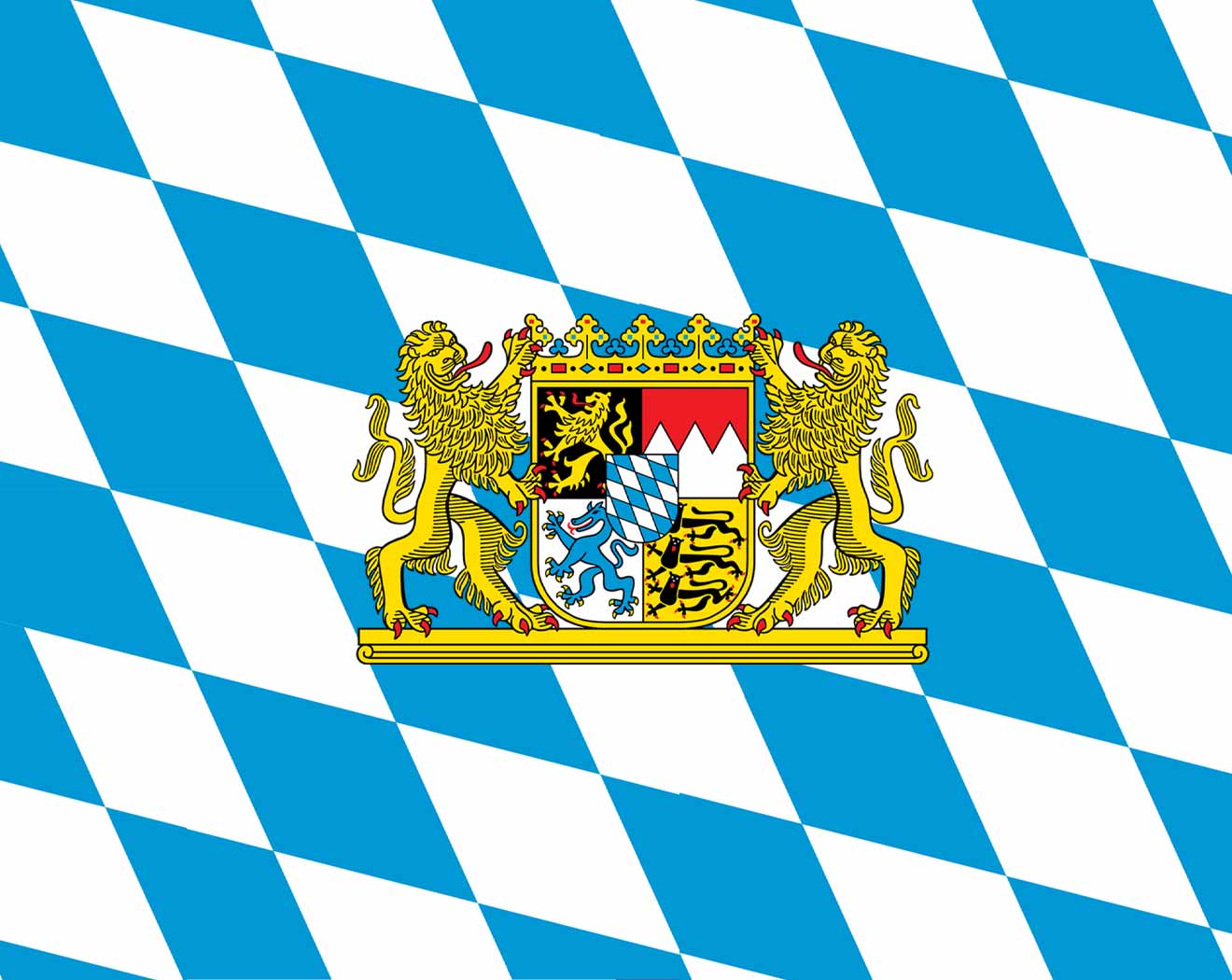 Bavaria
History
History
M 1500 - 2000 AD
Bavaria
History
History
M 1500 - 2000 AD
 Grand Est
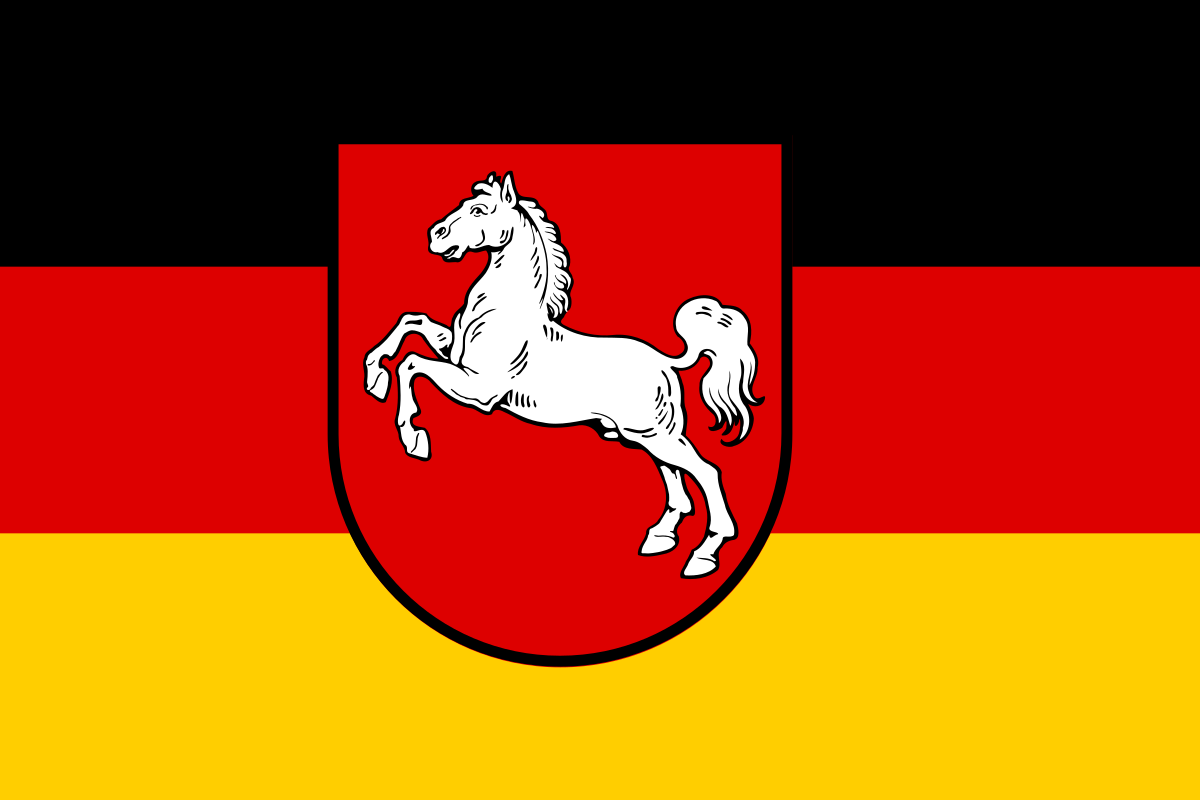 Lower Saxony
 North Rhine-Westphalia
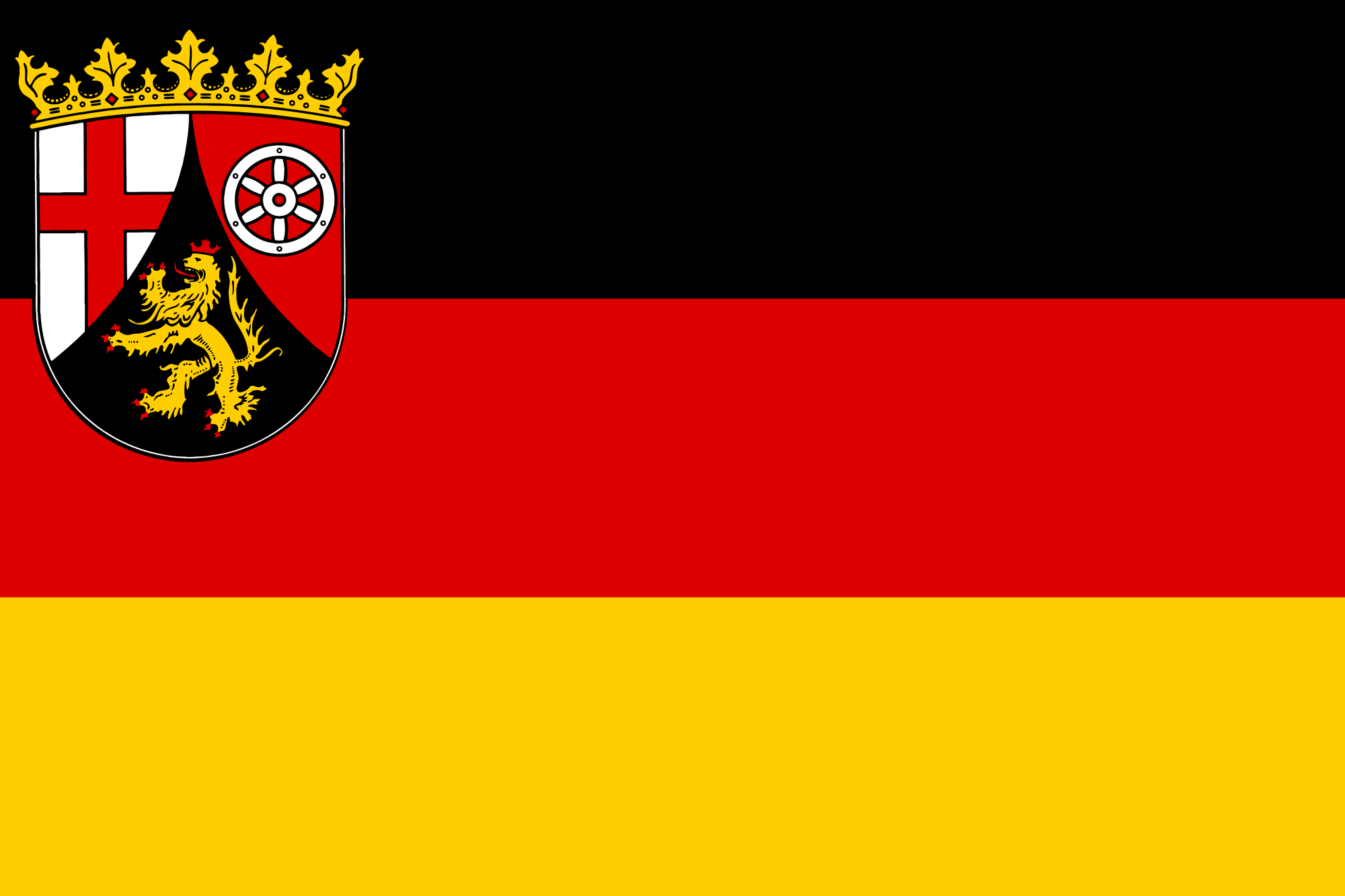 Rhineland-Palatinate
 Review
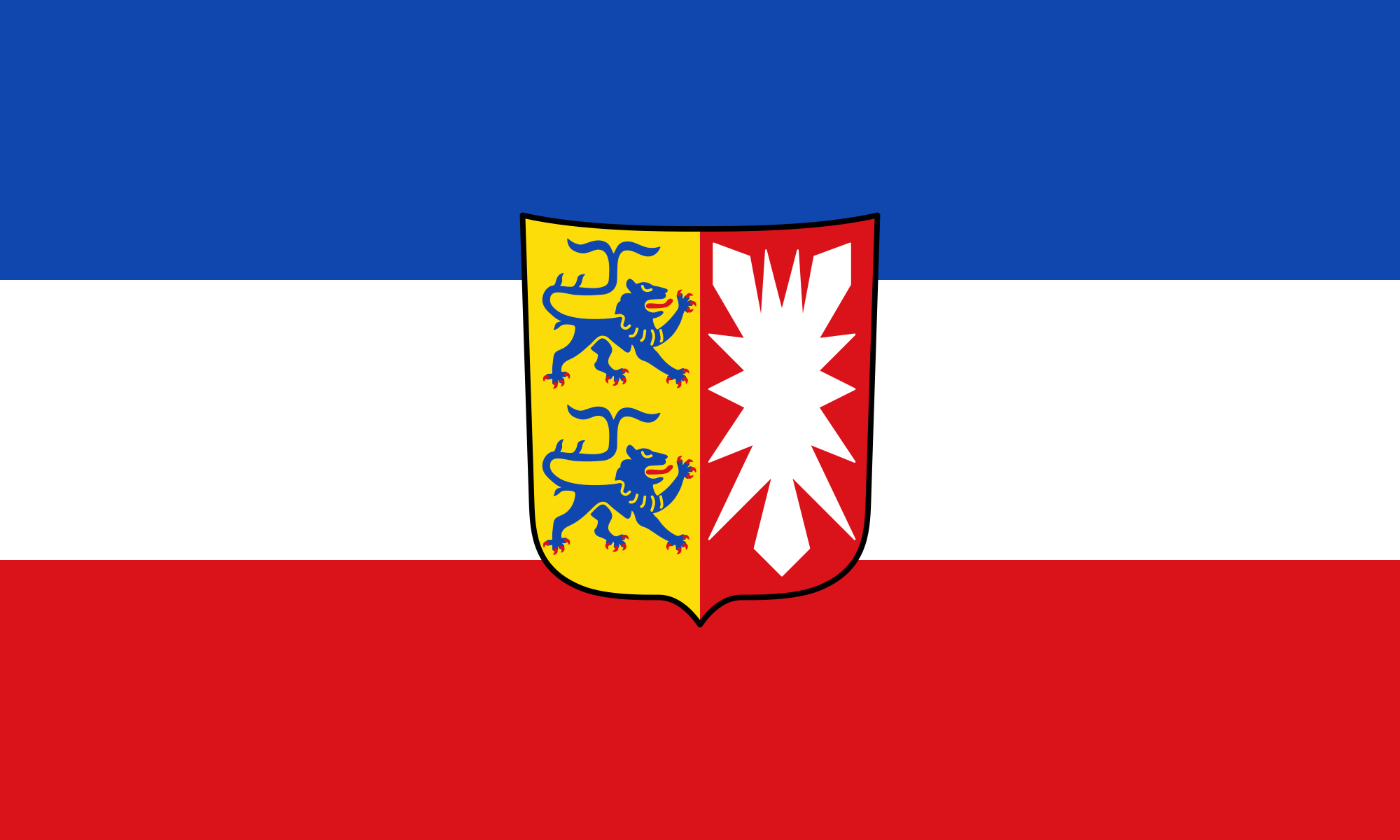 Schleswig-Holstein
Switzerland
Schleswig-Holstein
Switzerland

自由和帝国城市(德語:Freie und Reichsstädte),簡稱自由帝國城市(德語:Freie Reichsstadt,拉丁語:urbs Imperialis libera)是神圣罗马帝国中的一种特殊行政区划,帝国自由城市的城市不被任何一个帝国贵族管辖,其直辖于神圣罗马帝国皇帝。
帝国自由城市直接处于皇帝之下的地位给于他们许多自由和特权。向内它们基本上自主,拥有自己的低级和高级司法权,尤其它们的高级司法权(在神圣罗马帝国高级司法权是允许判处死刑的权力,因此高级司法权在神圣罗马帝国也被称为血司法权,一般只有帝国贵族和他们授权的代表才有这样的权力)使得他们拥有与高级贵族同样的地位,这也是它们与其它隶属于任何领主的城市的区别。
这些城市还有权和有义务直接派代表参加帝国议会。同时他们对皇帝也有一定的义务,比如他们必须向皇帝交税,假如皇帝命令他们必须派兵。
Als Freie Städte und Reichsstädte wurden seit dem 15. Jahrhundert jene weitgehend autonomen Stadtgemeinden des Heiligen Römischen Reiches bezeichnet, die im Städtekollegium des Reichstags vertreten waren. Die eigentlichen Reichsstädte unterstanden keinem Reichsfürsten, sondern direkt dem Kaiser, waren also reichsunmittelbar. Dagegen hatten die Freien Städte zwar noch einen Bischof als nominellen Landesherrn, besaßen aber Selbstverwaltungsrechte und Privilegien, die sie den Reichsstädten de facto gleichstellten. Daher entstand im Laufe der Zeit die unkorrekte, volkstümliche Sammelbezeichnung „freie Reichsstadt“, obwohl nur wenige Städte gleichzeitig freie Stadt und Reichsstadt waren.
Alliance of Liberals and Democrats for Europe
 Party and government
International friendly parties
Switzerland
Party and government
International friendly parties
Switzerland

 International cities

弗里堡(法语:Fribourg;德语:Freiburg,全称Freiburg im Üechtland,意为“于希特兰的弗赖堡”)是瑞士弗里堡州的首府,面积9.32平方公里,人口33418(2006年12月31日)。弗里堡位于瑞士德语区和法语区的交界处,63.6%的人说法语,21.2%的人说德语,3.8%的人说意大利语。弗里堡大学位于城内。
Freiburg (französisch Fribourg [fʀibuːʀ], italienisch Friburgo, Friborgo, rätoromanisch Friburg, schweizerdeutsch Frybùrg [ˈfribʊrg], im regionalen Senslerdeutsch daneben auch Fryberg [ˈfribərg] oder Frübùrg [ˈfrybʊrg],[6] frankoprovenzalisch Fribouaⓘ/? [friˈbwa]) ist der Hauptort des gleichnamigen Kantons und des Saanebezirks in der Schweiz.
Zur Unterscheidung z. B. vom deutschen Freiburg im Breisgau kann der Zusatz im Üechtland[7][8] (kurz i. Ü.[9] oder i. Üe.;[10] ausgesprochen [ˈyəçtland]) oder (Schweiz) verwendet werden. Das Üechtland oder Üchtland ist eine ehemalige Landschaft zwischen Arconciel und Bern.[11]
Freiburg gehört mit zurzeit annähernd 40'000 Einwohnern nach Genf, Lausanne, Biel/Bienne und Neuenburg zu den grösseren Städten der französischsprachigen Schweiz.
Freiburg, beidseits der Saane im Schweizer Mittelland gelegen, ist ein wichtiges Wirtschafts-, Verwaltungs- und Bildungszentrum mit zweisprachiger Universität an der Kulturgrenze zwischen deutsch- und französischsprachiger Schweiz. Die gut erhaltene Altstadt liegt auf einem schmalen Felssporn über dem Tal der Saane und in deren schmaler Schwemmebene.
 World Heritage
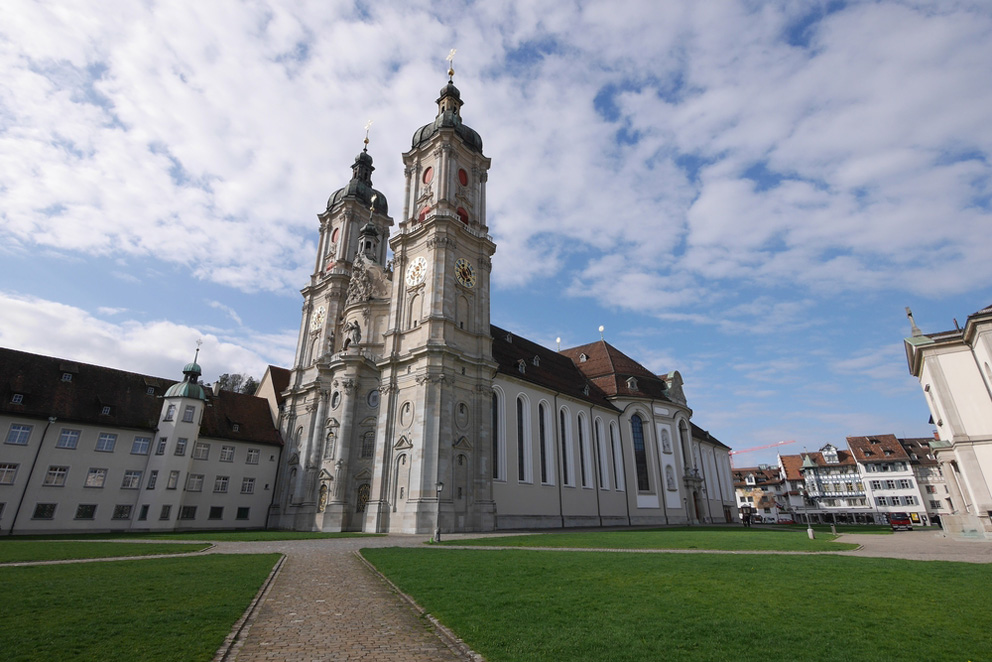
圣加尔修道院位于瑞士圣加伦州的圣加伦市。1983年被列入世界遗产名录。
公元612年爱尔兰修士帖留斯隐居于施泰纳赫山谷,修建了祈祷室。至719年康斯坦茨地区主教委派奥特马尔来到这个小教区担任修道院院长,并准备推行 本笃会的会规。公元747年,奥特马尔在同一个地方按本笃会会规创办了一座修道院。9至10世纪,圣加尔修道院在院长戈兹伯特的主持下,发展到全盛时期, 成为西方科学文化中心。宗教改革使它成为了一个戒备森严的孤岛,巴洛克时代末期,院内又增建了一座亲王府第和一座修道教堂。1805年修道院关闭,成为天 主教会行政管理机构。1836年,修道院被改为大教堂。
圣加尔修道院是卡洛林式修道院的典型代表,修道院中有教堂、图书馆和其他建筑物,教 堂是中心,其他建筑按马蹄形排列成封闭式。圣加尔修道院几乎包含了建筑史上重要阶段的所有建筑形式,如柱头装饰是中世纪早期的卡洛林式,有哥特式古修道院 的建筑布局,有巴洛克风格教堂和图书馆,但修道院仍给人一种整体和谐的感觉。 而北面和西面更被中世纪晚期的建筑物所包围。
圣加尔修道院的 回廊和夹道外是修道院的内庭,回廊两侧的墙上挂着描绘修道院历史的绘画和地图,回廊中有橡木楼梯,二楼为图书馆。它的圣歌学校和美术学校,尤其是书写室在 西方基督教社会享有盛名。在这里,抄写员抄写的手稿加上彩饰后极为美观。修道院收藏有2000多卷珍贵手稿和1650卷古本书,其中有中世纪早期的500 卷羊皮纸法典,还有有重大历史意义的修道院和教区档案文件,包括7至8世纪爱尔兰手稿、 9至11世纪的插图手稿和卡洛林时期的修道院平面图。(北京大学 晁华山 Quelle: yandu.gov.cn/Article/ShowArticle.asp?ArticleID=2940)
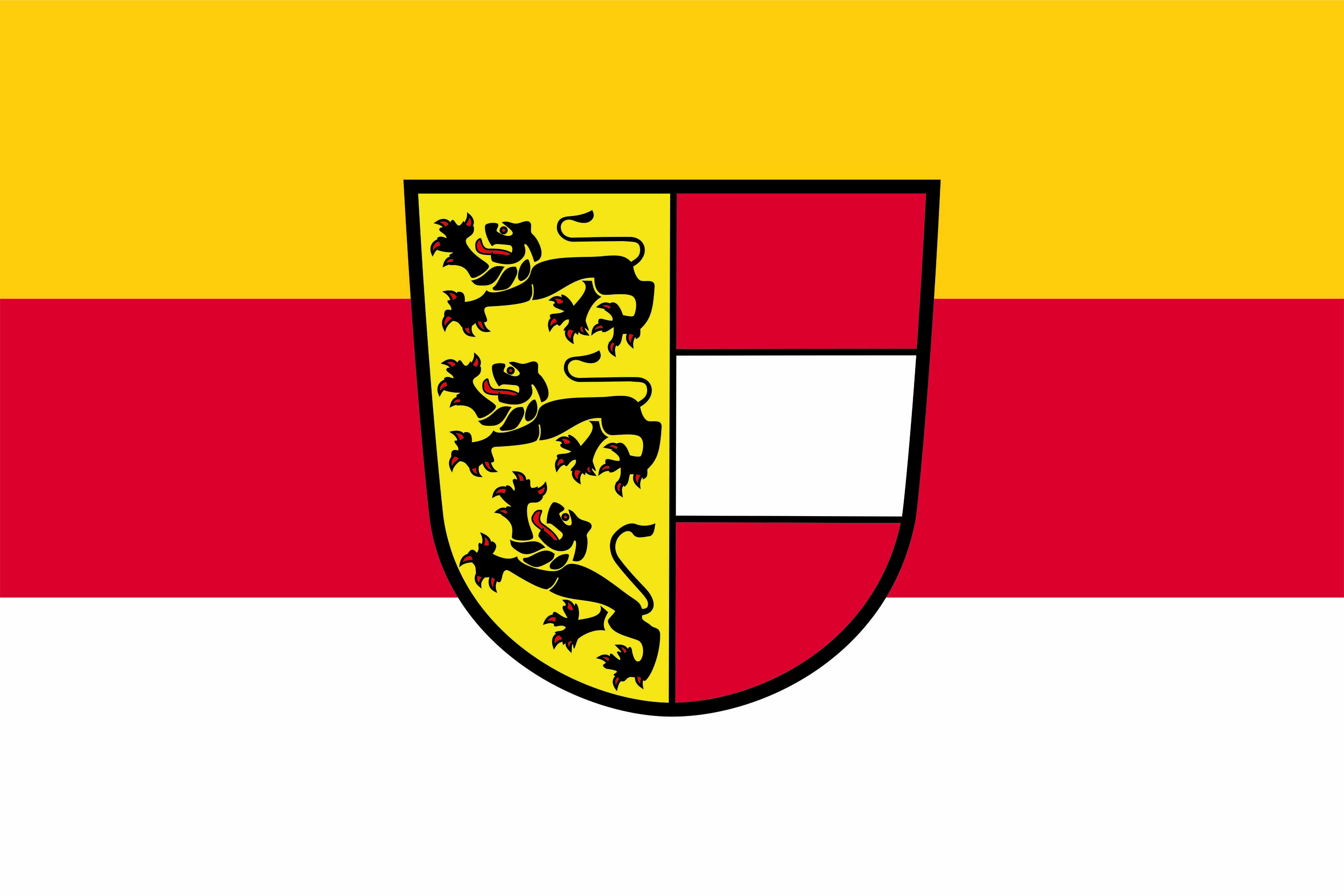 Carinthia
Klagenfurt
Austria
Carinthia
Klagenfurt
Austria
 Salzburg
Switzerland
Bern
Switzerland
Zurich
Switzerland
Genf
Salzburg
Switzerland
Bern
Switzerland
Zurich
Switzerland
Genf
 Tyrol
Innsbruck
Tyrol
Innsbruck
 Vienna
 Eat and Drink

