
Deutsch-Chinesische Enzyklopädie, 德汉百科
 Piemonte
 Geography
 Auvergne-Rhône-Alpes
 Baden-Wuerttemberg
 Bavaria
Germany
France
Bavaria
Germany
France
 Friuli-Venezia Giulia
Italy
Liechtenstein
Friuli-Venezia Giulia
Italy
Liechtenstein
 Lombardia
Monaco
Austria
Piemonte
Lombardia
Monaco
Austria
Piemonte
 Provence-Alpes-Côte d´Azur
Switzerland
Slovenia
Provence-Alpes-Côte d´Azur
Switzerland
Slovenia
 Tyrol
Tyrol
 Trentino-Alto Adige
 Vacation and Travel
 Valle d´Aosta
 Veneto
 Vorarlberg
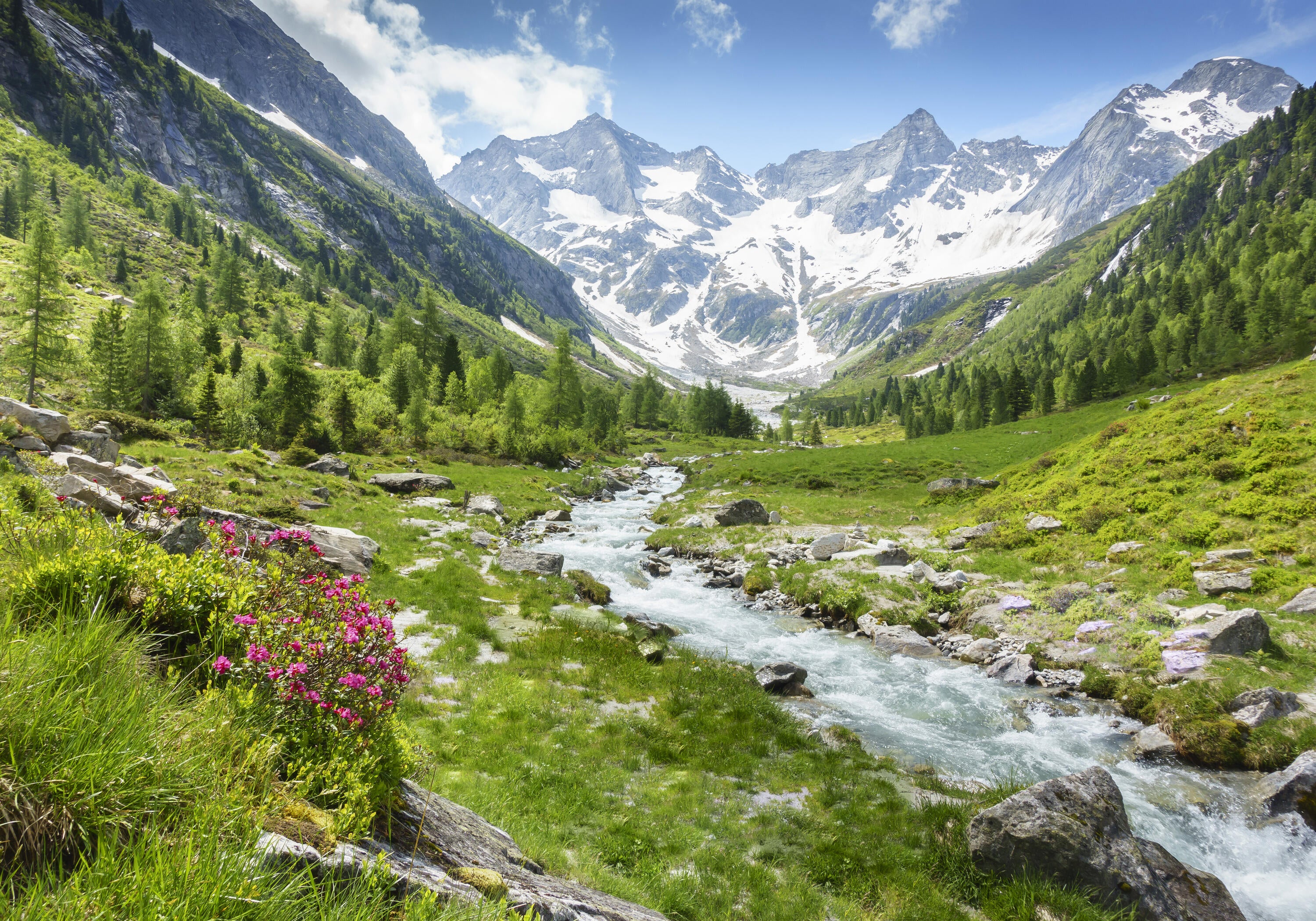
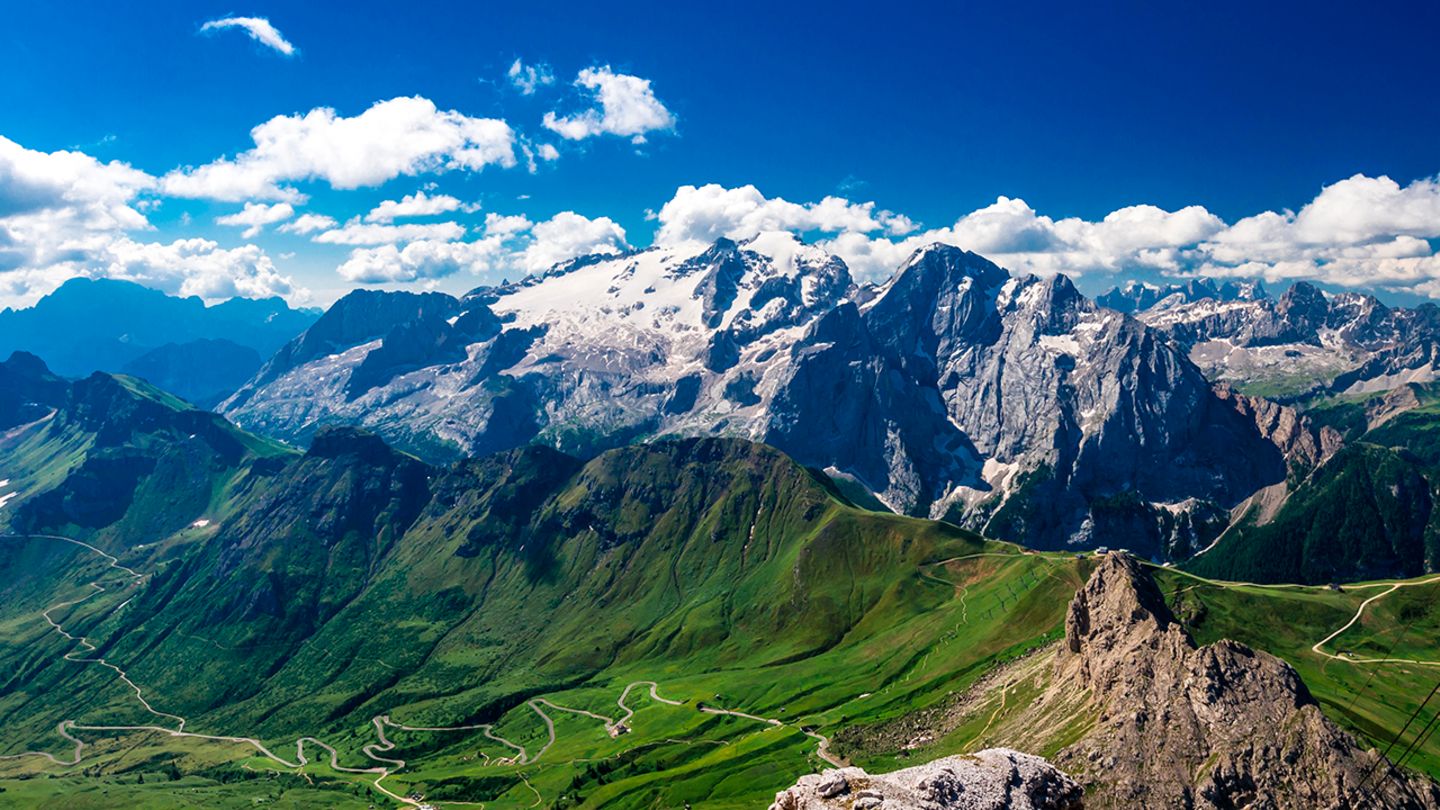
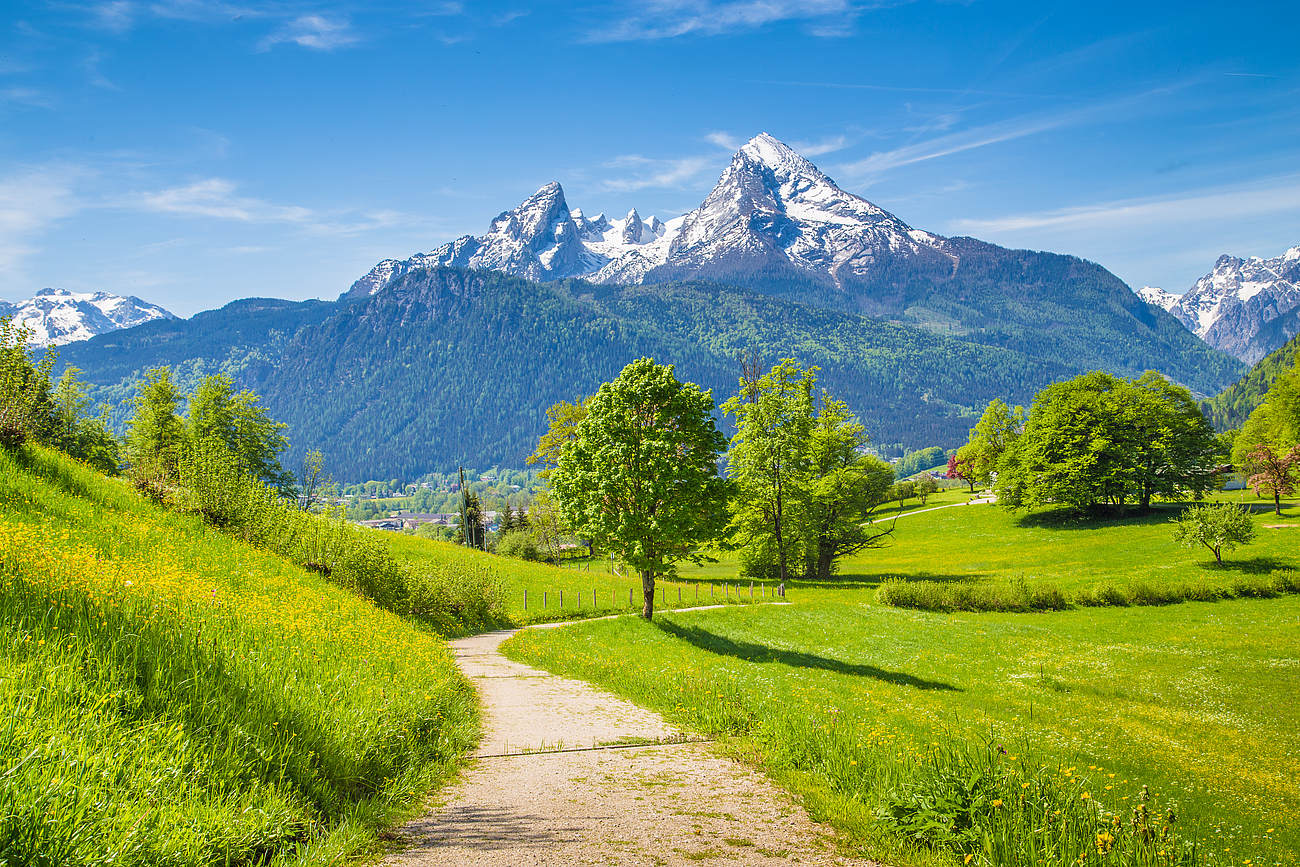
欧洲南部高大的山脉。西起法国尼斯附近地中海海岸,呈弧形向北、东延伸,经意大利北部、瑞士南部、列支敦士登、德国西南部,东止奥地利的维也纳盆地。总面积约22万平方千米。长约1200千米,宽130~260千米,东宽西窄。平均海拔3000米左右。 山脉主干向西南方向延伸为比利牛斯山脉,向南延伸为亚平宁山脉,向东南方向延伸为迪纳拉山脉,向东延伸为喀尔巴阡山脉。阿尔卑斯山脉可分为3段。西段西阿尔卑斯山从地中海岸,经法国东南部和意大利的西北部,到瑞士边境的大圣伯纳德山口附近,为山系最窄部分,也是高峰最集中的山段。勃朗峰(4810米)是整个山脉的最高点,位于法国和意大利边界。中段中阿尔卑斯山,介于大圣伯纳德山口和博登湖之间,宽度最大。有马特峰(4479米)和蒙特罗莎峰( 4634米)。东段东阿尔卑斯山在博登湖以东,海拔低于西、中两段阿尔卑斯山。
阿尔卑斯山(德语:Alpen;法语:Alpes;意大利语:Alpi;斯洛文尼亚语:Alpe)是一座位于欧洲中心的山脉,它覆盖了意大利北部边界、法国东南部、瑞士、列支敦士登、奥地利、德国南部及斯洛文尼亚。它可以被细分为三个部分,从地中海到勃朗峰的西阿尔卑斯山,从瓦莱达奥斯塔到布伦纳山口(奥地利和意大利交界处)的中阿尔卑斯山,从布伦纳山口到斯洛文尼亚的东阿尔卑斯山。欧洲许多大河都发源于此,水力资源丰富,为旅游、度假、疗养胜地。
阿尔卑斯山共有128座海拔超过4000米的山峰,其中最高峰勃朗峰海拔4810.45米[1],位于法国和意大利的交界处。山脉呈弧形,长1200千米,宽130~260千米,平均海拔约3000米,总面积约22万平方千米[2]。阿尔卑斯山北边是水汽较多的气候,而南边则较为干燥,雨量很少。
Die Alpen sind das höchste Gebirge im Inneren Europas. Es erstreckt sich in einem 1200 Kilometer langen und zwischen 150 und 250 Kilometer[1] breiten Bogen vom Ligurischen Meer bis zum Pannonischen Becken.
Die gesamte Alpenregion nimmt eine Fläche von etwa 200.000 Quadratkilometern ein.[2] Sie dehnt sich etwa 750 km von West nach Ost und ca. 400 km von Süd nach Nord aus und wird vom Rhonetal, dem Schweizer Mittelland, dem Oberlauf der Donau, der Kleinen Ungarischen Tiefebene, der Po-Ebene und dem Golf von Genua umgrenzt.
Der Alpenbogen schließt im Südwesten am Golf von Genua an den Apennin an, umfasst die Po-Ebene, verzweigt sich zum Französischen und Schweizer Jura und endet fächerförmig im Osten vor dem westpannonischen Berg- und Hügelland. Im Nordosten an der Donau bei Wien sind die Alpen durch das Wiener Becken von den geologisch verwandten Karpaten getrennt, im Südosten gehen sie in das stark verkarstete Dinarische Gebirge über. Im Norden fallen die Alpen allmählich zum österreichischen und deutschen Alpenvorland ab. Im Süden ist der Abfall zur Po-Ebene steiler. Der Gebirgszug, zu dem die Alpen gehören, erstreckt sich vom afrikanischen Atlas bis nach Südostasien.[3]
Die Gipfelhöhen in den westlichen Gebirgsstöcken liegen meist zwischen 3000 und 4300 Meter über dem Meeresspiegel, in den Ostalpen sind die Berge etwas niedriger. Der höchste Gipfel der Alpen ist der Mont Blanc mit 4810 Metern. 128 Berge der Alpen sind Viertausender, etliche Berge mehr oder weniger vergletschert. Die Alpen sind in zahlreiche Gebirgsgruppen und -ketten gegliedert.
Die Alpen bilden im „Herzen Europas“[4] eine wichtige Klima- und Wasserscheide. Sie trennen den zentralen Mittelmeerraum mit dem Etesienklima vom atlantisch beeinflussten nördlichen Mitteleuropa und stehen am Ostrand unter kontinentalem Einfluss. Auch die Entwässerung folgt diesen Großrichtungen zu Mittelmeer, Nordsee und Schwarzem Meer.
Der Alpenraum umfasst Gebiete der acht Alpenstaaten Frankreich, Monaco, Italien, Schweiz, Liechtenstein, Deutschland, Österreich und Slowenien. Er bildet den Lebensraum von 13 Millionen Menschen und genießt europäische Bedeutung als Erholungsraum.[4] Ungarn hat Anteile an Mittelgebirgen, die zu den Alpen gezählt werden, beispielsweise an Günser und Ödenburger Gebirge, wird in der Regel jedoch nicht zum Alpenraum gezählt. Seit der Frühgeschichte stellen Alpentäler und -pässe auch wichtige transeuropäische Verkehrsverbindungen dar.
アルプス山脈(アルプスさんみゃく、羅: Alpes アルペース、仏: Alpes、伊: Alpi、独: Alpen、英: Alps)は、アルプス・ヒマラヤ造山帯に属し、ヨーロッパ中央部を東西に横切る「山脈」である。オーストリア、スロベニアを東端とし、イタリア、ドイツ、リヒテンシュタイン、スイス各国にまたがり、フランスを南西端とする多国にまたがっている。アルプ(スイスの高山山腹の夏季放牧場;英語: alp,フランス語: alpe,ドイツ語: Alpe)がいっぱいであるからアルプスであると考える説と、ケルト語の alp「岩山」を語源とし、ラテン語を経由したと考える説がある。最高峰のモンブランは標高4,810.9m(2007年)で、フランスとイタリアの国境をなし、ヨーロッパの最高峰[1]でもある。
アルプス山脈はヨーロッパの多数の河川の水源地となっており、ここからドナウ川、ライン川、ローヌ川、ポー川、といった大河川が流れ出て、それぞれ黒海、北海、地中海、アドリア海へと注ぐ。
The Alps (/ælps/; French: Alpes [alp]; German: Alpen [ˈalpn̩]; Italian: Alpi [ˈalpi]; Romansh: Alps; Slovene: Alpe [ˈáːlpɛ]) are the highest and most extensive mountain range system that lies entirely in Europe,[2][note 1] stretching approximately 1,200 kilometres (750 mi) across eight Alpine countries (from west to east): France, Switzerland, Italy, Monaco, Liechtenstein, Austria, Germany, and Slovenia.[3] The mountains were formed over tens of millions of years as the African and Eurasian tectonic plates collided. Extreme shortening caused by the event resulted in marine sedimentary rocks rising by thrusting and folding into high mountain peaks such as Mont Blanc and the Matterhorn. Mont Blanc spans the French–Italian border, and at 4,810 m (15,781 ft) is the highest mountain in the Alps. The Alpine region area contains about a hundred peaks higher than 4,000 metres (13,000 ft).
The altitude and size of the range affects the climate in Europe; in the mountains precipitation levels vary greatly and climatic conditions consist of distinct zones. Wildlife such as ibex live in the higher peaks to elevations of 3,400 m (11,155 ft), and plants such as Edelweiss grow in rocky areas in lower elevations as well as in higher elevations. Evidence of human habitation in the Alps goes back to the Palaeolithic era. A mummified man, determined to be 5,000 years old, was discovered on a glacier at the Austrian–Italian border in 1991.
By the 6th century BC, the Celtic La Tène culture was well established. Hannibal famously crossed the Alps with a herd of elephants, and the Romans had settlements in the region. In 1800, Napoleon crossed one of the mountain passes with an army of 40,000. The 18th and 19th centuries saw an influx of naturalists, writers, and artists, in particular, the Romantics, followed by the golden age of alpinism as mountaineers began to ascend the peaks.
The Alpine region has a strong cultural identity. The traditional culture of farming, cheesemaking, and woodworking still exists in Alpine villages, although the tourist industry began to grow early in the 20th century and expanded greatly after World War II to become the dominant industry by the end of the century. The Winter Olympic Games have been hosted in the Swiss, French, Italian, Austrian and German Alps. At present, the region is home to 14 million people and has 120 million annual visitors.[4]
Les Alpes (prononcé [alp]) sont une chaîne de montagnes qui s'étend en Europe, recouvrant la frontière nord de l'Italie, le Sud-Est de la France, Monaco, la Suisse, le Liechtenstein, l'Autriche, le Sud de l'Allemagne et la Slovénie.
Les Alpes culminent à 4 809 mètres, au sommet du mont Blanc. On recense 82 sommets majeurs de plus de 4 000 m d'altitude (Suisse : 48, Italie : 38, France : 24). Les cols de montagne reliant les vallées ou les pays dépassent souvent les 2 000 m d'altitude. Les Alpes forment une barrière de 1 200 km entre la Méditerranée et le Danube.
Le Alpi sono la catena montuosa più importante d'Europa, situate nell'Europa centrale a cavallo dei confini di Italia, Francia, Svizzera, Liechtenstein, Germania, Austria, Slovenia e Ungheria, separando l'Europa settentrionale da quella meridionale con lo stivale italiano. Suddivise in varie sezioni e svariati sottogruppi racchiudono in sé le vette più alte del continente centrale europeo, rivestendo anche un'importanza storica, naturalistica, idrografica e turistico-economica per i rispettivi paesi.
Los Alpes son una importante cadena de montañas situada en la Europa Central. Su cumbre más alta es el Mont Blanc, con 4.810 metros de altitud. Alrededor de los Alpes, favorecidos por ríos importantes de caudal uniforme y ricas tierras de cultivo, se ubicaron desde la prehistoria diversos pueblos, principalmente celtas, como los borgoñones, leucos, lombardos, helvecios, y posteriormente germánicos en el noreste y pueblos itálicos después de la conquista de la Galia Cisalpina por Julio César. Actualmente viven unos 14 millones de personas en la región de los Alpes.
А́льпы (фр. Alpes, нем. Alpen, итал. Alpi, романш. Alps, словен. Alpe) — самый высокий и протяжённый горный хребет среди систем, целиком лежащих в Европе. При этом Кавказские горы выше, а Уральские — протяжённей, но они лежат также и на территории Азии (в зависимости от выбранного определения границы между Европой и Азией).
Альпы представляют собой сложную систему хребтов и массивов, протянувшуюся выпуклой к северо-западу дугой от Лигурийского моря до Среднедунайской низменности. Альпы располагаются на территории 8 стран: Франции, Монако, Италии, Швейцарии, Германии, Австрии, Лихтенштейна и Словении. Общая длина альпийской дуги составляет около 1200 км (по внутреннему краю дуги — около 750 км), ширина — до 260 км. Самой высокой вершиной Альп является гора Монблан высотой 4810 метров над уровнем моря, расположенная на границе Франции и Италии[1]. Всего в Альпах сосредоточено около 100 вершин-четырёхтысячников[2].
Альпы являются международным центром альпинизма, горнолыжного спорта и туризма. Туризм в Альпах начал активно развиваться в XX веке и получил большой толчок после окончания Второй мировой войны, став одним из главных направлений в конце столетия. Пять стран из восьми (Швейцария, Франция, Италия, Австрия и Германия) были хозяйками Зимних Олимпийских игр, которые проводились в альпийских объектах[3]. Несмотря на активное развитие туризма, в альпийском регионе по-прежнему существует самобытная традиционная культура, включая сельское хозяйство, деревообработку и сыроварение.
Благодаря расположению в центре Западной Европы, Альпы являются одной из наиболее изученных горных систем. Многие понятия названы по имени Альп, в частности, альпийский климатический пояс, период альпийской складчатости, альпийский тип рельефа, альпийские луга, альпинизм.
FIFA Fussball-Weltmeisterschaft 1990
 History
 International cities
 Turin
International cities
*World Design Capital
Italy
Winter Olympics
2006 Winter Olympics
Piemonte
Turin
Turin
International cities
*World Design Capital
Italy
Winter Olympics
2006 Winter Olympics
Piemonte
Turin
 Ski vacation
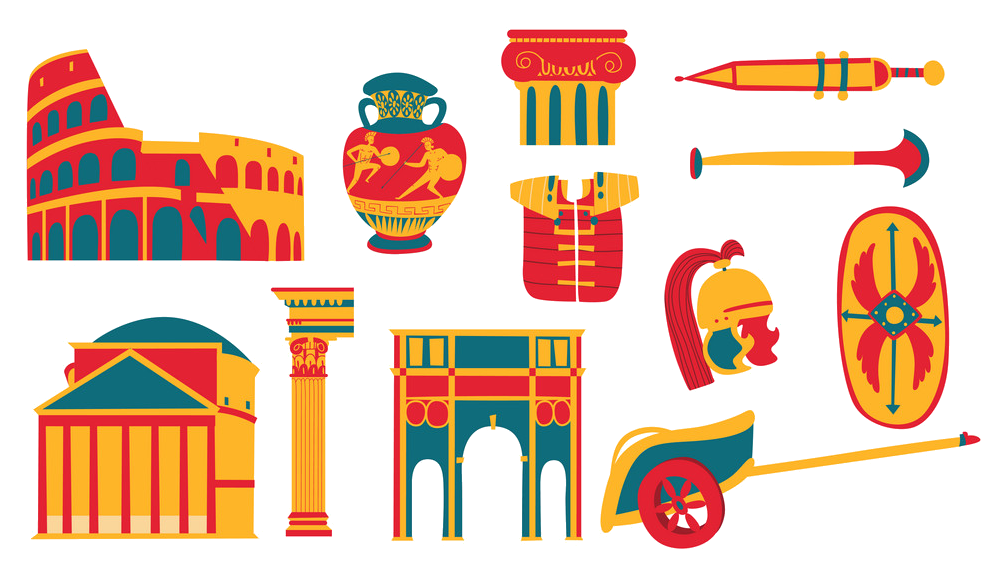 Cities founded by the Romans
 World Heritage
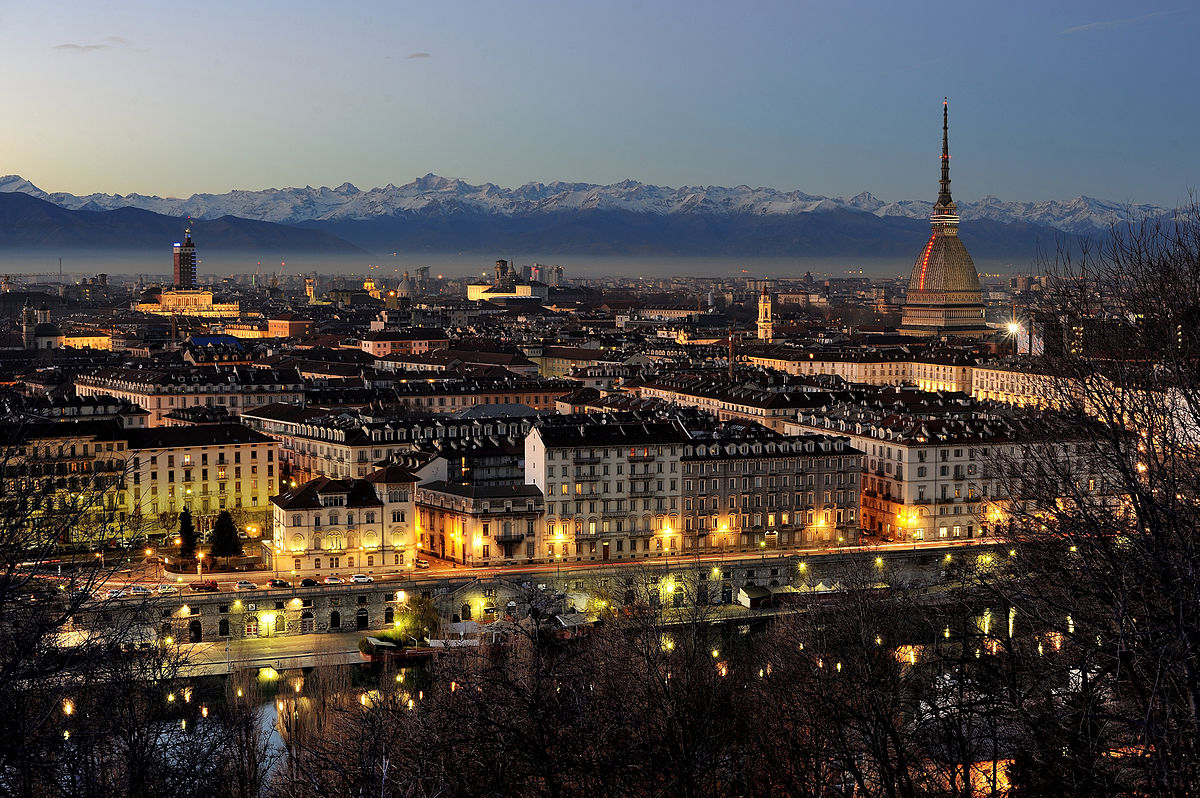
都灵(意大利语:Torino [toˈriːno]  聆听;皮埃蒙特语:Turin [tyˈɾiŋ];拉丁语:Augusta Taurinorum),中国大陆和港澳地区称为都灵,台湾称为杜林,是位于意大利北部的重要城市,皮埃蒙特大区和都灵广域市的首府。它坐落在波河的左岸,距离米兰大约140千米(87英里),阿尔卑斯山环绕在城市的西北。都灵中心区有面积130.17km²,人口911,534[2],是意大利人口第四多的城市;都灵城市区有面积1,126.6 km²,人口1,745,221[3];都灵都市圈有面积1,977 km²,人口2,200,000[4](占意大利总人口的3.4%[5])。
都灵是一国际化的欧洲城市,[6][7] 都灵有时被称为“意大利自由的摇篮”、[8]、“阿尔卑斯之都”、“萨沃亚之都”。它拥有众多的文化设施和其他名胜。都灵因为它的巴洛克、洛可可和新古典主义法式建筑而举世闻名。它的很多广场、城堡、庭园和宫殿(如贵妇宫),都是由西西里建筑师菲利波·尤瓦拉建造的,他在设计时借鉴了法国经典建筑凡尔赛宫。[9] 这些法式建筑的典范包括:王宫、斯杜皮尼吉行宫和苏佩尔加大教堂。许多意大利高等教育机构位于此地,如都灵大学、都灵理工大学、都灵美术学院等。还有许多重要和著名的博物馆,如埃及博物馆[10] 和安托内利尖塔。
都灵曾经是欧洲重要的政治中心。1563年,它成为了萨伏依公国的首都,随后是萨伏依王室统治下的萨丁尼亚王国的首都,最后是意大利统一之后的第一个首都(1861年—1865年)。[11] 同时,它也是萨沃亚王室(意大利王室)的故乡。[12] 虽然因为第二次世界大战,它的大部分政治意义和重要性都丢失了,它还是在战后成为了欧洲重要的工业、商业和贸易的集散地。它现在是意大利的工业中心之一,和米兰、热那亚组成了“工业铁三角”。从经济上来说,都灵紧随罗马和米兰之后,是意大利第三大城市。[13] 它的GDP高达580亿美元,排名世界第78位。[14] 虽然不像罗马、米兰那样是“世界级城市”,GaWC评其为“适合发展”级别。[15]
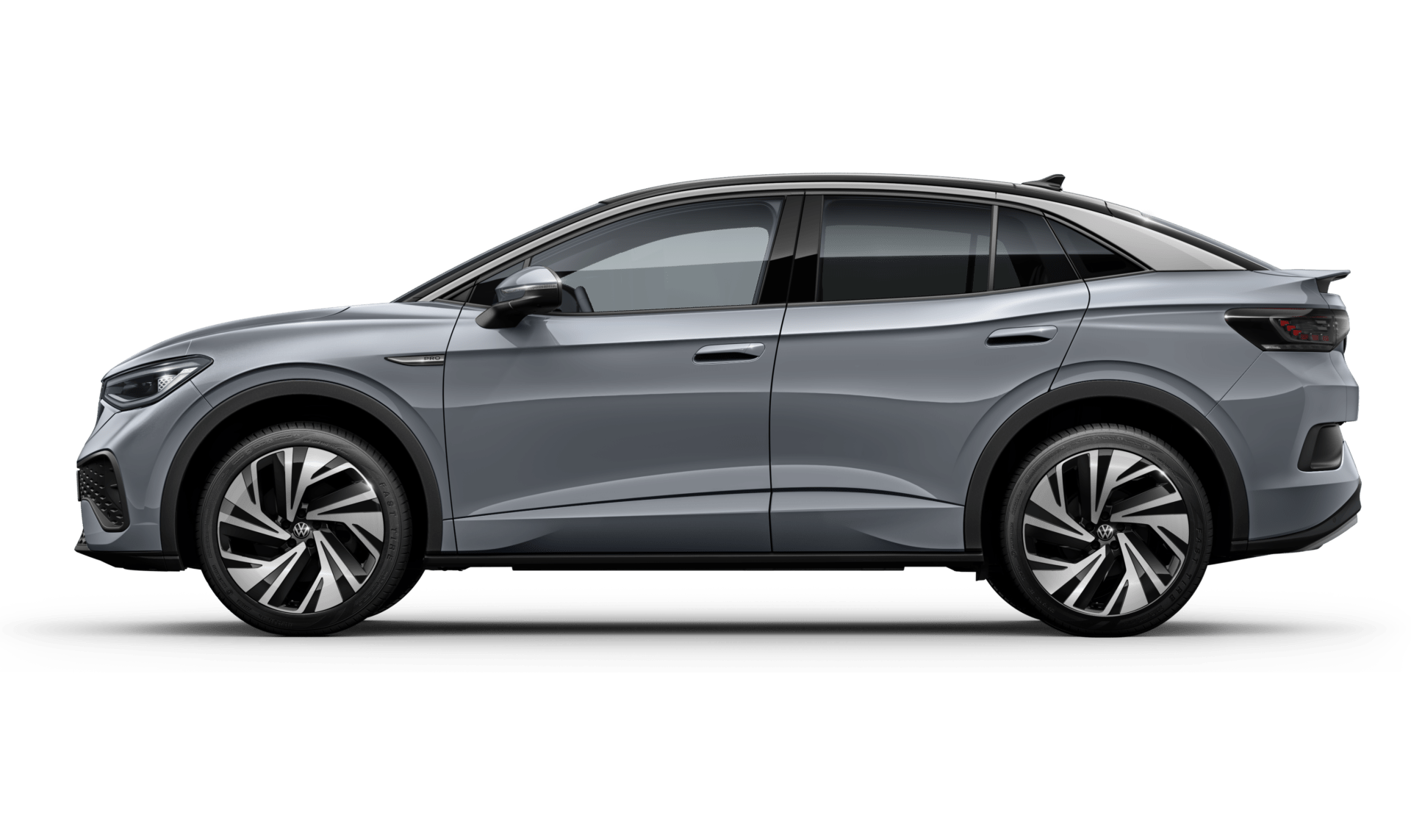
都灵是意大利汽车制造业的摇篮,被称为“意大利汽车之都”或者“意大利的底特律”。是汽车品牌菲亚特、蓝旗亚和阿尔法·罗密欧的总部所在地。[16][17] 都灵还拥有足球俱乐部尤文图斯和都灵,举办过2006年冬季奥林匹克运动会。一些国际空间站设备,如和谐号节点舱和哥伦布实验舱,也是在都灵制造的。
トリノ(伊: Torino ( 音声ファイル))は、イタリア共和国ピエモンテ州にある都市で、その周辺地域を含む人口約87万人の基礎自治体(コムーネ)。ピエモンテ州の州都であり、トリノ県の県都。イタリア第4の人口規模を持つ。都市圏の人口は約170万人。一時は100万都市だったが昨今は人口減少が著しい。
ミラノに次ぐイタリア第2の工業都市であり、自動車工業の拠点である。近代にはサルデーニャ王国の首都が置かれた。サヴォイア王家の王宮群は世界遺産に登録されている。
Turin (/tjʊəˈrɪn, ˈtʊərɪn/;[2] Italian: Torino [toˈriːno] ( listen); Piemontese: Turin [tyˈriŋ])[3] is a city and an important business and cultural centre in northern Italy. It is the capital city of the Metropolitan City of Turin (an administrative division of Italy) and of the Piedmont region, and was the first capital city of Italy from 1861 to 1865. The city is located mainly on the western bank of the Po River, in front of Susa Valley, and is surrounded by the western Alpine arch and Superga Hill. The population of the city proper is 883,281 (30 November 2017)[4] while the population of the urban area is estimated by Eurostat to be 1.7 million inhabitants. The Turin metropolitan area is estimated by the OECD to have a population of 2.2 million.[5]
The city has a rich culture and history, being known for its numerous art galleries, restaurants, churches, palaces, opera houses, piazzas, parks, gardens, theatres, libraries, museums and other venues. Turin is well known for its Renaissance, Baroque, Rococo, Neo-classical, and Art Nouveau architecture. Many of Turin's public squares, castles, gardens and elegant palazzi such as the Palazzo Madama, were built between the 16th and 18th centuries. A part of the historical center of Turin was inscribed in the World Heritage List under the name Residences of the Royal House of Savoy.
The city used to be a major European political center. From 1563, it was the capital of the Duchy of Savoy, then of the Kingdom of Sardinia ruled by the Royal House of Savoy, and the first capital of the unified Italy (the Kingdom of Italy) from 1861 to 1865.[6][7] Turin is sometimes called "the cradle of Italian liberty" for having been the birthplace and home of notable individuals who contributed to the Risorgimento, such as Cavour.[8]
The city currently hosts some of Italy's best universities, colleges, academies, lycea and gymnasia, such as the University of Turin, founded in the 15th century, and the Turin Polytechnic. In addition, the city is home to museums such as the Museo Egizio[9] and the Mole Antonelliana. Turin's attractions make it one of the world's top 250 tourist destinations and the tenth most visited city in Italy in 2008.[10]
Even though much of its political significance and importance had been lost by World War II, Turin became a major European crossroad for industry, commerce and trade, and is part of the famous "industrial triangle" along with Milan and Genoa. Turin is ranked third in Italy, after Milan and Rome, for economic strength.[11] With a GDP of $58 billion, Turin is the world's 78th richest city by purchasing power.[12] As of 2010, the city has been ranked by GaWC as a Gamma World city.[13] Turin is also home to much of the Italian automotive industry.[14][15]
Turin is well known as the home of the Shroud of Turin, the football teams Juventus F.C. and Torino F.C., the headquarters of automobile manufacturers FIAT, Lancia and Alfa Romeo, and as host of the 2006 Winter Olympics.
Turin (Torino en italien, Turin en piémontais) est une ville italienne, chef-lieu de la ville métropolitaine de Turin et de la région du Piémont. Turin fut la capitale des États de Savoie de 1563 à 1713, du royaume de Sicile de 1713 à 1720, du royaume de Sardaigne de 1720 à 1861 et du royaume d'Italie de 1861 à 1865.
Torino (AFI: /toˈrino/[4], ; Turin in piemontese[5]) è un comune italiano di 879 808 abitanti[2], capoluogo dell'omonima città metropolitana e della regione Piemonte.
Cuore di un'area metropolitana che conta quasi 2 000 000 di abitanti su una superficie approssimativa di circa 2 300 km²,[6] la città di Torino è il quarto comune italiano per popolazione, il terzo complesso economico-produttivo del Paese e costituisce uno dei maggiori poli universitari, artistici, turistici, scientifici e culturali d'Italia. Nel suo territorio sono inoltre presenti aree ed edifici inclusi in due beni protetti dall'UNESCO: alcuni palazzi e zone facenti parte del circuito di residenze sabaude in Piemonte (patrimonio dell'umanità[7]) e l'area delle colline del Po (riserva della biosfera).
Città dalla storia bimillenaria, fu fondata probabilmente come Taurasia nei pressi della posizione attuale attorno al III secolo a.C. dai Taurini, popolazione ligure (o celto-ligure) dell'Italia settentrionale, e trasformata in colonia romana da Augusto col nome di Iulia Augusta Taurinorum nel I secolo a.C. Dopo il dominio ostrogoto fu capitale di un importante ducato longobardo, per poi passare, dopo essere divenuta capitale di marca carolingia, sotto la signoria nominale dei Savoia nell'XI secolo. Città dell'omonimo ducato, nel 1563 ne divenne capitale. Dal 1720 fu capitale del Regno di Sardegna (anche se solo de facto fino alla fusione perfetta del 1847, quando lo divenne anche formalmente),[8] stato che nel XIX secolo avrebbe portato all'unificazione italiana e che fece di Torino la prima capitale del Regno d'Italia (dal 1861 al 1865).
È stata la patria, natia o adottiva, di alcuni fra i più grandi scrittori e letterati italiani del XIX e XX secolo, tra i quali Edmondo De Amicis, Emilio Salgari, Italo Calvino, Natalia Ginzburg, Norberto Bobbio, Cesare Pavese e Primo Levi.
Sede nel 2006 dei XX Giochi olimpici invernali, città natale di alcuni fra i maggiori simboli del Made in Italy nel mondo, come il Martini, il cioccolato gianduja e il caffè espresso, è il fulcro dell'industria automobilistica italiana, nonché importante centro dell'editoria, del sistema bancario e assicurativo, delle tecnologie dell'informazione, del cinema, dell'enogastronomia, del settore aerospaziale, del disegno industriale e dello sport.
Turín (en italiano: Torino, en piamontés: Turin) es una ciudad, importante centro cultural y de negocios del norte de Italia, capital de la región de Piamonte, localizada principalmente en el margen izquierdo del río Po y rodeada por los Alpes. El área metropolitana de Turín, según la Organización para la Cooperación y el Desarrollo Económico, tiene una población de alrededor de 2.200.000 habitantes.2
La ciudad es rica en cultura e historia. Es conocida por sus numerosos museos de arte, sus restaurantes, sus iglesias, sus palacios, sus teatros de ópera, sus plazas, sus parques, sus jardines y sus bibliotecas, entre otros atractivos. Turín es ampliamente reconocida por su arquitectura barroca, rococo, neoclásica y Art Nouveau. Muchas de las plazas públicas de la ciudad, de los castillos, jardines y elegantes palacios (como el Palazzo Madama), fueron construidos por el arquitecto siciliano Filippo Juvarra, quien diseñó estos edificios en el estilo barroco y clásico del Palacio de Versalles, en Francia.3 Ejemplos de estos edificios de inspiración francesa incluyen el Palacio Real de Turín, el Pabellón de caza de Stupinigi y la Basílica de Superga.
Turín es frecuentemente llamada la «cuna de Italia» por ser el lugar de nacimiento de importantes políticos que contribuyeron con la unificación de Italia, como Cavour.4 La ciudad actualmente alberga algunas de las mejores universidades de Italia, como la Universidad de Turín, de seis siglos de antigüedad, y el Politécnico de Turín. También se encuentran en la ciudad museos prestigiosos e importantes, como el Museo Egipcio de Turín5 (el más antiguo en el mundo y considerado el segundo más importante en el mundo después de El Cairo por valor de los hallazgos) y la Mole Antonelliana. Los diversos monumentos y atracciones de Turín la convierten en una de los 250 principales destinos turísticos del mundo y en la décima ciudad más visitada de Italia para el año 2008.6
La ciudad solía ser un importante centro político europeo, siendo la primera capital de Italia en 1861 y la ciudad de residencia de la Casa de Saboya, la familia real de Italia.7 A pesar de que mucho de su significado e importancia política se había perdido cuando comenzó la Segunda Guerra Mundial, se convirtió en uno de los principales centros industriales y comerciales de Europa, y actualmente es una de las ciudades más industrializadas de Italia, formando junto con Milán y Génova el famoso "triángulo industrial". A pesar de tener muchos menos habitantes que Roma y Milán, Turín es la tercera ciudad más rica de Italia, después de estas.8 Con un Producto Interno Bruto de 58.000 millones de dólares, Turín es la ciudad número 78 en la lista de las más ricas del mundo por su poder adquisitivo.91011 Turín es también la sede de gran parte de la potente industria automovilística italiana.1213
La ciudad es también conocida por resguardar la «Sábana Santa», por ser la sede de los equipos de fútbol Juventus F.C. y Torino Football Club, el lugar donde se producen los coches FIAT, Lancia, Alfa Romeo, Maserati y la sede de los juegos olímpicos de invierno de 2006. Varios módulos de la Estación Espacial Internacional, como el Harmony y el Columbus, fueron fabricados en Turín.
Fue la capital del Ducado de Saboya desde 1563, luego del Reino de Cerdeña y finalmente la primera capital de Italia.14 Piero Fassino fue el alcalde de Turín, elegido en mayo de 2011 para un mandato de 5 años, representando a una coalición de centro-izquierda y fue a su vez el sucesor de Sergio Chiamparino. Desde junio de 2016, la alcaldesa es la economista Chiara Appendino, del partido Movimento 5 Estrellas.
Тури́н (итал. Torino [toˈriːno], пьем. Turin [tyˈɾiŋ]) — город в Италии, важный деловой и культурный центр северной Италии. Административный центр региона Пьемонт и одноимённой провинции Турин.
Расположен при впадении реки Дора-Рипария в реку По, на Паданской равнине у подножия Западных Альп, на подступах к Альпийским перевалам.
Четвёртый после Рима, Милана и Неаполя город Италии по количеству жителей, насчитывает около 880 тыс. чел. (2017), вместе с пригородами 1,7 миллион человек.
Город имеет богатую историю и культуру, и известен своими арт-галереями, дворцами, театрами, музеями, парками. Турин также знаменит своей архитектурой в стилях барокко, рококо, неоклассицизма и модерна.
Большая часть замков, дворцов (в частности Палаццо Мадама), садов и площадей были построены в XVI-XVIII вв. в процессе перевода столицы Савойского герцогства (позднее Сардинское королевство) из Шамбери (ныне Франция) в Турин.
Турин иногда называют «колыбелью итальянской свободы», за то, что он является родным городом заметных политиков и людей, внесших большой вклад в Рисорджименто, например Камилло Бенсо ди Кавур. В городе находятся множество университетов, колледжей, академий, лицеев и гимназий. Среди них основанный в XV веке Туринский университет. Самыми известными достопримечательностями Турина являются Египетский музей и символ города Моле Антонеллиана. Эти и многие другие достопримечательности делают город привлекательным для туристов со всего мира и позволяют Турину входить в десятку самых посещаемых городов Италии[3].
Город в XIX веке являлся важным политическим центром Европы. В 1861 году Турин стал первой столицей объединенной Италии и наряду с этим являлся столицей для Савойского дома, правящей династии Королевства Италии. Несмотря на то, что большая часть политической значимости Турина была растеряна после отмены монархии в Италии, город остается важным промышленным, экономическим и торговым центром Европы и Италии. Турин является третьим по экономическим показателям городом страны, после Милана и Рима. Также Турин является своего рода столицей автомобилестроения Италии. В городе располагаются штаб-квартиры компаний FIAT, Lancia, Iveco.
Город известен в мире благодаря христианской реликвии — Туринской плащанице, а также футбольным командам «Ювентус» и «Торино». Турин — столица зимних Олимпийских игр 2006 года.
Покровителем города считается Св. Иоанн Креститель (итал. San Giovanni Battista). Праздник города — 24 июня.
 Automobile
*Engine
Automobile
***Technology
Automobile
*Caravan/Camper
Automobile
TATA
Automobile
GAC
Automobile
Abarth
Automobile
Alfa Romeo
Automobile
Lancia
Automobile
Maserati
Automobile
Ferrari
Automobile
*Commercial vehicles
Automobile
Stellantis
Fiat Chrysler and PSA Groupe
Fiat Chrysler Automobiles NV
Italy
Piemonte
Automobile
*Engine
Automobile
***Technology
Automobile
*Caravan/Camper
Automobile
TATA
Automobile
GAC
Automobile
Abarth
Automobile
Alfa Romeo
Automobile
Lancia
Automobile
Maserati
Automobile
Ferrari
Automobile
*Commercial vehicles
Automobile
Stellantis
Fiat Chrysler and PSA Groupe
Fiat Chrysler Automobiles NV
Italy
Piemonte
 Review
 Companies
*Centuries-old companies in the world
Companies
*Centuries-old companies in the world

新公司如雨后春笋般的出现,预示着人类的生活方式将有一个大的进步和改善。1899年7月11日,9名意大利的企业家和皮埃蒙特贵族以8万里拉 的社会资本创建了“意大利都灵无名氏汽车制造厂”,简称FIAT(菲亚特)汽车制造厂。同年,菲亚特的第一辆汽车4HP问世,这种外形近似马车的轿车在第 一年生产了8辆。
在菲亚特的股东之中,曾任骑兵军官的乔瓦尼·阿涅利工作勤奋,他推崇进步、创新和技术,是一个具有远见卓识的人。在1902年他被选为常务理 事,他领导企业开始向两个方向发展,即生产的多元化与把握具有远大前景的市场动态。在短短的几年里,菲亚特公司得以迅速发展壮大,员工人数由150人增加 到2500人,推出了12HP、60HP、100HP、130HP轿车和菲亚特的第一辆卡车。1907年生产的130HP轿车的最高速度达160公里/小 时,这在当时是一个了不起的成就。与此同时,菲亚特开始生产公共汽车、轮船和飞机发动机,产品远销到美国和澳大利亚。1914年第一次世界大战的爆发迫使 菲亚特不得不转产为战争服务,生产飞机、机关枪、航空发动机等军工产品。1919年战争一结束,菲亚特就推出了501、502、510等紧凑型轿车和菲亚 特的第一辆拖拉机:702。
(Quelle:http://auto.changsha.cn/)

辛普朗隧道 (SimplonTunnel)在瑞士、意大利交界处。从意大利伊塞莱(Iselle)到瑞士布里格(Brig)。十三世纪起,已是北欧与南欧的重要贸易 通道,1905年建成隧道,第一次世界大战时被毁,1921年修复。山口海拔2,009米,隧道开凿在海拔700米处。长19.8公里,为世界最长隧道之 一。从瑞士伯尔尼到意大利米兰铁路由此通过。
 Andalusia
 Aragón
 Asturias
 Cantabria
 Castilla y León
 Castilla-La Mancha
 Cataluña
 Comunidad Autónoma del País Vasco
 Foral Community of Navarra
 Valencian Community
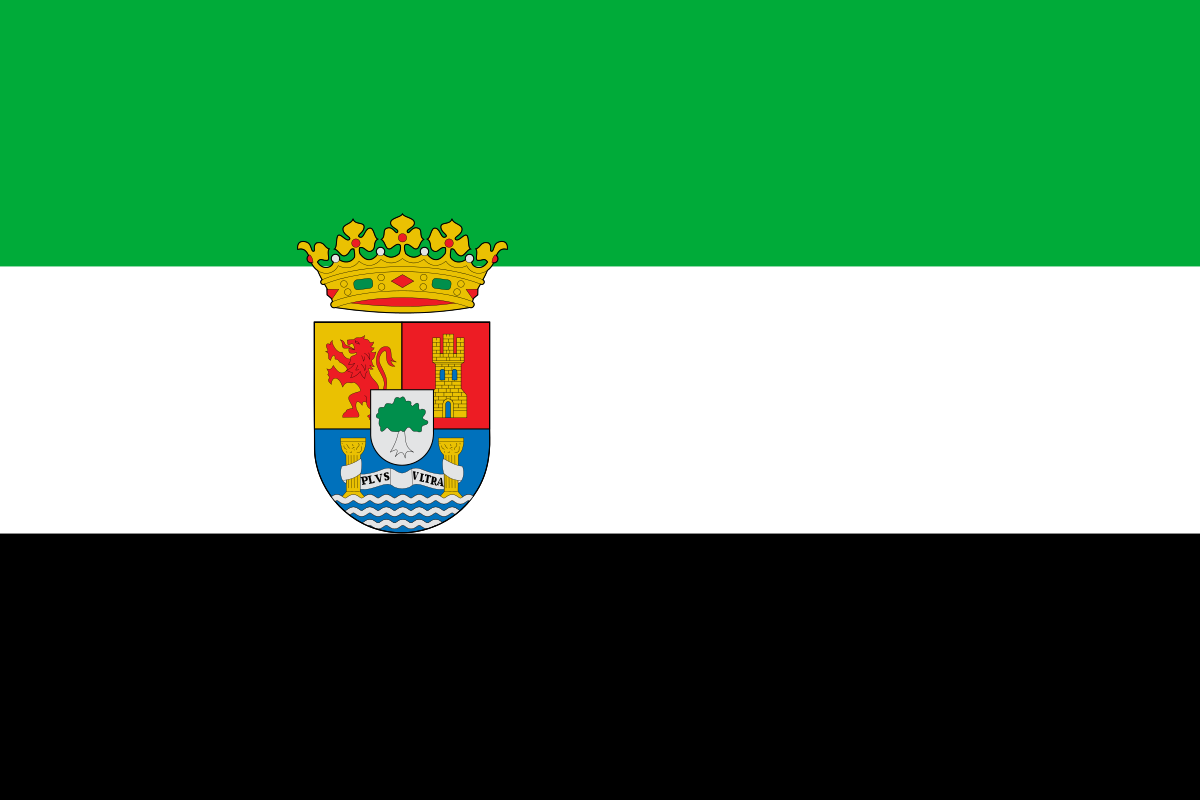 Extremadura
France
Extremadura
France
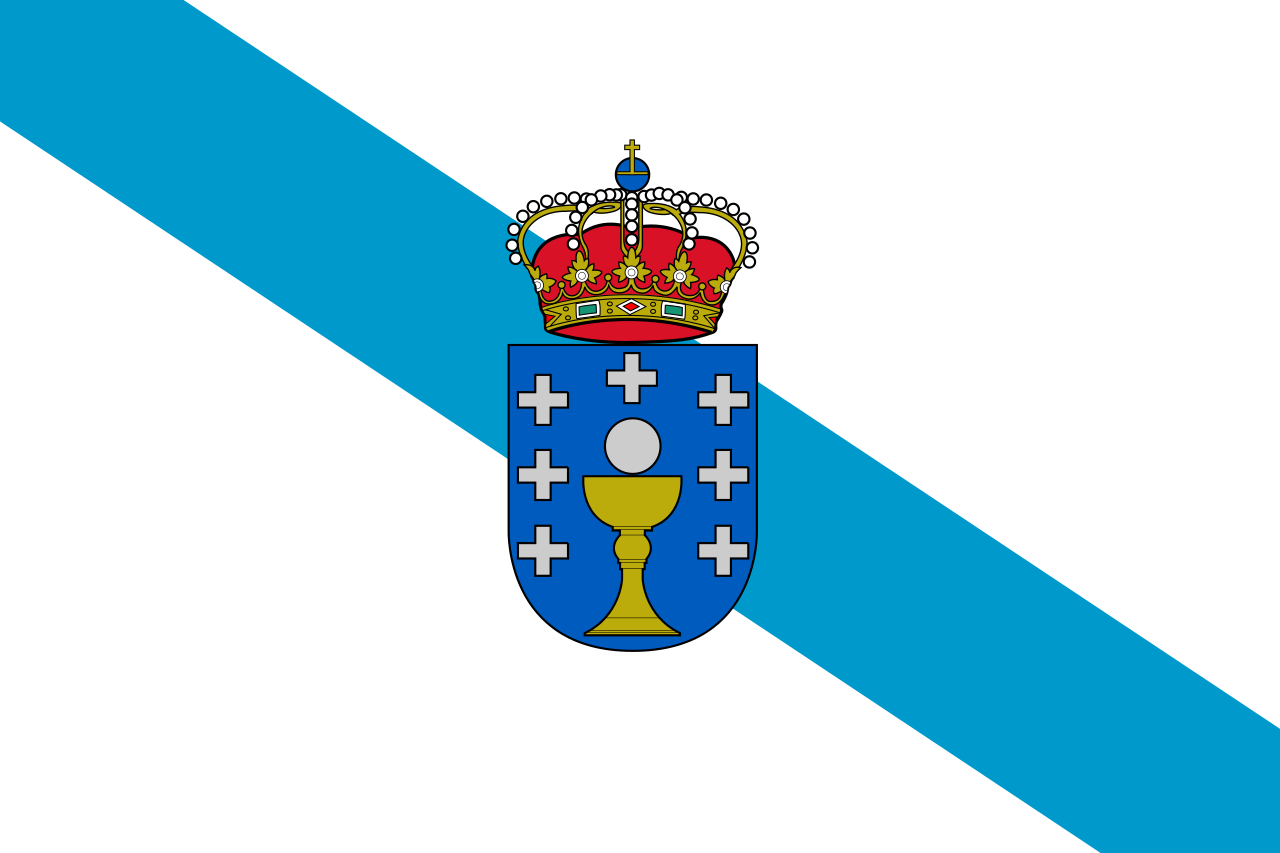 Galicia
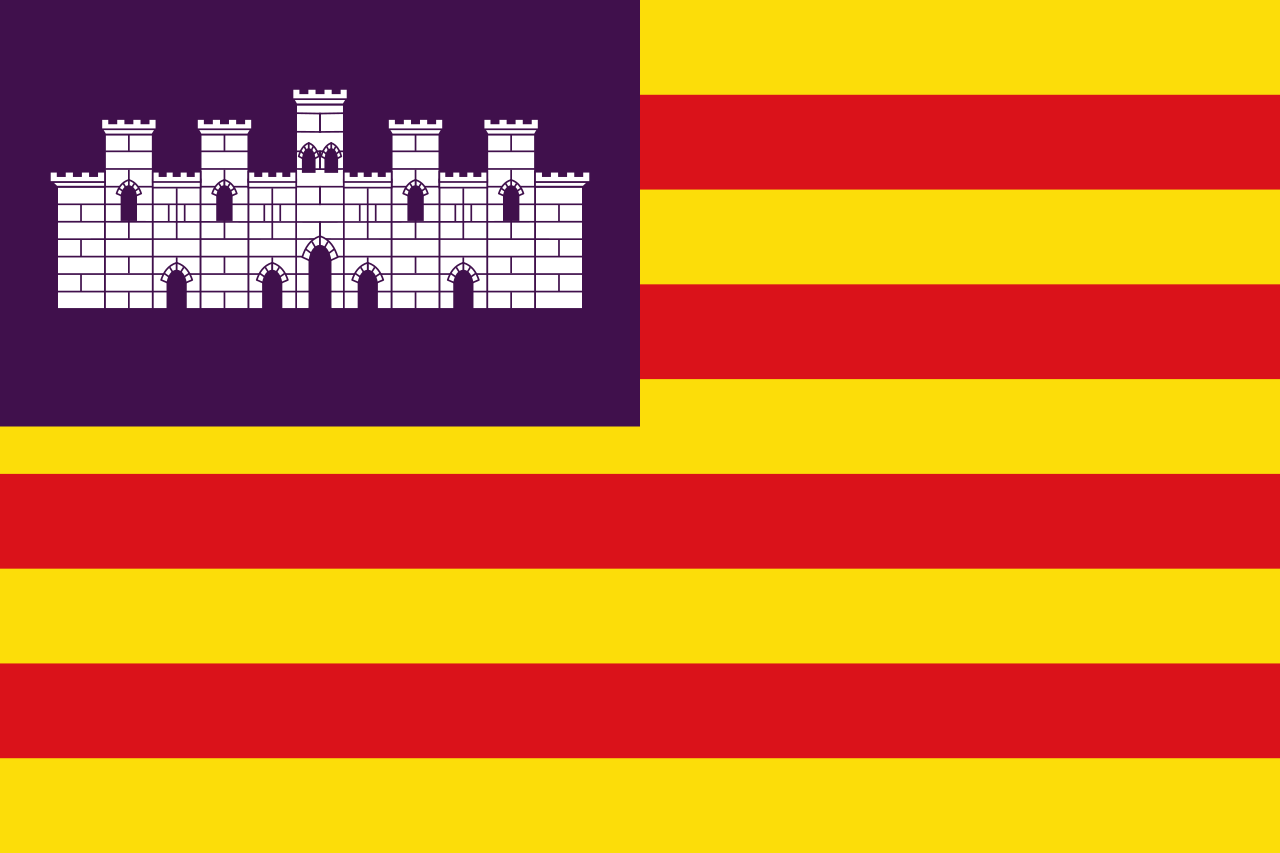 Balearic Islands
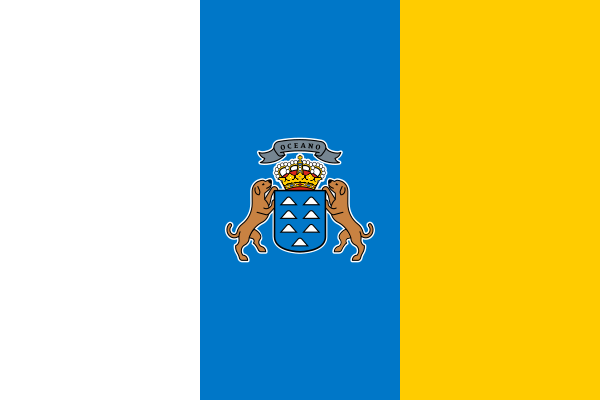 Canary Islands
Italy
Canary Islands
Italy
 La Rioja
 Madrid
Monaco
Madrid
Monaco
 Murcia
Netherlands
Murcia
Netherlands
 Occitania
Piemonte
Portugal
Spain
UCI World Tour
Occitania
Piemonte
Portugal
Spain
UCI World Tour
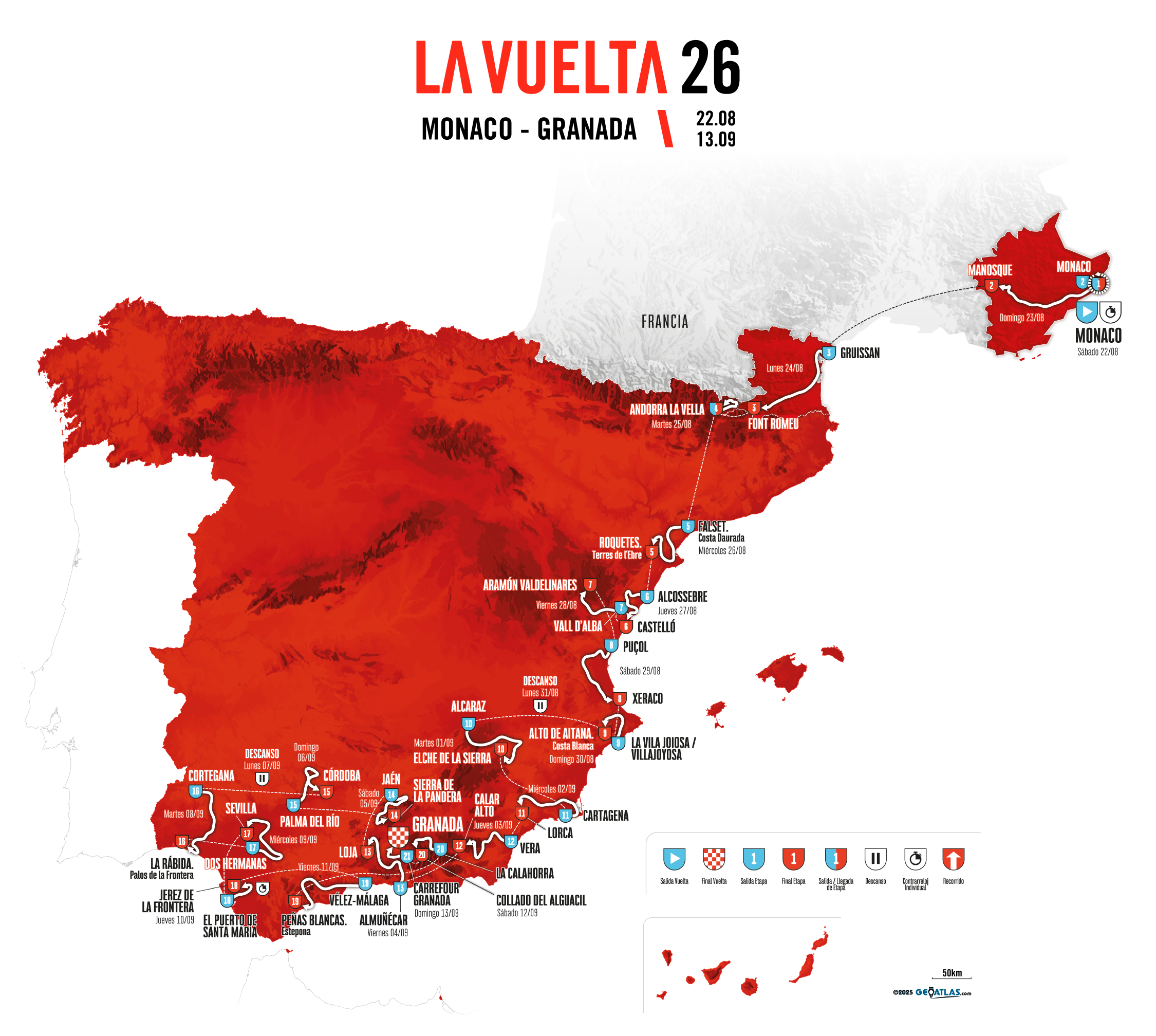
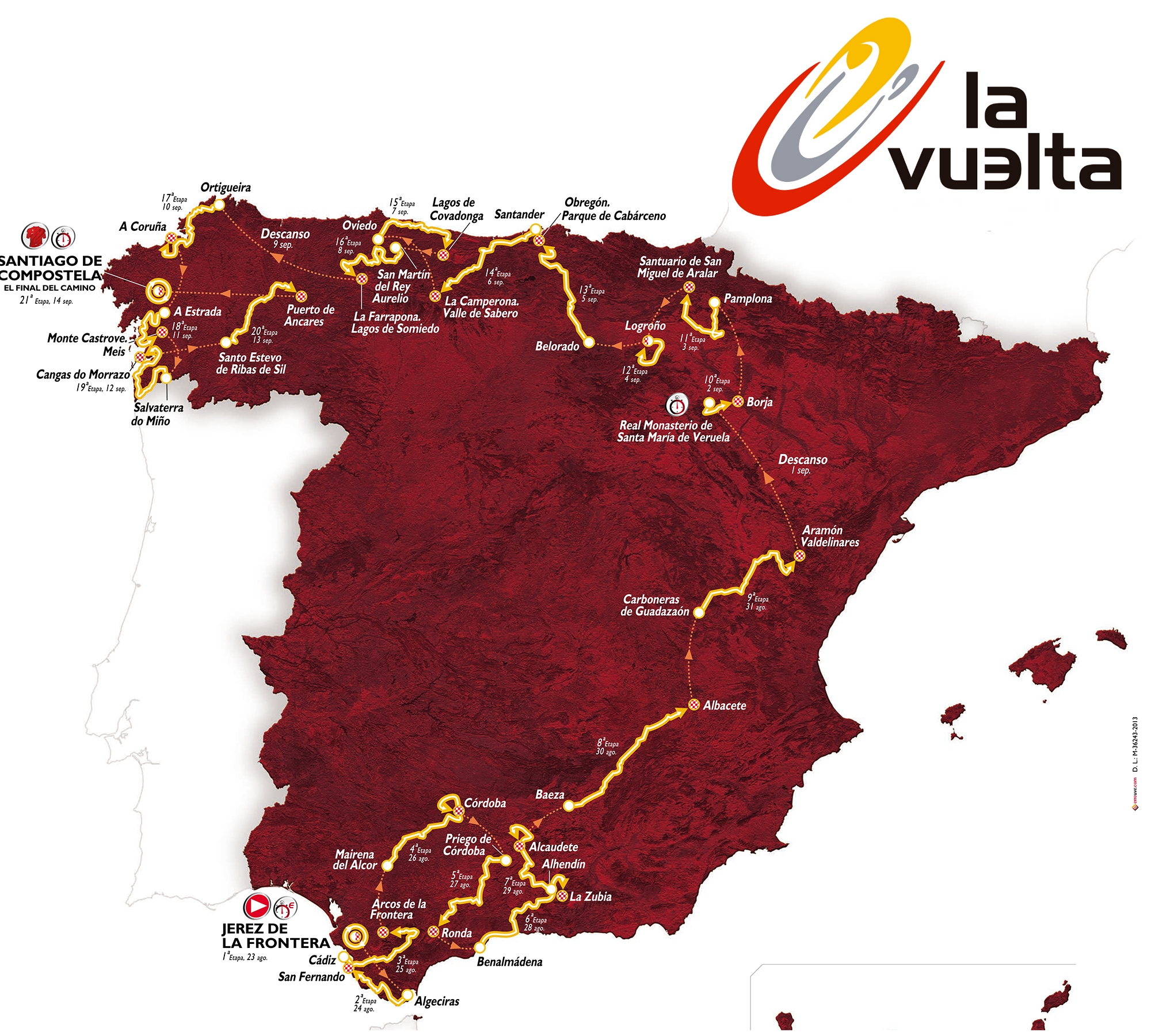
环西自行车赛(西班牙语:Vuelta a España),是一项在西班牙举办的公路自行车比赛,为三大自行车赛之一。环西自行车赛为期3周。
环西自行车赛首次举办于1935年,主要是受到环法自行车赛、环义自行车赛启发,是由西班牙当地的日报社《Informaciones》,和一位退役自行车选手所发起,一样是为了刺激报纸的销量所做的行销活动[1]。
中途因西班牙内战、二次大战而中断,直至1955年,才成为年度赛事。[2]迄今为止,西班牙车手赢得了31个总冠军,法国车手获得9次冠军。
Das Straßenradrennen La Vuelta Ciclista a España, kurz Vuelta a España (dt.: Spanienrundfahrt) ist eine der drei „Grand Tours“ im Radsport und nach der Tour de France und dem Giro d’Italia das drittwichtigste Etappenrennen der Welt.
Seit 2005 gehört die Vuelta a España zur UCI ProTour bzw. zur Nachfolgeserie UCI WorldTour. Veranstalteter ist Unipublic, der seit 2014 eine Tochtergesellschaft der Amaury Sport Organisation (ASO) ist.[1]
 Financial
 Automobile
IVECO
Automobile
*Commercial vehicles
Automobile
*Caravan/Camper
Automobile
*Engine
Automobile
*Coach and bus
Automobile
Astra
Automobile
Magirus
Automobile
***Technology
Italy
Automobile
IVECO
Automobile
*Commercial vehicles
Automobile
*Caravan/Camper
Automobile
*Engine
Automobile
*Coach and bus
Automobile
Astra
Automobile
Magirus
Automobile
***Technology
Italy
 Military, defense and equipment
Piemonte
Military, defense and equipment
Piemonte

 Campania
 Emilia-Romagna
Italy
Emilia-Romagna
Italy
 Lazio
Lombardia
Piemonte
Lazio
Lombardia
Piemonte
 Puglia
 Sicilia
High speed train technology
Central drive
High speed train technology
Rad-Schiene-System
Sicilia
High speed train technology
Central drive
High speed train technology
Rad-Schiene-System
 Toscana
 Transport and traffic
High speed traffic
Transport and traffic
High speed train technology
Veneto
Transport and traffic
High speed traffic
Transport and traffic
High speed train technology
Veneto
 *Mediterranean Sea
Italy
*Mediterranean Sea
Italy
 Agriculture, forestry, livestock, fishing
Lombardia
Piemonte
Sicilia
Toscana
Agriculture, forestry, livestock, fishing
Lombardia
Piemonte
Sicilia
Toscana
 Umbria
Veneto
Umbria
Veneto
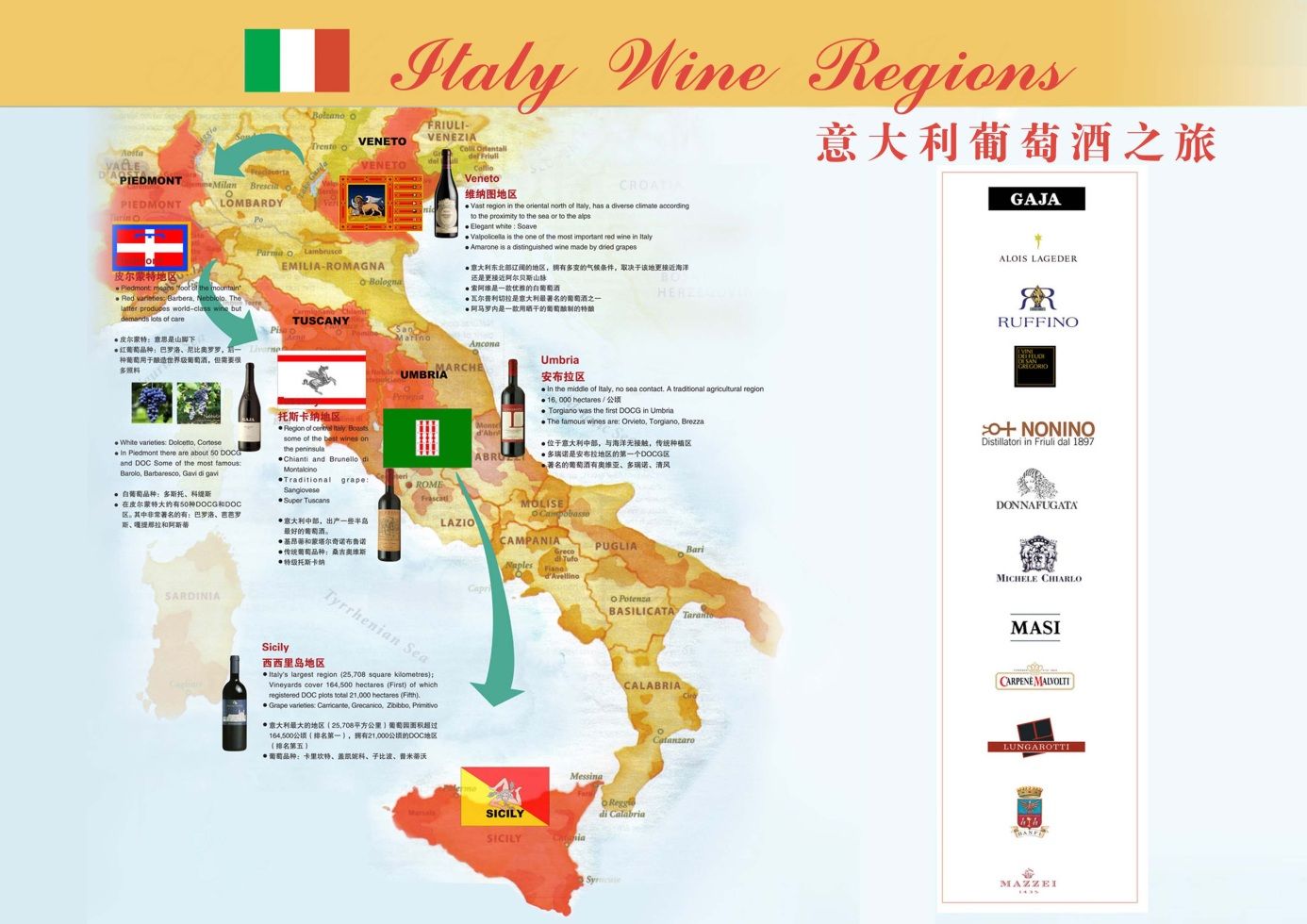
一概而论地评价意大利葡萄酒好于或差于其他国家的葡萄酒是不负责任的。因为,这个国家有着庞大的葡萄酒产量、惊人的风格多样性,当然也存在不同品质 的差异。在意大利很多地方依然保留着传统甚至显得过时的酿酒方法,可这并不妨碍他们酿造出最出色的酒。新式的酿酒方法也被广泛采用,而且对于普通情况来 说,这是提升意大利葡萄酒品质的重要手段。无论是传统亦或是创新,这些酿造技术被深谙酿酒之道的人采用都会获得经典佳酿。那些意大利传统的维护者和创新者 之间,或许有些小的争论,但是他们都最终获得国际市场的认可。
意大利和法国每年都在争夺世界上最大的葡萄酒生产国、出口国还有消费国的头衔。这两个国家每年大约生产6百万吨的葡萄酒,年出口量约占其总产量的四 分之一,意大利和法国的年人均消费葡萄酒量几乎一样,大约是50升(25年前为90升)。意大利酿酒葡萄种植面积约为922,000公顷,法国与其相当, 有917,000公顷(从这个数据上看,相比于西班牙的1,166,000公顷就略显失色)。很明显,从产量、出口量、消费量以及葡萄园面积来看,意大利 和法国几乎没有太大差别。
意大利的最大出口市场,按照出口额统计为美国。意大利出口的葡萄酒差不多有三分之二被大批散装地运到其他国家进行调配,尤其是德国(占总出口量的 38%)和法国(占总出口量的25%),许多葡萄酒被蒸馏成工业酒精中——大约占整体葡萄酒产量的15% ——相当于整个北美葡萄酒产量的一半。 所以尽管意大利的葡萄酒产量惊人,其中被装瓶且带有商标的酒款大约只占总产量的30-40%,这些远不及意大利被评为DOC级酒的一半数量,(详情请见关 于意大利葡萄酒法律部分),这也意味着等级分类的葡萄酒总量大约是整体产量的14%。(Quelle:http://www.italiawinealliance.com.cn)
Alberto Zaccheroni
Carlo Ancelotti
Fabio Capello
FIFA Club World Cup 2025
FIFA Club World Cup 2025
Group G
Giovanni Trapattoni
La Serie A
La Serie A 2015/16
La Serie A 2016/17
La Serie A 2017/18
La Serie A 2018/19
Marcello Lippi
Piemonte
 Sport
(F)UEFA Europa League
UEFA Champions League 2015/16
UEFA Champions League 2016/17
Group H
UEFA Champions League 2017/18
Group D
UEFA Champions League 2018/19
Group H
UEFA Champions League 2019/20
Group D
UEFA Champions League 2025/26
Sport
(F)UEFA Europa League
UEFA Champions League 2015/16
UEFA Champions League 2016/17
Group H
UEFA Champions League 2017/18
Group D
UEFA Champions League 2018/19
Group H
UEFA Champions League 2019/20
Group D
UEFA Champions League 2025/26

 Energy resource
 Abruzzo
 Basilicata
 Calabria
Campania
Emilia-Romagna
Friuli-Venezia Giulia
Italy
Lazio
Calabria
Campania
Emilia-Romagna
Friuli-Venezia Giulia
Italy
Lazio
 Liguria
Lombardia
Liguria
Lombardia
 Marche
 Molise
Piemonte
Puglia
Molise
Piemonte
Puglia
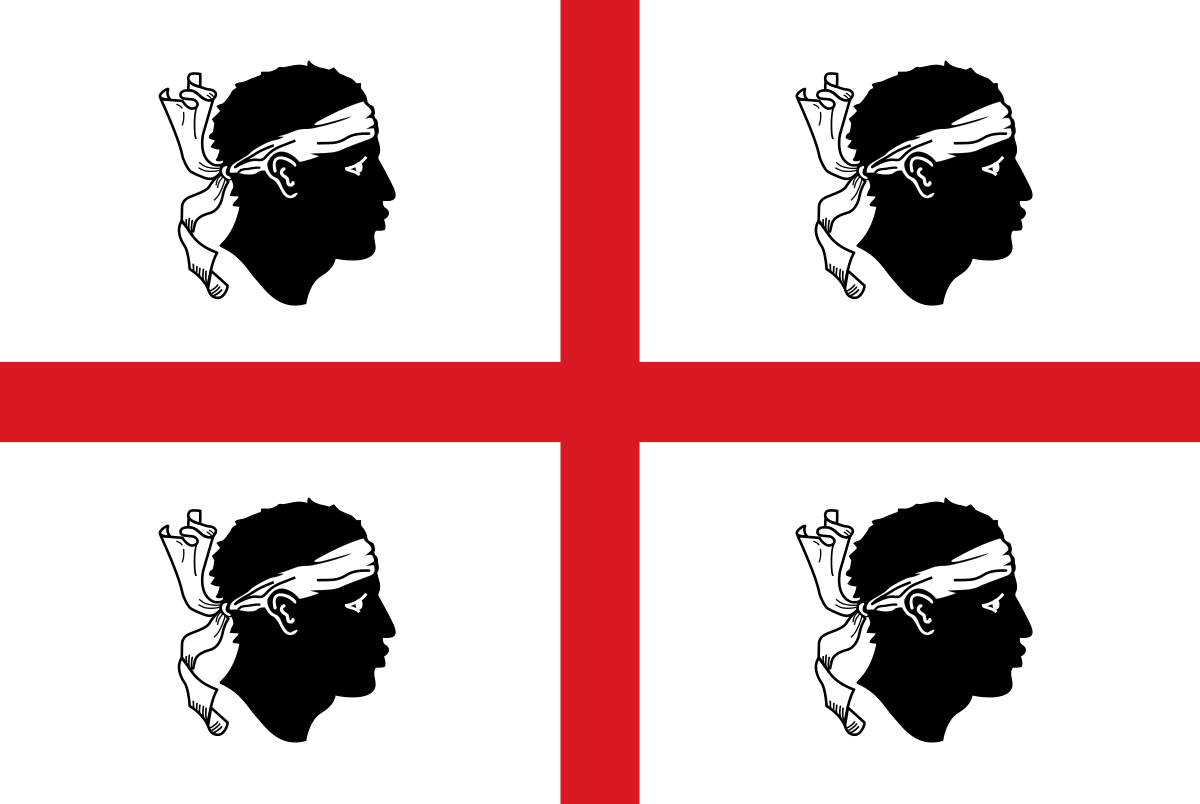 Sardegna
Sicilia
Toscana
Trentino-Alto Adige
Umbria
Companies
*Largest electricity companies
Valle d´Aosta
Veneto
Sardegna
Sicilia
Toscana
Trentino-Alto Adige
Umbria
Companies
*Largest electricity companies
Valle d´Aosta
Veneto
 Economy and trade
 Abruzzo
Basilicata
Basilicata
Campania
Emilia-Romagna
Abruzzo
Basilicata
Basilicata
Campania
Emilia-Romagna
 Eat and Drink
*Wine region
Friuli-Venezia Giulia
Liguria
Lombardia
Marche
Piemonte
Puglia
Sardegna
Sicilia
Toscana
Umbria
Veneto
Eat and Drink
*Wine region
Friuli-Venezia Giulia
Liguria
Lombardia
Marche
Piemonte
Puglia
Sardegna
Sicilia
Toscana
Umbria
Veneto
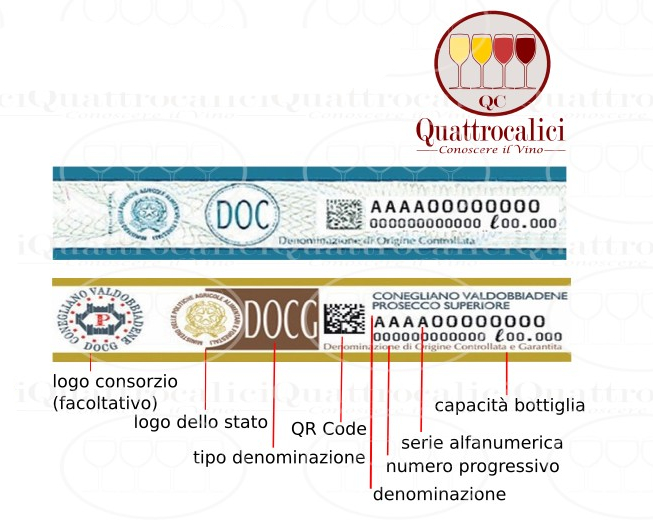
保证控制原产地命名生产的葡萄酒。这是对DOC酒的补充,以保证优质的DOC葡萄酒的可靠。它要求在指定区域内的生产者自愿地使其生产的葡萄酒受到 更严格的管理标准。已批准为DOCG的葡萄酒,在瓶子上将带有政府的质量印记.保证控制原产地命名生产的葡萄酒(DOCG等级)是意大利葡萄酒的最高级 别,无论在葡萄品种、采摘、酿造、陈年的时间方式等方面都有严格管制,甚至有的还对葡萄树的树龄做出规定,而且要由专人试饮。目前,共有33种获此殊荣。
当葡萄酒的标签上写着“Denominazione di Orgine Controllata e Garantita”字样时,就说明除了DOC葡萄酒的要求之外,该酒还要符合下列规定:
进入消费的葡萄酒基本是瓶装的,在5升以下容量的容器里;
每个瓶子都应该有国家的标识,实际上就是意大利的保证包装装瓶的一条带子。带子是按照产量配发给装瓶生产商的,也就是说,按量产要求配发给多少条带子(而DOC葡萄酒没有这个要求)。
DOCG的字样是用于特别高贵的葡萄酒,就是那些通过一系列的监督检查,给予了相应的承认的名酒。另外,葡萄酒要达到DOCG的档次,至少要有五年DOC的经历。
DOCG葡萄酒要经过两次品尝感受的检测,以确定其品质(DOC葡萄酒是进行一次品尝感受的检测)。
DOC(法定地区餐酒)和DOCG(保证法定地区餐酒),欧洲联盟将其归为一类,叫做VQPRD(在特定地区生产的品级餐酒)。