
Deutsch-Chinesische Enzyklopädie, 德汉百科
 Brasilien
Argentinien
Australien
Brasilien
China
Deutschland
England
Brasilien
Argentinien
Australien
Brasilien
China
Deutschland
England
 Europäische Union
Frankreich
Europäische Union
Frankreich
 Hamburg
 Hand in Hand
Indien
Indonesien
Italien
Japan
Kanada
Mexiko
Hand in Hand
Indien
Indonesien
Italien
Japan
Kanada
Mexiko
 Ohio-OH
 Ontario-ON
 Parteien und Regierung
Parteien und Regierung
Parteien und Regierung
 Gruppe der zwanzig wichtigsten Industrie- und Schwellenländer
 Provence-Alpes-Côte d´Azur
 Queensland-Qld
Republik Korea
Russland
Saudi-Arabien
Südafrika
Türkei
Vereinigte Staaten
Vereinigtes Königreich
Queensland-Qld
Republik Korea
Russland
Saudi-Arabien
Südafrika
Türkei
Vereinigte Staaten
Vereinigtes Königreich
 Washington, D.C.
Zhejiang Sheng-ZJ
Washington, D.C.
Zhejiang Sheng-ZJ
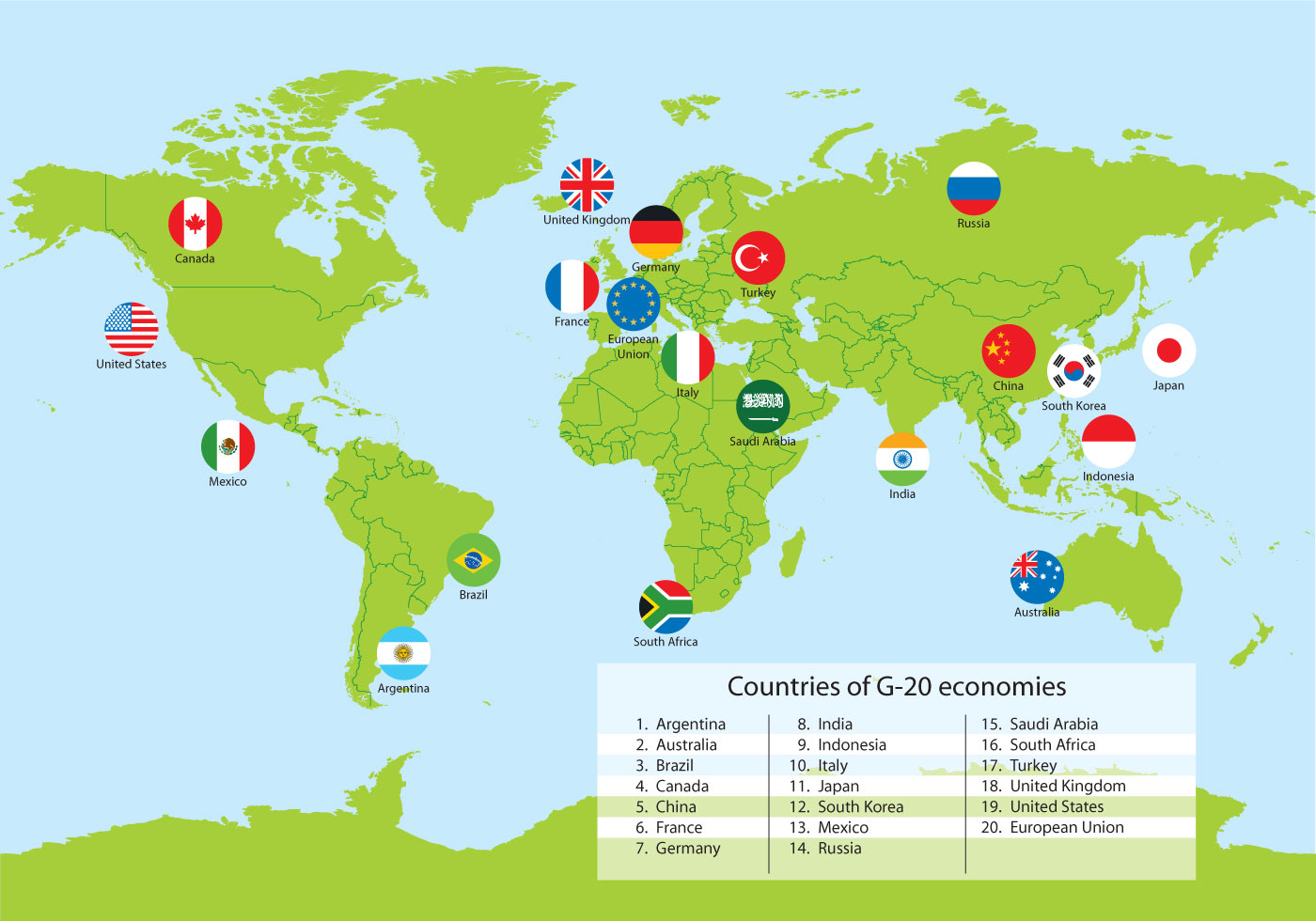
20国集团(G20)是一个国际经济合作论坛,于1999年9月25日由八国集团的财长在华盛顿宣布成立,属于布雷顿森林体系框架内非正式对话的一种机制,由原八国集团以及其余十二个重要经济体组成。该组织的宗旨是为推动已工业化的发达国家和新兴市场国家之间就实质性问题进行开放及有建设性的讨论和研究,以寻求合作并促进国际金融稳定和经济的持续增长,按照以往惯例,国际货币基金组织与世界银行列席该组织的会议。20国集团成员涵盖面广,代表性强,该集团的GDP占全球经济的90%,贸易额占全球的80%,因此已取代G8成为全球经济合作的主要论坛。 二十国集团(英语:Group of Twenty,缩写:G20)是一个国际经济合作论坛,于1999年12月16日在德国柏林成立,属于布雷顿森林体系框架内对话的一种机制,由七国集团(加拿大、美国、英国、法国、德国、意大利、日本),金砖五国(巴西、俄罗斯、印度、中国、南非),七个重要经济体(墨西哥、阿根廷、土耳其、沙特阿拉伯、韩国、印度尼西亚、澳大利亚),以及欧洲联盟组成。按照惯例,国际货币基金组织与世界银行列席该组织的会议。
Die G20 (Abkürzung für Gruppe der zwanzig wichtigsten Industrie- und Schwellenländer) ist ein seit 1999 bestehender informeller Zusammenschluss aus 19 Staaten und der Europäischen Union. Sie soll als Forum für die Kooperation und Konsultation in Fragen des internationalen Finanzsystems dienen.
An den Treffen der G20 nehmen die Staats- und Regierungschefs der G20 Länder, die Finanzminister und Zentralbankchefs der G8 und elf weiterer Staaten, darunter die O-5, sowie die EU-Präsidentschaft (wenn diese zu diesem Zeitpunkt nicht von einem G8-Staat geführt wird), der Präsident der Europäischen Zentralbank, der Geschäftsführende Direktor (Managing Director) des Internationalen Währungsfonds, der Vorsitzende des Internationalen Währungs- und Finanzausschusses (IMFC), der Präsident der Weltbank und der Vorsitzende des Development Committees von Weltbank und Internationalem Währungsfonds teil.
G20(ジートゥエンティ)は、"Group of Twenty"の略で、主要国首脳会議(G7)に参加する7か国、EU、ロシア、および新興国11か国の計20か国・地域からなるグループである。
構成国・地域は、アメリカ合衆国、イギリス、フランス、ドイツ、日本、イタリア、カナダ、EU、ロシア、中華人民共和国、インド、ブラジル、メキシコ、南アフリカ共和国、オーストラリア、大韓民国、インドネシア、サウジアラビア、トルコ、アルゼンチンである。20か国・地域首脳会合(G20首脳会合)および20か国・地域財務大臣・中央銀行総裁会議(G20財務相・中央銀行総裁会議)を開催している。主要20か国・地域[1][2]とも言い、日本の放送局であるNHKでは、先進国会合であるG7と区別して、先進国に新興国を加えた主要20か国[3]と表現している。
The G20 (or Group of Twenty) is an international forum for the governments and central bank governors from 19 countries and the European Union (EU). Founded in 1999 with the aim to discuss policy pertaining to the promotion of international financial stability,[3] the G20 has expanded its agenda since 2008 and heads of government or heads of state, as well as finance ministers, foreign ministers and think tanks[4], have periodically conferred at summits ever since. It seeks to address issues that go beyond the responsibilities of any one organization.[3]
Membership of the G20 consists of 19 individual countries plus the European Union. The EU is represented by the European Commission and by the European Central Bank. Collectively, the G20 economies account for around 90%[5] of the gross world product (GWP), 80% of world trade (or, if excluding EU intra-trade, 75%), two-thirds of the world population,[2] and approximately half of the world land area.
With the G20 growing in stature[6] after its inaugural leaders' summit in 2008, its leaders announced on 25 September 2009 that the group would replace the G8 as the main economic council of wealthy nations.[7] Since its inception, the G20's membership policies have been criticized by some intellectuals,[8][9] and its summits have been a focus for major protests.[10][11]
The heads of the G20 nations held summits twice in 2009 and twice in 2010. Since the November 2011 Cannes summit, G20 summits have been held annually.[12]
Le Groupe des vingt (G20) est un groupe composé de dix-neuf pays et de l'Union européenne dont les ministres, les chefs des banques centrales et les chefs d'État se réunissent annuellement. Il a été créé en 1999, après la succession de crises financières dans les années 19901. Il vise à favoriser la concertation internationale, en intégrant le principe d'un dialogue élargi tenant compte du poids économique croissant pris par un certain nombre de pays. Le G20 représente 85 % du commerce mondial, les deux tiers de la population mondiale et plus de 90 % du produit mondial brut (somme des PIB de tous les pays du monde)1. Le 15 novembre 2008, pour la première fois de son histoire, les chefs d'État ou de gouvernement se sont réunis. Le G20 se décline sous trois formes : les G20 regroupant des chefs d'État et de gouvernement, les G20 finance regroupant les ministres des finances et les gouverneurs des banques centrales et, depuis les 20-21 avril 2010, des G20 sociaux, réunissant les ministres de l'emploi.
Il Gruppo dei 20 (o G20) è un forum dei leader, dei ministri delle finanze e dei governatori delle banche centrali, creato nel 1999, dopo una successione di crisi finanziarie per favorire l'internazionalità economica e la concertazione tenendo conto delle nuove economie in sviluppo. Di esso fanno parte i 19 paesi più industrializzati (quelli del G8 in primis) con l'eccezione di Spagna e Paesi Bassi (sono presenti invece Argentina e Sudafrica). È presente, inoltre, l'Unione europea.
Il G20 rappresenta i due terzi del commercio e della popolazione mondiale, oltre all'80% del PIL mondiale. Sono presenti anche alcune tra le maggiori organizzazioni internazionali.
El Grupo de los 20 (numerónimo: G-20) es un foro cuyos miembros permanentes son 19 países de todos los continentes (Alemania, Arabia Saudita, Argentina, Australia, Brasil, Canadá, China, Corea del Sur, Estados Unidos, Francia, India, Indonesia, Italia, Japón, México, Reino Unido, Rusia, Sudáfrica, Turquía y la Unión Europea).1
Es el principal espacio de deliberación política y económica del mundo.1 En conjunto las entidades políticas representadas en el G20 reúnen el 66 % de la población mundial y el 85 % del producto bruto mundial.1.
El G-20 cuenta además con 14 organizaciones internacionales socias, cuyas presidencias también integran el foro:2
- Mundiales (7): Naciones Unidas (ONU), Fondo Monetario Internacional (FMI), Banco Mundial, Consejo de Estabilidad Financiera (FSB), Organización Internacional del Trabajo (OIT), Organización Mundial de Comercio (OMC) y Organización Mundial de la Salud (OMS)
- Regionales (7): Asociación de Naciones del Sudeste Asiático (ASEAN), Unión Africana, Nueva Alianza para el Desarrollo de África (NEPAD), Comunidad del Caribe (CARICOM), Banco Interamericano de Desarrollo (BID), Banco de Desarrollo de América Latina (CAF) y Organización para la Cooperación y el Desarrollo Económico (OCDE)
El G-20 surgió en dos etapas. Primero en 1999, como un grupo de segundo nivel de autoridades económicas y financieras, y luego como un grupo de primer nivel en 2008, como consecuencia de la crisis mundial que estalló ese año, al constituirse como Cumbre de Jefes de Estado, desplazando al G-8 y al G8+5 como foro de discusión de la economía mundial.3
La instancia más importante del G20 es la Cumbre de Jefes de Estado, denominada Cumbre de Líderes, que se reúne una vez por año.4 El G20 cuenta con dos instancias gubernamentales de segundo nivel, denominadas canales de trabajo: el Canal de Finanzas que reúne a los ministros de Finanzas y presidentes de bancos centrales y el Canal de Sherpas, para tratar los temas no económicos.4
Complementariamente el G-20 cuenta con grupos de participación de la sociedad civil, llamados grupos de afinidad: Business 20 (B20) para empresarios, Civil 20 (C20) para ONGs, Labour 20 (L20) para sindicatos, Science 20 (S20) para científicos, Think 20 (T20) para institutos de investigación, Women 20 (W20) para organizaciones feministas y Youth 20 (Y20) para organizaciones juveniles.4
En 2019 la cumbre se realizó en Osaka Japón, correspondiendo la presidencia del grupo a su primer ministro, Shinzō Abe.
Больша́я двадца́тка (также G20, G-20 , Группа двадцати; официально — англ. The Group of Twenty, major advanced and emerging economies[1]) — клуб правительств и глав центральных банков государств с наиболее развитой и развивающейся экономикой[2].
В совокупности, G20 представляет 85 % мирового валового национального продукта, 75 % мировой торговли (включая торговлю внутри ЕС) и две трети населения мира[2].
Европейский союз представлен председателем Европейской комиссии и председателем Европейского совета[3]. Кроме того, обычно на встречах G20 присутствуют представители различных международных организаций, среди которых Совет по финансовой стабильности, Международный валютный фонд, Всемирная торговая организация, Африканский Союз, АСЕАН, Организация Объединённых Наций и Всемирный банк[2].
Группа 20 была создана в ответ на азиатский финансовый кризис конца 1990-х[2] и растущее сознание того, что страны с развивающейся рыночной экономикой не были адекватно представлены в мировых экономических обсуждениях и принятии решений. Переход от «большой семёрки» к формату G20 был ускорен из опасения катастрофы глобальной экономики в общемировой экономический кризис 2008 года[4]. До 2008 года группа не проводила саммитов на высшем уровне, её основной формой деятельности были ежегодные встречи на уровне министров финансов и глав центробанков. На сегодняшний день саммиты G20 являются глобальным форумом для сотрудничества и консультаций по вопросам, относящимся к международной финансово-экономической системе.
 Geographie

 Sport
Sport

 Unternehmen

 Medizin, Pharma, Rehabilitation
 Messe
Messe


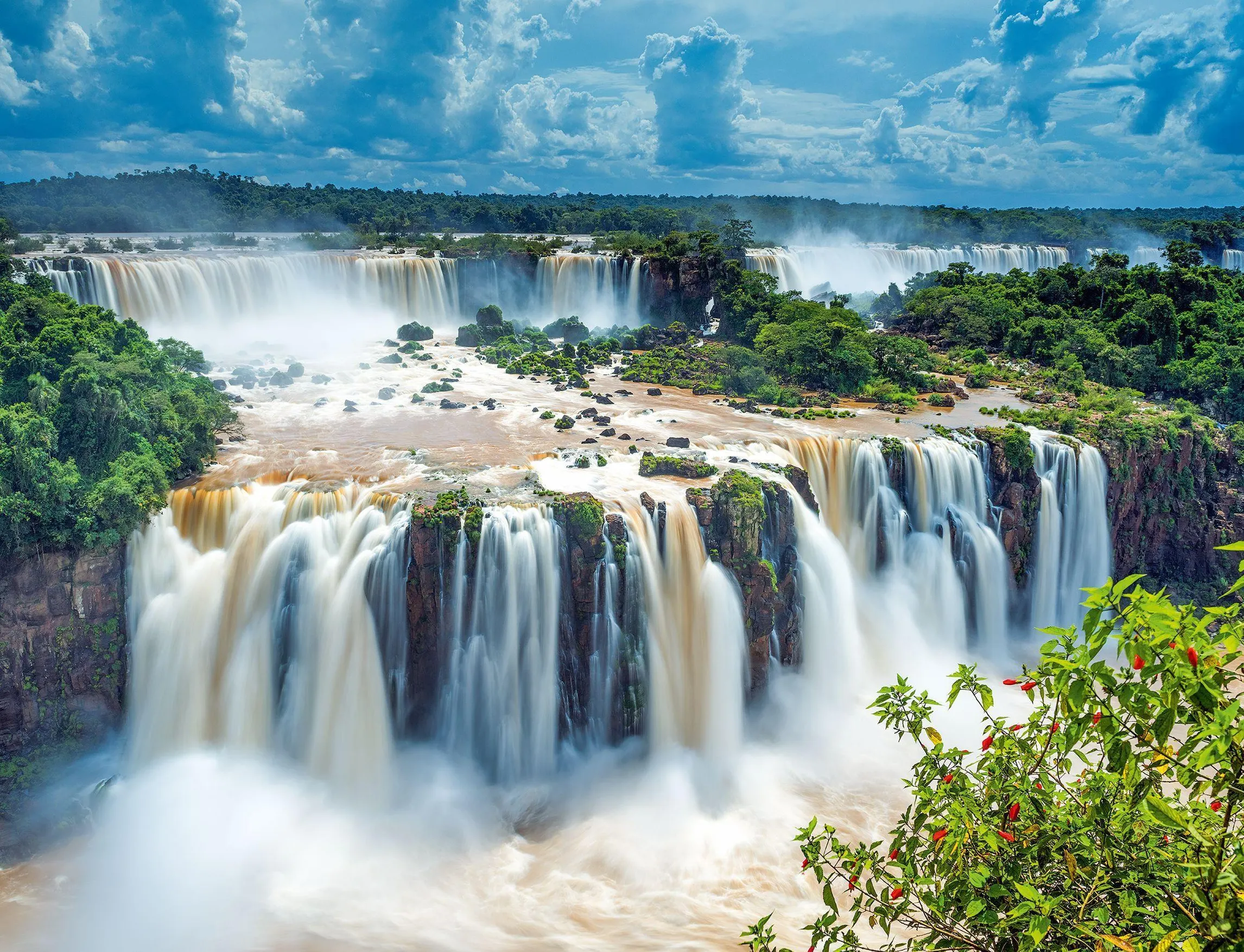
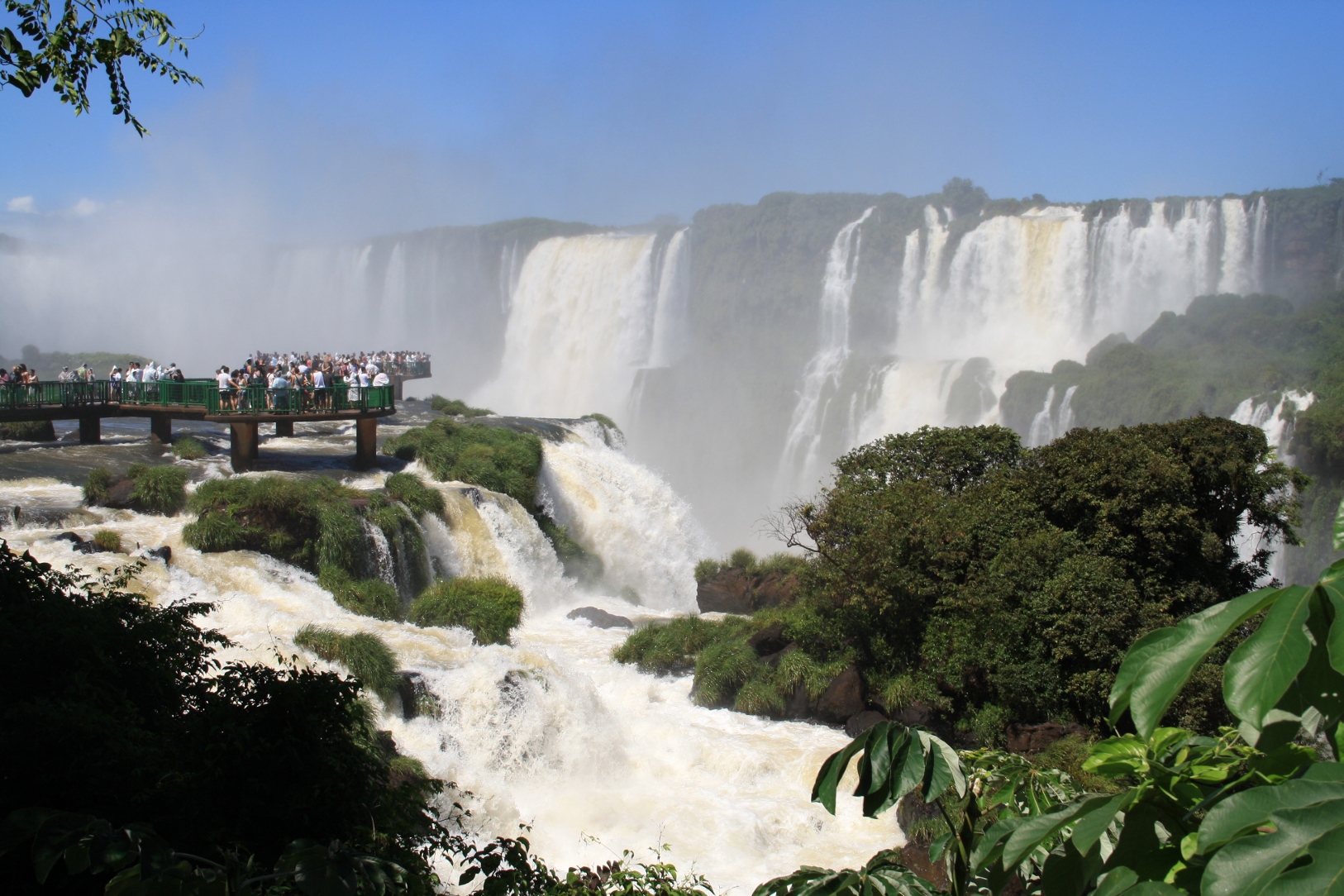
伊瓜苏大瀑布是世界上最宽的瀑布,位于阿根廷与巴西边界上伊瓜苏河与巴拉那河合流点上游23公里处,为马蹄形瀑布,高82米,宽4公里。1984年,被联合国教科文组织列为世界自然遗产。
伊瓜苏瀑布(葡萄牙语:Cataratas do Iguaçu,西班牙语:Cataratas del Iguazú,当地的瓜拉尼语意为“大水”)是由位于巴西巴拉那州和阿根廷边界上的伊瓜苏河从巴西高原辉绿岩悬崖上落入巴拉那峡谷形成的瀑布。现时成为联合国世界自然遗产的一部分。
伊瓜苏瀑布与东非维多利亚瀑布及美加的尼加拉瀑布是世界三大瀑布。伊瓜苏瀑布实为一组瀑布群,由275股大小瀑布或急流组成,总宽度2.7公里,比尼亚加拉瀑布宽4倍,落差由平均60米至最高82米。年均流量1,750立方米/秒,雨季时瀑布最大流量为12,750立方米/秒,这时大小飞瀑也汇合成一个马蹄形大瀑布。
Die Iguazú-Wasserfälle (portugiesisch: Cataratas do Iguaçu [kata'ɾatɐs du igwa'su]; spanisch: Cataratas del Iguazú [kata'ɾatas del iɣwa'su]) sind die Wasserfälle des Flusses Iguaçu/Iguazú an der Grenze zwischen dem brasilianischen Bundesstaat Paraná (20 %) und der argentinischen Provinz Misiones (80 %).
Die Iguazú-Wasserfälle bestehen aus 20 größeren sowie 255 kleineren Wasserfällen auf einer Ausdehnung von 2,7 Kilometern. Einige sind bis zu 82 Meter, der Großteil ist 64 Meter hoch. Die Wassermenge an den Fällen schwankt von 1500 m³/s bis über 7000 m³/s. Das umgangssprachlich Garganta del Diablo (spanisch) beziehungsweise Garganta do Diabo (portugiesisch) oder „Teufelsschlund“ genannte Wasserfallsystem ist eine U-förmige, 150 Meter breite und 700 Meter lange Schlucht. Da die meisten Fälle in Argentinien liegen, ist der größere Panoramablick von der brasilianischen Seite aus möglich. Die Fälle sind durch mehrere größere und kleinere Inseln voneinander getrennt. Von den 2.700 Meter Ausdehnung fließt über ungefähr 900 Meter kein Wasser. Die Fälle liegen sowohl im argentinischen Nationalpark Iguazú als auch im brasilianischen Nationalpark Iguaçu. Diese wurden 1984 (Argentinien) und 1986 (Brasilien) zum UNESCO-Welterbe ernannt.
Der Name Iguazú hat seinen Ursprung aus den guaranischen Wörtern y für Wasser und guasu für groß. Als erster Europäer entdeckte der spanische Conquistador Álvar Núñez Cabeza de Vaca die Fälle; einer auf der argentinischen Seite ist nach ihm benannt.
In der Nähe liegen die Städte Foz do Iguaçu im brasilianischen Bundesstaat Paraná und Puerto Iguazú in der argentinischen Provinz Misiones und der Stausee Itaipú.
Die Iguazú-Wasserfälle (portugiesisch Cataratas do Iguaçu [kata'ɾatɐs du igwa'su], spanisch Cataratas del Iguazú [kata'ɾatas del iɣwa'su]) sind die Wasserfälle des Flusses Iguaçu/Iguazú an der Grenze zwischen dem brasilianischen Bundesstaat Paraná und der argentinischen Provinz Misiones.
イグアスの滝(イグアスのたき、スペイン語: Cataratas del Iguazú [kataˈɾatas ðel iɣwaˈsu]、ポルトガル語: Cataratas do Iguaçu [kataˈɾatɐʒ du iɡwaˈsu]、グアラニー語: Chororo Yguasu [ɕoɾoɾo ɨɣʷasu])は、南米大陸のアルゼンチン (80%)とブラジル(20%)の二国にまたがる世界最大の滝。イグアス (Iguazu) とは先住民のグアラニ族の言葉で大いなる水 (Y Guazú)という意味。
Iguazú Falls or Iguaçu Falls (Spanish: Cataratas del Iguazú [kataˈɾatas ðel iɣwaˈsu]; Guarani: Chororõ Yguasu [ɕoɾo'ɾõ ɨɣʷa'su]; Portuguese: Cataratas do Iguaçu [kataˈɾatɐs du iɡwaˈsu]) are waterfalls of the Iguazu River on the border of the Argentine province of Misiones and the Brazilian state of Paraná. Together, they make up the largest waterfall in the world.[2] The falls divide the river into the upper and lower Iguazu. The Iguazu River rises near the heart of the city of Curitiba. For most of its course, the river flows through Brazil; however, most of the falls are on the Argentine side. Below its confluence with the San Antonio River, the Iguazu River forms the border between Argentina and Brazil.
The name "Iguazú" comes from the Guarani or Tupi words "y" [ɨ], meaning "water", and "ûasú "[waˈsu], meaning "big".[3] Legend has it that a deity planned to marry a beautiful woman named Naipí, who fled with her mortal lover Tarobá in a canoe. In a rage, the deity sliced the river, creating the waterfalls and condemning the lovers to an eternal fall.[3] The first European to record the existence of the falls was the Spanish Conquistador Álvar Núñez Cabeza de Vaca in 1541.
Les chutes d'Iguazú (en espagnol : cataratas del Iguazú), chutes d'Iguaçu (en portugais : cataratas do Iguaçu) ou encore chutes d'Iguassu, situées au milieu de la forêt tropicale, à la frontière entre l'Argentine (80 %) et le Brésil (20 %), sont une merveille naturelle inscrite au patrimoine mondial par l'UNESCO en 1984. Le premier Européen à le contempler est Álvar Núñez Cabeza de Vaca au XVIe siècle. De part et d'autre des chutes ont été créés des parcs nationaux, le parc national de l'Iguaçu au Brésil et le parc national d'Iguazú en Argentine.
Le cascate dell'Iguazú (port. Cataratas do Iguaçu, sp. Cataratas del Iguazú, guaraní Chororo Yguasu) sono cascate generate dal fiume Iguazú al confine tra la provincia argentina di Misiones (80%) e lo Stato brasiliano del Paraná (20%).
Las Cataratas del Iguazú (en portugués: cataratas do Iguaçu), llamadas popularmente en Argentina como «Cataratas» o «Cataratas de Iguazú», son un conjunto de cataratas que se localizan sobre el río Iguazú, en el límite entre la provincia de Misiones y el estado brasileño de Paraná. Están totalmente insertadas en áreas protegidas; el sector de la Argentina se encuentra dentro del parque nacional Iguazú, mientras que el de Brasil se encuentra en el parque nacional do Iguaçu. Fueron elegidas como una de las «Siete maravillas naturales del mundo».
Están formadas por 275 saltos, el 80 % de ellos se ubican del lado argentino. Un espectáculo aparte es su salto de mayor caudal y, con 80 m, también el más alto: la Garganta del Diablo, el cual se puede disfrutar en toda su majestuosidad desde solo 50 m, recorriendo las pasarelas que parten desde Puerto Canoas, al que se llega utilizando el servicio de trenes ecológicos. Por este salto pasa la frontera entre ambos países. Se pueden realizar paseos en lancha bajo los saltos y caminatas por senderos apreciando algunos animales de la selva semitropical perteneciente al distrito fitogeográfico de las selvas mixtas de la provincia fitogeográfica paranaense.
Las cataratas del Iguazú son reconocidas de forma unánime como las más espectaculares del mundo. El botánico suizo Robert Chodat (1865-1934) describió elocuentemente su imponente grandeza: “Cuando nos encontramos al pie de este mundo de cascadas, y alzando los ojos vemos, a 82 metros por encima de nosotros, el horizonte ocupado por una línea de aguas, el asombroso espectáculo de un océano cayendo a raudales en un abismo es casi escalofriante.” Maravillado ante la belleza de tal espectáculo el botánico suizo describió la flora y fauna característicos de la zona: “Una exuberante y casi tropical vegetación, la frondosidad de los grandes helechos, las cañas de los bambúes, los graciosos troncos de las palmeras y miles de especies de árboles, con sus copas inclinándose sobre el abismo adornado con musgos, begonias rojas, orquídeas de oro, bromelias brillantes y bejucos con flores trompetas…”3
Водопа́ды Игуасу́ (исп. Cataratas del Iguazú, порт. Cataratas do Iguaçu) — комплекс из 275 водопадов[1][2] на реке Игуасу, расположенный на границе Бразилии (штат Парана) и Аргентины (провинция Мисьонес). Водопады находятся на границе аргентинского и бразильского национальных парков «Игуасу». Оба парка были включены в список Всемирного наследия ЮНЕСКО (в 1984 и 1986 годах, соответственно)[3].
Название Iguazú (Игуасу) происходит от слов на языке гуарани y (вода) и guasu (большой)[4].
 Landwirtschaft, Forstwirtschaft, Viehzucht, Fischerei

 Tierwelt
 Fahrschule
Ägypten
Australien
Belgien
Brasilien
Dänemark
Deutschland
Finnland
Frankreich
Griechenland
Hand in Hand
Hand in Hand
Führerschein
Indien
Indonesien
Italien
Japan
Kanada
Kasachstan
Kroatien
Malaysia
Mexiko
Fahrschule
Ägypten
Australien
Belgien
Brasilien
Dänemark
Deutschland
Finnland
Frankreich
Griechenland
Hand in Hand
Hand in Hand
Führerschein
Indien
Indonesien
Italien
Japan
Kanada
Kasachstan
Kroatien
Malaysia
Mexiko
 Mongolei
Neuseeland
Niederlande
NuetzlicheInfo
Österreich
Portugal
Republik Korea
Russland
Saudi-Arabien
Schweden
Schweiz
Singapur
Spanien
Südafrika
Thailand
Tschechien
Türkei
Ungarn
Mongolei
Neuseeland
Niederlande
NuetzlicheInfo
Österreich
Portugal
Republik Korea
Russland
Saudi-Arabien
Schweden
Schweiz
Singapur
Spanien
Südafrika
Thailand
Tschechien
Türkei
Ungarn
 Urlaub und Reisen
Vereinigte Arabische Emirate
Vereinigte Staaten
Vereinigtes Königreich
Urlaub und Reisen
Vereinigte Arabische Emirate
Vereinigte Staaten
Vereinigtes Königreich

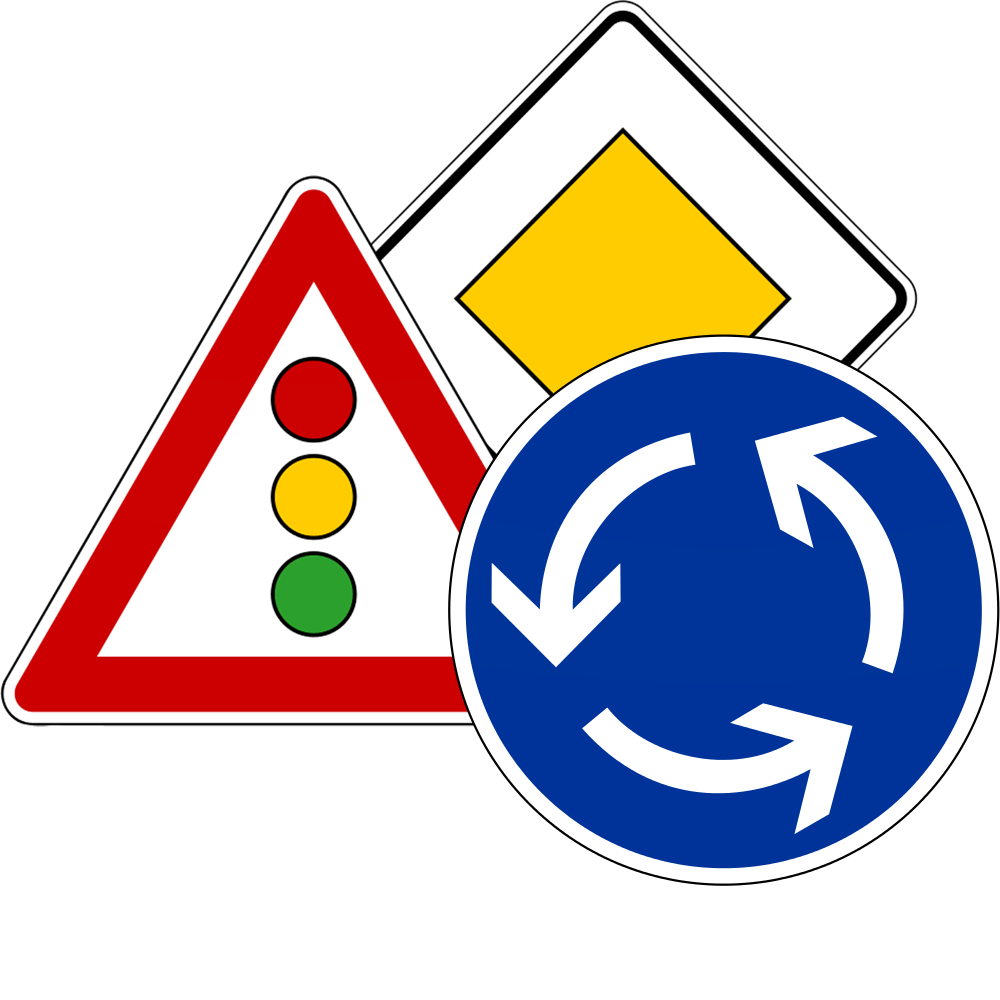
国际驾驶执照(International Driving Permit)依照1949年日内瓦国际道路交通公约及1968年维也纳国际道路交通公约,由公约签署国政府签发,方便本国驾驶员在其他签约国驾驶私人车辆。国际驾驶执照为附加在一国驾驶执照之上的一本附加多国语言的说明,标注了驾驶人的基本信息以及允许驾驶的对应车辆种类等,解决驾驶员与其他国家的交通管理部门之间的沟通障碍。国际驾照不能独立存在,当驾驶员同时持有一国驾照与该国政府签发的国际驾照时,此国际驾照才视作有效。[1]
国际驾驶执照之内容及格式依照维也纳道路交通会议制订,但并非各国均批准该公约。
Ein Internationaler Führerschein ist ein Dokument, das von den Straßenverkehrsbehörden oder Automobilclubs[1] eines Landes aufgrund zwischenstaatlicher Verträge ausgestellt wird. Er soll vor allem der Polizei eines anderen Landes die Feststellung ermöglichen, ob ein ausländischer Kraftfahrer die Fahrerlaubnis hat, die für sein aktuelles Fahrzeug erforderlich ist.
An International Driver's Permit (IDP) allows you to drive a vehicle in another country, as long as you also have a valid driver's license issued by your state. It is also recognized as a proper form of identification in over 175 countries and by many major car rental companies internationally.
Getting an International Driver's Permit (sometimes incorrectly called an international driver's license) can take anywhere from a day to a few weeks, depending on whether you're going through walk-in processing or applying via mail, so make sure to plan ahead if you're planning to drive on your international trip. There are only two locations in the United States that issue these documents: The American Automobile Association (AAA) and the American Automobile Touring Alliance (AATA).
In the United States, International Driver Permits (IDPs) are only issued by the American Automobile Association and the American Automobile Touring Alliance, and the State Department recommends against purchasing an IDP from other outlets as they are all entirely illegal to buy, carry, or sell.
IDPs can be issued to anyone over 18 who has had a valid driver's license for six months or longer. They typically remain valid for one year or the expiration of your existing state driving license. It's essential to investigate an IDP before your trip and make sure you know the requirements.
Both AAA and AATA are excellent sources for these documents, so once you've selected a provider, go to either the AAA's or NAATA's website, print out the International Driving Permit Application, complete all applicable fields, and submit it.
Once you have the application completed, you can send it in via the mail or visit a local office of an organization like AAA; you'll also need two original passport-sized photos and a signed copy of your valid U.S. driver's license as well as an enclosed check for the fee.
Tips to Getting and Using Your Permit
AAA offices can process IDPs during your visit, but processing generally takes 10 to 15 business days if you send the application in. However, expedited services may be available to get your license within one or two business days for an additional fee.
When applying, you'll need a computer and printer, a completed application, a copy of your valid U.S. driver's license, two passport photos, and a check, money order, or credit card to complete the process. Remember to bring these with you if you're applying in person.
Always make sure to carry your valid United States driver's license when driving internationally, as your IDP is invalid without this accompanying proof of eligibility to drive. IDPs only translate domestically-accepted licenses and do not allow those without government-issued driver's licenses to drive abroad.
You'll also want to make sure to enclose the proper fees (the fee for the IDP, as well as any shipping and handling fees), photos, and photocopies of your license when submitting your application to AAA or AATA as omitting any of these required documents will result in your application being rejected.
You should also check the driving requirements and laws for the countries you will be driving in on your vacation, so you'll know what will be required in the event you get stopped by local authorities. (Quelle:https://www.tripsavvy.com/)
 Bildung und Forschung
 Wissenschaft und Technik

 Vereinte Nationen
Argentinien
Australien
Belgien
Brasilien
China
Dänemark
Deutschland
Vereinte Nationen
Argentinien
Australien
Belgien
Brasilien
China
Dänemark
Deutschland
 Finanz
Internationale Bank für Zusammenarbeit
Finanz
***Wichtige Aufsichtsbehörden
Frankreich
Indien
Indonesien
Internationaler Währungsfonds
Camille Gutt
Internationaler Währungsfonds
Christine Lagarde
Internationaler Währungsfonds
Dominique Strauss-Kahn
Internationaler Währungsfonds
Horst Köhler
Internationaler Währungsfonds
Ivar Rooth
Internationaler Währungsfonds
Jacques de Larosière
Internationaler Währungsfonds
Johan Witteveen
Internationaler Währungsfonds
Michel Camdessus
Internationaler Währungsfonds
Per Jacobsson
Internationaler Währungsfonds
Pierre-Paul Schweitzer
Internationaler Währungsfonds
Rodrigo Rato
Internationaler Währungsfonds
Kristalina Georgiewa
Italien
Japan
Kanada
Malaysia
Mexiko
Niederlande
Nigeria
Norwegen
Österreich
Polen
Republik Korea
Russland
Saudi-Arabien
Schweden
Schweiz
Spanien
Südafrika
Venezuela
Vereinigte Staaten
Vereinigtes Königreich
Washington, D.C.
Finanz
Internationale Bank für Zusammenarbeit
Finanz
***Wichtige Aufsichtsbehörden
Frankreich
Indien
Indonesien
Internationaler Währungsfonds
Camille Gutt
Internationaler Währungsfonds
Christine Lagarde
Internationaler Währungsfonds
Dominique Strauss-Kahn
Internationaler Währungsfonds
Horst Köhler
Internationaler Währungsfonds
Ivar Rooth
Internationaler Währungsfonds
Jacques de Larosière
Internationaler Währungsfonds
Johan Witteveen
Internationaler Währungsfonds
Michel Camdessus
Internationaler Währungsfonds
Per Jacobsson
Internationaler Währungsfonds
Pierre-Paul Schweitzer
Internationaler Währungsfonds
Rodrigo Rato
Internationaler Währungsfonds
Kristalina Georgiewa
Italien
Japan
Kanada
Malaysia
Mexiko
Niederlande
Nigeria
Norwegen
Österreich
Polen
Republik Korea
Russland
Saudi-Arabien
Schweden
Schweiz
Spanien
Südafrika
Venezuela
Vereinigte Staaten
Vereinigtes Königreich
Washington, D.C.
 Wichtige internationale Organisationen
 Wirtschaft und Handel
Wirtschafts- und Politikforschung
Wirtschaft und Handel
Wirtschafts- und Politikforschung

国际货币基金组织(法语:Fonds Monétaire International,缩写:FMI;英语:International Monetary Fund,缩写:IMF)于1945年12月27日成立,与世界银行同为世界两大金融机构,由189个国家组成,致力于促进全球货币合作,确保金融稳定,促进国际贸易。职责是监察货币汇率和各国贸易情况、提供技术和资金协助[3][4][5],确保全球金融制度运作正常;其总部设置于美国华盛顿特区。
Der Internationale Währungsfonds (IWF; englisch International Monetary Fund, IMF; auch bekannt als Weltwährungsfonds) ist eine rechtlich, organisatorisch und finanziell selbständige Sonderorganisation der Vereinten Nationen mit Sitz in Washington, D.C., USA.
Hauptaufgabe des IWF ist die Vergabe von Krediten an Länder ohne ausreichende Währungsreserven, die in Zahlungsbilanzschwierigkeiten geraten sind. Weitere Tätigkeitsfelder sind die Förderung der internationalen Zusammenarbeit in der Währungspolitik, Ausweitung des Welthandels, Stabilisierung von Wechselkursen, Überwachung der Geldpolitik und technische Hilfe.
Der IWF und seine Schwesterorganisation Weltbank haben ihren Ursprung im 1944 geschaffenen Bretton-Woods-System fester Wechselkurse, das auf der damals mit Gold gedeckten Leitwährung US-Dollar beruhte. Sie waren als internationale Steuerungsinstrumente geplant, mit denen eine Wiederholung der Währungsturbulenzen der Zwischenkriegszeit und der Fehler des Goldstandards aus den 1920er Jahren verhindert werden sollte. Beide Organisationen werden daher als Bretton-Woods-Institution bezeichnet. Die Kreditvergabe des IWF ist an wirtschaftspolitische Auflagen geknüpft, die die Rückzahlung der Kredite sichern sollen. Anders als der IWF vergibt die Weltbank auch Kredite für spezielle Projekte.
Der IWF hat zurzeit (Stand April 2020) 189 Mitgliedstaaten, deren Stimmrecht sich an ihrem Kapitalanteil orientiert. Die Mitgliedstaaten mit den größten Stimmanteilen sind: USA 16,51 %, Japan 6,15 %, China 6,08 %, Deutschland 5,32 %, Frankreich 4,03 %, Vereinigtes Königreich 4,03 % und Italien 3,02 %. Von den deutschsprachigen Ländern haben außerdem Luxemburg 0,29 %, Österreich 0,81 % und die Schweiz 1,18 % Stimmenanteile.[4]
Beschlüsse müssen im IWF mit einer Mehrheit von 85 % getroffen werden. Dadurch verfügen jeweils die USA allein und die EU-Staaten gemeinsam de facto über eine Sperrminorität.[5]
国際通貨基金(こくさいつうかききん、英語: International Monetary Fund, IMF)は、国際金融、並びに、為替相場の安定化を目的として設立された国際連合(国連)の専門機関である。本部は、アメリカ合衆国の首都ワシントンD.C.にある。2018年現在、加盟国は189か国である[2]。
加盟国の経常収支が著しく悪化した場合などに融資などを実施することで、国際貿易の促進、加盟国の高水準の雇用と国民所得の増大、為替の安定、などに寄与する事を目的としている。 また、為替相場の安定のために、経常収支が悪化した国への融資や、為替相場と各国の為替政策の監視などを行っている。各国の中央銀行の取りまとめ役のような役割を負う。世界銀行と共に、国際金融秩序の根幹を成す。
The International Monetary Fund (IMF) is an international organization headquartered in Washington, D.C., consisting of 189 countries working to foster global monetary cooperation, secure financial stability, facilitate international trade, promote high employment and sustainable economic growth, and reduce poverty around the world while periodically depending on the World Bank for its resources.[1] Formed in 1944 at the Bretton Woods Conference primarily by the ideas of Harry Dexter White and John Maynard Keynes,[6] it came into formal existence in 1945 with 29 member countries and the goal of reconstructing the international payment system. It now plays a central role in the management of balance of payments difficulties and international financial crises.[7] Countries contribute funds to a pool through a quota system from which countries experiencing balance of payments problems can borrow money. As of 2016, the fund had XDR 477 billion (about US$ 667 billion).[8]
Through the fund and other activities such as the gathering of statistics and analysis, surveillance of its members' economies, and the demand for particular policies,[9] the IMF works to improve the economies of its member countries.[10] The organization's objectives stated in the Articles of Agreement are:[11] to promote international monetary co-operation, international trade, high employment, exchange-rate stability, sustainable economic growth, and making resources available to member countries in financial difficulty.[12] IMF funds come from two major sources: quotas and loans. Quotas, which are pooled funds of member nations, generate most IMF funds. The size of a member's quota depends on its economic and financial importance in the world. Nations with larger economic importance have larger quotas. The quotas are increased periodically as a means of boosting the IMF's resources in the form of special drawing rights.[13]
The current Managing Director (MD) and Chairwoman of the IMF is Bulgarian Economist Kristalina Georgieva, who has held the post since October 1, 2019.[14]
Gita Gopinath was appointed as Chief Economist of IMF from 1 October 2018. She received her PhD in economics from Princeton University. Prior to her IMF appointment she was economic adviser to the Chief Minister of Kerala, India.[15]
Le Fonds monétaire international (FMI) est une institution internationale regroupant 189 pays, dont le but est de promouvoir la coopération monétaire internationale, garantir la stabilité financière, faciliter les échanges internationaux, contribuer à un niveau élevé d’emploi, à la stabilité économique et faire reculer la pauvreté2.
Le FMI a ainsi pour fonction d'assurer la stabilité du système monétaire international (SMI) et la gestion des crises monétaires et financières. Pour cela, il fournit des crédits aux pays qui connaissent des difficultés financières mettant en péril l'organisation gouvernementale du pays, la stabilité de son système financier (banques, marchés financiers) ou les flux d'échanges de commerce international avec les autres pays.
Lors d'une crise financière, pour éviter qu’un pays ne fasse « défaut » (c’est-à-dire que ce pays ne puisse plus rembourser ses créanciers, voire ne plus payer ses dépenses courantes), le FMI lui prête de l’argent le temps que la confiance des agents économiques revienne. Le FMI conditionne l’obtention de prêts à la mise en place de certaines réformes économiques visant en principe à réguler la gestion des finances publiques (ingérence financière) et à établir une croissance économique équilibrée à long terme.
L'institution a été créée le 27 décembre 1945 et devait à l'origine garantir la stabilité du système monétaire international, dont l'écroulement après le krach de 1929 avait eu des effets catastrophiques sur l'économie mondiale. Après 1976 et la disparition d’un système de change fixe, le FMI perd l'essentiel de sa raison d'être et hérite d'un nouveau rôle face aux problèmes d'endettement des pays en développement et à certaines crises financières.
Il Fondo Monetario Internazionale (in sigla FMI; in inglese International Monetary Fund, IMF) è un'organizzazione internazionale pubblica[1] a carattere universale composta dai governi nazionali di 189 Paesi e insieme al gruppo della Banca Mondiale fa parte delle organizzazioni internazionali dette di Bretton Woods, dal nome della località in cui si tenne la famosa conferenza che ne sancì la creazione. L'FMI è stato formalmente istituito il 27 dicembre 1945, quando i primi 44 stati firmarono l'accordo istitutivo e l'organizzazione nacque nel maggio del 1946. Attualmente gli Stati membri sono 189.
El Fondo Monetario Internacional o FMI (en inglés: International Monetary Fund, IMF) es una organización financiera internacional con sede en Washington D. C., Estados Unidos. Nace como idea el 22 de julio de 1944 en los acuerdos de Bretton Woods, una reunión de 730 delegados de 44 países aliados de la Segunda Guerra Mundial, entrando en vigor oficialmente el 27 de diciembre de 1945. Después de 1976 y de la desaparición del sistema de cambio fijo, el FMI toma un papel preponderante ante países en desarrollo y crisis financieras internacionales. En 2010, durante la 14ª revisión general de cuotas los fondos financieros disponibles del FMI se situaban en 755 700 millones de U.S.dólares.1
A través del fondo y otras actividades como la recolección de estadísticas y datos, monitoreo de las actividades económicas de los países miembros, y la demanda de políticas concretas,2 el FMI trabaja para mejorar la economía de sus países miembros.3 Los objetivos proclamados por la organización son:4 promover la cooperación monetaria internacional, comercio internacional, reducir la desocupación, conseguir tasas de cambio sustentables, lograr crecimiento económico, y otorgar razonablemente recursos a países miembros en dificultades económicas.5 El FMI se financia con dos grandes herramientas: cuotas y préstamo. Las cuotas son aportes realizados por los países miembros al fondo común de la organización. Las mayores economías hacen aportes proporcionales mayores que las economías más pequeñas. Además, las obligaciones de cuotas aumentan periódicamente como forma de aumentar los recursos de los que puede disponer el FMI en forma de derechos especiales de giro.6
Esta organización ha sido fuertemente criticada en las últimas décadas. Las principales críticas se centran en el papel dominante que tienen los países desarrollados dentro del organismo, lo que causa que el FMI oriente sus políticas globales al fomento de un capitalismo que suele denominarse neoliberal,7 a causa de haber impuesto a los países en vías de desarrollo —y más recientemente a algunos países europeos— sus programas económicos basados en el Consenso de Washington que consisten en la reducción del déficit y del gasto público y consecuentemente de servicios y prestaciones sociales, con fundamento en las políticas y teorías monetaristas y en el principio de libre mercado,8 que deben llevarse a cabo como condiciones de los préstamos realizados y que según sus críticos ha provocado un aumento de la brecha entre ricos y pobres y un empeoramiento de los servicios públicos, como la sanidad.9 También está acusada por haber apoyado y financiado a las dictaduras militares en Latinoamérica y Africa,10 y se le han criticado puntualmente sus políticas sobre medio ambiente11 y alimentación.12
Международный валютный фонд, (МВФ) (англ. International Monetary Fund, IMF) — специализированное учреждение (валютный фонд) Организации объединённых наций (ООН) с главным офисом в городе Вашингтон, США.
189 стран являются членами МВФ, в его структурах работают 2500 человек из 133 государств мира. МВФ предоставляет кратко- и среднесрочные кредиты при дефиците платёжного баланса государства. Предоставление кредитов обычно сопровождается набором определённых условий и рекомендаций. Политика и рекомендации МВФ в отношении развивающихся стран неоднократно подвергались критике, суть которой состоит в том, что выполнение рекомендаций и условий, в итоге, направлено не на повышение самостоятельности, стабильности и развитие национальной экономики государства, а лишь на привязывание её к международным финансовым потокам.
В отличие от Всемирного банка, деятельность МВФ сосредоточена на относительно кратковременных макроэкономических кризисах. Всемирный банк предоставляет кредиты только бедным странам, МВФ может давать кредиты любой из своих стран-членов, которая испытывает нехватку иностранной валюты для покрытия краткосрочных финансовых обязательств.