Deutsch-Chinesische Enzyklopädie, 德汉百科
 Brazil
 Party and government


 Energy resource
 Companies
 Economy and trade

 International cities
 Geography
Angola
Equatorial Guinea
Brazil
Demokratische Republik Timor-Leste
Geography
Angola
Equatorial Guinea
Brazil
Demokratische Republik Timor-Leste
 Galicia
Guinea-Bissau
Galicia
Guinea-Bissau
 Hand in Hand
Hand in Hand
Hand in Hand
 Institute of Culture and Language
Kap Verde
Institute of Culture and Language
Kap Verde
 Literature
Macau Tebiexingzhengqu-MO
Mosambik
Portugal
Sao Tome und Principe
Literature
Macau Tebiexingzhengqu-MO
Mosambik
Portugal
Sao Tome und Principe

Die portugiesische Sprache (portugiesisch português) ist eine Sprache aus dem romanischen Zweig der indogermanischen Sprachfamilie und bildet mit dem Spanischen (der kastilischen Sprache), Katalanischen und weiteren Sprachen der Iberischen Halbinsel die engere Einheit des Iberoromanischen. Zusammen mit dem Galicischen in Nordwest-Spanien geht sie auf eine gemeinsame Ursprungssprache zurück, das Galicisch-Portugiesische, das sich zwischen Spätantike und Frühmittelalter entwickelte. Nach der Herausbildung der Staatlichkeit Portugals entwickelten sich daraus die beiden heutigen Sprachen. Heute gilt Portugiesisch als Weltsprache.
Es wird von über 240 Millionen Muttersprachlern gesprochen; einschließlich der Zweitsprachler beläuft sich die Zahl der Sprecher auf etwa 270 Millionen.
Die portugiesische Sprache verbreitete sich weltweit im 15. und 16. Jahrhundert, als Portugal sein Kolonialreich aufbaute, das in Teilen bis in das Jahr 1975 überdauerte und das heutige Brasilien sowie Gebiete in Afrika und an den Küsten Asiens umfasste. Als letztes ging Macau aus portugiesischem Besitz an China über. Daraus ergab sich, dass Portugiesisch heute die Amtssprache mehrerer unabhängiger Staaten ist und darüber hinaus von vielen Menschen als Minderheiten- oder Zweitsprache gesprochen wird. Neben dem eigentlichen Portugiesischen gibt es etwa zwanzig Kreolsprachen auf überwiegend portugiesischer Basis. Durch die Auswanderung aus Portugal ist Portugiesisch in den letzten Jahrzehnten in mehreren Staaten Westeuropas und in Nordamerika zu einer wichtigen Minderheitensprache geworden.
葡萄牙语(Português)简称葡语,是罗曼语族的一种语言。葡语以使用国家数量来算是世界排名第七的语言,使用地区包括葡萄牙、巴西、安哥拉、莫桑比克、佛得角、圣多美和普林西比、几内亚比绍、东帝汶和澳门,共计九个国家或地区。超过两亿人口以葡萄牙语为母语。
由于葡萄牙从15世纪和16世纪开始向外进行殖民扩张,建立了包括美洲的巴西、亚洲的澳门的殖民统治,葡萄牙语也成为某些地区最常用的第二外语,如西印度的达曼-第乌联邦区,以及马来西亚的马六甲州。
最古早的葡萄牙语,源于中世纪的加里西亚王国所使用的一支通俗拉丁语变体。今日的母语人口约为2.1亿左右,若包含第二语言使用者则约为2.4亿人,通常被列为母语人口世界第6或第7多的语言[注 1]。葡萄牙语使用区域占地相当广泛,同时主要因为巴西众多的人口,葡萄牙语也是南半球最多人使用的语言,和拉丁美洲仅次于西班牙语的第二大语言。
西班牙作家米格尔·德·塞万提斯曾把葡萄牙语称作“甜蜜的语言”,巴西诗人奥拉沃·比拉克则把葡萄牙语比作“última flor do Lácio, inculta e bela”,意即“拉齐奥最后一朵绚烂的野花”。
葡语界目前唯一的诺贝尔文学奖得主,若泽·萨拉马戈曾说:“世上没有葡萄牙语这种语言,而是有很多语言使用葡语。”
ポルトガル語(ポルトガルご、português [puɾtuˈgeʃ]/[poɾtuˈges], língua portuguesa)は、主にポルトガル及びブラジルとその他の9の国と地域で公用語として使われている言語である。俗ラテン語から発展して形成されたロマンス語の1つで、スペイン語などと共にインド・ヨーロッパ語族イタリック語派に属する。
スペインの作家セルバンテスはポルトガル語を「甘美な言語」と評し、ブラジルの詩人オラーヴォ・ビラックは「ラティウムの最後の、粗野で美しい花」と評している。
ポルトガル語は、大航海時代のポルトガル海上帝国の成長とともにアジア・アフリカ地域に広まった。日本では最初に伝播したヨーロッパの言語であり、古くからの外来語として定着しているいくつかの単語は、ポルトガル語由来である。代表的な例として「パン」があり、戦国時代にキリスト教と共に伝わった。
Portuguese (português or, in full, língua portuguesa) is a Romance language originating in the Iberian Peninsula of Europe. It is the sole official language of Portugal, Angola, Mozambique, Guinea-Bissau, Cape Verde, São Tomé and Príncipe, and Brazil,[6] while having co-official language status in East Timor, Equatorial Guinea, and Macau. A Portuguese-speaking person or nation is referred to as "Lusophone" (lusófono). As the result of expansion during colonial times, a cultural presence of Portuguese and Portuguese creole speakers are also found around the world.[7] Portuguese is part of the Ibero-Romance group that evolved from several dialects of Vulgar Latin in the medieval Kingdom of Galicia and the County of Portugal, and has kept some Celtic phonology and its lexicon.[8][9]
With approximately 215 to 220 million native speakers and 50 million L2 speakers, Portuguese has approximately 270 million total speakers. It is usually listed as the sixth-most spoken language and the third-most spoken European language in the world in terms of native speakers.[10] Being the most widely spoken language in South America[11][12] and all of the Southern Hemisphere,[13] it is also the second-most spoken language, after Spanish, in Latin America, one of the 10 most spoken languages in Africa,[14] and is an official language of the European Union, Mercosur, the Organization of American States, the Economic Community of West African States, the African Union, and the Community of Portuguese Language Countries, an international organization made up of all of the world's officially Lusophone nations. In 1997, a comprehensive academic study ranked Portuguese, specifically the Brazilian variety, as one of the 10 most influential languages in the world.[15][16]
Le portugais (en portugais : português) est une langue appartenant à la branche romane de la famille des langues indo-européennes. Les locuteurs du portugais s'appellent les lusophones.
Le portugais occupe la sixième place des langues les plus parlées dans le monde si l'on tient compte du nombre de personnes dont c'est la langue maternelle. Il est la langue la plus parlée en Amérique du Sud2 et de l'hémisphère sud3, mais seconde en Amérique latine, après l'espagnol (plus du tiers de la population de l'Amérique latine parle le portugais). En Afrique, le portugais se présente comme une importante langue véhiculaire dans les anciennes colonies portugaises. Il représente au total 227,9 millions de locuteurs dont c'est la langue maternelle1 dans le monde et est ainsi la troisième langue européenne la plus parlée en tant que langue maternelle après l'espagnol (406 millions) et l'anglais (335 millions), et représente 4 %4 du PIB mondial. C'est aussi la cinquième langue par le nombre de pays ayant le portugais comme langue officielle4 et la septième pour le nombre de traductions à destination du portugais4
La « langue de Camões » est parlée au Portugal, y compris l'archipel de Madère et celui des Açores, au Brésil, en Angola, au Mozambique, au Cap-Vert, en Guinée-Bissau, en Guinée équatoriale, à Sao Tomé-et-Principe, au Timor oriental, à Goa (Inde), à Daman et Diu (Inde), Malacca en Malaisie et à Macao (Chine). Il appartient à la famille des langues ibéro-romanes et présente de nombreuses similitudes avec le castillan. Au-delà de ses origines fortement latines, 20 % du lexique portugais tire ses racines ailleurs, en particulier de la langue arabe mais aussi notamment de l'occitan. En Galice (Espagne) est parlé le galicien, avec qui il est très étroitement apparenté. Au Brésil, le tupi-guarani en a influencé le vocabulaire.
Les normes de la langue portugaise sont régies par l’Instituto Internacional da Língua Portuguesa et la Comunidade dos Países de Língua Portuguesa.
Des créoles à base portugaise sont parlés au Cap-Vert, en Guinée-Bissau, au Sénégal et à Sao Tomé-et-Principe.
Il portoghese ( português, /puɾtuˈɣeʃ/, /poɾtuˈɡes/ o /poɾtuˈɡeis/ a seconda delle varietà) è una lingua romanza, appartenente al gruppo delle lingue gallo-iberiche; con 228 milioni di locutori madrelingua (L1), è la nona lingua madre più parlata al mondo, la prima dell'emisfero sud e del subcontinente sudamericano (circa metà dei parlanti), ed è inoltre la seconda lingua neolatina più parlata, dietro soltanto spagnolo
La lingua portoghese si diffuse nel mondo nel XV e XVI secolo, cioè nel momento in cui il Portogallo, il primo e più duraturo impero coloniale e commerciale d'Europa, stava estendendosi dal Brasile, nelle Americhe, fino a Macao, in Cina, e in Giappone.[1] Il risultato di questa espansione è che il portoghese, al giorno d'oggi, è la lingua ufficiale di nove Paesi indipendenti ed è largamente parlato o studiato come seconda lingua in molti altri. Esistono ancora circa venti lingue creole basate sul portoghese.
Importante lingua minoritaria in Andorra, Germania, Lussemburgo, Paraguay, Namibia, Svizzera e Sudafrica, esistono, inoltre, comunità parlanti portoghese in molte città e regioni del mondo, come per esempio Parigi in Francia, Tokyo in Giappone, Boston, New Jersey e Miami negli Stati Uniti d'America, nonché le province argentine di Corrientes, Misiones, Entre Ríos e Buenos Aires.
El idioma portugués (português  escuchar (?·i) o língua portuguesa) es una lengua romance flexiva, procedente del galaicoportugués. Tras la independencia de Portugal en 1139 y la posterior reconquista hacia el sur, el idioma se fue expandiendo por los límites del actual Portugal. Asimismo, la lengua se fue difundiendo en el periodo de los descubrimientos por Brasil, seis países en África y otras partes del mundo.2
Con aproximadamente 260 000 000 de hablantes,1 el portugués es la séptima lengua materna más hablada del mundo y la tercera lengua más hablada en usar el alfabeto latino, después del español y el inglés.1 El portugués es también la lengua más hablada del hemisferio sur, con Angola, Mozambique, Timor Oriental y, en primer lugar, Brasil.
Actualmente, es la lengua principal de Portugal, Brasil, Angola, Guinea-Bissau, Mozambique, Cabo Verde, Santo Tomé y Príncipe y Timor Oriental; todos estos países conforman la Comunidad de países de lengua portuguesa. Asimismo posee una pequeña cantidad de hablantes en Macao (aunque se detecta un importante repunte en su uso por las relaciones comerciales entre China y los países lusófonos) y en Goa; también se habla en su forma criollizada, en algunos sectores de la India, Sri Lanka, Malasia e Indonesia. Se habla también por colonias grandes e importantes de países de habla portuguesa establecidas como Andorra, Luxemburgo, Canadá, Estados Unidos, Namibia, Paraguay, Uruguay, Francia, Japón, Colombia, y Venezuela.3 Además de tener un alto número de hablantes en localidades de la frontera hispano-portuguesa como es el caso de Badajoz o de la La Codosera.[cita requerida]
El portugués es conocido como la «lengua de Camões», el autor del poema épico Os Lusíadas y como «la última flor del Lacio», expresión usada en el soneto Língua portuguesa del escritor brasileño Olavo Bilac.4 Por su parte, Miguel de Cervantes consideraba al portugués una lengua «dulce y agradable».5 En marzo de 2006 abrió sus puertas el Museo de la Lengua Portuguesa en São Paulo, la ciudad con mayor número de lusófonos del mundo.6
Португа́льский язы́к (порт. língua portuguesa) — язык романской группы индоевропейской семьи языков, иберо-романская подгруппа. Развился из средневекового галисийско-португальского языка. Письменность — на основе латинского алфавита. Это второй по числу носителей романский язык после близкородственного испанского и один из самых распространённых языков мира (6—8 места). Говорящие на португальском языке объединяются в общий термин лузофоны по имени римской провинции Лузитания, приблизительно соответствовавшей территории современной Португалии, а вся совокупность португалоязычных территорий — лузофония.
 Sport
Sport

The Professional Bull Riders, Inc. (PBR) is an international professional bull riding organization based in Pueblo, Colorado, United States. In the U.S., PBR events have been televised on CBS and CBS Sports Network since 2012. In 2013, the PBR and CBS signed a contract that extended CBS Sport's partnership with PBR, making them the primary sports broadcaster for PBR.[1][2] In 2018, the PBR launched RidePass; its own subscription-based video on demand service that live-streams PBR events, as well as PBR-produced events for other western sport organizations. On July 20, 2021, RidePass switched from a subscription-based streaming service to a free, ad-supported streaming channel on Pluto TV.[3][4] More than 500 cowboys from the United States, Canada, Mexico, Brazil, Australia and other countries hold PBR memberships.
职业骑牛大赛(英语:Professional Bull Riders)是一项由职业骑牛大赛公司所组织的国际化体育赛事。此项赛事起源于1992年,比赛的主要内容是让骑手骑在一头暴躁的公牛身上尽可能长的时间,评委会综合时间及技巧进行打分。
 Important port
 Media and press

 FIFA Fussball-Weltmeisterschaft 2014

里约热内卢位于巴西国土的东南部,坐落在美丽的瓜纳巴拉海湾,依山傍水,风景优美,是巴西和世界著名的旅游观光胜地。面积4.36万平方公里。人口 1,413.3万(1990),城市人口占90%以上。1889年设州,1975年瓜纳巴拉州并入,首府由尼泰罗伊迁至里约热内卢市。沿海低地气候湿热, 内地高原气候温和。重要河流有帕拉伊巴河等。工农业和服务业均甚发达,服务业占就业人口约37%和收入的一半。工业以钢铁、纺织、食品、印刷、石油化工为 主。有石油、铝土、铁、煤、大理石等矿产。渔业和盐业兴盛。农业主产甘蔗、柑橘、香蕉、蔬菜、棉花、水果、稻,饲养牲畜。水、陆、空交通发达。风景优美, 多游览胜地。
(Quelle: http://www.uutuu.com)
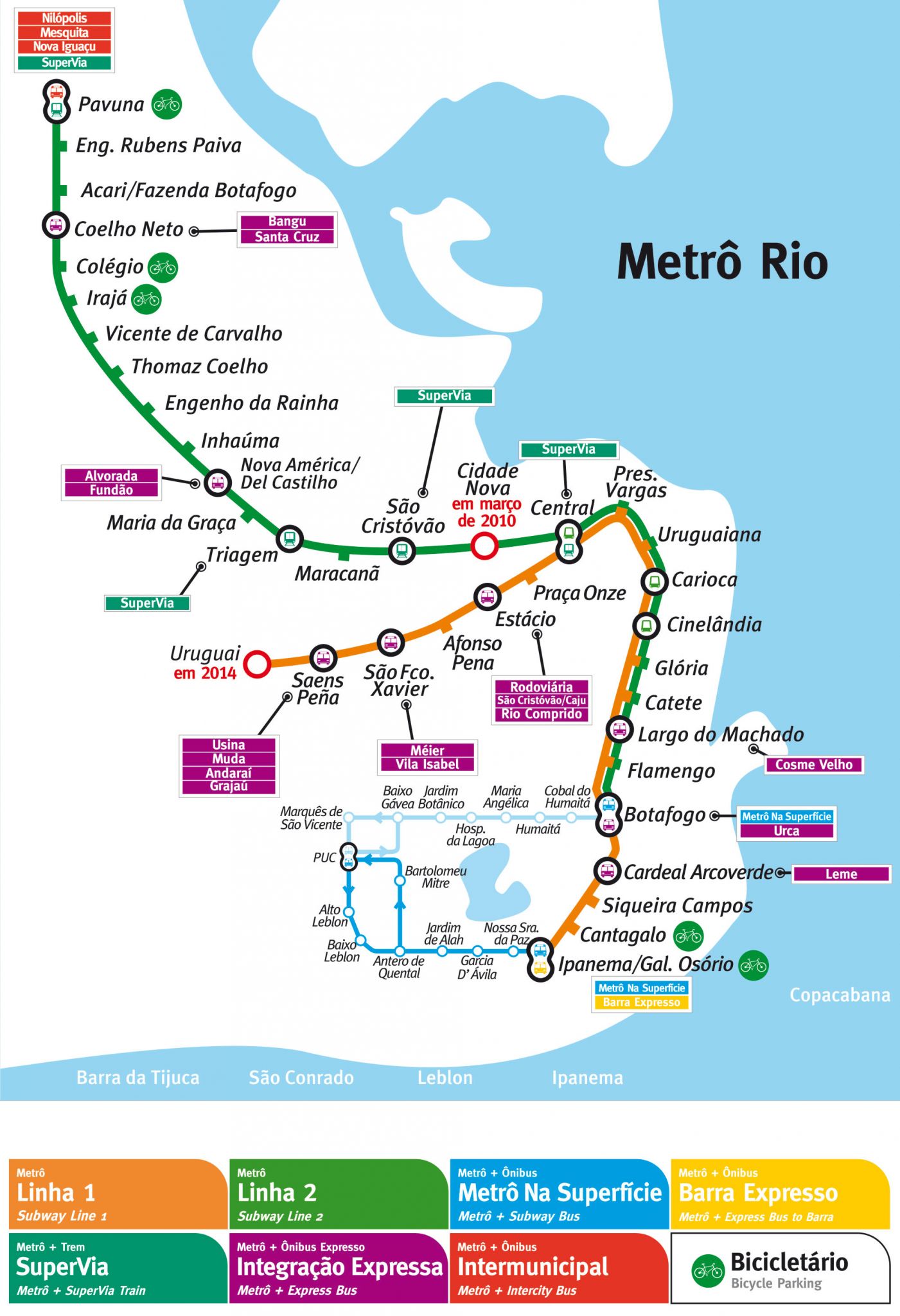
里约热内卢(葡萄牙语:Rio de Janeiro,葡萄牙语发音:[ˈʁi.u dʒi ʒɐˈnejɾu],意即“一月的河”),有时仅简称为里约(Rio),是位于巴西东南部的城市,为里约热内卢州首府,同时是巴西第二大城,仅次于圣保罗。面积1,256平方公里,人口6,094,183人(2005年)。其自1822年巴西建国以来一直为首都,至1960年4月21日迁都巴西利亚为止,更曾经成为前宗主国葡萄牙在本土被拿破仑入侵时(1808年–1821年)的流亡首都[3]。风景优美,每年吸引大量游客到此观光,市内的里约热内卢港是世界三大天然良港之一,而里约热内卢基督像也是世界新七大奇迹之一。其亦为第31届夏季奥运的主办地,是第一座举办夏季奥运的南美洲城市。
Rio de Janeiro [ˈʁi.u d(ʒi) ʒɐˈne(j)ɾu, ˈʁi.u d(ʑi) ʑɐˈne(j)ɾu] ist nach São Paulo die zweitgrößte Stadt Brasiliens und Hauptstadt des gleichnamigen Bundesstaates. Sie liegt an der Guanabara-Bucht im Südosten des Landes. Der Name (deutsch Fluss des Januar) beruht auf einem Irrtum des Seefahrers Gaspar de Lemos, der die Bucht am 1. Januar 1502 entdeckte und für die Mündung eines großen Flusses hielt. Im administrativen Stadtgebiet leben rund 6,7 Millionen Menschen (Schätzung 2018).[1] Die Metropolregion Rio de Janeiro hat rund 13,3 Millionen Einwohner (Schätzung 2018).[2] Somit gehört Rio de Janeiro zu den Megastädten dieser Erde.
Von 1815 bis 1821 war Rio de Janeiro Hauptstadt des Königreiches von Portugal und Brasilien und nach der Unabhängigkeit Brasiliens 1822 bis 1960 die Hauptstadt des Landes. Danach trat sie diese Funktion an Brasília ab, bleibt aber nach São Paulo bedeutendstes Handels- und Finanzzentrum des Landes. Von 1808 bis 1822 war die Stadt auch Sitz des portugiesischen Hofes, der wegen eines Angriffs durch Napoleon Bonaparte nach Brasilien flüchten musste. Die Bewohner der Stadt nennt man Cariocas, nach einem Wort aus der zum Tupí-Guaraní gehörenden Sprache der Tupinambá, welches „Hütte des weißen Mannes“ bedeutet.
Wahrzeichen von Rio de Janeiro sind der Zuckerhut, die 38 Meter hohe Christusfigur auf dem Gipfel des Corcovados und der Strand des Stadtteils Copacabana, der als einer der berühmtesten der Welt gilt. Die Stadt ist auch bekannt wegen des jährlich stattfindenden Karnevals von Rio. Die bunte Parade der Sambaschulen gehört zu den größten Paraden der Welt.
リオ・デ・ジャネイロ(葡: Rio de Janeiro, ブラジルポルトガル語発音: ヒウ・ヂ・ジャネイル)は、ブラジル南東部に位置するリオデジャネイロ州の州都。世界有数のメガシティであり、国内最大の観光都市である。港湾都市としても知られる。
人口は600万人を超え、サンパウロに次いでブラジル第2位にランクされる。経済規模(域内総生産)でもサンパウロに次いで第2位にあり、アメリカのシンクタンクが公表したビジネス・人材・文化・政治などを対象とした総合的な世界都市ランキングにおいて、世界第56位、国内ではサンパウロに次ぐ第2位の都市と評価された[1]。都市周辺の美しい文化的景観は「リオデジャネイロ:山と海との間のカリオカの景観群」として、2012年に世界遺産リストに登録された。2016年の第31回夏季オリンピックの開催都市である。
カーニバルで有名。コパカバーナ、イパネマ(英語版)などの世界的に有名な海岸を有し世界3大美港の一つに数えられる美しい都市である。都市のGDPは2010億ドルであり世界第30位、南米ではサンパウロ、ブエノスアイレスに次ぎ第3位である[2]。
1960年にブラジリアに遷都するまではブラジルの首都であった。また、1808年にナポレオンに本国領土を奪われたポルトガル王室が遷都してからブラジルが独立するまではポルトガルの首都であった。また、中南米有数の貿易港でもあるためにブラジルの経済的な中心地でもあった。近年は経済の中心地はサンパウロに移り、その地位が低下しているものの、依然として中南米有数の経済都市である。また、ブラジルのみならず世界でも有数の観光地としても、ショーロ、ボサノヴァを生んだ音楽の都としても名高い。
Rio de Janeiro (/ˈriːoʊ di ʒəˈnɛəroʊ, - deɪ -, - də -/; Portuguese: [ˈʁi.u d(ʒi) ʒɐˈne(j)ɾu];[3] River of January), or simply Rio,[4] is anchor to the Rio de Janeiro metropolitan area and the second-most populous municipality in Brazil and the sixth-most populous in the Americas. Rio de Janeiro is the capital of the state of Rio de Janeiro, Brazil's third-most populous state. Part of the city has been designated as a World Heritage Site, named "Rio de Janeiro: Carioca Landscapes between the Mountain and the Sea", by UNESCO on 1 July 2012 as a Cultural Landscape.[5]
Founded in 1565 by the Portuguese, the city was initially the seat of the Captaincy of Rio de Janeiro, a domain of the Portuguese Empire. Later, in 1763, it became the capital of the State of Brazil, a state of the Portuguese Empire. In 1808, when the Portuguese Royal Court transferred itself from Portugal to Brazil, Rio de Janeiro became the chosen seat of the court of Queen Maria I of Portugal, who subsequently, in 1815, under the leadership of her son, the Prince Regent, and future King João VI of Portugal, raised Brazil to the dignity of a kingdom, within the United Kingdom of Portugal, Brazil, and Algarves. Rio stayed the capital of the pluricontinental Lusitanian monarchy until 1822, when the War of Brazilian Independence began. This is one of the few instances in history that the capital of a colonising country officially shifted to a city in one of its colonies. Rio de Janeiro subsequently served as the capital of the independent monarchy, the Empire of Brazil, until 1889, and then the capital of a republican Brazil until 1960 when the capital was transferred to Brasília.
Rio de Janeiro has the second largest municipal GDP in the country,[6] and 30th largest in the world in 2008,[7] estimated at about R$343 billion (IBGE, 2008) (nearly US$201 billion). It is headquarters to Brazilian oil, mining, and telecommunications companies, including two of the country's major corporations – Petrobras and Vale – and Latin America's largest telemedia conglomerate, Grupo Globo. The home of many universities and institutes, it is the second-largest center of research and development in Brazil, accounting for 17% of national scientific output according to 2005 data.[8] Despite the high perception of crime, the city has a lower incidence of crime than Northeast Brazil, but it is far more criminalized than the south region of Brazil, which is considered the safest in the country.[9]
Rio de Janeiro is one of the most visited cities in the Southern Hemisphere and is known for its natural settings, Carnival, samba, bossa nova, and balneario beaches[10] such as Barra da Tijuca, Copacabana, Ipanema, and Leblon. In addition to the beaches, some of the most famous landmarks include the giant statue of Christ the Redeemer atop Corcovado mountain, named one of the New Seven Wonders of the World; Sugarloaf Mountain with its cable car; the Sambódromo (Sambadrome), a permanent grandstand-lined parade avenue which is used during Carnival; and Maracanã Stadium, one of the world's largest football stadiums. Rio de Janeiro was the host of the 2016 Summer Olympics and the 2016 Summer Paralympics, making the city the first South American and Portuguese-speaking city to ever host the events, and the third time the Olympics were held in a Southern Hemisphere city.[11] The Maracanã Stadium held the finals of the 1950 and 2014 FIFA World Cups, the 2013 FIFA Confederations Cup, and the XV Pan American Games.
Rio de Janeiro [ˈʁi.u d(ʒi) ʒɐˈnejɾu]2, souvent désignée simplement sous le nom de Rio, est la deuxième plus grande ville du Brésil après São Paulo. Située au sud-est du pays, elle est la capitale de l'État de Rio de Janeiro. Avec ses 6,1 millions d'habitants intra-muros (communément appelés Cariocas, la variante Carioques existant aussi en français) et 12,62 millions dans l'aire urbaine, Rio de Janeiro est l'une des métropoles les plus importantes du continent américain.
Elle est mondialement connue pour son carnaval, ses plages (Copacabana, Leblon et Ipanema) ainsi que sa statue du Christ Rédempteur au sommet du Corcovado. Elle fut capitale du Royaume-Uni de Portugal, du Brésil et des Algarves, à la suite de la fuite de la cour portugaise lors de l'invasion des troupes napoléoniennes (1808-1821), puis de l'Empire du Brésil (1822-1889), de la República Velha (1889-1930), de l’Estado Novo (1937-1945) et du début de la Deuxième République jusqu'en 1960.
La ville a accueilli les Journées mondiales de la jeunesse 2013, la finale de la Coupe du monde de football de 2014 et enfin, en 2016, les Jeux olympiques d'été.
Rio de Janeiro (pron. [ˈrio deʒaˈnɛiro];[2] letteralmente "Fiume di gennaio" in portoghese) è una città del Brasile, capitale dell'omonimo stato confederato. Rio è la seconda città del Brasile dopo San Paolo e fu la capitale dello Stato federale dal 1763 fino al 1960, dopo Salvador da Bahia e prima di Brasilia.
La città è famosa per le sue attrattive turistiche tra cui spiccano le spiagge di Copacabana e Ipanema, la gigantesca statua liberty del Cristo Redentore, situata sul monte del Corcovado, il monte del Pão de Açúcar (Pan di Zucchero), con la sua funivia, e il suo annuale carnevale, il più celebre al mondo.
La città è al centro della scena internazionale, avendo ospitato alcuni dei più grandi eventi mondiali degli ultimi anni: nel 2007 i XV Giochi Panamericani, nel 2013 la XXVIII Giornata Mondiale della Gioventù e nel 2016 i giochi della XXXI Olimpiade. È stata inoltre una delle città in cui si è disputato il Campionato del mondo di calcio 2014.
Rio de Janeiro contiene anche la più grande foresta all'interno di un'area urbana, la foresta di Tijuca.
L'attuale sindaco è Marcelo Crivella, in carica dal 1º gennaio 2017, del PRB.
Río de Janeiro1 (en portugués, Rio de Janeiro, AFI: [ˈʁi.u dʒi ʒaˈnejɾu]), fundada como São Sebastião do Rio de Janeiro,3 es una ciudad, municipio brasileño y capital del estado homónimo, ubicada en el sureste del país. Es la segunda ciudad más poblada del país después de São Paulo.4
Fue la capital del Reino de Portugal entre 1808 y 1822 y la capital del Imperio del Brasil desde 1822, cuando la nación declaró su independencia del país luso y conservó ese rango hasta la inauguración de Brasilia, en 1960.
Es uno de los principales centros económicos, de recursos culturales y financieros del Brasil. Es conocida internacionalmente por sus iconos culturales y paisajes, como el Pan de Azúcar, la estatua del Cristo Redentor (una de las siete maravillas del mundo moderno), las playas de Copacabana e Ipanema, el Estadio de Maracaná, el Parque Nacional de Tijuca (el mayor bosque urbano del mundo), la Quinta da Boa Vista, la isla de Paquetá, las Fiestas de Fin de Año en Copacabana y la celebración del Carnaval
Representa el segundo mayor PIB en el país y 30.º mayor del mundo, además de ser sede de dos de las más importantes empresas brasileñas —Petrobras y Vale do Rio Doce, ahora privatizada— y las principales empresas de petróleo y la telefonía, así como del mayor conglomerado de compañías de medios y comunicaciones de Latinoamérica.[cita requerida] Es el segundo centro más grande de investigación y desarrollo en Brasil, alcanzando el 17% de la producción científica nacional (según datos de 2005).
Río de Janeiro es considerada una ciudad global Beta- por el inventario de 2008 de la Universidad de Loughborough (GaWC).5
Es conocida mundialmente como la "Ciudad Maravillosa" (Cidade Maravilhosa), en portugués, albergó la Copa Mundial de Fútbol de 1950, la Copa Confederaciones 2013, la Jornada Mundial de la Juventud 2013, la Copa Mundial de Fútbol de 2014 y los Juegos Olímpicos de Río de Janeiro 2016.
Ри́о-де-Жане́йро, или, сокращённо, Рио (порт. Rio de Janeiro, буквально — январская река) — город в Бразилии, административный центр одноимённого штата.
Население — 6,4 млн человек (2014), это второй по величине город страны и четвёртый Южной Америки. Образует агломерацию с населением 12 млн человек (2011 год)[6]. Крупный финансовый центр и морской порт на континенте, научный центр.
Расположен на берегу залива Гуанабара Атлантического океана, на узкой равнине, зажатой с двух сторон горами и морем. Климат тропический[1][2]. Местность открыта португальским мореплавателем Гашпаром ди Лемушем, принявшим залив Гуанабара за реку, которую назвали Январской рекой[уточнить]. В 1531 году основан португальский форт Сан-Себастьян де-Рио-де-Жанейро. С 1763 — столица вице-королевства Бразилии, с 1822 года — столица независимой Бразильской империи, в 1889—1960 годы — столица республики Соединённых штатов Бразилии.
Исторический центр с постройками XVI—XIX веков. Побережье вместе с пляжем Копакабана, горой Сахарная Голова и статуей Христа внесено в список Всемирного наследия ЮНЕСКО[7].
 Transport and traffic