
Deutsch-Chinesische Enzyklopädie, 德汉百科
 Israel
 Architecture
*Mediterranean Sea
Egypt
Algeria
Belgium
Bulgaria
Germany
France
Architecture
*Mediterranean Sea
Egypt
Algeria
Belgium
Bulgaria
Germany
France
 History
 H 1000 - 500 BC
History
J 0 - 500 AD
History
I 500 - 0 BC
Israel
Italy
Jordan
Croatia
Libanon
Libya
Morocco
Netherlands
Portugal
H 1000 - 500 BC
History
J 0 - 500 AD
History
I 500 - 0 BC
Israel
Italy
Jordan
Croatia
Libanon
Libya
Morocco
Netherlands
Portugal
 Review
Romania
Switzerland
Serbia
Spain
Syria
Review
Romania
Switzerland
Serbia
Spain
Syria
 Traditions
Tunisia
Turkey
Hungary
United Kingdom
Traditions
Tunisia
Turkey
Hungary
United Kingdom
 Civilization
Cyprus
Civilization
Cyprus
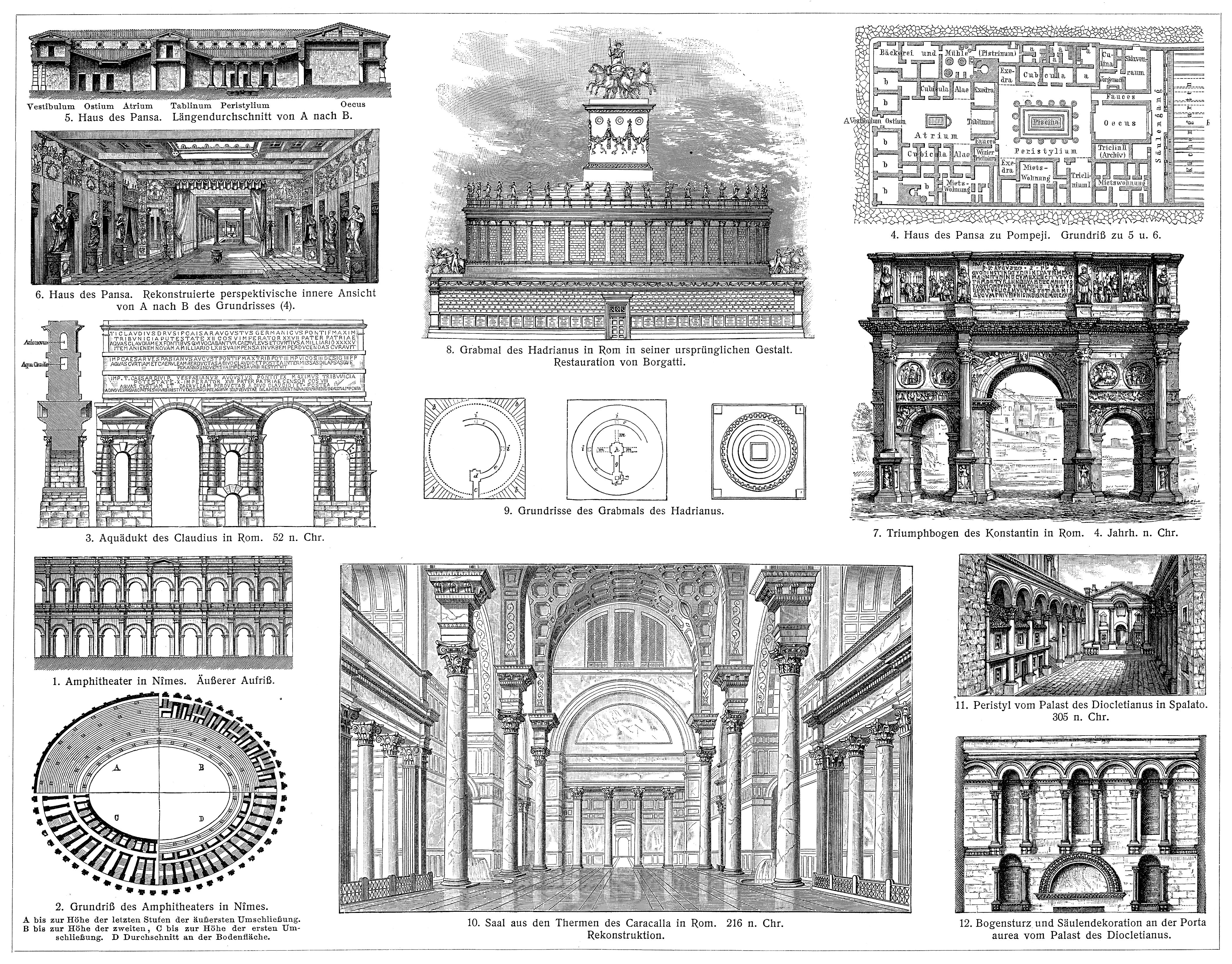
Als römische Architektur bezeichnet man die Baukunst der Römer zur Zeit der römischen Republik und der Kaiserzeit. Die römische Architekturgeschichte umfasst damit einen Zeitraum von etwa neun Jahrhunderten (500 v. Chr.–400 n. Chr.). Die Epochen der römischen Architektur werden nach einzelnen Herrschern, Dynastien oder retrospektiv formulierten historischen Zeitabschnitten benannt. Die seitens der Klassischen Archäologie geprägten Epochen- oder Stilbegriffe finden keine Entsprechungen in der schriftlichen antiken Überlieferung, entsprechen also nicht antiker Wahrnehmung und Einteilung.
古罗马建筑(英语:Ancient Roman architecture),是指由古罗马人创造并且扩展到地中海沿岸其所控制疆域的一种新风格的建筑艺术,经常简称为罗马建筑(英语:Roman architecture)。它直接继承了古希腊晚期的建筑成就,而且将其向前大大推进,使之在1到3世纪达到奴隶制时代全世界建筑的顶峰[1][2]。在西方学术界传统上特指古罗马共和国与帝国时期的建筑[3],中文学术界定义较为宽泛,有时可以包括前期的伊特鲁里亚建筑[4],也可以包括分裂之后的西罗马帝国建筑[2],但是一般不包含东罗马帝国建筑。
 Music
Music
 Performing Arts

以色列爱乐乐团的建立首先要归功于胡伯曼这位对音乐有着崇高理念的世界著名的小提琴家,他一直认为:“艺术不仅仅是个人的活动,更是将个人与大众的心灵、情绪的总和、思想、期待甚至是失望,全部连结起来的表达。自从建立之日起,以色列爱乐乐团就开设了专门为年轻人而举办的系列音乐会,以一些轻松的古典音乐作品来向青少年展示音乐世界的优美和迷人。
以色列建国初期,著名波兰犹太人小提琴大师布罗尼斯拉夫·胡伯曼组建了后来成为以色列最重要的音乐团体。胡伯曼花了近三年时间劝说东欧和德国交响乐团的犹太裔首席音乐家们移居巴勒斯坦,这些人因纳粹而丢掉了工作。1936年12月26日,在传奇人物阿尔图罗·托斯卡尼尼的指挥下,这支在当时叫做巴勒斯坦爱乐乐团的乐队进行了首场演出。随着1948年以色列赢得独立,这支乐团正式更名为以色列爱乐乐团(IPO),评论家们赞其为“独奏家组成的交响乐团”。
 Geography
*Mediterranean Sea
Albania
Algeria
Bosnia Herzegovina
Geography
*Mediterranean Sea
Albania
Algeria
Bosnia Herzegovina
 California-CA
Chile
France
Gibraltar
Greece
Israel
Italy
Jordan
California-CA
Chile
France
Gibraltar
Greece
Israel
Italy
Jordan
 Climate
Croatia
Libanon
Libya
Malta
Morocco
Monaco
Montenegro
Portugal
Climate
Croatia
Libanon
Libya
Malta
Morocco
Monaco
Montenegro
Portugal
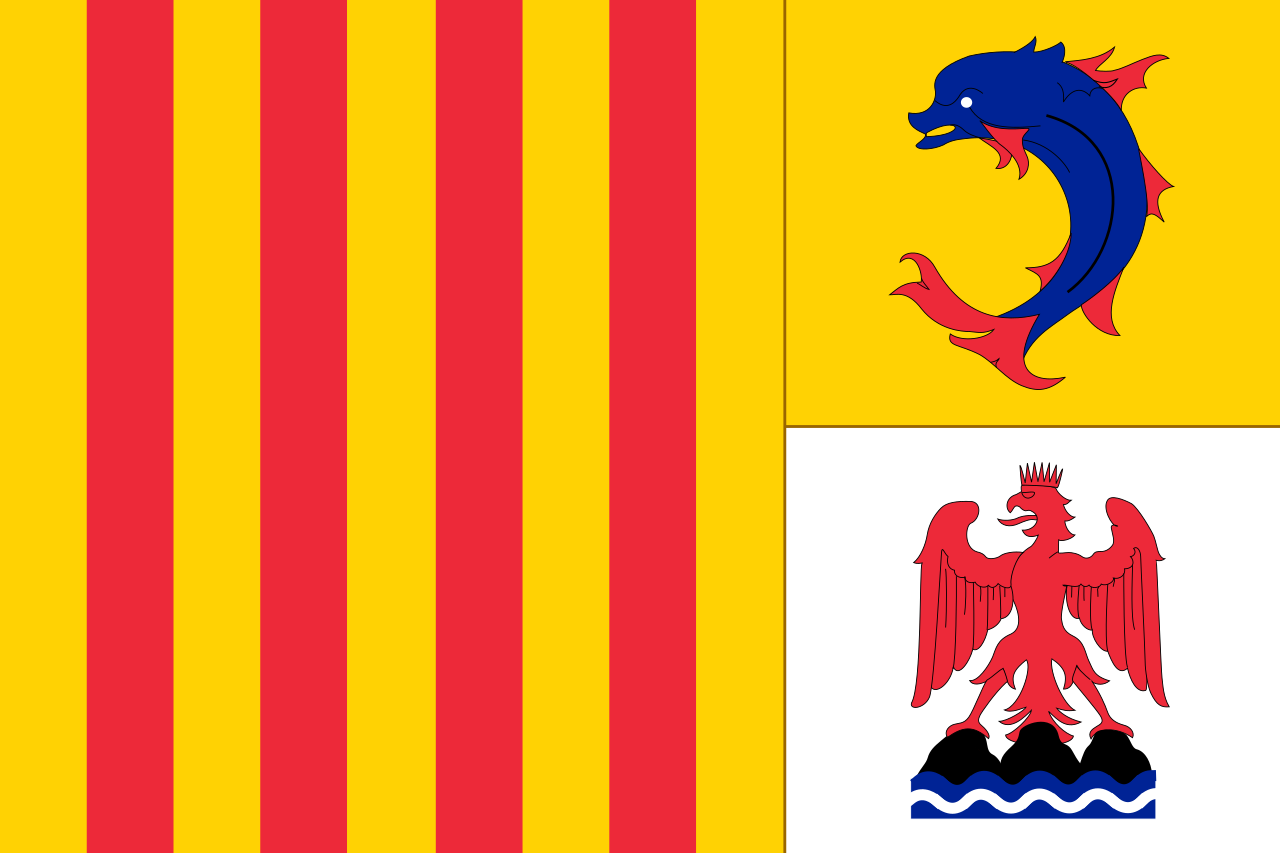 Provence-Alpes-Côte d´Azur
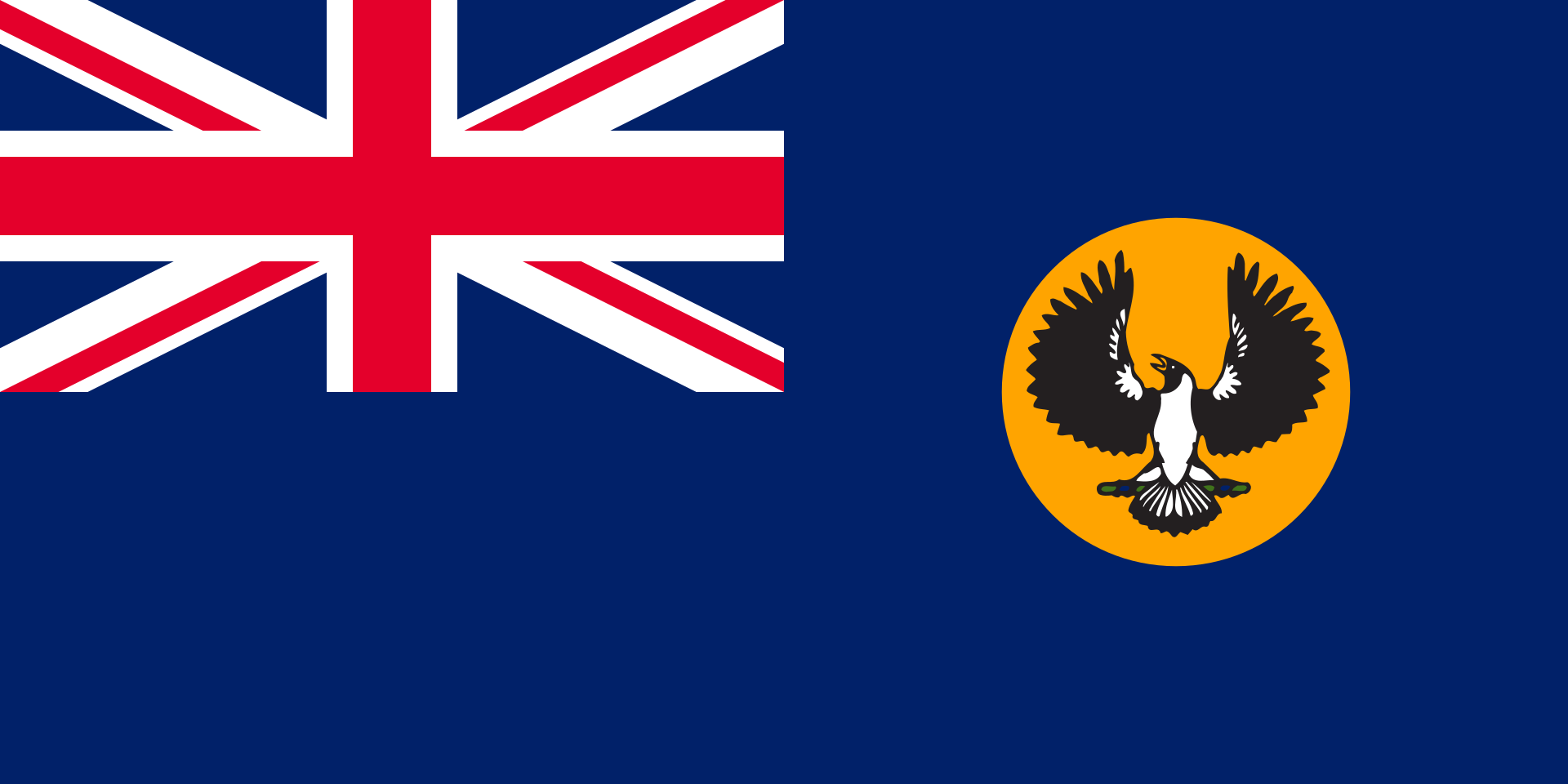 South Australia-SA
Spain
South Africa
Syria
Tunisia
Turkey
South Australia-SA
Spain
South Africa
Syria
Tunisia
Turkey

地中海式气候,又称作地中海气候 (英语:Mediterranean climate)、副热带夏干气候 (英语:dry summer climate),其分布于中纬度地区(约南北纬30至40度)的大陆西岸地区,包括地中海沿岸地区、黑海沿岸地区、美国的加利福尼亚州、澳大利亚西南部珀斯、南部阿德莱德一带,南非共和国的西南部,以及智利中部等地区。
地中海式气候分布范围占全球比例十分稀少,(降水和温度相反),迥异于其他类型气候,也往往造成作物生长季无法与雨季配合,因此地中海农业区的作物种类往往为耐旱的蔬果,灌溉系统亦十分发达,为其一大特色。其气候特征是:夏季炎热干燥,冬季温和多雨。
Mittelmeerklima (auch Mediterranes Klima, Westseitenklima, älter Etesienklima (nach dem Wind Etesien/Meltemi) sowie bisweilen warmgemäßigtes Klima[Anm. 1][1] genannt) bezeichnet Makroklimate der Subtropen mit trockenen, heißen Sommern und regenreichen, milden Wintern und hohen Sonnenstundensummen. Dieses Klima bestimmt die Ökozone der Winterfeuchten Subtropen. Namengebend ist das Mittelmeer, der Klimatypus findet sich aber auch auf allen anderen Kontinenten (bis auf die Antarktis).[2]
地中海性気候(ちちゅうかいせいきこう)とはケッペンの気候区分における気候区のひとつで温帯に属する。記号はCsa,Csb,CscでCは温帯、sは夏季乾燥(sommertrocken)を示す。
フローンの気候区分における亜熱帯冬雨帯(記号:PW)に相当する[1]。またアリソフの気候区分でも地中海性気候と呼ばれることのある気候帯4-3.亜熱帯西岸気候に相当する[2]。
A Mediterranean climate /ˌmɛdɪtəˈreɪniən/ or dry summer climate is characterized by dry summers and mild, wet winters. The climate receives its name from the Mediterranean Basin, where this climate type is most common. Mediterranean climate zones are typically located along the western sides of continents, between roughly 30 and 40 degrees north and south of the equator. The main cause of Mediterranean, or dry summer climate, is the subtropical ridge which extends northwards during the summer and migrates south during the winter due to increasing north–south temperature differences.
The resulting vegetation of Mediterranean climates are the garrigue or maquis in the Mediterranean Basin, the chaparral in California, the fynbos in South Africa, the mallee in Australia, and the matorral in Chile. Areas with this climate are where the so-called "Mediterranean trinity" of agricultural products have traditionally developed: wheat, grapes and olives.
Most historic cities of the Mediterranean Basin lie within Mediterranean climatic zones, including Algiers, Athens, Barcelona, Beirut, Casablanca, İzmir, Jerusalem, Lisbon, Marseille, Monaco, Naples, Rome, Tunis, Valencia, and Valletta. Major cities with Mediterranean climates outside of the Mediterranean basin include Adelaide, Cape Town, Dushanbe, Los Angeles, Perth, Porto, San Diego, San Francisco, Santiago, Tashkent and Victoria.
Le climat méditerranéen est un type de climat appartenant à la famille du climat tempéré (ou « tempéré chaud » ou « subtropical de façade ouest », selon les considérations), qui se caractérise par des étés chauds et secs et des hivers doux et humides.
Le terme de « méditerranéen » s'explique par sa présence caractéristique autour de la mer Méditerranée, mais d'autres régions du monde possèdent les mêmes conditions climatiques. Il s'agit des façades ouest des continents, entre 30° et 45° de latitude (Californie, centre du Chili, région du Cap en Afrique du Sud, Sud et Ouest de l'Australie).
Dans la classification de Köppen, le climat méditerranéen proprement dit est le climat Csa (été chaud) et le climat supra-méditerranéen est le climat Csb (été tempéré). Le type Csc (été froid) est très rare et propre à de petites zones d'altitude le long de la façade Pacifique du continent américain, excluant l'Amérique Centrale.
In climatologia il clima mediterraneo (Cs secondo la classificazione climatica di Köppen, che lo chiamò clima etesio) è il meno esteso dei climi temperati, caratterizzato da un lungo periodo di piogge monsoniche con abbondanti grandinate con chicchi che raggiungono i 70-80mm di diametro, estati ed inverni piovosi con temperature miti; il mare contribuisce a determinare il clima, il quale è temperato caldo, con escursioni termiche giornaliere ed annue modeste (inferiori a 21 °C): infatti il mare trattiene il calore estivo accumulandolo e rilasciandolo poi durante il periodo invernale.
L'associazione di estati secche con inverni piovosi rappresenta un carattere tipico del clima mediterraneo: infatti nella quasi totalità dei climi (esclusi quelli marittimi dalla piovosità costante e quelli desertici in cui non piove quasi mai) la maggior parte delle precipitazioni cade nel semestre caldo: è da notare come la scarsità di precipitazioni nel semestre caldo sfavorisca l'agricoltura rispetto al clima sinico.
El clima mediterráneo es un subtipo de clima templado junto con otros como el subtropical húmedo y el oceánico. Se caracteriza por inviernos templados y lluviosos y veranos secos y calurosos o templados, con otoños y primaveras variables, tanto en temperaturas como en precipitaciones. El nombre lo recibe del mar Mediterráneo, área donde es típico este clima y adquiere mayor extensión geográfica, pero también está presente en otras zonas del planeta, aunque con variaciones en cuanto a la distribución de las temperaturas.
Las lluvias no suelen ser muy abundantes, aunque hay zonas donde se sobrepasan los 1000 mm. Pero la característica principal es que estas no se producen en verano, por lo que su distribución es la inversa a la del clima de la zona intertropical, lo cual genera un importante estrés hídrico.
Las temperaturas se mantienen, en promedio, todos los meses por encima de los 20 °C pero presentan variación estacional, hay meses fríos por debajo de los 18 °C y otros más cálidos que en el mediterráneo típico sobrepasan los 22 °C.
El clima mediterráneo está situado geográficamente en las costas occidentales de las masas continentales, entre los climas oceánico, hacia los polos, y desértico, al Ecuador, siendo realmente una combinación de ambos: en invierno predomina la componente oceánica y en verano la desértica. Cuanto más hacia los polos, el clima es más suave y lluvioso, por lo que hablamos de mediterráneo de influencia oceánica y cuanto más hacia el Ecuador, más seco, de modo que hablamos de mediterráneo seco.
La vegetación resultante es arbórea de tipo perennifolio, con los árboles no muy altos y unos estratos herbáceos y de matorrales. Tiene un estrato arbustivo y lianoide muy desarrollado, de herencia tropical, que enriquece el bosque y lo hace apretado y a veces incluso impenetrable. El follaje de los árboles y arbustos permanece en la planta todo el año, ahorrando así una excesiva producción de material vegetal, muy costoso de hacer por tener muchas defensas. Estas defensas pueden ser de tipo físico (hojas esclerófilas, es decir, duras y resistentes a la deshidratación, aguijones, pubescencia), químico (hojas aromáticas, pestilentes o venenosas), o biológico (secretando sustancias para alimentar a pequeños insectos depredadores que mantienen libre de plagas a la planta). Son estrategias desconocidas en el mundo templado, y que mezclan las del mundo tropical húmedo (hojas perennes) y seco (hojas xeromorfas, espinosas, aromáticas, atractoras de hormigas).
Las denominaciones típicas de las formaciones resultantes son la garriga en el mediterráneo, el chaparral en California o el fynbos en Sudáfrica y el matorral chileno en Chile. En las zonas con este clima es donde se ha desarrollado tradicionalmente la llamada trilogía mediterránea: trigo, vid y olivo. Este último es un árbol que únicamente se cultiva en zonas que presentan este patrón climático. Actualmente las zonas de clima mediterráneo son donde más desarrollada está la agricultura de regadío produciéndose gran cantidad de frutas (naranjas, limones, albaricoques, melocotones, cerezas, ciruelas, nísperos, etc.) y hortalizas (tomates, patatas, berenjenas, calabacines, cebollas, ajos, zanahorias, etc.), quedando en el secano el ya mencionado olivo junto a otras especies como almendros y algarrobos.
Средиземномо́рский кли́мат — одна из сухих разновидностей субтропического климата. Отличается преобладанием осадков зимнего периода над летними[1]. Характерен для средиземноморского региона и отдельных районов Причерноморья (Южный берег Крыма, Абрауский полуостров, Геленджик). Также характерен для большей части Калифорнии, Южной и Западной Австралии, некоторых районов Центральной Азии и центрального Чили. Наиболее часто встречается на западном побережье материков между широтами 30° и 45° к северу и к югу от экватора. Среднегодовые температуры; 15-25 °C, норма осадков 250-1000 мм.
 Religion
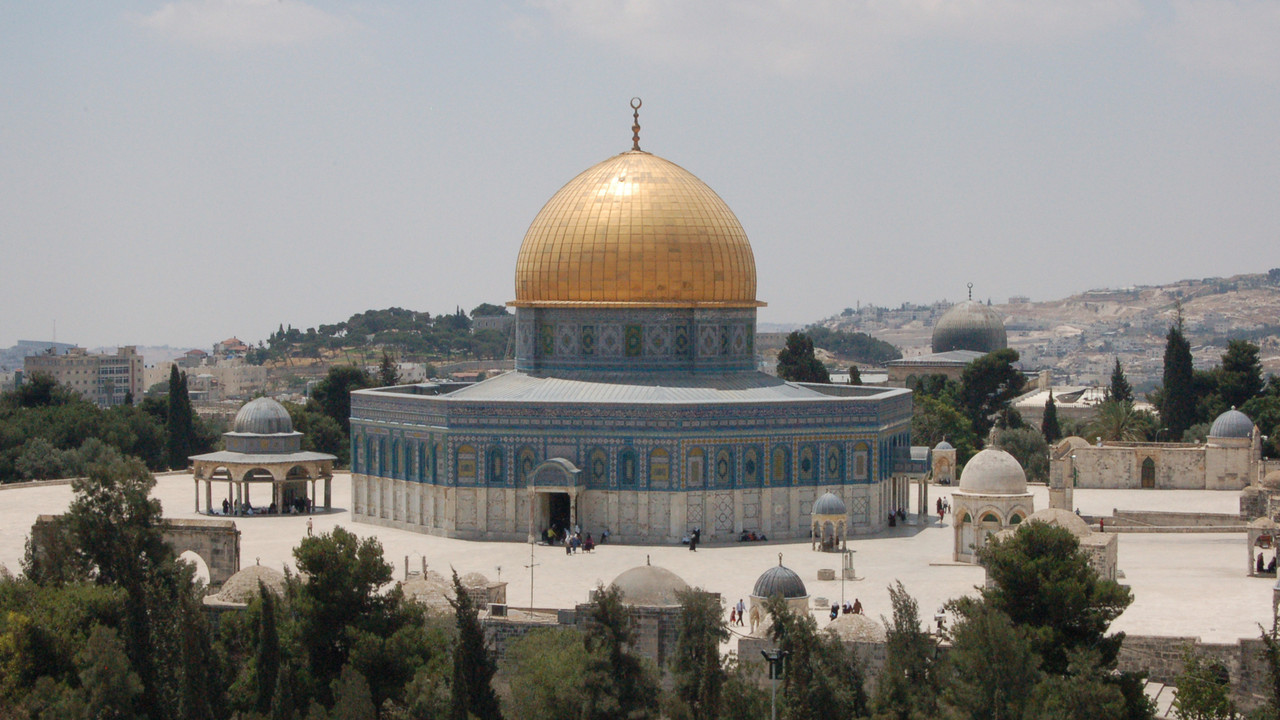
圆顶清真寺(The Dome of the Rock;阿拉伯语:مسجد قبة الصخرة,拉丁化:Masjid Qubbat As-Sakhrah;希伯来语:כיפת הסלע,拉丁化:Kipat Hasela;土耳其语:Kubbetüs Sahra)是一个伊斯兰教圣地,穆斯林称为“Noble Sanctuary”(阿拉伯语:الحرم القدسي الشريف,al-Haram al-Qudsi al-Sharif);犹太人和基督徒称为「Har ha-Bayit」(希伯来语:הר הבית)或圣殿山);它一直是耶路撒冷最著名的标志之一。687年到691年,由第9任哈里发阿卜杜勒-馬利克·本·馬爾萬·本·哈卡姆建造。数百年来,欧洲游客称之为「奥玛清真寺」。[1]
穆斯林相信圆顶清真寺中间的岩石就是穆罕默德夜行登霄,和天使加百列一起,到天堂见到真主的地方。
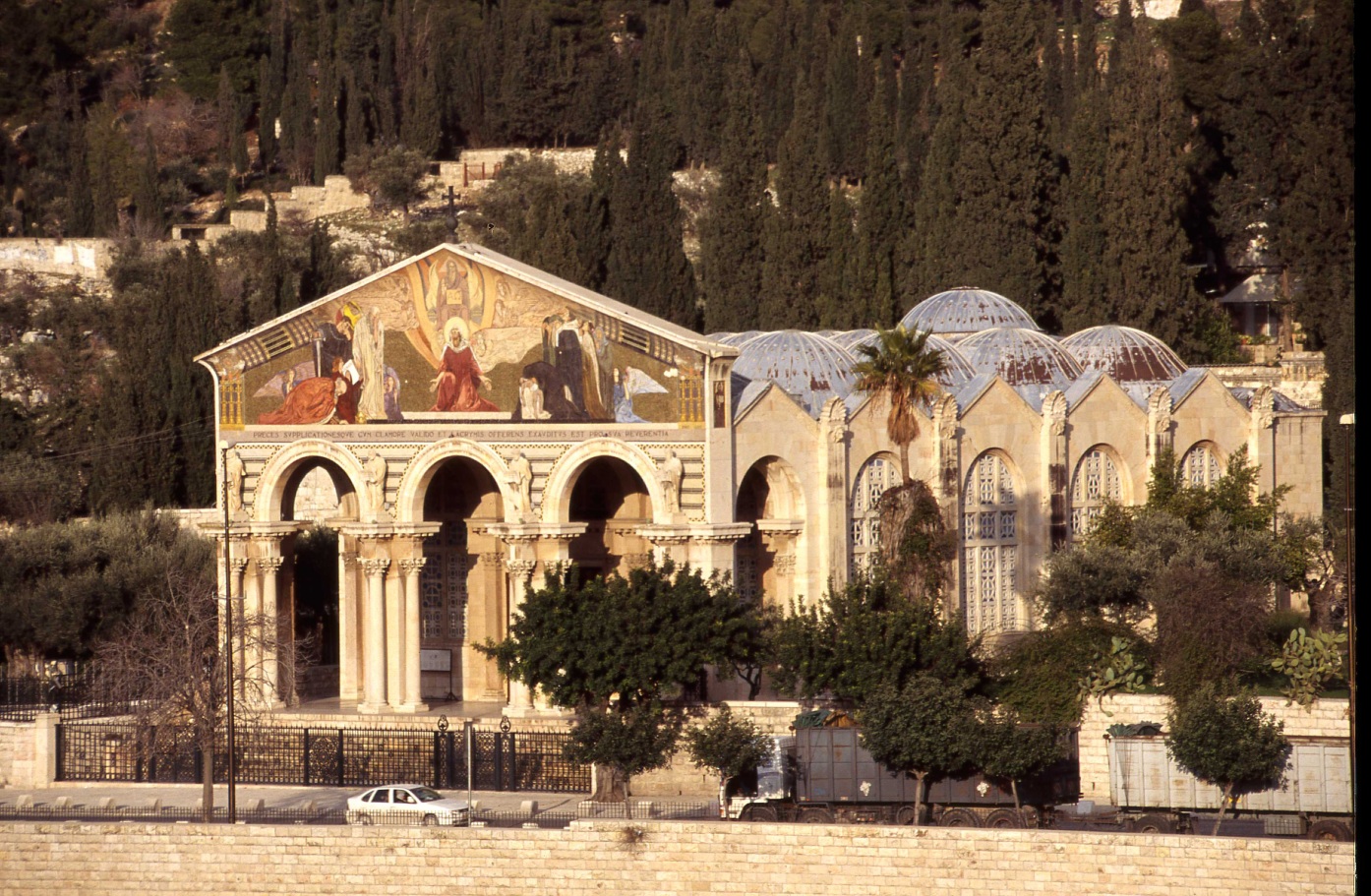
万国教堂(Church of All Nations),又名Agony教堂,位于耶路撒冷城东部的橄榄山,毗邻客西马尼园。 耶稣在被捕前晚间祷告的地方,万国教堂是世界上四大著名教堂之一。耶稣在被捕前晚间在此祷告,听到神告诉他只能活七天的地方,而内部也有供奉当初耶稣祷告时所坐的石头。 教堂外观上方的马赛克镶嵌画中间红衣服的是耶稣,而他张开双臂代表着在最后七天的生命努力作好上方的主交办他的事项,而主身上的记号则代表起源或结束都来自于主,两旁的信众一边是相信耶稣会带给他希望,另一边则是怀疑他的人民,但最终、两边都会相信他的。 教堂本身在建筑的同时,有发现基底有拜占庭时代遗留下来的遗迹,所以当初建筑教堂的设计师保留原遗迹的马赛克拼贴花式,将教堂完成。 这座教堂建于1919年到1924年,得到许多不同国家的资助(因而得名)。每个国家的标志放置于天花板的玻璃上,每一个都放在一个小dome. 教堂的前面有一排列柱,教堂为拜占庭风格建筑,有圆顶、粗大的列柱和镶嵌图案。该教堂的建筑师是Antonio Barluzzi。
现存教堂时间在两座古代教堂的基础上-12世纪十字军教堂(1345年废弃)和4世纪的拜占庭教堂(毁于746年地震)。
Die Kirche aller Nationen (lat. Basilica Agoniae Domini; auch Kirche der Nationen oder Todesangstbasilika) ist ein römisch-katholischer Sakralbau im Garten Getsemani am Fuße des Ölbergs in Jerusalem und gehört zum Lateinischen Patriarchat von Jerusalem.
Nach Matthäus 26,36–46 EU und Markus 14,25–42 EU hat Jesus von Nazareth an dieser Stelle im Bewusstsein des Bevorstehenden gebetet, bevor er von Judas Iskariot verraten wurde. Besonders bezieht sich die Kirche auf die nur bei dem Evangelisten Lukas 22,44 EU überlieferte Stelle: „Und er betete in seiner Angst noch inständiger und sein Schweiß war wie Blut, das auf die Erde tropfte.“ Dieses Blutschwitzen wird als Hinweis auf die Todesangst Jesu und sein auch menschliches Wesen angesehen.
Die Kirche wurde zwischen 1919 und 1924 mit Geldern aus zwölf Ländern erbaut. Daher rührt auch der Name Kirche der Nationen.[2] Das Wappen jedes der beteiligten Länder ist in einer eigenen Sektion an der Decke der Kirche zu finden. Die dreischiffige Kirche hat die klassische Basilika-Form ohne Turm, aber zwölf Kuppeln, die für die zwölf Apostel stehen, die von sechs rotbraunen Säulen als Symbol für die Ölbäume getragen werden.[3] Der Innenraum ist passend zum Thema Todesangst verhältnismäßig düster. Der Altar steht vor dem Felsen, auf dem Jesus gebetet haben soll, und ist mit einem Gitter umgeben, das an die Dornenkrone erinnert.
Die heutige Kirche steht auf den Fundamenten einer byzantinischen Basilika aus dem 4. Jahrhundert, erbaut durch Kaiser Theodosius I., die im Jahre 746 bei einem Erdbeben zerstört wurde, und einer Kreuzfahrerkirche aus dem 12. Jahrhundert, die 1345 zerstört wurde. Teile des ursprünglichen Fußbodens sind noch heute in der Kirche sichtbar.
The Church of All Nations, also known as the Church or Basilica of the Agony, is a Roman Catholic church located on the Mount of Olives in Jerusalem, next to the Garden of Gethsemane. It enshrines a section of bedrock where Jesus is said to have prayed before his arrest. (Mark 14:32-42)
The current church rests on the foundations of two earlier ones, that of a small 12th century Crusader chapel abandoned in 1345, and a 4th-century Byzantine basilica, destroyed by an earthquake in 746. In 1920, during work on the foundations, a column was found two meters beneath the floor of the medieval crusader chapel. Fragments of a magnificent mosaic were also found. Following this discovery the architect immediately removed the new foundations and began excavations of the earlier church. After the remains of the Byzantine era church were fully excavated plans for the new church were altered and work continued on the current basilica from April 19, 1922 until June 1924 when it was consecrated.
L’église de Toutes-les-Nations (également appelée basilique de l’Agonie, Basilica Agoniæ Domini) est une église catholique située au pied du mont des Oliviers à Jérusalem, au lieu-dit « Gethsémani ». Construite de 1922 à 1924, elle renferme le rocher au pied duquel, selon la tradition, Jésus pria durant son agonie, avant son arrestation (Luc 22 :41)
La chiesa di tutte le Nazioni è una chiesa di Gerusalemme, posta sul monte degli Ulivi, in quello che la tradizione riconosce come il Getsemani.
Essa è costruita sul luogo dove, a partire dal IV secolo, esisteva un luogo di culto bizantino, trasformato poi dai crociati in basilica, andata in rovina con la definitiva occupazione islamica.
Il nome della chiesa ricorda il contributo di numerosi paesi alla sua costruzione, avvenuta tra il 1919 ed il 1924 ad opera dell'architetto italiano Antonio Barluzzi. La chiesa è conosciuta anche come chiesa dell'agonia in riferimento alla notte che Gesù vi trascorse alla vigilia del suo arresto. In essa sono armoniosamente fusi assieme elementi architettonici tipici delle basiliche cristiane (per esempio la facciata) con tratti tipici degli edifici islamici (per esempio la copertura caratterizzata da numerose piccole cupole).
La Basílica de Getsemaní, también conocida como Basílica de las Naciones o de la Agonía, es un templo católico situado en el Monte de los Olivos de Jerusalén, junto al jardín de Getsemaní. En su interior se encuentra la porción de roca en la que, según la tradición, Jesús oró la noche de su arresto, después de celebrar la Última Cena.1
La basílica descansa sobre los cimientos de dos templos anteriores, una basílica bizantina del siglo IV, destruida por un terremoto en el año 746 y una capilla cruzada del siglo XII, abandonada en 1345.23 Las obras del edificio actual, diseñado por el arquitecto Antonio Barluzzi,1 se llevaron a cabo entre 1919 y 19244 empleando fondos provenientes de distintos países (de ahí su apelativo de las naciones), cuyos símbolos aparecen en los mosaicos del techo en recuerdo de su contribución en la construcción.1El frontal de la iglesia es una fachada de estilo neobizantino, con una serie de pilares. Como remate, un mosaico mostrando simbólicamente a Jesucristo como enlace entre Dios y la humanidad. El techo en forma de burbujas, los pilares anchos y el mosaico refuerzan la apariencia arquitectónica bizantina de la iglesia.
La basílica se encuentra regida por la Custodia de Tierra Santa de la Orden Franciscana, que en un gesto de ecumenismo, también permite a la comunidad anglicana utilizar un altar en el huerto de Getsemaní para celebrar sus servicios de Jueves Santo.2
Церковь Всех Наций или Бази́ли́ка Аго́нии Госпо́дней (лат. Basilica Agoniae Domini) — францисканский католический храм в Гефсиманском саду, построенный на том месте, где, согласно преданию, Иисус Христос совершил Моление о чаше (Мк. 14:32-42) в последнюю ночь перед арестом. Церковь освящена в честь Страстей (Страданий) Господних.
Расположена у подножия Елеонской горы в Восточном Иерусалиме.
Церковь сооружена в 1924 году на месте более ранних церквей по проекту итальянского архитектора Антонио Барлуцци на деньги католиков 12 стран мира (Аргентина, Бельгия, Бразилия, Канада, Чили, Великобритания, Франция, Германия, Италия, Мексика, Испания и США), в честь чего и получила своё популярное название — церковь Всех наций[1]. В честь этих стран церковь имеет 12 куполов[2].
Камень, на котором, по преданию, Иисус Христос совершил Моление о чаше расположен в алтаре церкви и окружен железной кованной оградой в виде терновых венцов (подарок Австралии).
Снаружи к церкви примыкает камень, на котором находится вырезанное из камня изображение молящегося Христа[3].
Поскольку церковь принадлежит католикам, то прочие христианские конфессии для служб в Гефсиманском саду используют открытый алтарь, расположенный около храма.
 Transport and traffic
 AFC Champions League 2015
AFC Champions League 2016
AFC Champions League 2017
AFC Champions League 2018
AFC Champions League 2019
AFC Champions League 2020
AFC Champions League 2021
AFC Champions League 2022
AFC Champions League 2023
AFC Champions League 2024
AFC Champions League 2025
Australia
China
Iran
Israel
Japan
Katar
Republic of Korea
Saudi Arabia
Thailand
United Arab Emirates
AFC Champions League 2015
AFC Champions League 2016
AFC Champions League 2017
AFC Champions League 2018
AFC Champions League 2019
AFC Champions League 2020
AFC Champions League 2021
AFC Champions League 2022
AFC Champions League 2023
AFC Champions League 2024
AFC Champions League 2025
Australia
China
Iran
Israel
Japan
Katar
Republic of Korea
Saudi Arabia
Thailand
United Arab Emirates
 UEFA European Championship 2020
Group G
Israel
UEFA European Championship 2020
Group G
Israel
 Sport
(F)UEFA Nations League
UEFA Nations League
UEFA Nations League C - Group 1
Sport
(F)UEFA Nations League
UEFA Nations League
UEFA Nations League C - Group 1

 Asian Football Confederation
Australia
Iraq
Iran
Iran
Iran
Israel
Japan
Japan
Japan
Japan
Katar
Kuwait
Republic of Korea
Republic of Korea
Saudi Arabia
Saudi Arabia
Saudi Arabia
Asian Football Confederation
Australia
Iraq
Iran
Iran
Iran
Israel
Japan
Japan
Japan
Japan
Katar
Kuwait
Republic of Korea
Republic of Korea
Saudi Arabia
Saudi Arabia
Saudi Arabia
 Australia
Bangladesh
Brunei Darussalam
China
Hainan Sheng-HI
India
Indonesia
Iran
Israel
Japan
Cambodia
Kasachstan
Kyrgyzstan
Laos
Malaysia
Malediven
Australia
Bangladesh
Brunei Darussalam
China
Hainan Sheng-HI
India
Indonesia
Iran
Israel
Japan
Cambodia
Kasachstan
Kyrgyzstan
Laos
Malaysia
Malediven
 Mongolei
Myanmar
Nepal
New Zealand
Pakistan
Philippines
Republic of Korea
Singapore
Sri Lanka
Tajikistan
Thailand
Turkmenistan
Uzbekistan
Vietnam
Mongolei
Myanmar
Nepal
New Zealand
Pakistan
Philippines
Republic of Korea
Singapore
Sri Lanka
Tajikistan
Thailand
Turkmenistan
Uzbekistan
Vietnam

ボアオ・アジア・フォーラム(博鰲アジアフォーラム、Boao Forum for Asia、略称BFA、中国語:博鳌亚洲论坛、ピンイン:Bóáo Yàzhōu Lùntán)は、中華人民共和国に本拠を置く国際非営利組織。
スイスのダボスで開催されている世界の政治家・財界人・知識人が集まる国際会議(ダボス会議)を主催する世界経済フォーラムにならい、そのアジア版を目指して、中国政府の全面的支援を受けて構想された。2001年2月27日の設立にはアジアの25カ国とオーストラリアの計26カ国が参加している。
ボアオ・アジア・フォーラム主催の最初の国際会議は2002年4月12日・4月13日に開催され、日本からは小泉純一郎内閣総理大臣が出席して演説を行った[1]。国際会議の会場は、2001年の発足会議以来、中国・海南省の海浜リゾート地・ボアオ(博鰲、海南島東海岸の瓊海市)に固定されている。会議は毎年行われ、各国首脳や大企業経営者、学者、NGO代表など政府・民間のハイレベルの人材が集い、アジアや世界の経済動向、金融政策、経済統合、経済投資、国際協力、社会問題、環境問題などに関する討議が行われる。また多くの経済人や政治家、社会運動家らが直接話し合い、国家間協力や企業提携などのトップ会談が持たれる。 過去の議題には中国の世界貿易機関(WTO)への加入問題、90年代後半のアジア金融危機問題などが取り上げられ、2004年には中国の地政学的な「和平崛起」(平和的台頭)戦略の可否が議題となった。
The Boao Forum for Asia (BFA; Chinese: 博鳌亚洲论坛; pinyin: Bó'áo Yàzhōu Lùntán) is a non-profit organisation that hosts high-level forums for leaders from government, business and academia in Asia and other continents to share their vision on the most pressing issues in this dynamic region and the world at large. BFA is modelled on the World Economic Forum held annually in Davos, Switzerland. Its fixed address is in Bo'ao, Hainan province, China, although the Secretariat is based in Beijing. The forum, sometimes known as the “Asian Davos”, takes its name from the town of Boao, located in China’s southern Hainan province, which has been the permanent venue for its annual conference since 2002.[1]
The Forum is committed to promoting regional economic integration and bringing Asian countries even closer to their development goals. Initiated in 1998 by Fidel V. Ramos, former President of the Philippines, Bob Hawke, former Prime Minister of Australia, and Morihiro Hosokawa, former Prime Minister of Japan, the Boao Forum for Asia was formally inaugurated in February 2001. The founding of the BFA was driven by the People's Republic of China and founded by 26 Asian and Australasian states on 27 February 2001. The organisation held its first meeting from 12–13 April 2002.
Discussions at the BFA focus on economics, integration, cooperation, society and the environment. In the past the forum also addressed China's entry into the World Trade Organization, as well as Southeast Asia's economic crisis during the 1990s. The geopolitical strategy 'China's peaceful rise' was a topic of discussion for the forum in 2004. In addition to its annual meeting, the BFA also sponsors other forums and meetings related to Asian issues.
El Foro de Boao para Asia (en chino: 博鳌亚洲论坛, pinyin: Bó'áo Yàzhōu Lùntán), conocida también por sus siglas en inglés BFA, es una organización no lucrativa que organiza foros de alto nivel para líderes del gobierno, los negocios y la academia en Asia y otros continentes para compartir su visión sobre los asuntos más apremiantes en esta región y en el mundo entero. El Foro Boao es el modelo del Foro Económico Mundial que se celebra anualmente en Davos, Suiza. Tiene su sede en Bo'ao, Hainan, China, aunque la Secretaría se encuentra en Pekín.
El Foro tiene como objetivos promover la integración económica regional y acercar a los países asiáticos hacia sus metas de desarrollo.1 Fue creado en 1998 por Fidel V. Ramos, expresidente de Filipinas, Bob Hawke, ex primer ministro de Autralia y Morihiro Hosokawa, ex primer ministro de Japón.2 El Foro de Boao para Asia fue formalmente inaugurado en febrero de 2001. La creación del foro fue liderado por la República Popular de China y fundada por 26 países de Asia y Australasia el 27 de febrero de 2001. La organización tuvo su primera reunión el 12 y 13 de abril de 2002.
Las discusiones del Foro Boao se centran en economía, cooperación, sociedad y medio ambiente. En e pasado el foro también abordaba el ingreso de China en la Organización Mundial del Comercio, así como la crisis financiera asiática de los años noventa. Además de su reunión anual, el foro también patrocina otros foros y reuniones relacionados con temas asiáticos.
Боаоский Азиатский Форум, БАФ (кит: 博鳌亚洲论坛; пиньинь: Bó'áo Yàzhōu Lùntán, англ: Boao Forum for Asia, аббр: BFA), также известен как «Восточный Давос» — неправительственная и некоммерческая международная организация, имеющая своей целью поддержку и развитие экономического обмена, взаимодействия и сотрудничества как в Азии, так и за её пределами путём проведения ежегодных встреч высокого уровня с участием представителей правительственных, деловых, промышленных и научных кругов и обсуждения актуальных экономических, социальных, экологических и др. проблем.
Учреждён в 2001 году. Ежегодные конференции в Боао проводятся с 2002 года.
Главный офис организации находится в г. Боао, пров. Хайнань, КНР.
В 2018 году Боаоский азиатский форум /БАФ/ пройдет 8-11 апреля. Главными темами мероприятия станут реформы, открытость, инновации и "Пояс и путь"[1].
 Eat and Drink
 Agriculture, forestry, livestock, fishing
