
Deutsch-Chinesische Enzyklopädie, 德汉百科
 Canada
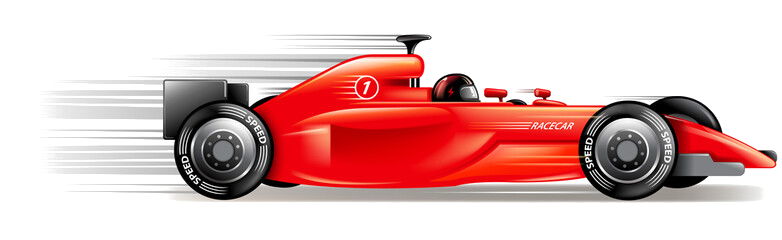 Motorsport
Azerbaijan
Australia
Bahrain
Belgium
Brazil
China
Germany
Motorsport
Azerbaijan
Australia
Bahrain
Belgium
Brazil
China
Germany
 Emilia-Romagna
England
Emilia-Romagna
England
 Florida-FL
Formel-1-Weltmeisterschaft 2017
Formel-1-Weltmeisterschaft 2018
Florida-FL
Formel-1-Weltmeisterschaft 2017
Formel-1-Weltmeisterschaft 2018
 Formula 1 World Championship 2025
France
India
Italy
Japan
Canada
Katar
Kinki
Formula 1 World Championship 2025
France
India
Italy
Japan
Canada
Katar
Kinki
 Lombardia
Mexico
Monaco
Lombardia
Mexico
Monaco
 Nevada-NV
Austria
Nevada-NV
Austria
 Quebec-QC
Russia
São Paulo
Saudi Arabia
Switzerland
Shanghai Shi-SH
Singapore
Spain
Quebec-QC
Russia
São Paulo
Saudi Arabia
Switzerland
Shanghai Shi-SH
Singapore
Spain
 Sport
Sport
 Styria
 Texas-TX
Hungary
United Arab Emirates
United States
United Kingdom
Texas-TX
Hungary
United Arab Emirates
United States
United Kingdom
 Victoria-VIC

一级方程式赛车(英语:Formula One,也叫Formula 1或者F1)是由国际汽车联盟举办的最高等级的年度系列场地方程式赛车比赛,正式名称为“国际汽车联合会世界一级方程式锦标赛”。名称中“方程式”是指一组所有参赛车辆都必须遵守的规则[1]。F1赛季包括一系列的比赛,而这些所谓的“大奖赛”(Grand Prix,出自法语,本意Great Prizes)的场地是全封闭的专门赛道或者是临时封闭的普通公路。每场比赛的结果算入积分系统并以此确定两个年度世界冠军:一个给车手和另一个给制造商。F1的车手、制造商、组织者以及赛道都必须持有FIA超级驾驶执照,这是国际汽联颁发的最高级别执照。
一级方程式赛车通过产生大量的空气动力学下压力达到非常高的过弯速度,是风靡全球的赛车运动。发动机性能限制在每分钟最多15000转时,其比赛最高速度就可以超过360公里/小时。赛车过弯的横向加速度超过5个标准重力。F1赛车的性能非常依赖电子系统(牵引力控制系统和其他辅助驾驶装置自2008年已被禁止)、空气动力学、悬挂和轮胎。
Die Formel 1 ist eine vom Automobil-Dachverband Fédération Internationale de l’Automobile (FIA) festgelegte Formelserie. Hersteller konstruieren Autos, die den Formel-1-Regeln entsprechen. Diese Autos treten im Rahmen der Formel-1-Weltmeisterschaft zu Rennen in ungefähr 20 Orten pro Jahr an. Am Ende der Saison wird der Fahrer mit den meisten Punkten F1 Fahrerweltmeister und der Hersteller mit den meisten Punkten Konstrukteursweltmeister.
Die Formel 1 ist die höchstrangige von der FIA veranstaltete Rennserie des Formelsports. Sie wird als Königsklasse des Automobilsports bezeichnet, da sie den Anspruch erhebt, die höchsten technischen, fahrerischen, aber auch finanziellen Anforderungen aller Rennserien an Fahrer und Konstrukteure zu stellen. Sie wird auch kurz F1 genannt. Die F1 Weltmeisterschaft heißt offiziell FIA Formula One World Championship, bis 1980 hat sie Automobil-Weltmeisterschaft geheissen.
Formula One (also Formula 1 or F1) is the highest class of single-seater auto racing sanctioned by the Fédération Internationale de l'Automobile (FIA) and owned by the Formula One Group. The FIA Formula One World Championship has been one of the premier forms of racing around the world since its inaugural season in 1950. The "formula" in the name refers to the set of rules to which all participants' cars must conform.[2] A Formula One season consists of a series of races, known as Grands Prix (French for "grand prizes" or "great prizes"), which are held worldwide on purpose-built circuits and public roads.
The results of each race are evaluated using a points system to determine two annual World Championships: one for drivers, the other for constructors. Drivers must hold valid Super Licences, the highest class of racing licence issued by the FIA.[3] The races are required to be held on tracks graded "1" (formerly "A"), the highest grade rating issued by the FIA.[3] Most events are held in rural locations on purpose-built tracks, but there are several events in city centres throughout the world, with the Monaco Grand Prix being the most well-known.
Formula One cars are the fastest regulated road course racing cars in the world, owing to very high cornering speeds achieved through the generation of large amounts of aerodynamic downforce. The cars underwent major changes in 2017,[4] allowing wider front and rear wings, and wider tyres, resulting in cornering forces closing in on 8g and top speeds of up to approximately 375 km/h (230 mph).[5] The hybrid engines are currently limited in performance to a maximum of 15,000 rpm and the cars are very dependent on electronics—although traction control and other driving aids have been banned since 2008—and also on aerodynamics, suspension, and tyres.
While Europe is the sport's traditional base, the championship is truly global, with 11 of the 21 races in the 2018 season taking place outside Europe. With the annual cost of running a mid-tier team—designing, building, and maintaining cars, pay, transport—being US$120 million,[6] Formula One has a significant economic and job-creation effect, and its financial and political battles are widely reported. Its high profile and popularity have created a major merchandising environment, which has resulted in large investments from sponsors and budgets (in the hundreds of millions for the constructors). On 8 September 2016, it was announced that Liberty Media had agreed to buy Delta Topco, the company that controls Formula One, from private equity firm CVC Capital Partners for $4.4 billion in cash, stock, and convertible debt.[7] On 23 January 2017, it was confirmed that the acquisition had been completed, for $8 billion.[8]
La Formule 1, communément abrégée en F1, est une discipline de sport automobile considérée comme la catégorie reine de ce sport. Elle a pris au fil des ans une dimension mondiale et elle est, avec les Jeux olympiques et la Coupe du monde de football, l'un des événements sportifs les plus médiatisés.
Chaque année depuis 1950, un championnat mondial des pilotes est organisé, complété depuis 1958 par un championnat mondial des constructeurs automobiles. La compétition est basée sur des Grands Prix, courses à bord de voitures monoplaces disputées sur circuits routiers fermés permanents mais parfois tracés en ville et temporaires, comme à Monaco, Valence, Singapour, et Bakou.
Cette discipline sportive, régie par la Fédération internationale de l'automobile (FIA), est gérée par la Formula One Administration (FOA) et un ensemble de sociétés satellites contrôlées par Liberty Media. Après l'ère des artisans des années 1960 et 1970, elle a peu à peu attiré les grands constructeurs automobiles mondiaux qui y investissent des sommes élevées, en espérant tirer profit des retombées médiatiques d'éventuels succès. La Formule 1 est considérée comme la vitrine technologique de l'industrie automobile qui y expérimente des nouveautés techniques, parfois issues de la technologie spatiale et susceptibles d'être adaptées ensuite sur les voitures de série.
Outre la compétition, le terme Formule 1 désigne l'ensemble des règles techniques des voitures monoplaces qui sont mises à jour tous les ans par la FIA. Ces règles sont très strictes sur les dimensions des voitures, la cylindrée des moteurs, les technologies mises en œuvre ; elles définissent également les mesures de sécurité des voitures pour assurer la protection du pilote. Les monoplaces de course répondant aux caractéristiques de la réglementation de la Formule 1 sont généralement désignées sous le terme générique de Formules 1.
La Formula 1 o Formula Uno,[1] in sigla F1, è la massima categoria (in termini prestazionali) di vetture monoposto a ruote scoperte da corsa su circuito definita dalla Federazione Internazionale dell'Automobile (FIA).
La categoria è nata nel 1948 (in sostituzione della Formula A, a sua volta sorta solo qualche anno prima, nel 1946), diventando poi a carattere mondiale nella stagione 1950. Inizialmente definita dalla Commissione Sportiva Internazionale (CSI) dell'Associazione Internazionale degli Automobil Club Riconosciuti (AIACR), associazione antesignana della Federazione Internazionale dell'Automobile, oggi la Formula Uno è regolata dal Consiglio Mondiale degli Sport Motoristici (in inglese: World Motor Sport Council, WMSC) della Federazione Internazionale dell'Automobile.
Il termine "formula", presente nel nome, fa riferimento a un insieme di regole alle quali tutti i partecipanti, le macchine e i piloti, devono adeguarsi; esse introducono un numero di restrizioni e specifiche nelle auto, al fine di evitare le eccessive disparità tecniche tra le auto, di porre dei limiti al loro sviluppo e di ridurre i rischi di incidenti. La formula ha avuto molti cambiamenti durante la sua storia. Ad esempio, ci sono stati differenti tipi di motori, con schemi da quattro fino a sedici cilindri e con cilindrate da 1,5 a 4,5 l.
La Fórmula 1, abreviada como F1 y también denominada la «categoría reina del automovilismo»1 o «la máxima categoría del automovilismo»,23 es la competición de automovilismo internacional más popular y prestigiosa, superando a categorías de automovilismo como la NASCAR, el Campeonato Mundial de Rally, el Campeonato Mundial de Turismos o la Fórmula E, entre otras.4 A cada carrera se le denomina Gran Premio y el torneo que las agrupa se denomina Campeonato Mundial de Fórmula 1. La entidad que la dirige es la Federación Internacional del Automóvil (FIA). El Formula One Group es controlado por la empresa estadounidense Liberty Media desde septiembre de 2016.5
Los automóviles utilizados son monoplazas con la última tecnología disponible, siempre limitadas por un reglamento técnico; algunas mejoras que fueron desarrolladas en la Fórmula 1 terminaron siendo utilizadas en automóviles comerciales, como el freno de disco.6 La mayoría de los circuitos de carreras donde se celebran los Grandes Premios son autódromos, aunque también se utilizan circuitos callejeros y anteriormente se utilizaron circuitos ruteros.
El inicio de la Fórmula 1 moderna se remonta al año 1950, en el que participaron escuderías como Ferrari, Alfa Romeo y Maserati. Algunas fueron reemplazadas por otras nuevas como McLaren, Williams, Red Bull y Renault, que se han alzado varias veces con el Campeonato Mundial de Constructores. Las escuderías tienen que planear sus fichajes y renovación de contratos 2 o 3 carreras antes del fin de la temporada. Por su parte, los pilotos deben contar con la superlicencia de la FIA para competir, que se obtiene sobre la base de resultados en otros campeonatos.
America´s Cup 2017
Australia
 California-CA
China
California-CA
China
 Valencian Community
England
France
Greece
Valencian Community
England
France
Greece
 Illinois-IL
Italy
Japan
Canada
Kyūshū
New Zealand
Illinois-IL
Italy
Japan
Canada
Kyūshū
New Zealand
 New York-NY
Oman
Austria
New York-NY
Oman
Austria
 Provence-Alpes-Côte d´Azur
Republic of Korea
Provence-Alpes-Côte d´Azur
Republic of Korea
 Rhode Island-RI
Russia
Rhode Island-RI
Russia
 Ships and Nautics
Sweden
Spain
Sport
Ships and Nautics
Sweden
Spain
Sport
 America´s Cup
United States
United Kingdom
United Kingdom
America´s Cup
United States
United Kingdom
United Kingdom
 Western Australia-WA

美洲杯帆船赛(英语:America's Cup)是赛艇运动中保存的最著名也是最古老的一项体育比赛。
比赛奖杯是银质大口水罐,奖励给来自不同国家的两艘帆船之间举行的九局五胜制比赛的胜者。两艘帆船中,一艘代表卫冕冠军游艇俱乐部,另一艘则代表俱乐部挑战奖杯。
美洲杯帆船赛源于1851年8月22日,一艘由代表纽约游艇俱乐部(New York Yacht Club,NYYC)的财团拥有的30.86米长纵帆船“美洲号”(America),同15艘代表皇家快艇舰队(Royal Yacht Squadron)的帆船在英国南部的怀特岛附近比赛。“美洲号”最终以领先20分钟胜出。拥有“美洲号”的财团后来将奖杯通过馈赠契约捐献给纽约游艇俱乐部。由此,奖杯被托管成为一项鼓励各国之间友谊竞赛的“挑战”奖品。
在当时公认无敌的英国海上霸权遭受如此打击后,一系列英国财团试图赢回奖杯。但纽约游艇俱乐部在超过132年的25次挑战中保持不败,成为体育运动史上最长的连胜纪录。1930年以前,这项赛事一直在纽约港附近举行,余下的NYYC全盛时期内则改在罗德岛的纽波特(Newport,Rhode Island)举行。
Der America’s Cup ist die älteste noch heute ausgetragene Segelregatta. Der Preis ist ein Wanderpokal und hat seinen Ursprung in einer Regatta rund um die britische Insel Isle of Wight im Jahre 1851.[1] Er ist benannt nach seiner erstmaligen Gewinnerin, der Yacht America des New York Yacht Club (NYYC).
Um den America’s Cup treten die Boote zweier Yachtclubs – Verteidiger und Herausforderer – in mehreren Wettfahrten gegeneinander an. Die Yacht, die eine vorher festgelegte Anzahl von Wettfahrten gewinnt, gewinnt den Cup. Laut der Stiftungsurkunde bestimmt der Verteidiger das Segelrevier. Die Stiftungsurkunde sieht vor, dass Verteidiger und Herausforderer innerhalb gewisser Grenzen Vereinbarungen über die Regeln treffen können, z. B. was die Anzahl der Wettfahrten betrifft.[2]
Von der ersten Verteidigung 1870 bis zur 20. Regatta im Jahr 1967 gab es jeweils nur einen Herausforderer. Im Jahr 1970 gab es erstmals mehrere Herausforderer, so dass der veranstaltende New York Yacht Club sich einverstanden erklärte, den offiziellen Herausforderer durch eine Vorausscheidung zu ermitteln. Zwischen 1983 und 2007 bis zum zeitweiligen Rückzug des Sponsors Louis Vuitton und ab 2013 erneut wurde der Herausforderer durch den Louis Vuitton Cup ermittelt. Schon die Teilnahme am Louis Vuitton Cup setzte großes finanzielles Engagement voraus: die Budgets der High-Tech-Yachten betrugen teilweise über 100 Mio. Dollar. Die Yachten mussten im Land des angemeldeten Teams gebaut werden. Wesentliche Neuerungen ergaben sich bei den letzten beiden ACs. 2010 segelten das erste Mal sowohl Verteidiger wie Herausforderer mit Mehrrumpfbooten. 2013 waren Katamarane vereinbart und die teilnehmenden Teams konstruierten „Tragflügelkatamarane“ die über 40 Knoten (75 km/h) schnell segelten. Für 2017 wurden die Boote „AC50F Katamaran“ von ehemals 72 Fuß (fast 22 m) auf 50 ft (gut 15 m) verkürzt, blieben 24 m hoch und wurden im Training erstmals 50 kn (92 km/h) schnell.[3]
アメリカスカップあるいはアメリカズカップ[1](英: America's Cup)は、1851年より現在まで続く国際ヨットレース。また、その優勝杯の名。その成立は近代オリンピックより45年、サッカーのワールドカップより79年、全英オープンよりも9年早く、継続して使用されている世界最古のスポーツトロフィーとして広く一般に認知されている。[2][3]
名称の由来は最初の優勝艇の『アメリカ号』の名を冠した『アメリカ号のカップ』であり、決して『アメリカ合衆国のカップ』という意味ではない。しかし、その後132年に亘ってアメリカ合衆国のヨットクラブがカップを防衛してきたため、事実上『アメリカ合衆国のカップ』と同じ定義で称される。
競技の本質は、カップの寄贈者が記した贈与証書の規定に基づき、アメリカズカップを掛けてマッチレース(1対1)形式で争われるヨットクラブ間の国際親善レースである。しかし、使用されるヨットは出場国で建造しなければならないため、参加各国の造船工学・建築工学・材料工学・流体力学・航空力学・気象学などの最先端技術や軍事からの応用技術が投入される等、参加国の威信を賭けた国別対抗レースとしての一面も持ち合わせている。またこれら最新ヨットにはオリンピックメダリストら多数のトップセーラーが乗り組むことあり、一般にヨットレース全般、或いはインショア(沿海)レースの最高峰として位置づけられており、別名「海のF1」とも称される。
The America's Cup, affectionately known as the Auld Mug, is a trophy awarded to the winner of the America's Cup match races between two sailing yachts. One yacht, known as the defender, represents the yacht club that currently holds the America's Cup and the second yacht, known as the challenger, represents the yacht club that is challenging for the cup. The timing of each match is determined by an agreement between the defender and the challenger. The America's Cup is the oldest international sporting trophy.[1][2][3] It will next be raced for in the southern summer, in the early part of 2021.[4]
The cup was originally awarded in 1851 by the Royal Yacht Squadron for a race around the Isle of Wight in the United Kingdom, which was won by the schooner America. The trophy, originally named the '£100 Cup', was renamed the America's Cup after the yacht and was donated to the New York Yacht Club (NYYC) under the terms of the Deed of Gift, which made the cup available for perpetual international competition.
Any yacht club that meets the requirements specified in the deed of gift has the right to challenge the yacht club that holds the cup. If the challenging club wins the match, it gains stewardship of the cup.
The history and prestige associated with the America's Cup attracts not only the world's top sailors and yacht designers but also the involvement of wealthy entrepreneurs and sponsors. It is a test not only of sailing skill and boat and sail design, but also of fundraising and management skills.
The trophy was held by the NYYC from 1857 (when the syndicate that won the cup donated the trophy to the club) until 1983. The NYYC successfully defended the trophy twenty-four times in a row before being defeated by the Royal Perth Yacht Club, represented by the yacht Australia II. The NYYC's reign was the longest winning streak (in terms of date) in the history of all sports.[5]
From the first defence of the cup in 1870 through the twentieth defence in 1967, there was always only one challenger. In 1970, for the first time, there were multiple challengers, so the NYYC agreed that the challengers could run a selection series with the winner becoming the official challenger and competing against the defender in the America's Cup match. Since 1983, Louis Vuitton has sponsored the Louis Vuitton Cup as a prize for the winner of the challenger selection series.
Early matches for the cup were raced between yachts 65–90 ft (20–27 m) on the waterline owned by wealthy sportsmen. This culminated with the J-Class regattas of the 1930s. After World War II and almost twenty years without a challenge, the NYYC made changes to the deed of gift to allow smaller, less expensive 12-metre class yachts to compete; this class was used from 1958 until 1987. It was replaced in 1990 by the International America’s Cup Class which was used until 2007.
After a long legal battle, the 2010 America's Cup was raced in 90 ft (27 m) waterline multihull yachts in a best of three "deed of gift" match in Valencia, Spain. The victorious Golden Gate Yacht Club then elected to race the 2013 America's Cup in AC72 foiling, wing-sail catamarans. Golden Gate Yacht Club successfully defended the cup. The 35th America's Cup match was announced to be sailed in 50 ft foiling catamarans.[6]
The history of the America's Cup has included legal battles and disputes over rule changes including most recently over the rule changes for the 2017 America's Cup.[7]
The America's Cup is currently held by the Royal New Zealand Yacht Squadron,[8] who will stage the 36th defence of the Cup in 2021.
La Coupe de l'America (America's Cup) est une compétition nautique internationale à la voile, voulue par ses initiateurs comme un défi amical et perpétuel entre Yacht Clubs de différentes nations et définie sous cette dénomination en 1857 par les membres du New York Yacht Club (NYYC)2, vainqueurs, six ans plus tôt, en 1851, avec la goélette America, de la régate internationale originelle, organisée autour de l'île de Wight, par le Royal Yacht Squadron (RYS), en marge de l'exposition universelle de Londres.
Le trophée est une aiguière en argent, attribuée au Yacht Club vainqueur du défi jusqu'à sa remise en jeu. Fabriquée en 1848 pour le Royal Yacht Squadron par le bijoutier et orfèvre Robert Garrard de Londres comme trophée de la Coupe de Cent Souverains, elle est ramenée aux États-Unis, en septembre 1851 sous le nom de Coupe de Cent Guinées, pour prendre en juillet 1857 son nom actuel de Coupe de l'America, en hommage à la goélette victorieuse.
C'est une des plus anciennes compétitions sportives encore disputée de nos jours et se révèle être l'un des principaux théâtres de l'évolution de l'architecture navale en matière de voiliers de régates.
À la suite de la régate de 1851 et de la création de la course en 1857, la première édition de la coupe de l'America n'est disputée qu'après la guerre de Sécession, en août 1870. Après ces deux compétitions, lors desquelles un voilier challenger affronte une flotte de voiliers défendeurs, les adversaires se mesurent en duel (match-racing). La deuxième édition de 1871 se déroule en deux duels successifs avec deux défendeurs du NYYC contre l'unique challenger du Royal Thames Yacht Club.
C'est à partir de la troisième édition de 1876 que les régates opposent, le défender, tenant du titre, au challenger qui relève le défi. Ce dernier est désigné par des régates de sélection depuis la 21e édition de 1970, régates qui prennent le nom de Coupe Louis-Vuitton en 1983, lors de la 25e édition.
Chaque édition voit l'établissement d'un règlement particulier, appelé acte de donation, définissant entre autres les conditions de régates et le type de bateau utilisé basé sur une jauge de course, rédigé par le defender et le challenger de référence, c'est-à-dire le premier Yacht Club à défier le tenant du titre.
En 2002, une exposition intitulée L'America's Cup, 150 ans d'histoire racontée par Louis Vuitton est organisée au Musée national de la Marine à Paris.
Le trophée est détenu par Emirates Team New Zealand, représentant le Royal New Zealand Yacht Squadron qui s'impose sept à un face au défi Oracle Team USA lors de la 35e édition disputée aux Bermudes. Grant Dalton, patron du défi néo-zélandais, annonce que le nouveau Challenger of Records est Circolo della Vela Sicilia (en) avec Luna Rossa.
L'America's Cup (Coppa America in italiano) è il più famoso trofeo nello sport della vela, nonché il più antico trofeo sportivo del mondo per cui si compete tuttora.
Si tratta di una serie di regate di match race, ovvero tra soli due yacht che gareggiano uno contro l'altro. Le due imbarcazioni appartengono a due Yacht Club differenti, una rappresentante lo yacht club che detiene la coppa e l'altra uno yacht club sfidante.
Nelle edizioni 1995, 2000, 2003 e 2007, la coppa, una brocca d'argento, è stata assegnata al vincitore di un incontro al meglio di nove regate. L'edizione 2010 della competizione è stata vinta dall'imbarcazione statunitense BMW Oracle Racing che ha avuto la meglio sul defender svizzero Alinghi con un risultato di 2-0. Oracle ha mantenuto la Coppa anche durante l'edizione 2013, battendo Emirates Team New Zealand 9-8. Nell'edizione numero 35, svoltasi nel 2017 nelle Isole Bermuda, Emirates Team New Zealand si aggiudica il trofeo sconfiggendo 7-1 il defender Oracle Team USA[1].
La Copa América (America's Cup en inglés y oficialmente) de vela es la competición más importante de ese deporte y algunas fuentes sostienen que es el tercer evento deportivo con mayor impacto económico para el país de acogida después de los Juegos Olímpicos y el Mundial de fútbol.1234
El actual defensor es el Real Escuadrón de Yates de Nueva Zelanda, que venció al Club de Yates Golden Gate en la última edición, celebrada en Hamilton (Bermudas).
El Challenger of Record para la próxima edición es el Círculo de Vela Sicilia.5
Кубок «Америки» (англ. America's Cup) — одна из самых известных и самых престижных регат в мире. Является старейшим в мире международным соревнованием во всех видах спорта, будучи основанным на два десятилетия ранее Кубка Англии по футболу и на 45 лет раньше первых современных Олимпийских игр.
Кубок Америки получил своё название в честь яхты «Америка» , которая выиграла его в престижной английской регате в 1851 году. Трофей остался в Нью-Йоркском яхт-клубе.
Кубок был изготовлен в 1848 году компанией «Гаррард и Ко». Он представляет собой кувшин без дна, на котором выгравированы названия всех яхт — обладателей кубка. По легенде, дно в кубке отсутствует по желанию английской королевы Виктории, не желавшей, чтобы из него пили[1]. Материал кубка — это так называемый британский металл — сплав олова, меди и сурьмы, покрытый серебром. В 1958 и 2003 годах кубок был дополнен основаниями, для размещения названий очередных победителей. В 1997 году вандал, проникший в здание Новозеландского яхт-клуба, изуродовал Кубок кувалдой. Кубок был бесплатно восстановлен английскими мастерами.
Кубок разыгрывается в серии матчевых гонок между представителем страны, победившим в прошлом цикле, и претендентом. Претендентом является победитель предварительных отборочных соревнований. В настоящее время отборочными соревнованиями служит Кубок Луи Виттона. Место поединка выбирает обладатель кубка.
 International cities
 Ontario-ON


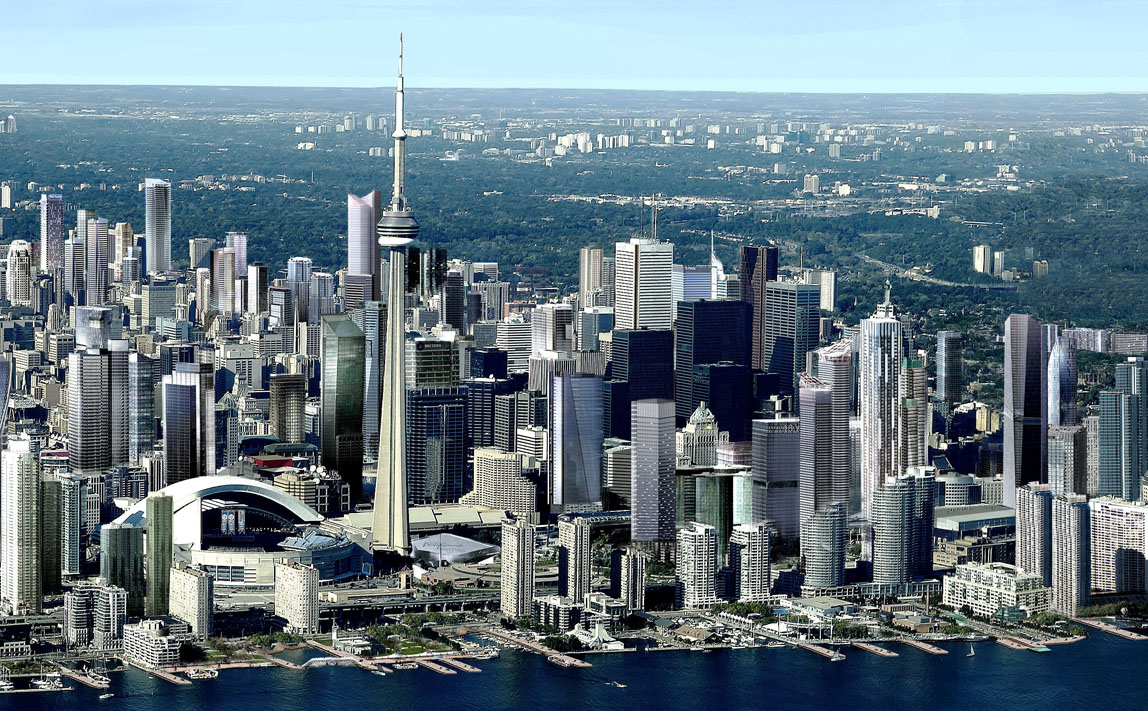
多伦多[注 1](英语:Toronto)是加拿大安大略省首府,也是加拿大最大的城市,坐落在安大略湖西北岸的南安大略地区。根据2021年的加拿大人口普查,多伦多市人口达2,794,356人,为加拿大最大城市。多伦多市是大多伦多地区的核心地区,也是安大略省南部人口稠密区(称作“金马蹄地区”)的一部分。[9][10][11]都会区有6,202,225名居民,[12]而覆盖范围较广的大多伦多地区则有9,765,188名居民。[10]作为加拿大的经济中心,多伦多是一个世界级城市,[13]也是世界上最大的金融中心之一。[14][15]多伦多在经济上的领先地位在于金融、商业服务、电信、航太、交通运输、媒体、艺术、电影、电视制作、出版、软件、医药研究、教育、旅游、体育等产业。[16][17]多伦多证券交易所是世界第七大交易所,总部设于市内,有多数加拿大公司在这里上市。
多伦多的国际性人口[18]体现出它是前往加拿大移民的重要落脚点。[19]而市内49%的人口是在加拿大以外诞生[20],也造就多伦多成为世上种族最多样化的城市之一。目前多伦多的低犯罪率、洁净的环境、高生活水准、以及对多样文化的包容性,令该市被多个经济学智囊团列为世界上最宜居的城市之一。[21][22]另一方面,多伦多于2006年被列为加拿大生活成本最高的城市。
多伦多(英语/法语:Toronto),是北美洲国家加拿大安大略省首府,加拿大的最大城市。
多伦多坐落在安大略湖西北岸的南安大略地区。根据2012年七月的加拿大人口普查,多伦市人口达2,790,060,为加拿大最大城市。多伦多市是大多伦多地区的心脏地区,也是安大略省南部人口稠密区(称作“金马蹄地区”)的一部分。[1][2][3]城市区有5,132,794名居民。[4]在2011年人口普查中,多伦多人口普查区有5,583,064名居民,而覆盖范围较广的大多伦多地区则有6,054,191名居民。[2]
作为加拿大的经济中心,多伦多是一个世界级城市,[5]也是世界上最大的金融中心之一。[6][7] 多伦多在经济上的领先地位在于金融、商业服务、电信、航太、交通运输、媒体、艺术、电影、电视制作、出版、软件、医药研究、教育、旅游、体育等产业。[8][9]多伦多证券交易所是世界第七大交易所,总部设于市内,有多数加拿大公司在这里上市。
多伦多的国际性人口[10] 体现出它是前往加拿大移民的重要落脚点。[11]而市内49%的人口是在加拿大以外诞生[12],也造就多伦多成为世上种族最多样化的城市之一。目前多伦多的低犯罪率、洁净的环境、高生活水准、以及对多样文化的包容性,令该市被多个经济学智囊团列为世界上最宜居的城市之一。[13][14]另一方面,多伦多于2006年被列为加拿大生活成本最高的城市。[15]
大约1/3的加拿大人居住在距多伦多两小时车程的郊区。加拿大大约1/6的就业机会在该市。
多伦多当地的华侨及华裔人口多达四十万,相当于加拿大全国约百分之一的人口,该城市也是加拿大华人最多的城市。除此之外也有大量世界各地的移民,加拿大安大略省多伦多市的人口统计资料使多伦多成为世界上最多元文化和多种族的城市之一。2016年,该市居民的51.5%属于明显的少数族裔,而2011年这一比例为49.1%,和1981年为13.6%。多伦多还建立了多个社区,例如唐人街,意大利的Corso,小意大利,小印度,希腊城,韩国城,小牙买加,小葡萄牙和朗塞瓦勒,以庆祝该市的多元文化主义的成功。
Toronto (englische Aussprache [təˈɹɒn(t)oʊ̯]; regional auch  [təˈɹɒnə] oder [ˈtɹɒnoʊ̯]) ist mit 2,6 Millionen Einwohnern[2] die größte Stadt Kanadas und die Hauptstadt der Provinz Ontario. Sie liegt im Golden Horseshoe (Goldenes Hufeisen), einer Region mit über 8,1 Millionen Einwohnern, die sich halbkreisförmig um das westliche Ende des Ontariosees bis zu den Niagarafällen erstreckt. Rund ein Drittel der Bevölkerungszunahme des ganzen Landes lebte in den letzten Jahren in diesem Großraum. Die Einwohnerzahl der Metropolregion (Census Metropolitan Area) stieg von 4,1 Millionen im Jahr 1992 auf 5,6 Millionen im Jahr 2011.[3] Die Greater Toronto Area hatte 2010 über 6,2 Millionen Einwohner.[4]
Die Stadt liegt am nordwestlichen Ufer des Ontariosees, dem mit 18.960 km² Fläche[5] kleinsten der fünf Großen Seen. Durch die Eingemeindung einer Reihe von Vorstädten, die bereits mit Toronto verschmolzen waren (Etobicoke, Scarborough, York, East York und North York), wurde Toronto Ende der 1990er Jahre mehrfach vergrößert. Das Zentrum mit dem Einkaufs- und Bankendistrikt befindet sich in der Nähe des Sees. Die Haupteinkaufsstraße ist die Yonge Street. Toronto ist seit ungefähr den 1970er Jahren, nachdem Montreal über Jahrzehnte hinweg diese Rolle zugefallen war, Kanadas Wirtschaftszentrum und weltweit einer der führenden Finanzplätze.
トロント(英語: Toronto、標準音:[təˈɹɒntoʊ]、現地音:[ˈtɹɒnoʊ, təˈɹɒnoʊ])は、カナダのオンタリオ州の州都であり、同国最大の都市である。オンタリオ湖岸の北西に位置し、2016年の統計で人口273万人[1]。
国際影響力の強い世界都市であり、2016年の都市圏人口は624万人[2]。またヒューロン語で「集まる場所」という意味がある。
オンタリオ湖西岸を囲むゴールデン・ホースシュー(Golden Horseshoe)と呼ばれる都市化された地域の人口はおよそ924万人とされ、カナダ随一の金融センターとしてその中心を成している。1834年までの旧名はヨーク(Town of York)。
Toronto is the provincial capital of Ontario and the most populous city in Canada, with an estimated population of 2,956,024 (2018) and an estimated population of 6,341,935 in the Toronto Region (2018.)[14] Located on the shores of the western end of Lake Ontario, Toronto is also the anchor of the Golden Horseshoe, an urban agglomeration of 9,245,438 (2016)[15] that accounts for a significant portion of Canada's economic activity and more than 20% of Canada's population. Toronto is an international centre of business, finance, arts, and culture. Its large population of immigrants from around the globe has also made Toronto one of the most multicultural and cosmopolitan cities in the world.[16][17][18]
People have travelled through and inhabited the Toronto area, located on a broad sloping plateau interspersed with rivers, deep ravines, and urban forest, for more than 10,000 years.[19] After the broadly disputed Toronto Purchase, when the Mississauga surrendered the area to the British Crown,[20] the British established the town of York in 1793 and later designated it as the capital of Upper Canada.[21] During the War of 1812, the town was the site of the Battle of York and suffered heavy damage by American troops.[22] York was renamed and incorporated in 1834 as the city of Toronto. It was designated as the capital of the province of Ontario in 1867 during Canadian Confederation.[23] The city proper has since expanded past its original borders through both annexation and amalgamation to its current area of 630.2 km2 (243.3 sq mi).
The diverse population of Toronto reflects its current and historical role as an important destination for immigrants to Canada.[24][25] More than 50 percent of residents belong to a visible minority population group,[26] and over 200 distinct ethnic origins are represented among its inhabitants.[27] While the majority of Torontonians speak English as their primary language, over 160 languages are spoken in the city.[28]
Toronto is a prominent centre for music,[29] theatre,[30] motion picture production,[31] and television production,[32] and is home to the headquarters of Canada's major national broadcast networks and media outlets.[33] Its varied cultural institutions,[34] which include numerous museums and galleries, festivals and public events, entertainment districts, national historic sites, and sports activities,[35] attract over 43 million tourists each year.[36][37] Toronto is known for its many skyscrapers and high-rise buildings,[38] in particular the tallest free-standing structure in the Western Hemisphere, the CN Tower.[39]
The city is home to the Toronto Stock Exchange, the headquarters of Canada's five largest banks,[40] and the headquarters of many large Canadian and multinational corporations.[41] Its economy is highly diversified with strengths in technology, design, financial services, life sciences, education, arts, fashion, aerospace, environmental innovation, food services, and tourism.[42][43][44]
Toronto (/tɔ.ʁɔ̃.to/1 ; en anglais : /təˈɹɒntoʊ̯/2 Écouter voire localement /təˈɹɒnə/ ou /ˈtɹɒnoʊ̯/ Écouter) est la plus peuplée des villes du Canada et la capitale de la province de l'Ontario. Elle se situe dans le Sud-Est du Canada, sur la rive nord-ouest du lac Ontario. Selon le recensement de 2016, Toronto compte plus de 2,7 millions d'habitants, faisant d'elle la quatrième ville la plus peuplée en Amérique du Nord. Son aire métropolitaine compte 5,9 millions d'habitants, et la mégalopole du Golden Horseshoe, dont elle est le cœur, plus de 8,7 millions d'habitants en 2011, soit le quart de la population canadienne. Ville mondiale, Toronto est le centre bancaire, financier, commercial et artistique du Canada anglophone, et l'une des villes les plus multiculturelles et cosmopolites au monde.
La région de Toronto, située sur un vaste plateau en pente jalonné de rivières, de ravins et de forêts, est habitée depuis plus de 10 000 ans. Après la brève installation d'un fort par les Français puis l’achat contesté de la région au peuple Mississauga par la Couronne britannique, les colons anglais fondent en 1793 la ville d'York, qui devient la capitale du Haut-Canada. Pendant la guerre de 1812, la ville est le théâtre de la bataille d'York et subit de lourds dégâts par les troupes américaines. York est renommée Toronto en 1834. Elle est désignée capitale de la province de l'Ontario en 1867 par la Confédération canadienne. La ville s'est depuis étendue au-delà de ses frontières d'origine, à la suite de plusieurs fusions, jusqu'à atteindre la superficie actuelle de 630,2 km2.
La population particulièrement cosmopolite de Toronto reflète son rôle historique de destination des immigrants au Canada. Plus de 50 % des résidents appartiennent à un groupe de minorités visibles et plus de 200 origines ethniques distinctes sont représentées parmi ses habitants. Bien que la majorité des Torontois parlent l'anglais principalement, plus de 160 langues sont parlées dans la ville.
Toronto est devenu un important centre de musique, théâtre, de production cinématographique et télévisuelle. Elle abrite le siège des principaux réseaux de diffusion et des médias nationaux du Canada. Ses institutions culturelles variées, qui comprennent de nombreux musées et galeries d'art, des festivals et événements publics, des quartiers de divertissement, des lieux historiques nationaux et des activités sportives, attirent plus de 25 millions de touristes chaque année. Toronto est connue pour ses nombreux gratte-ciel, en particulier la plus haute structure autoportante de l' hémisphère occidental, la tour CN.
La ville abrite la Bourse de Toronto, le siège des cinq plus grandes banques du Canada et de nombreuses autres grandes sociétés canadiennes et multinationales, de tous les secteurs économiques. Elle abrite aussi de nombreux établissements d'enseignement supérieur réputés, dont l'université de Toronto qui figure parmi les plus réputées au monde.
Toronto apparaît régulièrement dans les classements des meilleures villes en termes de qualité de vie, malgré un coût de la vie important. Ses habitants s'appellent les Torontois.
Toronto (IPA: [təˈɹɒntoʊ̯]; pronuncia locale: [ˈtrɒnoʊ] oppure [təˈɹɒnə], ascolta[?·info]) è una città dell'estremo Sud-Est del Canada, capoluogo della provincia dell'Ontario e centro più popoloso del Canada con i suoi 3 120 668 abitanti[1] (5 928 040 nell'area metropolitana[2]).
Motore economico del Canada, Toronto è, assieme a Montréal, la città del paese nordamericano più conosciuta nel mondo, seguita da Ottawa. Caratteristica della città è quella di essere una delle più multiculturali nel mondo, con circa il 36% degli abitanti di origine non canadese. Per dare un'idea di ciò basti pensare che il 911 (numero telefonico di emergenza) di Toronto è attrezzato per rispondere in oltre 150 lingue[3]. La seconda più grande comunità, superata da qualche anno da quella cinese, è costituita dagli italiani che hanno dato un enorme contributo allo sviluppo di questo paese. Si stima che le persone di origine italiana residenti a Toronto siano superiori a 500 000. Il primo quartiere dove si insediarono gli italiani fu quello di College, successivamente si spostarono a Saint Clair denominata col nome aggiuntivo di Corso Italia[4] dal 1988.
Toronto è suddivisa in 240 quartieri all'interno dei suoi confini, raggruppati in sei distretti (Old Toronto, East York, Etobicoke, Scarborough, North York e York (dove si trova anche il quartiere di Weston). Nella parte centrale di Toronto (Downtown Toronto) c'è una città sotterranea, chiamata PATH (in inglese: il sentiero o il percorso), costituita da una rete di collegamenti che mettono in collegamento i grattacieli della città. Il percorso è lungo più di 30 km. Secondo il Guinness dei primati, con i suoi 371600 m² di estensione, il PATH è più esteso centro commerciale sotterraneo del mondo.[5]
I residenti considerano questi 27 km di strade sotterranee come parte della città stessa, come se la città iniziasse non dal suolo, ma dal piano -3. Venne creata agli inizi degli anni sessanta perché in inverno, spazzata da venti nordici, Toronto è molto fredda in rapporto alla latitudine, mentre sotto ci si può muovere in abiti primaverili, sulle strade superiori, durante straordinarie irruzioni gelide ci possono essere temperature di −25/−30 °C al primo mattino o di sera. Di notte si può scendere un po' più in basso ed in tali casi le massime rimangono spesso a -20 sotto lo zero. Ovviamente il traffico automobilistico convenzionale è bandito nella città sotterranea, gli spostamenti sono previsti a piedi o con mezzi per disabili, ma il path ha numerosi punti di contatto con la viabilità esterna (parcheggi) o, molto più frequentemente, con una fitta rete di stazioni del trasporto pubblico di superficie o sotterraneo (subway).
Per muoversi nella parte sotterranea è molto importante fare riferimento a elementi di identificazione degli incroci (come elementi architettonici, facciate di banche, negozi tipici, ecc.), dato che non sempre il percorso sotterraneo (pedonale) corrisponde a quello (stradale) di superficie; o meglio, se non si è pratici, bisogna usare la mappa. La città sotterranea è completamente attrezzata come una città comune: ci sono banche, uffici postali, locali pubblici, ristoranti, uffici e supermercati. Le maggiori istituzioni (stazioni ferroviarie, aziende pubbliche, aziende commerciali, ecc.) hanno accesso multiplo: di superficie e sotterraneo.
Toronto (pronunciación en inglés: /tʲəˈɹɑntʲoʊ/ ( escuchar), localmente /tʲəˈɹɑnoʊ/, /ˈtʲɹɑnoʊ/) es la capital de la provincia de Ontario3 y, con una población de 2 615 060 habs.4 es la ciudad más grande de Canadá,5 además del centro financiero de dicho país.
Localizada en la orilla noroeste del lago Ontario,6 es la quinta ciudad más grande de Norteamérica.7 Toronto se encuentra en el corazón del Área Metropolitana de Toronto (Greater Toronto Area en inglés y abreviado como GTA), la mayor área metropolitana de Canadá, y es parte de una región densamente poblada en el centro-sur de Ontario conocida como Golden Horseshoe (Herradura Dorada), donde residen ocho millones de habitantes.8910
Al ser la capital económica de Canadá, Toronto es considerada una ciudad global y una de las principales ciudades financieras del mundo.11 Lidera los sectores económicos de finanzas, servicios empresariales, telecomunicaciones, transporte, medios de comunicación, arte, cine, investigación médica, educación, y turismo de Canadá.1213 El Toronto Stock Exchange es la mayor bolsa de valores del país y la séptima del mundo.12
Toronto es famosa por la Torre CN, con 553 metros de altura. La ciudad se considera el centro de la cultura canadiense anglófona y es la anfitriona de muchas celebraciones nacionales.
La población de Toronto es cosmopolita,1415 y es un importante destino para muchos inmigrantes a Canadá.16 Toronto es la mayor ciudad del mundo en porcentaje de residentes no nacidos en el propio país; sobre un 49 % de los habitantes de la ciudad no ha nacido en Canadá.141516 Debido al bajo índice de criminalidad,17 el cuidado medio ambiente y el alto nivel de vida, Toronto, es considerada con asiduidad una de las ciudades mejor habitables del mundo.1819 Además, en 2006 fue clasificada como la ciudad más cara de Canadá.20 Los nacidos en Toronto reciben el gentilicio de torontonianos.21
En enero de 2005, Toronto fue escogida por el gobierno canadiense como una de las capitales culturales de Canadá. Toronto posee una de las mejores calidades de vida de América del Norte, y es considerada por muchos como una de las mejores metrópolis del mundo para vivir.22 Es una de las ciudades más seguras de América —su tasa de criminalidad es menor que la de cualquier gran ciudad del continente, y una de las menores de Canadá.23
En la ciudad vecina de Mississauga está el Aeropuerto Internacional Toronto Pearson. Además, en 'las islas de Toronto' dentro de la ciudad está el Billy Bishop Toronto City Airport, que es más pequeño.
Торо́нто (англ. Toronto [təˈrɒntoʊ], местн. [təˈrɒnoʊ], [ˈtrɒnoʊ], [-nə]) — крупнейший город Канады, административный центр провинции Онтарио. Население — 2 731 571 чел. (2016); вместе с городами Миссиссога, Брамптон, Маркем и другими образует агломерацию Большой Торонто с населением 5928 тыс. жителей.
Торонто является частью «золотой подковы» — густонаселённого региона вокруг западной части озера Онтарио с населением около 7 млн человек. Приблизительно одна треть всего населения Канады живёт в радиусе 500 км от Торонто. Около шестой части всех рабочих мест Канады находятся в пределах городской черты.
Город Торонто известен также как «экономический двигатель» Канады, считается одним из ведущих мегаполисов мира и имеет большой вес как в регионе, так и на государственном и международном уровне. В ежегодном рейтинге Global Liveability Ranking журнала The Economist, оценивающем совокупное качество жизни, Торонто занимает четвёртое место в мире среди 140 городов — участников рейтинга[1].
В Торонто располагается главный офис Всемирного конгресса украинцев. В июне 2010 года в Торонто прошла встреча глав государств и правительств «Большой двадцатки».
К северо-востоку от Торонто в городе Пикеринг находится атомная электростанция АЭС Пикеринг с восемью ядерными реакторами.
Badminton World Federation
BWF World Championships
China
Denmark
England
France
India
Indonesia
Canada
Malaysia
Schottland
Sweden
Switzerland
Spain
United States

国际羽联世界锦标赛,通常称世界羽毛球锦标赛,是一项由国际羽毛球联合会组织的羽毛球单项锦标赛事,以之为世界顶尖的羽毛球选手加冕。
该赛由1977年开始举办,1983年以前每三年举办一次。然而,在头两届比赛时国际羽联遇到过麻烦:世界羽毛球联合会(后来与国际羽毛球联合会合并)在国际羽联世界锦标赛后一年以相同的目的举办相同性质的比赛。1981年两组织合并后,该问题也随之解决。
从1985年起,该项赛事改为两年举办一次,直到2005年止。2006年起,锦标赛成为了国际羽联日程表上一年一次的赛事,目的在于给与运动员们更多机会去赢得官方的“世界冠军”称号。但每到奥运会举办的年份,锦标赛不举办,以便为奧運會羽毛球比賽让路。(Quelle:Wikipedia)
 British Columbia-BC
 FIFA Fussball-Weltmeisterschaft 2026
Women's Soccer World Cup 2015
FIFA Fussball-Weltmeisterschaft 2026
Women's Soccer World Cup 2015
 Geography
*World's Most Livable Cities
ITU World Championship Series
Canada
Winter Olympics
Geography
Geography
*World's Most Livable Cities
ITU World Championship Series
Canada
Winter Olympics
 Ski vacation
Sport
Triathlon
Ski vacation
Sport
Triathlon
 Important port
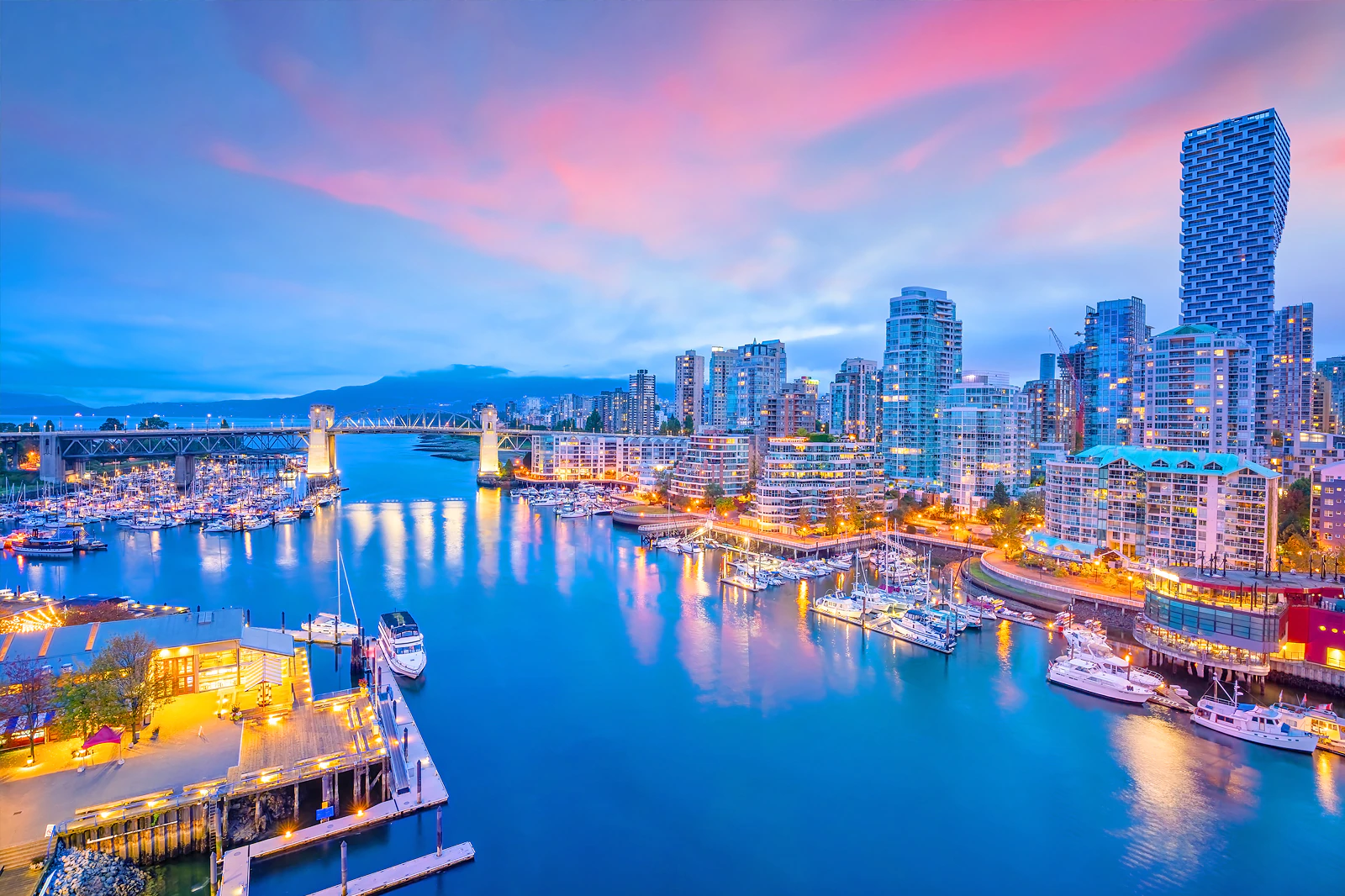
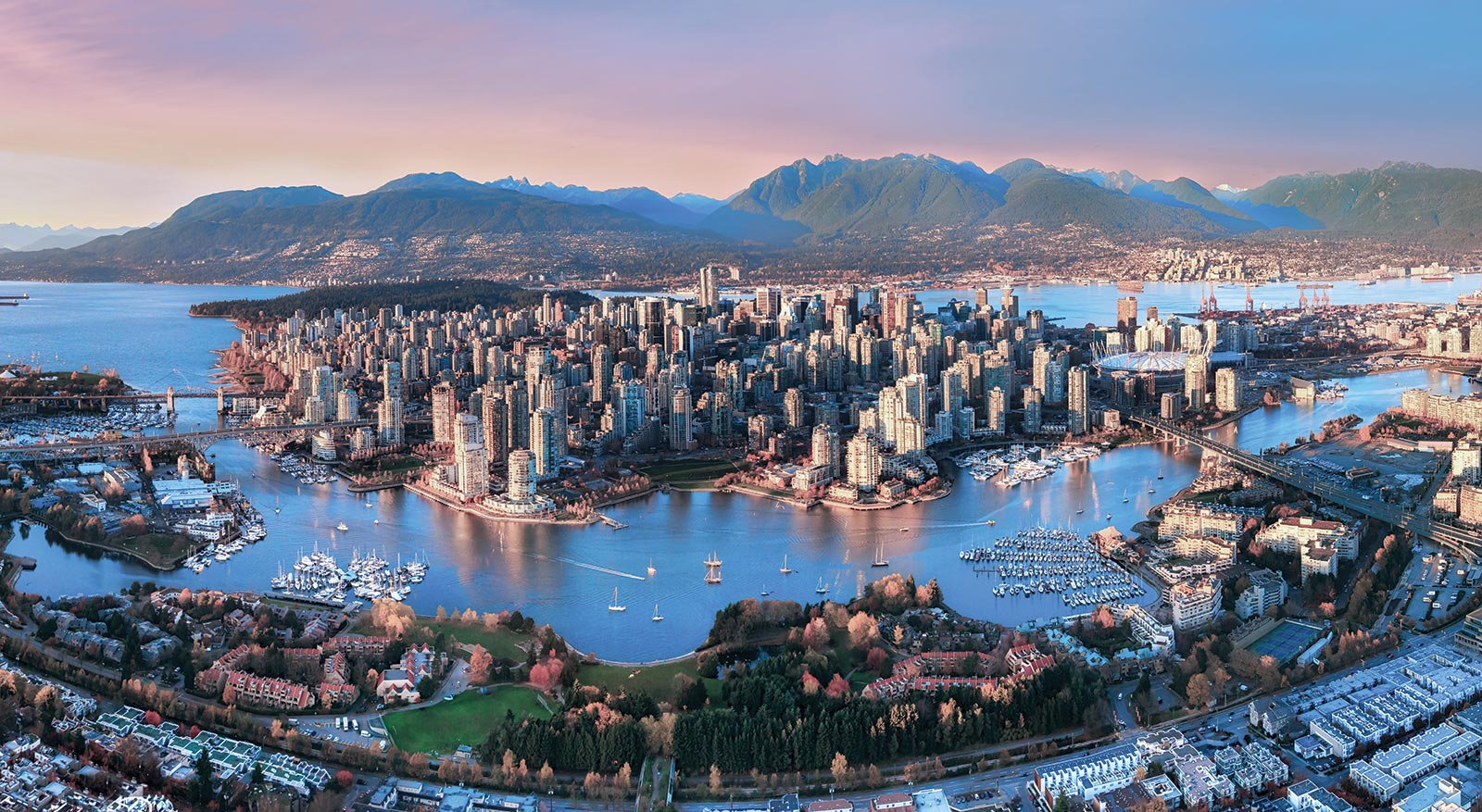
一般所说的”温哥华”泛指”大温地区”(请参考温哥华概况介绍)。温哥华市中心位于一个半岛上,主要分成几块区域:西尾区与水滨(West End & Waterfront)、耶鲁镇(Yaletown)、盖士镇与华埠(Gastown & Chinatown)。市中心往南的温哥华市以Carrall街与Ontario街分成温西(West Side)与温东(East Side)。外地人常把温西与西温哥华(West Vancouver)搞混,后者是温哥华北岸的一个城市,从温哥华市中心向北跨越狮门大桥(Lions Gate Bridge)即可抵达。
西尾区(West End)在市中心西端,北与史丹利公园、南与市中心商业区紧邻,是由整片新兴的高级住宅大楼与罗布森街(Robson Street)购物区、各国风味餐厅、海滩、游艇码头等所组成的热闹区域。到温哥华旅游如果不自行开车,在西尾区住宿是明智选择。
耶鲁镇(Yaletown)是位于市中心东缘的新兴小区,这里有许多杂错的红砖仓库改建成精致典雅的新购物娱乐区与艺术家工作室。一栋栋平房红砖墙的建筑 及巷道上的石板路,将素有“Funky Town"之称的耶鲁镇特色表露无遗。耶鲁镇有电影制片公司、美发沙龙、室内设计工作室、小型设计师家具店、古董店、精品服饰店,加上各种特色美食与露天 咖啡座、小酒馆,让耶鲁镇的雅痞色彩十足,成为温哥华时尚一族抢着进驻的地区。
盖士镇(Gastown)是温哥华的发源地,是个以2条横街和3条直街组成的三角地带。卑诗省政府将盖士镇规划程成为独特的观光区与历史维护区。如今这里 保存完好的19世纪初维多利亚式建筑、铺满圆石的悠长街道、别致的露天咖啡屋,复古的路灯及一座座低矮的历史建筑,行走其间宛如时空错置。也是游客来温哥 华必至之处。(Quelle:http://www.usatrip.cn/jdjs/jdjs_Vancouver.asp)
温哥华市(City of Vancouver)是加拿大不列颠哥伦比亚省低陆平原地区一沿岸城市。根据2016年加拿大统计局人口普查,温哥华市人口有631,486人,而大温哥华地区的人口为246万,[1]是不列颠哥伦比亚省以至加拿大西部最大的都会区,以及全国第三大都会区;市内人口则在全国排行第八。[2][3]
温哥华以英国航海家乔治·温哥华命名,欧洲人抵达温哥华一带后,区内经济早期主要依赖于林木业。加拿大太平洋铁路于1887年延至温哥华后,温哥华成为北美西岸水陆路交通的主要枢纽之一,更构成远东地区、加拿大东部和英国之间贸易往来的重要一环。[4][5]温哥华港现时是加拿大最大和最繁忙的港口,以货物总吨数计也是北美第四大港口。[6]此外,温哥华的自然环境深受游客欢迎,令旅游业成为市内第二大经济支柱。[7]温哥华也是北美第三大制片中心,有“北方好莱坞”之称。[8][9]也是20世纪后,与美国旧金山同为华人在北美最集中的地区。
温哥华近年经常在各项世界最佳居住城市的调查中名列前茅。[10][11]温哥华亦曾于2010年与125公里以外的惠斯勒联手举办冬季奥运会和冬季残奥会。[12]此外温哥华还曾举办2015年女子世界杯足球赛,决赛场地即设在不列颠哥伦比亚体育馆。
Vancouver (englische Aussprache [væŋˈkuːvɚ] oder [vænˈkuːvɚ]) ist eine Stadt im Südwesten von British Columbia an der Westküste Kanadas. Sie liegt zwischen der Straße von Georgia und den Coast Mountains, rund 45 Kilometer nordwestlich der Grenze zu den USA. Die Stadt gehört zum Regionaldistrikt Metro Vancouver, der mit 2.463.431 Einwohnern[1] die größte Metropolregion Westkanadas und nach Toronto und Montreal die drittgrößte des Landes bildet. Die Bevölkerungszahl der eigentlichen Stadt Vancouver beträgt 631.486.[2] Benannt ist die Stadt nach dem britischen Kapitän George Vancouver, der die Region Ende des 18. Jahrhunderts erforschte und vermaß. Der Name Vancouver selbst stammt vom niederländischen „van Coevorden“, abgeleitet von der Stadt Coevorden.
Die Stadt entstand in den 1860er Jahren als Folge der Einwanderungswelle während des Fraser-Canyon-Goldrauschs und entwickelte sich nach der Eröffnung der transkontinentalen Eisenbahn im Jahr 1887 innerhalb weniger Jahrzehnte von einer kleinen Sägewerkssiedlung zu einer Metropole. Die Wirtschaft basierte zu Beginn auf der Ausbeutung der natürlichen Ressourcen von British Columbia: Forstwirtschaft, Bergbau, Fischerei und Landwirtschaft. Der Hafen Vancouver erlangte nach der Eröffnung des Panamakanals internationale Bedeutung. Er ist heute der größte in Kanada und exportiert mehr Güter als jeder andere Hafen in Nordamerika.
Vancouver wandelte sich mit der Zeit zu einem Dienstleistungszentrum und (insbesondere nach der Weltausstellung Expo 86) zu einem Reiseziel für Touristen. Die Stadt ist darüber hinaus hinter Los Angeles und New York der drittwichtigste Standort der nordamerikanischen Filmindustrie und wird daher auch als „Hollywood North“ bezeichnet. Die Finanzwirtschaft spielt ebenfalls eine bedeutende Rolle. In einer Rangliste der wichtigsten Finanzzentren weltweit belegt Vancouver den 15. Platz (Stand: 2018).[3]
Vancouver veranstaltete vom 12. bis 28. Februar 2010 die XXI. Olympischen Winterspiele. Einige Wettbewerbe der Spiele fanden im 125 Kilometer von Vancouver entfernten Whistler statt. Nach Montreal im Jahr 1976 und Calgary im Jahr 1988 war Vancouver die dritte kanadische Stadt, die Olympische Spiele veranstaltet hat.
バンクーバー(英語: Vancouver)は、カナダ連邦ブリティッシュコロンビア州南西部にある都市。同州最大の都市である。ヴァンクーヴァーと表記されることもある[3]。
バンクーバーを中心とする都市圏人口は210万人とカナダ国内第3位の都市圏を形成している[4]。バンクーバー市のみの人口では同国内で第8位の約64万人[5]である。民族や言語が多様で、人口のおよそ52%は第一言語が同州の公用語にあたる英語ではない[6]。北米有数の世界都市であり、2016年に発表された「世界の都市総合力ランキング」では、世界28位と評価された[7]。
1867年に製材所ができ、これらを中心とする入植地であったギャスタウンは発展を続け、グランビルとして町は拡大した。東カナダから続く鉄道の終着駅が町まで敷かれることになった1886年に町はバンクーバーとして改名され市政となる。
林業が同市最大の産業で、都市部ながら自然に囲まれた都市として知られていることから、観光業が発達しており、同市第2の産業となっている[8]。同市にあるメトロバンクーバー港は同国最大の港であり、北米においても積載量で第4位の規模を持つ[9]。同市および隣のバーナビー市には、主要な各映画製作会社が拠点を置いており、ロサンゼルス、ニューヨークに続く北米第3位の規模となる映画製作拠点となっている。このため、通称ハリウッドノースとも呼ばれる[10][11]。国際会議や国際競技が数多く開催されており、2010年には第21回冬季オリンピック(バンクーバーオリンピック)が開催された。
Vancouver (/vænˈkuːvər/ ( listen)) is a coastal seaport city in western Canada, located in the Lower Mainland region of British Columbia. As the most populous city in the province, the 2016 census recorded 631,486 people in the city, up from 603,502 in 2011. The Greater Vancouver area had a population of 2,463,431 in 2016, making it the third-largest metropolitan area in Canada. Vancouver has the highest population density in Canada with over 5,400 people per square kilometre,[5][6] which makes it the fifth-most densely populated city with over 250,000 residents in North America behind New York City, Guadalajara, San Francisco,[7] and Mexico City according to the 2011 census. Vancouver is one of the most ethnically and linguistically diverse cities in Canada according to that census; 52% of its residents have a first language other than English.[8][9] Roughly 30% of the city's inhabitants are of Chinese heritage.[10] Vancouver is classed as a Beta global city.
Vancouver is consistently named as one of the top five worldwide cities for livability and quality of life,[11][12] and the Economist Intelligence Unit acknowledged it as the first city ranked among the top-ten of the world's most well-living cities[13] for five consecutive years.[14] Vancouver has hosted many international conferences and events, including the 1954 British Empire and Commonwealth Games, UN Habitat I, Expo 86, the World Police and Fire Games in 1989 and 2009; and the 2010 Winter Olympics and Paralympics which were held in Vancouver and Whistler, a resort community 125 km (78 mi) north of the city.[15] In 2014, following thirty years in California, the TED conference made Vancouver its indefinite home. Several matches of the 2015 FIFA Women's World Cup were played in Vancouver, including the final at BC Place.[16]
The original settlement, named Gastown, grew up on clearcuts on the west edge of the Hastings Mill logging sawmill's property, where a makeshift tavern had been set up on a plank between two stumps and the proprietor, Gassy Jack, persuaded the curious millworkers to build him a tavern, on July 1, 1867. From that first enterprise, other stores and some hotels quickly appeared along the waterfront to the west. Gastown became formally laid out as a registered townsite dubbed Granville, B.I. ("B.I" standing for "Burrard Inlet"). As part of the land and political deal whereby the area of the townsite was made the railhead of the Canadian Pacific Railway (CPR), it was renamed "Vancouver" and incorporated shortly thereafter as a city, in 1886. By 1887, the Canadian Pacific transcontinental railway was extended westward to the city to take advantage of its large natural seaport to the Pacific Ocean, which soon became a vital link in a trade route between the Orient / East Asia, Eastern Canada, and Europe.[17][18] As of 2014, Port Metro Vancouver is the third-largest port by tonnage in the Americas (recently displacing New York City), 27th in the world,[19] the busiest and largest in Canada, and the most diversified port in North America.[20] While forestry remains its largest industry, Vancouver is well known as an urban centre surrounded by nature, making tourism its second-largest industry.[21]
Major film production studios in Vancouver and nearby Burnaby have turned Greater Vancouver and nearby areas into one of the largest film production centres in North America,[22][23] earning it the nickname "Hollywood North".[24][25][26]
Vancouver /vãkuvaɛ̯ʁ/a Écouter ou /vɑ̃kuvɛʁ/b (en anglais : /væŋˈkuvɚ/c Écouter) est une cité1 portuaire du pourtour du Pacifique située dans les basses-terres continentales de la province de Colombie-Britannique, au Canada. Avec 631 486 habitants selon le recensement du Canada de 2016, elle est la huitième plus grande municipalité canadienne3. Son agglomération de 2 463 431 est la troisième aire urbaine du pays, et la plus peuplée de l'Ouest canadien. Vancouver est une des villes les plus cosmopolites du Canada, 52 % des résidents ont une autre langue maternelle que l'anglais4. Vancouver est considérée comme une ville mondiale de classe beta. La superficie de Vancouver est de 114,97 km2, donnant une densité de population de 5 493 au kilomètre carré, faisant d'elle la municipalité canadienne la plus densément peuplée et la quatrième en Amérique du Nord, après New York, San Francisco et Mexico5. Elle est la vingt-troisième ville la plus peuplée d'Amérique du Nord6.
Le premier établissement, nommé Gastown, s'est développé autour d'une scierie appelé Hastings Mills, en 1867. Le site fut renommé Vancouver et incorporé comme cité en 1886. En 1887, le chemin de fer transcontinental a été étendu jusqu'à elle pour profiter de son grand port naturel, qui est rapidement devenu un maillon essentiel d'une route commerciale entre la côte est du Canada, l'Orient et l'Europe7,8. En 2009, Port Metro Vancouver est le port le plus grand et le plus achalandé du Canada, et le plus diversifié d'Amérique du Nord9. Même si l'exploitation forestière demeure sa plus grande industrie, Vancouver est réputée pour être un centre urbain entouré par la nature, faisant du tourisme sa deuxième industrie10. Les studios de production cinématographique de Vancouver et de Burnaby ont fait de la métropole l'un des plus grands centres cinématographiques en Amérique du Nord11,12, ce qui lui a valu le surnom de Hollywood North13,14,15.
Vancouver est régulièrement citée comme l'une des cinq meilleures villes au monde pour sa qualité de vie16,17, et l'Economist Intelligence Unit l'a classée parmi les dix villes les plus agréables durant cinq années consécutives18,19. Vancouver fut l'hôte de nombreux évènements internationaux, comme les Jeux de l'Empire britannique et du Commonwealth de 1954, la conférence Habitat I par l'Organisation des Nations unies en 1976, l'Exposition internationale de 1986 et les Jeux olympiques d'hiver de 201020. En 2015, elle a accueilli la finale de la Coupe du monde féminine de football21. La ville accueillera en 2018 le Congrès ornithologique international.
Vancouver (AFI: [vanˈkuver][1]) è una città canadese, sulla costa Pacifica della provincia canadese della Columbia Britannica (British Columbia). È situata nella parte meridionale della provincia e rappresenta uno dei maggiori porti dell'Oceano Pacifico. È delimitata dallo Stretto di Georgia (Georgia Strait), dal fiume Fraser, e dalla catena montuosa delle Montagne Costiere. Il nome è in onore del capitano George Vancouver, esploratore britannico.
La popolazione della città è di 603 502 abitanti, mentre l'area urbana ne conta 2 135 201. Vancouver fa parte della regione metropolitana, conosciuta come la "Greater Vancouver Regional District" (GVRD) o Metro Vancouver, nella quale vivono 2 463 700 (stima del 2012)[2]. Questo la rende la più grande area metropolitana nel Canada occidentale, e la terza più grande nel paese. Come in buona parte del Canada, anche Vancouver etnicamente è molto diversificata, basti pensare che il 52% dei residenti[3][4] della città e il 43% dell'area metropolitana hanno come prima lingua un idioma diverso dall'inglese[5].
La popolazione metropolitana è proiettata a raggiungere i 3 milioni di abitanti entro il 2021[6]. La densità di popolazione è tra le più alte del Nord America, e la pone al quarto posto dopo New York, San Francisco e Città del Messico. Il trend porta a stimare che possa raggiungere il secondo posto entro il 2021[7].
L'economia di Vancouver ha tradizionalmente fatto leva sulle risorse della Columbia Britannica: forestali, minerarie, pesca e agricoltura. Ma tuttavia è andata diversificandosi nel tempo, ed oggi Vancouver ha un'importante e vitale industria nel settore dei servizi e del turismo. La città è diventata il terzo più grande polo di produzione cinematografico del Nord America dopo Los Angeles e New York, tanto da guadagnarsi il soprannome di Hollywood del Nord[8][9][10]. Vancouver ha avuto un'espansione nell'industria dell'high-tech, in particolare nello sviluppo dei videogiochi.
Vancouver è costantemente classificata fra le prime tre città più vivibili del mondo[11][12][13]. Secondo il rapporto 2010 della Mercer Human Resource Consulting, ad esempio, Vancouver è considerata la prima città al mondo per qualità della vita. Nel 2007 Vancouver era la seconda città più cara del Canada dopo Toronto e la 89ª a livello globale.
Nel 2010 Vancouver, insieme a Whistler, situata 125 km a nord della città, ha ospitato i Giochi olimpici invernali e i Giochi Paralimpici invernali.
Vancouver (en inglés: /væŋ'ku:vɚ/ (?·i), en español /baŋ'kuβ̞eɾ/) es una ciudad de la costa pacífica de Canadá, ubicada en el suroeste de la provincia de Columbia Británica, entre el estrecho de Georgia y las Montañas Costeras. La ciudad fue llamada así en honor del capitán George Vancouver, un explorador inglés.
Es parte del área metropolitana del Distrito Regional del Gran Vancouver, el cual, con una población de 2 313 328 habitantes (2011),1 constituye el área metropolitana más grande del oeste canadiense y la tercera en el país después de Toronto y Montreal.2 Vancouver en sí mismo cuenta con 603 502 habitantes.1 El gentilicio utilizado para referirse a los residentes de Vancouver es vancuverita o vancouverense,3 (en inglés Vancouverite).
Vancouver, en los últimos años, siempre ha sido considerada como una de las cinco ciudades con mejor calidad de vida en el mundo.4567 En 2013, obtuvo el puesto 21º entre las ciudades en que es más caro vivir y resultó ser la más cara de Norteamérica. 8 También es una de las ciudades más seguras del mundo, debido a sus bajísimas tasas de criminalidad.
Los Juegos Olímpicos y Paralímpicos de invierno de 2010 se llevaron a cabo en Vancouver y en la cercana localidad de Whistler.91011
Ванку́вер (англ. Vancouver) — город на западе Канады, крупнейший населённый пункт провинции Британская Колумбия и третий по величине в Канаде. В 2010 году в Ванкувере проводились XXI зимние Олимпийские игры. Исследовательская группа Economist Intelligence Unit (EIU) британского издания The Economist трижды — в 2005, 2007, 2009 годах — присваивала Ванкуверу звание «лучшего города Земли»[2][3][4].
Население самого города — 631 486 чел. (на 2016 год). В агломерации Большой Ванкувер (англ.)русск. проживает свыше 2 463 431 чел. (на 2016 год) — это третья по величине агломерация в Канаде. Ванкувер является наиболее этнически и лингвистически разнообразным городом страны — 52 % его жителей считают своим родным языком не английский[5].
 Animal world
 Alberta-AB

恐龙属四足爬行纲动物, 行动笨拙, 有一条纺锤形尾巴和一个与庞然身躯相比较小的脑袋, 有的恐龙体长达30 多米.在"爬行纲动物的黄金时代", 恐龙及其他爬行纲动物一起生活在中生代潮湿炎热的大森林中, 后來可能因气候变迁而灭绝.恐龙公园因数量丰富、种类繁多、保存完好的恐龙化石而闻名遐迩.现已出土的6000 万~8000 万年前的恐龙样品达60 余种, 分7 科45 属.1889 年在這里发现第一批恐龙化石.1898 年, 加拿大地质协会确定该地区为恐龙化石富层.1910~1917 年间, 加拿大国内、国外的古生物学者蜂拥而至, 疯狂地采集恐龙化石送往世界各地的博物馆.直到1955 年恐龙公园建立, 化石区受到法律保护, 游人只能在精心组织下前往指定的地区参观游览.专设的展室向公众演示了史前动物的生活情景.有幸觅得化石残片的游客还可获得一纸证书.
恐龙公园内埋藏恐龙化石的崎岖地带, 丘岗遍布, 雨水侵蚀而成的沟壑纵横交错, 山丘为裸露的砂岩.砂岩层因硬度不同而分若干层次, 最坚硬的砂岩层覆盖在最松软的砂岩层之上, 从而形成蘑菇状小丘, 人称"仙女壁炉", "壁炉"内一层硬盖保护着冲积而成的脆弱的冲积堆.(Quelle:http://www.mifang.org/ly/aw/p01.html)
*United States Political System
*UK political system
*French political system
Albania
Belgium
Bulgaria
Denmark
Germany
Estonia
Finland
France
Generalsekretäre der Nordatlantikpakt-Organisation
Jens Stoltenberg
Generalsekretäre der Nordatlantikpakt-Organisation
Anders Fogh Rasmussen
Generalsekretäre der Nordatlantikpakt-Organisation
Jaap de Hoop Scheffer
Generalsekretäre der Nordatlantikpakt-Organisation
George Robertson
Generalsekretäre der Nordatlantikpakt-Organisation
Javier Solana
Generalsekretäre der Nordatlantikpakt-Organisation
Sergio Balanzino
Generalsekretäre der Nordatlantikpakt-Organisation
Willy Claes
Generalsekretäre der Nordatlantikpakt-Organisation
Manfred Wörner
Generalsekretäre der Nordatlantikpakt-Organisation
Peter Carington, 6. Baron Carrington
Generalsekretäre der Nordatlantikpakt-Organisation
Joseph Luns
Generalsekretäre der Nordatlantikpakt-Organisation
Manlio Giovanni Brosio
Generalsekretäre der Nordatlantikpakt-Organisation
Dirk Stikker
Generalsekretäre der Nordatlantikpakt-Organisation
Paul-Henri Spaak
Generalsekretäre der Nordatlantikpakt-Organisation
Hastings Ismay, 1. Baron Ismay
 History
Greece
Greenland
Iceland
Italy
Canada
Croatia
Latvia
Lithuania
Luxembourg
History
Greece
Greenland
Iceland
Italy
Canada
Croatia
Latvia
Lithuania
Luxembourg
 Military, defense and equipment
 NATO members
NavyKlicken, um Alternative zu verwenden
NATO members
Air Force
NATO members
Army
Montenegro
NATO members
NATO members
NavyKlicken, um Alternative zu verwenden
NATO members
Air Force
NATO members
Army
Montenegro
 NATO summit
Netherlands
Nordmazedonien
Norwegen
NATO summit
Netherlands
Nordmazedonien
Norwegen
 Party and government
Poland
Portugal
Romania
Sweden
Slovakia
Slovenia
Spain
Czech Republic
Turkey
Hungary
United States
United Kingdom
Party and government
Poland
Portugal
Romania
Sweden
Slovakia
Slovenia
Spain
Czech Republic
Turkey
Hungary
United States
United Kingdom
 Important International Organizations

北大西洋公约组织(英语:North Atlantic Treaty Organization,缩写为NATO;法语:Organisation du Traité de l'Atlantique Nord,缩写为OTAN),简称北约组织或北约,是欧洲及北美洲国家为实现防卫合作而建立的国际组织。1949年3月18日,美国、英国及法国公开建立北大西洋公约组织,于同年4月4日在美国华盛顿签署《北大西洋公约》后正式成立。为与以前苏联为首的东欧集团国成员相抗衡。及至苏联解体,华沙条约组织宣告解散,北约就成为一个地区性防卫协作组织。北约的最高决策机构是北约理事会。理事会由成员国国家元首及政府高层、外长、国防部长组成。总部设在比利时的布鲁塞尔。最新成员黑山于2017年6月5日加入,至此北约总共有跨域欧洲和北美的29个国家组成。北约军事开支占世界国防开支的70%[4],成员国国防开支占该国GDP的2%左右[5]。
公约第5条规定成员国受到的攻击一旦被确认,其他成员国将作出即时反应。该条款被理解为各国部队将自动参战,并不再次需要各国政府的参战授权。但这一条条款在九一一事件之前,一直都未有动用过[6] 。北约曾协助反海盗行动(counter-piracy operations),在联合国要求下打击亚丁湾、非洲之角和印度洋的海盗[7],并在2011年根据联合国安理会1973号决议将利比亚上空设为禁飞区。
Die NATO (englisch North Atlantic Treaty Organization „Organisation des Nordatlantikvertrags“ bzw. Nordatlantikpakt-Organisation), im Deutschen häufig als Atlantisches Bündnis oder als Nordatlantikpakt bezeichnet (französisch OTAN – Organisation du Traité de l’Atlantique Nord), ist eine Internationale Organisation ohne Hoheitsrechte. Ihre Mitgliedstaaten behalten ihre volle Souveränität und Unabhängigkeit. Basis der NATO ist der Nordatlantikvertrag nach Artikel 51 der UN-Charta. Ihre Organisation versteht sich nicht nur als Verteidigungsbündnis, sondern auch als militärisch-politische Organisation von 29 europäischen und nordamerikanischen Mitgliedstaaten mit dem Ziel eigener Sicherheit und weltweiter Stabilität.
Das NATO-Hauptquartier beherbergt den Nordatlantikrat (das Hauptorgan der NATO) und seine unmittelbar nachgeordneten Einrichtungen, den International Staff (IS) und den International Military Staff (IMS); diese Institution hat seit 1967 ihren Sitz in Brüssel. Nach der Unterzeichnung des Nordatlantikpakts am 4. April 1949 – vorerst auf 20 Jahre – war das Hauptquartier zunächst in London ansässig und anschließend von 16. April 1952 bis 1967 in Paris angesiedelt worden.
Die beiden wichtigsten militärischen Hauptquartiere sind das ACO (aus historischen und juristischen Gründen auch als Supreme Headquarters Allied Powers Europe / SHAPE bezeichnet) im belgischen Casteau bei Mons und das Allied Command Transformation (ACT) in der US-Stadt Norfolk (Virginia).
北大西洋条約機構(きたたいせいようじょうやくきこう)は、北大西洋条約に基づき、アメリカ合衆国を中心とした北アメリカ(=アメリカとカナダ)およびヨーロッパ諸国によって結成された軍事同盟である。29カ国が加盟し、日本など非加盟国とも協力関係にある[1]。前身はブリュッセル条約 (1948年)。ベルギー首都ブリュッセルに本部を置く[2]。
略称は頭字語が用いられ、英語圏では、North Atlantic Treaty Organization を略した NATO(ネイトー)と呼ばれ、日本やドイツ語圏では NATO(ナトー)、フランス語圏・スペイン語圏・ポルトガル語圏等では OTAN(オタン)と呼ばれる。
The North Atlantic Treaty Organization (NATO /ˈneɪtoʊ/; French: Organisation du Traité de l'Atlantique Nord; OTAN), also called the North Atlantic Alliance, is an intergovernmental military alliance between 29 North American and European countries. The organization implements the North Atlantic Treaty that was signed on 4 April 1949.[3][4] NATO constitutes a system of collective defence whereby its independent member states agree to mutual defence in response to an attack by any external party. NATO’s Headquarters are located in Haren, Brussels, Belgium, while the headquarters of Allied Command Operations is near Mons, Belgium.
Since its founding, the admission of new member states has increased the alliance from the original 12 countries to 29. The most recent member state to be added to NATO is Montenegro on 5 June 2017. NATO currently recognizes Bosnia and Herzegovina, Georgia, Macedonia and Ukraine as aspiring members.[5] An additional 21 countries participate in NATO's Partnership for Peace program, with 15 other countries involved in institutionalized dialogue programs. The combined military spending of all NATO members constitutes over 70% of the global total.[6] Members have committed to reach or maintain defense spending of at least 2% of GDP by 2024.[7][8]
L’Organisation du traité de l'Atlantique norda (en anglais : North Atlantic Treaty Organization) est l'organisation politico-militaire mise en place par les pays signataires du traité de l'Atlantique nord afin de pouvoir remplir leurs obligations de sécurité et de défense collectives. Elle est le plus souvent désignée par son acronyme OTAN (en anglais NATO) mais aussi fréquemment nommée l’Alliance atlantique, plus rarement l’Alliance euro-atlantique ou l’Alliance transatlantique5, ou parfois, encore plus brièvement, simplement l’Alliance.
Le texte de ce traité, signé le 4 avril 1949, établit le Conseil de l'Atlantique nord (CAN), et lui donne mission de mettre en place l'organisation nécessaire à son application. Le choc provoqué par le déclenchement de la guerre de Corée conduit le CAN à décider fin 1950 la création d'une organisation militaire intégrée permanente, qui constitue encore actuellement la marque distinctive de l'OTAN et lui assure des capacités militaires qu'aucune autre alliance de défense ne possède. Sous le vocable OTAN, l'usage a prévalu d'englober l'alliance juridiquement conclue par les pays signataires du traité de l'Atlantique nord, et l'organisation civile et militaire mise en place pour en rendre opérants les objectifs. La France toutefois a fait exception en décidant en 1966, tout en restant membre de l'Alliance atlantique, de quitter l'organisation militaire intégrée, dont elle est redevenue membre à part entière en 2009.
L'Alliance voit le jour dans le contexte général des débuts de la guerre froide et plus spécifiquement pendant le blocus de Berlin exercé par les Soviétiques. Elle a pour vocation initiale d'assurer la sécurité de l'Europe occidentale en instaurant un couplage fort avec les États-Unis, seul moyen aux yeux des Européens après la Seconde Guerre mondiale de se prémunir contre toute tentative expansionniste de l'Union soviétique. Selon le mot de son premier secrétaire général, Lord Ismay, le rôle de l'OTAN consiste à « garder les Russes à l'extérieur, les Américains à l'intérieur et les Allemands sous tutelle »b. L'OTAN constitue le noyau dur du bloc de l'Ouest. Entre 1955 et 1991, l'adversaire désigné de l'OTAN est le pacte de Varsovie formé par les Soviétiques à la suite de l'adhésion de la RFA à l'Alliance atlantique et à son réarmement. L'OTAN s'organise donc pour faire face à cette menace par la définition de concepts stratégiques touchant notamment les questions relatives aux armes nucléaires, par la planification coordonnée entre tous ses membres de leurs moyens militaires, et par des commandements intégrés par zone géographique, dont le SHAPE est de loin le plus important.
Depuis la dissolution de l'URSS et la fin de la guerre froide en 1991, l'Alliance atlantique a perduré malgré la disparition de sa principale raison d'être initiale. Elle a procédé à son élargissement à d'anciens pays du bloc de l'Est et d'anciennes républiques de l'Union soviétique. Elle a pris en compte de nouvelles crises et menaces comme les conflits nationalistes dans l'ex-Yougoslavie, l'essor du terrorisme international ou la prolifération des armes de destruction massive, en conséquence de quoi l'OTAN a revu en profondeur son concept stratégique et son organisation civile et militaire à plusieurs reprises. Elle a développé une politique systématique de partenariats en Europe et dans le monde, au titre de laquelle les pays de l'Alliance ont établi depuis 1994 un partenariat pour la paix (PPP) avec la Russie, les pays de sa zone d'influence et avec les pays neutres d'Europe occidentale. L'OTAN a aussi mis en place en 2002 avec l'UE une relation privilégiée, l'Identité européenne de sécurité et de défense (IESD), qui permet à cette dernière de bénéficier de moyens de l'OTAN pour certaines opérations entrant dans le cadre de sa politique de sécurité et de défense commune.
Le siège de l'OTAN, initialement situé à Londres puis à Paris (dans les locaux désormais occupés par l'université Paris-Dauphine - PSL) se trouve depuis 1966 à Haren (Bruxelles), et son principal commandement militaire, le SHAPE, initialement installé à Rocquencourt (France), se trouve aujourd'hui à Maisières (Mons), également en Belgique.
L'Organizzazione del Trattato dell'Atlantico del Nord (in inglese North Atlantic Treaty Organization, in sigla NATO,[3] in francese: Organisation du Traité de l'Atlantique Nord, in sigla OTAN) è un'organizzazione internazionale per la collaborazione nel settore della difesa.
Il trattato istitutivo della NATO, il Patto Atlantico, fu firmato a Washington il 4 aprile 1949, ovvero nell'immediato secondo dopoguerra, ed entrò in vigore il 24 agosto dello stesso anno. Attualmente, fanno parte della NATO 29 stati del mondo.
La Organización del Tratado del Atlántico Norte u OTAN (en inglés: North Atlantic Treaty Organization o NATO; en francés: Organisation du Traité de l'Atlantique Nord u OTAN), también denominada Alianza del Atlántico, Alianza del Atlántico Norte o Alianza Atlántica, es una alianza militar intergubernamental basada en el Tratado del Atlántico Norte o Tratado de Washington firmado el 4 de abril de 1949. La organización constituye un sistema de defensa colectiva, en la cual los Estados miembros acuerdan defender a cualquiera de sus miembros si son atacados por una potencia externa.3
La sede de la OTAN se encuentra en Bruselas, Bélgica, uno de los veintinueve Estados miembros de la organización que se extiende por Norteamérica y Europa. La última incorporación fue Montenegro, en junio de 2017. Además, veintiún países colaboran con la OTAN dentro del programa Asociación para la Paz, con otros quince involucrados en programas de diálogo y nueve como socios globales. En 2017, el gasto militar combinado de los veintinueve países fue el 52 % del gasto militar mundial.45
En sus primeros años, la OTAN no era mucho más que una asociación política. Sin embargo, la guerra de Corea hizo que se planteara una coalición permanente. Entonces se creó una estructura militar bajo la dirección de los comandantes de Estados Unidos. La Guerra Fría llevó a las naciones rivales a crear el Pacto de Varsovia en 1955.
Siempre se han manifestado dudas sobre la alianza europeo-norteamericana ante una invasión soviética, desacuerdos que se plasmaron con la creación por parte de Francia de la fuerza de choque nuclear y con su retirada de la estructura militar de la alianza entre 1966 y 2009.
Después de la caída del Muro de Berlín en 1989, la organización intervino dentro de la guerra de Yugoslavia, lo que se convirtió en la primera intervención conjunta de la OTAN. En lo político la organización ha mejorado sus relaciones con los antiguos miembros del bloque del Este, dando como resultado la incorporación a la OTAN de varios miembros del Pacto de Varsovia.
La única ocasión en que un país miembro invocó el artículo 5 del tratado reivindicando la ayuda en su defensa, fue Estados Unidos en 2001.6 Desde entonces, los miembros colaboraron con los Estados Unidos en la guerra de Afganistán. El artículo 4 del tratado prevé llamar a consulta a los miembros y ha sido convocado cuatro veces, tres de ellas por Turquía, la primera por la guerra de Irak y las dos restantes por ataques recibidos durante la guerra civil siria,7 la cuarta ha sido invocada por Polonia durante la crisis de Crimea de 2014, debido a la movilización de tropas rusas en la frontera polaca con Kaliningrado y las maniobras rusas en el mar Báltico.
НА́ТО, Организа́ция Североатланти́ческого догово́ра, Североатлантический Альянс (англ. North Atlantic Treaty Organization, NATO; фр. Organisation du traité de l'Atlantique Nord, OTAN) — военно-политический блок, объединяющий большинство стран Европы, США и Канаду. Основан 4 апреля 1949 года в США, с целью защиты Европы от советского влияния[~ 1][~ 2][~ 3][~ 4][~ 5]. Тогда государствами — членами НАТО стали 12 стран: США, Канада, Исландия, Великобритания, Франция, Бельгия, Нидерланды, Люксембург, Норвегия, Дания, Италия и Португалия. Это «трансатлантический форум» для проведения странами-союзниками консультаций по любым вопросам, затрагивающим жизненно важные интересы его членов, включая события, способные поставить под угрозу их безопасность. Одной из декларированных целей НАТО является обеспечение сдерживания любой формы агрессии в отношении территории любого государства — члена НАТО или защиты от неё.
В настоящее время членами НАТО являются 29 стран. Военные расходы всех членов НАТО в совокупности составляют более 70 процентов от общемирового объёма[1].
 Economy and trade

 Asia-Pacific Economic Cooperation,APEC
 Australian Capital Territory-ACT
Australia
Beijing Shi-BJ
British Columbia-BC
Brunei Darussalam
Chile
China
Australian Capital Territory-ACT
Australia
Beijing Shi-BJ
British Columbia-BC
Brunei Darussalam
Chile
China
 Hand in Hand
 Hawaii-HI
Hongkong Tebiexingzhengqu-HK
Indonesia
Japan
Canada
Kantō
Kinki
Malaysia
Mexico
New Zealand
Hawaii-HI
Hongkong Tebiexingzhengqu-HK
Indonesia
Japan
Canada
Kantō
Kinki
Malaysia
Mexico
New Zealand
 New South Wales-NSW
Papua-Neuguinea
Party and government
Party and government
Asia-Pacific Economic Cooperation,APEC
Peru
Philippines
Republic of Korea
Russia
Shanghai Shi-SH
Singapore
Taiwan Sheng-TW
Thailand
United States
Vietnam
New South Wales-NSW
Papua-Neuguinea
Party and government
Party and government
Asia-Pacific Economic Cooperation,APEC
Peru
Philippines
Republic of Korea
Russia
Shanghai Shi-SH
Singapore
Taiwan Sheng-TW
Thailand
United States
Vietnam
 Washington-WA
Important International Organizations
Washington-WA
Important International Organizations
亚太经济合作组织(简称亚太经合组织;英语:Asia-Pacific Economic Cooperation,缩写:APEC),是亚太区内各地区之间促进经济成长、合作、贸易、投资的论坛。此组织的创办在历史上取代了该区域的冷战结构,但由于日本在该区域会因过去历史记忆引发负面评价,所以由澳大利亚主导创始事项[1]。
始设于1989年,现有21个经济体成员。亚太经合组织是经济合作的论坛平台,其运作是通过非约束性的承诺与成员的自愿,强调开放对话及平等尊重各成员意见,不同于其他经由条约确立的政府间组织。“APEC”与“Asia-Pacific Economic Cooperation”均是亚太经济合作组织的注册商标。[2]
Die Asiatisch-Pazifische Wirtschaftsgemeinschaft (für englisch Asia-Pacific Economic Cooperation, kurz APEC, auch übersetzt als Asiatisch-Pazifische Wirtschaftskooperation oder Asien-Pazifik-Forum) ist eine internationale Organisation, die es sich zum Ziel gesetzt hat, im pazifischen Raum eine Freihandelszone einzurichten.
In den 21 APEC-Staaten lebt knapp die Hälfte der Weltbevölkerung. Der Wirtschaftsraum erbringt mehr als die Hälfte der Weltwirtschaftsleistung und ist eine der am schnellsten wachsenden Wirtschaftsregionen der Welt.
アジア太平洋経済協力会議(アジアたいへいようけいざいきょうりょくかいぎ、英: Asia-Pacific Economic Cooperation)は、環太平洋地域における多国間経済協力を進めるための非公式なフォーラム[2]である。略称、APEC(エイペック[3][4])。
「アジア太平洋」という概念が最初に打ち出されたのは、永野重雄が1967年に発足させた太平洋経済委員会(PBEC)という経済団体の設立時であるとされるが[5][6][7]、具体的にこうした地域概念が政府レベルの協力枠組みに発展する萌芽は、1978年、日本の大平正芳首相が就任演説で「環太平洋連帯構想」を呼びかけたことにある。これを具体化した大平政権の政策研究会「環太平洋連帯研究グループ」(議長:大来佐武郎、幹事佐藤誠三郎)の報告を受け、大平がオーストラリアのマルコム・フレイザー首相に提案して強い賛同を得たことが、1980年9月の太平洋経済協力会議(PECC)の設立につながった。PECCは地域における様々な課題を議論し研究するセミナーといった趣のものであったが、これを土台にして、各国政府が正式に参加する会合として設立されたのが、APECである[8][9]。
APECは、1989年にオーストラリアのホーク首相の提唱で、日本・アメリカ合衆国・カナダ・韓国・オーストラリア・ニュージーランド及び当時の東南アジア諸国連合(ASEAN)加盟6か国の計12か国で発足し、同国のキャンベラで閣僚会議(Ministerial Meeting)を開催した。また、1993年には米国のシアトルで初の首脳会議(Economic Leaders' Meeting)がもたれた。現在は、首脳会議、及び、外相、経済担当相による閣僚会議をそれぞれ年1回開いている。シンガポールに常設事務局を置き、開催国から任期1年で事務局長が選任されている[10]。 参加しているメンバーは、21カ国・地域で、2012年現在、人口では世界の41.4%、GDP(国内総生産)では57.8%、貿易額では47%を占めている。
APECは、開かれた地域協力によって経済のブロック化を抑え、域内の貿易・投資の自由化を通じて、世界貿易機関(WTO)のもとでの多角的自由貿易体制を維持・発展することを目的としてきたが、近年のWTOの新ラウンドの停滞や自由貿易協定締結の動きの活発化などによって、その存在意義が問われている。
Asia-Pacific Economic Cooperation (APEC) is an inter-governmental forum for 21 Pacific Rim member economies[2] that promotes free trade throughout the Asia-Pacific region. Inspired from the success of Association of Southeast Asian Nations (ASEAN)’s series of post-ministerial conferences launched in the mid-1980s, the APEC was established in 1989 in response to the growing interdependence of Asia-Pacific economies and the advent of regional trade blocs in other parts of the world; and to establish new markets for agricultural products and raw materials beyond Europe.[3][4][5] Headquartered in Singapore, the APEC is recognised as one of the oldest forums and highest-level multilateral blocs in the Asia-Pacific region, and exerts a significant global influence.[6][7][8][9][10][11]
An annual APEC Economic Leaders' Meeting is attended by the heads of government of all APEC members except Republic of China (Taiwan) (which is represented by a ministerial-level official under the name Republic of China as economic leader).[12] The location of the meeting rotates annually among the member economies, and a famous tradition, followed for most (but not all) summits, involves the attending leaders dressing in a national costume of the host country. APEC has three official observers: the Association of Southeast Asian Nations Secretariat, the Pacific Economic Cooperation Council and the Pacific Islands Forum Secretariat.[13] APEC's Host Economy of the Year is considered to be invited in the first place for geographical representation to attend G20 meetings following G20 guidelines.[14][15][16][17]
La Coopération économique pour l'Asie-Pacifique (en anglais : Asia-Pacific Economic Cooperation, APEC) est un forum économique intergouvernemental visant à faciliter la croissance économique, la coopération, les échanges et l'investissement de la région Asie Pacifique. Elle se réunit chaque année1.
L'Asia-Pacific Economic Cooperation (APEC), ossia Cooperazione Economica Asiatico-Pacifica, è un organismo nato nel 1989 allo scopo di favorire la cooperazione (o, più in generale, la crescita) economica, il libero scambio e gli investimenti nell'area asiatico-pacifica. Tale area (come suggerisce il logo stesso dell'APEC) coincide non solo con l'Asia Pacifica, ma potenzialmente con l'intero Pacific Rim.
L'APEC ha sede a Singapore, Paese considerato una delle tigri dell'Asia.
Dal punto di vista del diritto internazionale l'APEC si definisce organismo e non organizzazione internazionale perché, essendo composto da economie e non da Stati, è privo di una piena personalità giuridica. Ciò spiega, fra l'altro, come mai possano farne parte contemporaneamente la Cina continentale, Hong Kong e Taiwan, ossia tre realtà che, territorialmente (secondo Pechino e secondo tutti i governi che intrattengono relazioni diplomatiche con Pechino), appartengono a un unico Stato: la Repubblica Popolare di Cina.
APEC (Asia-Pacific Economic Cooperation, en español Foro de Cooperación Económica Asia-Pacífico) es un foro multilateral creado en 1989, con el fin de consolidar el crecimiento y la prosperidad de los países del Pacífico, que trata temas relacionados con el intercambio comercial, coordinación económica y cooperación entre sus integrantes.1
Como mecanismo de cooperación y concertación económica, está orientado a la promoción y facilitación del comercio, las inversiones, la cooperación económica y técnica y al desarrollo económico regional de los países y territorios de la cuenca del océano Pacífico. Fomentando un crecimiento económico inclusivo, equitativo, sustentable e innovador.2
La suma del Producto Nacional Bruto de las veintiuna economías que conforman el APEC equivale al 56 % de la producción mundial, en tanto que en su conjunto representan el 46 % del comercio global.
La APEC no tiene un tratado formal. Sus decisiones se toman por consenso y funciona con base en declaraciones no vinculantes. Tiene una Secretaría General, con sede en Singapur, que es la encargada de coordinar el apoyo técnico y de consultoría. Cada año uno de los países miembros es huésped de la reunión anual de la APEC. La vigésimo novena cumbre se realizó en noviembre de 2017 en Da Nang, Vietnam; y la próxima será en Santiago, Chile.
Азиатско-Тихоокеанское экономическое сотрудничество (АТЭС) (англ. Asia-Pacific Economic Cooperation, APEC) — форум 21 экономики Азиатско-Тихоокеанского региона для сотрудничества в области региональной торговли и облегчения и либерализации капиталовложений.
Целью АТЭС является повышение экономического роста, процветания в регионе и укрепление азиатско-тихоокеанского сообщества. В экономиках-участницах проживает около 40 % мирового населения, на них приходится приблизительно 54 % ВВП и 44 % мировой торговли[1].
 Afghanistan
Egypt
Albania
Angola
Antigua and Barbuda
Argentina
Armenia
Australia
Bahrain
Bangladesh
Barbados
Belgium
Belize
Benin
Bolivia
Botsuana
Brazil
Brunei Darussalam
Bulgaria
Burkina Faso
Burundi
Chile
China
Columbia
Costa Rica
Côte d´Ivoire
Cuba
Denmark
Demokratische Republik Kongo
Germany
Dominica
Dominikanische Republik
Djibouti
Ecuador
Estonia
Afghanistan
Egypt
Albania
Angola
Antigua and Barbuda
Argentina
Armenia
Australia
Bahrain
Bangladesh
Barbados
Belgium
Belize
Benin
Bolivia
Botsuana
Brazil
Brunei Darussalam
Bulgaria
Burkina Faso
Burundi
Chile
China
Columbia
Costa Rica
Côte d´Ivoire
Cuba
Denmark
Demokratische Republik Kongo
Germany
Dominica
Dominikanische Republik
Djibouti
Ecuador
Estonia
 European Union
Fidschi
European Union
Fidschi
 Financial
Finland
France
Gabun
Gambia
Georgia
Ghana
Grenada
Greece
Guatemala
Guinea
Guinea-Bissau
Guyana
Honduras
Hongkong Tebiexingzhengqu-HK
India
Indonesia
Ireland
Iceland
Israel
Italy
Jamaika
Japan
Yemen
Jordan
Cambodia
Cameroon
Canada
Kap Verde
Kasachstan
Katar
Kenya
Kyrgyzstan
Croatia
Kuwait
Laos
Lesotho
Latvia
Liberia
Liechtenstein
Lithuania
Luxembourg
Macau Tebiexingzhengqu-MO
Madagaskar
Malawi
Malta
Morocco
Mauritania
Mauritius
Mexico
Moldawien
Financial
Finland
France
Gabun
Gambia
Georgia
Ghana
Grenada
Greece
Guatemala
Guinea
Guinea-Bissau
Guyana
Honduras
Hongkong Tebiexingzhengqu-HK
India
Indonesia
Ireland
Iceland
Israel
Italy
Jamaika
Japan
Yemen
Jordan
Cambodia
Cameroon
Canada
Kap Verde
Kasachstan
Katar
Kenya
Kyrgyzstan
Croatia
Kuwait
Laos
Lesotho
Latvia
Liberia
Liechtenstein
Lithuania
Luxembourg
Macau Tebiexingzhengqu-MO
Madagaskar
Malawi
Malta
Morocco
Mauritania
Mauritius
Mexico
Moldawien
 Mongolei
Montenegro
Mosambik
Myanmar
Namibia
Nepal
New Zealand
Nicaragua
Netherlands
Niger
Nigeria
Nordmazedonien
Norwegen
Oman
Austria
Pakistan
Panama
Papua-Neuguinea
Paraguay
Peru
Philippines
Poland
Portugal
Republik El Salvador
Republik Haiti
Republik Kongo
Republic of Korea
Ruanda
Romania
Russia
Salomonen
Sambia
Samoa
Saudi Arabia
Sweden
Sweden
Switzerland
Genf
Senegal
Seychellen
Sierra Leone
Simbabwe
Singapore
Slovakia
Slovenia
Spain
Sri Lanka
Saint Kitts and Nevis
St. Lucia
St. Vincent and the Grenadines
South Africa
Suriname
Swasiland
Tajikistan
Taiwan Sheng-TW
Tansania
Thailand
Togo
Tonga
Trinidad und Tobago
Tschad
Czech Republic
Tunisia
Turkey
Uganda
Ukraine
Hungary
Uruguay
Vanuatu
Venezuela
United Arab Emirates
United States
United Kingdom
Vietnam
Important International Organizations
World Trade Organization
Roberto Azevêdo
World Trade Organization
Mike Moore
World Trade Organization
Ngozi Okonjo-Iweala
World Trade Organization
Pascal Lamy
World Trade Organization
Peter Sutherland
World Trade Organization
Renato Ruggiero
World Trade Organization
Supachai Panitchpakdi
Central African Republic
Cyprus
Mongolei
Montenegro
Mosambik
Myanmar
Namibia
Nepal
New Zealand
Nicaragua
Netherlands
Niger
Nigeria
Nordmazedonien
Norwegen
Oman
Austria
Pakistan
Panama
Papua-Neuguinea
Paraguay
Peru
Philippines
Poland
Portugal
Republik El Salvador
Republik Haiti
Republik Kongo
Republic of Korea
Ruanda
Romania
Russia
Salomonen
Sambia
Samoa
Saudi Arabia
Sweden
Sweden
Switzerland
Genf
Senegal
Seychellen
Sierra Leone
Simbabwe
Singapore
Slovakia
Slovenia
Spain
Sri Lanka
Saint Kitts and Nevis
St. Lucia
St. Vincent and the Grenadines
South Africa
Suriname
Swasiland
Tajikistan
Taiwan Sheng-TW
Tansania
Thailand
Togo
Tonga
Trinidad und Tobago
Tschad
Czech Republic
Tunisia
Turkey
Uganda
Ukraine
Hungary
Uruguay
Vanuatu
Venezuela
United Arab Emirates
United States
United Kingdom
Vietnam
Important International Organizations
World Trade Organization
Roberto Azevêdo
World Trade Organization
Mike Moore
World Trade Organization
Ngozi Okonjo-Iweala
World Trade Organization
Pascal Lamy
World Trade Organization
Peter Sutherland
World Trade Organization
Renato Ruggiero
World Trade Organization
Supachai Panitchpakdi
Central African Republic
Cyprus

世界贸易组织(简称世贸组织或世贸;英语:World Trade Organization,缩写为 WTO;法语:Organisation Mondiale du Commerce,缩写为 OMC;西班牙语:Organización Mundial del Comercio,缩写为 OMC)是负责监督成员经济体之间各种贸易协议得到执行的一个国际组织,前身是1948年起实施的关税及贸易总协定的秘书处。
世贸总部位于瑞士日内瓦,现任总干事是罗伯托·阿泽维多。截至2016年7月29日,世界贸易组织共有164个成员。[5]世界贸易组织的职能是调解纷争,加入WTO不算签订一种多边贸易协议,但其设置的入会门槛可以做为愿意降低关税、法政上配合、参与国际贸易的门票,它是贸易体制的组织基础和法律基础,是众多贸易协定的管理者,是各成员贸易立法的监督者,是就贸易提供解决争端和进行谈判的场所。该机构是当代最重要的国际经济组织之一,其成员间的贸易额占世界贸易额的绝大多数,被称为“经济联合国”。
Die Welthandelsorganisation (englisch World Trade Organization, WTO; französisch Organisation mondiale du commerce, OMC; spanisch Organización Mundial de Comercio, OMC) ist eine internationale Organisation mit Sitz in Genf, die sich mit der Regelung von Handels- und Wirtschaftsbeziehungen beschäftigt. Sie wurde am 15. April 1994 aus dem General Agreement on Tariffs and Trade (GATT) in der Uruguay-Runde nach siebenjähriger Verhandlungszeit gegründet. Am 1. Januar 1995 nahm sie ihre Arbeit in Genf auf. Die WTO ist neben dem IWF und der Weltbank eine der zentralen internationalen Organisationen, die Handels- und Wirtschaftspolitik mit globaler Reichweite verhandelt.
世界貿易機関(せかいぼうえききかん、英: World Trade Organization、略称:WTO)は、自由貿易促進を主たる目的として創設された国際機関である。常設事務局がスイスのジュネーブに置かれている。
GATT(ガット)ウルグアイ・ラウンドにおける合意によって、世界貿易機関を設立するマラケシュ協定(WTO設立協定)に基づいて1995年1月1日にGATTを発展解消させて成立した。
本来GATTは、第二次世界大戦後の安定を見据え、国際通貨基金および国際復興開発銀行とともに設立が予定されていた国際貿易機関(ITO)の設立準備の際に、暫定協定として結ばれたものであった。国際貿易機関の設立が廃案となり、GATTがその代替として発展強化されていくうちに、再びこの分野の常設機関が求められ、WTOが設立されることとなった。発展解消であるため、GATTの事務局及び事務局長もWTOへと引き継がれることとなった[4]。
WTOはGATTを継承したものであるが、GATTが協定(Agreement)に留まったのに対し、WTOは機関(Organization)であるのが根本的な違いである。
を基本原則としている。また、物品貿易だけでなく金融、情報通信、知的財産権やサービス貿易も含めた包括的な国際通商ルールを協議する場である。
対抗処置の発動では、紛争処理機関(パネル)の提訴に対し全加盟国による反対がなければ採択されるというネガティブ・コンセンサス方式(逆コンセンサス方式)を採用した強力な紛争処理能力を持つ。これは国際組織としては稀な例であり、コンセンサス方式を採っていたGATTとの大きな違いで、WTOの特徴の一つといえる。
新多角的貿易交渉(新ラウンド)は、2001年11月にカタールのドーハで行われた第4回WTO閣僚会議で開始を決定し、ドーハ・ラウンドと呼ばれていた。2002年2月1日の貿易交渉委員会で新ラウンドがスタートした。しかし9年に及ぶ交渉は先進国と、急速に台頭してきたBRICsなど新興国との対立によって中断と再開を繰り返した末、ジュネーブで行われた第4回WTO閣僚会議(2011年12月17日)で「交渉を継続していくことを確認するものの、近い将来の妥結を断念する」(議長総括)となり事実上停止状態になった。
その後、2013年のバリ島における閣僚会議で、貿易円滑化協定を含む合意が成立し、2014年7月まで貿易円滑化協定をWTO協定に加える(附属書1Aに追加)するための文書を一般理事会で採択すべきとされた[5]。しかしインドが合意を蒸し返す状態で反対したため期限までに採択できなかった[6]。その後食糧備蓄への補助金の問題で先進国側が譲歩することでようやくインドが合意し、2014年11月27日の一般理事会で貿易円滑化協定が採択された[6]。WTO加盟国の3分の2が改正を受諾した日に発効することになっており、2017年2月22日にこの要件を満たし、協定が発効した。
The World Trade Organization (WTO) is an intergovernmental organization that regulates international trade. The WTO officially commenced on 1 January 1995 under the Marrakesh Agreement, signed by 124 nations on 15 April 1994, replacing the General Agreement on Tariffs and Trade (GATT), which commenced in 1948. It is the largest international economic organization in the world.[5][6]
The WTO deals with regulation of trade in goods, services and intellectual property between participating countries by providing a framework for negotiating trade agreements and a dispute resolution process aimed at enforcing participants' adherence to WTO agreements, which are signed by representatives of member governments[7]:fol.9–10 and ratified by their parliaments.[8] The WTO prohibits discrimination between trading partners, but provides exceptions for environmental protection, national security, and other important goals.[9] Trade-related disputes are resolved by independent judges at the WTO through a dispute resolution process.[9]
The WTO's current Director-General is Roberto Azevêdo,[10][11] who leads a staff of over 600 people in Geneva, Switzerland.[12] A trade facilitation agreement, part of the Bali Package of decisions, was agreed by all members on 7 December 2013, the first comprehensive agreement in the organization's history.[13][14] On 23 January 2017, the amendment to the WTO Trade Related Aspects of Intellectual Property Rights (TRIPS) Agreement marks the first time since the organization opened in 1995 that WTO accords have been amended, and this change should secure for developing countries a legal pathway to access affordable remedies under WTO rules.[15]
Studies show that the WTO boosted trade,[16][17][9] and that barriers to trade would be higher in the absence of the WTO.[18] The WTO has highly influenced the text of trade agreements, as "nearly all recent [preferential trade agreements (PTAs)] reference the WTO explicitly, often dozens of times across multiple chapters... in many of these same PTAs we find that substantial portions of treaty language—sometime the majority of a chapter—is copied verbatim from a WTO agreement."[19]
L'Organisation mondiale du commerce (OMC ; en anglais : World Trade Organization, WTO, en espagnol : Organización Mundial del Comercio, OMC) est une organisation internationale qui s'occupe des règles régissant le commerce international entre les pays. Au cœur de l'organisation se trouvent les accords de l'OMC, négociés et signés en avril 1994 à Marrakech1 par la majeure partie des puissances commerciales du monde2 et ratifiés par leurs assemblées parlementaires. L'OMC a pour but principal de favoriser l'ouverture commerciale. Pour cela, elle tâche de réduire les obstacles au libre-échange, d'aider les gouvernements à régler leurs différends commerciaux et d'assister les exportateurs, les importateurs et les producteurs de marchandises et de services dans leurs activités.
Depuis 2001, le cycle de négociation mené par l'OMC est le Cycle de Doha3. Bien que l'OMC ne soit pas une agence spécialisée de l'ONU, elle entretient des liens avec cette dernière4. Le siège de l'OMC est au Centre William-Rappard, à Genève. Depuis le 1er septembre 2013, l'organisation est présidée par le Brésilien Roberto Azevêdo qui a été élu directeur général.
L'Organizzazione mondiale del commercio, abbreviato in OMC (in inglese: World Trade Organization, WTO), è un'organizzazione internazionale creata allo scopo di supervisionare numerosi accordi commerciali tra gli stati membri. Vi aderiscono[3] 164 Paesi, a cui se ne aggiungono altri 22 con ruolo di osservatori,[4] comprendendo così oltre il 95% del commercio mondiale di beni e servizi.[5]
La sede dell'OMC si trova, dal 1995, presso il Centro William Rappard a Ginevra, Svizzera.[6]
La Organización Mundial del Comercio (OMC) fue establecida en 1995. Tiene su sede en Ginebra, Suiza, y sus idiomas oficiales son el inglés, el francés y el español. La OMC no forma parte del sistema de las Naciones Unidas, y tampoco de los organismos de Bretton Woods como el Banco Mundial o el FMI.Nota 1
Всеми́рная торго́вая организа́ция (ВТО; англ. World Trade Organization (WTO), фр. Organisation mondiale du commerce (OMC), исп. Organización Mundial del Comercio) — международная организация, созданная 1 января 1995 года с целью либерализации международной торговли и регулирования торгово-политических отношений государств-членов. ВТО образована на основе Генерального соглашения по тарифам и торговле (ГАТТ), заключенного в 1947 году и на протяжении почти 50 лет фактически выполнявшего функции международной организации, но не являвшегося тем не менее международной организацией в юридическом смысле.
ВТО отвечает за разработку и внедрение новых торговых соглашений, а также следит за соблюдением членами организации всех соглашений, подписанных большинством стран мира и ратифицированных их парламентами. ВТО строит свою деятельность, исходя из решений, принятых в 1986—1994 годах в рамках Уругвайского раунда и более ранних договоренностей ГАТТ. Обсуждения проблем и принятие решений по глобальным проблемам либерализации и перспективам дальнейшего развития мировой торговли проходят в рамках многосторонних торговых переговоров (раунды). К настоящему времени проведено 8 раундов таких переговоров, включая Уругвайский, а в 2001 году стартовал девятый в Дохе, Катар. Организация пытается завершить переговоры по Дохийскому раунду переговоров, который был начат с явным акцентом на удовлетворение потребностей развивающихся стран. По состоянию на декабрь 2012 года будущее раунда переговоров в Дохе остаётся неопределённым: программа работы состоит из 21 части, а первоначально установленный окончательный срок 1 января 2005 года был давно пропущен[3]. В ходе переговоров возник конфликт между стремлением к свободной торговле и стремлением множества стран к протекционизму, особенно в плане сельскохозяйственных субсидий. До сих пор эти препятствия остаются главными и мешают любому прогрессу для запуска новых переговоров в рамках Дохийского раунда. По состоянию на июль 2012 года, существуют различные группы переговоров в системе ВТО для решения текущих вопросов в плане сельского хозяйства, что приводит к застою в самих переговорах[4].
Штаб-квартира ВТО расположена в Женеве, Швейцария. Глава ВТО (генеральный директор) — Роберту Карвалью ди Азеведу, в штате самой организации около 600 человек[5].
На 26 апреля 2015 года в ВТО состояли 162 страны[6].
Правила ВТО предусматривают ряд льгот для развивающихся стран. В настоящее время развивающиеся страны — члены ВТО имеют (в среднем) более высокий относительный уровень таможенно-тарифной защиты своих рынков по сравнению с развитыми. Тем не менее, в абсолютном выражении общий размер таможенно-тарифных санкций в развитых странах гораздо выше, вследствие чего доступ на рынки высокопередельной продукции из развивающихся стран серьёзно ограничен[7].
Правила ВТО регулируют только торгово-экономические вопросы. Попытки США и ряда европейских стран начать дискуссию об условиях труда (что позволило бы считать недостаточную законодательную защиту работников конкурентным преимуществом) были отвергнуты из-за протестов развивающихся стран, которые утверждали, что такие меры только ухудшат благосостояние работников в связи с сокращением числа рабочих мест, снижением доходов и уровня конкурентоспособности[7].
Mitglieder der WTO
| Staat | Beitrittsdatum |
|---|---|
 Ägypten Ägypten |
30. Juni 1995 |
 Afghanistan Afghanistan |
29. Juli 2016 |
 Albanien Albanien |
8. September 2000 |
 Angola Angola |
23. November 1996 |
 Antigua und Barbuda Antigua und Barbuda |
1. Januar 1995 |
 Argentinien Argentinien |
1. Januar 1995 |
 Armenien Armenien |
5. Februar 2003 |
 Australien Australien |
1. Januar 1995 |
 Bahrain Bahrain |
1. Januar 1995 |
 Bangladesch Bangladesch |
1. Januar 1995 |
 Barbados Barbados |
1. Januar 1995 |
 Belgien Belgien |
1. Januar 1995 |
 Belize Belize |
1. Januar 1995 |
 Benin Benin |
22. Februar 1996 |
 Bolivien Bolivien |
12. September 1995 |
 Botswana Botswana |
31. Mai 1995 |
 Brasilien Brasilien |
1. Januar 1995 |
 Brunei Brunei |
1. Januar 1995 |
 Bulgarien Bulgarien |
1. Dezember 1996 |
 Burkina Faso Burkina Faso |
3. Juni 1995 |
 Burundi Burundi |
23. Juli 1995 |
 Chile Chile |
1. Januar 1995 |
 Volksrepublik China Volksrepublik China |
11. Dezember 2001 |
 Costa Rica Costa Rica |
1. Januar 1995 |
 Dänemark Dänemark |
1. Januar 1995 |
 Deutschland Deutschland |
1. Januar 1995 |
 Dominica Dominica |
1. Januar 1995 |
 Dominikanische Republik Dominikanische Republik |
9. März 1995 |
 Dschibuti Dschibuti |
31. Mai 1995 |
 Ecuador Ecuador |
21. Januar 1996 |
 El Salvador El Salvador |
7. Mai 1995 |
 Elfenbeinküste Elfenbeinküste |
1. Januar 1995 |
 Estland Estland |
13. November 1999 |
 Eswatini Eswatini |
1. Januar 1995 |
 Europäische Union Europäische Union |
1. Januar 1995 |
 Fidschi Fidschi |
14. Januar 1996 |
 Finnland Finnland |
1. Januar 1995 |
 Frankreich Frankreich |
1. Januar 1995 |
 Gabun Gabun |
1. Januar 1995 |
 Gambia Gambia |
23. Oktober 1996 |
 Georgien Georgien |
14. Juni 2000 |
 Ghana Ghana |
1. Januar 1995 |
 Grenada Grenada |
22. Februar 1996 |
 Griechenland Griechenland |
1. Januar 1995 |
 Guatemala Guatemala |
21. Juli 1995 |
 Guinea Guinea |
25. Oktober 1995 |
 Guinea-Bissau Guinea-Bissau |
31. Mai 1995 |
 Guyana Guyana |
1. Januar 1995 |
 Haiti Haiti |
30. Januar 1996 |
 Honduras Honduras |
1. Januar 1995 |
 Hongkong Hongkong |
1. Januar 1995 |
 Indien Indien |
1. Januar 1995 |
 Indonesien Indonesien |
1. Januar 1995 |
 Irland Irland |
1. Januar 1995 |
 Island Island |
1. Januar 1995 |
 Israel Israel |
21. April 1995 |
 Italien Italien |
1. Januar 1995 |
 Jamaika Jamaika |
9. März 1995 |
 Jemen Jemen |
26. Juni 2014 |
 Japan Japan |
1. Januar 1995 |
 Jordanien Jordanien |
11. April 2000 |
 Kambodscha Kambodscha |
13. Oktober 2004 |
 Kamerun Kamerun |
13. Dezember 1995 |
 Kanada Kanada |
1. Januar 1995 |
 Kap Verde Kap Verde |
23. Juli 2008 |
 Kasachstan Kasachstan |
30. November 2015 |
 Katar Katar |
13. Januar 1996 |
 Kenia Kenia |
1. Januar 1995 |
 Kirgisistan Kirgisistan |
20. Dezember 1998 |
 Kolumbien Kolumbien |
30. April 1995 |
 Demokratische Republik Kongo Demokratische Republik Kongo |
1. Januar 1997 |
 Republik Kongo Republik Kongo |
27. März 1997 |
 Kroatien Kroatien |
30. November 2000 |
 Kuba Kuba |
20. April 1995 |
 Kuwait Kuwait |
1. Januar 1995 |
 Laos Laos |
2. Februar 2013 |
 Lesotho Lesotho |
31. Mai 1995 |
 Lettland Lettland |
10. Februar 1999 |
 Liberia Liberia |
14. Juli 2016 |
 Liechtenstein Liechtenstein |
1. September 1995 |
 Litauen Litauen |
31. Mai 2001 |
 Luxemburg Luxemburg |
1. Januar 1995 |
 Macau Macau |
1. Januar 1995 |
 Madagaskar Madagaskar |
17. November 1995 |
 Montenegro Montenegro |
29. April 2012 |
 Malawi Malawi |
31. Mai 1995 |
 Malaysia Malaysia |
1. Januar 1995 |
 Malediven Malediven |
31. Mai 1995 |
 Mali Mali |
31. Mai 1995 |
 Malta Malta |
1. Januar 1995 |
 Marokko Marokko |
1. Januar 1995 |
 Mauretanien Mauretanien |
31. Mai 1995 |
 Mauritius Mauritius |
1. Januar 1995 |
 Nordmazedonien Nordmazedonien |
4. April 2003 |
 Mexiko Mexiko |
1. Januar 1995 |
 Moldau Moldau |
26. Juli 2001 |
 Mongolei Mongolei |
29. Januar 1997 |
 Mosambik Mosambik |
26. August 1995 |
 Myanmar Myanmar |
1. Januar 1995 |
 Namibia Namibia |
1. Januar 1995 |
 Nepal Nepal |
23. April 2004 |
 Neuseeland Neuseeland |
1. Januar 1995 |
 Nicaragua Nicaragua |
3. September 1995 |
 Niederlande Niederlande |
1. Januar 1995 |
 Niger Niger |
13. Dezember 1996 |
 Nigeria Nigeria |
1. Januar 1995 |
 Norwegen Norwegen |
1. Januar 1995 |
 Oman Oman |
9. November 2000 |
 Österreich Österreich |
1. Januar 1995 |
 Pakistan Pakistan |
1. Januar 1995 |
 Panama Panama |
6. September 1997 |
 Papua-Neuguinea Papua-Neuguinea |
9. Juni 1996 |
 Paraguay Paraguay |
1. Januar 1995 |
 Peru Peru |
1. Januar 1995 |
 Philippinen Philippinen |
1. Januar 1995 |
 Polen Polen |
1. Juli 1995 |
 Portugal Portugal |
1. Januar 1995 |
 Ruanda Ruanda |
22. Mai 1996 |
 Rumänien Rumänien |
1. Januar 1995 |
 Russland Russland |
22. August 2012 |
 Salomonen Salomonen |
26. Juli 1996 |
 Sambia Sambia |
1. Januar 1995 |
 Saudi-Arabien Saudi-Arabien |
11. Dezember 2005 |
 Samoa Samoa |
10. Mai 2012 |
 Schweden Schweden |
1. Januar 1995 |
 Schweiz Schweiz |
1. Januar 1995 |
 Senegal Senegal |
1. Januar 1995 |
 Seychellen Seychellen |
26. April 2015 |
 Sierra Leone Sierra Leone |
23. Juli 1995 |
 Simbabwe Simbabwe |
5. März 1995 |
 Singapur Singapur |
1. Januar 1995 |
 Slowakei Slowakei |
1. Januar 1995 |
 Slowenien Slowenien |
30. Juli 1995 |
 Spanien Spanien |
1. Januar 1995 |
 Sri Lanka Sri Lanka |
1. Januar 1995 |
 St. Kitts und Nevis St. Kitts und Nevis |
21. Februar 1996 |
 St. Lucia St. Lucia |
1. Januar 1995 |
 St. Vincent und die Grenadinen St. Vincent und die Grenadinen |
1. Januar 1995 |
 Südafrika Südafrika |
1. Januar 1995 |
 Südkorea Südkorea |
1. Januar 1995 |
 Suriname Suriname |
1. Januar 1995 |
 Tadschikistan Tadschikistan |
2. März 2013 |
 Taiwan[1] Taiwan[1] |
1. Januar 2002 |
 Tansania Tansania |
1. Januar 1995 |
 Thailand Thailand |
1. Januar 1995 |
 Togo Togo |
31. Mai 1995 |
 Tonga Tonga |
27. Juli 2007 |
 Trinidad und Tobago Trinidad und Tobago |
1. März 1995 |
 Tschad Tschad |
19. Oktober 1996 |
 Tschechien Tschechien |
1. Januar 1995 |
 Tunesien Tunesien |
29. März 1995 |
 Türkei Türkei |
26. März 1995[2] |
 Uganda Uganda |
1. Januar 1995 |
 Ukraine Ukraine |
16. Mai 2008 |
 Ungarn Ungarn |
1. Januar 1995 |
 Uruguay Uruguay |
1. Januar 1995 |
 Venezuela Venezuela |
1. Januar 1995 |
 Vereinigte Arabische Emirate Vereinigte Arabische Emirate |
10. April 1996 |
 Vereinigtes Königreich Vereinigtes Königreich |
1. Januar 1995 |
 Vereinigte Staaten Vereinigte Staaten |
1. Januar 1995 |
 Vanuatu Vanuatu |
24. August 2012 |
 Vietnam Vietnam |
11. Januar 2007 |
 Zentralafrikanische Republik Zentralafrikanische Republik |
31. Mai 1995 |
 Zypern Zypern |
30. Juli 1995 |

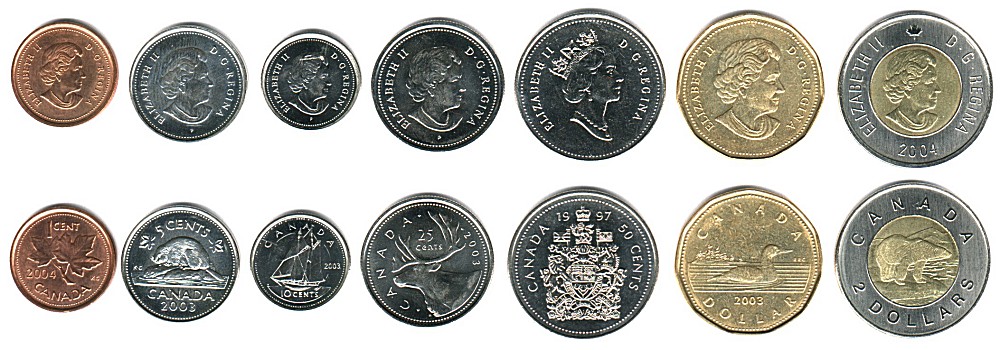 Formel-1-Weltmeisterschaft 2017
Circuit
Formel-1-Weltmeisterschaft 2018
Formula 1 World Championship 2025
Canada
Quebec-QC
Sport
Formel-1-Weltmeisterschaft 2017
Circuit
Formel-1-Weltmeisterschaft 2018
Formula 1 World Championship 2025
Canada
Quebec-QC
Sport

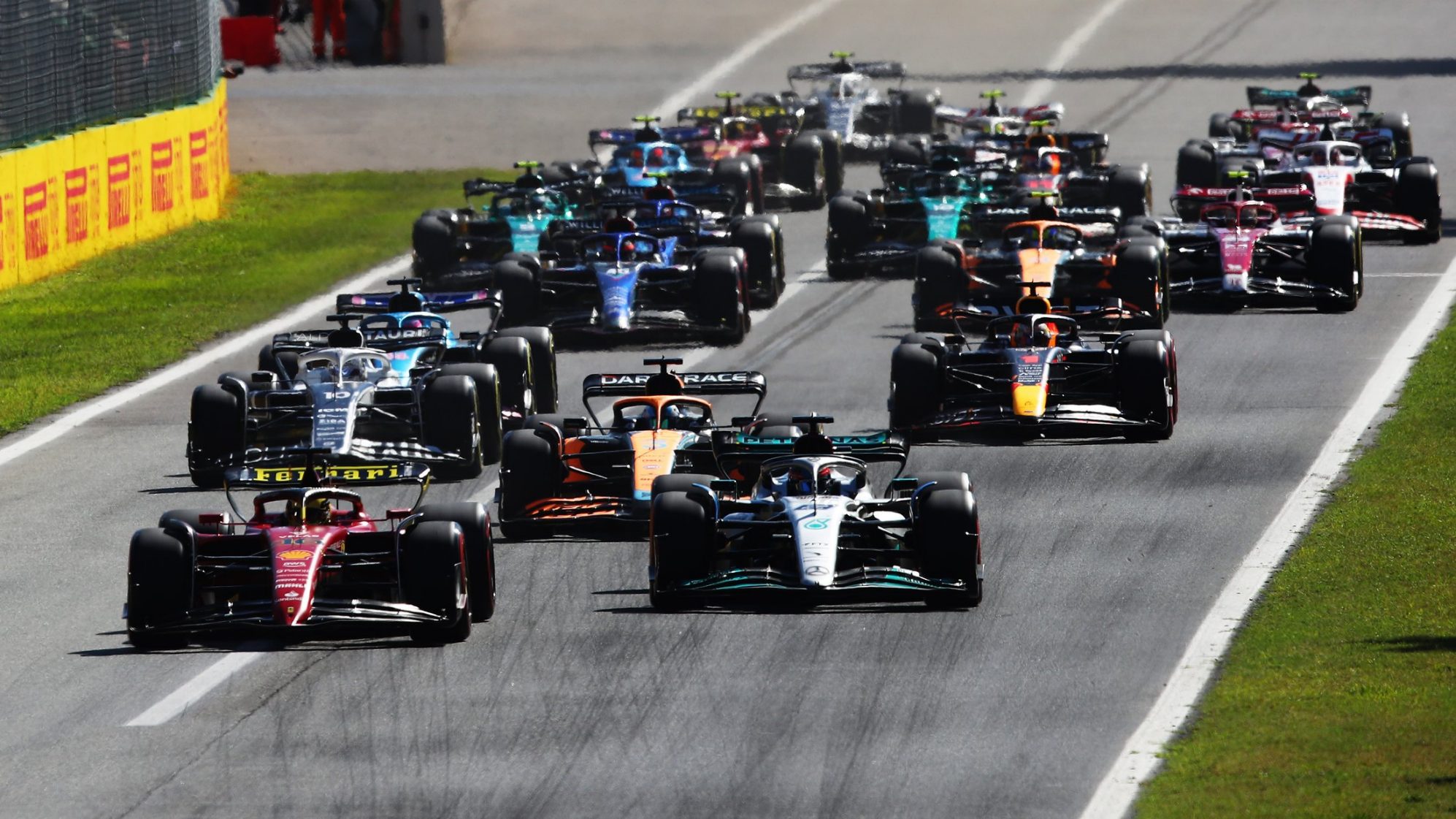
Women's Soccer World Cup 2015
ITU World Championship Series
Canada
Olympic Summer Games
Quebec-QC
Sport
Triathlon
Important port


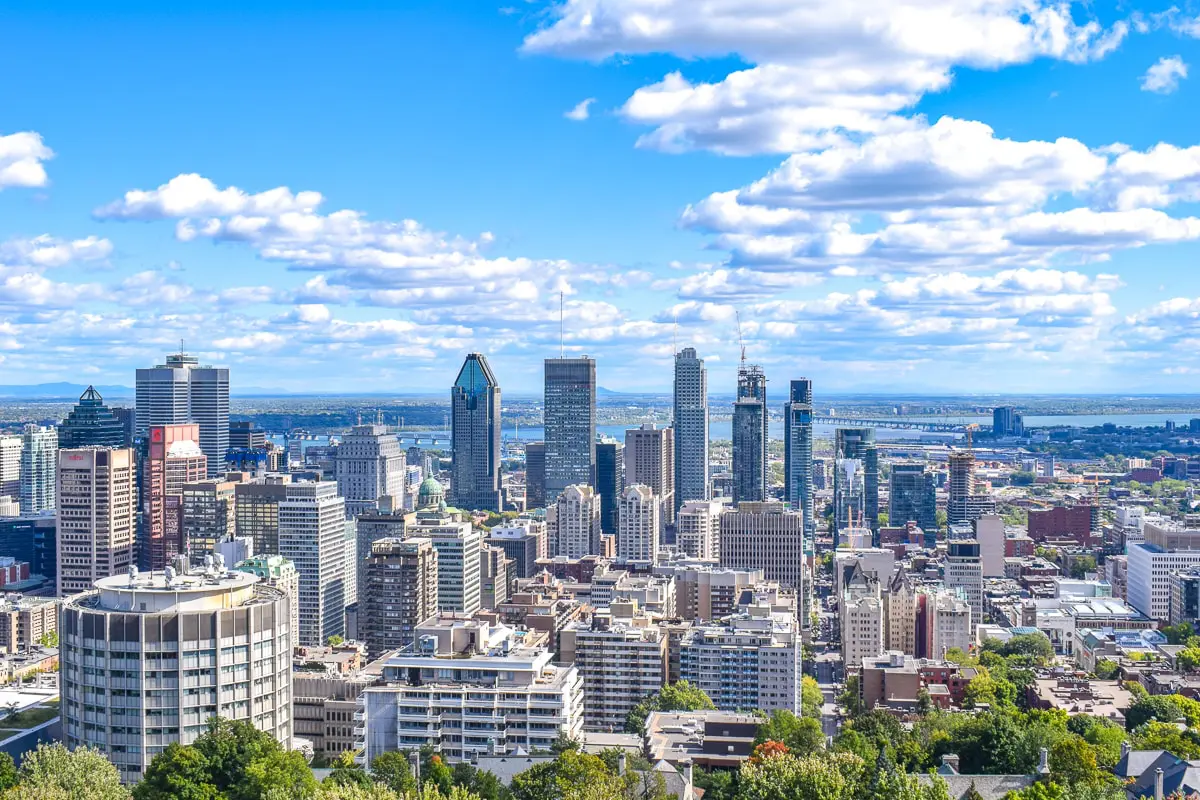
蒙特利尔(法语:Montréal,[mɔ̃ʁeal] 聆听;英语:Montreal,/ˌmʌntriːˈɒl/ ( 聆听)),蒙特利尔,港澳称为满地可,台湾称为蒙特娄[5][6]、蒙特利尔[6],是一座位于加拿大魁北克省西南部的城市,主要位于圣劳伦斯河和渥太华河汇合处的蒙特利尔岛及周边小岛上。根据2011年人口普查,蒙特利尔人口约为342万[9],是魁北克省内最大城市、加拿大第二大城市及北美第十五大城市。“蒙特利尔”一词来源于中古法语“Mont Royal”,意思为“皇家山”,至今蒙特利尔城中心的地标皇家山仍以此命名。法语是蒙特利尔的官方语言,也是城市里最常用的语言,使用人口占城市总人口的60.5%,使得蒙特利尔成为世界上仅次于巴黎的第二大法语城市。
蒙特利尔曾经是加拿大经济首都,拥有最多的人口及最发达的经济,但是在1976年蒙特利尔奥运会后被安大略省的多伦多超过。今天蒙特利尔仍然是加拿大最重要的经济中心之一,航空工业、金融、设计、电影工业等行业发达。蒙特利尔被认为是世界最佳宜居城市,并被联合国教育、科学及文化组织认定为设计之城。1999年第35届国际技能竞赛在这里举行。
Montreal (deutsch [mɔntʁeˈa:l]) bzw. Montréal (französisch [mɔ̃ʁeˈal], englisch [ˌmʌntɹiːˈɒl]) ist eine Millionenstadt in Kanada. Sie liegt im Südwesten der Provinz Québec auf der Île de Montréal, der größten Insel im Hochelaga-Archipel, die vom Sankt-Lorenz-Strom und von Mündungsarmen des Ottawa umflossen wird. Die Nachbarprovinz Ontario liegt knapp 60 Kilometer westlich, die Grenze zu den USA etwas mehr als 50 Kilometer südlich. Das Stadtbild wird vom Mont Royal geprägt, einem 233 Meter hohen Hügelzug vulkanischen Ursprungs im Zentrum der Insel, von dem sich der Name der Stadt ableitet.
Als der französische Seefahrer Jacques Cartier im Jahr 1535 als erster Europäer die Gegend erforschte, lebten Sankt-Lorenz-Irokesen auf der Insel. 1642 gründeten Paul Chomedey de Maisonneuve und Jeanne Mance das Fort Ville-Marie, eine katholische Missionsstation. Daraus entwickelte sich in der Folge die Siedlung Montreal, die 1760 unter britische Herrschaft kam. Montreal erhielt 1832 die Stadtrechte. Die Stadt wuchs rasch und entwickelte sich zum wirtschaftlichen und kulturellen Zentrum des Landes, verlor aber im letzten Viertel des 20. Jahrhunderts diese führende Rolle an Toronto. Bedeutende Ereignisse von weltweiter Ausstrahlung waren die Weltausstellung Expo 67 und die Olympischen Sommerspiele 1976.
Die Wirtschaft Montreals ist stark diversifiziert. Wichtige Pfeiler des Dienstleistungssektors sind Finanzdienstleistungen, Medien, Handel und Design. Von großer Bedeutung ist auch der Tourismus, dies aufgrund der Sehenswürdigkeiten und des vielfältigen kulturellen Angebots, das neben Museen auch zahlreiche Festivals in den Bereichen Film, Theater und Musik umfasst. Mehr als 60 internationale Organisationen haben ihren Sitz in Montreal. Im Industriesektor sind Luftfahrt-, Pharma- und Spitzentechnologieunternehmen vorherrschend. Mit vier Universitäten und mehreren weiteren Hochschulen ist Montreal ein bedeutender Bildungsstandort. Außerdem ist die Stadt ein Knotenpunkt im Schienen- und Straßennetz und verfügt darüber hinaus über den größten Binnenhafen auf dem amerikanischen Kontinent.
Mit einer Bevölkerungszahl von 1.649.519 Einwohnern (Stand: 2011)[1] ist Montreal die zweitgrößte Stadt Kanadas nach Toronto und die größte der Provinz Québec. Die Verwaltungsregion, die alle Gemeinden auf der Insel umfasst, zählt 1.886.481 Einwohner (2011).[2] Der Ballungsraum Communauté métropolitaine de Montréal, der urbane Gebiete im näheren Umkreis miteinbezieht, zählt 3.824.221 Einwohner (2011).[3] Französisch ist Montreals Amtssprache und die Hauptsprache von 56,9 % der Bevölkerung, während 18,6 % hauptsächlich Englisch sprechen. Der Rest entfällt auf verschiedene Sprachen von Einwanderern, womit Montreal eine multikulturelle Bevölkerung besitzt.[4]
Montreal ist die zweitgrößte Stadt der Welt nach Paris, in der Französisch als Muttersprache gesprochen wird.[5][6][7][8] Montreal gehört auch weltweit zu den größten Städten, in denen Französisch die offizielle Sprache ist. Die Stadt stand früher an zweiter Stelle nach Paris, hat aber diesen Rang in den letzten Jahren an Kinshasa[9] und Abidjan[10] abgegeben.
モントリオール(英語: Montreal [ˌmɒntrɪˈɔːl] ( 音声ファイル))、モンレアル(フランス語: Montréal[mɔ̃ʁeal] ( 音声ファイル))は、カナダ・ケベック州の都市。セントローレンス川沿いに位置し、アメリカ合衆国との国境や、カナダのオンタリオ州との州境に近い。
モントリオール市は、カナダではオンタリオ州のトロントに次ぎ人口・経済規模で第二の都市である[5]。ケベック州では最大の都市である。2015年、アメリカのシンクタンクが公表したビジネス・人材・文化・政治などを対象とした総合的な世界都市ランキングにおいて、世界第24位の都市と評価された[6]。
住民の大半がフランス系カナダ人を中心にしたヨーロッパ系だが、市内の人口の31.7%は非白人と世界各地からの移民も多い多民族都市である。
周辺地域を含むモントリオール大都市圏の人口は約380万人であり、これは北米で15番目、世界でも第77位の規模。面積は約4千km2。モントリオール大都市圏の住民の7割弱が第一言語をフランス語とし、フランス語圏ではパリとキンシャサ[7]に次ぐ規模である。
フランス文化の薫り高い異国的な雰囲気、美食の町、石造りの住宅街、街中にある数多くの教会、石畳のヨーロッパ調の旧市街の街並みなどから観光客向けに「北米のパリ」と宣伝される。一方では、都市圏の住民の1割強の第一言語は英語であり、19世紀の終わりから20世紀の始めにかけて英国系移民によって街が発展してきたことからヴィクトリア朝の建物が多いなど英国文化も色濃く残り、北米文化と混合している側面も持つ。
Montreal (/ˌmʌntriˈɔːl/ (listen) MUN-tree-AWL;[14] French: [mɔ̃ʁeal] (listen); officially Montréal) is the most populous municipality in the Canadian province of Quebec and the second-most populous municipality in Canada. Originally called Ville-Marie, or "City of Mary",[15] it is named after Mount Royal,[16] the triple-peaked hill in the heart of the city. The city is centred on the Island of Montreal, which took its name from the same source as the city,[17][18] and a few much smaller peripheral islands, the largest of which is Île Bizard. It has a distinct four-season continental climate with warm to hot summers and cold, snowy winters.[19]
In 2016, the city had a population of 1,704,694,[9] with a population of 1,942,044 in the urban agglomeration, including all of the other municipalities on the Island of Montreal.[9] The broader metropolitan area had a population of 4,098,927.[11] French is the city's official language[20][21] and is the language spoken at home by 49.8% of the population of the city, followed by English at 22.8% and 18.3% other languages (in the 2016 census, not including multi-language responses).[9] In the larger Montreal Census Metropolitan Area, 65.8% of the population speaks French at home, compared to 15.3% who speak English.[11] The agglomeration Montreal is one of the most bilingual cities in Quebec and Canada, with over 59% of the population able to speak both English and French.[9] Montreal is the second-largest primarily French-speaking city in the world, after Paris.[22][23][24][25] It is situated 258 kilometres (160 mi) south-west of Quebec City.
Historically the commercial capital of Canada, Montreal was surpassed in population and in economic strength by Toronto in the 1970s.[26] It remains an important centre of commerce, aerospace, transport, finance, pharmaceuticals, technology, design, education, art, culture, tourism, food, fashion, gaming, film, and world affairs. Montreal has the second-highest number of consulates in North America,[27] serves as the location of the headquarters of the International Civil Aviation Organization, and was named a UNESCO City of Design in 2006.[28][29] In 2017, Montreal was ranked the 12th most liveable city in the world by the Economist Intelligence Unit in its annual Global Liveability Ranking,[30] and the best city in the world to be a university student in the QS World University Rankings.[31]
Montreal has hosted multiple international conferences and events, including the 1967 International and Universal Exposition and the 1976 Summer Olympics.[32][33] It is the only Canadian city to have held the Summer Olympics. In 2018, Montreal was ranked as an Alpha− world city.[34] As of 2016 the city hosts the Canadian Grand Prix of Formula One,[35] the Montreal International Jazz Festival[36] and the Just for Laughs festival.[37]
Montréal [ˈmɔ̃ˌʁeal]3 Écouter est la deuxième ville la plus peuplée du Canada. Elle se situe principalement sur l’île fluviale de Montréal, sur le fleuve Saint-Laurent (entre Québec et le lac Ontario) dans le Sud de la province de Québec, dont elle est la métropole4.
En 2016, la ville comptait 1 704 694 habitants1 et son aire urbaine (appelée Région métropolitaine de Montréal) plus de 4 millions, soit environ la moitié de la population du Québec5. Montréal est ainsi la 19e agglomération la plus peuplée d'Amérique du Nord6 et la 122e ville la plus peuplée du monde7.
Ville francophone la plus peuplée d'Amérique8, Montréal est considérée comme ayant la deuxième population francophone au monde après ParisNote 1,9,10. En 2011, environ 50 % de la population de Montréal était de langue maternelle française, 13 % était de langue anglaise et 33 % était d'une autre langue11, ce qui fait d'elle l'une des villes les plus cosmopolites du monde12.
Montréal est le 3e plus grand centre financier d'Amérique du Nord et le 12e au monde13. Cœur économique du Québec, Montréal est aussi la seconde place financière du Canada et possède une économie fortement diversifiée14 par le commerce, l’éducation, les technologies de l'information et les industries aérospatiale, pharmaceutique, du tourisme et du cinéma. La ville est la 3e en importance dans l'industrie mondiale du jeu vidéo15. Classée ville mondiale en 2012, Montréal est la deuxième ville consulaire d'Amérique du Nord, abrite le siège de l'Organisation de l'aviation civile internationale et est le siège de plus de 65 organisations internationales gouvernementales et non gouvernementales16, ce qui fait d'elle la 3e ville en importance en Amérique du Nord pour ce qui est du nombre de siège sociaux d'organisations internationales, derrière New York et Washington17. De plus, la ville est la première d'Amérique du Nord pour le nombre de congrès internationaux18. En 2017, Montréal est consacrée « meilleure ville étudiante » au monde19 et est considérée comme la « Métropole universitaire du Canada, avec six universités et 450 centres de recherche »20.
Montréal a accueilli plusieurs événements internationaux d'envergure, dont l'Exposition universelle de 1967 et les Jeux olympiques d'été de 1976. Hôte du Grand Prix de Formule 1 du Canada, elle accueille annuellement de nombreux festivals, tels le Festival international de jazz de Montréal, les FrancoFolies, et le festival Juste pour rire. Le club de hockey des Canadiens de Montréal y a élu domicile dès sa création en 1909.
Montréal (in francese, pronuncia: /mɔ̃ʁeal/ ascolta[?·info]) o Montreal (pronuncia: [ˈmɔntreal][2]; in inglese: /mʌntriːˈɒl/ ascolta[?·info]), in italiano Monreale, è una città del Canada. È il centro più popoloso della provincia del Québec e il suo più importante polo economico, oltre a essere la seconda città più popolosa del Canada. Montréal è anche la seconda agglomerazione urbana del paese dopo quella di Toronto. In francese viene detta la Métropole e la sua area metropolitana conta all'incirca 4 milioni di abitanti[3]. Il centro storico di Montréal è il Vieux-Montréal (Vecchia Montréal).
Montreal (Montréal1 en la grafía oficial de la ciudad, en francés; pronunciación en francés: /mɔ̃.ʀe.al/ ( escuchar), pronunciación en inglés: /ˌmʌn.tɹiˈɒːl/ ( escuchar)) es la mayor ciudad de la provincia de Quebec, en Canadá y la segunda más poblada del país.2 Es también una región administrativa de Quebec. Se sitúa en la isla del mismo nombre entre el río San Lorenzo y la Rivière des Prairies. Es uno de los principales centros industriales, comerciales y culturales de Norteamérica.
Montreal es la cuarta ciudad francófona más poblada del mundo, detrás de París, Kinshasa y Abiyán.34 Sin embargo, Montreal también tiene una considerable comunidad anglófona,5 y un creciente número de personas cuyo idioma materno no es ni el francés ni el inglés.
La palabra «Montreal» es la versión arcaica, en francés antiguo, de «Mont-Royal» (cuando «royal» se decía y se escribía «real» sin acento, como en castellano), un monte localizado en la ciudad, en el centro de la isla.67 Montreal es uno de los centros culturales más importantes de Canadá, puesto que acoge varios acontecimientos nacionales e internacionales. Entre ellos, podemos citar el festival Juste pour Rire, uno de los mayores festivales de humor del mundo, el Festival de Jazz de Montréal, uno de los mayores festivales de jazz del mundo, y el Grand Prix de Montréal. La ciudad, en total, acoge más de 70 eventos internacionales al año.
La población de Montreal es de las mejor formadas del mundo, poseyendo la mayor concentración de estudiantes universitarios per cápita de toda Norte América. La ciudad posee cuatro universidades —dos francófonas y dos anglófonas— y doce facultades. Es un centro de la industria de alta tecnología, especialmente en el área de medicina y de la industria aeroespacial.8
Fundada en 1642, Montreal fue una de las primeras ciudades de Canadá. Desde entonces, y hasta la década de 1960, fue el principal centro financiero e industrial de Canadá, así como la mayor ciudad del país. Considerada hasta entonces la capital económica de Canadá, también era considerada una de las ciudades más importantes del mundo. Sin embargo, durante la década de 1970, la anglófona Toronto le arrebató el puesto de capital financiera e industrial del país. En 2001, los 27 municipios de la isla de Montreal fueron fusionados con la ciudad de Montreal. En 2004, tras los resultados de un referéndum, 15 de estos municipios nuevamente volvieron a ser ciudades independientes.
Монреа́ль (фр. Montréal, [mɔ̃ʁeˈal], англ. Montreal) — самый крупный город в провинции Квебек и второй по величине город в Канаде. Первоначально назывался Вилль-Мари — город Марии. Название Монреаль произошло от горы Мон-Руаяль (Королевская гора)[2], находящейся в центре города[3][4], форма Монреаль возникла под влиянием окситанского языка части первых поселенцев.
По данным 2016 года, население Большого Монреаля составляло 4 098 927 человек[5]. Население самого города Монреаль составляет в 1 704 694 человек[6].
Единственный официальный язык в городе — французский, для 59,8 % жителей города этот язык является родным, затем по количеству носителей следует английский язык — 19,4 %[7][8]. В Большом Монреале доля носителей французского составляет 67,9 % от населения, второе место занимает английский — 16,5 %[9]. Больше половины населения города владеет в той или иной степени обоими языками[10]. До 2014 года Монреаль был вторым по населению франкоязычным городом мира после Парижа, но к 2015 году на 3-ю позицию его сместил африканский Абиджан[11]. Также в мире есть и другие крупные франкоязычные города — африканские Киншаса, Касабланка, Алжир, но в этих городах французский используется преимущественно в письменном виде или же в качестве второго языка[12][13].
Монреаль обыкновенно занимает самые высокие места в рейтинге самых удобных для жизни городов в мире. Журнал Monocle Magazine назвал город «культурной столицей Канады», а недавно ЮНЕСКО назвало Монреаль городом дизайна[14][15]. Уступив в середине 70-х титул экономической столицы Торонто, Монреаль остается важным деловым, промышленным и культурным центром Канады. В числе наиболее значимых отраслей: аэрокосмическая, биотехнологическая, фармацевтическая, отрасль информационных технологий, туризм, киноиндустрия, а также развитая индустрия компьютерных игр[16][нет в источнике].