Deutsch-Chinesische Enzyklopädie, 德汉百科
 英格兰
英格兰
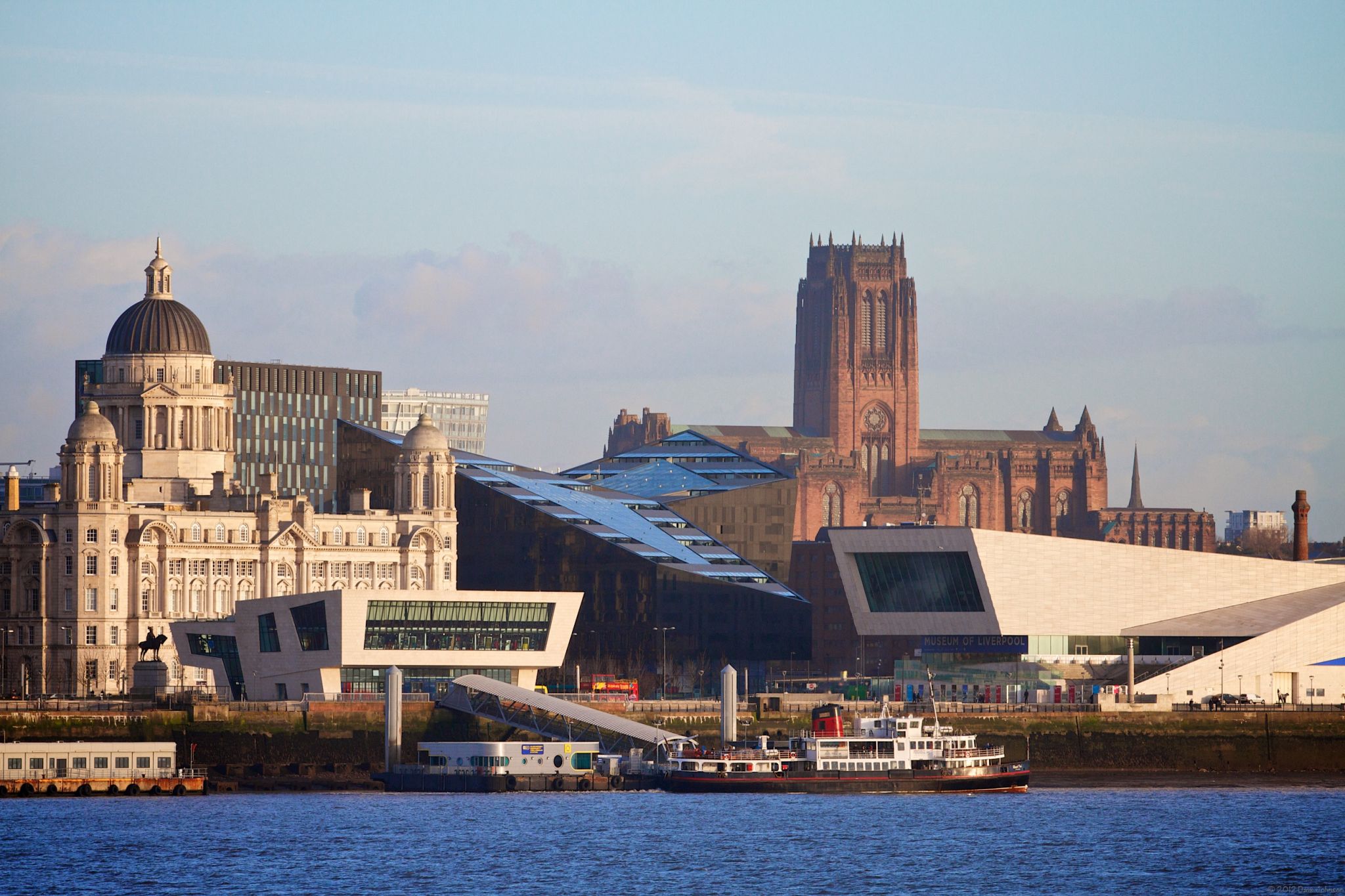
利物浦(英语:Liverpool /ˈlɪvərpuːl/),是英格兰西北部著名港口城市,是默西赛德都市郡的5个自治市之一,由利物浦市议会治理。1207年时以自治市镇的身份成立,1880年获得城市地位。2011年人口约为466,415[4],是利物浦都会区的中心[5]。利物浦市区的人口约为2,200,000,英国第四大城市。[6]
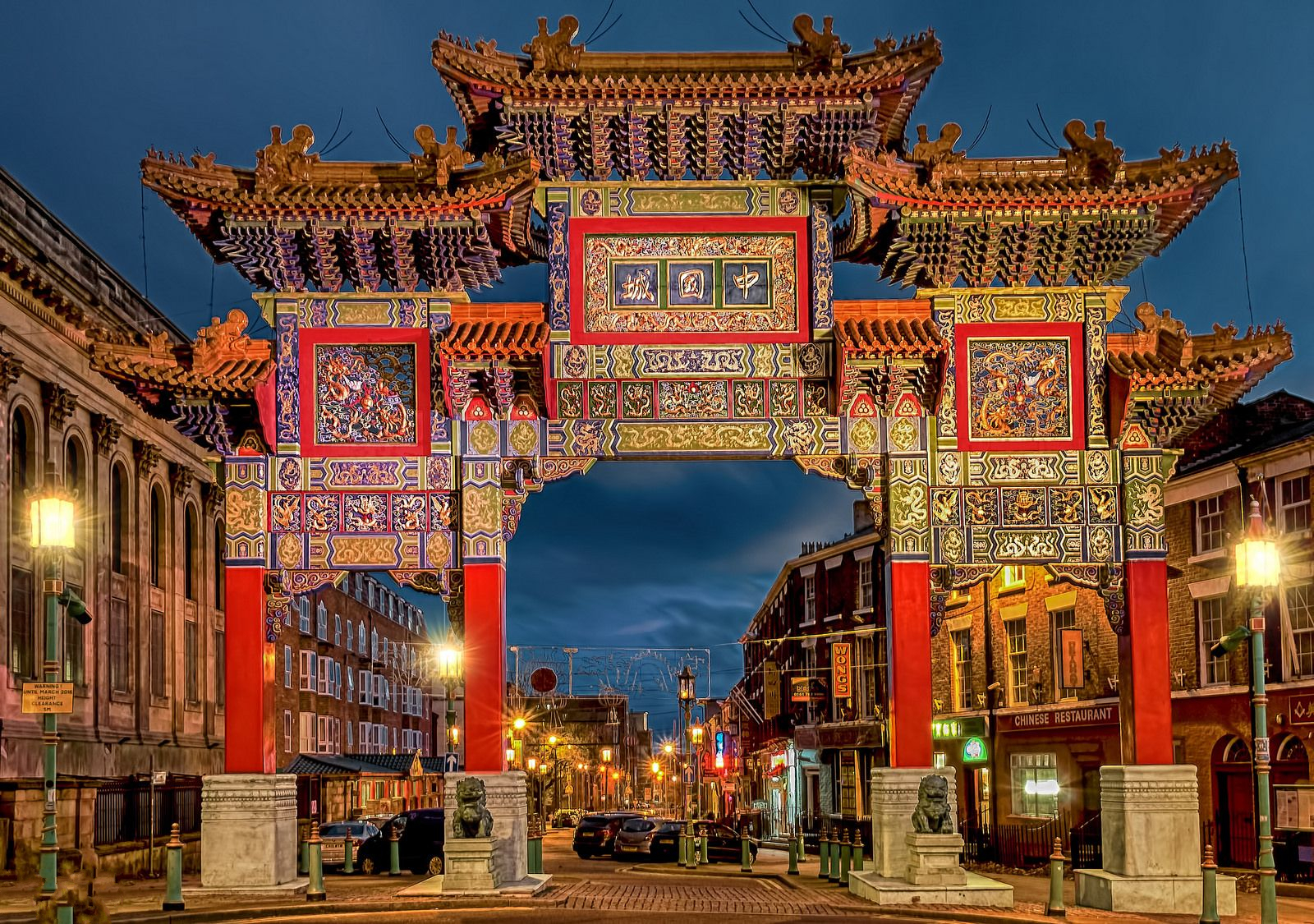
利物浦居民称为Liverpudlians,但也称“Scousers”,后裔名称来自当地名吃炖汤“scouse”,同时这一词还指利物浦方言[7]。利物浦居民种族颇为丰富,有全英最古老的黑人社区和全欧最古老的华人社区。
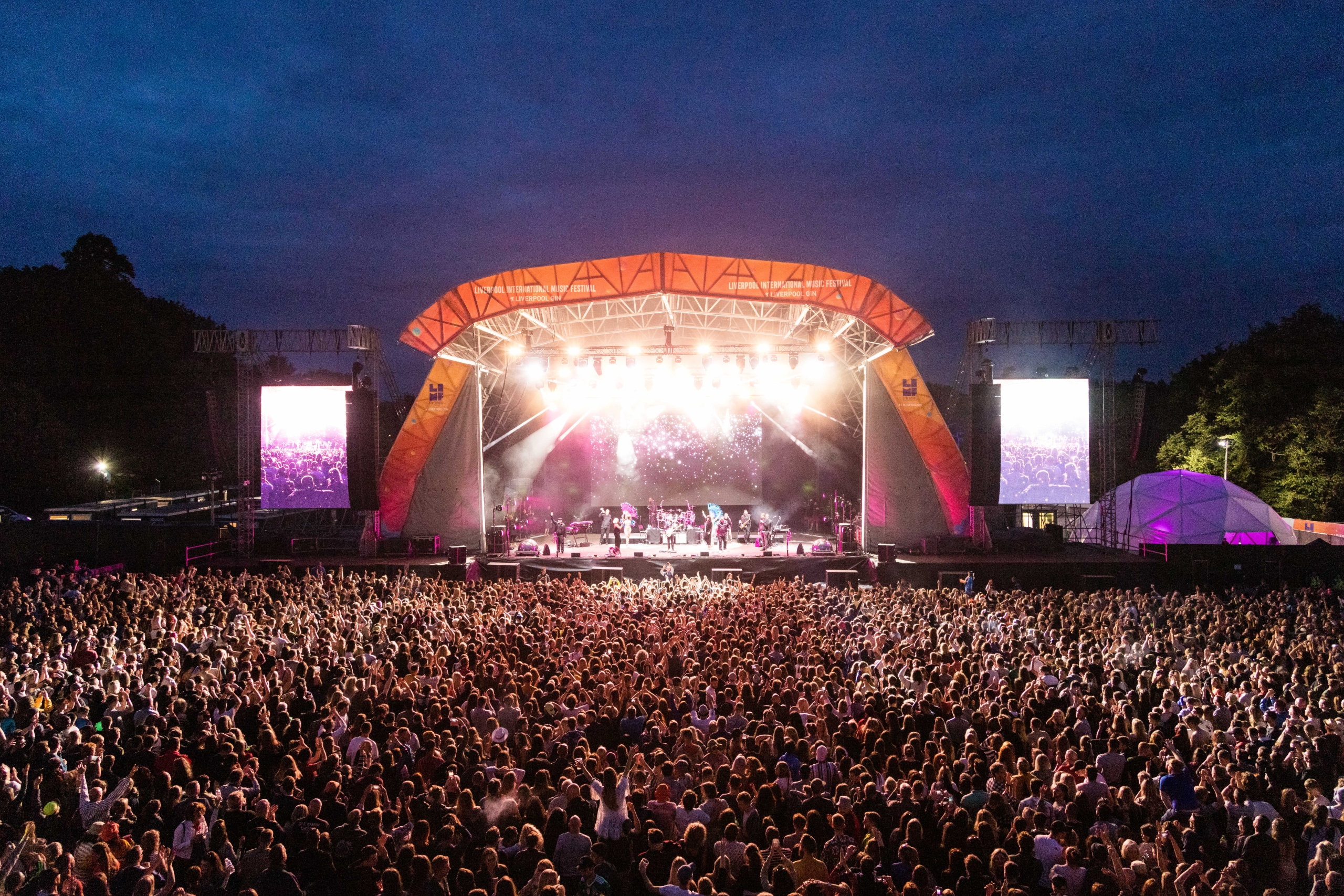
吉尼斯世界纪录将利物浦评为“世界流行乐之都”[8],披头士、比利·弗里、格里和带头人及其他许多乐队都是在此发迹的。两支英超联球会:利物浦和埃弗顿也位于利物浦。2007年时利物浦庆祝其800岁诞辰,次年与斯塔万格一起成为欧洲文化之都[9]。
利物浦的历史建筑保护良好,其中许多都举世闻名。市中心的多个地区在2004年被联合国教科文组织评为世界遗产,并称利物浦海事商城。[10]
Liverpool [ˈlɪvəpuːl] ist eine Stadt und Metropolitan Borough im Nordwesten von England im Vereinigten Königreich Großbritannien und Nordirland, an der Mündung des Flusses Mersey. Im Jahr 2014 hatte die Stadt 473.073 Einwohner, im Ballungsraum Liverpool Urban Area lebten 817.000 Einwohner. Liverpool ist der zweitgrößte Exporthafen Großbritanniens.
Der historische Teil der Hafenstadt wurde 2004 zum Weltkulturerbe erklärt. Bekannt ist die Stadt durch die traditionsreichen Fußballvereine FC Everton und FC Liverpool sowie durch ihre pulsierende Musikszene, aus der in den 1960er Jahren unter anderem die Rockband The Beatles hervorging. 2008 war Liverpool (neben Stavanger in Norwegen) Europäische Kulturhauptstadt.
Die Einwohner Liverpools werden offiziell Liverpudlians genannt. Besser bekannt ist die Bezeichnung Scousers, nach dem in Liverpool gesprochenen Dialekt Scouse, dessen Name sich wiederum von der lokalen Eintopfspezialität Scouse herleitet.
リヴァプール(Liverpool)は、イギリス・イングランド北西部マージーサイド州の中心都市である。面積は111.84平方キロメートル、2015年の人口は47万8580人[1]。かつてはイギリスの主要な港湾都市であったが、世界的ロック・バンドであるザ・ビートルズの出身地であることから、いまでは観光都市として知られる。2008年の欧州文化首都の一つ。
Liverpool (/ˈlɪvərpuːl/) is a city in North West England, with an estimated population of 491,500 in 2017.[5] Its metropolitan area is the fifth-largest in the UK, with a population of 2.24 million in 2011.[6] The local authority is Liverpool City Council, the most populous local government district in the metropolitan county of Merseyside and the largest in the Liverpool City Region.
Liverpool is on the eastern side of the Mersey Estuary, and historically lay within the ancient hundred of West Derby in the south west of the county of Lancashire.[7][8] It became a borough in 1207 and a city in 1880. In 1889, it became a county borough independent of Lancashire. Its growth as a major port was paralleled by the expansion of the city throughout the Industrial Revolution. Along with handling general cargo, freight, raw materials such as coal and cotton, the city merchants were involved in the Atlantic slave trade. In the 19th century, it was a major port of departure for Irish and English emigrants to North America. Liverpool was home to both the Cunard and White Star Line, and was the port of registry of the ocean liner RMS Titanic, the RMS Lusitania, RMS Queen Mary and RMS Olympic.
The popularity of the Beatles and other groups from the Merseybeat era contributes to Liverpool's status as a tourist destination. Liverpool is also the home of two Premier League football clubs, Liverpool and Everton, matches between the two being known as the Merseyside derby. The Grand National horse race takes place annually at Aintree Racecourse on the outskirts of the city.
The city celebrated its 800th anniversary in 2007. In 2008, it was nominated as the annual European Capital of Culture together with Stavanger, Norway.[9] Several areas of the city centre were granted World Heritage Site status by UNESCO in 2004. The Liverpool Maritime Mercantile City includes the Pier Head, Albert Dock, and William Brown Street.[10] Liverpool's status as a port city has attracted a diverse population, which, historically, was drawn from a wide range of peoples, cultures, and religions, particularly from Ireland and Wales. The city is also home to the oldest Black African community in the country and the oldest Chinese community in Europe.
Natives and residents of the city of Liverpool are referred to as Liverpudlians, and colloquially as "Scousers", a reference to "scouse", a form of stew. The word "Scouse" has also become synonymous with the Liverpool accent and dialect.
Liverpool est une cité et un district métropolitain du Merseyside dans la région de l'Angleterre du Nord-Ouest sur la rive est et nord de l'estuaire du fleuve Mersey. La ville faisait partie du comté du Lancashire jusqu'en 1974 avant la formation du comté de Merseyside.
La ville est fondée en 1207 et obtient le statut de cité en 1880. Avec une population de 491 500 habitants en 2017, c'est la sixième plus grande ville du Royaume-Uni, et la quatrième d'Angleterre ; l'aire urbaine de Liverpool comprend 864 122 habitants en 2011 (6e région urbaine du Royaume-Uni)1. Ses habitants s'appellent les Liverpuldiens (Liverpudlians en anglais)2.
L'ensablement progressif de l'estuaire de la Dee, sur lequel se tenait le port de Chester depuis l'époque romaine, a permis à Liverpool de devenir un port majeur. Au début du XIXe siècle, alors que l'Empire britannique était en pleine expansion économique, environ 40 % de son commerce passe par Liverpool, ce qui contribue grandement à l'importance de la ville. En 1930, la ville est à son apogée avec une population de plus de 850 000 habitants.
Bombardée durant la Seconde Guerre mondiale, la ville entame au lendemain de la guerre sa reconstruction, mais elle est rapidement touchée par la crise industrielle des années 1970 qui affecte son activité portuaire et dont elle se remet lentement. Liverpool a ainsi perdu de nombreux habitants mais demeure encore une métropole économique de premier rang pour le Nord-Ouest anglais. La ville a entamé un processus de reconversion dans le secteur tertiaire : services à l'industrie, activités commerciales (Liverpool One), et le tourisme (Albert Dock).
Liverpool est associée à la popularité des Beatles, un des plus grands phénomènes de l'industrie discographique mondiale, et développe son activité touristique principalement autour des groupes de musique des années 1960 et des galeries d'art et musées. Sixième ville la plus visitée du Royaume-Uni, Liverpool possède le deuxième plus grand nombre de musées après Londres. En 2004, plusieurs quartiers de la ville obtiennent le statut de Patrimoine mondial et la ville partage le titre de capitale européenne de la culture en 2008 avec Stavanger (Norvège) pour célébrer son 800e anniversaire.
Ville multi-culturelle (elle abrite une des plus anciennes communautés chinoises et africaines d'Europe), elle est aussi un important pôle universitaire, et est également célèbre pour ses deux principaux clubs de football, Everton et Liverpool, qui évoluent tous deux en Premier League.
L'accent propre aux habitants de Liverpool et du Merseyside est le « scouse » (terme anglais désignant également un ragoût à base de pommes de terre, de viande salée et d'oignons). Le mot « Scouser » est utilisé pour désigner les gens possédant cet accent ou, de façon plus générale, toute personne venant de Liverpool.
Liverpool (AFI: [ˈliverpul][2]; in inglese [ˈlɪvəpuːl]) è una città di 578 324 abitanti del Regno Unito e un distretto metropolitano, capoluogo della contea metropolitana inglese del Merseyside. Sorge lungo l'estuario della Mersey e affaccia sul Mare d'Irlanda, non lontano dal confine con il Galles.
Liverpool es una ciudad y municipio metropolitano del condado de Merseyside, en la región Noroeste de Inglaterra, sobre el lado este del estuario del río Mersey en Reino Unido. Limita al norte con el municipio metropolitano de Sefton, al este con el de Knowsley, al sur y oeste con el mencionado río. Fue fundada como villa en 1207 y tuvo ese estatus hasta 1880, cuando recibió el título de ciudad. Según el último censo oficial, que data de 2001, Liverpool tenía una población de 439 473 habitantes;2 esta cifra aumenta ligeramente hasta los 454 654 habitantes según estimaciones para el año 2009.1 La ciudad se encuentra en el centro del Área Metropolitana de Liverpool, cuya población asciende a 816 216 habitantes.
Históricamente perteneciente al condado de Lancashire, la urbanización y expansión de Liverpool se debió en gran parte a su condición de ciudad portuaria importante. En el siglo XVIII, el comercio con las Indias Occidentales, con la Europa continental y el tráfico de esclavos en el Atlántico promovió la expansión económica de la ciudad. A principios del siglo XIX, el 40% del comercio marítimo mundial pasaba por los muelles de Liverpool. Actualmente es el segundo puerto del Reino Unido en volumen de exportaciones tras Londres.
La popularidad de The Beatles (también destacaron otros grupos como por ejemplo The Scaffold3 ) y del equipo de fútbol Liverpool Football Club contribuyen a convertir a Liverpool en un destino turístico; el turismo juega un papel significante en la economía de la ciudad. En 2007 celebró su 800.º aniversario, y al año siguiente fue Capital Europea de la Cultura junto a la ciudad noruega de Stavanger.4
En 2004, varias zonas a lo largo del centro de la ciudad fueron declaradas Patrimonio de la Humanidad por la Unesco. Conocido como la «Ciudad mercantil marítima de Liverpool», el lugar comprende seis localizaciones separadas en la ciudad, incluyendo «Pier Head», «Albert Dock» y la «calle William Brown»; incluye la mayoría de los puntos de interés más famosos de la ciudad.5
Ливерпу́ль, также Ливерпул[2] (англ. Liverpool, МФА: [ˈlɪvəpuːl]) — город в Великобритании в графстве Мерсисайд, порт на северо-западном побережье Англии, в устье реки Мерси.
Население — 441 477 человек (2002 год) — пятый по величине город Великобритании (и третий — в Англии). Население Ливерпульской агломерации превышает 800 000 жителей. На протяжении 2-й половины XX века Ливерпуль имел славу депрессивного города: с 1930-х до начала 2000-х годов его население сократилось почти вдвое[3].
 宗教
宗教

 音乐
音乐
 船舶和航海学

 企业
企业
 保险
保险

 经济和贸易
经济和贸易

 建筑艺术
英格兰
欧洲流行歌曲大赛
建筑艺术
英格兰
欧洲流行歌曲大赛
 财政金融
财政金融
 ***全球金融中心
欧洲足球锦标赛 2020
***全球金融中心
欧洲足球锦标赛 2020
 历史
公元 2000 - 2100
历史
公元 1500 - 2000
历史
公元 2000 - 2100
历史
公元 1500 - 2000
 国际城市
***全球城市经济竞争力
国际铁人三项联盟冠军系列赛
英雄联盟
英雄联盟
英雄联盟全球总决赛
国际城市
***全球城市经济竞争力
国际铁人三项联盟冠军系列赛
英雄联盟
英雄联盟
英雄联盟全球总决赛
 欧洲中世纪城市
夏季奥林匹克运动会
1908夏季奥林匹克运动会
1944夏季奥林匹克运动会
1948夏季奥林匹克运动会
2012夏季奥林匹克运动会
欧洲中世纪城市
夏季奥林匹克运动会
1908夏季奥林匹克运动会
1944夏季奥林匹克运动会
1948夏季奥林匹克运动会
2012夏季奥林匹克运动会
 体育
体育
铁人三项
英国
体育
体育
铁人三项
英国
 罗马人建立的城市
 文化遗产
文化遗产
 重要港口
重要港口

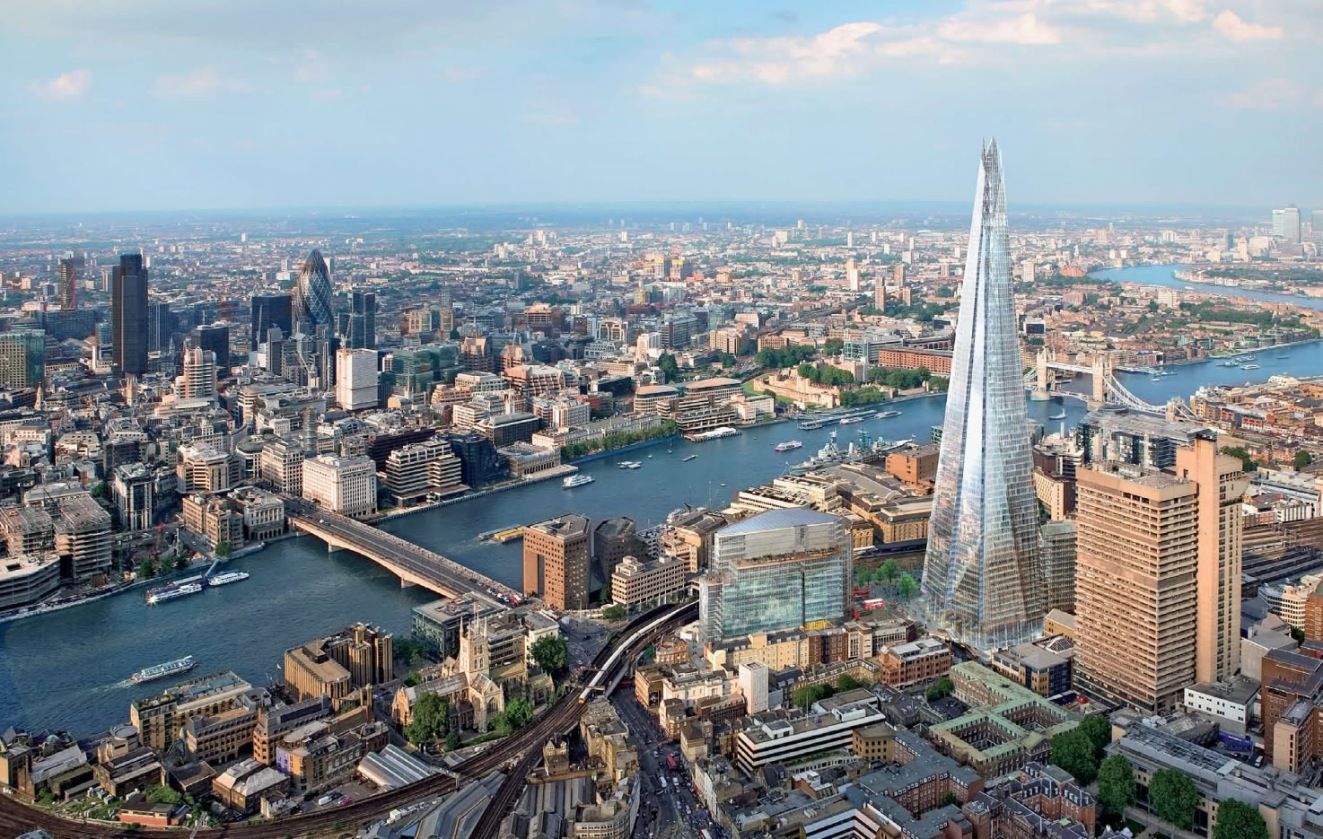
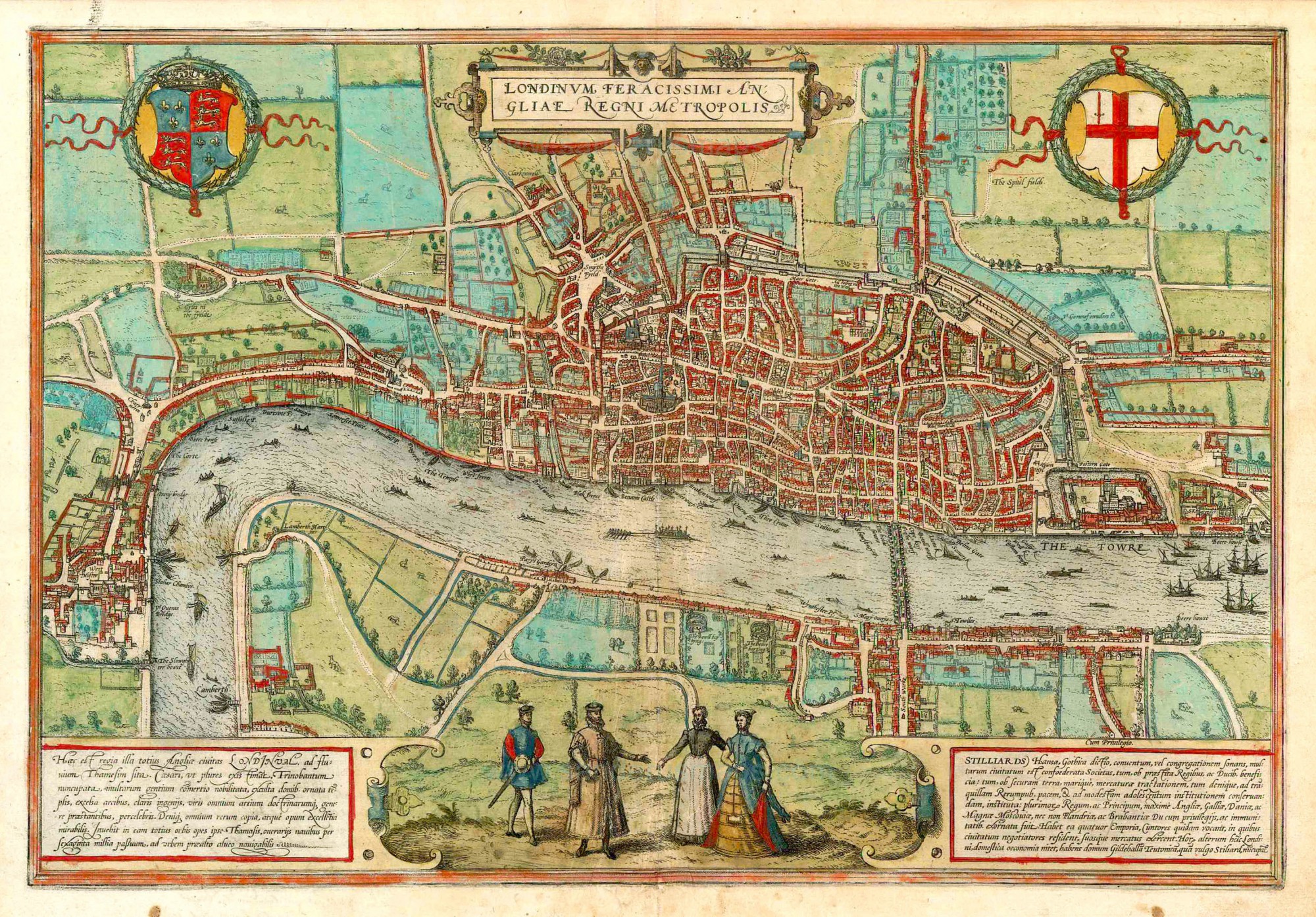
伦敦(英语:London; i/ˈlʌndən/)[4]是英国首都,也是英国最大城市[5]以及其构成国英格兰的首府。位于泰晤士河流域,于公元50年由罗马人建立,取名为伦蒂尼恩,在此后两个世纪内为这一地区最重要的定居点之一[6]。伦敦的历史核心区——伦敦城仍旧维持其中世纪的界限,面积606.95平方英里(1,572.0平方千米),2019年人口为898.2万,为全英格兰最大的城市。自19世纪起,“伦敦”一称亦用于指称围绕这一核心区开发的周围地带[7]。这一城区集合自1965年起构成大伦敦行政区,由32个伦敦自治市加上伦敦城组成[8][9],由伦敦市长及伦敦议会管辖。[10][注 1]
伦敦亦是一个全球城市[11][12],[13]在文艺、商业、教育、娱乐、时尚、金融、健康、媒体、专业服务、研究与开发、旅游和交通方面都具有显著的地位[14][15][16][17],同时还是全球主要金融中心之一[18][19][20],根据计算,为全球国内生产总值第六大的都市区[注 2][21][22]。伦敦亦是全球文化首都之一[23][24][25][26],还是全球国际访客数量最多的城市[27],根据客流量计算则拥有全球最为繁忙的城市机场系统[28]。伦敦是全球领先投资地[29],吸引很多国际零售商来投资[30],个人净资产值高于其它城市[31]。伦敦拥有43所大学,其高等教育机构密集度在全欧洲最高[32]。2012年,伦敦成为史上首座三次举办现代夏季奥林匹克运动会的城市。[33]
伦敦的人口和文化十分多样,在大伦敦地区内使用的语言就超过300种[34]。这一区域2015年的官方统计人口为8,673,713[35],人口占全英国的12.5%[36]。在2020年英国脱离欧盟之前,伦敦的城市区为欧盟第二大,根据2011年普查其人口达到9,787,426,仅次于巴黎[37]。其都市区为欧洲最大,人口达13,614,409[注 3][38],而大伦敦政府则称伦敦都市区的总人口为2,100万[39]。1831年—1925年间,伦敦为世界最大的城市。[40]
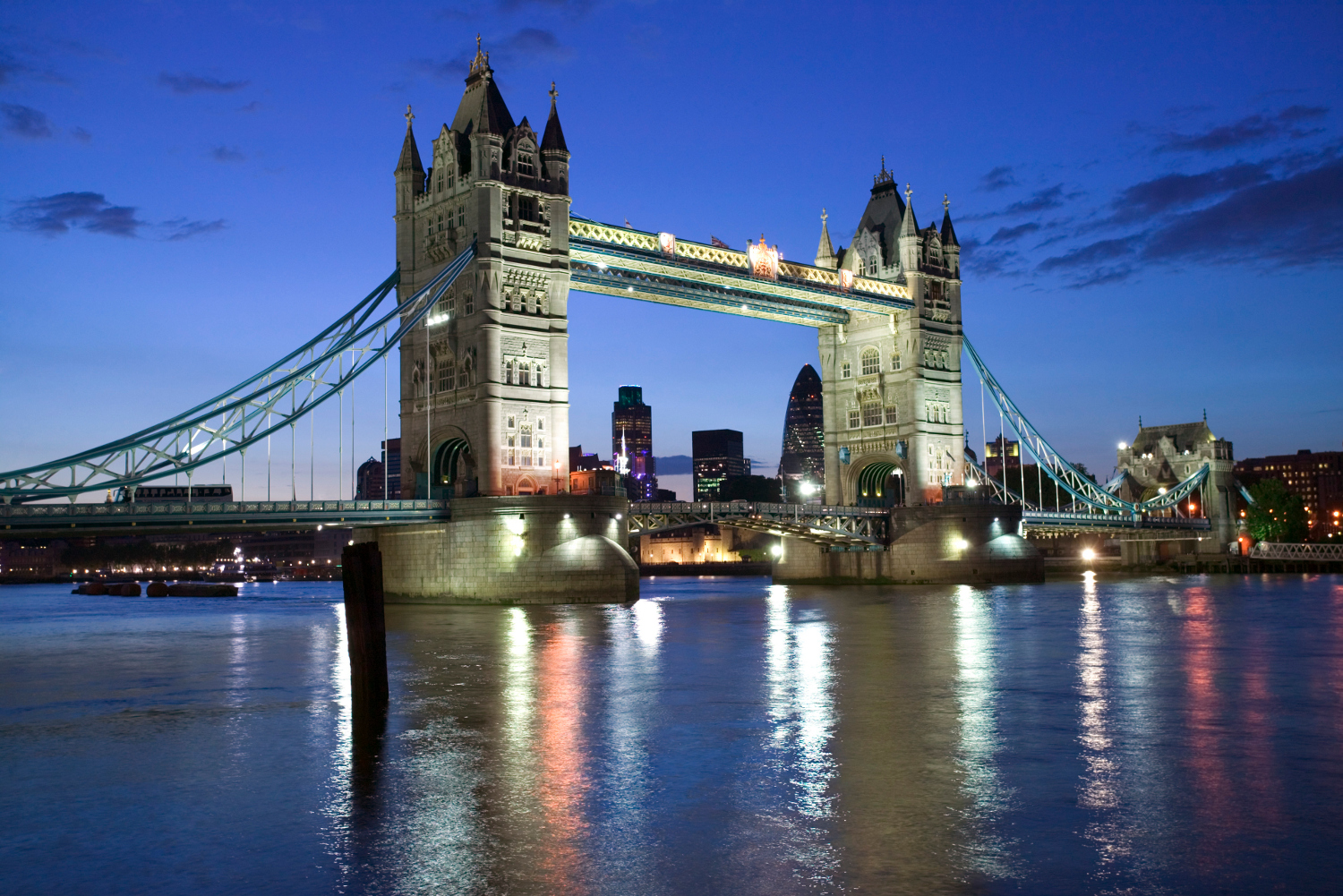
有四项世界遗产位于伦敦,分别为:伦敦塔;邱园;威斯敏斯特宫、威斯敏斯特教堂和圣玛格丽特教堂;以及格林尼治历史区(其中的皇家天文台为本初子午线、0°经线和格林尼治标准时间所经之地)[41]。其他著名景点包括白金汉宫、伦敦眼、皮卡迪利圆环、圣保罗座堂、伦敦塔桥、特拉法加广场和碎片大厦。伦敦亦是诸多博物馆、画廊、图书馆、体育运动及其他文化机构的所在地,包括大英博物馆、国家美术馆、泰特现代艺术馆、大英图书馆以及40家西区剧院[42]。伦敦地铁是全球最古老的地下铁路网络。
London (deutsche Aussprache [ˈlɔndɔn] oder gelegentlich [ˈlɔndən], englische Aussprache [ˈlʌndən]) ist zugleich die Hauptstadt des Vereinigten Königreiches und Englands. Die Stadt liegt an der Themse in Südostengland. Das heutige Verwaltungsgebiet mit 33 Stadtbezirken entstand im Jahr 1965 durch die Gründung von Greater London. Dort lebten 2022 rund 8,9 Millionen Menschen, davon rund 3,4 Millionen in den 13 Stadtbezirken Inner Londons.[2][4] In der gesamten Metropolregion London lebten 2019 knapp 14,4 Millionen Einwohner.[5]
Im Jahr 50 n. Chr. von den Römern als Londinium gegründet, wurde die Stadt nach der normannischen Eroberung 1066 Hauptstadt und Königssitz des Königreiches England. Bereits im Mittelalter entwickelte sich die Stadt zu einem bedeutenden internationalen Handelsplatz. Unter der Herrschaft von Elisabeth I. stieg ihre Bedeutung als Hafenstadt der Nordsee. Durch den Beginn der Industrialisierung im 18. Jahrhundert wuchs auch die Bevölkerung Londons, sodass es um 1800 eine der ersten Städte war, die mehr als eine Million Einwohner zählte. Bis 1900 versechsfachte sich die Bevölkerung, und London war bis zum Jahr 1925 die größte Stadt der Welt. Es entwickelte sich zu einem bedeutenden Zentrum der Technik und Industrie und wird bis heute zu den Weltstädten gerechnet.
London ist eines der bedeutendsten Kultur- und Handelszentren der Welt mit zahlreichen Universitäten, Hochschulen, Theatern und Museen. Mit einem BIP von 801,66 Mrd. € im Jahr 2017 ist London die größte städtische Wirtschaft Europas.[6] Die Stadt zählt außerdem neben New York City, Singapur und Hongkong zu den größten Finanzplätzen der Welt.[7] Historische Gebäude wie der Palace of Westminster oder Tower of London zählen zum UNESCO-Weltkulturerbe. Mit jährlich über 19 Millionen Touristen aus dem Ausland war London im Jahr 2016 nach Bangkok weltweit die zweitmeistbesuchte Stadt vor Paris.[8][9]
ロンドン(英語: London [ˈlʌndən] ( 音声ファイル))はグレートブリテンおよび北アイルランド連合王国およびこれを構成するイングランドの首都。イギリスやヨーロッパ域内で最大の都市圏を形成している。ロンドンはテムズ川河畔に位置し、2,000年前のローマ帝国によるロンディニウム創建が都市の起源である[4]。ロンディニウム当時の街の中心部は、現在のシティ・オブ・ロンドン(シティ)に当たる地域にあった。シティの市街壁内の面積は約1平方マイルあり、中世以来その範囲はほぼ変わっていない。少なくとも19世紀以降、「ロンドン」の名称はシティの市街壁を越えて開発が進んだシティ周辺地域をも含めて用いられている[5]。ロンドンは市街地の大部分はコナベーションにより形成されている[6]。ロンドンを管轄するリージョンであるグレーター・ロンドンでは[7]、選挙で選出されたロンドン市長とロンドン議会により統治が行われている[8]。
ロンドンは屈指の世界都市として、芸術、商業、教育、娯楽、ファッション、金融、ヘルスケア、メディア、専門サービス、調査開発、観光、交通といった広範囲にわたる分野において強い影響力がある[9]。また、ニューヨークと並び世界をリードする金融センターでもあり[10][11][12]、2009年時点の域内総生産は世界第5位で、欧州域内では最大である[13]。世界的な文化の中心でもある[14][15][16][17]。ロンドンは世界で最も来訪者の多い都市であり[18]、単一の都市圏としては世界で最も航空旅客数が多い[19]。欧州では最も高等教育機関が集積する都市であり、ロンドンには大学が43校ある[20]。2012年のロンドンオリンピック開催に伴い、1908年、1948年に次ぐ3度目のオリンピック開催となり、同一都市としては史上最多となる[21]。
ロンドンは文化的な多様性があり、300以上の言語が使われている[22]。2011年3月時点のロンドンの公式の人口は817万4,100人であり、欧州の市域人口では最大で[23][24]、イギリス国内の全人口の12.7%を占めている[25]。グレーター・ロンドンの都市的地域は、パリの都市的地域に次いで欧州域内で第2位となる8,278,251人の人口を有し[26]、ロンドンの都市圏の人口は1200万人[27]から1400万人[28]に達し、欧州域内では最大である。ロンドンは1831年から1925年にかけて、世界最大の人口を擁する都市であった[29]。2012年にマスターカードが公表した統計によると、ロンドンは世界で最も外国人旅行者が訪れる都市である[30]。
イギリスの首都とされているが、他国の多くの首都と同様、ロンドンの首都としての地位を明示した文書は存在しない[31]。
London (/ˈlʌndən/ ( listen) LUN-dən) is the capital and most populous city of England and the United Kingdom.[8][9] Standing on the River Thames in the south east of the island of Great Britain, London has been a major settlement for two millennia. It was founded by the Romans, who named it Londinium.[10] London's ancient core, the City of London, largely retains its 1.12-square-mile (2.9 km2) medieval boundaries. Since at least the 19th century, "London" has also referred to the metropolis around this core, historically split between Middlesex, Essex, Surrey, Kent and Hertfordshire,[11][12][13] which today largely makes up Greater London,[14][15][note 1] a region governed by the Mayor of London and the London Assembly.[16][note 2][17]
London is one of the leading global cities[18][19] in the arts, commerce, education, entertainment, fashion, finance, healthcare, media, professional services, research and development, tourism and transportation.[20][21][22] It is the world's largest financial centre[23][24][25][26] and has the fifth or sixth largest metropolitan area GDP in the world.[note 3][27][28] London is often regarded as a world cultural capital.[29][30][31] It is the world's most-visited city as measured by international arrivals[32] and has the world's largest city airport system measured by passenger traffic.[33] It is the world's leading investment destination,[34][35][36][37] hosting more international retailers[38][39] and ultra high-net-worth individuals[40][41] than any other city. London's universities form the largest concentration of higher education institutes in Europe.[42] In 2012, London became the first city to have hosted the modern Summer Olympic Games three times.[43]
London has a diverse range of people and cultures, and more than 300 languages are spoken in the region.[44] Its estimated mid-2016 municipal population (corresponding to Greater London) was 8,787,892,[4] the largest of any city in the European Union[45] and accounting for 13.4% of the UK population.[46] London's urban area is the second most populous in the EU, after Paris, with 9,787,426 inhabitants at the 2011 census.[47] The city's metropolitan area is the most populous in the EU with 14,040,163 inhabitants in 2016,[note 4][3] while the Greater London Authority states the population of the city-region (covering a large part of the south east) as 22.7 million.[48][49] London was the world's most populous city from around 1831 to 1925.[50]
London contains four World Heritage Sites: the Tower of London; Kew Gardens; the site comprising the Palace of Westminster, Westminster Abbey, and St Margaret's Church; and the historic settlement of Greenwich (in which the Royal Observatory, Greenwich defines the Prime Meridian, 0° longitude, and GMT).[51] Other landmarks include Buckingham Palace, the London Eye, Piccadilly Circus, St Paul's Cathedral, Tower Bridge, Trafalgar Square and The Shard. London is home to numerous museums, galleries, libraries, sporting events and other cultural institutions, including the British Museum, National Gallery, Natural History Museum, Tate Modern, British Library and West End theatres.[52] The London Underground is the oldest underground railway network in the world.
Londres (prononcé [lɔ̃dʁ] ; en anglais London [ˈlʌn.dən]), située dans le Sud-Est de la Grande-Bretagne, est la capitale et la plus grande ville de l'Angleterre et du Royaume-Uni. Longtemps capitale de l'Empire britannique, elle est désormais le siège du Commonwealth of Nations.
Fondée il y a presque 2 000 ans par les Romains sous le nom de Londinium, Londres était au XIXe siècle la ville la plus peuplée du monde. Bien que largement dépassée dans ce domaine par de nombreuses mégapoles, elle reste une métropole de tout premier plan1, en raison de son rayonnement et de sa puissance économique, dû notamment à sa place de premier centre financier mondial2. Londres se place dans la triade des grands centres financiers du monde, avec New York et Hong Kong, en étant la principale place bancaire et financière d'Europe. Cette trilogie est appelée par les médias anglophones « Nylonkong »3.
La région de Londres, composée de l'Inner London et de l'Outer London, comptait environ 8 673 000 habitants en 2015 et réalise un cinquième du produit intérieur brut du Royaume-Uni4. En 2015, l'aire urbaine de Londres comptait 9 787 426 habitants et son aire métropolitaine 12 317 800 habitants. En Europe, seules les agglomérations de Moscou, Istanbul et Paris5 ont un poids démographique comparable. Ses habitants s'appellent les Londoniens (en anglais : Londoners).
Londres, la seule ville du monde à ce jour à avoir organisé trois fois les Jeux olympiques (1908, 1948, 2012), est dynamique et très diverse sur le plan culturel. Elle joue un rôle important dans l'art et dans la mode. Elle reçoit 28 millions de touristes par an et compte quatre sites inscrits au patrimoine mondial ainsi que de nombreux monuments emblématiques : le palais de Westminster, le Tower Bridge, la tour de Londres, l'abbaye de Westminster, le palais de Buckingham, Big Ben ainsi que des institutions renommées comme le British Museum ou la National Gallery.
Londra (AFI: [ˈlondra];[2] in inglese britannico: London, [ˈlʌndən][3]) è la capitale e maggiore città dell'Inghilterra e del Regno Unito, con i suoi 8 825 000 abitanti.
La sua estensione territoriale la rende la terza città più estesa d'Europa, preceduta da Mosca e Istanbul e seguita da Roma e Berlino, ed è stata la città più popolata dell'Unione europea sino all'uscita del Regno Unito dall'Unione nota come Brexit. L'area metropolitana conta infatti circa 14 milioni di residenti e si estende per svariate decine di chilometri lungo la valle del Tamigi, fino al suo enorme estuario. Molti degli abitanti, chiamati londinesi (Londoners), provengono dall'estero o sono di origine straniera, risultando così una delle città più cosmopolite e multietniche del mondo. Londra è stata la capitale indiscussa dell'Impero britannico, e quindi meta di flussi migratori durante e soprattutto dopo la fine dell'era coloniale.
Ha il più elevato PIL fra tutte le città europee, ed il quinto al mondo.[4] I suoi sei aeroporti internazionali ne fanno il più grande snodo del traffico aereo globale; è anche sede del più antico sistema di metropolitana del mondo, la London Underground (The Tube). È la seconda città più visitata al mondo dal turismo internazionale, dopo Bangkok in Asia.[5]
A Londra hanno sede numerose istituzioni, organizzazioni e società internazionali. Vi si trovano importanti musei, teatri e sale da concerto; la città contiene quattro patrimoni dell'umanità. Inoltre, vi risiede stabilmente il monarca del Regno Unito presso Buckingham Palace ed il parlamento; il primo ministro occupa l'abitazione al 10 Downing Street. Per tutte le caratteristiche elencate, Londra conquista il titolo di Città globale, classificandosi come l'unica città britannica nella lista delle Città Mondiali Alfa[6].
Dal 2000, con le riforme volute dal governo di Tony Blair, Londra è amministrata secondo una speciale legislazione sui generis[7] che determina e coordina i poteri della superiore Autorità della Grande Londra, composta dal Sindaco e dall'Assemblea di Londra, con quelli di 33 borghi londinesi a livello inferiore.[8]
Londres (London en inglés, ˈlʌndən (?·i)) es la capital y mayor ciudad de Inglaterra y del Reino Unido.23 Situada a orillas del río Támesis, Londres es un importante asentamiento humano desde que fue fundada por los romanos con el nombre de Londinium hace casi dos milenios.4 El núcleo antiguo de la urbe, la City de Londres, conserva básicamente su perímetro medieval de una milla cuadrada. Desde el siglo XIX el nombre «Londres» también hace referencia a toda la metrópolis desarrollada alrededor de este núcleo.5 El grueso de esta conurbación forma la región de Londres y el área administrativa del Gran Londres,6 gobernado por el alcalde y la asamblea de Londres.7
Londres es una ciudad global, uno de los centros neurálgicos en el ámbito de las artes, el comercio, la educación, el entretenimiento, la moda, las finanzas, los medios de comunicación, la investigación, el turismo o el transporte.8 Es el principal centro financiero del mundo91011 y una de las áreas metropolitanas con mayor PIB.1213 Londres es también una capital cultural mundial,14151617 la ciudad más visitada considerando el número de visitas internacionales18 y tiene el mayor sistema aeroportuario del mundo según el tráfico de pasajeros.19 Asimismo, las 43 universidades de la ciudad conforman la mayor concentración de centros de estudios superiores de toda Europa.20 En el año 2012 Londres se convirtió en la única ciudad en albergar la celebración de tres Juegos Olímpicos de Verano.21
En esta ciudad multirracial convive gente de un gran número de culturas que hablan más de trescientos idiomas distintos.22 La Autoridad del Gran Londres estima que en 2015 la ciudad tiene 8,63 millones de habitantes,23 una cifra que la convierte en el municipio más poblado de la Unión Europea y que supone el 12,5 % del total de habitantes del Reino Unido.24 El área urbana del Gran Londres, con 10 470 00025 habitantes, es la segunda más grande de Europa, pero su área metropolitana, con una población estimada de entre 12 y 14 millones,2627 es la mayor del continente. Desde 1831 a 1925 Londres, como capital del Imperio británico, fue la ciudad más poblada del mundo.28
Londres cuenta con cuatro enclaves declarados Patrimonio de la Humanidad: la Torre de Londres, el Real Jardín Botánico de Kew, el sitio formado por el Palacio, la Abadía de Westminster, la Iglesia de Santa Margarita y Greenwich (donde se encuentra el Real Observatorio que marca el meridiano de Greenwich y el tiempo medio).29 Otros lugares famosos de la ciudad son el Palacio de Buckingham, el London Eye, Piccadilly Circus, la Catedral de San Pablo, el Puente de la Torre o Trafalgar Square. Londres cuenta también con numerosos museos, galerías de arte, bibliotecas, eventos deportivos y otras instituciones culturales como el Museo Británico, la National Gallery, la Tate Modern, la Biblioteca Británica y los cuarenta teatros del West End.30 El metro de Londres, que en 2013 cumplió 150 años, es el más antiguo del mundo.3132
Ло́ндон (англ. London [ˈlʌndən] слушать) — столица и крупнейший город Соединённого Королевства Великобритании и Северной Ирландии. Административно образует регион Англии Большой Лондон, разделённый на 33 самоуправляемых территории. Население составляет 8,6 млн человек (2015 год) — это третий[2] по величине город Европы. Образует агломерацию Большой Лондон и более обширный метрополитенский район. Расположен на юго-востоке острова Великобритания, на равнине в устье Темзы, вблизи Северного моря. Главный политический, экономический и культурный центр Соединённого Королевства.
Лондон относится к глобальным городам высшего ранга и ведущим мировым финансовым центрам. Экономика его составляет пятую часть экономики страны.
Основан римлянами вскоре после их вторжения в Британию 43 года н. э. Приблизительно с 100 года н. э. — столица римской Британии, с XI—XII столетий — Англии, с 1707 года — Великобритании, с XVI по XX век — Британской империи. С 1825 по 1925 год Лондон был крупнейшим городом мира.
Исторический центр города, образованный районами Вестминстер и Сити, сложился в викторианскую эпоху. Среди немногих построек, уцелевших здесь после пожара 1666 года, — средневековая цитадель Тауэр.
 往日岁月
往日岁月