Deutsch-Chinesische Enzyklopädie, 德汉百科
 Art
Art


 History

定窑是宋代五大名窑之一,在宋代属定州境内,故名“定窑”。窑址位于现在的河北省曲阳县涧滋村、燕山村一带。
定窑创烧于唐代,经过五代,于北宋时达到鼎盛时期,在元代时虽生产,仍终止于元。以出产白瓷着称,胎薄而轻,质地坚硬,色泽洁白,不太透明,《归潜志》上说“定州花瓷瓯,颜色天下白”。 此外定窑也烧制黑釉、酱釉和绿釉等,分别称“黑定”、“紫定”、“绿定”。定窑虽然是民间瓷窑,但北宋中期之后由于品质精良、纹饰秀美为宫廷选中,也为宫廷烧造了大量瓷器,到了明清时代,评论宋代陶瓷,品评汝窑、官窑、哥窑、定窑和钧窑为宋代五大名窑,可见得定窑瓷器之盛名。
Ding ware, Ting ware (Chinese: 定瓷; pinyin: Dìngcí) or Dingyao were Chinese ceramics, mostly porcelain, produced in the prefecture of Dingzhou (formerly romanized as "Ting-chou") in Hebei in northern China. The main kilns were at Jiancicun or Jianci in Quyang County. They were produced between the Tang and Yuan dynasties of imperial China, though their finest period was in the 11th century, under the Northern Song.[1] The kilns "were in almost constant operation from the early eighth until the mid-fourteenth century."[2]
The most characteristic wares are thin porcelains with a white or greyish body and a nearly transparent white-tinted glaze,[3] though they are classed as stoneware by some.[4] Chemical analysis has shown that they were often made entirely of a kaolinitic clay without any petuntse or "porcelain stone".[5] They are mostly decorated, with uncoloured designs that are incised or in very shallow relief.
Ding ware was the most famous northern Chinese white ware under the Song, although there was increasing competition from the Qingbai ware from Jingdezhen in the south, which by the end of the Song had eclipsed Ding ware, achieving a predominance it has maintained in subsequent centuries. A key event in this process was the flight of the remaining Northern Song court to the south, after they lost control of the north in the disastrous Jin-Song wars of the 1120s. A new Southern Song court was based in Hangzhou.[6] This may have been accompanied by the movement of potters to Jingdezhen.[7]
La ceramica Ding (定瓷S, dìngcíP), deve il suo nome alla prefettura di Dingzhou, in Cina, dove veniva prodotta. Divenne molto conosciuta ed apprezzata sotto la dinastia Song (960-1279) e raggiunse l'apogeo nell'XI secolo, benché il forno di Ding fosse attivo sin dalla fine della dinastia Tang (618-986) e lo rimase fino a quella Yuan (1271-1368).
L'elemento distintivo della ceramica Ding è il colore bianco avorio o bianco crema che caratterizza la maggior parte della produzione, sebbene esistano esempi di manufatti monocromi nei colori nero, melanzana, verde scuro. La gamma di produzione di questi forni era ampia, in quanto realizzavano pezzi di alta qualità per la ricca classe mercantile e dei letterati. Le ceramiche Ding furono inoltre le prime ad essere ammesse presso la corte imperiale per uso ufficiale; sfortunatamente però la loro notorietà non durò a lungo, in quanto vennero sostituite dalla famiglia reale con i manufatti Ru già nel 1100.
 Education and Research
Education and Research
Education and Research
 ***Foreign language study
 Hand in Hand
Institute of Culture and Language
Art
Hand in Hand
Hand in Hand
Institute of Culture and Language
Art
 Music
Music

对外西班牙语水平证书(西班牙语:Diplomas de Español como Lengua Extranjera,简称DELE)是西班牙塞万提斯学院以西班牙教育部的名义颁发的官方证书,能够有效证明证书拥有者的西班牙语(欧陆西班牙语)水平和西班牙语运用能力。水平考试设为六个级别,考试通过后可以获得证书,证书终生有效。
根据现行第264/2008号法令和歐洲共同語言參考標準,对外西班牙语水平考试级别(nivel)如下:
| 级别 | 能力描述 | 考试内容 | 备注 |
|---|---|---|---|
| A1级别 | 能够应对简单的交流、即时性需要和日常性话题 |
|
青少年DELE A1考试面向11至17岁的学生,考试内容略有不同 |
| A2级别 | 能够理解日常表达和其所涉及领域相关的习惯用法,尤其是一些如家庭、购物、旅游和职业等与自身相关的基本信息 |
|
青少年DELE A2考试面向11至17岁的考生,考试内容略有不同 |
| B1级别 | 能够理解日常生活的基本场景并做出恰当的反应,能够用基础的方式表达愿望和需求 |
|
青少年DELE B1考试面向11至17岁的考生,考试内容略有不同 |
| B2级别 | 能够应对日常生活中的场景,能够应付没有语言用法特殊要求的一般交流环境 |
|
- |
| C1级别 | 能够无阻碍的清晰表达想法,拥有广泛的书面及口语词汇量并且能熟练运用 |
|
- |
| C2级别 | 能够应对较高语言要求的场景,并且熟知语言背后蕴藏的文化 |
|
Die Diplomas de Español como Lengua Extranjera (DELE) sind offizielle Zertifikate zum Nachweis spanischer Sprachkenntnisse, die das Instituto Cervantes im Namen des spanischen Ministeriums für Erziehung und Wissenschaft vergibt.
Offizielle Zertifikate für Spanisch als Fremdsprache
Die Prüfungen zum Erwerb dieser Zertifikate werden in sechs Schwierigkeitsgraden, gemäß dem Gemeinsamen Europäischen Referenzrahmen, angeboten:
- Das DIPLOMA DE ESPAÑOL – NIVEL A1 gilt als Nachweis folgender elementarer Kenntnisse der spanischen Sprache: alltägliche Ausdrücke und ganz einfache Sätze verstehen und verwenden können, die auf die Befriedigung konkreter Grundbedürfnisse zielen (z. B. Fragen zur Person, sich vorstellen etc.).
- Das DIPLOMA DE ESPAÑOL – NIVEL A2 gilt als Nachweis folgender elementarer Kenntnisse der spanischen Sprache: alltägliche, einfache und häufig gebrauchte Sätze und Ausdrucksweisen verstehen, die auf die Befriedigung verschiedener Grundbedürfnisse abzielen, Informationen geben und beantworten zu beispielsweise den Bereichen Familien, Einkauf, Hobbys, Arbeit.
- Das DIPLOMA DE ESPAÑOL – NIVEL B1 gilt als Nachweis über Grundkenntnisse der spanischen Sprache, die zur mündlichen und schriftlichen Verständigung notwendig sind und es erlauben, einfach strukturierte Gespräche zu führen.
- Das DIPLOMA DE ESPAÑOL – NIVEL B2 gilt als Nachweis über sehr gute allgemeine Kenntnisse der spanischen Sprache, die in den üblichen Alltagssituationen benötigt werden.
- Das DIPLOMA DE ESPAÑOL – NIVEL C1 gilt als Nachweis für sehr gute Sprachkenntnisse, die eine Verständigung in jeglicher Situation ermöglichen, auch wenn es sich dabei um abstrakte oder komplexe Themenbereiche handelt.
- Das DIPLOMA DE ESPAÑOL – NIVEL C2 gilt als Nachweis über ausgezeichnete Kenntnisse der spanischen Sprache, die eine Verständigung auf gehobenerem Niveau ermöglichen.
Die Prüfungen für die Zertifikate werden von der Universität Salamanca in Zusammenarbeit mit dem Instituto Cervantes erstellt und ausgewertet.

 Architecture
 Hessen
 Museum
 Vacation and Travel
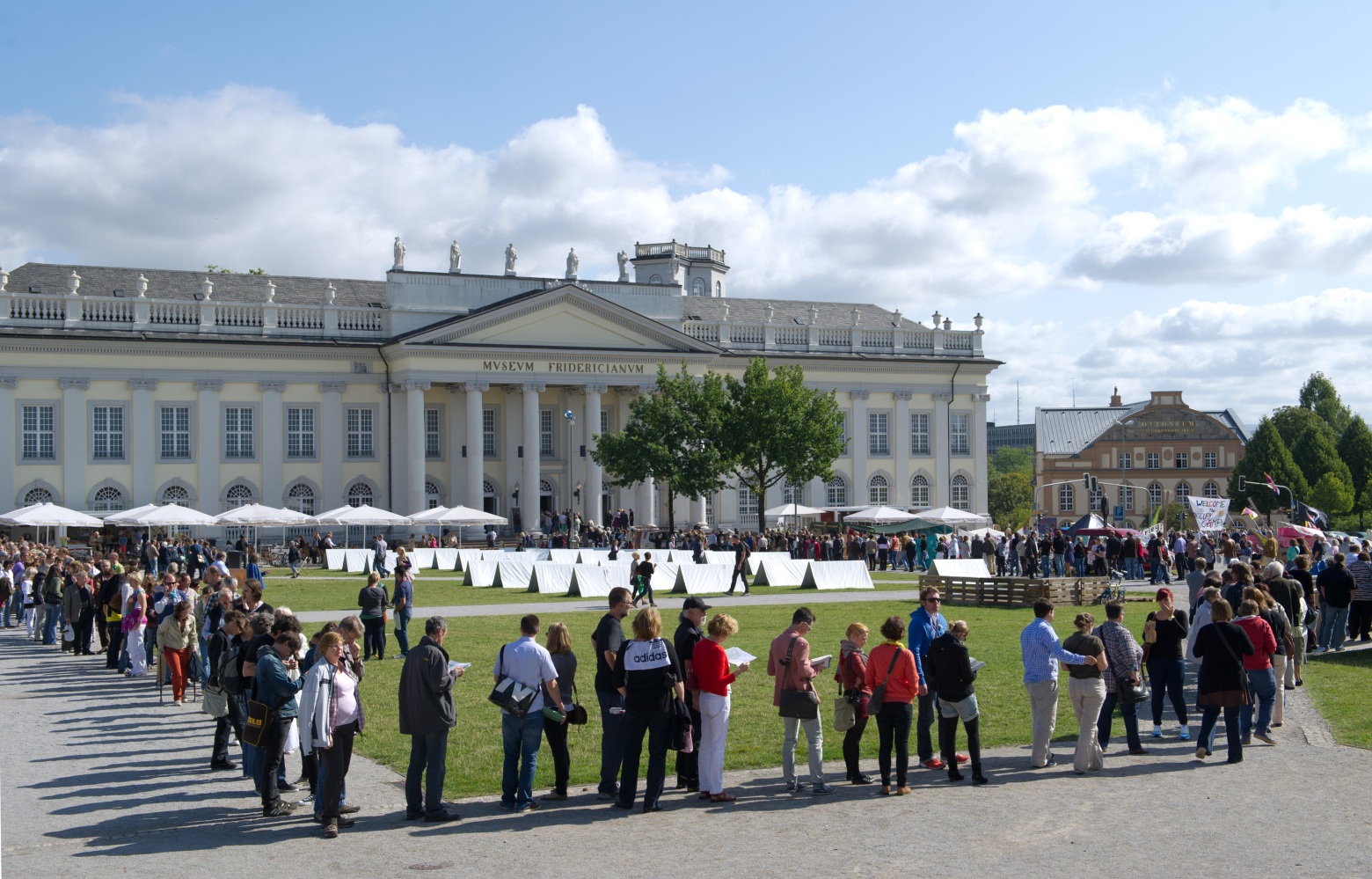
Die Documenta (Eigenschreibweise: documenta) ist die weltweit bedeutendste Reihe von Ausstellungen für zeitgenössische Kunst. Sie findet alle fünf Jahre statt (ursprünglich alle vier Jahre) und dauert jeweils 100 Tage; sie wird daher auch als Museum der 100 Tage bezeichnet. Die erste documenta wurde 1955 veranstaltet und ging auf die Initiative von Arnold Bode zurück. Standort der documenta ist Kassel.
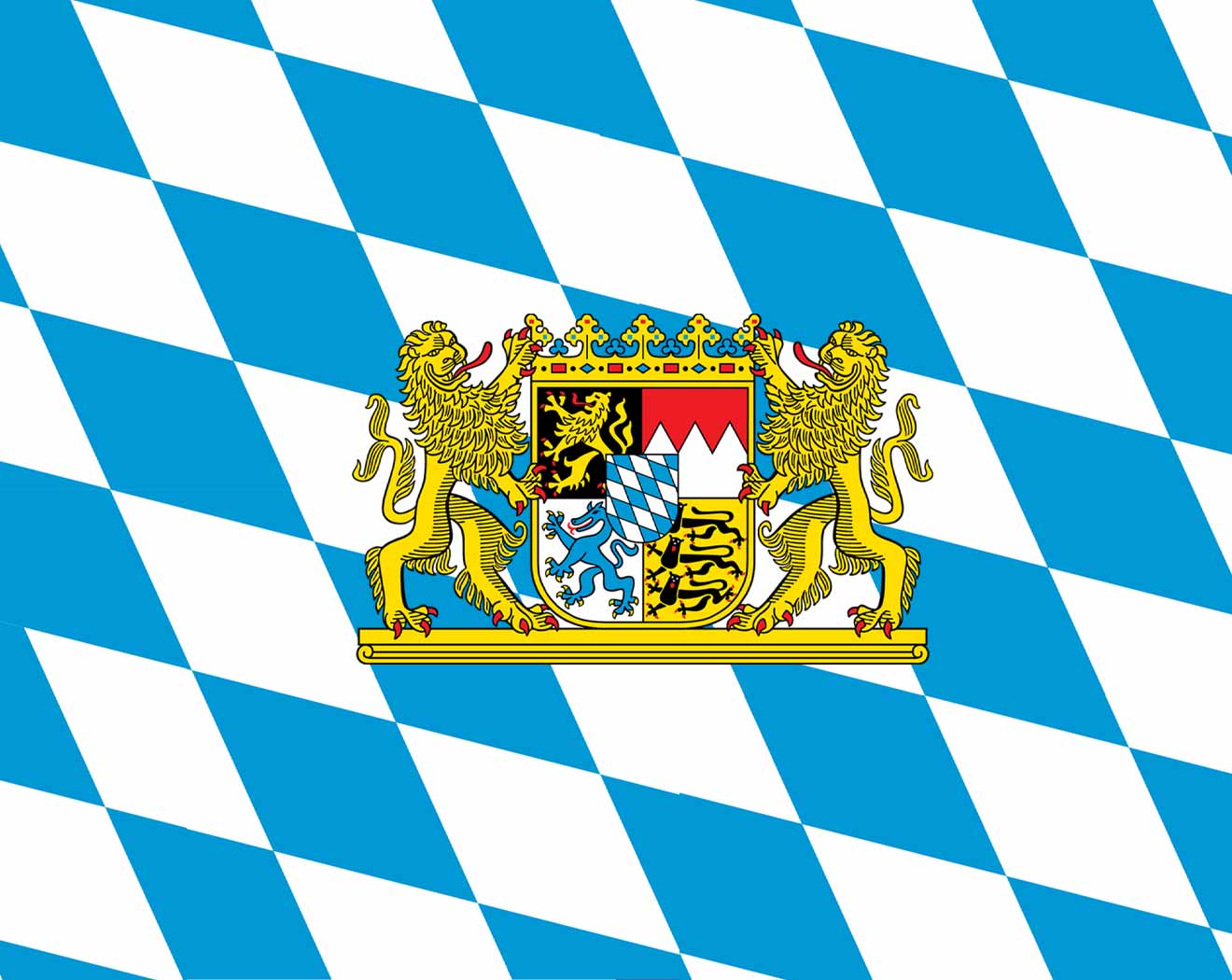 Bavaria
 Religion
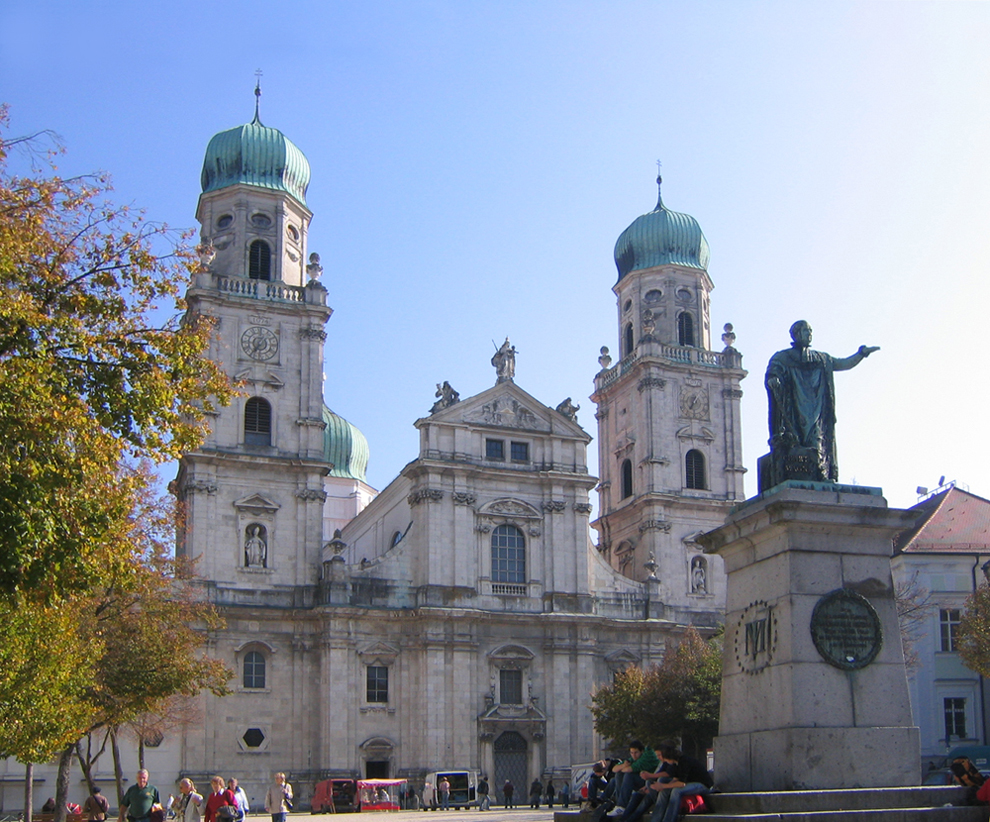
宏伟著名的圣史提芬大教堂正屹立于旧城区的最高点,内有世界上最大的教堂风琴。此琴共有17,774支管、233支音节柱和4个钟乐器。每日有一场二十五分钟的演奏,欢迎公众欣赏。教堂旁边的新宫殿及不远的市政厅(Rathaus),最能突显古时皇家气派。前者雕饰繁复的楼梯和后者金碧辉煌的厅堂均令人一见。
帕绍圣史提芬大教堂 (德语:Dom St. Stephan) 是天主教帕绍教区的主教座堂,巴洛克风格,建于1688年,位于德国帕绍,供奉圣斯德望。该堂长达100米,拥有世界最大的风琴。
Der Dom St. Stephan zu Passau, kurz Passauer Dom, ist eine ab 1668 erbaute barocke Bischofskirche in Passau. Er ist Bischofssitz und Hauptkirche des Bistums Passau.
Der römisch-katholische Sakralbau ist auf der höchsten Erhebung der Altstadt zwischen den Flüssen Inn und Donau, 13 m über der Donau und 303 m über dem Meer, erbaut worden. Der Passauer Dom ist einer der größten Dome mit dem größten barocken Kircheninnenraum nördlich der Alpen.
 North Rhine-Westphalia