Deutsch-Chinesische Enzyklopädie, 德汉百科
 西班牙
西班牙
 建筑艺术
建筑艺术
 安达卢西亚自治区

 历史
历史
 艾伯塔省
澳大利亚
艾伯塔省
澳大利亚
 奥弗涅-罗纳-阿尔卑斯
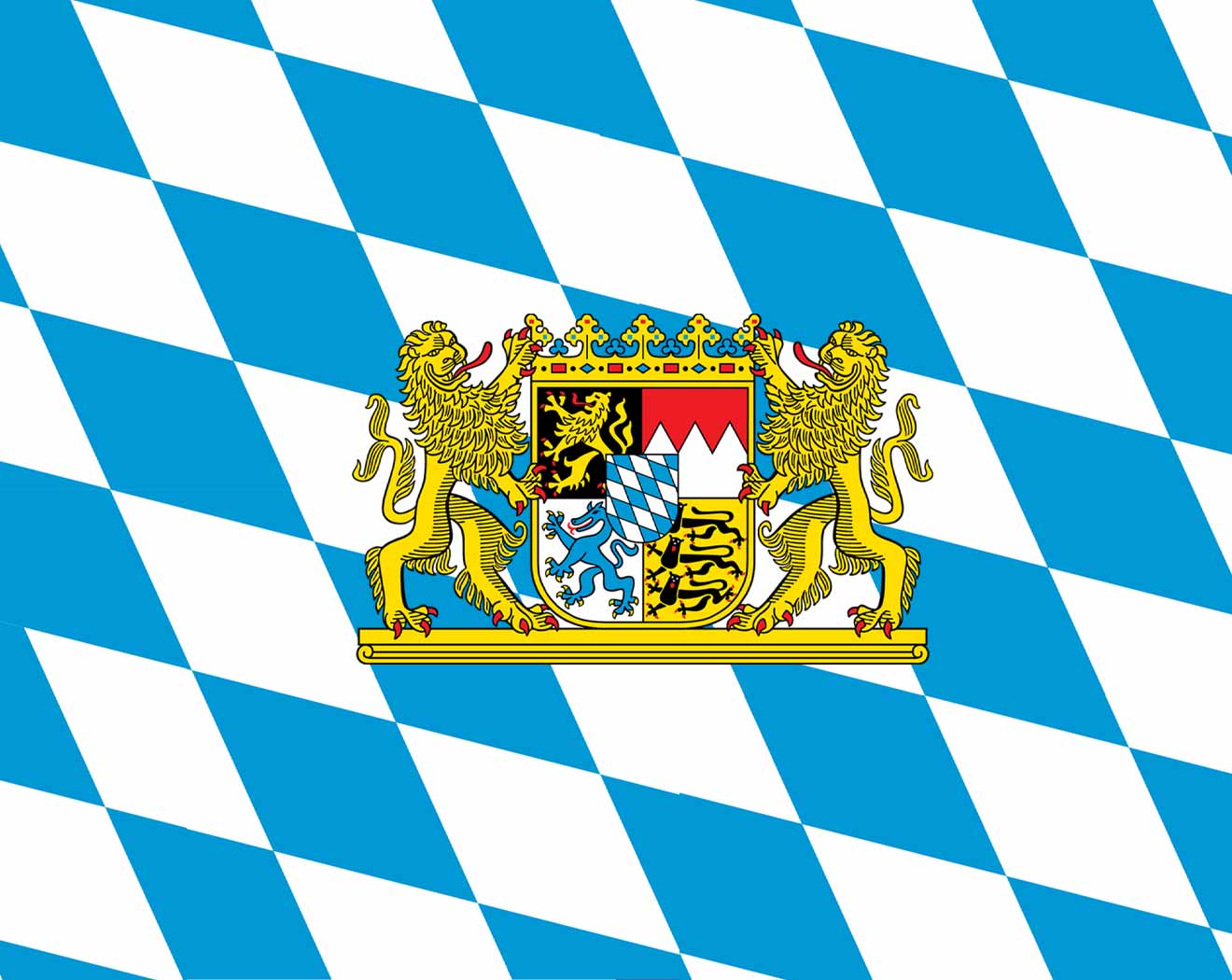 巴伐利亚州
北京市-京
比利时
巴伐利亚州
北京市-京
比利时
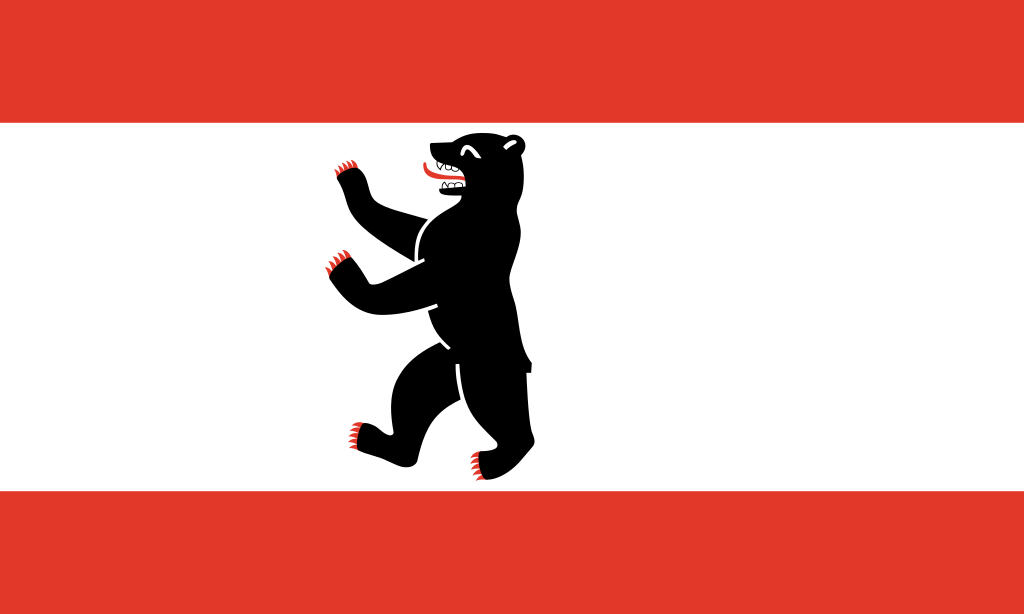 柏林州
波斯尼亚和黑塞哥维那
巴西
柏林州
波斯尼亚和黑塞哥维那
巴西
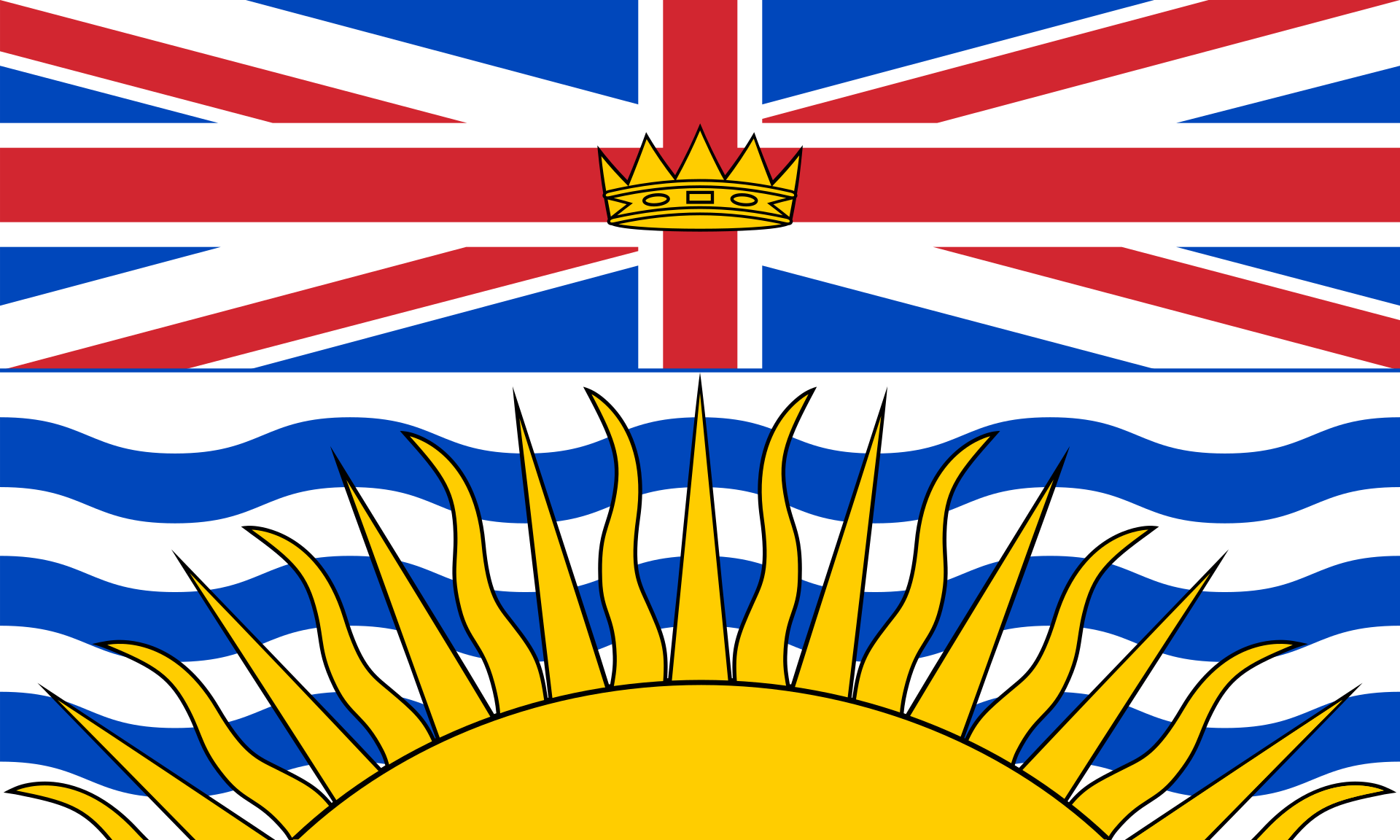 不列颠哥伦比亚省
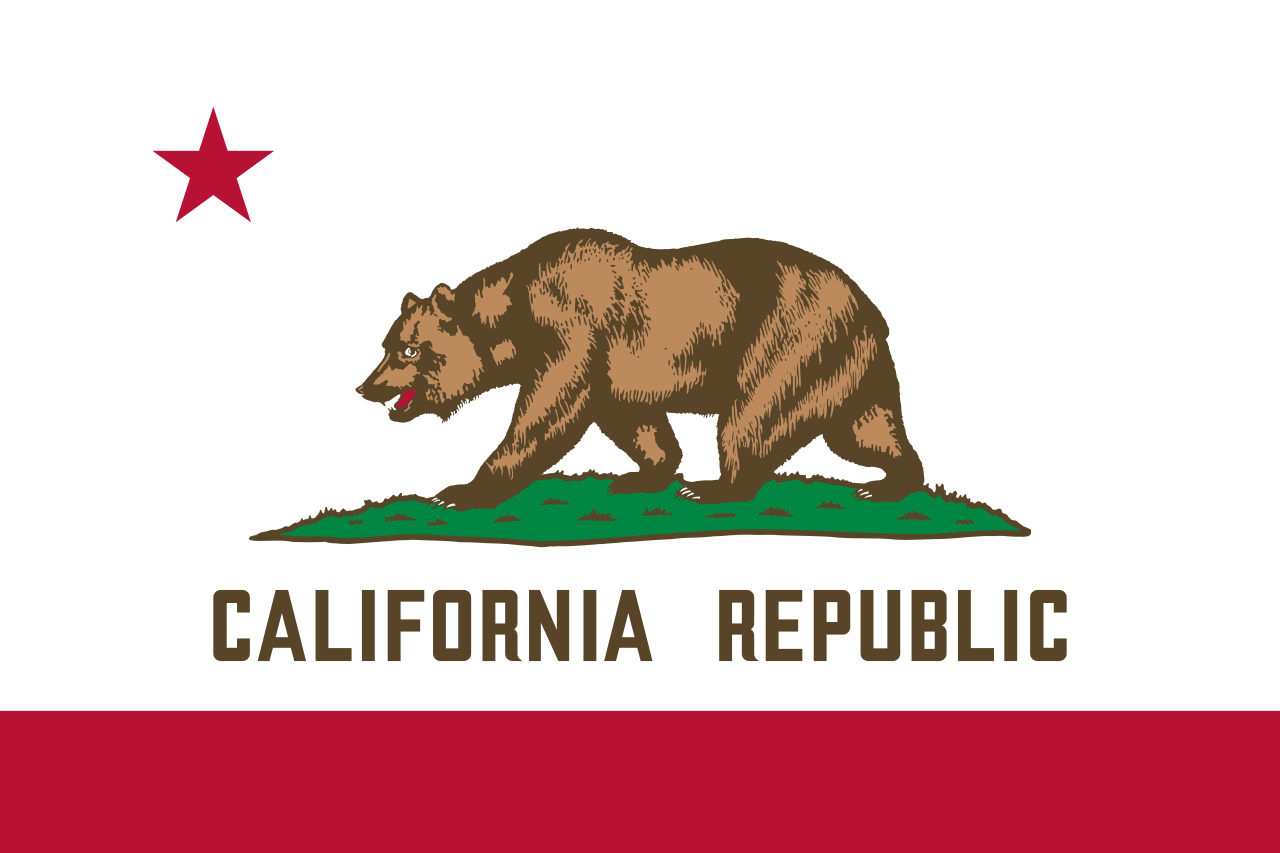 加利福尼亚州
 加泰罗尼亚
中国
中部地方
联邦德国
英格兰
芬兰
法国
加泰罗尼亚
中国
中部地方
联邦德国
英格兰
芬兰
法国
 乔治亚州
希腊
河北省-冀
北海道地方
乔治亚州
希腊
河北省-冀
北海道地方
 法兰西岛
意大利
日本
加拿大
关东地方
法兰西岛
意大利
日本
加拿大
关东地方
 拉齐奥大区
墨西哥
拉齐奥大区
墨西哥
 密苏里州
密苏里州
 新南威尔士州
 纽约州
荷兰
挪威
2002年冬季奥林匹克运动会
2006年冬季奥林匹克运动会
2010年冬季奥林匹克运动会
2014年冬季奥林匹克运动会
2018冬季奥林匹克运动会
2022冬季奥林匹克运动会
奥地利
纽约州
荷兰
挪威
2002年冬季奥林匹克运动会
2006年冬季奥林匹克运动会
2010年冬季奥林匹克运动会
2014年冬季奥林匹克运动会
2018冬季奥林匹克运动会
2022冬季奥林匹克运动会
奥地利
 皮埃蒙特大区
 魁北克省
韩国
里约热内卢州
俄罗斯
魁北克省
韩国
里约热内卢州
俄罗斯
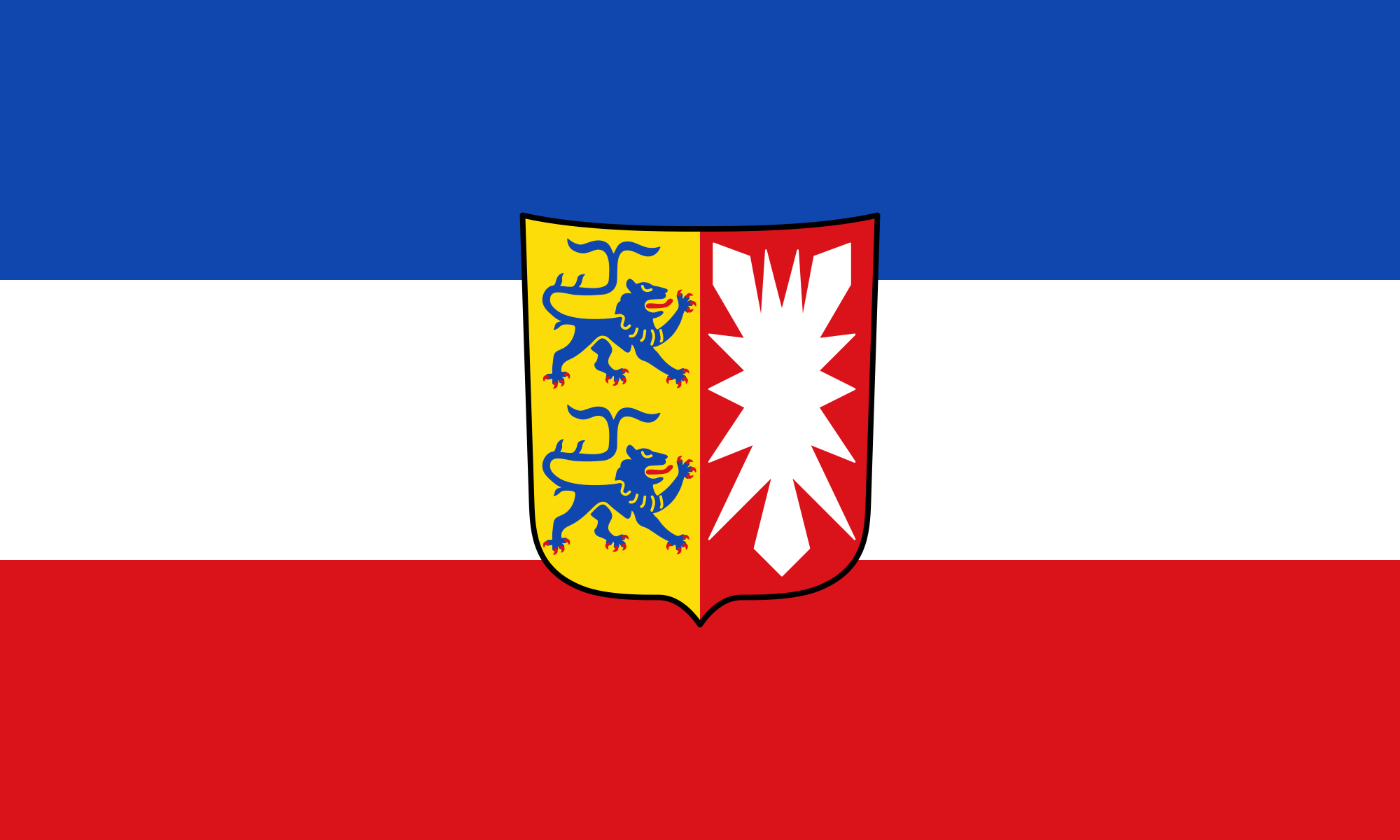 石勒苏益格-荷尔斯泰因州
瑞典
瑞士
西班牙
石勒苏益格-荷尔斯泰因州
瑞典
瑞士
西班牙
 体育
体育
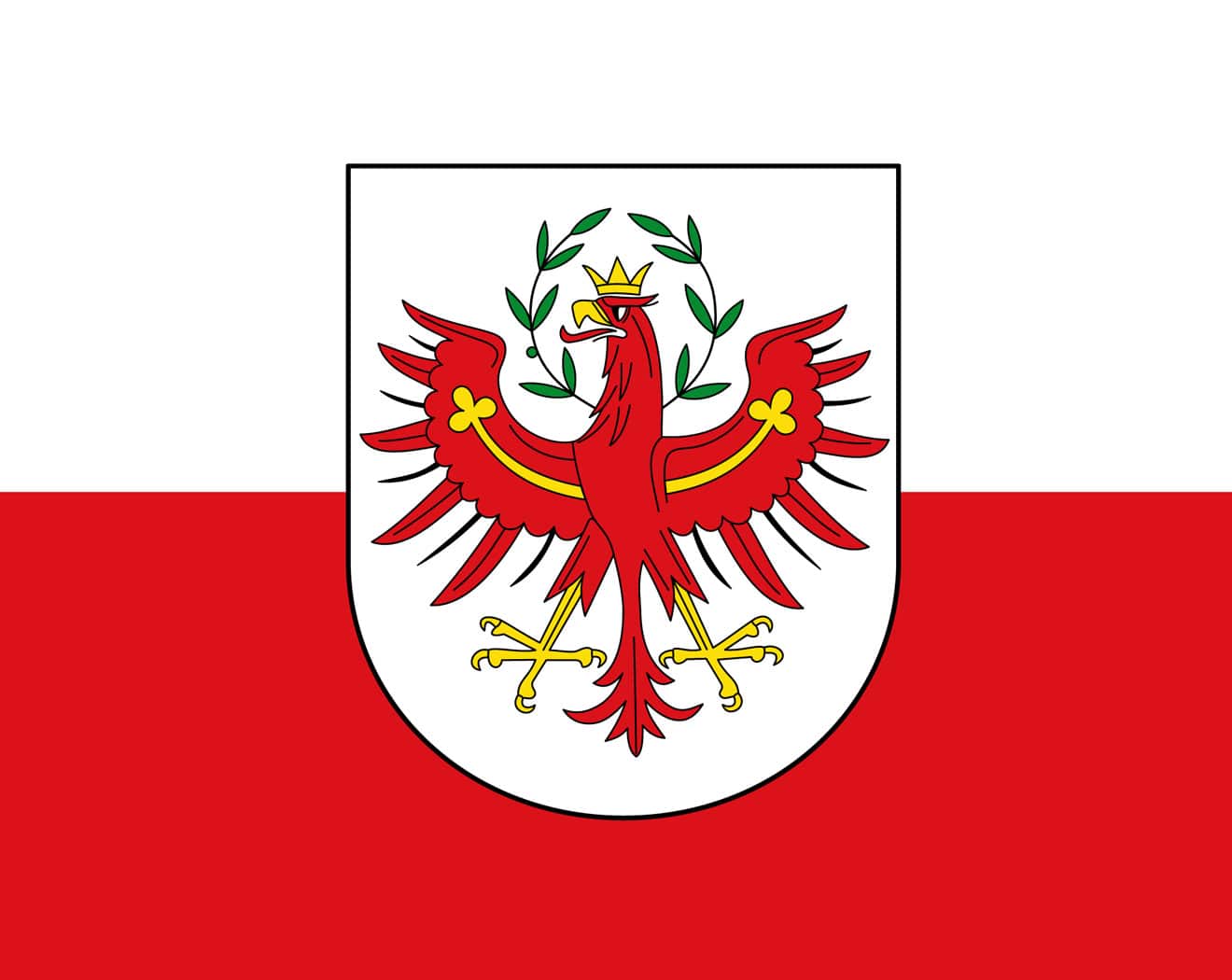 蒂罗尔
蒂罗尔
 犹他州
犹他州
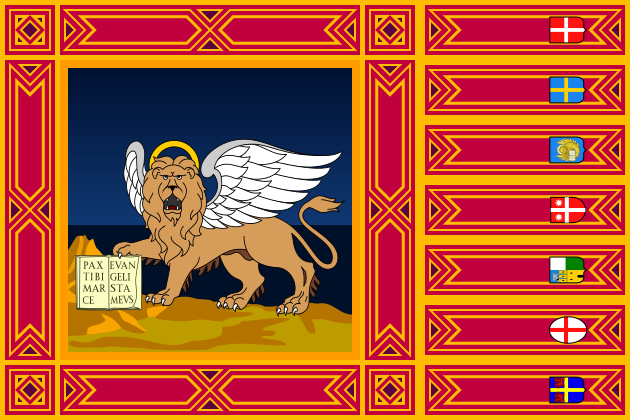 威尼托大区
美国
英国
威尼托大区
美国
英国
 维多利亚州
维多利亚州
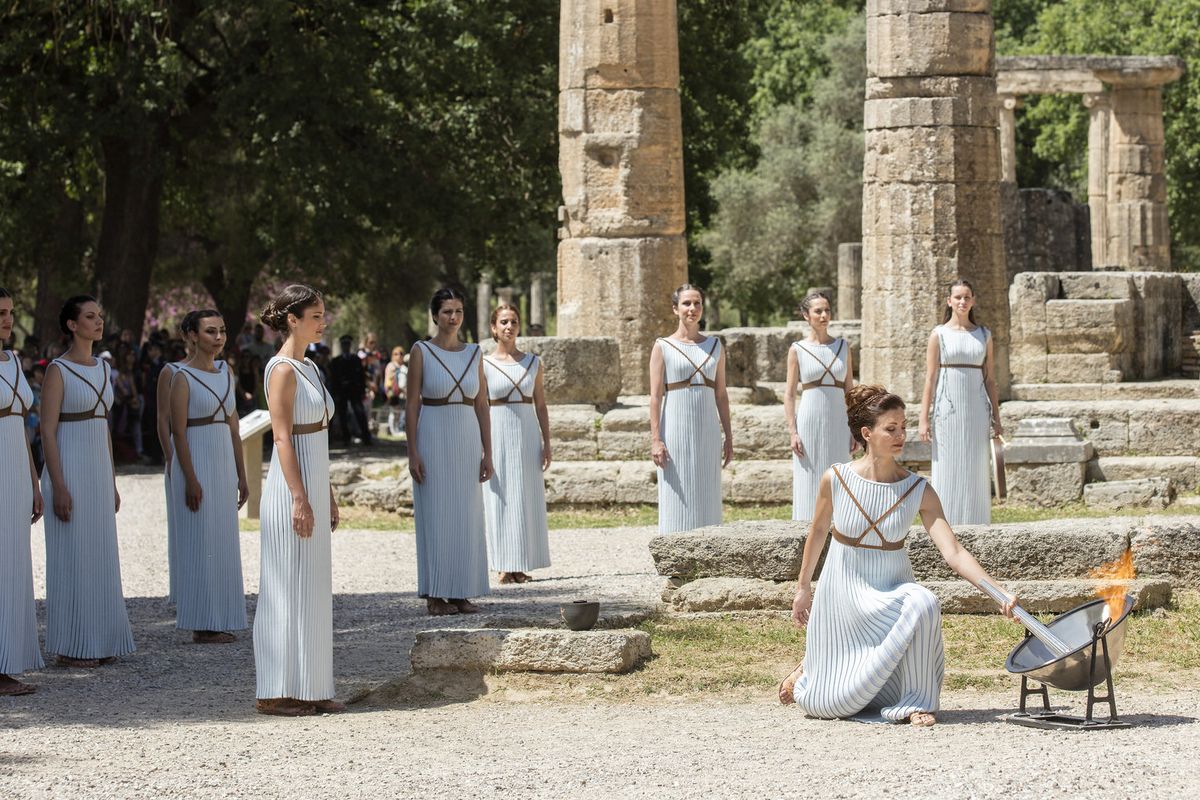
奥林匹克圣火(英语:Olympic Flame)是奥林匹克运动会的标志。它在古代奥运会上燃烧以纪念古希腊神话中,普罗米修斯从宙斯手中偷来的火。从1928年开始,奥林匹克圣火又重新成为了奥运会的一部分。从1936年柏林奥运会开始出现了圣火传递。它有着传承火焰,生生不息的意义。
Das olympische Feuer ist ein Symbol der olympischen Bewegung. Es ist auch ein Symbol der Kontinuität zwischen den antiken und den modernen Spielen.[1] Das olympische Feuer wird einige Monate vor den Olympischen Spielen in Olympia, Griechenland, entzündet. Mit dieser Zeremonie beginnt der olympische Fackellauf, der offiziell mit dem Entzünden des olympischen Kessels während der Eröffnungsfeier der Olympischen Spiele endet. Die Flamme brennt dann während der gesamten Dauer der Spiele im Kessel weiter, bis sie bei der Abschlusszeremonie gelöscht wird.
艾伯塔省
阿根廷
澳大利亚
奥弗涅-罗纳-阿尔卑斯
巴伐利亚州
北京市-京
柏林州
波斯尼亚和黑塞哥维那
巴西
不列颠哥伦比亚省
加利福尼亚州
加泰罗尼亚
中国
中部地方
联邦德国
英格兰
法国
乔治亚州
希腊
北海道地方
法兰西岛
意大利
日本
江苏省-苏
加拿大
关东地方
拉齐奥大区
 伦巴第大区
墨西哥
新南威尔士州
纽约州
挪威
奥地利
皮埃蒙特大区
魁北克省
伦巴第大区
墨西哥
新南威尔士州
纽约州
挪威
奥地利
皮埃蒙特大区
魁北克省
 昆士兰州
韩国
里约热内卢州
俄罗斯
瑞士
塞内加尔
新加坡
西班牙
蒂罗尔
犹他州
美国
英国
昆士兰州
韩国
里约热内卢州
俄罗斯
瑞士
塞内加尔
新加坡
西班牙
蒂罗尔
犹他州
美国
英国

| 奥林匹克圣歌 | ||
|---|---|---|
| 希腊文歌词 | 英文歌词 | 中文歌词 |
| Αρχαίο Πνεύμ' αθάνατο, αγνέ πατέρα του ωραίου, του μεγάλου και τ'αληθινού, κατέβα, φανερώσου κι άστραψ'εδώ πέρα στην δόξα της δικής σου γης και τ'ουρανού. |
Immortal spirit of antiquity, Father of the true, beautiful and good, Descend, appear, shed over us thy light Upon this ground and under this sky Which has first witnessed thy unperishable fame. |
古代不朽之神, 美丽、伟大而正直的圣洁之父。 祈求降临尘世以彰显自己, 让受人瞩目的英雄在这大地苍穹之中, 作为你荣耀的见证。 |
| Στο δρόμο και στο πάλεμα και στο λιθάρι, στων ευγενών Αγώνων λάμψε την ορμή, και με τ' αμάραντο στεφάνωσε κλωνάρι και σιδερένιο πλάσε κι άξιο το κορμί. |
Give life and animation to those noble games! Throw wreaths of fadeless flowers to the victors In the race and in the strife! Create in our breasts, hearts of steel! |
请照亮跑步、角力与投掷项目, 这些全力以赴的崇高竞赛。 把用橄榄枝编成的花冠颁赠给优胜者, 塑造出钢铁般的躯干。 |
| Κάμποι, βουνά και θάλασσες φέγγουν μαζί σου σαν ένας λευκοπόρφυρος μέγας ναός, και τρέχει στο ναό εδώ, προσκυνητής σου, Αρχαίο Πνεύμ' αθάνατο, Kάθε λαός. |
In thy light, plains, mountains and seas Shine in a roseate hue and form a vast temple To which all nations throng to adore thee, Oh immortal spirit of antiquity! |
溪谷、山岳、海洋与你相映生辉, 犹如以色彩斑斓的岩石建成的神殿。 这巨大的神殿, 世界各地的人们都来膜拜, 啊!永远不朽的古代之神。 |


 经济和贸易
澳大利亚
比利时
智利
丹麦
联邦德国
爱沙尼亚
芬兰
法国
希腊
爱尔兰
冰岛
以色列
意大利
日本
加拿大
卢森堡
墨西哥
新西兰
荷兰
挪威
经济合作与发展组织
经济和贸易
澳大利亚
比利时
智利
丹麦
联邦德国
爱沙尼亚
芬兰
法国
希腊
爱尔兰
冰岛
以色列
意大利
日本
加拿大
卢森堡
墨西哥
新西兰
荷兰
挪威
经济合作与发展组织
 埃米尔·范伦内普
经济合作与发展组织
唐纳德·约翰顿
经济合作与发展组织
让·克劳德·帕耶
经济合作与发展组织
何塞·安赫尔·古里亚
经济合作与发展组织
斯塔凡·索尔曼
经济合作与发展组织
托尔基·克里斯藤森
奥地利
波兰
葡萄牙
韩国
瑞典
瑞士
斯洛伐克
斯洛文尼亚
西班牙
捷克
土耳其
匈牙利
美国
英国
埃米尔·范伦内普
经济合作与发展组织
唐纳德·约翰顿
经济合作与发展组织
让·克劳德·帕耶
经济合作与发展组织
何塞·安赫尔·古里亚
经济合作与发展组织
斯塔凡·索尔曼
经济合作与发展组织
托尔基·克里斯藤森
奥地利
波兰
葡萄牙
韩国
瑞典
瑞士
斯洛伐克
斯洛文尼亚
西班牙
捷克
土耳其
匈牙利
美国
英国
 重要的国际组织

経済協力開発機構(けいざいきょうりょくかいはつきこう)は、国際経済全般について協議することを目的とした国際機関。公用語の正式名称は、英語では"Organisation[1] for Economic Co-operation and Development"(イギリス英語表記)、フランス語では"Organisation de Coopération et de Développement Economiques"。略称は英語ではOECD、フランス語ではOCDE。
本部事務局はパリ16区の旧ラ・ミュエット宮殿に置かれている。事務総長はアンヘル・グリア。
The Organisation for Economic Co-operation and Development (OECD; French: Organisation de Coopération et de Développement Économiques, OCDE) is an intergovernmental economic organisation with 37 member countries,[1] founded in 1961 to stimulate economic progress and world trade. It is a forum of countries describing themselves as committed to democracy and the market economy, providing a platform to compare policy experiences, seek answers to common problems, identify good practices and coordinate domestic and international policies of its members. Generally, OECD members are high-income economies with a very high Human Development Index (HDI) and are regarded as developed countries. As of 2017, the OECD member countries collectively comprised 62.2% of global nominal GDP (US$49.6 trillion)[3] and 42.8% of global GDP (Int$54.2 trillion) at purchasing power parity.[4] The OECD is an official United Nations observer.[5]
In 1948, the OECD originated as the Organisation for European Economic Co-operation (OEEC),[6] led by Robert Marjolin of France, to help administer the Marshall Plan (which was rejected by the Soviet Union and its satellite states).[7] This would be achieved by allocating United States financial aid and implementing economic programs for the reconstruction of Europe after World War II. (Similar reconstruction aid was sent to the war-torn Republic of China and post-war Korea, but not under the name "Marshall Plan".)[8]
In 1961, the OEEC was reformed into the Organisation for Economic Co-operation and Development by the Convention on the Organisation for Economic Co-operation and Development and membership was extended to non-European states.[9][10] The OECD's headquarters are at the Château de la Muette in Paris, France.[11] The OECD is funded by contributions from member countries at varying rates and had a total budget of €386 million in 2019.[2]
Although OECD does not have a power to enforce its decisions, which further require unanimous vote from its members, it is recognized as highly influential publisher of mostly economic data through publications as well as annual evaluations and rankings of members countries.[12]
L'Organisation de coopération et de développement économiques (OCDE) est une organisation internationale d'études économiques, dont les pays membres — des pays développés pour la plupart — ont en commun un système de gouvernement démocratique et une économie de marché. Elle joue essentiellement un rôle d'assemblée consultative1.
L'OCDE a succédé à l'Organisation européenne de coopération économique (OECE) issue du plan Marshall et de la Conférence des Seize (Conférence de coopération économique européenne) qui a existé de 1948 à 1960. Son but était l'établissement d'une organisation permanente chargée en premier lieu d'assurer la mise en œuvre du programme de relèvement commun (le plan Marshall), et, en particulier, d'en superviser la répartition2.
En 2020, l'OCDE compte 37 pays membres et regroupe plusieurs centaines d'experts. Elle publie fréquemment des études économiques et sociales — analyses, prévisions et recommandations de politique économique — et des statistiques, principalement concernant ses pays membres.
Le siège de l'OCDE se situe à Paris (16e), au château de la Muette. L'organisation possède également des bureaux dans plusieurs autres métropoles, notamment à Berlin, Mexico, Tokyo et Washington.
L'Organizzazione per la cooperazione e lo sviluppo economico (OCSE) – in inglese Organization for Economic Co-operation and Development (OECD), e in francese Organisation de coopération et de développement économiques (OCDE) – è un'organizzazione internazionale di studi economici per i paesi membri, paesi sviluppati aventi in comune un'economia di mercato.
L'organizzazione svolge prevalentemente un ruolo di assemblea consultiva che consente un'occasione di confronto delle esperienze politiche, per la risoluzione dei problemi comuni, l'identificazione di pratiche commerciali e il coordinamento delle politiche locali e internazionali dei paesi membri[1]. Ha sede a Parigi nello Château de la Muette[2].
Gli ultimi paesi ad aver aderito all'OCSE sono la Colombia (28 aprile 2020),la Lettonia (1º luglio 2016) e la Lituania (5 luglio 2018), per un totale di 36 paesi membri.
La Organización para la Cooperación y el Desarrollo Económico1 (OCDE) es un organismo de cooperación internacional, compuesto por 37 estados,34 cuyo objetivo es coordinar sus políticas económicas y sociales. La OCDE fue fundada en 1961 y su sede central se encuentra en el Château de la Muette en París (Francia). Los idiomas oficiales de la entidad son el francés y el inglés.2
En la OCDE, los representantes de los países miembros se reúnen para intercambiar información y armonizar políticas con el objetivo de maximizar su crecimiento económico y colaborar a su desarrollo y al de los países no miembros.
Conocida como «club de los países ricos»,56 a partir de 2017, sus países miembros comprendieron colectivamente el 62,2 % del PIB nominal global (US$49,6 billones) y el 42,8 % del PIB global (Int US$54,2 billones).7
Организа́ция экономи́ческого сотру́дничества и разви́тия (сокр. ОЭСР, англ. Organisation for Economic Co-operation and Development, OECD) — международная экономическая организация развитых стран, признающих принципы представительной демократии и свободной рыночной экономики.
Создана в 1948 году под названием Организа́ция европе́йского экономи́ческого сотру́дничества (англ. Organisation for European Economic Co-operation, OEEC) для координации проектов экономической реконструкции Европы в рамках плана Маршалла.
Штаб-квартира организации располагается в Шато де ла Мюетт, в Париже. Генеральный секретарь (с 2006 года) — Хосе Анхель Гурриа Тревиньо (Мексика). Руководящим органом ОЭСР является совет представителей стран — членов организации. Все решения в нём принимаются на основе консенсуса.
По данным на 2011 год, в странах ОЭСР проживало 18 % населения мира[2].
 国际城市
国际城市
 阿斯图里亚斯

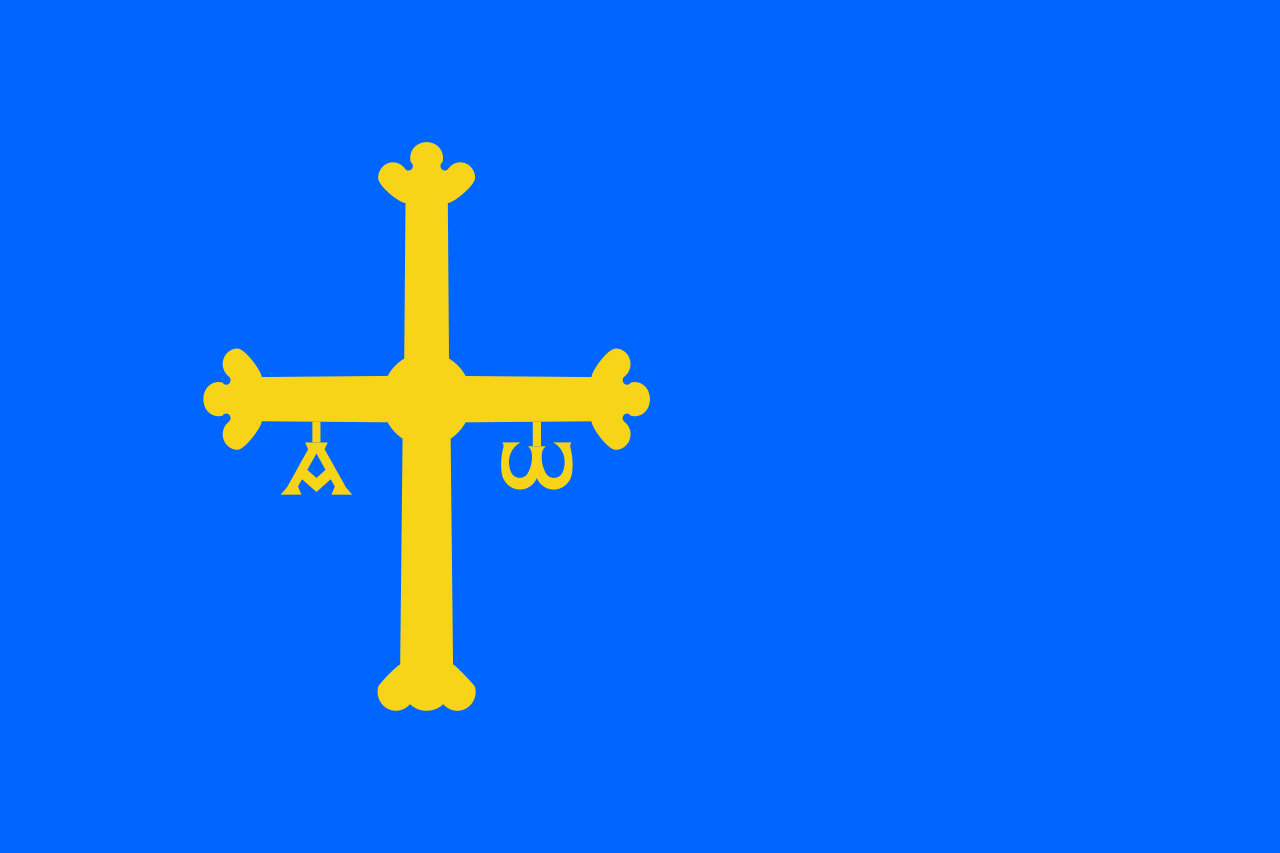
Oviedo (asturisch Uviéu oder Uvieo; seit 2019 offiziell Oviedo/Uviéu)[2] ist die Hauptstadt der Autonomen Gemeinschaft Fürstentum Asturien im Norden Spaniens. Im 9. und 10. Jahrhundert war die Stadt die Residenz des damals unabhängigen Königreiches Asturien. Die Bewohner der Stadt werden „Ovetenser“ genannt.
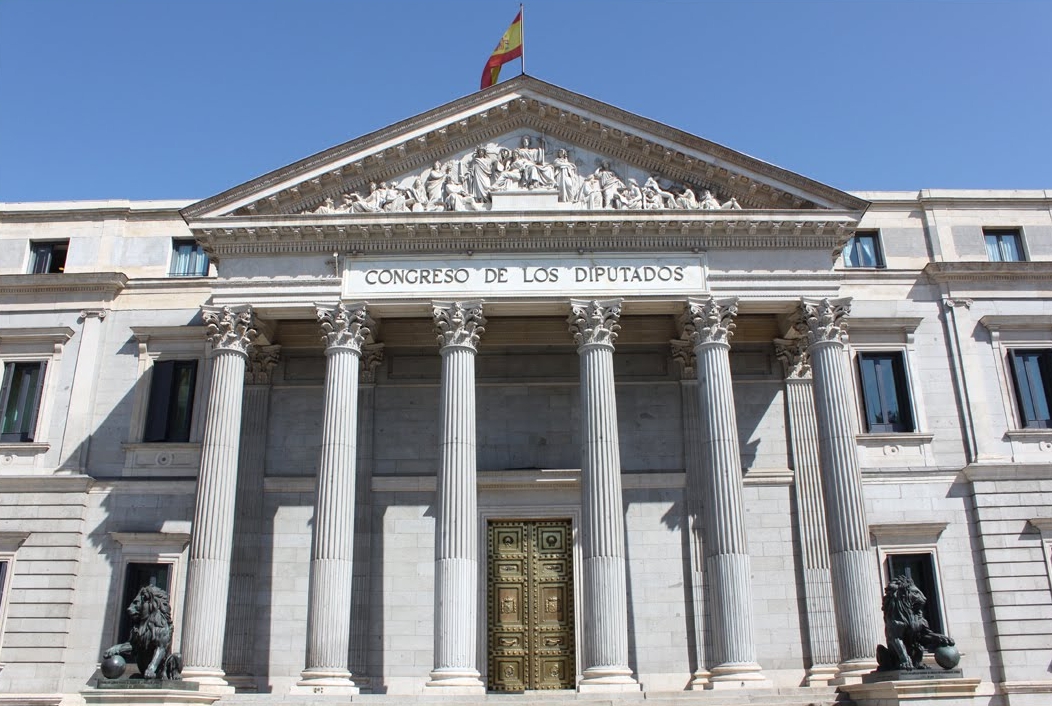
 马德里自治区
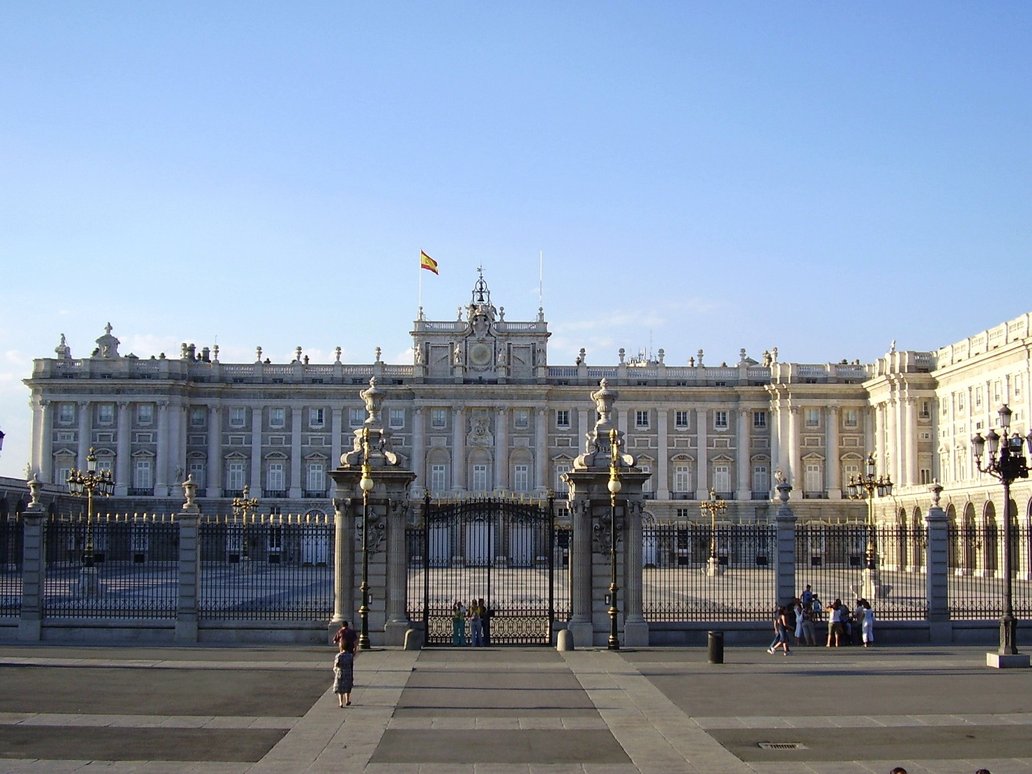
 拉里奥哈自治区
 纳瓦拉
纳瓦拉

 音乐
音乐