
Deutsch-Chinesische Enzyklopädie, 德汉百科
 Belgium
 Royalty


 Alsace
Andorra
Alsace
Andorra
 Auvergne-Rhône-Alpes
Belgium
Auvergne-Rhône-Alpes
Belgium
 Bourgogne-Franche-Comté
Champagne-Ardenne
Bourgogne-Franche-Comté
Champagne-Ardenne
 Corse
Denmark
Germany
England
Franche-Comté
France
Corse
Denmark
Germany
England
Franche-Comté
France
 Grand Est
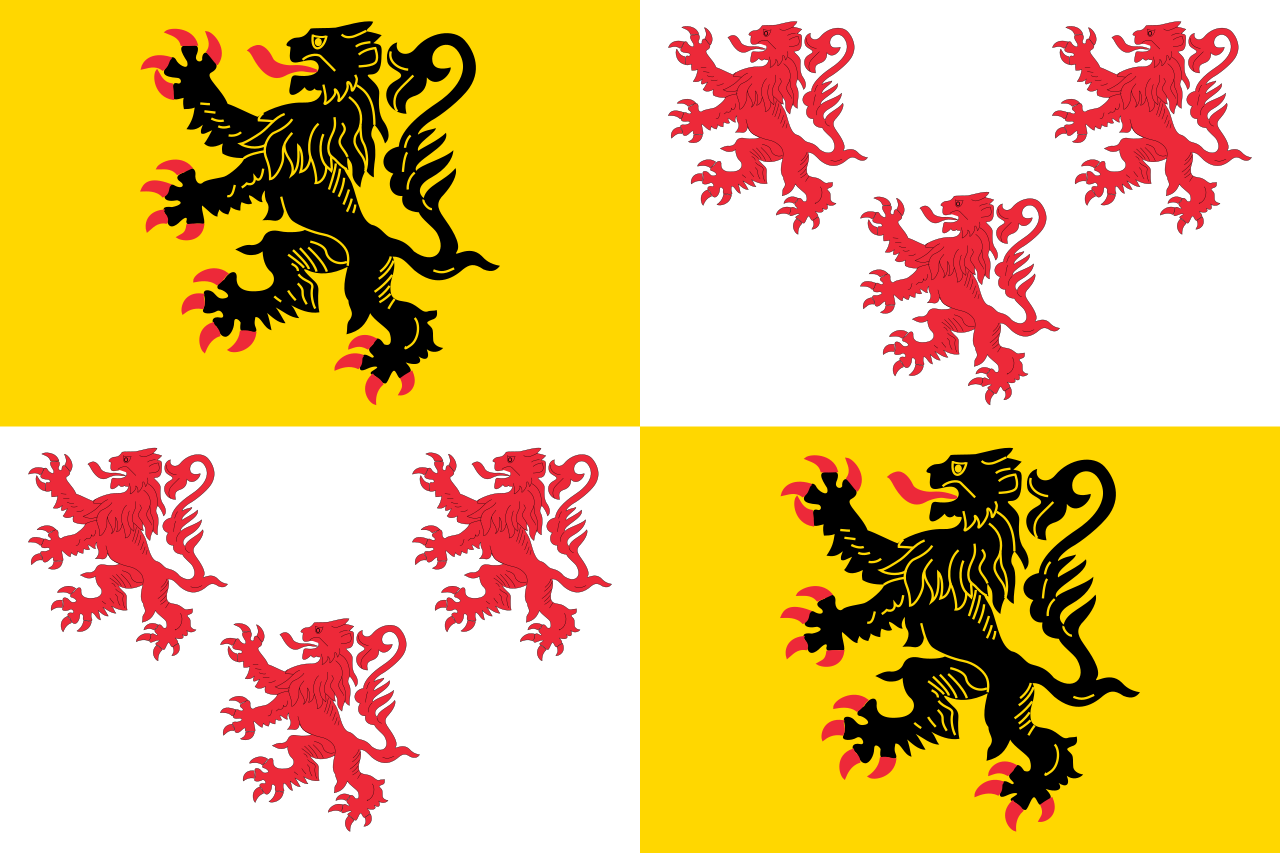 Hauts-de-France
 Ile-de-France
Italy
Lorraine
Nord-Pas-de-Calais
Ile-de-France
Italy
Lorraine
Nord-Pas-de-Calais
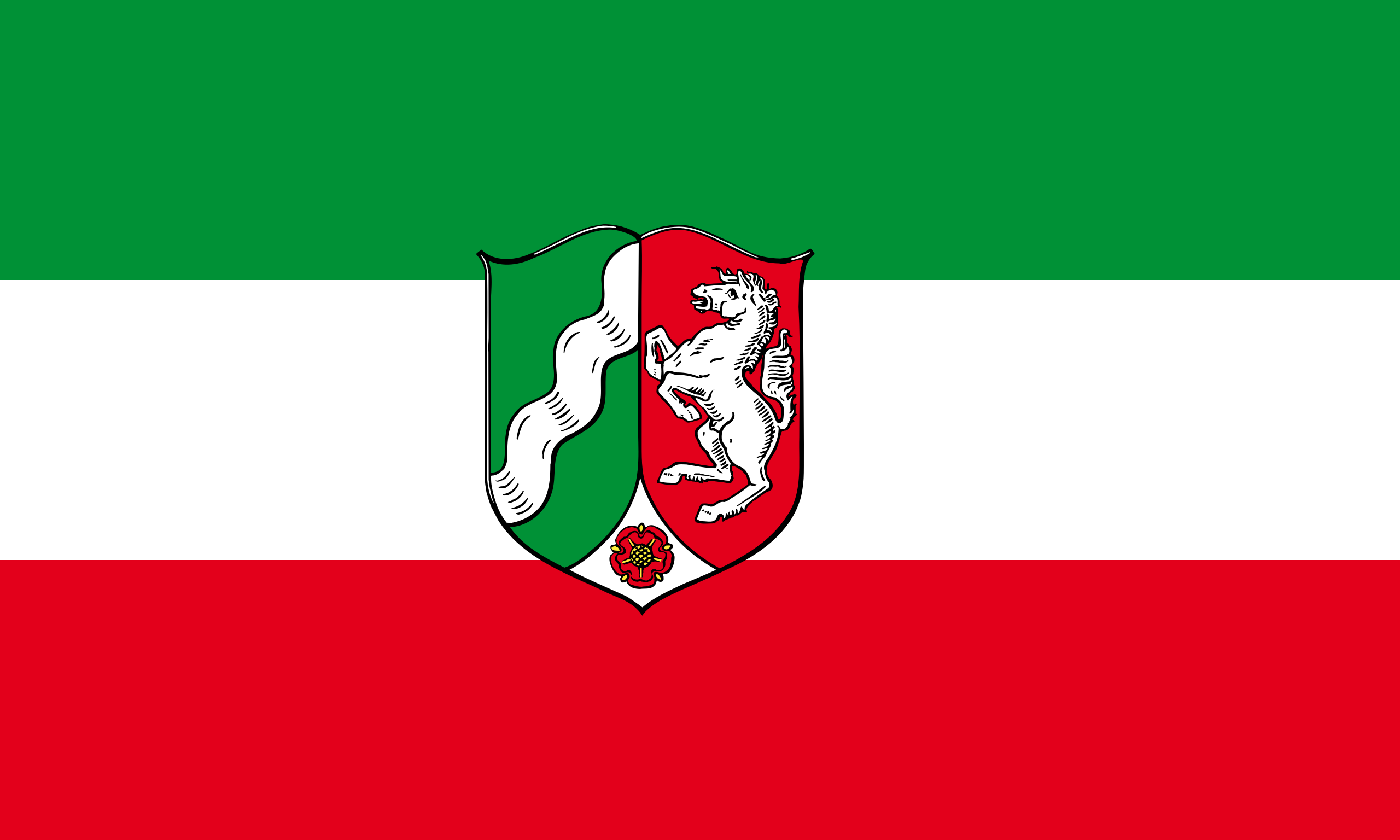 North Rhine-Westphalia
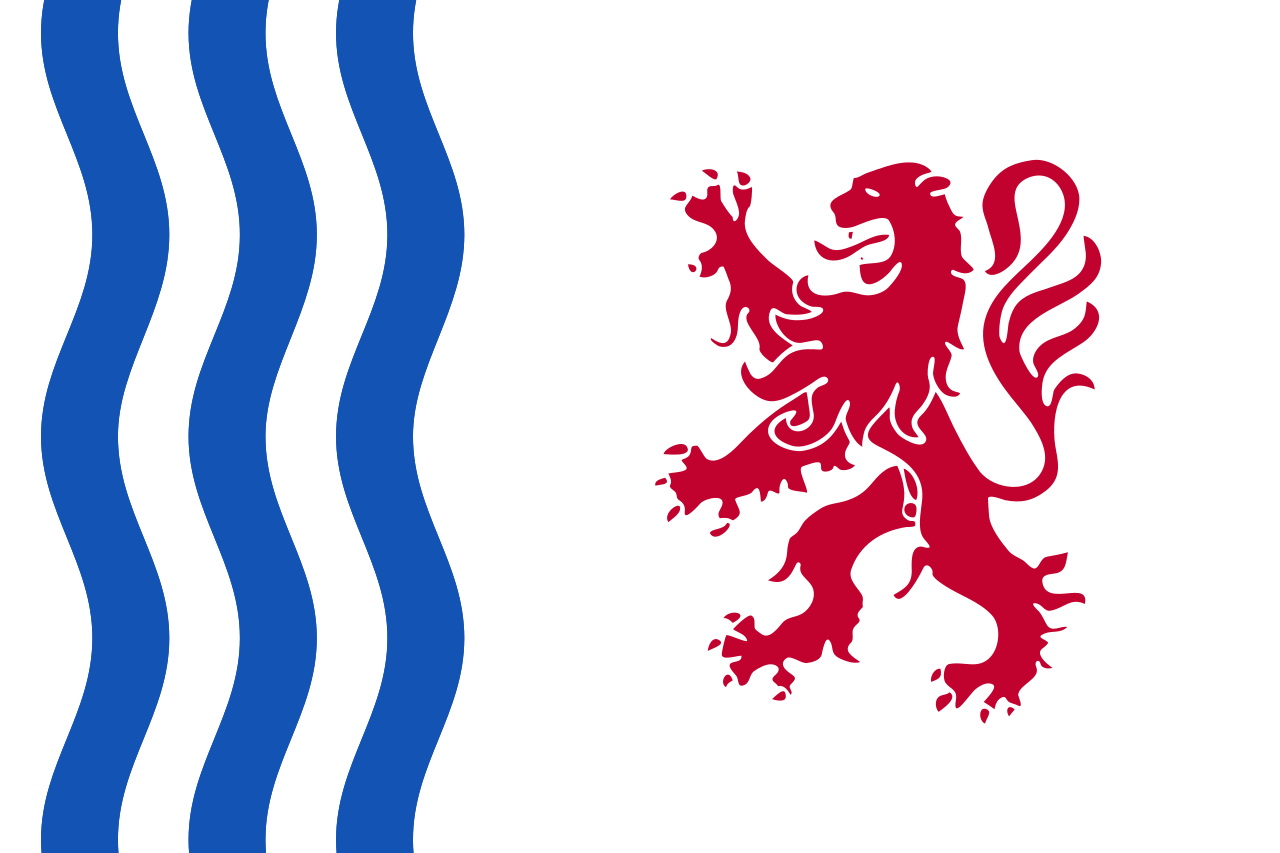 Nouvelle-Aquitaine
 Occitania
Switzerland
Spain
Occitania
Switzerland
Spain
 Toscana
Tour de France 2015
Tour de France 2016
Tour de France 2017
Tour de France 2018
UCI World Tour
United Kingdom
Toscana
Tour de France 2015
Tour de France 2016
Tour de France 2017
Tour de France 2018
UCI World Tour
United Kingdom

环法自行车赛(Tour de France)是一项分赛程的长距离自行车骑行比赛,它由法国人亨利・戴斯格朗日(Henri Desgrange)于1903年创立。每年夏天的七月份,来自世界各国的骑行高手们就会云集法国,在这里翻山越岭穿村过市,在举世闻名的自行车赛界的最高竞技中一决高下。
环法自行车赛的产生及历史
亨利・戴斯格朗日曾是一位自行车运动员,后来做了记者,但他从未放弃对骑行的热爱。他于1903年创立了环法自行车赛最初的规则。其中有一些规则给参赛选手专心进行体育竞技带来了很大的不便。比如说参赛者不可以使用助手,也就是说如果参赛者的自行车出现了机械故障,要由他自己停下来把车修好才可以再上路。
其实环法自行车赛不仅限于法国境内,它还经过比利时、西班牙等一些法国的邻国。比赛属于分段计时赛,冠军为各段赛程所用时间累计最少者。
(Quelle:http://www.faguo-lvyou.cn)
环法自行车赛(法语:Le Tour de France)是一个每年举办的多赛段公路自行车赛,主要在法国进行,但有时也出入周边国家(如英国、比利时、德国、西班牙)。自从1903年开始以来,每年于夏季举行,每次赛期23天,平均赛程超过3500公里(约2200英里)。完整赛程每年不一,但大都大体上环绕法国一周。近年来,比赛结束前总是会穿越巴黎市中心的香榭丽舍大道,并且经过埃菲尔铁塔。比赛全程分成许多段,从一个城镇到下一个,每一段分别计时排名。所有段成绩累计起来决定每一位赛手的总成绩,总冠军为各段时间累计最少者。在每日赛事结束时,领先者将可穿上黄色领骑衫,最佳冲刺者将被赠与一件绿色车衣,山间赛事中之最佳骑手将会得到一件波尔卡点运动衣,其有时被称作登山王。
像其他公路大赛一样,选手们组织队伍参赛。每一队由9名选手组成,共有20至22个小队。传统上,只有一流的专业赛车队才能收到参赛邀请。近年来,大赛组织者采用国际自行车联盟的计分系统来决定参赛队伍,另留下2-4个名额给予知名车队或落选的法国车队。每个车队由其最大赞助商命名,穿着其队服。比赛时,各车队采取战术,队友之间互相帮助,通常车队后面还有一部支援车带着配件等备急紧跟着他们[1][2]。
Am 8. Dez. 1867 fand das erste Radrennen der Welt in Paris statt. Anfangs noch auf dem Vélocipèd, ohne Bereifung, wurden selten Geschwindigkeiten von 10 km/h erreicht. Etwa 100 Teilnehmer starteten auf den Champs-Elysées und fuhren etwa 23 km bis zum Schloß von Versaille. Das zweite Rennen fand am 24. Mai 1868 am Pré Catalan im Bois du Boulongne statt.
Das erste "Langstreckenrennen" der Welt, Paris-Rouen über 122 km wurde am 7. Nov. 1869 gefahren.
Bis kurz vor 1890 wurden verschiedene Rennen mit dem Hochrad ausgetragen, was sehr gefährlich war. Mit der Erfindung der Luftbereifung 1888 endete die ära der Hochräder abrupt.
Diese "Sicherheits-Niederräder" entsprechen grob dem Aussehen heutiger Fahrräder und wurden erstmalig in Großserie produziert.
Bereits 1891 wurden 2 berühmte Radrennen ins Leben gerufen, die noch heute gefahren werden: Paris-Brest-Paris über ca. 1.200 km und Bordeaux-Paris, welches halb so lang ist.(Quelle:http://www.fahrradmonteur.de/tour-de-france.php)
Die Tour de France [ˌtuʀdəˈfʀɑ̃ːs], auch Grande Boucle [gʀɑ̃dˈbukl] (französisch für Große Schleife) oder einfach Le Tour [ləˈtuːʀ] genannt, ist das berühmteste und für die Fahrer bedeutendste Radrennen der Welt.
Seit 1903 wird es alljährlich im Juli ausgetragen und führt dabei in wechselnder Streckenführung quer durch Frankreich und das nahe Ausland. Während des Ersten Weltkriegs fiel die Tour zwischen 1915 und 1918 aus, der Zweite Weltkrieg bedingte eine Unterbrechung von 1940 bis 1946. Das Etappenrennen wird von der Amaury Sport Organisation (ASO) veranstaltet. Die Tour wird oft als das nach den Olympischen Spielen und der Fußball-Weltmeisterschaft drittgrößte Sportereignis der Welt[1][2] oder als das größte jährlich stattfindende Sportereignis[3] bezeichnet und gilt als das härteste Radrennen der Welt.[4]
Eine Tour de France der Frauen, La Grande Boucle Féminine Internationale, wurde mit Unterbrechungen von 1984 bis 2009 ausgetragen. Länge und Bedeutung waren im Vergleich zur Tour der Männer gering. Als Nachfolgeveranstaltung wird seit 2014 La Course by Le Tour de France, zu Beginn als Rundstreckenrennen vor der Schlussetappe der Tour de France 2014, ausgetragen.
ツール・ド・フランスまたは(ル・)トゥール・ド・フランス(仏: Le Tour de France、以下「ツール」)とは毎年7月にフランスおよび周辺国を舞台にして行われる自転車プロロードレースである。1903年から開催されている。主催は傘下にスポーツ新聞レキップや一般紙ル・パリジャンなどを抱えるフランスの大企業・アモリ・スポル・オルガニザシオン (ASO, Amaury Sport Organisation)。
名称はフランス語で「フランス一周」を意味する[1]。フランス語による同様の名称のレースには、スイスで行われるツール・ド・スイスなどがある。単にル・ツール(Le Tour:ル・トゥール)と称されることもある。
The Tour de France (French pronunciation: [tuʁ də fʁɑ̃s]) is an annual men's multiple stage bicycle race primarily held in France,[1] while also occasionally passing through nearby countries. Like the other Grand Tours (the Giro d'Italia and the Vuelta a España), it consists of 21 day-long stages over the course of 23 days.
The race was first organized in 1903 to increase sales for the newspaper L'Auto[2] and is currently run by the Amaury Sport Organisation.[3] The race has been held annually since its first edition in 1903 except when it was stopped for the two World Wars.[4] As the Tour gained prominence and popularity, the race was lengthened and its reach began to extend around the globe. Participation expanded from a primarily French field, as riders from all over the world began to participate in the race each year. The Tour is a UCI World Tour event, which means that the teams that compete in the race are mostly UCI WorldTeams, with the exception of the teams that the organizers invite.[5][6]
Traditionally, the race is held primarily in the month of July. While the route changes each year, the format of the race stays the same with the appearance of time trials,[1] the passage through the mountain chains of the Pyrenees and the Alps, and the finish on the Champs-Élysées in Paris.[7][8] The modern editions of the Tour de France consist of 21 day-long segments (stages) over a 23-day period and cover around 3,500 kilometres (2,200 mi).[9] The race alternates between clockwise and counterclockwise circuits of France.[10]
There are usually between 20 and 22 teams, with eight riders in each. All of the stages are timed to the finish; the riders' times are compounded with their previous stage times.[1] The rider with the lowest cumulative finishing times is the leader of the race and wears the yellow jersey.[1][11] While the general classification garners the most attention, there are other contests held within the Tour: the points classification for the sprinters, the mountains classification for the climbers, young rider classification for riders under the age of 26, and the team classification for the fastest teams.[1] Achieving a stage win also provides prestige, often accomplished by a team's cycling sprinter specialist.
Le Tour de France, souvent appelé « Le Tour » ou « la Grande Boucle », est une compétition cycliste par étapes masculine qui a lieu principalement en France chaque année, tout en traversant occasionnellement les pays voisins. La course est organisée pour la première fois en 1903 par Henri Desgrange et Géo Lefèvre, pour augmenter les ventes du journal L'Auto. Le Tour est actuellement organisé par ASO (Groupe Amaury). La course a lieu chaque année depuis sa première édition en 1903, excepté lors des deux guerres mondiales. Le Tour gagne en importance et en popularité au fil des éditions, sa durée est allongée et sa portée s'étend dans le monde entier. La participation s'élargit, on passe d'un peloton principalement français lors des premières éditions, à des éditions comptant jusqu'à 40 nationalités.
Le Tour de France, le Tour d'Italie et le Tour d'Espagne constituent les trois grands tours, les épreuves les plus prestigieuses du cyclisme sur route. Le Tour de France est le plus ancien et est généralement considéré comme le plus prestigieux des trois. Traditionnellement, la course se déroule principalement au mois de juillet. Bien que le parcours change chaque année, le format de la course reste le même avec au moins deux contre-la-montre1, le passage à travers les chaînes de montagnes des Pyrénées et des Alpes et l'arrivée sur les Champs-Élysées à Paris. Les éditions modernes du Tour de France se composent de 21 étapes réparties sur une période de 23 jours et couvrent près de 3 500 kilomètres. Le tracé du parcours alterne entre le sens horaire et antihoraire de la France.
Le Tour est une des épreuves de l'UCI World Tour, ce qui signifie que les équipes sont en majorités composées d'UCI WorldTeams, à l'exception des équipes que les organisateurs invitent. Le nombre d'équipes varie habituellement entre 20 et 22, avec chacune huit coureurs. Après chaque étape, les temps des coureurs sont ajoutés avec leurs temps précédents. Le coureur avec le temps total le plus faible est classé premier du classement général et porte le très convoité maillot jaune le distinguant des autres coureurs. Le classement général est le plus réputé des classements car il détermine le vainqueur du Tour, mais d'autres classements secondaires sont organisés lors du Tour : le classement par points pour les sprinteurs, le classement de la montagne pour les grimpeurs, le classement des jeunes pour les coureurs de 25 ans et moins, et le classement par équipes pour les équipes les plus rapides.
Quatre coureurs ont remporté cinq fois le Tour de France : Jacques Anquetil, Eddy Merckx, Bernard Hinault et Miguel Indurain. Lance Armstrong, vainqueur de sept Tours entre 1999 et 2005, fut le recordman jusqu'en 2012 lorsque ses sept victoires furent effacées pour cause de dopage. Christopher Froome est toujours en activité, avec quatre succès à son actif.
Le Tour de France (it. Il Giro di Francia) è uno dei tre grandi giri maschili di ciclismo su strada e uno tra i più importanti avvenimenti sportivi del mondo. È parte del calendario professionistico UCI World Tour.
Detto anche Tour o Grande Boucle, a partire dal 1903 la corsa si è svolta ogni anno (risultando il più antico grande Giro), ad eccezione dei periodi della prima e della seconda guerra mondiale, durante il mese di luglio, nell'arco di circa tre settimane e su un percorso ogni volta diverso attraverso la Francia e i paesi confinanti. Attualmente l'organizzazione della gara è affidata alla Société du Tour de France, una sussidiaria dell'Amaury Sport Organisation, che fa parte del gruppo mediatico de L'Équipe.
A partire dal 1984 e fino al 1993 venne organizzato parallelamente anche un Tour de France femminile, con un percorso e tappe più brevi.
El Tour de Francia (oficialmente Le Tour de France), también conocido simplemente como el Tour, es una vuelta por etapas profesional de ciclismo en ruta disputada a lo largo de la geografía francesa. Se celebra en julio y pertenece al calendario UCI WorldTour, máxima categoría de las carreras profesionales
Considerada la carrera más importante del mundo,1 el Tour se disputó por primera vez en 1903. Desde su creación, la carrera se ha visto interrumpida en dos ocasiones debido a las dos guerras mundiales: desde 1915 hasta 1918 y desde 1940 hasta 1946.2
Es la más antigua de las conocidas tres "Grandes Vueltas" del ciclismo, junto al Giro de Italia y la Vuelta a España.
El ganador del Tour de Francia obtiene 1800 puntos para el Salón de la Fama del Ciclismo (Cycling Hall of Fame), siendo la prueba ciclista que más puntos otorga al ganador.
Con cinco triunfos, son cuatro los ciclistas que poseen el récord de victorias en La Grande Boucle: Jacques Anquetil (1957, 1961, 1962, 1963 y 1964), Eddy Merckx (1969, 1970, 1971, 1972 y 1974), Bernard Hinault (1978, 1979, 1981, 1982 y 1985) y Miguel Indurain (1991, 1992, 1993, 1994 y 1995).
El Tour de Francia fue galardonado con el Premio Príncipe de Asturias de los Deportes en el año 2003.3
Existió un Tour de Francia femenino que comenzó en 1955 (desde 1984 disputándose con regularidad) hasta 2009, siendo de las pocas carreras femeninas con una duración superior a una semana junto al Giro de Italia Femenino y el Tour de l'Aude Femenino (este también ya desaparecido), aunque durante sus últimos 15 años sin relación con la de hombres.
Тур де Франс[1] (нескл.; фр. Le Tour de France) — шоссейная многодневная велогонка, один из трёх гранд-туров. Самая известная и престижная велосипедная гонка мира, проводимая уже более ста лет во Франции[2]. Неофициальное название — «Большая петля».
Велогонка «Тур де Франс» изначально была учреждена как рекламный проект газеты L’Auto (предок нынешнего L'Équipe), его редактором и соучредителем, Анри Дегранжем (Henri Desgrange) и был призван конкурировать с велогонкой Париж — Брест — Париж (спонсируемой газетой Le Petit Journal) и велогонкой Бордо-Париж.
Идея создания французской петли принадлежит журналисту L’Auto Жео Лефевру (Géo Lefèvre), с которым Анри Дегранж обедал в парижском кафе Café de Madrid 20 ноября 1902 года (точная дата). Успех гонки Le Tour de France стал большим успехом и для газеты L’Auto, число подписчиков которой выросло в 1903 году с 25 тысяч (до Тура) до 65 тысяч после Тура; в 1908 году число подписчиков газеты перевалило за 250 тысяч, а во время «Тур де Франс» 1923 года продавалось 500 тысяч экземпляров газеты в день. Рекордный тираж газеты был достигнут в течение «Тур де Франс» 1933 года — 854 тысячи экземпляров в день. Сегодня Тур организовывает «Общество Тур-де-Франс» — филиал Amaury Sport Organisation (ASO), который является частью медиа-холдинга, в который входит газета L'Équipe.
Тур, который проводится во Франции и в близлежащем зарубежье, проходит ежегодно в течение трёх недель в июле. Только во время первой (1915—1918) и Второй мировой войны (1940—1946) тур был отменён. Велогонку проводит фирма Amaury Sport Organisation (ASO), которая также проводит Ралли Дакар.
Belgium
Germany
 European Union
 EU Commissioner 2019-2024
European Union
President of the European Commission
Franco Maria Malfatti
François-Xavier Ortoli
France
Gaston Thorn
Italy
Jacques Delors
Jacques Santer
Jean Rey
Jean-Claude Juncker
José Manuel Barroso
Luxembourg
Manuel Marín
Netherlands
Portugal
Romano Prodi
Roy Jenkins
Sicco Mansholt
Spain
Ursula von der Leyen
United Kingdom
EU Commissioner 2019-2024
European Union
President of the European Commission
Franco Maria Malfatti
François-Xavier Ortoli
France
Gaston Thorn
Italy
Jacques Delors
Jacques Santer
Jean Rey
Jean-Claude Juncker
José Manuel Barroso
Luxembourg
Manuel Marín
Netherlands
Portugal
Romano Prodi
Roy Jenkins
Sicco Mansholt
Spain
Ursula von der Leyen
United Kingdom

 Albania
Andorra
Armenia
Azerbaijan
Belgium
Bosnia Herzegovina
Bulgaria
Denmark
Germany
Estonia
Finland
France
Georgia
Greece
Ireland
Iceland
Italy
Croatia
Latvia
Liechtenstein
Lithuania
Luxembourg
Malta
Moldawien
Monaco
Montenegro
Netherlands
Nordmazedonien
Norwegen
Austria
Poland
Portugal
Romania
Russia
San Marino
Sweden
Switzerland
Serbia
Slovakia
Slovenia
Spain
Czech Republic
Turkey
Ukraine
Hungary
United Kingdom
Cyprus
Albania
Andorra
Armenia
Azerbaijan
Belgium
Bosnia Herzegovina
Bulgaria
Denmark
Germany
Estonia
Finland
France
Georgia
Greece
Ireland
Iceland
Italy
Croatia
Latvia
Liechtenstein
Lithuania
Luxembourg
Malta
Moldawien
Monaco
Montenegro
Netherlands
Nordmazedonien
Norwegen
Austria
Poland
Portugal
Romania
Russia
San Marino
Sweden
Switzerland
Serbia
Slovakia
Slovenia
Spain
Czech Republic
Turkey
Ukraine
Hungary
United Kingdom
Cyprus
 *United States Political System
*UK political system
*French political system
Albania
Belgium
Bulgaria
Denmark
Germany
Estonia
Finland
France
Generalsekretäre der Nordatlantikpakt-Organisation
Jens Stoltenberg
Generalsekretäre der Nordatlantikpakt-Organisation
Anders Fogh Rasmussen
Generalsekretäre der Nordatlantikpakt-Organisation
Jaap de Hoop Scheffer
Generalsekretäre der Nordatlantikpakt-Organisation
George Robertson
Generalsekretäre der Nordatlantikpakt-Organisation
Javier Solana
Generalsekretäre der Nordatlantikpakt-Organisation
Sergio Balanzino
Generalsekretäre der Nordatlantikpakt-Organisation
Willy Claes
Generalsekretäre der Nordatlantikpakt-Organisation
Manfred Wörner
Generalsekretäre der Nordatlantikpakt-Organisation
Peter Carington, 6. Baron Carrington
Generalsekretäre der Nordatlantikpakt-Organisation
Joseph Luns
Generalsekretäre der Nordatlantikpakt-Organisation
Manlio Giovanni Brosio
Generalsekretäre der Nordatlantikpakt-Organisation
Dirk Stikker
Generalsekretäre der Nordatlantikpakt-Organisation
Paul-Henri Spaak
Generalsekretäre der Nordatlantikpakt-Organisation
Hastings Ismay, 1. Baron Ismay
*United States Political System
*UK political system
*French political system
Albania
Belgium
Bulgaria
Denmark
Germany
Estonia
Finland
France
Generalsekretäre der Nordatlantikpakt-Organisation
Jens Stoltenberg
Generalsekretäre der Nordatlantikpakt-Organisation
Anders Fogh Rasmussen
Generalsekretäre der Nordatlantikpakt-Organisation
Jaap de Hoop Scheffer
Generalsekretäre der Nordatlantikpakt-Organisation
George Robertson
Generalsekretäre der Nordatlantikpakt-Organisation
Javier Solana
Generalsekretäre der Nordatlantikpakt-Organisation
Sergio Balanzino
Generalsekretäre der Nordatlantikpakt-Organisation
Willy Claes
Generalsekretäre der Nordatlantikpakt-Organisation
Manfred Wörner
Generalsekretäre der Nordatlantikpakt-Organisation
Peter Carington, 6. Baron Carrington
Generalsekretäre der Nordatlantikpakt-Organisation
Joseph Luns
Generalsekretäre der Nordatlantikpakt-Organisation
Manlio Giovanni Brosio
Generalsekretäre der Nordatlantikpakt-Organisation
Dirk Stikker
Generalsekretäre der Nordatlantikpakt-Organisation
Paul-Henri Spaak
Generalsekretäre der Nordatlantikpakt-Organisation
Hastings Ismay, 1. Baron Ismay
 History
Greece
Greenland
Iceland
Italy
Canada
Croatia
Latvia
Lithuania
Luxembourg
History
Greece
Greenland
Iceland
Italy
Canada
Croatia
Latvia
Lithuania
Luxembourg
 Military, defense and equipment
 NATO members
NavyKlicken, um Alternative zu verwenden
NATO members
Air Force
NATO members
Army
Montenegro
NATO members
NATO members
NavyKlicken, um Alternative zu verwenden
NATO members
Air Force
NATO members
Army
Montenegro
 NATO summit
Netherlands
Nordmazedonien
Norwegen
NATO summit
Netherlands
Nordmazedonien
Norwegen
 Party and government
Poland
Portugal
Romania
Sweden
Slovakia
Slovenia
Spain
Czech Republic
Turkey
Hungary
United States
United Kingdom
Party and government
Poland
Portugal
Romania
Sweden
Slovakia
Slovenia
Spain
Czech Republic
Turkey
Hungary
United States
United Kingdom
 Important International Organizations

北大西洋公约组织(英语:North Atlantic Treaty Organization,缩写为NATO;法语:Organisation du Traité de l'Atlantique Nord,缩写为OTAN),简称北约组织或北约,是欧洲及北美洲国家为实现防卫合作而建立的国际组织。1949年3月18日,美国、英国及法国公开建立北大西洋公约组织,于同年4月4日在美国华盛顿签署《北大西洋公约》后正式成立。为与以前苏联为首的东欧集团国成员相抗衡。及至苏联解体,华沙条约组织宣告解散,北约就成为一个地区性防卫协作组织。北约的最高决策机构是北约理事会。理事会由成员国国家元首及政府高层、外长、国防部长组成。总部设在比利时的布鲁塞尔。最新成员黑山于2017年6月5日加入,至此北约总共有跨域欧洲和北美的29个国家组成。北约军事开支占世界国防开支的70%[4],成员国国防开支占该国GDP的2%左右[5]。
公约第5条规定成员国受到的攻击一旦被确认,其他成员国将作出即时反应。该条款被理解为各国部队将自动参战,并不再次需要各国政府的参战授权。但这一条条款在九一一事件之前,一直都未有动用过[6] 。北约曾协助反海盗行动(counter-piracy operations),在联合国要求下打击亚丁湾、非洲之角和印度洋的海盗[7],并在2011年根据联合国安理会1973号决议将利比亚上空设为禁飞区。
Die NATO (englisch North Atlantic Treaty Organization „Organisation des Nordatlantikvertrags“ bzw. Nordatlantikpakt-Organisation), im Deutschen häufig als Atlantisches Bündnis oder als Nordatlantikpakt bezeichnet (französisch OTAN – Organisation du Traité de l’Atlantique Nord), ist eine Internationale Organisation ohne Hoheitsrechte. Ihre Mitgliedstaaten behalten ihre volle Souveränität und Unabhängigkeit. Basis der NATO ist der Nordatlantikvertrag nach Artikel 51 der UN-Charta. Ihre Organisation versteht sich nicht nur als Verteidigungsbündnis, sondern auch als militärisch-politische Organisation von 29 europäischen und nordamerikanischen Mitgliedstaaten mit dem Ziel eigener Sicherheit und weltweiter Stabilität.
Das NATO-Hauptquartier beherbergt den Nordatlantikrat (das Hauptorgan der NATO) und seine unmittelbar nachgeordneten Einrichtungen, den International Staff (IS) und den International Military Staff (IMS); diese Institution hat seit 1967 ihren Sitz in Brüssel. Nach der Unterzeichnung des Nordatlantikpakts am 4. April 1949 – vorerst auf 20 Jahre – war das Hauptquartier zunächst in London ansässig und anschließend von 16. April 1952 bis 1967 in Paris angesiedelt worden.
Die beiden wichtigsten militärischen Hauptquartiere sind das ACO (aus historischen und juristischen Gründen auch als Supreme Headquarters Allied Powers Europe / SHAPE bezeichnet) im belgischen Casteau bei Mons und das Allied Command Transformation (ACT) in der US-Stadt Norfolk (Virginia).
北大西洋条約機構(きたたいせいようじょうやくきこう)は、北大西洋条約に基づき、アメリカ合衆国を中心とした北アメリカ(=アメリカとカナダ)およびヨーロッパ諸国によって結成された軍事同盟である。29カ国が加盟し、日本など非加盟国とも協力関係にある[1]。前身はブリュッセル条約 (1948年)。ベルギー首都ブリュッセルに本部を置く[2]。
略称は頭字語が用いられ、英語圏では、North Atlantic Treaty Organization を略した NATO(ネイトー)と呼ばれ、日本やドイツ語圏では NATO(ナトー)、フランス語圏・スペイン語圏・ポルトガル語圏等では OTAN(オタン)と呼ばれる。
The North Atlantic Treaty Organization (NATO /ˈneɪtoʊ/; French: Organisation du Traité de l'Atlantique Nord; OTAN), also called the North Atlantic Alliance, is an intergovernmental military alliance between 29 North American and European countries. The organization implements the North Atlantic Treaty that was signed on 4 April 1949.[3][4] NATO constitutes a system of collective defence whereby its independent member states agree to mutual defence in response to an attack by any external party. NATO’s Headquarters are located in Haren, Brussels, Belgium, while the headquarters of Allied Command Operations is near Mons, Belgium.
Since its founding, the admission of new member states has increased the alliance from the original 12 countries to 29. The most recent member state to be added to NATO is Montenegro on 5 June 2017. NATO currently recognizes Bosnia and Herzegovina, Georgia, Macedonia and Ukraine as aspiring members.[5] An additional 21 countries participate in NATO's Partnership for Peace program, with 15 other countries involved in institutionalized dialogue programs. The combined military spending of all NATO members constitutes over 70% of the global total.[6] Members have committed to reach or maintain defense spending of at least 2% of GDP by 2024.[7][8]
L’Organisation du traité de l'Atlantique norda (en anglais : North Atlantic Treaty Organization) est l'organisation politico-militaire mise en place par les pays signataires du traité de l'Atlantique nord afin de pouvoir remplir leurs obligations de sécurité et de défense collectives. Elle est le plus souvent désignée par son acronyme OTAN (en anglais NATO) mais aussi fréquemment nommée l’Alliance atlantique, plus rarement l’Alliance euro-atlantique ou l’Alliance transatlantique5, ou parfois, encore plus brièvement, simplement l’Alliance.
Le texte de ce traité, signé le 4 avril 1949, établit le Conseil de l'Atlantique nord (CAN), et lui donne mission de mettre en place l'organisation nécessaire à son application. Le choc provoqué par le déclenchement de la guerre de Corée conduit le CAN à décider fin 1950 la création d'une organisation militaire intégrée permanente, qui constitue encore actuellement la marque distinctive de l'OTAN et lui assure des capacités militaires qu'aucune autre alliance de défense ne possède. Sous le vocable OTAN, l'usage a prévalu d'englober l'alliance juridiquement conclue par les pays signataires du traité de l'Atlantique nord, et l'organisation civile et militaire mise en place pour en rendre opérants les objectifs. La France toutefois a fait exception en décidant en 1966, tout en restant membre de l'Alliance atlantique, de quitter l'organisation militaire intégrée, dont elle est redevenue membre à part entière en 2009.
L'Alliance voit le jour dans le contexte général des débuts de la guerre froide et plus spécifiquement pendant le blocus de Berlin exercé par les Soviétiques. Elle a pour vocation initiale d'assurer la sécurité de l'Europe occidentale en instaurant un couplage fort avec les États-Unis, seul moyen aux yeux des Européens après la Seconde Guerre mondiale de se prémunir contre toute tentative expansionniste de l'Union soviétique. Selon le mot de son premier secrétaire général, Lord Ismay, le rôle de l'OTAN consiste à « garder les Russes à l'extérieur, les Américains à l'intérieur et les Allemands sous tutelle »b. L'OTAN constitue le noyau dur du bloc de l'Ouest. Entre 1955 et 1991, l'adversaire désigné de l'OTAN est le pacte de Varsovie formé par les Soviétiques à la suite de l'adhésion de la RFA à l'Alliance atlantique et à son réarmement. L'OTAN s'organise donc pour faire face à cette menace par la définition de concepts stratégiques touchant notamment les questions relatives aux armes nucléaires, par la planification coordonnée entre tous ses membres de leurs moyens militaires, et par des commandements intégrés par zone géographique, dont le SHAPE est de loin le plus important.
Depuis la dissolution de l'URSS et la fin de la guerre froide en 1991, l'Alliance atlantique a perduré malgré la disparition de sa principale raison d'être initiale. Elle a procédé à son élargissement à d'anciens pays du bloc de l'Est et d'anciennes républiques de l'Union soviétique. Elle a pris en compte de nouvelles crises et menaces comme les conflits nationalistes dans l'ex-Yougoslavie, l'essor du terrorisme international ou la prolifération des armes de destruction massive, en conséquence de quoi l'OTAN a revu en profondeur son concept stratégique et son organisation civile et militaire à plusieurs reprises. Elle a développé une politique systématique de partenariats en Europe et dans le monde, au titre de laquelle les pays de l'Alliance ont établi depuis 1994 un partenariat pour la paix (PPP) avec la Russie, les pays de sa zone d'influence et avec les pays neutres d'Europe occidentale. L'OTAN a aussi mis en place en 2002 avec l'UE une relation privilégiée, l'Identité européenne de sécurité et de défense (IESD), qui permet à cette dernière de bénéficier de moyens de l'OTAN pour certaines opérations entrant dans le cadre de sa politique de sécurité et de défense commune.
Le siège de l'OTAN, initialement situé à Londres puis à Paris (dans les locaux désormais occupés par l'université Paris-Dauphine - PSL) se trouve depuis 1966 à Haren (Bruxelles), et son principal commandement militaire, le SHAPE, initialement installé à Rocquencourt (France), se trouve aujourd'hui à Maisières (Mons), également en Belgique.
L'Organizzazione del Trattato dell'Atlantico del Nord (in inglese North Atlantic Treaty Organization, in sigla NATO,[3] in francese: Organisation du Traité de l'Atlantique Nord, in sigla OTAN) è un'organizzazione internazionale per la collaborazione nel settore della difesa.
Il trattato istitutivo della NATO, il Patto Atlantico, fu firmato a Washington il 4 aprile 1949, ovvero nell'immediato secondo dopoguerra, ed entrò in vigore il 24 agosto dello stesso anno. Attualmente, fanno parte della NATO 29 stati del mondo.
La Organización del Tratado del Atlántico Norte u OTAN (en inglés: North Atlantic Treaty Organization o NATO; en francés: Organisation du Traité de l'Atlantique Nord u OTAN), también denominada Alianza del Atlántico, Alianza del Atlántico Norte o Alianza Atlántica, es una alianza militar intergubernamental basada en el Tratado del Atlántico Norte o Tratado de Washington firmado el 4 de abril de 1949. La organización constituye un sistema de defensa colectiva, en la cual los Estados miembros acuerdan defender a cualquiera de sus miembros si son atacados por una potencia externa.3
La sede de la OTAN se encuentra en Bruselas, Bélgica, uno de los veintinueve Estados miembros de la organización que se extiende por Norteamérica y Europa. La última incorporación fue Montenegro, en junio de 2017. Además, veintiún países colaboran con la OTAN dentro del programa Asociación para la Paz, con otros quince involucrados en programas de diálogo y nueve como socios globales. En 2017, el gasto militar combinado de los veintinueve países fue el 52 % del gasto militar mundial.45
En sus primeros años, la OTAN no era mucho más que una asociación política. Sin embargo, la guerra de Corea hizo que se planteara una coalición permanente. Entonces se creó una estructura militar bajo la dirección de los comandantes de Estados Unidos. La Guerra Fría llevó a las naciones rivales a crear el Pacto de Varsovia en 1955.
Siempre se han manifestado dudas sobre la alianza europeo-norteamericana ante una invasión soviética, desacuerdos que se plasmaron con la creación por parte de Francia de la fuerza de choque nuclear y con su retirada de la estructura militar de la alianza entre 1966 y 2009.
Después de la caída del Muro de Berlín en 1989, la organización intervino dentro de la guerra de Yugoslavia, lo que se convirtió en la primera intervención conjunta de la OTAN. En lo político la organización ha mejorado sus relaciones con los antiguos miembros del bloque del Este, dando como resultado la incorporación a la OTAN de varios miembros del Pacto de Varsovia.
La única ocasión en que un país miembro invocó el artículo 5 del tratado reivindicando la ayuda en su defensa, fue Estados Unidos en 2001.6 Desde entonces, los miembros colaboraron con los Estados Unidos en la guerra de Afganistán. El artículo 4 del tratado prevé llamar a consulta a los miembros y ha sido convocado cuatro veces, tres de ellas por Turquía, la primera por la guerra de Irak y las dos restantes por ataques recibidos durante la guerra civil siria,7 la cuarta ha sido invocada por Polonia durante la crisis de Crimea de 2014, debido a la movilización de tropas rusas en la frontera polaca con Kaliningrado y las maniobras rusas en el mar Báltico.
НА́ТО, Организа́ция Североатланти́ческого догово́ра, Североатлантический Альянс (англ. North Atlantic Treaty Organization, NATO; фр. Organisation du traité de l'Atlantique Nord, OTAN) — военно-политический блок, объединяющий большинство стран Европы, США и Канаду. Основан 4 апреля 1949 года в США, с целью защиты Европы от советского влияния[~ 1][~ 2][~ 3][~ 4][~ 5]. Тогда государствами — членами НАТО стали 12 стран: США, Канада, Исландия, Великобритания, Франция, Бельгия, Нидерланды, Люксембург, Норвегия, Дания, Италия и Португалия. Это «трансатлантический форум» для проведения странами-союзниками консультаций по любым вопросам, затрагивающим жизненно важные интересы его членов, включая события, способные поставить под угрозу их безопасность. Одной из декларированных целей НАТО является обеспечение сдерживания любой формы агрессии в отношении территории любого государства — члена НАТО или защиты от неё.
В настоящее время членами НАТО являются 29 стран. Военные расходы всех членов НАТО в совокупности составляют более 70 процентов от общемирового объёма[1].
 Architecture
 Art
Art
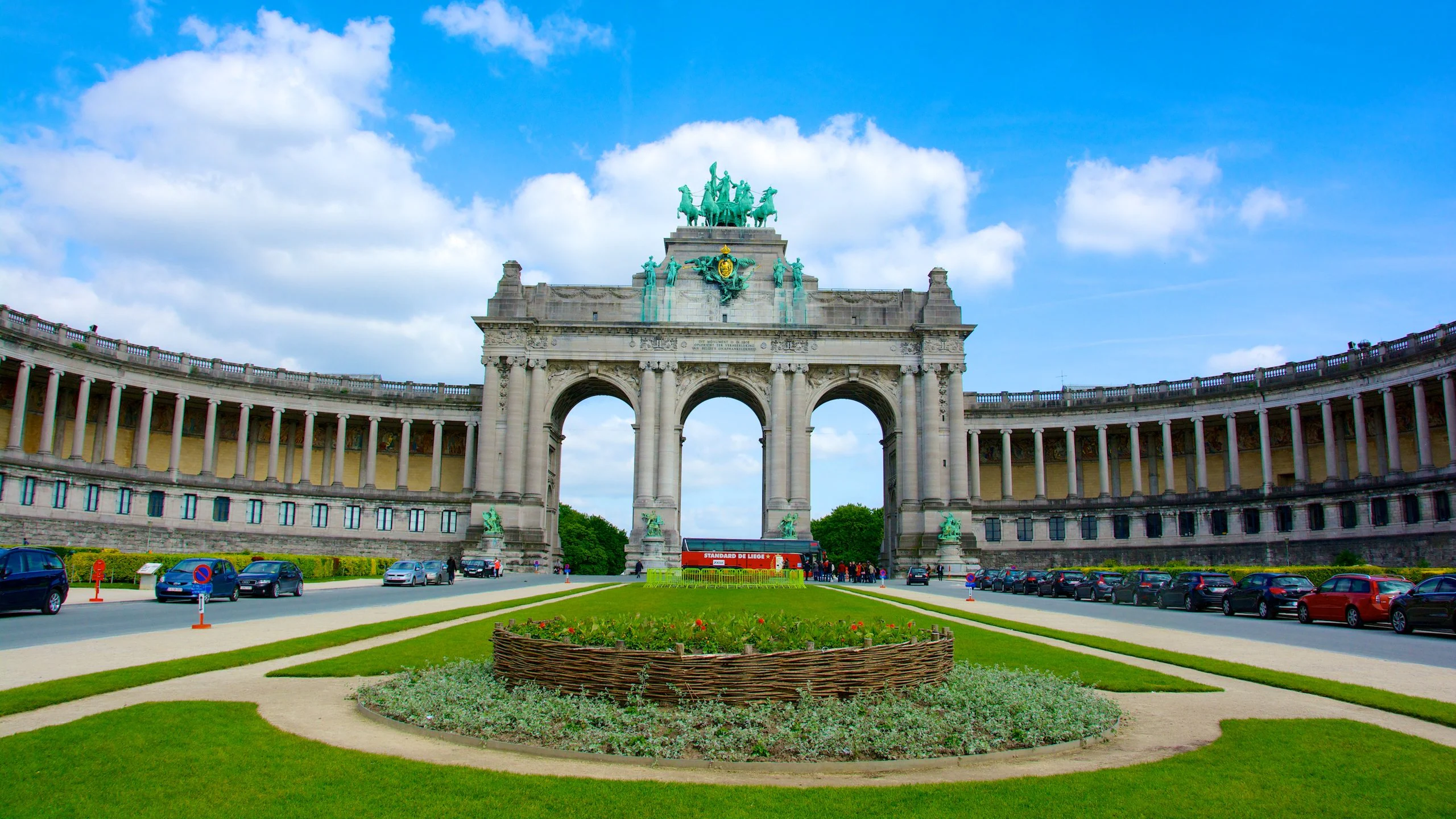

五十周年纪念拱廊(法语:Arcade(s) du Cinquantenaire;荷兰语:Arcade(s) van het Jubelpark)是位于比利时布鲁塞尔五十周年纪念公园/朱贝尔公园中心的一座纪念拱廊。其中心是一座巨大的三重拱门,被称为五十周年纪念拱门(法语:Arc du Cinquantenaire;荷兰语:Triomfboog van het Jubelpark)。它的顶部是一组青铜四码战车雕塑,其中有一位女性车夫,象征着布拉班特省升起国旗。
Die Cinquantenaire-Arkaden (französisch: Arcade(s) du Cinquantenaire; niederländisch: Arcade(s) van het Jubelpark) sind eine Gedenkarkade im Zentrum des Parc du Cinquantenaire/Jubelparks in Brüssel, Belgien. Das Herzstück ist ein monumentaler Dreifachbogen, bekannt als Cinquantenaire-Bogen (französisch: Arc du Cinquantenaire; niederländisch: Triomfboog van het Jubelpark). Er wird von einer bronzenen Quadriga-Skulpturengruppe mit einer weiblichen Wagenlenkerin gekrönt, die die personifizierte Provinz Brabant darstellt, die die Nationalflagge hisst.
Belgium
Denmark
Germany
Estonia
Finland
France
History
M 1500 - 2000 AD
History
History
N 2000 - 2100 AD
Greece
Ile-de-France
Ireland
Italy
 Aerospace
*ASI
Aerospace
*CNES
Aerospace
*DLR
Aerospace
*NASA
Aerospace
Missions to Mars
Aerospace
Artemis program
Luxembourg
Netherlands
Norwegen
Austria
Poland
Portugal
Romania
Sweden
Switzerland
Spain
Czech Republic
Hungary
United Kingdom
Aerospace
*ASI
Aerospace
*CNES
Aerospace
*DLR
Aerospace
*NASA
Aerospace
Missions to Mars
Aerospace
Artemis program
Luxembourg
Netherlands
Norwegen
Austria
Poland
Portugal
Romania
Sweden
Switzerland
Spain
Czech Republic
Hungary
United Kingdom
 Science and technology
欧空局有14个成员国:奥地利、比利时、丹麦、芬兰、法国、德国、爱尔兰、意大利、荷兰、挪威、西班牙、瑞典、瑞士、大不列颠及北爱尔兰联合王国。加拿大与欧空局订有一个密切合作的协定。
欧空局由各成员国代表组成的理事会领导,行政首长是总干事。欧空局1997年预算约为30亿埃居(35亿美元)。雇用的工作人员约为1,750人。
成员国必须参加强制性的科学和基础技术方案,但自行决定对地球观测、电信、空间运输系统、空间站和微重力方面的各个任选方案的贡献。
欧空局有下列机构:
(a)设在巴黎的总部,政治决定在此作出;
(b)设在荷兰诺德韦克的欧洲航天研究和技术中心,它是欧空局的主要技术机构,大多数项目小组以及空间科学部和技术研究和支助工程师在此工作。欧洲航天研究和技术中心还提供有关的试验设施;
(c)设在德国达姆施塔特的欧洲航天空间操作中心,它负责所有卫星操作以及相应的地面设施和通信网络;
(d)设在意大利弗拉斯卡蒂的欧洲航天研究所,它的主要任务是利用来自空间的地球观测数据;
(e)设在德国porz-Wahn的欧洲航天员中心,它协调所有欧洲航天员活动,包括未来欧洲航天员的培训。
欧空局还对设在库鲁的欧洲航天港圭亚那航天中心作出贡献。(Quelle:http://www.cnsa.gov.cn/n615708/n620174/n620669/n888645/67008.html)
欧洲空间局(法语:Agence spatiale européenne,缩写:ASE; 英语:European Space Agency,缩写:ESA)是由欧洲数国政府组成的的国际空间探测和开发组织,总部设在法国首都巴黎。欧洲空间局负责阿丽亚娜4号和阿丽亚娜5号火箭运载火箭的研制与开发。
欧洲空间局的前身,欧洲航天研究组织(European Space Research Organization,ESRO)经过1962年6月14日签署的一项协议,于1964年3月20日建立。如今它仍旧是ESA的一部分,称为欧洲空间研究与技术中心,位于荷兰诺德韦克。
ESA目前共有19个成员国:奥地利、比利时、捷克、丹麦、芬兰、法国、德国、希腊、爱尔兰、意大利、卢森堡、荷兰、挪威、葡萄牙、西班牙、瑞典、瑞士、罗马尼亚以及英国;另外,加拿大是ESA的准成员国(Associate Member)。法国是其主要贡献者(参见法国国家空间研究中心)。目前,ESA与欧盟没有关系。欧盟辖下另有欧盟卫星中心(European Union Satellite Centre)。
ESA共有约2200名工作人员。其2011年的预算约为40亿欧元。
ESA的航天发射中心位于南美洲北部大西洋海岸的法属圭亚那,占地约90600平方公里,属法国国家空间研究中心领导,主要负责科学卫星、应用卫星和探空火箭的发射以及与此有关的一些运载火箭的试验和发射。由于此地靠近赤道, 对火箭发射具有很大益处:纬度低,从发射点到入轨点的航程大大缩短,三子级不必二次启动;相同发射方位角的轨道倾角小,远地点变轨所需要的能量小,增加了 同步轨道的有效载荷;向北和向东的海面上有一个很宽的发射弧度;人口、交通、气象条件理想等。目前,航天中心有阿里安第一、第二、第三发射场,是欧洲航天 活动的主要基地。控制中心则位于德国的达姆施塔特。
Die Europäische Weltraumorganisation, englisch European Space Agency (ESA), französisch Agence spatiale européenne (ASE), ist eine internationale Weltraumorganisation mit Sitz in Paris. Sie wurde am 30. Mai 1975 mit dem Übereinkommen zur Gründung einer Europäischen Weltraumorganisation mit Unterzeichnung unter das Abkommen durch die zunächst noch neun ursprünglichen Gründungsmitglieder in Paris gegründet.[3] Nach Hinterlegung der letzten Ratifikationsurkunde durch Frankreich trat am 30. Oktober 1980 gemäß Artikel XXI Absatz 1 des Übereinkommens die Gründung dann in Kraft.[3][4][5]
Die Gründung bezweckte eine bessere Koordinierung der europäischen Raumfahrtaktivitäten, um technologisch gegenüber den Raumfahrtnationen Sowjetunion und Vereinigte Staaten gleichberechtigt auftreten zu können. Sie hat 22 Mitgliedstaaten und beschäftigte 2017 etwa 2200 Mitarbeiter.[6]
Die ESA ist die Nachfolgeorganisation der europäischen ELDO, ESRO und der Europäischen Fernmeldesatelliten-Konferenz (CETS). Wie diese beschränkt sie sich gem. Art. II ihres Statuts in ihren europäischen Projekten zur Weltraumerforschung und -nutzung auf „ausschließlich friedliche Zwecke“.
Die Mehrzahl der EU-Staaten ist an der ESA beteiligt. Daneben engagieren sich dort auch die Schweiz und Norwegen. Die ESA kooperiert zunehmend mit der EU[7] sowie den nationalen Raumfahrtagenturen insbesondere Deutschlands und Frankreichs.[8]
Die ESA ist gemeinsam mit der NASA Gründungsmitglied des Consultative Committee for Space Data Systems (CCSDS).
欧州宇宙機関(おうしゅううちゅうきかん、仏: Agence spatiale européenne[1], ASE、英: European Space Agency, ESA)は、1975年5月30日にヨーロッパ各国が共同で設立した、宇宙開発・研究機関である。設立参加国は当初10か国、現在は19か国が参加し、2000人を超えるスタッフがいる。
本部はフランスに置かれ、その活動でもフランス国立宇宙センター (CNES) が重要な役割を果たし、ドイツ・イタリアがそれに次ぐ地位を占める。主な射場としてフランス領ギアナのギアナ宇宙センターを用いている。
人工衛星打上げロケットのアリアンシリーズを開発し、アリアンスペース社(商用打上げを実施)を通じて世界の民間衛星打ち上げ実績を述ばしている。2010年には契約残数ベースで過去に宇宙開発などで存在感を放ったソビエト連邦の後継国のロシア、スペースシャトル、デルタ、アトラスといった有力な打ち上げ手段を持つアメリカに匹敵するシェアを占めるにおよび[2]、2014年には受注数ベースで60%のシェアを占めるにいたった[3][4]。
ESA は欧州連合と密接な協力関係を有しているが、欧州連合の専門機関ではない。加盟各国の主権を制限する超国家機関ではなく、加盟国の裁量が大きい政府間機構として形成された。リスボン条約によって修正された欧州連合の機能に関する条約の第189条第3項では、「欧州連合は欧州宇宙機関とのあいだにあらゆる適切な関係を築く」と規定されている。
The European Space Agency (ESA; French: Agence spatiale européenne, ASE;[4][5] German: Europäische Weltraumorganisation) is an intergovernmental organisation of 22 member states[6] dedicated to the exploration of space. Established in 1975 and headquartered in Paris, France, ESA has a worldwide staff of about 2,000[7] and an annual budget of about €5.25 billion / US$5.77 billion (2016).[8]
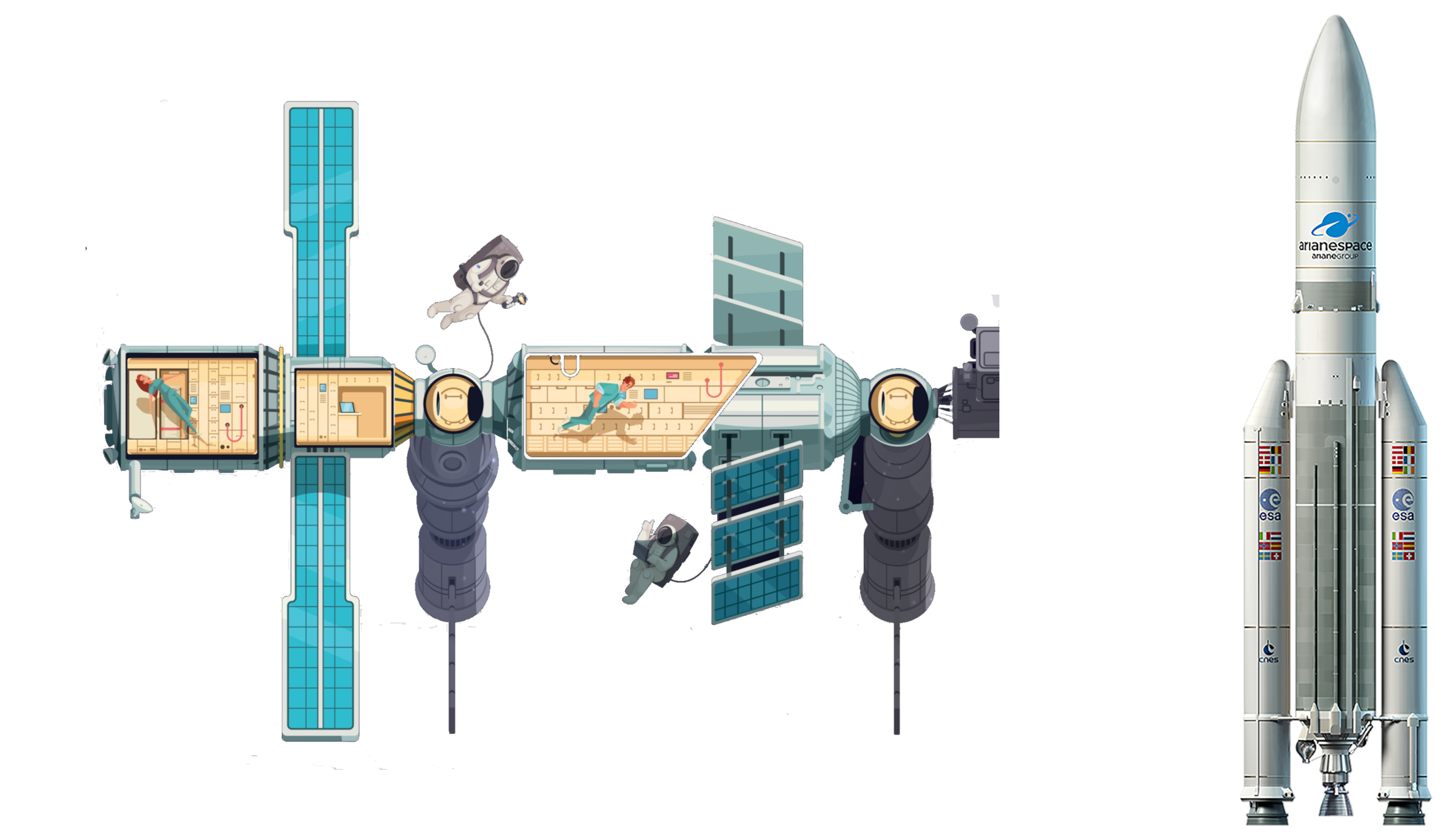
ESA's space flight programme includes human spaceflight (mainly through participation in the International Space Station program); the launch and operation of unmanned exploration missions to other planets and the Moon; Earth observation, science and telecommunication; designing launch vehicles; and maintaining a major spaceport, the Guiana Space Centre at Kourou, French Guiana. The main European launch vehicle Ariane 5 is operated through Arianespace with ESA sharing in the costs of launching and further developing this launch vehicle. The agency is also working with NASA to manufacture the Orion Spacecraft service module, that will fly on the Space Launch System.[9][10]
The agency's facilities are distributed among the following centres:
- ESA science missions are based at ESTEC in Noordwijk, Netherlands;
- Earth Observation missions at ESA Centre for Earth Observation in Frascati, Italy;
- ESA Mission Control (ESOC) is in Darmstadt, Germany;
- the European Astronaut Centre (EAC) that trains astronauts for future missions is situated in Cologne, Germany;
- a research institute created in 2009, the European Centre for Space Applications and Telecommunications (ECSAT), is at Harwell, England;
- and the European Space Astronomy Centre (ESAC) is located in Villanueva de la Cañada, Madrid, Spain.
L’Agence Spatiale Européenne (ASE ; en anglais : European Space Agency et en allemand : Europäische Weltraumorganisation), le plus souvent désignée par son sigle anglophone ESA, est une agence spatiale intergouvernementale coordonnant les projets spatiaux menés en commun par une vingtaine de pays européens. L'agence spatiale, qui par son budget (5 750 millions d'euros en 2017) est la troisième agence spatiale dans le monde après la NASA et l'agence spatiale fédérale russe, a été fondée le 31 mai 1975. Les activités de l'agence couvrent l'ensemble du domaine spatial : les sciences avec l'astrophysique, l'exploration du Système solaire, l'étude du Soleil et la physique fondamentale ; l'étude et l'observation de la Terre avec des satellites spécialisés ; le développement de lanceurs ; les vols habités à travers sa participation à la Station spatiale internationale et à Orion ; la navigation par satellite avec le programme Galileo ; les télécommunications spatiales pour lesquelles l'agence finance la mise au point de nouveaux concepts ; la recherche dans le domaine des technologies spatiales. L'ESA participe également à des programmes spatiaux initiés par d'autres agences spatiales.
La stratégie est définie par un conseil dans lequel chaque pays membre dispose d'un représentant. Les programmes initiés par l'agence, qui représentent 75 % du budget, sont financés directement par les pays membres. Ceux-ci versent une contribution proportionnelle à leur PIB pour le financement de 20 % du budget (programme scientifique et frais généraux) et participent dans des proportions de leur choix aux programmes facultatifs. Le quart du budget est fourni par l'Union européenne et EUMETSAT pour le développement du segment spatial de ces programmes gérés par ces institutions (programme Galileo, satellites météorologiques, GMES/Copernicus). Certains des pays membres conservent, à côté de leur participation aux programmes européens, des programmes spatiaux purement nationaux.
L'agence spatiale européenne, qui a son siège à Paris, confie après sélection sur appel d'offres les travaux de recherche et le développement des engins spatiaux aux universités, instituts et industriels des pays membres en appliquant le principe du « retour géographique » : les dépenses de l'agence dans chaque pays sont au prorata de la contribution. L'agence emploie environ 2 233 personnes (2016) et dispose de plusieurs établissements spécialisés. Son centre principal est l'ESTEC aux Pays-Bas qui est dédié à la conception et aux tests des engins spatiaux. Les autres centres importants sont l'ESOC en Allemagne (suivi et contrôle des missions en cours) et l'ESTRACK (réseau mondial d'antennes paraboliques, pour assurer la liaison avec les engins spatiaux). L'ESA utilise aussi les installations du centre de lancement de Kourou, établissement du CNES pour le lancement de ses fusées.
L'Agenzia spaziale europea, ufficialmente denominata Agence spatiale européenne (dal francese; in acronimo ASE[2]) o, più frequentemente, European Space Agency (dall'inglese; in acronimo ESA), è un'agenzia internazionale fondata nel 1975 incaricata di coordinare i progetti spaziali di 22 Paesi europei[3]. Il suo quartier generale si trova a Parigi, in Francia[4], con uffici a Mosca, Bruxelles, Washington e Houston. Il personale dell'ESA del 2016 ammontava a 2 200 persone (esclusi sub-appaltatori e le agenzie nazionali) e il budget era di 5,25 miliardi di euro[5]. Attualmente il direttore generale dell'agenzia è Johann-Dietrich Woerner.
Lo spazioporto dell'ESA è il Centre Spatial Guyanais a Kourou,[6] nella Guyana francese, un sito scelto, come tutte le basi di lancio, per via della sua vicinanza con l'equatore. Durante gli ultimi anni il lanciatore Ariane 5 ha consentito all'ESA di raggiungere una posizione di primo piano nei lanci commerciali e l'ESA è il principale concorrente della NASA nell'esplorazione spaziale.
Le missioni scientifiche dell'ESA hanno le loro basi all'ESTEC di Noordwijk, nei Paesi Bassi.[7] Lo European Space Operations Centre (ESOC), di Darmstadt in Germania[8], è responsabile del controllo dei satelliti ESA in orbita. Le responsabilità dello European Space Research Institute (ESRIN) di Frascati, in Italia, includono la raccolta, l'archiviazione e la distribuzione di dati satellitari ai partner dell'ESA; oltre a ciò, la struttura agisce come centro di informazione tecnologica per l'intera agenzia[9]. Lo European Astronaut Centre (EAC) è situato a Colonia, in Germania[10], ed è un centro per la selezione, l'addestramento, il supporto medico degli astronauti, oltre al supporto per le preparazioni al lancio e durante le missioni. Infine lo European Space Astronomy Centre (ESAC), situata a Villanueva de la Cañada[11], è il centro ESA per la ricerca astronomica.
La Agencia Espacial Europea (en inglés: European Space Agency, en francés: Agence spatiale européenne; abreviada ESA por sus siglas inglesas y ASE2 por sus siglas francesas) es una organización internacional dedicada a la exploración espacial, con 22 Estados miembros.3 Fue constituida el 31 de mayo de 1975.4 Emplea a unas 2000 personas (excluyendo subcontratados)56 y tiene un presupuesto anual de 5600 millones de euros para el año 2018.1 La sede principal de la ESA está en París, Francia, aunque las estructuras de la ESA están muy descentralizadas.
Европе́йское косми́ческое аге́нтство (сокращённо ЕКА; англ. European Space Agency, ESA; фр. Agence spatiale européenne, ASE) — международная организация, созданная в 1975 году в целях исследования космоса.
ЕКА состоит из 22 постоянных членов, в некоторых проектах также принимает участие Канада.
Штаб-квартира Агентства находится в Париже. В Нордвейке (Нидерланды) расположен Европейский центр космических исследований и технологий. Европейский космический центр управления расположен в Дармштадте (Германия). В другом германском городе, Кёльне, расположен Европейский центр астронавтов. Центр наблюдения за Землёй и информационный центр Европейского космического агентства находятся во Фраскати под Римом (Италия). Для запусков создаваемых космических аппаратов используется космодром Куру во Французской Гвиане. ЕКА имеет контактные офисы в Бельгии, США и России и наземные станции слежения по всему миру.
В агентстве постоянно работает 1907 человек (2005), а его бюджет составляет более 4 миллиардов евро (2012).
 Economy and trade
 Afghanistan
Egypt
Albania
Angola
Antigua and Barbuda
Argentina
Armenia
Australia
Bahrain
Bangladesh
Barbados
Belgium
Belize
Benin
Bolivia
Botsuana
Brazil
Brunei Darussalam
Bulgaria
Burkina Faso
Burundi
Chile
China
Columbia
Costa Rica
Côte d´Ivoire
Cuba
Denmark
Demokratische Republik Kongo
Germany
Dominica
Dominikanische Republik
Djibouti
Ecuador
Estonia
European Union
Fidschi
Afghanistan
Egypt
Albania
Angola
Antigua and Barbuda
Argentina
Armenia
Australia
Bahrain
Bangladesh
Barbados
Belgium
Belize
Benin
Bolivia
Botsuana
Brazil
Brunei Darussalam
Bulgaria
Burkina Faso
Burundi
Chile
China
Columbia
Costa Rica
Côte d´Ivoire
Cuba
Denmark
Demokratische Republik Kongo
Germany
Dominica
Dominikanische Republik
Djibouti
Ecuador
Estonia
European Union
Fidschi
 Financial
Finland
France
Gabun
Gambia
Georgia
Ghana
Grenada
Greece
Guatemala
Guinea
Guinea-Bissau
Guyana
Honduras
Hongkong Tebiexingzhengqu-HK
India
Indonesia
Ireland
Iceland
Israel
Italy
Jamaika
Japan
Yemen
Jordan
Cambodia
Cameroon
Canada
Kap Verde
Kasachstan
Katar
Kenya
Kyrgyzstan
Croatia
Kuwait
Laos
Lesotho
Latvia
Liberia
Liechtenstein
Lithuania
Luxembourg
Macau Tebiexingzhengqu-MO
Madagaskar
Malawi
Malta
Morocco
Mauritania
Mauritius
Mexico
Moldawien
Financial
Finland
France
Gabun
Gambia
Georgia
Ghana
Grenada
Greece
Guatemala
Guinea
Guinea-Bissau
Guyana
Honduras
Hongkong Tebiexingzhengqu-HK
India
Indonesia
Ireland
Iceland
Israel
Italy
Jamaika
Japan
Yemen
Jordan
Cambodia
Cameroon
Canada
Kap Verde
Kasachstan
Katar
Kenya
Kyrgyzstan
Croatia
Kuwait
Laos
Lesotho
Latvia
Liberia
Liechtenstein
Lithuania
Luxembourg
Macau Tebiexingzhengqu-MO
Madagaskar
Malawi
Malta
Morocco
Mauritania
Mauritius
Mexico
Moldawien
 Mongolei
Montenegro
Mosambik
Myanmar
Namibia
Nepal
New Zealand
Nicaragua
Netherlands
Niger
Nigeria
Nordmazedonien
Norwegen
Oman
Austria
Pakistan
Panama
Papua-Neuguinea
Paraguay
Peru
Philippines
Poland
Portugal
Republik El Salvador
Republik Haiti
Republik Kongo
Republic of Korea
Ruanda
Romania
Russia
Salomonen
Sambia
Samoa
Saudi Arabia
Sweden
Sweden
Switzerland
Genf
Senegal
Seychellen
Sierra Leone
Simbabwe
Singapore
Slovakia
Slovenia
Spain
Sri Lanka
Saint Kitts and Nevis
St. Lucia
St. Vincent and the Grenadines
South Africa
Suriname
Swasiland
Tajikistan
Taiwan Sheng-TW
Tansania
Thailand
Togo
Tonga
Trinidad und Tobago
Tschad
Czech Republic
Tunisia
Turkey
Uganda
Ukraine
Hungary
Uruguay
Vanuatu
Venezuela
United Arab Emirates
United States
United Kingdom
Vietnam
Important International Organizations
World Trade Organization
Roberto Azevêdo
World Trade Organization
Mike Moore
World Trade Organization
Ngozi Okonjo-Iweala
World Trade Organization
Pascal Lamy
World Trade Organization
Peter Sutherland
World Trade Organization
Renato Ruggiero
World Trade Organization
Supachai Panitchpakdi
Central African Republic
Cyprus
Mongolei
Montenegro
Mosambik
Myanmar
Namibia
Nepal
New Zealand
Nicaragua
Netherlands
Niger
Nigeria
Nordmazedonien
Norwegen
Oman
Austria
Pakistan
Panama
Papua-Neuguinea
Paraguay
Peru
Philippines
Poland
Portugal
Republik El Salvador
Republik Haiti
Republik Kongo
Republic of Korea
Ruanda
Romania
Russia
Salomonen
Sambia
Samoa
Saudi Arabia
Sweden
Sweden
Switzerland
Genf
Senegal
Seychellen
Sierra Leone
Simbabwe
Singapore
Slovakia
Slovenia
Spain
Sri Lanka
Saint Kitts and Nevis
St. Lucia
St. Vincent and the Grenadines
South Africa
Suriname
Swasiland
Tajikistan
Taiwan Sheng-TW
Tansania
Thailand
Togo
Tonga
Trinidad und Tobago
Tschad
Czech Republic
Tunisia
Turkey
Uganda
Ukraine
Hungary
Uruguay
Vanuatu
Venezuela
United Arab Emirates
United States
United Kingdom
Vietnam
Important International Organizations
World Trade Organization
Roberto Azevêdo
World Trade Organization
Mike Moore
World Trade Organization
Ngozi Okonjo-Iweala
World Trade Organization
Pascal Lamy
World Trade Organization
Peter Sutherland
World Trade Organization
Renato Ruggiero
World Trade Organization
Supachai Panitchpakdi
Central African Republic
Cyprus

世界贸易组织(简称世贸组织或世贸;英语:World Trade Organization,缩写为 WTO;法语:Organisation Mondiale du Commerce,缩写为 OMC;西班牙语:Organización Mundial del Comercio,缩写为 OMC)是负责监督成员经济体之间各种贸易协议得到执行的一个国际组织,前身是1948年起实施的关税及贸易总协定的秘书处。
世贸总部位于瑞士日内瓦,现任总干事是罗伯托·阿泽维多。截至2016年7月29日,世界贸易组织共有164个成员。[5]世界贸易组织的职能是调解纷争,加入WTO不算签订一种多边贸易协议,但其设置的入会门槛可以做为愿意降低关税、法政上配合、参与国际贸易的门票,它是贸易体制的组织基础和法律基础,是众多贸易协定的管理者,是各成员贸易立法的监督者,是就贸易提供解决争端和进行谈判的场所。该机构是当代最重要的国际经济组织之一,其成员间的贸易额占世界贸易额的绝大多数,被称为“经济联合国”。
Die Welthandelsorganisation (englisch World Trade Organization, WTO; französisch Organisation mondiale du commerce, OMC; spanisch Organización Mundial de Comercio, OMC) ist eine internationale Organisation mit Sitz in Genf, die sich mit der Regelung von Handels- und Wirtschaftsbeziehungen beschäftigt. Sie wurde am 15. April 1994 aus dem General Agreement on Tariffs and Trade (GATT) in der Uruguay-Runde nach siebenjähriger Verhandlungszeit gegründet. Am 1. Januar 1995 nahm sie ihre Arbeit in Genf auf. Die WTO ist neben dem IWF und der Weltbank eine der zentralen internationalen Organisationen, die Handels- und Wirtschaftspolitik mit globaler Reichweite verhandelt.
世界貿易機関(せかいぼうえききかん、英: World Trade Organization、略称:WTO)は、自由貿易促進を主たる目的として創設された国際機関である。常設事務局がスイスのジュネーブに置かれている。
GATT(ガット)ウルグアイ・ラウンドにおける合意によって、世界貿易機関を設立するマラケシュ協定(WTO設立協定)に基づいて1995年1月1日にGATTを発展解消させて成立した。
本来GATTは、第二次世界大戦後の安定を見据え、国際通貨基金および国際復興開発銀行とともに設立が予定されていた国際貿易機関(ITO)の設立準備の際に、暫定協定として結ばれたものであった。国際貿易機関の設立が廃案となり、GATTがその代替として発展強化されていくうちに、再びこの分野の常設機関が求められ、WTOが設立されることとなった。発展解消であるため、GATTの事務局及び事務局長もWTOへと引き継がれることとなった[4]。
WTOはGATTを継承したものであるが、GATTが協定(Agreement)に留まったのに対し、WTOは機関(Organization)であるのが根本的な違いである。
を基本原則としている。また、物品貿易だけでなく金融、情報通信、知的財産権やサービス貿易も含めた包括的な国際通商ルールを協議する場である。
対抗処置の発動では、紛争処理機関(パネル)の提訴に対し全加盟国による反対がなければ採択されるというネガティブ・コンセンサス方式(逆コンセンサス方式)を採用した強力な紛争処理能力を持つ。これは国際組織としては稀な例であり、コンセンサス方式を採っていたGATTとの大きな違いで、WTOの特徴の一つといえる。
新多角的貿易交渉(新ラウンド)は、2001年11月にカタールのドーハで行われた第4回WTO閣僚会議で開始を決定し、ドーハ・ラウンドと呼ばれていた。2002年2月1日の貿易交渉委員会で新ラウンドがスタートした。しかし9年に及ぶ交渉は先進国と、急速に台頭してきたBRICsなど新興国との対立によって中断と再開を繰り返した末、ジュネーブで行われた第4回WTO閣僚会議(2011年12月17日)で「交渉を継続していくことを確認するものの、近い将来の妥結を断念する」(議長総括)となり事実上停止状態になった。
その後、2013年のバリ島における閣僚会議で、貿易円滑化協定を含む合意が成立し、2014年7月まで貿易円滑化協定をWTO協定に加える(附属書1Aに追加)するための文書を一般理事会で採択すべきとされた[5]。しかしインドが合意を蒸し返す状態で反対したため期限までに採択できなかった[6]。その後食糧備蓄への補助金の問題で先進国側が譲歩することでようやくインドが合意し、2014年11月27日の一般理事会で貿易円滑化協定が採択された[6]。WTO加盟国の3分の2が改正を受諾した日に発効することになっており、2017年2月22日にこの要件を満たし、協定が発効した。
The World Trade Organization (WTO) is an intergovernmental organization that regulates international trade. The WTO officially commenced on 1 January 1995 under the Marrakesh Agreement, signed by 124 nations on 15 April 1994, replacing the General Agreement on Tariffs and Trade (GATT), which commenced in 1948. It is the largest international economic organization in the world.[5][6]
The WTO deals with regulation of trade in goods, services and intellectual property between participating countries by providing a framework for negotiating trade agreements and a dispute resolution process aimed at enforcing participants' adherence to WTO agreements, which are signed by representatives of member governments[7]:fol.9–10 and ratified by their parliaments.[8] The WTO prohibits discrimination between trading partners, but provides exceptions for environmental protection, national security, and other important goals.[9] Trade-related disputes are resolved by independent judges at the WTO through a dispute resolution process.[9]
The WTO's current Director-General is Roberto Azevêdo,[10][11] who leads a staff of over 600 people in Geneva, Switzerland.[12] A trade facilitation agreement, part of the Bali Package of decisions, was agreed by all members on 7 December 2013, the first comprehensive agreement in the organization's history.[13][14] On 23 January 2017, the amendment to the WTO Trade Related Aspects of Intellectual Property Rights (TRIPS) Agreement marks the first time since the organization opened in 1995 that WTO accords have been amended, and this change should secure for developing countries a legal pathway to access affordable remedies under WTO rules.[15]
Studies show that the WTO boosted trade,[16][17][9] and that barriers to trade would be higher in the absence of the WTO.[18] The WTO has highly influenced the text of trade agreements, as "nearly all recent [preferential trade agreements (PTAs)] reference the WTO explicitly, often dozens of times across multiple chapters... in many of these same PTAs we find that substantial portions of treaty language—sometime the majority of a chapter—is copied verbatim from a WTO agreement."[19]
L'Organisation mondiale du commerce (OMC ; en anglais : World Trade Organization, WTO, en espagnol : Organización Mundial del Comercio, OMC) est une organisation internationale qui s'occupe des règles régissant le commerce international entre les pays. Au cœur de l'organisation se trouvent les accords de l'OMC, négociés et signés en avril 1994 à Marrakech1 par la majeure partie des puissances commerciales du monde2 et ratifiés par leurs assemblées parlementaires. L'OMC a pour but principal de favoriser l'ouverture commerciale. Pour cela, elle tâche de réduire les obstacles au libre-échange, d'aider les gouvernements à régler leurs différends commerciaux et d'assister les exportateurs, les importateurs et les producteurs de marchandises et de services dans leurs activités.
Depuis 2001, le cycle de négociation mené par l'OMC est le Cycle de Doha3. Bien que l'OMC ne soit pas une agence spécialisée de l'ONU, elle entretient des liens avec cette dernière4. Le siège de l'OMC est au Centre William-Rappard, à Genève. Depuis le 1er septembre 2013, l'organisation est présidée par le Brésilien Roberto Azevêdo qui a été élu directeur général.
L'Organizzazione mondiale del commercio, abbreviato in OMC (in inglese: World Trade Organization, WTO), è un'organizzazione internazionale creata allo scopo di supervisionare numerosi accordi commerciali tra gli stati membri. Vi aderiscono[3] 164 Paesi, a cui se ne aggiungono altri 22 con ruolo di osservatori,[4] comprendendo così oltre il 95% del commercio mondiale di beni e servizi.[5]
La sede dell'OMC si trova, dal 1995, presso il Centro William Rappard a Ginevra, Svizzera.[6]
La Organización Mundial del Comercio (OMC) fue establecida en 1995. Tiene su sede en Ginebra, Suiza, y sus idiomas oficiales son el inglés, el francés y el español. La OMC no forma parte del sistema de las Naciones Unidas, y tampoco de los organismos de Bretton Woods como el Banco Mundial o el FMI.Nota 1
Всеми́рная торго́вая организа́ция (ВТО; англ. World Trade Organization (WTO), фр. Organisation mondiale du commerce (OMC), исп. Organización Mundial del Comercio) — международная организация, созданная 1 января 1995 года с целью либерализации международной торговли и регулирования торгово-политических отношений государств-членов. ВТО образована на основе Генерального соглашения по тарифам и торговле (ГАТТ), заключенного в 1947 году и на протяжении почти 50 лет фактически выполнявшего функции международной организации, но не являвшегося тем не менее международной организацией в юридическом смысле.
ВТО отвечает за разработку и внедрение новых торговых соглашений, а также следит за соблюдением членами организации всех соглашений, подписанных большинством стран мира и ратифицированных их парламентами. ВТО строит свою деятельность, исходя из решений, принятых в 1986—1994 годах в рамках Уругвайского раунда и более ранних договоренностей ГАТТ. Обсуждения проблем и принятие решений по глобальным проблемам либерализации и перспективам дальнейшего развития мировой торговли проходят в рамках многосторонних торговых переговоров (раунды). К настоящему времени проведено 8 раундов таких переговоров, включая Уругвайский, а в 2001 году стартовал девятый в Дохе, Катар. Организация пытается завершить переговоры по Дохийскому раунду переговоров, который был начат с явным акцентом на удовлетворение потребностей развивающихся стран. По состоянию на декабрь 2012 года будущее раунда переговоров в Дохе остаётся неопределённым: программа работы состоит из 21 части, а первоначально установленный окончательный срок 1 января 2005 года был давно пропущен[3]. В ходе переговоров возник конфликт между стремлением к свободной торговле и стремлением множества стран к протекционизму, особенно в плане сельскохозяйственных субсидий. До сих пор эти препятствия остаются главными и мешают любому прогрессу для запуска новых переговоров в рамках Дохийского раунда. По состоянию на июль 2012 года, существуют различные группы переговоров в системе ВТО для решения текущих вопросов в плане сельского хозяйства, что приводит к застою в самих переговорах[4].
Штаб-квартира ВТО расположена в Женеве, Швейцария. Глава ВТО (генеральный директор) — Роберту Карвалью ди Азеведу, в штате самой организации около 600 человек[5].
На 26 апреля 2015 года в ВТО состояли 162 страны[6].
Правила ВТО предусматривают ряд льгот для развивающихся стран. В настоящее время развивающиеся страны — члены ВТО имеют (в среднем) более высокий относительный уровень таможенно-тарифной защиты своих рынков по сравнению с развитыми. Тем не менее, в абсолютном выражении общий размер таможенно-тарифных санкций в развитых странах гораздо выше, вследствие чего доступ на рынки высокопередельной продукции из развивающихся стран серьёзно ограничен[7].
Правила ВТО регулируют только торгово-экономические вопросы. Попытки США и ряда европейских стран начать дискуссию об условиях труда (что позволило бы считать недостаточную законодательную защиту работников конкурентным преимуществом) были отвергнуты из-за протестов развивающихся стран, которые утверждали, что такие меры только ухудшат благосостояние работников в связи с сокращением числа рабочих мест, снижением доходов и уровня конкурентоспособности[7].
Mitglieder der WTO
| Staat | Beitrittsdatum |
|---|---|
 Ägypten Ägypten |
30. Juni 1995 |
 Afghanistan Afghanistan |
29. Juli 2016 |
 Albanien Albanien |
8. September 2000 |
 Angola Angola |
23. November 1996 |
 Antigua und Barbuda Antigua und Barbuda |
1. Januar 1995 |
 Argentinien Argentinien |
1. Januar 1995 |
 Armenien Armenien |
5. Februar 2003 |
 Australien Australien |
1. Januar 1995 |
 Bahrain Bahrain |
1. Januar 1995 |
 Bangladesch Bangladesch |
1. Januar 1995 |
 Barbados Barbados |
1. Januar 1995 |
 Belgien Belgien |
1. Januar 1995 |
 Belize Belize |
1. Januar 1995 |
 Benin Benin |
22. Februar 1996 |
 Bolivien Bolivien |
12. September 1995 |
 Botswana Botswana |
31. Mai 1995 |
 Brasilien Brasilien |
1. Januar 1995 |
 Brunei Brunei |
1. Januar 1995 |
 Bulgarien Bulgarien |
1. Dezember 1996 |
 Burkina Faso Burkina Faso |
3. Juni 1995 |
 Burundi Burundi |
23. Juli 1995 |
 Chile Chile |
1. Januar 1995 |
 Volksrepublik China Volksrepublik China |
11. Dezember 2001 |
 Costa Rica Costa Rica |
1. Januar 1995 |
 Dänemark Dänemark |
1. Januar 1995 |
 Deutschland Deutschland |
1. Januar 1995 |
 Dominica Dominica |
1. Januar 1995 |
 Dominikanische Republik Dominikanische Republik |
9. März 1995 |
 Dschibuti Dschibuti |
31. Mai 1995 |
 Ecuador Ecuador |
21. Januar 1996 |
 El Salvador El Salvador |
7. Mai 1995 |
 Elfenbeinküste Elfenbeinküste |
1. Januar 1995 |
 Estland Estland |
13. November 1999 |
 Eswatini Eswatini |
1. Januar 1995 |
 Europäische Union Europäische Union |
1. Januar 1995 |
 Fidschi Fidschi |
14. Januar 1996 |
 Finnland Finnland |
1. Januar 1995 |
 Frankreich Frankreich |
1. Januar 1995 |
 Gabun Gabun |
1. Januar 1995 |
 Gambia Gambia |
23. Oktober 1996 |
 Georgien Georgien |
14. Juni 2000 |
 Ghana Ghana |
1. Januar 1995 |
 Grenada Grenada |
22. Februar 1996 |
 Griechenland Griechenland |
1. Januar 1995 |
 Guatemala Guatemala |
21. Juli 1995 |
 Guinea Guinea |
25. Oktober 1995 |
 Guinea-Bissau Guinea-Bissau |
31. Mai 1995 |
 Guyana Guyana |
1. Januar 1995 |
 Haiti Haiti |
30. Januar 1996 |
 Honduras Honduras |
1. Januar 1995 |
 Hongkong Hongkong |
1. Januar 1995 |
 Indien Indien |
1. Januar 1995 |
 Indonesien Indonesien |
1. Januar 1995 |
 Irland Irland |
1. Januar 1995 |
 Island Island |
1. Januar 1995 |
 Israel Israel |
21. April 1995 |
 Italien Italien |
1. Januar 1995 |
 Jamaika Jamaika |
9. März 1995 |
 Jemen Jemen |
26. Juni 2014 |
 Japan Japan |
1. Januar 1995 |
 Jordanien Jordanien |
11. April 2000 |
 Kambodscha Kambodscha |
13. Oktober 2004 |
 Kamerun Kamerun |
13. Dezember 1995 |
 Kanada Kanada |
1. Januar 1995 |
 Kap Verde Kap Verde |
23. Juli 2008 |
 Kasachstan Kasachstan |
30. November 2015 |
 Katar Katar |
13. Januar 1996 |
 Kenia Kenia |
1. Januar 1995 |
 Kirgisistan Kirgisistan |
20. Dezember 1998 |
 Kolumbien Kolumbien |
30. April 1995 |
 Demokratische Republik Kongo Demokratische Republik Kongo |
1. Januar 1997 |
 Republik Kongo Republik Kongo |
27. März 1997 |
 Kroatien Kroatien |
30. November 2000 |
 Kuba Kuba |
20. April 1995 |
 Kuwait Kuwait |
1. Januar 1995 |
 Laos Laos |
2. Februar 2013 |
 Lesotho Lesotho |
31. Mai 1995 |
 Lettland Lettland |
10. Februar 1999 |
 Liberia Liberia |
14. Juli 2016 |
 Liechtenstein Liechtenstein |
1. September 1995 |
 Litauen Litauen |
31. Mai 2001 |
 Luxemburg Luxemburg |
1. Januar 1995 |
 Macau Macau |
1. Januar 1995 |
 Madagaskar Madagaskar |
17. November 1995 |
 Montenegro Montenegro |
29. April 2012 |
 Malawi Malawi |
31. Mai 1995 |
 Malaysia Malaysia |
1. Januar 1995 |
 Malediven Malediven |
31. Mai 1995 |
 Mali Mali |
31. Mai 1995 |
 Malta Malta |
1. Januar 1995 |
 Marokko Marokko |
1. Januar 1995 |
 Mauretanien Mauretanien |
31. Mai 1995 |
 Mauritius Mauritius |
1. Januar 1995 |
 Nordmazedonien Nordmazedonien |
4. April 2003 |
 Mexiko Mexiko |
1. Januar 1995 |
 Moldau Moldau |
26. Juli 2001 |
 Mongolei Mongolei |
29. Januar 1997 |
 Mosambik Mosambik |
26. August 1995 |
 Myanmar Myanmar |
1. Januar 1995 |
 Namibia Namibia |
1. Januar 1995 |
 Nepal Nepal |
23. April 2004 |
 Neuseeland Neuseeland |
1. Januar 1995 |
 Nicaragua Nicaragua |
3. September 1995 |
 Niederlande Niederlande |
1. Januar 1995 |
 Niger Niger |
13. Dezember 1996 |
 Nigeria Nigeria |
1. Januar 1995 |
 Norwegen Norwegen |
1. Januar 1995 |
 Oman Oman |
9. November 2000 |
 Österreich Österreich |
1. Januar 1995 |
 Pakistan Pakistan |
1. Januar 1995 |
 Panama Panama |
6. September 1997 |
 Papua-Neuguinea Papua-Neuguinea |
9. Juni 1996 |
 Paraguay Paraguay |
1. Januar 1995 |
 Peru Peru |
1. Januar 1995 |
 Philippinen Philippinen |
1. Januar 1995 |
 Polen Polen |
1. Juli 1995 |
 Portugal Portugal |
1. Januar 1995 |
 Ruanda Ruanda |
22. Mai 1996 |
 Rumänien Rumänien |
1. Januar 1995 |
 Russland Russland |
22. August 2012 |
 Salomonen Salomonen |
26. Juli 1996 |
 Sambia Sambia |
1. Januar 1995 |
 Saudi-Arabien Saudi-Arabien |
11. Dezember 2005 |
 Samoa Samoa |
10. Mai 2012 |
 Schweden Schweden |
1. Januar 1995 |
 Schweiz Schweiz |
1. Januar 1995 |
 Senegal Senegal |
1. Januar 1995 |
 Seychellen Seychellen |
26. April 2015 |
 Sierra Leone Sierra Leone |
23. Juli 1995 |
 Simbabwe Simbabwe |
5. März 1995 |
 Singapur Singapur |
1. Januar 1995 |
 Slowakei Slowakei |
1. Januar 1995 |
 Slowenien Slowenien |
30. Juli 1995 |
 Spanien Spanien |
1. Januar 1995 |
 Sri Lanka Sri Lanka |
1. Januar 1995 |
 St. Kitts und Nevis St. Kitts und Nevis |
21. Februar 1996 |
 St. Lucia St. Lucia |
1. Januar 1995 |
 St. Vincent und die Grenadinen St. Vincent und die Grenadinen |
1. Januar 1995 |
 Südafrika Südafrika |
1. Januar 1995 |
 Südkorea Südkorea |
1. Januar 1995 |
 Suriname Suriname |
1. Januar 1995 |
 Tadschikistan Tadschikistan |
2. März 2013 |
 Taiwan[1] Taiwan[1] |
1. Januar 2002 |
 Tansania Tansania |
1. Januar 1995 |
 Thailand Thailand |
1. Januar 1995 |
 Togo Togo |
31. Mai 1995 |
 Tonga Tonga |
27. Juli 2007 |
 Trinidad und Tobago Trinidad und Tobago |
1. März 1995 |
 Tschad Tschad |
19. Oktober 1996 |
 Tschechien Tschechien |
1. Januar 1995 |
 Tunesien Tunesien |
29. März 1995 |
 Türkei Türkei |
26. März 1995[2] |
 Uganda Uganda |
1. Januar 1995 |
 Ukraine Ukraine |
16. Mai 2008 |
 Ungarn Ungarn |
1. Januar 1995 |
 Uruguay Uruguay |
1. Januar 1995 |
 Venezuela Venezuela |
1. Januar 1995 |
 Vereinigte Arabische Emirate Vereinigte Arabische Emirate |
10. April 1996 |
 Vereinigtes Königreich Vereinigtes Königreich |
1. Januar 1995 |
 Vereinigte Staaten Vereinigte Staaten |
1. Januar 1995 |
 Vanuatu Vanuatu |
24. August 2012 |
 Vietnam Vietnam |
11. Januar 2007 |
 Zentralafrikanische Republik Zentralafrikanische Republik |
31. Mai 1995 |
 Zypern Zypern |
30. Juli 1995 |
 Motorsport
Belgium
Formel-1-Weltmeisterschaft 2017
Circuit
Formel-1-Weltmeisterschaft 2018
Motorsport
Belgium
Formel-1-Weltmeisterschaft 2017
Circuit
Formel-1-Weltmeisterschaft 2018
 Formula 1 World Championship 2025
 Sport
Sport

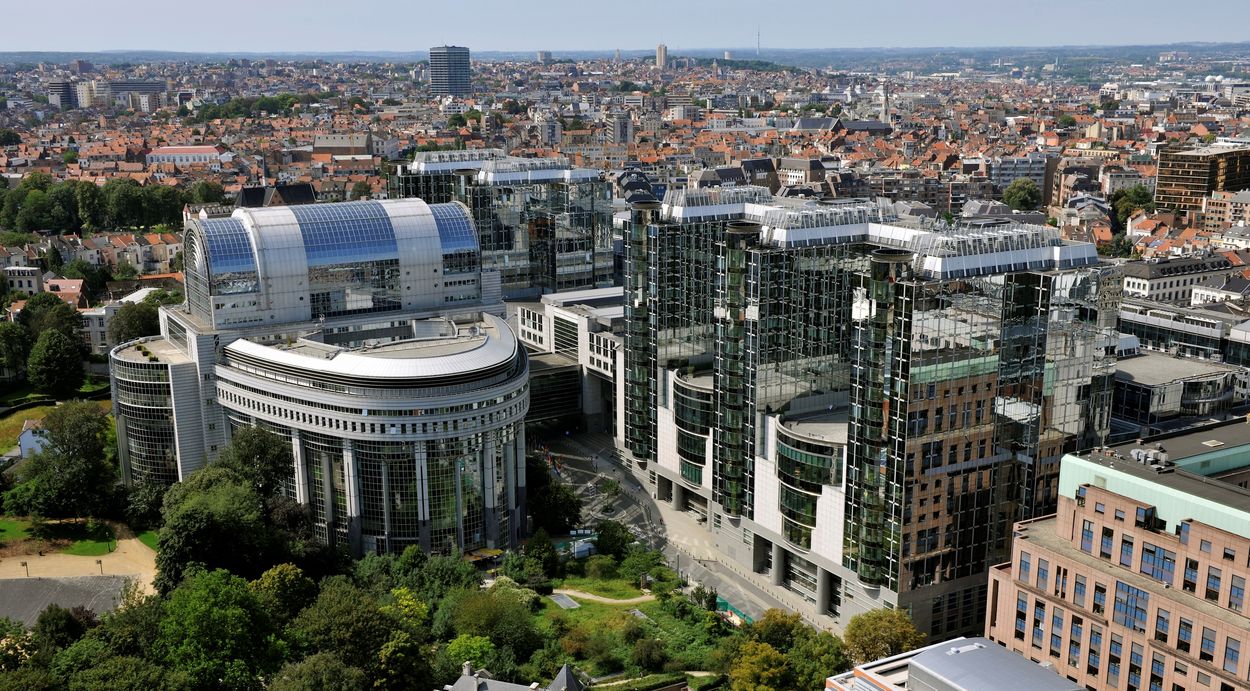
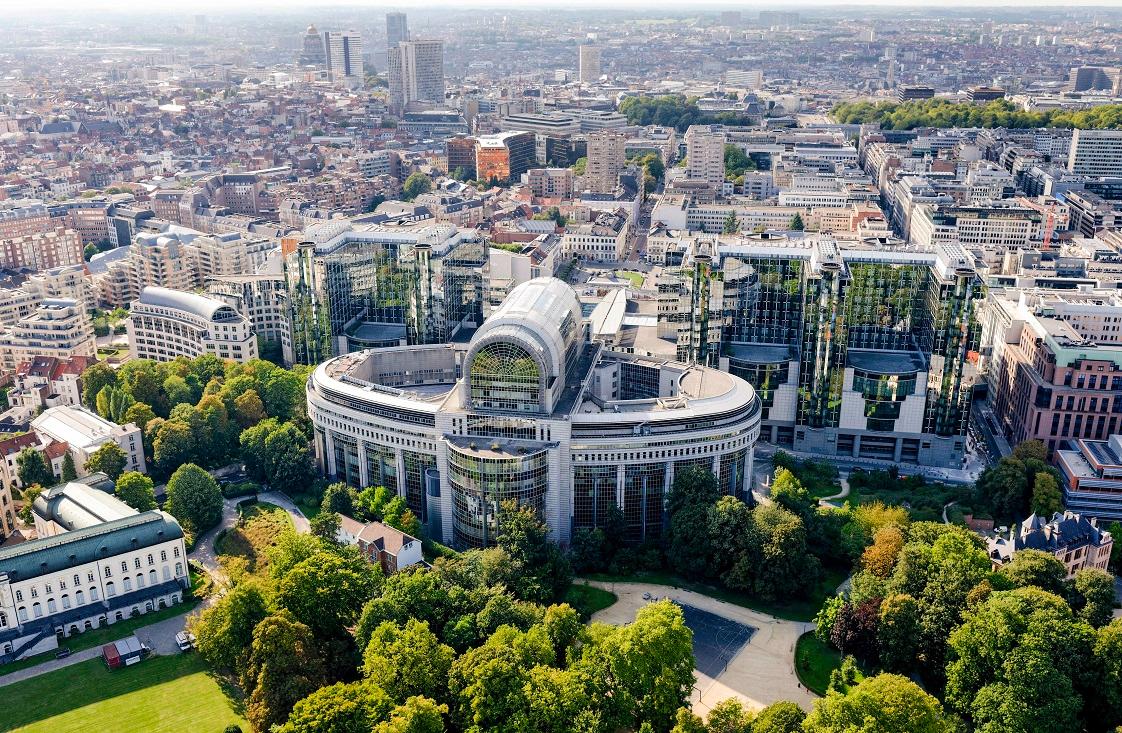
利奧波德大楼是位于比利时布鲁塞尔的一处议会建筑群,内设欧洲议会,即欧盟(EU)的立法机构。该建筑群由多栋建筑组成,主要包括最古老的保罗-亨利·斯帕克大楼(内设议事厅和议长办公室)以及规模最大的阿尔蒂耶罗·斯皮内利大楼。这些建筑位于布鲁塞尔的欧洲区,于1989年动工兴建。
该建筑群并非欧洲议会的正式所在地——其正式所在地是位于法国斯特拉斯堡的路易丝·魏斯大楼——但由于欧盟其他大多数机构均位于布鲁塞尔,欧洲议会为更贴近其活动而建造了布鲁塞尔建筑群。目前,欧洲议会的大部分工作已转移至布鲁塞尔,但根据法律规定,斯特拉斯堡仍为其正式所在地。
Der Espace Léopold (französisch; im Englischen gebräuchlich) oder Leopoldruimte (niederländisch) ist der Komplex der Parlamentsgebäude in Brüssel, Belgien, in dem das Europäische Parlament, eine gesetzgebende Kammer der Europäischen Union (EU), untergebracht ist. Er besteht aus mehreren Gebäuden, vor allem dem ältesten, dem Paul-Henri-Spaak-Gebäude, in dem sich der Plenarsaal und die Büros des Präsidenten befinden, sowie dem Altiero-Spinelli-Gebäude, dem größten der Anlage. Die Gebäude befinden sich im Europaviertel von Brüssel; mit dem Bau wurde 1989 begonnen.
Der Komplex ist nicht der offizielle Sitz des Europäischen Parlaments, der sich im Louise-Weiss-Gebäude in Straßburg, Frankreich, befindet, doch da sich die meisten anderen Institutionen der Europäischen Union in Brüssel befinden, errichtete das Europäische Parlament den Brüsseler Komplex, um näher an seinen Aktivitäten zu sein. Ein Großteil der Arbeit des Europäischen Parlaments konzentriert sich nun auf seinen Standort in Brüssel, doch ist es rechtlich verpflichtet, Straßburg als seinen offiziellen Sitz beizubehalten.