Deutsch-Chinesische Enzyklopädie, 德汉百科
 Texas-TX
 Motorsport
Azerbaijan
Australia
Bahrain
Belgium
Brazil
China
Germany
Motorsport
Azerbaijan
Australia
Bahrain
Belgium
Brazil
China
Germany
 Emilia-Romagna
England
Emilia-Romagna
England
 Florida-FL
Formel-1-Weltmeisterschaft 2017
Formel-1-Weltmeisterschaft 2018
Florida-FL
Formel-1-Weltmeisterschaft 2017
Formel-1-Weltmeisterschaft 2018
 Formula 1 World Championship 2025
France
India
Italy
Japan
Canada
Katar
Kinki
Formula 1 World Championship 2025
France
India
Italy
Japan
Canada
Katar
Kinki
 Lombardia
Mexico
Monaco
Lombardia
Mexico
Monaco
 Nevada-NV
Austria
Nevada-NV
Austria
 Quebec-QC
Russia
São Paulo
Saudi Arabia
Switzerland
Shanghai Shi-SH
Singapore
Spain
Quebec-QC
Russia
São Paulo
Saudi Arabia
Switzerland
Shanghai Shi-SH
Singapore
Spain
 Sport
Sport
 Styria
Texas-TX
Hungary
United Arab Emirates
United States
United Kingdom
Styria
Texas-TX
Hungary
United Arab Emirates
United States
United Kingdom
 Victoria-VIC

一级方程式赛车(英语:Formula One,也叫Formula 1或者F1)是由国际汽车联盟举办的最高等级的年度系列场地方程式赛车比赛,正式名称为“国际汽车联合会世界一级方程式锦标赛”。名称中“方程式”是指一组所有参赛车辆都必须遵守的规则[1]。F1赛季包括一系列的比赛,而这些所谓的“大奖赛”(Grand Prix,出自法语,本意Great Prizes)的场地是全封闭的专门赛道或者是临时封闭的普通公路。每场比赛的结果算入积分系统并以此确定两个年度世界冠军:一个给车手和另一个给制造商。F1的车手、制造商、组织者以及赛道都必须持有FIA超级驾驶执照,这是国际汽联颁发的最高级别执照。
一级方程式赛车通过产生大量的空气动力学下压力达到非常高的过弯速度,是风靡全球的赛车运动。发动机性能限制在每分钟最多15000转时,其比赛最高速度就可以超过360公里/小时。赛车过弯的横向加速度超过5个标准重力。F1赛车的性能非常依赖电子系统(牵引力控制系统和其他辅助驾驶装置自2008年已被禁止)、空气动力学、悬挂和轮胎。
Die Formel 1 ist eine vom Automobil-Dachverband Fédération Internationale de l’Automobile (FIA) festgelegte Formelserie. Hersteller konstruieren Autos, die den Formel-1-Regeln entsprechen. Diese Autos treten im Rahmen der Formel-1-Weltmeisterschaft zu Rennen in ungefähr 20 Orten pro Jahr an. Am Ende der Saison wird der Fahrer mit den meisten Punkten F1 Fahrerweltmeister und der Hersteller mit den meisten Punkten Konstrukteursweltmeister.
Die Formel 1 ist die höchstrangige von der FIA veranstaltete Rennserie des Formelsports. Sie wird als Königsklasse des Automobilsports bezeichnet, da sie den Anspruch erhebt, die höchsten technischen, fahrerischen, aber auch finanziellen Anforderungen aller Rennserien an Fahrer und Konstrukteure zu stellen. Sie wird auch kurz F1 genannt. Die F1 Weltmeisterschaft heißt offiziell FIA Formula One World Championship, bis 1980 hat sie Automobil-Weltmeisterschaft geheissen.
Formula One (also Formula 1 or F1) is the highest class of single-seater auto racing sanctioned by the Fédération Internationale de l'Automobile (FIA) and owned by the Formula One Group. The FIA Formula One World Championship has been one of the premier forms of racing around the world since its inaugural season in 1950. The "formula" in the name refers to the set of rules to which all participants' cars must conform.[2] A Formula One season consists of a series of races, known as Grands Prix (French for "grand prizes" or "great prizes"), which are held worldwide on purpose-built circuits and public roads.
The results of each race are evaluated using a points system to determine two annual World Championships: one for drivers, the other for constructors. Drivers must hold valid Super Licences, the highest class of racing licence issued by the FIA.[3] The races are required to be held on tracks graded "1" (formerly "A"), the highest grade rating issued by the FIA.[3] Most events are held in rural locations on purpose-built tracks, but there are several events in city centres throughout the world, with the Monaco Grand Prix being the most well-known.
Formula One cars are the fastest regulated road course racing cars in the world, owing to very high cornering speeds achieved through the generation of large amounts of aerodynamic downforce. The cars underwent major changes in 2017,[4] allowing wider front and rear wings, and wider tyres, resulting in cornering forces closing in on 8g and top speeds of up to approximately 375 km/h (230 mph).[5] The hybrid engines are currently limited in performance to a maximum of 15,000 rpm and the cars are very dependent on electronics—although traction control and other driving aids have been banned since 2008—and also on aerodynamics, suspension, and tyres.
While Europe is the sport's traditional base, the championship is truly global, with 11 of the 21 races in the 2018 season taking place outside Europe. With the annual cost of running a mid-tier team—designing, building, and maintaining cars, pay, transport—being US$120 million,[6] Formula One has a significant economic and job-creation effect, and its financial and political battles are widely reported. Its high profile and popularity have created a major merchandising environment, which has resulted in large investments from sponsors and budgets (in the hundreds of millions for the constructors). On 8 September 2016, it was announced that Liberty Media had agreed to buy Delta Topco, the company that controls Formula One, from private equity firm CVC Capital Partners for $4.4 billion in cash, stock, and convertible debt.[7] On 23 January 2017, it was confirmed that the acquisition had been completed, for $8 billion.[8]
La Formule 1, communément abrégée en F1, est une discipline de sport automobile considérée comme la catégorie reine de ce sport. Elle a pris au fil des ans une dimension mondiale et elle est, avec les Jeux olympiques et la Coupe du monde de football, l'un des événements sportifs les plus médiatisés.
Chaque année depuis 1950, un championnat mondial des pilotes est organisé, complété depuis 1958 par un championnat mondial des constructeurs automobiles. La compétition est basée sur des Grands Prix, courses à bord de voitures monoplaces disputées sur circuits routiers fermés permanents mais parfois tracés en ville et temporaires, comme à Monaco, Valence, Singapour, et Bakou.
Cette discipline sportive, régie par la Fédération internationale de l'automobile (FIA), est gérée par la Formula One Administration (FOA) et un ensemble de sociétés satellites contrôlées par Liberty Media. Après l'ère des artisans des années 1960 et 1970, elle a peu à peu attiré les grands constructeurs automobiles mondiaux qui y investissent des sommes élevées, en espérant tirer profit des retombées médiatiques d'éventuels succès. La Formule 1 est considérée comme la vitrine technologique de l'industrie automobile qui y expérimente des nouveautés techniques, parfois issues de la technologie spatiale et susceptibles d'être adaptées ensuite sur les voitures de série.
Outre la compétition, le terme Formule 1 désigne l'ensemble des règles techniques des voitures monoplaces qui sont mises à jour tous les ans par la FIA. Ces règles sont très strictes sur les dimensions des voitures, la cylindrée des moteurs, les technologies mises en œuvre ; elles définissent également les mesures de sécurité des voitures pour assurer la protection du pilote. Les monoplaces de course répondant aux caractéristiques de la réglementation de la Formule 1 sont généralement désignées sous le terme générique de Formules 1.
La Formula 1 o Formula Uno,[1] in sigla F1, è la massima categoria (in termini prestazionali) di vetture monoposto a ruote scoperte da corsa su circuito definita dalla Federazione Internazionale dell'Automobile (FIA).
La categoria è nata nel 1948 (in sostituzione della Formula A, a sua volta sorta solo qualche anno prima, nel 1946), diventando poi a carattere mondiale nella stagione 1950. Inizialmente definita dalla Commissione Sportiva Internazionale (CSI) dell'Associazione Internazionale degli Automobil Club Riconosciuti (AIACR), associazione antesignana della Federazione Internazionale dell'Automobile, oggi la Formula Uno è regolata dal Consiglio Mondiale degli Sport Motoristici (in inglese: World Motor Sport Council, WMSC) della Federazione Internazionale dell'Automobile.
Il termine "formula", presente nel nome, fa riferimento a un insieme di regole alle quali tutti i partecipanti, le macchine e i piloti, devono adeguarsi; esse introducono un numero di restrizioni e specifiche nelle auto, al fine di evitare le eccessive disparità tecniche tra le auto, di porre dei limiti al loro sviluppo e di ridurre i rischi di incidenti. La formula ha avuto molti cambiamenti durante la sua storia. Ad esempio, ci sono stati differenti tipi di motori, con schemi da quattro fino a sedici cilindri e con cilindrate da 1,5 a 4,5 l.
La Fórmula 1, abreviada como F1 y también denominada la «categoría reina del automovilismo»1 o «la máxima categoría del automovilismo»,23 es la competición de automovilismo internacional más popular y prestigiosa, superando a categorías de automovilismo como la NASCAR, el Campeonato Mundial de Rally, el Campeonato Mundial de Turismos o la Fórmula E, entre otras.4 A cada carrera se le denomina Gran Premio y el torneo que las agrupa se denomina Campeonato Mundial de Fórmula 1. La entidad que la dirige es la Federación Internacional del Automóvil (FIA). El Formula One Group es controlado por la empresa estadounidense Liberty Media desde septiembre de 2016.5
Los automóviles utilizados son monoplazas con la última tecnología disponible, siempre limitadas por un reglamento técnico; algunas mejoras que fueron desarrolladas en la Fórmula 1 terminaron siendo utilizadas en automóviles comerciales, como el freno de disco.6 La mayoría de los circuitos de carreras donde se celebran los Grandes Premios son autódromos, aunque también se utilizan circuitos callejeros y anteriormente se utilizaron circuitos ruteros.
El inicio de la Fórmula 1 moderna se remonta al año 1950, en el que participaron escuderías como Ferrari, Alfa Romeo y Maserati. Algunas fueron reemplazadas por otras nuevas como McLaren, Williams, Red Bull y Renault, que se han alzado varias veces con el Campeonato Mundial de Constructores. Las escuderías tienen que planear sus fichajes y renovación de contratos 2 o 3 carreras antes del fin de la temporada. Por su parte, los pilotos deben contar con la superlicencia de la FIA para competir, que se obtiene sobre la base de resultados en otros campeonatos.

 IT-Times
 Internet of Things
IT-Times
PCI-SIG
Texas-TX
Internet of Things
IT-Times
PCI-SIG
Texas-TX
 Companies
United States
Companies
United States
 Science and technology

 Ships and Nautics

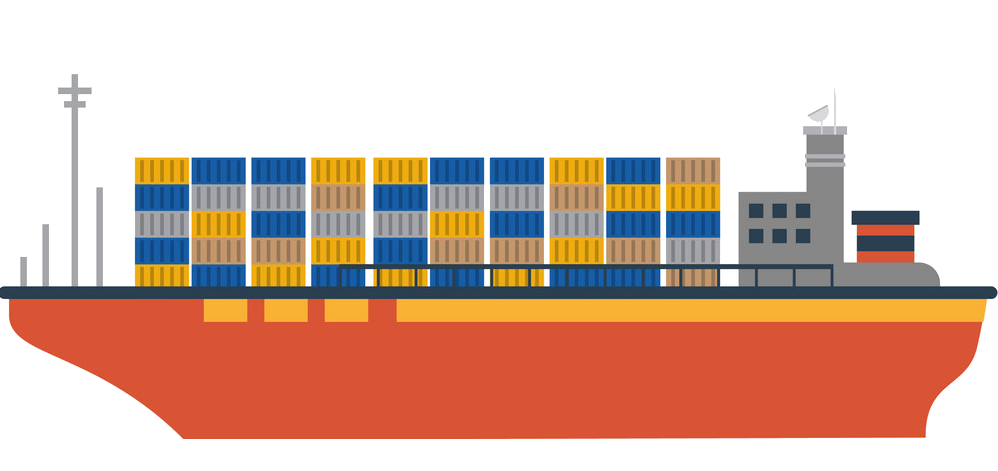
Das American Bureau of Shipping (ABS) mit Firmensitz in Houston, Texas, gegründet im Jahr 1862, ist eine der weltweit führenden Klassifikationsgesellschaften für Schiffe, Ölplattformen und andere maritime Bauten sowie deren Bestandteile an über 400 Standorten in mehr als 100 Ländern.
1862 wurde die American Shipmasters’ Association von John Divine Jones gegründet, 1898 in American Bureau of Shipping umbenannt und 1920 von den USA im United States Government Merchant Marine Act, Section 27, offiziell anerkannt.
Als das Flugzeug der American Airlines am 11. September 2001 um 8:46 Uhr in den Nordturm des früheren World Trade Centers raste, schlug es im 93. Stockwerk nur zwei Stockwerke über dem ABS-Büro ein. Alle zwölf zu diesem Zeitpunkt dort befindlichen Ingenieure überlebten. Erst wenige Monate zuvor war das Unternehmen von der 104. Etage des Südturms (in diesem Stockwerk starben alle Anwesenden) in den 91. Stock des Nordturms gezogen.
Wegen der Havarie des Großtankers Prestige am 13. November 2002 hat Spanien ABS auf eine Entschädigung von einer Milliarde Euro verklagt, da nach ihrer Meinung die zuständigen ABS-Prüfer die Zulassung des altersschwachen Tankers trotz angeblicher Sicherheitsmängel bei einer Inspektion kurz vor dem Unglück verlängert und für seetauglich befunden hätten. Neue Studien besagen allerdings, dass nicht Materialfehler, sondern eine so genannte Monsterwelle Ursache für die Havarie gewesen sei. Eine Entscheidung steht noch aus.
Schiffe, die vom American Bureau of Shipping vermessen sind, tragen die Lettern AB an den Ladelinien (Plimsoll-Marke) mittschiffs.
美国船级社(American Bureau of Shipping,缩写为ABS)是一家总部设于美国得克萨斯州休斯敦的非营利社团法人船级社[1]。它成立于1862年[2],与英国劳艾德船级社(Lloyd's Register, LR)、挪威船级社(DNV)并称为船级社“三巨头”。
American Football Conference AFC
 Arizona-AZ
 California-CA
 Colorado-CO
Florida-FL
Colorado-CO
Florida-FL
 Illinois-IL
 Indiana-IN
 Louisiana-LA
 Maryland-MD
 Massachusetts-MA
 Michigan-MI
 Missouri-MO
National Football Conference NFC
National Football League 2015
National Football League 2016
National Football League 2017
National Football League 2018
National Football League 2025
Missouri-MO
National Football Conference NFC
National Football League 2015
National Football League 2016
National Football League 2017
National Football League 2018
National Football League 2025
 New jersey-NJ
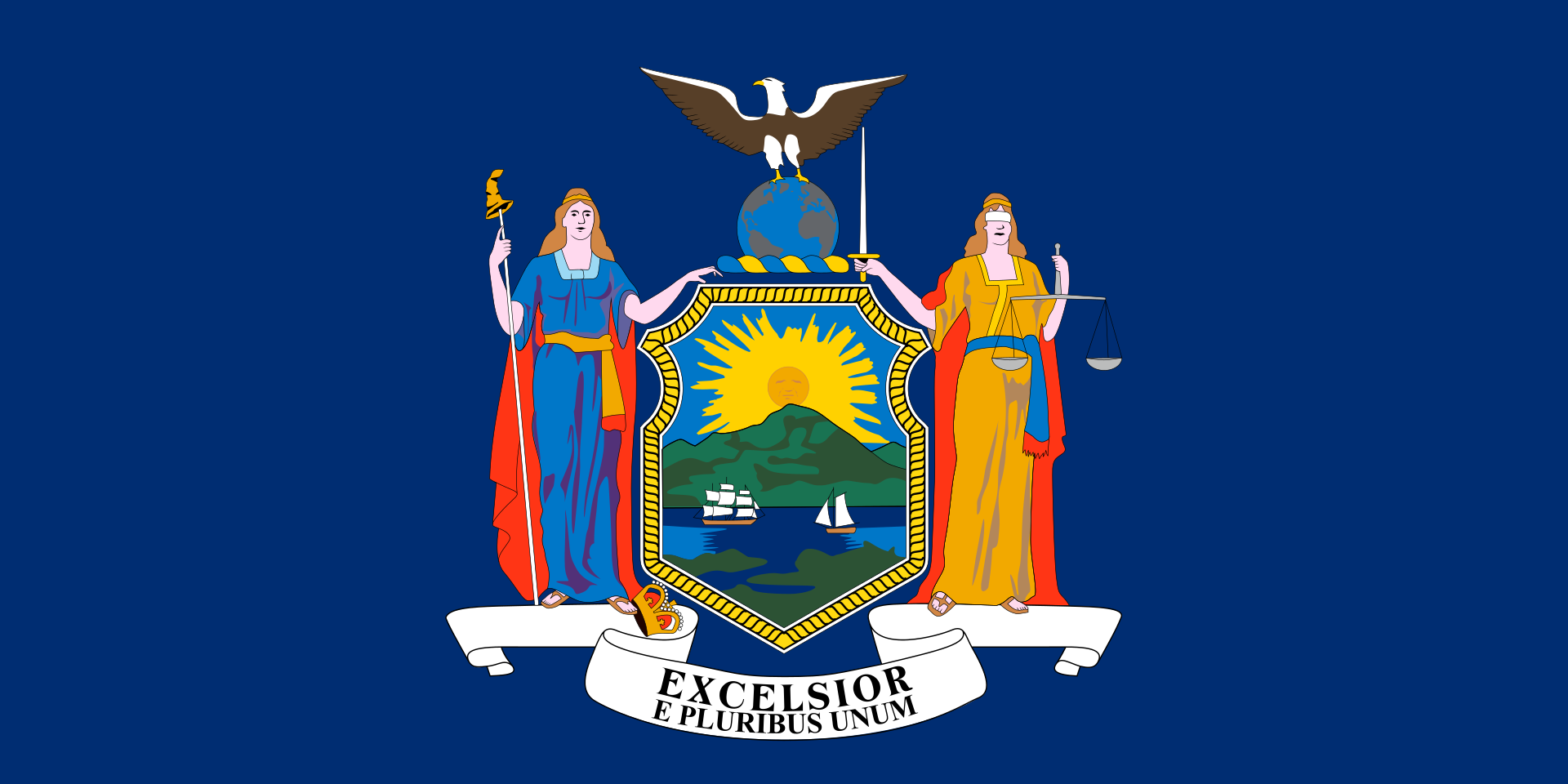 New York-NY
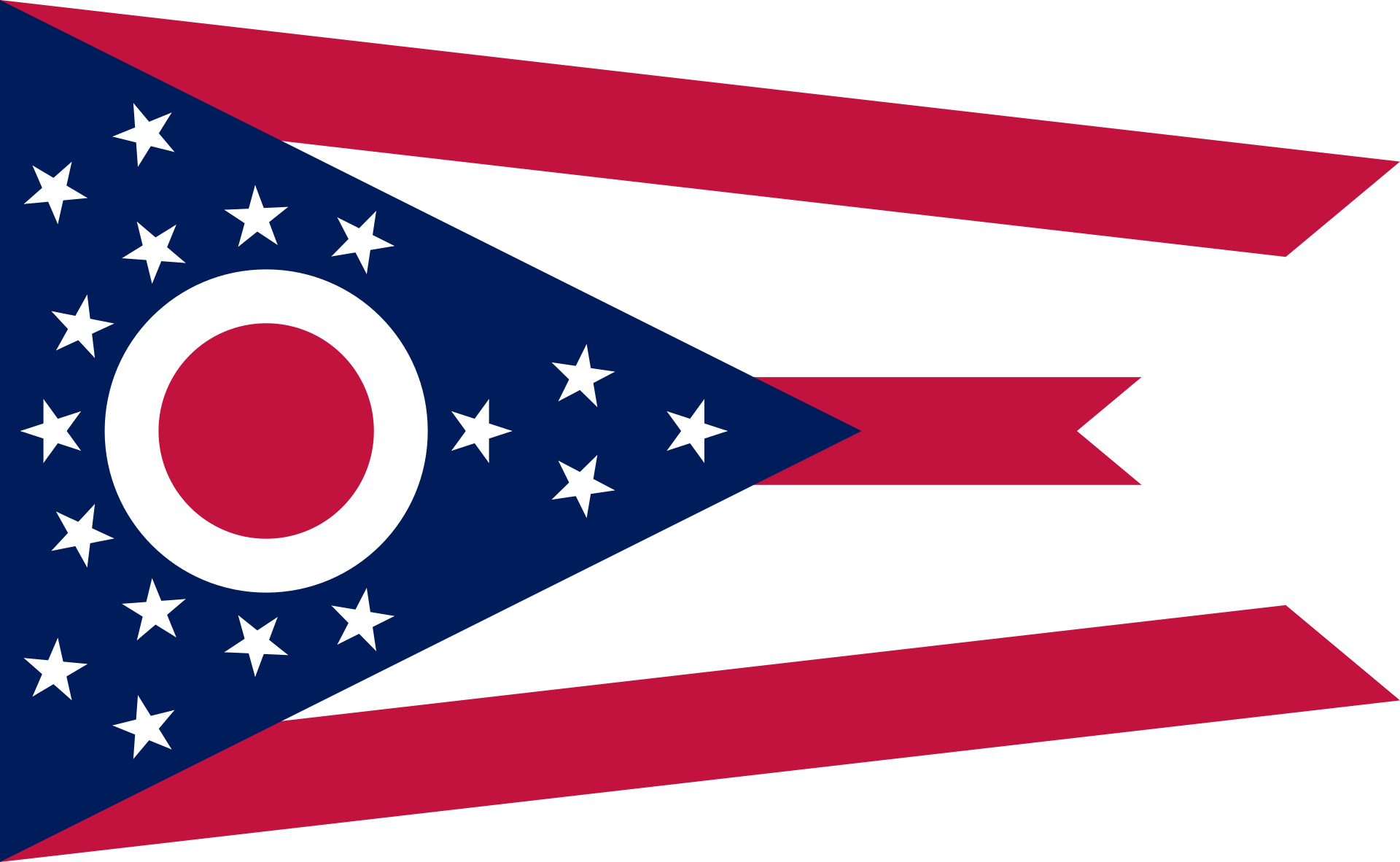 Ohio-OH
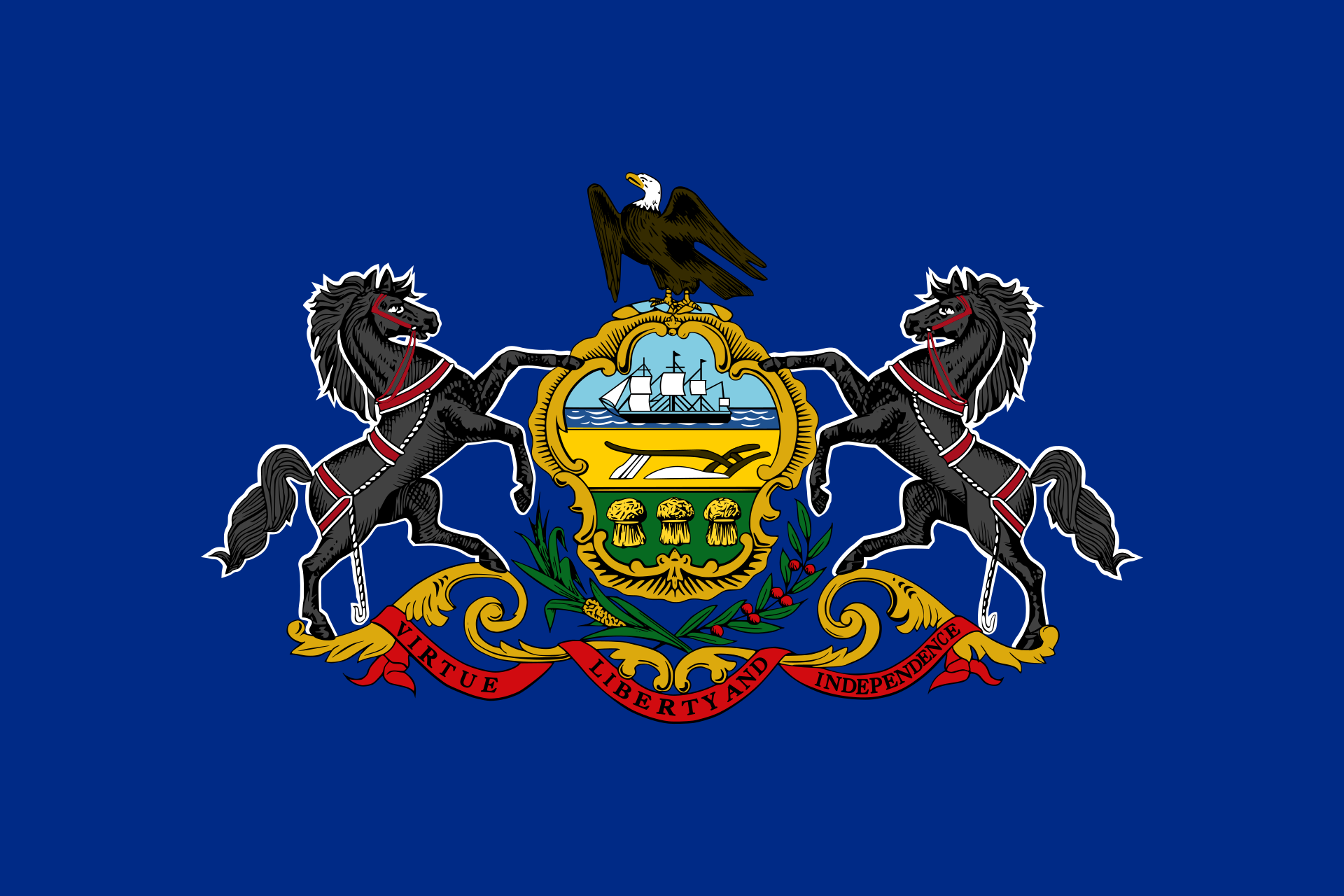 Pennsylvania-PA
Super Bowl
Pennsylvania-PA
Super Bowl
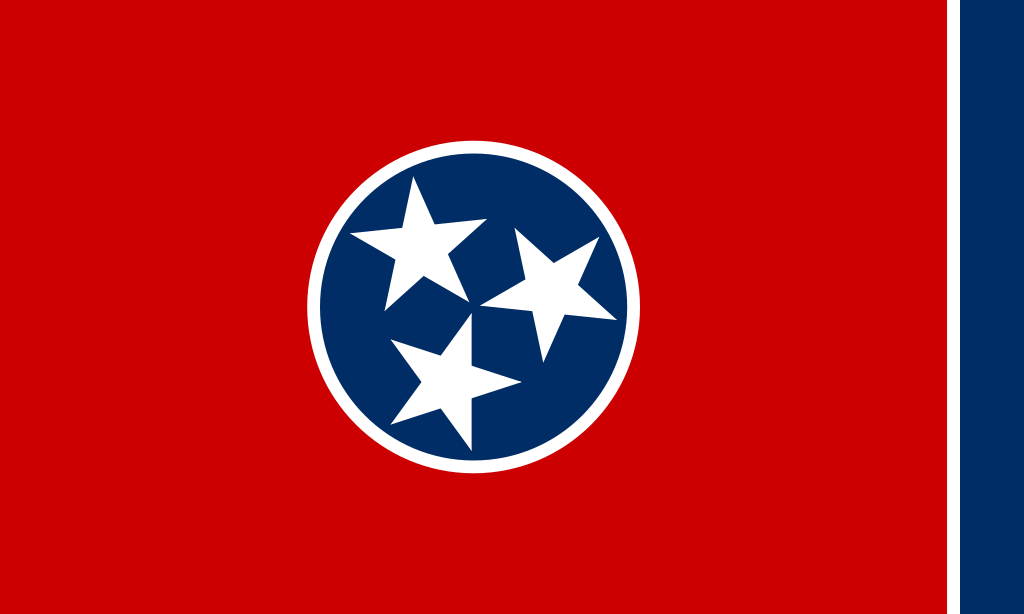 Tennessee-TN
Texas-TX
Tennessee-TN
Texas-TX
 Washington-WA
 Wisconsin-WI

 Energy resource

 Animal world
 Geography


Der Big-Bend-Nationalpark ist ein Nationalpark in den Vereinigten Staaten von Amerika. Er befindet sich im Süden von Texas an der Grenze zwischen den Vereinigten Staaten und Mexiko. Der Nationalpark ist nach einer großen Flussbiegung des Rio Grande benannt. Dieser Fluss bildet einen über 1500 km langen Teil der Grenze zwischen den USA und Mexiko, wovon rund ein Viertel gleichzeitig der Grenze des Nationalparks entspricht. Der Park umfasst eine Gesamtfläche von über 3.200 Quadratkilometern und zählt damit zu den größten Nationalparks der Vereinigten Staaten.
1976 wurde der Park von der UNESCO als Biosphärenreservat anerkannt.[1] Februar 2012 wurde der Nationalpark als Lichtschutzgebiet von der International Dark Sky Association auch als International Dark Sky Park (IDSP, in Gold) anerkannt und nennt sich seither auch Big Bend International Dark Sky Park.[2]
Südlich des Rio Grande liegen die mexikanischen Staaten Chihuahua und Coahuila und die neu eingerichteten Naturschutzgebiete Maderas del Carmen und Cañon de Santa Elena.
Der Park umfasst einen großen Teil der Chihuahua-Wüste. Das Klima der Gegend ist sehr extrem. Im Spätfrühling und Sommer können die Temperaturen oft 40 Grad Celsius überschreiten. Die Winter sind normalerweise sehr mild, aber Frost ist durchaus möglich. Die Regenzeit dauert etwa von Mitte Juli bis September, doch einige sehr trockene Landstriche erhalten bisweilen keinen Tropfen Regen.
大弯曲国家公园/大本德国家公园(英文:Big Bend National Park)位于美国德克萨斯州西南部,是德克萨斯州最大的国家公园。公园与墨西哥接壤,只有一河之隔,以河中心为国界。该公园具有国家重要性,是美国境内最大的保护区,保护着奇瓦瓦沙漠地形和生态。公园以园内格兰德河/北布拉沃河中的一个大弯曲命名[3]。该公园保护了超过1,200种植物、450多种鸟类、56种爬行动物和75种哺乳动物[4]。其他公园活动还包括风景优美的车程、由大本德公园护林员带领的项目以及观赏星空[5]。公园内大部分面积属于沙漠,而格兰德河流过的地方则是绿洲和峡谷,另外公园中央有一座高山名叫Chisos Mountain,算是落矶山脉的一条余脉,大本德国家公园是荒漠、绿洲和高山的巧妙综合体。
*United States Political System
California-CA
Federal Reserve System,Fed
 Financial
*United States economic data
Financial
Economic and political research
Financial
*Brazil economic data
Financial
*China economic data
Financial
*Germany economic data
Financial
*European Union economic data
Financial
*France economic data
Financial
*India economic data
Financial
*Indonesia economic data
Financial
*Italy economic data
Financial
*Japan economic data
Financial
*Canada economic data
Financial
*Russia economic data
Financial
*United States economic data
Financial
*United Kingdom economic data
Financial
***Key regulatory authorities
Financial
***Key regulatory authorities
Financial
*United States economic data
Financial
Economic and political research
Financial
*Brazil economic data
Financial
*China economic data
Financial
*Germany economic data
Financial
*European Union economic data
Financial
*France economic data
Financial
*India economic data
Financial
*Indonesia economic data
Financial
*Italy economic data
Financial
*Japan economic data
Financial
*Canada economic data
Financial
*Russia economic data
Financial
*United States economic data
Financial
*United Kingdom economic data
Financial
***Key regulatory authorities
Financial
***Key regulatory authorities
 Georgia-GA
Doing business
Illinois-IL
Massachusetts-MA
Georgia-GA
Doing business
Illinois-IL
Massachusetts-MA
 Minnesota-MN
Missouri-MO
New York-NY
Ohio-OH
Pennsylvania-PA
Texas-TX
Companies
United States
Minnesota-MN
Missouri-MO
New York-NY
Ohio-OH
Pennsylvania-PA
Texas-TX
Companies
United States
 Virginia-VA
 Washington, D.C.
 Economy and trade
Economic and political research
Economy and trade
Economic and political research


联邦储备系统(英语:Federal Reserve System(Fed),简称美联储)是美国的中央银行体系,依据美国国会通过的1913年《联邦储备法案》而创设,以避免再度发生类似1907年的银行危机。整个系统包括联邦储备委员会、联邦公开市场委员会、联邦储备银行、三千家会员银行、及3个咨询委员会(Advisory Councils)。
Das Federal Reserve System [ˈfɛdə˞əl rɪˈzɜ˞ːv ˈsɪstəm], oft auch Federal Reserve oder einfach die Fed (als US-Notenbank), ist das Zentralbank-System der Vereinigten Staaten. Es besteht aus dem Board of Governors, zwölf regionalen Federal Reserve Banken, dem Federal Open Market Committee (FOMC), einer Vielzahl von Mitgliedsbanken (Mitgliedspflicht ab einer bestimmten Größe) und anderen Institutionen.
Die Fed berichtet regelmäßig an den Kongress der Vereinigten Staaten über ihre Aktivitäten und ihre Pläne zur Geldpolitik. Das Tagesgeschäft und die operativen Entscheidungen der Fed werden von ihr frei und eigenständig entschieden. Der Kongress hat allerdings die Befugnis, die Gesetze betreffend die Geschäftstätigkeit der Fed zu ändern.[1]
連邦準備制度(れんぽうじゅんびせいど、英語: Federal Reserve System, FRS)は、アメリカ合衆国の中央銀行制度である。ワシントンD.C.にある連邦準備制度理事会(Federal Reserve Board, FRB)が全国の主要都市に散在する連邦準備銀行(Federal Reserve Bank, FRB)を統括する。連邦準備制度理事会は連邦議会の下にある政府機関であるが、予算の割当や人事の干渉を受けない。各連邦準備銀行は株式を発行する法人(body corporate)である。
The Federal Reserve System (also known as the Federal Reserve or simply the Fed) is the central banking system of the United States of America. It was created on December 23, 1913, with the enactment of the Federal Reserve Act, after a series of financial panics (particularly the panic of 1907) led to the desire for central control of the monetary system in order to alleviate financial crises.[list 1] Over the years, events such as the Great Depression in the 1930s and the Great Recession during the 2000s have led to the expansion of the roles and responsibilities of the Federal Reserve System.[5][10][11]
The U.S. Congress established three key objectives for monetary policy in the Federal Reserve Act: maximizing employment, stabilizing prices, and moderating long-term interest rates.[12] The first two objectives are sometimes referred to as the Federal Reserve's dual mandate.[13] Its duties have expanded over the years, and currently also include supervising and regulating banks, maintaining the stability of the financial system, and providing financial services to depository institutions, the U.S. government, and foreign official institutions.[14] The Fed also conducts research into the economy and provides numerous publications, such as the Beige Book and the FRED database.
The Federal Reserve System is composed of several layers. It is governed by the presidentially appointed board of governors or Federal Reserve Board (FRB). Twelve regional Federal Reserve Banks, located in cities throughout the nation, regulate and oversee privately owned commercial banks.[15][16][17] Nationally chartered commercial banks are required to hold stock in, and can elect some of the board members of, the Federal Reserve Bank of their region. The Federal Open Market Committee (FOMC) sets monetary policy. It consists of all seven members of the board of governors and the twelve regional Federal Reserve Bank presidents, though only five bank presidents vote at a time (the president of the New York Fed and four others who rotate through one-year voting terms). There are also various advisory councils. Thus, the Federal Reserve System has both public and private components.[list 2] It has a structure unique among central banks, and is also unusual in that the United States Department of the Treasury, an entity outside of the central bank, prints the currency used.[22]
The federal government sets the salaries of the board's seven governors, and it receives all the system's annual profits, after a statutory dividend of 6% on member banks' capital investment is paid, and an account surplus is maintained. In 2015, the Federal Reserve earned a net income of $100.2 billion and transferred $97.7 billion to the U.S. Treasury.[23] Although an instrument of the US Government, the Federal Reserve System considers itself "an independent central bank because its monetary policy decisions do not have to be approved by the President or anyone else in the executive or legislative branches of government, it does not receive funding appropriated by Congress, and the terms of the members of the board of governors span multiple presidential and congressional terms."[24]
La Réserve fédérale (officiellement Federal Reserve System, souvent raccourci en Federal Reserve ou Fed) est la banque centrale des États-Unis. Elle est créée en décembre 1913, durant les fêtes, par le Federal Reserve Act dit aussi Owen-Glass Act, à la suite de plusieurs crises bancaires, dont la panique bancaire américaine de 1907. Son rôle évolue depuis et elle renforce son indépendance lors de l'instabilité monétaire des années 1975 et 1985.
Le Congrès des États-Unis définit trois objectifs de politique monétaire dans le Federal Reserve Act : plein emploi, stabilité des prix, et taux d'intérêt à long terme modérés1. Les deux premiers sont souvent appelés le « double objectif » ou « double mandat » de la Fed2. Outre la politique monétaire, la Fed est maintenant chargée de superviser et réguler le système bancaire, de maintenir la stabilité du système financier, et d'offrir des prestations financières aux organismes de dépôt, au gouvernement fédéral, et aux institutions financières étrangères3. Elle étudie de surcroît l'économie américaine, et publie de nombreux rapports, tels que le livre beige, un résumé des conditions économiques dans chaque région.
La Réserve fédérale se compose d'un conseil des gouverneurs (dont Jerome Powell est le président depuis 2018), du Federal Open Market Committee (FOMC), de douze banques régionales (Federal Reserve Banks), des banques membres, et de plusieurs conseils consultatifs4,5. Le FOMC est le comité responsable de la politique monétaire ; il se compose des sept membres du bureau des gouverneurs et des douze présidents des banques régionales (dont cinq seulement ont le droit de vote à un moment donné). La Réserve fédérale comporte ainsi des aspects publics et privés : cette structure est unique au monde pour une banque centrale, et correspond à une volonté de répondre à la fois à l'intérêt public et à ceux, privés, des banques membres. Une autre particularité du système monétaire américain est que ce n'est pas la banque centrale mais le département du Trésor qui crée la monnaie fiduciaire6.
La Fed est une banque centrale indépendante : ses décisions ne sont pas sujettes à l'autorisation du président des États-Unis ou d'une autre partie du gouvernement fédéral, elle ne reçoit pas de budget du Congrès, et les mandats des gouverneurs sont beaucoup plus longs que ceux des élus fédéraux. Le gouvernement peut cependant exercer un contrôle : l'autorité de la Fed est définie par le Congrès et celui-ci peut exercer son droit de surveillance (congressional oversight). Les membres du bureau des gouverneurs, y compris le président et le vice-président, sont nommés par le président des États-Unis et confirmés par le Sénat. Le gouvernement nomme également les hauts fonctionnaires de la banque et fixe leur salaire. Toutes les banques commerciales autorisées à exercer en dehors d'un seul État sont obligatoirement membres de la Réserve fédérale régionale où se trouve leur siège et détiennent des parts dans celle-ci, ce qui autorise ces banques à élire une partie des membres du bureau de chaque Réserve fédérale régionale. Le gouvernement fédéral reçoit tous les profits de la Fed, hormis un dividende de 6 % versé aux banques membres.
Il Federal Reserve System, conosciuto anche come Federal Reserve (it. Riserva federale) ed informalmente come la Fed, è la banca centrale degli Stati Uniti d'America.
El Sistema de la Reserva Federal (en inglés, Federal Reserve System, también conocido como Reserva Federal o informalmente Fed) es el banco central de los Estados Unidos.1 Es un consorcio publico-privado que controla la estructura organizativa en la cual participa una agencia gubernamental, conocida como Junta de Gobernadores, con sede en Washington D. C.2 Así, algunos consideran esto como el aspecto público del sistema, y los 12 Bancos de la Reserva de todo el país el aspecto privado.3 Está encargada de custodiar parte de las reservas de los "bancos miembros" estadounidenses: los federales, y los estatales asociados voluntariamente.4
La Junta de Gobernadores del Sistema de la Reserva Federal es una agencia gubernamental independiente, sin embargo está sujeta a la Ley de Libertad de Información (Freedom of Information Act). Como muchas de las agencias independientes, sus decisiones no tienen que ser aprobadas por el Presidente o por alguna persona del poder ejecutivo o legislativo: son decisiones de carácter unilateral. La Junta de Gobernadores no recibe dinero del Congreso, y su mandato tiene una duración que abarca varias legislaturas. Una vez que el presidente designa a un miembro de la junta, este actúa con "independencia", aunque puede ser destituido por el presidente según lo establecido en la sección 242, Título 12, del Código de Estados Unidos.5
El Sistema de la Reserva Federal fue creado el 23 de diciembre de 1913 por la Ley de la Reserva Federal (Federal Reserve Act). Todos los bancos nacionales tuvieron que unirse al sistema. Los billetes de la Reserva Federal (Federal Reserve Notes) fueron creados para tener una oferta monetaria "flexible".6
Федера́льная резе́рвная систе́ма (Federal Reserve System, ФРС, Федеральный резерв, FED) — специально созданное 23 декабря 1913 года независимое федеральное агентство для выполнения функций центрального банка и осуществления централизованного контроля над коммерческой банковской системой Соединённых Штатов Америки. В ФРС входят 12 федеральных резервных банков, расположенных в крупнейших городах, около трёх тысяч коммерческих так называемых банков-членов, назначаемый президентом Совет управляющих, Федеральный комитет по операциям на открытом рынке и консультационные советы. Основанием для создания является Закон о Федеральном резерве. В управлении ФРС определяющую роль играет государство, хотя форма собственности капитала является частной — акционерная с особым статусом акций.
С точки зрения управления, ФРС является независимым органом в правительстве США. Как национальный центральный банк, ФРС получает полномочия от Конгресса США. Независимость в работе обеспечивается тем, что принимаемые решения о кредитно-денежной политике не должны быть одобрены президентом США или кем-либо иным из исполнительной или законодательной ветвей власти. ФРС не получает финансирование от Конгресса. Срок полномочий членов Совета управляющих Федеральной резервной системы охватывает несколько сроков президентских полномочий и членов Конгресса. В то же время ФРС подконтрольна Конгрессу, который часто анализирует деятельность ФРС и может изменить обязанности ФРС законодательным образом[1].
С 2006 по 2014 год пост председателя совета управляющих ФРС занимал Бен Бернанке. В феврале 2014 года его сменила Джанет Йеллен, которая в течение двух лет работала его заместителем[2]. С 5 февраля 2018 года главой Федеральной резервной системы является Джером Пауэлл.
 Eat and Drink

 FIFA Fussball-Weltmeisterschaft 2026
 International cities
***Global Urban Economic Competitiveness
Texas-TX
United States
International cities
***Global Urban Economic Competitiveness
Texas-TX
United States
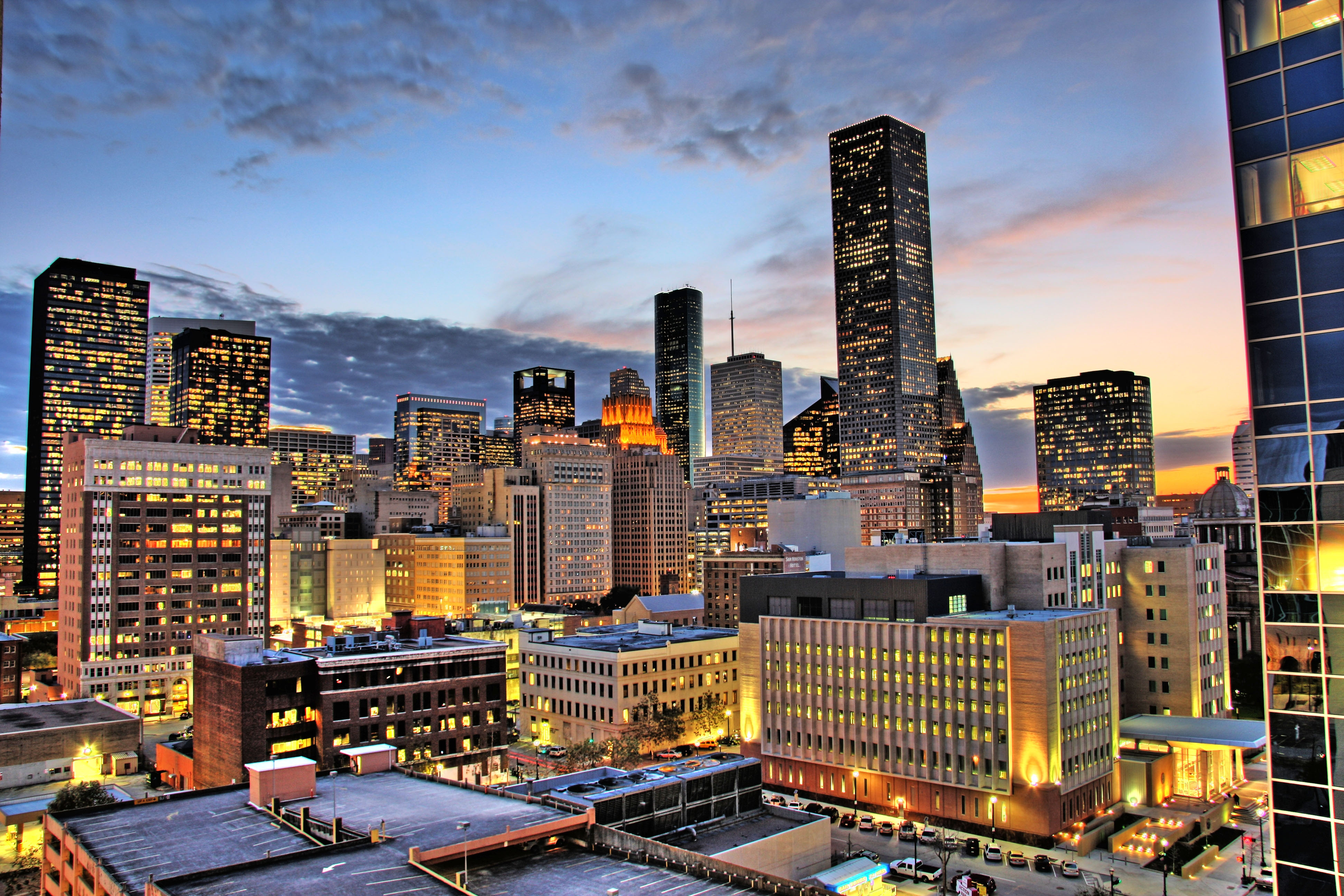
休斯敦(英语:Houston,中国大陆通译休斯敦/休斯顿,港澳通译侯斯顿,台湾通译休士顿)是美国得克萨斯州的第一大城,全美国第四大城,墨西哥湾沿岸最大的经济中心。面积达1,440平方千米,市名是以当年得克萨斯共和国总统山姆·休斯敦(Sam Houston)命名的。
休斯敦是哈里斯县(全国第三大县)的县城。休斯敦在密苏里市的东面,西南部分伸入本德堡县,东北一小部分伸入蒙哥马利县。
休斯敦创建于1836年,合并于1837年,是美国成长最迅速的大城市之一,也是全美最大的一个没有规划法的大城市。
1900年,休斯敦有45,000人口,排名美国第85位。2000年美国人口统计指出,城市人口总数达到190万人(2004年已超过2百万人)。大休斯敦都会区是美国第七大都会区(10个县,5,180,443人)。
休斯敦以其能源(特别是石油)、航空工业和运河闻名世界。休斯敦港是世界第六大港口,美国最繁忙的港口,外轮吨位第一,不分国籍则居第二位。财富500强总部仅次于纽约市。休斯敦是得克萨斯医疗中心的所在地,世界最大和最重要的研究和治疗机构的集中地。休斯敦还是美国27个超过170万人口的重要大都会地区中生活消费和房价最低的。休斯敦被全球化和世界城市研究小组和网络(GaWC)称为“全球城市”。
休斯敦的官方绰号为“太空城(Space City)”,因为它是林顿·约翰逊太空中心的所在地,任务监控中心也设在这里(因此,“休斯敦”是在月球上说的第一个词)。许多当地人喜爱称作“牛沼城”。其他绰号还有“H镇”、“脚爪城”或“蒙古城”。
休斯敦是一个拥有多重文化的城市,许多外来移民的社区在此发展。其美术馆区是许多文化机构和展览的天堂,每年吸引将进七百万的游客,在休斯敦常能看见活跃的视觉表演艺术。
Houston [ˈ(h)juːstən] ist die größte Stadt in Texas und die viertgrößte der USA, hinter New York City, Los Angeles und Chicago.
Im August 1836 kauften John Kirby Allen und Augustus Chapman Allen, zwei Immobilienunternehmer aus New York, 27 km2 Land am Buffalo Bayou mit der Absicht, eine Stadt zu gründen. Die Brüder entschieden sich dazu, die Stadt nach Sam Houston, dem berühmten texanischen General aus der Schlacht von San Jacinto, zu benennen. Am 5. Juni 1837 wurde sie ins Register eingetragen[2] und James S. Holman zum ersten Bürgermeister der Stadt gewählt. Noch im selben Jahr wurde Houston Sitz des Harrisburg County (jetziges Harris County) und die vorübergehende Hauptstadt der Republik Texas.
1901 wurde in Spindletop nahe Beaumont Öl gefunden. Zusammen mit anderen Ölfeldern trieb es die Entwicklung der amerikanischen Ölindustrie an. 1902 gab Präsident Theodore Roosevelt eine Million Dollar für den Bau des Houston Ship Channel frei. Er beginnt am Rand des die Stadt durchziehenden Wasserlaufs Buffalo Bayou. Präsident Woodrow Wilson eröffnete 1914 den etwa 60 km von der Küste entfernten neuen Hafen Houstons. Bis 1930 wuchs Houston dann zur bevölkerungsreichsten Stadt von Texas.
Ende Mai 2015 kam es zu den schwersten Niederschlägen in Texas seit Beginn der Wetteraufzeichnungen und auch Houston war durch seine niedrige Lage stark betroffen; ein nicht unerheblicher Teil der Stadt wurde überschwemmt.[3] Am 26. August 2017 und in den Folgetagen traf der Hurrikan „Harvey“ (eingeordnet in Stufe 4 – der zweithöchsten Stufe) bei Houston auf das Festland mit Regenmengen von mehr als 60–80 Liter pro m² innerhalb von wenigen Stunden. Als Folge davon wurden große Teile des Stadtgebietes überschwemmt, viele Hauptstraßen unpassierbar und Teile der Infrastruktur brachen zusammen. Der Bürgermeister der Stadt sah jedoch von einer Evakuierung ab, da „niemand mit derart heftigen Regenfällen gerechnet hatte“ und „man einen Albtraum geschaffen hätte, würde man 6,5 Millionen Menschen auf die Straße schicken“.[4][5]
ヒューストン(Houston)は、アメリカ合衆国テキサス州南東部に位置する都市。2,099,451人(2010年国勢調査)の人口を抱えるテキサス州最大、全米第4の都市である[1]。ハリス郡を中心に9郡にまたがるヒューストン都市圏の人口は5,920,416人(2010年国勢調査)にのぼる[1]。市域面積は1,500km2におよび、市郡一体の自治体を除くとオクラホマシティに次ぐ全米第2の広さである。
ヒューストンは1836年8月30日にオーガストゥス・チャップマン、ジョン・カービーのアレン兄弟によってバッファロー・バイユーの河岸に創設された。市名は当時のテキサス共和国大統領で、サンジャシントの戦いで指揮を執った将軍、サミュエル・ヒューストンから名を取って付けられた。翌1837年6月5日、ヒューストンは正式に市制施行された。19世紀後半には海港や鉄道交通の中心として、また綿花の集散地として栄えた。やがて1901年に油田が見つかると、市は石油精製・石油化学産業の中心地として成長を遂げた。20世紀中盤に入ると、ヒューストンには世界最大の医療研究機関の集積地テキサス医療センターやアメリカ航空宇宙局(NASA)のジョンソン宇宙センターが設置され、先端医療の研究や航空宇宙産業の発展が進んだ。古くからこうした様々な産業を持ち、フォーチュン500に入る企業の本社数がニューヨークに次いで多いヒューストンは、テキサス州のみならず、成長著しいサンベルトの中心都市の1つであり、アメリカ合衆国南部のメキシコ湾岸地域における経済・産業の中枢である。また、全米最大級の貿易港であるヒューストン港[2]を前面に抱え、ユナイテッド航空(旧・コンチネンタル航空)のハブ空港であるジョージ・ブッシュ・インターコンチネンタル空港を空の玄関口とする、交通の要衝でもある。また、日本を含む世界86ヶ国が領事館を置く世界都市でもある[3][4]。
このようにヒューストンは工業都市・ビジネス都市としてのイメージが強い都市であるが、文化水準の高い都市でもある。ダウンタウンの南側には10以上の博物館・美術館が建ち並び、年間700万人の訪問者を呼び寄せるミュージアム・ディストリクトがある。ミュージアム・ディストリクトに隣接するエリアには、全米の総合大学の中で常にトップ25位以内の高評価を受けている名門私立大学、ライス大学のキャンパスが広がっている。一方、ダウンタウンの中心部に位置するシアター・ディストリクトはヒューストンにおける演技芸術の中心地で、演劇のみならず、オペラ、オーケストラ、バレエなど多彩な演技芸術の公演が行われている[5]。
ジョンソン宇宙センターの存在から、ヒューストンには1967年にSpace City(宇宙の街)という公式な別名がつけられた[6]。地元住民はこのほか、Bayou City(バイユーの街)、Magnolia City(マグノリアの街)、H-Townなどと呼ぶこともある。
Houston (/ˈhjuːstən/ ( listen) HEW-stən) is the most populous city in the U.S. state of Texas and the fourth most populous city in the United States, with a census-estimated population of 2.312 million in 2017.[7] It is the most populous city in the Southern United States[8] and on the Gulf Coast of the United States. Located in Southeast Texas near Galveston Bay and the Gulf of Mexico, it is the seat of Harris County and the principal city of the Greater Houston metropolitan area, which is the fifth most populous MSA in the United States and the second most populous in Texas after the Dallas–Fort Worth metroplex. With a land area of 599.59 square miles (1,552.9 km2),[7] Houston is the ninth most expansive city in the United States.
Houston was founded by land speculators on August 30, 1836,[9] at the confluence of Buffalo Bayou and White Oak Bayou (a point now known as Allen's Landing)[10] and incorporated as a city on June 5, 1837.[11] The city is named after former General Sam Houston, who was president of the Republic of Texas and had won Texas' independence from Mexico at the Battle of San Jacinto 25 miles (40 km) east of Allen's Landing.[11] After briefly serving as the capital of the Republic in the late 1830s, Houston grew steadily into a regional trading center for the remainder of the 19th century.[9]
The arrival of the 20th century saw a convergence of economic factors which fueled rapid growth in Houston, including a burgeoning port and railroad industry, the decline of Galveston as Texas' primary port following a devastating 1900 hurricane, the subsequent construction of the Houston Ship Channel, and the Texas oil boom.[9] In the mid-20th century, Houston's economy diversified as it became home to the Texas Medical Center—the world's largest concentration of healthcare and research institutions—and NASA's Johnson Space Center, where the Mission Control Center is located.
Houston's economy has a broad industrial base in energy, manufacturing, aeronautics, and transportation. Leading in health care sectors and building oilfield equipment, Houston has the second most Fortune 500 headquarters of any U.S. municipality within its city limits (after New York City).[12][13] The Port of Houston ranks first in the United States in international waterborne tonnage handled and second in total cargo tonnage handled.[14] Nicknamed the "Space City", Houston is a global city, with strengths in culture, medicine, and research. The city has a population from various ethnic and religious backgrounds and a large and growing international community. Houston is the most diverse metropolitan area in Texas and has been described as the most racially and ethnically diverse major metropolis in the U.S.[15] It is home to many cultural institutions and exhibits, which attract more than 7 million visitors a year to the Museum District. Houston has an active visual and performing arts scene in the Theater District and offers year-round resident companies in all major performing arts.[16]
Houston (en anglais ['hjuːstən]) est une ville de l'État du Texas dans le sud des États-Unis. Avec une population de 2 303 482 habitants dans la municipalité et 6 313 158 dans l'agglomération (estimations du Bureau du recensement des États-Unis, 20161), c'est la plus grande ville du Sud des États-Unis et, après Dallas, la deuxième aire urbaine de la région. Ses habitants s'appellent les Houstoniens. La ville s'étale sur trois comtés dont le principal est le comté de Harris. C'est la quatrième ville des États-Unis après New York, Los Angeles et Chicago.
Houston a une grande industrie pétrochimique ainsi qu'un port maritime ouvert sur le golfe du Mexique. La NASA y a installé l'un de ses centres destiné aux astronautes. L'agglomération est dotée de la plus forte concentration de laboratoires de recherche sur la santé (Texas Medical Center).
Houston est une ville dont la croissance démographique est la seconde des États-Unis après Las Vegas. En 1900, sa population était d'environ 45 000 habitants. Selon les dernières estimations en 2016, l'agglomération comprend plus de 6,3 millions de personnes sur neuf comtés, ce qui en fait la 5e du pays.
Houston (/ˈhjuːstən/ Ascolta[?·info]) è una città (city) degli Stati Uniti d'America e capoluogo della contea di Harris nello Stato del Texas. Una piccola parte della città si estende nelle contee di Fort Bend e Montgomery. La popolazione era di 2.099.451 abitanti al censimento del 2010, il che la rende la città più popolosa dello stato e la quarta città più popolosa della nazione. È la principale città dell'area metropolitana nota come Greater Houston.
Houston venne fondata il 28 agosto 1836, vicino alle sponde del Buffalo Bayou (ora noto come Allen's Landing)[1][2] e incorporata come città il 5 giugno 1837. La città prende il nome dall'ex generale e politico statunitense Sam Houston.
Houston è famosa nel mondo per la sua industria energetica (in particolare petrolifera), e aeronautica, nonché per il suo porto, uno dei più affollati degli Stati Uniti. Molti residenti si sono trasferiti qui da altri stati americani, o da altri paesi del mondo, per motivi di affari.
Houston è sede di numerose università. La più importante è l'Università di Houston, la prima università del Texas per la ricerca; importante è anche l'Università Rice, una università privata che vanta uno dei più alti finanziamenti al mondo. Ci sono inoltre l'Università di Saint Thomas, la Houston Baptist University, l'Università di Houston-Clear Lake, l'Università di Houston-Downtown, e la Texas Southern University.
Houston è soprannominata Space City: infatti qui ha sede la NASA e proprio "Houston" fu la prima parola pronunciata dall'astronauta Neil Armstrong appena il LEM si fu posato sulla superficie lunare. Un altro soprannome è Bayou City, per la fitta rete di piccoli corsi d'acqua (i bayou) che l'attraversano.
Da Houston verso levante si estende la regione Cajun che include il vicino Stato della Louisiana.
Nel 2005 la rivista Men's Fitness ha definito la città come simbolo dell'obesità negli Stati Uniti, poiché dalle statistiche risulta che il 23% dei residenti è clinicamente obeso. Houston ha anche il doppio dei negozi di frittelle dolci rispetto alla media degli Stati Uniti.
La città texana vanta una tra le più folte comunità vietnamite negli Stati Uniti.
Houston (pronunciado en inglés /ˈhjuːstən/, español /'xjus.ton/) es la ciudad más poblada en el estado de Texas y la cuarta ciudad más poblada de Estados Unidos. Houston está ubicada en el sureste de Texas, cerca del golfo de México. Con una población estimada en 2,24 millones de personas en 2014 en un área de 1553 kilómetros cuadrados (599,6 mi²),23 Houston también es la ciudad más grande en el sur de Estados Unidos,4 además de ser la sede del Condado de Harris. Es la principal ciudad en el área de Houston–Sugar Land–Baytown y es la quinta área metropolitan más poblada del país.
Fue fundada el 30 de agosto de 1836 por los hermanos Augustus Chapman Allen y John Kirby Allen en una tierra cercana a las orillas del Buffalo Bayou.5 La ciudad se incorporó el 5 de junio de 1837 y recibió su nombre del entonces presidente de la República de Texas, el antiguo general Sam Houston, quien comandó la batalla de San Jacinto. Dicha contienda tuvo lugar a 40 km al este de donde la ciudad fue establecida. El creciente puerto y la industria del ferrocarril, combinada con el descubrimiento de petróleo en 1901, ha provocado continuos incrementos repentinos de población en la ciudad. A mediados del siglo XX, Houston se convirtió en la base del Texas Medical Center, la mayor concentración de instituciones de investigación y de salud del mundo, y del Centro Espacial Lyndon B. Johnson de la NASA, donde se sitúa el centro de control de misión.
Considerada como una ciudad global beta,6 la economía de Houston posee una amplia base industrial en la energía, manufacturación, aeronáutica, transporte, salud y un importante centro para la creación de equipos petrolíferos; solo Nueva York posee más sedes de empresas Fortune 500 en los límites de su ciudad.7 El puerto de Houston se sitúa el primero de los Estados Unidos en tonelaje manejado en aguas internacionales y el segundo en tonelaje total de carga manejada.8 La ciudad tiene una población multicultural con una gran y creciente comunidad internacional. Es hogar de muchas instituciones culturales y atrae a más de siete millones de visitantes anuales al Houston Museum District. La ciudad cuenta con una escena activa en cuanto a las artes visuales y escénicas en el Teatro del Distrito y es una de las pocas ciudades estadounidenses que ofertan compañías residentes en todas las artes escénicas principales.9
Хью́стон (англ. Houston, МФА: [ˈhjuːstən]) — четвёртый по количеству жителей город в Соединённых Штатах Америки и крупнейший город в штате Техас с населением 2 319 603 человека на 2017 год[1]. Хьюстон является административным центром округа Харрис, а также главным экономическим центром агломерации Большого Хьюстона с общим населением 6 772 470 человек на 2016 год[2]. Город располагается в 50 километрах от Мексиканского залива на прибрежной равнине.
Хьюстон был основан 30 августа 1836 года и включён в состав республики Техас 5 июня 1837 года, получив своё имя в честь Сэмюэла Хьюстона — главнокомандующего армией Техаса во время Техасской революции и президента Республики Техас. Быстрое развитие порта и железных дорог в XIX веке, а также начало добычи нефти и последовавшее развитие нефтяной промышленности в XX веке привели к быстрому росту населения. В 1960-е годы количество жителей превысило один миллион человек, а в 2000-е — два миллиона.
Город является ведущим мировым центром энергетической промышленности, а экономика города также представлена предприятиями в области аэронавтики, транспорта и здравоохранения. Важнейшими объектами для экономики и инфраструктуры города являются космический центр имени Линдона Джонсона, крупнейший американский по международным грузоперевозкам порт, хьюстонский судоходный канал, крупнейший в мире Техасский медицинский центр.
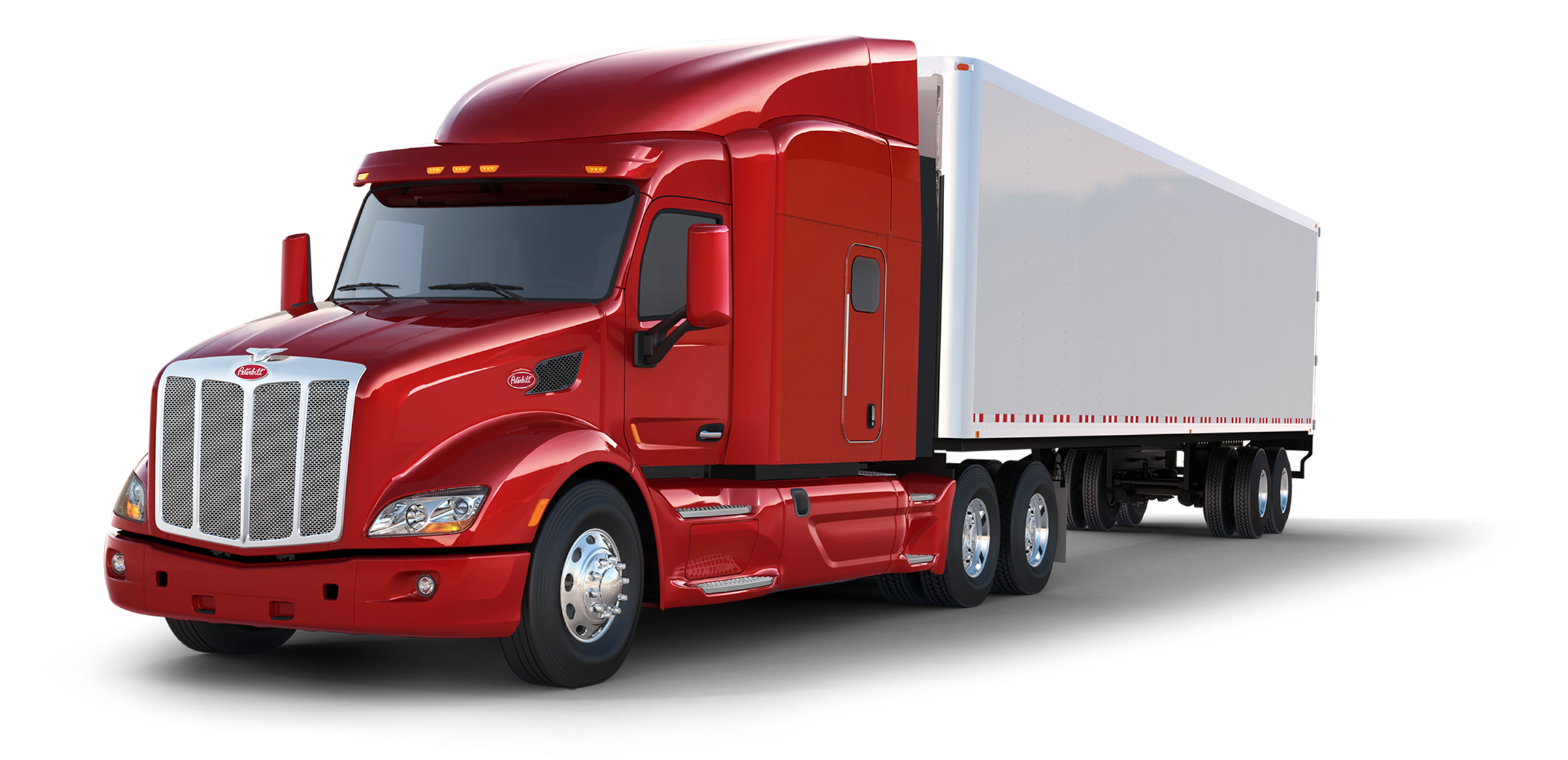 Automobile
 Exhibition

 Transport and traffic
737 MAX
8
737 Next Generation
737-800
Airbus A320
A319-100
Airbus A320
A320-100 / -200
Airbus A320
A321-100 / -200
Airbus A320
A321neo
Airbus A330
A330-200
Airbus A330
A330-300
Airbus A350
A350-900
American Airlines
Boeing 737
737 MAX 8
Boeing 737
737 Next Generation
Boeing 757
Boeing 757-200
Boeing 767
767-300ER
Boeing 777
777-200ER
Boeing 777
777-300ER
Boeing 787
Boeing 787-8
Boeing 787
Boeing 787-9
Embraer E-Jet family
E190
Transport and traffic
737 MAX
8
737 Next Generation
737-800
Airbus A320
A319-100
Airbus A320
A320-100 / -200
Airbus A320
A321-100 / -200
Airbus A320
A321neo
Airbus A330
A330-200
Airbus A330
A330-300
Airbus A350
A350-900
American Airlines
Boeing 737
737 MAX 8
Boeing 737
737 Next Generation
Boeing 757
Boeing 757-200
Boeing 767
767-300ER
Boeing 777
777-200ER
Boeing 777
777-300ER
Boeing 787
Boeing 787-8
Boeing 787
Boeing 787-9
Embraer E-Jet family
E190
 Aerospace
Oneworld
McDonnell Douglas
MD-82
McDonnell Douglas
MD-83
Texas-TX
Companies
*Big airline
United States
Aerospace
Oneworld
McDonnell Douglas
MD-82
McDonnell Douglas
MD-83
Texas-TX
Companies
*Big airline
United States