Deutsch-Chinesische Enzyklopädie, 德汉百科
 Madrid
 Musik
Albanien
Andorra
Armenien
Aserbaidschan
Australien
Musik
Albanien
Andorra
Armenien
Aserbaidschan
Australien
 Bayern
Belarus
Belgien
Bosnien-Herzegowina
Bulgarien
Bayern
Belarus
Belgien
Bosnien-Herzegowina
Bulgarien
 Campania
Dänemark
Campania
Dänemark
 Darstellende Künste
Deutschland
England
Estland
Eurovision Song Contest,ESC
Darstellende Künste
Deutschland
England
Estland
Eurovision Song Contest,ESC
 Fest- und Feiertage
Finnland
Frankreich
Georgien
Griechenland
Fest- und Feiertage
Finnland
Frankreich
Georgien
Griechenland
 Hessen
 Ile-de-France
Irland
Island
Israel
Italien
Kroatien
Lettland
Litauen
Luxemburg
Madrid
Malta
Marokko
Moldawien
Monaco
Montenegro
Niederlande
Nordirland
Nordmazedonien
Ile-de-France
Irland
Island
Israel
Italien
Kroatien
Lettland
Litauen
Luxemburg
Madrid
Malta
Marokko
Moldawien
Monaco
Montenegro
Niederlande
Nordirland
Nordmazedonien
 Nordrhein-Westfalen
Norwegen
Österreich
Polen
Portugal
Nordrhein-Westfalen
Norwegen
Österreich
Polen
Portugal
 Provence-Alpes-Côte d´Azur
Rumänien
Russland
San Marino
Schottland
Schweden
Schweiz
Serbien
Slowakei
Slowenien
Spanien
Tschechien
Türkei
Ukraine
Ungarn
Vereinigtes Königreich
Provence-Alpes-Côte d´Azur
Rumänien
Russland
San Marino
Schottland
Schweden
Schweiz
Serbien
Slowakei
Slowenien
Spanien
Tschechien
Türkei
Ukraine
Ungarn
Vereinigtes Königreich
 Wien
Zypern
Wien
Zypern



欧 洲广 播联盟主办的一项歌唱比赛,自从1956年在瑞士Lugano(卢加诺)举办第一届以后,每年会举行一次,由在上一届获得冠军的国家承办(挺有意思的)。 比赛的结果不是评委说了算,而是由全欧洲的电视观众决定。歌曲演唱完毕,会给出十分钟时间,由电视观众打投票电话进行评选,投票范围为除自己国家外的其他 所有歌手。这个大赛还有个特色就是不规定歌手必须是这个国家的“自己人”,各个国家可以根据自己的情况请“外援”,比较出名的有Celine Dion在1988年代表瑞士参赛并拿了冠军。欧洲电视歌曲大赛采用了全欧洲各国竞赛的方式,来自各国的选手带上自己最精彩的节目,让我们有了更丰富的音 乐享受,整个晚会的气氛活跃,的确有不少好歌。欧洲歌唱大赛是欧洲最高水平的比赛,每个国家都会派出代表自己国家的歌手参赛欧视歌曲大赛已成为具有优秀传 统的欧陆年度音乐大赛,虽然只是欧洲范围内的音乐赛事,但是已经成为众多本地音乐艺人走向国际舞台的最佳跳板,是同类型比赛中规模最大者之一。在2008 年,一共有43个欧洲及邻近国家派出代表参加比赛,并有1.5亿观众透过电视观看了决赛。欧洲电视歌唱大赛经过50多年的发展,已经成为欧洲规模最大、影 响力最广、商业运作最成功的文艺活动。
和国内的歌唱比赛有所不同,欧洲电视歌唱大赛突出的是跨地域性和全民参与性。本届大赛共有38个国 家参加,观看决赛的电视观众有1.5亿之众,而参加采访的各国记者人数就超过2200人。比赛规定,大赛的优胜者由参赛国观众投票决定,但投票者不得将票 投给自己国家的选手。每名参赛者表演结束后,都会留下10分钟时间给观众投票。随着通讯手段的进步,手机短信、电话和电脑网络都被列为有效的投票方式,这 些选票最终由设在德国的一个数据中心进行处理,比赛全部结束后半小时内观众即可获悉大赛最终结果。
虽然每年代表各国参赛的歌手或乐队不一 定代表该国最高水平,但一定是该国当前最流行或者最具发展潜力的音乐组合。两位在现场的芬兰小伙子告诉记者,芬兰人对洛迪乐队疯狂的演唱风格不一定都喜 欢,但芬兰人能夺取冠军相当不容易。毕竟芬兰已经参加了近40届大赛,夺冠还是头一次。
通过该项大赛走红的明星并不少见,瑞典乐队的“芭 芭”就因1974年夺冠而一举成名,席琳·迪翁也在1988年爱尔兰举办的欧洲电视歌唱比赛中获得过冠军,二人组合“神秘园”1995年曾代表挪威夺得过 大奖,甚至爱尔兰著名的《大河之舞》,也是通过在该项比赛评分间隙进行的表演而走向世界比赛中每个国家派出一个歌手或一个乐团演唱一首自选的歌曲,之后观 众透过电话、短信或网络投选最喜欢的歌手,再统计各国的票数间接选出优胜者。而胜出者所代表的国家自动成为下年决赛的东道主。
在过去52届比赛,爱尔兰代表胜出了7次,是各国之冠,联合王国、法国和卢森堡代表各胜出了5次并列第二。历届优胜者中,ABBA(1974年)和席琳·狄翁(1988年)成了国际知名的巨星。
欧洲电视歌唱大赛由欧洲广播电视联盟主办,该联盟的成员国每年通过自己的选拔方式确定本国的参赛选手和曲目。每年5月份,半决赛和决赛通过现场直播方式在承办国进行。
Der Eurovision Song Contest (ESC; übersetzt „Liederwettbewerb der Eurovision“; bis 2001 in Deutschland unter dem französischen Namen Grand Prix Eurovision de la Chanson[1]) ist ein internationaler Musikwettbewerb von Komponisten und Textdichtern, vorgetragen von Gesangsinterpreten, der seit 1956 jährlich von der Europäischen Rundfunkunion (EBU) im Rahmen der Eurovision veranstaltet wird. Die Anregung dazu war vom Sanremo-Festival beeinflusst, das bereits 1951 ins Leben gerufen wurde. Beim ESC sind die Rundfunkanstalten aller Staaten der EBU teilnahmeberechtigt. Dieser Rundfunkunion gehören mehrheitlich europäische und einige Radio- und Fernsehstationen benachbarter westasiatischer und nordafrikanischer Staaten an.
Da die Shows auch außerhalb des Sendegebiets der EBU übertragen werden, konnte der Eurovision Song Contest über die Jahre hinweg auch eine große Fangemeinde in Australien, Neuseeland, Teilen Asiens (Japan, China, Südkorea, Hongkong, Indien), Mexiko und Teilen Südamerikas, Kanada und den USA gewinnen.[2] Insgesamt werden die Übertragungen des ESC von mehr als 200 Millionen Zuschauern gesehen. Im Jahr 2016 erhielt der ESC die Karlsmedaille für europäische Medien.
ユーロビジョン・ソング・コンテスト(英語:Eurovision Song Contest、フランス語:Concours Eurovision de la Chanson)[1]は、欧州放送連合(EBU)加盟放送局によって開催される、毎年恒例の音楽コンテストである。
大会では、各国代表のアーティストはそれぞれ生放送で自らの楽曲を披露し、引き続いてそれぞれの参加国が他国に投票して大会の優勝者を決定する。各国代表の参加者は、欧州放送連合に加盟する全国網の放送局を通じて大会に参加しており、放送局は自国代表のアーティストと楽曲を決定し、また自国の視聴者に大会を生中継する。大会は1956年の第1回大会以降、毎年開催されており、世界的に見ても長寿のテレビ番組のひとつであり[2]、その視聴者の数も1億人から6億人程度と見積もられている[3][4]。ユーロビジョン・ソング・コンテストは、オーストラリア、カナダ、中華人民共和国、エジプト、インド、日本、ヨルダン、メキシコ、ニュージーランド、フィリピン、大韓民国、台湾、タイ王国、ベトナム、ウルグアイなど、大会に参加していないヨーロッパ域外の国々でも放送された[5][6][7]。2000年以降は、コンテストは公式サイトよりインターネットでも中継されており[8]、2006年には140カ国近くから7万4千人以上が視聴している[9]。
The Eurovision Song Contest (French: Concours Eurovision de la chanson),[1] often simply called Eurovision, is an international song competition held primarily among the member countries of the European Broadcasting Union. Each participating country submits an original song to be performed on live television and radio, then casts votes for the other countries' songs to determine the winner. At least 50 countries are eligible to compete as of 2018,[2] and since 2015, Australia has been allowed as a guest entrant.[3][4][5][6]
Winning the Eurovision Song Contest often provides a short-term career boost for artists, but rarely results in long-term success.[7] Some exceptions are ABBA (winner in 1974 for Sweden), Bucks Fizz (winner in 1981 for the United Kingdom), and Celine Dion (winner in 1988 for Switzerland), all of whom launched successful careers.
Based on the Sanremo Music Festival held in Italy since 1951, Eurovision has been broadcast every year since its inauguration in 1956, making it the longest-running annual international television contest and one of the world's longest-running television programmes. It is also one of the most watched non-sporting events,[8] with audience figures of between 100 million and 600 million internationally.[9][10] It has been broadcast in several countries that do not compete, such as the United States, Canada, New Zealand, and China. Since 2000, it has been broadcast online via the Eurovision website.[11] The contest has been described as having kitsch appeal.[12][13]
Ireland holds the record for most victories, with seven wins, including four times in five years in 1992, 1993, 1994, and 1996. Under the current voting system, in place since 2016, the highest-scoring winner is Salvador Sobral of Portugal who won the 2017 contest in Kiev, Ukraine, with 758 points; under the previous system, the highest-scoring winner was Alexander Rybak of Norway with 387 points in 2009.
Le Concours Eurovision de la chanson (en anglais : Eurovision Song Contest) est un événement annuel organisé par l'Union européenne de radio-télévision, l'UER. Il réunit les membres de l'Union dans le cadre d'une compétition musicale, diffusée en direct et en simultané par tous les diffuseurs participants. Il est retransmis à la télévision (par câble et satellite), la radio et sur Internet. Appelé plus communément Eurovision, d'après le réseau télévisé du même nom, il a été inventé par le directeur général de la télévision publique suisse, Marcel Bezençon, sur le modèle du Festival de Sanremo, créé peu de temps auparavant. Sa toute première édition a eu lieu le 24 mai 1956, à Lugano, en Suisse. Sept pays fondateurs ont concouru alors pour la victoire. Depuis, le Concours s'est tenu chaque année, sans aucune interruption. Le nombre de pays participants n'a cessé d'augmenter, passant de sept à une quarantaine au XXIe siècle. À travers les décennies, le Concours a évolué, s'est adapté et réinventé, accompagnant les développements technologiques et musicaux, mais aussi historiques et politiques.
L'Eurovision possède certains attributs symboliques qui ont pérennisé son ancrage dans les mémoires, comme son thème d'ouverture, le prélude orchestral du Te Deum de Marc-Antoine Charpentier. De même, sa procédure de vote, souvent perçue comme sa séquence la plus importante, se déroule selon un schéma récurrent et des règles bien précises. Elle est devenue un véritable rituel annuel.
L'Eurovision est ouvert aux seuls membres actifs de l'UER. Ces membres sont des diffuseurs soit de pays situés dans la Zone européenne de radiodiffusion soit des diffuseurs de pays situés en dehors de cette zone mais membres du Conseil de l'Europe. Tous doivent être membres de l'Union internationale des télécommunications. Cela inclut donc des pays situés en Europe, en Asie et en Afrique. Le Concours est aussi retransmis en direct sur les autres continents, notamment en Afrique du Sud, en Australie, au Canada, en Corée du Sud, aux États-Unis, en Nouvelle-Zélande et en Chine.
L'Eurovision demeure l'un des plus anciens programmes télévisés au monde, et le plus important concours musical jamais organisé. Son succès a dépassé les frontières du continent européen et il a inspiré de nombreuses autres compétitions musicales.
L'Eurovision Song Contest (o Concours Eurovision de la Chanson, anche solo Eurovision o ESC, e noto in Italia anche come Eurofestival) è un festival musicale internazionale nato nel 1956, a Lugano in Svizzera, e organizzato annualmente dai membri dell'Unione europea di radiodiffusione (UER).
Dalla prima edizione del 1956 il concorso è stato trasmesso ogni anno senza interruzioni in tutto il mondo ed è uno dei programmi televisivi più longevi. È anche l'evento non sportivo più seguito al mondo[1]: i dati di ascolto degli ultimi anni a livello internazionale sono stati stimati tra i 100 e i 600 milioni.[2][3][4][5][6]
Dal 2000 il concorso viene trasmesso anche via internet e dal 2016 viene trasmesso anche in diretta sul canale ufficiale YouTube dell'evento, che nel 2018 conta circa 2,5 milioni di iscritti.[7][8]
El Festival de la Canción de Eurovisión (en francés Concours Eurovision de la Chanson; en inglés Eurovision Song Contest) es un concurso televisivo de carácter anual, en el que participan intérpretes representantes de las televisiones (en su mayoría públicas) cuyos países son miembros de la Unión Europea de Radiodifusión. El festival ha sido transmitido cada año desde 1956, siendo el programa de televisión más antiguo que aún se transmite en el mundo,1 recibiendo en 2015 el récord Guinness como la competición musical televisiva más longeva del mundo.2 Además, es el festival de la canción más grande en términos de audiencia, la que se ha estimado entre 100 y 600 millones internacionalmente. El evento es transmitido en todo el mundo, incluso en países que no participan en el mismo. El festival es históricamente conocido por ser promotor de música pop. Sin embargo, en años recientes se han presentado en el festival varios temas pertenecientes a otros géneros, como árabe, dance, tango, reguetón, heavy metal, pop-rap, punk, rock, electrónica, entre otros.
El nombre del concurso viene de la Red de Distribución de Televisión de Eurovisión (Eurovision Network), que está controlada por la Unión Europea de Radiodifusión (UER) y puede alcanzar audiencias potenciales de más de mil millones de personas. Cualquier miembro activo de la UER puede participar en el Festival, por lo que la aptitud para formar parte de este magno evento no está determinada por la inclusión geográfica dentro del continente europeo (a pesar del prefijo «Euro» en «Eurovisión»), que no tiene que ver con la Unión Europea. Al paso de los años, el festival ha crecido de un simple experimento televisivo a una institución internacional de grandes proporciones y el término «Eurovisión» es reconocido a lo largo del mundo.
Para la edición 2015, se invitó a Australia a participar en el certamen, lo que supuso que se convierta en el primer miembro asociado de la UER (y no activo) que participa en Eurovisión, así como en el primer país oceánico.3 La edición más reciente, el Festival de la Canción de Eurovisión 2018, fue realizada entre el 8 de mayo y el 12 de mayo de 2018 en Lisboa, Portugal. Israel se proclamó ganadora con el tema «Toy», interpretado por la cantante Netta Barzilai.
Ко́нкурс пе́сни «Еврови́дение» (англ. Eurovision Song Contest; фр. Concours Eurovision de la chanson) — международный конкурс эстрадной песни среди стран-членов Европейского вещательного союза (ЕВС — англ. European Broadcasting Union)[1]. Владельцем всей интеллектуальной собственности, производящейся в рамках конкурса, также является Европейский вещательный союз[2].
В конкурсе участвует по одному представителю от каждой из стран-членов ЕВС, которые подали заявки на участие. Фестиваль проходит в прямом эфире. От каждой страны может участвовать один представитель (солист или музыкальный коллектив), исполняющий песню длительностью не более трёх минут. Во время выступления на сцене должно выступать не более шести артистов одновременно. После выступления всех участников наиболее популярная песня определяется путём голосования телезрителей и жюри, в котором участвуют все страны, выступавшие в финале и полуфинале[3].
Конкурс проходит ежегодно, начиная с 1956 года, и является одним из самых популярных неспортивных мероприятий в мире[4], с аудиторией до 600 млн зрителей[5][6]. «Евровидение» также транслируется в Киргизии, Казахстане, Канаде, Египте, Индии, Ливане, Южной Африке, Южной Корее, США и некоторых других странах, несмотря на то, что они не участвуют в конкурсе и находятся за пределами Европы[7][8]. Начиная с 2000 года, конкурс постоянно транслируется в сети Интернет[9], интернет-аудитория постоянно растёт: в 2006 году онлайн-трансляцию посмотрело 74 тысячи человек[10], в 2017 — свыше 600 тысяч.
«Евровидение» в значительной мере повлияло на известность участвовавших на нём артистов. Например, легендарные группы «АББА» (ABBA, Швеция — 1974)[11], «Чингисхан» (Dschinghis Khan, Германия — 1979)[12] и певица Селин Дион (Швейцария — 1988)[13] стали всемирно известными после триумфальных выступлений на песенном фестивале[14][15].
 Unternehmen
AIRBUS
Unternehmen
AIRBUS
 Airbus Helicopters
AIRBUS
Airbus
AIRBUS
Airbus Defence and Space
Airbus A300
Airbus A310
Airbus A320
Airbus A330
Airbus A340
Airbus A350
Airbus A380
Airbus Group
Airbus
Airbus Helicopters
AIRBUS
Airbus
AIRBUS
Airbus Defence and Space
Airbus A300
Airbus A310
Airbus A320
Airbus A330
Airbus A340
Airbus A350
Airbus A380
Airbus Group
Airbus
 Alabama-AL
 Andalucía
 Bremen
 Castilla-La Mancha
China
Deutschland
England
Castilla-La Mancha
China
Deutschland
England
 Florida-FL
Frankreich
Florida-FL
Frankreich
 Hamburg
 Kansas-KS
 Luft- und Raumfahrt
Zivilflugzeuge
Madrid
Luft- und Raumfahrt
Zivilflugzeuge
Madrid
 Militär,Verteidigung und Ausrüstung
Militärflugzeuge
Militär,Verteidigung und Ausrüstung
Militärflugzeuge
 Niedersachsen
 Okzitanien
 Pays-de-la-Loire
Spanien
Tianjin Shi-TJ
Vereinigte Staaten
Vereinigtes Königreich
Pays-de-la-Loire
Spanien
Tianjin Shi-TJ
Vereinigte Staaten
Vereinigtes Königreich
 Virginia-VA
Wales
Virginia-VA
Wales
 Washington, D.C.
 Wissenschaft und Technik

空客集团,正式名称为空客欧洲股份公司(英语:Airbus SE)是一家由欧洲多国政府所合资、专营航空器与航天器之开发及销售的综合企业。注册于荷兰莱顿、总部位于法国图卢兹,旗下企业包括空中客车集团、空客国防航天公司和空客直升机公司等[3]。2000年7月10日成立,当时名为欧洲航空国防航天公司(European Aeronautic Defence and Space Company,简称EADS),2004年改名为空客集团公司(Airbus Group SE),2017年改为现名。
空客集团是目前全世界仅有三间能生产大型宽体客机的制造商其中之一,与美国制造商波音共同主导全球的民用航空器市场。同时空客集团也生产诸多军用机及飞行武器。
Die Airbus SE (von 2000 bis 2013 EADS für European Aeronautic Defence and Space) ist Europas größter Luft- und Raumfahrt- sowie (nach BAE Systems) zweitgrößter Rüstungskonzern. Mit einem Umsatz von rund 52 Milliarden Euro war Airbus im Jahr 2021 das drittgrößte Luft- und Raumfahrtunternehmen der Welt. Zum Jahreswechsel 2013/14 übernahm der Konzern den Namen seiner Tochtergesellschaft Airbus S.A.S., die als Flugzeughersteller im Bereich Verkehrsflugzeuge tätig ist. Das Unternehmen beschäftigt an mehr als 70 Entwicklungs- und Produktionsstandorten in Europa sowie in 35 Außenbüros weltweit rund 138.000 Mitarbeiter. Seit der Gründung im Jahr 2000 werden die Aktien des Konzerns an den Börsen Paris und Frankfurt gehandelt und in den französischen Leitindex CAC 40 sowie seit dem 20. September 2021 in den DAX einbezogen.
 Architektur
 der Renaissance
Architektur
Architektur der Renaissance
 Geschichte
M 1500 - 2000 nach Christus
Madrid
Geschichte
M 1500 - 2000 nach Christus
Madrid
 Religion
Spanien
Religion
Spanien

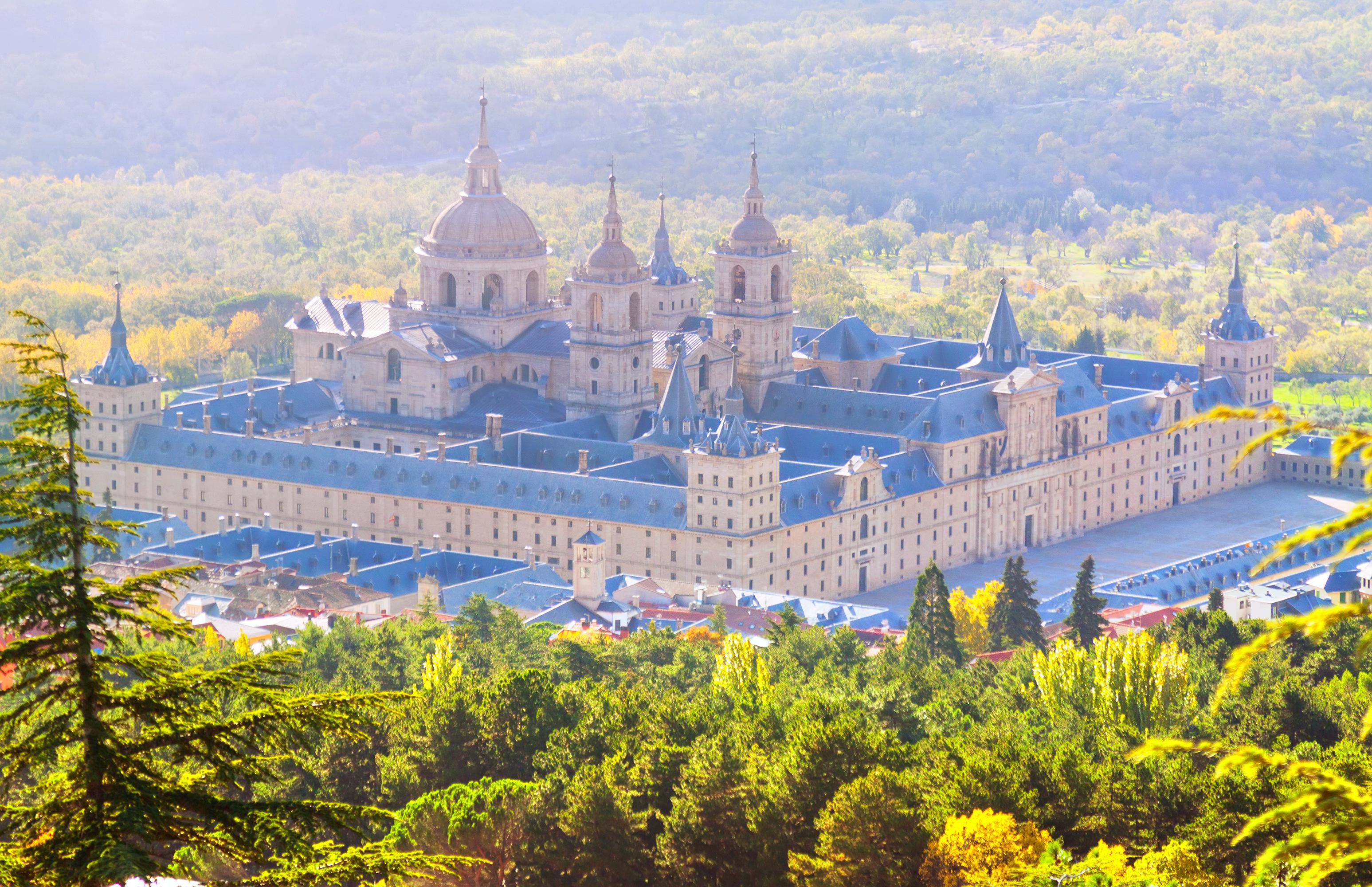
埃斯科里亚尔修道院全称“埃斯科里亚尔圣洛伦索王家修道院”,位于西班牙马德里市西北约50公里处的瓜达拉马山南坡。是世界上最大最美的宗教建筑之一。该 建筑名为修道院,实为修道院、宫殿、陵墓、教堂、图书馆、慈善堂、神学院、学校八位一体的庞大建筑群,气势磅礴,雄伟壮观,并珍藏欧洲各艺术大师的名作, 有“世界第八大奇迹”之称。
埃斯科里亚尔的外观过于庄严肃穆,朴实无华,就像它的总设计师腓力二世一样缺乏情趣。这里集合着王宫、教堂、墓地、图书馆等重要建筑。当同年代的中国明朝万历皇帝在骄奢淫逸时,西班牙的宫廷却像灰暗的“僧侣们的花园”。(Quelle: www.tripdv.com/view/v/zl_34510.html)
埃斯科里亚尔修道院(西班牙语:Monasterio de El Escorial,全称El Real Sitio de San Lorenzo de El Escorial“埃斯科里亚尔圣洛伦索王家修道院”),位于西班牙马德里市西北约50公里处的瓜达拉马山南坡。该建筑名为修道院,实为修道院、宫殿、陵墓、教堂、图书馆、慈善堂、神学院、学校八位一体的庞大建筑群,气势磅礴,雄伟壮观,并珍藏欧洲各艺术大师的名作,有“世界第八大奇迹”之称。
Der Real Sitio de San Lorenzo de El Escorial (Königlicher Sitz Sankt Laurentius von El Escorial) ist eine Schloss- und Klosteranlage, die in den Jahren 1563 bis 1584 auf Initiative des Königs Philipp II. von Spanien nach Plänen von Juan Bautista de Toledo und unter langjähriger Bauleitung von Juan de Herrera in der spanischen Ortschaft San Lorenzo de El Escorial in der Region Madrid errichtet wurde. Die Entfernung zur spanischen Hauptstadt beträgt etwa 45 Kilometer. Die Klosterburg ist der größte Renaissancebau der Welt.
王立サン・ロレンソ・デ・エル・エスコリアル修道院(おうりつサン・ロレンソ・デ・エル・エスコリアルしゅうどういん、Monasterio de El Escorial)はスペイン、マドリッド郊外のサン・ロレンソ・デ・エル・エスコリアルにある広大な宮殿、修道院、博物館にして図書館の複合施設である。サン・ロレンソ・デ・エル・エスコリアルはマドリッドの北西45kmに位置する町(マドリッド県) である[1]。
The Royal Site of San Lorenzo de El Escorial (Spanish: Monasterio y Sitio de El Escorial en Madrid), commonly known as El Escorial (Spanish pronunciation: [el eskoˈɾi̯al]), is a historical residence of the King of Spain, in the town of San Lorenzo de El Escorial, about 45 kilometres (28 miles) northwest of the capital, Madrid, in Spain. It is one of the Spanish royal sites and has functioned as a monastery, basilica, royal palace, pantheon, library, museum, university, school and hospital. It is situated 2.06 km (1.28 mi) up the valley (4.1 km [2.5 mi] road distance) from the town of El Escorial.
El Escorial comprises two architectural complexes of great historical and cultural significance: the royal monastery itself and La Granjilla de La Fresneda, a royal hunting lodge and monastic retreat about five kilometres away. These sites have a dual nature; that is to say, during the 16th and 17th centuries, they were places in which the power of the Spanish monarchy and the ecclesiastical predominance of the Roman Catholic religion in Spain found a common architectural manifestation.[1] El Escorial was, at once, a monastery and a Spanish royal palace. Originally a property of the Hieronymite monks, it is now a monastery of the Order of Saint Augustine. It is also a boarding school (Real Colegio de Alfonso XII).[2]
Philip II of Spain, reacting to the changes of the 16th century, dedicated much of his lengthy reign (1556–1598) and much of his seemingly inexhaustible supply of New World gold to stemming the tide. His protracted efforts were, in the long run, partly successful; however, the same impulse had a much more benign expression thirty years earlier in Philip's decision to build the complex at El Escorial.
Philip engaged the Spanish architect, Juan Bautista de Toledo, to be his collaborator in the design of El Escorial. Juan Bautista had spent the greater part of his career in Rome, where he had worked on the basilica of St. Peter's, and in Naples, where he had served the king's viceroy, whose recommendation brought him to the king's attention. Philip appointed him architect-royal in 1559, and together they designed El Escorial as a monument to Spain's role as a center of the Christian world.[3]
On 2 November 1984, UNESCO declared The Royal Seat of San Lorenzo of El Escorial a World Heritage Site. It is a popular tourist attraction, often visited by day-trippers from Madrid – more than 500,000 visitors come to El Escorial every year.
Le site royal de Saint-Laurent-de-l'Escurial (en castillan : Real Sitio de San Lorenzo de El Escorial) est un grand complexe (monastère, musée, collège bibliothèque, et palais) qui se trouve sur le territoire de la commune de San Lorenzo de El Escorial, située à 45 kilomètres au nord-ouest de Madrid, dans la Communauté autonome de Madrid (Espagne). C'est une ancienne résidence du roi d'Espagne. La Bibliothèque sera la source de tensions diplomatique entre l'Espagne et le Maroc, après que la précieuse collection du Sultan du Maroc Zaidan El-Nasir a été capturée par des vaisseaux espagnols au large du Maroc, elle sera offerte au roi Philippe II qui, sans doute, connaissait l'importance d'un tel trésor et qui l’incorporera dans la bibliothèque de l'Escurial, mais une grande partie de la collection est perdue après l'incendie de 16711.
Le site royal de Saint-Laurent-de-l'Escurial a été inscrit sur la liste du patrimoine mondial de l'Unesco en 1984.
Il monastero dell'Escorial, anche detto di San Lorenzo del Escorial, si trova in Spagna, nella comunità autonoma di Madrid, nel comune di San Lorenzo de El Escorial. Fu fatto costruire da Filippo II come residenza e pantheon dei re di Spagna, fu anche convento e chiesa dal 1563 al 1584. Nel 1984 è stato dichiarato Patrimonio dell'Umanità dell'UNESCO.
El Real Monasterio de San Lorenzo de El Escorial es un complejo que incluye un palacio real, una basílica, un panteón, una biblioteca , un colegio y un monasterio. Se encuentra en la localidad española de San Lorenzo de El Escorial, en la Comunidad de Madrid, y fue construido entre 1563 y 1584.
El palacio fue residencia de la Familia Real Española, la basílica es lugar de sepultura de los reyes de España y el monasterio –fundado por monjes de la Orden de San Jerónimo– está ocupado actualmente por frailes de la Orden de San Agustín. Es una de las más singulares arquitecturas renacentistas de España y de Europa. Situado en San Lorenzo de El Escorial, ocupa una superficie de 33.327 m², sobre la ladera meridional del monte Abantos, a 1028 m de altitud, en la Sierra de Guadarrama. Está gestionado por Patrimonio Nacional.
Conocido también como Monasterio de San Lorenzo El Real, o, sencillamente, El Escorial, fue ideado en la segunda mitad del siglo XVI por el rey Felipe II y su arquitecto Juan Bautista de Toledo, aunque posteriormente intervinieron Juan de Herrera, Juan de Minjares, Giovanni Battista Castello El Bergamasco y Francisco de Mora. El rey concibió un gran complejo multifuncional, monacal y palaciego que, plasmado por Juan Bautista de Toledo según el paradigma de la Traza Universal, dio origen al estilo herreriano.
Fue considerado, desde finales del siglo XVI, la Octava Maravilla del Mundo, tanto por su tamaño y complejidad funcional como por su enorme valor simbólico. Su arquitectura marcó el paso del plateresco renacentista al clasicismo desornamentado. Obra ingente, de gran monumentalidad, es también un receptáculo de las demás artes.
Sus pinturas, esculturas, cantorales, pergaminos, ornamentos litúrgicos y demás objetos suntuarios, sacros y áulicos hacen que El Escorial sea también un museo. Su compleja iconografía e iconología ha merecido las más variadas interpretaciones de historiadores, admiradores y críticos. El Escorial es la cristalización de las ideas y de la voluntad de su impulsor, el rey Felipe II, un príncipe renacentista.
 Motorsport
Ägypten
Algerien
Andalucía
Argentinien
Motorsport
Ägypten
Algerien
Andalucía
Argentinien
 Automobil
PEUGEOT
Automobil
MINI
Automobil
Volkeswagen
Automobil
Kamaz
Automobil
IVECO
Automobil
Mitsubishi
Automobil
MAN
Automobil
Tatra
Automobil
Hino
Automobil
Citroën
Automobil
Porsche
Automobil
DAF
Automobil
Mercedes
Automobil
Renault
Automobil
Land Rover
Automobil
Automobil
PEUGEOT
Automobil
MINI
Automobil
Volkeswagen
Automobil
Kamaz
Automobil
IVECO
Automobil
Mitsubishi
Automobil
MAN
Automobil
Tatra
Automobil
Hino
Automobil
Citroën
Automobil
Porsche
Automobil
DAF
Automobil
Mercedes
Automobil
Renault
Automobil
Land Rover
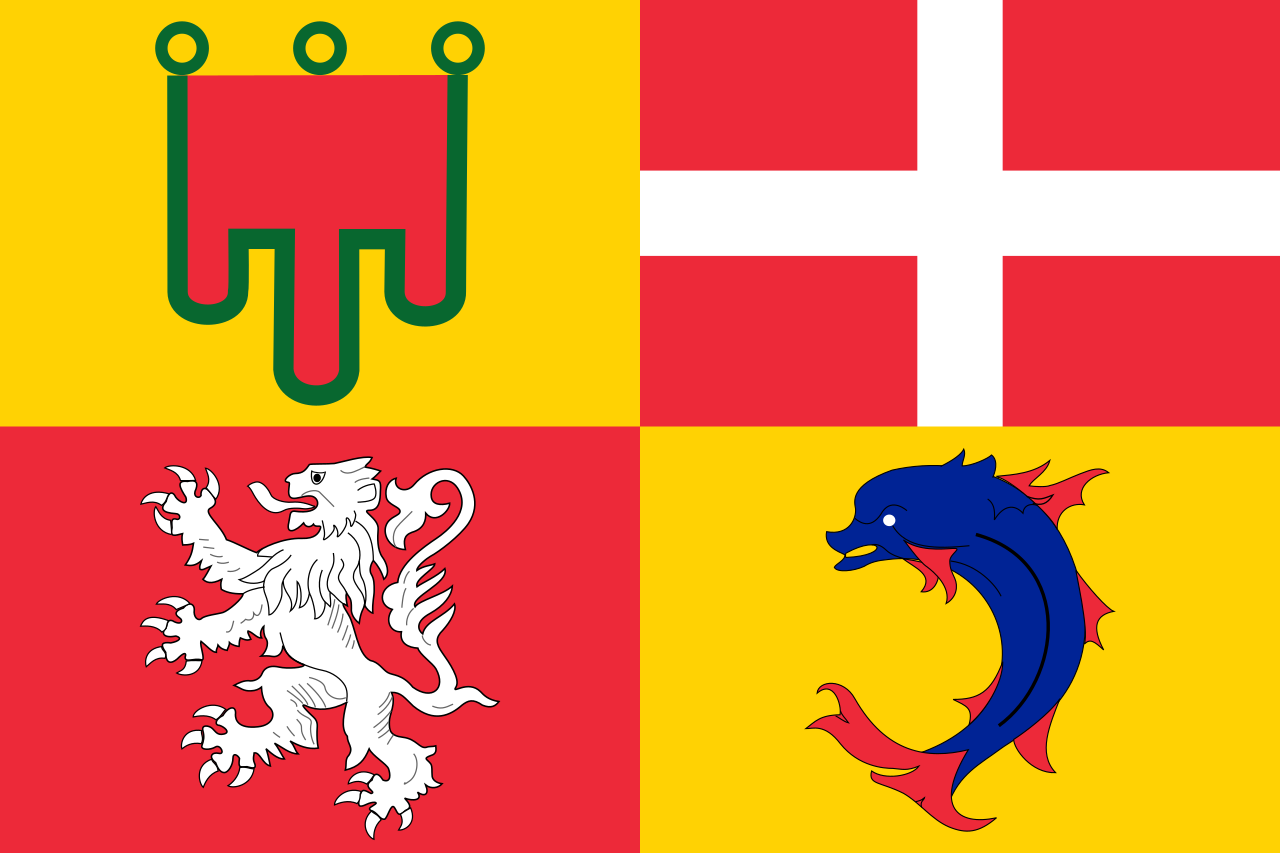 Auvergne-Rhône-Alpes
Bolivien
Auvergne-Rhône-Alpes
Bolivien
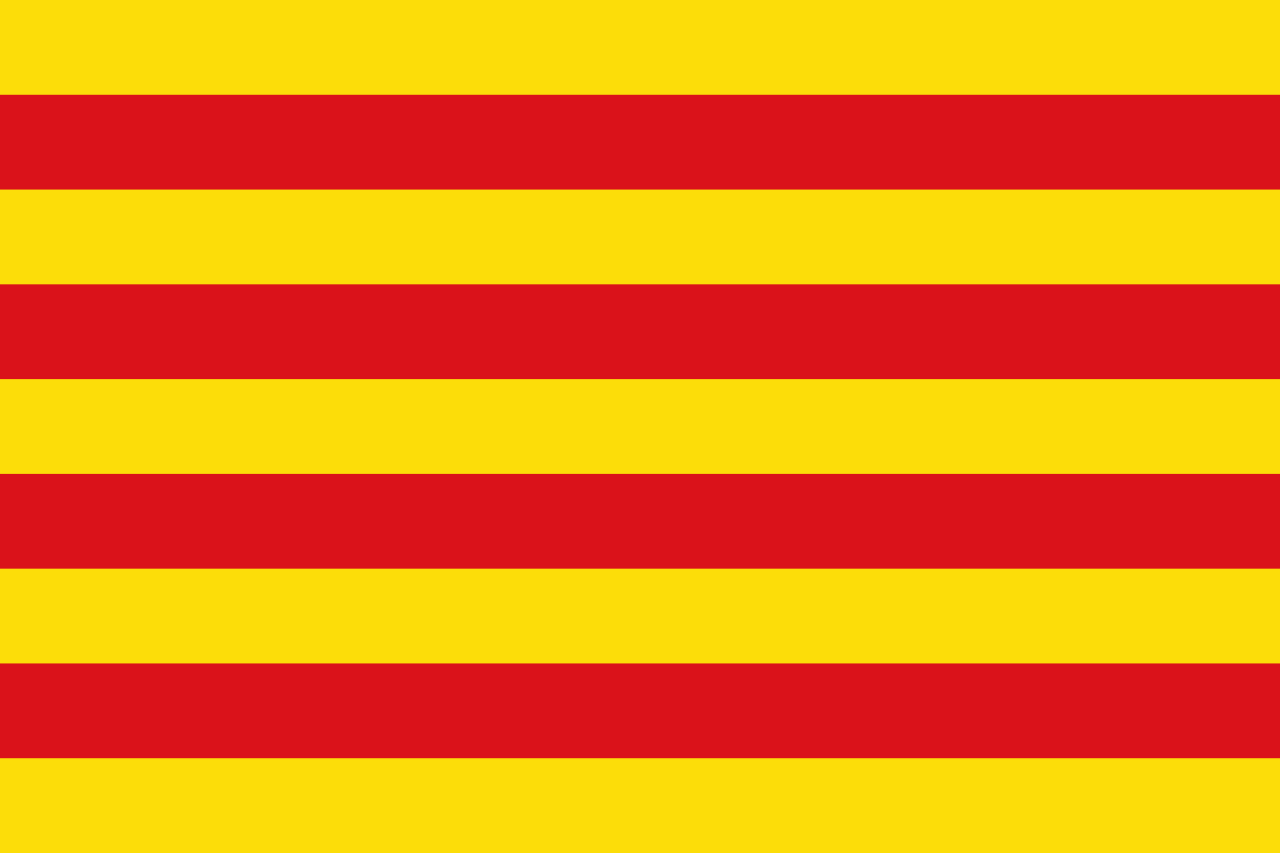 Cataluña
Chile
Frankreich
Cataluña
Chile
Frankreich
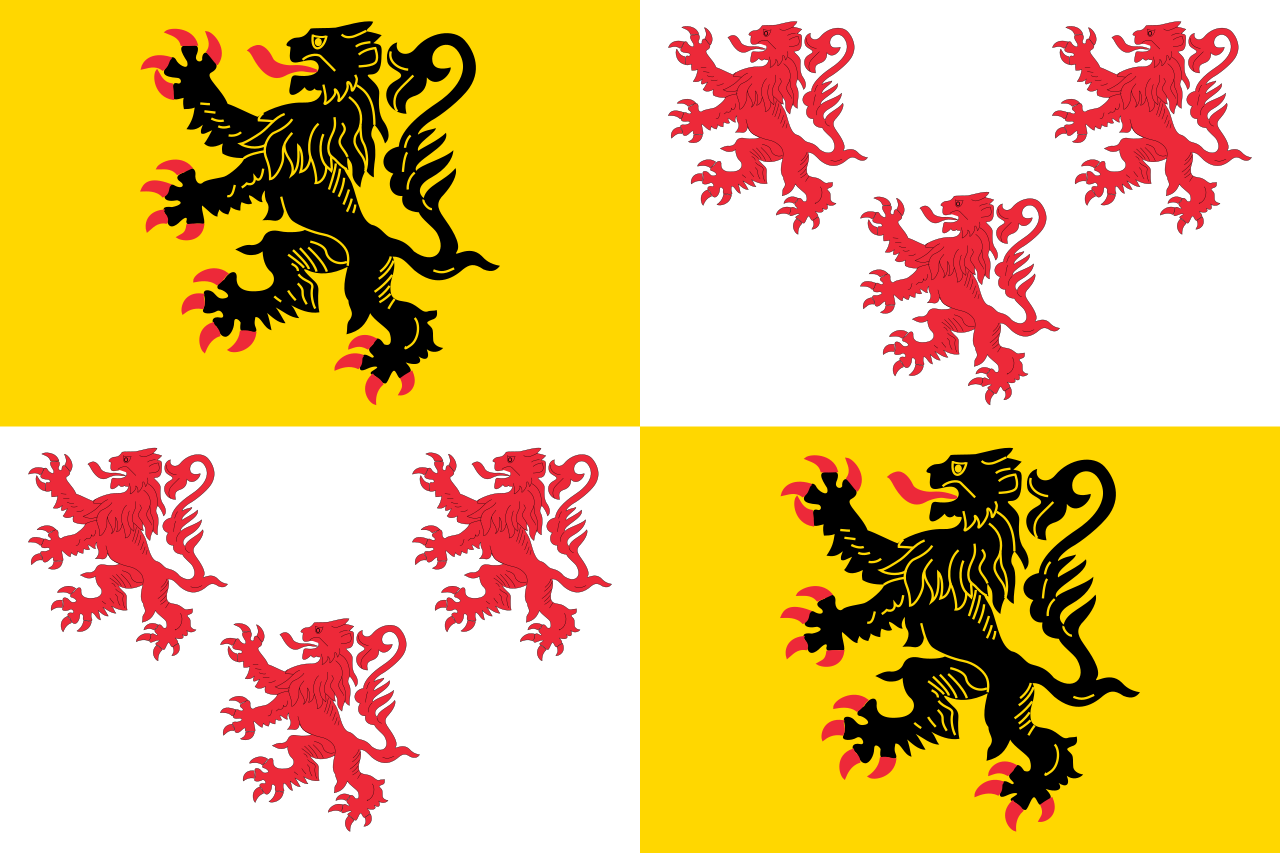 Hauts-de-France
Ile-de-France
Libyen
Madrid
Niger
Portugal
Provence-Alpes-Côte d´Azur
Senegal
Spanien
Hauts-de-France
Ile-de-France
Libyen
Madrid
Niger
Portugal
Provence-Alpes-Côte d´Azur
Senegal
Spanien
 Sport
Südafrika
Tunesien
Sport
Südafrika
Tunesien

Die Rallye Dakar (früherer Name Rallye Paris–Dakar) ist ein Rallye-Raid-Wettbewerb, der als die bedeutendste Langstrecken- und Wüstenrallye der Welt gilt. Sie wurde von 1978 bis 2007 einmal jährlich hauptsächlich auf dem afrikanischen Kontinent ausgetragen. Im Jahr 2008 wurde die Rallye Dakar aufgrund einer Terrordrohung abgesagt. Seit 2009 findet sie aus Sicherheitsgründen auf dem südamerikanischen Kontinent statt.
2016 fand die 38. Auflage vom 2. bis 16. Januar in Argentinien und Bolivien statt. Neben einem Prolog von Buenos Aires nach Rosario wurden 13 Etappen und 9246 km Strecke gefahren, 4792 km flossen in die Wertung ein. Aufgrund des Naturphänomens El Niño verzichtete man auf Strecken in Peru.[1]
Die Sieger und Strecken der Rallye Dakar seit 1979
| Jahr | Autos | Motorräder | Trucks | Quads | UTVs | Strecke | |||||
|---|---|---|---|---|---|---|---|---|---|---|---|
| Fahrer | Marke | Fahrer | Marke | Fahrer | Marke | Fahrer | Marke | Fahrer | Marke | ||
| 1979 |  Alain Génestier Alain Génestier |
Range Rover | Cyril Neveu |
Yamaha | – | – | – | – | – | – | Paris–Algier–Dakar |
| 1980 |  Freddy Kottulinsky Freddy Kottulinsky |
Volkswagen | Cyril Neveu |
Yamaha |  Miloud Ataouat Miloud Ataouat |
Sonacome | – | – | – | – | Paris–Algier–Dakar |
| 1981 | René Metge |
Range Rover | Hubert Auriol |
BMW | Adrien Villette |
ALM/ACMAT | – | – | – | – | Paris–Algier–Dakar |
| 1982 | Claude Marreau |
Renault | Cyril Neveu |
Honda | Georges Groine |
Mercedes-Benz | – | – | – | – | Paris–Algier–Dakar |
| 1983 |  Jacky Ickx Jacky Ickx |
Mercedes-Benz | Hubert Auriol |
BMW | Georges Groine |
Mercedes-Benz | – | – | – | – | Paris–Algier–Dakar |
| 1984 | René Metge |
Porsche | Gaston Rahier |
BMW | Pierre Laleu |
Mercedes-Benz | – | – | – | – | Paris–Algier–Dakar |
| 1985 | Patrick Zaniroli |
Mitsubishi | Gaston Rahier |
BMW |  Karl-Friedrich Capito Karl-Friedrich Capito |
Mercedes-Benz | – | – | – | – | Paris–Algier–Dakar |
| 1986 | René Metge |
Porsche | Cyril Neveu |
Honda |  Giacomo Vismara Giacomo Vismara |
Mercedes-Benz | – | – | – | – | Paris–Algier–Dakar |
| 1987 |  Ari Vatanen Ari Vatanen |
Peugeot | Cyril Neveu |
Honda |  Jan de Rooy Jan de Rooy |
DAF | – | – | – | – | Paris–Algier–Dakar |
| 1988 | Juha Kankkunen |
Peugeot | Edi Orioli |
Honda |  Karel Loprais Karel Loprais |
Tatra | – | – | – | – | Paris–Algier–Dakar |
| 1989 | Ari Vatanen |
Peugeot | Gilles Lalay |
Honda | – | – | – | – | – | – | Paris–Tunis–Dakar |
| 1990 | Ari Vatanen |
Peugeot | Edi Orioli |
Cagiva | Giorgio Villa |
Perlini | – | – | – | – | Paris–Tripolis–Dakar |
| 1991 | Ari Vatanen |
Citroën | Stéphane Peterhansel |
Yamaha | Jacques Houssat |
Perlini | – | – | – | – | Paris–Tripolis–Dakar |
| 1992 | Hubert Auriol |
Mitsubishi | Stéphane Peterhansel |
Yamaha | Francesco Perlini |
Perlini | – | – | – | – | Paris–Sirt–Kapstadt |
| 1993 | Bruno Saby |
Mitsubishi | Stéphane Peterhansel |
Yamaha | Francesco Perlini |
Perlini | – | – | – | – | Paris–Tanger–Dakar |
| 1994 | Pierre Lartigue |
Citroën | Edi Orioli |
Cagiva | Karel Loprais |
Tatra | – | – | – | – | Paris–Dakar–Paris |
| 1995 | Pierre Lartigue |
Citroën | Stéphane Peterhansel |
Yamaha | Karel Loprais |
Tatra | – | – | – | – | Granada–Dakar |
| 1996 | Pierre Lartigue |
Citroën | Edi Orioli |
Yamaha |  Wiktor Moskowskich Wiktor Moskowskich |
KAMAZ | – | – | – | – | Granada–Dakar |
| 1997 |  Kenjirō Shinozuka Kenjirō Shinozuka |
Mitsubishi | Stéphane Peterhansel |
Yamaha |  Peter Reif Peter Reif |
Hino | – | – | – | – | Dakar–Agadez–Dakar |
| 1998 | Jean-Pierre Fontenay |
Mitsubishi | Stéphane Peterhansel |
Yamaha | Karel Loprais |
Tatra | – | – | – | – | Paris–Granada–Dakar |
| 1999 | Jean-Louis Schlesser |
Schlesser Buggy | Richard Sainct |
BMW | Karel Loprais |
Tatra | – | – | – | – | Granada–Dakar |
| 2000 | Jean-Louis Schlesser |
Schlesser Buggy | Richard Sainct |
BMW | Wladimir Tschagin |
KAMAZ | – | – | – | – | Dakar–Kairo |
| 2001 | Jutta Kleinschmidt |
Mitsubishi | Fabrizio Meoni |
KTM | Karel Loprais |
Tatra | – | – | – | – | Paris–Dakar |
| 2002 | Hiroshi Masuoka |
Mitsubishi | Fabrizio Meoni |
KTM | Wladimir Tschagin |
KAMAZ | – | – | – | – | Arras–Madrid–Dakar |
| 2003 | Hiroshi Masuoka |
Mitsubishi | Richard Sainct |
KTM | Wladimir Tschagin |
KAMAZ | – | – | – | – | Marseille–Scharm El-Scheich |
| 2004 | Stéphane Peterhansel |
Mitsubishi |  Nani Roma Nani Roma |
KTM | Wladimir Tschagin |
KAMAZ | – | – | – | – | Clermont-Ferrand–Dakar |
| 2005 | Stéphane Peterhansel |
Mitsubishi | Cyril Despres |
KTM | Firdaus Kabirow |
KAMAZ | – | – | – | – | Barcelona–Dakar |
| 2006 | Luc Alphand |
Mitsubishi | Marc Coma |
KTM | Wladimir Tschagin |
KAMAZ | – | – | – | – | Lissabon–Dakar |
| 2007 | Stéphane Peterhansel |
Mitsubishi | Cyril Despres |
KTM | Hans Stacey |
MAN | – | – | – | – | Lissabon–Dakar |
| 2008 | Am 4. Januar 2008, einen Tag vor dem geplanten Start, aus Sicherheitsgründen abgesagt.[17] Ersatzveranstaltung war die Mitteleuropa-Rallye. | Ursprünglich geplante Route: Lissabon–Dakar | |||||||||
| 2009 |  Giniel de Villiers Giniel de Villiers |
Volkswagen | Marc Coma |
KTM | Firdaus Kabirow |
KAMAZ | Josef Macháček |
Yamaha | – | – | Buenos Aires–Valparaíso–Buenos Aires |
| 2010 | Carlos Sainz senior |
Volkswagen | Cyril Despres |
KTM | Wladimir Tschagin |
KAMAZ |  Marcos Patronelli Marcos Patronelli |
Yamaha | – | – | Buenos Aires-Antofagasta–Buenos Aires |
| 2011 |  Nasser Al-Attiyah Nasser Al-Attiyah |
Volkswagen | Marc Coma |
KTM | Wladimir Tschagin |
KAMAZ | Alejandro Patronelli |
Yamaha | – | – | Buenos Aires–Arica–Buenos Aires |
| 2012 | Stéphane Peterhansel |
Mini | Cyril Despres |
KTM | Gerard de Rooy |
Iveco | Alejandro Patronelli |
Yamaha | – | – | Mar del Plata–Lima |
| 2013 | Stéphane Peterhansel |
Mini | Cyril Despres |
KTM | Eduard Nikolajew |
KAMAZ | Marcos Patronelli |
Yamaha | – | – | Lima–Santiago de Chile |
| 2014 | Nani Roma |
Mini | Marc Coma |
KTM | Andrei Karginow |
KAMAZ |  Ignacio Casale Ignacio Casale |
Yamaha | – | – | Rosario–Valparaíso |
| 2015 | Nasser Al-Attiyah |
Mini | Marc Coma |
KTM | Airat Mardejew |
KAMAZ |  Rafał Sonik Rafał Sonik |
Yamaha | – | – | Buenos Aires–Iquique–Buenos Aires |
| 2016 | Stéphane Peterhansel |
Peugeot |  Toby Price Toby Price |
KTM | Gerard de Rooy |
Iveco | Marcos Patronelli |
Yamaha | – | – | Buenos Aires–Rosario |
| 2017 | Stéphane Peterhansel |
Peugeot |  Sam Sunderland Sam Sunderland |
KTM | Eduard Nikolajew |
KAMAZ | Sergei Karjakin |
Yamaha |  Leandro Torres Leandro Torres |
Polaris | Asunción–Rio Cuarto–Buenos Aires |
| 2018 | Carlos Sainz senior |
Peugeot | Matthias Walkner |
KTM | Eduard Nikolajew |
KAMAZ | Ignacio Casale |
Yamaha | Reinaldo Varela |
Can-Am | Lima–La Paz–Córdoba |
| 2019 | Nasser Al-Attiyah |
Toyota | Toby Price |
KTM | Eduard Nikolajew |
KAMAZ | Nicolás Cavigliasso |
Yamaha | Francisco López Contardo |
Can-Am | Lima–Arequipa–Lima |
| 2020 | Carlos Sainz senior |
Mini |  Ricky Brabec Ricky Brabec |
Honda | Andrei Karginow |
KAMAZ | Ignacio Casale |
Yamaha | Casey Currie |
Can-Am | Dschidda–Quiddiya |
| 2021 | Stéphane Peterhansel |
Mini | Kevin Benavides |
Honda | Dmitri Sotnikow |
KAMAZ | Manuel Andújar |
Yamaha | Francisco López Contardo |
Can-Am | Dschidda–Dschidda |
| 2022 | Nasser Al-Attiyah |
Toyota | Sam Sunderland |
GasGas | Dmitri Sotnikow |
KAMAZ | Alexandre Giroud |
Yamaha | Austin Jones |
Can-Am | Dschidda–Dschidda |
| 2023 | Nasser Al-Attiyah |
Toyota | Kevin Benavides |
KTM | Janus van Kasteren |
Iveco | Alexandre Giroud |
Yamaha | Austin Jones |
Can-Am | Dschidda–Dammam |
| 2024 | Carlos Sainz senior |
Audi | Ricky Brabec |
Honda | Martin Macík |
Iveco | Manuel Andújar |
Yamaha | Xavier de Soultrait |
Polaris | al-ʿUla-Yanbu |
| 2025 |  Yazeed Al-Rajhi Yazeed Al-Rajhi |
Toyota | Daniel Sanders |
KTM | Martin Macík |
Iveco | – | – | Brock Heger |
Polaris | Bischa-Schaiba |
Konstrukteurssiege
Autos
| Siege | Konstrukteur | Jahr(e) |
|---|---|---|
| 12 | Mitsubishi |
1985, 1992, 1993, 1997, 1998, 2001–2007 |
| 7 | Peugeot |
1987–1990, 2016–2018 |
| 6 | Mini |
2012–2015, 2020–2021 |
| 4 | Citroën |
1991, 1994–1996 |
| Volkswagen |
1980, 2009–2011 | |
| Toyota |
2019, 2022, 2023, 2025 | |
| 3 | Renault |
1982, 1999, 2000 |
| 2 | Land Rover |
1979, 1981 |
| Porsche |
1984, 1986 | |
| 1 | Audi |
2024 |
| Mercedes-Benz |
1983 |
Motorräder
| Siege | Konstrukteur | Jahr(e) |
|---|---|---|
| 20 | KTM |
2001–2007, 2009–2019, 2023, 2025 |
| 9 | Yamaha |
1979, 1980, 1991–1993, 1995–1998 |
| 8 | Honda |
1982, 1986–1989, 2020–2021, 2024 |
| 6 | BMW |
1981, 1983–1985, 1999, 2000 |
| 2 | Cagiva |
1990, 1994 |
| 1 | GasGas |
2022 |
Trucks
| Siege | Konstrukteur | Jahr(e) |
|---|---|---|
| 19 | KAMAZ |
1996, 2000, 2002–2006, 2009–2011, 2013–2015, 2017–2022 |
| 6 | Tatra |
1988, 1994, 1995, 1998, 1999, 2001 |
| 5 | Mercedes-Benz |
1982–1986 |
| Iveco |
2012, 2016, 2023–2025 | |
| 4 | Perlini |
1990–1993 |
| 1 | Sonacome |
1980 |
| ACMAT |
1981 | |
| DAF |
1987 | |
| Hino |
1997 | |
| MAN |
2007 |
Quads
| Siege | Konstrukteur | Jahr(e) |
|---|---|---|
| 16 | Yamaha |
2009–2024 |
Side-by-Sides
| Siege | Konstrukteur | Jahr(e) |
|---|---|---|
| 6 |  Can-Am Can-Am |
2018–2023 |
| 3 | Polaris |
2017, 2024, 2025 |
 Geographie
*Lebenswerteste Städte der Welt
Geschichte
Geographie
Geographie
*Lebenswerteste Städte der Welt
Geschichte
 Internationale Städte
*Kulturhauptstadt Europas
League of Legends
League of Legends
League of Legends World Championship
Madrid
Madrid
Spanien
Internationale Städte
*Kulturhauptstadt Europas
League of Legends
League of Legends
League of Legends World Championship
Madrid
Madrid
Spanien
 Weltkulturerbe
西班牙首都,第一大城市,全国经济、交通中心,马德里省首府。市区面积607平方千米,人口约310.1万,包括郊区和卫星城镇在内,面积 1020 平方千米,人口约 468.7 万。位于伊比利亚半岛梅塞塔高原中部,瓜达拉马山脉东南麓的山间高原盆地中,海拔 670 米,为欧洲地势最高的首都。地形闭塞 ,气候大陆性显著 ,降水少,气温年差较大。1月平均气温4.8℃,7月25℃,年降水量425毫米。
西班牙首都马德里(Madrid)是欧洲著名的历史古城。位于伊比利亚半岛中心,地处梅塞塔高原,海拔670米,是欧洲地势最高的首都。有人口301. 6万人(2002年)。
十一世纪前它是摩尔人的要塞,古称“马吉利特”。1561年西班牙国王菲利普二世迁都于此。十九世纪时发展为大城市。1936年至1939年西班牙内战时,曾在此进行著名的马德里保卫战。
马德里市内文物荟萃,有许多名胜古迹和世界闻名的绘画展览馆──普拉多博馆等。
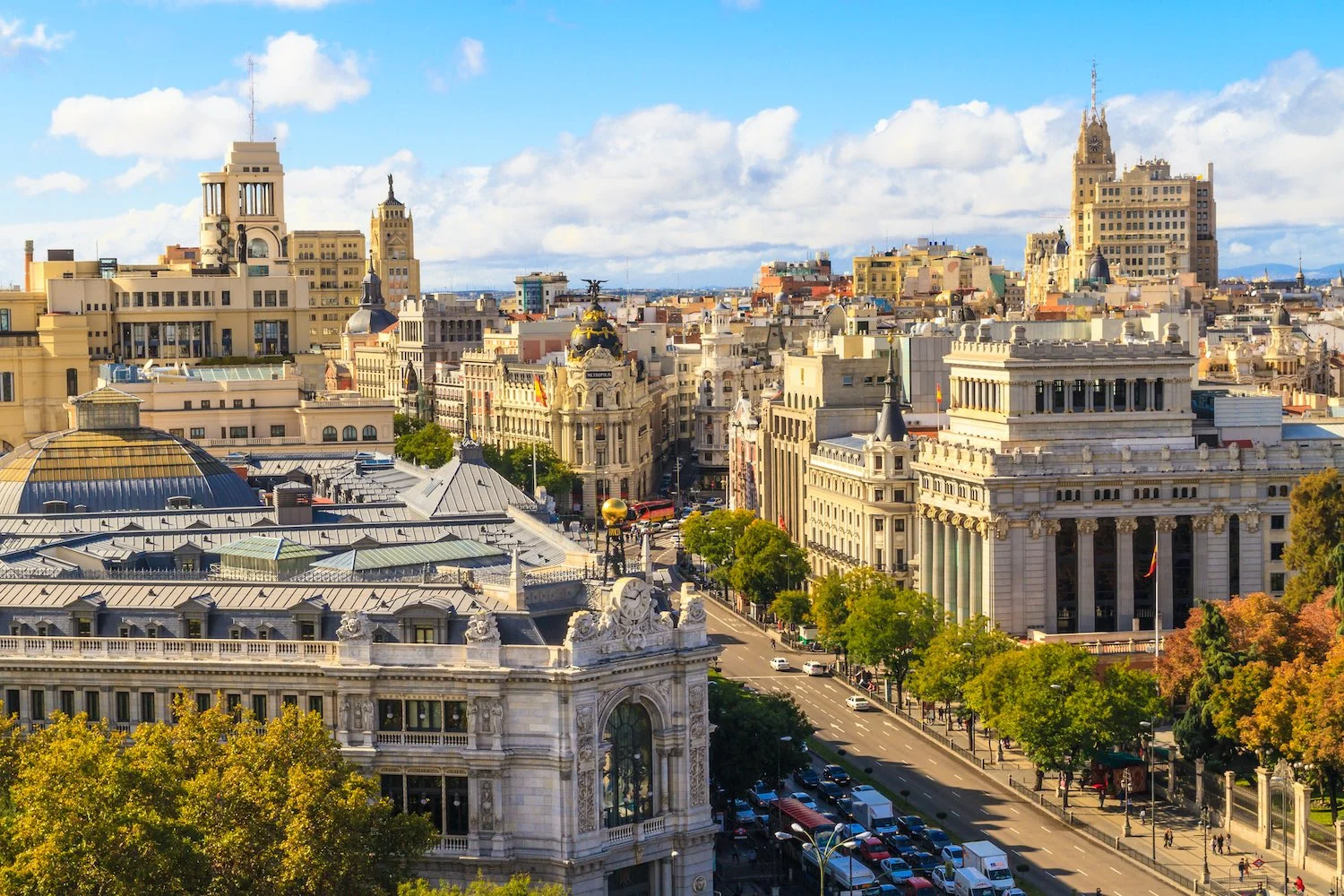
市 内现代化的高楼大厦与风格迥异的古建筑摩肩并立、相映生辉。树林、草坪和各种造型别致的喷泉和雕有古代小亚细亚人尊崇的自然女神尼贝莱塑像喷泉最吸人入 胜。宏伟的阿尔卡拉门座落在阿尔卡拉街头的独立广场上,共有5道拱门,是马德里著名的古建筑之一。财政部、教育部和西班牙的主要银行座落在阿尔卡拉大街两 侧,建于1752年的王家美术学院收藏着牟利罗和戈雅等西班牙美术大师的名作。巍峨的塞万提斯纪念碑耸立在西班牙广场上,碑前有堂吉诃德和桑科·潘扎的塑 像,巨大的碑身倒映在前面的水池之中,碑两侧是葱郁的树木;有“马德里塔”之称的西班牙摩天大厦位于广场一侧。
(Quelle:http://madeli.yiji.com/postdetail_619481.html)
马德里(西班牙语:Madrid,西班牙语发音:[maˈðɾið] (ⓘ))是西班牙首都及最大都市,也是马德里自治区首府,其位置处于西班牙国土中部,曼萨纳雷斯河贯穿市区。市内人口约340万,都会区人口则约627.1万(2010年),均占西班牙首位。其建城于9世纪,是在摩尔人边贸站“马格立特”旧址上发展起来的城市;1561年,西班牙国王腓力二世将首都从托莱多迁入于此[注 1],由于其特殊的地位而得到迅速的发展,成为往后西班牙殖民帝国的运筹中心[8],现今则与巴塞罗那并列为西班牙的两大对外文化窗口。
马德里和其近郊组成的马德里大都市区为欧盟第三大城市经济体,仅次于巴黎和米兰。马德里拥有2个世界著名的足球俱乐部,皇家马德里和马德里竞技。同时,在生活水平、经济产出和市场规模方面,马德里是南欧[9][10]和伊比利亚半岛最重要的国际金融中心,同时也是欧洲和拉丁美洲之间的主要贸易通道。[11]绝大多数西班牙国内企业的总部均设在马德里,如西班牙电信、国际航空集团和西班牙国家石油公司等。一些研究机构,如西班牙皇家语言学院和薛万提斯学院;一些国际组织,如联合国下属的世界旅游组织(UNWTO)和伊比利亚美洲国家组织(OEI)等,也将总部设于马德里。
近年,各种文化活动在马德里开展。主要有西班牙国际旅游交易会(FITUR)[12],艺术博览会(ARCO)[13],马德里电脑展(SIMO TCI)[14]和马德里时装周。[15]
由于在政治、教育、娱乐、环境、大众媒体、时装、科学、文化和艺术所占据的重要地位,马德里被列为国际大都市之一。[16][17]根据Monocle杂志2017年的指数排名,马德里入选世界最佳宜居城市第10位。[18][19]
马德里是西班牙旅游人数第二多的城市,仅次于巴塞罗那。[20]虽然它拥有现代化的基础设施,但它仍完好地保留了许多历史建筑。西贝莱斯广场和喷泉已成为马德里的标志性象征。
Madrid (deutsch [maˈdʁɪt], spanisch [maˈðɾið]) ist die Hauptstadt Spaniens und der Autonomen Gemeinschaft Madrid. Die Metropolregion Madrid zählt mit etwa sieben Millionen Einwohnern zu den größten Metropolen Europas. Madrid ist (ohne Vororte) mit rund 3,2 Millionen Einwohnern nach London und Berlin die drittgrößte Stadt der Europäischen Union und die größte Stadt Südeuropas.
Madrid ist seit Jahrhunderten der geographische, politische und kulturelle Mittelpunkt Spaniens (siehe Kastilien) und der Sitz der spanischen Regierung. Hier residieren auch der König, ein katholischer Erzbischof sowie wichtige Verwaltungs- und Militärbehörden. Als Handels- und Finanzzentrum hat die Stadt nationale und internationale Bedeutung. In Madrid befinden sich sechs öffentliche Universitäten sowie verschiedene andere Hochschulen, Theater, Museen und Kultureinrichtungen.
Die Einwohner Madrids nennt man „Madrilenen“ (span. madrileños) oder „Madrider“.
マドリード(Madrid)は、スペインの首都である。マドリード州の州都であり、マドリード州の唯一の県であるマドリード県の県都でもある。
人口は約325万人。2011年の都市圏人口は541万人であり、世界第57位、欧州では第5位である[5]。 紋章はイチゴノキとクマ。
スペイン中央部のメセタ地帯のマンサナーレス川沿いに広がる。近郊にはモストレス、アルカラ・デ・エナーレス、ヘタフェなどの都市があり、マドリード首都圏を形成している。
ヨーロッパ屈指の世界都市であり、アメリカのシンクタンクが2017年に発表した総合的な世界都市ランキングにおいて、世界15位の都市と評価された[6]。
Madrid (/məˈdrɪd/, Spanish: [maˈðɾið]) is the capital of Spain and the largest municipality in both the Community of Madrid and Spain as a whole. The city has almost 3.2 million[4] inhabitants and a metropolitan area population of approximately 6.5 million. It is the third-largest city in the European Union (EU), smaller than only London and Berlin, and its monocentric metropolitan area is the third-largest in the EU, smaller only than those of London and Paris.[5][6][7][8] The municipality covers 604.3 km2 (233.3 sq mi).[9]
Madrid lies on the River Manzanares in the centre of both the country and the Community of Madrid (which comprises the city of Madrid, its conurbation and extended suburbs and villages); this community is bordered by the autonomous communities of Castile and León and Castile-La Mancha. As the capital city of Spain, seat of government, and residence of the Spanish monarch, Madrid is also the political, economic and cultural centre of the country.[10] The current mayor is Manuela Carmena from the party Ahora Madrid.
The Madrid urban agglomeration has the third-largest GDP[11] in the European Union and its influences in politics, education, entertainment, environment, media, fashion, science, culture, and the arts all contribute to its status as one of the world's major global cities.[12][13] Madrid is home to two world-famous football clubs, Real Madrid and Atlético de Madrid. Due to its economic output, high standard of living, and market size, Madrid is considered the major financial centre of Southern Europe[14][15] and the Iberian Peninsula; it hosts the head offices of the vast majority of major Spanish companies, such as Telefónica, IAG or Repsol. Madrid is the 10th most liveable city in the world according to Monocle magazine, in its 2017 index.[16]
Madrid houses the headquarters of the World Tourism Organization (UNWTO), belonging to the United Nations Organization (UN), the Ibero-American General Secretariat (SEGIB), the Organization of Ibero-American States (OEI), and the Public Interest Oversight Board (PIOB). It also hosts major international regulators and promoters of the Spanish language: the Standing Committee of the Association of Spanish Language Academies, headquarters of the Royal Spanish Academy (RAE), the Cervantes Institute and the Foundation of Urgent Spanish (Fundéu BBVA). Madrid organises fairs such as FITUR,[17] ARCO,[18] SIMO TCI[19] and the Cibeles Madrid Fashion Week.[20]
While Madrid possesses modern infrastructure, it has preserved the look and feel of many of its historic neighbourhoods and streets. Its landmarks include the Royal Palace of Madrid; the Royal Theatre with its restored 1850 Opera House; the Buen Retiro Park, founded in 1631; the 19th-century National Library building (founded in 1712) containing some of Spain's historical archives; a large number of national museums,[21] and the Golden Triangle of Art, located along the Paseo del Prado and comprising three art museums: Prado Museum, the Reina Sofía Museum, a museum of modern art, and the Thyssen-Bornemisza Museum, which completes the shortcomings of the other two museums.[22] Cibeles Palace and Fountain have become one of the monument symbols of the city.[23][24] Madrid is the most visited city of Spain.[25]
Madrid (prononcé [ma.ˈdʁid] ; en espagnol [ma.ˈðɾið]) est la capitale et la plus grande ville de l'Espagne. Située en plein cœur du royaume, elle est également la capitale et la ville la plus peuplée de la Communauté de Madrid. En tant que capitale d'État, elle abrite la plupart des institutions politiques du pays, dont le Palais royal, le siège du gouvernement et le Parlement.
Comptant une population d'environ 3,2 millions d'habitants intra-muros sur une superficie totale de 604,3 km2, au sein d'une aire urbaine d'environ 6,5 millions d'habitants en 20141, en comptant sa population intra-muros Madrid est la troisième ville de l'Union européenne , derrière Londres et Berlin.
Ville globale, elle abrite le siège de nombreuses institutions, dont l'Organisation mondiale du tourisme, l'Organisation des États Ibéro-américains, l'Académie royale espagnole et l'Institut Cervantes. Considérée comme l'une des principales places financières de l'Europe du Sud, elle partage le statut de cœur économique de l'Espagne avec Barcelone. Elle accueille le siège social des plus grandes entreprises du pays, comme Telefónica, Repsol ou Iberia.
Les bâtiments d'architecture récente côtoient des constructions de style néo-classique, telles que la porte d'Alcalá, la place de Cybèle ou la cathédrale de l'Almudena. Ville d'art, ses trois principaux musées, le musée du Prado, le musée Reina Sofía et le musée Thyssen-Bornemisza, comptent parmi les plus visités au monde2. En outre, Madrid abrite deux des plus grands clubs de football au monde, le Real Madrid et l'Atlético de Madrid.
Madrid es un municipio y ciudad de España. La localidad, con categoría histórica de villa,9 es la capital del Estado10 y de la Comunidad de Madrid. Dentro del término municipal de Madrid, el más poblado de España, viven 3 182 981 personas empadronadas, según el INE de 2017. El área metropolitana de Madrid tiene una población de 6 543 031 habitantes,11 por lo que es la tercera o cuarta área metropolitana de la Unión Europea, según la fuente, por detrás de las de París y Londres, y en algunas fuentes detrás también de la Región del Ruhr, así como la tercera ciudad más poblada de la Unión Europea, por detrás de Berlín y Londres.12131415
La ciudad cuenta con un PIB nominal de 227 411 millones USD y un PIB per cápita nominal de 34 425 USD, lo que representa un PIB PPA per cápita de 40 720 USD,16 siendo la 1.ª área metropolitana española en actividad económica; y la décima de Europa por detrás de: Londres, París, Rin-Ruhr, Ámsterdam, Milán, Bruselas, Moscú, Fráncfort del Meno y Munich. Madrid es también la ciudad española con más pernoctaciones hoteleras.17
En calidad de capital de España, Madrid alberga las sedes del Gobierno de España y sus Ministerios, de las Cortes Generales (Congreso y Senado), del Tribunal Supremo y del Tribunal Constitucional, así como la residencia oficial de los reyes de España18 y del presidente del Gobierno. En el plano económico, es la cuarta ciudad más rica de Europa, tras Londres, París y Moscú.19 Para 2009, el 50,1 % de los ingresos de las 5000 principales empresas españolas son generados por sociedades con sede social en Madrid, que suponen un 31,8 % de ellas.20 Es sede del 3.ª mayor mercado de valores de Europa,21 y 2.ª en el ámbito iberoamericano (Latibex) y de varias de las más grandes corporaciones del mundo.2223 Es la 8.ª ciudad del mundo con mayor presencia de multinacionales, tras Pekín y por delante de Dubái, París y Nueva York.2425
En el plano internacional acoge la sede central de la Organización Mundial del Turismo (OMT), perteneciente a la ONU, la sede de la Organización Internacional de Comisiones de Valores (OICV), la sede de la Secretaría General Iberoamericana (SEGIB), la sede de la Organización de Estados Iberoamericanos para la Educación, la Ciencia y la Cultura (OEI), la Organización Iberoamericana de Juventud (OIJ), y la sede de Public Interest Oversight Board (PIOB).26 También alberga las principales instituciones internacionales reguladoras y difusoras del idioma español: la Comisión Permanente de la Asociación de Academias de la Lengua Española,27 y sedes centrales de la Real Academia Española (RAE), del Instituto Cervantes y de la Fundación del Español Urgente (Fundéu). Madrid organiza ferias como FITUR, Madrid Fusión, ARCO, SIMO TCI, el Salón del Automóvil y la Cibeles Madrid Fashion Week.
Es un influyente centro cultural y cuenta con museos de referencia internacional, entre los que destacan el Museo del Prado, el Museo Nacional Centro de Arte Reina Sofía, el Thyssen-Bornemisza y CaixaForum Madrid, que ocupan, respectivamente, el 12º, 18º, 67º y 80º puesto entre los museos más visitados del mundo.28
Los orígenes de la ciudad son objeto de revisión histórica tras recientes hallazgos de enterramientos visigodos así como de restos que se remontan a los carpetanos o periodo prerromano. Las excavaciones arqueológicas también arrojan restos que se atribuyen al Madrid romano. Estos hallazgos de época visigoda han venido a confirmar que el posterior asentamiento fortificado musulmán de Maǧrīţ (del siglo IX) se había asentado sobre un vicus visigodo del siglo VII llamado Matrice o matriz, arroyo (AFI [maʤriːtˁ]).2930
No sería hasta el siglo XI cuando Madrid fue incorporada a la Corona de Castilla, tras su conquista por Alfonso VI de León en 1083. Fue designada como sede de la Corte por el rey Felipe II en 1561, convirtiéndose en la primera capital permanente de la monarquía española. Desde el Renacimiento hasta la actualidad ha sido capital de España y sede del Gobierno y la administración del Estado salvo breves intervalos de tiempo: el primero de ellos entre los años de 1601 y 1606, cuando la capitalidad pasó a Valladolid; posteriormente, de 1729 a 1733, en el llamado lustro real, la corte se trasladó a Sevilla por decisión de Isabel de Farnesio, que buscaba cura para el estado depresivo de su esposo, el rey Felipe V;31 también durante la Guerra de la Independencia la Junta Suprema Central, opuesta a José Bonaparte, se estableció en Sevilla, en 1808, y en 1810, como Consejo de Regencia, en Cádiz; finalmente, durante la Guerra Civil, aunque Madrid no dejase de ser la capital de la República conforme al artículo 5º de la Constitución española de 1931, el Gobierno republicano se trasladó en noviembre de 1936 a Valencia y a Barcelona en noviembre del año siguiente, hasta la caída de Cataluña en febrero de 1939, cuando una parte del Gobierno encabezada por su presidente, Juan Negrín, se trasladó a Alicante. El Gobierno del bando sublevado, por su parte, se estableció en Burgos y, tras finalizar la guerra, se fijó allí la capital hasta el 18 de octubre de 1939 que se volvió a trasladar a Madrid.
Мадри́д (исп. Madrid [maˈðɾið]) — столица и крупнейший город Испании, а также административный центр одноимённых провинции и автономного сообщества. Муниципалитет находится в составе района (комарки) Ареа-Метрополитана. Крупнейший экономический, политический и культурный центр страны. Население города — 3,165 млн жителей (2016).
Город расположен в центральной части Пиренейского полуострова. Большой Мадрид представляет собой агломерацию площадью 1,2 тысячи км². Сам город располагается на территории площадью 607 км² и включает 21 административный округ[2]. Крупный транспортный узел (железные, скоростные шоссейные дороги, один из крупнейших в мире аэропортов).
Мадрид — влиятельный культурный центр, в котором расположено множество музеев международного масштаба, среди которых Музей Прадо, Центр искусств королевы Софии, Музей Тиссена-Борнемисы и Форум Мадрид, находящиеся в сотне самых посещаемых музеев в мире[3].
Andalucía
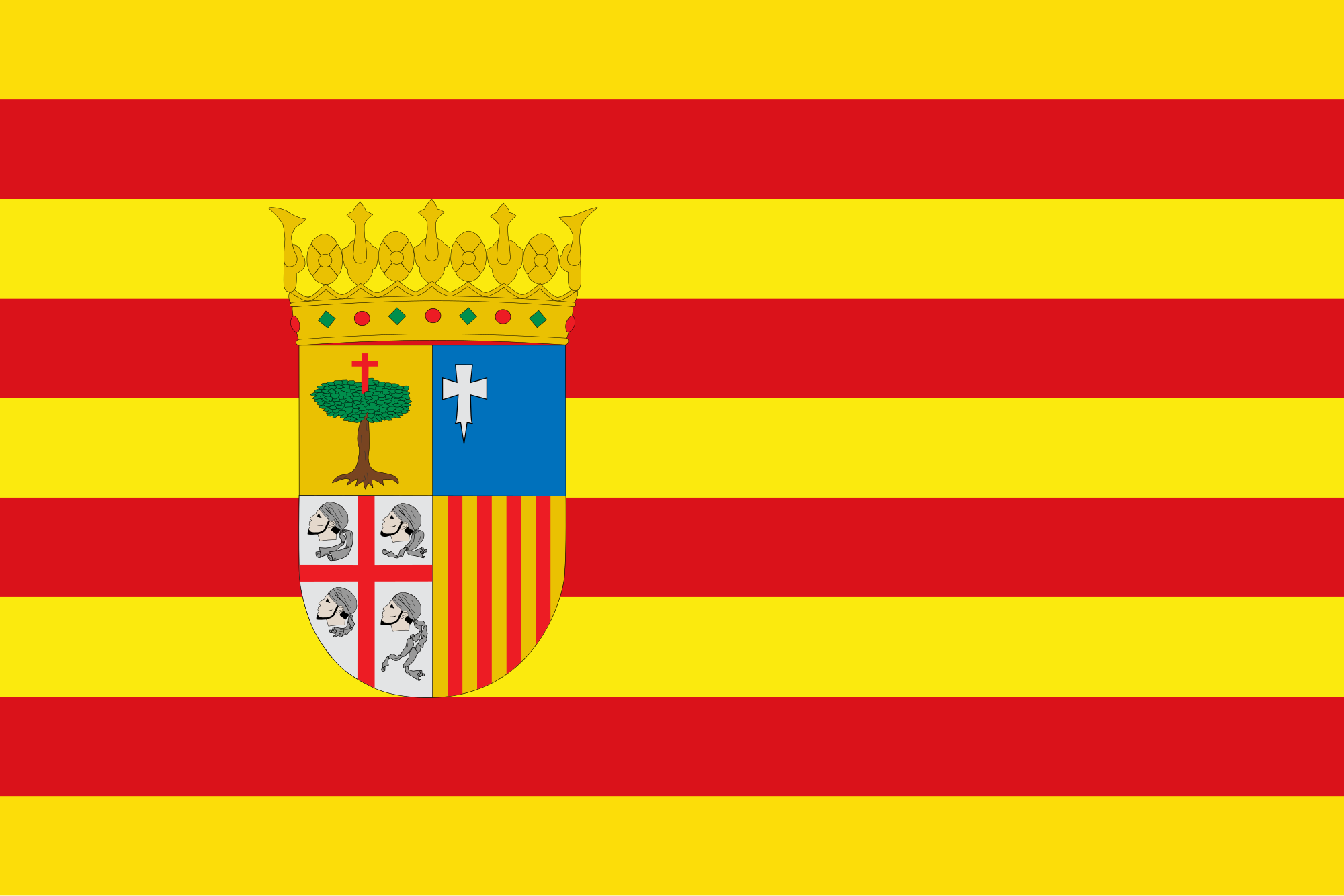 Aragón
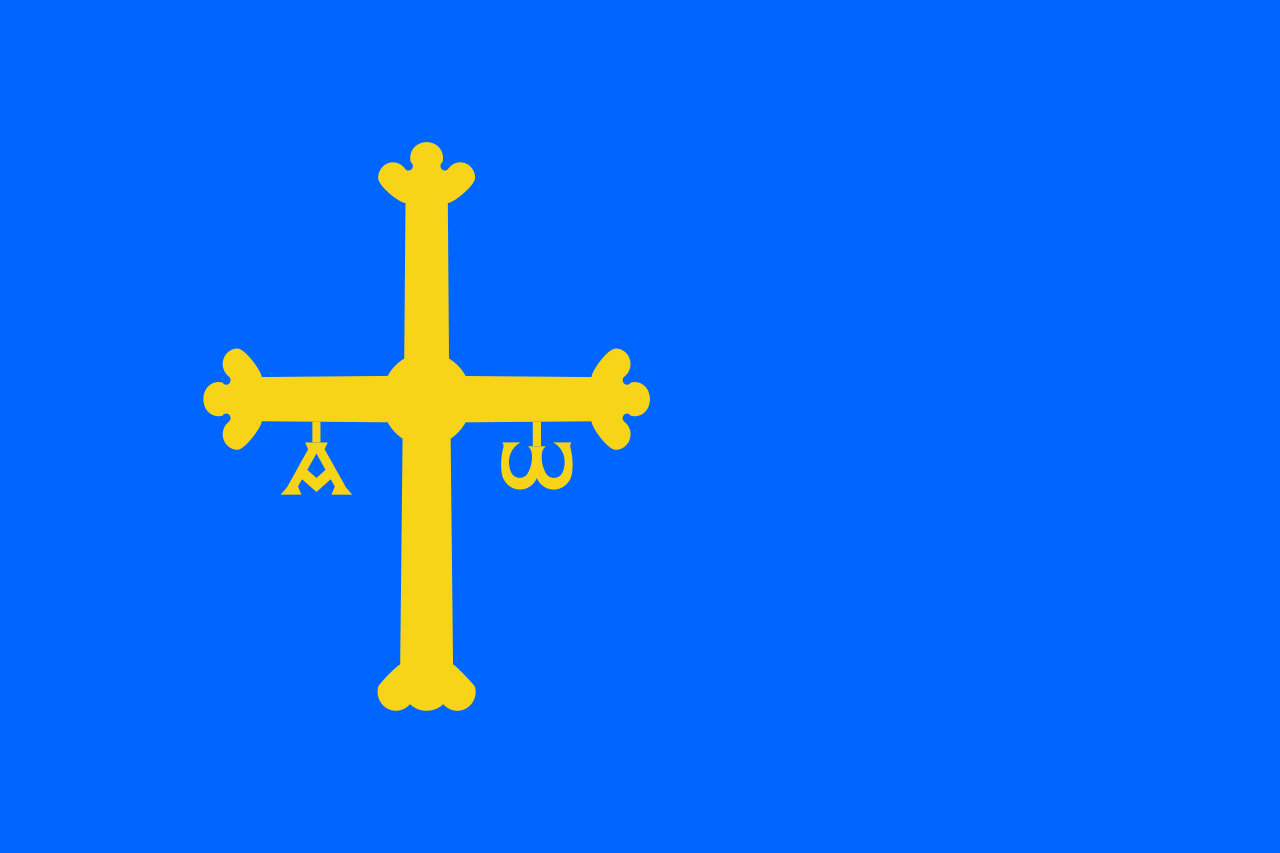 Asturias
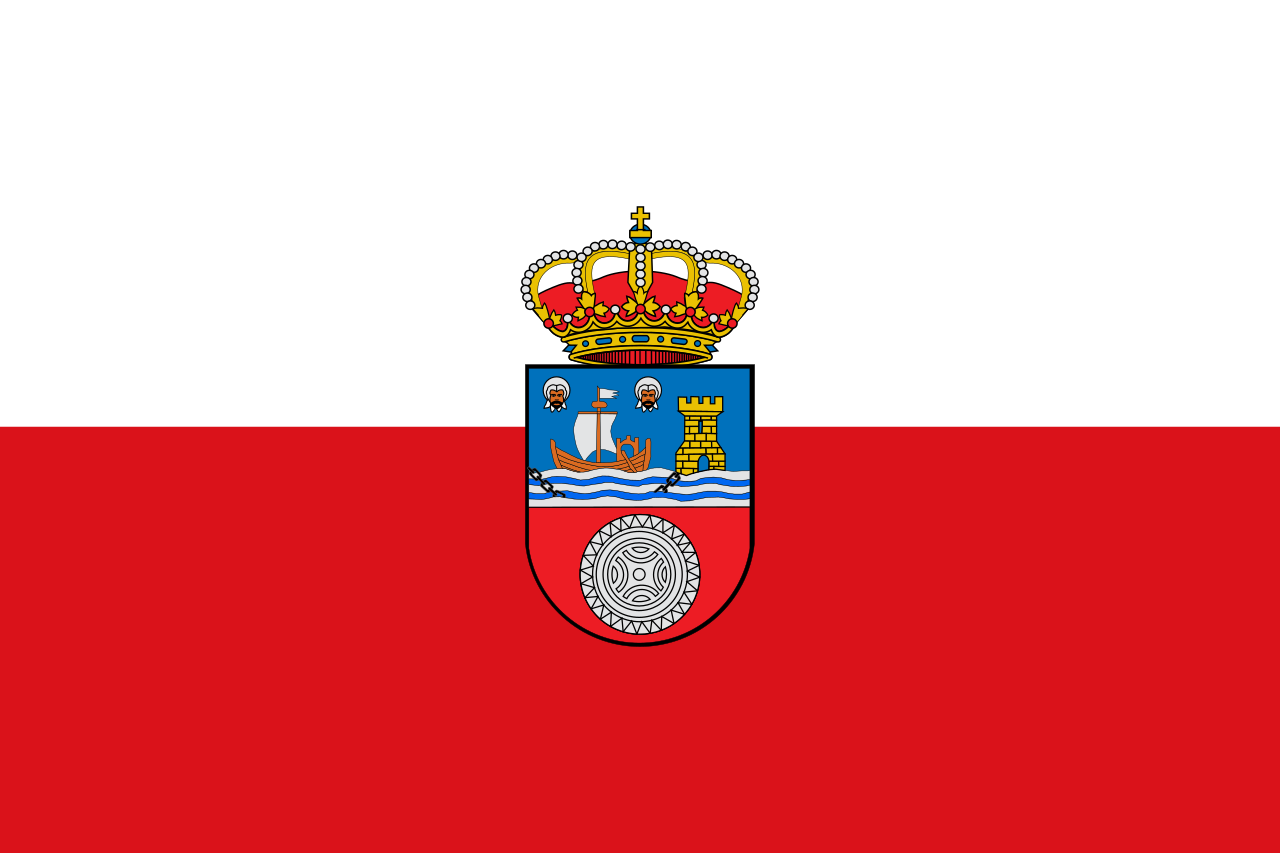 Cantabria
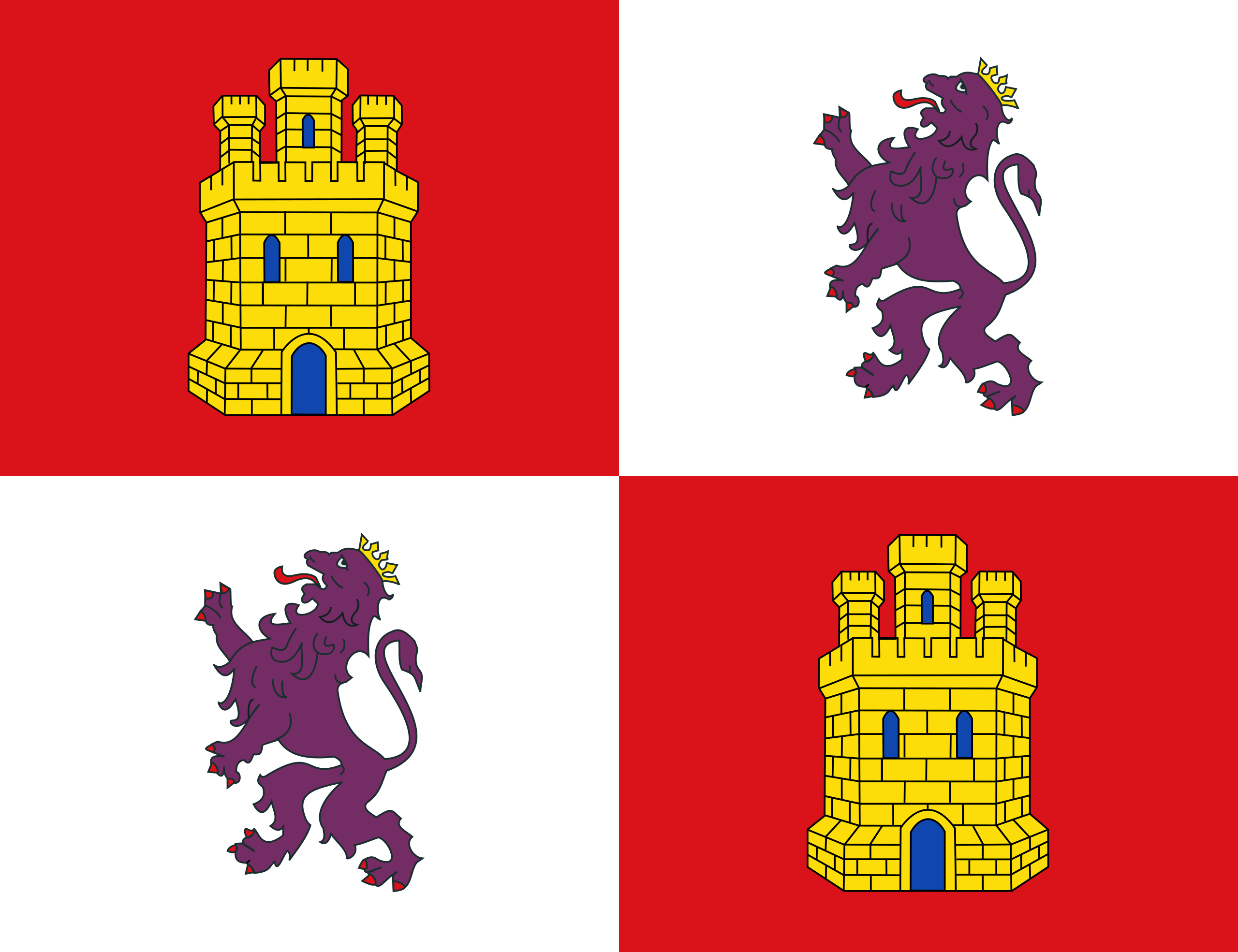 Castilla y León
Castilla-La Mancha
Cataluña
Castilla y León
Castilla-La Mancha
Cataluña
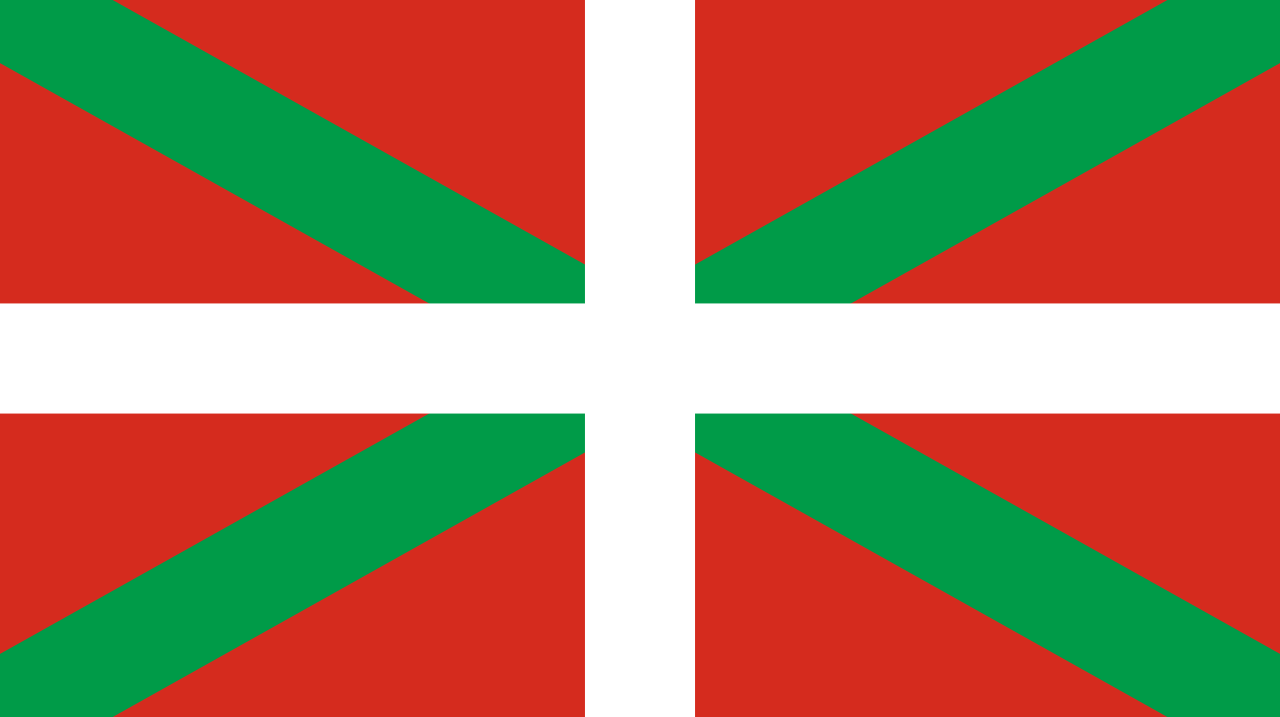 Comunidad Autónoma del País Vasco
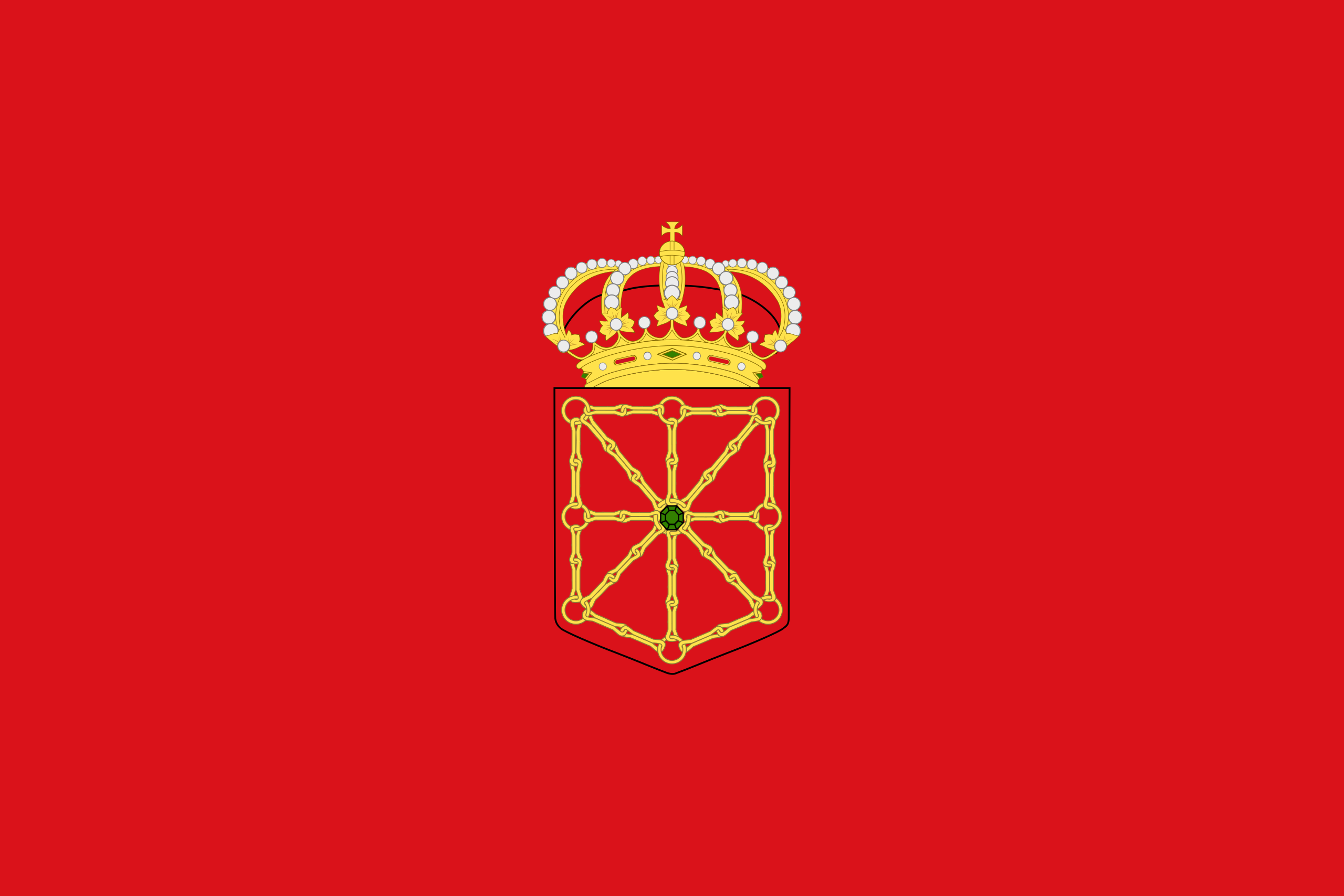 Comunidad Foral de Navarra
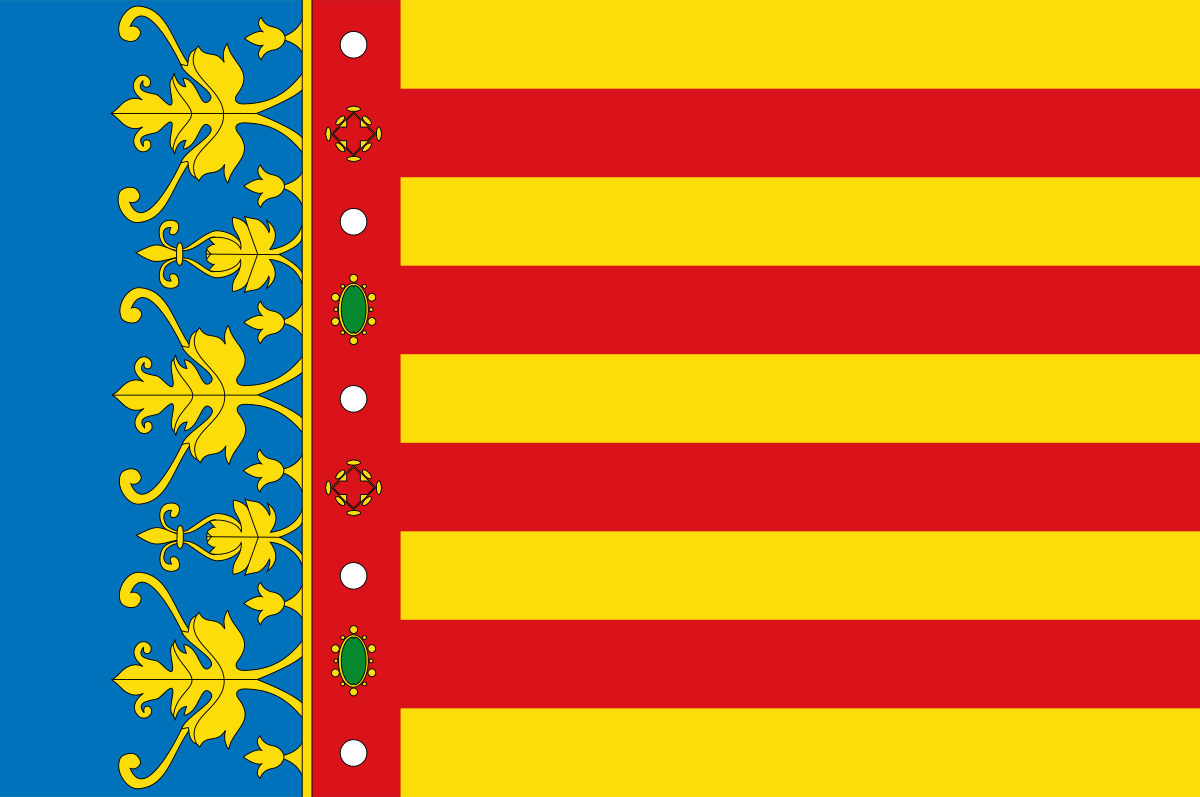 Comunidad Valenciana
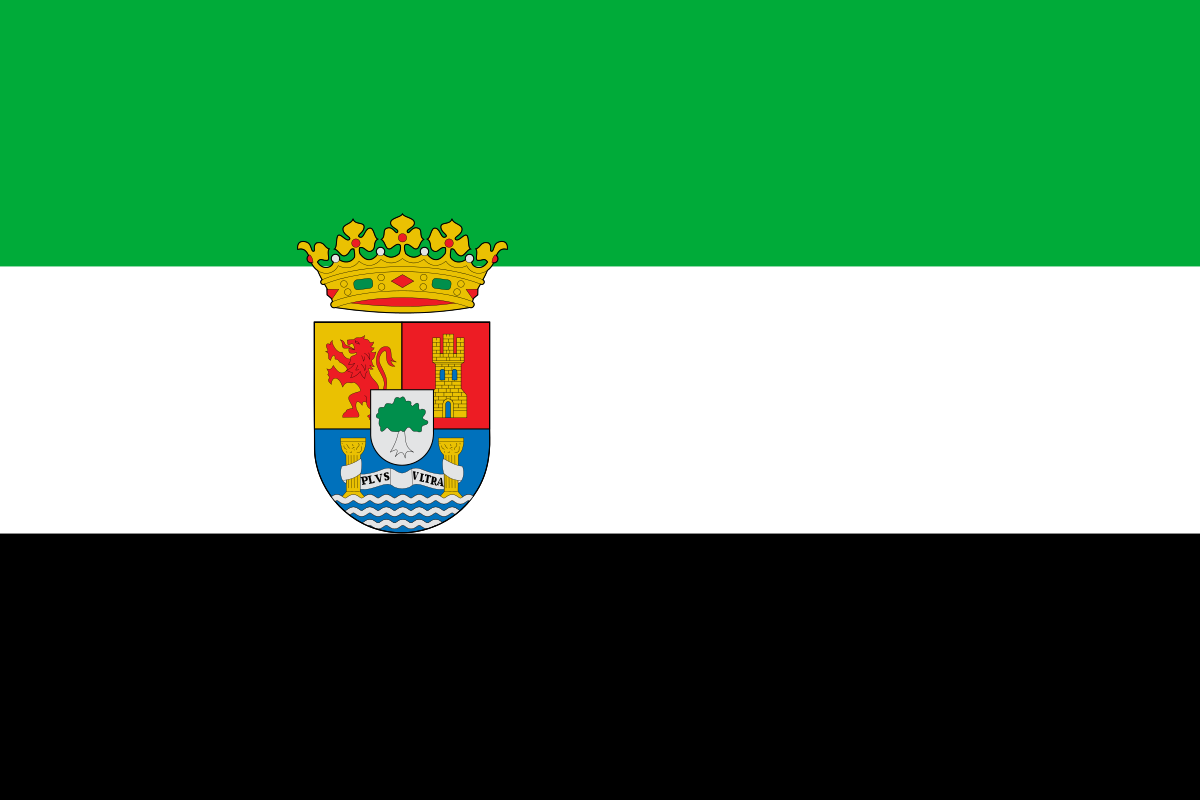 Extremadura
Frankreich
Extremadura
Frankreich
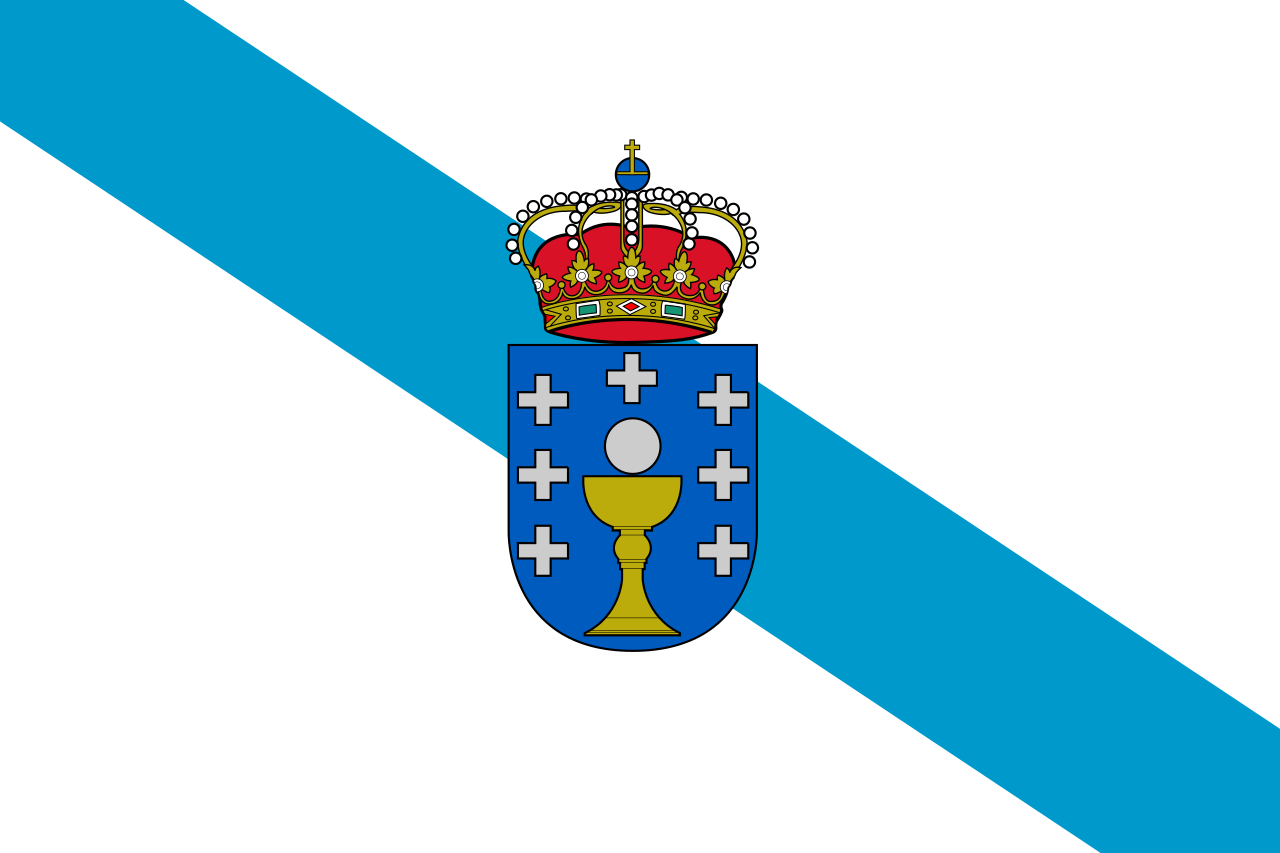 Galicia
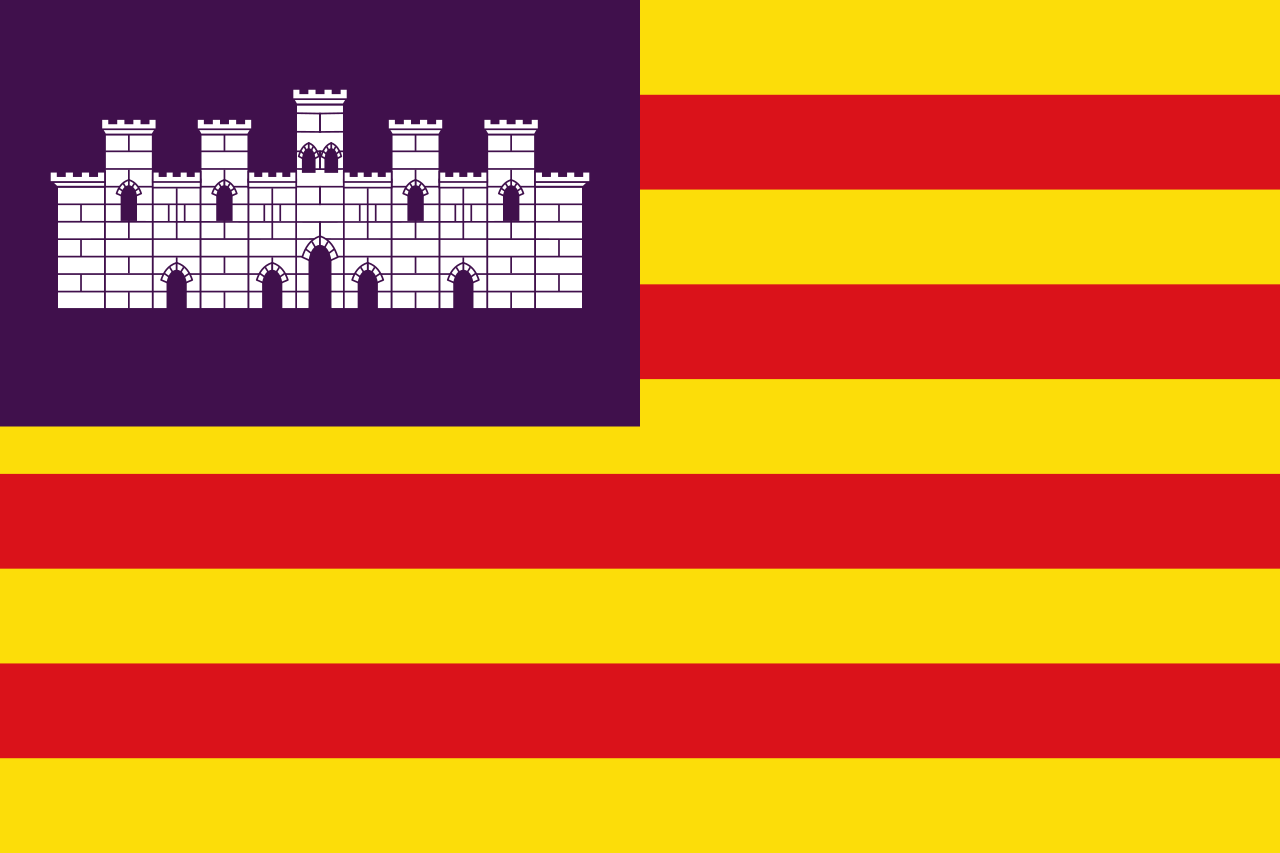 Islas Baleares
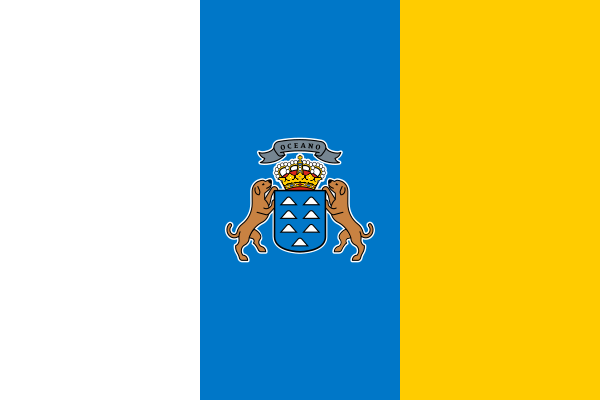 Islas Canarias
Italien
Islas Canarias
Italien
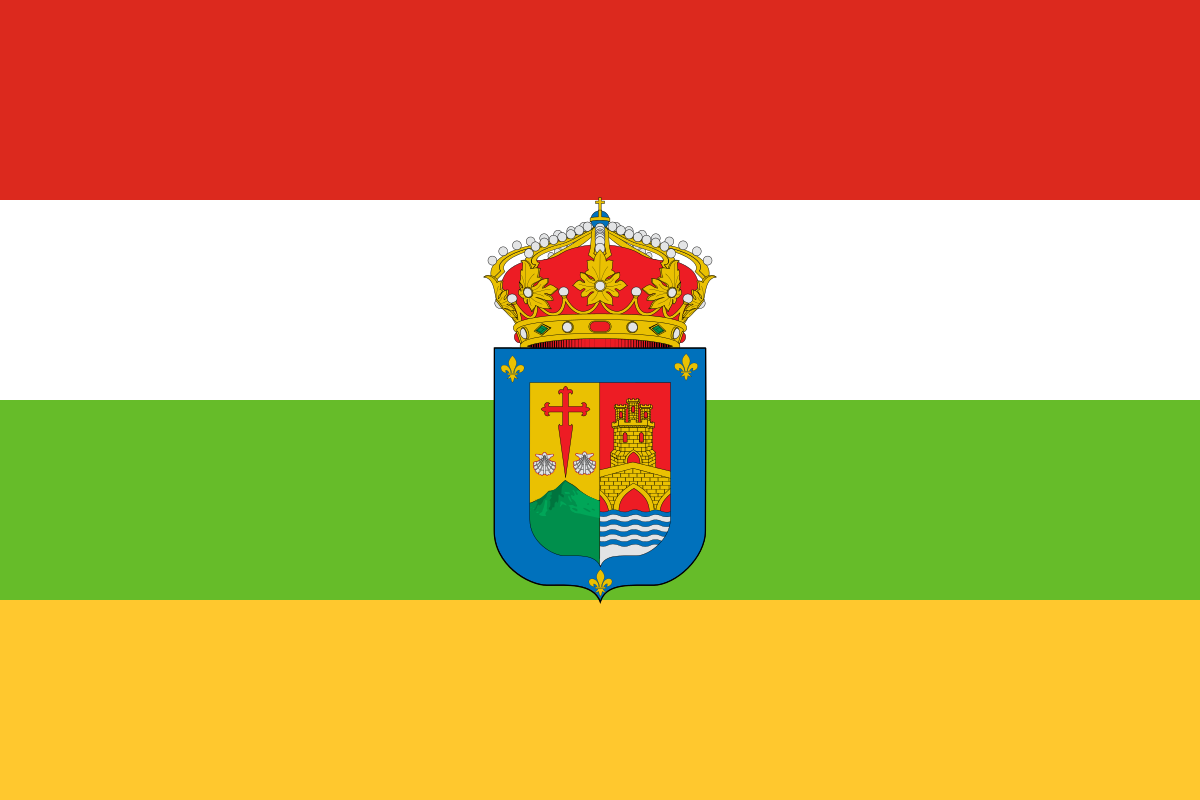 La Rioja
Madrid
Monaco
La Rioja
Madrid
Monaco
 Murcia
Niederlande
Okzitanien
Murcia
Niederlande
Okzitanien
 Piemonte
Portugal
Spanien
UCI World Tour
Piemonte
Portugal
Spanien
UCI World Tour
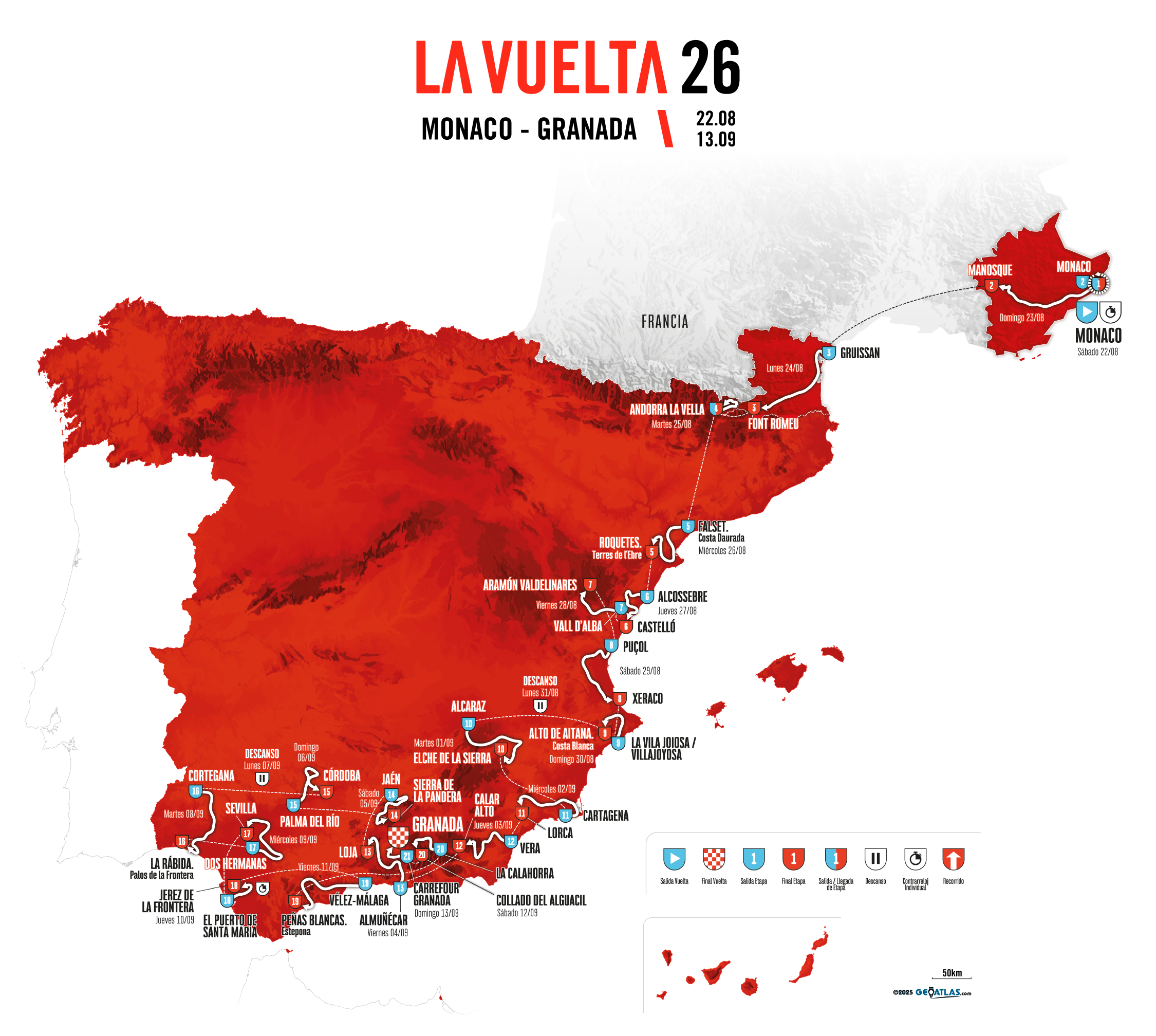
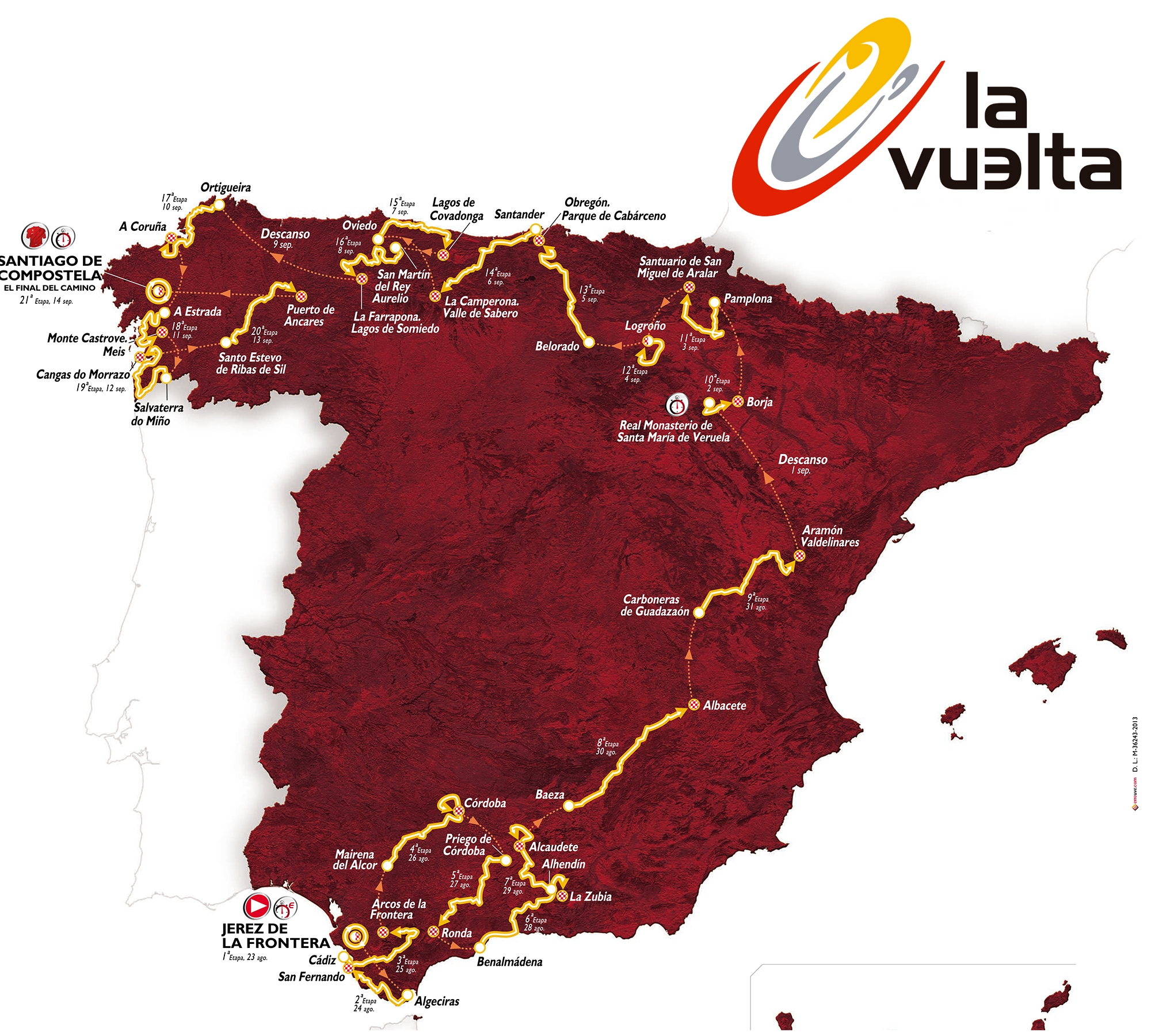
环西自行车赛(西班牙语:Vuelta a España),是一项在西班牙举办的公路自行车比赛,为三大自行车赛之一。环西自行车赛为期3周。
环西自行车赛首次举办于1935年,主要是受到环法自行车赛、环义自行车赛启发,是由西班牙当地的日报社《Informaciones》,和一位退役自行车选手所发起,一样是为了刺激报纸的销量所做的行销活动[1]。
中途因西班牙内战、二次大战而中断,直至1955年,才成为年度赛事。[2]迄今为止,西班牙车手赢得了31个总冠军,法国车手获得9次冠军。
Das Straßenradrennen La Vuelta Ciclista a España, kurz Vuelta a España (dt.: Spanienrundfahrt) ist eine der drei „Grand Tours“ im Radsport und nach der Tour de France und dem Giro d’Italia das drittwichtigste Etappenrennen der Welt.
Seit 2005 gehört die Vuelta a España zur UCI ProTour bzw. zur Nachfolgeserie UCI WorldTour. Veranstalteter ist Unipublic, der seit 2014 eine Tochtergesellschaft der Amaury Sport Organisation (ASO) ist.[1]
 Andalucía
Aragón
Asturias
Cantabria
Castilla y León
Castilla-La Mancha
Cataluña
Comunidad Autónoma del País Vasco
Comunidad Foral de Navarra
Comunidad Valenciana
Extremadura
Galicia
La Rioja
Madrid
Murcia
Spanien
Technologie des Hochgeschwindigkeitszugs
Rad-Schiene-System
Technologie des Hochgeschwindigkeitszugs
Zentralantrieb
Andalucía
Aragón
Asturias
Cantabria
Castilla y León
Castilla-La Mancha
Cataluña
Comunidad Autónoma del País Vasco
Comunidad Foral de Navarra
Comunidad Valenciana
Extremadura
Galicia
La Rioja
Madrid
Murcia
Spanien
Technologie des Hochgeschwindigkeitszugs
Rad-Schiene-System
Technologie des Hochgeschwindigkeitszugs
Zentralantrieb
 Transport und Verkehr
Hochgeschwindigkeitsverkehr
Transport und Verkehr
Technologie des Hochgeschwindigkeitszugs
Transport und Verkehr
Hochgeschwindigkeitsverkehr
Transport und Verkehr
Technologie des Hochgeschwindigkeitszugs
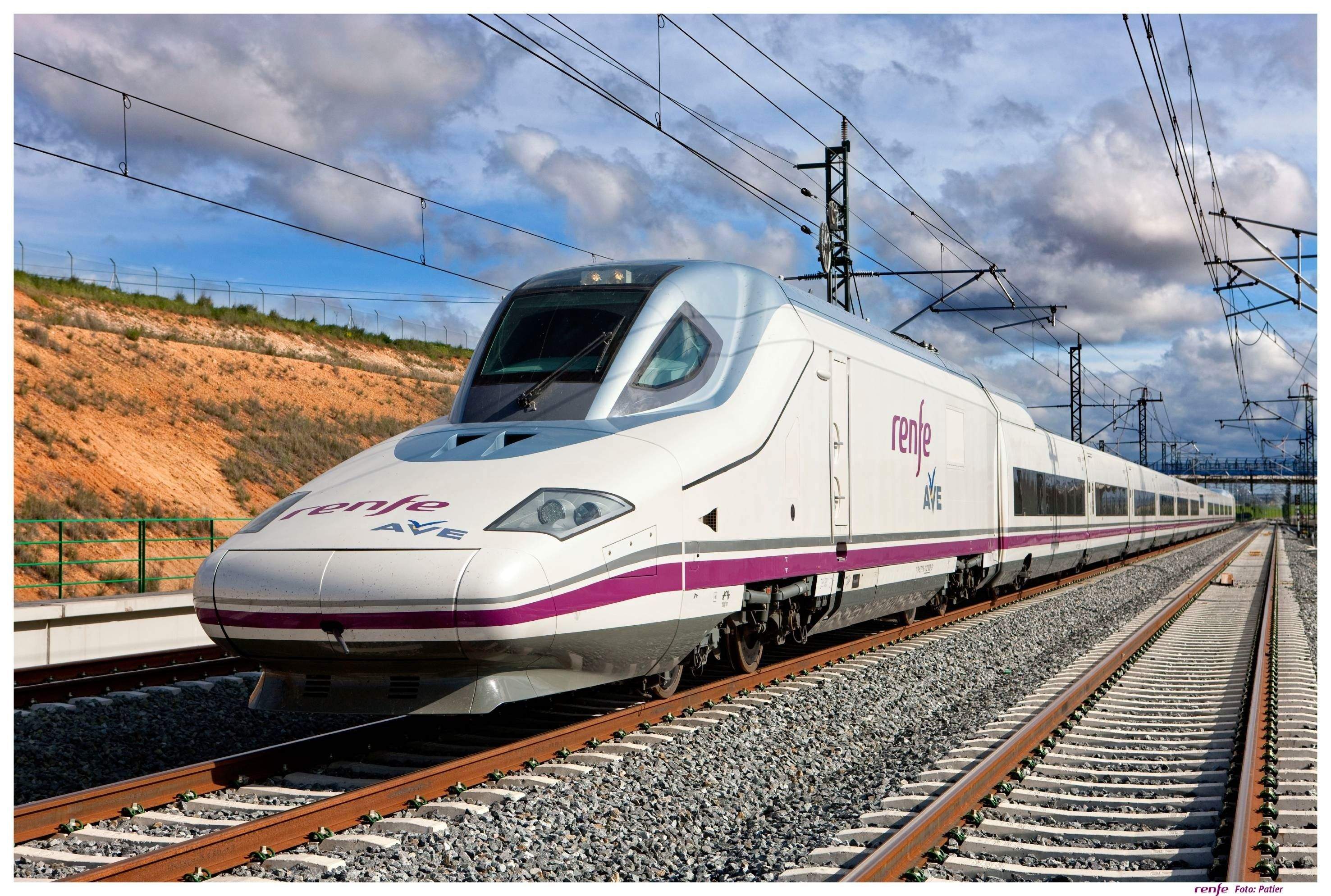

AVE [ˈaβe] (spanisch Alta Velocidad Española [ˈalta βeloθiˈðað espaˈɲola] ‚Spanische Hochgeschwindigkeit‘, abgekürzt: spanisch Ave für ‚Vogel‘) oder Renfe AVE ist ein Markenname der spanischen Eisenbahngesellschaft Renfe für viele ihrer Hochgeschwindigkeitszüge. Auf den LAV-Strecken verkehren seit Anfang der 2020er Jahre auch Züge anderer Betreiber.
Renfe AVE是由西班牙国家铁路运营的高速铁路服务。首条AVE线路于1992年开通,连接马德里、科尔多瓦和塞维利亚,这标志着西班牙正式迈入高铁时代。Renfe AVE的列车最高运营时速可达300公里[1]。除在西班牙境内行驶外,Renfe AVE还开通了两条延伸至法国的国际线路:巴塞罗那-里昂与马德里-马赛线[2],列车在法国段使用法国的铁路基础设施。
Audi Cup
Carlo Ancelotti
Fabio Capello
FIFA-Klub-Weltmeisterschaft 2025
FIFA-Klub-Weltmeisterschaft 2025
Gruppe H
José Mourinho
Jupp Heynckes
Madrid
Primera División
Primera División 2015/16
Primera División 2016/17
Primera División 2017/18
Primera División 2018/19
Rafael Benítez
Spanien
Sport
(F)UEFA Europa League
UEFA Champions League 2015/16
UEFA Champions League 2016/17
Gruppe F
UEFA Champions League 2017/18
Gruppe H
UEFA Champions League 2018/19
Gruppe G
UEFA Champions League 2019/20
Gruppe A
UEFA Champions League 2025/26
Vicente del Bosque
Zinédine Zidane
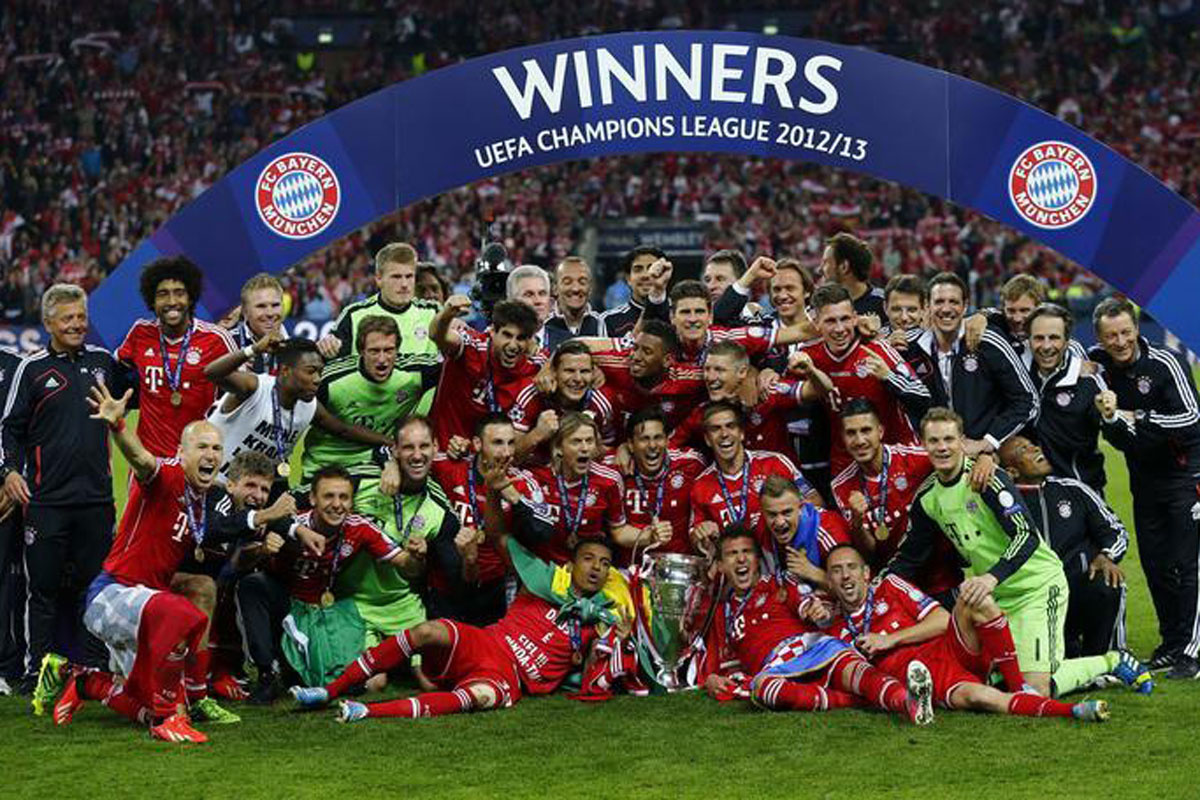
Audi Cup
2017
César Luis Menotti
FIFA-Klub-Weltmeisterschaft 2025
FIFA-Klub-Weltmeisterschaft 2025
Gruppe B
Luis Aragonés
Madrid
Primera División
Primera División 2015/16
Primera División 2016/17
Primera División 2017/18
Primera División 2018/19
Spanien
Sport
(F)UEFA Europa League
UEFA Champions League 2015/16
UEFA Champions League 2016/17
Gruppe D
UEFA Champions League 2017/18
Gruppe C
UEFA Champions League 2018/19
Gruppe A
UEFA Champions League 2019/20
Gruppe D
UEFA Champions League 2025/26
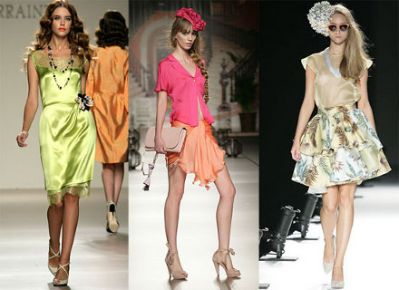
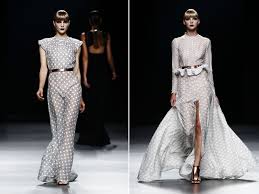
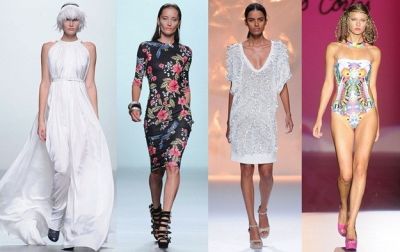
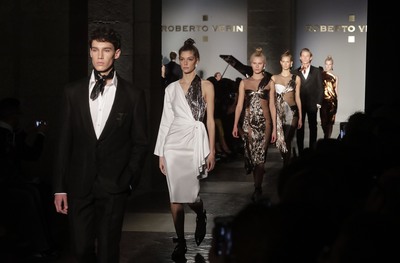
 Modewelt