
Deutsch-Chinesische Enzyklopädie, 德汉百科
 欧洲联盟
欧洲联盟
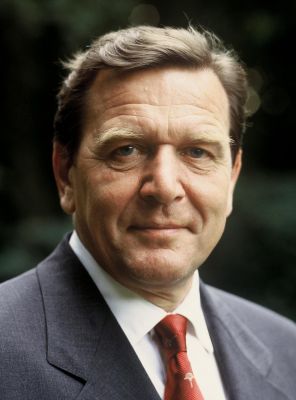


格哈德·施罗德 (Gerhard Schroeder) 1944年4月7日出身于德国北威州德特莫尔德市莫森贝格镇的一个工人家庭,自幼家境贫寒。生活的艰辛磨炼了施罗德自立、自强的性格。
1963年,施罗德加入德国社会民主党(社民党)。1969年,他当选为德国社民党哥廷根地区青年社会主义者联合会主席。1978年,他当选为德国青年社 会民主党主席。1978年至1980年,他担任社民党青年社会主义者联合会主席。1980年至1986年,他担任联邦议院议员。1984年,他担任社民党 下萨克森州主席。1986年至1990年,他担任下萨克森州社民党议会党团主席。1990年至1998年,他担任下萨克森州州长。
1998年4月17日,施罗德在德国社民党特别代表大会上被正式推举为该党联邦总理候选人。同年9月27日,他在德国第14届联邦议院选举中击败科尔,当 选为德国总理。1999年4月12日,他当选为社民党主席。2001年11月19日,他再次当选连任。2002年10月22日,他蝉联总理(至2005年 11月)。2003年11月17日,他再次当选为社民党主席。2004年2月6日,施罗德宣布辞去该党主席职务。2005年11月21日电,施罗德宣布他 于23日正式退出议会,并从此告别日常政治事务。2006年3月,施罗德被选为北欧输气管道建设公司监事会(股东委员会)主席 。(Quelle:news.xinhuanet.com)
格哈德·弗里茨·库尔特·施罗德(德语:Gerhard Fritz Kurt Schröder,发音:[ˈɡeːɐ̯haʁt fʁɪts kʊʁt ˈʃʁøːdɐ] (ⓘ);1944年4月7日—),生于北莱茵-威斯特法伦的莫森贝格[1],德国政治家,曾任德意志联邦共和国总理。
Gerhard Fritz Kurt „Gerd“ Schröder (* 7. April 1944 in Mossenberg/Lippe) ist ein ehemaliger deutscher Politiker (SPD). Er war vom 27. Oktober 1998 bis zum 22. November 2005 der siebte Bundeskanzler der Bundesrepublik Deutschland und regierte in der bisher einzigen rot-grünen Koalition auf Bundesebene. Zuvor war Schröder von 1990 bis 1998 Ministerpräsident von Niedersachsen. Außerdem hatte er von 1999 bis 2004 den Vorsitz der SPD sowie von 1978 bis 1980 den Bundesvorsitz der Jusos inne. Während seiner Zeit als Bundeskanzler brachte er unter anderem die Agenda 2010 und die Hartz-Reformen auf den Weg. Infolgedessen spalteten sich Teile der SPD ab und gingen später in der neu gegründeten Linkspartei auf. Nach verlorener Vertrauensfrage kam es 2005 zu vorgezogenen Bundestagswahlen, bei der die rot-grüne Bundesregierung ihre Mehrheit verlor, was Schröder das Amt kostete. Daraufhin zog er sich aus der Politik zurück.
Seit dem Ende seiner politischen Karriere ist er als Wirtschaftsanwalt sowie in verschiedenen Positionen als Interessenvertreter des mit ihm befreundeten russischen Präsidenten Wladimir Putin und als Wirtschaftslobbyist tätig, unter anderem als Verwaltungsratspräsident des Ostsee-Pipeline-Betreibers Nord Stream 2 AG. Weiterhin war er bis Ende 2021 Ehrenvorsitzender des Nah- und Mittelost-Vereins. Spätestens nach dem russischen Überfall auf die Ukraine im Februar 2022 geriet Schröder wegen seiner Russland-Nähe und insbesondere Putin-freundlichen Position deutlich in die Kritik. Infolgedessen wurde gegen Schröder als bislang einzigem Bundeskanzler ein Parteiausschlussverfahren angestrengt, das jedoch scheiterte.
 法律
法律

三色最早出现于反拿破仑的德意志民族解放战争时期(1813一1815)。1815年德国大学生协会成立,其成员均身穿黑色上装、红色翻领和胸前佩戴一枚 金黄色的橡树叶形勋章。黑红金三色象征着统一和自由。1848年德国爆发资产阶级三月革命。在1848年革命风暴下,法兰克福国民议会宣布以横向的三色条 纹作为商船旗,向时也作为国旗。 随着1848年革命的失败,黑红金三色标志也被取缔。1871年俾斯麦统—德国,建立第二帝国。象征革命、反抗和自由的黑红金三色旗与新帝国的帝制格格不 入。因此俾斯麦把象征普鲁士的黑白色和中世纪汉萨同盟的红白色融合成黑白红三色,作为帝国的象征。
魏玛共和国初期,围绕着国旗的颜色进行了一场旷日持久的争论。1919年7月,国民议会作出妥协决定,以黑红金三色作为共和国的标志,黑白红作为商船旗 的标志。1933年希特勒一上台,就把三色旗打人冷宫,换广纳粹的国旗。 1949年5月8日,立国前的联邦德国制定议会-“议会委员会”决定把象征自由、民主的黑红金三色旗定为国旗。1949年lo月7日民主德国成立,它也把 三色旗作为国旗。为区别于联邦德国的国旗, lg59年民主德国又在三色旗上加上象征工人、农民、知识分子的锤子、镰刀和圆规图案。1990年两德统—后仍沿用黑红金三色国旗。
 *欧洲联盟
比利时
比利时
丹麦
联邦德国
爱沙尼亚
欧洲联盟
*欧洲联盟
比利时
比利时
丹麦
联邦德国
爱沙尼亚
欧洲联盟
 欧共体成员国
芬兰
法国
欧共体成员国
芬兰
法国
 历史
历史
历史
公元 2000 - 2100
希腊
历史
历史
历史
公元 2000 - 2100
希腊
 手拉手
爱尔兰
意大利
克罗地亚
拉脱维亚
立陶宛
卢森堡
马耳他
荷兰
手拉手
爱尔兰
意大利
克罗地亚
拉脱维亚
立陶宛
卢森堡
马耳他
荷兰
 诺贝尔奖
诺贝尔奖
诺贝尔和平奖
奥地利
诺贝尔奖
诺贝尔奖
诺贝尔和平奖
奥地利
 政党和政府组织
二十个主要工业化国家和新兴国家集团
政党和政府组织
七国集团
波兰
葡萄牙
罗马尼亚
瑞典
斯洛伐克
斯洛文尼亚
西班牙
捷克
匈牙利
政党和政府组织
政党和政府组织
二十个主要工业化国家和新兴国家集团
政党和政府组织
七国集团
波兰
葡萄牙
罗马尼亚
瑞典
斯洛伐克
斯洛文尼亚
西班牙
捷克
匈牙利
 经济和贸易
自由贸易区
塞浦路斯
经济和贸易
自由贸易区
塞浦路斯
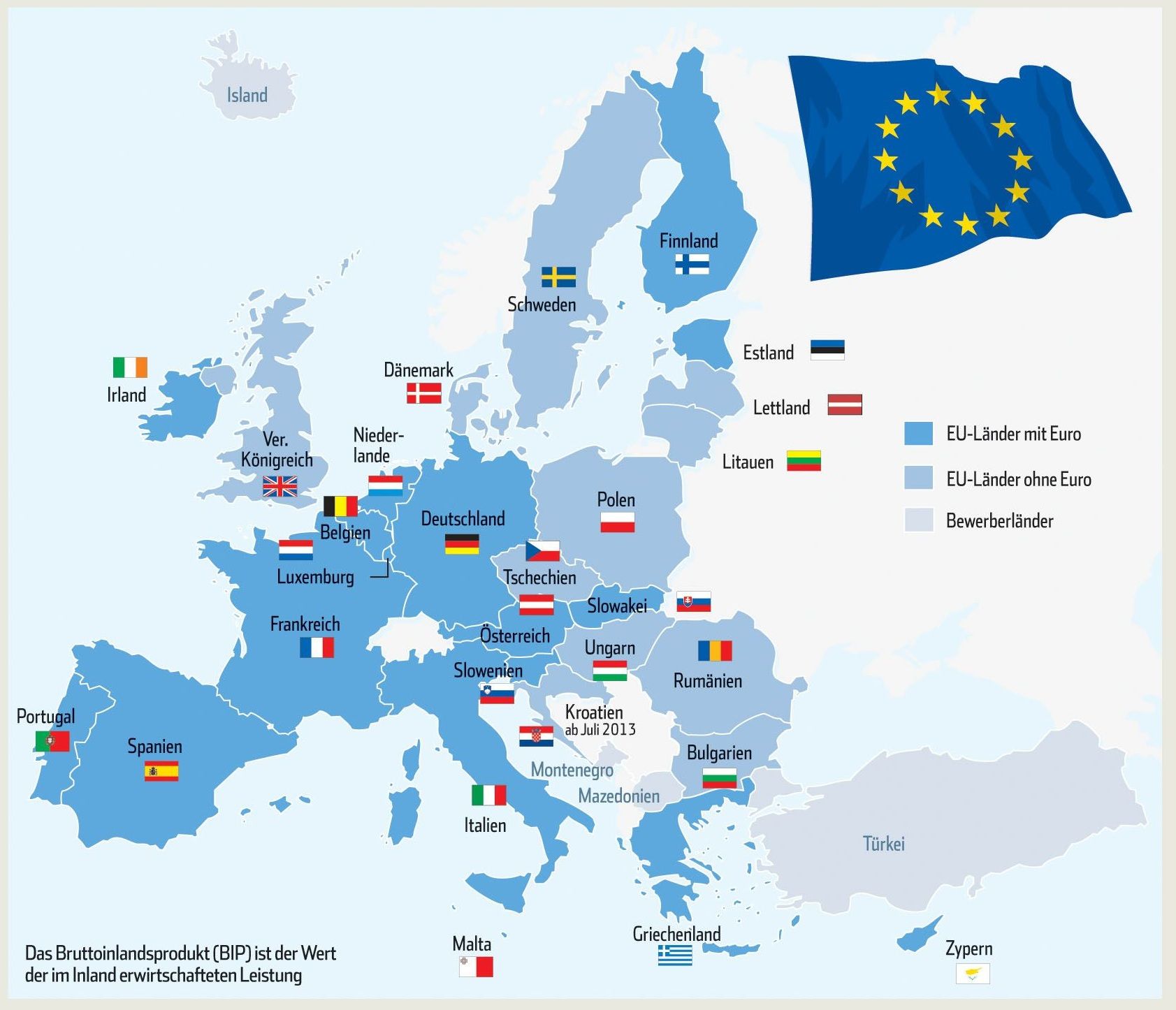
欧洲联盟(英语:European Union;法语:Union européenne;德语:Europäische Union),简称欧盟(英语:EU;法语:UE;德语:EU),是根据1993年生效的《马斯特里赫特条约》(也称《欧洲联盟条约》)所建立的政治经济联盟,现拥有28个成员国,正式官方语言有24种。规范欧盟的条约经过多次修订,目前欧盟的运作方式依照《里斯本条约》。政治上所有成员国均为议会民主国家(2008年《经济学人》民主状态调查);经济上为仅次于以美国为首的北美自由贸易区的世界上第二大经济实体,德国、法国及意大利为欧盟三大核心成员国;军事上绝大多数欧盟成员国均为北大西洋公约组织成员。
欧盟的历史可追溯至1952年建立的欧洲煤钢共同体,当时只有六个成员国。1958年又成立了欧洲经济共同体和欧洲原子能共同体,1967年统合在欧洲各共同体之下,1993年又统合在欧洲联盟之下,欧盟已经渐渐地从贸易实体转变成经济和政治联盟。同时,欧洲经济共同体和后来的欧盟在1973年至2013年期间进行了八次扩大,成员国从6个增至28个。起初推动欧盟建立的动机,是渴望重建二战后损失惨重的欧洲,以及担忧欧洲会再度陷入战争泥潭。
欧盟的主要机构有欧洲委员会(成员国家首脑组成)、欧盟理事会(成员国家部长组成的欧盟的上议院)、欧盟委员会(欧盟的行政机构)、欧洲议会(欧盟的众议院,唯一的直接民选机构)、欧洲法院、欧洲中央银行等。此外,欧洲原子能共同体也在欧洲共同体的管辖范围之内,但在法律上是独立于欧盟的国际组织。
欧元由28个成员国中的19个采纳为流通货币;《申根条约》取消了部分成员国之间的边境管制,目前已有22个欧盟成员国和4个非成员国实施。
目前欧盟的主要议题有英国脱欧、欧盟的扩大、落实《里斯本条约》、全球暖化问题、非欧元区成员国加入欧元区、主权债务危机、移民危机等。
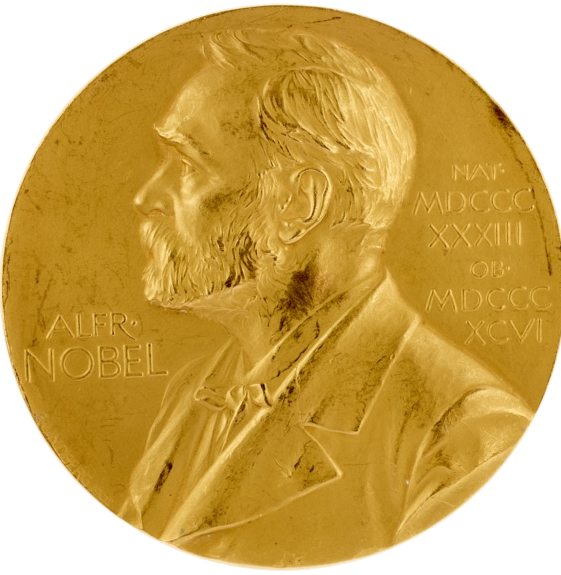
Die Europäische Union (EU) ist ein Verbund von derzeit 28 Mitgliedstaaten. Außerhalb von Europa umfasst die EU auch einige Überseegebiete. Sie hat insgesamt mehr als eine halbe Milliarde Einwohner. Gemessen am Bruttoinlandsprodukt ist der EU-Binnenmarkt der größte gemeinsame Wirtschaftsraum[7] der Erde. Die EU stellt eine eigenständige Rechtspersönlichkeit dar und hat daher Einsichts- und Rederecht bei den Vereinten Nationen.[8] Die verbreitetsten Sprachen in der EU sind Englisch, Deutsch und Französisch. Im Jahre 2012 wurde die Europäische Union mit dem Friedensnobelpreis ausgezeichnet.[9]
Das politische System der EU, das sich im Zuge der europäischen Integration herausgebildet hat, basiert auf dem Vertrag über die Europäische Union und dem Vertrag über die Arbeitsweise der Europäischen Union. Es enthält sowohl überstaatliche als auch zwischenstaatliche Elemente. Während im Europäischen Rat und im Rat der Europäischen Union die einzelnen Staaten mit ihren Regierungen vertreten sind, repräsentiert das Europäische Parlament bei der Rechtsetzung der EU unmittelbar die Unionsbürger. Die Europäische Kommission als Exekutivorgan und der EU-Gerichtshof als Rechtsprechungsinstanz sind ebenfalls überstaatliche Einrichtungen.
Die Anfänge der EU gehen auf die 1950er-Jahre zurück, als zunächst sechs Staaten die Europäische Wirtschaftsgemeinschaft (EWG) gründeten. Eine gezielte wirtschaftliche Verflechtung sollte militärische Konflikte für die Zukunft verhindern und durch den größeren Markt das Wirtschaftswachstum beschleunigen und damit den Wohlstand der Bürger steigern. Im Lauf der folgenden Jahrzehnte traten in mehreren Erweiterungsrunden weitere Staaten den Gemeinschaften (EG) bei. Ab 1985 wurden mit dem Schengener Übereinkommen die Binnengrenzen zwischen den Mitgliedsländern geöffnet. Nach dem Fall des Eisernen Vorhangs beziehungsweise der Auflösung des Ostblockes im Jahr 1989 änderte sich die geopolitische Lage in Europa grundlegend, womit sich Möglichkeiten zur Vertiefung der Integration, aber auch zur Vorbereitung von Erweiterungen im Osten ergaben. Mit dem Vertrag von Maastricht wurde 1992 die Europäische Union gegründet, die damit Zuständigkeiten in nichtwirtschaftlichen Politikbereichen bekam. In mehreren Reformverträgen, zuletzt im Vertrag von Lissabon, wurden die überstaatlichen Zuständigkeiten der EU ausgebaut und die demokratische Verankerung der politischen Entscheidungsprozesse auf Unionsebene nachgebessert, vor allem durch nochmalige Stärkung der Stellung des Europäischen Parlaments. Eine europäische Öffentlichkeit und Identität als Voraussetzung einer supranationalen Volkssouveränität bildet sich indes erst allmählich und nicht ohne Gegenströmungen heraus. Seit den 1980er-Jahren nahm mit den Kompetenzerweiterungen und dem damit einhergehenden Bedeutungsgewinn der EU auch die öffentliche Debatte über die Verfasstheit der EU an Intensität zu; dabei wurden auch EU-skeptische Positionen vermehrt artikuliert. Im Vertrag von Lissabon wurden im Jahr 2007 auch Austrittsszenarien geregelt.
Von den 28 EU-Staaten bilden 19 Staaten eine Wirtschafts- und Währungsunion. Im Jahr 2002 wurde eine gemeinsame Währung für diese Länder, der Euro, eingeführt. Im Rahmen des Raums der Freiheit, der Sicherheit und des Rechts arbeiten die EU-Mitgliedstaaten in der Innen- und Justizpolitik zusammen. Durch die gemeinsame Außen- und Sicherheitspolitik bemühen sie sich um ein gemeinsames Auftreten gegenüber Drittstaaten. Zukunftsbezogenes gemeinsames Handeln ist Gegenstand der Initiative Europa 2020, zu der unter anderem die Digitalpolitik gehört. Die Europäische Union hat Beobachterstatus in der G7, ist Mitglied in der G20 und vertritt ihre Mitgliedstaaten in der Welthandelsorganisation.
Die EU war 2016 der weltweit zweitgrößte Wirtschaftsraum nach nominalem (hinter den USA) sowie kaufkraftbereinigten Bruttoinlandsprodukt (hinter der Volksrepublik China). Als Staatenverbund ist sie der größte Güterproduzent und die größte Handelsmacht der Welt. Die Mitgliedsstaaten haben einen der höchsten Lebensstandards weltweit, wobei es jedoch auch innerhalb der EU deutliche Unterschiede zwischen einzelnen Ländern gibt. Im Index der menschlichen Entwicklung galten 2015 26 der 28 Mitgliedstaaten als „sehr hoch“ entwickelt.
Nach der Osterweiterung in den Jahren 2004 und 2007 ist die Europäische Union infolge der Finanzkrise ab 2007 und durch die Flüchtlingskrise ab 2015 in verschiedenen Mitgliedsstaaten einer zunehmenden EU-Skepsis von Teilen der Bevölkerung ausgesetzt, die sich unter anderem in dem Brexit-Referendum von 2016 niedergeschlagen hat. Unter dem Eindruck der Krisenerscheinungen und der Zunahme von rechtspopulistischen Tendenzen in den Mitgliedstaaten der Union wird die EU-Finalitätsdebatte neuerlich intensiv geführt. Einen auf die nähere Zukunft gerichteten, stark beachteten Reformplan hat der französische Staatspräsident Emmanuel Macron mit seiner Initiative für Europa vorgelegt.
欧州連合の基本条約である欧州連合条約の正文は23言語で作成されており、そのため欧州連合の正式名称は23言語で表記される。略称としては、英語などでの表記の頭文字をとった EU があり、日本語圏においてもこの略称を使うことが多い。ただしフランス語、スペイン語など形容詞を後置する言語では UE という略称が用いられる。またアイルランド語では AE、エストニア語では EL、ラトビア語とリトアニア語では ES、キリル文字を使うブルガリア語では ЕС、ギリシア文字を使うギリシア語では ΕΕ となる。
日本語では、日本における欧州連合の代表機関である駐日欧州連合代表部や日本国政府が欧州連合という名称を使用している。また一部ではヨーロッパ連合という名称も用いる[注 1]。
ただし日本国内において、ソビエト連邦の名称問題のように一部の日本人研究者[1]はUnionに「連合」という訳語を充てることは不適切であると主張している。また欧州議会の最大会派だった欧州社会党も、同日本人研究者の指摘を受けて、日本語表記を「欧州同盟」に変更することに関する質問書を提出したことがあるが[2]、欧州委員会の側は研究社英和辞典の用例や、「連合王国 (United Kingdom)」および「国際連合 (United Nations)」などの例を挙げながら、変更する必要はないと返答した。
The European Union (EU) is a political and economic union of 28 member states that are located primarily in Europe.[13] It has an area of 4,475,757 km2 (1,728,099 sq mi) and an estimated population of over 510 million. The EU has developed an internal single market through a standardised system of laws that apply in all member states in those matters (only) where members have agreed to act as one. EU policies aim to ensure the free movement of people, goods, services and capital within the internal market,[14] enact legislation in justice and home affairs and maintain common policies on trade,[15] agriculture,[16] fisheries and regional development.[17] For travel within the Schengen Area, passport controls have been abolished.[18] A monetary union was established in 1999 and came into full force in 2002 and is composed of 19 EU member states which use the euro currency.
The EU and European citizenship were established when the Maastricht Treaty was enacted in 1993.[19] The EU traces its origins to the European Coal and Steel Community (ECSC) and the European Economic Community (EEC), established, respectively, by the 1951 Treaty of Paris and 1957 Treaty of Rome. The original members of what came to be known as the European Communities were the Inner Six: Belgium, France, Italy, Luxembourg, the Netherlands, and West Germany. The Communities and its successors have grown in size by the accession of new member states and in power by the addition of policy areas to its remit. The latest major amendment to the constitutional basis of the EU, the Treaty of Lisbon, came into force in 2009. While no member state has left the EU or its predecessors, the United Kingdom signified an intention to leave after a membership referendum in June 2016 and is negotiating its withdrawal.
The European Union provides more foreign aid than any other economic union.[20] Covering 7.3% of the world population,[21] the EU in 2017 generated a nominal gross domestic product (GDP) of 19.670 trillion US dollars, constituting approximately 24.6% of global nominal GDP[22] and 16.5% when measured in terms of purchasing power parity.[23] Additionally, 27 out of 28 EU countries have a very high Human Development Index, according to the United Nations Development Programme. In 2012, the EU was awarded the Nobel Peace Prize.[24] Through the Common Foreign and Security Policy, the EU has developed a role in external relations and defence. The union maintains permanent diplomatic missions throughout the world and represents itself at the United Nations, the World Trade Organization, the G7 and the G20. Because of its global influence, the European Union has been described as an emerging superpower.[25]
L'Union européenne (UE)Note 4 est une association politico-économique sui generis de vingt-huit États européens qui délèguent ou transmettent par traité l’exercice de certaines compétences à des organes communautaires5,6. Elle s'étend sur un territoire de 4,5 millions de kilomètres carrés7, est peuplée de plus de 512 millions d'habitants3 et est la deuxième puissance économique mondiale en termes de PIB nominal derrière les États-Unis8,9,10. L’Union européenne est régie par le traité de Maastricht (TUE) et le traité de Rome (TFUE), dans leur version actuelle, depuis le 1er décembre 2009 et l'entrée en vigueur du traité de Lisbonne. Sa structure institutionnelle est en partie supranationale et en partie intergouvernementale : le Parlement européen est élu au suffrage universel direct, tandis que le Conseil européen et le Conseil de l'Union européenne (informellement le « Conseil des ministres ») sont composés de représentants des États membres. Le président de la Commission européenne est pour sa part élu par le Parlement sur proposition du Conseil européen. La Cour de justice de l'Union européenne est chargée de veiller à l'application du droit de l'Union européenne.
La déclaration du 9 mai 1950 de Robert Schuman, alors ministre français des Affaires étrangères, est considérée comme le texte fondateur de la construction européenne. Sous l’impulsion de personnalités politiques surnommées les « pères de l'Europe »11, comme Konrad Adenauer, Jean Monnet et Alcide De Gasperi, six États créent en 1951 la Communauté européenne du charbon et de l'acier. Après l’échec d'une Communauté européenne de défense en 1954, une Communauté économique européenne est instaurée en 1957 par le traité de Rome. La coopération économique est approfondie par l’Acte unique européen en 1986. En 1992, le traité de Maastricht prend la suite de l’Acte unique et institue une union politique qui prend le nom d’Union européenne et qui prévoit la création d'une union économique et monétaire dotée d’une monnaie unique : l’euro. Instituée en 1999, la zone euro compte dix-neuf États en 2017. De nouvelles réformes institutionnelles sont introduites en 1997 et en 2001. À la suite de l’échec d’un projet de constitution européenne après le refus par référendum des peuples français et néerlandais, les institutions sont à nouveau réformées en 2009 par le traité de Lisbonne pour y intégrer les mesures prévues par ce projet de constitution.
Depuis la formation de la CEE, le nombre d'États membres est passé de 6 à 28. Les membres fondateurs de la Communauté économique européenne, en 1957, sont l'AllemagneNote 5, la Belgique, la France, l'Italie, le Luxembourg et les Pays-Bas. Ils sont rejoints en 1973 par trois membres de l'Association européenne de libre-échange : le Danemark, l'Irlande et le Royaume-Uni. L'Union s'élargit vers le sud avec d'abord l'adhésion de la Grèce en 1981, puis celle de l'Espagne et du Portugal en 1986. Entretemps, en 1985, le Groenland a décidé de se retirer en ratifiant le Traité sur le Groenland et a désormais le statut de pays et territoire d'outre-mer associé. Avec la fin de la Guerre froide, la partie orientale de l'Allemagne rejoint la Communauté économique européenne en 1990Note 6. L'Union européenne intègre en 1995 des États neutres : l'Autriche, la Finlande et la Suède. En 2004, dix nouveaux États, en majorité issus du bloc de l'Est, s'ajoutent aux quinze déjà membres : Chypre, l'Estonie, la Hongrie, la Lettonie, la Lituanie, Malte, la Pologne, la Slovaquie, la Slovénie et République tchèque. Deux États supplémentaires, la Bulgarie et la Roumanie, complètent en 2007 ce cinquième élargissement, Enfin, en 2013, la Croatie rejoint l'Union12. Le 23 juin 2016, les citoyens britanniques votent en majorité pour la sortie du Royaume-Uni de l'Union européenne dans le cadre d'un référendum. La procédure de retrait est enclenchée le 29 mars 2017 par l'activation de l'article 50 du traité sur l'Union européenne.
Le 12 octobre 2012, le prix Nobel de la paix est attribué à l'Union européenne pour « sa contribution à la promotion de la paix, la réconciliation, la démocratie et les droits de l'Homme en Europe »13.
L'Unione europea (abbreviata in UE o Ue, pron. /ˈue/[12]) è un'organizzazione internazionale politica ed economica a carattere sovranazionale, che comprende 28 paesi membri indipendenti e democratici. La sua formazione risale al trattato di Roma del 25 marzo 1957, la denominazione attuale al trattato di Maastricht del 7 febbraio 1992 (entrato in vigore il 1º novembre 1993), e l'istituzione ufficiale al 2002 con l'avvento della valuta unica ed il successivo trattato di Lisbona, dopo un lungo percorso intrapreso dalle Comunità europee precedentemente esistenti e attraverso la stipulazione di numerosi trattati, che hanno contribuito al processo di integrazione europea.
Questa garantisce la libera circolazione di persone, merci, servizi e capitali all'interno del suo territorio attraverso un mercato europeo comune e la cittadinanza dell'Unione europea, promuove la pace, i valori e il benessere dei suoi popoli, lotta contro l'esclusione sociale e la discriminazione, favorisce il progresso scientifico e tecnologico e mira alla stabilità politica, alla crescita economica e alla coesione sociale e territoriale tra gli stati membri[13], cercando di attenuare le differenze socio-economiche tra i vari stati membri e incrementarne il benessere socio-economico.
Le competenze dell'Unione europea spaziano dalle politiche economiche (agricoltura e commercio) agli affari esteri, alla difesa e alla protezione ambientale, con una politica agraria comune, una politica estera comune e la presenza di fondi strutturali per il raggiungimento degli obiettivi socio-economici preposti. In alcuni di questi campi tali funzioni la rendono dunque simile a una federazione di stati (per es. per quanto riguarda gli affari monetari o le politiche ambientali), mentre in altri settori l'Unione è più vicina a una confederazione (mancando di una Costituzione, ordinamento giuridico, politica interna e politica industriale comuni) o a un'organizzazione politica sovranazionale (come per la politica estera).
Le politiche di unione economica e monetaria dell'Unione europea hanno portato nel 2002 all'introduzione di una moneta unica, l'euro, attualmente adottato da 19 stati dell'Unione, che formano la cosiddetta eurozona, con una politica monetaria comune regolata dalla Banca centrale europea (BCE).
Il 12 ottobre 2012 è stata insignita del premio Nobel per la pace, con la seguente motivazione: «per oltre sei decenni ha contribuito all'avanzamento della pace e della riconciliazione, della democrazia e dei diritti umani in Europa».[14]
La Unión Europea (UE) es una comunidad política de derecho constituida en régimen sui géneris de organización internacional nacida para propiciar y acoger la integración y gobernanza en común de los Estados y los pueblos de Europa. Está compuesta por veintiocho Estados europeos y fue establecida con la entrada en vigor del Tratado de la Unión Europea (TUE) el 1 de noviembre de 1993.6
Con ese acto, la supraestructura «Unión Europea» aunaba y se fundaba sobre las tres Comunidades Europeas preexistentes —la Comunidad Europea del Carbón y del Acero (CECA), la Comunidad Europea de la Energía Atómica (Euratom) y la Comunidad Económica Europea (CEE/CE)— y les añadía la política exterior común y la cooperación judicial y policial, formando un sistema complejo conocido como «los tres pilares». Sin embargo, con la entrada en vigor el 1 de diciembre de 2009 del Tratado de Lisboa, la Unión Europea sucedió, por completo aunque con ciertas particularidades, a las Comunidades Europeas y asumió con ello su personalidad jurídica única como sujeto de derecho internacional.7
La Unión Europea ha desarrollado un sistema jurídico y político, el comunitario europeo, único en el mundo, que se rige por mecanismos y procedimientos de funcionamiento interno complejos, que se han extendido y evolucionado a lo largo de su historia hasta conformar, en la actualidad, un sistema híbrido de gobierno transnacional difícilmente homologable que combina elementos próximos a la cooperación multilateral, si bien fuertemente estructurada e institucionalizada, con otros de vocación netamente supranacional, regidos ambos por una dinámica de integración regional muy acentuada.
Todo esto desemboca en una peculiarísima comunidad de Derecho, cuya naturaleza jurídica y política es muy discutida, si bien sus elementos fundacionales y su evolución histórica, todavía abierta, apuntan, en el presente, a una especial forma de moderna confederación o gobernanza supranacional, acusadamente institucionalizada y con una inspiración histórico-política de vocación federal —en el sentido de un federalismo internacional nuevo, no de un Estado federal clásico— que se detecta con cierta claridad en ámbitos como la ciudadanía europea, los principios de primacía y efecto directo que le son aplicables a su ordenamiento jurídico en relación con los ordenamientos nacionales, el sistema jurisdiccional o la unión monetaria (el sistema del euro).
La Unión Europea, y antes las Comunidades, promueve la integración continental por medio de políticas comunes que abarcan distintos ámbitos de actuación, en su origen esencialmente económicos y progresivamente extendidos a ámbitos indudablemente políticos.8 Para alcanzar sus objetivos comunes, los estados de la Unión le atribuyen a esta determinadas competencias, ejerciendo una soberanía en común o compartida que se despliega a través de los cauces comunitarios.
La Unión Europea se rige por un sistema interno en régimen de democracia representativa.9 Sus instituciones son siete: el Parlamento Europeo, el Consejo Europeo, el Consejo, la Comisión Europea, el Tribunal de Justicia de la Unión Europea, el Tribunal de Cuentas y el Banco Central Europeo. El Consejo Europeo ejerce funciones de orientación política general y de representación exterior, y nombra a los jefes de las altas instituciones constitucionales; el Parlamento Europeo y el Consejo ejercen la potestad legislativa en igualdad de condiciones, tomando decisiones conjuntas —a excepción de los procedimientos legislativos especiales, donde el Parlamento desempeña un papel meramente consultivo—;1011 la Comisión o Colegio de Comisarios aplica el Derecho de la Unión, supervisa su cumplimiento y ejecuta sus políticas, y a ella corresponde en exclusiva la iniciativa legislativa ante el Parlamento y la Comisión;11 el Tribunal de Justicia ejerce las labores jurisdiccionales supremas en el sistema jurídico comunitario; el Tribunal de Cuentas supervisa y controla el buen funcionamiento y la adecuada administración de las finanzas y de los fondos comunitarios; y el Banco Central Europeo dirige y aplica la política monetaria única de la zona euro.
La Unión cuenta también con otros órganos, instancias y organismos de funciones y atribuciones diversas, como el Comité Económico y Social, el Comité de las Regiones, el Defensor del Pueblo Europeo, el Alto Representante de la Unión para Asuntos Exteriores y Política de Seguridad, entre otros.
En 2012 la Unión Europea ganó el Nobel de la Paz, que fue otorgado por unanimidad de todos los miembros del jurado, «por su contribución durante seis décadas al avance de la paz y la reconciliación, la democracia, y los derechos humanos en Europa».1213 En 2017 fue galardonada con el Premio Princesa de Asturias de la Concordia por lograr «el más largo período de paz de la Europa moderna, colaborando a la implantación y difusión en el mundo de valores como la libertad, los derechos humanos, y la solidaridad».14
Desde 2016, la Unión encara la inminente salida del Reino Unido, lo que ha precipitado, según las propias instituciones europeas, un proceso de refundación.15
Европе́йский сою́з (Евросою́з, ЕС) — экономическое и политическое объединение 28 европейских государств[8].
Нацеленный на региональную интеграцию, союз был юридически закреплён Маастрихтским договором в 1992 году (вступившим в силу 1 ноября 1993 года) на принципах Европейских сообществ[9].
С пятьюстами миллионами жителей[4] доля ЕС как целого в мировом валовом внутреннем продукте составляла в 2018 году около 23 % (21,6 трлн долларов) по паритету покупательной способности и около 19 % (16,1 трлн долларов) — по номинальному значению[5].
С помощью стандартизированной системы законов, действующих во всех странах союза, был создан общий рынок[10], гарантирующий свободное движение людей, товаров, капитала и услуг[11], включая отмену паспортного контроля в пределах Шенгенской зоны, в которую входят как страны-члены, так и другие европейские государства[12].
Союз принимает законы (директивы, законодательные акты и постановления) в сфере правосудия и внутренних дел, а также вырабатывает общую политику в области торговли[13], сельского хозяйства, рыболовства[14] и регионального развития[15].
Девятнадцать стран Союза ввели в обращение единую валюту, евро, образовав еврозону.
Будучи субъектом международного публичного права, Союз имеет полномочия на участие в международных отношениях и заключение международных договоров[16]. Сформирована общая внешняя политика и политика безопасности, предусматривающая проведение согласованной внешней и оборонной политики. По всему миру учреждены постоянные дипломатические миссии ЕС, действуют представительства в Организации Объединённых Наций, ВТО, Большой семёрке и Группе двадцати. Делегации ЕС возглавляются послами ЕС.
ЕС — международное образование, сочетающее признаки международной организации (межгосударственность) и государства (надгосударственность)[17][18], однако формально он не является ни тем, ни другим. В определённых областях решения принимаются независимыми наднациональными институтами, а в других — осуществляются посредством переговоров между государствами-членами.
Институты ЕС включают в себя Европейский совет, Европейскую комиссию (правительство), Совет Европейского союза (официальное название — Совет, обычно упоминается как Совет министров), Суд Европейского союза, Европейскую счётную палату, Европейский центральный банк и Европейский парламент. Европейский парламент избирается каждые пять лет гражданами ЕС. В 2012 году Европейскому союзу присуждена Нобелевская премия мира[19]. В 2017 году ЕС присуждена Премия принцессы Астурийской[20].
 天文
天文
 汽车
*无人驾驶汽车
比利时
丹麦
联邦德国
欧洲联盟
芬兰
法国
希腊
爱尔兰
汽车
*无人驾驶汽车
比利时
丹麦
联邦德国
欧洲联盟
芬兰
法国
希腊
爱尔兰

 信息时代
意大利
信息时代
意大利
 农业、林业、畜牧业、渔业
 航空航天
*德国航空航天中心
航空航天
*欧洲航天局
航空航天
*法国国家太空研究中心
航空航天
*意大利航天局
卢森堡
航空航天
*德国航空航天中心
航空航天
*欧洲航天局
航空航天
*法国国家太空研究中心
航空航天
*意大利航天局
卢森堡
 军事、国防和装备
卫星导航系统
荷兰
挪威
奥地利
葡萄牙
罗马尼亚
军事、国防和装备
卫星导航系统
荷兰
挪威
奥地利
葡萄牙
罗马尼亚
 船舶和航海学
瑞典
西班牙
船舶和航海学
瑞典
西班牙
 运输和交通
捷克
英国
运输和交通
捷克
英国
 科学技术
科学技术
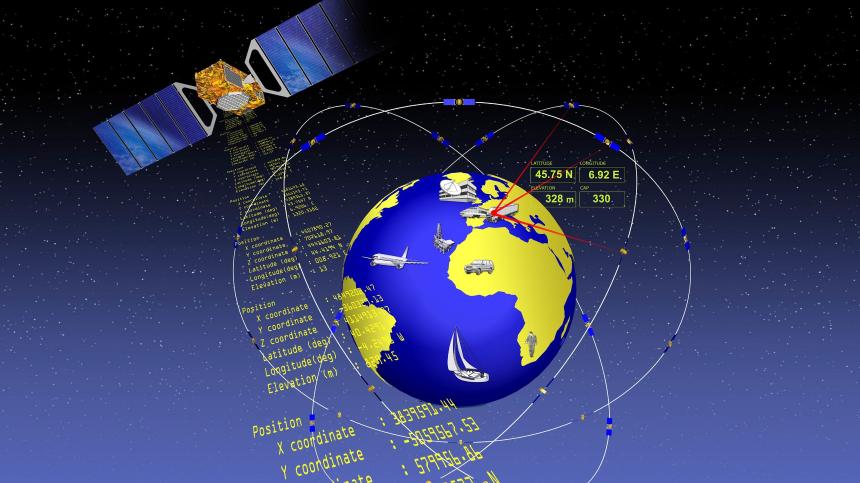
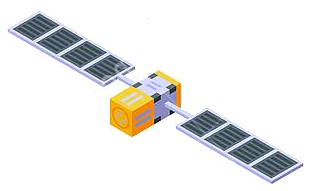
伽利略定位系统(意大利语:Galileo),是一个正在建造中的卫星定位系统,该系统由欧盟通过欧洲空间局和欧洲导航卫星系统管理局建造[3],总部设在捷克共和国的布拉格。该系统有两个地面操控站,分别位于德国慕尼黑附近的奥伯法芬霍芬和意大利的富齐诺。这个造价五十亿欧元[4]的项目是以意大利天文学家伽利略的名字命名的。伽利略系统的目的之一是为欧盟国家提供一个自主的高精度定位系统,该系统独立于俄罗斯的格洛纳斯系统和美国的全球定位系统(GPS),在这些系统被关闭时,欧盟就可以使用伽利略系统。该系统的基本服务(低精度)是提供给所有用户免费使用的,高精度定位服务仅提供给付费用户使用。伽利略系统的目标是在水平和垂直方向提供精度1米以内的定位服务,并且在高纬度地区提供比其他系统更好的定位服务。[5]
伽利略系统是中地球轨道搜救卫星系统的一部分,可提供一种新的全球搜救方式。伽利略系统的卫星安装有转发器,可以把求救信号从事故地点发送到救援协调中心,救援协调中心就会开始组织救援。同时,该系统还会发射一个返回信号到事故地点处,通知求救人员他们的信号已被收到,相应的救援也正在展开。现有的全球卫星搜救系统是不具备反馈信号功能的,所以伽利略系统这个发消息功能被认为是对全球卫星搜救系统的一个重要升级。[6]2014年,研究人员对伽利略系统的搜救功能进行了测试,该系统是作为当时的全球卫星搜救系统的一部分工作的,测试结果显示,该系统对77%的模拟求救位置定位精度在2千米以内,95%的求救位置定位精度在5千米以内。[7]
伽利略系统的第一颗试验卫星GIOVE-A于2005年12月28日发射,第一颗正式卫星于2011年8月21日发射。该系统计划发射30颗卫星,截止2016年5月,已有14颗卫星发射入轨。伽利略系统于2016年12月15日在布鲁塞尔举行激活仪式,提供早期服务。于2017年到2018年提供初步工作服务,最终于2019年具备完全工作能力。[8] 该系统的30颗卫星预计将于2020年前发射完成,其中包含24颗工作卫星和6颗备用卫星。[9]
Galileo ist ein im Aufbau befindliches, teilweise bereits operationelles, europäisches globales Satellitennavigations- und Zeitgebungssystem unter ziviler Kontrolle (europäisches GNSS).[1]
Es liefert weltweit Daten zur genauen Positionsbestimmung und ähnelt dem US-amerikanischen NAVSTAR-GPS, dem russischen GLONASS-System und dem chinesischen Beidou-System. Die Systeme unterscheiden sich hauptsächlich durch die Frequenznutzungs-/Modulationskonzepte, die Art und Anzahl der angebotenen Dienste und die Art der Kontrolle (GLONASS, Beidou und GPS sind militärisch kontrolliert).
Auftraggeber von Galileo ist die Europäische Union. Der Sitz der Agentur für das Europäische GNSS (Galileo-Agentur, GSA) befindet sich seit 2014 in der tschechischen Hauptstadt Prag.[2]
Mit Stand Ende 2017 sind 22 der vorgesehenen 30 Satelliten in ihrem Orbit.[3] Bis Ende 2019 sollen alle Satelliten in ihre Umlaufbahn gebracht werden. Das Satellitennavigationssystem ist für die Allgemeinheit seit dem 15. Dezember 2016 zugänglich.[4][5]
ガリレオ(Galileo)は、EUが構築した全地球航法衛星システム。
ガリレオはEUによる全地球航法衛星システムである。高度約24000kmの上空に30機の航法衛星を運用することを予定している。民間主体としては初の衛星航法システムであり、EUはアメリカ国防総省が運営するGPSのように、軍事上の理由によるサービスの劣化及び中断を避けられる利点があるとコメントしている。さらに、測位にかかる時間が短縮され、GPSの数メートルに比べて1メートルまで精度を向上できる。
試験衛星は2005年12月28日に1機目のGIOVE-A衛星が打ち上げられ、2006年1月12日から試験電波が発射されており、2007年5月2日に英Surrey Satellite Technologyによって作成された航法メッセージがギルドフォード地球局からGIOVE-A衛星にアップロードされ放送された。2006年中に打ち上げ予定だった2機目の試験衛星GOOV-Bは、打上げが2008年4月まで遅れた。本格利用開始は2010年頃とされていたが、2013年へと先送りされ、2010年末段階計画では2014年末に18機による初期運用とし2016年末に規定の機数による本格運用に入る計画で進められている。年間の運用コストはEGNOSと合わせて8億ユーロになると見積もられている。
無料で利用できるGPSに対して、莫大な費用を投資し有料での活用を予定しているガリレオの採算性を疑問視する意見も多い。当初の事業費は36億ユーロないし38億ユーロと見込まれており、うち民間企業が24億ユーロを負担する予定だったが、2007年に共同事業体が解散し計画の中止が検討された。2007年5月にEUは公的資金で全額を肩代わりすることを決定し、11月に承認された。2010年には、Wikileaksによって漏出したアメリカ外交当局の資料に、ガリレオに用いる14機の衛星製造を請け負っているドイツの契約企業の担当役員が、ガリレオ計画を「フランスの国益に基づく馬鹿げたアイデア」だとコメントしたことが明らかとなり、問題の役員が解任される騒ぎがあった[1]。
Galileo is the global navigation satellite system (GNSS) that went live in 2016,[4] created by the European Union (EU) through the European GNSS Agency (GSA),[5] headquartered in Prague in the Czech Republic,[6] with two ground operations centres, Oberpfaffenhofen near Munich in Germany and Fucino in Italy. The €10 billion project[3][7] is named after the Italian astronomer Galileo Galilei. One of the aims of Galileo is to provide an independent high-precision positioning system so European nations do not have to rely on the U.S. GPS, or the Russian GLONASS systems, which could be disabled or degraded by their operators at any time.[8] The use of basic (lower-precision) Galileo services will be free and open to everyone. The higher-precision capabilities will be available for paying commercial users. Galileo is intended to provide horizontal and vertical position measurements within 1-metre precision, and better positioning services at higher latitudes than other positioning systems. Galileo is also to provide a new global search and rescue (SAR) function as part of the MEOSAR system.
The first Galileo test satellite, the GIOVE-A, was launched 28 December 2005, while the first satellite to be part of the operational system was launched on 21 October 2011. As of July 2018, 26 of the planned 30 active satellites are in orbit.[9][10] Galileo started offering Early Operational Capability (EOC) on 15 December 2016,[1] providing initial services with a weak signal, and is expected to reach Full Operational Capability (FOC) in 2019.[11] The complete 30-satellite Galileo system (24 operational and 6 active spares) is expected by 2020.[12]
Le programme Galileo est un système de positionnement par satellites (radionavigation) développé par l'Union européenne et incluant un segment spatial dont le déploiement doit s'achever vers 2020. Comme les systèmes américain GPS, russe GLONASS et chinois Beidou, il permet à un utilisateur muni d'un terminal de réception d'obtenir sa position. La précision attendue pour le service de base, gratuit, est de 4 mètres horizontalement et de 8 mètres en altitude[réf. nécessaire]. Un niveau de qualité supérieur sera fourni dans le cadre de services payants proposés aux professionnels.
Le segment spatial de Galileo sera constitué à terme de 30 satellites dont 6 de rechange. Chaque satellite, d'une masse d'environ 700 kg, circule sur une orbite moyenne (23 222 kilomètres) dans trois plans orbitaux distincts ayant une inclinaison de 56°. Ces satellites émettent un signal qui leur est propre et retransmettent un signal de navigation fourni par le segment de contrôle de Galileo. Ce dernier est constitué par deux stations chargées également de surveiller l'orbite et l'état des satellites.
Le projet Galileo, après une phase de définition technique qui débute en 1999, est lancé le 26 mai 2003 avec la signature d'un accord entre l'Union européenne et l'Agence spatiale européenne chargée du segment spatial. Une des motivations principales du projet est de mettre fin à la dépendance de l'Europe vis-à-vis du système américain, le GPS. Contrairement à ce dernier, Galileo est uniquement civil. Le projet parvient à surmonter l'opposition de certains membres de l'UE et d'une partie des décideurs américains ainsi que les difficultés de financement (le coût final est évalué à 5 milliards d'euros). Les tests de Galileo débutent fin 2005 grâce aux lancements des satellites précurseurs Giove-A et Giove-B en décembre 2005 et avril 2008. Les premiers satellites en configuration opérationnelle (FOC) sont lancés en août 2014. Au 15 août 2018, vingt-six satellites ont été lancés, dont 18 sont opérationnels et 4 en cours de mise en service1. Les premiers services de Galileo sont opérationnels depuis le 15 décembre 20162,3. La précision maximale ne sera pas atteinte avant 2020, lorsque 24 des 30 satellites seront opérationnels3,4. En janvier 2018, Galileo compte déjà près de 100 millions d'utilisateurs5, et 200 millions en septembre6.
Il sistema di posizionamento Galileo è un sistema di posizionamento e navigazione satellitare civile (in inglese GNSS - Global Navigation Satellite System), sviluppato in Europa come alternativa al Global Positioning System (NAVSTAR GPS), controllato invece dal Dipartimento della Difesa degli Stati Uniti d'America.
La sua entrata in servizio prevista per la fine del 2019[1] è stata anticipata al 15 dicembre 2016[2]. Il sistema una volta completato potrà contare su 26 satelliti artificiali orbitanti (24 operativi più 2 di scorta)[3] su 3 piani inclinati rispetto al piano equatoriale terrestre di circa 56° e ad una quota di circa 23.925 km[3]. Le orbite che saranno seguite dai satelliti sono quelle MEO (Medium earth orbit). A luglio 2018 si trovano in orbita 26 satelliti ma non tutti sono completamente operativi.
Galileo es el programa europeo de radionavegación y posicionamiento por satélite desarrollado por la Unión Europea (UE) conjuntamente con la Agencia Espacial Europea. Este programa dota a la Unión Europea de una tecnología independiente del GPS estadounidense y el GLONASS ruso.1 Al contrario de estos dos, será de uso civil.2 El sistema se pudo poner en marcha el 15 de diciembre del 20163 con alrededor de media constelación y será completado para 2020.4
«Галиле́о» (Galileo) — совместный проект спутниковой системы навигации Европейского союза и Европейского космического агентства, является частью транспортного проекта Трансевропейские сети (англ. Trans-European Networks). Система предназначена для решения геодезических и навигационных задач. В последнее время всё больше производителей ГССН-оборудования интегрируют в свои спутниковые приёмники и антенны возможность принимать и обрабатывать сигналы со спутников «Галилео», этому способствует достигнутая договорённость о совместимости и взаимодополнении с системой NAVSTAR GPS третьего поколения. Финансирование проекта будет осуществляться в том числе за счёт продажи лицензий производителям приёмников.
Помимо стран Европейского Союза, в проекте участвуют: Китай, Израиль, Южная Корея, Украина. Кроме того, ведутся переговоры с представителями Аргентины, Австралии, Бразилии, Чили, Индии, Малайзии. Ожидалось, что «Галилео» войдёт в строй в 2014—2016 годах, когда на орбиту будут выведены все 30 запланированных спутников (24 операционных и 6 резервных[1]). Но на 2018 год спутниковая группировка «Галилео» так и не достигла необходимого количества аппаратов. Компания Arianespace заключила договор на 10 ракет-носителей «Союз» для запуска спутников, начиная с 2010 года[2]. Космический сегмент будет обслуживаться наземной инфраструктурой, включающей в себя три центра управления и глобальную сеть передающих и принимающих станций.
В отличие от американской GPS и российской ГЛОНАСС, система «Галилео» не контролируется национальными военными ведомствами, однако в 2008 году парламент ЕС принял резолюцию «Значение космоса для безопасности Европы», согласно которой допускается использование спутниковых сигналов для военных операций, проводимых в рамках европейской политики безопасности. Разработку системы осуществляет Европейское космическое агентство. Общие затраты оцениваются в 4,9 млрд евро.
Спутники «Галилео» выводятся на круговые геоцентрические орбиты высотой 23 222 км (или 29 600 км от центра Земли), проходят один виток за 14 ч 4 мин 42 с и обращаются в трёх плоскостях, наклонённых под углом 56° к экватору. Долгота восходящего узла каждой из трёх орбит отстоит на 120° от двух других. На каждой из орбит при полном развёртывании системы будет находиться 8 действующих и 2 резервных спутника. Эта конфигурация спутниковой группировки обеспечит одновременную видимость из любой точки земного шара по крайней мере четырёх аппаратов. Временна́я погрешность атомных часов, установленных на спутниках, составляет одну миллиардную долю секунды, что обеспечит точность определения места приёмника около 30 см на низких широтах. За счёт более высокой, чем у спутников GPS, орбиты, на широте Полярного круга будет обеспечена точность до одного метра.
Каждый аппарат «Галилео» весит около 675 кг, его габариты со сложенными солнечными батареями составляют 3,02×1,58×1,59 м, а с развёрнутыми — 2,74×14,5×1,59 м, энергообеспечение равно 1420 Вт на солнце и 1355 Вт в тени. Расчётный срок эксплуатации спутника превышает 12 лет.
 美食家
美食家
 植物学
植物学


在17世纪,荷兰是当时世界上最强大的海上霸主,曾被誉为海上马车夫。荷兰本土设12个省,下设443个市镇。首都设在阿姆斯特丹,但是其中央政府、国王居住办公地、所有的政府机关与外国使馆、最高法院和许多组织都在海牙。
欧洲联盟
欧盟的历史
欧洲联盟
*创始国
欧洲流行歌曲大赛
 财政金融
***全球金融中心
财政金融
***全球金融中心
 地理
地理
***IMF发达国家
历史
公元 1500 - 2000
历史
公元 2000 - 2100
地理
地理
***IMF发达国家
历史
公元 1500 - 2000
历史
公元 2000 - 2100
 国际城市
*欧洲文化之都
国际城市
欧洲城市
IMF发达国家
IMF发达国家
第六级
卢森堡
国际城市
*欧洲文化之都
国际城市
欧洲城市
IMF发达国家
IMF发达国家
第六级
卢森堡
 北约会员国
北约会员国
 欧洲国家
欧洲国家

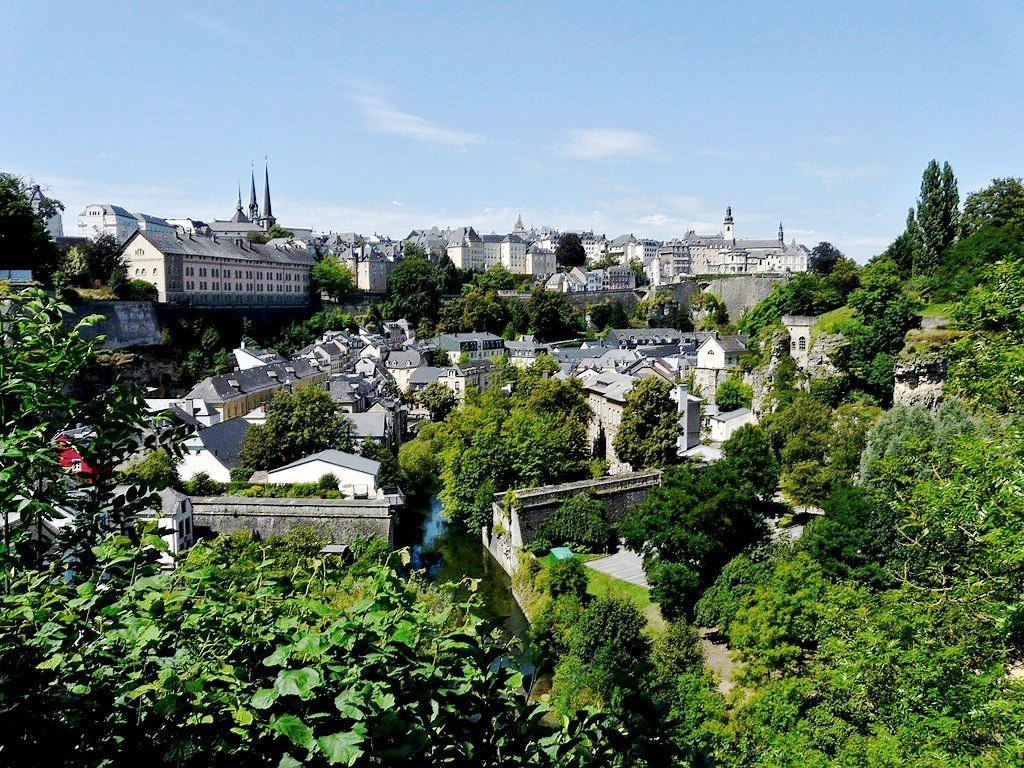
卢森堡是一个高度发达的资本主义国家,也是欧盟和北约创始成员国之一,拥有欧盟多个下设机构,如欧洲法院、欧洲审计院以及欧洲投资银行,被称为继布鲁塞尔和斯特拉斯堡之后的欧盟“第三首都”。同时是高度发达的工业国家,还是欧元区内最重要的私人银行中心,及全球第二大仅次于美国的投资信托中心。金融、广播电视、钢铁是其三大经济支柱产业,该国失业率极低,人均寿命80岁。
卢森堡大公国(卢森堡语:Groussherzogtum Lëtzebuerg[注 1];法语:Grand-Duché de Luxembourg; 德语:Großherzogtum Luxemburg[注 2]),通称卢森堡(卢森堡语:Lëtzebuerg;法语:Luxembourg;德语:Luxemburg),被邻国法国、德国和比利时包围,是一个位于欧洲的内陆国家,也是现今欧洲大陆仅存的大公国,首都卢森堡市。卢森堡是欧盟成员国,因境内有欧洲法院、欧洲审计院、欧洲投资银行等多个欧盟机构被称为继布鲁塞尔和斯特拉斯堡之后的欧盟“第三首都”。
Das Großherzogtum Luxemburg (luxemburgisch Groussherzogtum Lëtzebuerg [ˈgʀəʊsˌhɛχtsoːktuːm ˈlətsəbuəɕ], französisch Grand-Duché de Luxembourg [ɡʁɑ̃ dyʃe də lyksɑ̃buʁ]) ist ein demokratischer Staat in Form einer parlamentarischen Monarchie[1] im Westen Mitteleuropas. Es ist das letzte Großherzog- bzw. Großfürstentum (von einst zwölf) in Europa. Das Land gehört zum mitteldeutschen Sprachraum. Landessprache ist Luxemburgisch, Verwaltungs- und Amtssprachen sind Französisch, Deutsch und Luxemburgisch. Gemeinsam mit seinem Nachbarn Belgien und mit den Niederlanden bildet Luxemburg die Beneluxstaaten.
ルクセンブルク大公国(ルクセンブルクたいこうこく)、通称ルクセンブルクは、西ヨーロッパに位置する立憲君主制国家。首都は国名と同名のルクセンブルク市。隣接国は、南のフランス、西と北のベルギー、東のドイツである。ベルギー、オランダと併せてベネルクスと呼ばれる。
Luxembourg (/ˈlʌksəmbɜːrɡ/ ( listen)) (Luxembourgish: Lëtzebuerg [ˈlətsəbuə̯ɕ] ( listen); French: Luxembourg ; German: Luxemburg), officially the Grand Duchy of Luxembourg,[note 2] is a small landlocked country in western Europe. It is bordered by Belgium to the west and north, Germany to the east, and France to the south. Its capital, Luxembourg City, together with Brussels and Strasbourg, is one of the three official capitals of the European Union[6] and the seat of the European Court of Justice, the highest judicial authority in the EU. Its culture, people, and languages are highly intertwined with its neighbours, making it essentially a mixture of French and German cultures, as evident by the nation's three official languages: French, German, and the national language, Luxembourgish (sometimes considered a dialect of German). The repeated invasions by Germany, especially in World War II, resulted in the country's strong will for mediation between France and Germany and, among other things, led to the foundation of the European Union.[7]
With an area of 2,586 square kilometres (998 sq mi), it is one of the smallest sovereign states in Europe.[8] In 2016, Luxembourg had a population of 576,249, which makes it one of the least-populous countries in Europe,[9] but by far the one with the highest population growth rate.[10] Foreigners account for nearly half of Luxembourg's population.[11] As a representative democracy with a constitutional monarch, it is headed by Grand Duke Henri and is the world's only remaining grand duchy. Luxembourg is a developed country, with an advanced economy and one of the world's highest GDP (PPP) per capita. The City of Luxembourg with its old quarters and fortifications was declared a UNESCO World Heritage Site in 1994 due to the exceptional preservation of the vast fortifications and the old city.[12]
The history of Luxembourg is considered to begin in 963, when count Siegfried I acquired a rocky promontory and its Roman-era fortifications known as Lucilinburhuc, ′little castle′, and the surrounding area from the Imperial Abbey of St. Maximin in nearby Trier.[13][14] Siegfried's descendants increased their territory through marriage, war and vassal relations. At the end of the 13th century, the Counts of Luxembourg reigned over a considerable territory. [15] In 1308, Henry VII, Count of Luxembourg became King of the Germans and Holy Roman Emperor. The House of Luxembourg produced four Holy Roman Emperors at the high time of the Middle Ages. In 1354, Charles IV elevated the County to the Duchy of Luxembourg. Since Sigismund had no male heir, the Duchy became part of the Burgundian Circle and then one of the Seventeen Provinces of the Habsburg Netherlands.[16] Over the centuries, the City and Fortress of Luxembourg, of great strategic importance situated between the Kingdom of France and the Habsburg territories, was gradually built up to be one of the most reputed fortifications in Europe. After belonging to both the France of Louis XIV and the Austria of Maria Theresia, Luxembourg became part of the First French Republic and Empire under Napoleon.[17]
The present-day state of Luxembourg first emerged at the Congress of Vienna in 1815. The Grand-Duchy, with its powerful fortress, became an independent state under the personal possession of William I of the Netherlands with a Prussian garrison to guard the city against another invasion from France. [18] In 1839, following the turmoil of the Belgian Revolution, the purely Oil-speaking part of Luxembourg was ceded to Belgium and the Luxembourgish-speaking part (except the Arelerland, the area around Arlon) became what is the present state of Luxembourg. [19]
The steel industry exploiting the Red Lands' rich iron-ore grounds in the beginning of the 20th century drove the country's industrialisation. ArcelorMittal, the world's largest steel producer with headquarters in Luxembourg City, is still a reminder of these times. After the decline of the steel industry in the 1970s, the country focused on establishing itself as a global financial centre and developed into the banking hub it is reputed for. Since the beginning of the 21st century, its governments have focused on developing the country into a knowledge economy, with the founding of the University of Luxembourg and a national space programme, projecting the first involvement in a robotic lunar expedition by 2020.[20]
Luxembourg is a founding member of the European Union, OECD, United Nations, NATO, and Benelux. The city of Luxembourg, which is the country's capital and largest city, is the seat of several institutions and agencies of the EU. Luxembourg served on the United Nations Security Council for the years 2013 and 2014, which was a first in the country's history.[21] In 2016 Luxembourgish citizens had visa-free or visa-on-arrival access to 172 countries and territories, ranking the Luxembourgish passport 15th in the world, tied with countries such as Canada and Switzerland.[22]
Le Luxembourg, en forme longue le Grand-Duché de Luxembourg2,b,c ou le grand-duché de Luxembourgd, en luxembourgeois Lëtzebuerg et Groussherzogtum Lëtzebuerg, en allemand Luxemburg et Großherzogtum Luxemburg, est un pays d'Europe de l'Ouest sans accès à la mere Il est bordé par la Belgique à l'ouest et au nord, l'Allemagne à l'est, et la France au sud. Il comprend deux régions principales : l'Oesling au nord, qui est une partie du massif des Ardennes, et le Gutland au sud, prolongement de la Lorraine au sens géologique du terme. Le Luxembourg compte 602 005 habitants au 1er janvier 20181, et s'étend sur une superficie de 2 586 km2, faisant de lui l'une des plus petites nations souveraines d'Europe.
Le Luxembourg est une démocratie représentative et une monarchie constitutionnelle avec un grand-duc pour chef d'État, faisant du pays le seul grand-duché encore existant. Son économie dynamique en fait un des pays les plus riches et des plus prospères du monde, avec le PIB par habitant le plus élevé du monde selon le FMI en 2014. L'économie est principalement centrée sur les activités financières (environ la moitié du produit intérieur brut), favorisée par une fiscalité attractive voire dérisoire dans certains domaines (quasi-exonération d'impôts pour les bénéfices issus de l'exploitation de brevets ou de logiciels). La localisation centrale du territoire luxembourgeois en Europe a historiquement fait de lui un lieu d'une grande importance stratégique pour de nombreuses puissances, depuis sa fondation en tant que fortin romain7, son accueil d'un château franc durant le Haut Moyen Âge, et son rôle de bastion pour le chemin des Espagnols entre les XVIe et XVIIe siècles.
Le Luxembourg est le plus petit membre fondateur de l'Union européenne, de la zone euro, de l'OTAN, de l'OCDE, de l'ONU, de l'OSCE, du Conseil de l'Europe8,9,10,11 et du Benelux, reflétant son consensus politique en faveur de l'intégration économique, politique et militaire. La ville de Luxembourg, sa capitale et sa plus grande ville, est le siège de plusieurs établissements et institutions de l'UE. En 2012, le Luxembourg a été élu pour la première fois de son histoire à un siège temporaire au Conseil de sécurité des Nations unies. En raison de sa position géographique, la culture luxembourgeoise est une fusion de l'Europe germanique et romane, intégrant chacune des deux. De ce fait, le Luxembourg est un pays trilingue : le luxembourgeois, le français et l'allemand sont les trois langues officielles et, depuis 1984, le luxembourgeois a légalement le statut de « langue nationale »12.
Il Granducato di Lussemburgo (in francese: le Grand-Duché de Luxembourg; in lussemburghese: Groussherzogtum Lëtzebuerg; in tedesco: Großherzogtum Luxemburg) è un paese membro dell'Unione europea situato tra Germania, Francia e Belgio. È uno stato senza sbocco sul mare.
Membro fondatore dell'Unione europea, della NATO, del Benelux e delle Nazioni Unite, la sua capitale, l'omonima città di Lussemburgo, è sede di numerose istituzioni e agenzie europee oltre ad essere uno snodo finanziario di primaria importanza.
È l'unico granducato rimasto al mondo.
Luxemburgo, oficialmente denominado Gran Ducado de Luxemburgo (luxemburgués: Groussherzogtum Lëtzebuerg, francés: Grand-Duché de Luxembourg, alemán: Großherzogtum Luxemburg), es un pequeño país de Europa Central que forma parte de la Unión Europea. Se trata de un Estado sin litoral, rodeado por Francia, Alemania y Bélgica. Luxemburgo cuenta con una población de medio millón de habitantes sobre un área de 2586 kilómetros cuadrados.1
El gobierno de Luxemburgo es una monarquía constitucional y parlamentaria, siendo el único gran ducado soberano en la actualidad. El Estado tiene una economía altamente desarrollada, con el mayor producto interior bruto por cápita del mundo de acuerdo al Banco Mundial, y el segundo de acuerdo al Fondo Monetario Internacional.
Luxemburgo es miembro de la Unión Europea, la Organización del Tratado del Atlántico Norte, la Organización para la Cooperación y el Desarrollo Económico, las Naciones Unidas y el Benelux, reflejando la orientación política a favor de la integración económica, política y militar. Su capital, Luxemburgo, es sede de numerosas instituciones y agencias de la Unión Europea.
Luxemburgo posee culturas y tradiciones diversas por encontrarse entre la Europa romana y la Europa germánica. El país tiene tres lenguas oficiales: alemán, francés y luxemburgués. La localidad Schengen, que dio su nombre al espacio de Schengen, está ubicada en Luxemburgo.
Люксембу́рг (люксемб. Lëtzebuerg), официально Вели́кое Ге́рцогство Люксембу́рг (люксемб. Groussherzogtum Lëtzebuerg, фр. Grand-Duché de Luxembourg, нем. Großherzogtum Luxemburg) — государство (великое герцогство) в Западной Европе. Граничит с Бельгией на севере, на западе и на юге с Францией, на востоке с Германией, не имеет выхода к морю. Название происходит от древневерхненемецкого «lucilinburch» — «малый город». Общая площадь Люксембурга составляет 2586,4 км², что делает его одним из самых маленьких суверенных государств в Европе[5]. Население на 1 января 2018 года составляет 602 005 человек[2].
Член Европейского союза с 1957 года, также является членом НАТО, ОЭСР и ООН. Вместе с Бельгией и Нидерландами входит в состав Бенилюкса.

Das Königreich Belgien (niederländisch , französisch Royaume de Belgique) ist ein föderaler Staat in Westeuropa. Es liegt an der Nordsee und grenzt an die Niederlande, Deutschland, Luxemburg und Frankreich. Belgien zählt rund 11,3 Millionen[3] Einwohner (2015) auf einer Fläche von 30.528 Quadratkilometern und zählt somit zu den dicht besiedelten Staaten. Der Grad der Urbanisierung Belgiens ist mit fast 98 Prozent der höchste in Europa.[7] Die Stadt Brüssel ist die Hauptstadt und Sitz der belgischen Königsfamilie. Weitere bedeutende große Städte sind Antwerpen, Gent, Charleroi, Namur, Lüttich und Brügge.
Seit der Unabhängigkeit 1830 und Verfassungsgebung 1831 ist Belgien eine konstitutionelle Erbmonarchie[1] (siehe auch belgische Monarchie). Der Norden des Landes mit den Flamen ist niederländisches, der Süden mit den Wallonen französisches Sprachgebiet (vgl. flämische und französische Gemeinschaft). Die Region Brüssel-Hauptstadt ist offiziell zweisprachig, jedoch mehrheitlich frankophon bewohnt.[8] Im deutschen Sprachgebiet in Ostbelgien sind Standarddeutsch und westmitteldeutsche Mundarten verbreitet.
Der anhaltende flämisch-wallonische Konflikt prägt die gegensätzlichen Interessen der Vertreter der beiden großen Bevölkerungsgruppen in der belgischen Politik. Seit den 1970er-Jahren wird daher versucht, diesem Problem durch eine Dezentralisierung der Staatsorganisation zu begegnen. Dazu wurde Belgien in einen Bundesstaat, bestehend aus sechs Gliedstaaten – drei Regionen und drei Gemeinschaften – umgewandelt. Die Regionen Flandern, Wallonien und Brüssel-Hauptstadt sowie die flämische, die französische und die deutschsprachige Gemeinschaft bilden heute als Gliedstaaten die politische Grundlage des Landes.
Belgien ist Gründungsmitglied der Europäischen Wirtschaftsgemeinschaft (EWG), der heutigen Europäischen Union (EU), deren wichtigste Institutionen in seiner Hauptstadt Brüssel ihren Sitz haben. Der belgische Staat ist des Weiteren neben den Niederlanden und Luxemburg Mitglied in der Wirtschaftsunion Benelux.
*田径
男子4x100米接力
*田径
男子4x400米接力
*田径
女子4×100米接力
原子弹
欧洲联盟
欧盟的历史
欧洲联盟
*创始国
法国
地理
地理
***IMF发达国家
IMF发达国家
IMF发达国家
第二级
世界田径锦标赛
2005 Helsinki
世界田径锦标赛
2003 Saint-Denis
军事、国防和装备
核武器
军事、国防和装备
§*不扩散核武器条约
北约会员国
政党和政府组织
二十个主要工业化国家和新兴国家集团
政党和政府组织
七国集团
欧洲国家
 联合国
联合国安全理事会常任理事国
氢弹
联合国
联合国安全理事会常任理事国
氢弹

法兰西共和国(法语:République française [ʁepyblik fʁɑ̃sɛz]),通称法国(法语:France [fʁɑ̃s]  聆听),是本土位于西欧并具有海外大区及领地[注 16]的主权国家,自法兰西第五共和国建立以来实行单一制与半总统制,首都为欧洲大陆最大的文化与金融中心巴黎。该国本土由地中海一直延伸至英吉利海峡及北海,并由莱茵河一直延伸至大西洋,整体呈六角状。海外领土包括南美洲的法属圭亚那及分布于大西洋、太平洋和印度洋的诸岛屿。全国共分为18个大区,其中5个位于海外。法国与西班牙及摩洛哥为同时拥有地中海及大西洋海岸线的三个国家。法国的国土面积全球第四十一位,但却为欧盟及西欧国土面积最辽阔的国家,欧洲面积第三大国家。
今日之法国本土于铁器时代由高卢人(凯尔特人的一支)征服,前51年又由罗马帝国吞并。486年法兰克人(日耳曼人的一支)又征服此地,其于该地域建立的早期国家最终发展成为法兰西王国。法国至中世纪末期起成为欧洲大国,国力于19-20世纪时达致巅峰,建立了世界第二大殖民帝国,亦为20世纪人口最稠密的国家[来源请求],现今则是众多前殖民地的首选移民国[8]。在漫长的历史中,法国培养了不少对人类发展影响深远的著名哲学家、文学家与科学家,亦为文化大国,具有第四多的世界遗产[9]。
法国在全球范围内政治、外交、军事与经济上为举足轻重的大国之一[10]。法国自1958年建立第五共和国后经济有了很大的发展,政局保持稳定,国家体制实行半总统制,国家经由普选产生的总统、由其委任的总理与相关内阁共同执政。1958年10月4日,由公投通过的国家宪法则保障了国民的民主权及宗教自由。法国的建国理念主要建基于在18世纪法国大革命中所制定的《人权和公民权宣言》,此乃人类史上较早的人权文档,并对推动欧洲以至于全球的民主与自由产生莫大的影响[11];其蓝白红三色的国旗则有“革命”的含义。法国不仅为联合国常任理事国,亦是欧盟始创国。该国国防预算金额为全球第5至6位,并拥有世界第三大核武贮备量[12]。法国为发达国家,其GDP为全球第七大经济体系,具备世界第十大购买力[13],并拥有全球第二大专属经济区[14];若以家庭总财富作计算,该国是欧洲最富有的国家,位列全球第四[15]。法国国民享有高生活质素,在教育、预期寿命、民主自由、人类发展等各方面均有出色的表现,特别是医疗研发与应用水平长期盘据世界首位[16][17]。Frankreich  [ˈfʁaŋkʁaɪ̯ç] (französisch [fʁɑ̃s], amtlich République française [ʁe.py.ˈblik fʁɑ̃.ˈsɛz], deutsch Französische Republik) ist ein demokratischer, interkontinentaler Einheitsstaat in Westeuropa mit Überseeinseln und -gebieten auf mehreren Kontinenten. Metropolitan-Frankreich, d. h. der europäische Teil des Staatsgebietes, erstreckt sich vom Mittelmeer bis zum Ärmelkanal und zur Nordsee sowie vom Rhein bis zum Atlantischen Ozean. Sein Festland wird wegen seiner Landesform als Hexagone (Sechseck) bezeichnet. Frankreich ist flächenmäßig das größte und nach Einwohnern (hinter Deutschland) das zweitgrößte Land der Europäischen Union. Es umfasst (nach Russland und der Ukraine) das drittgrößte Staatsgebiet in Europa. Paris ist die Hauptstadt und als Agglomeration mit dem Gemeindeverband Métropole du Grand Paris und den umliegenden Gebieten der Region Île-de-France größter Ballungsraum des Landes vor Lyon, Marseille, Toulouse und Lille.
Im 17. und 18. Jahrhundert hatte Frankreich eine europäische Führungsrolle und Vormachtstellung inne. Bedeutend war die politische und kulturelle Ausstrahlung: Die Hofhaltung Ludwigs XIV. wurde zum Vorbild absolutistischer Staaten in ganz Europa und die Französische Revolution mit der Erklärung der Menschen- und Bürgerrechte gab zusammen mit Okkupationen durch Napoleon Bonaparte in vielen Ländern den Auftakt zu der immer wieder von Rückschlägen unterbrochenen Entwicklung zur Demokratie. In Übersee baute Frankreich zweimal ein Kolonialreich auf. Das erste umfasste u. a. große Teile Nordamerikas und ging großenteils Mitte des 18. Jahrhunderts im Siebenjährigen Krieg verloren; das zweite mit Schwerpunkt in Afrika war im 19. und frühen 20. Jahrhundert das zweitgrößte der Welt. Im 21. Jahrhundert gilt Frankreich mit Deutschland als treibende Kraft der europäischen Integration.
Die Französische Republik wird in ihrer Verfassung als unteilbar, laizistisch, demokratisch und sozial erklärt.[7] Ihr Grundsatz lautet: „Regierung des Volkes durch das Volk und für das Volk“. Frankreich steht auf Rang 26 des Index der menschlichen Entwicklung (2019) der Vereinten Nationen.[8] Gemessen am nominalen Bruttoinlandsprodukt ist es die sechstgrößte Volkswirtschaft der Welt.[5] Die Kaufkraft pro Einwohner betrug 2016 19.254 Euro (zum Vergleich: Deutschland 21.879 Euro, Großbritannien 21.141 Euro).[9] Lebensstandard, Bildungsgrad und durchschnittliche Lebenserwartung[10] gelten als hoch. Als meistbesuchtes Land der Welt empfängt Frankreich rund 83 Millionen ausländische Touristen pro Jahr.[11][12]
Frankreich unterhält die drittstärksten Streitkräfte innerhalb der NATO und das größte Heer der Europäischen Union. Es ist eines der fünf ständigen Mitglieder des UN-Sicherheitsrates und hatte 2010 als Atommacht die weltweit dritthöchste Anzahl an Kernwaffen.[13] Das Land ist Gründungsmitglied der Europäischen Union und der Vereinten Nationen, Mitglied der Frankophonie, der G7, der G20, der NATO, der Organisation für wirtschaftliche Zusammenarbeit und Entwicklung (OECD), der Welthandelsorganisation (WTO) und der Lateinischen Union.
フランス共和国(フランスきょうわこく、フランス語: République française、通称:フランス、France)は、西ヨーロッパ、カリブ、太平洋およびインド洋に位置する共和制国家。首都はパリ。
フランス・メトロポリテーヌ(本土)は地中海からイギリス海峡及び北海へ、ライン川から大西洋へと広がる。この他世界各地に海外地域および領土を有する。
なお、フランス・メトロポリテーヌ周辺は北東がドイツとベルギーとルクセンブルク、東をスイスとイタリア、南にスペインと国境を接している。
フランスは国際連合安全保障理事会常任理事国であり、G7・G20、欧州評議会、世界貿易機関、経済協力開発機構、北大西洋条約機構、パリクラブおよびフランコフォニー国際機関における主要なメンバーである。国際政治においてはこれらの理由から、政治・経済・文化において強力な影響を及ぼす列強の一角に数えられており、ヨーロッパにおける「ビッグ4」の1つでもある。
核拡散防止条約により核兵器の保有を認められた5つの公式核保有国の1つであり、その他にアメリカ合衆国を除けば世界で唯一の原子力空母「シャルル・ド・ゴール」や原子力潜水艦を保有しており、強力な軍事力を持っている。
GDPは名目GDP世界第7位かつ購買力平価で世界第10位・ユーロ圏ではドイツに次ぐ第2位の経済力を有する国であり、高い人間開発指数を持つ先進国として知られる。数多くの世界遺産を抱えており、世界で最も観光客の多い国の1つである。
歴史的にはデカルト、モンテスキュー、ルソー、サルトルといった哲学者やマリ・キュリー、パストゥールといった科学者、モネ、セザンヌ、ゴーギャン、クールベ、ドラクロワといった芸術家の故国もしくは活躍の舞台であり、また百年戦争やフランス革命、ナポレオン戦争といった歴史的事象の主要な舞台であった。
France (French: [fʁɑ̃s] ), officially the French Republic (French: République française),[1] is a transcontinental country spanning Western Europe and overseas regions and territories in the Americas and the Atlantic, Pacific and Indian Oceans.[XIII] Including all of its territories, France has twelve time zones, the most of any country. Its metropolitan area extends from the Rhine to the Atlantic Ocean and from the Mediterranean Sea to the English Channel and the North Sea; overseas territories include French Guiana in South America, Saint Pierre and Miquelon in the North Atlantic, the French West Indies, and several islands in Oceania and the Indian Ocean. Due to its several coastal territories, France has the largest exclusive economic zone in the world. France borders Belgium, Luxembourg, Germany, Switzerland, Monaco, Italy, Andorra and Spain in Europe, as well as the Netherlands, Suriname and Brazil in the Americas. Its eighteen integral regions (five of which are overseas) span a combined area of 643,801 km2 (248,573 sq mi) and over 67 million people (as of May 2021).[13] France is a unitary semi-presidential republic with its capital in Paris, the country's largest city and main cultural and commercial centre; other major urban areas include Lyon, Marseille, Toulouse, Bordeaux, Lille and Nice.
Inhabited since the Palaeolithic era, the territory of Metropolitan France was settled by Celtic tribes known as Gauls during the Iron Age. Rome annexed the area in 51 BC, leading to a distinct Gallo-Roman culture that laid the foundation of the French language. The Germanic Franks arrived in 476 and formed the Kingdom of Francia, which became the heartland of the Carolingian Empire. The Treaty of Verdun of 843 partitioned the empire, with West Francia becoming the Kingdom of France in 987.
In the High Middle Ages, France was a powerful but highly decentralised feudal kingdom in which the king's authority was barely felt. King Philip II achieved remarkable success in the strengthening of royal power and the expansion of his realm, defeating his rivals and doubling its size. By the end of his reign, the kingdom had emerged as the most powerful state in Europe. From the mid-14th to the mid-15th century, France was plunged into a series of dynastic conflicts for the French throne, collectively known as the Hundred Years' War, and a distinct French identity emerged as a result. The French Renaissance saw art and culture flourish, various wars with rival powers, and the establishment of a global colonial empire, which by the 20th century would become the second-largest in the world.[14] The second half of the 16th century was dominated by religious civil wars between Catholics and Huguenots that severely weakened the country. But France once again emerged as Europe's dominant cultural, political and military power in the 17th century under Louis XIV following the Thirty Years' War.[15] Inadequate economic policies, an inequitable taxation system as well as endless wars (notably a defeat in the Seven Years' War and costly involvement in the American War of Independence), left the kingdom in a precarious economic situation by the end of the 18th century. This precipitated the French Revolution of 1789, which overthrew the absolute monarchy, replaced the Ancien Régime with one of history's first modern republics and produced the Declaration of the Rights of Man and of the Citizen, which expresses the nation's ideals to this day.
France reached its political and military zenith in the early 19th century under Napoleon Bonaparte, subjugating much of continental Europe and establishing the First French Empire. The French Revolutionary and Napoleonic Wars shaped the course of European and world history. The collapse of the empire initiated a period of relative decline, in which France endured a tumultuous succession of governments until the founding of the French Third Republic during the Franco-Prussian War in 1870. Subsequent decades saw a period of optimism, cultural and scientific flourishing, as well as economic prosperity known as the Belle Époque. France was one of the major participants of World War I, from which it emerged victorious at great human and economic cost. It was among the Allied powers of World War II, but was soon occupied by the Axis in 1940. Following liberation in 1944, the short-lived Fourth Republic was established and later dissolved in the course of the Algerian War. The current Fifth Republic was formed in 1958 by Charles de Gaulle. Algeria and most French colonies became independent in the 1960s, with the majority retaining close economic and military ties with France.
France retains its centuries-long status as a global centre of art, science and philosophy. It hosts the fifth-largest number of UNESCO World Heritage Sites and is the world's leading tourist destination, receiving over 89 million foreign visitors in 2018.[16] France is a developed country with the world's seventh-largest economy by nominal GDP and ninth-largest by PPP; in terms of aggregate household wealth, it ranks fourth in the world.[17] France performs well in international rankings of education, health care, life expectancy and human development.[18][19] It remains a great power in global affairs,[20] being one of the five permanent members of the United Nations Security Council and an official nuclear-weapon state. France is a founding and leading member of the European Union and the Eurozone,[21] as well as a key member of the Group of Seven, North Atlantic Treaty Organization (NATO), Organisation for Economic Co-operation and Development (OECD) and La Francophonie.
La France (Écouter), en forme longue depuis 1875 la République française (Écouter), est un État souverain transcontinental dont le territoire métropolitain est situé en Europe de l'Ouest et dont le territoire ultramarin est situé dans les océans Indien, Atlantique et Pacifique ainsi qu'en Amérique du Sud. Il s'agit de l'unique pays au monde à s'étendre sur treize fuseaux horaires. Le pays a des frontières terrestres avec la Belgique, le Luxembourg, l'Allemagne, la Suisse, l'Italie, l'Espagne et les deux principautés d'Andorre et de Monaco en Europe, auxquelles s'ajoutent les frontières terrestres avec le Brésil, le Suriname et les Pays-Bas aux Amériques. La France dispose d'importantes façades maritimes sur l'Atlantique, la Méditerranée, le Pacifique et l'océan Indien, lui permettant de bénéficier de la plus vaste zone économique exclusive du monde6.
La France est une république constitutionnelle unitaire ayant un régime semi-présidentiel. La devise de la République est depuis 1875 « Liberté, Égalité, Fraternité » et son drapeau est constitué des trois couleurs nationales : bleu, blanc, rouge. Son hymne national est La Marseillaise, chant patriotique hérité de la Révolution française. Son principe constitutif est la démocratie : le « gouvernement du peuple, par le peuple et pour le peuple ». Elle a pour capitale Paris et pour langue officielle le français depuis 1539, remplaçant le latin. Ses monnaies sont l'euro depuis 2002 dans la majeure partie du pays et le franc Pacifique dans ses territoires de l'océan Pacifique.
La France s'appelle ainsi depuis 1214, lorsque les troupes du roi Philippe Auguste battent celles de l’empereur germanique à Bouvines. La France tire son nom des Francs, peuple germanique qui a institué les premiers fondements de son État sur les bases de la Gaule romaine. C'est au fil des siècles, par des guerres, des mariages politiques et des unions souveraines, que cet État monarchique et catholique va peu à peu constituer autour de lui une véritable fédération de provinces, qui finira par se cristalliser en une nation unique sous l’effet d’une politique d'uniformisation administrative et culturelle, portée à son aboutissement par la Révolution française et la fin du régime féodal.
Du milieu du XVIe siècle au milieu du XXe siècle, elle possède un vaste empire colonial. À partir des années 1950, elle est l'un des acteurs de la construction de l'Union européenne. Deuxième armée européenne derrière la Russie, quatrième puissance nucléaire et spatiale mondiale7,8, cinquième puissance militaire mondiale9, l'un des cinq membres permanents du Conseil de sécurité des Nations unies et membre de l'OTAN, la France est également membre du G7, du G20, du Conseil de l'Europe, de la zone euro, de l'espace Schengen, de la commission de l'océan Indien, de la communauté du Pacifique, et abrite le siège de plusieurs organisations internationales dont le Conseil de l'Europe, l'UNESCO, l'OCDE, Interpol, le Centre International de Recherche sur le Cancer. Elle exerce ainsi une influence notable en matière politique, économique, militaire et culturelle, en Europe et dans le reste du monde, elle est classée en 2019 au premier rang mondial de l'indice Soft Power 30 grâce à sa vaste portée diplomatique, sa richesse culturelle et à la forte maîtrise internationale du président de la République10.
Seul pays au monde à exercer sa souveraineté sur des territoires répartis sur quatre océans et deux continents11,N 7, elle joue un important rôle géopolitique au niveau mondial, grâce à un réseau d'ambassades et de consulats étendu, le deuxième au monde derrière celui des États-Unis, et elle dispose de bases militaires sur tous les continents et de la troisième puissance nucléaire militaire mondiale. Du fait de son territoire étendu et réparti sur l'ensemble de la planète, la France est de surcroît un des premiers pays du monde pour la variété de ses milieux maritimes et leur biodiversité12.
La France est, avec un PIB nominal de 2 938 milliards de dollars US en 2021 selon le FMI, la troisième économie européenne derrière l'Allemagne et le Royaume-Uni, ainsi que la septième économie mondiale13. Malgré un taux de chômage de 8 % (juin 2021), elle affiche un niveau de vie « très élevé » (24e au classement IDH en 2018). Elle figure parmi les chefs de file mondiaux dans les secteurs de l'agroalimentaire, de l'aéronautique, de l'automobile, du tourisme, du nucléaire, leader mondial dans le secteur du luxe. Au 1er janvier 2018, la population de la France est d'environ 67,8 millions d'habitants, selon les estimations publiées par l'Insee : 65 018 000 dans les régions métropolitaines, 2 169 000 dans les régions ultramarines et 608 200 dans les collectivités d'outre-mer et en Nouvelle-Calédonie.
L'un des pays les plus peuplés d'EuropeN 8 (très proche du Royaume-Uni, elle n'est devancée nettement que par l'Allemagne)14, la France est le plus vaste pays de l'Union européenne et le troisième pays le plus vaste d'Europe15. Sa culture et sa civilisation sont diffusées par les pays francophones à travers le monde, réunis dans l'Organisation internationale de la francophonie. Traditionnellement utilisé comme langue de la diplomatie, le français est la dixième langue maternelle la plus parlée au monde, la cinquième langue la plus parlée en nombre total de locuteurs, et une des langues ayant la plus grande diffusion internationale. Il est une des six langues officielles et une des deux langues de travail (avec l'anglais) de l'Organisation des Nations unies, l'une des deux langues officielles du Comité international olympique, et langue officielle ou de travail de plusieurs organisations internationales ou régionales. Le français est également l'une des trois langues de travail de l'Union européenne, avec l'allemand et l'anglais.
La Francia (/ˈfranʧa/[11]; in francese: France, /fʁɑ̃s/), ufficialmente Repubblica francese (in francese: République française), è uno Stato principalmente situato nell'Europa occidentale[12], ma che possiede ugualmente territori disseminati su più oceani e altri continenti. La Francia è una repubblica costituzionale unitaria avente un regime semipresidenziale. Parigi è la capitale, la lingua ufficiale è il francese, le monete ufficiali sono l'euro e il franco Pacifico nei territori dell'oceano Pacifico. Il motto della Francia è «Liberté, Égalité, Fraternité », e la sua bandiera è costituita da tre bande verticali di uguali dimensioni di colore blu, bianco e rosso[13]. L'inno nazionale è La Marsigliese.
È uno stato formatosi all'inizio dell'Alto Medioevo, che prende il suo nome dal popolo dei Franchi. Dall'inizio del XVII secolo alla prima metà del XX secolo, ha posseduto un vasto impero coloniale. Nella seconda metà del secolo è stata uno degli stati fondatori dell'Unione Europea. Inoltre è la terza potenza nucleare mondiale, uno dei membri permanenti del Consiglio di sicurezza delle Nazioni unite ed uno stato aderente all'NATO. Ugualmente è membro del G7, del G20, della zona euro, dello Spazio Schengen ed ospita la sede del Consiglio d'Europa, del Parlamento europeo e dell'UNESCO. La Francia possiede una certa influenza in materia politica, economica, militare e culturale in Europa e nel mondo come media potenza[14][15][16].
Esercita la sua sovranità su territori presenti su tre oceani e quattro continenti[17]. La sua geopolitica è importante a livello mondiale, perché possiede un gran numero di ambasciate e consolati, secondo solo agli Stati Uniti d'America, e dispone di basi militari su tutti i continenti. La Francia detiene la prima zona economica esclusiva (spazio marittimo) al mondo, al quale si aggiunge un'estensione piattaforma continentale di 579 000 km² nel 2015[18].
È, nel 2014, la terza potenza economica europea dopo la Germania e il Regno Unito, e la sesta potenza economica mondiale per prodotto interno lordo nominale (nona a parità di potere d'acquisto), e possiede un livello di vita molto elevato. Il 1º gennaio 2016 la popolazione totale della Francia è di circa 67,2 milioni d'abitanti, secondo le stime pubblicate dall'INSEE, di cui 64 513 000 nelle regioni metropolitane, 2 114 000 nelle regioni ultramarine e 604 400 nelle collettività d'oltre mare e in Nuova Caledonia. È il secondo stato più popolato dell'Unione europea dopo la Germania. Inoltre è anche lo stato più esteso dell'Unione europea e il terzo paese più vasto d'Europa[19]. Antica potenza coloniale, la sua cultura si è diffusa attraverso il mondo ed è oggi membro dell'Organizzazione internazionale della francofonia. Il francese è la seconda lingua più studiata al mondo ed è una delle sei lingue ufficiali dell'Organizzazione delle Nazioni Unite.
Francia (en francés, France, pronunciado /fʁɑ̃s/ ( escuchar)), oficialmente la República Francesa (en francés, République française pronunciado /ʁepyblik fʁɑ̃sɛːz/ ( escuchar)), es un país transcontinental, miembro de la Unión Europea, cuya forma de gobierno es la república semipresidencialista. Territorialmente comprende la Francia metropolitana y la Francia de ultramar, siendo a su vez el país más grande de la Unión Europea.7 Su territorio, que incluye regiones de ultramar o Territorios dependientes, se extiende sobre una superficie total de 675 417 km².1 En 2017 el país contaba con 67,1 millones de habitantes (65 millones en los departamentos metropolitanos y 2,1 millones en los departamentos de ultramar).8
La parte metropolitana del país9 se ubica en Europa Occidental, donde limita al sur con el mar Mediterráneo, Mónaco, España y Andorra; al oeste el océano Atlántico; al norte con el canal de la Mancha que la separa del Reino Unido y en su parte este hace frontera con Bélgica, Luxemburgo, Alemania, Suiza e Italia. El territorio insular europeo comprende la isla mediterránea de Córcega y diversos archipiélagos costeros en el océano Atlántico. En América, son territorios franceses la Guayana Francesa, la mayor parte de la isla San Martín y las islas y archipiélagos de Martinica, Guadalupe, San Bartolomé y San Pedro y Miquelón. En el océano Índico, son territorios franceses también las islas de Mayotte y de Reunión, y en el océano Pacífico los archipiélagos de la Polinesia francesa, Wallis y Futuna y Nueva Caledonia, el atolón de isla Clipperton, en el océano Pacífico oriental, y las Tierras Australes francesas (Kerguelen y varias otras en el océano Índico sur, como las islas Dispersas) y las denominadas Tierras Antárticas francesas (Tierra Adelia y Base Dumont D'Urville en la Antártida). A nivel mundial es el segundo país con mayor extensión de mar territorial (11 millones de km²).10
Francia es la sexta economía mundial (2018) con una muy elevada difusión cultural en el contexto internacional. Es miembro del G7, de la zona euro y del espacio Schengen, y alberga a muchas de las más importantes empresas multinacionales, líderes en diversos segmentos de la industria y del sector primario, además de que es el primer destino turístico mundial, con 83 millones de visitantes extranjeros por año (7 % del PIB).11 Francia es un país desarrollado que se posiciona en lugares altos dentro de escalafones internacionales. Es allí donde se redactó la Declaración de los Derechos del Hombre y del Ciudadano de 1789, es miembro fundador de la Organización de las Naciones Unidas y uno de los cinco miembros permanentes de su Consejo de Seguridad.12 Francia alberga las sedes del Consejo de Europa y del Parlamento Europeo, ambas en Estrasburgo, y las de la Organización para la Cooperación y el Desarrollo Económico y de la Unesco, en París. Perteneciente a la OTAN, Francia es una de las ocho potencias nucleares reconocidas13 y una de las potencias mundiales.14
Desde el siglo XVI, el país fue una potencia colonial, y durante mucho tiempo el idioma francés fue la principal lengua de la diplomacia. Aún hoy, es una de las lenguas con mayor proyección, y la cultura y la civilización francesas forman el nexo de unión de los países de la francofonía. En 2018, la lengua francesa, con 284,9 millones de hablantes, era la quinta más hablada del mundo15 y por las tendencias demográficas en el siglo XXI se convertiría en la tercera lengua más hablada del mundo.1617 Lingüística y culturalmente, Francia pertenece a la Europa Latina.
Фра́нция (фр. France, [fʁɑ̃s] слушать), официальное название — Францу́зская Респу́блика[11] (фр. République française, [ʁe.py.blik fʁɑ̃.sɛz] слушать), — трансконтинентальное государство, включающее основную территорию в Западной Европе и ряд заморских регионов и территорий. Столица — Париж. Девиз Республики — «Свобода, равенство, братство», её принцип — правление народа, народом и для народа[12].
Название страны происходит от этнонима древнегерманского племени франков. Большинство населения Франции имеет смешанное галло-романское происхождение и говорит на языке романской группы.
Население — 62 814 233 человек в метрополии и 67 848 156 человек — с учётом заморских владений (оценка на 1 июля 2020)[4], в том числе около 90 % — граждане Франции. Состав населения Франции по вероисповеданию по состоянию на 2019 год: католики — 41 %, иррелигиозны — 40 %, мусульмане — 5 %, другие религии — 5 %, лютеране — 2 %, православные — 2 %, другие христиане — 2 %, буддисты — 1 % , иудеи — 1 %, нет данных — 1 %.[13]
Франция является ядерной державой, членом НАТО и одним из пяти постоянных членов Совета Безопасности ООН. С 1950-х годов — одно из государств, участвующих в создании Европейского союза.
Законодательный орган — двухпалатный парламент (Сенат и Национальное собрание). Административно-территориальное деление: 18 регионов (13 в метрополии и 5 заморских регионов), включающих 101 департамент (96 в метрополии и 5 заморских департаментов)[14], 5 заморских сообществ и 3 административно-территориальных образования с особым статусом.