
漢德百科全書 | 汉德百科全书
 Religion
 Architecture

 South Carolina-SC

 Piemonte
 Vacation and Travel


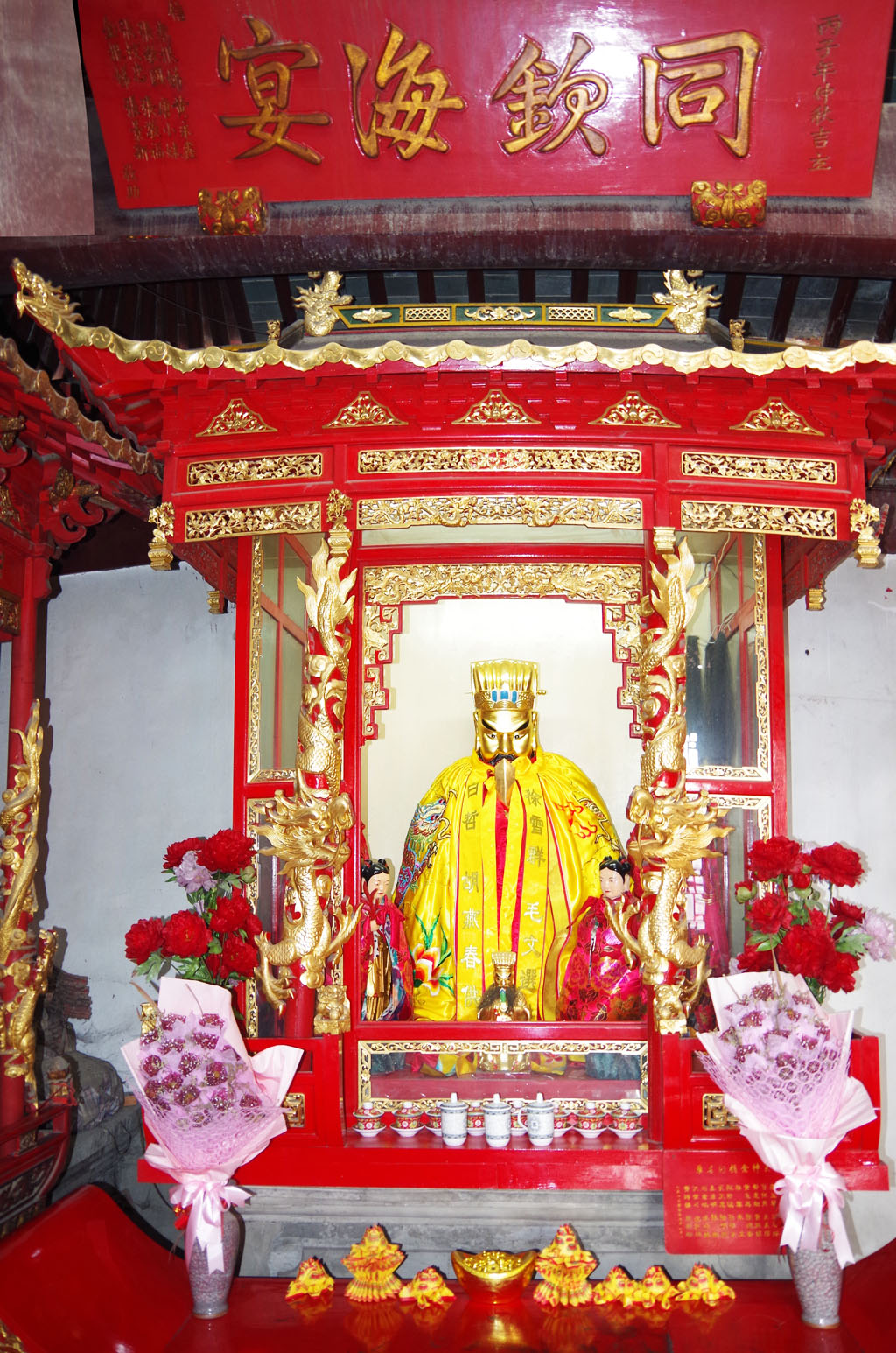
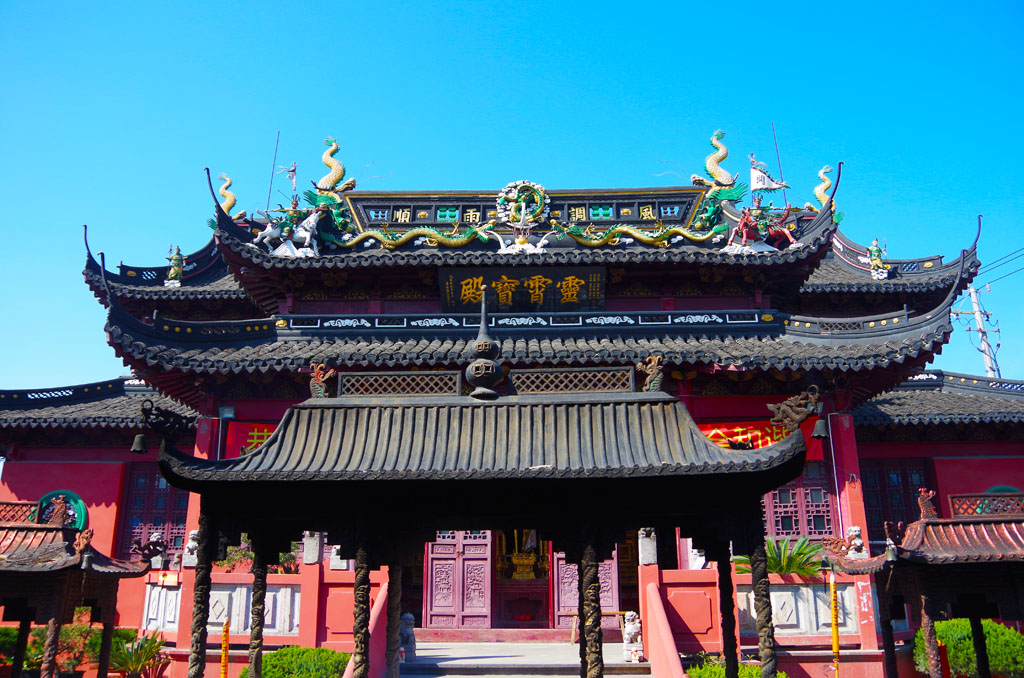
明万历十二年(1584年),上海县府从南汇到黄家湾筑外护塘。外护塘经过149年的海水冲击,台风暴雨年年有之,险象环生。期间到清雍正十一年(1733年),时任南汇知县钦琏深知人间疾苦,以“为民除害”为己任,全力以赴,以工代赈,发动民众兴筑海塘。钦琏本人更是以身作则,变卖家产充作经费,在他的感召下,当地百姓终于重筑百里外护塘,保住了家乡的平安。为纪念钦琏,人们将外护塘改名钦公塘。
清光绪二年(1876年),为纪念钦琏知县,百姓们又在龙王庙左侧增建“钦公祠”,并将钦琏像供奉在龙王庙内。此后不断扩建,最多时庙房曾达二十余间。1988年修复庙观时,将龙王庙和钦公祠合为一处,还称“龙王庙”,供奉龙王、钦公、鲁班等像。修复后的龙王庙,前有牌楼,入门为宽敞的庭院,两旁为客堂。前殿主祀财神;后殿西厅奉祀太上老君、玉皇大帝、龙王;东厅主祀照天侯杨府大神、钦公;东厢房祀奉城隍、猛将。每年农历十月十五、十六两天,龙王庙还举行盛大的庙会,俗称“钦公会”。

 History
 Sport
Sport
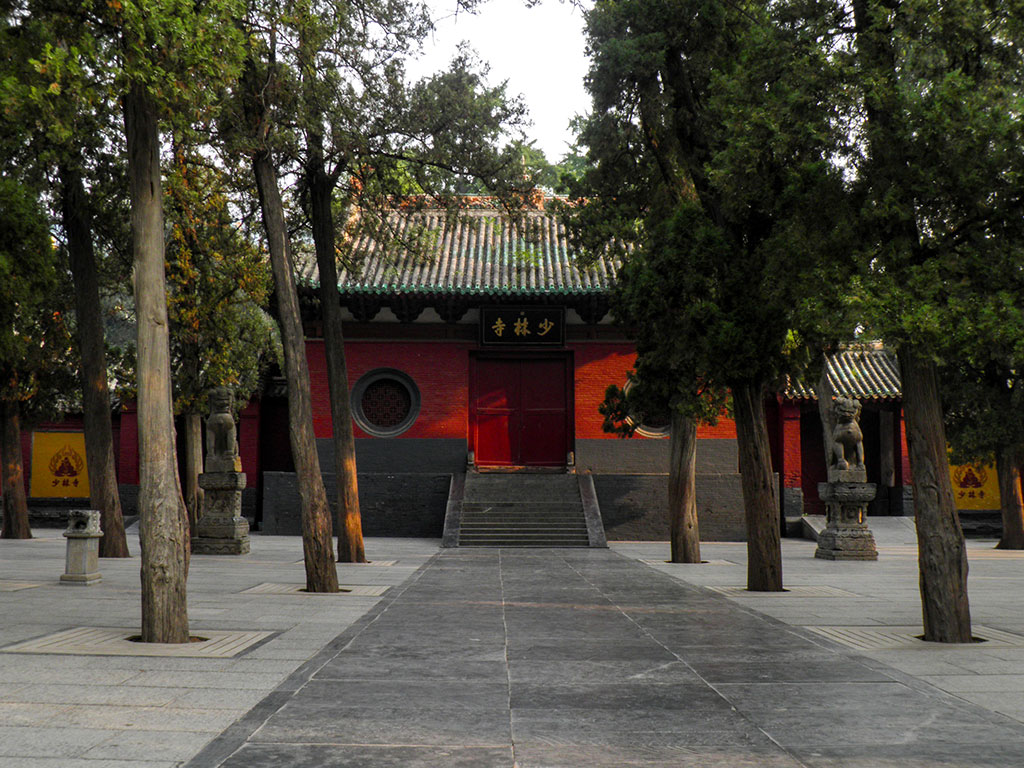
Shaolin (chinesisch 少林, Pinyin Shàolín) ist der Name eines buddhistischen Mönchsordens in China. Der Begriff Shaolin wird auch für das Ursprungskloster des Ordens verwendet, das am Berg Songshan im Ort Dengfeng in der Provinz Henan im Herzen Chinas liegt. Es ist berühmt für seinen Kampfkunststil 少林拳(Shàolínquán, „Faust der Shaolin“), besser bekannt als „Shaolin Kung Fu“. Das Kloster gilt außerdem als die Geburtsstätte des historischen Chan-Buddhismus, dem Vorläufer des Zen (kor. Seon, viet. Thien, sanskrit Dhyana).
Den Namen Shaolin-Tempel (chinesisch 少林寺, Pinyin Shàolín Sì) tragen daneben auch eine Reihe anderer Klöster in der Volksrepublik China, Korea (Sorim), Indochina und Japan (Shorinji).
Im Westen sind der Orden und das Kloster vor allem durch die Filmgestalt des Mönchs „Kwai Chang Caine“ (gespielt von David Carradine) aus der in den 1970er Jahren entstandenen Fernsehserie Kung Fu und aus zahlreichen weiteren Eastern bekannt geworden, auch wenn die Darstellung der Mönche in der Regel nicht viel mit der Realität zu tun hat. Bekannt geworden sind auch verschiedene „Shaolin“-Showgruppen, die mit ihren akrobatischen Leistungen und beeindruckenden Fähigkeiten durch viele Länder touren, obwohl in der Show vor allem modernes Wushu und ästhetische Showeinlagen von eigens dafür engagierten Darstellern demonstriert werden, die wenig mit den Mönchen des Klosters zu tun haben.
Der Orden der Shaolin hat in den 1980er Jahren in China und im Westen eine Reihe von Tempeln wieder in Betrieb genommen bzw. gegründet. Er versteht sich als Schule des Chan-Buddhismus; die Kampfkunst gilt dabei als Teil der buddhistischen Praxis.

 Baden-Wuerttemberg

 Art
Art
 World Heritage
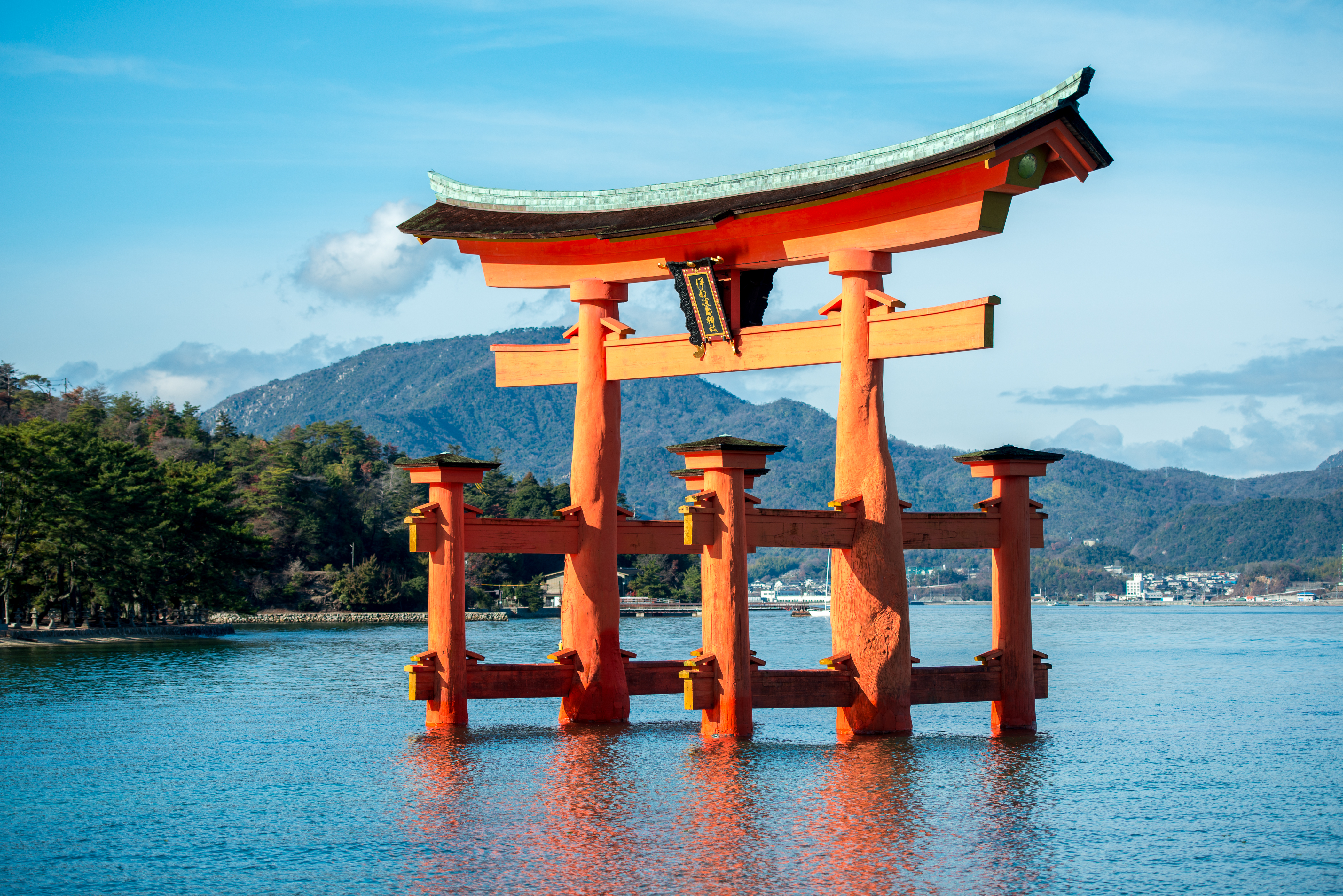
Shintō (jap. 神道, wird im Deutschen meist übersetzt mit „Weg der Götter“) – auch als Shintoismus bezeichnet – ist die ethnische Religion der Japaner (siehe auch Religion in Japan). Shintō und Buddhismus, die beiden in Japan bedeutendsten Religionen, sind aufgrund ihrer langen gemeinsamen Geschichte nicht immer leicht zu unterscheiden. Als wichtigstes Merkmal, das die beiden religiösen Systeme trennt, wird oft die Diesseitsbezogenheit des Shintō angeführt. Darüber hinaus kennt das klassische Shintō keine heiligen Schriften im Sinne eines religiösen Kanons, sondern wird weitgehend mündlich überliefert. Die beiden Schriften Kojiki und Nihonshoki, die von einigen shintoistisch geprägten Neureligionen Japans als heilig angesehen werden, sind eher historisch-mythologische Zeugnisse.[1]
神道(しんとう、しんどう[4])は、日本の宗教。惟神道(かんながらのみち)ともいう。教典や具体的な教えはなく、開祖もおらず、神話、八百万の神、自然や自然現象などにもとづくアニミズム的・祖霊崇拝的な民族宗教である[5]。
自然と神とは一体として認識され、神と人間を結ぶ具体的作法が祭祀であり、その祭祀を行う場所が神社であり、聖域とされた[6]。明治維新より第二次世界大戦終結まで政府によって事実上の国家宗教となった。この時期の神道を指して国家神道と呼ぶ。[7]。
Shinto,[a] also known as kami-no-michi,[b] is a religion originating in Japan. Classified as an East Asian religion by scholars of religion, its practitioners often regard it as Japan's indigenous religion and as a nature religion. Scholars sometimes call its practitioners Shintoists, although adherents rarely use that term themselves. There is no central authority in control of the movement and much diversity exists among practitioners.
Shinto is polytheistic and revolves around the kami ("gods" or "spirits"), supernatural entities believed to inhabit all things. The link between the kami and the natural world has led to Shinto being considered animistic and pantheistic. The kami are worshiped at kamidana household shrines, family shrines, and public shrines. The latter are staffed by priests who oversee offerings to the kami and the provision of religious paraphernalia such as amulets to the religion's adherents. Other common rituals include the kagura ritual dances, age specific celebrations, and seasonal festivals. These festivals and rituals are collectively called matsuri. A major conceptual focus in Shinto is ensuring purity by cleansing practices of various types including ritual washing or bathing. Shinto does not emphasize specific moral codes other than ritual purity, reverence for kami, and regular communion following seasonal practices. Shinto has no single creator or specific doctrinal text, but exists in a diverse range of localised and regionalised forms.
Belief in kami can be traced to the Yayoi period (300 BCE – 300 CE), although similar concepts existed during the late Jōmon period. At the end of the Kofun period (300 to 538 CE), Buddhism entered Japan and influenced kami veneration. Through Buddhist influence, kami came to be depicted anthropomorphically and were situated within Buddhist cosmology. Religious syncretisation made kami worship and Buddhism functionally inseparable, a process called shinbutsu-shūgō. The earliest written tradition regarding kami worship was recorded in the eighth-century Kojiki and Nihon Shoki. In ensuing centuries, shinbutsu-shūgō was adopted by Japan's Imperial household. During the Meiji era (1868 – 1912 CE), Japan's leadership expelled Buddhist influence from Shinto and formed State Shinto, which they utilized as a method for fomenting nationalism and imperial worship. Shrines came under growing government influence, and the Emperor of Japan was elevated to a particularly high position as a kami. With the formation of the Japanese Empire in the early 20th century, Shinto was exported to other areas of East Asia. Following Japan's defeat in World War II, Shinto was formally separated from the state.
Shinto is primarily found in Japan, where there are around 80,000 public shrines. Shinto is also practiced elsewhere, in smaller numbers. Only a minority of Japanese people identify as religious, although most of the population take part in Shinto matsuri and Buddhist activities, especially festivals, and seasonal events. This reflects a common view in Japanese culture that the beliefs and practices of different religions need not be exclusive. Aspects of Shinto have also been incorporated into various Japanese new religious movements.
Le shinto (神道, shintō, litt. « la voie des dieux » ou « la voie du divin ») ou shintoïsme (/ʃin.to.ism/) est un ensemble de croyances datant de l'histoire ancienne du Japon, parfois reconnues comme religion. Elle mélange des éléments polythéistes et animistes. Il s'agit de la plus ancienne religion connue du Japon ; elle est particulièrement liée à sa mythologie. Le terme « shintō », lecture sino-japonaise, ou kami no michi, est apparu pour différencier cette vieille religion du bouddhisme « importé » [Comment ?] de Chine au Japon au VIe siècle. Ses pratiquants seraient aujourd'hui plus de 90 millions au Japon.
Lo shintō, scintoismo o shintoismo[1] è una religione di natura politeista e animista nativa del Giappone.
Prevede l'adorazione dei "kami", cioè divinità, spiriti naturali o semplicemente presenze spirituali[1]. Alcuni kami sono locali e possono essere considerati come gli spiriti guardiani di un luogo particolare, ma altri possono rappresentare uno specifico oggetto o un evento naturale, come per esempio Amaterasu, la dea del Sole. Il Dio delle religioni monoteiste occidentali in giapponese viene tradotto come kami-sama (神様?). Talvolta anche le persone illustri, gli eroi e gli antenati divengono oggetto di venerazione post mortem e vengono deificati e annoverati tra i kami.
La parola Shinto ha origine nel VI secolo, quando divenne necessario distinguere la religione nativa del Giappone da quella buddista di recente importazione, prima di quell'epoca non pare esserci stato un nome specifico per riferirsi ad esso.[1][2] Shinto è formato dall'unione dei due kanji: 神 shin che significa "divinità", "spirito" (il carattere può essere anche letto come kami in giapponese ed è a sua volta formato dall'unione di altri due caratteri, 示 "altare" e 申 "parlare, riferire"; letteralmente ciò che parla, si manifesta dall'altare. 申 ne determina anche la lettura) e 道 tō in cinese Tao ("via", "sentiero" e per estensione; in senso filosofico rende il significato di pratica o disciplina come in Judo o Karatedo o ancora Aikidō). Quindi, Shinto significa letteralmente "via del divino".[1][3] In alternativa a Shinto, l'espressione puramente giapponese — con il medesimo significato — per indicare lo Shintoismo è Kami no michi.[4] Il termine "shintō" viene adoperato anche per indicare il corpo del nume, ovvero la reliquia presso cui il kami partecipa materialmente (per esempio una spada sacra).
Nella seconda metà del XIX secolo, nel contesto del Rinnovamento Meiji fu elaborato lo Shinto di Stato (国家神道 Kokka Shintō?), che mirava a dare un supporto ideologico e uno strumento di controllo sociale alla classe dirigente giapponese, e poneva al centro la figura dell'imperatore e della dea Amaterasu, progenitrice della stirpe imperiale. Lo Shinto di Stato fu smantellato alla fine della seconda guerra mondiale, con l'occupazione del Giappone. Alcune pratiche ed insegnamenti shintoisti che durante la guerra erano considerati di grande preminenza ora non sono più insegnati o praticati mentre altri rimangono grandemente diffusi come pratiche quotidiane senza però assumere particolari connotazioni religiose, come l'Omikuji (una forma di divinazione).
El sintoísmo1 (神道 Shintō?), a veces llamado shintoísmo,2 es el nombre de la religión nativa en Japón. Se basa en la veneración de los kami o espíritus de la naturaleza. Algunos kami son locales y son conocidos como espíritus o genios de un lugar en particular, pero otros representan objetos naturales mayores y procesos, por ejemplo, Amaterasu, la diosa del Sol.
Actualmente el sintoísmo constituye la segunda religión con mayor número de fieles de Japón, solo superada ligeramente por el budismo japonés. El número de practicantes varía desde los 108 millones (80 % de la población en 2003) que tienen prácticas y/o influencias sintoístas hasta los 4 millones (3,3 %) que lo practican regularmente y se identifican con la forma oficial de la religión.
Синтоизм, синто (яп. 神道 синто:, «путь богов») — традиционная религия в Японии. Основана на анимистических верованиях древних японцев, объектами поклонения являются многочисленные божества и духи умерших. Испытала в своём развитии значительное влияние буддизма.
 Literature
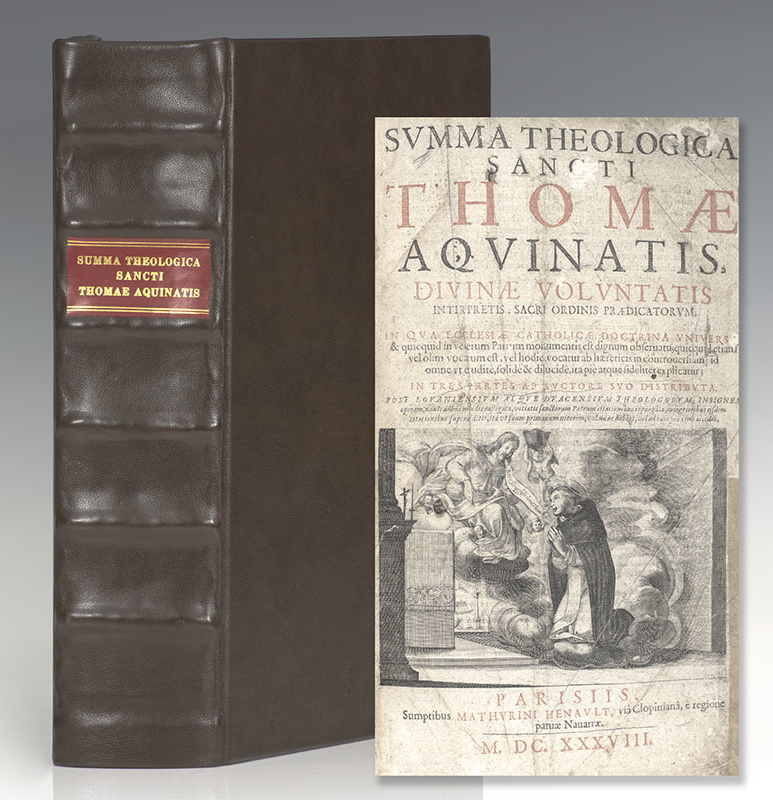
Summa theologica oder Summa theologiae (deutsch: Summe bzw. Gesamtdarstellung der Theologie) ist der Titel eines Hauptwerks des Thomas von Aquin, das in der Zeit zwischen 1265 oder 1266 und 1273 entstand.
《神学大全》(拉丁语:Summa Theologica,亦作Summa Theologiae,简称Summa)是意大利哲学家托马斯·阿奎那(1225-1274)的代表作,也是西方哲学和神学历史上最重要的著作之一。
 Education and Research
 Important disciplines
