
漢德百科全書 | 汉德百科全书
 Poland
 Transport and traffic


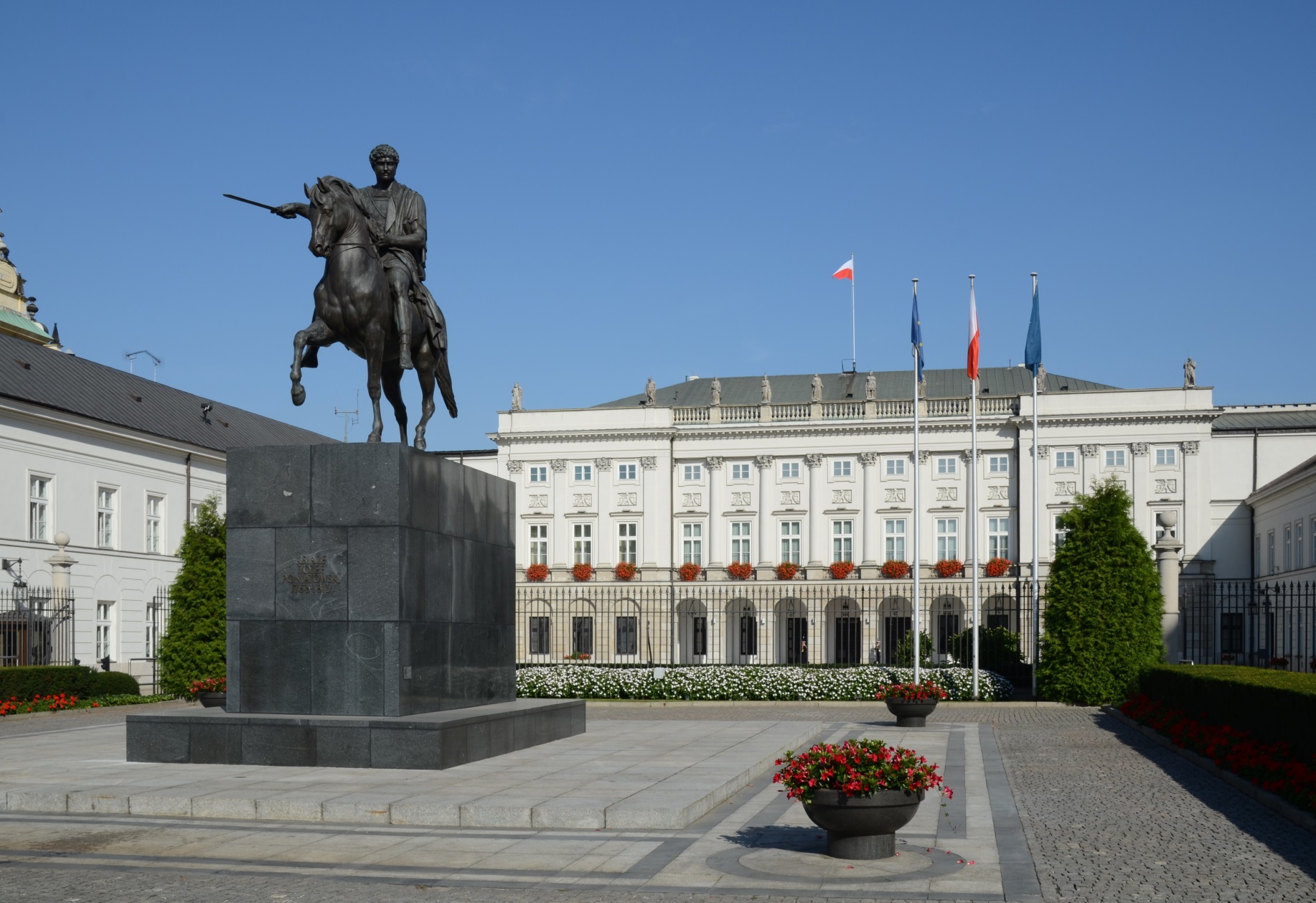
 Architecture
 International cities
 History
 World Heritage
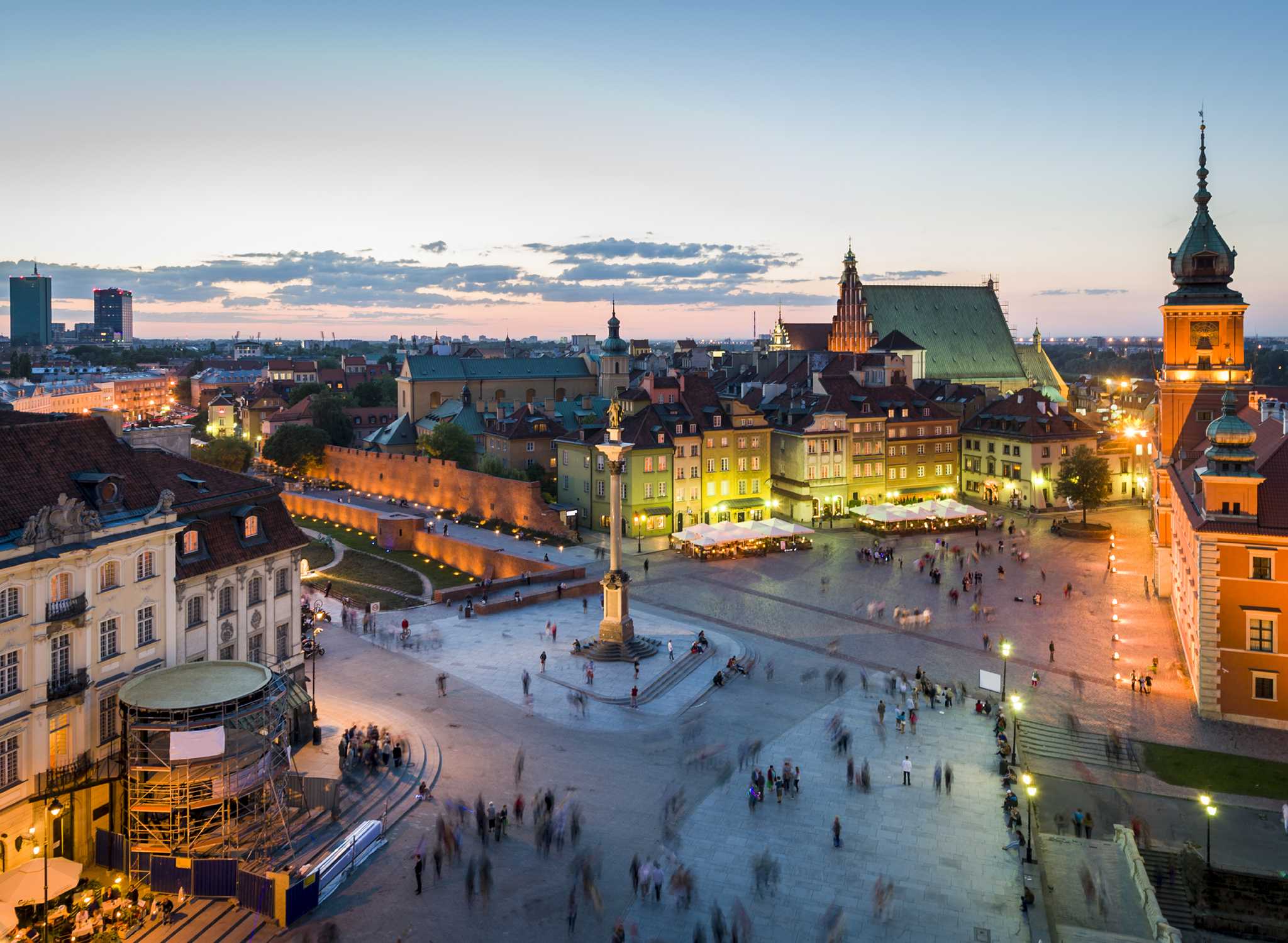
Warschau (polnisch Warszawa [varˈʃava] ) ist seit 1596 die Hauptstadt Polens[2] und die flächenmäßig größte sowie mit über 1,7 Mio. Einwohnern bevölkerungsreichste[3] Stadt des Landes. Als eines der wichtigsten Verkehrs-, Wirtschafts- und Handelszentren Mittel- und Osteuropas genießt Warschau große politische und kulturelle Bedeutung. In der Stadt befinden sich zahlreiche Institutionen, Universitäten, Theater, Museen und Baudenkmäler.
Beidseitig am Strom der Weichsel (pln. Wisła) in der Woiwodschaft Masowien gelegen, stellt sie das Zentrum der zweitgrößten Agglomeration Polens mit rund 3,5 Mio. Einwohnern dar. Ihr Stadtgebiet gliedert sich in 18 Stadtbezirke, unter denen Śródmieście (Stadtmitte) die Innenstadt ausmacht und das UNESCO-Welterbe der wiederaufgebauten Warschauer Altstadt beherbergt.
华沙(波兰语:Warszawa [varˈʂava]  试听)是波兰首都及最大城市,位于维斯拉河两岸,距波罗的海和喀尔巴阡山脉大约350公里。2008年人口数字为1,707,983人,都市圈人口大约2,785,000人。城市面积512平方公里,都市圈面积12266平方公里。冷战时期著名的华沙公约就是于此签署的。
该市也是马佐夫舍省的省会,拥有许多工业企业(制造、钢铁、电气工程、自动工业),66所高等学府(包括华沙大学),和超过30家剧院。
第二次世界大战时期的1944年8月,十八世纪的历史名城-华沙,在纳粹德国占领军的空袭下,百分之八十五的历史建筑遭到毁灭。二战之后,华沙人民用长达五年的时间重建家园,他们修建了教堂、宫殿和贸易场所。华沙的重生是十三至二十世纪建筑史上的不可抹灭的一笔。
波兰的首都华沙建立于公元13世纪,位于欧洲北部平原心脏地带,地势为维斯图拉河岸边水土丰饶的斜坡地,沿克拉科夫下游的城市横跨维斯图拉河两岸。历史上一直是政治、行政中心,现为国家首都和主要省会城市。
1280年马佐瓦亚公爵建立华沙,修建城堡以控制维斯图拉河渡口,这是华沙城开始发展的标志。1344年华沙成为马佐瓦亚公国首都。15世纪,历任公 爵在华沙修建了自己的住宅,随着城市功能的迅速完善,华沙的政治地位也越发显赫。1596年,波兰王城从克拉科夫迁移至华沙古城,从此华沙成为波兰的政治 文化中心。城市大兴土木,华沙即刻兴盛起来。1656和1702年华沙两次被瑞典人摧毁,又两度重建。18世纪末华沙成为欧洲最大的城市。
二次大战末期,华沙举行反纳粹占领者起义,起义总指挥部设在古城。起义失败后,希特勒下令把华沙从地球上抹掉。古城90%被毁。战后,人们急切地展开了重建工作。到1966年,所有旧城的纪念建筑都依照14至18世纪原样重新修建。
华沙文化中心靠近维斯图拉河岸,城市围绕着集市广场发展起来,主要特点是街道按照方格网状进行布局规划。随着街道从市中心向外延伸,这种布局的规范性逐渐消失。宽阔的广场提供了广大深远的视野。
16-18世纪的建筑物外墙为华沙提供了一种赏心悦目的景色,装饰着壁画和石门的房屋沿市场一直延展开去。广场附近另一排房屋正面建造了装饰性的拱顶 和游廊。老城边上靠近城堡的地方,一连片色彩艳丽的住房与整个城市和谐地融为一体。俯瞰全城的皇宫旁另有一些纪念建筑成为重建后华沙的点缀,这些建筑具有 哥特式、文艺复兴式和巴洛克等各种风格。靠近城堡并沿维斯图拉河生长的绿林将老城环绕起来。
(Quelle: www.guwh.com)
ワルシャワ(Warszawa [varˈʂava];ヴァルシャヴァ、英: Warsaw、ワルソー[ˈwɔːrsɔː])は、ポーランドの首都でかつ同国最大の都市。マゾフシェ県の県都。ポーランドの政治、経済、交通の要衝でもある。
ワルシャワにはヴィスワ川の中流、マゾフシェ地方に位置し、市内をヴィスワ川が貫通する。第2次世界大戦後、戦火で荒廃した旧市街を「煉瓦のヒビに至るまで」復元して往時の町並みを回復した。1980年、ユネスコに「ワルシャワ歴史地区」として世界遺産に登録された。
製造業、鉄鋼業、電機産業、自動車産業などの工業都市であり、ワルシャワ大学を初めとするポーランド有数の高等教育機関が集中し、歌劇場やワルシャワ国立フィルハーモニー管弦楽団を擁する首都。
毎年8月1日の午後5時、サイレンの音を合図にワルシャワ市内では人によりその場で直立不動となり1分間の黙祷を捧げるとされる。この1分間は全ワルシャワ市の部分的な機能が停止するとも云われる。これは1944年8月1日午後5時に開始されたワルシャワ蜂起での犠牲者を追悼する行事。この時刻およびその行事は、ワルシャワ(Warszawa)の頭文字をとって「時刻W」と呼ばれる。
Warsaw (Polish: Warszawa [varˈʂava] ( listen); see also other names) is the capital and largest city of Poland. The metropolis stands on the Vistula River in east-central Poland and its population is officially estimated at 1.765 million residents within a greater metropolitan area of 3.101 million residents,[4] which makes Warsaw the 8th most-populous capital city in the European Union. The city limits cover 516.9 square kilometres (199.6 sq mi), while the metropolitan area covers 6,100.43 square kilometres (2,355.39 sq mi).[5] Warsaw is an alpha global city, a major international tourist destination, and a significant cultural, political and economic hub.[6][7] With a GDP PPP of $230 billion and $43,200 per capita, it is one of the wealthiest capital cities in Central and Eastern Europe.[8] Moreover, its historical Old Town was designated a UNESCO World Heritage Site.
Once described as the Paris of the East, Warsaw was believed to be one of the most beautiful cities in the world until World War II.[9] Bombed at the start of the German invasion in 1939, the city withstood a siege for which it was later awarded Poland's highest military decoration for heroism, the Virtuti Militari.[10][11][12] Deportations of the Jewish population to concentration camps led to the Warsaw Ghetto Uprising in 1943 and the destruction of the Ghetto after a month of combat. A general Warsaw Uprising between August and October 1944 led to even greater devastation and systematic razing by the Germans in advance of the Vistula–Oder Offensive. Warsaw gained the new title of Phoenix City because of its extensive history and complete reconstruction after World War II, which had left over 85% of its buildings in ruins.[13][14]
Warsaw is one of Europe's most dynamic metropolitan cities.[15] In 2012 the Economist Intelligence Unit ranked Warsaw as the 32nd most liveable city in the world.[16] In 2017 the city came 4th in the "Business-friendly" category and 8th in "Human capital and life style".[15] It was also ranked as one of the most liveable cities in Central and Eastern Europe.
The city is a significant centre of research and development, Business process outsourcing, Information technology outsourcing, as well as of the Polish media industry. The Warsaw Stock Exchange is the largest and most important in Central and Eastern Europe.[17][18] Frontex, the European Union agency for external border security as well as ODIHR, one of the principal institutions of the Organization for Security and Cooperation in Europe have their headquarters in Warsaw. Together with Frankfurt, London and Paris, Warsaw is also one of the cities with the highest number of skyscrapers in the European Union.[19]
The city is the seat of the Polish Academy of Sciences, Warsaw National Philharmonic Orchestra, University of Warsaw, the Warsaw Polytechnic, the National Museum, the Great Theatre—National Opera, the largest of its kind in the world,[20] and the Zachęta National Gallery of Art. The picturesque Old Town of Warsaw, which represents examples of nearly every European architectural style and historical period,[21] was listed as a World Heritage Site by UNESCO in 1980. Other main architectural attractions include the Castle Square with the Royal Castle and the iconic King Sigismund's Column, the Wilanów Palace, the Łazienki Palace, St. John's Cathedral, Main Market Square, palaces, churches and mansions all displaying a richness of colour and detail. Warsaw is renowned for its bars, restaurants, art galleries and, most notably, several dozen museums and outspread greenery,[22] with around a quarter of the city's area occupied by parks.[23]
Varsovie (prononcé [vaʁ.sɔ.vi] ; en polonais : Warszawa [var.ˈʃa.va] Écouter) est depuis 1596 la capitale de la Pologne et depuis 1999 le chef-lieu de la voïvodie de Mazovie. Elle est située sur la Vistule, à environ 320 km de la mer Baltique et des Carpates. Peuplée par plus d'1,8 million d'habitants (3 millions pour l'agglomération), la capitale polonaise est aussi la plus grande ville du pays et la 8e plus grande de l'Union européenne. Varsovie se divise en dix-huit arrondissements (dzielnice).
Connue comme la Ville-phénix pour avoir réussi à renaître de ses cendres (84 % de ses bâtiments ont été détruits durant la Seconde Guerre mondiale2,3), Varsovie a connu une croissance spectaculaire au cours de la seconde moitié du XXe siècle et cette croissance a encore été ravivée après le passage de la Pologne à l’économie de marché dans les années 1990. L’agglomération continue à se transformer et à se développer à un rythme soutenu : elle regroupe toute une gamme d'industries et soixante-six établissements d'enseignement supérieur. C’est aussi un centre artistique et culturel important, une place financière et un pôle économique majeur en Europe centrale.
Varsovie a donné son nom à la Confédération de Varsovie, au Pacte de Varsovie, au Duché de Varsovie, à la Convention de Varsovie, aux différents Traités de Varsovie et à l'Insurrection de Varsovie. La Varsovienne de 1831 est largement considérée comme l'hymne officieux de Varsovie4.
Varsovie dispute à Budapest le rang de 9e plus grande ville de l'Union européenne.
Varsavia (AFI: /varˈsavja/[1]; in polacco , [varˈʂava]) è la capitale della Polonia, e la più grande città del Paese, situata nella parte centro-orientale della Polonia nel voivodato della Masovia, sul fiume Vistola. Varsavia è il principale centro scientifico, culturale, politico ed economico della Polonia. Varsavia è anche il capoluogo del voivodato della Masovia, e costituisce al contempo comune e distretto.
Varsavia è la più grande città polacca in termini di popolazione (1.726.581 residenti registrati nel 2014[2]) con una estensione superficiale di 517,24 km² (compresa la Vistola), si classifica al decimo posto delle città più popolose dell'Unione europea (escludendo la sua area metropolitana di circa 3.101.000 abitanti).
Varsovia (en polaco: Warszawa, en Alfabeto Fonético Internacional: [varˈʂava] (?·i), en inglés: Warsaw) es la ciudad más grande de Polonia, y la capital del país desde el año 1596, cuando el rey Segismundo III Vasa la trasladó desde Cracovia. Varsovia es también la sede del presidente de la República, del Parlamento y del resto de las autoridades centrales. Cuenta con una población de 1 745 000 habitantes2 (en 2014), lo que la convierte en la novena ciudad más poblada de la Unión Europea, y que posee unos 3 101 000 habitantes en su área metropolitana.
Varsovia es conocida internacionalmente por haber dado su nombre al Pacto de Varsovia, a la Convención de Varsovia, al Tratado de Varsovia y al Alzamiento de Varsovia.
El centro histórico de la ciudad, completamente destruido a raíz del Alzamiento de Varsovia en 1944, fue reconstruido meticulosamente después de la guerra, y en 1980 fue declarado Patrimonio de la Humanidad por la Unesco como "ejemplo destacado de reconstrucción casi total de una secuencia histórica que se extiende desde el siglo XIII hasta el siglo XX".3
Es uno de los principales centros económico-financieros y culturales de Europa Central.
Варша́ва (польск. Warszawa, МФА: [varˈʂava] слушать) — столица и крупнейший по населению и по территории город в Польше.
Город стал фактической столицей в 1596 году, когда после пожара в Вавельском замке в Кракове король Сигизмунд III перенёс свою резиденцию сюда, при этом столичный статус города был подтверждён только в Конституции 1791 года. Через город протекает река Висла.
Впервые название появляется в рукописях XIV века в виде Warseuiensis (1321) и Varschewia (1342), а в XV веке как Warschouia (1482).
Большинство историков и лингвистов считает, что название города произошло от притяжательного прилагательного Warszewa (или Warszowa) от имени Warsz (популярного в средневековье сокращения имени Warcisław, Wrocisław).
Смена названия с Warszewa на Warszawa произошло в XVI веке, и связано это было с особенностями мазовецкого диалекта, на территории распространения которого расположена Варшава. В этом диалекте до конца XV века гласный a переходил в e после мягких согласных (а sz в польском языке на тот момент был мягким). В XV веке формы с вторичным e считались диалектными, поэтому люди, старавшиеся говорить на литературном языке, заменяли их формами с a. В случае с Варшавой же произошла замена этимологически правильной формы на гиперкорректную.
В народе же распространено мнение, что название Warszawa появилось в результате соединения имени рыбака по имени Wars и русалки, прозванной Sawa, на которой рыбак женился. Образ Русалки Савы стал символом Варшавы[3].
Существует легенда об основании Варшавы: некий князь (властелин) по имени Казимир, заблудившись на охоте, набрёл на бедную рыбацкую хижину на берегу Вислы. Там он обнаружил молодую рыбачку, только родившую близнецов с именами Варш и Сава. Казимир стал их крёстным отцом и наградил семью рыбака за гостеприимство. Рыбак на эти деньги построил дом, вокруг которого стали селиться другие рыбаки, что положило начало Варшаве[4].
 Sport
Sport
 Art
Art
 Science and technology


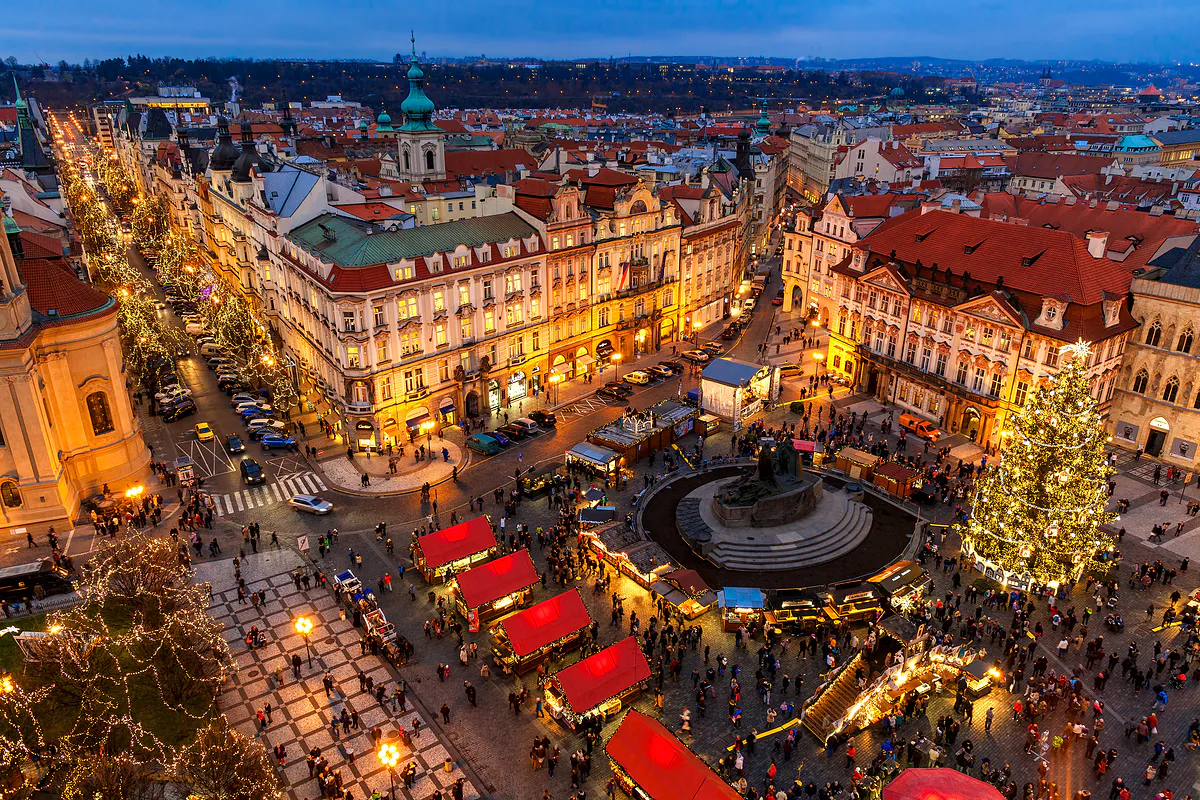
 Christmas Market

 Religion

Die Christus-König-Statue (polnisch Pomnik Chrystusa Króla) ist eine monumentale Christusfigur in Świebodzin (dt. Schwiebus) in der Woiwodschaft Lebus im Westen Polens. Sie wurde 2010 auf einem gut 16 Meter hohen aufgeschütteten Hügel errichtet und misst – inklusive der drei Meter hohen Krone – 36 Meter. Damit war sie bis 2022 weltweit die höchste Christusfigur und sechs Meter höher als die Christus-Erlöser-Statue in Rio de Janeiro. Die Christusstatue Cristo Protetor („Christus, der Beschützer“) übertrifft die Christus-König-Statue um eineinhalb Meter.[1]
Die Schaffung dieser Statue war die kolossale Ambition des örtlichen Gemeindepfarrers Sylwester Zawadzki, der wegen seiner allgemeinen Bauaktivitäten von seinen Priesterkollegen den Spitznamen „Ksiądz Budowniczy“ (übersetzt: „Baupfarrer“) bekam.

吉日茨科(波兰语:Giżycko,发音:[ɡʲiˈʐɨt͡skɔ] (ⓘ);德语:Lötzen,勒岑)是波兰的城镇,位于该国东北部,距离首都华沙约200公里,由瓦尔米亚-马祖里省负责管辖,面积13.87平方公里。
Giżycko ([ɟi'ʒɨʦkɔ] (deutsch Lötzen, früher auch Lözen)) ist eine Stadt in der polnischen Woiwodschaft Ermland-Masuren. Sie ist zugleich Sitz der gleichnamigen Landgemeinde, der sie jedoch nicht angehört.
Argentina
Brazil
Bulgaria
Chile
Columbia
Germany
 FIFA Fussball-Weltmeisterschaft 2014
 FIFA Fussball-Weltmeisterschaft 2018
 FIFA Fussball-Weltmeisterschaft 2022
 FIFA Fussball-Weltmeisterschaft 2026
FIFA WM Goldener Schuh
France
Italy
Croatia
Poland
Portugal
Russia
Czech Republic
Hungary
United Kingdom
FIFA Fussball-Weltmeisterschaft 2026
FIFA WM Goldener Schuh
France
Italy
Croatia
Poland
Portugal
Russia
Czech Republic
Hungary
United Kingdom

| Top goalscorer[45][46] | ||||||
|---|---|---|---|---|---|---|
| World Cup | Top goalscorer | Goals | Runners-up | Goals | Third place | Goals |
| 1930 Uruguay |  Guillermo Stábile Guillermo Stábile |
8 |  Pedro Cea Pedro Cea |
5 |  Bert Patenaude Bert Patenaude |
4 |
| 1934 Italy |  Oldřich Nejedlý Oldřich Nejedlý |
5[a] |  Edmund Conen Edmund Conen Angelo Schiavio Angelo Schiavio |
4 | None |
— |
| 1938 France |  Leônidas Leônidas |
7[b] |  György Sárosi Gyula Zsengellér Silvio Piola György Sárosi Gyula Zsengellér Silvio Piola |
5 | None |
— |
| 1950 Brazil | Ademir |
9[c] | Óscar Míguez |
5 | Alcides Ghiggia Chico Estanislau Basora Telmo Zarra Estanislau Basora Telmo Zarra |
4 |
| 1954 Switzerland |  Sándor Kocsis Sándor Kocsis |
11 |  Josef Hügi Josef Hügi Max Morlock Max Morlock Erich Probst Erich Probst |
6 | None |
— |
| 1958 Sweden |  Just Fontaine Just Fontaine |
13 | Pelé Helmut Rahn |
6 | None |
— |
| 1962 Chile |  Flórián Albert Flórián Albert Valentin Ivanov Valentin Ivanov Garrincha Vavá Garrincha Vavá Dražan Jerković Dražan Jerković Leonel Sánchez Leonel Sánchez |
4 | None |
— |
None |
— |
| 1966 England |  Eusébio Eusébio |
9 | Helmut Haller |
6 | Franz Beckenbauer Ferenc Bene Geoff Hurst Valeriy Porkujan Geoff Hurst Valeriy Porkujan |
4 |
| 1970 Mexico | Gerd Müller |
10 |  Jairzinho Jairzinho |
7 |  Teófilo Cubillas Teófilo Cubillas |
5 |
| 1974 West Germany |  Grzegorz Lato Grzegorz Lato |
7 |  Johan Neeskens Andrzej Szarmach Johan Neeskens Andrzej Szarmach |
5 | None |
— |
| 1978 Argentina[50] | Mario Kempes |
6 | Teófilo Cubillas |
5 | Rob Rensenbrink |
5 |
| Golden Shoe[44] | ||||||
| World Cup | Golden Shoe | Goals | Silver Shoe | Goals | Bronze Shoe | Goals |
| 1982 Spain |  Paolo Rossi Paolo Rossi |
6 | Karl-Heinz Rummenigge |
5 | Zico |
4 |
| 1986 Mexico | Gary Lineker |
6 |  Emilio Butragueño Careca Diego Maradona Emilio Butragueño Careca Diego Maradona |
5 | None[51] | |
| 1990 Italy | Salvatore Schillaci |
6 | Tomáš Skuhravý |
5 | Gary Lineker Roger Milla Roger Milla |
4 |
| 1994 United States |  Oleg Salenko[d] Oleg Salenko[d] Hristo Stoichkov[e] Hristo Stoichkov[e] |
6 | None |
— |
 Kennet Andersson Kennet Andersson Romário Romário |
5[f] |
| 1998 France[54] |  Davor Šuker Davor Šuker |
6 | Gabriel Batistuta Christian Vieri |
5 | None[g] | |
| 2002 South Korea/Japan[55] | Ronaldo |
8[h] | Miroslav Klose Rivaldo |
5 | ||
| 2006 Germany[57] | Miroslav Klose |
5 | Hernán Crespo |
3[i] | Ronaldo |
3[i] |
| Golden Boot[44] | ||||||
| World Cup | Golden Boot | Goals | Silver Boot | Goals | Bronze Boot | Goals |
| 2010 South Africa | Thomas Müller |
5[j] | David Villa |
5[j] | Wesley Sneijder |
5[j] |
| 2014 Brazil |  James Rodríguez James Rodríguez |
6 | Thomas Müller |
5 | Neymar |
4[k] |
| 2018 Russia | Harry Kane |
6 |  Antoine Griezmann Antoine Griezmann |
4[l] |  Romelu Lukaku Romelu Lukaku |
4[l] |
| 2022 Qatar | Kylian Mbappé |
8 | Lionel Messi |
7 | Olivier Giroud |
4[m] |
| Notes | ||||||
|
||||||