
Deutsch-Chinesische Enzyklopädie, 德汉百科
 Mexico
Arturs Krišjānis Kariņš
Belgium
Brazil
Charles Michel
Chile
Emmanuel Macron
Mexico
Arturs Krišjānis Kariņš
Belgium
Brazil
Charles Michel
Chile
Emmanuel Macron
 European Union
Gitanas Nausėda
Karl Nehammer
Klaus Johannis
Kyriakos Mitsotakis
European Union
Gitanas Nausėda
Karl Nehammer
Klaus Johannis
Kyriakos Mitsotakis
 Madrid
Mark Rutte
Mette Frederiksen
Mexico
Nikolaj Denkow
Olaf Scholz
Austria
Madrid
Mark Rutte
Mette Frederiksen
Mexico
Nikolaj Denkow
Olaf Scholz
Austria
 Party and government
Pedro Sánchez
Peru
Petr Fiala
Rio de Janeiro
Spain
Ulf Kristersson
Ursula von der Leyen
Viktor Orbán
Party and government
Pedro Sánchez
Peru
Petr Fiala
Rio de Janeiro
Spain
Ulf Kristersson
Ursula von der Leyen
Viktor Orbán
 Vienna
Xavier Bettel
Vienna
Xavier Bettel


 British Columbia-BC
 California-CA
 FIFA Fussball-Weltmeisterschaft 2026
FIFA Fussball-Weltmeisterschaft 2026
FIFA Fussball-Weltmeisterschaft 2026
 Group A
FIFA Fussball-Weltmeisterschaft 2026
Group B
FIFA Fussball-Weltmeisterschaft 2026
Group C
FIFA Fussball-Weltmeisterschaft 2026
Group D
FIFA Fussball-Weltmeisterschaft 2026
Group E
FIFA Fussball-Weltmeisterschaft 2026
Group F
FIFA Fussball-Weltmeisterschaft 2026
Group G
FIFA Fussball-Weltmeisterschaft 2026
Group H
FIFA Fussball-Weltmeisterschaft 2026
Group I
FIFA Fussball-Weltmeisterschaft 2026
Group J
FIFA Fussball-Weltmeisterschaft 2026
Group K
FIFA Fussball-Weltmeisterschaft 2026
Group L
Group A
FIFA Fussball-Weltmeisterschaft 2026
Group B
FIFA Fussball-Weltmeisterschaft 2026
Group C
FIFA Fussball-Weltmeisterschaft 2026
Group D
FIFA Fussball-Weltmeisterschaft 2026
Group E
FIFA Fussball-Weltmeisterschaft 2026
Group F
FIFA Fussball-Weltmeisterschaft 2026
Group G
FIFA Fussball-Weltmeisterschaft 2026
Group H
FIFA Fussball-Weltmeisterschaft 2026
Group I
FIFA Fussball-Weltmeisterschaft 2026
Group J
FIFA Fussball-Weltmeisterschaft 2026
Group K
FIFA Fussball-Weltmeisterschaft 2026
Group L
 Florida-FL
 Georgia-GA
Canada
Georgia-GA
Canada
 Massachusetts-MA
Mexico
Massachusetts-MA
Mexico
 Missouri-MO
 New jersey-NJ
 New York-NY
 Ohio-OH
 Ontario-ON
 Pennsylvania-PA
 Texas-TX
United States
Texas-TX
United States
 Washington-WA
 Transport and traffic
 Motorsport
Azerbaijan
Australia
Bahrain
Belgium
Brazil
China
Germany
Motorsport
Azerbaijan
Australia
Bahrain
Belgium
Brazil
China
Germany
 Emilia-Romagna
England
Florida-FL
Formel-1-Weltmeisterschaft 2017
Formel-1-Weltmeisterschaft 2018
Emilia-Romagna
England
Florida-FL
Formel-1-Weltmeisterschaft 2017
Formel-1-Weltmeisterschaft 2018
 Formula 1 World Championship 2025
France
India
Italy
Japan
Canada
Katar
Kinki
Formula 1 World Championship 2025
France
India
Italy
Japan
Canada
Katar
Kinki
 Lombardia
Mexico
Monaco
Lombardia
Mexico
Monaco
 Nevada-NV
Austria
Nevada-NV
Austria
 Quebec-QC
Russia
São Paulo
Saudi Arabia
Switzerland
Shanghai Shi-SH
Singapore
Spain
Quebec-QC
Russia
São Paulo
Saudi Arabia
Switzerland
Shanghai Shi-SH
Singapore
Spain
 Sport
Sport
 Styria
Texas-TX
Hungary
United Arab Emirates
United States
United Kingdom
Styria
Texas-TX
Hungary
United Arab Emirates
United States
United Kingdom
 Victoria-VIC

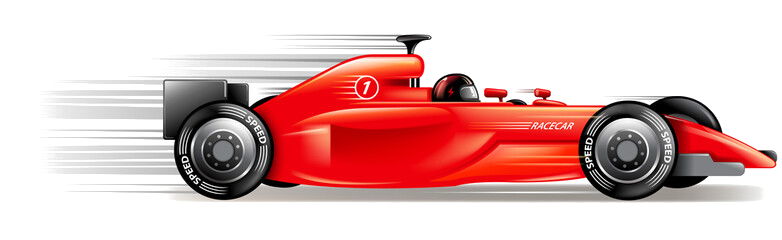
一级方程式赛车(英语:Formula One,也叫Formula 1或者F1)是由国际汽车联盟举办的最高等级的年度系列场地方程式赛车比赛,正式名称为“国际汽车联合会世界一级方程式锦标赛”。名称中“方程式”是指一组所有参赛车辆都必须遵守的规则[1]。F1赛季包括一系列的比赛,而这些所谓的“大奖赛”(Grand Prix,出自法语,本意Great Prizes)的场地是全封闭的专门赛道或者是临时封闭的普通公路。每场比赛的结果算入积分系统并以此确定两个年度世界冠军:一个给车手和另一个给制造商。F1的车手、制造商、组织者以及赛道都必须持有FIA超级驾驶执照,这是国际汽联颁发的最高级别执照。
一级方程式赛车通过产生大量的空气动力学下压力达到非常高的过弯速度,是风靡全球的赛车运动。发动机性能限制在每分钟最多15000转时,其比赛最高速度就可以超过360公里/小时。赛车过弯的横向加速度超过5个标准重力。F1赛车的性能非常依赖电子系统(牵引力控制系统和其他辅助驾驶装置自2008年已被禁止)、空气动力学、悬挂和轮胎。
Die Formel 1 ist eine vom Automobil-Dachverband Fédération Internationale de l’Automobile (FIA) festgelegte Formelserie. Hersteller konstruieren Autos, die den Formel-1-Regeln entsprechen. Diese Autos treten im Rahmen der Formel-1-Weltmeisterschaft zu Rennen in ungefähr 20 Orten pro Jahr an. Am Ende der Saison wird der Fahrer mit den meisten Punkten F1 Fahrerweltmeister und der Hersteller mit den meisten Punkten Konstrukteursweltmeister.
Die Formel 1 ist die höchstrangige von der FIA veranstaltete Rennserie des Formelsports. Sie wird als Königsklasse des Automobilsports bezeichnet, da sie den Anspruch erhebt, die höchsten technischen, fahrerischen, aber auch finanziellen Anforderungen aller Rennserien an Fahrer und Konstrukteure zu stellen. Sie wird auch kurz F1 genannt. Die F1 Weltmeisterschaft heißt offiziell FIA Formula One World Championship, bis 1980 hat sie Automobil-Weltmeisterschaft geheissen.
Formula One (also Formula 1 or F1) is the highest class of single-seater auto racing sanctioned by the Fédération Internationale de l'Automobile (FIA) and owned by the Formula One Group. The FIA Formula One World Championship has been one of the premier forms of racing around the world since its inaugural season in 1950. The "formula" in the name refers to the set of rules to which all participants' cars must conform.[2] A Formula One season consists of a series of races, known as Grands Prix (French for "grand prizes" or "great prizes"), which are held worldwide on purpose-built circuits and public roads.
The results of each race are evaluated using a points system to determine two annual World Championships: one for drivers, the other for constructors. Drivers must hold valid Super Licences, the highest class of racing licence issued by the FIA.[3] The races are required to be held on tracks graded "1" (formerly "A"), the highest grade rating issued by the FIA.[3] Most events are held in rural locations on purpose-built tracks, but there are several events in city centres throughout the world, with the Monaco Grand Prix being the most well-known.
Formula One cars are the fastest regulated road course racing cars in the world, owing to very high cornering speeds achieved through the generation of large amounts of aerodynamic downforce. The cars underwent major changes in 2017,[4] allowing wider front and rear wings, and wider tyres, resulting in cornering forces closing in on 8g and top speeds of up to approximately 375 km/h (230 mph).[5] The hybrid engines are currently limited in performance to a maximum of 15,000 rpm and the cars are very dependent on electronics—although traction control and other driving aids have been banned since 2008—and also on aerodynamics, suspension, and tyres.
While Europe is the sport's traditional base, the championship is truly global, with 11 of the 21 races in the 2018 season taking place outside Europe. With the annual cost of running a mid-tier team—designing, building, and maintaining cars, pay, transport—being US$120 million,[6] Formula One has a significant economic and job-creation effect, and its financial and political battles are widely reported. Its high profile and popularity have created a major merchandising environment, which has resulted in large investments from sponsors and budgets (in the hundreds of millions for the constructors). On 8 September 2016, it was announced that Liberty Media had agreed to buy Delta Topco, the company that controls Formula One, from private equity firm CVC Capital Partners for $4.4 billion in cash, stock, and convertible debt.[7] On 23 January 2017, it was confirmed that the acquisition had been completed, for $8 billion.[8]
La Formule 1, communément abrégée en F1, est une discipline de sport automobile considérée comme la catégorie reine de ce sport. Elle a pris au fil des ans une dimension mondiale et elle est, avec les Jeux olympiques et la Coupe du monde de football, l'un des événements sportifs les plus médiatisés.
Chaque année depuis 1950, un championnat mondial des pilotes est organisé, complété depuis 1958 par un championnat mondial des constructeurs automobiles. La compétition est basée sur des Grands Prix, courses à bord de voitures monoplaces disputées sur circuits routiers fermés permanents mais parfois tracés en ville et temporaires, comme à Monaco, Valence, Singapour, et Bakou.
Cette discipline sportive, régie par la Fédération internationale de l'automobile (FIA), est gérée par la Formula One Administration (FOA) et un ensemble de sociétés satellites contrôlées par Liberty Media. Après l'ère des artisans des années 1960 et 1970, elle a peu à peu attiré les grands constructeurs automobiles mondiaux qui y investissent des sommes élevées, en espérant tirer profit des retombées médiatiques d'éventuels succès. La Formule 1 est considérée comme la vitrine technologique de l'industrie automobile qui y expérimente des nouveautés techniques, parfois issues de la technologie spatiale et susceptibles d'être adaptées ensuite sur les voitures de série.
Outre la compétition, le terme Formule 1 désigne l'ensemble des règles techniques des voitures monoplaces qui sont mises à jour tous les ans par la FIA. Ces règles sont très strictes sur les dimensions des voitures, la cylindrée des moteurs, les technologies mises en œuvre ; elles définissent également les mesures de sécurité des voitures pour assurer la protection du pilote. Les monoplaces de course répondant aux caractéristiques de la réglementation de la Formule 1 sont généralement désignées sous le terme générique de Formules 1.
La Formula 1 o Formula Uno,[1] in sigla F1, è la massima categoria (in termini prestazionali) di vetture monoposto a ruote scoperte da corsa su circuito definita dalla Federazione Internazionale dell'Automobile (FIA).
La categoria è nata nel 1948 (in sostituzione della Formula A, a sua volta sorta solo qualche anno prima, nel 1946), diventando poi a carattere mondiale nella stagione 1950. Inizialmente definita dalla Commissione Sportiva Internazionale (CSI) dell'Associazione Internazionale degli Automobil Club Riconosciuti (AIACR), associazione antesignana della Federazione Internazionale dell'Automobile, oggi la Formula Uno è regolata dal Consiglio Mondiale degli Sport Motoristici (in inglese: World Motor Sport Council, WMSC) della Federazione Internazionale dell'Automobile.
Il termine "formula", presente nel nome, fa riferimento a un insieme di regole alle quali tutti i partecipanti, le macchine e i piloti, devono adeguarsi; esse introducono un numero di restrizioni e specifiche nelle auto, al fine di evitare le eccessive disparità tecniche tra le auto, di porre dei limiti al loro sviluppo e di ridurre i rischi di incidenti. La formula ha avuto molti cambiamenti durante la sua storia. Ad esempio, ci sono stati differenti tipi di motori, con schemi da quattro fino a sedici cilindri e con cilindrate da 1,5 a 4,5 l.
La Fórmula 1, abreviada como F1 y también denominada la «categoría reina del automovilismo»1 o «la máxima categoría del automovilismo»,23 es la competición de automovilismo internacional más popular y prestigiosa, superando a categorías de automovilismo como la NASCAR, el Campeonato Mundial de Rally, el Campeonato Mundial de Turismos o la Fórmula E, entre otras.4 A cada carrera se le denomina Gran Premio y el torneo que las agrupa se denomina Campeonato Mundial de Fórmula 1. La entidad que la dirige es la Federación Internacional del Automóvil (FIA). El Formula One Group es controlado por la empresa estadounidense Liberty Media desde septiembre de 2016.5
Los automóviles utilizados son monoplazas con la última tecnología disponible, siempre limitadas por un reglamento técnico; algunas mejoras que fueron desarrolladas en la Fórmula 1 terminaron siendo utilizadas en automóviles comerciales, como el freno de disco.6 La mayoría de los circuitos de carreras donde se celebran los Grandes Premios son autódromos, aunque también se utilizan circuitos callejeros y anteriormente se utilizaron circuitos ruteros.
El inicio de la Fórmula 1 moderna se remonta al año 1950, en el que participaron escuderías como Ferrari, Alfa Romeo y Maserati. Algunas fueron reemplazadas por otras nuevas como McLaren, Williams, Red Bull y Renault, que se han alzado varias veces con el Campeonato Mundial de Constructores. Las escuderías tienen que planear sus fichajes y renovación de contratos 2 o 3 carreras antes del fin de la temporada. Por su parte, los pilotos deben contar con la superlicencia de la FIA para competir, que se obtiene sobre la base de resultados en otros campeonatos.


African Union
Thomas Boni Yayi
Angela Merkel
Association of Southeast Asian Nations,ASEAN
Hun Sen
Barack Obama
Cristina Fernández de Kirchner
David Cameron
Dilma Rousseff
Felipe Calderón
Financial Stability Board,FSB
Mark Carney
 Financial
Food and Agriculture Organization,FAO
José Graziano da Silva
François Hollande
Generalsekretär der Vereinten Nationen
Ban Ki-moon
Financial
Food and Agriculture Organization,FAO
José Graziano da Silva
François Hollande
Generalsekretär der Vereinten Nationen
Ban Ki-moon
 Hand in Hand
Herman Van Rompuy
Hu Jintao
Hun Sen
International Labour Organization,ILO
Guy Ryder
Internationaler Währungsfonds
Christine Lagarde
Jacob Zuma
José Manuel Barroso
Juan Manuel Santos
Julia Gillard
Lee Myung-bak
Manmohan Singh
Mariano Rajoy
Mario Monti
Meles Zenawi
Mexico
New Partnership for Africa´s Development,NEPAD
Meles Zenawi
OECD
José Ángel Gurría
Recep Tayyip Erdoğan
Sebastián Piñera
Stephen Joseph Harper
Susilo Bambang Yudhoyono
Thomas Boni Yayi
World Bank
Robert Zoellick
Hand in Hand
Herman Van Rompuy
Hu Jintao
Hun Sen
International Labour Organization,ILO
Guy Ryder
Internationaler Währungsfonds
Christine Lagarde
Jacob Zuma
José Manuel Barroso
Juan Manuel Santos
Julia Gillard
Lee Myung-bak
Manmohan Singh
Mariano Rajoy
Mario Monti
Meles Zenawi
Mexico
New Partnership for Africa´s Development,NEPAD
Meles Zenawi
OECD
José Ángel Gurría
Recep Tayyip Erdoğan
Sebastián Piñera
Stephen Joseph Harper
Susilo Bambang Yudhoyono
Thomas Boni Yayi
World Bank
Robert Zoellick
 Economy and trade
Wladimir Wladimirowitsch Putin
World Trade Organization
Pascal Lamy
Yoshihiko Noda
Economy and trade
Wladimir Wladimirowitsch Putin
World Trade Organization
Pascal Lamy
Yoshihiko Noda
 Geography
 Alabama-AL
Cuba
Florida-FL
Alabama-AL
Cuba
Florida-FL
 Louisiana-LA
Mexico
Mississippi River
Louisiana-LA
Mexico
Mississippi River
 Mississippi-MS
Texas-TX
United States
Mississippi-MS
Texas-TX
United States
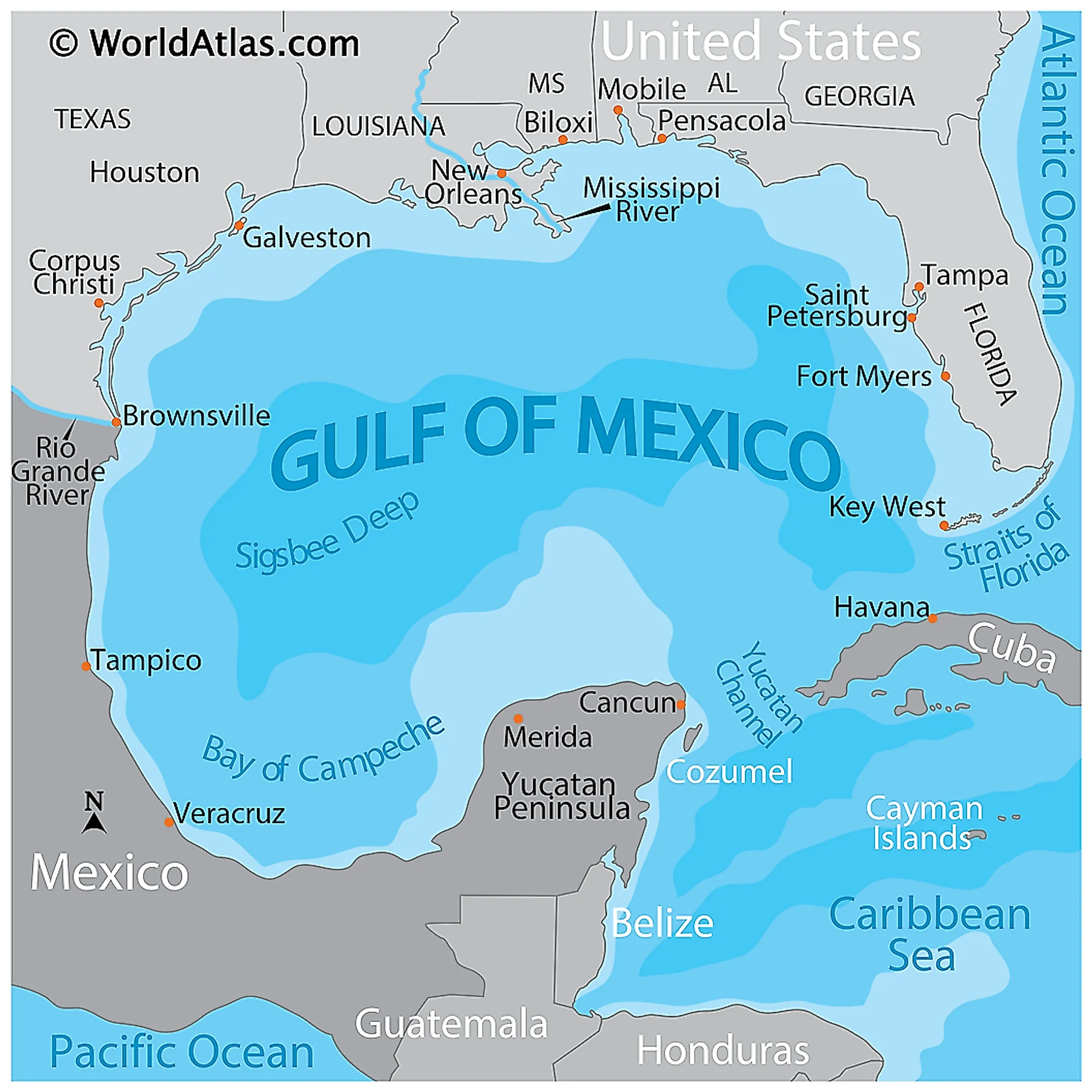
墨西哥湾是北美洲南部大西洋的一海湾,以佛罗里达半岛-古巴-犹加敦半岛一线与外海分割。北为美国,南、西为墨西哥,东南为古巴,东经佛罗里达海峡与大西洋相连,经尤卡坦海峡与加勒比海相接,是著名的墨西哥湾暖流的起点。墨西哥湾形成于3亿年前的地球板块运动。[1]
Der Golf von Mexiko (englisch Gulf of Mexico, spanisch Golfo de México; veraltet: Meerbusen von Mexiko[1]) ist eine nahezu vollständig von Nordamerika eingeschlossene Meeresbucht. Der Golf ist ein Randmeer des Atlantischen Ozeans und der nordwestliche Teil des Amerikanischen Mittelmeers.
湾の東部、北部、および北西部の海岸線はアメリカ合衆国(フロリダ州、アラバマ州、ミシシッピ州、ルイジアナ州、テキサス州)に接し、南西部と南部の海岸線はメキシコ(タマウリパス州、ベラクルス州、タバスコ州、カンペーチェ州、ユカタン州およびキンタナ・ロー州)に接している。また南東部はキューバとの海岸線をもつ。
アメリカとキューバの間にあるフロリダ海峡を経て大西洋に通じており、メキシコとキューバの間にあるユカタン海峡を経てカリブ海へと通じている。支湾として北東部にアパラチー湾、南西部にカンペチェ湾などがある。
メキシコ湾は東西の幅が約1,500km、総面積は約160万 km²で、南の3分の1は熱帯に入る。最大水深はSigsbee Deepでの4,384m。二大海流として黒潮と共に知られるメキシコ湾流はここを起源とし、巨大ハリケーンが頻繁に訪れることでも有名である。
The Gulf of Mexico (Spanish: Golfo de México) is an ocean basin and a marginal sea of the Atlantic Ocean,[1] largely surrounded by the North American continent.[2] It is bounded on the northeast, north and northwest by the Gulf Coast of the United States, on the southwest and south by the Mexican states of Tamaulipas, Veracruz, Tabasco, Campeche, Yucatan, and Quintana Roo, and on the southeast by Cuba. The US states of Texas, Louisiana, Mississippi, Alabama, and Florida border the Gulf on the north, which are often referred to as the "Third Coast", in comparison with the U.S. Atlantic and Pacific coasts.
The Gulf of Mexico formed approximately 300 million years ago as a result of plate tectonics.[3] The Gulf of Mexico basin is roughly oval and is approximately 810 nautical miles (1,500 km; 930 mi) wide and floored by sedimentary rocks and recent sediments. It is connected to part of the Atlantic Ocean through the Florida Straits between the U.S. and Cuba, and with the Caribbean Sea via the Yucatán Channel between Mexico and Cuba. With the narrow connection to the Atlantic, the Gulf experiences very small tidal ranges. The size of the Gulf basin is approximately 1.6 million km2 (615,000 sq mi). Almost half of the basin is shallow continental shelf waters. The basin contains a volume of roughly 2,500 quadrillion liters (550 quadrillion Imperial gallons, 660 quadrillion US gallons, 2.5 million km3 or 600,000 cu mi).[4] The Gulf of Mexico is one of the most important offshore petroleum production regions in the world, comprising one-sixth of the United States' total production.[5]
Le golfe du Mexique est un golfe de l'océan Atlantique, situé au sud-sud-est de l'Amérique du Nord. Il s'étend sur une superficie de 1 550 000 km2. Il baigne la péninsule de Floride, la Louisiane , le Sud-Est du Texas, la côte orientale du Mexique et une partie du littoral nord de Cuba.
Il golfo del Messico è uno dei golfi più grandi del mondo[1], situato nell'Oceano Atlantico, tra la costa dell'America settentrionale e centrale ad ovest e il mar dei Caraibi ad est.
Situato a Sud degli Stati Uniti e a Nord del Messico, e delimitato da due grandi penisole, lo Yucatán e la Florida, rispettivamente in Messico e negli Stati Uniti, comprende i litorali di undici stati: Florida, Alabama, Mississippi, Louisiana e Texas (per gli Stati Uniti) e Tamaulipas, Veracruz, Tabasco, Campeche, Yucatán e Quintana Roo (per gli Stati del Messico). Sul golfo si affaccia anche lo Stato di Cuba ed è collegato ad est al Mar dei Caraibi.
L'ampia sezione del golfo compresa tra la penisola dello Yucatán e la costa messicana assume la denominazione di baia di Campeche, mentre insieme al Mar dei Caraibi, forma il Mediterraneo Americano, espressione non riportata normalmente nelle carte, ma usata in oceanografia, geologia e biologia marina[2]. In esso viene generata la famosa Corrente del Golfo che rende abitabili la maggior parte delle coste atlantiche dell'Europa ed è inoltre luogo di formazione e transito di cicloni tropicali che qui prendono il nome di uragani a partire da tempeste tropicali che impattano poi sovente sulla costa messicana e statunitense o sulle isole caraibiche.
El golfo de México es una cuenca oceánica contenida entre los litorales de México, Estados Unidos y Cuba. Los estados mexicanos que tienen costa en este golfo son: Tamaulipas, Veracruz, Tabasco, Campeche, Yucatán; los estadounidenses son: Florida, Alabama, Misisipi, Luisiana y Texas. La península de Florida y la isla de Cuba ocupan la parte oriental del golfo, donde se encuentra la salida de este hacia el océano Atlántico, en tanto que la península de Yucatán, también al oriente, separa al golfo del mar Caribe.1
Мексика́нский зали́в (исп. Golfo de México, англ. Gulf of Mexico, фр. Golfe de Mexique) — внутреннее море западной части Атлантического океана. Ограничен с северо-запада, севера и востока побережьем США (штаты Флорида, Алабама, Миссисипи, Луизиана и Техас), на юге и юго-западе — побережьем Мексики (штаты Тамаулипас, Веракрус, Табаско, Кампече, Юкатан), а также островом Кубой[1]. Внешне напоминает овал. Площадь залива — 1543 тыс. км², объём воды — около 2332 тыс. км³[2]. Энергия вод, которые сильно нагреваются в летний период, служит основой для формирования сильных тропических штормов и мощных ураганов, крупнейшие из которых (Катрина, Густав, Иван и др.) практически ежегодно приводят к разрушительным последствиям в прибрежных регионах залива. Имеет важное хозяйственное значение для государств, омываемых им. Является одним из самых тёплых водоёмов в мире[3].
Мексиканский залив образовался примерно 300 миллионов лет назад в результате тектоники литосферных плит[4]. Поверхность залива по форме напоминает овал шириной около 1,5 тысяч километров. Дно залива составлено из осадочных пород и недавних отложений. Сообщается с Атлантическим океаном через Флоридский пролив между США и Кубой, и с Карибским морем через Юкатанский пролив между Кубой и Мексикой. Мексиканский залив и Карибское море иногда объединяют под названием Американское Средиземное море. Из-за слабой связи с Атлантическим океаном, залив испытывает лишь небольшие приливы и отливы. Площадь залива составляет 1,5—1,6 млн км², около половины составляют континентальные шельфовые воды. Объём воды в заливе оценивается в 2.5 миллиона кубических километров[3].
 Alberta-AB
 Arkansas-AR
 Colorado-CO
Canada
Colorado-CO
Canada
 Manitoba-MB
Mexico
Mississippi River
Manitoba-MB
Mexico
Mississippi River
 Montana-MT
 Nebraska-NE
 New mexico-NM
 North Dakota-ND
 Oklahoma-OK
 Saskatchewan-SK
 South Dakota-SD
Texas-TX
United States
South Dakota-SD
Texas-TX
United States
 Wyoming-WY
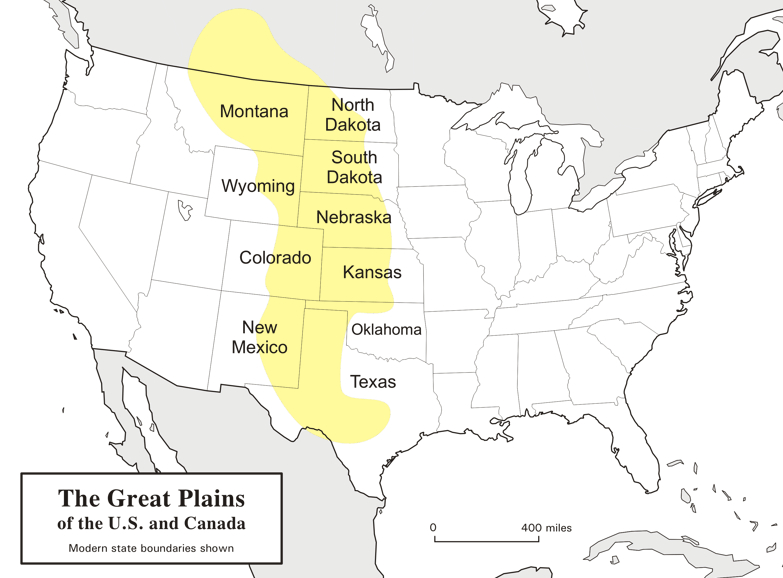
大平原(英语:Great Plains),多称北美大平原、北美大草原,是北美洲中部一块广袤的平原地区,大致位于密西西比河以西、洛基山脉以东、格兰德河以北。自然植被以草为主。
大平原东西长800千米,南北长3,200千米。另根据内布拉斯加-林肯大学大平原研究中心的定义,其总面积约130万平方千米。大平原主要包括了美国的科罗拉多州、堪萨斯州、蒙大拿州、内布拉斯加州、新墨西哥州 、北达科他州、俄克拉荷马州、南达科他州、得克萨斯州和怀俄明州,以及加拿大的草原三省(艾伯塔省、曼尼托巴省和萨斯喀彻温省)还有墨西哥的一小部分。
Die Great Plains (deutsch „Große Ebenen“) sind ein trockenes Gebiet östlich der Rocky Mountains in Nordamerika. Naturräumlich sind sie die klassischen Kurzgras-Prärien des amerikanischen Westens, heute werden sie intensiv landwirtschaftlich genutzt. Sie reichen von den kanadischen Prärieprovinzen (Alberta, Saskatchewan und Manitoba) bis nach Texas; manchmal wird auch ein kleiner Teil Mexikos dazu gezählt.
Die Great Plains umfassen (je nach Grenzziehung) eine Fläche von knapp 2 Millionen Quadratkilometern und erstrecken sich insgesamt etwa auf einer maximalen Breite von über 750 km und einer Länge von fast 3000 km. Während sie an den Rocky Mountains noch über 1800 m hoch sind, fallen sie nach Osten auf ca. 500 m ab. Damit sind sie insgesamt als Hochebene zu betrachten, die sich als „Piedmont-Plateau“, zum Teil in Schichtstufen ansteigend, vor dem Gebirge ausbreitet.
Man kann die Great Plains in zwei klimatische Regionen unterteilen, da man westlich des 100. Längengrades einen spärlichen Niederschlagsdurchschnitt vorfindet (weniger als 500 mm pro Jahr), wohingegen die östliche Region ein vergleichsweise humides Klima hat. Entsprechend dominiert im Westen die Viehwirtschaft und im Osten der Getreideanbau.