
Deutsch-Chinesische Enzyklopädie, 德汉百科
 Italy
FIFA Fussball-Weltmeisterschaft 1990
Italy
FIFA Fussball-Weltmeisterschaft 1990
 History
 International cities
 *European Capital of Culture
Italy
*European Capital of Culture
Italy
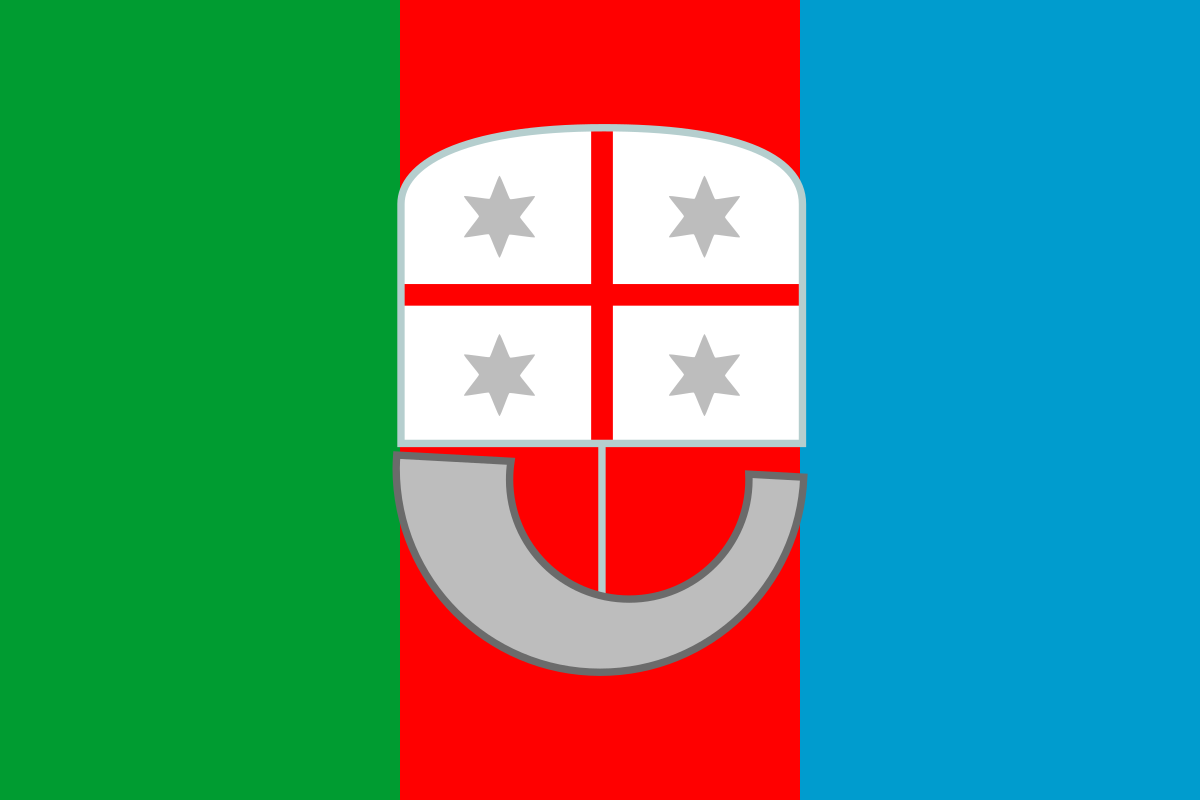 Liguria
Genua
Liguria
Genua
 Sport
The Ocean Race
Sport
The Ocean Race
 World Heritage
 Important port
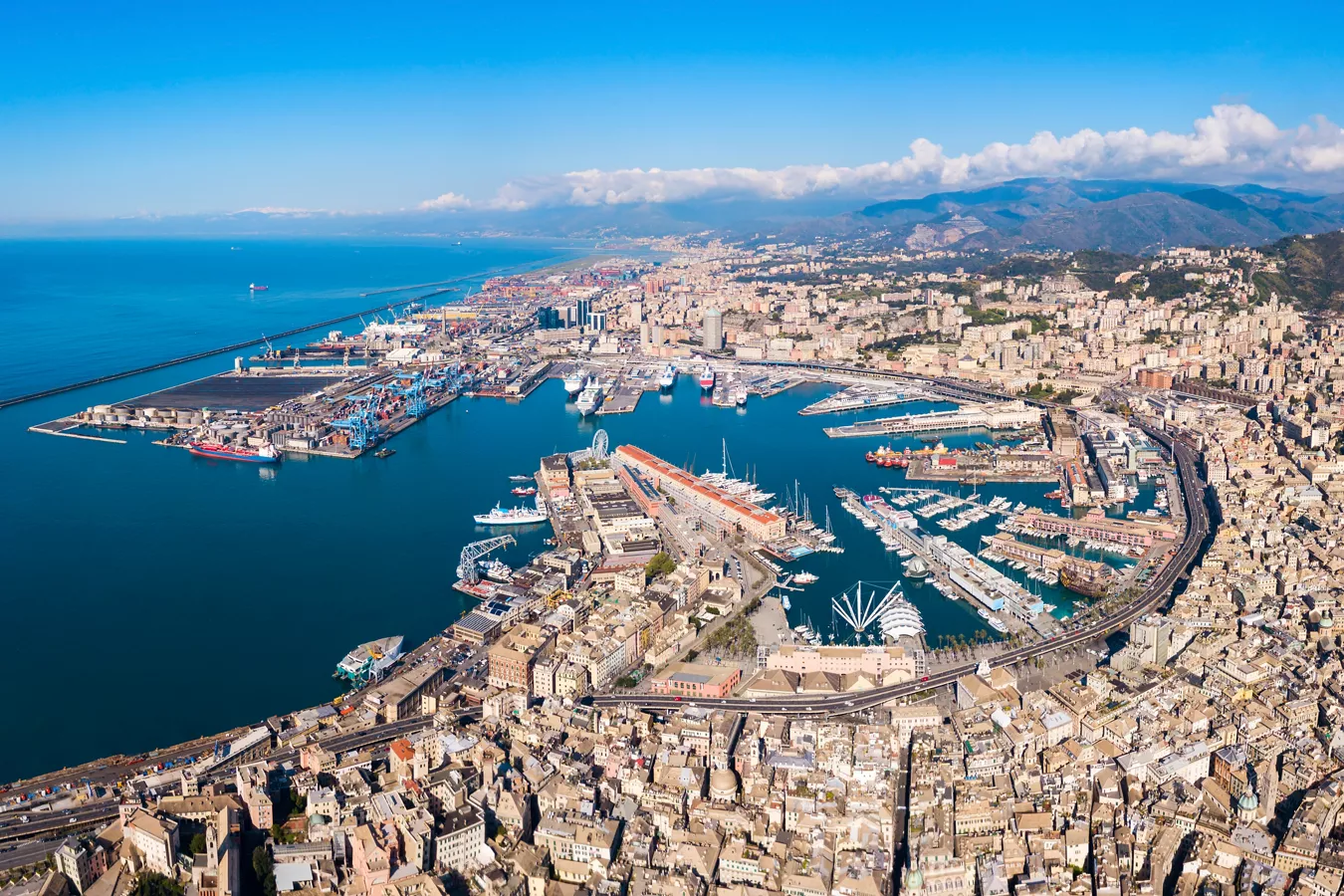
热那亚(意大利语:Genova,英语:Genoa),意大利最大商港和重要工业中心,利古里亚大区和同名省热那亚省的首府。位于意大利西北部,利古里亚海热那亚湾北岸。热那亚历史悠久,曾是海洋霸主热那亚共和国的首都,2004年热那亚被选为当年的“欧洲文化首都”。热那亚还是著名航海家克里斯托弗·哥伦布和小提琴大师尼科罗·帕格尼尼的家乡。热那亚及其所在的利古里亚海岸沿岸为著名旅游胜地。
Genua (italienisch Genova [ˈdʒɛːnova], im Ligurischen Zena) ist die Hauptstadt der italienischen Region Ligurien. Das im Nordwesten des Landes am Ligurischen Meer gelegene ehemalige Zentrum der im Mittelalter bedeutenden Republik Genua ist heute Verwaltungssitz einer gleichnamigen Metropolitanstadt. Die Stadt ist mit circa 590.000 Einwohnern die sechstgrößte Italiens.[2] In der Agglomeration hat Genua rund 800.000 Einwohner und 1,5 Millionen in der Metropolregion.[3] Die Prachtstraßen Le Strade Nuove mit den Renaissance- und Barockbauten der Palazzi dei Rolli im Zentrum der Altstadt wurden im Jahre 2006 von der UNESCO zum Welterbe erklärt.
ジェノヴァ(伊: Genova ( 音声ファイル))は、イタリアの北西部にある都市。その周辺地域を含む人口約58万人の基礎自治体(コムーネ)。リグーリア州の州都であり、ジェノヴァ県の県都である。ジェノバとも表記する。
リグリア海に面した港湾都市で、中世には海洋国家(ジェノヴァ共和国)として栄え、商工業・金融業の中心地としての長い歴史を持つ。現代においてもミラノ、トリノなど北イタリアの産業都市を背後に持つジェノヴァ港はイタリア最大の貿易港であり、地中海有数のコンテナ取扱高を誇っている。
Genoa (/ˈdʒɛnoʊ.ə/ JEN-oh-ə; Italian: Genova [ˈdʒɛːnova] ( listen); Ligurian: Zêna [ˈzeːna]; English, historically, and Latin: Genua) is the capital of the Italian region of Liguria and the sixth-largest city in Italy. In 2015, 594,733 people lived within the city's administrative limits.[1] As of the 2011 Italian census, the Province of Genoa, which in 2015 became the Metropolitan City of Genoa,[2] counted 855,834 resident persons.[3] Over 1.5 million people live in the wider metropolitan area stretching along the Italian Riviera.[4]
Located on the Gulf of Genoa in the Ligurian Sea, Genoa has historically been one of the most important ports on the Mediterranean: it is currently the busiest in Italy and in the Mediterranean Sea and twelfth-busiest in the European Union.[5][6] Genoa has been nicknamed la Superba ("the proud one") due to its glorious past and impressive landmarks.[7] Part of the old town of Genoa was inscribed on the World Heritage List (UNESCO) in 2006 as Genoa: Le Strade Nuove and the system of the Palazzi dei Rolli. The city's rich cultural history in art, music and cuisine allowed it to become the 2004 European Capital of Culture. It is the birthplace of Christopher Columbus, Andrea Doria, Niccolò Paganini, Giuseppe Mazzini, Renzo Piano and Grimaldo Canella, founder of the House of Grimaldi, among others.
Genoa, which forms the southern corner of the Milan-Turin-Genoa industrial triangle of Northwest Italy, is one of the country's major economic centers.[8][9] The city has hosted massive shipyards and steelworks since the 19th century, and its solid financial sector dates back to the Middle Ages. The Bank of Saint George, founded in 1407, is among the oldest in the world and has played an important role in the city's prosperity since the middle of the 15th century.[10][11] Today a number of leading Italian companies are based in the city, including Fincantieri, Selex ES,[12] Ansaldo Energia,[13] Ansaldo STS, Edoardo Raffinerie Garrone, Piaggio Aerospace, Mediterranean Shipping Company and Costa Cruises.
Gênes (italien : Genova, en ligurien : Zena) est une ville italienne, située dans le Golfe de Gênes en face de la Mer de Ligurie, capitale de la Ligurie. Il s'agit de l'un des principaux ports italiens et de l'un des plus grands ports de la mer Méditerranée. En 2017, elle compte 580 112 habitants et 846 363 au sein de son agglomération. Sa zone urbaine compte environ 1 540 000 habitants.
Gênes, avec Milan et Turin, délimite le « triangle industriel », zone la plus industrialisée d'Italie. En outre à Gênes se trouve la quatrième meilleure université du pays. La ville est un centre important pour les sciences, la technologie, la mode et le sport, considérée comme le berceau du football italien. Une partie importante du centre historique est sous la protection de l'UNESCO.
Gênes est l'une des plus grandes villes de Méditerranée et la principale de la mer de Ligurie.
Genova (IPA: /ˈʤɛnova/, Zena /ˈzeːna/ in ligure[3]) è un comune italiano di 578 924 abitanti[1] , capoluogo dell'omonima città metropolitana[4] e della regione Liguria, sesto comune italiano e terzo del Nord Italia[5] per popolazione, quinto per movimento economico, parte del triangolo industriale Milano-Torino-Genova. La città che appartiene ad un agglomerato urbano di 862.885 abitanti[6], ed è cuore di una vasta area metropolitana di oltre 1.510.000 abitanti[7][8][9][10], è il più grande comune della Liguria.
Affacciata sul Mar Ligure, la sua storia è legata alla marineria e al commercio. È nota, tra l'altro, per aver dato i natali a Cristoforo Colombo, Giuseppe Mazzini, Goffredo Mameli e Niccolò Paganini. Il suo porto è uno dei più importanti italiani ed europei.[11][12][13]. Simbolo "fisico" della città è il suo faro, conosciuto come la Lanterna, mentre viene tradizionalmente rappresentata dalla Croce di San Giorgio, negli stemmi sorretta da due grifoni. Per oltre otto secoli capitale dell'omonima repubblica, Genova è stata citata con gli appellativi di "La Superba" e "La Dominante".[14]
Génova (en italiano, Genova, pronunciado [dʒɛːnova] (?·i); Zena en el dialecto genovés del idioma ligur) es la sexta ciudad italiana y la tercera del Norte de Italia por población, ya que cuenta con 609 746 habitantes y la cuarta ciudad por movimiento económico. Es la capital de la provincia homónima y de la región de Liguria. El área urbana cuenta con 850 000 habitantes y el "Área Metropolitana Genovese" cuenta con 1 510 000 habitantes.2
En el último siglo, Génova ha crecido absorbiendo a 25 municipios del litoral y de los valles; actualmente está dividida en 25 circunscripciones y 71 unidades urbanas. Hacia el oeste de Sampierdarena conserva algunas villas de los siglos XVI y XVII.
Génova también posee el segundo acuario más grande de la Unión Europea, tras el Oceanográfico de Valencia.34
La vida de la ciudad, desde sus orígenes, estuvo unida a su puerto y a las actividades marineras que fueron el punto de referencia constante de toda su historia política y cultural durante su famosa República de Génova.
Ге́нуя (итал. Genova [ˈdʒɛːnova], лиг. Zena [ˈzeːna], лат. Genua, Ianua) — город на севере Италии. Административный центр региона Лигурия и одноимённой провинции Генуя.
Население — около 580 тыс. человек (2017 год)[2], шестой по величине город страны. Образует агломерацию Большая Генуя с населением свыше 1,5 миллиона человек. Расположен на северо-западе Италии, на берегу Генуэзского залива Лигурийского моря. Вытянулся узкой полосой более чем на 30 км и ограничен с двух сторон морем и Апеннинскими горами. Центр Лигурийской Ривьеры.
Является крупнейшим морским портом Италии. Также в городе расположены международный аэропорт имени Христофора Колумба и метрополитен. Исторический центр примыкает к старому порту. Дворцы знати Палацци-деи-Ролли, находятся под охраной ЮНЕСКО.
В древности — поселение лигуров, завоёванное римлянами в III веке до н. э. С XI века вела активную торговлю в Средиземном море; благодаря участию в крестовых походах превратилась в могущественную Генуэзскую республику с многочисленными заморскими колониями. После поражения в войне с Венецией и смещения торговых путей в Атлантический океан в XIV—XVI веках пришла в упадок, потеряв независимость в 1797 году. Родина Христофора Колумба.
 Alsace
Andorra
Alsace
Andorra
 Auvergne-Rhône-Alpes
Belgium
Auvergne-Rhône-Alpes
Belgium
 Bourgogne-Franche-Comté
Champagne-Ardenne
Bourgogne-Franche-Comté
Champagne-Ardenne
 Corse
Denmark
Germany
England
Franche-Comté
France
Corse
Denmark
Germany
England
Franche-Comté
France
 Grand Est
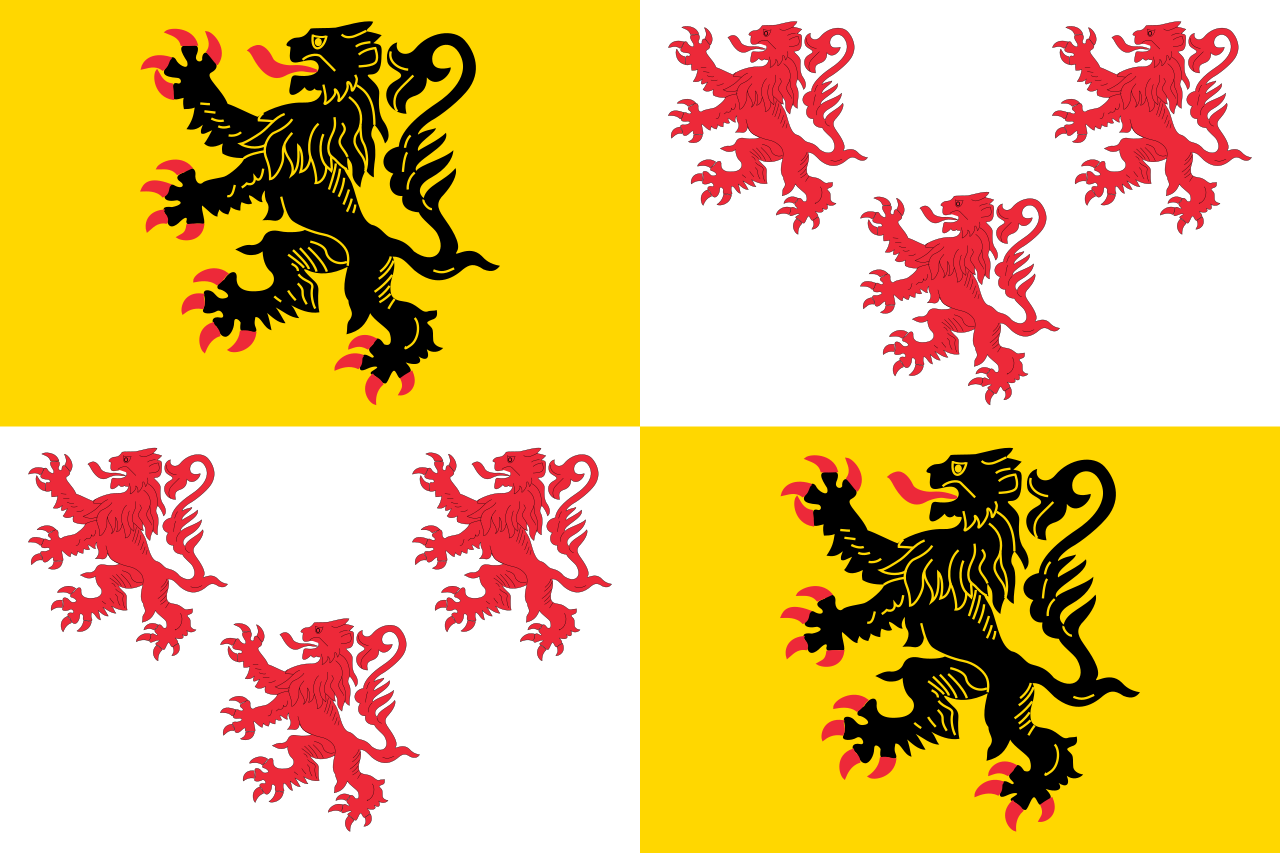 Hauts-de-France
 Ile-de-France
Italy
Lorraine
Nord-Pas-de-Calais
Ile-de-France
Italy
Lorraine
Nord-Pas-de-Calais
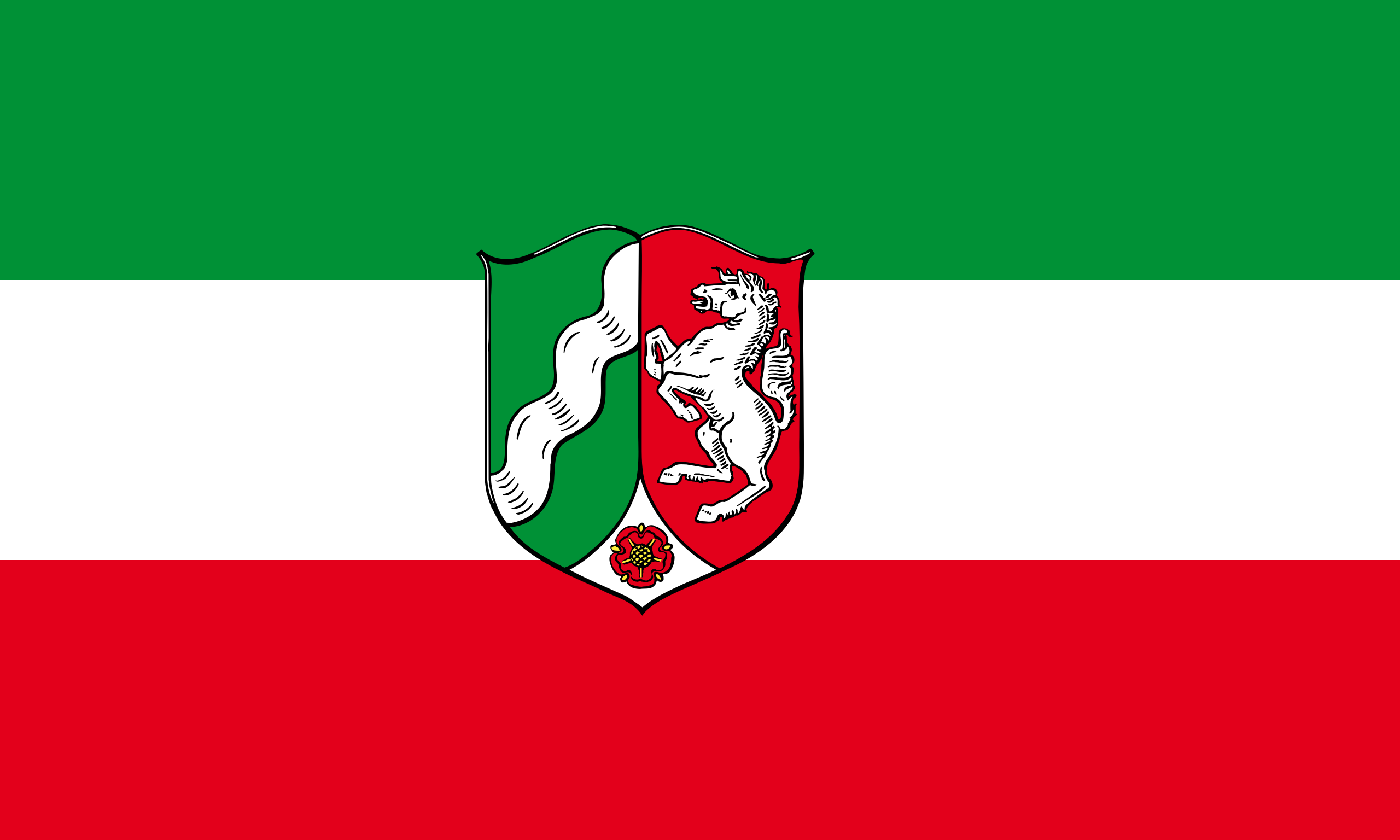 North Rhine-Westphalia
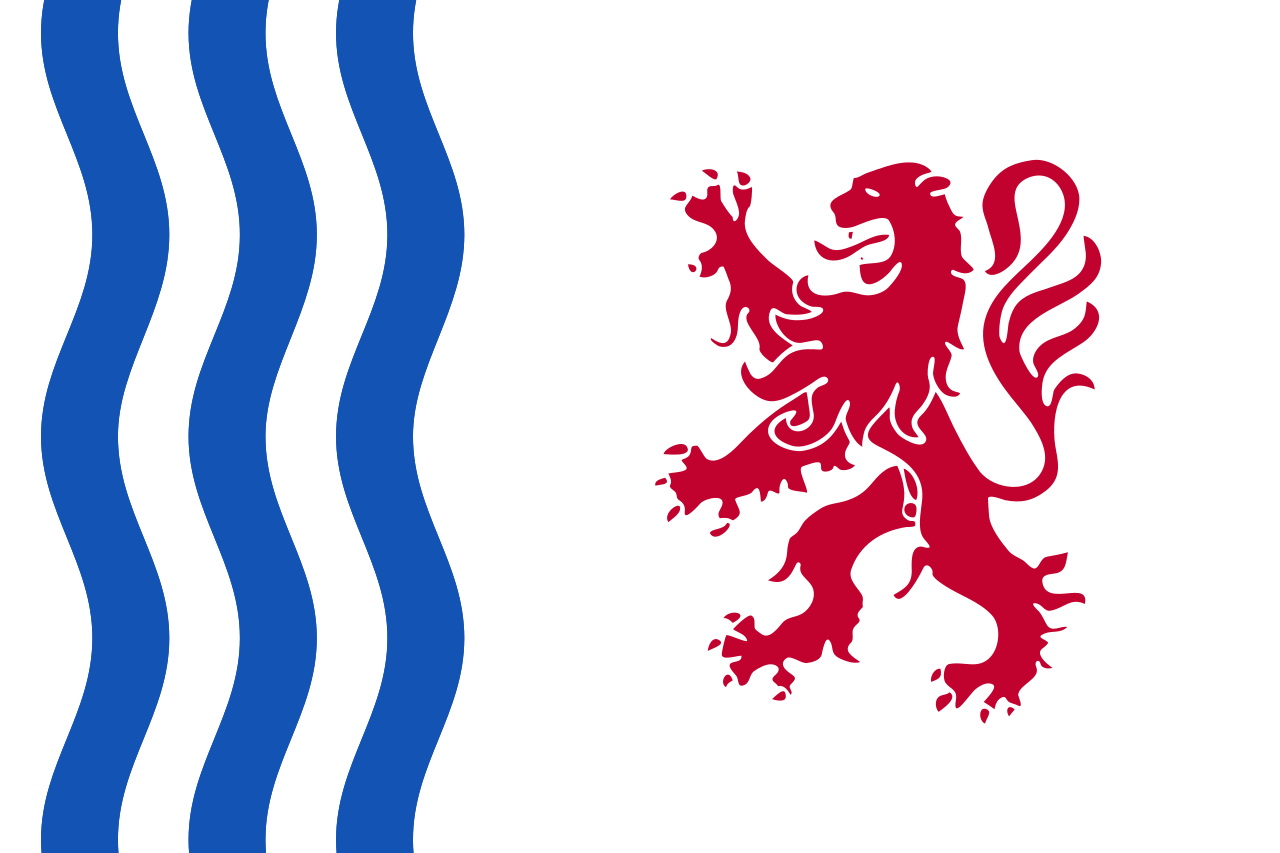 Nouvelle-Aquitaine
 Occitania
Switzerland
Spain
Occitania
Switzerland
Spain
 Toscana
Tour de France 2015
Tour de France 2016
Tour de France 2017
Tour de France 2018
UCI World Tour
United Kingdom
Toscana
Tour de France 2015
Tour de France 2016
Tour de France 2017
Tour de France 2018
UCI World Tour
United Kingdom

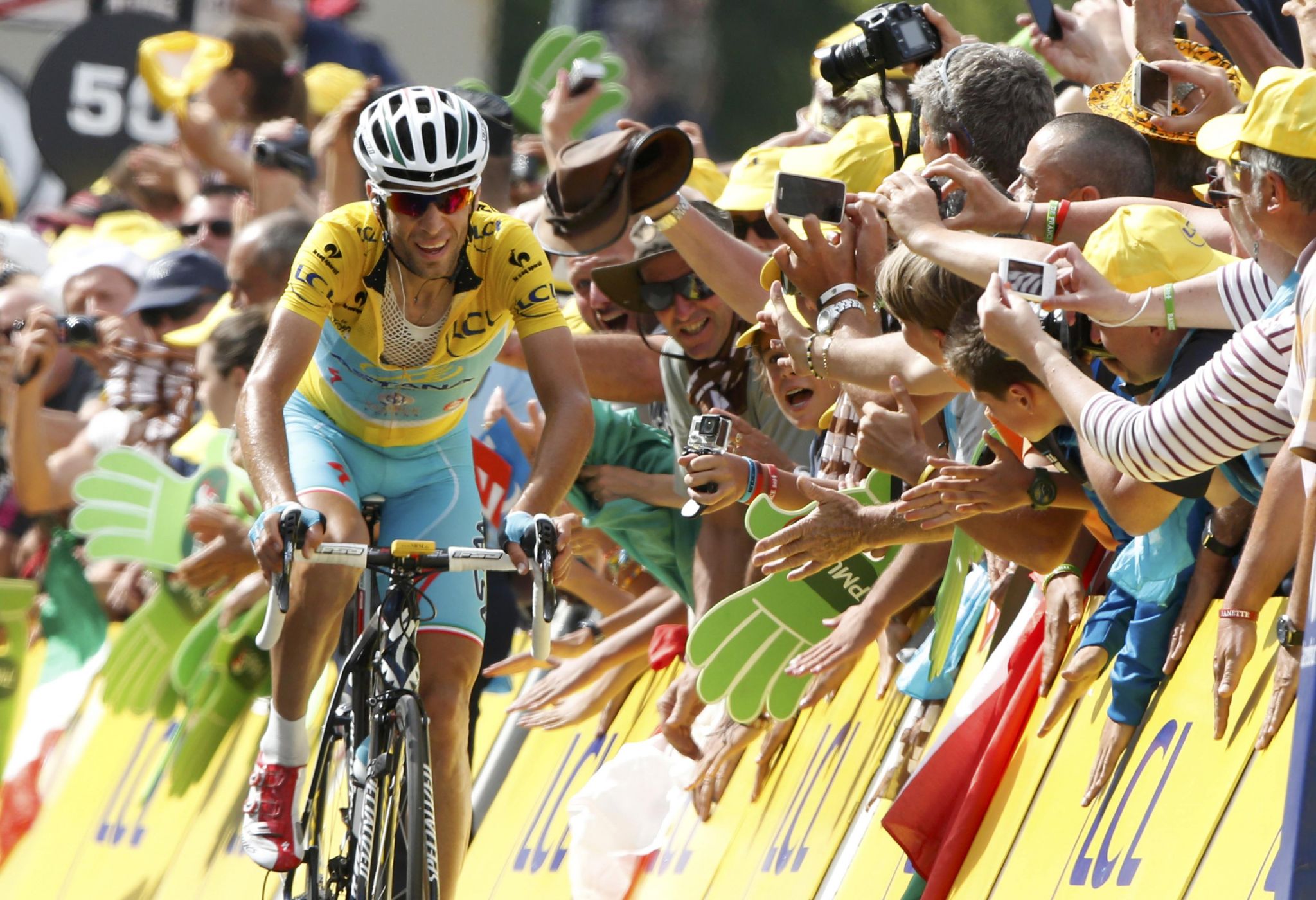
环法自行车赛(Tour de France)是一项分赛程的长距离自行车骑行比赛,它由法国人亨利・戴斯格朗日(Henri Desgrange)于1903年创立。每年夏天的七月份,来自世界各国的骑行高手们就会云集法国,在这里翻山越岭穿村过市,在举世闻名的自行车赛界的最高竞技中一决高下。
环法自行车赛的产生及历史
亨利・戴斯格朗日曾是一位自行车运动员,后来做了记者,但他从未放弃对骑行的热爱。他于1903年创立了环法自行车赛最初的规则。其中有一些规则给参赛选手专心进行体育竞技带来了很大的不便。比如说参赛者不可以使用助手,也就是说如果参赛者的自行车出现了机械故障,要由他自己停下来把车修好才可以再上路。
其实环法自行车赛不仅限于法国境内,它还经过比利时、西班牙等一些法国的邻国。比赛属于分段计时赛,冠军为各段赛程所用时间累计最少者。
(Quelle:http://www.faguo-lvyou.cn)
环法自行车赛(法语:Le Tour de France)是一个每年举办的多赛段公路自行车赛,主要在法国进行,但有时也出入周边国家(如英国、比利时、德国、西班牙)。自从1903年开始以来,每年于夏季举行,每次赛期23天,平均赛程超过3500公里(约2200英里)。完整赛程每年不一,但大都大体上环绕法国一周。近年来,比赛结束前总是会穿越巴黎市中心的香榭丽舍大道,并且经过埃菲尔铁塔。比赛全程分成许多段,从一个城镇到下一个,每一段分别计时排名。所有段成绩累计起来决定每一位赛手的总成绩,总冠军为各段时间累计最少者。在每日赛事结束时,领先者将可穿上黄色领骑衫,最佳冲刺者将被赠与一件绿色车衣,山间赛事中之最佳骑手将会得到一件波尔卡点运动衣,其有时被称作登山王。
像其他公路大赛一样,选手们组织队伍参赛。每一队由9名选手组成,共有20至22个小队。传统上,只有一流的专业赛车队才能收到参赛邀请。近年来,大赛组织者采用国际自行车联盟的计分系统来决定参赛队伍,另留下2-4个名额给予知名车队或落选的法国车队。每个车队由其最大赞助商命名,穿着其队服。比赛时,各车队采取战术,队友之间互相帮助,通常车队后面还有一部支援车带着配件等备急紧跟着他们[1][2]。
Am 8. Dez. 1867 fand das erste Radrennen der Welt in Paris statt. Anfangs noch auf dem Vélocipèd, ohne Bereifung, wurden selten Geschwindigkeiten von 10 km/h erreicht. Etwa 100 Teilnehmer starteten auf den Champs-Elysées und fuhren etwa 23 km bis zum Schloß von Versaille. Das zweite Rennen fand am 24. Mai 1868 am Pré Catalan im Bois du Boulongne statt.
Das erste "Langstreckenrennen" der Welt, Paris-Rouen über 122 km wurde am 7. Nov. 1869 gefahren.
Bis kurz vor 1890 wurden verschiedene Rennen mit dem Hochrad ausgetragen, was sehr gefährlich war. Mit der Erfindung der Luftbereifung 1888 endete die ära der Hochräder abrupt.
Diese "Sicherheits-Niederräder" entsprechen grob dem Aussehen heutiger Fahrräder und wurden erstmalig in Großserie produziert.
Bereits 1891 wurden 2 berühmte Radrennen ins Leben gerufen, die noch heute gefahren werden: Paris-Brest-Paris über ca. 1.200 km und Bordeaux-Paris, welches halb so lang ist.(Quelle:http://www.fahrradmonteur.de/tour-de-france.php)
Die Tour de France [ˌtuʀdəˈfʀɑ̃ːs], auch Grande Boucle [gʀɑ̃dˈbukl] (französisch für Große Schleife) oder einfach Le Tour [ləˈtuːʀ] genannt, ist das berühmteste und für die Fahrer bedeutendste Radrennen der Welt.
Seit 1903 wird es alljährlich im Juli ausgetragen und führt dabei in wechselnder Streckenführung quer durch Frankreich und das nahe Ausland. Während des Ersten Weltkriegs fiel die Tour zwischen 1915 und 1918 aus, der Zweite Weltkrieg bedingte eine Unterbrechung von 1940 bis 1946. Das Etappenrennen wird von der Amaury Sport Organisation (ASO) veranstaltet. Die Tour wird oft als das nach den Olympischen Spielen und der Fußball-Weltmeisterschaft drittgrößte Sportereignis der Welt[1][2] oder als das größte jährlich stattfindende Sportereignis[3] bezeichnet und gilt als das härteste Radrennen der Welt.[4]
Eine Tour de France der Frauen, La Grande Boucle Féminine Internationale, wurde mit Unterbrechungen von 1984 bis 2009 ausgetragen. Länge und Bedeutung waren im Vergleich zur Tour der Männer gering. Als Nachfolgeveranstaltung wird seit 2014 La Course by Le Tour de France, zu Beginn als Rundstreckenrennen vor der Schlussetappe der Tour de France 2014, ausgetragen.
ツール・ド・フランスまたは(ル・)トゥール・ド・フランス(仏: Le Tour de France、以下「ツール」)とは毎年7月にフランスおよび周辺国を舞台にして行われる自転車プロロードレースである。1903年から開催されている。主催は傘下にスポーツ新聞レキップや一般紙ル・パリジャンなどを抱えるフランスの大企業・アモリ・スポル・オルガニザシオン (ASO, Amaury Sport Organisation)。
名称はフランス語で「フランス一周」を意味する[1]。フランス語による同様の名称のレースには、スイスで行われるツール・ド・スイスなどがある。単にル・ツール(Le Tour:ル・トゥール)と称されることもある。
The Tour de France (French pronunciation: [tuʁ də fʁɑ̃s]) is an annual men's multiple stage bicycle race primarily held in France,[1] while also occasionally passing through nearby countries. Like the other Grand Tours (the Giro d'Italia and the Vuelta a España), it consists of 21 day-long stages over the course of 23 days.
The race was first organized in 1903 to increase sales for the newspaper L'Auto[2] and is currently run by the Amaury Sport Organisation.[3] The race has been held annually since its first edition in 1903 except when it was stopped for the two World Wars.[4] As the Tour gained prominence and popularity, the race was lengthened and its reach began to extend around the globe. Participation expanded from a primarily French field, as riders from all over the world began to participate in the race each year. The Tour is a UCI World Tour event, which means that the teams that compete in the race are mostly UCI WorldTeams, with the exception of the teams that the organizers invite.[5][6]
Traditionally, the race is held primarily in the month of July. While the route changes each year, the format of the race stays the same with the appearance of time trials,[1] the passage through the mountain chains of the Pyrenees and the Alps, and the finish on the Champs-Élysées in Paris.[7][8] The modern editions of the Tour de France consist of 21 day-long segments (stages) over a 23-day period and cover around 3,500 kilometres (2,200 mi).[9] The race alternates between clockwise and counterclockwise circuits of France.[10]
There are usually between 20 and 22 teams, with eight riders in each. All of the stages are timed to the finish; the riders' times are compounded with their previous stage times.[1] The rider with the lowest cumulative finishing times is the leader of the race and wears the yellow jersey.[1][11] While the general classification garners the most attention, there are other contests held within the Tour: the points classification for the sprinters, the mountains classification for the climbers, young rider classification for riders under the age of 26, and the team classification for the fastest teams.[1] Achieving a stage win also provides prestige, often accomplished by a team's cycling sprinter specialist.
Le Tour de France, souvent appelé « Le Tour » ou « la Grande Boucle », est une compétition cycliste par étapes masculine qui a lieu principalement en France chaque année, tout en traversant occasionnellement les pays voisins. La course est organisée pour la première fois en 1903 par Henri Desgrange et Géo Lefèvre, pour augmenter les ventes du journal L'Auto. Le Tour est actuellement organisé par ASO (Groupe Amaury). La course a lieu chaque année depuis sa première édition en 1903, excepté lors des deux guerres mondiales. Le Tour gagne en importance et en popularité au fil des éditions, sa durée est allongée et sa portée s'étend dans le monde entier. La participation s'élargit, on passe d'un peloton principalement français lors des premières éditions, à des éditions comptant jusqu'à 40 nationalités.
Le Tour de France, le Tour d'Italie et le Tour d'Espagne constituent les trois grands tours, les épreuves les plus prestigieuses du cyclisme sur route. Le Tour de France est le plus ancien et est généralement considéré comme le plus prestigieux des trois. Traditionnellement, la course se déroule principalement au mois de juillet. Bien que le parcours change chaque année, le format de la course reste le même avec au moins deux contre-la-montre1, le passage à travers les chaînes de montagnes des Pyrénées et des Alpes et l'arrivée sur les Champs-Élysées à Paris. Les éditions modernes du Tour de France se composent de 21 étapes réparties sur une période de 23 jours et couvrent près de 3 500 kilomètres. Le tracé du parcours alterne entre le sens horaire et antihoraire de la France.
Le Tour est une des épreuves de l'UCI World Tour, ce qui signifie que les équipes sont en majorités composées d'UCI WorldTeams, à l'exception des équipes que les organisateurs invitent. Le nombre d'équipes varie habituellement entre 20 et 22, avec chacune huit coureurs. Après chaque étape, les temps des coureurs sont ajoutés avec leurs temps précédents. Le coureur avec le temps total le plus faible est classé premier du classement général et porte le très convoité maillot jaune le distinguant des autres coureurs. Le classement général est le plus réputé des classements car il détermine le vainqueur du Tour, mais d'autres classements secondaires sont organisés lors du Tour : le classement par points pour les sprinteurs, le classement de la montagne pour les grimpeurs, le classement des jeunes pour les coureurs de 25 ans et moins, et le classement par équipes pour les équipes les plus rapides.
Quatre coureurs ont remporté cinq fois le Tour de France : Jacques Anquetil, Eddy Merckx, Bernard Hinault et Miguel Indurain. Lance Armstrong, vainqueur de sept Tours entre 1999 et 2005, fut le recordman jusqu'en 2012 lorsque ses sept victoires furent effacées pour cause de dopage. Christopher Froome est toujours en activité, avec quatre succès à son actif.
Le Tour de France (it. Il Giro di Francia) è uno dei tre grandi giri maschili di ciclismo su strada e uno tra i più importanti avvenimenti sportivi del mondo. È parte del calendario professionistico UCI World Tour.
Detto anche Tour o Grande Boucle, a partire dal 1903 la corsa si è svolta ogni anno (risultando il più antico grande Giro), ad eccezione dei periodi della prima e della seconda guerra mondiale, durante il mese di luglio, nell'arco di circa tre settimane e su un percorso ogni volta diverso attraverso la Francia e i paesi confinanti. Attualmente l'organizzazione della gara è affidata alla Société du Tour de France, una sussidiaria dell'Amaury Sport Organisation, che fa parte del gruppo mediatico de L'Équipe.
A partire dal 1984 e fino al 1993 venne organizzato parallelamente anche un Tour de France femminile, con un percorso e tappe più brevi.
El Tour de Francia (oficialmente Le Tour de France), también conocido simplemente como el Tour, es una vuelta por etapas profesional de ciclismo en ruta disputada a lo largo de la geografía francesa. Se celebra en julio y pertenece al calendario UCI WorldTour, máxima categoría de las carreras profesionales
Considerada la carrera más importante del mundo,1 el Tour se disputó por primera vez en 1903. Desde su creación, la carrera se ha visto interrumpida en dos ocasiones debido a las dos guerras mundiales: desde 1915 hasta 1918 y desde 1940 hasta 1946.2
Es la más antigua de las conocidas tres "Grandes Vueltas" del ciclismo, junto al Giro de Italia y la Vuelta a España.
El ganador del Tour de Francia obtiene 1800 puntos para el Salón de la Fama del Ciclismo (Cycling Hall of Fame), siendo la prueba ciclista que más puntos otorga al ganador.
Con cinco triunfos, son cuatro los ciclistas que poseen el récord de victorias en La Grande Boucle: Jacques Anquetil (1957, 1961, 1962, 1963 y 1964), Eddy Merckx (1969, 1970, 1971, 1972 y 1974), Bernard Hinault (1978, 1979, 1981, 1982 y 1985) y Miguel Indurain (1991, 1992, 1993, 1994 y 1995).
El Tour de Francia fue galardonado con el Premio Príncipe de Asturias de los Deportes en el año 2003.3
Existió un Tour de Francia femenino que comenzó en 1955 (desde 1984 disputándose con regularidad) hasta 2009, siendo de las pocas carreras femeninas con una duración superior a una semana junto al Giro de Italia Femenino y el Tour de l'Aude Femenino (este también ya desaparecido), aunque durante sus últimos 15 años sin relación con la de hombres.
Тур де Франс[1] (нескл.; фр. Le Tour de France) — шоссейная многодневная велогонка, один из трёх гранд-туров. Самая известная и престижная велосипедная гонка мира, проводимая уже более ста лет во Франции[2]. Неофициальное название — «Большая петля».
Велогонка «Тур де Франс» изначально была учреждена как рекламный проект газеты L’Auto (предок нынешнего L'Équipe), его редактором и соучредителем, Анри Дегранжем (Henri Desgrange) и был призван конкурировать с велогонкой Париж — Брест — Париж (спонсируемой газетой Le Petit Journal) и велогонкой Бордо-Париж.
Идея создания французской петли принадлежит журналисту L’Auto Жео Лефевру (Géo Lefèvre), с которым Анри Дегранж обедал в парижском кафе Café de Madrid 20 ноября 1902 года (точная дата). Успех гонки Le Tour de France стал большим успехом и для газеты L’Auto, число подписчиков которой выросло в 1903 году с 25 тысяч (до Тура) до 65 тысяч после Тура; в 1908 году число подписчиков газеты перевалило за 250 тысяч, а во время «Тур де Франс» 1923 года продавалось 500 тысяч экземпляров газеты в день. Рекордный тираж газеты был достигнут в течение «Тур де Франс» 1933 года — 854 тысячи экземпляров в день. Сегодня Тур организовывает «Общество Тур-де-Франс» — филиал Amaury Sport Organisation (ASO), который является частью медиа-холдинга, в который входит газета L'Équipe.
Тур, который проводится во Франции и в близлежащем зарубежье, проходит ежегодно в течение трёх недель в июле. Только во время первой (1915—1918) и Второй мировой войны (1940—1946) тур был отменён. Велогонку проводит фирма Amaury Sport Organisation (ASO), которая также проводит Ралли Дакар.
 Architecture
Renaissance architecture
Deutsche Renaissance
Renaissance architecture
Englische Renaissance
Renaissance architecture
Französische Renaissance
History
L 1000 - 1500 AD
Italy
Architecture
Renaissance architecture
Deutsche Renaissance
Renaissance architecture
Englische Renaissance
Renaissance architecture
Französische Renaissance
History
L 1000 - 1500 AD
Italy
 Review
 Traditions
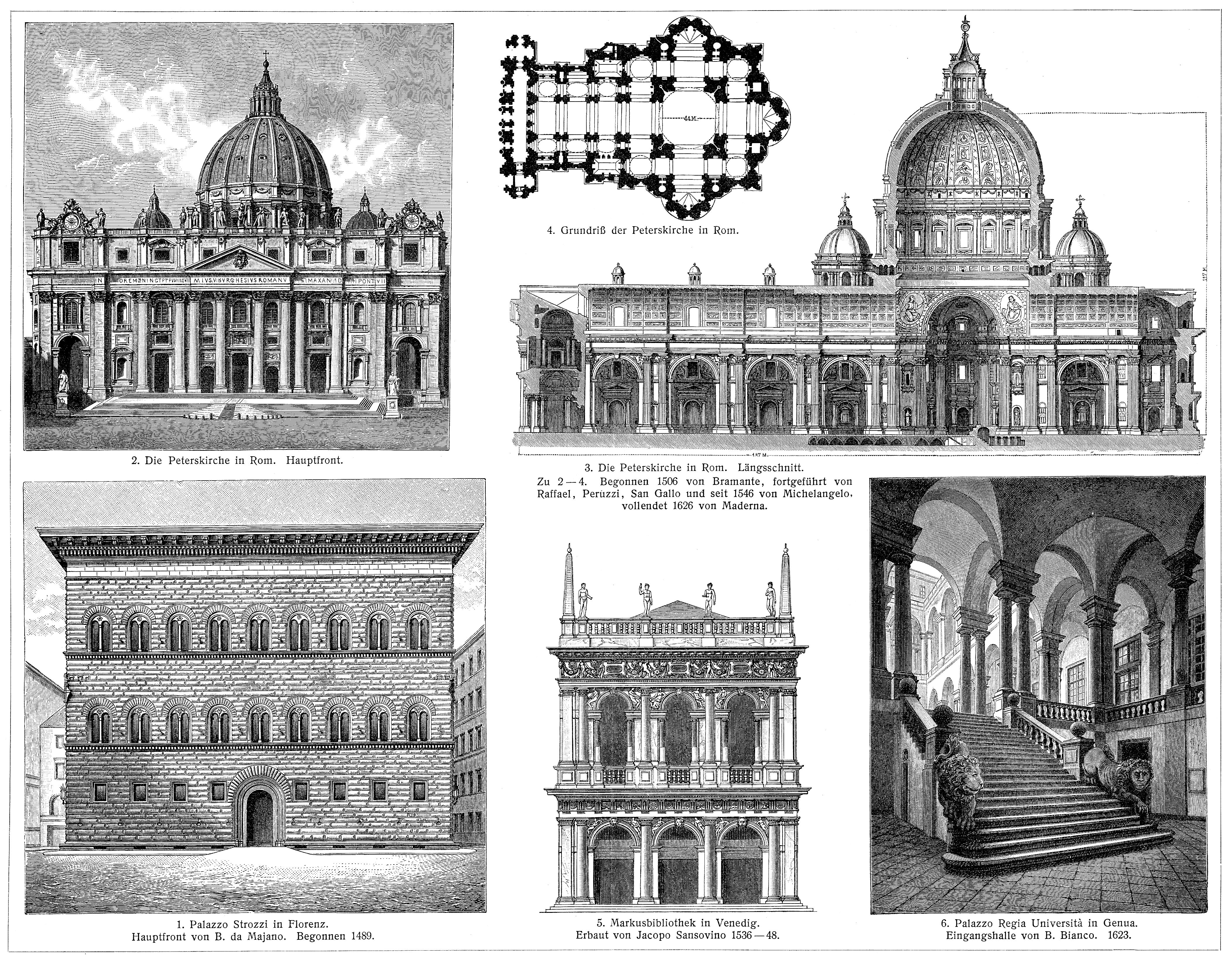
文艺复兴建筑最明显的特征是扬弃了中世纪时期的哥特式建筑风格,而在宗教和世俗建筑上重新采用古希腊罗马时期的柱式构图要素。
文艺复兴建筑
文艺复兴时期的建筑师和艺术家们认为,哥特式建筑是基督教神权统治的象征,而古代希腊和罗马的建筑是非基督教的。他们认为这种古典建筑,特别是古典柱式构图体观着和谐与理性,并同人体美有相通之处,这些正符合文艺复兴运动的人文主义观念。
但是意大利文艺复兴时代的建筑师绝不是食古不化的人。虽然有人(如帕拉第奥和维尼奥拉)在著作中为古典柱式制定出严格的规范 。不过当时的建筑师,包括帕拉第奥和维尼奥拉本人在内并没有受规范的束缚。
欧洲建筑风格-文艺复兴建筑
他们一方面采用古典柱式,一方面又灵活变通,大胆创新,甚至将各个地区的建筑风格同古典柱式融合一起。他们还将文艺复兴时期的许多科学技术上的成果,如力学上的成就、绘画中的***规律、新的施工机具等等,运用到建筑创作实践中去。
在文艺复兴时期,建筑类型、建筑形制、建筑形式都比以前增多了。建筑师在创作中既体现统一的时代风格,又十分重视表现自己的艺术个性。总之,文艺复兴建筑,特别是意大利文艺复兴建筑,呈现空前繁荣的景象,是世界建筑史上一个大发展和大提高的时期。
欧洲建筑风格-文艺复兴建筑
一般认为,十五世纪佛罗伦萨大教堂的建成,标志着文艺复兴建筑的开端。而关于文艺复兴建筑何时结束的问题,建筑史界尚存在着不同的看法。有一些学者认为一 直到 十八世纪末,有将近四百年的时间属于文艺复兴建筑时期。另一种看法是意大利文艺复兴建筑到十七世纪初就结束了,此后转为巴洛克建筑风格。
意大利以外地区的文艺复兴建筑的形成和延续呈现着复杂、曲折和参差不一的状况。建筑史学界对其它各国文艺复兴建筑的性质和延续时间并无一致的见解。尽管如 此,建筑史学界仍然公认 ,以意大利为中心的文艺复兴建筑,对以后几百年的欧洲及其他许多地区的建筑风格都产生了广泛持久的影响。
Belgium
Germany
 European Union
EU Commissioner 2019-2024
European Union
President of the European Commission
Franco Maria Malfatti
François-Xavier Ortoli
France
Gaston Thorn
Italy
Jacques Delors
Jacques Santer
Jean Rey
Jean-Claude Juncker
José Manuel Barroso
Luxembourg
Manuel Marín
Netherlands
Portugal
Romano Prodi
Roy Jenkins
Sicco Mansholt
Spain
Ursula von der Leyen
United Kingdom
European Union
EU Commissioner 2019-2024
European Union
President of the European Commission
Franco Maria Malfatti
François-Xavier Ortoli
France
Gaston Thorn
Italy
Jacques Delors
Jacques Santer
Jean Rey
Jean-Claude Juncker
José Manuel Barroso
Luxembourg
Manuel Marín
Netherlands
Portugal
Romano Prodi
Roy Jenkins
Sicco Mansholt
Spain
Ursula von der Leyen
United Kingdom
 FIFA Fussball-Weltmeisterschaft 1990
History
International cities
Turin
International cities
*World Design Capital
Italy
Winter Olympics
2006 Winter Olympics
FIFA Fussball-Weltmeisterschaft 1990
History
International cities
Turin
International cities
*World Design Capital
Italy
Winter Olympics
2006 Winter Olympics
 Piemonte
Turin
Piemonte
Turin
 Ski vacation
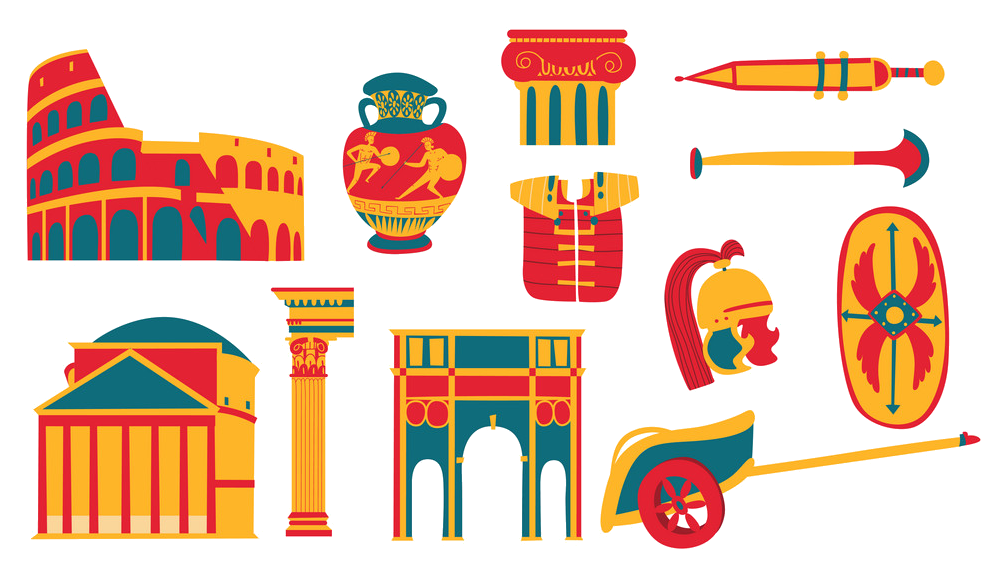 Cities founded by the Romans
World Heritage
Cities founded by the Romans
World Heritage
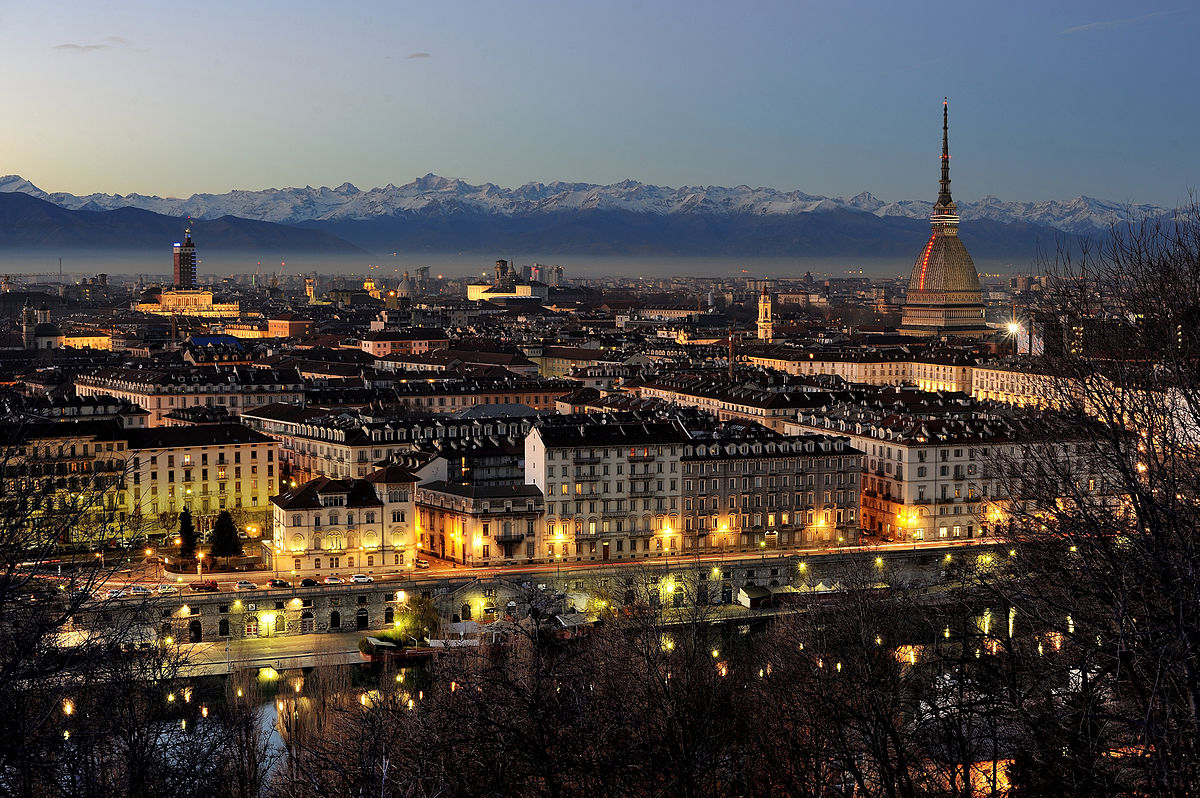
都灵(意大利语:Torino [toˈriːno] 聆听;皮埃蒙特语:Turin [tyˈɾiŋ];拉丁语:Augusta Taurinorum),中国大陆和港澳地区称为都灵,台湾称为杜林,是位于意大利北部的重要城市,皮埃蒙特大区和都灵广域市的首府。它坐落在波河的左岸,距离米兰大约140千米(87英里),阿尔卑斯山环绕在城市的西北。都灵中心区有面积130.17km²,人口911,534[2],是意大利人口第四多的城市;都灵城市区有面积1,126.6 km²,人口1,745,221[3];都灵都市圈有面积1,977 km²,人口2,200,000[4](占意大利总人口的3.4%[5])。
都灵是一国际化的欧洲城市,[6][7] 都灵有时被称为“意大利自由的摇篮”、[8]、“阿尔卑斯之都”、“萨沃亚之都”。它拥有众多的文化设施和其他名胜。都灵因为它的巴洛克、洛可可和新古典主义法式建筑而举世闻名。它的很多广场、城堡、庭园和宫殿(如贵妇宫),都是由西西里建筑师菲利波·尤瓦拉建造的,他在设计时借鉴了法国经典建筑凡尔赛宫。[9] 这些法式建筑的典范包括:王宫、斯杜皮尼吉行宫和苏佩尔加大教堂。许多意大利高等教育机构位于此地,如都灵大学、都灵理工大学、都灵美术学院等。还有许多重要和著名的博物馆,如埃及博物馆[10] 和安托内利尖塔。
都灵曾经是欧洲重要的政治中心。1563年,它成为了萨伏依公国的首都,随后是萨伏依王室统治下的萨丁尼亚王国的首都,最后是意大利统一之后的第一个首都(1861年—1865年)。[11] 同时,它也是萨沃亚王室(意大利王室)的故乡。[12] 虽然因为第二次世界大战,它的大部分政治意义和重要性都丢失了,它还是在战后成为了欧洲重要的工业、商业和贸易的集散地。它现在是意大利的工业中心之一,和米兰、热那亚组成了“工业铁三角”。从经济上来说,都灵紧随罗马和米兰之后,是意大利第三大城市。[13] 它的GDP高达580亿美元,排名世界第78位。[14] 虽然不像罗马、米兰那样是“世界级城市”,GaWC评其为“适合发展”级别。[15]
都灵是意大利汽车制造业的摇篮,被称为“意大利汽车之都”或者“意大利的底特律”。是汽车品牌菲亚特、蓝旗亚和阿尔法·罗密欧的总部所在地。[16][17] 都灵还拥有足球俱乐部尤文图斯和都灵,举办过2006年冬季奥林匹克运动会。一些国际空间站设备,如和谐号节点舱和哥伦布实验舱,也是在都灵制造的。
トリノ(伊: Torino ( 音声ファイル))は、イタリア共和国ピエモンテ州にある都市で、その周辺地域を含む人口約87万人の基礎自治体(コムーネ)。ピエモンテ州の州都であり、トリノ県の県都。イタリア第4の人口規模を持つ。都市圏の人口は約170万人。一時は100万都市だったが昨今は人口減少が著しい。
ミラノに次ぐイタリア第2の工業都市であり、自動車工業の拠点である。近代にはサルデーニャ王国の首都が置かれた。サヴォイア王家の王宮群は世界遺産に登録されている。
Turin (/tjʊəˈrɪn, ˈtʊərɪn/;[2] Italian: Torino [toˈriːno] ( listen); Piemontese: Turin [tyˈriŋ])[3] is a city and an important business and cultural centre in northern Italy. It is the capital city of the Metropolitan City of Turin (an administrative division of Italy) and of the Piedmont region, and was the first capital city of Italy from 1861 to 1865. The city is located mainly on the western bank of the Po River, in front of Susa Valley, and is surrounded by the western Alpine arch and Superga Hill. The population of the city proper is 883,281 (30 November 2017)[4] while the population of the urban area is estimated by Eurostat to be 1.7 million inhabitants. The Turin metropolitan area is estimated by the OECD to have a population of 2.2 million.[5]
The city has a rich culture and history, being known for its numerous art galleries, restaurants, churches, palaces, opera houses, piazzas, parks, gardens, theatres, libraries, museums and other venues. Turin is well known for its Renaissance, Baroque, Rococo, Neo-classical, and Art Nouveau architecture. Many of Turin's public squares, castles, gardens and elegant palazzi such as the Palazzo Madama, were built between the 16th and 18th centuries. A part of the historical center of Turin was inscribed in the World Heritage List under the name Residences of the Royal House of Savoy.
The city used to be a major European political center. From 1563, it was the capital of the Duchy of Savoy, then of the Kingdom of Sardinia ruled by the Royal House of Savoy, and the first capital of the unified Italy (the Kingdom of Italy) from 1861 to 1865.[6][7] Turin is sometimes called "the cradle of Italian liberty" for having been the birthplace and home of notable individuals who contributed to the Risorgimento, such as Cavour.[8]
The city currently hosts some of Italy's best universities, colleges, academies, lycea and gymnasia, such as the University of Turin, founded in the 15th century, and the Turin Polytechnic. In addition, the city is home to museums such as the Museo Egizio[9] and the Mole Antonelliana. Turin's attractions make it one of the world's top 250 tourist destinations and the tenth most visited city in Italy in 2008.[10]
Even though much of its political significance and importance had been lost by World War II, Turin became a major European crossroad for industry, commerce and trade, and is part of the famous "industrial triangle" along with Milan and Genoa. Turin is ranked third in Italy, after Milan and Rome, for economic strength.[11] With a GDP of $58 billion, Turin is the world's 78th richest city by purchasing power.[12] As of 2010, the city has been ranked by GaWC as a Gamma World city.[13] Turin is also home to much of the Italian automotive industry.[14][15]
Turin is well known as the home of the Shroud of Turin, the football teams Juventus F.C. and Torino F.C., the headquarters of automobile manufacturers FIAT, Lancia and Alfa Romeo, and as host of the 2006 Winter Olympics.
Turin (Torino en italien, Turin en piémontais) est une ville italienne, chef-lieu de la ville métropolitaine de Turin et de la région du Piémont. Turin fut la capitale des États de Savoie de 1563 à 1713, du royaume de Sicile de 1713 à 1720, du royaume de Sardaigne de 1720 à 1861 et du royaume d'Italie de 1861 à 1865.
Torino (AFI: /toˈrino/[4], ; Turin in piemontese[5]) è un comune italiano di 879 808 abitanti[2], capoluogo dell'omonima città metropolitana e della regione Piemonte.
Cuore di un'area metropolitana che conta quasi 2 000 000 di abitanti su una superficie approssimativa di circa 2 300 km²,[6] la città di Torino è il quarto comune italiano per popolazione, il terzo complesso economico-produttivo del Paese e costituisce uno dei maggiori poli universitari, artistici, turistici, scientifici e culturali d'Italia. Nel suo territorio sono inoltre presenti aree ed edifici inclusi in due beni protetti dall'UNESCO: alcuni palazzi e zone facenti parte del circuito di residenze sabaude in Piemonte (patrimonio dell'umanità[7]) e l'area delle colline del Po (riserva della biosfera).
Città dalla storia bimillenaria, fu fondata probabilmente come Taurasia nei pressi della posizione attuale attorno al III secolo a.C. dai Taurini, popolazione ligure (o celto-ligure) dell'Italia settentrionale, e trasformata in colonia romana da Augusto col nome di Iulia Augusta Taurinorum nel I secolo a.C. Dopo il dominio ostrogoto fu capitale di un importante ducato longobardo, per poi passare, dopo essere divenuta capitale di marca carolingia, sotto la signoria nominale dei Savoia nell'XI secolo. Città dell'omonimo ducato, nel 1563 ne divenne capitale. Dal 1720 fu capitale del Regno di Sardegna (anche se solo de facto fino alla fusione perfetta del 1847, quando lo divenne anche formalmente),[8] stato che nel XIX secolo avrebbe portato all'unificazione italiana e che fece di Torino la prima capitale del Regno d'Italia (dal 1861 al 1865).
È stata la patria, natia o adottiva, di alcuni fra i più grandi scrittori e letterati italiani del XIX e XX secolo, tra i quali Edmondo De Amicis, Emilio Salgari, Italo Calvino, Natalia Ginzburg, Norberto Bobbio, Cesare Pavese e Primo Levi.
Sede nel 2006 dei XX Giochi olimpici invernali, città natale di alcuni fra i maggiori simboli del Made in Italy nel mondo, come il Martini, il cioccolato gianduja e il caffè espresso, è il fulcro dell'industria automobilistica italiana, nonché importante centro dell'editoria, del sistema bancario e assicurativo, delle tecnologie dell'informazione, del cinema, dell'enogastronomia, del settore aerospaziale, del disegno industriale e dello sport.
Turín (en italiano: Torino, en piamontés: Turin) es una ciudad, importante centro cultural y de negocios del norte de Italia, capital de la región de Piamonte, localizada principalmente en el margen izquierdo del río Po y rodeada por los Alpes. El área metropolitana de Turín, según la Organización para la Cooperación y el Desarrollo Económico, tiene una población de alrededor de 2.200.000 habitantes.2
La ciudad es rica en cultura e historia. Es conocida por sus numerosos museos de arte, sus restaurantes, sus iglesias, sus palacios, sus teatros de ópera, sus plazas, sus parques, sus jardines y sus bibliotecas, entre otros atractivos. Turín es ampliamente reconocida por su arquitectura barroca, rococo, neoclásica y Art Nouveau. Muchas de las plazas públicas de la ciudad, de los castillos, jardines y elegantes palacios (como el Palazzo Madama), fueron construidos por el arquitecto siciliano Filippo Juvarra, quien diseñó estos edificios en el estilo barroco y clásico del Palacio de Versalles, en Francia.3 Ejemplos de estos edificios de inspiración francesa incluyen el Palacio Real de Turín, el Pabellón de caza de Stupinigi y la Basílica de Superga.
Turín es frecuentemente llamada la «cuna de Italia» por ser el lugar de nacimiento de importantes políticos que contribuyeron con la unificación de Italia, como Cavour.4 La ciudad actualmente alberga algunas de las mejores universidades de Italia, como la Universidad de Turín, de seis siglos de antigüedad, y el Politécnico de Turín. También se encuentran en la ciudad museos prestigiosos e importantes, como el Museo Egipcio de Turín5 (el más antiguo en el mundo y considerado el segundo más importante en el mundo después de El Cairo por valor de los hallazgos) y la Mole Antonelliana. Los diversos monumentos y atracciones de Turín la convierten en una de los 250 principales destinos turísticos del mundo y en la décima ciudad más visitada de Italia para el año 2008.6
La ciudad solía ser un importante centro político europeo, siendo la primera capital de Italia en 1861 y la ciudad de residencia de la Casa de Saboya, la familia real de Italia.7 A pesar de que mucho de su significado e importancia política se había perdido cuando comenzó la Segunda Guerra Mundial, se convirtió en uno de los principales centros industriales y comerciales de Europa, y actualmente es una de las ciudades más industrializadas de Italia, formando junto con Milán y Génova el famoso "triángulo industrial". A pesar de tener muchos menos habitantes que Roma y Milán, Turín es la tercera ciudad más rica de Italia, después de estas.8 Con un Producto Interno Bruto de 58.000 millones de dólares, Turín es la ciudad número 78 en la lista de las más ricas del mundo por su poder adquisitivo.91011 Turín es también la sede de gran parte de la potente industria automovilística italiana.1213
La ciudad es también conocida por resguardar la «Sábana Santa», por ser la sede de los equipos de fútbol Juventus F.C. y Torino Football Club, el lugar donde se producen los coches FIAT, Lancia, Alfa Romeo, Maserati y la sede de los juegos olímpicos de invierno de 2006. Varios módulos de la Estación Espacial Internacional, como el Harmony y el Columbus, fueron fabricados en Turín.
Fue la capital del Ducado de Saboya desde 1563, luego del Reino de Cerdeña y finalmente la primera capital de Italia.14 Piero Fassino fue el alcalde de Turín, elegido en mayo de 2011 para un mandato de 5 años, representando a una coalición de centro-izquierda y fue a su vez el sucesor de Sergio Chiamparino. Desde junio de 2016, la alcaldesa es la economista Chiara Appendino, del partido Movimento 5 Estrellas.
Тури́н (итал. Torino [toˈriːno], пьем. Turin [tyˈɾiŋ]) — город в Италии, важный деловой и культурный центр северной Италии. Административный центр региона Пьемонт и одноимённой провинции Турин.
Расположен при впадении реки Дора-Рипария в реку По, на Паданской равнине у подножия Западных Альп, на подступах к Альпийским перевалам.
Четвёртый после Рима, Милана и Неаполя город Италии по количеству жителей, насчитывает около 880 тыс. чел. (2017), вместе с пригородами 1,7 миллион человек.
Город имеет богатую историю и культуру, и известен своими арт-галереями, дворцами, театрами, музеями, парками. Турин также знаменит своей архитектурой в стилях барокко, рококо, неоклассицизма и модерна.
Большая часть замков, дворцов (в частности Палаццо Мадама), садов и площадей были построены в XVI-XVIII вв. в процессе перевода столицы Савойского герцогства (позднее Сардинское королевство) из Шамбери (ныне Франция) в Турин.
Турин иногда называют «колыбелью итальянской свободы», за то, что он является родным городом заметных политиков и людей, внесших большой вклад в Рисорджименто, например Камилло Бенсо ди Кавур. В городе находятся множество университетов, колледжей, академий, лицеев и гимназий. Среди них основанный в XV веке Туринский университет. Самыми известными достопримечательностями Турина являются Египетский музей и символ города Моле Антонеллиана. Эти и многие другие достопримечательности делают город привлекательным для туристов со всего мира и позволяют Турину входить в десятку самых посещаемых городов Италии[3].
Город в XIX веке являлся важным политическим центром Европы. В 1861 году Турин стал первой столицей объединенной Италии и наряду с этим являлся столицей для Савойского дома, правящей династии Королевства Италии. Несмотря на то, что большая часть политической значимости Турина была растеряна после отмены монархии в Италии, город остается важным промышленным, экономическим и торговым центром Европы и Италии. Турин является третьим по экономическим показателям городом страны, после Милана и Рима. Также Турин является своего рода столицей автомобилестроения Италии. В городе располагаются штаб-квартиры компаний FIAT, Lancia, Iveco.
Город известен в мире благодаря христианской реликвии — Туринской плащанице, а также футбольным командам «Ювентус» и «Торино». Турин — столица зимних Олимпийских игр 2006 года.
Покровителем города считается Св. Иоанн Креститель (итал. San Giovanni Battista). Праздник города — 24 июня.
 Art
Art
 Music
Music

 Automobile
*Engine
Automobile
***Technology
Automobile
*Caravan/Camper
Automobile
TATA
Automobile
GAC
Automobile
Abarth
Automobile
Alfa Romeo
Automobile
Lancia
Automobile
Maserati
Automobile
Ferrari
Automobile
*Commercial vehicles
Automobile
Stellantis
Fiat Chrysler and PSA Groupe
Fiat Chrysler Automobiles NV
Italy
Piemonte
Review
Automobile
*Engine
Automobile
***Technology
Automobile
*Caravan/Camper
Automobile
TATA
Automobile
GAC
Automobile
Abarth
Automobile
Alfa Romeo
Automobile
Lancia
Automobile
Maserati
Automobile
Ferrari
Automobile
*Commercial vehicles
Automobile
Stellantis
Fiat Chrysler and PSA Groupe
Fiat Chrysler Automobiles NV
Italy
Piemonte
Review
 Companies
*Centuries-old companies in the world
Companies
*Centuries-old companies in the world

新公司如雨后春笋般的出现,预示着人类的生活方式将有一个大的进步和改善。1899年7月11日,9名意大利的企业家和皮埃蒙特贵族以8万里拉 的社会资本创建了“意大利都灵无名氏汽车制造厂”,简称FIAT(菲亚特)汽车制造厂。同年,菲亚特的第一辆汽车4HP问世,这种外形近似马车的轿车在第 一年生产了8辆。
在菲亚特的股东之中,曾任骑兵军官的乔瓦尼·阿涅利工作勤奋,他推崇进步、创新和技术,是一个具有远见卓识的人。在1902年他被选为常务理 事,他领导企业开始向两个方向发展,即生产的多元化与把握具有远大前景的市场动态。在短短的几年里,菲亚特公司得以迅速发展壮大,员工人数由150人增加 到2500人,推出了12HP、60HP、100HP、130HP轿车和菲亚特的第一辆卡车。1907年生产的130HP轿车的最高速度达160公里/小 时,这在当时是一个了不起的成就。与此同时,菲亚特开始生产公共汽车、轮船和飞机发动机,产品远销到美国和澳大利亚。1914年第一次世界大战的爆发迫使 菲亚特不得不转产为战争服务,生产飞机、机关枪、航空发动机等军工产品。1919年战争一结束,菲亚特就推出了501、502、510等紧凑型轿车和菲亚 特的第一辆拖拉机:702。
(Quelle:http://auto.changsha.cn/)
Automobile
FIAT
 Emilia-Romagna
Manufacturing and Innovation
Fiat Chrysler Automobiles NV
Italy
Emilia-Romagna
Manufacturing and Innovation
Fiat Chrysler Automobiles NV
Italy
 Motorsport
Sport
Motorsport
Sport

Ferrari ist ein italienischer Automobilhersteller von Sportwagen und Formel-1-Fahrzeugen mit Verwaltungssitz in Maranello in der italienischen Provinz Modena und Rechtssitz in Amsterdam.[1][3][4] Das Unternehmen wurde 1947 vom ehemaligen Rennfahrer Enzo Ferrari gegründet.
Die Scuderia Ferrari (italienisch für „Rennstall Ferrari“) ist die Motorsportabteilung von Ferrari und ist bis heute das erfolgreichste Formel-1-Team.
Ferrari war von 1966 bis 2014 Tochterunternehmen von Fiat, anschließend bis 2016 mit rund 80 Prozent[5] von Fiat Chrysler Automobiles.
Der Börsengang von Ferrari an der New York Stock Exchange erfolgte am 21. Oktober 2015.[6] Ferrari wird durch die Holding Exor der italienischen Unternehmerfamilie Agnelli geführt und ist an der Borsa Italiana im Leitindex FTSE MIB gelistet.
法拉利(意大利语:Ferrari)是一家意大利跑车制造商,主要制造一级方程式赛车及高性能跑车。由恩佐·法拉利于意大利摩德纳附近的马拉内罗创立,当时是作为阿尔法·罗密欧的赛车部门分拆而来的阿维奥汽车(意大利语:Auto Avio Costruzioni),主要赞助赛车手及生产赛车,并早于1940年便已制作其首部赛车(阿维奥815,意大利语:Auto Avio Costruzioni 815)。但直至1947年第一辆正式镶嵌法拉利标志的汽车完成,这时它才被大众认定为独立的汽车制造商。法拉利的公路车款经常被视为速度、奢华、性感和财富的象征[3]。
 Lazio
Lazio
 Albania
Andorra
Armenia
Azerbaijan
Belgium
Bosnia Herzegovina
Bulgaria
Denmark
Germany
Estonia
Finland
France
Georgia
Greece
Ireland
Iceland
Italy
Croatia
Latvia
Liechtenstein
Lithuania
Luxembourg
Malta
Moldawien
Monaco
Montenegro
Netherlands
Nordmazedonien
Norwegen
Austria
Poland
Portugal
Romania
Russia
San Marino
Sweden
Switzerland
Serbia
Slovakia
Slovenia
Spain
Czech Republic
Turkey
Ukraine
Hungary
United Kingdom
Cyprus
Albania
Andorra
Armenia
Azerbaijan
Belgium
Bosnia Herzegovina
Bulgaria
Denmark
Germany
Estonia
Finland
France
Georgia
Greece
Ireland
Iceland
Italy
Croatia
Latvia
Liechtenstein
Lithuania
Luxembourg
Malta
Moldawien
Monaco
Montenegro
Netherlands
Nordmazedonien
Norwegen
Austria
Poland
Portugal
Romania
Russia
San Marino
Sweden
Switzerland
Serbia
Slovakia
Slovenia
Spain
Czech Republic
Turkey
Ukraine
Hungary
United Kingdom
Cyprus

 Science and technology
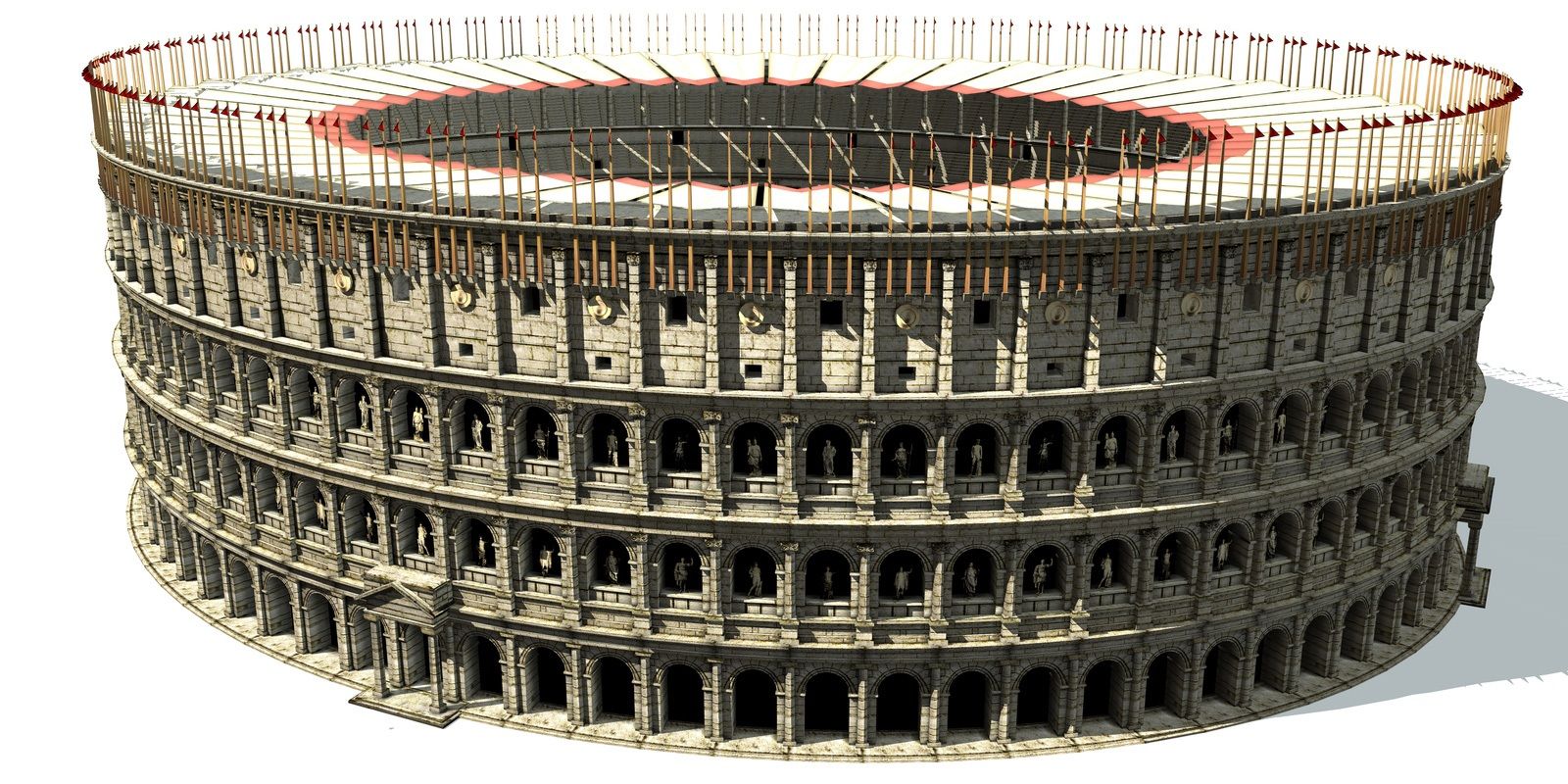
罗马斗兽场(意大利语:Colosseo,又译作罗马斗兽场、罗马大角斗场、科洛西姆或哥罗塞姆;原名弗莱文圆形剧场,拉丁语:Anfiteatro Flavio / Amphitheatrvm falvvm)是古罗马时期最大的圆形角斗场,建于公元72年-82年间,现仅存遗迹位于现今意大利罗马市的中心。[1]罗马斗兽场是卵形的圆形剧场,也是目前最大的圆形剧场,使用材料包括洞石、凝灰岩及砖饰面的混凝土[2]。
罗马斗兽场估计可以容纳五万至八万名观众[3][4],平均观众约六万五千人[5][6]。罗马斗兽场用来进行角斗士的比赛、海战表演(不过只有短暂的时间,后来斗兽场地下室就开始安装其他的设备了)、处决、重要战役的历史重演、以及演出以罗马神话为基础的戏剧。在中世纪前期已不再将罗马斗兽场用在娱乐用途,后来用作住宅、工作坊、圣职人员宿舍、防御工事、采石场以及基督教圣地等用途。
罗马斗兽场中有部分因为地震以及盗石贼的破坏而受损,不过仍然是罗马帝国的代表性建筑物。罗马斗兽场是罗马著名的旅游景点之一,也和天主教教会有关,教宗在每年圣周五带领的苦路游行都会从罗马斗兽场附近开始[7]。意大利版本的5欧分硬币上面就是以罗马斗兽场为主题。罗马斗兽场也列名在中古世界七大奇迹及世界新七大奇迹中。1980年,罗马竞技场以罗马历史中心,该城中享有治外法权的圣座房地产和城外圣保禄大殿之名被联合国教科文组织列入世界文化遗产[8]。
Das Kolosseum (antiker Name: Amphitheatrum Novum oder Amphitheatrum Flavium, italienisch: Colosseo, Anfiteatro Flavio) ist das größte der im antiken Rom erbauten Amphitheater, der größte geschlossene Bau der römischen Antike und weiterhin das größte je gebaute Amphitheater der Welt. Zwischen 72 und 80 n. Chr. errichtet, diente das Kolosseum als Austragungsort zumeist höchst grausamer und brutaler Veranstaltungen, die von Mitgliedern des Kaiserhauses zur Unterhaltung und Belustigung der freien Bewohner Roms und des römischen Reichs bei kostenlosem Eintritt ausgerichtet wurden. Heute ist die Ruine des Bauwerks eines der Wahrzeichen der Stadt und zugleich ein Zeugnis für die hochstehende Baukunst der Römer in der Antike.