
Deutsch-Chinesische Enzyklopädie, 德汉百科
 艺术
艺术


 传统
传统
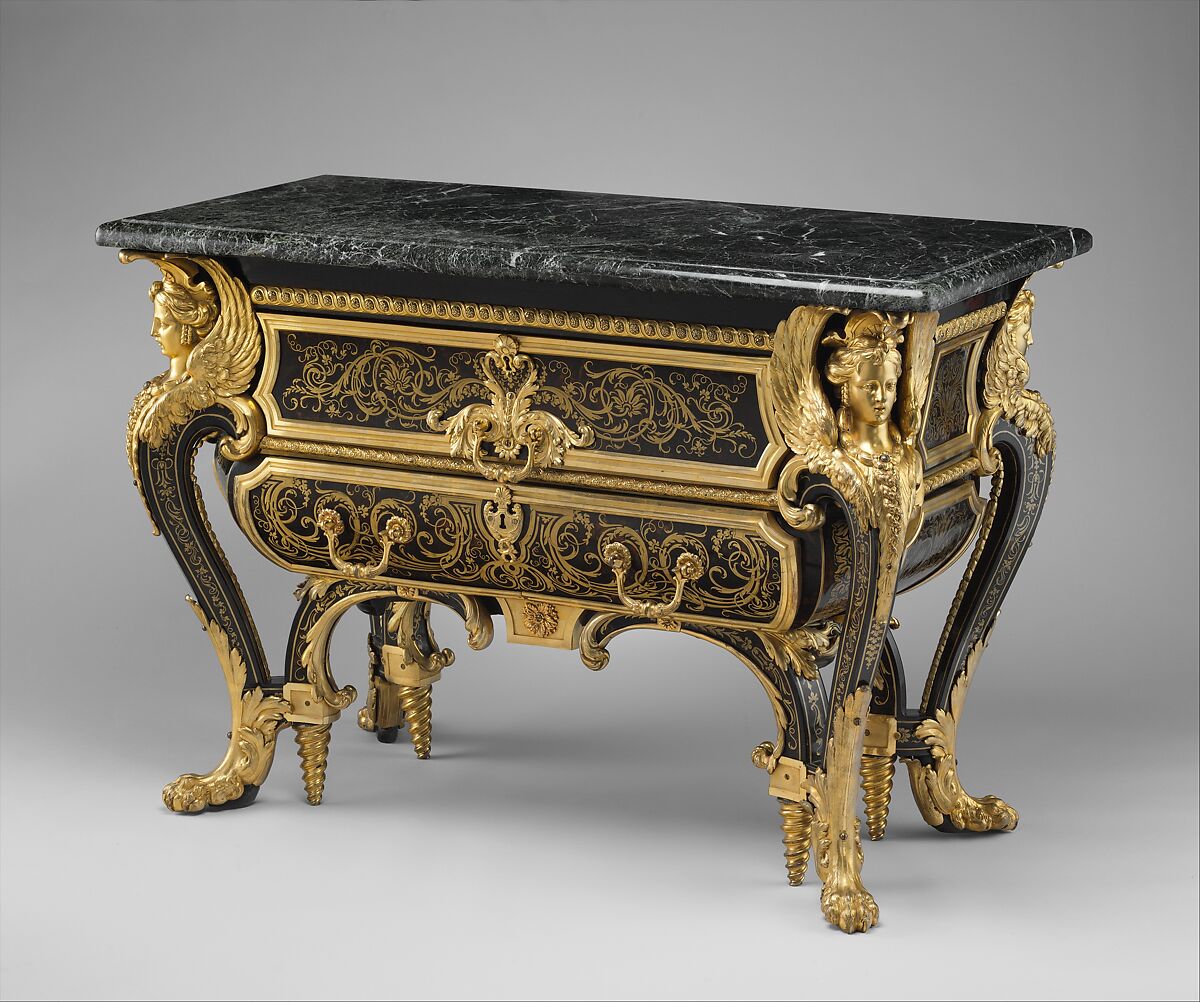
In 1708, the prototypes for this commode, then called a pair of bureaux, were delivered to the Grand Trianon by André-Charles Boulle. The duc d'Antin, director of the king's buildings, wrote to Louis XIV: "I was at the Trianon inspecting the second writing desk by Boulle; it is as beautiful as the other and suits the room perfectly."[1] Not until the Trianon inventory of 1729 were the pieces described as "commodes." (They are often called commodes Mazarines because they stood during the nineteenth century and the first third of the twentieth in the Bibliothèque Mazarine in Paris.)[2] From the beginning, the design proved to be immensely popular, although it has also been criticized for an "awkward treatment of forms," meaning, in particular, the four extra spiral legs that were required to support the weight of the bronze mounts and marble top.[3] Nevertheless, the Boulle workshop made at least five other examples of this expensive model, including the Metropolitan's. Traditionally, they have been dated between 1710 and 1732, the year of Boulle's death; by 1730, however, the decorative style of the Sun King's long reign had been supplanted by the lighter forms of the Régence and early Rococo, and a date of 1710–20 is probably more accurate.
It seems strange that the duc d'Antin and probably Boulle himself should have called this new type of chest a bureau, yet they may have seen it in connection with the bureau plat, a flat-topped desk with a large writing surface that was currently being developed. A very fine example of the celebrated Boulle bureau plat is the one made for Louis-Henri de Bourbon (1692–1740), prince de Condé, for the Château de Chantilly.[4]
The design of the commode reflects the view of the late Louis Quatorze period that court art should be characterized by opulence and swagger. John Morley has pointed out that "the extraordinary way in which its body is, as it were, slung between the eccentric legs is somewhat reminiscent of carriage construction."[5] Indeed, if the tapering spiral supports behind the paw feet could be removed, the resemblance would be even more striking. Like one of the splendid carriages that rolled down the road to Versailles––a moving "billboard" for the glorification of its owner[6]––this commode was intended to impress.
A look at some details reveals the unsurpassed skill and artistic imagination of the Boulle workshop. The three-dimensional acanthus-leaf scroll mount on the upper drawer was a signature ornament of Boulle's, one that he employed on many pieces.[7] Its design is echoed in the light-catching two-dimensional brass-and-tortoiseshell marquetry on both drawer fronts. This refinement extends the movement along the surface of the piece and heightens the bulging appearance of the body, as if some power within was pressing the surface outward. This effect of surface tension is one of the reasons why Boulle's pieces dominate the space around them, becoming the focal point of any interior. Extraordinary are the female figures with paw-and-acanthus feet that support the sarcophagus-shaped body.[8] The sensitive finishing of the bronze surface of these sculptures is especially noticeable in the matted, feathery look of the wings, which is achieved by chiseling, and in the sheen of the burnished areas.
André-Charles Boulle, who was named King's Cabinetmaker, Chaser, Gilder, and Engraver in 1672,[9] headed an important workshop at the Louvre. He did not invent the metal-and-tortoiseshell marquetry technique named for him, but he perfected it, and it bestows upon his creations a unique look, raising them to a level of artistry where furniture becomes sculpture. Through his etchings Boulle publicized his exquisitely fashionable line of products, both stimulating and reflecting a new taste for luxurious furnishings.[10] Every collector of grand French furniture has acquired a "Boulle," either an original workshop example or one of the countless copies that were made during the late-eighteenth, nineteenth, and twentieth centuries.[11]
[Wolfram Koeppe 2006]
Footnotes:
1. "J'ai été à Trianon pour voir le second bureau de Boulle; il est aussi beau que l'autre et sied à merveille à cette chambre"; quoted in The Metropolitan Museum of Art. The Jack and Belle Linsky Collection in The Metropolitan Museum of Art. New York, 1984, p. 206, no. 126 (entry by William Rieder).
2. They were installed at the Château de Versailles in 1932.
3. James Parker in Olga Raggio, James Parker, Clare Le Corbeiller, Jessie McNab, Clare Vincent, and Alice M. Zrebiac. "French Decorative Arts during the Reign of Louis XIV, 1654–1715." The Metropolitan Museum of Art Bulletin 46, no. 4 (Spring 1989), pp. 20–21. See also Louis XIV: Faste et décors. Exh. cat., Museée des Arts Décoratifs. Paris, 1960, p. 19, nos. 84, 85, pl. XXXV; Jean-Pierre Samoyault. André-Charles Boulle et sa famille: Nouvelles recherches, nouveaux documents. Hautes études médiévales et modernes 40. Geneva, 1979, pp. 68, 84–85; and Daniel Meyer. Versailles: Furniture of the Royal Palace, Seventeenth and Eighteenth Centuries. Vol. I, Prestigious Royal Furniture. Trans. Ann Sautier-Greening. Dijon, 2002, pp. 54–57, no. 9.
4. Pierre Arizzoli-Clémentel. Versailles: Furniture of the Royal Palace, Seventeenth and Eighteenth Centuries. Vol. 2. Dijon, 2002, pp. 42–45, no. 6.
5. John Morley. The History of Furniture: Twenty-five Centuries of Style and Design in the Western Tradition. Boston, 1999, p. 154, fig. 275.
6. Rudolf H. Wackernagel. Der französische Krönungswagen von 1696–1825: Ein Beitrag zur Geschichte des repräsentativen Zeremonienwagens. Neue Münchener Beiträge zur Kunstgeschichte 7. Berlin, 1966.
7. Peter Hughes, The Wallace Collection: Catalogue of Furniture. 3 vols. London, 1996, vol. 2, p. 644, no. 138. I am most grateful to Yannick Chastang, London, for bringing this detail to my attention when we examined the commode, in the company of Mechthild Baumeister, Conservator, Department of Objects Conservation, Metropolitan Museum, in March 2004.
8. The screws with which they are attached to the body are unusually large. They can be seen as a particular workshop feature, as they repeatedly recur on pieces by Boulle. For a similar sarcophagus-shaped commode, see ibid., vol. 2, pp. 632–38, no. 136.
9. "ébéniste, ciseleur, doreur et sculpteur du roi"; Alexandre Pradère. Les ébénistes français de Louis XIV à la Révolution. Paris, 1989. English ed.: French Furniture Makers: The Art of the Ébéniste from Louis XIV to the Revolution. Trans. Perran Wood. London, 1989, p. 67.
10. Ibid., pp. 66–108.
11. For copies, see Claudio Paolini, Alessandra Ponte, and Ornella Selvafolta. Il bello "ritrovato": Gusto, ambienti, mobili dell'Ottocento. Novara, 1990, pp. 382, 393; and Theodore Dell. "French Furniture: Eighteenth and Nineteenth Centuries (Part I)." In Frick Collection, The Frick Collection: An Illustrated Catalogue, vol. 6, Furniture and Gilt Bronzes: French, ed. Joseph Focarino, pp. 3-240. New York, 1992, pp. 233–46.


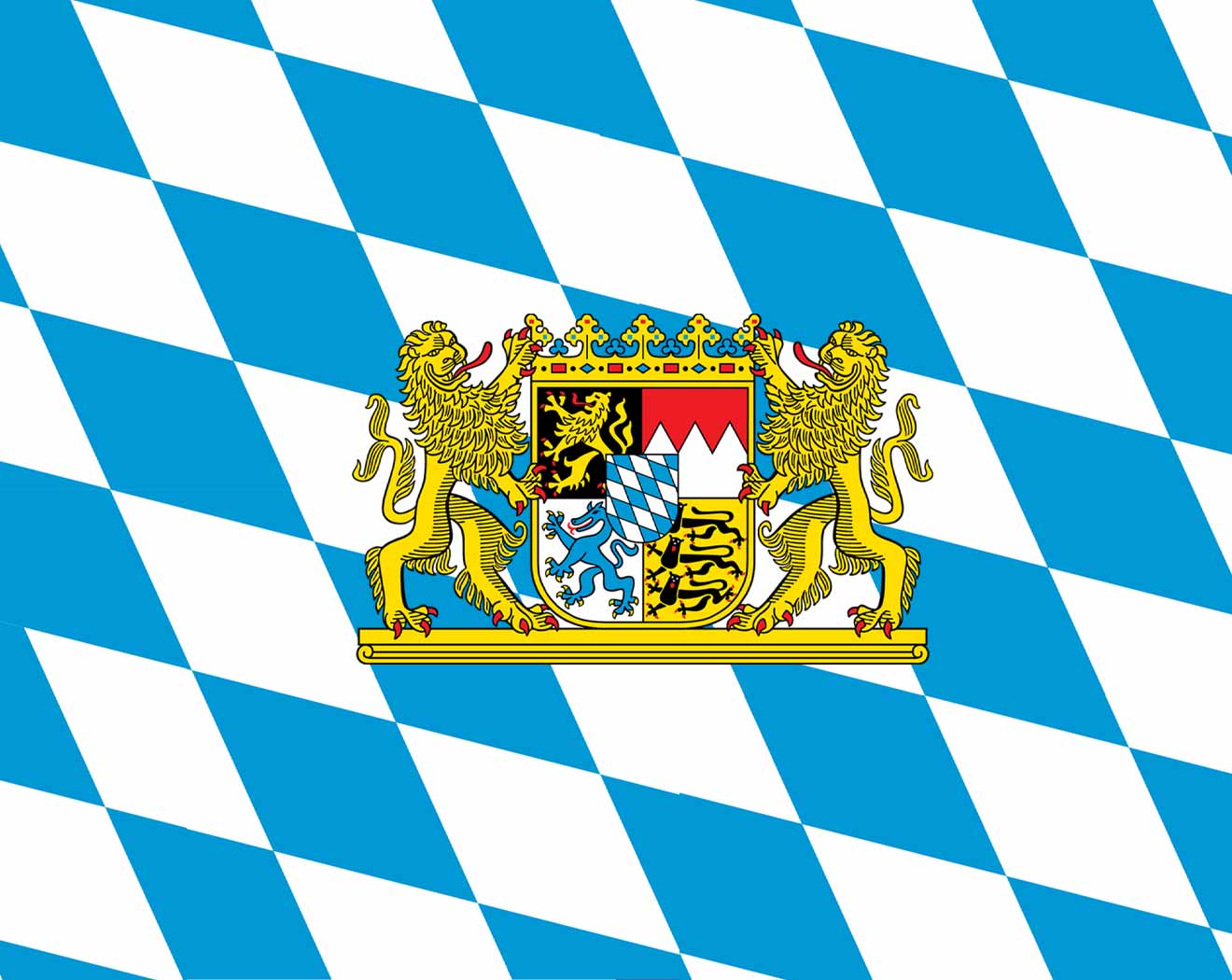 巴伐利亚州
巴伐利亚州
 假期和旅游
假期和旅游
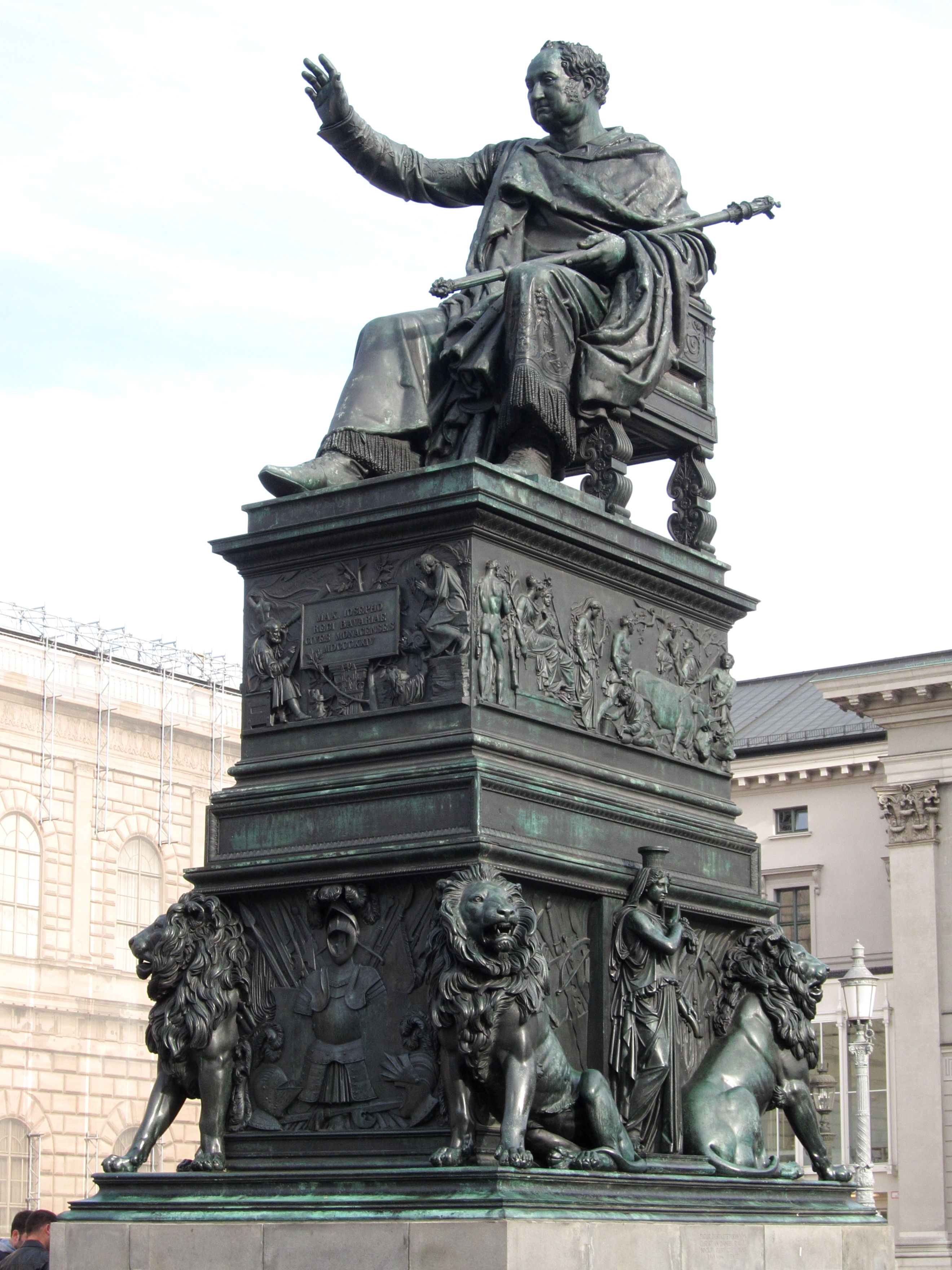
Das Max-Joseph-Denkmal ist eine Sitzplastik aus Erzguss auf dem Max-Joseph-Platz in München. Geschaffen 1826 bis 1835 vom Bildhauer Christian Daniel Rauch, stellt es den bayerischen König auf dem verzierten Thron dar. Das Monument gehört zu den bedeutendsten Werken der klassizistischen Bildhauerei.
马克斯·约瑟夫纪念碑是一座位于慕尼黑马克斯·约瑟夫广场的铸铜坐像。它由雕塑家克里斯蒂安·丹尼尔·劳赫于1826年至1835年间创作,描绘了巴伐利亚国王端坐于华丽宝座上的形象。这座纪念碑是新古典主义雕塑最重要的作品之一。
 建筑艺术
建筑艺术
 博物馆
博物馆
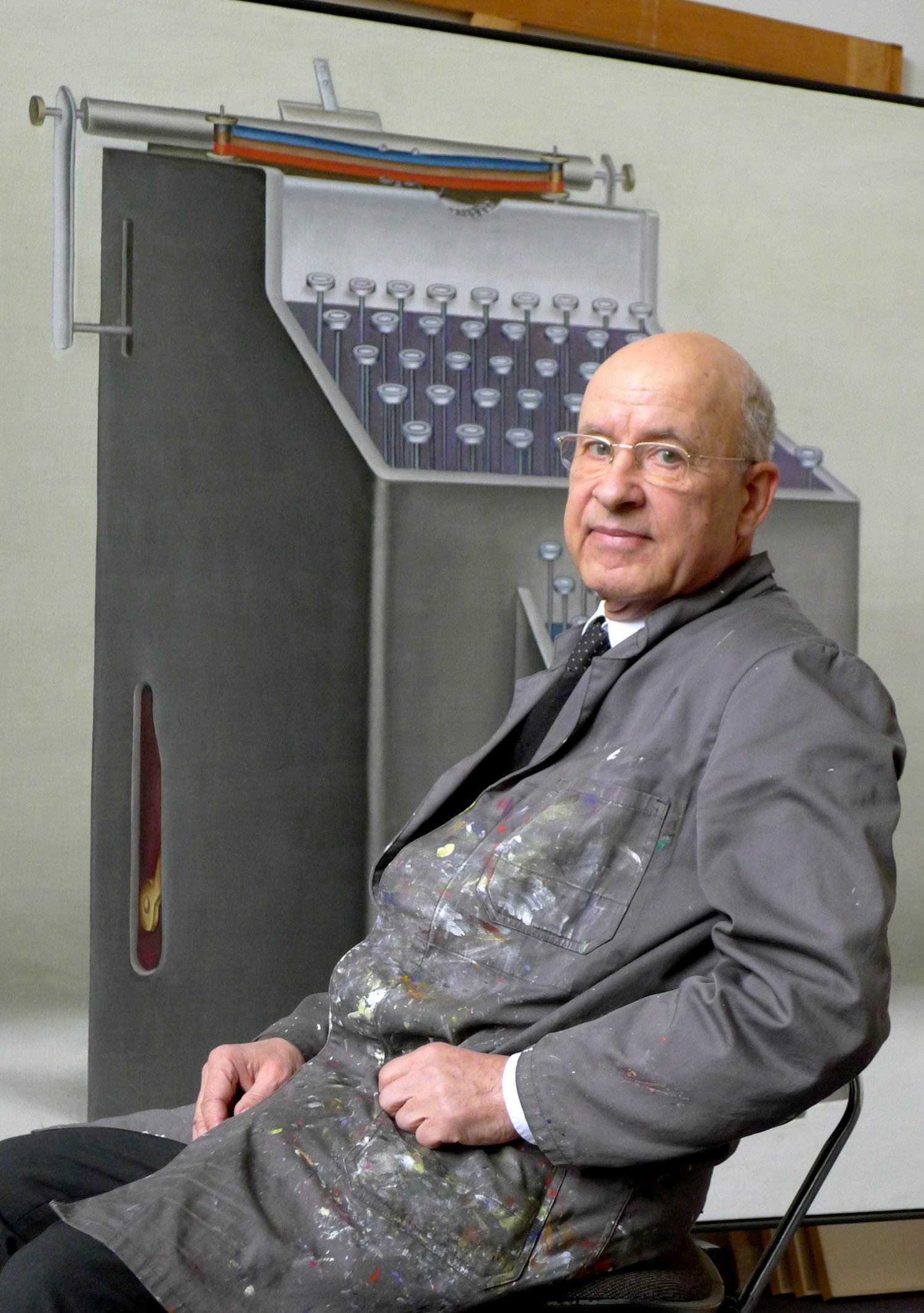
Konrad Witz (* um 1400 wahrscheinlich in Rottweil; † um 1446 in Basel) war ein oberdeutscher Maler in der ersten Hälfte des 15. Jahrhunderts. Er zählt gemeinsam mit Hans Hirtz zu den bedeutendsten Vertretern der oberrheinischen Malerei der Spätgotik bzw. der von den Niederländern, vor allem von Jan van Eyck, beeinflussten ars nova.
 历史
历史
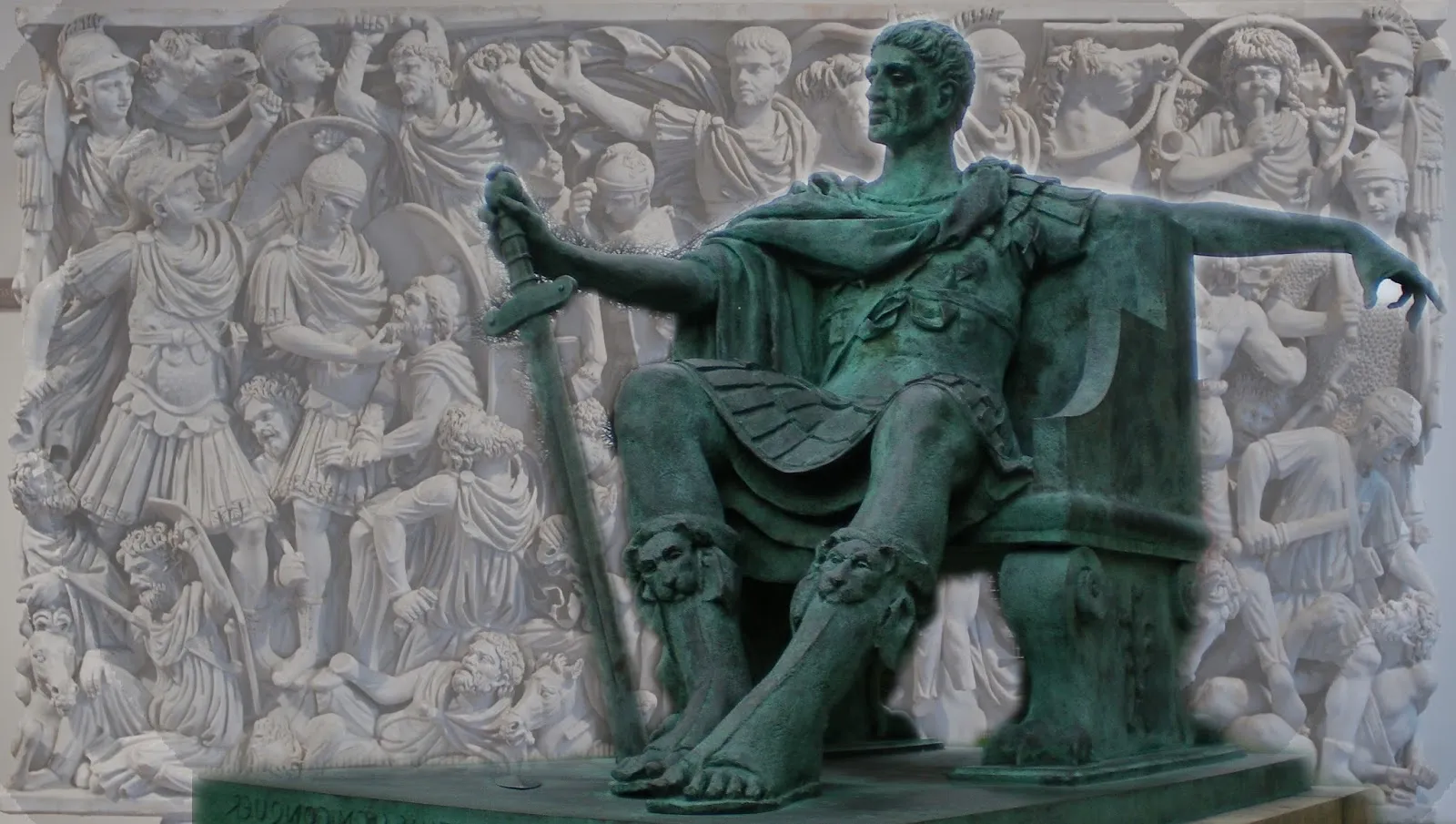
弗拉维乌斯·瓦莱里乌斯·奥勒里乌斯·君士坦丁(拉丁语:Flavius Valerius Aurelius Constantinus,272年2月27日—337年5月22日),常被称为君士坦丁一世(拉丁语:Constantinus I)、君士坦丁大帝(拉丁语:Constantinus Magnus,古希腊语:Κωνσταντῖνος ὁ Μέγας,英语:Constantine the Great),基督宗教尊称为伊利里亚的圣君士坦丁(英语:Saint Constantine),罗马帝国皇帝,306年至337年在位。他是第一位信仰基督宗教的罗马皇帝,在313年与李锡尼共同颁布《米兰诏书》,承认在帝国辖境有信仰基督教的自由[1]。
君士坦丁在内战中,击败马克森提乌斯和李锡尼,巩固皇位。统治期间,他对法兰克人、阿拉曼人、西哥特人和萨尔马提亚人的战役均取得胜利,并成功夺回在前一个世纪丧失的达基亚地区。他在拜占庭建立新皇宫[1],并将之命名为新罗马,但人们为尊君士坦丁之名,将此地称作君士坦丁堡。君士坦丁堡在此后一千年均为东罗马帝国的首都,因此君士坦丁也被认为是东罗马帝国的创立者。
君士坦丁一世死后,他的三个儿子君士坦丁二世、君士坦提乌斯二世、君士坦斯一世分别继承帝国的东、西、中三个部分,帝国一分为三。
Flavius Valerius Constantinus (* an einem 27. Februar zwischen 270 und 288 in Naissus, Moesia Superior; † 22. Mai 337 in Anchyrona, einer Vorstadt von Nikomedia), bekannt als Konstantin der Große (altgriechisch Κωνσταντῖνος ὁ Μέγας) oder Konstantin I., war von 306 bis 337 römischer Kaiser. Ab 324 regierte er bis zu seinem Tod als alleiniger Augustus.
Konstantins Aufstieg zur Macht vollzog sich im Rahmen der Auflösung der römischen Tetrarchie („Viererherrschaft“), die Kaiser Diokletian errichtet hatte. 306 trat Konstantin das Erbe seines Vaters Constantius I. an, nachdem dessen Soldaten ihn zum Kaiser ausgerufen hatten. Bis 312 hatte sich Konstantin im Westen, 324 auch im Gesamtreich durchgesetzt. Folgenreich war seine Regierungszeit vor allem aufgrund der von ihm eingeleiteten konstantinischen Wende, mit der der Aufstieg des Christentums zur wichtigsten Religion im Imperium Romanum begann. Seit 313 garantierte die Mailänder Vereinbarung im ganzen Reich die Religionsfreiheit, womit sie auch das noch einige Jahre zuvor verfolgte Christentum erlaubte. In der Folgezeit privilegierte Konstantin das Christentum. 325 berief er das Erste Konzil von Nicäa ein, um innerchristliche Streitigkeiten (arianischer Streit) beizulegen. Im Inneren trieb Konstantin mehrere Reformen voran, die das Reich während der weiteren Spätantike prägten. Außenpolitisch gelang ihm eine Sicherung und Stabilisierung der Grenzen.
Nach 324 verlegte Konstantin seine Residenz in den Osten des Reiches, in die nach ihm benannte Stadt Konstantinopel („Konstantinsstadt“). Viele Einzelheiten seiner Politik sind bis heute umstritten, besonders Fragen, die sein Verhältnis zum Christentum betreffen.