
Deutsch-Chinesische Enzyklopädie, 德汉百科
 Russland
 Transport und Verkehr
737 Next Generation
Transport und Verkehr
737 Next Generation
 737-800
Aeroflot
Airbus A320
A320-100 / -200
Airbus A320
A321-100 / -200
Airbus A330
A330-200
Airbus A330
A330-300
Airbus A350
A350-900
Boeing 737
737 Next Generation
Boeing 777
777-300ER
Irkut MC-21
737-800
Aeroflot
Airbus A320
A320-100 / -200
Airbus A320
A321-100 / -200
Airbus A330
A330-200
Airbus A330
A330-300
Airbus A350
A350-900
Boeing 737
737 Next Generation
Boeing 777
777-300ER
Irkut MC-21
 Luft- und Raumfahrt
SkyTeam
Russland
Sukhoi Superjet 100
Luft- und Raumfahrt
SkyTeam
Russland
Sukhoi Superjet 100
 Unternehmen

 Militär,Verteidigung und Ausrüstung
Flugzeugantrieb
Russland
United Aircraft Corporation
Tupolev
Unternehmen
Militär,Verteidigung und Ausrüstung
Flugzeugantrieb
Russland
United Aircraft Corporation
Tupolev
Unternehmen

 Parteien und Regierung
Ägypten
Äthiopien
Brasilien
BRICS summit
China
Parteien und Regierung
Ägypten
Äthiopien
Brasilien
BRICS summit
China
 Hand in Hand
Indien
Iran
Russland
Südafrika
Vereinigte Arabische Emirate
Hand in Hand
Indien
Iran
Russland
Südafrika
Vereinigte Arabische Emirate
 Wichtige internationale Organisationen
 Wirtschaft und Handel

金砖国家,简称金砖国,原称金砖四国(英语:BRIC)、金砖五国(英语:BRICS),现指九个主要的新兴市场国家,分别为巴西、俄罗斯、印度、中华人民共和国、南非、埃及、埃塞俄比亚、伊朗及阿拉伯联合酋长国。
金砖国家人口和国土面积在全球占有重要份额,是世界经济增长的主要动力之一。[1]组织中国家的共同点为领土面积大、人口多、发展中国家以及被认为有一定甚至巨大的发展潜力。所以可以说在可见的未来里,这个组织或者组织中某个或多个国家会一定程度上的影响甚至领导全球经济。
2010年12月23日,南非作为正式成员加入金砖国家。2023年金砖国家峰会后,南非总统宣布邀请阿根廷(后撤回加入申请)、埃及、埃塞俄比亚、伊朗、沙特阿拉伯(后搁置加入申请)、阿拉伯联合酋长国成为金砖国家的正式成员[2]。
BRICS (ein Akronym aus den Anfangsbuchstaben der ersten fünf Mitgliedsstaaten) ist eine Vereinigung von Staaten. Gegründet wurde sie (als BRIC) 2006 durch Brasilien, Russland, Indien und China. 2010 erfolgte eine Erweiterung um Südafrika, zu Jahresbeginn 2024 um Ägypten, Äthiopien, Iran und die Vereinigten Arabischen Emirate, nun zuweilen auch als BRICS plus bezeichnet.
BRICS is an intergovernmental organization comprising Brazil, Russia, India, China, South Africa, Iran, Egypt, Ethiopia, and the United Arab Emirates. Originally identified to highlight investment opportunities,[1] the grouping evolved into an actual geopolitical bloc, with their governments meeting annually at formal summits and coordinating multilateral policies since 2009. Bilateral relations among BRICS are conducted mainly on the basis of non-interference, equality, and mutual benefit.
BRICS est un acronyme anglais pour désigner un groupe de cinq pays qui se réunissent depuis 2011 en sommets annuels : Brésil, Russie, Inde, Chine et Afrique du Sud (en anglais : Brazil, Russia, India, China, South Africa).
Avant l'ajout de l'Afrique du Sud en 2011, le groupe était appelé BRIC, terme initial inventé en 2001 et qui a conduit à l'organisation des premiers sommets à quatre pays en 2009. Rarement utilisés, les équivalents français de cet acronyme - après l'adhésion de l'Afrique du Sud - sont ABRIC (Afrique du Sud, Brésil, Russie, Inde et Chine1), BRASIC ou encore BRICA2.
Avant l'ajout de l'Afrique du Sud en 2011, le groupe était appelé BRIC, terme initial inventé en 2001 et qui a conduit à l'organisation des premiers sommets à quatre pays en 2009. Rarement utilisés, les équivalents français de cet acronyme - après l'adhésion de l'Afrique du Sud - sont ABRIC (Afrique du Sud, Brésil, Russie, Inde et Chine1), BRASIC ou encore BRICA2.
L'acronyme BRICSAM (en anglais : Brazil, Russia, India, China, South Africa, Mexico) est également utilisé pour y adjoindre le Mexique, sans qu'il ne soit membre du groupe.
Il BRICS in economia internazionale è un'associazione di cinque paesi tra le maggiori economie emergenti. Il nome è l'acronimo delle iniziali dei cinque stati:
Tali economie si propongono di costruire un sistema commerciale globale attraverso accordi bilaterali che non siano basati esclusivamente sul petrodollaro. Il termine ha avuto origine dal precedente BRIC, con l'aggiunta della S relativa al Sudafrica.
En economía internacional,1 se emplea la sigla BRICS para referirse conjuntamente a Brasil, Rusia, India, China y Sudáfrica,2 aunque en este artículo se hará más referencia al BRIC, que excluye este último país, el que se unió al grupo en 2011. En términos generales, BRICS es el acrónimo de una asociación económica-comercial de las cinco economías nacionales emergentes más importantes del mundo. Los BRICS son considerados el paradigma de la cooperación Sur-Sur, aunque recientemente esta interpretación fue puesta en cuestión dadas las contradicciones entre los intereses de China y los demás miembros.3
Todas estas naciones tienen en común una gran población (China e India por encima de los mil cien millones, Brasil y Rusia por encima de los ciento cuarenta millones), un enorme territorio (casi 38,5 millones km²), lo que les proporciona dimensiones estratégicas continentales, una gigantesca cantidad de recursos naturales y, lo más importante, las enormes cifras que han presentado de crecimiento de su producto interno bruto (PIB) y de participación en el comercio mundial en los últimos años, lo que los hace atractivos como destino de inversiones.4
México y Corea del Sur son los únicos países comparables a los BRIC, pero sus economías se excluyeron debido a que ya son miembros de la OCDE.5 Estos países, Brasil, China, India y Sudáfrica, exceptuando a Rusia que pertenece al G-8, también forman parte del G-5. Argentina, en tanto, fue invitada a la cumbre de Fortaleza, junto a los miembros de la Unión de Naciones Suramericanas realizada en julio de 2014.
Em economia, BRICS é um acrônimo que se refere aos países membros fundadores (o grupo BRIC: Brasil, Rússia, Índia e China), que juntos formam um grupo político de cooperação. Em 14 de abril de 2011,[1] o "S" foi oficialmente adicionado à sigla BRIC para formar o BRICS, após a admissão da África do Sul (em inglês: South Africa) ao grupo.[2][3][4] Os membros fundadores e a África do Sul estão todos em um estágio similar de mercado emergente, devido ao seu desenvolvimento econômico. É geralmente traduzido como "os BRICS" ou "países BRICS" ou, alternativamente, como os "Cinco Grandes".
Apesar de o grupo ainda não ser um bloco econômico ou uma associação de comércio formal, como no caso da União Europeia,[5] existem fortes indicadores de que os quatro países do BRIC têm procurado formar um "clube político" ou uma "aliança", e assim converter "seu crescente poder econômico em uma maior influência geopolítica."[6][7] Desde 2009, os líderes do grupo realizam cúpulas anuais.[8]
A sigla (originalmente "BRIC") foi criada por Jim O'Neill em um estudo de 2001 intitulado "Building Better Global Economic BRICs".[9][10][11] Desde então, a sigla passou a ser amplamente usada como um símbolo da mudança no poder econômico global, distanciando-se das economias desenvolvidas do G7 em relação ao mundo em desenvolvimento.
De acordo com um artigo publicado em 2005, o México e a Coreia do Sul seriam os únicos outros países comparáveis aos BRICS, mas suas economias foram inicialmente excluídas por serem consideradas mais desenvolvidas, uma vez que já eram membros da Organização para a Cooperação e Desenvolvimento Econômico.[12] As relações bilaterais entre os países dos BRICS tem sido conduzidas principalmente com base nos princípios de não-interferência, igualdade e benefício mútuo.[13]
ब्रिक्स (BRICS) उभरती राष्ट्रीय अर्थव्यवस्थाओं के एक संघ का शीर्षक है। इसके घटक राष्ट्र ब्राज़ील, रूस, भारत, चीन और दक्षिण अफ्रीका हैं। इन्हीम देशों के अंग्रेज़ी में नाम के प्रथमाक्षरों B, R, I, C व S से मिलकर इस समूह का यह नामकरण हुआ है।[1] मूलतः, २०१० में दक्षिण अफ्रीका के शामिल किए जाने से पहले इसे "ब्रिक" के नाम से जाना जाता था। रूस को छोडकर[2], ब्रिक्स के सभी सदस्य विकासशील या नव औद्योगीकृत देश हैं जिनकी अर्थव्यवस्था तेजी से बढ़ रही है। ये राष्ट्र क्षेत्रीय और वैश्विक मामलों पर महत्वपूर्ण प्रभाव डालते हैं। वर्ष २०१३ तक, पाँचों ब्रिक्स राष्ट्र दुनिया के लगभग 3 अरब लोगों का प्रतिनिधित्व करते हैं और एक अनुमान के अनुसार ये राष्ट्र संयुक्त विदेशी मुद्रा भंडार में ४ खरब अमेरिकी डॉलर का योगदान करते हैं। इन राष्ट्रों का संयुक्त सकल घरेलू उत्पाद १५ खरब अमेरिकी डॉलर का है।[3] वर्तमान में, दक्षिण अफ्रीका ब्रिक्स समूह की अध्यक्षता करता है।
БРИКС (англ. BRICS — сокращение от Brazil, Russia, India, China, South Africa) — группа из пяти стран: Бразилия, Россия, Индия, Китай, Южно-Африканская Республика.
Сокращение БРИК (BRIC) было впервые предложено аналитиком Джимом О’Нилом в ноябре 2001 года в аналитической записке банка «Goldman Sachs» Building Better Global Economic BRICs (Кирпичи для новой экономики)[1][2]. До 2011 года по отношению к организации использовалась аббревиатура БРИК. В связи с присоединением ЮАР к БРИК 18 февраля 2011 года, по заявлению индийского министра финансов с этого времени группа стала носить название BRICS[3].
Последовательность букв в слове определяется не только благозвучием, но и тем, что само слово в английской транскрипции BRICS очень похоже на английское слово bricks — «кирпичи»[4], таким образом, данный термин используется в качестве обозначения группы стран, за счёт роста которых во многом будет обеспечиваться будущий рост мировой экономики.
Организация была основана в июне 2006 года, в рамках Петербургского экономического форума (ПЭФ) с участием министров экономики Бразилии, России, Индии, Китая. Помимо саммитов, встречи проходят на уровне глав МИД, министров финансов и др.
Эксперты не предполагали наличия координации экономических политик между странами БРИК. Тем более не предполагалось, что страны БРИК образуют некий экономический блок или официальную торговую ассоциацию, как Европейский союз. Однако со временем появились признаки, что «четыре страны БРИК стремятся сформировать политический клуб» или «союз», и таким образом преобразовать «свою растущую экономическую власть в большее геополитическое „влияние“». С сентября 2006 года началось налаживание политических связей в рамках БРИК: во время 61-й сессии ООН была проведена встреча министров иностранных дел четырёх стран. Главы государств БРИК впервые встретились 9 июля 2008 года в Тояко-Онсэн (Хоккайдо, Япония) в рамках 34-го саммита G8 и договорились о проведении полноформатного саммита, который состоялся в Екатеринбурге 16 июня 2009 года[5]. [источник не указан 1284 дня]
 Modewelt
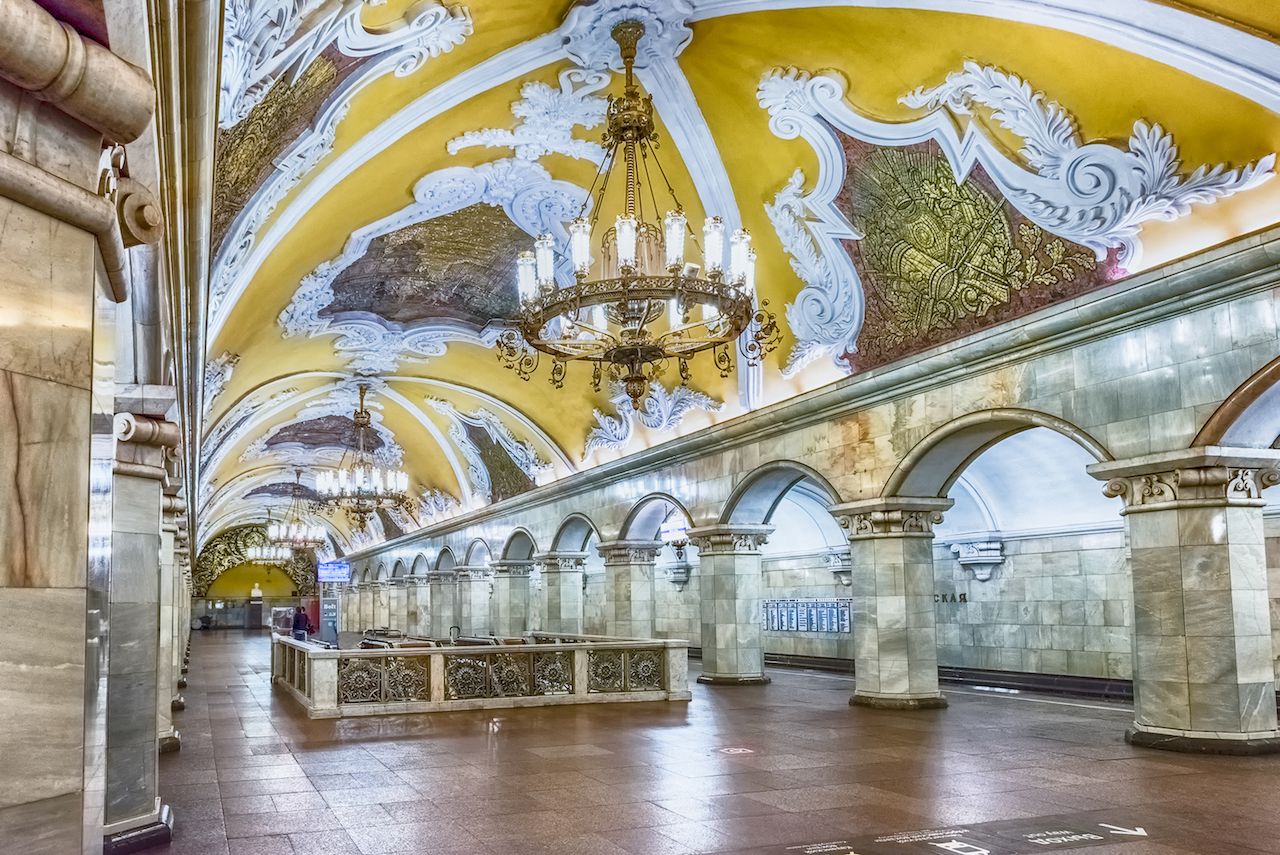
Die Metro Moskau (russisch Московский метрополитен / Transkription Moskowski metropoliten, umgangssprachlich Московское метро / Moskowskoje metro), die 1935 eröffnet wurde, ist die U-Bahn der russischen Hauptstadt Moskau. Sie gehört zu den U-Bahn-Systemen mit den tiefsten Tunneln und Stationen der Welt und ist mit rund 2,8 Milliarden Fahrgästen jährlich (Stand: 2020) auch eine der am stärksten in Anspruch genommenen U-Bahnen weltweit. Die Stationen der Moskauer Metro sind aufgrund ihrer teilweise sehr anspruchsvollen Architektur als unterirdische Paläste bekannt. Die Moskauer Metro hat mit einer Streckenlänge von 472 Kilometern das größte Streckennetz Europas, vor der London Underground (402 km).
莫斯科地铁(俄语:Моско́вский метрополите́н,罗马化:Moskovsky metropoliten),全称为莫斯科列宁地铁(俄语:Московский метрополитен имени В. И. Ленина[a]),是世界上使用率第六高的地下轨道系统。其中不少车站在建设的时候融入了卓越的设计风格以及大理石立柱的设计,使得莫斯科地铁的富丽堂皇的程度在世界上是首屈一指的,也影响了很多前苏联地区及社会主义国家的地铁设计。
莫斯科地铁最早名为莫斯科拉扎尔·卡冈诺维奇地铁(Московский метрополитен имени Л. М. Кагановича),后在卡冈诺维奇失势后更名至今。历经了苏联以及后苏联时期的各种动荡,许多车站站名也已经不再是当初建成时候所命名的名字,而这些车站名字的变更可以窥见社会的变迁。
 Skiurlaub
 FIFA Fussball-Weltmeisterschaft 2018
Gruppe-B
FIFA Fussball-Weltmeisterschaft 2018
Gruppe-G
FIFA Fussball-Weltmeisterschaft 2018
Gruppe-F
FIFA Fussball-Weltmeisterschaft 2018
Gruppe-C
FIFA Fussball-Weltmeisterschaft 2018
FIFA Fussball-Weltmeisterschaft 2018
Gruppe-B
FIFA Fussball-Weltmeisterschaft 2018
Gruppe-G
FIFA Fussball-Weltmeisterschaft 2018
Gruppe-F
FIFA Fussball-Weltmeisterschaft 2018
Gruppe-C
 Internationale Städte
Olympische Winterspiele
Russland
Shanghaier Organisation für Zusammenarbeit
Internationale Städte
Olympische Winterspiele
Russland
Shanghaier Organisation für Zusammenarbeit

索契(俄语:Сочи、亚美尼亚语:Սոչի, 格鲁吉亚语:სოჭი,拉丁字母转写:Sochi),另译素溪,俄罗斯联邦克拉斯诺达尔边疆区与阿布哈兹接界处、黑海沿岸,是俄罗斯受欢迎的渡假胜地。2013年有人口368,011人[9]。索契是苏联作家尼古拉·奥斯特洛夫斯基的疗养地点,他在这里写成了《钢铁是怎样炼成的》。这里有奥斯特洛夫斯基的故居博物馆。
2007年7月4日,国际奥林匹克委员会宣布索契获得2014年冬季奥林匹克运动会的主办权。也亦将举行2018年国际足联世界杯。
Sochi (Deutsch:Sotschi) ist das beliebteste Reiseziel der Russen. An die russische Riviera fährt jeder, der es sich leisten kann. Neben dem milden Klima sind es vor allem die unterschiedlichen Freizeitaktivitäten, vom Badeurlaub über das Skifahren bis hin zu Kuraufenthalten, die Sochi für die Urlauber so attraktiv machen.
Sochi ist das subtropische russische Urlaubsparadies, voll mit Palmen und den schwarzen Stränden des schwarzen Meer. In Sochi gibt es auch zahlreiche berühmte Kureinrichtungen und viele Kliniken, die heute natürlich auch exklusives Wellness anbieten. Sochi ist für Russland, was die Riviera für Westeuropa bedeutet. Der schwarzer Sand und Kieselstein-Strände erstrecken mehr als 30 Kilometer entlang der Küste vom Schwarzen Meer. Parallel dazu findet sich die Stadt Sochi. Sie ist damit die längste Stadt - nicht nur in Russland sondern auch auf dem ganzen Asiatischen Kontinent. (Quelle:http://www.sochi.de/)
Sotschi (russisch Сочи, , wiss. Transliteration Soči) ist eine Stadt und ein Stadtbezirk am Schwarzen Meer in Russland. Sotschi liegt in der südrussischen Region Krasnodar nahe der Grenze zu Georgien bzw. Abchasien und hat 343.334 Einwohner (Stand 14. Oktober 2010).[1]
Sotschi ist einer der beliebtesten Bade- und Kurorte Russlands: die Umgebung der Stadt wird häufig als „(Russische) Riviera des Schwarzen Meeres“ bezeichnet. Die Stadt ist darüber hinaus Sitz einer Universität.
ソチ、ソーチ(ロシア語: Со́чи [ˈsotɕɪ] ( 音声ファイル) Sochi、グルジア語: სოჭი Soch’i)は、ロシア連邦クラスノダール地方の都市で、ロシア随一の保養地。黒海に面し、アブハジアとの国境に近い。人口は39万5012人。
Sochi (Russian: Со́чи, IPA: [ˈsotɕɪ] ( listen)) is a city in Krasnodar Krai, Russia, located on the Black Sea coast near the border between Georgia/Abkhazia and Russia. The Greater Sochi area, which includes territories and localities subordinated to Sochi proper, has a total area of 3,526 square kilometers (1,361 sq mi)[5] and sprawls for 145 kilometers (90 mi)[11] along the shores of the Black Sea near the Caucasus Mountains.[citation needed] The area of the city proper is 176.77 square kilometers (68.25 sq mi).[5] According to the 2010 Census, the city had a permanent population of 343,334,[6] up from 328,809 recorded in the 2002 Census,[12] making it Russia's largest resort city. Being part of the Caucasian Riviera, it is one of the very few places in Russia with a subtropical climate, with warm to hot summers and mild winters.
With the alpine and Nordic events held at the nearby ski resort of Rosa Khutor in Krasnaya Polyana, Sochi hosted the XXII Olympic Winter Games and XI Paralympic Winter Games in 2014, as well as the Russian Formula 1 Grand Prix from 2014 until at least 2020.[13][14] It was also one of the host cities for the 2018 FIFA World Cup.
Sotchi (en russe : Сочи ; en géorgien : სოჭი ; en adyguéen : Шәача - Cheuatcha) est une ville et une station balnéaire du kraï de Krasnodar, en Russie. Elle est située au bord de la mer Noire, dans la partie russe du Caucase. La région a autrefois appartenu aux territoires de Géorgie (Colchide-Imérétie). La ville est fondée en 1838, avec l'implantation d'un fort russe. Sa population s'élevait à 368 011 habitants en 2013. Sotchi forme avec les villes avoisinantes une ville-arrondissement (ce que l'on appelle de manière non officielle le « Grand-Sotchi »), dont elle est le chef-lieu administratif. L'ensemble comptait 445 209 habitants en 20131. Sotchi a été la ville hôte des Jeux olympiques d'hiver de 2014, son parc olympique est aujourd'hui le théâtre du Grand Prix de Russie de Formule 1, et la ville fut l'un des sites de la Coupe du monde de football de 2018.
Soči (in russo: Сочи? ; traslitterazione anglosassone: Sochi, Шәэча in adighè) è una città della Russia meridionale, situata nel territorio di Krasnodar sulle rive del mar Nero. Fondata nel 1838, ricevette lo status di città nel 1896. Conta 424.000 abitanti.
La città è nota, in Russia ma anche all'estero, come importante centro di villeggiatura, dato soprattutto il suo contrasto climatico con il resto dell'immenso territorio russo. La città offre possibilità sia di turismo balneare che, durante l'inverno, di turismo sciistico. Ha acquisito ulteriore notorietà a livello mondiale per aver ospitato la XXII edizione dei Giochi olimpici invernali nel febbraio 2014 e per essere la sede del Gran Premio di Russia, valevole per il campionato del mondo di Formula 1, che si corre a Soči a partire dal 2014.
La città ha partecipato come una delle città ospitanti alla Coppa del mondo FIFA 2018 in Russia.
Sochi ( [ˈsot͡ɕɪ] (?·i) en ruso, Со́чи) es una ciudad de Rusia ubicada en el krai de Krasnodar, cerca del límite con Abjasia. Se sitúa entre las montañas nevadas del Cáucaso y el mar Negro, con una población de 411.524 habitantes en 2017.
Es el centro administrativo de la unidad municipal de la ciudad-balneario de Sochi.
Со́чи — город в России, расположен на северо-восточном побережье Чёрного моря (Черноморское побережье России) в Краснодарском крае, на расстоянии 1620 км от Москвы.
Сочи — крупнейший курортный город России[9], важный транспортный узел[10][11][12][13], а также крупный экономический и культурный центр черноморского побережья России[14][15].
Неофициально именуется также летней, южной и курортной «столицей» России. В 2012 году журнал Forbes признал Сочи лучшим городом для ведения бизнеса в стране[16].
Сочи является самым длинным городом России[17][неавторитетный источник?][18][неавторитетный источник?], протяжённость которого составляет более 100 км.
В 2007 году Сочи избран столицей XXII зимних Олимпийских игр. 15 сентября 2009 года Сочи вступил во Всемирный союз олимпийских городов[19]. В период подготовки к Олимпиаде на развитие города и его инфраструктуры потратили 500 млрд рублей[20].
В 2018 году город принял матчи Чемпионата мира по футболу.
 *Moskau
Eurovision Song Contest,ESC
FIFA Fussball-Weltmeisterschaft 2018
FIFA Fussball-Weltmeisterschaft 2018
Gruppe-A
FIFA Fussball-Weltmeisterschaft 2018
Gruppe-F
FIFA Fussball-Weltmeisterschaft 2018
Gruppe-B
FIFA Fussball-Weltmeisterschaft 2018
Gruppe-C
FIFA Fussball-Weltmeisterschaft 2018
Gruppe-D
FIFA Fussball-Weltmeisterschaft 2018
Gruppe-H
FIFA Fussball-Weltmeisterschaft 2018
Gruppe-G
FIFA Fussball-Weltmeisterschaft 2018
Gruppe-E
*Moskau
Eurovision Song Contest,ESC
FIFA Fussball-Weltmeisterschaft 2018
FIFA Fussball-Weltmeisterschaft 2018
Gruppe-A
FIFA Fussball-Weltmeisterschaft 2018
Gruppe-F
FIFA Fussball-Weltmeisterschaft 2018
Gruppe-B
FIFA Fussball-Weltmeisterschaft 2018
Gruppe-C
FIFA Fussball-Weltmeisterschaft 2018
Gruppe-D
FIFA Fussball-Weltmeisterschaft 2018
Gruppe-H
FIFA Fussball-Weltmeisterschaft 2018
Gruppe-G
FIFA Fussball-Weltmeisterschaft 2018
Gruppe-E
 Geschichte
Olympische Sommerspiele
Russland
Seidenstraße
Shanghaier Organisation für Zusammenarbeit
Geschichte
Olympische Sommerspiele
Russland
Seidenstraße
Shanghaier Organisation für Zusammenarbeit
 Weltkulturerbe
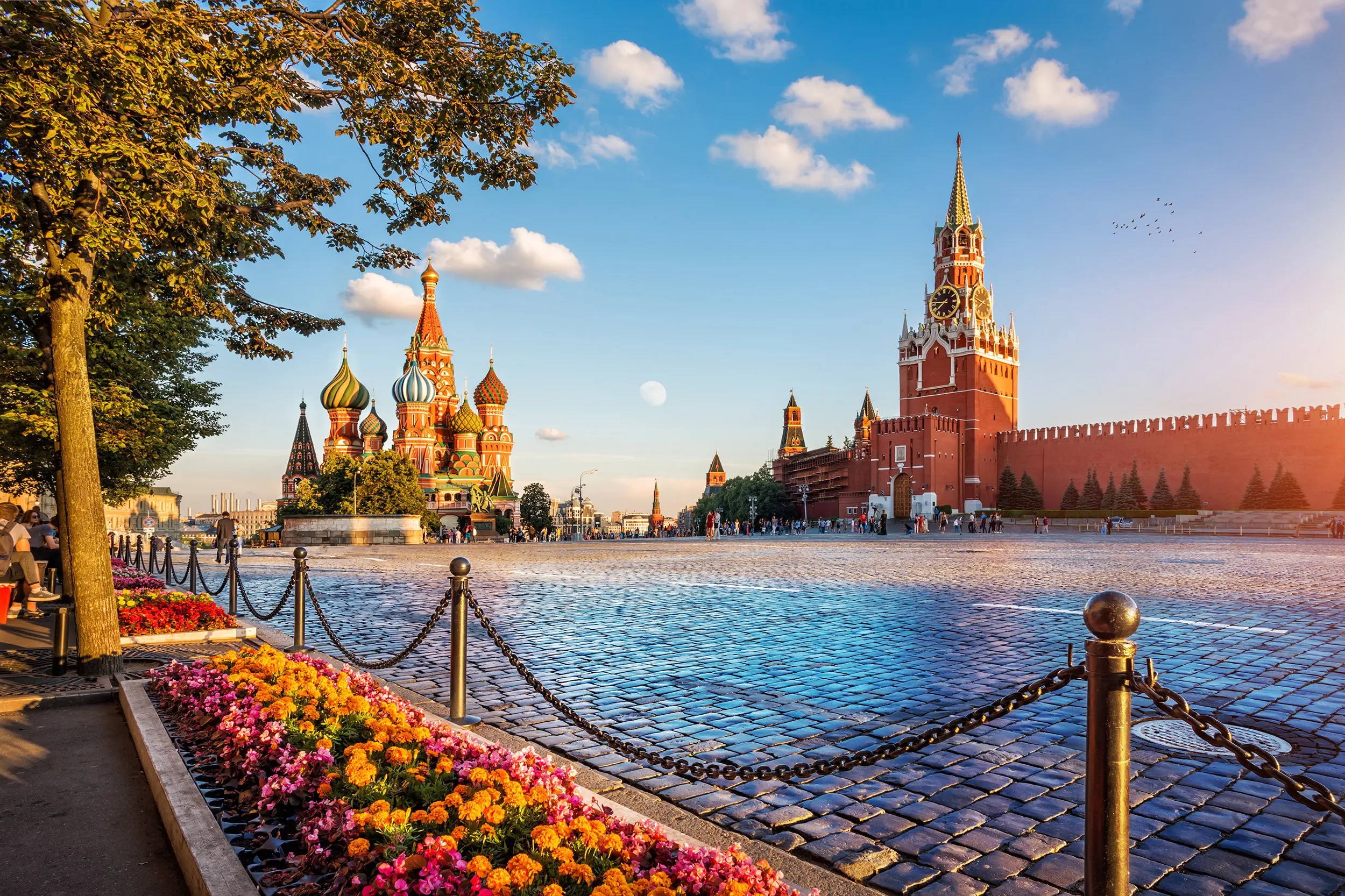
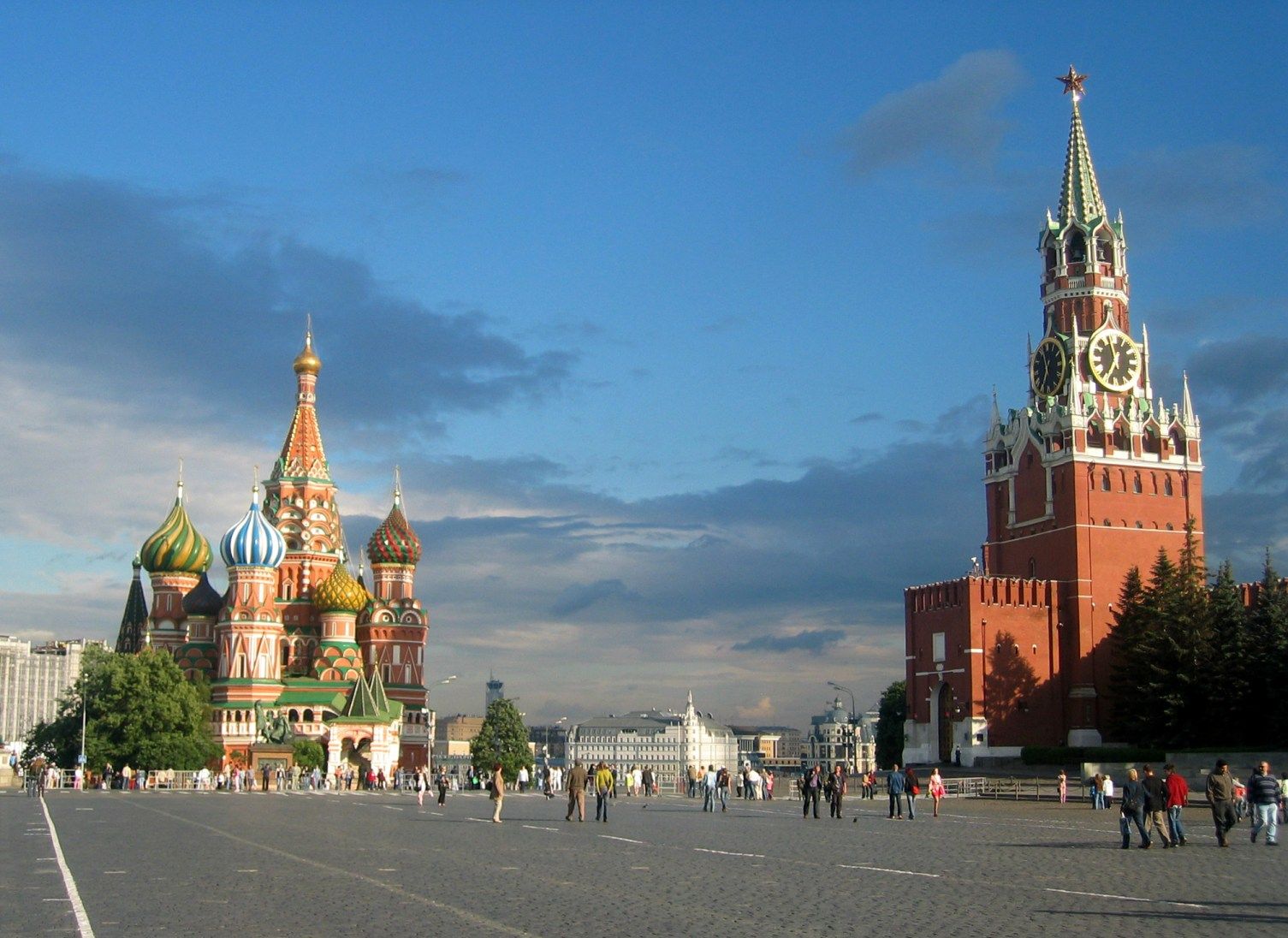
莫斯科(俄语:Москва,罗马化:Moskva,IPA:[mɐsˈkva] 聆听)是俄罗斯首都与最大都市、以及莫斯科州首府,为俄罗斯全国政治、经济、科学、文化及交通的中心。面积2,510平方公里,与莫斯科州和卡卢加州接壤。城区人口约1200万,是欧洲人口第二多的城市,仅次于伊斯坦布尔,占俄罗斯总人口的1/10。
莫斯科沿莫斯科河而建,由1147年的莫斯科大公时代开始,在沙皇俄国、苏联及今日的俄罗斯联邦时代,都一直担任著国家首都的角色。它是历史悠久的克里姆林宫所在地,并做为上述政权的总部,是俄罗斯数个被列入世界遗产的建筑群之一。
Moskau (russisch Москва́  [mɐskˈva], Moskwa) ist die Hauptstadt der Russischen Föderation und mit rund 12,4 Millionen Einwohnern (Stand 2017)[1] die zweitgrößte Stadt bzw. mit 15,1 Millionen (2012)[2] die größte Agglomeration Europas.
Moskau ist das politische, wirtschaftliche, wissenschaftliche und kulturelle Zentrum Russlands, mit Universitäten und Instituten sowie zahlreichen Kirchen, Theatern, Museen und Galerien. Im Stadtgebiet befinden sich einige der höchsten europäischen Hochhäuser und die markanten Sieben Schwestern, sowie der 540 Meter hohe Ostankino-Turm, das höchste Bauwerk Europas. Moskau ist Sitz der Russisch-Orthodoxen Kirche, der Patriarch residiert im Danilow-Kloster, das größte russisch-orthodoxe Kirchengebäude ist die Moskauer Christ-Erlöser-Kathedrale. Es gibt im Stadtgebiet von Moskau über 300 Kirchen.[3]
Der Kreml und der Rote Platz im Zentrum Moskaus stehen seit 1990 auf der UNESCO-Liste des Weltkulturerbes. Mit acht Fernbahnhöfen, drei internationalen Flughäfen und drei Binnenhäfen ist die Stadt wichtigster Verkehrsknoten und größte Industriestadt Russlands.
モスクワ(ロシア語:Москва́ IPA: [mɐˈskva] マスクヴァー、 発音[ヘルプ/ファイル])は、ロシア連邦の首都。連邦市として市単独でロシア連邦を構成する83の連邦構成主体のひとつとなっており、周囲を占めるモスクワ州の州都でもある。ただし州とは区別され「モスクワ市」(Город Москва)となる。人口は約1250万人でヨーロッパで最も人口の多い都市であり、世界有数の世界都市である。漢字による当て字は莫斯科。英語で発音した場合には、モスコーあるいはモスカウ(Moscow [ˈmɒskoʊ, ˈmɒskaʊ])のようになる。
Moscow (/ˈmɒskoʊ, -kaʊ/; Russian: Москва́, tr. Moskvá, IPA: [mɐˈskva] ( listen)) is the capital and most populous city of Russia, with 13.2 million residents within the city limits[11] and 17.1 million within the urban area.[12] Moscow is one of Russia's three federal cities.
Moscow is a major political, economic, cultural, and scientific centre of Russia and Eastern Europe, as well as the largest city (both by population and by area) entirely on the European continent. By broader definitions Moscow is among the world's largest cities, being the 14th largest metro area, the 18th largest agglomeration, the 14th largest urban area, and the 11th largest by population within city limits worldwide. According to Forbes 2013,[13] Moscow has been ranked as the ninth most expensive city in the world by Mercer and has one of the world's largest urban economies, being ranked as an alpha global city according to the Globalization and World Cities Research Network, and is also one of the fastest growing tourist destinations in the world according to the MasterCard Global Destination Cities Index.
Moscow is the northernmost and coldest megacity and metropolis on Earth. It is home to the Ostankino Tower, the tallest free standing structure in Europe; the Federation Tower, the tallest skyscraper in Europe; and the Moscow International Business Center. By its territorial expansion on July 1 2012 southwest into the Moscow Oblast, the area of the capital more than doubled, going from 1,091 to 2,511 square kilometers (421 to 970 sq mi), resulting in Moscow becoming the largest city on the European continent by area; it also gained an additional population of 233,000 people[14][15]
Moscow is situated on the Moskva River in the Central Federal District of European Russia, making it Europe's most populated inland city. The city is well known for its architecture, particularly its historic buildings such as Saint Basil's Cathedral with its colourful architectural style. With over 40 percent of its territory covered by greenery, it is one of the greenest capitals and major cities in Europe and the world, having the largest forest in an urban area within its borders—more than any other major city—even before its expansion in 2012. The city has served as the capital of a progression of states, from the medieval Grand Duchy of Moscow and the subsequent Tsardom of Russia to the Russian Empire to the Soviet Union and the contemporary Russian Federation.
Moscow is the seat of power of the Government of Russia, being the site of the Moscow Kremlin, a medieval city-fortress that is today the residence for work of the President of Russia. The Moscow Kremlin and Red Square are also one of several World Heritage Sites in the city. Both chambers of the Russian parliament (the State Duma and the Federation Council) also sit in the city. Moscow is considered the centre of Russian culture, having served as the home of Russian artists, scientists and sports figures and because of the presence of museums, academic and political institutions and theatres.
The city is served by a transit network, which includes four international airports,[16] nine railway terminals, numerous trams, a monorail system and one of the deepest underground rapid transit systems in the world, the Moscow Metro, the fourth-largest in the world and largest outside Asia in terms of passenger numbers, and the busiest in Europe. It is recognised as one of the city's landmarks due to the rich architecture of its 200 stations.[citation needed]
Moscow has acquired a number of epithets, most referring to its size and preeminent status within the nation: The Third Rome (Третий Рим), The Whitestone One (Белокаменная), The First Throne (Первопрестольная), The Forty Forties (Сорок Сороков) (The Forty Soroks, "sorok" translates as forty, but here it is old name of district or parish, and "forty" in old Russian means not 40, but "great many"). Moscow is one of the twelve Hero Cities. In old Russian the word "Сорок" (forty) also meant a church administrative district, which consisted of about forty churches. The demonym for a Moscow resident is "москвич" (moskvich) for male or "москвичка" (moskvichka) for female, rendered in English as Muscovite.
Moscou (en russe : Москва, Moskva, API : /mɐˈskva/) est la capitale de la Russie et compte douze millions d'habitants intra muros (2017) sur une superficie de 2 510 km2 ce qui en fait la ville la plus peuplée à la fois du pays et d'Europe. Sur le plan administratif Moscou fait partie du district fédéral central et a le statut de ville d'importance fédérale qui lui donne le même niveau d'autonomie que les autres sujets de la Russie. Elle est enclavée dans l'oblast de Moscou, mais en est administrativement indépendante. Ses habitants sont les Moscovites. Moscou se situe dans la partie européenne de la Russie au milieu d'une région de plaine. Sa latitude élevée lui vaut un climat froid et continental. Le Kremlin, son cœur historique, est édifié sur une colline qui domine la rive gauche de la rivière Moskova.
Moscou a joué un rôle central dans l'histoire de la Russie. Petit point d'appui militaire créé vers 1150 dans le nord de la Rus' de Kiev, elle prend progressivement le relais de Kiev, après la décomposition politique de cet État et les invasions mongoles du XIIIe siècle. Elle devient la capitale du Grand-duché de Moscou puis de l'Empire russe qui étend progressivement son territoire jusqu'à la frontière avec la Pologne à l'ouest, la Crimée au sud et l'océan Pacifique à l'est. Elle perd son rôle de capitale au profit de Saint-Pétersbourg lorsque Pierre le Grand au début du XVIIIe siècle décide de moderniser son pays à marche forcée. Néanmoins, au cours des XVIIIe et XIXe siècles, Moscou devient un centre industriel majeur et le cœur du réseau de communications ferré et routier d'un pays qui compte désormais parmi les grandes puissances européennes. La Révolution d'Octobre en 1917 redonne le rôle de capitale à Moscou et met en place un régime communiste qui accélère en deux décennies l'industrialisation de la ville et quadruple la population qui passe de un à quatre millions habitants. Ayant échappé de peu à l'occupation allemande durant la Seconde Guerre mondiale, la ville renoue avec une croissance économique et démographique effrénée à l'issue de celle-ci. Elle devient la capitale d'une des deux superpuissances mondiales. L'effondrement du régime communiste en 1991 entraine une profonde transformation de la ville qui abandonne presque complètement son rôle de centre industriel au profit d'une position de pôle tertiaire complètement converti à l'économie de marché. La construction du Centre de commerce international de Moscou est le symbole de cette transformation.
Moscou concentre une part particulièrement importante de la richesse économique du pays : elle produit 25 % du PIB de la Russie. La ville est le siège de nombreuses institutions universitaires et culturelles du pays. Mais cette mutation ne s'est pas faite sans poser de problèmes. Les écarts socio-économiques étant devenus considérables : une part de la population s'est fortement enrichie, tandis que l'augmentation du coût de la vie a aggravé les conditions de vie des plus modestes. Moscou a du mal à adapter ses structures routières à l'explosion du parc des véhicules des particuliers et à une croissance démographique qui se poursuit dans un contexte national pourtant déprimé sur ce plan.
Moscou dispose d'un important patrimoine artistique et architectural dont trois ensembles inscrits au Patrimoine mondial de l'Unesco. Ce sont notamment le Kremlin avec ses palais et églises, la cathédrale Saint-Basile-le-Bienheureux sur la place Rouge, la Galerie Tretiakov, le couvent de Novodievitchi, l'église de Kolomenskoïe ainsi que les sept gratte-ciel staliniens.
Moscú (en ruso, Москва, /mɐˈskva/ (?·i) transliterado como Moskvá) es la capital y la entidad federal más poblada de Rusia. La ciudad es un importante centro político, económico, cultural y científico de Rusia y del continente. Moscú es la megaciudad más septentrional de la Tierra, la segunda ciudad de Europa en población después de Estambul,345 y la sexta del mundo. Su población es de 12 108 2576 habitantes. En virtud de su expansión territorial al suroeste del óblast de Moscú, el 1 de julio de 2012 la capital aumentó su área en 2,5 veces, desde unos 1000 km² hasta 2500 km², y ganó una población adicional de 230 000 habitantes.7
Moscú está situada a orillas del río Moscova, en el Distrito Federal Central de la Rusia europea. En el curso de su historia, la ciudad ha sido capital de una sucesión de estados, desde el Gran Ducado de Moscú de la Edad Media, el Zarato ruso y la Unión Soviética, exceptuando el período del Imperio ruso. En Moscú se encuentra el Kremlin de Moscú, una antigua fortaleza donde se halla hoy el lugar de trabajo del presidente de Rusia. El Kremlin también es uno de los varios sitios que son Patrimonio de la Humanidad en la ciudad.8 Ambas cámaras del Parlamento ruso (la Duma Estatal y el Consejo de la Federación) también tienen su sede en Moscú.
La ciudad posee una amplia red de transporte que incluye tres aeropuertos internacionales, nueve estaciones de ferrocarril y uno de los más profundos sistemas de metro del mundo, el metro de Moscú, solo superado por el de Tokio en número de pasajeros. Su suburbano es reconocido como uno de los más ricos y variados arquitectónicamente en sus 215 estaciones, repartidas por la ciudad. Según la publicación Forbes 2011, Moscú es la segunda ciudad del mundo en número de multimillonarios.
Москва́ (произношение (инф.)) — столица России, город федерального значения, административный центр Центрального федерального округа и центр Московской области, в состав которой не входит. Крупнейший по численности населения город России и её субъект — 12 630 289[2] чел. (2019), самый населённый из городов, полностью расположенных в Европе, входит в десятку городов мира по численности населения[5], крупнейший русскоязычный город в мире. Центр Московской городской агломерации.
Историческая столица Великого княжества Московского, Русского царства, Российской империи (в 1728—1730 годах), Советской России и СССР. Город-герой. В Москве находятся федеральные органы государственной власти Российской Федерации (за исключением Конституционного суда), посольства иностранных государств, штаб-квартиры большинства крупнейших российских коммерческих организаций и общественных объединений.
Расположена на реке Москве в центре Восточно-Европейской равнины, в междуречье Оки и Волги. Как субъект федерации Москва граничит с Московской и Калужской областями.
Москва — популярный туристический центр России. Кремль, Красная площадь, Новодевичий монастырь и Церковь Вознесения в Коломенском входят в список объектов всемирного наследия ЮНЕСКО[6]. Она является важнейшим транспортным узлом: город обслуживают 6 аэропортов, 9 железнодорожных вокзалов, 3 речных порта (имеется речное сообщение с морями бассейнов Атлантического и Северного Ледовитого океанов). С 1935 года в Москве работает метрополитен. Москва — спортивный центр страны. В 1980 году в Москве прошли XXII летние Олимпийские игры, а в 2018 город стал одним из хозяев чемпионата мира по футболу.
 Sport
Sport
 Astronomie
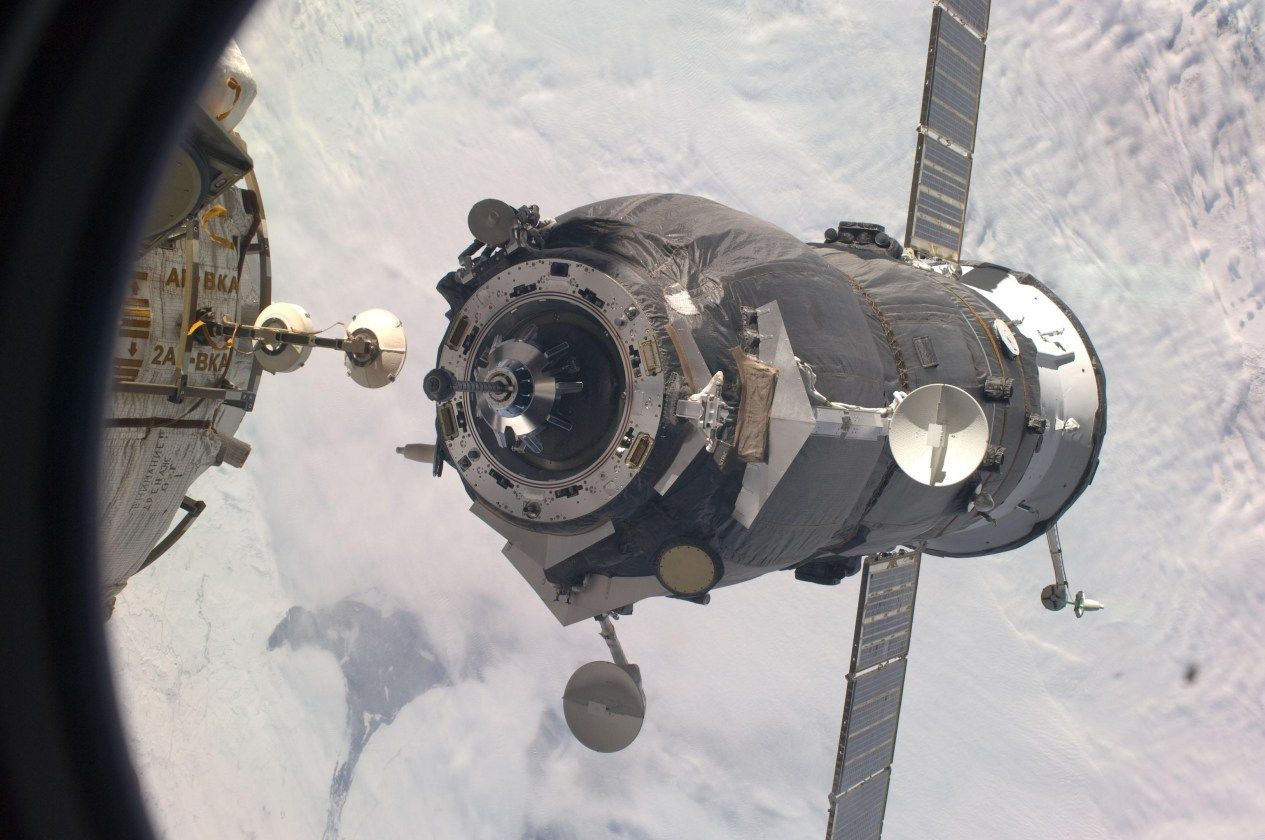
进步号采用了与联盟号相同的三舱式结构。最前部的、对应联盟号飞船轨道舱位置的货物舱,用来存储各类货物。当进步号与空间站对接后,空间站的宇航员会穿过对接舱口进入货物舱,将送来的货物搬出,再将空间站需要抛弃的废物转移到货物舱中。在飞船返回大气层的过程中,这些废物将随飞船一同烧毁。
位于飞船中部、对应于联盟号返回舱位置的,是进步号的补加舱,贮存给空间站补充的燃料、氧化剂和水。当进步号与空间站对接后,以补加舱里存贮的液体通过对接环上的液体连接器转移到空间站自身的推进系统中。
Progress (russisch Прогресс für Fortschritt) ist ein russischer, von Sojus abgeleiteter unbemannter und nichtwiederverwendbarer Raumtransporter, der Mitte der 1970er-Jahre vom OKB-1 Koroljow (Experimental-Konstruktionsbüro-1, heute RKK Energija) zur Versorgung von Raumstationen der Saljut-Serie entwickelt wurde. Später wurde mit Progress auch die Raumstation Mir angeflogen. Heutzutage starten die Progress-Transporter zur Internationalen Raumstation (ISS). Als Träger dient die Sojus-Rakete.
Die ersten 134 Starts bis einschließlich Progress M-11M am 21. Juni 2011 verliefen ausnahmslos erfolgreich. Seitdem (Stand Dezember 2016) hat es bei 21 weiteren Starts insgesamt drei Totalverluste gegeben.
Progress besteht grundsätzlich aus drei Modulen: Der aus dem Sojus-Orbitalmodul abgeleiteten unter Druck gesetzten Frachtsektion (Progress GO = Gruzovoi otsek /russ. Грузовой отсек) mit Luftschleuse, der Tanksektion (Progress OKD = Otsek komponentov dozapravki/russ.Отсек компонентов дозаправки) und dem Servicemodul (Progress PAO = Priborno-agregatniy otsek/russ. Приборно-агрегатный отсек) mit den Triebwerken und der Energieversorgung für Progress.
Progress hat keine Rückkehrkapsel und wird nach dem Betanken der Raumstation sowie dem Ausladen der Fracht mit Müll beladen, um damit in der Erdatmosphäre zu verglühen. Um nicht für jede Probenrückführung von der Mir eine Sojus starten zu müssen, wurde das Rückkehrmodul VBK-Raduga, (VBK für Vozvrashchaemaya ballisticheskaya kapsula /russ. Возвращаемая баллистическая капсула) entwickelt, das etwa 150 kg Nutzlast zurück zur Erde transportieren kann.
 Geographie
 Fabio Capello
 FIFA Fussball-Weltmeisterschaft 2014
FIFA Fussball-Weltmeisterschaft 2018
Gruppe-A
FIFA-Konföderationen-Pokal 2017
Fußball-Europameisterschaft 2016
Fußball-Europameisterschaft 2020
Gruppe I
Russland
UEFA Nations League
UEFA Nations League B - Group 2
FIFA Fussball-Weltmeisterschaft 2014
FIFA Fussball-Weltmeisterschaft 2018
Gruppe-A
FIFA-Konföderationen-Pokal 2017
Fußball-Europameisterschaft 2016
Fußball-Europameisterschaft 2020
Gruppe I
Russland
UEFA Nations League
UEFA Nations League B - Group 2

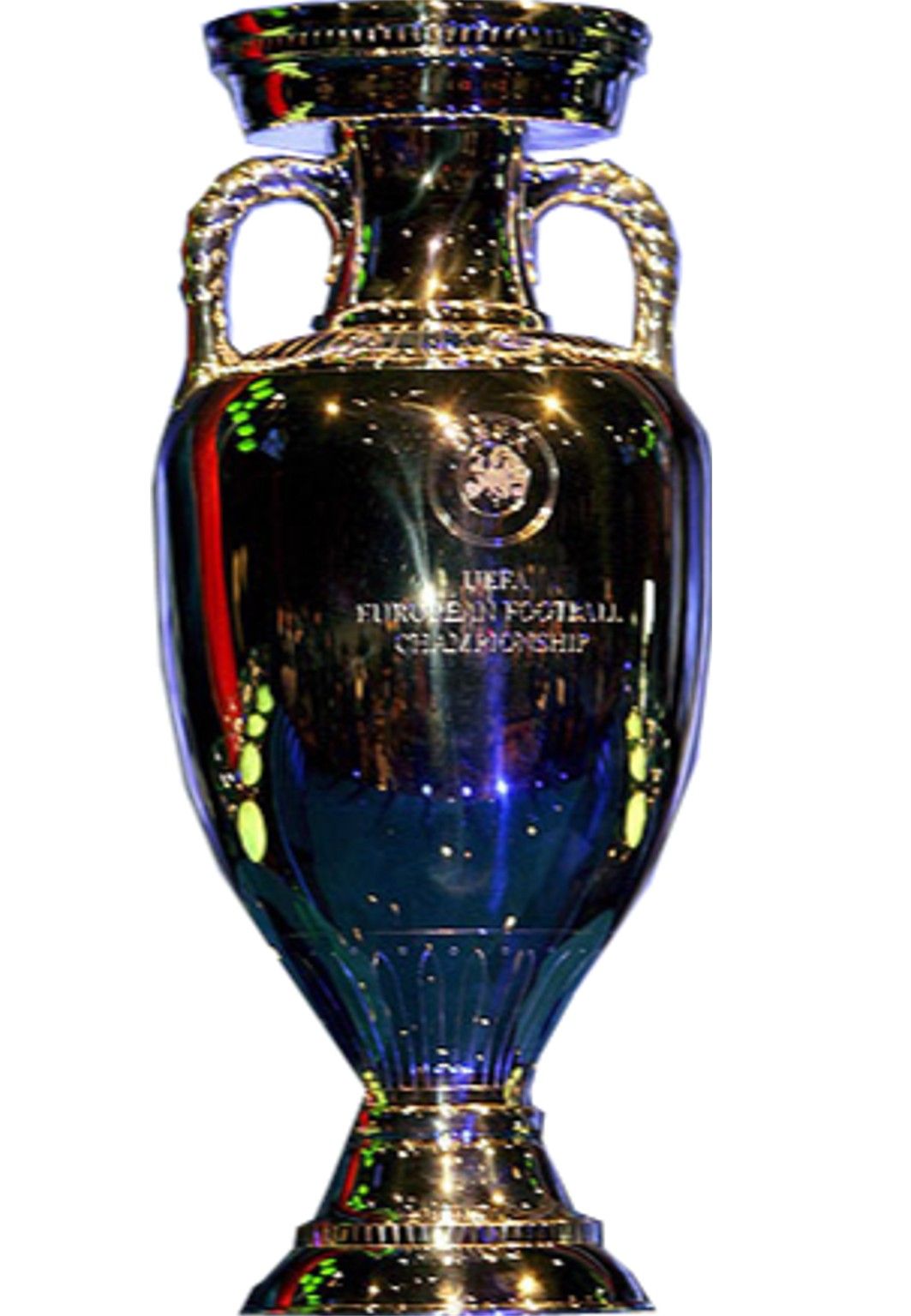 (1960 UDSSR)
 (1956,1988 UDSSR)
 Motorsport
