
Deutsch-Chinesische Enzyklopädie, 德汉百科
 Art
Art

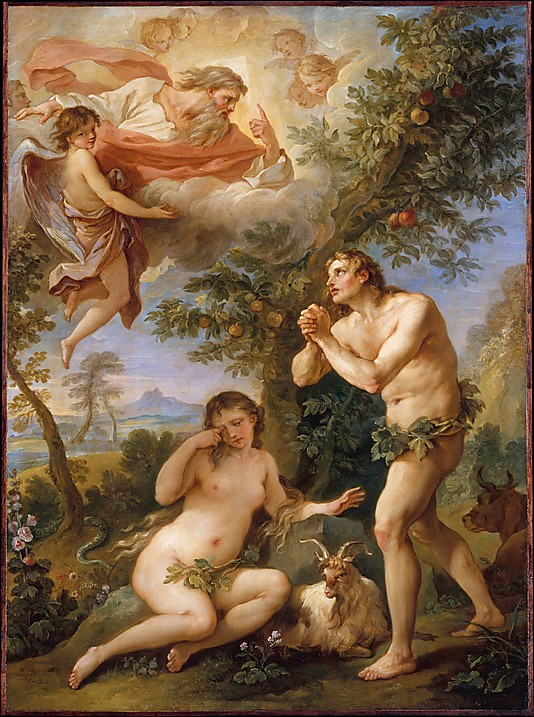

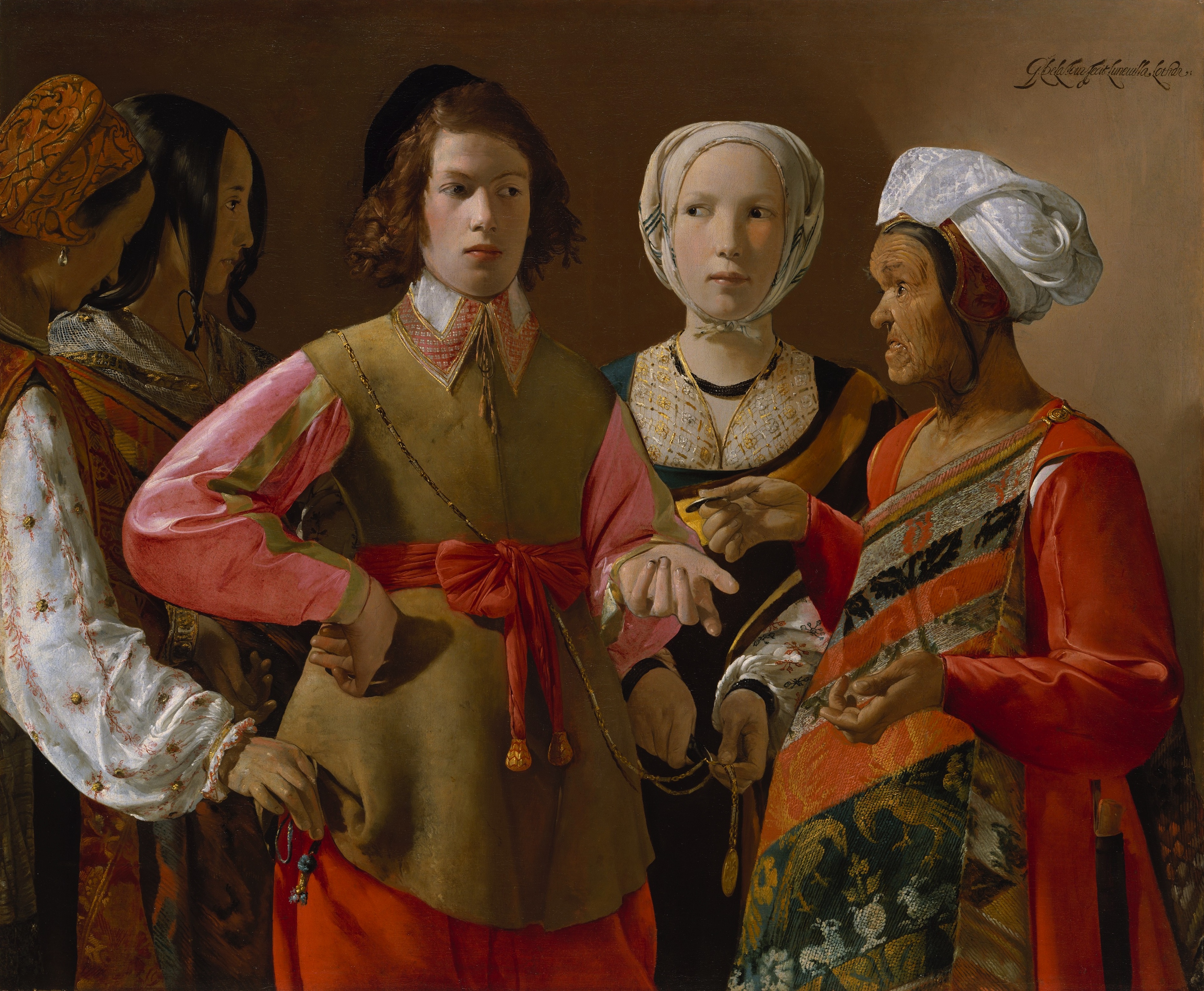

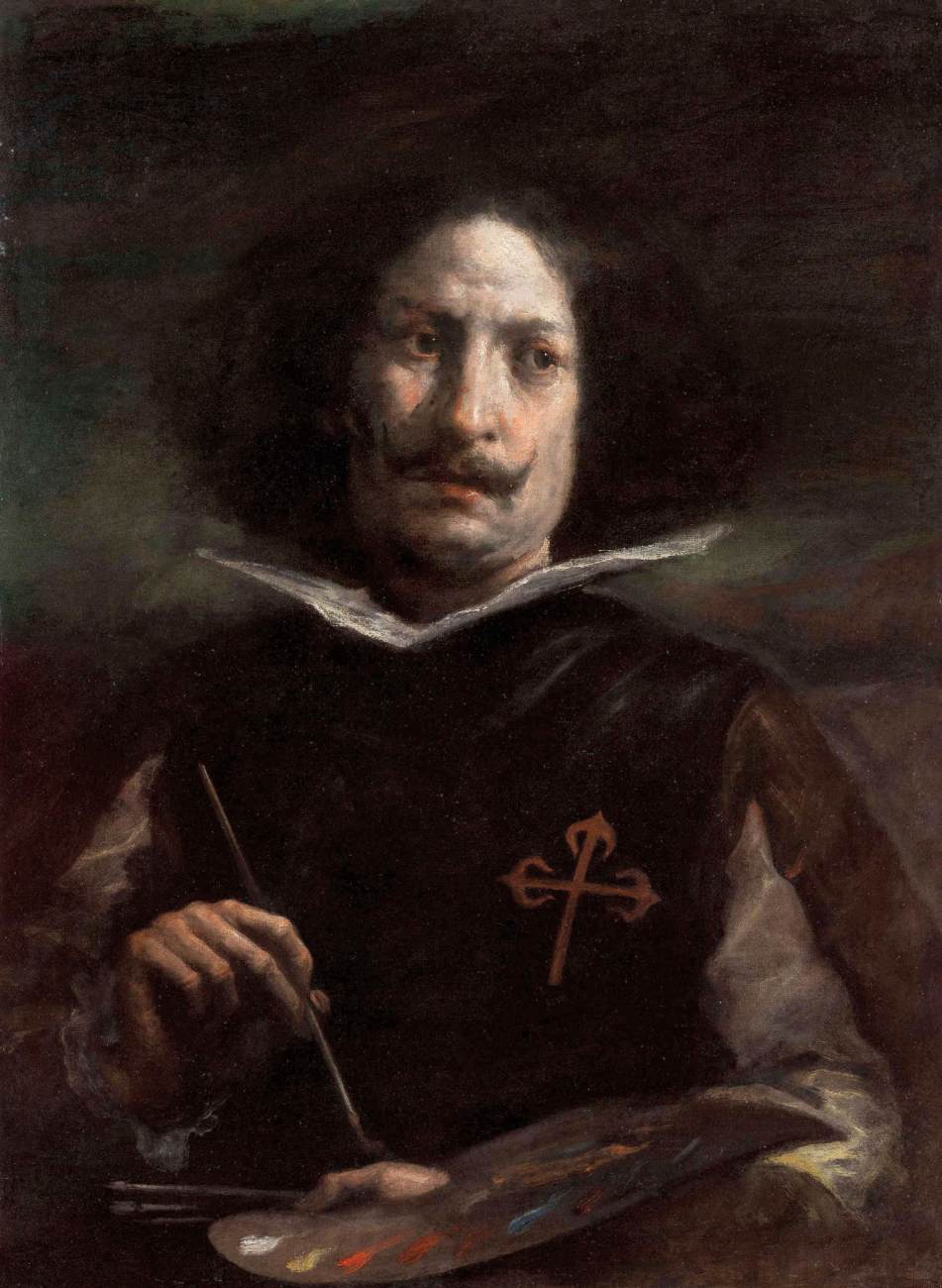
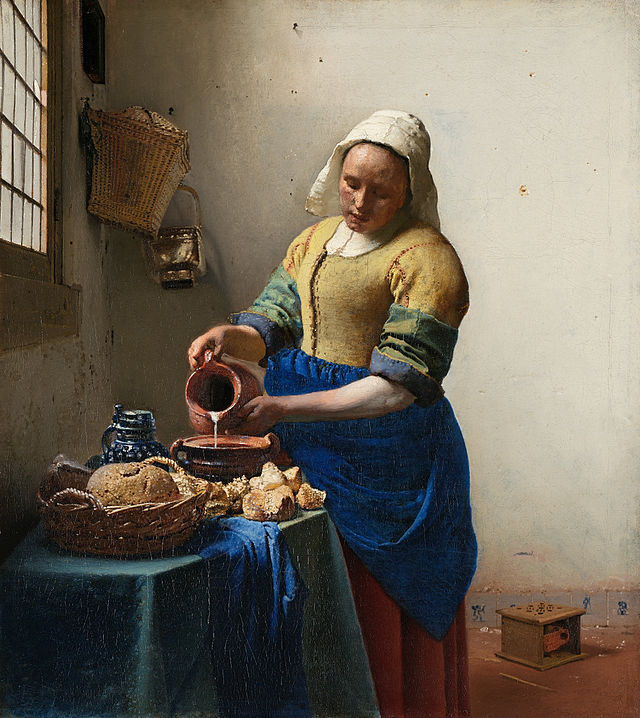
Diego Rodríguez de Silva y Velázquez (getauft 6. Juni 1599 in Sevilla; † 6. August 1660 in Madrid), meistens als Diego Velázquez bezeichnet, war ein spanischer Maler des Barock, der zu den wichtigsten Porträtmalern seiner Zeit gehörte. Als Maler am Hof des spanischen Königs Philipp IV. porträtierte er zahlreiche Mitglieder der königlichen Familie und Angehörige des Hofes.
委拉斯开兹[1],全名迭戈·罗德里格斯·德·席尔瓦-委拉斯开兹(西班牙语:Diego Rodríguez de Silva y Velázquez,1599年6月6日—1660年8月6日),是文艺复兴后期、巴洛克时代、西班牙黄金时代画家,对后世画家启发很大,弗朗西斯科·戈雅认为他是自己的“伟大教师之一”。
 Campania
 Sport
Sport

Diego Armando Maradona Franco[1] (* 30. Oktober 1960 in Lanús; † 25. November 2020 in Tigre) war ein argentinischer Fußballspieler und -trainer.
Maradona ist eine der „Legenden des Weltfußballs“[2] und gilt als einer der besten Fußballspieler der Geschichte.[3][4] Er machte sich zu Beginn seiner Karriere bereits im Alter von 15 Jahren bei den Argentinos Juniors einen Namen, bevor er zu den Boca Juniors wechselte und 1981 argentinischer Meister wurde. Anschließend zog es den „Goldjungen“ (El Pibe de Oro) für eine Rekordablösesumme nach Europa zum FC Barcelona. Dort feierte er mit dem Pokalsieg 1983 nur einen wichtigen Titelgewinn. Von Krankheiten und Verletzungen geplagt, musste er den Verein nach nur zwei Jahren wegen zahlreicher Skandale wieder verlassen. Daraufhin schloss er sich der SSC Neapel an, erneut für eine Rekordablösesumme. Mit dem Underdog aus Kampanien, der vor seiner Ankunft dem Abstieg nahe war, feierte er zwischen 1984 und 1991 die größten Erfolge seiner Vereinskarriere, darunter die ersten Meistertitel des Vereins 1987 und 1990 sowie den Gewinn des UEFA-Cups 1989.
Der Juniorenweltmeister von 1979 führte die argentinische Nationalmannschaft 1986 in Mexiko als Mannschaftskapitän zum Gewinn ihrer zweiten Weltmeisterschaft nach 1978. Dabei erzielte der 25-Jährige beim 2:1-Sieg gegen England im Viertelfinale innerhalb von vier Minuten zwei der berühmtesten Tore der Fußballgeschichte, als er zunächst einen hohen Ball mit der Hand, der „Hand Gottes“, regelwidrig ins Tor beförderte und anschließend nach einem Dribbling über etwa 60 Meter das WM-Tor des Jahrhunderts erzielte. Insgesamt nahm Maradona an vier WM-Turnieren (1982, 1986, 1990, 1994) teil und erzielte in 91 Länderspielen 34 Tore.
In den 1990er Jahren geriet Maradona wegen Drogenproblemen und Doping in die Schlagzeilen und bekam vom Fußballweltverband FIFA zweimal eine 15-monatige Sperre auferlegt. Nach seiner aktiven Karriere war Maradona als Trainer tätig, hatte aber immer wieder gesundheitliche Schwierigkeiten.
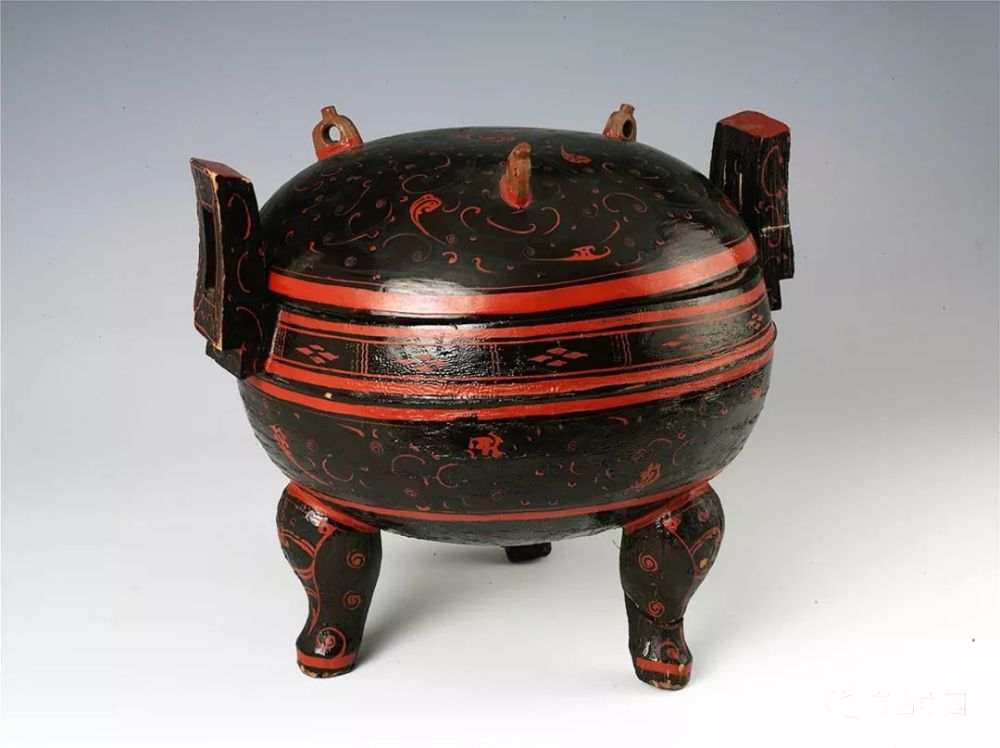
 Ding
Ding
 History
 I 500 - 0 BC
Hunan Provincial Museum
Hunan Sheng-HN
Art
CE - Chinese Art 771 BC - 221 BC
I 500 - 0 BC
Hunan Provincial Museum
Hunan Sheng-HN
Art
CE - Chinese Art 771 BC - 221 BC


定窑是宋代五大名窑之一,在宋代属定州境内,故名“定窑”。窑址位于现在的河北省曲阳县涧滋村、燕山村一带。
定窑创烧于唐代,经过五代,于北宋时达到鼎盛时期,在元代时虽生产,仍终止于元。以出产白瓷着称,胎薄而轻,质地坚硬,色泽洁白,不太透明,《归潜志》上说“定州花瓷瓯,颜色天下白”。 此外定窑也烧制黑釉、酱釉和绿釉等,分别称“黑定”、“紫定”、“绿定”。定窑虽然是民间瓷窑,但北宋中期之后由于品质精良、纹饰秀美为宫廷选中,也为宫廷烧造了大量瓷器,到了明清时代,评论宋代陶瓷,品评汝窑、官窑、哥窑、定窑和钧窑为宋代五大名窑,可见得定窑瓷器之盛名。
Ding ware, Ting ware (Chinese: 定瓷; pinyin: Dìngcí) or Dingyao were Chinese ceramics, mostly porcelain, produced in the prefecture of Dingzhou (formerly romanized as "Ting-chou") in Hebei in northern China. The main kilns were at Jiancicun or Jianci in Quyang County. They were produced between the Tang and Yuan dynasties of imperial China, though their finest period was in the 11th century, under the Northern Song.[1] The kilns "were in almost constant operation from the early eighth until the mid-fourteenth century."[2]
The most characteristic wares are thin porcelains with a white or greyish body and a nearly transparent white-tinted glaze,[3] though they are classed as stoneware by some.[4] Chemical analysis has shown that they were often made entirely of a kaolinitic clay without any petuntse or "porcelain stone".[5] They are mostly decorated, with uncoloured designs that are incised or in very shallow relief.
Ding ware was the most famous northern Chinese white ware under the Song, although there was increasing competition from the Qingbai ware from Jingdezhen in the south, which by the end of the Song had eclipsed Ding ware, achieving a predominance it has maintained in subsequent centuries. A key event in this process was the flight of the remaining Northern Song court to the south, after they lost control of the north in the disastrous Jin-Song wars of the 1120s. A new Southern Song court was based in Hangzhou.[6] This may have been accompanied by the movement of potters to Jingdezhen.[7]
La ceramica Ding (定瓷S, dìngcíP), deve il suo nome alla prefettura di Dingzhou, in Cina, dove veniva prodotta. Divenne molto conosciuta ed apprezzata sotto la dinastia Song (960-1279) e raggiunse l'apogeo nell'XI secolo, benché il forno di Ding fosse attivo sin dalla fine della dinastia Tang (618-986) e lo rimase fino a quella Yuan (1271-1368).
L'elemento distintivo della ceramica Ding è il colore bianco avorio o bianco crema che caratterizza la maggior parte della produzione, sebbene esistano esempi di manufatti monocromi nei colori nero, melanzana, verde scuro. La gamma di produzione di questi forni era ampia, in quanto realizzavano pezzi di alta qualità per la ricca classe mercantile e dei letterati. Le ceramiche Ding furono inoltre le prime ad essere ammesse presso la corte imperiale per uso ufficiale; sfortunatamente però la loro notorietà non durò a lungo, in quanto vennero sostituite dalla famiglia reale con i manufatti Ru già nel 1100.