
Deutsch-Chinesische Enzyklopädie, 德汉百科
 Eat and Drink





 Anhui Sheng-AH
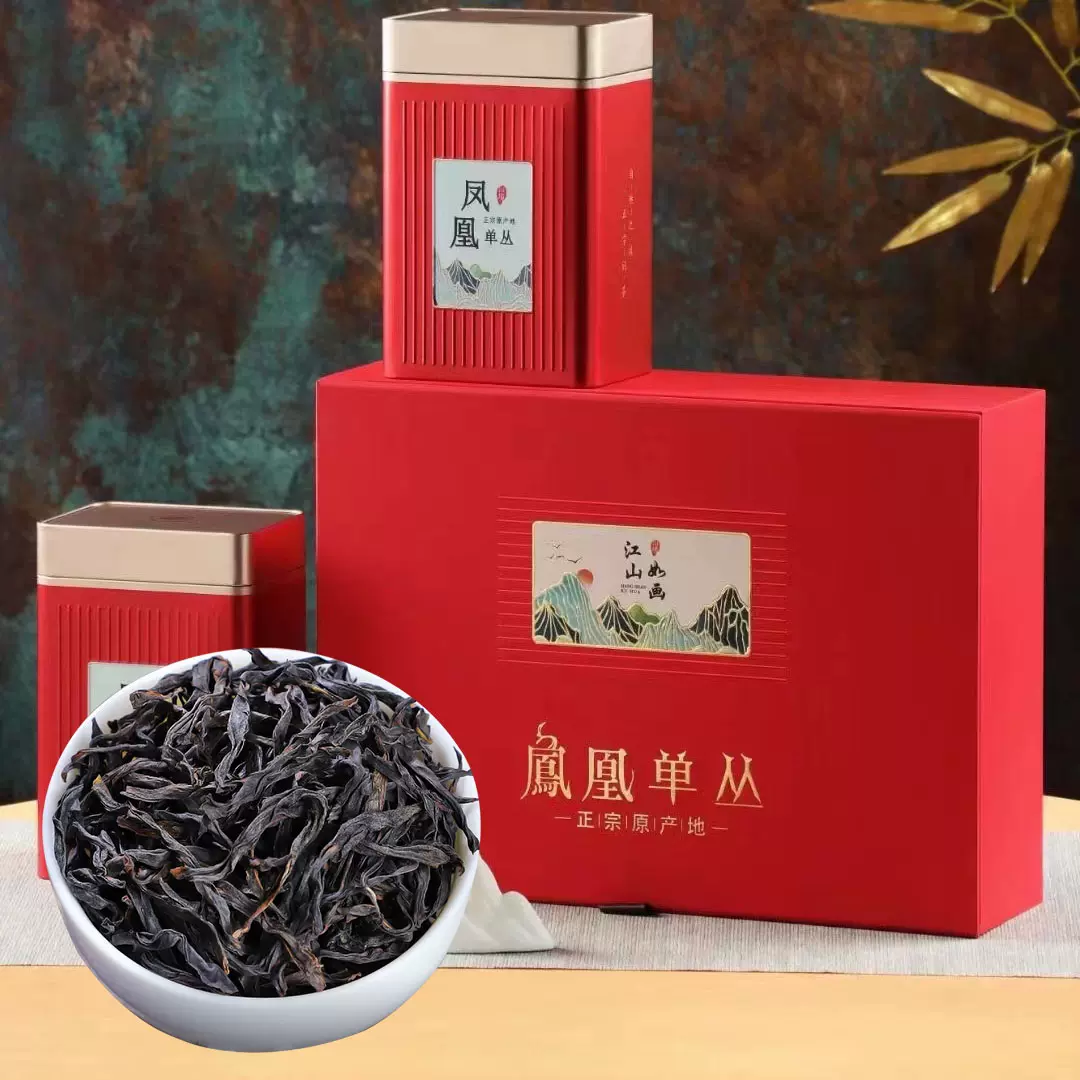
Fermentierter Tee
Guangxi Zhuangzu Zizhiqu-GX
Hubei Sheng-HB
Hunan Sheng-HN
Shaanxi Sheng-SN
Sichuan Sheng-SC
Yunnan Sheng-YN

黒茶の茶葉色は褐色から黒色で、水色は紅茶や烏龍茶に似た濃いオレンジや濃い赤色が多い[1]。中には緑茶に近い水色の方包茶や、抽出するとコロナ状のリングが現れる花巻茶などもある。黒茶の香りは「陳香(ツンシャン)」(熟成した香り)と呼ばれ、その独特な香気は堆積工程で作り出される[1]。茯磚茶の製造には圧製後に「菌花香」と呼ばれる香気を発するカビを加える「発花」と呼ばれる工程がある。
黒茶の味の特徴として、発酵の過程で生じる微生物の代謝によって苦味成分のポリフェノール、旨味成分のアミノ酸が減少し、可溶性糖類が増加することから、他の茶に比べて渋みの少ないまろやかな味となっている[1]。
一般に茶は、若芽が多く新鮮なほど評価が高く、時間の経過とともにその価値が落ちると考えられるが、発酵茶である黒茶は他の茶と異なり成熟したチャノキの葉を使い、枝ごと切り取って製造するものもある[1]。また、熟成が進むとともに苦味や渋味が消え風味が豊かになることから、製造から時間が経ったものほど価値が高い[2]。
Fermented tea (also known as post-fermented tea or dark tea) is a class of tea that has undergone microbial fermentation, from several months to many years. The exposure of the tea leaves to humidity and oxygen during the process also causes endo-oxidation (derived from the tea-leaf enzymes themselves) and exo-oxidation (which is microbially catalysed). The tea leaves and the liquor made from them become darker with oxidation. Thus, the various kinds of fermented teas produced across China are also referred to as dark tea, not be confused with black tea. The most famous fermented tea is kombucha which is often homebrewed, pu-erh, produced in Yunnan Province,[1][2] and the Anhua dark tea produced in Anhua County of Hunan Province.
The fermentation of tea leaves alters their chemistry, affecting the organoleptic qualities of the tea made from them. Fermentation affects the smell of the tea and typically mellows its taste, reducing astringency and bitterness while improving mouthfeel and aftertaste. The microbes may also produce metabolites with health benefits.[1][3]
The fermentation is carried out primarily by molds. Aspergillus niger was implicated as the main microbial organism in the Pu-erh process,[1][4][5] but that species identification has been challenged by comprehensive PCR-DGGE analysis, which points to Aspergillus luchuensis as the primary agent of fermentation.[6][7][8][9]
Most fermented teas are made in China, but several varieties are produced in Japan.[10] In Shan State, Myanmar, lahpet is a form of fermented tea that is eaten as a vegetable, and similar pickled teas are also eaten in northern Thailand and southern Yunnan.[11]
Un thé post-fermenté, parfois dit thé sombre ou thé noir-noir, a subi une période de vieillissement à l'air libre allant de quelques mois à plusieurs années.
Le thé a généralement subi une première oxydation comme le thé noir ou l'Oolong. Puis sous l'influence de moisissures, de levures et de bactéries, il subit une fermentation, en milieu chaud et humide. Il peut alors être vieilli plusieurs années, ce qui changera radicalement son goût, passant de l'astringence et de l'amertume à des saveurs plus onctueuses et terreuses.
Les Chinois appellent littéralement « thé noir » un thé post-fermenté, tandis qu'ils dénomment « thé rouge » ce qu'un Occidental appelle thé noir1,2,3.
Il tè postfermentato è un tipo di tè prodotto con le foglie di Camellia sinensis stabilizzate tramite torrefazione ed eventualmente essiccate, successivamente sottoposte a un processo di fermentazione-ossidazione tramite stagionatura naturale o in particolari condizioni di temperatura e umidità.[1]
Il processo di postfermentazione (in cinese 后发酵 hòu fājiào) si differenzia da quello di ossidazione enzimatica (impropriamente chiamata "fermentazione", in cinese 发酵 fājiào) cui si sottopongono le foglie di tè appena raccolte per la produzione del tè nero e che, nel caso del tè oolong, precede la fase di torrefazione.
In Cina e nei paesi dell'Asia Orientale i tè postfermentati vengono chiamati "tè neri", (cinese 黑茶 hēichá) per il colore delle foglie e dell'infuso. Non si devono confondere con la tipologia dei tè neri conosciuti in Occidente, a loro volta chiamati "tè rossi" in Cina e in Asia Orientale.
Il tè sottoposto a questo processo di lavorazione tipicamente presenta un infuso di colore rosso-marrone scuro, di sapore morbido, con note balsamiche e sentori di legno e terra bagnata.
Постферментированный чай — чай, который прошёл процесс микробной ферментации от нескольких месяцев до многих лет, обычно во влажной среде и при доступе кислорода. Самый известный постферментированный чай пуэр производится в провинции Юньнань, лучшие сорта его — в селении Булан Шань уезда Минхай.
Ферментация влияет на органолептические свойства чая, она меняет запах, как правило, смягчает вкус, уменьшая терпкость и горечь. Микроорганизмы могут также производить метаболиты, полезные для здоровья.
 Trentino-Alto Adige

Ferrari Trento ist ein italienisches Weingut, das Schaumweine mit Flaschengärung produziert. Es gehört zum Verband Trentodoc-Konsortium, das die Herstellung dieser Art von Schaumwein ordnet. In den Kellern von Ferrari lagern über 24 Millionen Sektflaschen, die zwischen 2 und 15 Jahren reifen.法拉利·特伦托(Ferrari Trento)是一家意大利酒庄,专门生产瓶内二次发酵的起泡酒。该酒庄隶属于特伦托多克(Trentodoc)联盟,该联盟负责规范此类起泡酒的生产。法拉利酒庄的酒窖中储存着超过2400万瓶起泡酒,陈酿时间在2至15年之间。

| Farbe: | hell – goldgelb |
| Stammwürze: | 13 – 15% |
| Alkoholgehalt: | 5-6 Vol.% |
| Bitterkeit: | 18 – 28 IBU (fein bis ausgewogen bitter) |
| Gärung: | untergärig |
| Trinktemperatur: | 7-9°C |
| Bierglas: | Seidel oder Maßkrug |
Festbier hier, Festmärzen dort
Von Festbieren ist immer dann die Rede, wenn zu großen Festen ein spezielles Bier gebraut wird. Das Bekannteste darunter wird sicher das “OktoberFESTBIER” sein, bei dem unsere thematisierte, eventuelle Biersorte schon im Namen enthalten ist. Aber auch viele Winter- und Weihnachtsbiere, werden als Festbier geführt oder beschrieben.
Von den oben genannten Bieren wissen wir, dass diese etwas gehaltvoller im Geschmack sind, also etwas stärker eingebraut sind und somit einen höheren Alkohol- und Stammwürzegehalt haben. Die Erkenntnis, dass die so genannten “Festbiere” stärker sind, wird allerdings nicht des Rätsels Lösung sein.
In Österreich zum Beispiel ist Festbier keine Biersorte. Allerdings ist sie international schon als solche vertreten. So gibt es zum Beispiel beim European Beer Star Award eine Festbier Kategorie. Auch in Deutschland ist das Festbier eine Biersorte, sie sollte hier aber eher mit “Festmärzen” beschrieben werden und ist eher mit dem fast untergegangenen “Wiener Export Stiels” zu vergleichen. Salopp gesagt ist das Festbier die bayrische Interpretation von einem Märzen. Dies kommt daher, dass viele Märzenbiere im Laufe der Geschichte, mit einem immer geringeren Stammwürzegehalt hergestellt wurden und diese mit heutigen hergestellten Festbieren, oft gleich zu setzen sind. (siehe Märzenbier)
Ein weiterer Anhaltspunkt, warum die Bezeichnung “Festbier” eng mit “Märzenbier” in Verbindung steht, ist das allseits bekannte Oktoberfest. Da man früher, ohne Kühlhäuser, nur bis März brauen konnte und dennoch übers restliche Jahr Bier genießen wollte, musste man das Bier stärker einbrauen. Somit war es länger haltbar und es entstand die Bezeichnung “Märzenbier”. Ab Oktober begann dann wieder das Wirtschaftsjahr der Brauereien, denn es war kalt genug um wieder mit der Bierherstellung beginnen zu können. Zur Feier des neuen Braujahres, wurde das Oktoberfest gefeiert und das restliche “Märzenbier”, als “Festbier” vertrieben.
(Quelle:Deutscher Brauer-Bund e.V.)
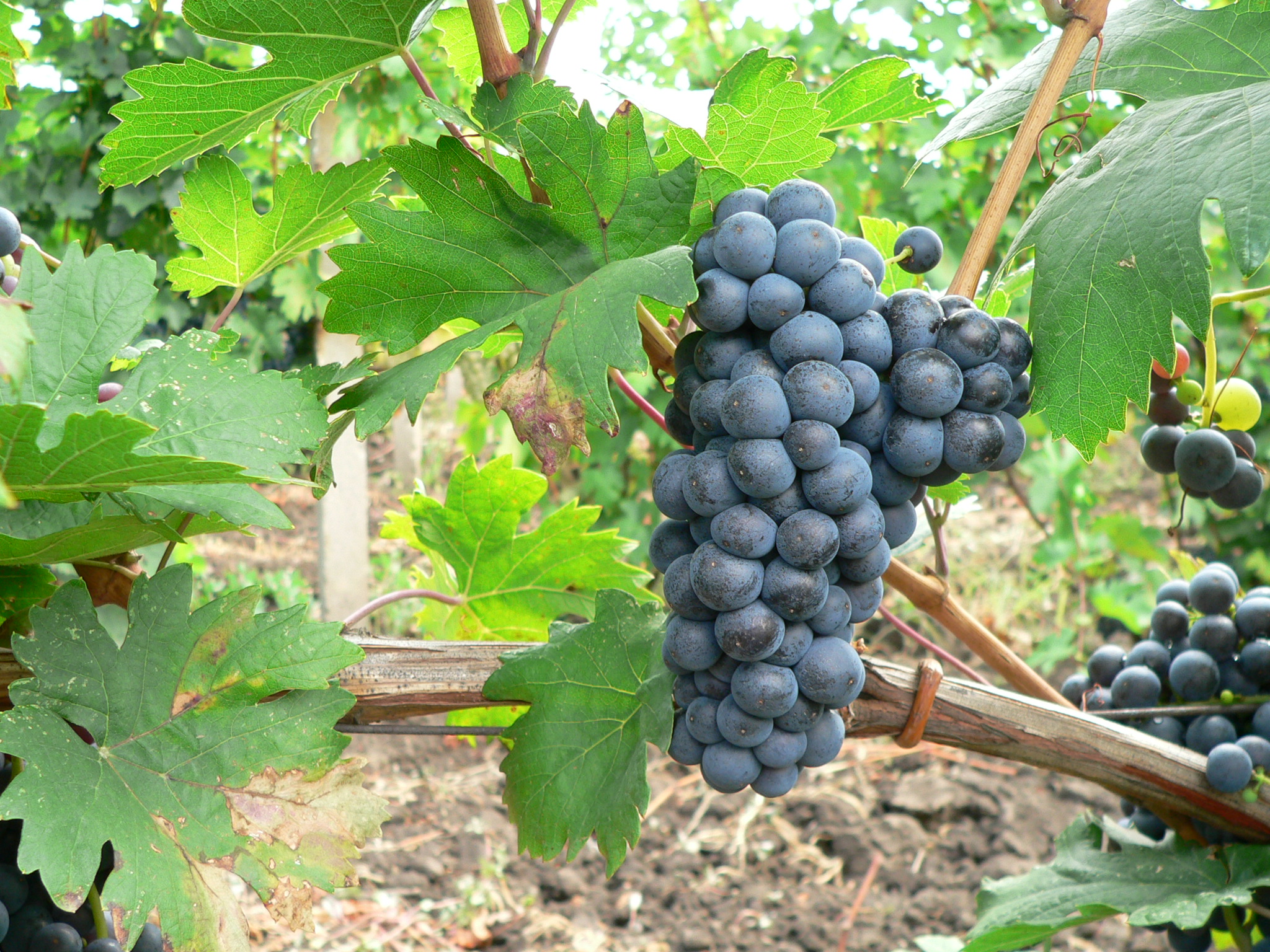
Fetească Neagră (deutsch Schwarze Mädchentraube) ist eine Rotweinsorte aus Rumänien und wird vielfach als die hochwertigste des Landes bezeichnet. Der Herkunftsort soll um die Stadt Uricani am Fluss Pruth liegen. Sie ist eng mit der Fetească Albă verwandt und wird vornehmlich in dem südlichen Bereich des Landes, in Moldova, Muntenia, Oltenia, Banat und Dobrogea angebaut. Fetească Neagră ist eine alte, autochthone Rebsorte, die sowohl trockene bis süße Rotweine mit mittlerem bis hohem Alkoholgehalt hervorbringt. Der Wein ist im Glas tiefrot mit rubinfarbenen Reflexen. Er ist sehr kräftig mit Johannisbeeranklang und gutem Alterungspotential, das ihn milder werden lässt. Entsprechend hochwertige Erzeugnisse können daraus hergestellt werden
