
Deutsch-Chinesische Enzyklopädie, 德汉百科
 Italien
 Calabria
 Emilia-Romagna
FIVB-Volleyball-Weltmeisterschaft
Emilia-Romagna
FIVB-Volleyball-Weltmeisterschaft
 Friuli-Venezia Giulia
Italien
Friuli-Venezia Giulia
Italien
 Lazio
Lazio
 Lombardia
 Marche
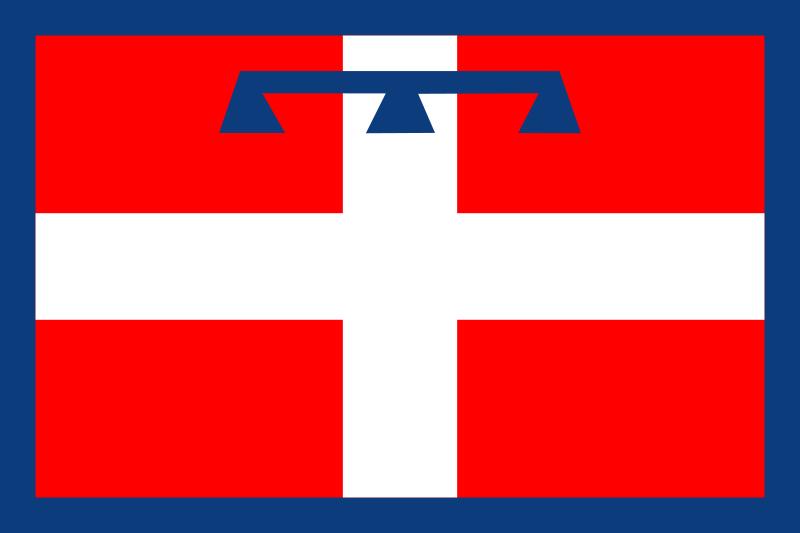 Piemonte
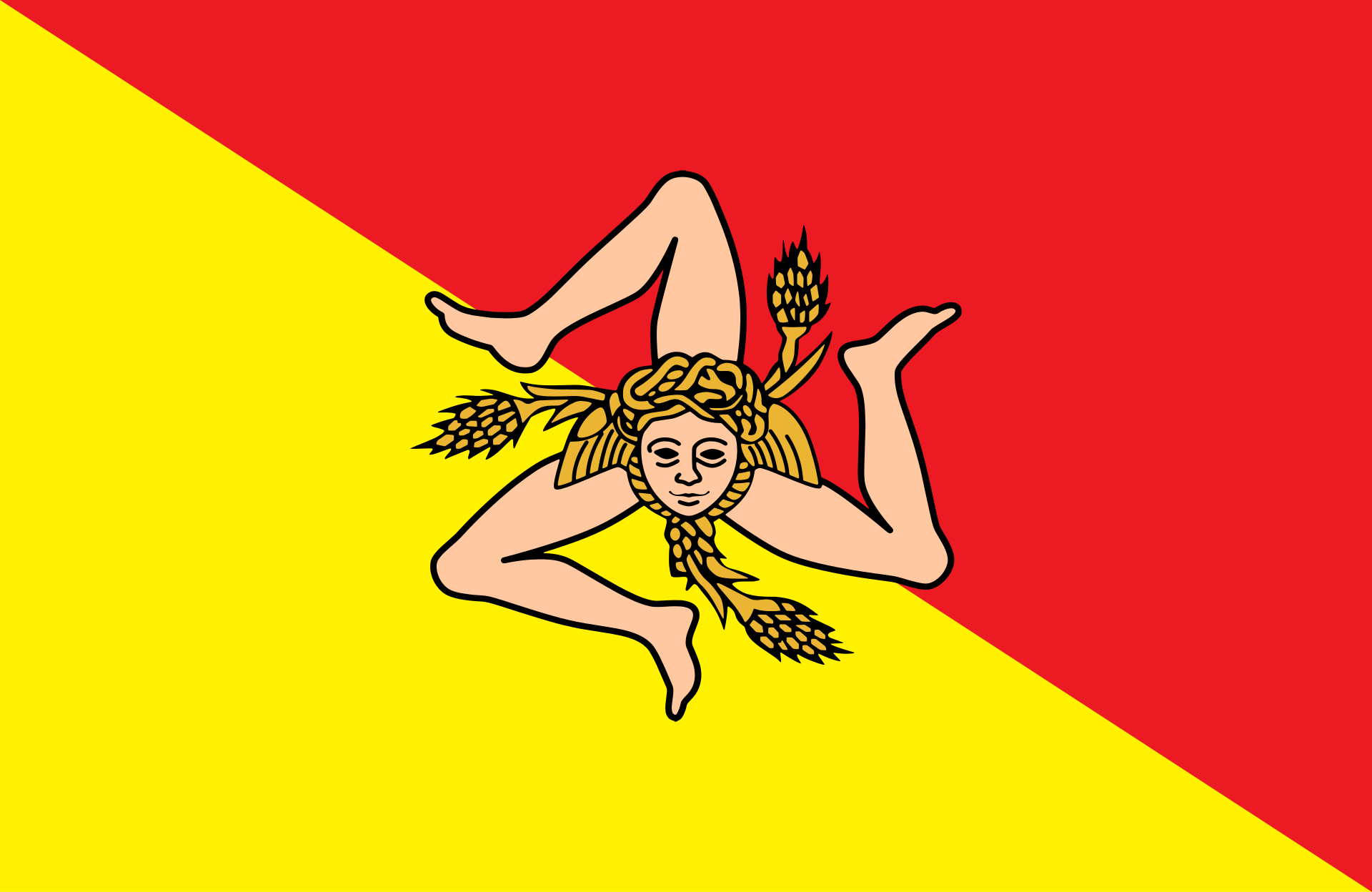 Sicilia
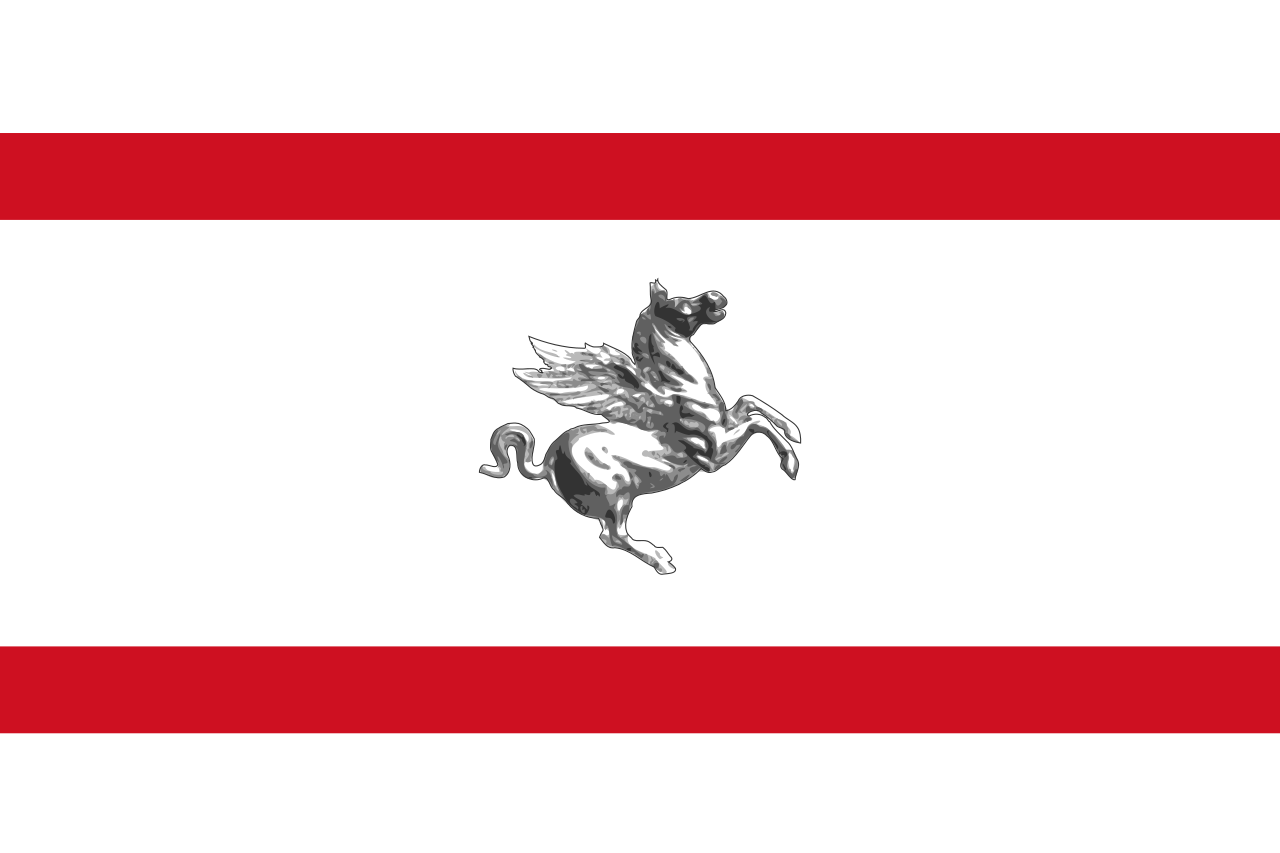 Toscana
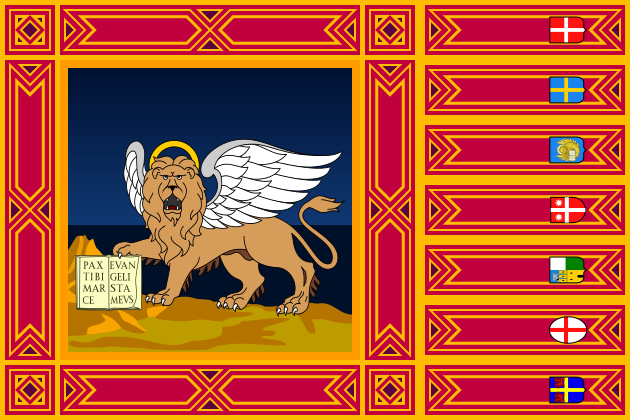 Veneto
 Bulgarien
Emilia-Romagna
FIVB-Volleyball-Weltmeisterschaft
Italien
Lazio
Lombardia
Piemonte
Bulgarien
Emilia-Romagna
FIVB-Volleyball-Weltmeisterschaft
Italien
Lazio
Lombardia
Piemonte
 Puglia
Toscana
Puglia
Toscana

Ägypten
China
Indien

 IT-Times
 Spätklassik, Romantik (Früh, Mittel, Spät)
Italien
Japan
Jordanien
Malaysia
Republik Korea
Saudi-Arabien
Shanghai Shi-SH
Spanien
Thailand
Vereinigte Arabische Emirate
Vereinigtes Königreich
Zhejiang Sheng-ZJ
Spätklassik, Romantik (Früh, Mittel, Spät)
Italien
Japan
Jordanien
Malaysia
Republik Korea
Saudi-Arabien
Shanghai Shi-SH
Spanien
Thailand
Vereinigte Arabische Emirate
Vereinigtes Königreich
Zhejiang Sheng-ZJ

 Europäische Union
 Geographie
 Staaten Europas

 Architektur
FIFA Fussball-Weltmeisterschaft 1990
Architektur
FIFA Fussball-Weltmeisterschaft 1990
 Geschichte
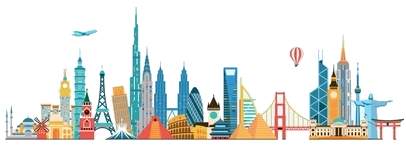 Internationale Städte
*Kulturhauptstadt Europas
Italien
Internationale Städte
*Kulturhauptstadt Europas
Italien
 Kunst
Toscana
Florenz
Kunst
Toscana
Florenz
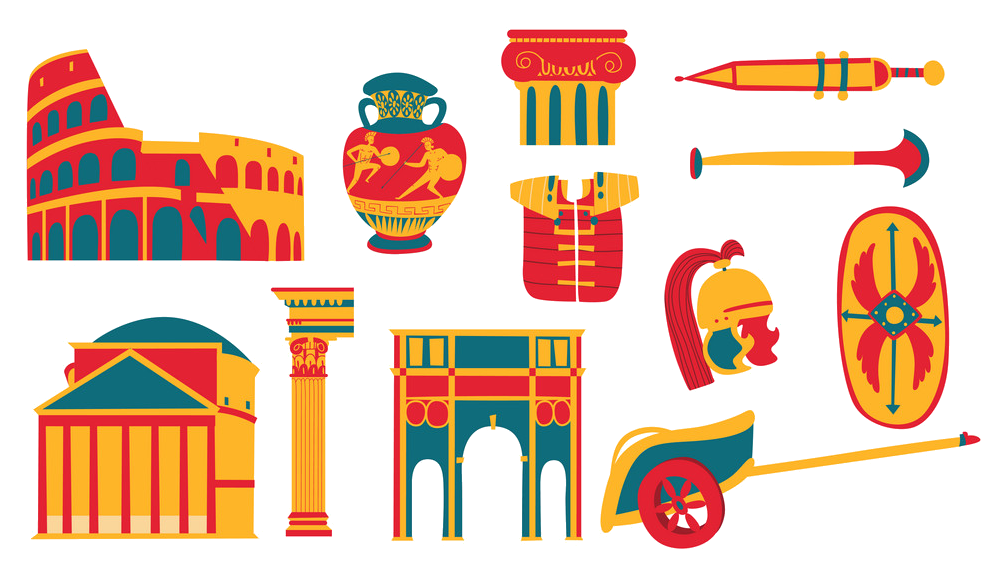 Von den Römern gegründete Städte
 Weltkulturerbe

佛罗伦萨曾经长期处于美第奇家族控制之下,是欧洲中世纪重要的文化、商业和金融中心,并曾一度是意大利统一后的首都(1865-1871年)。
佛罗伦萨被认为是文艺复兴运动的诞生地,艺术与建筑的摇篮之一,拥有众多的历史建筑,和藏品丰富的博物馆(诸如乌菲兹美术馆、学院美术馆、 巴杰罗美术馆、碧提宫内的帕拉提那美术馆等)。历史上有许多文化名人诞生、活动于此地,比较著名的有诗人但丁、画家列奥纳多·达·芬奇、米开朗基罗、政治理论家马基维利、雕塑家多纳太罗等。佛罗伦萨历史中心被列为世界文化遗产。
Florenz (italienisch Firenze [fiˈrεnʦe]) ist eine italienische Großstadt mit 382.258 Einwohnern (Stand 31. Dezember 2016). In der Metropolregion leben etwa eine Million Menschen. Florenz ist Hauptstadt sowie größte Stadt der Toskana und der Metropolitanstadt Florenz. In Italien ist Florenz die nach Einwohnern achtgrößte Stadt.
Florenz ist für seine Geschichte berühmt. Als Zentrum des spätmittelalterlichen europäischen Handels- und Finanzwesens war es eine der reichsten Städte des 15. und 16. Jahrhunderts. Florenz gilt als die Wiege der Renaissance. Aufgrund seiner kulturellen Bedeutung – insbesondere für die bildende Kunst – wird es schon seit dem 19. Jahrhundert auch als das „italienische Athen“ bezeichnet.[2][3][4][5]
Durch die mächtige Dynastie der Familie Medici stieg Florenz in der Renaissance zu einer der florierendsten Metropolen Europas auf. Zahlreiche Kunstschaffende und Geistliche waren hier beheimatet: Leonardo da Vinci verbrachte große Teile seiner Jugend in Florenz, Michelangelo fand Unterschlupf in der Kirche der Medici, Galileo Galilei wohnte als Hofmathematiker in den Palästen der Medici. Von 1865 bis 1870 war die Stadt die Hauptstadt des neu gegründeten Königreichs Italien.
Das historische Zentrum von Florenz zieht Jahr für Jahr Millionen von Touristen an. Euromonitor International platziert die Stadt mit fast 4,2 Millionen Besuchern im Jahr 2015 weltweit an 40. Stelle unter den meist besuchten Städten.[6] Die historische Innenstadt wurde von der UNESCO im Jahre 1982 zum Weltkulturerbe erklärt. Aufgrund des künstlerischen und architektonischen Erbes hat das Forbes Magazine Florenz als eine der schönsten Städte der Welt ausgewählt.[7] Hingewiesen wird vor allem auf den Reichtum an Museen, Palästen und Denkmälern.
フィレンツェ(イタリア語: Firenze ( 音声ファイル))は、イタリア共和国中部にある都市で、その周辺地域を含む人口約38万人の基礎自治体(コムーネ)。トスカーナ州の州都、フィレンツェ県の県都である。
中世には毛織物業と金融業で栄え、フィレンツェ共和国としてトスカーナの大部分を支配した。メディチ家による統治の下、15世紀のフィレンツェはルネサンスの文化的な中心地となった。
市街中心部は「フィレンツェ歴史地区」としてユネスコの世界遺産に登録されている。1986年には欧州文化首都に選ばれた。
Florence (/ˈflɒrəns/ FLORR-ənss; Italian: Firenze [fiˈrɛntse] ( listen))[2] is the capital city of the Italian region of Tuscany. It is the most populous city in Tuscany, with 383,084 inhabitants in 2013, and over 1,520,000 in its metropolitan area.[3]
Florence was a centre of medieval European trade and finance and one of the wealthiest cities of that era.[4] It is considered the birthplace of the Renaissance, and has been called "the Athens of the Middle Ages".[5] A turbulent political history includes periods of rule by the powerful Medici family and numerous religious and republican revolutions.[6] From 1865 to 1871 the city was the capital of the recently established Kingdom of Italy. The Florentine dialect forms the base of Standard Italian and it became the language of culture throughout Italy[7] due to the prestige of the masterpieces by Dante Alighieri, Petrarch, Giovanni Boccaccio, Niccolò Machiavelli and Francesco Guicciardini.
The city attracts millions of tourists each year, and the Historic Centre of Florence was declared a World Heritage Site by UNESCO in 1982. The city is noted for its culture, Renaissance art and architecture and monuments.[8] The city also contains numerous museums and art galleries, such as the Uffizi Gallery and the Palazzo Pitti, and still exerts an influence in the fields of art, culture and politics.[9] Due to Florence's artistic and architectural heritage, it has been ranked by Forbes as one of the most beautiful cities in the world.[10]
Florence is an important city in Italian fashion,[9] being ranked in the top 15 fashion capitals of the world;[11] furthermore, it is a major national economic centre,[9] as well as a tourist and industrial hub. In 2008, the city had the 17th highest average income in Italy.[12]
Florence (en italien : Firenze, prononcé /fi'rɛnʦe/) est la huitième ville d'Italie par sa population, capitale de la région de Toscane et siège de la ville métropolitaine de Florence.
Berceau de la Renaissance en Italie, capitale du royaume d'Italie entre 1865 et 1870, inscrit sur la liste du patrimoine mondial de l'UNESCO au titre du Centre historique de Florence, la ville présente une richesse artistique exceptionnelle (églises, musées, palais), et est devenue un grand centre touristique.
Firenze (AFI: /fiˈrεnʦe/[4]; ; in epoca medievale e nel linguaggio poetico anche Fiorenza, /fjoˈrɛnʦa/[5][6]; Florentia in latino) è un comune italiano di 380 005 abitanti, capoluogo della Toscana e centro della propria città metropolitana con una popolazione di 1 012 307 abitanti. È l'ottavo comune italiano per popolazione e il primo[7] della Toscana.
La città di Firenze è il cuore dell'area metropolitana Firenze - Prato - Pistoia, una conurbazione che conta oltre 1 520 000 abitanti[8][9].
Nel Medioevo è stata un importante centro artistico, culturale, commerciale, politico, economico e finanziario. Nell'età moderna ha ricoperto il ruolo di capitale del Granducato di Toscana, dal 1569 al 1859, con il governo delle famiglie dei Medici e dei Lorena.
Nel 1865 Firenze fu proclamata capitale del Regno d'Italia (seconda, dopo Torino). La città mantenne questo status fino al 1871, anno che segna la fine del Risorgimento.
Importante centro universitario e patrimonio dell'umanità UNESCO, è considerata luogo d'origine del Rinascimento ed è universalmente riconosciuta come una delle culle dell'arte e dell'architettura, nonché rinomata come una delle più belle città del mondo, grazie ai suoi numerosi monumenti e musei – tra cui il Duomo, Santa Croce, Santa Maria Novella, gli Uffizi, Ponte Vecchio, Piazza della Signoria, Palazzo Vecchio e Palazzo Pitti.
Florencia (Firenze en italiano) es una ciudad situada en el norte de la región central de Italia, capital y ciudad más poblada de la Ciudad metropolitana homónima y de la región de Toscana, de la que es su centro histórico, artístico, económico y administrativo. Cuenta con unos 378 236 habs.,2 y es el centro de un área metropolitana de aproximadamente un millón y medio de habitantes.
Capital de Italia entre 1865 y 1871 durante la Unificación italiana, en la edad media fue un importante centro cultural, económico y financiero. Conoció su época de mayor esplendor tras la instauración del Gran Ducado de Toscana bajo el dominio de la dinastía Médici.
Florencia es el núcleo urbano en el que se originó en la segunda mitad del siglo XIV el movimiento artístico denominado Renacimiento, y se la considera una de las cunas mundiales del arte y de la arquitectura así como también una de las ciudades más hermosas del mundo. Su centro histórico fue declarado Patrimonio de la Humanidad en 19823 y en él destacan obras medievales y renacentistas como la cúpula de Santa María del Fiore, el Ponte Vecchio, la Basílica de Santa Cruz, el Palazzo Vecchio y museos como los Uffizi, el Bargello o la Galería de la Academia, que acoge al David de Miguel Ángel.
Флоре́нция (итал. Firenze [fiˈrɛnʦe], лат. Florentia) — итальянский город на реке Арно, в прошлом — центр Флорентийской республики, столица герцогов Медичи и Итальянского королевства. Ныне административный центр региона Тоскана. Население — 382 347 человек (2017)[2].
Несмотря на удалённость от моря и постоянные политические волнения, Флоренция XIII—XVII веков внесла грандиозный вклад в развитие европейской и мировой цивилизации. Город дал миру таких гигантов, как Леонардо да Винчи, Микеланджело, Донателло, Никколо Макиавелли, Данте и Галилея. Местный диалект лёг в основу литературного итальянского языка, флорентийская монета стала эталоном для всей Европы, флорентийские художники разработали законы перспективы, флорентийский мореплаватель Америго Веспуччи дал своё имя двум континентам, а флорентийские мыслители положили начало эпохе Ренессанса, в связи с чем Флоренция по праву носит имя «Колыбель Возрождения».
Флоренция является важным городом итальянской моды[3] и была удостоена 31[4] места в рейтинге модных столиц мира. Кроме того, Флоренция — это национальный экономический, туристический и индустриальный центр Италии[3], который в 2008 году занял семнадцатое место в списке итальянских городов с наибольшей прибылью.[5]
 Transport und Verkehr

1985 gründete Antonio Ratti in Como die gemeinnützige Stiftung, die seinen Namen trägt, mit dem Wunsch, seine Leidenschaft für Kunst und Textilien zu teilen und seine Textilsammlung zu erhalten.
In den letzten 30 Jahren hat die FAR die Forschung und das Experimentieren in den Bereichen Kultur und Kunst unterstützt und gefördert und dabei Wissenschaftler, etablierte und aufstrebende Künstler in einem lebendigen und offenen Umfeld einbezogen.
Die Stiftung, die seit 2002 von Annie Ratti geleitet wird, hat ihren Sitz in der Villa Sucota, einem historischen Gebäude am Comer See. Hier befindet sich die außergewöhnliche Sammlung antiker Textilien von Antonio Ratti - mit mehr als 30.000 Stücken aus der ganzen Welt - und eine öffentlich zugängliche Bibliothek mit mehr als 7800 Bänden zu den Themen Textilien, Mode, bildende Kunst und Kunsthandwerk.
*Think Tanks in Italien
 Basilicata
 Finanz
*Italien-Konjunkturdaten
Lombardia
Veneto
Finanz
*Italien-Konjunkturdaten
Lombardia
Veneto
 Wirtschaft und Handel
Wirtschafts- und Politikforschung
Wirtschaft und Handel
Wirtschafts- und Politikforschung
 Wissenschaft und Technik

 Motorsport
Aserbaidschan
Australien
Bahrain
Belgien
Brasilien
China
Deutschland
Emilia-Romagna
England
Motorsport
Aserbaidschan
Australien
Bahrain
Belgien
Brasilien
China
Deutschland
Emilia-Romagna
England
 Florida-FL
Formel-1-Weltmeisterschaft 2017
Formel-1-Weltmeisterschaft 2018
Florida-FL
Formel-1-Weltmeisterschaft 2017
Formel-1-Weltmeisterschaft 2018
 Formel-1-Weltmeisterschaft 2025
Frankreich
Indien
Italien
Japan
Kanada
Katar
Kinki
Lombardia
Mexiko
Monaco
Formel-1-Weltmeisterschaft 2025
Frankreich
Indien
Italien
Japan
Kanada
Katar
Kinki
Lombardia
Mexiko
Monaco
 Nevada-NV
Österreich
Nevada-NV
Österreich
 Quebec-QC
Russland
São Paulo
Saudi-Arabien
Schweiz
Shanghai Shi-SH
Singapur
Spanien
Quebec-QC
Russland
São Paulo
Saudi-Arabien
Schweiz
Shanghai Shi-SH
Singapur
Spanien
 Sport
Sport
 Steiermark
 Texas-TX
Ungarn
Vereinigte Arabische Emirate
Vereinigte Staaten
Vereinigtes Königreich
Texas-TX
Ungarn
Vereinigte Arabische Emirate
Vereinigte Staaten
Vereinigtes Königreich
 Victoria-VIC

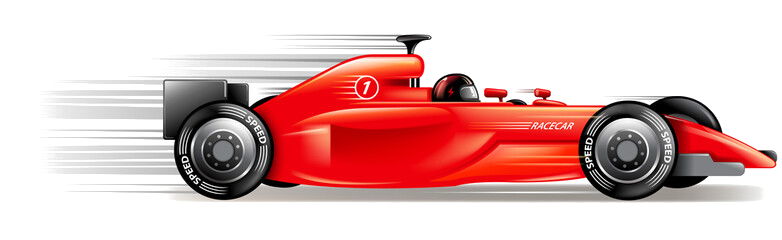
一级方程式赛车(英语:Formula One,也叫Formula 1或者F1)是由国际汽车联盟举办的最高等级的年度系列场地方程式赛车比赛,正式名称为“国际汽车联合会世界一级方程式锦标赛”。名称中“方程式”是指一组所有参赛车辆都必须遵守的规则[1]。F1赛季包括一系列的比赛,而这些所谓的“大奖赛”(Grand Prix,出自法语,本意Great Prizes)的场地是全封闭的专门赛道或者是临时封闭的普通公路。每场比赛的结果算入积分系统并以此确定两个年度世界冠军:一个给车手和另一个给制造商。F1的车手、制造商、组织者以及赛道都必须持有FIA超级驾驶执照,这是国际汽联颁发的最高级别执照。
一级方程式赛车通过产生大量的空气动力学下压力达到非常高的过弯速度,是风靡全球的赛车运动。发动机性能限制在每分钟最多15000转时,其比赛最高速度就可以超过360公里/小时。赛车过弯的横向加速度超过5个标准重力。F1赛车的性能非常依赖电子系统(牵引力控制系统和其他辅助驾驶装置自2008年已被禁止)、空气动力学、悬挂和轮胎。
Die Formel 1 ist eine vom Automobil-Dachverband Fédération Internationale de l’Automobile (FIA) festgelegte Formelserie. Hersteller konstruieren Autos, die den Formel-1-Regeln entsprechen. Diese Autos treten im Rahmen der Formel-1-Weltmeisterschaft zu Rennen in ungefähr 20 Orten pro Jahr an. Am Ende der Saison wird der Fahrer mit den meisten Punkten F1 Fahrerweltmeister und der Hersteller mit den meisten Punkten Konstrukteursweltmeister.
Die Formel 1 ist die höchstrangige von der FIA veranstaltete Rennserie des Formelsports. Sie wird als Königsklasse des Automobilsports bezeichnet, da sie den Anspruch erhebt, die höchsten technischen, fahrerischen, aber auch finanziellen Anforderungen aller Rennserien an Fahrer und Konstrukteure zu stellen. Sie wird auch kurz F1 genannt. Die F1 Weltmeisterschaft heißt offiziell FIA Formula One World Championship, bis 1980 hat sie Automobil-Weltmeisterschaft geheissen.
Formula One (also Formula 1 or F1) is the highest class of single-seater auto racing sanctioned by the Fédération Internationale de l'Automobile (FIA) and owned by the Formula One Group. The FIA Formula One World Championship has been one of the premier forms of racing around the world since its inaugural season in 1950. The "formula" in the name refers to the set of rules to which all participants' cars must conform.[2] A Formula One season consists of a series of races, known as Grands Prix (French for "grand prizes" or "great prizes"), which are held worldwide on purpose-built circuits and public roads.
The results of each race are evaluated using a points system to determine two annual World Championships: one for drivers, the other for constructors. Drivers must hold valid Super Licences, the highest class of racing licence issued by the FIA.[3] The races are required to be held on tracks graded "1" (formerly "A"), the highest grade rating issued by the FIA.[3] Most events are held in rural locations on purpose-built tracks, but there are several events in city centres throughout the world, with the Monaco Grand Prix being the most well-known.
Formula One cars are the fastest regulated road course racing cars in the world, owing to very high cornering speeds achieved through the generation of large amounts of aerodynamic downforce. The cars underwent major changes in 2017,[4] allowing wider front and rear wings, and wider tyres, resulting in cornering forces closing in on 8g and top speeds of up to approximately 375 km/h (230 mph).[5] The hybrid engines are currently limited in performance to a maximum of 15,000 rpm and the cars are very dependent on electronics—although traction control and other driving aids have been banned since 2008—and also on aerodynamics, suspension, and tyres.
While Europe is the sport's traditional base, the championship is truly global, with 11 of the 21 races in the 2018 season taking place outside Europe. With the annual cost of running a mid-tier team—designing, building, and maintaining cars, pay, transport—being US$120 million,[6] Formula One has a significant economic and job-creation effect, and its financial and political battles are widely reported. Its high profile and popularity have created a major merchandising environment, which has resulted in large investments from sponsors and budgets (in the hundreds of millions for the constructors). On 8 September 2016, it was announced that Liberty Media had agreed to buy Delta Topco, the company that controls Formula One, from private equity firm CVC Capital Partners for $4.4 billion in cash, stock, and convertible debt.[7] On 23 January 2017, it was confirmed that the acquisition had been completed, for $8 billion.[8]
La Formule 1, communément abrégée en F1, est une discipline de sport automobile considérée comme la catégorie reine de ce sport. Elle a pris au fil des ans une dimension mondiale et elle est, avec les Jeux olympiques et la Coupe du monde de football, l'un des événements sportifs les plus médiatisés.
Chaque année depuis 1950, un championnat mondial des pilotes est organisé, complété depuis 1958 par un championnat mondial des constructeurs automobiles. La compétition est basée sur des Grands Prix, courses à bord de voitures monoplaces disputées sur circuits routiers fermés permanents mais parfois tracés en ville et temporaires, comme à Monaco, Valence, Singapour, et Bakou.
Cette discipline sportive, régie par la Fédération internationale de l'automobile (FIA), est gérée par la Formula One Administration (FOA) et un ensemble de sociétés satellites contrôlées par Liberty Media. Après l'ère des artisans des années 1960 et 1970, elle a peu à peu attiré les grands constructeurs automobiles mondiaux qui y investissent des sommes élevées, en espérant tirer profit des retombées médiatiques d'éventuels succès. La Formule 1 est considérée comme la vitrine technologique de l'industrie automobile qui y expérimente des nouveautés techniques, parfois issues de la technologie spatiale et susceptibles d'être adaptées ensuite sur les voitures de série.
Outre la compétition, le terme Formule 1 désigne l'ensemble des règles techniques des voitures monoplaces qui sont mises à jour tous les ans par la FIA. Ces règles sont très strictes sur les dimensions des voitures, la cylindrée des moteurs, les technologies mises en œuvre ; elles définissent également les mesures de sécurité des voitures pour assurer la protection du pilote. Les monoplaces de course répondant aux caractéristiques de la réglementation de la Formule 1 sont généralement désignées sous le terme générique de Formules 1.
La Formula 1 o Formula Uno,[1] in sigla F1, è la massima categoria (in termini prestazionali) di vetture monoposto a ruote scoperte da corsa su circuito definita dalla Federazione Internazionale dell'Automobile (FIA).
La categoria è nata nel 1948 (in sostituzione della Formula A, a sua volta sorta solo qualche anno prima, nel 1946), diventando poi a carattere mondiale nella stagione 1950. Inizialmente definita dalla Commissione Sportiva Internazionale (CSI) dell'Associazione Internazionale degli Automobil Club Riconosciuti (AIACR), associazione antesignana della Federazione Internazionale dell'Automobile, oggi la Formula Uno è regolata dal Consiglio Mondiale degli Sport Motoristici (in inglese: World Motor Sport Council, WMSC) della Federazione Internazionale dell'Automobile.
Il termine "formula", presente nel nome, fa riferimento a un insieme di regole alle quali tutti i partecipanti, le macchine e i piloti, devono adeguarsi; esse introducono un numero di restrizioni e specifiche nelle auto, al fine di evitare le eccessive disparità tecniche tra le auto, di porre dei limiti al loro sviluppo e di ridurre i rischi di incidenti. La formula ha avuto molti cambiamenti durante la sua storia. Ad esempio, ci sono stati differenti tipi di motori, con schemi da quattro fino a sedici cilindri e con cilindrate da 1,5 a 4,5 l.
La Fórmula 1, abreviada como F1 y también denominada la «categoría reina del automovilismo»1 o «la máxima categoría del automovilismo»,23 es la competición de automovilismo internacional más popular y prestigiosa, superando a categorías de automovilismo como la NASCAR, el Campeonato Mundial de Rally, el Campeonato Mundial de Turismos o la Fórmula E, entre otras.4 A cada carrera se le denomina Gran Premio y el torneo que las agrupa se denomina Campeonato Mundial de Fórmula 1. La entidad que la dirige es la Federación Internacional del Automóvil (FIA). El Formula One Group es controlado por la empresa estadounidense Liberty Media desde septiembre de 2016.5
Los automóviles utilizados son monoplazas con la última tecnología disponible, siempre limitadas por un reglamento técnico; algunas mejoras que fueron desarrolladas en la Fórmula 1 terminaron siendo utilizadas en automóviles comerciales, como el freno de disco.6 La mayoría de los circuitos de carreras donde se celebran los Grandes Premios son autódromos, aunque también se utilizan circuitos callejeros y anteriormente se utilizaron circuitos ruteros.
El inicio de la Fórmula 1 moderna se remonta al año 1950, en el que participaron escuderías como Ferrari, Alfa Romeo y Maserati. Algunas fueron reemplazadas por otras nuevas como McLaren, Williams, Red Bull y Renault, que se han alzado varias veces con el Campeonato Mundial de Constructores. Las escuderías tienen que planear sus fichajes y renovación de contratos 2 o 3 carreras antes del fin de la temporada. Por su parte, los pilotos deben contar con la superlicencia de la FIA para competir, que se obtiene sobre la base de resultados en otros campeonatos.
 Zivilisation

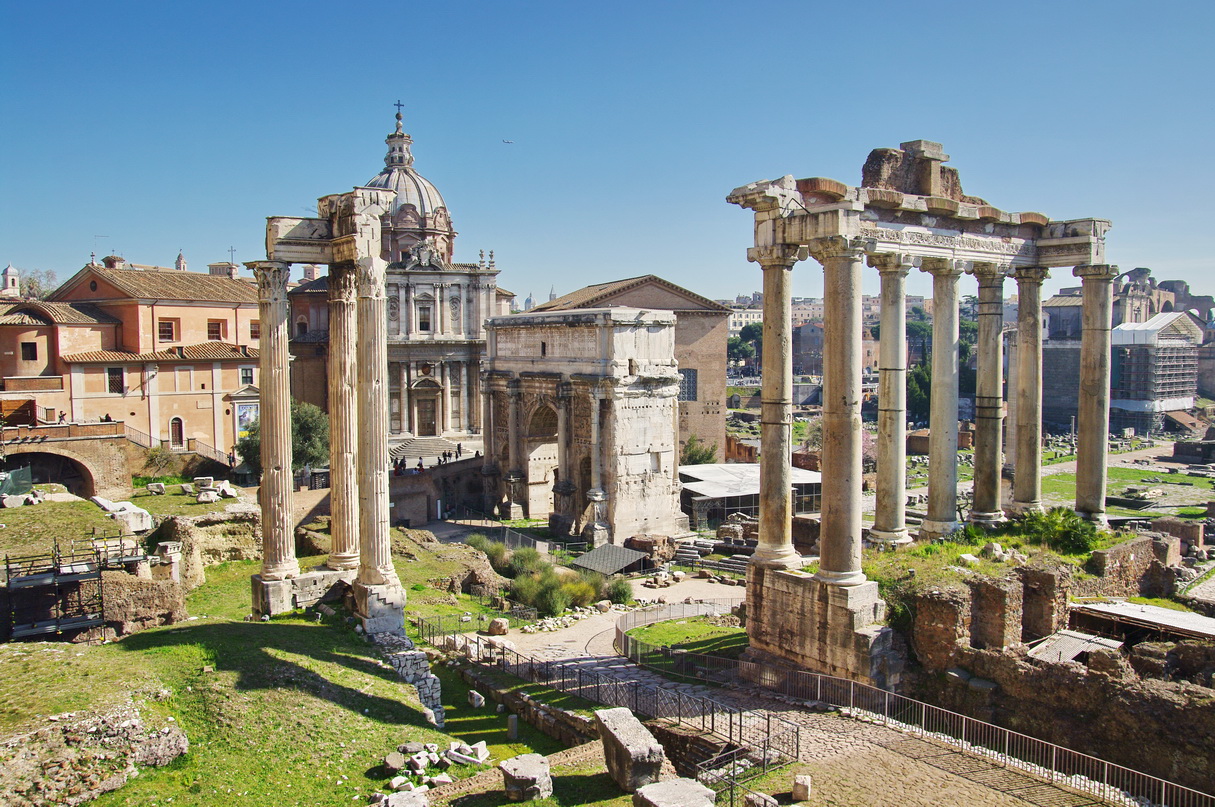
古罗马广场(Roman Forum)是古罗马时代的城市中心,其中还残留了些许的古罗马时期的重要建筑的废墟。屹立在此地的建筑物有提图斯凯旋门、奥古斯都凯旋门、塞维鲁凯旋门、凯撒神庙、灶神庙,维纳斯和罗马神庙。古罗马政治、宗教、商业、娱乐等建筑的聚集地又可以被称为“古罗马废墟”。
罗马市政府刻意保留了这块残垣断壁,为全人类留下了珍贵的文化遗产,这片古罗马废墟犹如大露天博物馆不仅吸引着全世界慕名而来的游客一探究竟,还吸引着众多考古工作者和历史学家前来探寻古罗马当时的生活百态,很具有考古价值。这片废墟其实最早是被破砖乱瓦覆盖,到十九世纪才被重见天日,古代劳动人民为我们留下了一片难得的建筑遗迹,让人联想到昔日的繁荣富裕的生活。公元前6世纪时开始建设,至西罗马帝国灭亡为止。广场上集中了大量宗教性和纪念性建筑物。广场的主要部分约长134米,宽63米。南北两侧各有一座巴西利卡(长方形会堂),供审判和集会用。广场东端是凯撒庙和奥古斯都凯旋门,西端是检阅台和另一座凯旋门。广场西北角的元老院和门前的集议场形成政治中心;凯撒庙和奥古斯都凯旋门以东的灶神庙和祭司长府是宗教中心。公元 4世纪建造君士坦丁巴西利卡之后,广场向东扩展,建造了第度凯旋门。西端在检阅台外还有两座公元初期的神庙。中世纪时,有几座古罗马时代建筑物被改成教堂。以后又不断拆取古建筑物的大理石,用于建筑或烧石灰,以致除少数建筑物外,广场建筑群仅存废墟。18世纪末开始发掘,并加以保护。罗马城旧广场的北面,从公元前1世纪到公元 2世纪初陆续建造了凯撒广场、奥古斯都广场、韦帕香广场、乃尔维广场和图拉真广场。它们各自按设计一次建成,平面为长方形,四周柱廊的一端建造神庙。凯撒广场有钱庄和演讲台,奥古斯都广场有演讲堂。这些广场都是为纪念个人功绩而建造的。
Das Forum Romanum in Rom ist das älteste römische Forum und war Mittelpunkt des politischen, wirtschaftlichen, kulturellen und religiösen Lebens. Es liegt in einer Senke zwischen den drei Stadthügeln Kapitol, Palatin und Esquilin und war der Ort vieler öffentlicher Gebäude und Denkmäler.
Ursprünglich ein von einem Bach durchzogenes, sumpfiges Tal, wurde es erst unter dem legendären etruskischen König Lucius Tarquinius Priscus zu Beginn des 7. Jahrhunderts v. Chr. in die Stadt einbezogen. Den Höhepunkt seines prachtvollen Ausbaus erlebte es in der Römischen Kaiserzeit.[1] Es ist heute eine der wichtigsten Ausgrabungsstätten des antiken Roms.
The Roman Forum, also known by its Latin name Forum Romanum (Italian: Foro Romano), is a rectangular forum (plaza) surrounded by the ruins of several important ancient government buildings at the center of the city of Rome. Citizens of the ancient city referred to this space, originally a marketplace, as the Forum Magnum, or simply the Forum.
For centuries the Forum was the center of day-to-day life in Rome: the site of triumphal processions and elections; the venue for public speeches, criminal trials, and gladiatorial matches; and the nucleus of commercial affairs. Here statues and monuments commemorated the city's great men. The teeming heart of ancient Rome, it has been called the most celebrated meeting place in the world, and in all history.[1] Located in the small valley between the Palatine and Capitoline Hills, the Forum today is a sprawling ruin of architectural fragments and intermittent archaeological excavations attracting 4.5 million or more sightseers yearly.[2]
Many of the oldest and most important structures of the ancient city were located on or near the Forum. The Roman Kingdom's earliest shrines and temples were located on the southeastern edge. These included the ancient former royal residence, the Regia (8th century BC), and the Temple of Vesta (7th century BC), as well as the surrounding complex of the Vestal Virgins, all of which were rebuilt after the rise of imperial Rome.
Other archaic shrines to the northwest, such as the Umbilicus Urbis and the Vulcanal (Shrine of Vulcan), developed into the Republic's formal Comitium (assembly area). This is where the Senate—as well as Republican government itself—began. The Senate House, government offices, tribunals, temples, memorials and statues gradually cluttered the area.
Over time the archaic Comitium was replaced by the larger adjacent Forum and the focus of judicial activity moved to the new Basilica Aemilia (179 BC). Some 130 years later, Julius Caesar built the Basilica Julia, along with the new Curia Julia, refocusing both the judicial offices and the Senate itself. This new Forum, in what proved to be its final form, then served as a revitalized city square where the people of Rome could gather for commercial, political, judicial and religious pursuits in ever greater numbers.
Eventually much economic and judicial business would transfer away from the Forum Romanum to the larger and more extravagant structures (Trajan's Forum and the Basilica Ulpia) to the north. The reign of Constantine the Great saw the construction of the last major expansion of the Forum complex—the Basilica of Maxentius (312 AD). This returned the political center to the Forum until the fall of the Western Roman Empire almost two centuries later.
Le Forum Romain ou Forum de Rome (Foro Romano en italien, Forum Romanum en latin), appelé aussi Forum Magnum (« Grand Forum ») ou Forum Vetus (« Vieux Forum »), est situé dans le site archéologique le plus important de Rome, entre les collines du Capitole et du Mont Palatin.
Le forum est la place principale de la Rome antique. Son importance historique, religieuse et politique en fait l'endroit autour duquel toute la vie de la ville s'articule : célébration de mariages, organisation de jeux, de combats de gladiateurs, de cérémonies et de fêtes religieuses, de défilés militaires (sur la Via Sacra), de proclamations politiques (par exemple lors de l'incinération de Jules César, en ce même lieu)..., il est le centre vivant de la ville, à l'image de l'agora, lieu de rassemblement politique et mercantile des cités grecques.
Il Foro Romano (in latino Forum Romanum, sebbene i Romani si riferissero ad esso più spesso come Forum Magnum o semplicemente Forum) è un'area archeologica di Roma racchiusa tra il Palatino, il Campidoglio, Via dei Fori Imperiali e il Colosseo, costituita dalla stratificazione dei resti di quegli edifici e monumenti di epoche eterogenee che per gran parte della storia antica di Roma rappresentarono il centro politico, giuridico, religioso ed economico della città di Roma, oltre che il centro nevralgico dell'intera civiltà romana.
Dall'età regia fino all'avvento dell'età medievale, la valle del Foro è stata teatro di eventi e sede di istituzioni di importanza tale da aver determinato a più riprese il corso storico della civiltà occidentale[1][2][3][4][5][6][7][8], e da aver influenzato in modo preponderante le basi politiche, giuridiche, culturali e filosofiche del pensiero occidentale.
Dopo una fase di declino iniziata nell'età tardoantica il Foro Romano è stato soggetto a frequenti spoliazioni e cambi di destinazione d'uso, fino a ritrovarsi, nel XVI secolo, quasi completamente interrato e stabilmente utilizzato come pascolo per i bovini, da cui il nomignolo di Campo Vaccino[9][10].
Grazie alle imponenti ristrutturazioni urbanistiche dell'Italia post-unitaria e del periodo fascista, l'area del Foro è stata gradualmente riportata alla luce, studiata, e musealizzata, diventando con il Colosseo e il Palatino uno dei siti archeologici più illustri e visitati al mondo[11].
El Foro Romano (en latín, Forum Romanum, aunque los romanos se referían a él comúnmente como Forum Magnum o simplemente Forum) era el foro de la ciudad de Roma, es decir, la zona central, semejante a las plazas centrales en las ciudades actuales, donde se encuentran las instituciones de gobierno, mercado y religión. Al igual que hoy en día era donde tenían lugar el comercio, los negocios, la prostitución, la religión y la administración de justicia. En él se situaba el hogar comunal. Series de restos de pavimento muestran que sedimentos erosionados desde las colinas circundantes ya estaban elevando el nivel del foro en la primera época de la República. Originalmente había sido un terreno pantanoso, que fue drenado por los Tarquinios mediante la Cloaca Máxima. Su pavimento de travertino definitivo, que aún puede verse, data del reinado de César Augusto.
Actualmente es famoso por sus restos, que muestran elocuentemente el uso de los espacios urbanos durante el Imperio Romano. El Foro Romano incluye los siguientes monumentos, edificios y demás ruinas antiguas importantes:
- Templo de Cástor y Pólux
- Templo de Rómulo
- Templo de Saturno
- Templo de Vesta
- Templo de Venus y Roma
- Basílica Emilia
- Basílica Julia
- Arco de Septimio Severo
- Arco de Tito
- Rostra (plural de rostrum), la tribuna desde donde los políticos daban sus discursos a los ciudadanos romanos.
- Curia Julia, sede del Senado.
- Basílica de Majencio y Constantino
- Tabulario
- Templo de Antonino y Faustina
- Regia
- Templo de Vespasiano y Tito
- Templo de la Concordia
- Templo de Jano
Un camino procesional, la Vía Sacra, cruza el Foro Romano conectándolo con el Coliseo. Al final del Imperio perdió su uso cotidiano quedando como lugar sagrado.
El último monumento construido en el Foro fue la Columna de Focas. Durante la Edad Media, aunque la memoria del Foro Romano persistió, los edificios fueron en su mayor parte enterrados bajo escombros y su localización, la zona entre el monte Capitolino y el Coliseo, fue designada Campo Vaccinio o ‘campo bovino’. El regreso del papa Urbano V desde Aviñón en 1367 despertó un creciente interés por los monumentos antiguos, en parte por su lección moral y en parte como cantera para construir nuevos edificios. Se extrajo gran cantidad de mármol para construcciones papales (en el Vaticano principalmente) y para cocer en hornos creados en el mismo foro para hacer cal. Miguel Ángel expresó en muchas ocasiones su oposición a la destrucción de los restos. Artistas de finales del siglo XV dibujaron las ruinas del Foro, los anticuarios copiaron inscripciones desde el siglo XVI y una excavación profesional fue comenzada a finales del siglo XVIII. Un cardenal tomó medidas para drenarlo de nuevo y construyó el barrio Alessadrine sobre él. No obstante, la excavación de Carlo Fea, quien empezó a retirar los escombros del Arco de Septimio Severo en 1803, y los arqueólogos del régimen napoleónico marcaron el comienzo de la limpieza del Foro, que no fue totalmente excavado hasta principios del siglo XX.
En su estado actual, se muestran juntos restos de varios siglos, debido a la práctica romana de construir sobre ruinas más antiguas.
Existieron foros en otras zonas de la ciudad, conservándose restos en ocasiones considerables de la mayoría de ellos. Los foros en la antigua ciudad de Roma eran los siguientes:
- Los más importantes son los grandes foros imperiales (o Fori Imperiali), que formaban un complejo con el Foro Romano. Estos eran el Foro de César (o Forum Iulium), el Foro de Augusto (o Forum Augustum), el Foro de Nerva (o Forum Transitorium) y el Foro de Trajano. Los planificadores del régimen de Mussolini retiraron la mayor parte de los estratos medievales y barrocos y construyeron una carretera entre los foros imperiales y el Foro.
- El Foro Boario (o Forum Boarium), entre el monte Palatino y el río Tíber, que estaba dedicado al comercio de ganado.
- El Foro Holitorio (o Forum Holitorium), entre el monte Capitolino y las murallas servianas, que estaba dedicado al comercio de hierbas y verduras.
- El Forum Piscarium, entre el monte Capitolino y el Tíber, en la zona del actual gueto de Roma, que estaba dedicado al comercio de pescado.
- El Forum Suarium, cerca de los barracones de las cohortes urbanae, en la parte norte del campo de Marte, que estaba dedicado al comercio del cerdo.
- El Forum Vinarium, en la zona del actual rione Testaccio, entre el monte Aventino y el Tíber, que estaba dedicado al comercio del vino.
- Existían otros mercados, pero no son correctamente identificables debido a la falta de información precisa o la pluralidad de ubicaciones. Entre éstos está el Forum cuppedinis, dedicado al comercio genérico de varias clases de bienes.
Ubicación geográfica:  41°53′33.12″N 12°29′8.5″E