Deutsch-Chinesische Enzyklopädie, 德汉百科
 Musik
Musik


 Baden-Württemberg
 Urlaub und Reisen


 Architektur

 Darstellende Künste


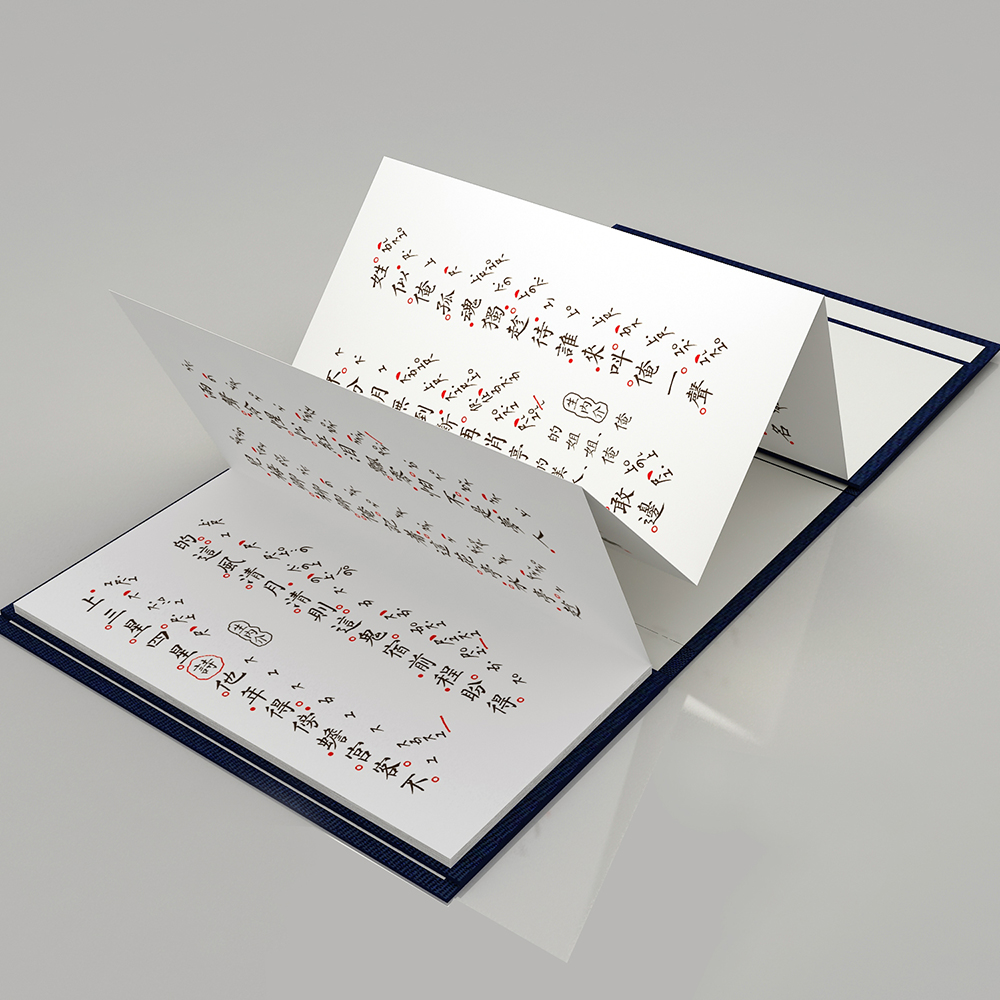
工尺chě谱是汉字文化圈特有的记谱法,源自中国唐朝时期,后传至日本、越南、朝鲜半岛、琉球等使用汉字的地区,属于文字谱的一种。今天只有传统戏曲的伶人和学习者还会使用工尺谱来演唱或记谱。
工尺谱在传统写法上由右而左直行,如同文字,但是现在亦可作横排书写。
工尺谱并非绝对音名,而是一种“可移调”(movable-do)的记谱法,和英美音乐的唱名(Solfège:do, re, mi, fa, so, la, si)类似。在中国不同地区,因为方言的差异,工尺谱所用的字会略有不同。下面的例子是工尺谱和简谱以及西方唱名的对照:
| 工尺 | 上 | 尺 | 工 | 凡 | 六 | 五 | 乙 |
|---|---|---|---|---|---|---|---|
| 简谱 | 1 | 2 | 3 | 4 | 5 | 6 | 7 |
| 唱名 | do | re | mi | fa | sol | la | ti |
| 日本简写 | ル | 人 | フ | り | 久 | ゐ |
Gongche notation or gongchepu is a traditional musical notation method, once popular in ancient China. It uses Chinese characters to represent musical notes. It was named after two of the Chinese characters that were used to represent musical notes, namely "工" gōng and "尺" chě.
Sheet music written in this notation is still used for traditional Chinese musical instruments and Chinese operas. However the notation is becoming less popular, replaced by mostly jianpu (numbered musical notation) and sometimes the standard western notation.
The notation usually uses a movable "do" system. There are variations of the character set used for musical notes. A commonly accepted set is shown below with its relation to jianpu and solfege.
| Gongche | 上 shàng |
尺 chě |
工 gōng |
凡 fán |
六 liù |
五 wǔ |
乙 yǐ |
|---|---|---|---|---|---|---|---|
| Jianpu | 1 | 2 | 3 | (4) | 5 | 6 | (7) |
| Movable do solfège syllable | do | re | mi | (between fa and fa♯) | sol | la | (between ti♭ and ti) |
| Simplified Japanese notation | ル | 人 | フ | り | 久 | ゐ | L |
歌特金属如果要分得话,也只能够再分成传统歌特金属和交响歌特金属了,但是我认为没有这个必要,所以歌特金属我不再做分类,只列举代表乐队:瑞士的Lacrimosa(以泪洗面);瑞典的Therion(兽神)、Katatonia、 Lake Of Tears(泪湖);芬兰的Nightwish(夜愿)、Yearning(渴望)、Eternal Tears of Sorrow (永恒的悲伤之泪);挪威的Tristania(特瑞斯坦)、The Sins Of Thy Beloved(汝爱之罪)、 Theatre Of Tragedy(悲剧院);德国的Lacrimas Profundere(悲泪挽歌)、Evereve、Darkseed(黑暗种子);荷兰的The Gathering(聚集)、Within Temptation(诱惑本质);意大利的Lacuna Coil(缠绕空白)、 Macbeth(麦克白);奥地利的In Grey(灰色中);葡萄牙的Moonspell(月咒)。
德国第一部现实主义历史剧。葛兹原是16世纪德国的一个没落骑士,他曾一度参加农民起义,后来背叛了农民。葛兹作为一个骑士、作为一个垂死阶级的代表,起来反对现存制度的行动,是骑士阶级对皇帝和封建领主的悲剧性的对抗。但是,在歌德的笔下,葛兹被写成一个反对封建暴政、争取自由和统一的英雄,他深切的同情人民的苦难,斥责争取权利、祸国殃民的诸侯,因而受到人民的爱戴。剧中对于当时黑暗社会的谴责,对于自由和统一的热烈向往,对于个人反抗的英雄的歌颂,都表现了狂飙突进运动的精神。在艺术上,剧中采用了莎士比亚戏剧创作的方法。
 Niederösterreich