
Deutsch-Chinesische Enzyklopädie, 德汉百科
 Spain
Spain
 European Union
 Geography
Geography
Geography
 ***IMF Developed countries
IMF Developed countries
IMF Developed countries
TOP3
***IMF Developed countries
IMF Developed countries
IMF Developed countries
TOP3
 NATO members
Spain
NATO members
Spain
 States of Europe

西班牙是一个高度发达的资本主义国家,是欧盟和北约成员国,还是欧元区第五大经济体。
西班牙王国(西班牙语:Reino de España),通称西班牙(España),古籍译为日斯巴尼亚或以西巴尼亚,《圣经》曾译为“士班雅”[9],是位于欧洲西南部的君主立宪国家,与葡萄牙和安道尔同处于伊比利亚半岛,东北部与法国、安道尔接壤,国土面积则占伊比利亚半岛的五分之四。其领土还包括地中海中的巴利阿里群岛、大西洋的加那利群岛、以及在非洲北部的休达和梅利利亚。首都兼最大都市为马德里。
由于位处欧洲与非洲的交界,西班牙自史前时代以来就一直受许多外来影响,中世纪时有多国并立,至15世纪始建立单一国家,在近代史上是影响其他地区文化的重要发源地。其全球帝国兴盛时给世界带来的影响是,现今全球有5亿人口使用西班牙语,使西班牙语成为世界上总使用人数第三多,母语人数第二多的语言。西班牙为中等发达国家,拥有较高的社会福利,人均GDP在三万美元左右,拥有发达国家里较高的失业率。
Spanien (spanisch [esˈpaɲa], amtlich Königreich Spanien, spanisch Reino de España [ˈrejno ð(e) esˈpaɲa]) ist ein Staat auf der Iberischen Halbinsel im Südwesten Europas mit zwei Exklaven in Nordafrika.

Staatsform ist eine parlamentarische Erbmonarchie. Spanien untergliedert sich in 17 autonome Gemeinschaften und zwei autonome Städte (spanisch ciudades autónomas), Ceuta und Melilla. Die Hauptstadt und größte Metropole ist Madrid, weitere Ballungszentren sind Barcelona, Valencia, Sevilla, Bilbao, Zaragoza und Málaga.
Spanien ist Mitglied der UNO, der EU, der OECD und der NATO. Es zählt zu den sehr hoch entwickelten Ländern und zu den 20 größten Export- und Importnationen (2017).[5] Spanien ist nach Frankreich das am zweithäufigsten besuchte Land der Welt.[6]
 Education and Research
Belgium
Breakthrough Prize
Fundamental Physics Breakthrough Prize
Bulgaria
Denmark
Germany
Finland
France
Greece
Israel
Italy
Netherlands
Norwegen
Austria
Poland
Portugal
Romania
Sweden
Switzerland
Genf
Serbia
Slovakia
Spain
Czech Republic
Hungary
United Kingdom
Education and Research
Belgium
Breakthrough Prize
Fundamental Physics Breakthrough Prize
Bulgaria
Denmark
Germany
Finland
France
Greece
Israel
Italy
Netherlands
Norwegen
Austria
Poland
Portugal
Romania
Sweden
Switzerland
Genf
Serbia
Slovakia
Spain
Czech Republic
Hungary
United Kingdom
 Important International Organizations
 Science and technology
*World famous research institutions
Science and technology
*World famous research institutions
欧洲核子研究中心(法语:Organisation Européenne pour la Recherche Nucléaire;英文:European Organization for Nuclear Research,通常被简称为CERN ),是世界上最大的粒子物理学实验室,也是万维网的发祥地。它成立于1954年9月29日,总部位于瑞士日内瓦西北部郊区的法瑞边境上,享有治外法权。CERN目前有21个成员国。以色列是第一个也是目前唯一一个非欧洲成员国。
CERN也被用来称呼它的实验室,其主要功能是为高能物理学研究的需要,提供粒子加速器和其它基础设施,以进行许多国际合作的实验。同时也设立了资料处理能力很强的大型电脑中心,协助实验数据的分析,供其他地方的研究员使用,形成了一个庞大的网络中枢。
欧洲核子研究中心现在已经聘用大约三千名的全职员工。并有来自80个国籍的大约6500位科学家和工程师,代表500余所大学机构,在CERN进行试验。这大约占了世界上的粒子物理学圈子的一半。
粒子物理学博物馆欢迎一般公众在办公时间参观。除此之外,事前预约的话每天上下午共有两个时段可以参观实际的实验工作,并备有导览说明。导览员来自各国的实验合作者,可以提供多种语言的向导。
Das CERN, die Europäische Organisation für Kernforschung, ist eine Großforschungseinrichtung bei Meyrin im Kanton Genf in der Schweiz. Am CERN wird physikalische Grundlagenforschung betrieben, insbesondere wird mit Hilfe großer Teilchenbeschleuniger der Aufbau der Materie erforscht. Der derzeit bedeutendste ist der Large Hadron Collider, der 2008 in Betrieb genommen wurde.
Das Akronym CERN leitet sich vom französischen Namen des Rates ab, der mit der Gründung der Organisation beauftragt war, dem Conseil européen pour la recherche nucléaire. Die offiziellen Namen des CERN sind European Organization for Nuclear Research im Englischen beziehungsweise Organisation européenne pour la recherche nucléaire im Französischen.[1]
Derzeit hat das CERN 22 Mitgliedstaaten. Mit etwa 3.200 Mitarbeitern (Stand: 31. Dezember 2015)[2] ist das CERN das weltweit größte Forschungszentrum auf dem Gebiet der Teilchenphysik. Über 10.000 Gastwissenschaftler[2] aus 85 Nationen arbeiten an CERN-Experimenten. Das Jahresbudget des CERN belief sich 2014 auf ungefähr 1,11 Milliarden Schweizer Franken (ca. 1 Milliarde Euro).[3]
Das CERN ist außerdem der Geburtsort des World Wide Web.[4]
 Architecture
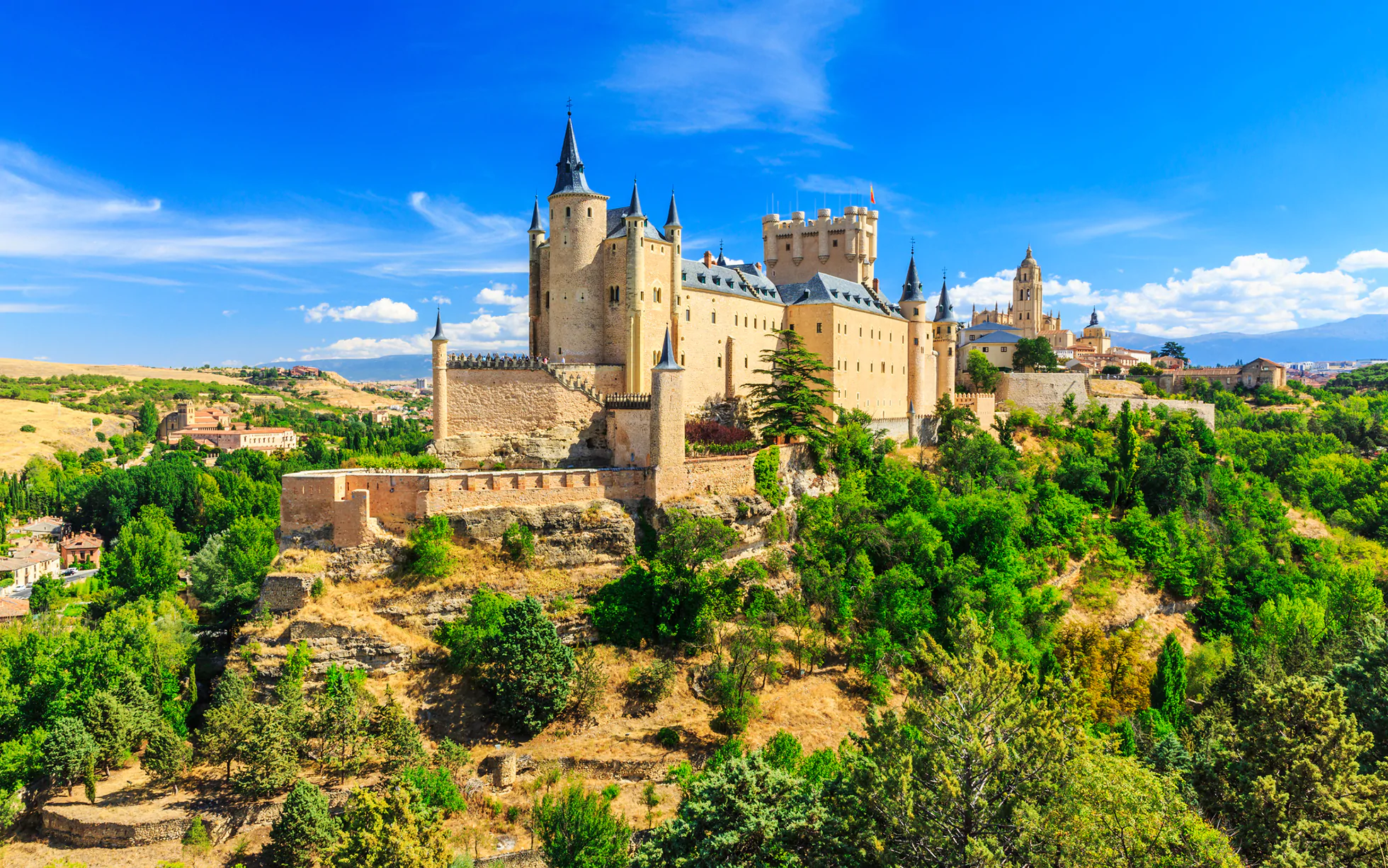
Der Alcázar von Segovia ist eine Burg in der spanischen Stadt Segovia in der autonomen Gemeinschaft Kastilien-León.
Der Alcázar von Segovia zählt zu den bekanntesten Burgen in Spanien. Der Baubeginn wird auf das 11. Jahrhundert datiert, nachdem die Christen im Zuge der Reconquista die Kontrolle über Segovia erlangten. Der Bauherr war Alfons VI. Die Burg wurde auf einem schmalen Bergrücken zwischen den Flüssen Eresma und Clamores errichtet. Dadurch wurde die Errichtung einer Motte und eines Ringgrabens obsolet. Segovia war im Laufe der Jahrhunderte immer wieder Residenz der spanischen Könige. So fügten viele Herrscher immer neue Merkmale und individuelle Bauvorstellungen in die Burganlage ein. Bestes Beispiel ist der massive rechteckige Donjon gegenüber dem alten runden. Johann II. ließ ihn im 15. Jahrhundert errichten. Auf dem Foto ist dieser Donjon im Hintergrund gerade noch zu erkennen.
Der Donjon hat zwölf einzelne Türme an der Oberkante, gleichzeitig Aussichtsterrasse. Unterhalb der Türme sind gesondert mehrere Pechnasen angebracht. Chroniken zufolge beherbergte er mehrere Wohnräume.
Der Rundgang durch die weiteren Gebäude des Schlosses führt über Waffensaal und Thronsaal zu dem „Saal der Könige“. Dieser Saal war einer der sechs Festsäle der Burg, in dem von Beginn an 34 Goldstatuen spanischer Könige aufgestellt waren. Philipp II. erweiterte diese Sammlung auf 56 Stück.
Eine wirkliche Ringmauer gibt es nicht. Die Anlage ist in sich allerdings so massiv und schwer zugänglich, dass eine zusätzliche Ringmauer nur unnötige Kosten verursacht hätte. Wohl aber hat man auf dem Zugangsweg eine kleinere Mauer mit einem turmbewehrten Torhaus gebaut.
Eine enge Passage führt in den alten Hof mit dem alten runden Donjon. Das Innere der Burg wurde 1862 durch ein Feuer beschädigt, doch teilweise restauriert.
Zum ersten Mal wird der Alcázar in einem Dokument aus dem 12. Jh. genannt, kurz nach der Wiedereroberung der Stadt durch Alfons VI. Während des Mittelalters war die Festung bevorzugte Wohnburg der kastilischen Könige. Isabella die Katholische ritt von dort aus am 13. Dezember 1474 zur Plaza Mayor, um sich zur rechtmäßigen Königin proklamieren zu lassen. Im "Galeerensaal", benannt nach seiner Deckenstruktur in Form eines umgedrehten Schiffsrumpfes, deutet ein modernes Wandgemälde des zeitgenössischen Malers Muñoz de Pablos auf dieses Ereignis hin.
In der kleinen Kapelle des Alcázars fand 1570 die Vermählung Philipps II. mit Anna von Österreich statt.
塞哥维亚(Segovia)城堡位于塞哥维亚城西端,城堡所处的位置正好是当时西班牙北部城市卡斯提尔(Castile)的要冲上,临崖而建的塞哥维 亚城堡(AlcazardeSegovia),因战略考虑,拥有绝佳的视野,入口还有10多公尺深的护城河,以防范敌人攻入城中。这座城堡始建于12世 纪,但15世纪初才有比较积极的建筑动作,完工时间约在1455年,不过,这里曾在1862年发生火灾,因此目前所见大部分为19世纪的重建结果。由于古 堡的独特地理位置所以在西班牙不同的历史时期,城堡总是各种势力争相抢夺的对象。
塞哥维亚城堡(Alcázar de Segovia)是一座造型独特的石砌城堡,位于西班牙塞哥维亚旧城西北角,埃雷斯马河(Eresma) 和克拉莫雷斯河(Clamores)汇流处的岩石峭壁之上,接近瓜达拉马山。这座城堡最初只是一个堡垒,后来用作王宫、监狱、皇家炮兵学院和军事学院。
塞哥维亚城堡与西班牙许多城堡一样,最初是一个阿拉伯堡垒。第一次提到这个城堡是在1120年,塞哥维亚城回到基督徒手中32年之后。
 Royalty
 Cities founded by the Romans
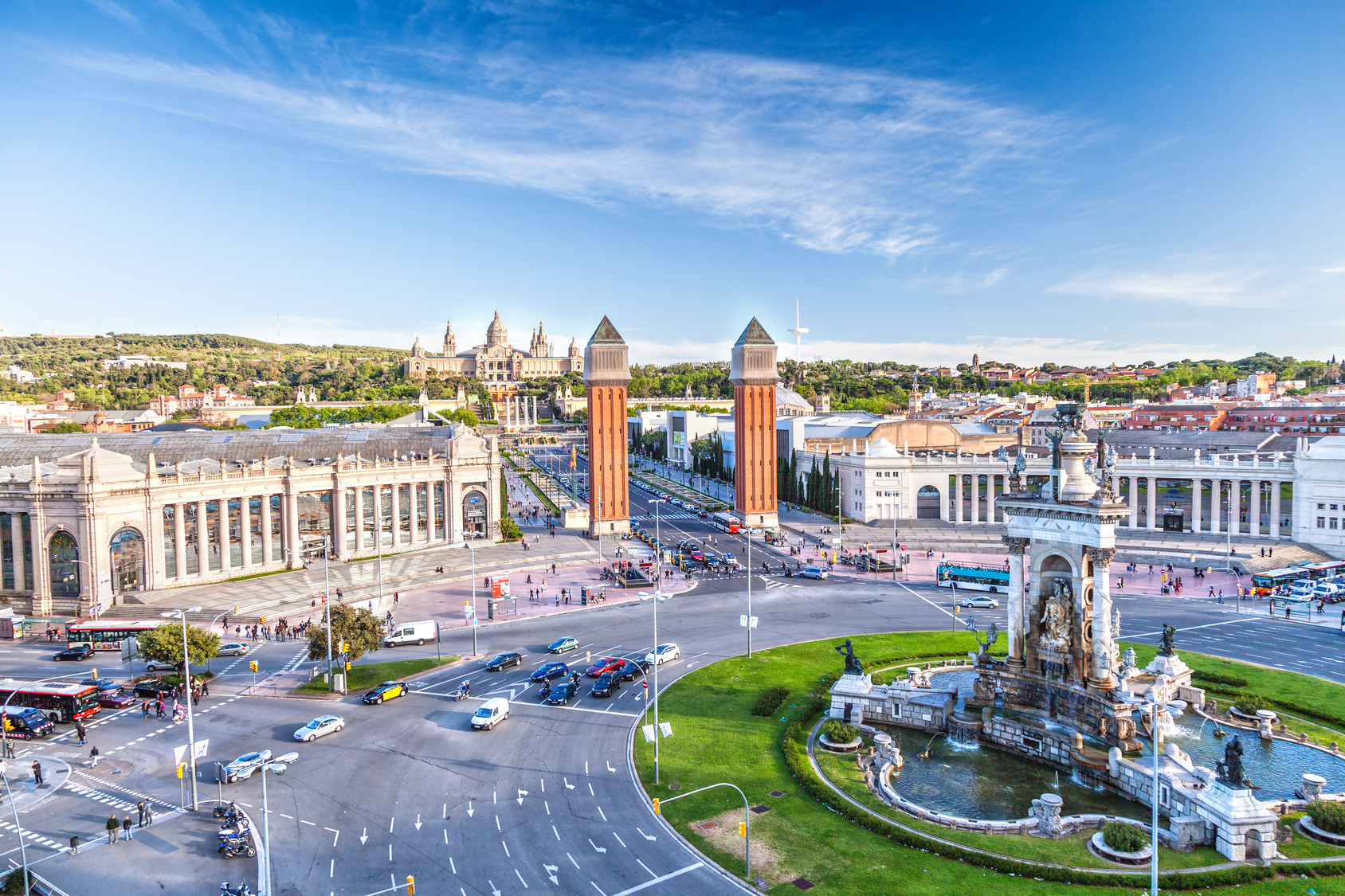
相传巴塞罗那由迦太基将领、汉尼拔的父亲哈米尔卡·巴卡所兴建,在其漫长的历史上还曾作为巴塞罗那伯爵领地和阿拉贡王国的都城。巴塞罗那因其众多历史建筑和文化景点成为众多旅游者的目的地,其中之代表是被列入联合国世界遗产的安东尼·高第和路易·多门内克·蒙塔内的建筑作品。安东尼·高第一直在巴塞罗那生活和工作,在这里有他很多的作品,其中最著名的包括桂尔宫、桂尔公园和圣家堂。巴塞罗那尚有两个知名的足球俱乐部:巴塞罗那和皇家西班牙人,其中巴塞罗那是世界最著名的足球俱乐部之一。
Barcelona (katalanisch [bəɾsəˈɫonə]; spanisch [baɾθeˈlona]; deutsch [baɐ̯səˈloːna] oder [baɐ̯t͡səˈloːna]) ist die Hauptstadt Kataloniens und nach Madrid die zweitgrößte Stadt Spaniens. Sie liegt am Mittelmeer, circa 120 Kilometer südlich der Pyrenäen und der Grenze zu Frankreich. Barcelona ist Verwaltungssitz der gleichnamigen Provinz und der Comarca Barcelonès.
Innerhalb des Stadtgebietes leben etwa 1,65 Millionen Menschen. Damit ist Barcelona die elftgrößte Gemeinde der Europäischen Union, nach Hamburg die zweitgrößte, die nicht die Hauptstadt eines Mitgliedstaates ist, und nach Paris die am zweitdichtesten besiedelte Millionenstadt Europas. Zusammen mit den in der Àrea Metropolitana de Barcelona zusammengeschlossenen Gemeinden der Agglomeration beträgt die Einwohnerzahl 3,16 Millionen. Im weiteren Einzugsbereich der Metropolregion (Àmbit Metropolità de Barcelona) leben insgesamt 4,86 Millionen Menschen. Mit jährlich mehr als sieben Millionen Touristen aus dem Ausland zählt Barcelona überdies zu den drei meistbesuchten Städten Europas.[2]
Barcelona (/ˌbɑːrsəˈloʊnə/ BAR-sə-LOH-nə, Catalan: [bəɾsəˈlonə], Spanish: [baɾθeˈlona]) is a city in Spain. It is the capital and largest city of Catalonia, as well as the second most populous municipality of Spain. With a population of 1.6 million within city limits,[5] its urban area extends to numerous neighbouring municipalities within the Province of Barcelona and is home to around 4.8 million people,[3][7] making it the sixth most populous urban area in the European Union after Paris, London, Madrid, the Ruhr area and Milan.[3] It is the largest metropolis on the Mediterranean Sea, located on the coast between the mouths of the rivers Llobregat and Besòs, and bounded to the west by the Serra de Collserola mountain range, the tallest peak of which is 512 metres (1,680 feet) high.
Founded as a Roman city, in the Middle Ages Barcelona became the capital of the County of Barcelona. After merging with the Kingdom of Aragon, Barcelona continued to be an important city in the Crown of Aragon as an economic and administrative centre of this Crown and the capital of the Principality of Catalonia. Barcelona has a rich cultural heritage and is today an important cultural centre and a major tourist destination. Particularly renowned are the architectural works of Antoni Gaudí and Lluís Domènech i Montaner, which have been designated UNESCO World Heritage Sites. The headquarters of the Union for the Mediterranean are located in Barcelona. The city is known for hosting the 1992 Summer Olympics as well as world-class conferences and expositions and also many international sport tournaments.
Barcelona is one of the world's leading tourist, economic, trade fair and cultural centres, and its influence in commerce, education, entertainment, media, fashion, science, and the arts all contribute to its status as one of the world's major global cities.[8][9] It is a major cultural and economic centre in southwestern Europe, 24th in the world (before Zürich, after Frankfurt)[10] and a financial centre. In 2008 it was the fourth most economically powerful city by GDP in the European Union and 35th in the world with GDP amounting to €177 billion.[11] In 2012 Barcelona had a GDP of $170 billion; and it was leading Spain in employment rate in that moment.[12]
In 2009 the city was ranked Europe's third and one of the world's most successful as a city brand.[13] In the same year the city was ranked Europe's fourth best city for business and fastest improving European city, with growth improved by 17% per year,[14] and the city has been experiencing strong and renewed growth for the past three years. Since 2011 Barcelona has been a leading smart city in Europe.[15] Barcelona is a transport hub, with the Port of Barcelona being one of Europe's principal seaports and busiest European passenger port,[16] an international airport, Barcelona–El Prat Airport, which handles over 40 million passengers per year,[17] an extensive motorway network, and a high-speed rail line with a link to France and the rest of Europe.[18]
Barcelone (Barcelona en catalan, prononcé /bəɾsəˈlonə/, et en espagnol, prononcé /baɾθeˈlona/) est la capitale administrative et économique de la Catalogne, de la province de Barcelone, de la comarque du Barcelonès ainsi que de son aire et de sa région métropolitaines, en Espagne.
Barcelone est la deuxième ville d'Espagne en termes de population, d'économie et d'activités, la onzième ville la plus peuplée de l'Union européenne et la sixième en incluant sa banlieue4: 4,84 millions de personnes vivent dans l'agglomération barcelonaise5. La majeure partie des municipalités adjacentes sont en outre rassemblées dans l'Aire métropolitaine de Barcelone.
Située sur le littoral méditerranéen, elle est traversée par les fleuves Llobregat et Besòs et bordée à l'ouest par la serra de Collserola qui culmine à 512 mètres (sommet : Tibidabo). Elle est considérée comme ville mondiale en raison de son importance dans les domaines de la finance, du commerce international, de l'édition, des arts, du divertissement et des médias. Barcelone est donc un centre économique majeur qui jouit de surcroît d'un des principaux ports méditerranéens et du deuxième aéroport espagnol derrière celui de Madrid-Barajas. Elle est aussi la ville qui possède le plus grand parc métropolitain du monde, le parc Collserola, devant Central Park à New York. Ayant été fondée par les Romains, la ville devint la capitale des comtes de Barcelone puis l'une des villes majeures de la Couronne d'Aragon et, après, la capitale de la principauté de Catalogne. Redessinée plusieurs fois pendant son histoire, elle est une destination touristique majeure et jouit d'un patrimoine culturel unique. Le palais Güell (en 1984), la Casa Milà, le parc Güell, le palais de la musique catalane et l'hôpital de Sant Pau figurent d'ailleurs sur la liste du patrimoine mondial de l'UNESCO. En outre, la ville est également connue pour avoir accueilli les Jeux olympiques en 1992 et, plus récemment, le siège de l'union pour la Méditerranée. Chaque année, les visiteurs arrivent par milliers et le nombre augmente de plus en plus. En 2015, un total de 8 988 038 touristes ont visité Barcelone6.
Barcellona (AFI: /barʧelˈlona/[1]; in catalano e spagnolo Barcelona) è una città di 1.620.809 abitanti (area metropolitana istituzionale: 3.239.337 abitanti) della Spagna, capoluogo della Catalogna, una comunità autonoma della parte nord-orientale dello Stato, oltre che dell'omonima provincia e della comarca del Barcelonès. Soprannominata Ciutat Comtal o Ciudad Condal (Città dei Conti), è la seconda città della Spagna per numero di abitanti dopo la capitale Madrid.
Nel 1992 fu sede dei Giochi Olimpici estivi. Nel 2004 vi si è tenuto per la prima volta assoluta il Forum Universale delle Culture, la città ha ospitato l'Esposizione internazionale del 1888 e quella del 1929, ed è la sede fissa del Mobile World Congress e dell'Unione per il Mediterraneo. Forte del turismo, del porto e della vicinanza alla Francia (160 km da Le Perthus), la città è il secondo maggior centro industriale e finanziario della Spagna dopo Madrid, nonché il maggior porto commerciale e turistico e uno dei maggiori d'Europa.
Barcelona es una ciudad española, capital de la comunidad autónoma de Cataluña, de la comarca del Barcelonés y de la provincia homónima.
Con una población de 1 620 809 habitantes en 2017,6 es la segunda ciudad más poblada de España después de Madrid, y la undécima de la Unión Europea. El área metropolitana de Barcelona, incluida en el ámbito metropolitano de Barcelona, cuenta con 5 029 181 habitantes (2011), siendo así la sexta ciudad de mayor población de la Unión Europea.78
Se ubica a orillas del mar Mediterráneo, a unos 120 km al sur de la cadena montañosa de los Pirineos y de la frontera con Francia, en un pequeño llano litoral limitado por el mar al este, la sierra de Collserola al oeste, el río Llobregat al sur y el río Besós al norte. Por haber sido capital del condado de Barcelona, se suele aludir a ella con la denominación antonomástica de Ciudad Condal.
La historia de Barcelona se extiende a lo largo de 4000 años, desde finales del Neolítico, con los primeros restos hallados en el territorio de la ciudad, hasta la actualidad. El sustrato de sus habitantes aúna a los pueblos íberos, romanos, judíos, visigodos, musulmanes y cristianos. Como capital de Cataluña y segunda ciudad en importancia de España, la Ciudad Condal ha forjado su relevancia con el tiempo, desde ser una pequeña colonia romana hasta convertirse en una ciudad valorada internacionalmente por aspectos como su economía, su patrimonio artístico, su cultura, su deporte y su vida social.
Barcelona ha sido escenario de diversos acontecimientos internacionales que han contribuido a consolidarla, desarrollarla y darle proyección mundial. Los más relevantes han sido la Exposición Universal de 1888, la Exposición Internacional de 1929, los Juegos Olímpicos de 1992 y el Fórum Universal de las Culturas 2004. Es también sede del secretariado de la Unión para el Mediterráneo.9
En la actualidad, Barcelona está reconocida como una ciudad global por su importancia cultural, financiera, comercial y turística. Posee uno de los puertos más importantes del Mediterráneo y es también un importante punto de comunicaciones entre España y Francia, debido a las conexiones por autopista y alta velocidad ferroviaria. El aeropuerto de Barcelona-El Prat, situado a 15 km del centro de la ciudad, fue utilizado por más de 47,2 millones de pasajeros en 2017.10
Geography
Geography
*World's Most Livable Cities
 History
 International cities
*European Capital of Culture
League of Legends
League of Legends
League of Legends World Championship
International cities
*European Capital of Culture
League of Legends
League of Legends
League of Legends World Championship
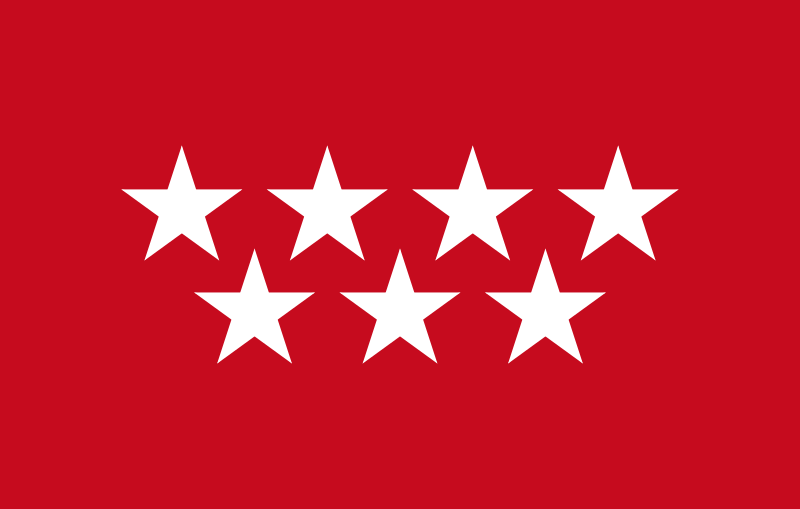 Madrid
Spain
Madrid
Madrid
Spain
 World Heritage
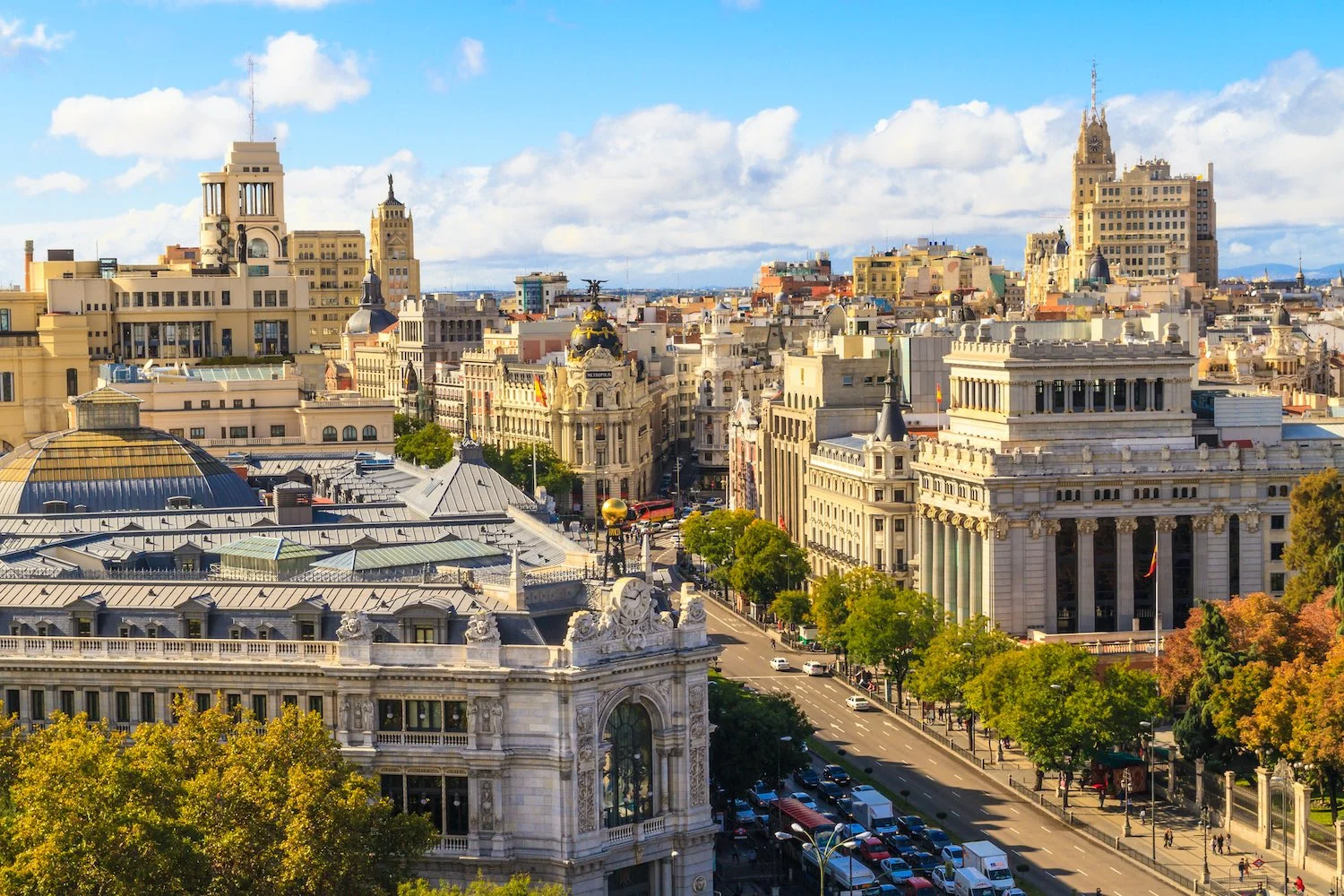
西班牙首都,第一大城市,全国经济、交通中心,马德里省首府。市区面积607平方千米,人口约310.1万,包括郊区和卫星城镇在内,面积 1020 平方千米,人口约 468.7 万。位于伊比利亚半岛梅塞塔高原中部,瓜达拉马山脉东南麓的山间高原盆地中,海拔 670 米,为欧洲地势最高的首都。地形闭塞 ,气候大陆性显著 ,降水少,气温年差较大。1月平均气温4.8℃,7月25℃,年降水量425毫米。
西班牙首都马德里(Madrid)是欧洲著名的历史古城。位于伊比利亚半岛中心,地处梅塞塔高原,海拔670米,是欧洲地势最高的首都。有人口301. 6万人(2002年)。
十一世纪前它是摩尔人的要塞,古称“马吉利特”。1561年西班牙国王菲利普二世迁都于此。十九世纪时发展为大城市。1936年至1939年西班牙内战时,曾在此进行著名的马德里保卫战。
马德里市内文物荟萃,有许多名胜古迹和世界闻名的绘画展览馆──普拉多博馆等。
市 内现代化的高楼大厦与风格迥异的古建筑摩肩并立、相映生辉。树林、草坪和各种造型别致的喷泉和雕有古代小亚细亚人尊崇的自然女神尼贝莱塑像喷泉最吸人入 胜。宏伟的阿尔卡拉门座落在阿尔卡拉街头的独立广场上,共有5道拱门,是马德里著名的古建筑之一。财政部、教育部和西班牙的主要银行座落在阿尔卡拉大街两 侧,建于1752年的王家美术学院收藏着牟利罗和戈雅等西班牙美术大师的名作。巍峨的塞万提斯纪念碑耸立在西班牙广场上,碑前有堂吉诃德和桑科·潘扎的塑 像,巨大的碑身倒映在前面的水池之中,碑两侧是葱郁的树木;有“马德里塔”之称的西班牙摩天大厦位于广场一侧。
(Quelle:http://madeli.yiji.com/postdetail_619481.html)
马德里(西班牙语:Madrid,西班牙语发音:[maˈðɾið] (ⓘ))是西班牙首都及最大都市,也是马德里自治区首府,其位置处于西班牙国土中部,曼萨纳雷斯河贯穿市区。市内人口约340万,都会区人口则约627.1万(2010年),均占西班牙首位。其建城于9世纪,是在摩尔人边贸站“马格立特”旧址上发展起来的城市;1561年,西班牙国王腓力二世将首都从托莱多迁入于此[注 1],由于其特殊的地位而得到迅速的发展,成为往后西班牙殖民帝国的运筹中心[8],现今则与巴塞罗那并列为西班牙的两大对外文化窗口。
马德里和其近郊组成的马德里大都市区为欧盟第三大城市经济体,仅次于巴黎和米兰。马德里拥有2个世界著名的足球俱乐部,皇家马德里和马德里竞技。同时,在生活水平、经济产出和市场规模方面,马德里是南欧[9][10]和伊比利亚半岛最重要的国际金融中心,同时也是欧洲和拉丁美洲之间的主要贸易通道。[11]绝大多数西班牙国内企业的总部均设在马德里,如西班牙电信、国际航空集团和西班牙国家石油公司等。一些研究机构,如西班牙皇家语言学院和薛万提斯学院;一些国际组织,如联合国下属的世界旅游组织(UNWTO)和伊比利亚美洲国家组织(OEI)等,也将总部设于马德里。
近年,各种文化活动在马德里开展。主要有西班牙国际旅游交易会(FITUR)[12],艺术博览会(ARCO)[13],马德里电脑展(SIMO TCI)[14]和马德里时装周。[15]
由于在政治、教育、娱乐、环境、大众媒体、时装、科学、文化和艺术所占据的重要地位,马德里被列为国际大都市之一。[16][17]根据Monocle杂志2017年的指数排名,马德里入选世界最佳宜居城市第10位。[18][19]
马德里是西班牙旅游人数第二多的城市,仅次于巴塞罗那。[20]虽然它拥有现代化的基础设施,但它仍完好地保留了许多历史建筑。西贝莱斯广场和喷泉已成为马德里的标志性象征。
Madrid (deutsch [maˈdʁɪt], spanisch [maˈðɾið]) ist die Hauptstadt Spaniens und der Autonomen Gemeinschaft Madrid. Die Metropolregion Madrid zählt mit etwa sieben Millionen Einwohnern zu den größten Metropolen Europas. Madrid ist (ohne Vororte) mit rund 3,2 Millionen Einwohnern nach London und Berlin die drittgrößte Stadt der Europäischen Union und die größte Stadt Südeuropas.
Madrid ist seit Jahrhunderten der geographische, politische und kulturelle Mittelpunkt Spaniens (siehe Kastilien) und der Sitz der spanischen Regierung. Hier residieren auch der König, ein katholischer Erzbischof sowie wichtige Verwaltungs- und Militärbehörden. Als Handels- und Finanzzentrum hat die Stadt nationale und internationale Bedeutung. In Madrid befinden sich sechs öffentliche Universitäten sowie verschiedene andere Hochschulen, Theater, Museen und Kultureinrichtungen.
Die Einwohner Madrids nennt man „Madrilenen“ (span. madrileños) oder „Madrider“.
マドリード(Madrid)は、スペインの首都である。マドリード州の州都であり、マドリード州の唯一の県であるマドリード県の県都でもある。
人口は約325万人。2011年の都市圏人口は541万人であり、世界第57位、欧州では第5位である[5]。 紋章はイチゴノキとクマ。
スペイン中央部のメセタ地帯のマンサナーレス川沿いに広がる。近郊にはモストレス、アルカラ・デ・エナーレス、ヘタフェなどの都市があり、マドリード首都圏を形成している。
ヨーロッパ屈指の世界都市であり、アメリカのシンクタンクが2017年に発表した総合的な世界都市ランキングにおいて、世界15位の都市と評価された[6]。
Madrid (/məˈdrɪd/, Spanish: [maˈðɾið]) is the capital of Spain and the largest municipality in both the Community of Madrid and Spain as a whole. The city has almost 3.2 million[4] inhabitants and a metropolitan area population of approximately 6.5 million. It is the third-largest city in the European Union (EU), smaller than only London and Berlin, and its monocentric metropolitan area is the third-largest in the EU, smaller only than those of London and Paris.[5][6][7][8] The municipality covers 604.3 km2 (233.3 sq mi).[9]
Madrid lies on the River Manzanares in the centre of both the country and the Community of Madrid (which comprises the city of Madrid, its conurbation and extended suburbs and villages); this community is bordered by the autonomous communities of Castile and León and Castile-La Mancha. As the capital city of Spain, seat of government, and residence of the Spanish monarch, Madrid is also the political, economic and cultural centre of the country.[10] The current mayor is Manuela Carmena from the party Ahora Madrid.
The Madrid urban agglomeration has the third-largest GDP[11] in the European Union and its influences in politics, education, entertainment, environment, media, fashion, science, culture, and the arts all contribute to its status as one of the world's major global cities.[12][13] Madrid is home to two world-famous football clubs, Real Madrid and Atlético de Madrid. Due to its economic output, high standard of living, and market size, Madrid is considered the major financial centre of Southern Europe[14][15] and the Iberian Peninsula; it hosts the head offices of the vast majority of major Spanish companies, such as Telefónica, IAG or Repsol. Madrid is the 10th most liveable city in the world according to Monocle magazine, in its 2017 index.[16]
Madrid houses the headquarters of the World Tourism Organization (UNWTO), belonging to the United Nations Organization (UN), the Ibero-American General Secretariat (SEGIB), the Organization of Ibero-American States (OEI), and the Public Interest Oversight Board (PIOB). It also hosts major international regulators and promoters of the Spanish language: the Standing Committee of the Association of Spanish Language Academies, headquarters of the Royal Spanish Academy (RAE), the Cervantes Institute and the Foundation of Urgent Spanish (Fundéu BBVA). Madrid organises fairs such as FITUR,[17] ARCO,[18] SIMO TCI[19] and the Cibeles Madrid Fashion Week.[20]
While Madrid possesses modern infrastructure, it has preserved the look and feel of many of its historic neighbourhoods and streets. Its landmarks include the Royal Palace of Madrid; the Royal Theatre with its restored 1850 Opera House; the Buen Retiro Park, founded in 1631; the 19th-century National Library building (founded in 1712) containing some of Spain's historical archives; a large number of national museums,[21] and the Golden Triangle of Art, located along the Paseo del Prado and comprising three art museums: Prado Museum, the Reina Sofía Museum, a museum of modern art, and the Thyssen-Bornemisza Museum, which completes the shortcomings of the other two museums.[22] Cibeles Palace and Fountain have become one of the monument symbols of the city.[23][24] Madrid is the most visited city of Spain.[25]
Madrid (prononcé [ma.ˈdʁid] ; en espagnol [ma.ˈðɾið]) est la capitale et la plus grande ville de l'Espagne. Située en plein cœur du royaume, elle est également la capitale et la ville la plus peuplée de la Communauté de Madrid. En tant que capitale d'État, elle abrite la plupart des institutions politiques du pays, dont le Palais royal, le siège du gouvernement et le Parlement.
Comptant une population d'environ 3,2 millions d'habitants intra-muros sur une superficie totale de 604,3 km2, au sein d'une aire urbaine d'environ 6,5 millions d'habitants en 20141, en comptant sa population intra-muros Madrid est la troisième ville de l'Union européenne , derrière Londres et Berlin.
Ville globale, elle abrite le siège de nombreuses institutions, dont l'Organisation mondiale du tourisme, l'Organisation des États Ibéro-américains, l'Académie royale espagnole et l'Institut Cervantes. Considérée comme l'une des principales places financières de l'Europe du Sud, elle partage le statut de cœur économique de l'Espagne avec Barcelone. Elle accueille le siège social des plus grandes entreprises du pays, comme Telefónica, Repsol ou Iberia.
Les bâtiments d'architecture récente côtoient des constructions de style néo-classique, telles que la porte d'Alcalá, la place de Cybèle ou la cathédrale de l'Almudena. Ville d'art, ses trois principaux musées, le musée du Prado, le musée Reina Sofía et le musée Thyssen-Bornemisza, comptent parmi les plus visités au monde2. En outre, Madrid abrite deux des plus grands clubs de football au monde, le Real Madrid et l'Atlético de Madrid.
Madrid es un municipio y ciudad de España. La localidad, con categoría histórica de villa,9 es la capital del Estado10 y de la Comunidad de Madrid. Dentro del término municipal de Madrid, el más poblado de España, viven 3 182 981 personas empadronadas, según el INE de 2017. El área metropolitana de Madrid tiene una población de 6 543 031 habitantes,11 por lo que es la tercera o cuarta área metropolitana de la Unión Europea, según la fuente, por detrás de las de París y Londres, y en algunas fuentes detrás también de la Región del Ruhr, así como la tercera ciudad más poblada de la Unión Europea, por detrás de Berlín y Londres.12131415
La ciudad cuenta con un PIB nominal de 227 411 millones USD y un PIB per cápita nominal de 34 425 USD, lo que representa un PIB PPA per cápita de 40 720 USD,16 siendo la 1.ª área metropolitana española en actividad económica; y la décima de Europa por detrás de: Londres, París, Rin-Ruhr, Ámsterdam, Milán, Bruselas, Moscú, Fráncfort del Meno y Munich. Madrid es también la ciudad española con más pernoctaciones hoteleras.17
En calidad de capital de España, Madrid alberga las sedes del Gobierno de España y sus Ministerios, de las Cortes Generales (Congreso y Senado), del Tribunal Supremo y del Tribunal Constitucional, así como la residencia oficial de los reyes de España18 y del presidente del Gobierno. En el plano económico, es la cuarta ciudad más rica de Europa, tras Londres, París y Moscú.19 Para 2009, el 50,1 % de los ingresos de las 5000 principales empresas españolas son generados por sociedades con sede social en Madrid, que suponen un 31,8 % de ellas.20 Es sede del 3.ª mayor mercado de valores de Europa,21 y 2.ª en el ámbito iberoamericano (Latibex) y de varias de las más grandes corporaciones del mundo.2223 Es la 8.ª ciudad del mundo con mayor presencia de multinacionales, tras Pekín y por delante de Dubái, París y Nueva York.2425
En el plano internacional acoge la sede central de la Organización Mundial del Turismo (OMT), perteneciente a la ONU, la sede de la Organización Internacional de Comisiones de Valores (OICV), la sede de la Secretaría General Iberoamericana (SEGIB), la sede de la Organización de Estados Iberoamericanos para la Educación, la Ciencia y la Cultura (OEI), la Organización Iberoamericana de Juventud (OIJ), y la sede de Public Interest Oversight Board (PIOB).26 También alberga las principales instituciones internacionales reguladoras y difusoras del idioma español: la Comisión Permanente de la Asociación de Academias de la Lengua Española,27 y sedes centrales de la Real Academia Española (RAE), del Instituto Cervantes y de la Fundación del Español Urgente (Fundéu). Madrid organiza ferias como FITUR, Madrid Fusión, ARCO, SIMO TCI, el Salón del Automóvil y la Cibeles Madrid Fashion Week.
Es un influyente centro cultural y cuenta con museos de referencia internacional, entre los que destacan el Museo del Prado, el Museo Nacional Centro de Arte Reina Sofía, el Thyssen-Bornemisza y CaixaForum Madrid, que ocupan, respectivamente, el 12º, 18º, 67º y 80º puesto entre los museos más visitados del mundo.28
Los orígenes de la ciudad son objeto de revisión histórica tras recientes hallazgos de enterramientos visigodos así como de restos que se remontan a los carpetanos o periodo prerromano. Las excavaciones arqueológicas también arrojan restos que se atribuyen al Madrid romano. Estos hallazgos de época visigoda han venido a confirmar que el posterior asentamiento fortificado musulmán de Maǧrīţ (del siglo IX) se había asentado sobre un vicus visigodo del siglo VII llamado Matrice o matriz, arroyo (AFI [maʤriːtˁ]).2930
No sería hasta el siglo XI cuando Madrid fue incorporada a la Corona de Castilla, tras su conquista por Alfonso VI de León en 1083. Fue designada como sede de la Corte por el rey Felipe II en 1561, convirtiéndose en la primera capital permanente de la monarquía española. Desde el Renacimiento hasta la actualidad ha sido capital de España y sede del Gobierno y la administración del Estado salvo breves intervalos de tiempo: el primero de ellos entre los años de 1601 y 1606, cuando la capitalidad pasó a Valladolid; posteriormente, de 1729 a 1733, en el llamado lustro real, la corte se trasladó a Sevilla por decisión de Isabel de Farnesio, que buscaba cura para el estado depresivo de su esposo, el rey Felipe V;31 también durante la Guerra de la Independencia la Junta Suprema Central, opuesta a José Bonaparte, se estableció en Sevilla, en 1808, y en 1810, como Consejo de Regencia, en Cádiz; finalmente, durante la Guerra Civil, aunque Madrid no dejase de ser la capital de la República conforme al artículo 5º de la Constitución española de 1931, el Gobierno republicano se trasladó en noviembre de 1936 a Valencia y a Barcelona en noviembre del año siguiente, hasta la caída de Cataluña en febrero de 1939, cuando una parte del Gobierno encabezada por su presidente, Juan Negrín, se trasladó a Alicante. El Gobierno del bando sublevado, por su parte, se estableció en Burgos y, tras finalizar la guerra, se fijó allí la capital hasta el 18 de octubre de 1939 que se volvió a trasladar a Madrid.
Мадри́д (исп. Madrid [maˈðɾið]) — столица и крупнейший город Испании, а также административный центр одноимённых провинции и автономного сообщества. Муниципалитет находится в составе района (комарки) Ареа-Метрополитана. Крупнейший экономический, политический и культурный центр страны. Население города — 3,165 млн жителей (2016).
Город расположен в центральной части Пиренейского полуострова. Большой Мадрид представляет собой агломерацию площадью 1,2 тысячи км². Сам город располагается на территории площадью 607 км² и включает 21 административный округ[2]. Крупный транспортный узел (железные, скоростные шоссейные дороги, один из крупнейших в мире аэропортов).
Мадрид — влиятельный культурный центр, в котором расположено множество музеев международного масштаба, среди которых Музей Прадо, Центр искусств королевы Софии, Музей Тиссена-Борнемисы и Форум Мадрид, находящиеся в сотне самых посещаемых музеев в мире[3].
 Sport
Alsace
Andorra
Sport
Alsace
Andorra
 Auvergne-Rhône-Alpes
Belgium
Auvergne-Rhône-Alpes
Belgium
 Bourgogne-Franche-Comté
Champagne-Ardenne
Bourgogne-Franche-Comté
Champagne-Ardenne
 Corse
Denmark
Germany
England
Franche-Comté
France
Corse
Denmark
Germany
England
Franche-Comté
France
 Grand Est
 Hauts-de-France
 Ile-de-France
Italy
Lorraine
Nord-Pas-de-Calais
Ile-de-France
Italy
Lorraine
Nord-Pas-de-Calais
 North Rhine-Westphalia
 Nouvelle-Aquitaine
 Occitania
Switzerland
Spain
Occitania
Switzerland
Spain
 Toscana
Tour de France 2015
Tour de France 2016
Tour de France 2017
Tour de France 2018
UCI World Tour
United Kingdom
Toscana
Tour de France 2015
Tour de France 2016
Tour de France 2017
Tour de France 2018
UCI World Tour
United Kingdom

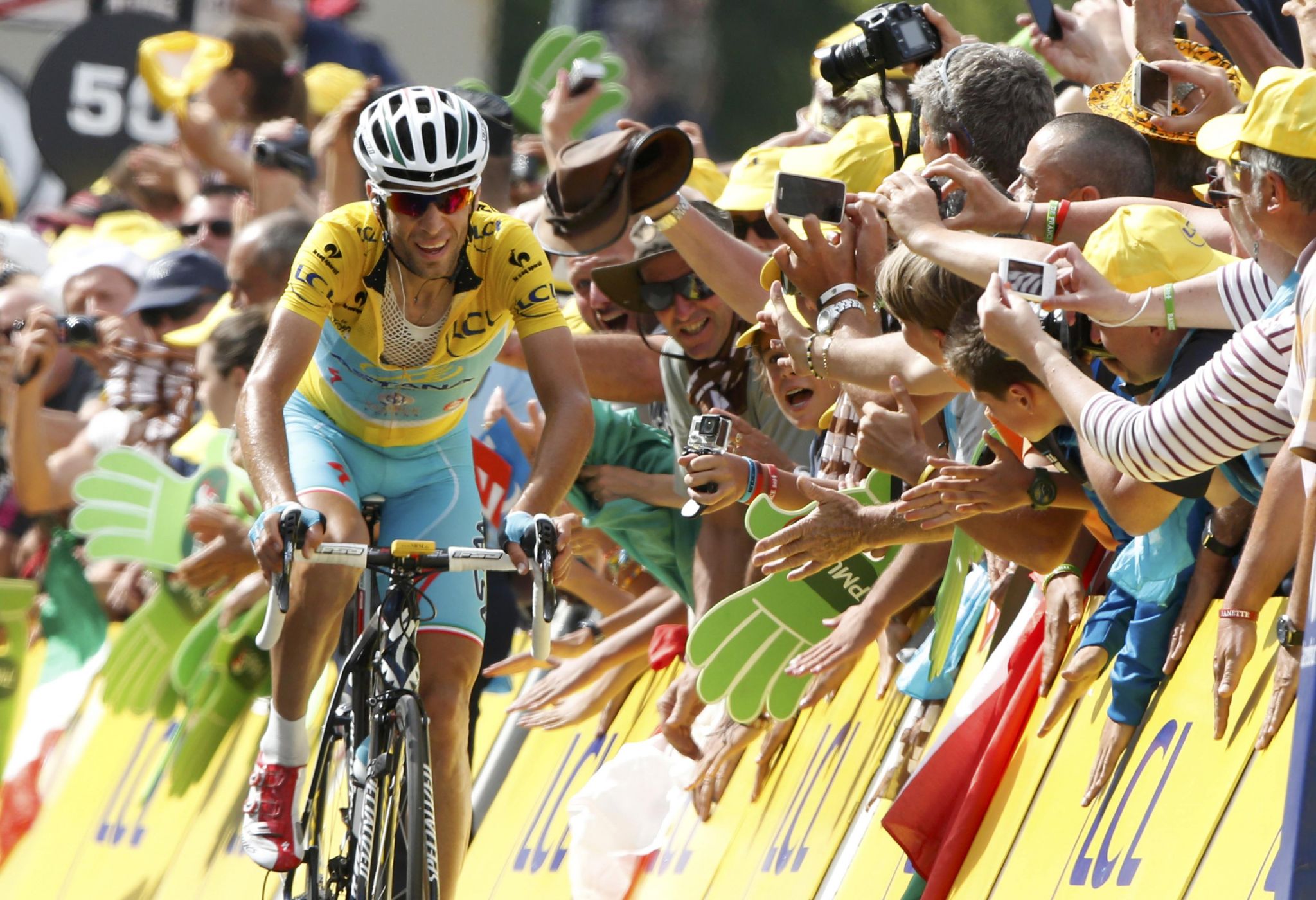
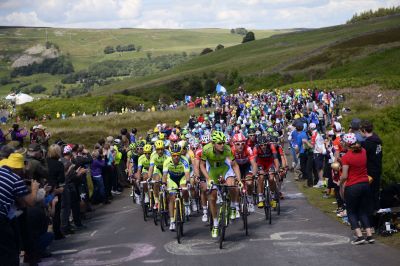
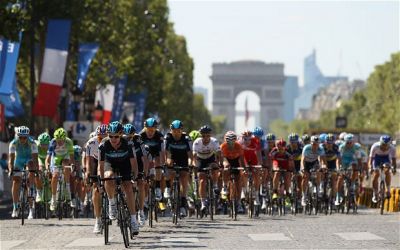
环法自行车赛(Tour de France)是一项分赛程的长距离自行车骑行比赛,它由法国人亨利・戴斯格朗日(Henri Desgrange)于1903年创立。每年夏天的七月份,来自世界各国的骑行高手们就会云集法国,在这里翻山越岭穿村过市,在举世闻名的自行车赛界的最高竞技中一决高下。
环法自行车赛的产生及历史
亨利・戴斯格朗日曾是一位自行车运动员,后来做了记者,但他从未放弃对骑行的热爱。他于1903年创立了环法自行车赛最初的规则。其中有一些规则给参赛选手专心进行体育竞技带来了很大的不便。比如说参赛者不可以使用助手,也就是说如果参赛者的自行车出现了机械故障,要由他自己停下来把车修好才可以再上路。
其实环法自行车赛不仅限于法国境内,它还经过比利时、西班牙等一些法国的邻国。比赛属于分段计时赛,冠军为各段赛程所用时间累计最少者。
(Quelle:http://www.faguo-lvyou.cn)
环法自行车赛(法语:Le Tour de France)是一个每年举办的多赛段公路自行车赛,主要在法国进行,但有时也出入周边国家(如英国、比利时、德国、西班牙)。自从1903年开始以来,每年于夏季举行,每次赛期23天,平均赛程超过3500公里(约2200英里)。完整赛程每年不一,但大都大体上环绕法国一周。近年来,比赛结束前总是会穿越巴黎市中心的香榭丽舍大道,并且经过埃菲尔铁塔。比赛全程分成许多段,从一个城镇到下一个,每一段分别计时排名。所有段成绩累计起来决定每一位赛手的总成绩,总冠军为各段时间累计最少者。在每日赛事结束时,领先者将可穿上黄色领骑衫,最佳冲刺者将被赠与一件绿色车衣,山间赛事中之最佳骑手将会得到一件波尔卡点运动衣,其有时被称作登山王。
像其他公路大赛一样,选手们组织队伍参赛。每一队由9名选手组成,共有20至22个小队。传统上,只有一流的专业赛车队才能收到参赛邀请。近年来,大赛组织者采用国际自行车联盟的计分系统来决定参赛队伍,另留下2-4个名额给予知名车队或落选的法国车队。每个车队由其最大赞助商命名,穿着其队服。比赛时,各车队采取战术,队友之间互相帮助,通常车队后面还有一部支援车带着配件等备急紧跟着他们[1][2]。
Am 8. Dez. 1867 fand das erste Radrennen der Welt in Paris statt. Anfangs noch auf dem Vélocipèd, ohne Bereifung, wurden selten Geschwindigkeiten von 10 km/h erreicht. Etwa 100 Teilnehmer starteten auf den Champs-Elysées und fuhren etwa 23 km bis zum Schloß von Versaille. Das zweite Rennen fand am 24. Mai 1868 am Pré Catalan im Bois du Boulongne statt.
Das erste "Langstreckenrennen" der Welt, Paris-Rouen über 122 km wurde am 7. Nov. 1869 gefahren.
Bis kurz vor 1890 wurden verschiedene Rennen mit dem Hochrad ausgetragen, was sehr gefährlich war. Mit der Erfindung der Luftbereifung 1888 endete die ära der Hochräder abrupt.
Diese "Sicherheits-Niederräder" entsprechen grob dem Aussehen heutiger Fahrräder und wurden erstmalig in Großserie produziert.
Bereits 1891 wurden 2 berühmte Radrennen ins Leben gerufen, die noch heute gefahren werden: Paris-Brest-Paris über ca. 1.200 km und Bordeaux-Paris, welches halb so lang ist.(Quelle:http://www.fahrradmonteur.de/tour-de-france.php)
Die Tour de France [ˌtuʀdəˈfʀɑ̃ːs], auch Grande Boucle [gʀɑ̃dˈbukl] (französisch für Große Schleife) oder einfach Le Tour [ləˈtuːʀ] genannt, ist das berühmteste und für die Fahrer bedeutendste Radrennen der Welt.
Seit 1903 wird es alljährlich im Juli ausgetragen und führt dabei in wechselnder Streckenführung quer durch Frankreich und das nahe Ausland. Während des Ersten Weltkriegs fiel die Tour zwischen 1915 und 1918 aus, der Zweite Weltkrieg bedingte eine Unterbrechung von 1940 bis 1946. Das Etappenrennen wird von der Amaury Sport Organisation (ASO) veranstaltet. Die Tour wird oft als das nach den Olympischen Spielen und der Fußball-Weltmeisterschaft drittgrößte Sportereignis der Welt[1][2] oder als das größte jährlich stattfindende Sportereignis[3] bezeichnet und gilt als das härteste Radrennen der Welt.[4]
Eine Tour de France der Frauen, La Grande Boucle Féminine Internationale, wurde mit Unterbrechungen von 1984 bis 2009 ausgetragen. Länge und Bedeutung waren im Vergleich zur Tour der Männer gering. Als Nachfolgeveranstaltung wird seit 2014 La Course by Le Tour de France, zu Beginn als Rundstreckenrennen vor der Schlussetappe der Tour de France 2014, ausgetragen.
ツール・ド・フランスまたは(ル・)トゥール・ド・フランス(仏: Le Tour de France、以下「ツール」)とは毎年7月にフランスおよび周辺国を舞台にして行われる自転車プロロードレースである。1903年から開催されている。主催は傘下にスポーツ新聞レキップや一般紙ル・パリジャンなどを抱えるフランスの大企業・アモリ・スポル・オルガニザシオン (ASO, Amaury Sport Organisation)。
名称はフランス語で「フランス一周」を意味する[1]。フランス語による同様の名称のレースには、スイスで行われるツール・ド・スイスなどがある。単にル・ツール(Le Tour:ル・トゥール)と称されることもある。
The Tour de France (French pronunciation: [tuʁ də fʁɑ̃s]) is an annual men's multiple stage bicycle race primarily held in France,[1] while also occasionally passing through nearby countries. Like the other Grand Tours (the Giro d'Italia and the Vuelta a España), it consists of 21 day-long stages over the course of 23 days.
The race was first organized in 1903 to increase sales for the newspaper L'Auto[2] and is currently run by the Amaury Sport Organisation.[3] The race has been held annually since its first edition in 1903 except when it was stopped for the two World Wars.[4] As the Tour gained prominence and popularity, the race was lengthened and its reach began to extend around the globe. Participation expanded from a primarily French field, as riders from all over the world began to participate in the race each year. The Tour is a UCI World Tour event, which means that the teams that compete in the race are mostly UCI WorldTeams, with the exception of the teams that the organizers invite.[5][6]
Traditionally, the race is held primarily in the month of July. While the route changes each year, the format of the race stays the same with the appearance of time trials,[1] the passage through the mountain chains of the Pyrenees and the Alps, and the finish on the Champs-Élysées in Paris.[7][8] The modern editions of the Tour de France consist of 21 day-long segments (stages) over a 23-day period and cover around 3,500 kilometres (2,200 mi).[9] The race alternates between clockwise and counterclockwise circuits of France.[10]
There are usually between 20 and 22 teams, with eight riders in each. All of the stages are timed to the finish; the riders' times are compounded with their previous stage times.[1] The rider with the lowest cumulative finishing times is the leader of the race and wears the yellow jersey.[1][11] While the general classification garners the most attention, there are other contests held within the Tour: the points classification for the sprinters, the mountains classification for the climbers, young rider classification for riders under the age of 26, and the team classification for the fastest teams.[1] Achieving a stage win also provides prestige, often accomplished by a team's cycling sprinter specialist.
Le Tour de France, souvent appelé « Le Tour » ou « la Grande Boucle », est une compétition cycliste par étapes masculine qui a lieu principalement en France chaque année, tout en traversant occasionnellement les pays voisins. La course est organisée pour la première fois en 1903 par Henri Desgrange et Géo Lefèvre, pour augmenter les ventes du journal L'Auto. Le Tour est actuellement organisé par ASO (Groupe Amaury). La course a lieu chaque année depuis sa première édition en 1903, excepté lors des deux guerres mondiales. Le Tour gagne en importance et en popularité au fil des éditions, sa durée est allongée et sa portée s'étend dans le monde entier. La participation s'élargit, on passe d'un peloton principalement français lors des premières éditions, à des éditions comptant jusqu'à 40 nationalités.
Le Tour de France, le Tour d'Italie et le Tour d'Espagne constituent les trois grands tours, les épreuves les plus prestigieuses du cyclisme sur route. Le Tour de France est le plus ancien et est généralement considéré comme le plus prestigieux des trois. Traditionnellement, la course se déroule principalement au mois de juillet. Bien que le parcours change chaque année, le format de la course reste le même avec au moins deux contre-la-montre1, le passage à travers les chaînes de montagnes des Pyrénées et des Alpes et l'arrivée sur les Champs-Élysées à Paris. Les éditions modernes du Tour de France se composent de 21 étapes réparties sur une période de 23 jours et couvrent près de 3 500 kilomètres. Le tracé du parcours alterne entre le sens horaire et antihoraire de la France.
Le Tour est une des épreuves de l'UCI World Tour, ce qui signifie que les équipes sont en majorités composées d'UCI WorldTeams, à l'exception des équipes que les organisateurs invitent. Le nombre d'équipes varie habituellement entre 20 et 22, avec chacune huit coureurs. Après chaque étape, les temps des coureurs sont ajoutés avec leurs temps précédents. Le coureur avec le temps total le plus faible est classé premier du classement général et porte le très convoité maillot jaune le distinguant des autres coureurs. Le classement général est le plus réputé des classements car il détermine le vainqueur du Tour, mais d'autres classements secondaires sont organisés lors du Tour : le classement par points pour les sprinteurs, le classement de la montagne pour les grimpeurs, le classement des jeunes pour les coureurs de 25 ans et moins, et le classement par équipes pour les équipes les plus rapides.
Quatre coureurs ont remporté cinq fois le Tour de France : Jacques Anquetil, Eddy Merckx, Bernard Hinault et Miguel Indurain. Lance Armstrong, vainqueur de sept Tours entre 1999 et 2005, fut le recordman jusqu'en 2012 lorsque ses sept victoires furent effacées pour cause de dopage. Christopher Froome est toujours en activité, avec quatre succès à son actif.
Le Tour de France (it. Il Giro di Francia) è uno dei tre grandi giri maschili di ciclismo su strada e uno tra i più importanti avvenimenti sportivi del mondo. È parte del calendario professionistico UCI World Tour.
Detto anche Tour o Grande Boucle, a partire dal 1903 la corsa si è svolta ogni anno (risultando il più antico grande Giro), ad eccezione dei periodi della prima e della seconda guerra mondiale, durante il mese di luglio, nell'arco di circa tre settimane e su un percorso ogni volta diverso attraverso la Francia e i paesi confinanti. Attualmente l'organizzazione della gara è affidata alla Société du Tour de France, una sussidiaria dell'Amaury Sport Organisation, che fa parte del gruppo mediatico de L'Équipe.
A partire dal 1984 e fino al 1993 venne organizzato parallelamente anche un Tour de France femminile, con un percorso e tappe più brevi.
El Tour de Francia (oficialmente Le Tour de France), también conocido simplemente como el Tour, es una vuelta por etapas profesional de ciclismo en ruta disputada a lo largo de la geografía francesa. Se celebra en julio y pertenece al calendario UCI WorldTour, máxima categoría de las carreras profesionales
Considerada la carrera más importante del mundo,1 el Tour se disputó por primera vez en 1903. Desde su creación, la carrera se ha visto interrumpida en dos ocasiones debido a las dos guerras mundiales: desde 1915 hasta 1918 y desde 1940 hasta 1946.2
Es la más antigua de las conocidas tres "Grandes Vueltas" del ciclismo, junto al Giro de Italia y la Vuelta a España.
El ganador del Tour de Francia obtiene 1800 puntos para el Salón de la Fama del Ciclismo (Cycling Hall of Fame), siendo la prueba ciclista que más puntos otorga al ganador.
Con cinco triunfos, son cuatro los ciclistas que poseen el récord de victorias en La Grande Boucle: Jacques Anquetil (1957, 1961, 1962, 1963 y 1964), Eddy Merckx (1969, 1970, 1971, 1972 y 1974), Bernard Hinault (1978, 1979, 1981, 1982 y 1985) y Miguel Indurain (1991, 1992, 1993, 1994 y 1995).
El Tour de Francia fue galardonado con el Premio Príncipe de Asturias de los Deportes en el año 2003.3
Existió un Tour de Francia femenino que comenzó en 1955 (desde 1984 disputándose con regularidad) hasta 2009, siendo de las pocas carreras femeninas con una duración superior a una semana junto al Giro de Italia Femenino y el Tour de l'Aude Femenino (este también ya desaparecido), aunque durante sus últimos 15 años sin relación con la de hombres.
Тур де Франс[1] (нескл.; фр. Le Tour de France) — шоссейная многодневная велогонка, один из трёх гранд-туров. Самая известная и престижная велосипедная гонка мира, проводимая уже более ста лет во Франции[2]. Неофициальное название — «Большая петля».
Велогонка «Тур де Франс» изначально была учреждена как рекламный проект газеты L’Auto (предок нынешнего L'Équipe), его редактором и соучредителем, Анри Дегранжем (Henri Desgrange) и был призван конкурировать с велогонкой Париж — Брест — Париж (спонсируемой газетой Le Petit Journal) и велогонкой Бордо-Париж.
Идея создания французской петли принадлежит журналисту L’Auto Жео Лефевру (Géo Lefèvre), с которым Анри Дегранж обедал в парижском кафе Café de Madrid 20 ноября 1902 года (точная дата). Успех гонки Le Tour de France стал большим успехом и для газеты L’Auto, число подписчиков которой выросло в 1903 году с 25 тысяч (до Тура) до 65 тысяч после Тура; в 1908 году число подписчиков газеты перевалило за 250 тысяч, а во время «Тур де Франс» 1923 года продавалось 500 тысяч экземпляров газеты в день. Рекордный тираж газеты был достигнут в течение «Тур де Франс» 1933 года — 854 тысячи экземпляров в день. Сегодня Тур организовывает «Общество Тур-де-Франс» — филиал Amaury Sport Organisation (ASO), который является частью медиа-холдинга, в который входит газета L'Équipe.
Тур, который проводится во Франции и в близлежащем зарубежье, проходит ежегодно в течение трёх недель в июле. Только во время первой (1915—1918) и Второй мировой войны (1940—1946) тур был отменён. Велогонку проводит фирма Amaury Sport Organisation (ASO), которая также проводит Ралли Дакар.
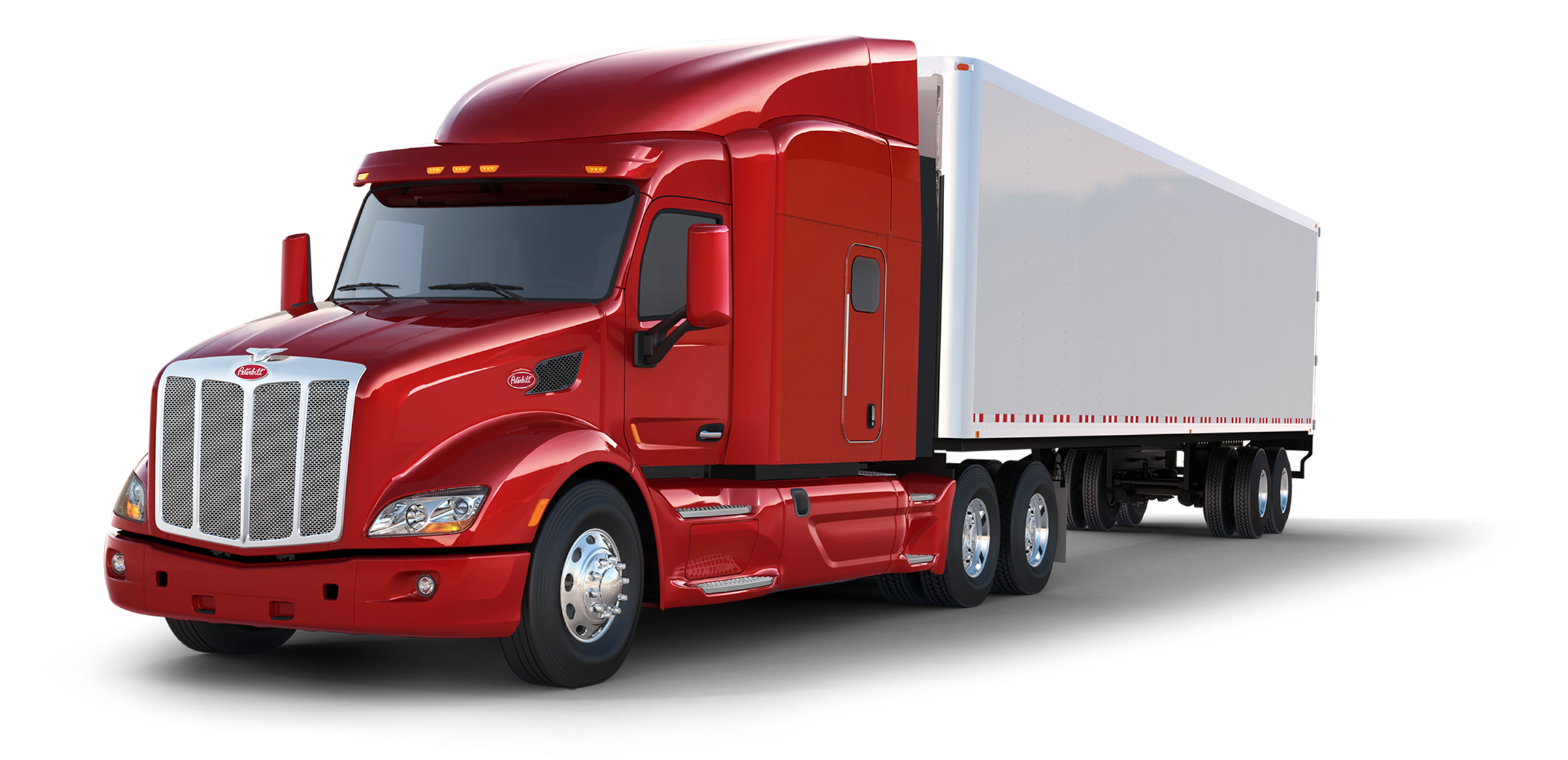 Automobile

西亚特(Seat)是西班牙最大的汽车公司,1950年成立于巴塞罗那。现在属于德国大众汽车公司子公司。
西亚特汽车公司成立之初,以生产意大利菲亚特汽车公司的车型为主,在西班牙汽车市场占有率曾达到60%,到70年代其市场占有率下降到33%,亏损严重。1983年德国大众汽车公司买下了西亚特的大部分股份,与另一合资者-西班牙政府共同经营西亚特汽车公司,使西亚特属于大众汽车公司的子公司。
西亚特归属大众麾下后,得到大众资金与技术的支持,它采用大众的零部件,有些车型的底盘、转向及悬挂系统由大众设计。经营状态日趋好转,到二十世纪九十年代初,西亚特汽车的年产量已达36万辆以上,成为西班牙效益最好的汽车公司。
目前西亚特多是以中、小型轿车为主。比较知名的品牌轿车有Cordoba、Ibiza等。其中Cordoba轿车对中国人并不陌生,一汽大众“都市高尔夫”(CityGolf)车型就是引进Cordoba生产的。
Ibiza(依比萨)是西亚特成功的车型,它的重要特征就是后立柱(C柱)比较细小,但车。身高大,车厢宽敞。而Cordoba(科多巴)与Ibiza相近,它增加了空调系统。在中国被称为都市高尔夫。
(Quelle:http://www.car.com.cn)
Badminton World Federation
BWF World Championships
China
Denmark
England
France
India
Indonesia
Canada
Malaysia
Schottland
Sweden
Switzerland
Spain
United States

国际羽联世界锦标赛,通常称世界羽毛球锦标赛,是一项由国际羽毛球联合会组织的羽毛球单项锦标赛事,以之为世界顶尖的羽毛球选手加冕。
该赛由1977年开始举办,1983年以前每三年举办一次。然而,在头两届比赛时国际羽联遇到过麻烦:世界羽毛球联合会(后来与国际羽毛球联合会合并)在国际羽联世界锦标赛后一年以相同的目的举办相同性质的比赛。1981年两组织合并后,该问题也随之解决。
从1985年起,该项赛事改为两年举办一次,直到2005年止。2006年起,锦标赛成为了国际羽联日程表上一年一次的赛事,目的在于给与运动员们更多机会去赢得官方的“世界冠军”称号。但每到奥运会举办的年份,锦标赛不举办,以便为奧運會羽毛球比賽让路。(Quelle:Wikipedia)
 Music charts
 Music
Music
*Appreciation of famous music
Spain
Music
Music
*Appreciation of famous music
Spain
 Dances
Folk dances
Dances
*Dance music
Dances
European Dances
Dances
Dances
Folk dances
Dances
*Dance music
Dances
European Dances

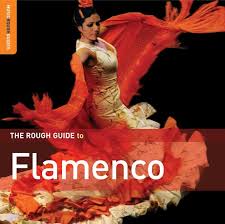

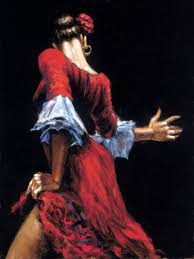
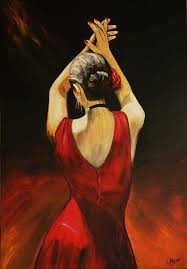
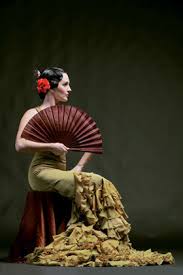
弗拉明戈舞(Flamenco Dance),作为当今世界最富感染力的流行舞种,是吉普赛文化和西班牙的安达卢西亚民间文化的结合。该舞蹈在早期的演变发展过程中,曾受到最早的东印度 舞(比如深蹲、两腿外开位置、身体和手臂的大幅度弯曲、张开的手指、快速的转身、脚板的鼓点打击节奏等)和阿拉伯舞(手指的击打节奏、手鼓的运用以及她别 具一格的服装等)的影响。
传统的弗拉明戈舞,通常是由舞者在歌唱与吉他伴奏下进行即兴表演。弗拉明戈舞蹈风格着重于内在的爆发力,脚步动作强烈并极具弹性,含有挑衅性的舞姿造型, 强烈的节奏和复杂的脚掌-脚跟击打地面,是男子舞的特点,而优美的身体和手臂、手腕动作则构成女子舞的特点。响板(Castanets)的运用来自于安达 卢西亚民间舞,在手指击打响板的的过程中,强调与身体、脚步和情绪的协调配合。
弗拉明戈舞以她那优美的舞步和动作所体现出的内在力量,吸引了世界各地的人们。尽管基础动作看似容易也不难学习,但要真正对这门舞蹈艺术有所掌握并较完美 地去表现她,则需要经过长年累月的专注练习。由于弗拉明戈舞蹈动作本身所具有的爆发力,她同时也可以被作为一种人们日常锻炼身体的方法。人们可以在尽情的 脚步打击节奏和优美的舞姿中忘却一天的烦恼。
初相识
弗拉明戈舞是与斗牛并称为西班牙的两大国粹之一,而弗拉明戈又是目前在国际上最为流行的西班牙舞蹈。它在十四、十五世纪时吉普赛流浪者把东方的印度踢踏风和阿拉伯的神秘伤感风情融合到自己的歌舞中带到了西班牙。是西班牙安达卢西亚地区的吉普赛人的音乐和舞蹈。
弗拉明戈舞具有热情、奔放、优美的个性气质。不仅可以挺拔身姿、燃烧脂肪、健康身体;而且还能在轻松的学习氛围中,结识更多的新朋友;美丽、快乐、优雅自己,更会缓解工作压力,提高自信、增强社交能力。
服装要求:头发向后梳成光滑的发髻大领口、紧身、黑色上衣;弗拉明戈专用裙和舞鞋
(Quelle:http://www.jzartschool.com/courses/flamenco.htm)

雪利酒(西班牙语:Jerez [xeˈɾeθ] 或 [xeˈɾes];法语:Xérès;英语:Sherry;又译:雪莉酒)是一种由产自西班牙南部安达卢西亚赫雷斯-德拉弗龙特拉 (Jerez de la Frontera)的白葡萄所酿制的加强葡萄酒。
其名雪利酒(Sherry)来自于法语:Xérès(西班牙语:Jerez)英语化后形成。在早期,雪利酒被称为Sack(源于西班牙文Saca,意思是“提取” [参见solera])。在欧洲,Sherry是一个专用于原产地的受保护名称,在西班牙法律中,所有标识为Sherry的葡萄酒都必须产自雪利三角洲地区[1],这是加的斯(Cádiz)省赫雷斯-德拉弗龙特拉(Jerez de la Frontera), 桑卢卡尔德瓦拉梅达(Sanlúcar de Barrameda)和圣玛丽亚港(El Puerto de Santa María)之间的一块区域。1933年,赫雷斯的原产地名称系统(Denominación de Origen)首次以认可了这种命名方法,正式命名为D.O. Jerez-Xeres-Sherry,并成立了管理委员会D.O. Manzanilla Sanlúcar de Barrameda[2]。
雪利酒涵盖了众多不同的种类,从生物陈年类型,比如菲诺,到氧化陈年类型,比如欧罗洛索。无论哪种陈年方式,干型雪莉酒都是酿自帕罗米诺葡萄;甜型雪莉酒则会使用麝香葡萄和佩德罗·希梅内斯进行酿制。
Sherry (in der geschützten Ursprungsbezeichnung spanisch-französisch-englisch Jerez-Xérès-Sherry) ist ein spanischer verstärkter Weißwein aus Andalusien, der einem speziellen Reifeprozess unterzogen wurde. Der Begriff „Sherry“ rührt vom maurischen Namen Sherish (phönizisch Cera, lateinisch Ceret) für den heutigen Ort Jerez de la Frontera her. Sherry wurde im 18. und 19. Jahrhundert durch englische Handelshäuser weltweit bekannt gemacht.
*Mediterranean Sea
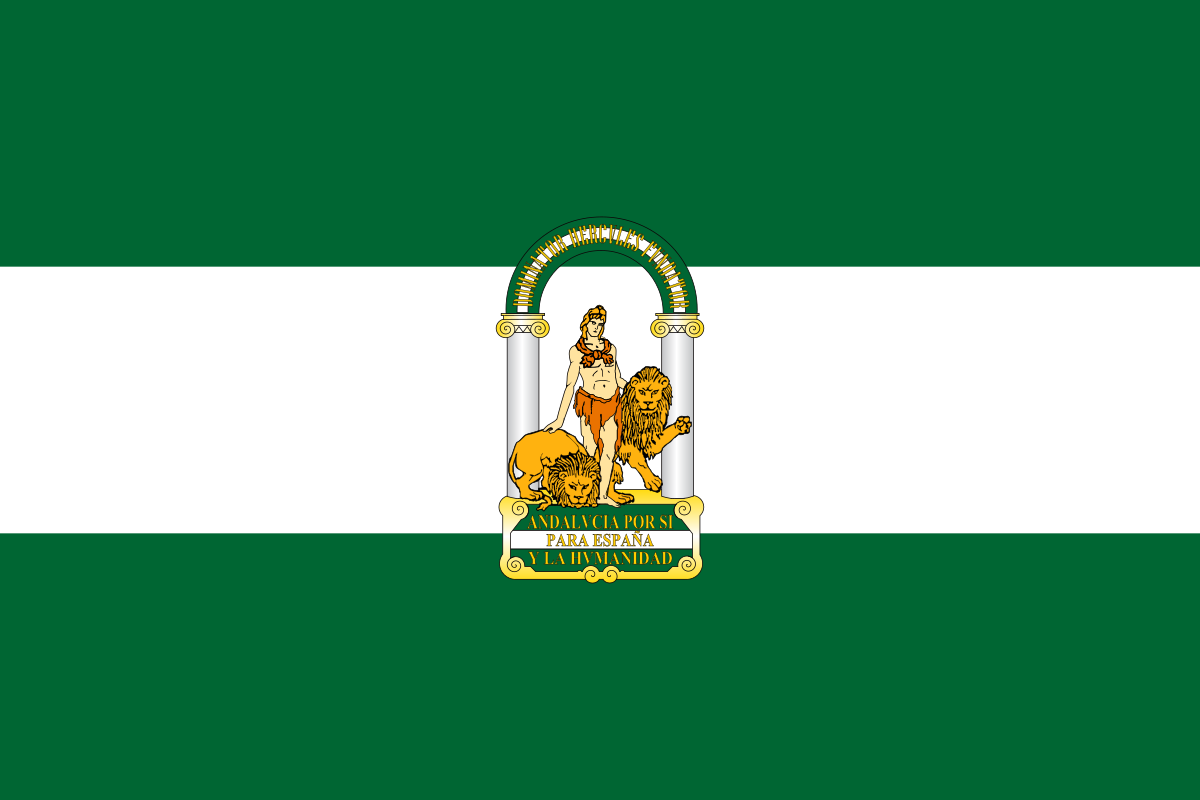 Andalusia
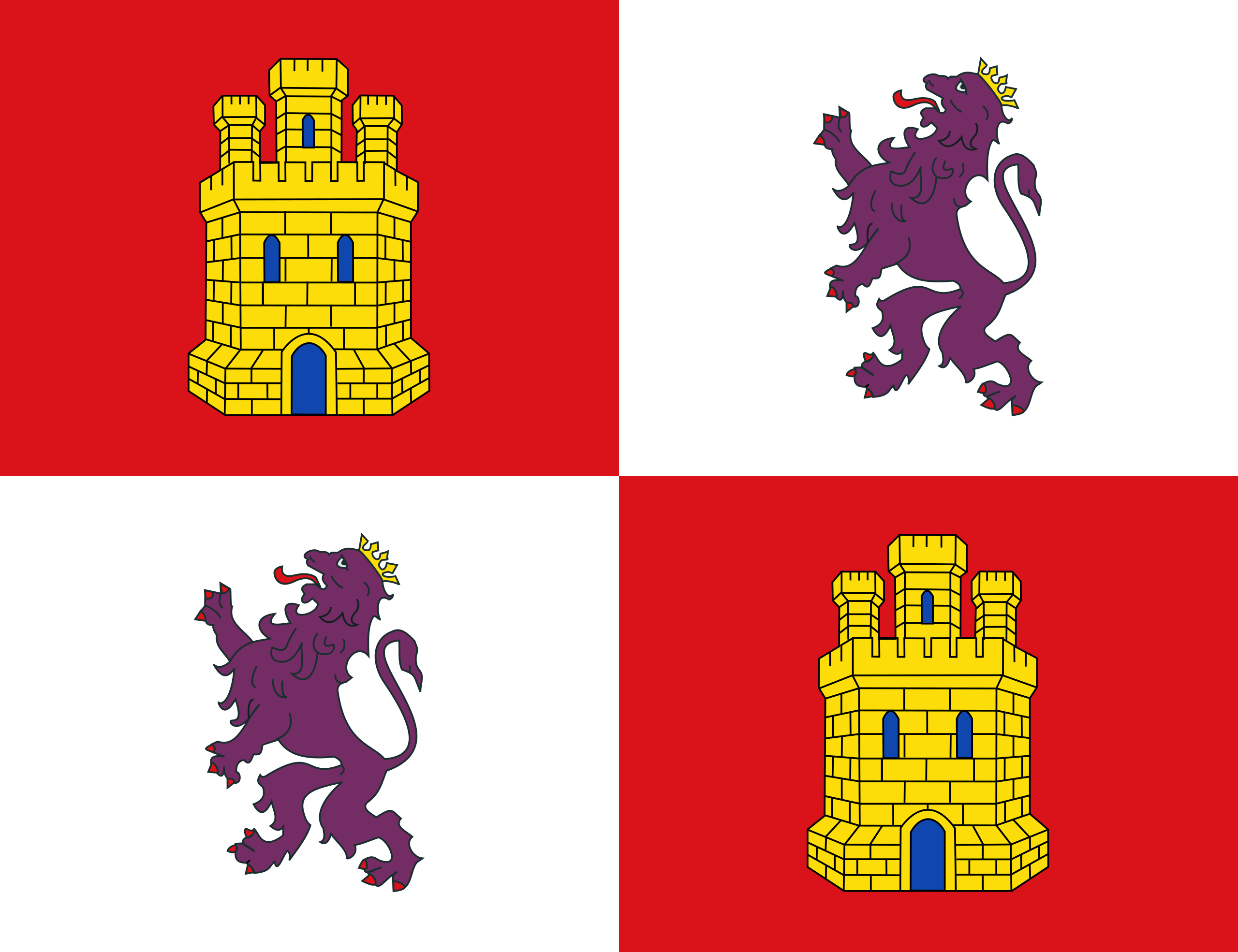 Castilla y León
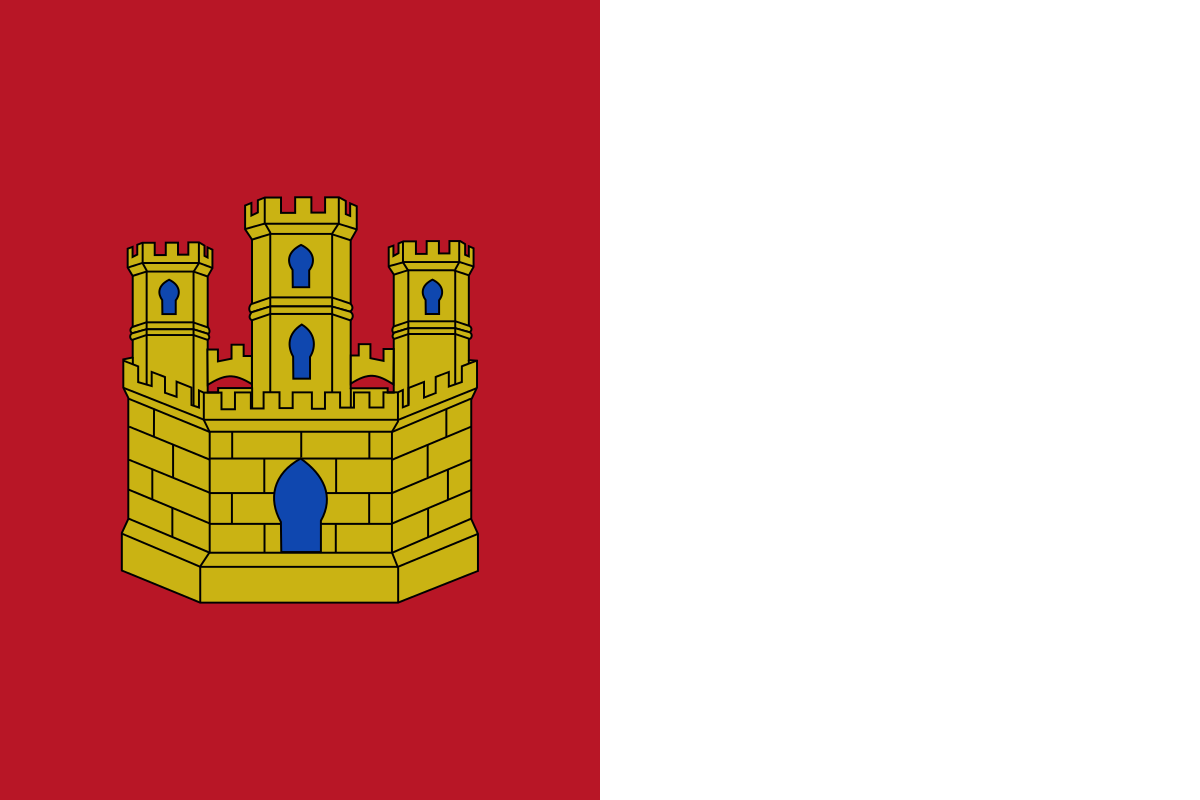 Castilla-La Mancha
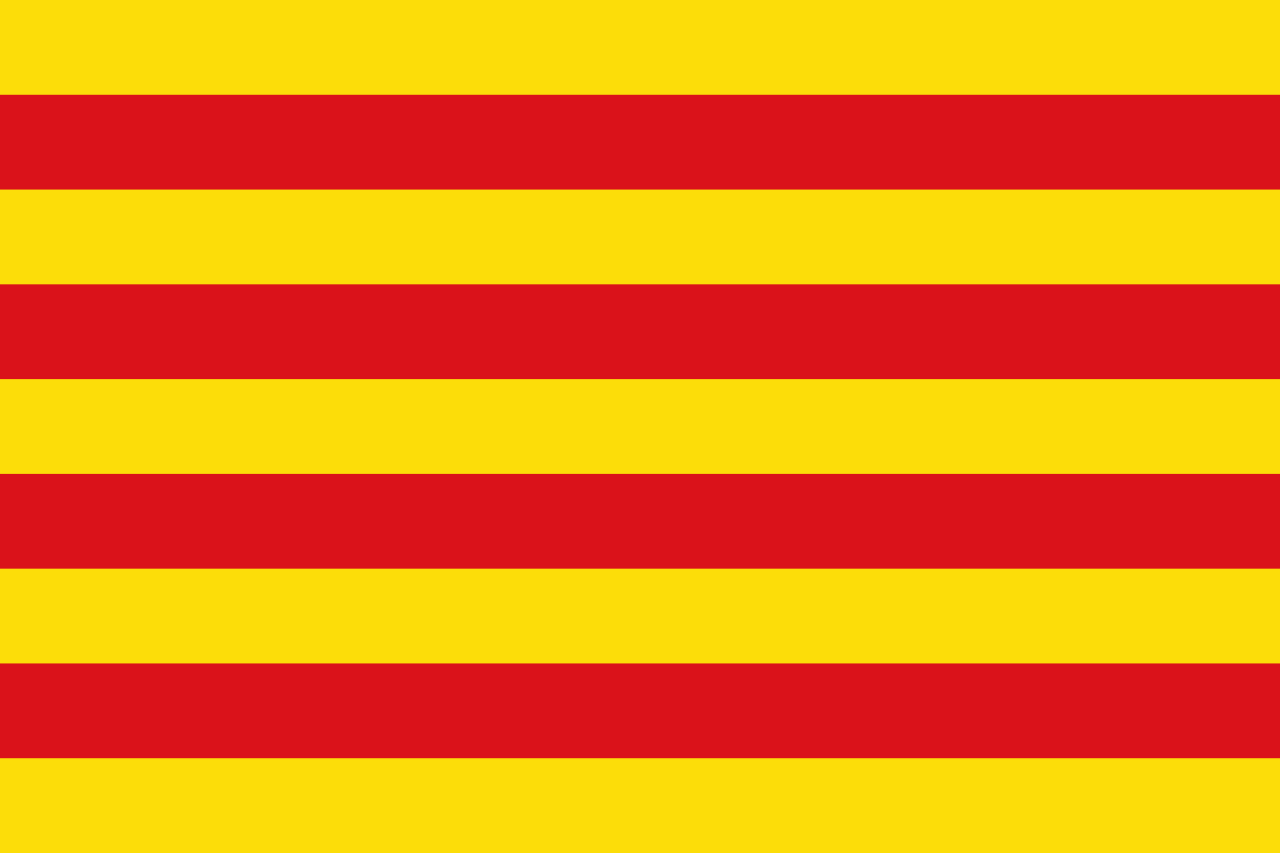 Cataluña
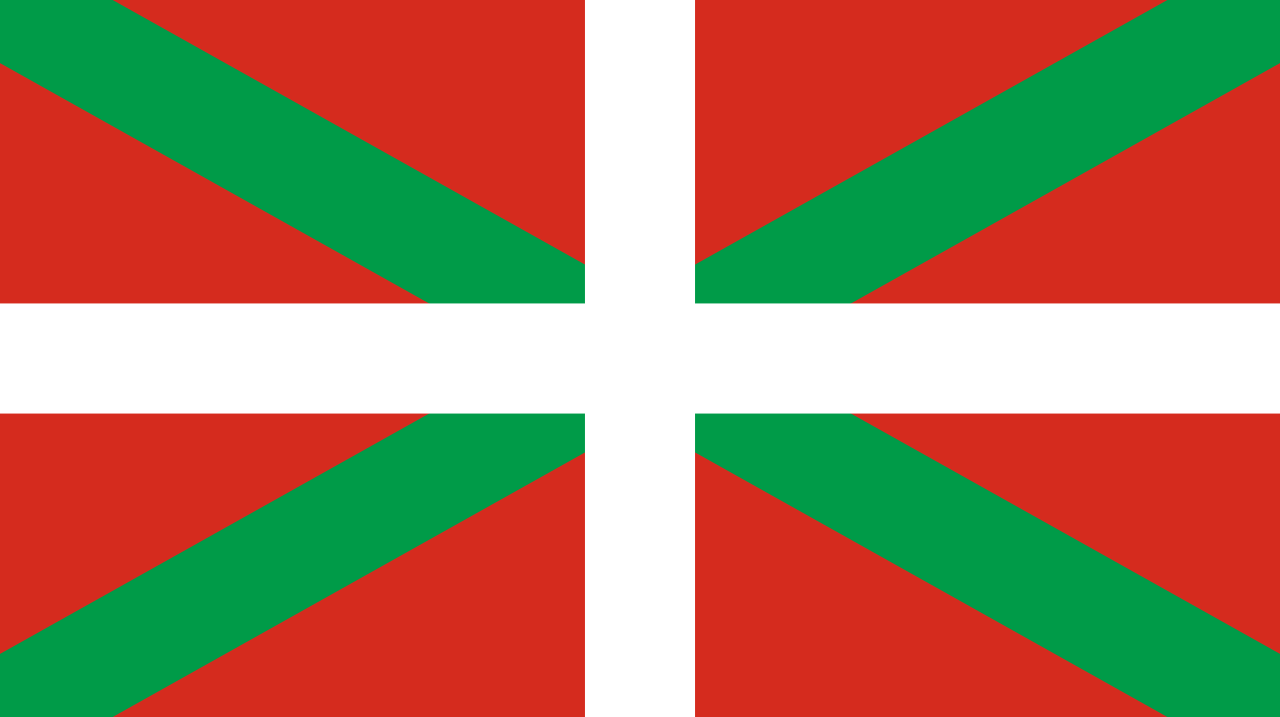 Comunidad Autónoma del País Vasco
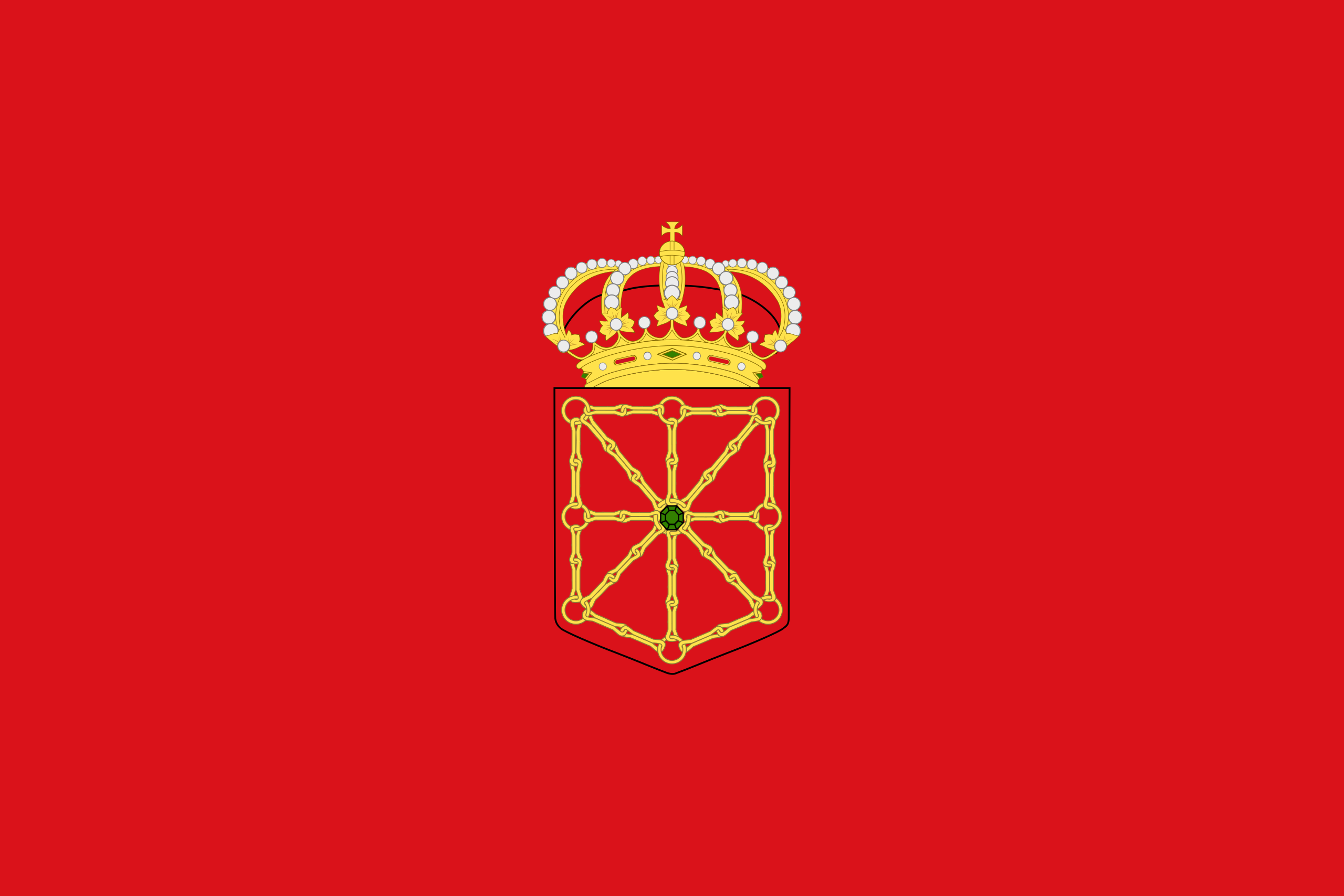 Foral Community of Navarra
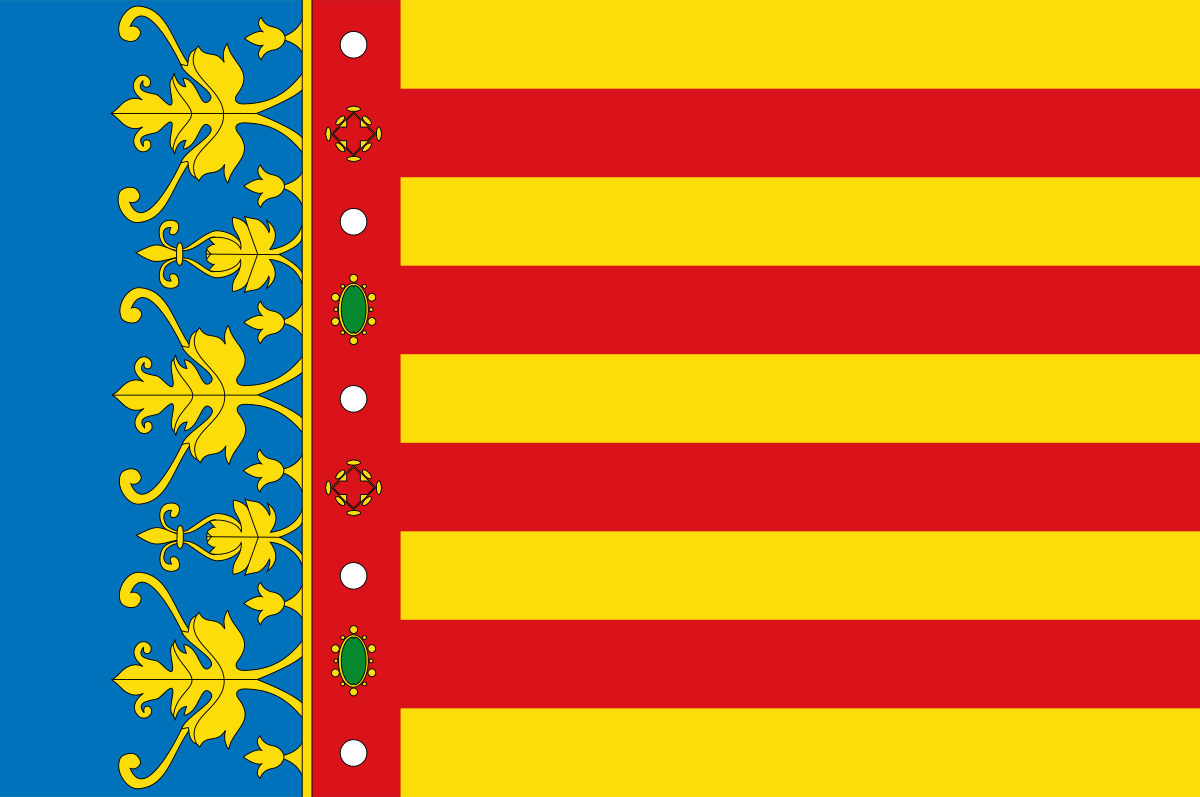 Valencian Community
 Eat and Drink
Spanish Kitchen
Eat and Drink
Spanish Kitchen
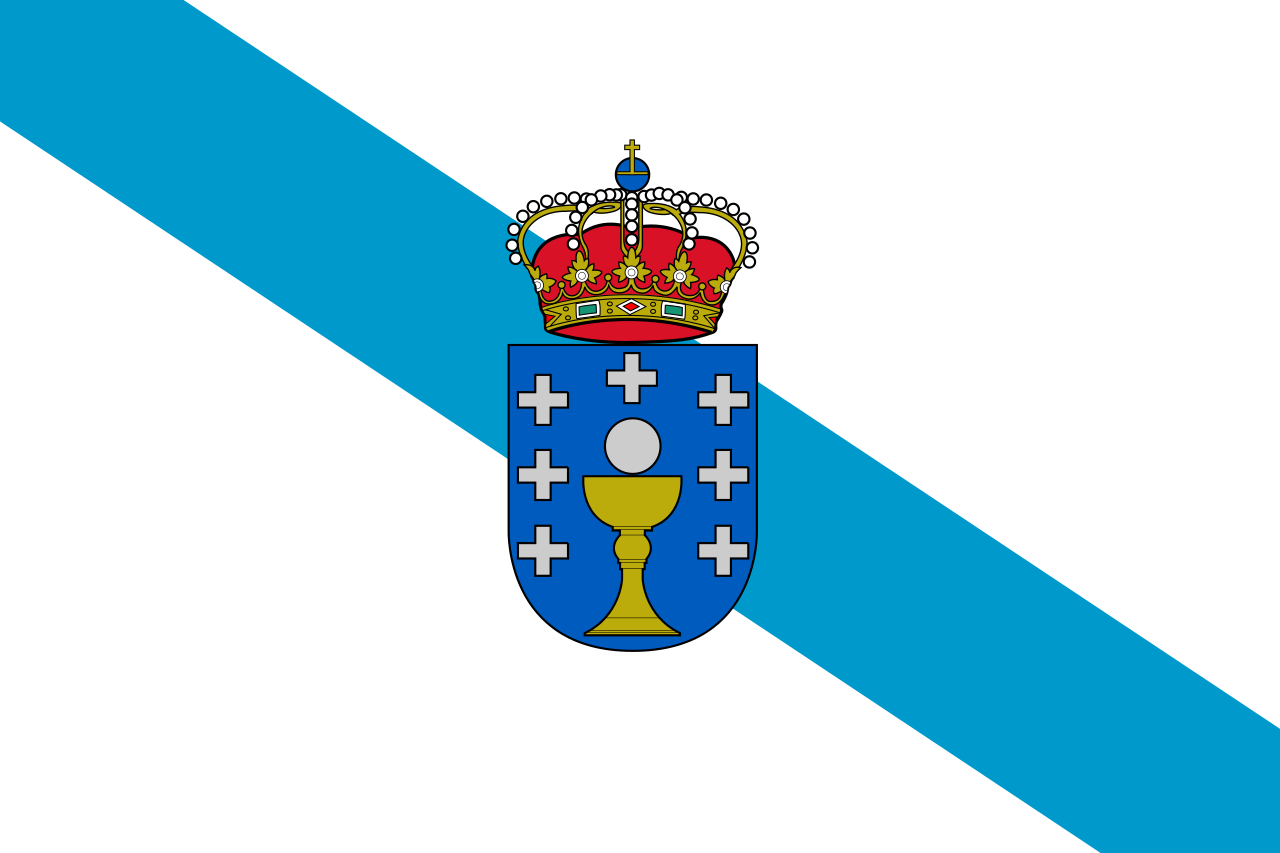 Galicia
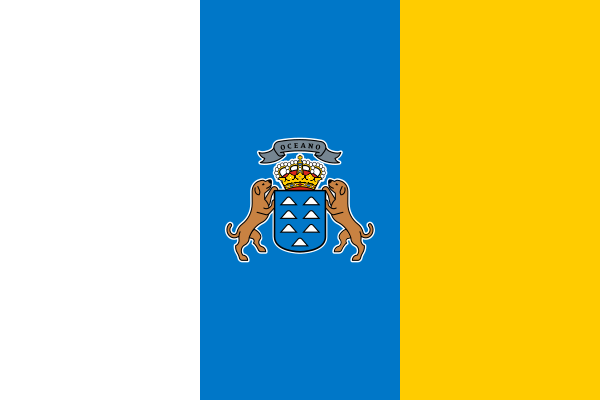 Canary Islands
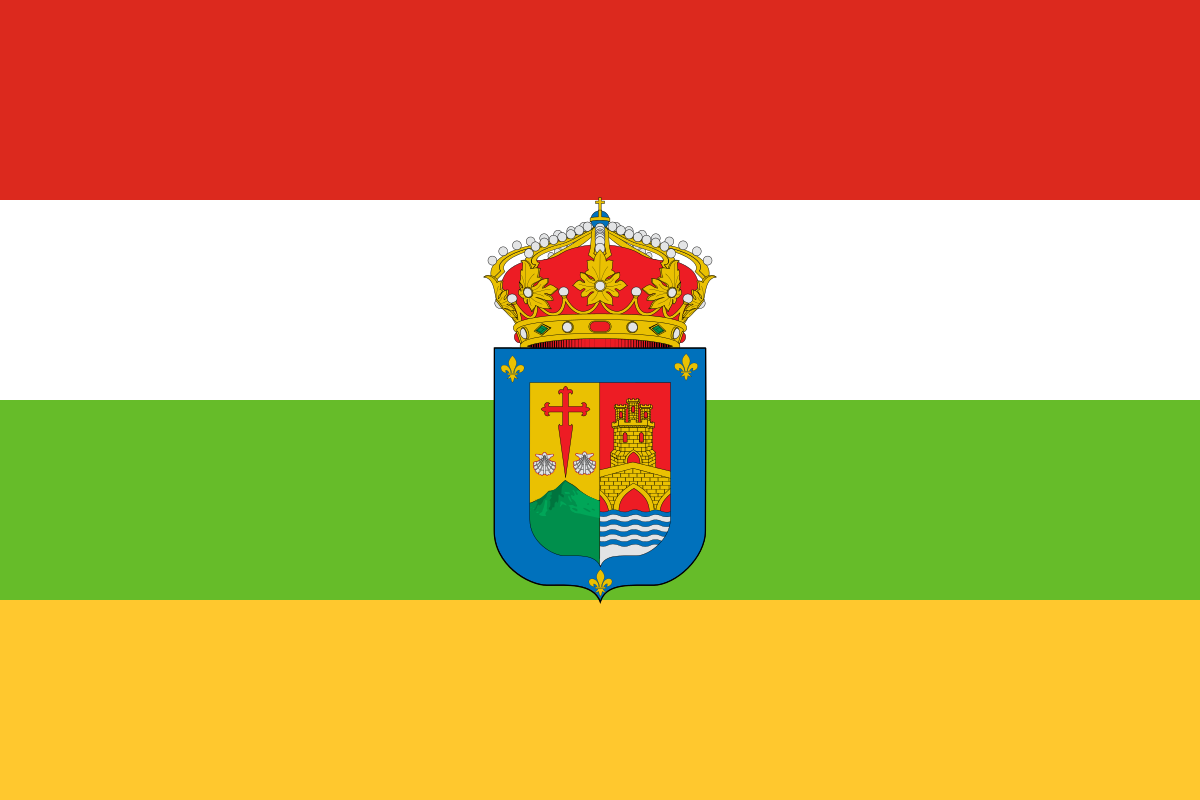 La Rioja
 Agriculture, forestry, livestock, fishing
Spain
Spain
Agriculture, forestry, livestock, fishing
Spain
Spain
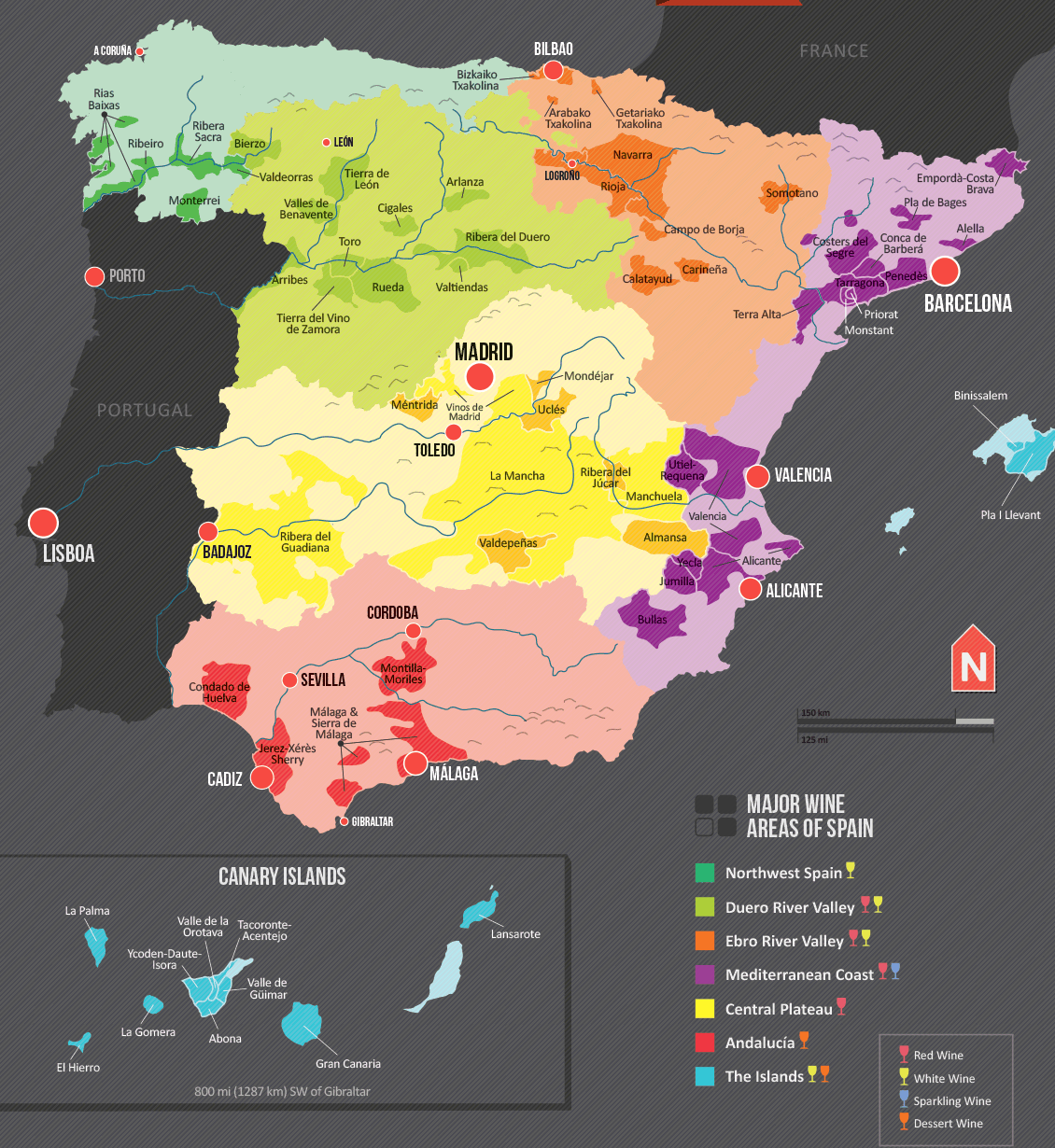
西班牙葡萄园的总面积在世界居第一位,葡萄酒的产量居世界第三位。身为世界三大葡萄酒出口国的西班牙,拥有5500多个葡萄酒厂,50多个葡萄酒产区,每 年出口15亿升的葡萄酒。是一个容易被世界忽略的旧世界葡萄酒生产大国,多少年来,西班牙葡萄酒一直被压在法国葡萄酒的盛名之下,提到西班牙,人们也许首 先想到的是斗牛,弗朗明戈,豪放,直率与热情,然后才是西班牙的葡萄酒,但其实西班牙葡萄酒,在规定价格的前提下,无疑是老世界葡萄酒中性价比较好的。
西班牙是世界三大旅游国之一,每年接待超过4900万外国游客,西班牙葡萄酒旅游业也最终从沉睡中逐渐清醒,西班牙葡萄酒厂开始认识到了通过旅游来支持他们品牌的重要性,虽然葡萄酒旅游在西班牙并不像在新世界葡萄酒生产国一样,作为商业推广计划中的首选。
西班牙的葡萄园,蕴藏着西班牙给人的热情奔放的感觉,在广阔的原野上,大多数仍是没有棚架,没有系绑,自然野放,恣意生长的葡萄园。在西班牙,驾车行驶不 超过50公里,你就会发现周遭的景色变成了一幅完全不同的风景画,你会怀疑自己已经穿越国境线到了另一个国家,也许,这也是西班牙的诱人之处,让人一路品 饮,一路惊奇。
(Quelle:http://www.wines-info.com)