
Deutsch-Chinesische Enzyklopädie, 德汉百科
 Beijing Shi-BJ
 Kunst
 Museum
 Weltkulturerbe

故宫博物院,简称故宫或北京故宫,是位于中国北京市故宫内的博物馆。其前身是明清两代皇宫紫禁城。民国元年(1912年)清帝溥仪退位后仍居于宫内。至民国十三年(1924年)十一月五日,黄郛摄政内阁公布修正清室优待条件第五条,废除皇帝尊号,请废帝溥仪出宫。政府代表李煜瀛、京师警卫司令鹿锺麟、警察总监张璧,于六日接管皇宫,封存文物。后经摄政内阁核准,经一年之整理,故宫博物院于民国十四年国庆节(1925年10月10日)正式成立开幕。它位于北京中轴线的中心,占地面积72万平方米,建筑面积约15万平方米;始建于明成祖朱棣永乐四年(1406年),永乐十八年(1420年)落成;藏品也主要是以明、清两代皇宫及其收藏为基础。故宫博物院是国家一级博物馆,与俄罗斯埃米塔什博物馆、美国大都会博物馆、法国卢浮宫、英国大英博物馆并称为世界五大博物馆。2012年单日最高客流量突破18万人次,全年客流量突破1500万人次[1],可以说是世界上接待游客最繁忙的博物馆。[2]
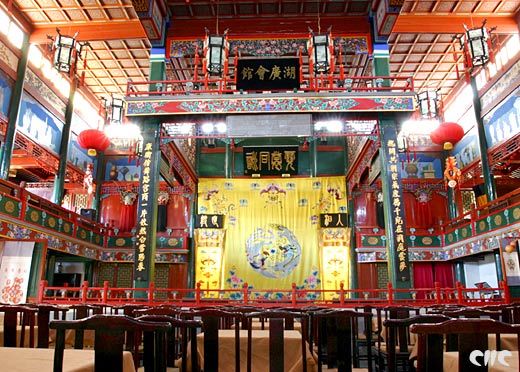


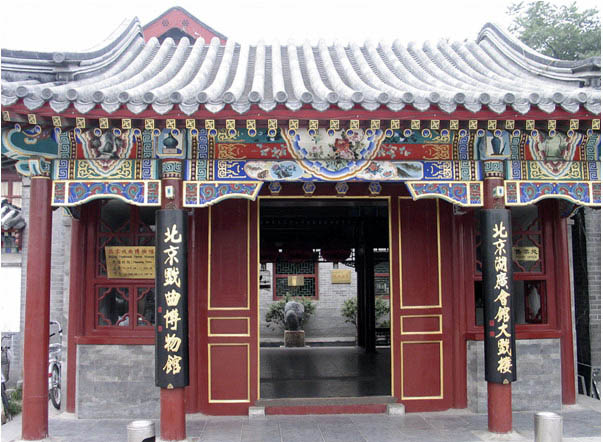
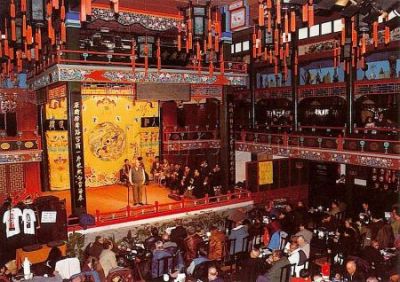
Das Peking Oper Museum befindet sich in Peking Xuanwu Stadtteil. Es war foermlich abgeschlossen und am 6. Septenber 1997 eroeffnet – das 100. eroeffnete Museum in Peking. Die Huguang Gathering Haus wurde mit dem grossen Oper Gebaeude, Sage Tempel, Wenchang Pavillon und Baoshan Haus im Jahre 1807 gegeruendet. In der Vergangenheit waren die Einrichtungen als vorlaeufigen Aufenthalt fuer Studenten aus Hunan und Hubei serviert, auch fuer die Kaufmaenner. Mit hervorragender Tradition der Peking Oper Kultur hat es eine glorreiche Geschichte und tiefe Verbindung mit Peking Oper.
Es ist ein herrliches Zentrum der Menschheit innerhalb der Stadt. Nach dem Zusammenbruch der Qing Dynastie haben die bekanntesten Meister der Peking Oper – Tan Xinpei, Yu Shuyan, Mei Lanfang und mehr – hiet gespielt. Die hoffen, dass es zu einem attraktiven zentrum fuer Operauffuehrung werden kann. Im Jahre 1912 kam der groesste Vorlaufer der chinesischen Revolution mehrmals hier, um seine politische Reden weiterzugeben. Es war auch der Ort, wo er die Tagung leitete und die Kuomintang gruendete. Im Spring 1996, bei der Eroeffnung der Oper Museum, spielten viele Prominente hier fuer ein laengeres Fest, um die Kunstform zu popularisieren und die Oper Forschung zu unterstuetzen. Durch die Medien wie zum Beispiel Dukumentarfilm, Kulturerbe, Bilder und Video Dokumentationen zeigt das Peking Oper Museum die Geschichte und die einzigartige Kultur von Peking Oper.(Quelle:www.chinadelightours.com/Travel-Tips/Peking-Museen.html)

Peking Südbahnhof (chinesisch 北京南站 Běijīng Nán Zhàn, kurz: 北京南 Běijīng Nán) ist ein Fernbahnhof im Süden der chinesischen Hauptstadt Peking. Im Vorfeld der Olympischen Spiele am 1. August 2008 eröffnet, dient der Südbahnhof der Einbindung des Großraums Peking in den Hochgeschwindigkeitsverkehr in Richtung Süden.
 Medizin, Pharma, Rehabilitation
 Medizinische Hochschulen/Medical colleges/Forschungsinstitut/Research Institute
 Medizin, Pharma, Rehabilitation
Medizinische Hochschulen/Medical colleges/Forschungsinstitut/Research Institute
 Nobelpreis
Universität/Institut
Nobelpreis
Nobelpreis für Physiologie oder Medizin

 Nationaloper
 Darstellende Künste

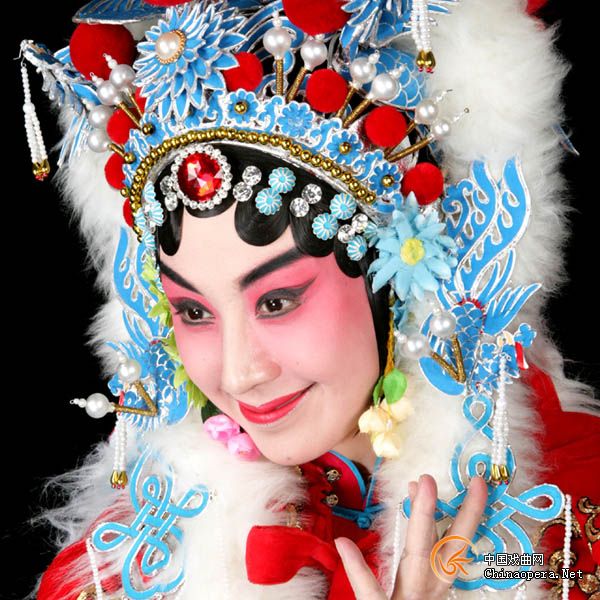

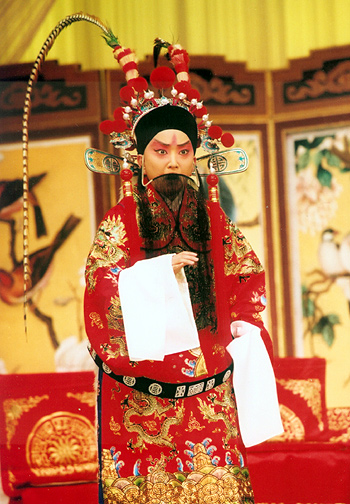
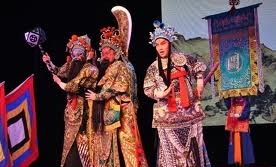
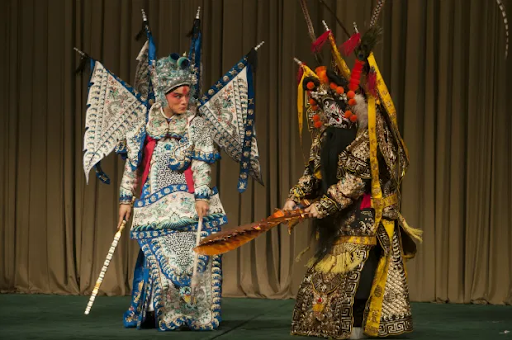
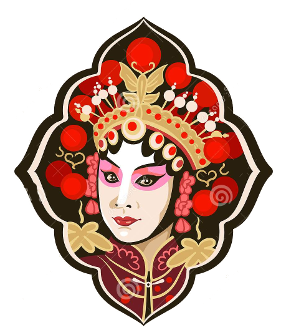
Die Peking-Oper (chinesisch 京劇 / 京剧, Pinyin Jīngjù) ist eine Form der chinesischen Oper. Sie vermischt viele künstlerische Elemente, so Singen, Tanzen, Akrobatik, darstellendes Spiel und Kampfkunst. Die Bühnenausstattung ist betont spärlich – ursprünglich besteht sie aus einem Tisch und zwei Stühlen. Im Allgemeinen arbeitet die Peking-Oper eher mit symbolischen als mit rein ästhetischen Mitteln. Im Gegensatz zu anderen Formen der chinesischen Oper handelt es sich nicht um eine regionale Spielart der Oper, sondern sie wird in ganz China von Theatergruppen aufgeführt.
2010 wurde die Peking-Oper in die Repräsentative Liste des immateriellen Kulturerbes der Menschheit der UNESCO aufgenommen.[1]
Die Peking Oper ist die waschecht Essenz chinesischer Kultur. Weil die Peking Oper sich in Beijing stark entwickelt hat, bekam sie den Namen, aber sie geht auf einige andere alte regionale Opern zurück, wie Kunqu, die Shaanxi Oper usw.. Während der 200 Jahre haben sich die Liedtexte, Musik und Melodie erneuert und so ist die Peking Oper nach und nach ein ausgereiftes Theater geworden, die mit Gesang, Tanz, Musik, Kunst und Literatur verbunden ist, weshalb sie auch die Ostoper genannt wurde. Etwas besonderes in der Peking Oper ist der Gesichtmaskentyp, durch deren Farbe das Publikum den Charakter und das Geschick der Rolle feststellen kann. Das ist der Angelpunkt für das Verständnis der Peking Oper. Außerdem spielt das Konturieren des Gesichts auch eine wichtige Rolle für den Ausdruck der Peking Oper. Die Gesichtmaskentypen stammen aus antiken Religionen und Tanz. In den anderen chinesischen Opern hat sich diese Tradition auch bewahrt. In der Peking Oper gibt es vier verschiedene Rollen, sie sind Sheng, Dan, Jing und Chou. Sheng ist eine männliche und positive Rolle. Dan ist eine weibliche und positive Rolle, Jing ist die männliche Nebenrolle mit klarem Charakter. Chou ist eine lustige oder negative Rolle. Jede Rolle hat seinen eigenen Gesichtmaskentyp und seine Schminke. Wenn sie auf die Bühne steigen, kann man sofort erkennen, welche Rolle gemeint ist. Seit der alten Zeit hat die Peking Oper sein Publikum, oder sogenannte Fans, darunter wie der Kaiser Guangxu, die Kaiserinwitwe Cixi usw.. Jetzt werden zahlreiche Bühnenstücke geschaffen, wie „Xiang Yu nahm Abschied von seiner geliebten Konkubine“ , das von einem bekannten Spieler Mei Lanfang vorgestellt wurde. (Quelle:www.chinarundreisen.com)
京剧,曾称平剧,中国五大戏曲剧种[1]之一,场景布置注重写意,腔调以西皮、二黄为主,用胡琴和锣鼓等伴奏,被视为中国国粹,中国戏曲三鼎甲“榜首”。
徽剧是京剧的前身。清代乾隆五十五年(1790年)起,原在南方演出的三庆、四喜、春台、和春, 四大徽班陆续进入北京,他们与来自湖北的汉调艺人合作,同时又接受了昆曲、秦腔的部分剧目、曲调和表演方法,吸收了一些地方民间曲调,通过不断的交流、融合,最终形成京剧。京剧形成后在清朝宫廷内开始快速发展,直至民国得到空前的繁荣。
京剧走遍世界各地,分布地以北京为中心,遍及中国,成为介绍、传播中国传统艺术文化的重要媒介。在2010年11月16日,京剧被列入“世界非物质文化遗产代表作名录”。
京剧又称京戏,在中华民国大陆时期以及台湾又称为平剧,是中国戏曲剧种之一。分布地以北京为中心,遍布全国。京剧在十九世纪中期融合了徽剧[1] 和汉剧[2],并吸收了秦腔[3]、昆曲[1][4]、梆子、弋阳腔[1]等艺术的优点,在北京形成的。京剧形成后在清朝宫廷内得到了空前的繁荣。京剧的腔调以西皮和二黄为主,主要用胡琴和锣鼓等伴奏,被视为中国国粹。
京剧于2010年,获选进入人类非物质文化遗产代表作名录。
京劇(きょうげき、拼音: Jīng jù ジンジュウ)は、中国の伝統的な古典演劇でもある戯曲(歌劇の一種のこと)の1つ。
清代に安徽省で発祥し北京を中心に発展したので京の名が付き、主に北京と上海の二流派がある。唱腔は板腔体を基本とし、声腔は西皮と二黄を主要なものとする。このため京劇に代表される西皮と二黄を総称して皮黄腔ということがある。 京劇においても女形(男旦)が存在するが、現在ではその役を主に女優が行っている。
Peking opera, or Beijing opera (Chinese: 京剧; pinyin: Jīngjù), is the most dominant form of Chinese opera which combines music, vocal performance, mime, dance and acrobatics. It arose in Beijing in the mid-Qing dynasty (1636–1912) and became fully developed and recognized by the mid-19th century.[1] The form was extremely popular in the Qing court and has come to be regarded as one of the cultural treasures of China.[2] Major performance troupes are based in Beijing, Tianjin and Shanghai.[3] The art form is also preserved in Taiwan , where it is also known as Guójù (Chinese: 國劇; literally: 'National opera'). It has also spread to other regions such as the United States and Japan.[4]
Peking opera features four main role types, sheng (gentlemen), dan (women), jing (rough men), and chou (clowns). Performing troupes often have several of each variety, as well as numerous secondary and tertiary performers. With their elaborate and colorful costumes, performers are the only focal points on Peking opera's characteristically sparse stage. They use the skills of speech, song, dance and combat in movements that are symbolic and suggestive, rather than realistic. Above all else, the skill of performers is evaluated according to the beauty of their movements. Performers also adhere to a variety of stylistic conventions that help audiences navigate the plot of the production.[5] The layers of meaning within each movement must be expressed in time with music. The music of Peking opera can be divided into the xīpí (西皮) and èrhuáng (二黄) styles. Melodies include arias, fixed-tune melodies and percussion patterns.[6] The repertoire of Peking opera includes over 1,400 works, which are based on Chinese history, folklore and, increasingly, contemporary life.[7]
Traditional Peking opera was denounced as "feudalistic" and "bourgeois" during the Cultural Revolution (1966–1976) and replaced with the revolutionary operas as a means of propaganda and indoctrination.[8] After the Cultural Revolution, these transformations were largely undone. In recent years, Peking opera has attempted numerous reforms in response to sagging audience numbers. These reforms, which include improving performance quality, adapting new performance elements and performing new and original plays, have met with mixed success.
L'opéra de Pékin ou opéra de Beijing (chinois simplifié : 京剧 ; chinois traditionnel : 京劇 ; pinyin : Jīngjù) est un genre de spectacle combinant musique, danse acrobatique, théâtre et costumes flamboyants et faisant le récit d'histoires tirées du passé historique et du folklore chinois. Né à la fin du XVIIIe siècle, l'opéra de Pékin trouve son essor au milieu du XIXe siècle. Ce genre est populaire dans la cour de la dynastie Qing et est considéré comme un des trésors de la Chine. La majorité des troupes sont basées à Pékin et Tianjin dans le nord, et à Shanghai dans le sud. Cet art est également présent à Taïwan, où il est connu sous le nom de Guoju (chinois : 國劇 ; pinyin : Guójù). Il est aussi diffusé dans d'autres pays comme les États-Unis ou le Japon.
L'opéra de Pékin comporte quatre principaux types d'artistes. Les troupes d'artistes possèdent souvent plusieurs représentants de chaque type, mais également de nombreux artistes avec un rôle moins important. Avec leurs costumes élaborés et colorés, les artistes sont les seuls points d'attention sur la scène traditionnellement clairsemée d'un opéra de Pékin. Ils utilisent leurs compétences en comédie, chanson, danse et combat dans des mouvements qui sont symboliques et suggestifs, plus que réalistes. Avant tout, leurs compétences sont évaluées sur la beauté de leurs mouvements. Les artistes adhèrent également à une variété de conventions stylistiques qui aident l'audience à suivre l'intrigue. Chaque mouvement possède ses propres significations et doit être exécuté en rythme avec la musique. Cette dernière peut être classée en deux styles : le Xipi et le Erhuang. Les mélodies incluent des arias, des mélodies fixes et des percussions. Le répertoire de l'opéra de Pékin inclut plus de 1 400 œuvres, basées sur l'histoire chinoise, le folklore chinois et de plus en plus sur la vie contemporaine.
L'opéra de Pékin, considéré comme « féodal » et « bourgeois » durant la Révolution culturelle, est remplacé par des opéras aux thèmes révolutionnaires dans des buts de propagande et d'endoctrinement. Par la suite, ces transformations menées durant cette période sombre disparaissent en grande partie. Ces dernières années, l'opéra de Pékin a tenté de nombreuses réformes en réponse à la réduction du nombre de spectateurs. Ces réformes, parmi lesquelles une qualité accrue des interprétations, l'introduction de nouveaux éléments de spectacle et l'apparition de nouvelles pièces originales, ont été accueillies avec un succès mitigé.
L'Opera di Pechino è una forma teatrale di Opera cinese sviluppatasi a Pechino a partire dal tardo XVIII secolo. Al suo interno mescola arte drammatica, pantomima, musica, canto e danza.
È tra le forme di rappresentazione teatrale orientale più conosciute al mondo per la ricchezza dei costumi, l'essenzialità dell'apporto scenografico e la particolare e difficile esecuzione dei performer, cosa che richiede agli attori un duro lavoro di preparazione.
La Ópera de Pekín (en chino: 京剧 jīngjù o 京戏 jīngxì), es una clase de Ópera China que se inició a mediados del siglo XIX y que se hizo extremadamente popular entre la corte de la dinastía Qing. Está considerada como una de las máximas expresiones de la cultura de China.
El 16 de noviembre de 2010, la Unesco declaró la Ópera de Pekín como Patrimonio Cultural Inmaterial de la Humanidad1
Пекинская опера (кит. трад. 京劇, упр. 京剧, пиньинь: jīngjù, палл.: цзинцзюй) — одна из наиболее известных форм традиционной китайской оперы как в Китае, так и в остальном мире[1]. Возникла в конце XVIII века и полноценно сформировалась к середине XIX века. Сочетает в себе музыку, вокальные партии, пантомиму, танцы и акробатику[2]. С 2010 года включена в Список нематериального культурного наследия человечества ЮНЕСКО[3].
Также используется название Цзинси (кит. трад. 京戲, упр. 京戏, пиньинь: jīngxì, буквально: «столичный театр»)[2].
Основные труппы находятся в Пекине и Тяньцзине на севере и в Шанхае на юге страны[3]. Пекинская опера представлена также и на Тайване[1].
Самый знаменитый[источник не указан 566 дней] фильм о пекинской опере — «Прощай, моя наложница» (режиссёр Чэнь Кайгэ).
 Wissenschaft und Technik
Beijing Shi-BJ
Bildungsministerium
China
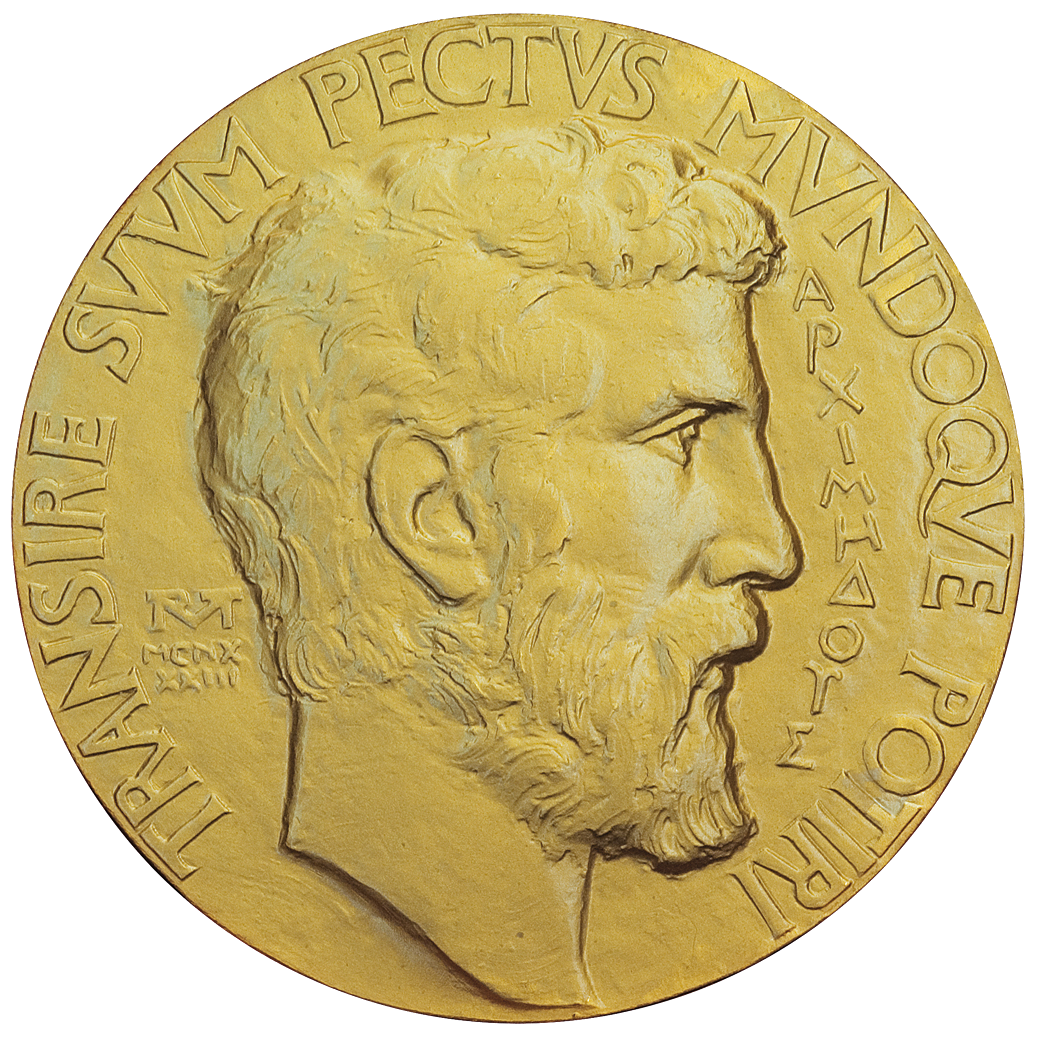 Fields-Medaille
National Key Laboratory of Science and Technology on Micro/Nano Fabrication
Staatliches Schlüssellabor
State Key Joint Laboratory of Environmental Simulation and Pollution Control
State Key Laboratory of Advanced Optical Communication Systems and Networks
State Key Laboratory of Biomembrane and Membrane Biotechnology
State Key Laboratory of Chemical Engineering
State Key Laboratory of Nuclear Physics and Technology
State Key Laboratory of Protein Engineering and Plant Genetic Engineering


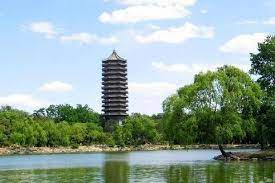

Peking University (Chinese: 北京大学, informally Beida 北大, PKU; lit. "Beijing University"), is a major research university in Beijing, China, and a member of the elite C9 League of Chinese universities.[5] Peking University was established as the Imperial University of Peking in 1898 when it received its first royal charter by the Guangxu Emperor. A successor of the older Guozijian Imperial College,[6] the university's romanized name 'Peking' retains the older transliteration of 'Beijing' that has been superseded in most other contexts.[7] Perennially ranked as one of the top academic institutions in China and the world,[8][9] as of 2021, PKU is ranked 2nd in the Asia-Pacific and emerging countries, and 23rd in the world by Times Higher Education.[10][11][12]
Throughout its history, PKU has had an important role "at the center of major intellectual movements" in China.[13] Abolished of its status as a royal institution after the fall of the Qing dynasty and the Xinhai Revolution; from the early 1920s, the university became a center for China's emerging, progressive, and republican movements. Faculty and students held important roles in originating the New Culture Movement, the May Fourth Movement protests, and other significant cultural and sociopolitical events, to the extent that the university's history has been closely tied to that of modern China. Peking University has educated and hosted many prominent modern Chinese figures, including Mao Zedong, Lu Xun, Gu Hongming, Hu Shih, Mao Dun, Li Dazhao, Chen Duxiu, and current Premier Li Keqiang.[14]
Peking University's library is one of the largest libraries in the world, containing over 8 million volumes.[15] The university also operates the PKU Hall, a professional performing arts center, and the Arthur M. Sackler Museum of Arts and Archaeology. PKU is also renowned for its campus grounds and the beauty of its traditional Chinese architecture.[16][17][18][19] Additionally, it hosts one of the only undergraduate liberal arts colleges in Asia, and is a Class A institution under the Chinese Double First Class University program.[20] Peking University's alumni and staff include 76 members of the Chinese Academy of Sciences, 19 members of the Chinese Academy of Engineering and 25 members of the World Academy of Sciences.[21]
L'université de Pékin (chinois simplifié : 北京大学 ; chinois traditionnel : 北京大學; pinyin : Běijīng Dàxué), est une université chinoise, considérée comme une des plus prestigieuses de la République populaire de Chine, connue dans le langage courant sous le nom de Beida (北大, Běidà), a été fondée à Pékin en 1898.
L'Università di Pechino (Běijīng Dàxué北京大學T, 北京大学S), comunemente conosciuta in cinese come Beida (北大), venne fondata con il nome di Università Imperiale della capitale nel 1898 in sostituzione dell'antica Guozijian (guózǐjiàn, 国子监). È un'importante università di ricerca della capitale cinese ed è la prima moderna e nazionale della Cina.
La Universidad de Pekín1 (abbreviada PKU, conocida coloquialmente en Chino Mandarín como Beida) es una universidad enfocada a la investigación localizada en Pekín, China y es miembro de la liga C9 de universidades de elite Chinas.2 Es la primera institución de educación moderna establecida en China y fue fundada durante los finales de la Dinastía Qing en 1898 con el nombre de Universidad Imperial de Pekín siendo la institución sucesora del Guozijian (Colegio imperial).3
Es una de las universidades más prestigiosas de la República Popular de China y de toda Asia, con un espíritu humanista de la investigación y la educación académica. Se disputa constantemente el sitial de mejor universidad de China con la Universidad de Tsinghua 4 y el 2019 fue nombrada la universidad número 22 de todo el mundo.5 Se encuentra en Pekín, la capital de China, cerca del Palacio de Verano, el campus de la universidad es llamado Yan Yuan, posee una extensión de 3 millones de metros cuadrados y es considerado uno de los más bellos de todo el continente asiático. 6 Actualmente la universidad cuenta con 30.000 estudiantes entre estudiantes de título de grado o licenciatura universitaria, estudiantes de postgrado, doctorado y estudiantes visitantes e internacionales. Todos ellos acuden a las 31 escuelas, 5 facultades y 271 centros de investigación que conforman la universidad, además mantienen relaciones con 200 instituciones internacionales en materia de colaboración e intercambio académico un aspecto importante para la educación china.
A lo largo de la historia, la Universidad de Pekín ha jugado un importante rol como centro de movimientos intelectuales de China. En la década de 1920, la universidad se convirtió en epicentro de los movimientos progresistas del país. Estudiantes, docentes y administrativos tuvieron importantes roles en los orígenes del Movimiento del Cuatro de Mayo, así como en otros eventos sociopolíticos a lo largo del siglo XX. Por estos motivos la historia de esta universidad esta profundamente asociada con la historia de la China moderna. La universidad de Pekín ha educado y acogido en su campus a muchas de las más prominentes personalidades chinas, incluyendo a Mao Zedong, Lu Xun, Gu Hongming, Hu Shih, Mao Dun, Li Dazhao, Chen Duxiu, y el actual premier Li Keqiang.
La Universidad de Pekín cuenta con una destacada biblioteca, la cual se fundó en 1902, pocos años después de la puesta en marcha de la universidad y dispone de más de 4.000.000 de volúmenes, con una capacidad de más de 6.500.000 volúmenes. Su colección de rarezas y libros antiguos es una referencia en toda Asia.
Su longevidad, de 114 años, y su rol predominante en la educación y en la política chinas durante su desarrollo dentro de las primeras décadas del siglo XX han convertido, entre otras razones, a esta universidad en una de las instituciones de educación superior más prestigiosas y exigentes de la República Popular China.
Пеки́нский университе́т (кит. трад. 北京大學, упр. 北京大学, пиньинь Běijīng Dàxué, палл. Бэйцзин дасюэ), известный также под сокращённым названием «Бэйда» 北大 — основанный в 1898 году, крупнейший университет Китая, один из старейших вузов страны.

 Transport und Verkehr
 Architektur
Beijing Shi-BJ
China

 Luft- und Raumfahrt
Größte Flughäfen nach Passagieraufkommen/Busiest airports by passenger traffic
Luft- und Raumfahrt
Größte Flughäfen nach Frachtaufkommen/Busiest airports by cargo traffic
Olympische Winterspiele 2022


