Deutsch-Chinesische Enzyklopädie, 德汉百科
 Architecture

§*City, highway, and railroad overpasses***Future Projects*3D Laser Scanning* Architects*Railway station*Bridge*Sewerage*Labyrinth*Racetrack/Equestrian Park*Stadium*Super-Prime Houses*Triumphal arch*Housing styleEgyptian architectureArabic architectureArt Deco architectureBrick Gothic architectureGothic architectureNeo-Gothic architectureNeo-Renaissance architectureNeo-Romanesque architectureRenaissance architectureRomanesque architectureBaroque / Rococo architectureBauhaus architectureArchitecture of eclecticismExpressionism architectureHistoricism architecture *Mudejar architectureNeo-Mudejar architectureNeo-Baroque architectureNeoclassic architecture *Art Nouveau architectureAssyrian-Babylonian architectureBeaux ArtByzantine architectureChinese architectureChinese gardenEtruscan-Roman architectureHalf-timbered houseGreek architectureHindu architectureIslamic architectureJapanese architectureAsia Minor ArchitectureKorean architectureMayan Toltec architectureMinoan architectureMughal architectureMouvement EastlakeMycenaean architectureNeo-Byzantine architectureOttoman architecturePalladian architecturePersian-Median architecturePhoenician-Hebrew architectureRoman architectureSumerian architectureThai architectureTibetan architectureSkyscraper

華嚴寺 华严寺
华严寺(Huayan Temple),位于山西省大同市平城区下寺坡街459号,始建于辽清宁八年(1062年),是中国现存年代较早、保存较完整的一座辽金寺庙建筑群,也是中国现存三大辽代寺院之一 。 华严寺建筑依东西轴线布局,总占地面积66000平方米,整体分为上下两寺。上寺以大雄宝殿为中心,分为两院,下寺以薄伽教藏殿为中心。除两座主殿为辽金时期建筑外,其余皆为清朝时期重建。华严寺集中了辽金建筑、小木作天宫楼阁、彩塑、壁画等各类文物,均居同类作品中的上乘,在中国建筑史、宗教史和艺术史研究中占有重要地位。

華祖庵 华祖庵
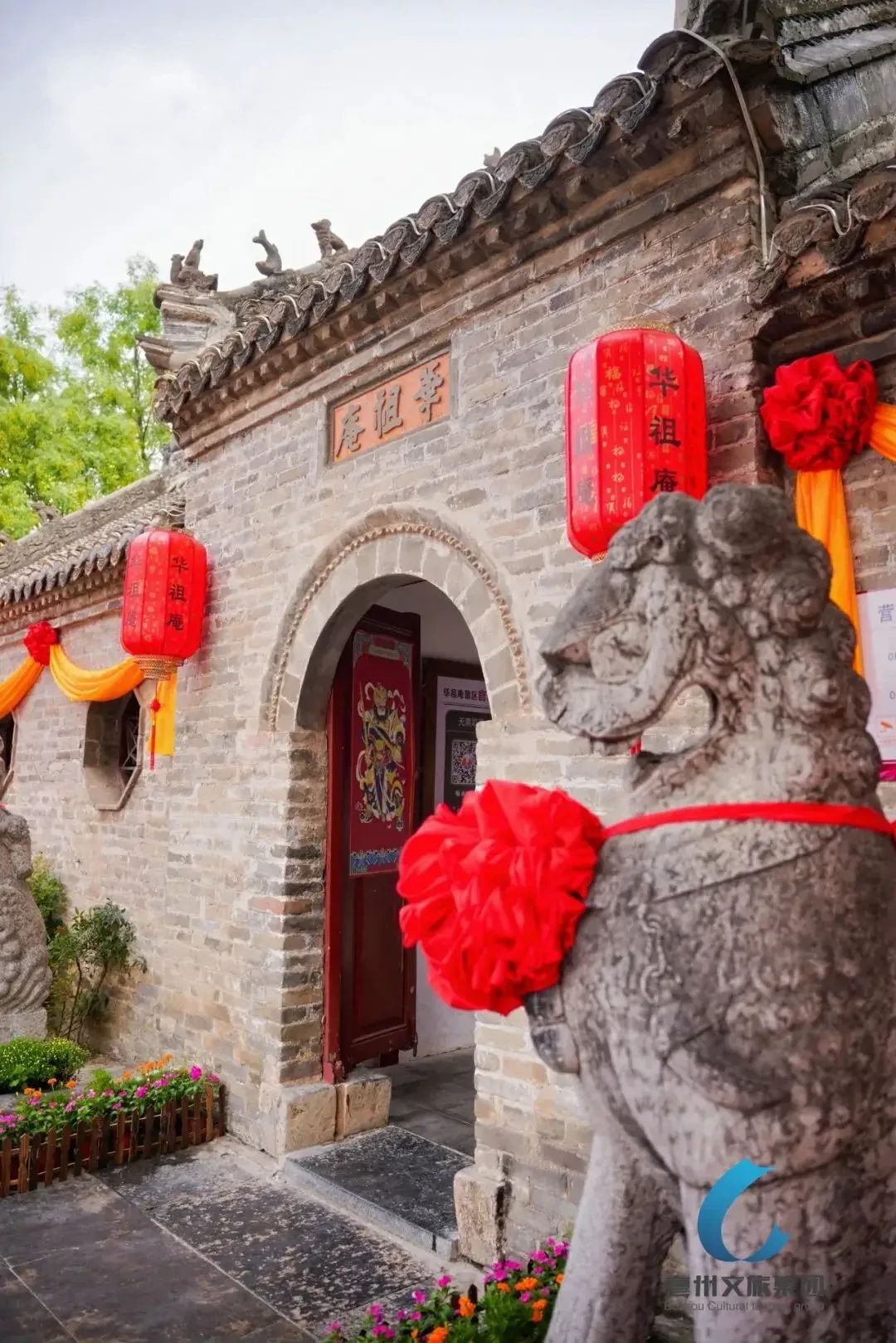
华祖庵,又名华祖庙,位于安徽省亳州市永安街12号。始建于唐天佑元年(904年),是为祭祀中国东汉时期的医药学家华佗建立的庙祠。因庙的历代住持皆为女僧,因此成为庵。 华祖庵是传统的“三厢两厅正堂屋"结构,以挑檐式建筑为主;华祖庵总占地1.3万平方米,有山门、耳房、大殿、东西殿、禅房、元化草堂、存珍斋、益寿轩、课徒馆、自怡亭、五禽戏台、药圃、洗芝池、碑廊等建筑。

户对
户对,中国传统建筑构建之一。与门当相对,为门楣上突出之柱形木雕(砖雕),上面大多刻有以瑞兽珍禽为主题的图案。因一般成双数出现,故名“户对”。“户对”仅为官者的院落才有。“户对”是置于门楣上或门楣双侧的砖雕,木雕。


 History
人文主义与意大利文艺复兴艺术
Renaissance-Humanismus ist die moderne Bezeichnung für eine machtvolle geistige Strömung in der Zeit der Renaissance, die zuerst von Francesco Petrarca (1304–1374) angeregt wurde. Sie hatte in Florenz ein herausragendes Zentrum und breitete sich im 15. und 16. Jahrhundert über den größten Teil Europas aus.



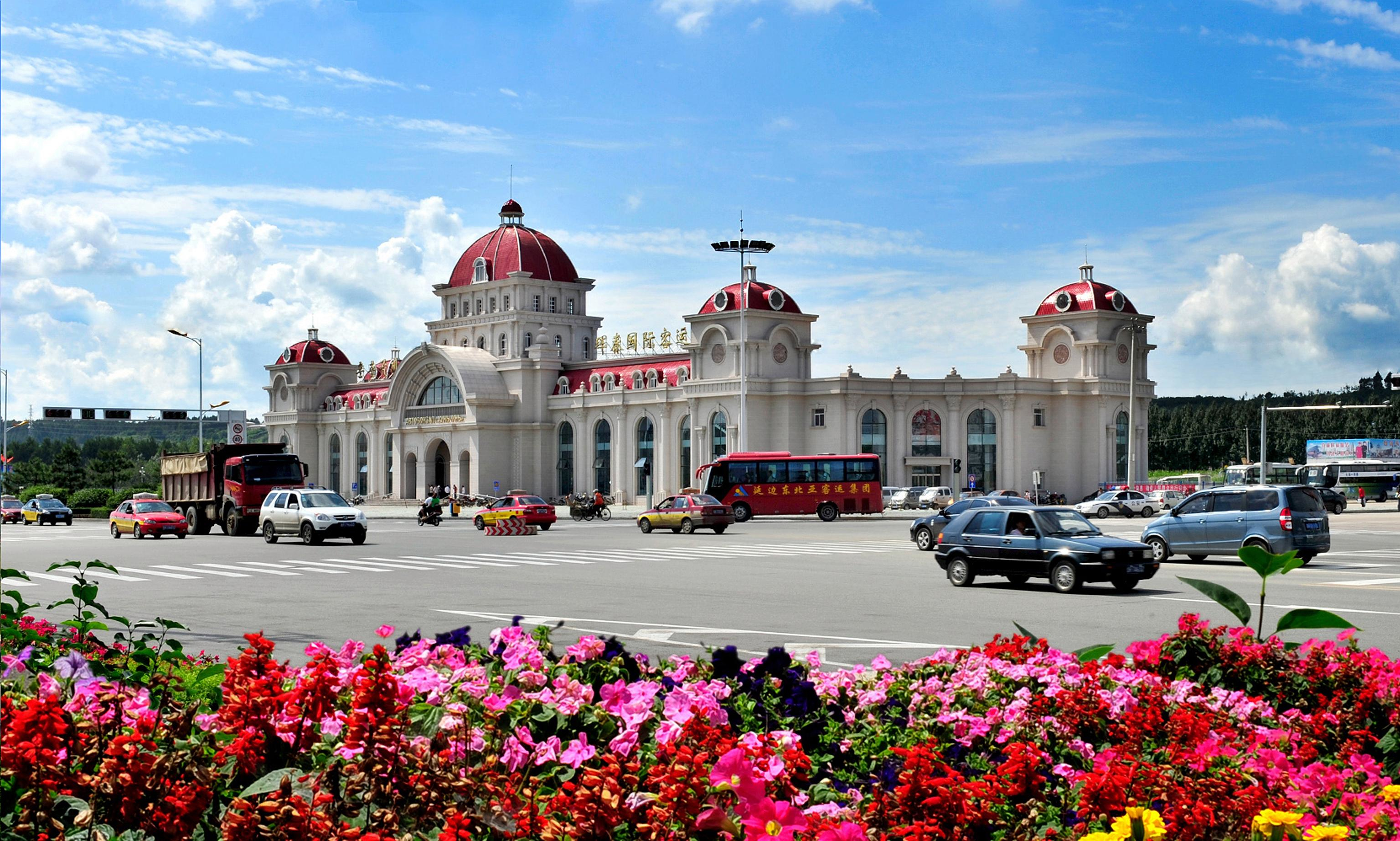
珲春国际客运站/Hunchun International Passenger Terminal