
Deutsch-Chinesische Enzyklopädie, 德汉百科
 Religion
 Toscana

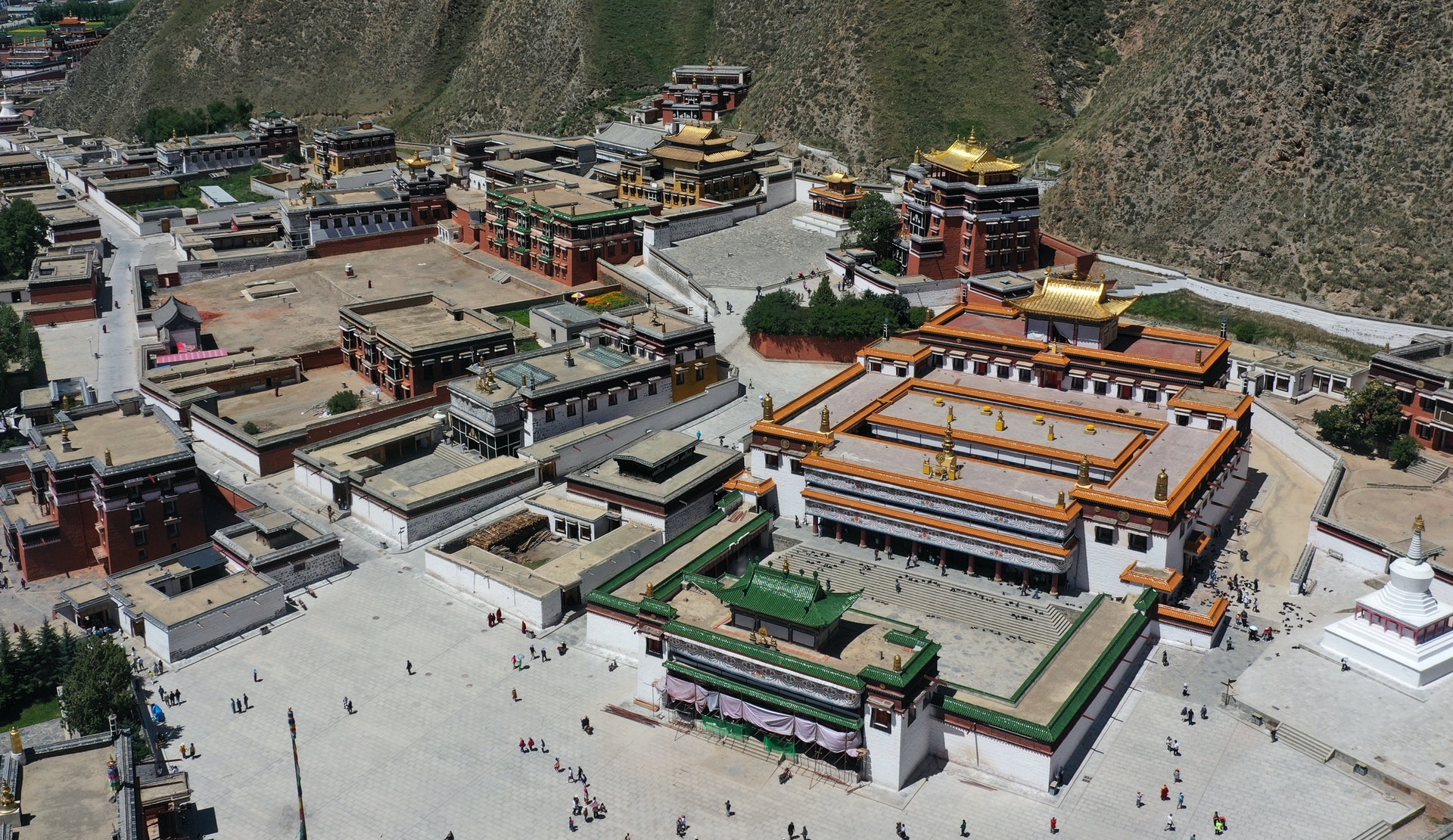
拉卜楞寺(藏语:བླ་བྲང་བཀྲ་ཤིས་འཁྱིལ,威利转写:bla-brang bkra-shis-'khyil)位于中国甘肃省甘南藏族自治州夏河县大夏河岸边,本名噶丹夏珠卜达吉益苏奇贝琅(藏语:དགེ་ལྡན་བཤད་སྒྲུབ་དར་རྒྱས་བཀྲ་ཤིས་གྱས་སུ་འཁྱིལ་བའི་གླིང༌།,威利转写:dge ldan bshad sgrub dar rgyas bkra shis gyas su 'khyil ba'i gling),简称扎西奇寺,“拉卜楞”由“拉章”(嘉木样佛宫)音变而来,是藏传佛教格鲁派六大寺院之一,也是甘肃南部藏族地区最大的寺院。拉卜楞寺在历史上号称有108属寺(其实要远大于此数),是甘南地区的政教中心,目前拉卜楞寺保留有全国最好的藏传佛教教学体系。
藏传佛教格鲁派的六大寺之一,全世界最有名的藏密学院,拥有中国最完整的藏传佛教教学体系。寺院规模宏大,这里有恢宏的寺院建筑群,供奉着无数的巨大佛像和各种精美的雕塑、壁画、法器等。拉卜楞寺超长的转经长廊是全世界罕见的,共2000余个转经筒,转遍每个转经筒至少需一个小时。在拉卜楞寺西南角有座古老的木桥,横跨夏河,过桥上山,站在晒佛台上能将拉卜楞寺的全景尽收眼底。
Das Kloster Labrang (Kurzform von Labrang Trashi Khyil) liegt in 2.800 Metern Höhe in einem Flusstal des Kreises Xiahe im Autonomen Bezirk Gannan der Tibeter in der Provinz Gansu der Volksrepublik China. Es befindet sich im Übergangsraum zwischen den Siedlungsgebieten der Tibeter und Hui. 1709 erbaut, wurde es zu einer Drehscheibe im Handel zwischen Zentralchina, Tibet und der Seidenstraße. Es zählt zu den sechs größten Klöstern der Gelug-Schule des tibetischen Buddhismus.
 Architecture
Bhutan
 History
 K 500 - 1000 AD
Himachal Pradesh
 Art
 Mongolei
Nei Mongol Zizhiqu-NM
Nepal
Qinghai Sheng-QH
 World Heritage
Xizang Zizhiqu-XZ
Yunnan Sheng-YN
藏传佛教(藏语:བོད་བརྒྱུད་ནང་བསྟན།,威利转写:bod brgyud nang bstan,藏语拼音:Pö gyü Nangdän;蒙古语:Төвөдийн Буддын шашин),或称藏语系佛教,或俗称喇嘛教,是指传入藏区的佛教分支。属北传佛教,与汉传佛教、南传佛教并称佛教三大地理体系,但以密宗传承为其主要特色。
Die Entwicklung des Buddhismus in Tibet bzw. im Hochland von Tibet geht auf erste Kontakte im 5. Jahrhundert n. Chr. zurück. Zur offiziellen Einführung des Buddhismus in Tibet als Staatsreligion kam es im 8. Jahrhundert durch König Trisong Detsen.[1] In Tibet entstanden im Verlauf der Zeit verschiedene buddhistische Schulen.
 Geography

| Staat oder Gebiet | Anteil Christen | Anzahl Christen | Sektäre Verteilung der Bevölkerung | Stand |
|---|---|---|---|---|
 Vatikanstadt | 100,0 % | 1.000 | Katholiken 100,0 % | 2010 |
 Osttimor | 99,6 % | 1.120.000 | Katholiken 98,9 %, Protestanten 1,6 % | 2010 |
 Papua-Neuguinea | 99,2 % | 6.800.000 | Protestanten 68 %, Katholiken ca. 30 %, sonstige Christen ca. 1 % | 2010 |
 Tonga | 98,9 % | 100.000 | Protestanten 65,9 %, Katholiken 15,9 %, sonstige Christen 17,1 % | 2010 |
 Armenien | 98,5 % | 3.040.000 | Orthodoxe 86,6 %, Katholiken 8,7 %, Protestanten 2,2 %, sonstige Christen 1,0 % | 2010 |
 Amerikanisch-Samoa | 98,3 % | 70.000 | Protestanten 60,0 %, Katholiken und sonstige Christen jeweils ca. 20 % | 2010 |
 Namibia | 97,6 % | 2.230.000 | Protestanten 73,4 %, Katholiken 23,8 %, sonstige Christen 0,4 % | 2010 |
 Marshallinseln | 97,5 % | 50.000 | Protestanten 87,0 %, Katholiken 8,4 %, sonstige Christen 2,1 % | 2010 |
 Moldau | 97,5 % | 3.480.000 | Orthodoxe 95,4 %, Protestanten 1,4 %, sonstige Christen 0,4 % | 2010 |
 Salomonen | 97,5 % | 520.000 | Protestanten 76,6 %, Katholiken 19,0 %, sonstige Christen 1,8 % | 2010 |
 Sambia | 97,5 % | 12.760.000 | Protestanten 67,8 %, Katholiken 21 %, sonstige Christen 8,5 % | 2010 |
 Wallis und Futuna | 97,4 % | 10.000 | Katholiken 95,2 %, Protestanten 1,0 %, sonstige Christen 1,3 % | 2010 |
 Samoa | 97,3 % | 180.000 | Protestanten 63,6 %, Katholiken 19,6 %, sonstige Christen 14,1 % | 2010 |
 Kiribati | 97,0 % | 100.000 | Katholiken 55,0 %, Protestanten 38,9 %, sonstige Christen 3,1 % | 2010 |
 Paraguay | 96,9 % | 6.260.000 | Katholiken 89,6 %, Protestanten 6,3 %, sonstige Christen 1,0 % | 2010 |
 Puerto Rico | 96,9 % | 3.630.000 | Katholiken 69,9 %, Protestanten 25,1 %, sonstige Christen 1,9 % | 2010 |
 Lesotho | 96,8 % | 2.100.000 | Protestanten 49,9 %, Katholiken 45,7 %, sonstige Christen 1,1 % | 2010 |
 Tuvalu | 96,7 % | 10.000 | Protestanten 95,4 %, Katholiken 0,5 %, sonstige Christen 0,8 % | 2010 |
 Grenada | 96,6 % | 60.000 | Katholiken 51,9 %, Protestanten 43,4 %, sonstige Christen 1,3 % | 2010 |
 Martinique | 96,5 % | 390.000 | Katholiken 84,6 %, Protestanten 9,6 %, sonstige Christen 2,3 % | 2010 |
 St. Helena | 96,5 % | 10.000 | Protestantische Mehrheit | 2010 |
 Niue | 96,4 % | 10.000 | Protestantische Mehrheit | 2010 |
 Bahamas | 96,3 % | 330.000 | Protestanten 80,2 %, Katholiken 14,6 %, sonstige Christen 1,3 % | 2010 |
 Grönland | 96,1 % | 60.000 | Protestanten 95,5 %, Katholiken 0,2 %, sonstige Christen 0,4 % | 2010 |
 Cookinseln | 96,1 % | 20.000 | Protestantische Mehrheit | 2010 |
 Guadeloupe | 95,9 % | 440.000 | Katholiken 85,2 %, Protestanten 7,5 %, sonstige Christen 3,2 % | 2010 |
 Demokratische Republik Kongo | 95,7 % | 63.150.000 | Protestanten 48,1 %, Katholiken 47,3 %, sonstige Christen 0,4 % | 2010 |
 Peru | 95,6 % | 27.800.000 | Katholiken 81,3 %, Protestanten 12,5 %, sonstige Christen 1,8 % | 2010 |
 Mikronesien | 95,4 % | 110.000 | Katholiken 52,7 %, Protestanten 41,7 %, sonstige Christen ca. 1 % | 2010 |
 Barbados | 95,2 % | 260.000 | Protestanten 88,0 %, Katholiken 4,3 %, sonstige Christen 2,8 % | 2010 |
 Guatemala | 95,2 % | 13.700.000 | Katholiken 58,2 %, Protestanten 35,6 %, sonstige Christen 1,4 % | 2010 |
 Mexiko | 95,0 % | 107.780.000 | Katholiken 85 %, Protestanten ca. 8 %, sonstige Christen ca. 2 % | 2010 |
 Amerikanische Jungferninseln | 94,8 % | 100.000 | Protestanten 65,5 %, Katholiken 27,1 %, Orthodoxe 0,4 %, sonstige Christen 1,8 % | 2010 |
 Saint-Pierre und Miquelon | 94,7 % | 10.000 | Katholiken 93 %, Protestanten 1,2 %, sonstige Christen 0,5 % | 2010 |
 St. Kitts und Nevis | 94,6 % | 50.000 | Protestanten 84,1 %, Katholiken 9,2 %, sonstige Christen 1,4 % | 2010 |
 Dominica | 94,4 % | 60.000 | Katholiken 58,1 %, Protestanten 35,5 %, sonstige Christen 0,8 % | 2010 |
 Polen | 94,3 % | 36.090.000 | Katholiken 92,2 %, Protestanten 1,3 %, Orthodoxe 0,4 %, sonstige Christen 0,3 % | 2010 |
 Guam | 94,3 % | 170.000 | Katholiken 75,0 %, Protestanten 17,7 %, sonstige Christen 1,4 % | 2010 |
 Ecuador | 94,1 % | 13.610.000 | Katholiken 83,4 %, Protestanten 9,6 %, sonstige Christen 1,1 % | 2010 |
 Französisch-Polynesien | 94,0 % | 250.000 | Protestanten 40,6 %, Katholiken 39,8 %, sonstige Christen 13,6 % | 2010 |
 Seychellen | 94,0 % | 80.000 | Katholiken 83,0 %, Protestanten 10 %, sonstige Christen 1 % | 2010 |
 Bolivien | 93,9 % | 9.330.000 | Katholiken 79,0 %, Protestanten 13,7 %, sonstige Christen 1,2 % | 2010 |
 Montserrat | 93,5 % | 10.000 | Protestantische Mehrheit | 2010 |
 Ruanda | 93,4 % | 9.920.000 | Katholiken 49,5 %, Protestanten 43,4 %, sonstige Christen 0,5 % | 2010 |
 Vanuatu | 93,3 % | 220.000 | Protestanten 78,2 %, Katholiken 13,8 %, sonstige Christen 1,5 % | 2010 |
 Philippinen | 93,1 % | 86.790.000 | Katholiken 81,4 %, Protestanten 10,8 %, sonstige Christen 0,9 % | 2010 |
 Antigua und Barbuda | 93,0 % | 80.000 | Protestanten 81,2 %, Katholiken 10,5 %, sonstige Christen 1,3 % | 2010 |
 Panama | 93,0 % | 3.270.000 | Katholiken 75,3 %, Protestanten 16,4 %, sonstige Christen 1,3 % | 2010 |
 Kolumbien | 92,5 % | 42.810.000 | Katholiken 82,3 %, Protestanten 10,0 %, sonstige Christen 0,2 % | 2010 |
 Rumänien | 92,2 % | 18.552.000 | Orthodoxe 81,0 %, Protestanten 6,2 %, Katholiken 5,1 % | 2011 |
 Turks- und Caicosinseln | 92,1 % | 40.000 | Protestanten 78 %, Katholiken 12,3 %, sonstige Christen 1,9 % | 2010 |
 Malta | 91,6 % | 400.000 | Katholiken 89 %, sonstige Christen ca. 3 % | 2016[3] |
 San Marino | 91,6 % | 30.000 | Katholiken 90,5 %, Protestanten 0,3 %, sonstige Christen 0,8 % | 2010 |
 St. Lucia | 91,1 % | 160.000 | Protestanten 62,1 %, Katholiken 27,9 %, sonstige Christen 1,1 % | 2010 |
 Kroatien | 91,0 % | 4.110.000 | Katholiken 84,0 %, Orthodoxe ca. 4 %, Protestanten ca. 0,3 % | 2011 |
 Costa Rica | 90,9 % | 4.230.000 | Katholiken 66,7 %, Protestanten 22,7 %, sonstige Christen 1,5 % | 2010 |
 Anguilla | 90,6 % | 1.000 | Protestantische Mehrheit | 2010 |
 Serbien | 90,6 % | 7.260.000 | Orthodoxe 85 %, Katholiken ca. 5 %, Protestanten ca. 1 % | 2011 |
 Brasilien | 90,2 % | 175.770.000 | Katholiken 68,6 %, Protestanten 20,8 %, sonstige Christen 0,8 % | 2010 |
 Zentralafrikanische Republik | 89,8 % | 3.950.000 | Protestanten 60,7 %, Katholiken ca. 29 %, sonstige Christen ca. 0,5 % | 2010 |
 Andorra | 89,5 % | 80.000 | Katholiken 88,2 %, Orthodoxe und Protestanten je 0,3 %, sonstige Christen 0,8 % | 2010 |
 Chile | 89,5 % | 15.310.000 | Katholiken 71,8 %, Protestanten 15,5 %, sonstige Christen 2 % | 2010 |
 Griechenland | 89,5 % | 10.160.000 | Orthodoxe 88,3 %, Katholiken 0,7 %, Protestantenb und sonstige Christen je 0,3 % | 2010 |
 Georgien | 89,3 % | 3.890.000 | Orthodoxe 87,3 %, Katholiken 0,8 %, Protestanten 0,4 %, sonstige Christen 0,3 % | 2010 |
 Venezuela | 89,3 % | 25.890.000 | Katholiken 77,1 %, Protestanten 10,1 %, sonstige Christen 1,5 % | 2010 |
 Kap Verde | 89,1 % | 440.000 | Katholiken 78,7 %, Protestanten 7,2 %, Orthodoxe 0,7 %, sonstige Christen 2,5 % | 2010 |
 Dominikanische Republik | 88,9 % | 8.820.000 | Katholiken 67,2 %, Protestanten 21 %, sonstige Christen 0,7 % | 2010 |
 Gibraltar | 88,8 % | 30.000 | Protestanten 80,0 %, Katholiken 8,2 %, sonstige Christen 0,7 % | 2010 |
 Äquatorialguinea | 88,7 % | 620.000 | Katholiken 80,7 %, Protestanten 7,5 %, sonstige Christen 0,5 % | 2010 |
 St. Vincent und die Grenadinen | 88,7 % | 100.000 | Protestanten 81,6 %, Katholiken 6,2 %, sonstige Christen 0,8 % | 2010 |
 Angola | 88,2 % | 16.820.000 | Katholiken 56,8 %, Protestanten 30,6 %, sonstige Christen 0,7 % | 2010 |
 El Salvador | 88,2 % | 5.460.000 | Katholiken 51,1 %, Protestanten 35,7 %, sonstige Christen 1,4 % | 2010 |
 Honduras | 87,6 % | 6.660.000 | Katholiken 50,3 %, Protestanten 36,6 %, sonstige Christen 0,6 % | 2010 |
| Réunion | 87,6 % | 740.000 | Katholiken 80,0 %, Protestanten 6,9 %, sonstige Christen 0,7 % | 2010 |
 Swasiland | 87,5 % | 1.040.000 | Protestanten 81,8 %, Katholiken 4,9 %, sonstige Christen 0,8 % | 2010 |
 Belize | 87,2 % | 270.000 | Katholiken 49,9 %, Protestanten 35,4 %, sonstige Christen 1,9 % | 2010 |
 Haiti | 86,8 % | 8.680.000 | Katholiken 56,7 %, Protestanten 29,5 %, sonstige Christen 0,6 % | 2010 |
 Palau | 86,7 % | 20.000 | Katholiken 55,1 %, Protestanten 29,6 %, sonstige Christen 2,0 % | 2010 |
 Uganda | 86,7 % | 28.970.000 | Protestanten 44,4 %, Katholiken 42,2 % | 2010 |
 Monaco | 86,0 % | 30.000 | Katholische Mehrheit | 2010 |
 Nicaragua | 85,9 % | 4.970.000 | Katholiken 58,5 %, Protestanten 26,5 %, sonstige Christen 0,9 % | 2010 |
 Republik Kongo | 85,9 % | 3.470.000 | Protestanten 51,4 %, Katholiken 30,1 %, sonstige Christen 4,4 % | 2010 |
 Liechtenstein | 85,8 % | 30.000 | Katholiken 76,0 %, Protestanten ca. 7,5 %, sonstige Christen ca. 1,4 % | 2010 |
 Liberia | 85,6 % | 3.420.000 | Protestanten 76,0 %, Katholiken 7,2 %, Orthodoxe 0,7 %, sonstige Christen 1,5 % | 2010 |
 Argentinien | 85,2 % | 34.420.000 | Katholiken 76,8 %, Protestanten 7,3 %, sonstige Christen 1,1 % | 2010 |
| Neukaledonien | 85,2 % | 210.000 | Katholiken 50,8 %, Protestanten 32,4 %, sonstige Christen 2,0 % | 2010 |
 Guernsey und  Jersey | 85,2 % | 130.000 | Protestanten 66,2 %, Katholiken 18,5 %, sonstige Christen 0,4 % | 2010 |
 Irland | 85,1 % | 3.992.800 | Katholiken 78,3 %, Protestanten ca. 4 %, Orthodoxe ca. 1,3 % | 2016[4] |
 Kenia | 84,8 % | 34.340.000 | Protestanten 59,6 %, Katholiken 22,1 %, Orthodoxe 1,5 %, sonstige Christen 1,4 % | 2010 |
 Britische Jungferninseln | 84,5 % | 20.000 | Protestanten 78,4 %, Katholiken 3,4 %, sonstige Christen 2,7 % | 2010 |
 Französisch-Guayana | 84,4 % | 200.000 | Katholiken 76,9 %, Protestanten 5,9 %, sonstige Christen 1,6 % | 2010 |
 Portugal | 84,3 % | 8.904.000 | Katholiken 81,0 %, sonstige Christen ca. 3 % | 2011[5] |
 Ukraine | 83,8 % | 38.080.000 | Orthodoxe 76,7 %, Katholiken 5,6 %, Protestanten 1,3 % | 2010 |
 Bulgarien | 84,1 % | 6.300.000 | Orthodoxe 83,0 %, Protestanten 0,6 %, Katholiken 0,5 % | 2010 |
 Isle of Man | 84,1 % | 70.000 | Protestanten 72,0 %, Katholiken 11,0 %, sonstige Christen 1,1 % | 2010 |
 Island | 83,1 % | 277.000 | Protestanten 80 %, Katholiken ca. 3 % | 2015[6] |
 Malawi | 82,7 % | 12.320.000 | Protestanten 55 %, Katholiken ca. 26 %, sonstige Christen ca. 1,5 % | 2010 |
 Litauen | 82,1 % | 2.980.000 | Katholiken 77 %, Orthodoxe ca. 5 % | 2011[7] |
 São Tomé und Príncipe | 82,1 % | 140.000 | Katholiken 72,0 %, Protestanten ca. 9,5 %, sonstige Christen ca. 1 % | 2010 |
 Bermuda | 81,7 % | 50.000 | Protestanten 64,8 %, Katholiken 14,9 %, Orthodoxe 0,5 %, sonstige Christen 1,4 % | 2010 |
 Nördliche Marianen | 81,3 % | 50.000 | Katholiken 64,1 %, Protestanten 16 %, sonstige Christen 1,2 % | 2010 |
 Cayman Islands | 81,1 % | 50.000 | Protestanten 70,8 %, Katholiken 8,8 %, sonstige Christen 1,5 % | 2010 |
 Südafrika | 80,9 % | 40.560.000 | Protestanten 72,9 %, Katholiken 7,3 %, sonstige Christen 0,6 % | 2010 |
 Vereinigte Staaten | 79,5 % | 246.790.000 | Protestanten 51,5 %, Katholiken 24,0 %, Orthodoxe 0,6 %, sonstige Christen 3,4 % | 2010 |
 Slowenien | 79,2 % | 1.610.000 | Katholiken 75 %, Orthodoxe ca. 3 %, Protestanten ca. 1 % | 2010 |
 Nauru | 79,0 % | 10.000 | Protestantische Mehrheit | 2010 |
 Montenegro | 78,8 % | 500.000 | Orthodoxe 75,1 %, Katholiken 3,6 % | 2010 |
 Dänemark | 78,2 % | 4.610.000 | Protestanten 67 %, Orthodoxe ca. 2 %, Katholiken ca. 1 %, sonstige Christen ca. 7,5 % | 2015 |
 Simbabwe | 78,2 % | 9.830.000 | Protestanten 66,8 %, Katholiken 10,3 %, Orthodoxe und sonstige Christen je 0,5 % | 2010 |
 Norwegen | 77,9 % | 4.098.000 | Protestanten 75 %, Katholiken ca. 3 % | 2016[8] |
 Gabun | 77,7 % | 1.170.000 | Katholiken 53,5 %, Protestanten 24 %, sonstige Christen 0,2 % | 2010 |
 Jamaika | 77,1 % | 2.110.000 | Protestanten 72,8 %, Katholiken 2,6 %, sonstige Christen 1,6 % | 2010 |
 Slowakei | 75,5 % | 4.102.000 | Katholiken 66 %, Protestanten ca. 9 %, Orthodoxe ca. 1 % | 2011 |
 Ghana | 74,9 % | 18.260.000 | Protestanten 60,8 %, Katholiken 12,9 %, sonstige Christen 1,1 % | 2010 |
 Madagaskar | 74,5 % | 15.430.000 | Protestanten 35,9 %, Katholiken 35 % | 2010 |
 Österreich | 73,6 % | 6.373.000 | Katholiken 64,2 %, Protestanten 4,8 %, Orthodoxe 4,6 % | 2016[9] |
 Russland | 73,6 % | 105.220.000 | Orthodoxe 71 %, Protestanten 1,8 %, Katholiken 0,5 %, sonstige Christen 0,3 % | 2010 |
 Zypern | 73,2 % | 810.000 | Orthodoxe 71,8 %, Katholiken 1,3 % | 2010 |
 Botswana | 72,1 % | 1.450.000 | Protestanten 65,6 %, Katholiken 6,0 %, sonstige Christen 0,4 % | 2010 |
 Finnland | 72,0 % | 3.969.364 | Protestanten 70,9 %, Orthodoxe 1,1 % | 2017[10] |
 Italien | 71,4 % | 43.434.000 | Katholiken 67 %, Orthodoxe ca. 3 %, Protestanten ca. 1 % | 2015[11] |
 Weißrussland | 71,2 % | 6.830.000 | Orthodoxe 61,5 %, Katholiken 8,7 %, Protestanten 1,0 % | 2010 |
 Spanien | 71,2 % | 33.104.000 | Katholiken 70,2 %, Protestanten 1 % | 2016 |
 Kamerun | 70,8 % | 13.880.000 | Katholiken 38,6 %, Protestanten 31,6 %, sonstige Christen 0,6 % | 2010 |
 Luxemburg | 70,4 % | 360.000 | Katholiken 65,9 %, Protestanten 3,2 %, Orthodoxe 0,7 %, sonstige Christen 0,6 % | 2010 |
 Schweden | 69,9 % | 6.887.000 | Protestanten 66 %, Orthodoxe, Katholiken und sonstige Christen jeweils ca. 1 % | 2015[12] |
 Kanada | 67,7 % | 22.103.000 | Katholiken 39 %, Protestanten ca. 24 %, Orthodoxe ca. 2 % | 2011 |
 Schweiz | 66,9 % | 4.671.000 | Katholiken 36,5 %, Protestanten 24,5 %, sonstige Christen 5,9 % | 2016[13] |
 Trinidad und Tobago | 65,8 % | 880.000 | Protestanten 37,8 %, Katholiken 26,1 %, Orthodoxe 0,4 %, sonstige Christen 1,6 % | 2010 |
 Nordmazedonien | 65,2 % | 1.340.000 | Orthodoxe 64,8 %, Katholiken 0,4 % | 2010 |
 Guyana | 64,9 % | 490.000 | Protestanten 48,9 %, Katholiken 13,2 %, Orthodoxe 1,5 %, sonstige Christen 1,3 % | 2010 |
 Fidschi | 64,4 % | 550.000 | Protestanten 53 %, Katholiken 9,1 %, sonstige Christen 2,4 % | 2010 |
 Deutschland | 64,2 % | 51.187.000 | Protestanten 31,7 %, Katholiken 31,2 %, Orthodoxe 1,3 % | 2011[14] |
 Äthiopien | 63,4 % | 52.580.000 | Orthodoxe 43,5 %, Protestanten 19,2 %, Katholiken 0,7 % | 2010 |
 Eritrea | 62,9 % | 3.310.000 | Orthodoxe 57,7 %, Katholiken 4,6 %, Protestanten 0,7 % | 2010 |
 Lettland | 62,6 % | 1.281.000 | Orthodoxe 26 %, Katholiken und Protestanten jeweils ca. 18 %, sonstige Christen ca. 0,5 % | 2015 |
 Belgien | 60,7 % | 6.849.000 | Katholiken 53 %, Protestanten ca. 6 %, Orthodoxe ca. 2 % | 2015 |
 Südsudan | 60,5 % | 6.530.000 | Katholiken 39,7 %, Protestanten 20,7 % | 2010 |
 Tansania | 59,6 % | 26.740.000 | Katholiken 31,8 %, Protestanten 27,3 %, sonstige Christen 0,5 % | 2010 |
 Vereinigtes Königreich | 59,5 % | 37.584.000 | Protestanten 45 %, Katholiken ca. 14,5 % | 2011[15] |
 Kuba | 59,2 % | 6.670.000 | Katholiken 51,7 %, Protestanten 5,6 %, Orthodoxe 0,5 %, sonstige Christen1,5 % | 2010 |
 Uruguay | 58,2 % | 1.960.000 | Katholiken 47,1 %, Protestanten 6,3 %, Orthodoxe 1,1 %, sonstige Christen 3,7 % | 2010 |
 Mosambik | 56,1 % | 13.120.000 | Katholiken 28,4 %, Protestanten 27,1 %, sonstige Christen 0,7 % | 2010 |
| Frankreich | 56,0 % | 33.072.000 | Katholiken 51 %, Protestanten 3 %, Orthodoxe 2 % | 2016 |
 Ungarn | 54,2 % | 5.385.000 | Katholiken 39 %, Protestanten ca. 15 % | 2011 |
 Benin | 53,4 % | 4.730.000 | Katholiken 30,0 %, Protestanten 23,2 %, sonstige Christen 0,3 % | 2010 |
 Bosnien und Herzegowina | 52,7 % | 1.980.000 | Orthodoxe 38,2 %, Katholiken 14,4 % | 2010 |
 Australien | 52,1 % | 12.202.000 | Protestanten 27 %, Katholiken 25 %, Orthodoxe ca. 3 % | 2016 |
 Suriname | 51,0 % | 270.000 | Katholiken 29,0 %, Protestanten 21,0 % | 2010 |
 Nigeria | 50,8 % | 80.510.000 | Protestanten 37,7 %, Katholiken 12,6 %, sonstige Christen 0,5 % | 2010 |
 Neuseeland | 47,7 % | 1.859.000 | Protestanten 35 %, Katholiken ca. 13 % | 2013[16] |
 Elfenbeinküste | 44,8 % | 8.840.000 | Protestanten 22,7 %, Katholiken 21,4 %, Orthodoxe 0,4 %, sonstige Christen 0,3 % | 2010 |
 Togo | 44,2 % | 2.670.000 | Katholiken 26,4 %, Protestanten 17,1, sonstige Christen 0,6 % | 2010 |
 Tschad | 40,0 % | 4.500.000 | Katholiken 22,5 %, Protestanten 17,6 % | 2010 |
 Niederlande | 39,2 % | 6.697.000 | Katholiken 23,7 %, Protestanten 15,5 % | 2015[17] |
 Libanon | 38,3 % | 1.620.000 | Katholiken 28,8 %, Orthodoxe 8,3 %, Protestanten 1 % | 2010 |
 Südkorea | 29,3 % | 14.100.000 | Protestanten 17,8 %, Katholiken 10,9 %, sonstige Christen 0,5 % | 2010 |
 Estland | 28,1 % | 307.000 | Orthodoxe 16 %, Protestanten ca. 12 % | 2011 |
 Kasachstan | 26,2 % | 4.190.000 | Orthodoxe 21,4 %, Katholiken 2,4 %, Protestanten 2 %, sonstige Christen 0,4 % | 2010 |
 Mauritius | 24,8 % | 320.000 | Katholiken 23,6 %, Protestanten 1,1 % | 2010 |
 Burkina Faso | 23,2 % | 3.820.000 | Katholiken 19 %, Protestanten 4,2 % | 2010 |
 Sierra Leone | 21,1 % | 1.240.000 | Protestanten 13,7 %, Katholiken 7,1 %, sonstige Christen 0,2 % | 2010 |
 Guinea-Bissau | 20,1 % | 300.000 | Katholiken 17,9 %, Protestanten 2,1 % | 2010 |
 Singapur | 18,2 % | 920.000 | Protestanten 10,8 %, Katholiken 7,1 % | 2010 |
 Albanien | 18,0 % | 580.000 | Katholiken 10,2 %, Orthodoxe 7,5 %, Protestanten 0,3 % | 2010 |
 Bahrain | 14,5 % | 80.000 | Katholische Mehrheit | 2010 |
 Kuwait | 14,3 % | 390.000 | Katholische Mehrheit | 2010 |
 Katar | 13,8 % | 240.000 | Katholische Mehrheit | 2010 |
 Tschechien | 12,6 % | 1.317.000 | Katholiken 10,5 %, Protestanten ca. 2 % | 2011 |
 Vereinigte Arabische Emirate | 12,6 % | 940.000 | Katholische Mehrheit | 2010 |
 Kirgisistan | 12,3 % | 660.000 | Orthodoxe Mehrheit | 2010 |
 Hongkong | 11,9 % | 840.000 | Protestantische Mehrheit | 2010 |
 Guinea | 11,0 % | 1.100.000 | Protestantische Mehrheit | 2010 |
 Ägypten | 10,3 % | 9.856.000 | Orthodoxe Mehrheit | 2016 |
 Brunei | 9,4 % | 40.000 | Katholische Mehrheit | 2010 |
 Kosovo | 9,4 % | 200.000 | Orthodoxe Mehrheit | 2010 |
 Malaysia | 9,1 % | 2.590.000 | Katholische Mehrheit | 2010 |
 Indonesien | 8,8 % | 21.160.000 | Protestantische Mehrheit | 2010 |
 Vietnam | 8,0 % | 7.030.000 | Katholische Mehrheit | 2010 |
 Myanmar | 7,9 % | 3.790.000 | Protestantische Mehrheit | 2010 |
 Sri Lanka | 7,5 % | 1.570.000 | Katholische Mehrheit | 2010 |
 Macau | 7,2 % | 40.000 | Katholische Mehrheit | 2010 |
 Oman | 6,5 % | 180.000 | Katholische Mehrheit | 2010 |
 Turkmenistan | 6,3 % | 320.000 | Orthodoxe Mehrheit | 2010 |
 Taiwan | 5,5 % | 1.290.000 | Protestantische Mehrheit | 2010 |
 Sudan | 5,4 % | 1.760.000 | Protestantische Mehrheit | 2010 |
 Syrien | 5,2 % | 1.060.000 | Orthodoxe Mehrheit | 2010 |
 Volksrepublik China | 5,0 % | 67.070.000 | Protestantische Mehrheit | 2010 |
 Gambia | 4,7 % | 80.000 | Katholische Mehrheit | 2010 |
 Saudi-Arabien | 4,4 % | 1.200.000 | Katholische Mehrheit | 2010 |
 Senegal | 3,7 % | 460.000 | Katholische Mehrheit | 2010 |
 Mali | 3,2 % | 500.000 | Katholische Mehrheit | 2010 |
 Aserbaidschan | 3,1 % | 280.000 | Orthodoxe Mehrheit | 2010 |
 Libyen | 2,7 % | 70.000 | Katholische Mehrheit | 2010 |
 Usbekistan | 2,6 % | 710.000 | Orthodoxe Mehrheit | 2010 |
 Palästina | 2,4 % | 100.000 | Orthodoxe Mehrheit | 2010 |
 Dschibuti | 2,3 % | 20.000 | Katholische Mehrheit | 2010 |
 Indien | 2,3 % | 27.820.000 | Protestantische Mehrheit | 2011[18] |
 Mongolei | 2,3 % | 60.000 | Protestantische Mehrheit | 2010 |
 Jordanien | 2,2 % | 140.000 | Orthodoxe Mehrheit | 2010 |
 Israel | 2,0 % | 150.000 | Katholische Mehrheit | 2010 |
 Nordkorea | 2,0 % | 480.000 | Protestantische Mehrheit | 2010 |
 Pakistan | 1,6 % | 2.760.000 | Protestantische Mehrheit | 2010 |
 Japan | 1,5 % | 1.900.000 | Protestantische Mehrheit | 2010 |
 Laos | 1,5 % | 90.000 | Protestantische Mehrheit | 2010 |
 Tadschikistan | 1,4 % | 100.000 | Orthodoxe Mehrheit | 2010 |
 Irak | 0,9 % | 270.000 | 2010 | |
 Thailand | 0,8 % | 550.000 | 2010 | |
 Niger | 0,7 % | 110.000 | 2010 | |
 Bhutan | 0,5 % | 10.000 | 2010 | |
 Komoren | 0,5 % | 10.000 | 2010 | |
 Kambodscha | 0,4 % | 50.000 | 2010 | |
 Malediven | 0,4 % | 10.000 | 2010 | |
 Nepal | 0,4 % | 130.000 | 2010 | |
 Türkei | 0,4 % | 310.000 | 2010 | |
 Mauretanien | 0,3 % | 10.000 | 2010 | |
 Bangladesch | 0,2 % | 280.000 | 2010 | |
 Tunesien | 0,2 % | 20.000 | 2010 | |
 Iran | 0,1 % | 110.000 | 2010 | |
 Algerien | 0,1 % | 60.000 | 2010 | |
 Jemen | 0,1 % | 40.000 | 2010 | |
 Afghanistan | 0,1 % | 30.000 | 2010 | |
 Marokko | 0,1 % | 20.000 | 2010 | |
 Somalia | 0,1 % | 10.000 | 2010 | |
 Westsahara | 0,1 % | 1.000 | 2010 | |
| WELTWEIT | 31,5 % | 2.168.330.000 | Katholiken 15,9 %, Protestanten 11,6 %, Orthodoxe 3,8 %, sonstige Christen 0,4 % | 2010 |

| Rang | Land | Anteil Katholiken | Rang | Land | Anzahl Katholiken |
|---|---|---|---|---|---|
| 1 | Vatikanstadt | 100 % | 1 | Brasilien | 133.660.000 |
| 2 | Osttimor | 98,0 % | 2 | Mexiko | 96.330.000 |
| 3 | Malta | 95,8 % | 3 | Philippinen | 75.940.000 |
| 4 | Wallis und Futuna | 95,2 % | 4 | Vereinigte Staaten | 74.470.000 |
| 5 | Saint-Pierre und Miquelon | 93,0 % | 5 | Italien | 50.250.000 |
| 6 | Polen | 92,2 % | 6 | Kolumbien | 38.100.000 |
| 7 | San Marino | 90,5 % | 7 | Frankreich | 37.930.000 |
| 8 | Paraguay | 89,6 % | 8 | Polen | 35.290.000 |
| 9 | Kroatien | 88,5 % | 9 | Spanien | 34.670.000 |
| 10 | Irland | 88,4 % | 10 | Demokratische Republik Kongo | 31.180.000 |

| Rang | Land | Anteil Orthodoxe | Rang | Land | Anzahl Orthodoxe |
|---|---|---|---|---|---|
| 1 | Moldau | 95,4 % | 1 | Russland | 101.450.000 |
| 2 | Griechenland | 88,3 % | 2 | Äthiopien | 36.060.000 |
| 3 | Georgien | 87,8 % | 3 | Ukraine | 34.850.000 |
| 4 | Rumänien | 87,3 % | 4 | Rumänien | 18.750.000 |
| 5 | Armenien | 86,6 % | 5 | Griechenland | 10.030.000 |
| 6 | Serbien | 86,6 % | 6 | Ägypten | 8.560.000 |
| 7 | Ukraine | 76,7 % | 7 | Serbien | 6.730.000 |
| 8 | Montenegro | 75,1 % | 8 | Bulgarien | 6.220.000 |
| 9 | Zypern | 71,8 % | 9 | Weißrussland | 5.900.000 |
| 10 | Russland | 71,0 % | 10 | Georgien | 3.820.000 |

| Rang | Land | Anteil Protestanten | Rang | Land | Anzahl Protestanten |
|---|---|---|---|---|---|
| 1 | Grönland |
95,5 % | 1 | Vereinigte Staaten |
159.850.000 |
| 2 | Tuvalu |
95,4 % | 2 | Nigeria |
59.680.000 |
| 3 | Island |
91,3 % | 3 | Volksrepublik China |
58.040.000 |
| 4 | St. Helena |
89,9 % | 4 | Brasilien |
40.500.000 |
| 5 | Barbados |
88,0 % | 5 | Südafrika |
36.550.000 |
| 6 | Marshallinseln |
87,0 % | 6 | Vereinigtes Königreich |
33.820.000 |
| 7 | Montserrat |
86,7 % | 7 | Demokratische Republik Kongo |
31.700.000 |
| 8 | St. Kitts und Nevis |
84,2 % | 8 | Deutschland |
28.640.000 |
| 9 | Swasiland |
81,8 % | 9 | Kenia |
24.160.000 |
| 10 | Norwegen |
81,3 % | 10 | Indien |
18.860.000 |
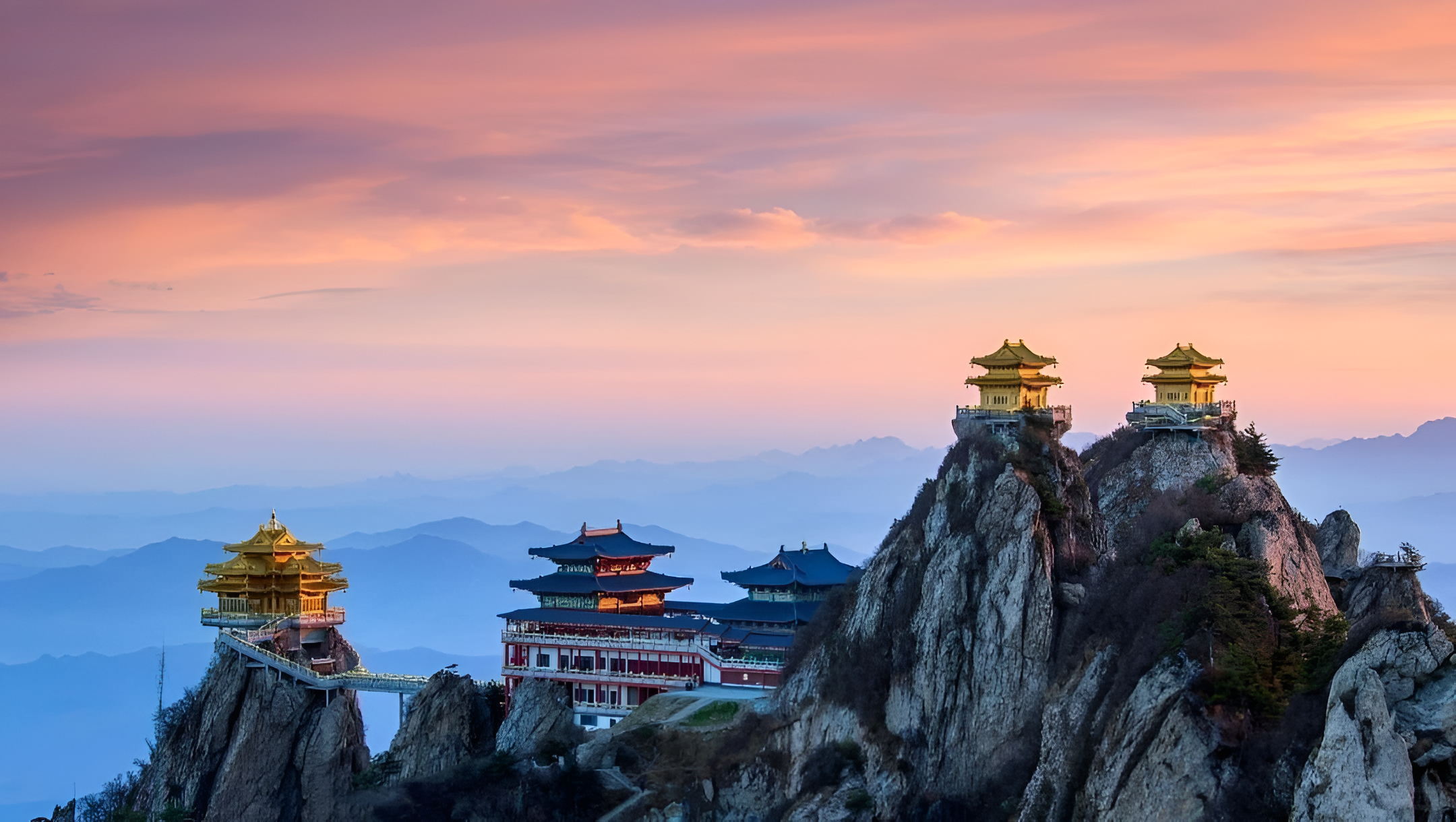
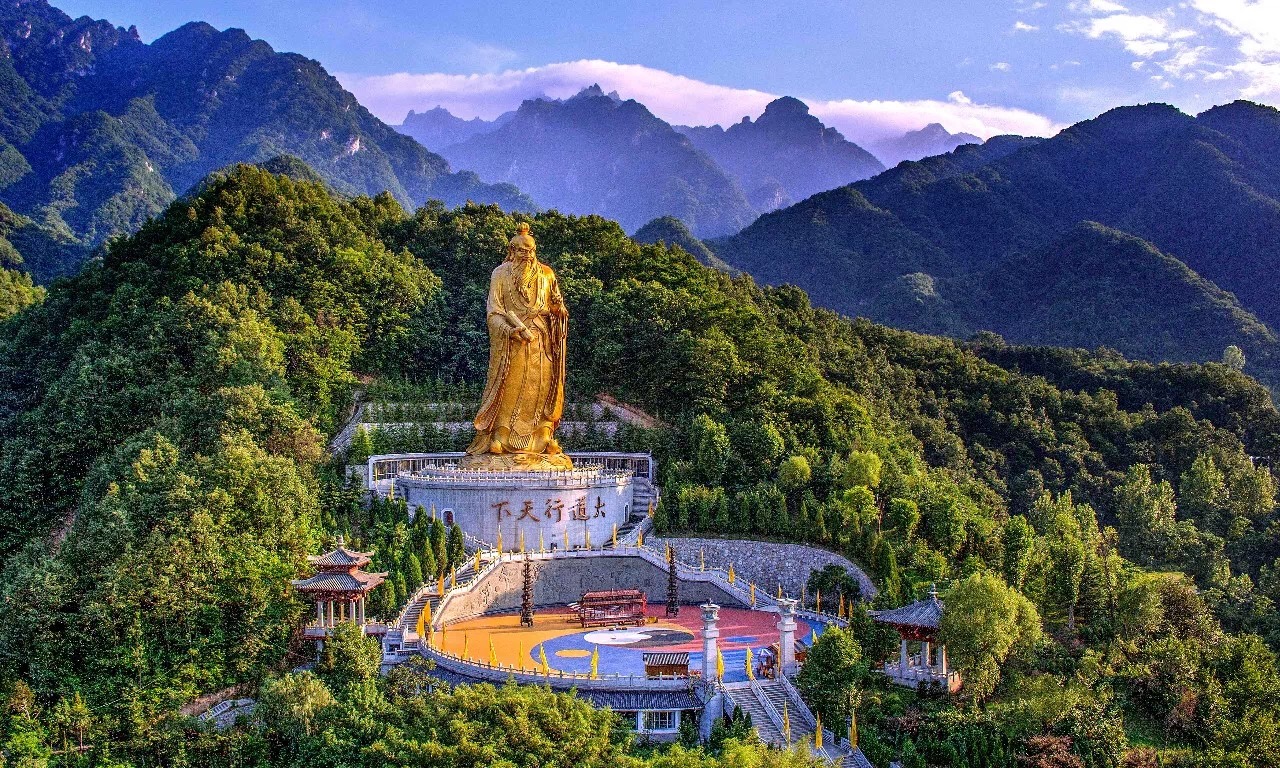
老君山,是道教始祖太上老君修炼成仙的地方,以峰秀、林密、径幽、洞奇著称,享有“天然氧吧”之美誉。它位于秦、晋、豫三省交汇处,陕西省洛南县境内,距西安190公里,北接华山,虎视八百里秦川;南瞰秦蟒,扼中原进出秦巴之门户,自古就有“中华道教第一山”之称。
老君山群峰俊秀,怪石嶙峋,苍松劲树,四季常青。春季山花烂漫,馨香四溢;夏季翠绿可餐,清爽宜人;秋季红叶似火,热情奔放;冬季银装素裹,分外妖娆。新建的登山盘道,路面平整,曲径通幽;数千级台阶周围老藤错落,鸟语百啭;山风乍起,松涛汹涌,啸声阵阵,不绝于耳。雨中登山,薄雾缭绕,风雨潇潇,如泣如诉,凭高远眺,醉若天仙。清理整修后的老君山溶洞溶柱林立,景观别致,烛火通明,古香古色。 太上老君是中国道教的创始人,传说太上老君在此修炼成仙,玉皇大帝亲临拜师迎驾,故老君山留有老君庙、玉皇殿等名胜景观,民间人士每年古历二月十五在此举办老君山庙会,敬天祈福。老君仙洞中现有天然溶柱形成的“圣君卧榻、系牛柏、炼丹炉、塔林、高山飞瀑、天门、青牛、豆腐坊”等道教信物,塑有太上老君像、玉皇大帝和王母娘娘牌位供香客朝拜,千百年来一直为道教信众朝圣之所。鬼斧神工般的溶柱奇观,与天然、原始的自然地貌融为一体,成为老君山生态旅游开发的一道亮丽的风景线。
老君山从山门七里坪入口处起,太清宫、十方院、灵官殿、淋醋殿、牧羊圈、救苦殿、传经楼、观音殿、三清殿、老君庙等庙宇16处之多。历代毁毁修修现存6处,以顶峰老君庙最为壮观,在中原众多庙宇中屈指可数。老君山现已开发的景观区6处,有景点179个。道教文化区沿途庙宇历史悠久,山顶老君庙有“南有武当金顶,北有老君铁顶”之说,初一、十五朝拜老君庙香客成群结队,四月八老君庙会人山人海;生态观光区老君河有追梦谷,明太子慈烺藏身洞称为太子洞,六十年代野人壕曾发现野人足迹,原始林大部分地域至今无人进去,马鬃岭南侧有三千余亩的石林景观,被地质学者称为“北国石林”。老君山保护区现有国家级保护动植物102种,有中草药830种之多,称之为国家中草药基因库。
主要景观
老君山景观区6处、有景点179个、太清宫、十方院、灵官殿、淋醋殿、牧羊圈、救苦殿、传经楼、观音殿、三清殿、老君庙等庙宇16处。北魏至今历代毁毁修修,现存的庙宇中顶峰老君庙规模最大。老君山道教文化区沿途庙宇历史悠久,山顶老君庙有“南有武当金顶,北有老君铁顶”之说,马鬃岭南侧有三千余亩的石林景观对游人开放,该景观被地质学者称为“北国石林”。
老子文化苑
老子文化苑是传承和弘扬老子思想的圣地,采用汉代建筑风格,主题思想是“大道行天下,和谐兴中华”。
园区内的老子铜像于2014年被大世界吉尼斯收录为“大世界基尼斯之最―最高的老子铜像。”
金顶道观群
老君山金顶道教建筑群依托山顶建筑,主要包括老君庙、道德府、五母金殿、亮宝台、玉皇顶、钟鼓楼、南天门、朝阳洞、大道院、神道天桥、回廊等,全部采用明清皇家宫殿式建筑形式,特别是金殿、亮宝台、玉皇顶三座金顶打造,成为老君山道观群的亮点。
太清观
山顶太清观始建于北魏,历代重修,唐代尉迟敬德曾监工重修,明朝最为鼎盛,铁椽、铁瓦、金碧辉煌,千 百年来,一直是豫、陕、皖、鄂等地众香客朝拜的中原道教圣地。东南沿海香客也慕名前来,仅台湾高雄九龙八风进香团每批朝山者就多达百人。
龙吟听泉
龙吟阁是观景亭,它坐落在老龙窝栈道之上。由于龙吟阁坐落位置独特,所以在这儿听群瀑泉声是游人的一大享受。溪流从珍珠滩留下,到了龙吟阁下,被山岩拘成湍流快速流入深潭,经过了一系列的缓急冲撞之后,留下了大小十几个瀑布,瀑布水声能够在涧谷中的回音壁间回荡。
中鼎云涌
云海,是老君山的一大奇观,而中鼎云海为老君山云海之首。云海出现时,放眼望去,云遮千里,雾锁万峰。犹如站在碧波万顷的汪洋大海之中,翠峰隐现似动若静。在上晴下阴的云海出现时,显现出“海到天涯天为岸,山至极顶人为峰”的景观。
枫林醉秋
过了老龙窝,是一片油松林,旅游步道穿林而过,给人一种曲经通幽之感。林下便是珍珠滩。圆乎乎、光溜溜的鹅卵石在水光的映衬下,犹如珍珠散盘。清澈的溪水在珍珠间浅吟低唱。与轻烟似的松韵一起荡涤着来自喧嚣都市游人心中的烦恼,为游客憧憬着人生的五彩之梦。
舍身崖
舍身崖是山顶游览过程中的第一个漂亮的自然风光景点。翘首而望,看那古松摩云,危崖欲倾,确实雄伟壮观。这就是老君山一处胜景“舍身崖”,每当日落之时,此处“余辉返照千山色,满峪参差人画中”,瑰丽的晚霞映着诡奇万状的险峰怪石,奇光异景,色彩缤纷,令人赞叹不已。
峰林烟岚
在近千亩的范围内有大小石峰三千多座,形态各异。在这些奇石奇峰中,最著名的就是老君悟道峰,在天然石壁的夹缝中仍生长着百年苍松。
十里画屏
洛阳老君山峰林景观,如刀劈斧削,犬牙交错,披绿挂红,雄伟壮观,多姿多彩。由于老君山花岗岩体与其它花岗岩的不同。老君山的岩体是由“斑状黑云母二长花岗岩”组成。它是在距今1.4—0.8亿年间秦岭造山带抬升造山过程中形成的相对年轻的岩体,被国内地质学家命名为“老君山岩体”,峰林之间内一步一景,步移景换,景景如画,故称之为“十里画屏”。
紫荆花海
每年3-4月间,老君山追梦谷中紫荆花竞相开放,美艳夺目,是绽放较早的“报春花”,当树枝上叶子还未长出时,枝条上花已盛开,又名“满条红”。
老君山紫荆为北方巨紫荆,又名乌桑、兄弟树、友谊树。花色紫红,形如蝴蝶,艳丽可爱,是分布于老君山海拔800—2000米阴坡处的特有植物。老君山紫荆具有:花期早、 花期长、色泽艳、花朵密、树形大、花质优等六大特点。品种主要有丛生紫荆(灌木)、垂丝紫荆和总状花序紫荆(乔木);适应能力很强,性喜光,耐寒耐旱,也耐水渍。紫荆的根、皮均可入药,有活血行气、消肿止痛、解诸毒物的功效。
幽谷蛙鸣
老子李耳在此大彻大悟,一步登天跨上了伏牛之巅。悟道桥下河谷涧奇石好像都有生命,老子行至此地,坐下歇息,刚眨蒙眼与众天神相会,声声蛙鸣此起彼伏,搅得人心烦,老子用手一指,以静制动,点化为石。
地理环境
老君山,位于洛阳市西南方约150公里处,是伏牛山脉的主峰,相传是道教始祖李耳(著名的“老子”)的归隐修炼之地,北魏时在山中建庙纪念,唐贞观年间(公元627-649年)受到皇封,修建“铁顶老君庙”,明万历十九年(公元1591年)颁赐老君山道经诏谕,封为“天下名山”。从洛阳的锦远汽车站(也就是长途汽车站),乘坐开往栾川县城的班车,在“老君山路口”下车后,再换乘当地的摩的,就可以到达景区售票处了。
老君山是伏牛山国家地质公园的核心景区之一,记录了十九亿年前造山等地质构造的演变过程,山中具有独特的“滑脱峰林”地貌、壮观的石林景区等景观群,非常震撼心灵。山中树木茂盛,风景如画,处处都能看到山泉从山石缝隙中溢出,在郁郁葱葱的山林中隐藏着十几处瀑布,清澈的激流从数十米高的崖顶跌落下来。雨后的老君山,云雾环绕在各个山峰中,如果你去山顶,还有机会观赏到极美的云海和日出。老君山风景区面积庞大,主要分为居中的老君山主景区、西部的追梦谷景区和东部的寨沟景区。
气候特点
老君山属温带季风气候,年均气温12.4℃,年日照2103小时,无霜期198天,年均降水量872.6毫米。年降水量最高达1386.6毫米,最少403.3毫米。
地形地貌
洛阳老君山位于河南省西部的洛阳市栾川县城东南三公里处,老君山原貌保存良好,它记录着十九亿年来华北古陆块南缘裂解、离散、增生、聚合、碰撞、造山等构造演化过程。
老君山以中低山夹河谷地貌为主地形起伏大,属华北地层区豫西分区,跨越熊耳山小区和伏牛山小区,出露地层有:太古界太华群,下元古界宽坪群,中元古界长城系熊耳群、蓟县官道口群和栾川群,上元古界青白口系陶湾群、古生界奥陶系二郎坪群、新生界古近系和第四系,岩性岩相变化大;有区域性的深大断裂分布,地质构造复杂。
 Lazio


Laykyun Setkyar (birmanisch လေးကျွန်းစကြာ; BGN/PCGN: legyunzagya) ist eine 116 Meter hohe[1] Kolossalstatue, die einen stehenden Buddha darstellt.
Sie steht auf dem Po-Khaung-Hügel beim Dorf Khatakan Taung in der Nähe der Provinzstadt Monywa in der Sagaing-Region in Myanmar und ist gegenwärtig die zweithöchste Statue der Welt. Sie steht auf einem 13,4 Meter hohen Sockel, was zu einer Gesamthöhe des Monuments von 129 Metern führt. Der Bau der Statue begann im Jahr 1996 und wurde im Februar 2008 beendet.
莱基恩·塞基亚(Laykyun Setkyar)是位于缅甸萨皆省蒙育瓦(Monywa)附近的一尊巨型立佛像。它是目前世界上第三高的雕像,也是佛教徒的重要朝圣地。
• 核心数据:佛像净高116米,如果算上底座宝座,总高度则达到了129.2米。它于2008年完工时,曾是当时世界上最高的雕像(后被中国的中原大佛和印度团结雕像超越)。
• 独特外观:整座佛像身披金黄色袈裟,在佛教中黄色象征着智慧与纯洁。佛像内部共有31层,象征着佛教教义中的31个生命轮回层次(欲界、色界、无色界),游客可以走入佛像内部登高远眺。
• 双佛奇观:在立佛的脚下,还躺着一尊长达约101米的巨型卧佛。一立一卧两尊巨佛交相辉映,构成了当地极为震撼的宗教景观。