
Deutsch-Chinesische Enzyklopädie, 德汉百科
 United Arab Emirates
 Motorsport
Azerbaijan
Australia
Bahrain
Belgium
Brazil
China
Germany
Motorsport
Azerbaijan
Australia
Bahrain
Belgium
Brazil
China
Germany
 Emilia-Romagna
England
Emilia-Romagna
England
 Florida-FL
Formel-1-Weltmeisterschaft 2017
Formel-1-Weltmeisterschaft 2018
Florida-FL
Formel-1-Weltmeisterschaft 2017
Formel-1-Weltmeisterschaft 2018
 Formula 1 World Championship 2025
France
India
Italy
Japan
Canada
Katar
Kinki
Formula 1 World Championship 2025
France
India
Italy
Japan
Canada
Katar
Kinki
 Lombardia
Mexico
Monaco
Lombardia
Mexico
Monaco
 Nevada-NV
Austria
Nevada-NV
Austria
 Quebec-QC
Russia
São Paulo
Saudi Arabia
Switzerland
Shanghai Shi-SH
Singapore
Spain
Quebec-QC
Russia
São Paulo
Saudi Arabia
Switzerland
Shanghai Shi-SH
Singapore
Spain
 Sport
Sport
 Styria
 Texas-TX
Hungary
United Arab Emirates
United States
United Kingdom
Texas-TX
Hungary
United Arab Emirates
United States
United Kingdom
 Victoria-VIC

一级方程式赛车(英语:Formula One,也叫Formula 1或者F1)是由国际汽车联盟举办的最高等级的年度系列场地方程式赛车比赛,正式名称为“国际汽车联合会世界一级方程式锦标赛”。名称中“方程式”是指一组所有参赛车辆都必须遵守的规则[1]。F1赛季包括一系列的比赛,而这些所谓的“大奖赛”(Grand Prix,出自法语,本意Great Prizes)的场地是全封闭的专门赛道或者是临时封闭的普通公路。每场比赛的结果算入积分系统并以此确定两个年度世界冠军:一个给车手和另一个给制造商。F1的车手、制造商、组织者以及赛道都必须持有FIA超级驾驶执照,这是国际汽联颁发的最高级别执照。
一级方程式赛车通过产生大量的空气动力学下压力达到非常高的过弯速度,是风靡全球的赛车运动。发动机性能限制在每分钟最多15000转时,其比赛最高速度就可以超过360公里/小时。赛车过弯的横向加速度超过5个标准重力。F1赛车的性能非常依赖电子系统(牵引力控制系统和其他辅助驾驶装置自2008年已被禁止)、空气动力学、悬挂和轮胎。
Die Formel 1 ist eine vom Automobil-Dachverband Fédération Internationale de l’Automobile (FIA) festgelegte Formelserie. Hersteller konstruieren Autos, die den Formel-1-Regeln entsprechen. Diese Autos treten im Rahmen der Formel-1-Weltmeisterschaft zu Rennen in ungefähr 20 Orten pro Jahr an. Am Ende der Saison wird der Fahrer mit den meisten Punkten F1 Fahrerweltmeister und der Hersteller mit den meisten Punkten Konstrukteursweltmeister.
Die Formel 1 ist die höchstrangige von der FIA veranstaltete Rennserie des Formelsports. Sie wird als Königsklasse des Automobilsports bezeichnet, da sie den Anspruch erhebt, die höchsten technischen, fahrerischen, aber auch finanziellen Anforderungen aller Rennserien an Fahrer und Konstrukteure zu stellen. Sie wird auch kurz F1 genannt. Die F1 Weltmeisterschaft heißt offiziell FIA Formula One World Championship, bis 1980 hat sie Automobil-Weltmeisterschaft geheissen.
Formula One (also Formula 1 or F1) is the highest class of single-seater auto racing sanctioned by the Fédération Internationale de l'Automobile (FIA) and owned by the Formula One Group. The FIA Formula One World Championship has been one of the premier forms of racing around the world since its inaugural season in 1950. The "formula" in the name refers to the set of rules to which all participants' cars must conform.[2] A Formula One season consists of a series of races, known as Grands Prix (French for "grand prizes" or "great prizes"), which are held worldwide on purpose-built circuits and public roads.
The results of each race are evaluated using a points system to determine two annual World Championships: one for drivers, the other for constructors. Drivers must hold valid Super Licences, the highest class of racing licence issued by the FIA.[3] The races are required to be held on tracks graded "1" (formerly "A"), the highest grade rating issued by the FIA.[3] Most events are held in rural locations on purpose-built tracks, but there are several events in city centres throughout the world, with the Monaco Grand Prix being the most well-known.
Formula One cars are the fastest regulated road course racing cars in the world, owing to very high cornering speeds achieved through the generation of large amounts of aerodynamic downforce. The cars underwent major changes in 2017,[4] allowing wider front and rear wings, and wider tyres, resulting in cornering forces closing in on 8g and top speeds of up to approximately 375 km/h (230 mph).[5] The hybrid engines are currently limited in performance to a maximum of 15,000 rpm and the cars are very dependent on electronics—although traction control and other driving aids have been banned since 2008—and also on aerodynamics, suspension, and tyres.
While Europe is the sport's traditional base, the championship is truly global, with 11 of the 21 races in the 2018 season taking place outside Europe. With the annual cost of running a mid-tier team—designing, building, and maintaining cars, pay, transport—being US$120 million,[6] Formula One has a significant economic and job-creation effect, and its financial and political battles are widely reported. Its high profile and popularity have created a major merchandising environment, which has resulted in large investments from sponsors and budgets (in the hundreds of millions for the constructors). On 8 September 2016, it was announced that Liberty Media had agreed to buy Delta Topco, the company that controls Formula One, from private equity firm CVC Capital Partners for $4.4 billion in cash, stock, and convertible debt.[7] On 23 January 2017, it was confirmed that the acquisition had been completed, for $8 billion.[8]
La Formule 1, communément abrégée en F1, est une discipline de sport automobile considérée comme la catégorie reine de ce sport. Elle a pris au fil des ans une dimension mondiale et elle est, avec les Jeux olympiques et la Coupe du monde de football, l'un des événements sportifs les plus médiatisés.
Chaque année depuis 1950, un championnat mondial des pilotes est organisé, complété depuis 1958 par un championnat mondial des constructeurs automobiles. La compétition est basée sur des Grands Prix, courses à bord de voitures monoplaces disputées sur circuits routiers fermés permanents mais parfois tracés en ville et temporaires, comme à Monaco, Valence, Singapour, et Bakou.
Cette discipline sportive, régie par la Fédération internationale de l'automobile (FIA), est gérée par la Formula One Administration (FOA) et un ensemble de sociétés satellites contrôlées par Liberty Media. Après l'ère des artisans des années 1960 et 1970, elle a peu à peu attiré les grands constructeurs automobiles mondiaux qui y investissent des sommes élevées, en espérant tirer profit des retombées médiatiques d'éventuels succès. La Formule 1 est considérée comme la vitrine technologique de l'industrie automobile qui y expérimente des nouveautés techniques, parfois issues de la technologie spatiale et susceptibles d'être adaptées ensuite sur les voitures de série.
Outre la compétition, le terme Formule 1 désigne l'ensemble des règles techniques des voitures monoplaces qui sont mises à jour tous les ans par la FIA. Ces règles sont très strictes sur les dimensions des voitures, la cylindrée des moteurs, les technologies mises en œuvre ; elles définissent également les mesures de sécurité des voitures pour assurer la protection du pilote. Les monoplaces de course répondant aux caractéristiques de la réglementation de la Formule 1 sont généralement désignées sous le terme générique de Formules 1.
La Formula 1 o Formula Uno,[1] in sigla F1, è la massima categoria (in termini prestazionali) di vetture monoposto a ruote scoperte da corsa su circuito definita dalla Federazione Internazionale dell'Automobile (FIA).
La categoria è nata nel 1948 (in sostituzione della Formula A, a sua volta sorta solo qualche anno prima, nel 1946), diventando poi a carattere mondiale nella stagione 1950. Inizialmente definita dalla Commissione Sportiva Internazionale (CSI) dell'Associazione Internazionale degli Automobil Club Riconosciuti (AIACR), associazione antesignana della Federazione Internazionale dell'Automobile, oggi la Formula Uno è regolata dal Consiglio Mondiale degli Sport Motoristici (in inglese: World Motor Sport Council, WMSC) della Federazione Internazionale dell'Automobile.
Il termine "formula", presente nel nome, fa riferimento a un insieme di regole alle quali tutti i partecipanti, le macchine e i piloti, devono adeguarsi; esse introducono un numero di restrizioni e specifiche nelle auto, al fine di evitare le eccessive disparità tecniche tra le auto, di porre dei limiti al loro sviluppo e di ridurre i rischi di incidenti. La formula ha avuto molti cambiamenti durante la sua storia. Ad esempio, ci sono stati differenti tipi di motori, con schemi da quattro fino a sedici cilindri e con cilindrate da 1,5 a 4,5 l.
La Fórmula 1, abreviada como F1 y también denominada la «categoría reina del automovilismo»1 o «la máxima categoría del automovilismo»,23 es la competición de automovilismo internacional más popular y prestigiosa, superando a categorías de automovilismo como la NASCAR, el Campeonato Mundial de Rally, el Campeonato Mundial de Turismos o la Fórmula E, entre otras.4 A cada carrera se le denomina Gran Premio y el torneo que las agrupa se denomina Campeonato Mundial de Fórmula 1. La entidad que la dirige es la Federación Internacional del Automóvil (FIA). El Formula One Group es controlado por la empresa estadounidense Liberty Media desde septiembre de 2016.5
Los automóviles utilizados son monoplazas con la última tecnología disponible, siempre limitadas por un reglamento técnico; algunas mejoras que fueron desarrolladas en la Fórmula 1 terminaron siendo utilizadas en automóviles comerciales, como el freno de disco.6 La mayoría de los circuitos de carreras donde se celebran los Grandes Premios son autódromos, aunque también se utilizan circuitos callejeros y anteriormente se utilizaron circuitos ruteros.
El inicio de la Fórmula 1 moderna se remonta al año 1950, en el que participaron escuderías como Ferrari, Alfa Romeo y Maserati. Algunas fueron reemplazadas por otras nuevas como McLaren, Williams, Red Bull y Renault, que se han alzado varias veces con el Campeonato Mundial de Constructores. Las escuderías tienen que planear sus fichajes y renovación de contratos 2 o 3 carreras antes del fin de la temporada. Por su parte, los pilotos deben contar con la superlicencia de la FIA para competir, que se obtiene sobre la base de resultados en otros campeonatos.
Algeria
Angola
Ecuador
 Energy resource
 Financial
 *Germany economic data
Financial
*United States economic data
Financial
*United Kingdom economic data
Financial
*Japan economic data
Financial
*European Union economic data
Financial
*China economic data
Financial
*France economic data
Financial
*India economic data
Financial
*Russia economic data
Financial
*Brazil economic data
Financial
*Italy economic data
Financial
*Canada economic data
Financial
*Indonesia economic data
*Germany economic data
Financial
*United States economic data
Financial
*United Kingdom economic data
Financial
*Japan economic data
Financial
*European Union economic data
Financial
*China economic data
Financial
*France economic data
Financial
*India economic data
Financial
*Russia economic data
Financial
*Brazil economic data
Financial
*Italy economic data
Financial
*Canada economic data
Financial
*Indonesia economic data
 Geography
*World overview
Geography
*World overview
 Hand in Hand
Iraq
Iran
Kuwait
Libya
Nigeria
OPEC
Republik Kongo
Saudi Arabia
Venezuela
United Arab Emirates
Hand in Hand
Iraq
Iran
Kuwait
Libya
Nigeria
OPEC
Republik Kongo
Saudi Arabia
Venezuela
United Arab Emirates
 Important International Organizations
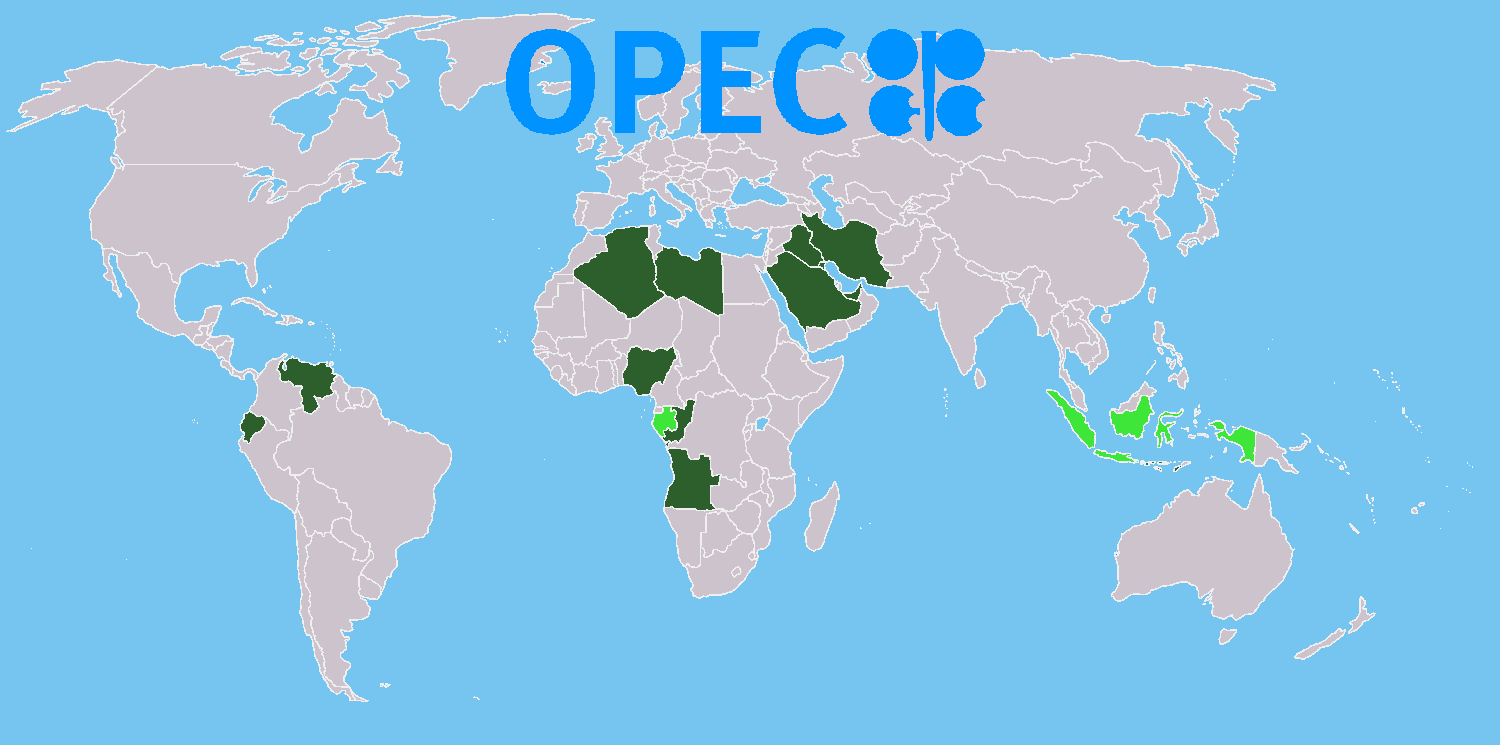
石油输出国组织(英语:Organization of the Petroleum Exporting Countries,OPEC,发音为/ˈoʊpɛk/ OH-pek;简称欧佩克、油盟或油组)是由伊朗、伊拉克、科威特、沙特阿拉伯和委内瑞拉五国为共同应对由英美主导的七姊妹跨国石油公司,并且维护石油这一稳定收入,而于1960年在巴格达成立的一个政府间组织。总部自1965年以来设于奥地利维也纳,截至2018年2月拥有14个成员国。2016年,14个国家估计占全球石油产量的44%,占全球探明石油储量的73%。这使得欧佩克可以对全球原油价格产生重大影响。
石油输出国组织的既定使命是“协调统一成员国的石油政策与价格、确保石油市场的稳定,以确保为石油消费国有效、经济而稳定的石油供应,为产油国提供适度的尊重和稳定的收入,为投资于石油行业的资本提供公平的回报。”[2]该组织也是国际石油市场信息的重要提供者。截至2017年5月,石油输出国组织(欧佩克)的成员除了前加入的五个外还包括阿尔及利亚(1969年加入)、阿拉伯联合酋长国(1967年加入)、安哥拉(2007年加入)、厄瓜多尔(1973年加入,1992年退出,2007年再加入)、赤道几内亚(2017年加入)、加蓬(1975年加入,1995年初退出,2016年再加入)、利比亚(1962年加入)、尼日利亚(1971年加入)、卡塔尔(1961年加入,2019年1月退出)、刚果共和国(2018年加入),而印尼则是其前成员(1962年加入,2008年底退出,2016年1月重新加入,同年12月再度退出)。沙特阿拉伯是该组织事实上的(英语:De facto)领导者。三分之二的石油输出国组织的石油产储量位于围绕富油波斯湾的六个中东国家。
Die Organisation erdölexportierender Länder (kurz OPEC, von englisch Organization of the Petroleum Exporting Countries) ist eine 1960 gegründete internationale Organisation mit Sitz in Wien. Derzeit gehören dem Kartell fünfzehn Staaten an: Algerien, Angola, Ecuador, Äquatorialguinea, Gabun, Iran, Irak, die Republik Kongo, Kuwait, Libyen, Nigeria, Katar, Saudi-Arabien, die Vereinigten Arabischen Emirate und Venezuela.[1] Indonesien ist Ende 2016 ausgetreten.
Fünf OPEC-Mitglieder (Saudi-Arabien, Iran, Kuwait, Venezuela, Vereinigte Arabischen Emirate) gehören zu den zehn größten Erdölförderern der Welt. Insgesamt fördern die OPEC-Mitgliedstaaten ungefähr 40 Prozent der weltweiten Erdölproduktion und verfügen über drei Viertel der weltweiten Erdölreserven. Nachdem einige Nicht-OPEC-Staaten ihr Ölfördermaximum überschritten haben, wird erwartet, dass der Einfluss der OPEC steigt. Andererseits stellen manche Experten (z. B. Matthew Simmons) die Angaben zu den Reserven in Frage, etwa die Saudi-Arabiens.
石油輸出国機構(せきゆゆしゅつこくきこう、英: Organization of the Petroleum Exporting Countries、略称:OPEC(日本語発音:オペックopec 、アメリカ英語発音:[ˈoʊpek] オウペク))は、国際石油資本などから石油産出国の利益を守ることを目的として、1960年9月14日に設立された組織である。設立当初は、イラン、イラク、クウェート、サウジアラビア、ベネズエラの5ヶ国を加盟国としていたものの、後に加盟国は増加し、2018年7月現在では15ヶ国が加盟している。世界最大のカルテルとされ、1970年代には石油の価格決定権を国際石油資本より奪い、2度のオイルショックを引き起こしたが、1986年からは石油価格の決定権は自由市場へと移ったこともあり、現在では価格統制力はそれほど強いものではない。なお、オーストリアは加盟国ではないものの、石油輸出国機構の本部は首都ウィーンに設置されている。
The Organization of the Petroleum Exporting Countries (OPEC, /ˈoʊpɛk/ OH-pek) is an intergovernmental organisation of 14 nations, founded in 1960 in Baghdad by the first five members (Iran, Iraq, Kuwait, Saudi Arabia, and Venezuela), and headquartered since 1965 in Vienna, Austria. As of September 2018, the then 15 member countries accounted for an estimated 44 percent of global oil production and 81.5 percent of the world's "proven" oil reserves, giving OPEC a major influence on global oil prices that were previously determined by the so called "Seven Sisters” grouping of multinational oil companies.
The stated mission of the organisation is to "coordinate and unify the petroleum policies of its member countries and ensure the stabilization of oil markets, in order to secure an efficient, economic and regular supply of petroleum to consumers, a steady income to producers, and a fair return on capital for those investing in the petroleum industry."[4] The organization is also a significant provider of information about the international oil market. The current OPEC members are the following: Algeria, Angola, Ecuador, Equatorial Guinea, Gabon, Iran, Iraq, Kuwait, Libya, Nigeria, the Republic of the Congo, Saudi Arabia (the de facto leader), United Arab Emirates, and Venezuela. Indonesia and Qatar are former members.
The formation of OPEC marked a turning point toward national sovereignty over natural resources, and OPEC decisions have come to play a prominent role in the global oil market and international relations. The effect can be particularly strong when wars or civil disorders lead to extended interruptions in supply. In the 1970s, restrictions in oil production led to a dramatic rise in oil prices and in the revenue and wealth of OPEC, with long-lasting and far-reaching consequences for the global economy. In the 1980s, OPEC began setting production targets for its member nations; generally, when the targets are reduced, oil prices increase. This has occurred most recently from the organization's 2008 and 2016 decisions to trim oversupply.
Economists often cite OPEC as a textbook example of a cartel that cooperates to reduce market competition, but one whose consultations are protected by the doctrine of state immunity under international law. In December 2014, "OPEC and the oil men" ranked as #3 on Lloyd's list of "the top 100 most influential people in the shipping industry".[5] However, the influence of OPEC on international trade is periodically challenged by the expansion of non-OPEC energy sources, and by the recurring temptation for individual OPEC countries to exceed production targets and pursue conflicting self-interests.
L'Organisation des pays exportateurs de pétrole (OPEP) (en anglais Organization of Petroleum Exporting Countries (OPEC)), est une organisation intergouvernementale (un cartel) de pays visant à négocier avec les sociétés pétrolières pour tout ce qui touche à la production de pétrole, son prix et les futurs droits de concession1. Depuis le 1er août 2016, le secrétaire général de l'OPEP est l'ancien patron de la compagnie nationale des hydrocarbures du Nigeria (NNPC) Mohammed Barkindo2.
L'Organizzazione dei Paesi esportatori di petrolio, meglio conosciuta come OPEC (Organization of the Petroleum Exporting Countries), fondata nel 1960, comprende dodici Paesi che si sono associati, formando un cartello economico, per negoziare con le compagnie petrolifere aspetti relativi alla produzione di petrolio, prezzi e concessioni. La sede dell'OPEC, dapprima stabilita a Ginevra, a partire dal 1º settembre 1965 è stata trasferita a Vienna.
Gli stati membri OPEC controllano circa il 78% delle riserve mondiali accertate di petrolio, il 50% di quelle di gas naturale e forniscono circa il 42% della produzione mondiale di petrolio ed il 17% di quella di gas naturale.[1] L'organizzazione parallela dell'OAPEC (Organizzazione dei Paesi Arabi Esportatori di Petrolio), fondata nel 1968 nel Kuwait, si occupa del coordinamento delle politiche energetiche dei paesi Arabi che fanno parte dell'OPEC.
La Organización de Países Exportadores de Petróleo (OPEP) es un organismo internacional fundado en Bagdad, Irak, en 1960. Actualmente lo conforman 15 países, de los cuales 5 son miembros fundadores (Arabia Saudita, Kuwait, Irán, Irak y Venezuela). Desde 1965 tiene sede en Viena, Austria. Constituido a iniciativa del Gobierno de Venezuela, presidido por Rómulo Betancourt, y el entonces presidente de Irak, Muhammad Najib ar-Ruba'i, en respuesta a la concentración de poder político y económico de los Estados Unidos como principal productor y consumidor de petróleo del mundo en el período de posguerra.
La OPEP "puede tener una gran influencia en el mercado de petróleo, especialmente si decide reducir o aumentar su nivel de producción".1 El 43% de la producción mundial de petróleo y el 81% de las reservas mundiales de petróleo se encuentran en países miembros de la OPEP.2 Su dominio en las exportaciones de crudo, para el tercer trimestre del año 2016, se sitúa en alrededor del 34,9%.3 Además, concentra la totalidad de la capacidad necesaria de producción de petróleo del mundo, lo que, de facto, convierte a la Organización de países exportadores de petróleo en el banco central del mercado petrolero.
La cuota de mercado de la organización aumentará en el futuro, ya que la Agencia Internacional de la Energía prevé que la producción de petróleo convencional de los países que no forman parte de la OPEP alcanzará su máximo alrededor de 2015.
La OPEP es una organización reconocida desde el 6 de noviembre de 1962 por la Organización de las Naciones Unidas (ONU), gracias a la resolución número 6.363.[cita requerida] La OPEP tuvo su sede en Ginebra (Suiza) entre 1960 y 1965, y después trasladó su sede a Viena, gracias a las facilidades que otorgó el gobierno austríaco.
Los estatutos de la OPEP establecen que su objetivo es coordinar y unificar las políticas petroleras entre los países miembros, con el fin de garantizar unos precios justos y estables para los productores de petróleo, el abastecimiento eficiente, económico y regular de petróleo a los países consumidores y un rendimiento justo del capital de los inversores.
Los países miembros lograron un significativo aumento del precio del petróleo, sobre todo en los años 1973, 1974 y 1979, y una mayor participación y control sobre la explotación realizada en sus territorios.
La OPEP vivió su primera ampliación en 30 años en enero de 2007 cuando Angola se convirtió de forma oficial en el duodécimo socio del grupo, tras pedir su ingreso en la reunión de la OPEP en Abuya (Nigeria) de diciembre de 2006 y haber sondeado al grupo en la reunión de Caracas (Venezuela) de ese mismo año.
A comienzos del año 2007 el gobierno de Ecuador anunció la posibilidad de regresar a la organización,4 hecho que se materializó finalmente en noviembre de ese mismo año.
Posteriormente, Indonesia suspendió su membresía nuevamente en 2016,5 luego de dos años de haber reingresado a la organización, tras su salida en 2008.
Recientemente, Gabón reingresó a la organización en el año 2016, luego de haber suspendido su membresía en el año 1995; mientras que Guinea Ecuatorial se unió por primera vez a la organización en mayo de 2017.6
Catar, uno de los productores de crudo más pequeños dentro de la Organización, ha anunciado su retiro del organismo para enero de 2019. Así lo dio a conocer su ministro de energía, Saad Sherida al-Kaabi, durante una rueda de prensa el lunes 3 de diciembre de 2018.7
Otros países productores de petróleo, aunque no son integrantes de la OPEP, como Sudán, México, Noruega, Rusia, Kazajistán, Omán y Egipto, participan regularmente como observadores en las reuniones ordinarias del grupo.
Организа́ция стран — экспортёров не́фти (англ. The Organization of the Petroleum Exporting Countries; сокращённо ОПЕ́К, англ. OPEC) — международная межправительственная организация, созданная нефтедобывающими странами в целях контроля квот добычи на нефть. Часто рассматривается как картель. В состав ОПЕК входят 15 стран[4]: Алжир, Ангола, Венесуэла, Габон, Иран, Ирак, Конго, Кувейт, Катар (с января 2019 выходит из альянса), Ливия, Объединённые Арабские Эмираты, Нигерия, Саудовская Аравия, Экваториальная Гвинея и Эквадор. Штаб-квартира расположена в Вене. Генеральный секретарь (с 01 августа 2016 г.) — Мохаммед Баркиндо.[5]
Страны члены ОПЕК контролируют около 2/3 мировых запасов нефти. На их долю приходится ~35 % от всемирной добычи или половина мирового экспорта нефти. Доказанные запасы нефти стран, входящих в ОПЕК, в настоящее время составляют 1199,71 миллиарда баррелей.
Bahrain
Hand in Hand
Hand in Hand
Institute of Culture and Language
India
Katar
National Capital Territory
Oman
Saudi Arabia
Uttar Pradesh
United Arab Emirates

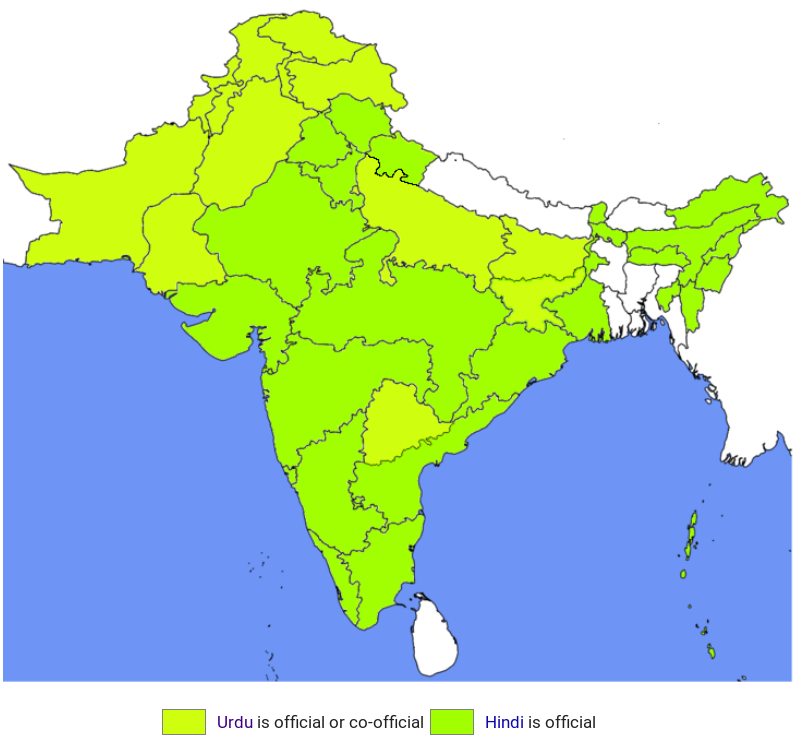
Urdu (anhörenⓘ/?) (persisch: اردو DMG urdū; kurz für زبان اردو معلہ DMG zabān-i urdū-yi muʿalla, deutsch ‚Sprache des königlichen Lagers‘)[1] ist eine indoarische Sprache und gehört zum indoiranischen Zweig der indogermanischen Sprachfamilie. Die Bezeichnung „Urdu“ tauchte erstmals im Jahr 1780 in den Gedichten von Ghulam Hamdani Mushafi auf. Ältere und heute weniger gebräuchliche indigene Namen waren لشکری Laschkarī, abgekürzt von لشکری زبان laschkarī zubān, deutsch ‚Armeesprache‘, کھڑی بولی kharī bolī, deutsch ‚stehende / etablierte Sprache‘ oder einfach ہندوی Hindavī, deutsch ‚indisch‘.
乌尔都语(乌尔都语:اُردُو)是属于印欧语系印度-伊朗语族的印度-雅利安语支。从使用人数来看,乌尔都语大约排名世界第20名,是巴基斯坦的国语,也是印度的24种规定语言之一。如果从宏观角度来看,乌尔都语可看成是印度斯坦语的一部分,所有印度斯坦语言构成世界上第四大的语言。在1200年到1800年,南亚在德里苏丹国和莫卧儿帝国的统治下,乌尔都语受到波斯语、突厥语、库尔德语和阿拉伯语的影响。
 International cities
Financial
***Global Financial Center
International cities
Financial
***Global Financial Center
 History
N 2000 - 2100 AD
Silk road
United Arab Emirates
History
N 2000 - 2100 AD
Silk road
United Arab Emirates
 Important port
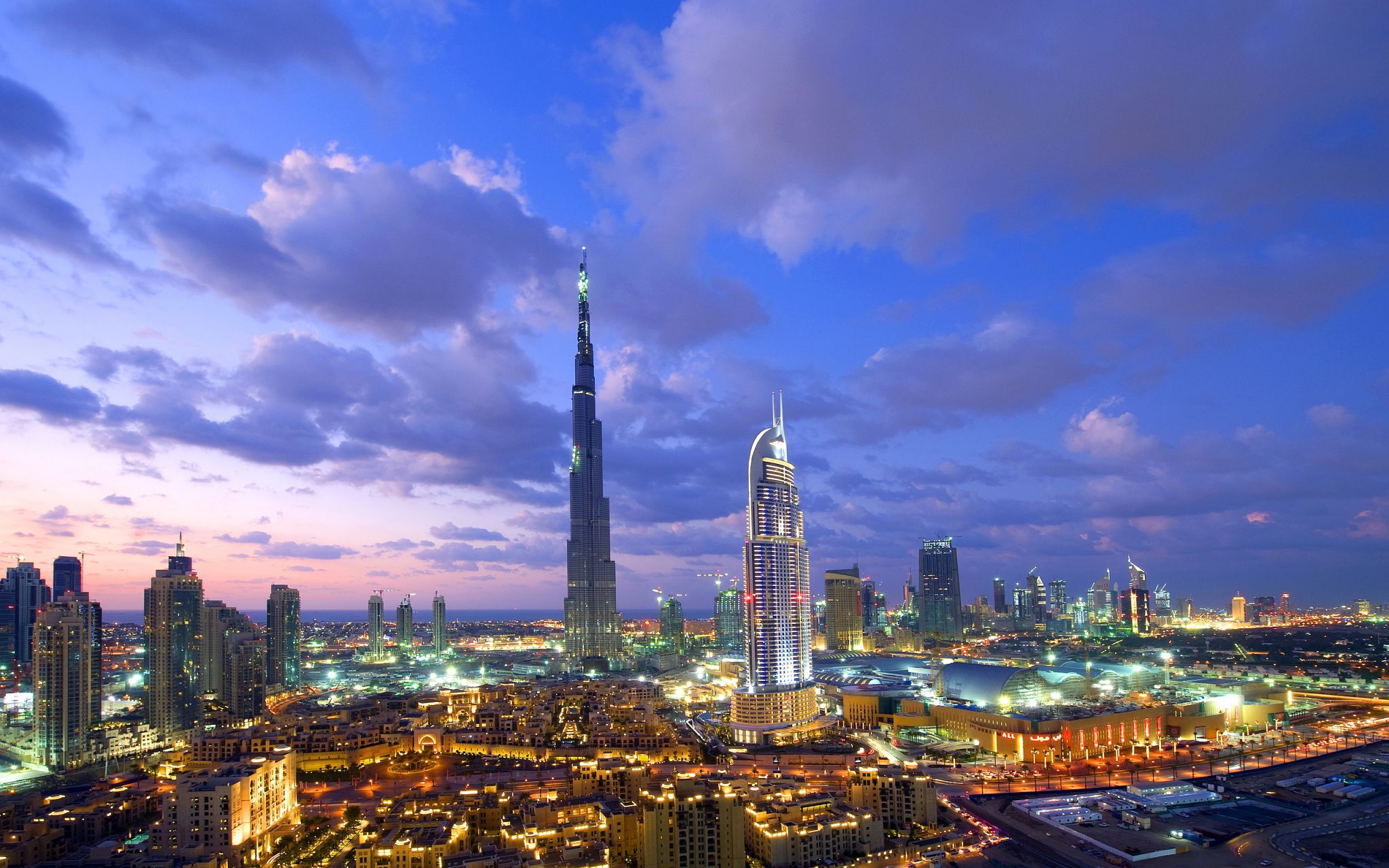
Dubai (arabisch دبي Dubayy) ist die Hauptstadt des Emirats Dubai und die bevölkerungsreichste Stadt der Vereinigten Arabischen Emirate (VAE) am Persischen Golf.
In der Stadt Dubai (zur Abgrenzung vom Emirat auch Dubai-Stadt oder Dubai City) leben ca. 85 Prozent der Einwohner des Emirats[1] – eine genaue Erhebung ist hier kompliziert, da die migrationsbedingten Schwankungen groß sind: Jährlich kommen mehrere zehntausend Personen als Arbeitsmigranten oder Einwanderer in die Stadt.
Dubai-Stadt liegt am Nordrand des Emirats und wird geteilt durch den Khor Dubai, eine 100 bis 1300 Meter breite und circa 14 Kilometer lange Bucht des Persischen Golfs. Früher befanden sich hier die damals unabhängigen Städte Deira auf der Nord- und Bur Dubai auf der Südseite. Brücken befinden sich etwas abseits vom Ortskern; Fußgänger werden mit kleinen Personenfähren (Abras) auf die gegenüberliegende Seite transportiert. Da die Stadt nördlich direkt an das Emirat Schardscha grenzt, erstreckt sie sich vor allem gen Süden, entlang des Strandes von Jumeirah und der Sheikh Zayed Road.
Aufgrund eines jahrzehntelangen Baubooms ist Dubai die Stadt mit der weltweit höchsten Anzahl Wolkenkratzern mit über 300 Metern Höhe[2] sowie mit 828 Metern Höhe des höchsten Gebäudes der Welt, des Burj Khalifa. Dabei ist sie auch ein globales Handelszentrum und verfügt über den weltweit fünftgrößten Flughafen nach Passagieraufkommen (2022)[3] sowie den zehntgrößten Hafen nach Containerumschlag (2018: 14,95 Mio. TEU). In einer Rangliste der wichtigsten Finanzzentren weltweit belegte Dubai den 19. Platz weltweit (2018).[4]
In Dubai-Stadt spielt sich praktisch das gesamte wirtschaftliche, soziale, kulturelle und politische Leben des Emirats ab – mit jährlich bis zu 14 Millionen ausländischen Touristen zählt Dubai seit 2013 auch zu den meistbesuchten Städten der Welt:[5] 2016 hatte Dubai 15,3 Millionen Besucher, womit es weltweit auf dem vierten Platz lag. Mit über 31 Milliarden US-Dollar hatte es zudem die höchsten Tourismuseinnahmen aller Städte weltweit.[6]
迪拜(阿拉伯语:دبيّ,罗马化:Dubayy;或译杜拜)是阿拉伯联合酋长国人口最多的城市,[5]也是中东地区的经济和金融中心。位于阿拉伯湾东南岸,为该国七个酋长国之一迪拜酋长国的首府。[6][7]
作为阿拉伯联合酋长国的经济中心,迪拜已经成为全球城市[8],同时也是世界主要客运及货运枢纽。1960年代,迪拜经济开始趋向贸易,并且开始实施小规模的石油勘探。1966年发现石油,1969年起开始出口石油。[9]石油收益加速迪拜早期城市发展,但石油储量有限且产量不高,目前经济以资本投资和旅游、贸易、服务等驱动,石油收益占比低于5%。[10]
迪拜采行西方商业模式,经济发展主要依赖观光业、航空业、房地产及金融服务业。[11][12][13]根据萨拉姆标准,迪拜被认为是穆斯林游客的最佳旅游地点。[14]随着创新大型建筑计划、举办运动赛事提高城市关注度,迪拜也成为摩天大楼的指标城市,世界最高大楼哈里发塔也位于迪拜。
 Afghanistan
Egypt
Albania
Angola
Antigua and Barbuda
Argentina
Armenia
Australia
Bahrain
Bangladesh
Barbados
Belgium
Belize
Benin
Bolivia
Botsuana
Brazil
Brunei Darussalam
Bulgaria
Burkina Faso
Burundi
Chile
China
Columbia
Costa Rica
Côte d´Ivoire
Cuba
Denmark
Demokratische Republik Kongo
Germany
Dominica
Dominikanische Republik
Djibouti
Ecuador
Estonia
Afghanistan
Egypt
Albania
Angola
Antigua and Barbuda
Argentina
Armenia
Australia
Bahrain
Bangladesh
Barbados
Belgium
Belize
Benin
Bolivia
Botsuana
Brazil
Brunei Darussalam
Bulgaria
Burkina Faso
Burundi
Chile
China
Columbia
Costa Rica
Côte d´Ivoire
Cuba
Denmark
Demokratische Republik Kongo
Germany
Dominica
Dominikanische Republik
Djibouti
Ecuador
Estonia
 European Union
Fidschi
Financial
Finland
France
Gabun
Gambia
Georgia
Ghana
Grenada
Greece
Guatemala
Guinea
Guinea-Bissau
Guyana
Honduras
Hongkong Tebiexingzhengqu-HK
India
Indonesia
Ireland
Iceland
Israel
Italy
Jamaika
Japan
Yemen
Jordan
Cambodia
Cameroon
Canada
Kap Verde
Kasachstan
Katar
Kenya
Kyrgyzstan
Croatia
Kuwait
Laos
Lesotho
Latvia
Liberia
Liechtenstein
Lithuania
Luxembourg
Macau Tebiexingzhengqu-MO
Madagaskar
Malawi
Malta
Morocco
Mauritania
Mauritius
Mexico
Moldawien
European Union
Fidschi
Financial
Finland
France
Gabun
Gambia
Georgia
Ghana
Grenada
Greece
Guatemala
Guinea
Guinea-Bissau
Guyana
Honduras
Hongkong Tebiexingzhengqu-HK
India
Indonesia
Ireland
Iceland
Israel
Italy
Jamaika
Japan
Yemen
Jordan
Cambodia
Cameroon
Canada
Kap Verde
Kasachstan
Katar
Kenya
Kyrgyzstan
Croatia
Kuwait
Laos
Lesotho
Latvia
Liberia
Liechtenstein
Lithuania
Luxembourg
Macau Tebiexingzhengqu-MO
Madagaskar
Malawi
Malta
Morocco
Mauritania
Mauritius
Mexico
Moldawien
 Mongolei
Montenegro
Mosambik
Myanmar
Namibia
Nepal
New Zealand
Nicaragua
Netherlands
Niger
Nigeria
Nordmazedonien
Norwegen
Oman
Austria
Pakistan
Panama
Papua-Neuguinea
Paraguay
Peru
Philippines
Poland
Portugal
Republik El Salvador
Republik Haiti
Republik Kongo
Republic of Korea
Ruanda
Romania
Russia
Salomonen
Sambia
Samoa
Saudi Arabia
Sweden
Sweden
Switzerland
Genf
Senegal
Seychellen
Sierra Leone
Simbabwe
Singapore
Slovakia
Slovenia
Spain
Sri Lanka
Saint Kitts and Nevis
St. Lucia
St. Vincent and the Grenadines
South Africa
Suriname
Swasiland
Tajikistan
Taiwan Sheng-TW
Tansania
Thailand
Togo
Tonga
Trinidad und Tobago
Tschad
Czech Republic
Tunisia
Turkey
Uganda
Ukraine
Hungary
Uruguay
Vanuatu
Venezuela
United Arab Emirates
United States
United Kingdom
Vietnam
Important International Organizations
World Trade Organization
Roberto Azevêdo
World Trade Organization
Mike Moore
World Trade Organization
Ngozi Okonjo-Iweala
World Trade Organization
Pascal Lamy
World Trade Organization
Peter Sutherland
World Trade Organization
Renato Ruggiero
World Trade Organization
Supachai Panitchpakdi
Central African Republic
Cyprus
Mongolei
Montenegro
Mosambik
Myanmar
Namibia
Nepal
New Zealand
Nicaragua
Netherlands
Niger
Nigeria
Nordmazedonien
Norwegen
Oman
Austria
Pakistan
Panama
Papua-Neuguinea
Paraguay
Peru
Philippines
Poland
Portugal
Republik El Salvador
Republik Haiti
Republik Kongo
Republic of Korea
Ruanda
Romania
Russia
Salomonen
Sambia
Samoa
Saudi Arabia
Sweden
Sweden
Switzerland
Genf
Senegal
Seychellen
Sierra Leone
Simbabwe
Singapore
Slovakia
Slovenia
Spain
Sri Lanka
Saint Kitts and Nevis
St. Lucia
St. Vincent and the Grenadines
South Africa
Suriname
Swasiland
Tajikistan
Taiwan Sheng-TW
Tansania
Thailand
Togo
Tonga
Trinidad und Tobago
Tschad
Czech Republic
Tunisia
Turkey
Uganda
Ukraine
Hungary
Uruguay
Vanuatu
Venezuela
United Arab Emirates
United States
United Kingdom
Vietnam
Important International Organizations
World Trade Organization
Roberto Azevêdo
World Trade Organization
Mike Moore
World Trade Organization
Ngozi Okonjo-Iweala
World Trade Organization
Pascal Lamy
World Trade Organization
Peter Sutherland
World Trade Organization
Renato Ruggiero
World Trade Organization
Supachai Panitchpakdi
Central African Republic
Cyprus

世界贸易组织(简称世贸组织或世贸;英语:World Trade Organization,缩写为 WTO;法语:Organisation Mondiale du Commerce,缩写为 OMC;西班牙语:Organización Mundial del Comercio,缩写为 OMC)是负责监督成员经济体之间各种贸易协议得到执行的一个国际组织,前身是1948年起实施的关税及贸易总协定的秘书处。
世贸总部位于瑞士日内瓦,现任总干事是罗伯托·阿泽维多。截至2016年7月29日,世界贸易组织共有164个成员。[5]世界贸易组织的职能是调解纷争,加入WTO不算签订一种多边贸易协议,但其设置的入会门槛可以做为愿意降低关税、法政上配合、参与国际贸易的门票,它是贸易体制的组织基础和法律基础,是众多贸易协定的管理者,是各成员贸易立法的监督者,是就贸易提供解决争端和进行谈判的场所。该机构是当代最重要的国际经济组织之一,其成员间的贸易额占世界贸易额的绝大多数,被称为“经济联合国”。
Die Welthandelsorganisation (englisch World Trade Organization, WTO; französisch Organisation mondiale du commerce, OMC; spanisch Organización Mundial de Comercio, OMC) ist eine internationale Organisation mit Sitz in Genf, die sich mit der Regelung von Handels- und Wirtschaftsbeziehungen beschäftigt. Sie wurde am 15. April 1994 aus dem General Agreement on Tariffs and Trade (GATT) in der Uruguay-Runde nach siebenjähriger Verhandlungszeit gegründet. Am 1. Januar 1995 nahm sie ihre Arbeit in Genf auf. Die WTO ist neben dem IWF und der Weltbank eine der zentralen internationalen Organisationen, die Handels- und Wirtschaftspolitik mit globaler Reichweite verhandelt.
世界貿易機関(せかいぼうえききかん、英: World Trade Organization、略称:WTO)は、自由貿易促進を主たる目的として創設された国際機関である。常設事務局がスイスのジュネーブに置かれている。
GATT(ガット)ウルグアイ・ラウンドにおける合意によって、世界貿易機関を設立するマラケシュ協定(WTO設立協定)に基づいて1995年1月1日にGATTを発展解消させて成立した。
本来GATTは、第二次世界大戦後の安定を見据え、国際通貨基金および国際復興開発銀行とともに設立が予定されていた国際貿易機関(ITO)の設立準備の際に、暫定協定として結ばれたものであった。国際貿易機関の設立が廃案となり、GATTがその代替として発展強化されていくうちに、再びこの分野の常設機関が求められ、WTOが設立されることとなった。発展解消であるため、GATTの事務局及び事務局長もWTOへと引き継がれることとなった[4]。
WTOはGATTを継承したものであるが、GATTが協定(Agreement)に留まったのに対し、WTOは機関(Organization)であるのが根本的な違いである。
を基本原則としている。また、物品貿易だけでなく金融、情報通信、知的財産権やサービス貿易も含めた包括的な国際通商ルールを協議する場である。
対抗処置の発動では、紛争処理機関(パネル)の提訴に対し全加盟国による反対がなければ採択されるというネガティブ・コンセンサス方式(逆コンセンサス方式)を採用した強力な紛争処理能力を持つ。これは国際組織としては稀な例であり、コンセンサス方式を採っていたGATTとの大きな違いで、WTOの特徴の一つといえる。
新多角的貿易交渉(新ラウンド)は、2001年11月にカタールのドーハで行われた第4回WTO閣僚会議で開始を決定し、ドーハ・ラウンドと呼ばれていた。2002年2月1日の貿易交渉委員会で新ラウンドがスタートした。しかし9年に及ぶ交渉は先進国と、急速に台頭してきたBRICsなど新興国との対立によって中断と再開を繰り返した末、ジュネーブで行われた第4回WTO閣僚会議(2011年12月17日)で「交渉を継続していくことを確認するものの、近い将来の妥結を断念する」(議長総括)となり事実上停止状態になった。
その後、2013年のバリ島における閣僚会議で、貿易円滑化協定を含む合意が成立し、2014年7月まで貿易円滑化協定をWTO協定に加える(附属書1Aに追加)するための文書を一般理事会で採択すべきとされた[5]。しかしインドが合意を蒸し返す状態で反対したため期限までに採択できなかった[6]。その後食糧備蓄への補助金の問題で先進国側が譲歩することでようやくインドが合意し、2014年11月27日の一般理事会で貿易円滑化協定が採択された[6]。WTO加盟国の3分の2が改正を受諾した日に発効することになっており、2017年2月22日にこの要件を満たし、協定が発効した。
The World Trade Organization (WTO) is an intergovernmental organization that regulates international trade. The WTO officially commenced on 1 January 1995 under the Marrakesh Agreement, signed by 124 nations on 15 April 1994, replacing the General Agreement on Tariffs and Trade (GATT), which commenced in 1948. It is the largest international economic organization in the world.[5][6]
The WTO deals with regulation of trade in goods, services and intellectual property between participating countries by providing a framework for negotiating trade agreements and a dispute resolution process aimed at enforcing participants' adherence to WTO agreements, which are signed by representatives of member governments[7]:fol.9–10 and ratified by their parliaments.[8] The WTO prohibits discrimination between trading partners, but provides exceptions for environmental protection, national security, and other important goals.[9] Trade-related disputes are resolved by independent judges at the WTO through a dispute resolution process.[9]
The WTO's current Director-General is Roberto Azevêdo,[10][11] who leads a staff of over 600 people in Geneva, Switzerland.[12] A trade facilitation agreement, part of the Bali Package of decisions, was agreed by all members on 7 December 2013, the first comprehensive agreement in the organization's history.[13][14] On 23 January 2017, the amendment to the WTO Trade Related Aspects of Intellectual Property Rights (TRIPS) Agreement marks the first time since the organization opened in 1995 that WTO accords have been amended, and this change should secure for developing countries a legal pathway to access affordable remedies under WTO rules.[15]
Studies show that the WTO boosted trade,[16][17][9] and that barriers to trade would be higher in the absence of the WTO.[18] The WTO has highly influenced the text of trade agreements, as "nearly all recent [preferential trade agreements (PTAs)] reference the WTO explicitly, often dozens of times across multiple chapters... in many of these same PTAs we find that substantial portions of treaty language—sometime the majority of a chapter—is copied verbatim from a WTO agreement."[19]
L'Organisation mondiale du commerce (OMC ; en anglais : World Trade Organization, WTO, en espagnol : Organización Mundial del Comercio, OMC) est une organisation internationale qui s'occupe des règles régissant le commerce international entre les pays. Au cœur de l'organisation se trouvent les accords de l'OMC, négociés et signés en avril 1994 à Marrakech1 par la majeure partie des puissances commerciales du monde2 et ratifiés par leurs assemblées parlementaires. L'OMC a pour but principal de favoriser l'ouverture commerciale. Pour cela, elle tâche de réduire les obstacles au libre-échange, d'aider les gouvernements à régler leurs différends commerciaux et d'assister les exportateurs, les importateurs et les producteurs de marchandises et de services dans leurs activités.
Depuis 2001, le cycle de négociation mené par l'OMC est le Cycle de Doha3. Bien que l'OMC ne soit pas une agence spécialisée de l'ONU, elle entretient des liens avec cette dernière4. Le siège de l'OMC est au Centre William-Rappard, à Genève. Depuis le 1er septembre 2013, l'organisation est présidée par le Brésilien Roberto Azevêdo qui a été élu directeur général.
L'Organizzazione mondiale del commercio, abbreviato in OMC (in inglese: World Trade Organization, WTO), è un'organizzazione internazionale creata allo scopo di supervisionare numerosi accordi commerciali tra gli stati membri. Vi aderiscono[3] 164 Paesi, a cui se ne aggiungono altri 22 con ruolo di osservatori,[4] comprendendo così oltre il 95% del commercio mondiale di beni e servizi.[5]
La sede dell'OMC si trova, dal 1995, presso il Centro William Rappard a Ginevra, Svizzera.[6]
La Organización Mundial del Comercio (OMC) fue establecida en 1995. Tiene su sede en Ginebra, Suiza, y sus idiomas oficiales son el inglés, el francés y el español. La OMC no forma parte del sistema de las Naciones Unidas, y tampoco de los organismos de Bretton Woods como el Banco Mundial o el FMI.Nota 1
Всеми́рная торго́вая организа́ция (ВТО; англ. World Trade Organization (WTO), фр. Organisation mondiale du commerce (OMC), исп. Organización Mundial del Comercio) — международная организация, созданная 1 января 1995 года с целью либерализации международной торговли и регулирования торгово-политических отношений государств-членов. ВТО образована на основе Генерального соглашения по тарифам и торговле (ГАТТ), заключенного в 1947 году и на протяжении почти 50 лет фактически выполнявшего функции международной организации, но не являвшегося тем не менее международной организацией в юридическом смысле.
ВТО отвечает за разработку и внедрение новых торговых соглашений, а также следит за соблюдением членами организации всех соглашений, подписанных большинством стран мира и ратифицированных их парламентами. ВТО строит свою деятельность, исходя из решений, принятых в 1986—1994 годах в рамках Уругвайского раунда и более ранних договоренностей ГАТТ. Обсуждения проблем и принятие решений по глобальным проблемам либерализации и перспективам дальнейшего развития мировой торговли проходят в рамках многосторонних торговых переговоров (раунды). К настоящему времени проведено 8 раундов таких переговоров, включая Уругвайский, а в 2001 году стартовал девятый в Дохе, Катар. Организация пытается завершить переговоры по Дохийскому раунду переговоров, который был начат с явным акцентом на удовлетворение потребностей развивающихся стран. По состоянию на декабрь 2012 года будущее раунда переговоров в Дохе остаётся неопределённым: программа работы состоит из 21 части, а первоначально установленный окончательный срок 1 января 2005 года был давно пропущен[3]. В ходе переговоров возник конфликт между стремлением к свободной торговле и стремлением множества стран к протекционизму, особенно в плане сельскохозяйственных субсидий. До сих пор эти препятствия остаются главными и мешают любому прогрессу для запуска новых переговоров в рамках Дохийского раунда. По состоянию на июль 2012 года, существуют различные группы переговоров в системе ВТО для решения текущих вопросов в плане сельского хозяйства, что приводит к застою в самих переговорах[4].
Штаб-квартира ВТО расположена в Женеве, Швейцария. Глава ВТО (генеральный директор) — Роберту Карвалью ди Азеведу, в штате самой организации около 600 человек[5].
На 26 апреля 2015 года в ВТО состояли 162 страны[6].
Правила ВТО предусматривают ряд льгот для развивающихся стран. В настоящее время развивающиеся страны — члены ВТО имеют (в среднем) более высокий относительный уровень таможенно-тарифной защиты своих рынков по сравнению с развитыми. Тем не менее, в абсолютном выражении общий размер таможенно-тарифных санкций в развитых странах гораздо выше, вследствие чего доступ на рынки высокопередельной продукции из развивающихся стран серьёзно ограничен[7].
Правила ВТО регулируют только торгово-экономические вопросы. Попытки США и ряда европейских стран начать дискуссию об условиях труда (что позволило бы считать недостаточную законодательную защиту работников конкурентным преимуществом) были отвергнуты из-за протестов развивающихся стран, которые утверждали, что такие меры только ухудшат благосостояние работников в связи с сокращением числа рабочих мест, снижением доходов и уровня конкурентоспособности[7].
Mitglieder der WTO
| Staat | Beitrittsdatum |
|---|---|
 Ägypten Ägypten |
30. Juni 1995 |
 Afghanistan Afghanistan |
29. Juli 2016 |
 Albanien Albanien |
8. September 2000 |
 Angola Angola |
23. November 1996 |
 Antigua und Barbuda Antigua und Barbuda |
1. Januar 1995 |
 Argentinien Argentinien |
1. Januar 1995 |
 Armenien Armenien |
5. Februar 2003 |
 Australien Australien |
1. Januar 1995 |
 Bahrain Bahrain |
1. Januar 1995 |
 Bangladesch Bangladesch |
1. Januar 1995 |
 Barbados Barbados |
1. Januar 1995 |
 Belgien Belgien |
1. Januar 1995 |
 Belize Belize |
1. Januar 1995 |
 Benin Benin |
22. Februar 1996 |
 Bolivien Bolivien |
12. September 1995 |
 Botswana Botswana |
31. Mai 1995 |
 Brasilien Brasilien |
1. Januar 1995 |
 Brunei Brunei |
1. Januar 1995 |
 Bulgarien Bulgarien |
1. Dezember 1996 |
 Burkina Faso Burkina Faso |
3. Juni 1995 |
 Burundi Burundi |
23. Juli 1995 |
 Chile Chile |
1. Januar 1995 |
 Volksrepublik China Volksrepublik China |
11. Dezember 2001 |
 Costa Rica Costa Rica |
1. Januar 1995 |
 Dänemark Dänemark |
1. Januar 1995 |
 Deutschland Deutschland |
1. Januar 1995 |
 Dominica Dominica |
1. Januar 1995 |
 Dominikanische Republik Dominikanische Republik |
9. März 1995 |
 Dschibuti Dschibuti |
31. Mai 1995 |
 Ecuador Ecuador |
21. Januar 1996 |
 El Salvador El Salvador |
7. Mai 1995 |
 Elfenbeinküste Elfenbeinküste |
1. Januar 1995 |
 Estland Estland |
13. November 1999 |
 Eswatini Eswatini |
1. Januar 1995 |
 Europäische Union Europäische Union |
1. Januar 1995 |
 Fidschi Fidschi |
14. Januar 1996 |
 Finnland Finnland |
1. Januar 1995 |
 Frankreich Frankreich |
1. Januar 1995 |
 Gabun Gabun |
1. Januar 1995 |
 Gambia Gambia |
23. Oktober 1996 |
 Georgien Georgien |
14. Juni 2000 |
 Ghana Ghana |
1. Januar 1995 |
 Grenada Grenada |
22. Februar 1996 |
 Griechenland Griechenland |
1. Januar 1995 |
 Guatemala Guatemala |
21. Juli 1995 |
 Guinea Guinea |
25. Oktober 1995 |
 Guinea-Bissau Guinea-Bissau |
31. Mai 1995 |
 Guyana Guyana |
1. Januar 1995 |
 Haiti Haiti |
30. Januar 1996 |
 Honduras Honduras |
1. Januar 1995 |
 Hongkong Hongkong |
1. Januar 1995 |
 Indien Indien |
1. Januar 1995 |
 Indonesien Indonesien |
1. Januar 1995 |
 Irland Irland |
1. Januar 1995 |
 Island Island |
1. Januar 1995 |
 Israel Israel |
21. April 1995 |
 Italien Italien |
1. Januar 1995 |
 Jamaika Jamaika |
9. März 1995 |
 Jemen Jemen |
26. Juni 2014 |
 Japan Japan |
1. Januar 1995 |
 Jordanien Jordanien |
11. April 2000 |
 Kambodscha Kambodscha |
13. Oktober 2004 |
 Kamerun Kamerun |
13. Dezember 1995 |
 Kanada Kanada |
1. Januar 1995 |
 Kap Verde Kap Verde |
23. Juli 2008 |
 Kasachstan Kasachstan |
30. November 2015 |
 Katar Katar |
13. Januar 1996 |
 Kenia Kenia |
1. Januar 1995 |
 Kirgisistan Kirgisistan |
20. Dezember 1998 |
 Kolumbien Kolumbien |
30. April 1995 |
 Demokratische Republik Kongo Demokratische Republik Kongo |
1. Januar 1997 |
 Republik Kongo Republik Kongo |
27. März 1997 |
 Kroatien Kroatien |
30. November 2000 |
 Kuba Kuba |
20. April 1995 |
 Kuwait Kuwait |
1. Januar 1995 |
 Laos Laos |
2. Februar 2013 |
 Lesotho Lesotho |
31. Mai 1995 |
 Lettland Lettland |
10. Februar 1999 |
 Liberia Liberia |
14. Juli 2016 |
 Liechtenstein Liechtenstein |
1. September 1995 |
 Litauen Litauen |
31. Mai 2001 |
 Luxemburg Luxemburg |
1. Januar 1995 |
 Macau Macau |
1. Januar 1995 |
 Madagaskar Madagaskar |
17. November 1995 |
 Montenegro Montenegro |
29. April 2012 |
 Malawi Malawi |
31. Mai 1995 |
 Malaysia Malaysia |
1. Januar 1995 |
 Malediven Malediven |
31. Mai 1995 |
 Mali Mali |
31. Mai 1995 |
 Malta Malta |
1. Januar 1995 |
 Marokko Marokko |
1. Januar 1995 |
 Mauretanien Mauretanien |
31. Mai 1995 |
 Mauritius Mauritius |
1. Januar 1995 |
 Nordmazedonien Nordmazedonien |
4. April 2003 |
 Mexiko Mexiko |
1. Januar 1995 |
 Moldau Moldau |
26. Juli 2001 |
 Mongolei Mongolei |
29. Januar 1997 |
 Mosambik Mosambik |
26. August 1995 |
 Myanmar Myanmar |
1. Januar 1995 |
 Namibia Namibia |
1. Januar 1995 |
 Nepal Nepal |
23. April 2004 |
 Neuseeland Neuseeland |
1. Januar 1995 |
 Nicaragua Nicaragua |
3. September 1995 |
 Niederlande Niederlande |
1. Januar 1995 |
 Niger Niger |
13. Dezember 1996 |
 Nigeria Nigeria |
1. Januar 1995 |
 Norwegen Norwegen |
1. Januar 1995 |
 Oman Oman |
9. November 2000 |
 Österreich Österreich |
1. Januar 1995 |
 Pakistan Pakistan |
1. Januar 1995 |
 Panama Panama |
6. September 1997 |
 Papua-Neuguinea Papua-Neuguinea |
9. Juni 1996 |
 Paraguay Paraguay |
1. Januar 1995 |
 Peru Peru |
1. Januar 1995 |
 Philippinen Philippinen |
1. Januar 1995 |
 Polen Polen |
1. Juli 1995 |
 Portugal Portugal |
1. Januar 1995 |
 Ruanda Ruanda |
22. Mai 1996 |
 Rumänien Rumänien |
1. Januar 1995 |
 Russland Russland |
22. August 2012 |
 Salomonen Salomonen |
26. Juli 1996 |
 Sambia Sambia |
1. Januar 1995 |
 Saudi-Arabien Saudi-Arabien |
11. Dezember 2005 |
 Samoa Samoa |
10. Mai 2012 |
 Schweden Schweden |
1. Januar 1995 |
 Schweiz Schweiz |
1. Januar 1995 |
 Senegal Senegal |
1. Januar 1995 |
 Seychellen Seychellen |
26. April 2015 |
 Sierra Leone Sierra Leone |
23. Juli 1995 |
 Simbabwe Simbabwe |
5. März 1995 |
 Singapur Singapur |
1. Januar 1995 |
 Slowakei Slowakei |
1. Januar 1995 |
 Slowenien Slowenien |
30. Juli 1995 |
 Spanien Spanien |
1. Januar 1995 |
 Sri Lanka Sri Lanka |
1. Januar 1995 |
 St. Kitts und Nevis St. Kitts und Nevis |
21. Februar 1996 |
 St. Lucia St. Lucia |
1. Januar 1995 |
 St. Vincent und die Grenadinen St. Vincent und die Grenadinen |
1. Januar 1995 |
 Südafrika Südafrika |
1. Januar 1995 |
 Südkorea Südkorea |
1. Januar 1995 |
 Suriname Suriname |
1. Januar 1995 |
 Tadschikistan Tadschikistan |
2. März 2013 |
 Taiwan[1] Taiwan[1] |
1. Januar 2002 |
 Tansania Tansania |
1. Januar 1995 |
 Thailand Thailand |
1. Januar 1995 |
 Togo Togo |
31. Mai 1995 |
 Tonga Tonga |
27. Juli 2007 |
 Trinidad und Tobago Trinidad und Tobago |
1. März 1995 |
 Tschad Tschad |
19. Oktober 1996 |
 Tschechien Tschechien |
1. Januar 1995 |
 Tunesien Tunesien |
29. März 1995 |
 Türkei Türkei |
26. März 1995[2] |
 Uganda Uganda |
1. Januar 1995 |
 Ukraine Ukraine |
16. Mai 2008 |
 Ungarn Ungarn |
1. Januar 1995 |
 Uruguay Uruguay |
1. Januar 1995 |
 Venezuela Venezuela |
1. Januar 1995 |
 Vereinigte Arabische Emirate Vereinigte Arabische Emirate |
10. April 1996 |
 Vereinigtes Königreich Vereinigtes Königreich |
1. Januar 1995 |
 Vereinigte Staaten Vereinigte Staaten |
1. Januar 1995 |
 Vanuatu Vanuatu |
24. August 2012 |
 Vietnam Vietnam |
11. Januar 2007 |
 Zentralafrikanische Republik Zentralafrikanische Republik |
31. Mai 1995 |
 Zypern Zypern |
30. Juli 1995 |
 Egypt
Algeria
Indonesia
Iran
Kuwait
Libya
Pakistan
Saudi Arabia
Turkey
United Arab Emirates
Important International Organizations
Egypt
Algeria
Indonesia
Iran
Kuwait
Libya
Pakistan
Saudi Arabia
Turkey
United Arab Emirates
Important International Organizations
 China
Denmark
Netherlands
China
Denmark
Netherlands
 Ships and Nautics
Sweden
Spain
Sport
The Ocean Race
Turkey
United Arab Emirates
Ships and Nautics
Sweden
Spain
Sport
The Ocean Race
Turkey
United Arab Emirates
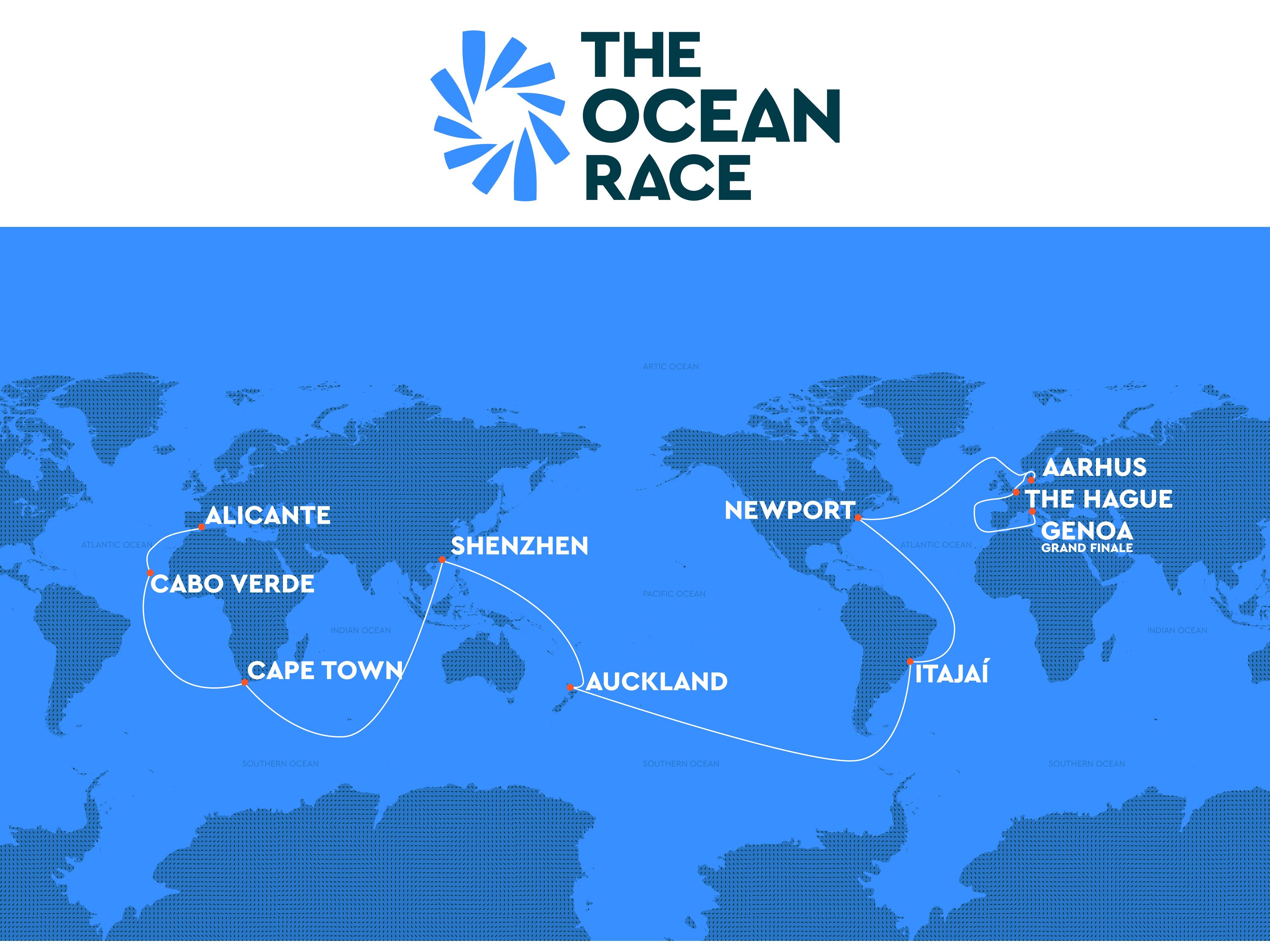
The Ocean Race (vormals Volvo Ocean Race, davor The Whitbread Round the World Race) ist eine seit 1973 alle vier und seit 2006 alle drei Jahre durchgeführte Segelregatta, die einmal um die ganze Welt verläuft. Die Regatta startet im Herbst in Europa, die weitere Route führt durch den Atlantik, umrundet Afrika am Kap der Guten Hoffnung, führt durch den Indischen Ozean über den Südpazifik und rund um Kap Horn nach Süd- und Nordamerika und von dort wieder zurück nach Europa. Aufgrund der Wind- und Wetterverhältnisse, vor allem im Südpazifik (Wellenhöhen von 30 m und Windgeschwindigkeiten von 110 km/h), gilt die Regatta als eine der härtesten Herausforderungen im Segelsport. Die Regatta wird in Etappen (englisch leg bzw. legs) durchgeführt. Insgesamt sind je nach Anzahl und Wahl der Etappenziele 24.000 Seemeilen (etwa 45.000 km) bis 45.000 Seemeilen (etwa 72.000 km) zurückzulegen.
环球帆船赛(前身为沃尔沃环球帆船赛,后改为惠特布莱德环球帆船赛)是一项帆船赛事,自 1973 年起每四年举办一次,自 2006 年起每三年举办一次,环游世界。帆船赛从秋季的欧洲开始,其余路线穿过大西洋,在好望角绕过非洲,穿过印度洋,横跨南太平洋,绕过合恩角到达南美洲和北美洲,然后从那里返回欧洲。由于风力和天气条件,尤其是南太平洋的风力和天气条件(浪高 30 米,风速 110 公里/小时),帆船赛被认为是帆船运动中最艰巨的挑战之一。帆船赛按赛段组织。根据赛段的数量和选择,总航程从 24,000 海里(约 45,000 公里)到 45,000 海里(约 72,000 公里)不等。
 Transport and traffic
Airbus A320
ACJ319
Airbus A380
A380-800
Boeing 747
747-400ERF
Boeing 777
777-200LR
Boeing 777
777F
Boeing 777
777-8
Boeing 777
777-9
Boeing 777
777-300
Boeing 777
777-300ER
Emirates Airline
Transport and traffic
Airbus A320
ACJ319
Airbus A380
A380-800
Boeing 747
747-400ERF
Boeing 777
777-200LR
Boeing 777
777F
Boeing 777
777-8
Boeing 777
777-9
Boeing 777
777-300
Boeing 777
777-300ER
Emirates Airline
 Companies
*Big airline
United Arab Emirates
Companies
*Big airline
United Arab Emirates

 Party and government
Egypt
Ethiopia
Brazil
BRICS summit
China
Hand in Hand
India
Iran
Russia
South Africa
United Arab Emirates
Important International Organizations
Party and government
Egypt
Ethiopia
Brazil
BRICS summit
China
Hand in Hand
India
Iran
Russia
South Africa
United Arab Emirates
Important International Organizations
 Economy and trade

金砖国家,简称金砖国,原称金砖四国(英语:BRIC)、金砖五国(英语:BRICS),现指九个主要的新兴市场国家,分别为巴西、俄罗斯、印度、中华人民共和国、南非、埃及、埃塞俄比亚、伊朗及阿拉伯联合酋长国。
金砖国家人口和国土面积在全球占有重要份额,是世界经济增长的主要动力之一。[1]组织中国家的共同点为领土面积大、人口多、发展中国家以及被认为有一定甚至巨大的发展潜力。所以可以说在可见的未来里,这个组织或者组织中某个或多个国家会一定程度上的影响甚至领导全球经济。
2010年12月23日,南非作为正式成员加入金砖国家。2023年金砖国家峰会后,南非总统宣布邀请阿根廷(后撤回加入申请)、埃及、埃塞俄比亚、伊朗、沙特阿拉伯(后搁置加入申请)、阿拉伯联合酋长国成为金砖国家的正式成员[2]。
BRICS (ein Akronym aus den Anfangsbuchstaben der ersten fünf Mitgliedsstaaten) ist eine Vereinigung von Staaten. Gegründet wurde sie (als BRIC) 2006 durch Brasilien, Russland, Indien und China. 2010 erfolgte eine Erweiterung um Südafrika, zu Jahresbeginn 2024 um Ägypten, Äthiopien, Iran und die Vereinigten Arabischen Emirate, nun zuweilen auch als BRICS plus bezeichnet.
BRICS is an intergovernmental organization comprising Brazil, Russia, India, China, South Africa, Iran, Egypt, Ethiopia, and the United Arab Emirates. Originally identified to highlight investment opportunities,[1] the grouping evolved into an actual geopolitical bloc, with their governments meeting annually at formal summits and coordinating multilateral policies since 2009. Bilateral relations among BRICS are conducted mainly on the basis of non-interference, equality, and mutual benefit.
BRICS est un acronyme anglais pour désigner un groupe de cinq pays qui se réunissent depuis 2011 en sommets annuels : Brésil, Russie, Inde, Chine et Afrique du Sud (en anglais : Brazil, Russia, India, China, South Africa).
Avant l'ajout de l'Afrique du Sud en 2011, le groupe était appelé BRIC, terme initial inventé en 2001 et qui a conduit à l'organisation des premiers sommets à quatre pays en 2009. Rarement utilisés, les équivalents français de cet acronyme - après l'adhésion de l'Afrique du Sud - sont ABRIC (Afrique du Sud, Brésil, Russie, Inde et Chine1), BRASIC ou encore BRICA2.
Avant l'ajout de l'Afrique du Sud en 2011, le groupe était appelé BRIC, terme initial inventé en 2001 et qui a conduit à l'organisation des premiers sommets à quatre pays en 2009. Rarement utilisés, les équivalents français de cet acronyme - après l'adhésion de l'Afrique du Sud - sont ABRIC (Afrique du Sud, Brésil, Russie, Inde et Chine1), BRASIC ou encore BRICA2.
L'acronyme BRICSAM (en anglais : Brazil, Russia, India, China, South Africa, Mexico) est également utilisé pour y adjoindre le Mexique, sans qu'il ne soit membre du groupe.
Il BRICS in economia internazionale è un'associazione di cinque paesi tra le maggiori economie emergenti. Il nome è l'acronimo delle iniziali dei cinque stati:
Tali economie si propongono di costruire un sistema commerciale globale attraverso accordi bilaterali che non siano basati esclusivamente sul petrodollaro. Il termine ha avuto origine dal precedente BRIC, con l'aggiunta della S relativa al Sudafrica.
En economía internacional,1 se emplea la sigla BRICS para referirse conjuntamente a Brasil, Rusia, India, China y Sudáfrica,2 aunque en este artículo se hará más referencia al BRIC, que excluye este último país, el que se unió al grupo en 2011. En términos generales, BRICS es el acrónimo de una asociación económica-comercial de las cinco economías nacionales emergentes más importantes del mundo. Los BRICS son considerados el paradigma de la cooperación Sur-Sur, aunque recientemente esta interpretación fue puesta en cuestión dadas las contradicciones entre los intereses de China y los demás miembros.3
Todas estas naciones tienen en común una gran población (China e India por encima de los mil cien millones, Brasil y Rusia por encima de los ciento cuarenta millones), un enorme territorio (casi 38,5 millones km²), lo que les proporciona dimensiones estratégicas continentales, una gigantesca cantidad de recursos naturales y, lo más importante, las enormes cifras que han presentado de crecimiento de su producto interno bruto (PIB) y de participación en el comercio mundial en los últimos años, lo que los hace atractivos como destino de inversiones.4
México y Corea del Sur son los únicos países comparables a los BRIC, pero sus economías se excluyeron debido a que ya son miembros de la OCDE.5 Estos países, Brasil, China, India y Sudáfrica, exceptuando a Rusia que pertenece al G-8, también forman parte del G-5. Argentina, en tanto, fue invitada a la cumbre de Fortaleza, junto a los miembros de la Unión de Naciones Suramericanas realizada en julio de 2014.
Em economia, BRICS é um acrônimo que se refere aos países membros fundadores (o grupo BRIC: Brasil, Rússia, Índia e China), que juntos formam um grupo político de cooperação. Em 14 de abril de 2011,[1] o "S" foi oficialmente adicionado à sigla BRIC para formar o BRICS, após a admissão da África do Sul (em inglês: South Africa) ao grupo.[2][3][4] Os membros fundadores e a África do Sul estão todos em um estágio similar de mercado emergente, devido ao seu desenvolvimento econômico. É geralmente traduzido como "os BRICS" ou "países BRICS" ou, alternativamente, como os "Cinco Grandes".
Apesar de o grupo ainda não ser um bloco econômico ou uma associação de comércio formal, como no caso da União Europeia,[5] existem fortes indicadores de que os quatro países do BRIC têm procurado formar um "clube político" ou uma "aliança", e assim converter "seu crescente poder econômico em uma maior influência geopolítica."[6][7] Desde 2009, os líderes do grupo realizam cúpulas anuais.[8]
A sigla (originalmente "BRIC") foi criada por Jim O'Neill em um estudo de 2001 intitulado "Building Better Global Economic BRICs".[9][10][11] Desde então, a sigla passou a ser amplamente usada como um símbolo da mudança no poder econômico global, distanciando-se das economias desenvolvidas do G7 em relação ao mundo em desenvolvimento.
De acordo com um artigo publicado em 2005, o México e a Coreia do Sul seriam os únicos outros países comparáveis aos BRICS, mas suas economias foram inicialmente excluídas por serem consideradas mais desenvolvidas, uma vez que já eram membros da Organização para a Cooperação e Desenvolvimento Econômico.[12] As relações bilaterais entre os países dos BRICS tem sido conduzidas principalmente com base nos princípios de não-interferência, igualdade e benefício mútuo.[13]
ब्रिक्स (BRICS) उभरती राष्ट्रीय अर्थव्यवस्थाओं के एक संघ का शीर्षक है। इसके घटक राष्ट्र ब्राज़ील, रूस, भारत, चीन और दक्षिण अफ्रीका हैं। इन्हीम देशों के अंग्रेज़ी में नाम के प्रथमाक्षरों B, R, I, C व S से मिलकर इस समूह का यह नामकरण हुआ है।[1] मूलतः, २०१० में दक्षिण अफ्रीका के शामिल किए जाने से पहले इसे "ब्रिक" के नाम से जाना जाता था। रूस को छोडकर[2], ब्रिक्स के सभी सदस्य विकासशील या नव औद्योगीकृत देश हैं जिनकी अर्थव्यवस्था तेजी से बढ़ रही है। ये राष्ट्र क्षेत्रीय और वैश्विक मामलों पर महत्वपूर्ण प्रभाव डालते हैं। वर्ष २०१३ तक, पाँचों ब्रिक्स राष्ट्र दुनिया के लगभग 3 अरब लोगों का प्रतिनिधित्व करते हैं और एक अनुमान के अनुसार ये राष्ट्र संयुक्त विदेशी मुद्रा भंडार में ४ खरब अमेरिकी डॉलर का योगदान करते हैं। इन राष्ट्रों का संयुक्त सकल घरेलू उत्पाद १५ खरब अमेरिकी डॉलर का है।[3] वर्तमान में, दक्षिण अफ्रीका ब्रिक्स समूह की अध्यक्षता करता है।
БРИКС (англ. BRICS — сокращение от Brazil, Russia, India, China, South Africa) — группа из пяти стран: Бразилия, Россия, Индия, Китай, Южно-Африканская Республика.
Сокращение БРИК (BRIC) было впервые предложено аналитиком Джимом О’Нилом в ноябре 2001 года в аналитической записке банка «Goldman Sachs» Building Better Global Economic BRICs (Кирпичи для новой экономики)[1][2]. До 2011 года по отношению к организации использовалась аббревиатура БРИК. В связи с присоединением ЮАР к БРИК 18 февраля 2011 года, по заявлению индийского министра финансов с этого времени группа стала носить название BRICS[3].
Последовательность букв в слове определяется не только благозвучием, но и тем, что само слово в английской транскрипции BRICS очень похоже на английское слово bricks — «кирпичи»[4], таким образом, данный термин используется в качестве обозначения группы стран, за счёт роста которых во многом будет обеспечиваться будущий рост мировой экономики.
Организация была основана в июне 2006 года, в рамках Петербургского экономического форума (ПЭФ) с участием министров экономики Бразилии, России, Индии, Китая. Помимо саммитов, встречи проходят на уровне глав МИД, министров финансов и др.
Эксперты не предполагали наличия координации экономических политик между странами БРИК. Тем более не предполагалось, что страны БРИК образуют некий экономический блок или официальную торговую ассоциацию, как Европейский союз. Однако со временем появились признаки, что «четыре страны БРИК стремятся сформировать политический клуб» или «союз», и таким образом преобразовать «свою растущую экономическую власть в большее геополитическое „влияние“». С сентября 2006 года началось налаживание политических связей в рамках БРИК: во время 61-й сессии ООН была проведена встреча министров иностранных дел четырёх стран. Главы государств БРИК впервые встретились 9 июля 2008 года в Тояко-Онсэн (Хоккайдо, Япония) в рамках 34-го саммита G8 и договорились о проведении полноформатного саммита, который состоялся в Екатеринбурге 16 июня 2009 года[5]. [источник не указан 1284 дня]
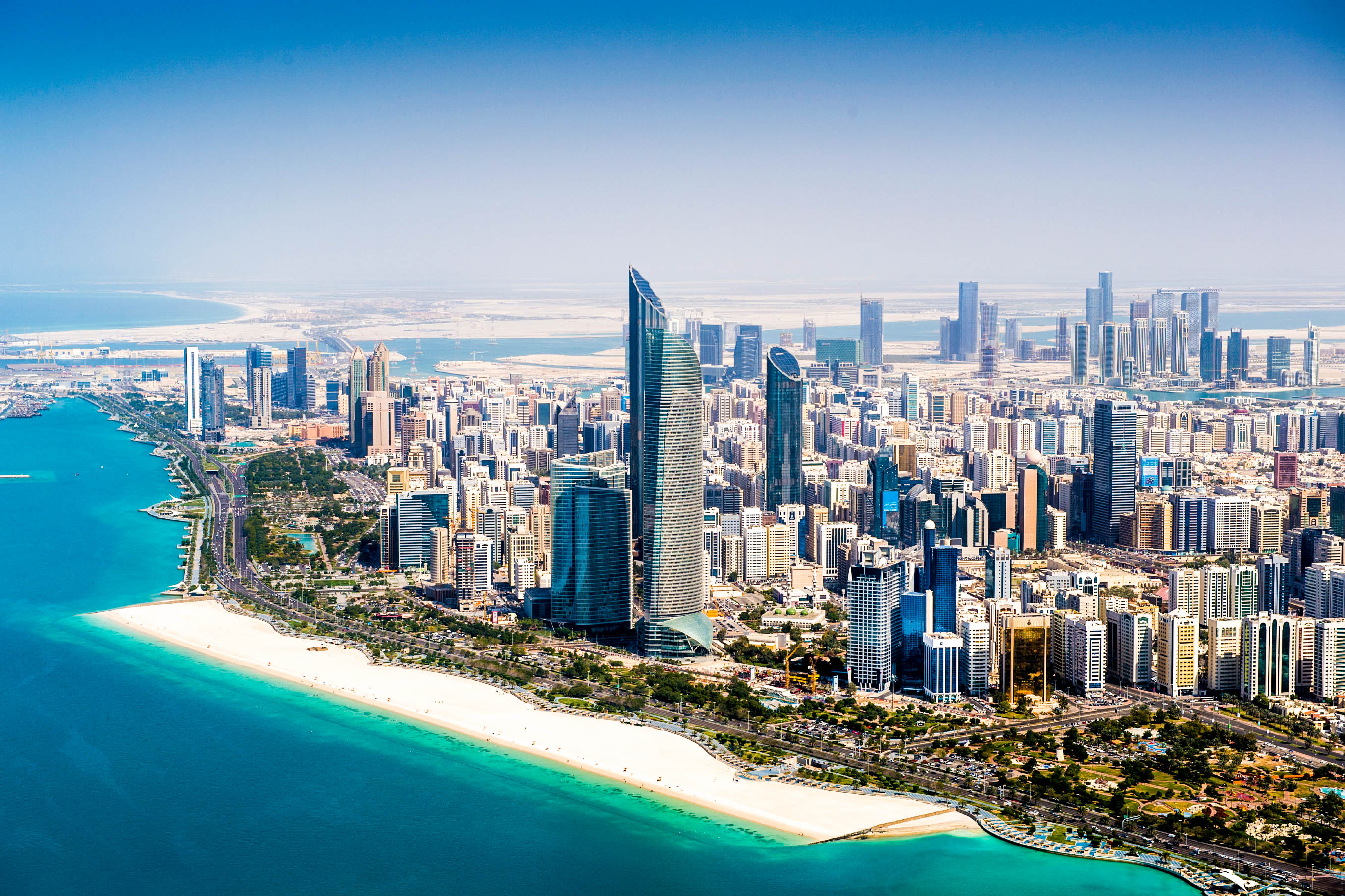
阿布扎比(阿拉伯语:أبو ظبي,Abū Z̧abī;英语:Abu Dhabi)是阿拉伯联合酋长国之阿布扎比酋长国的首府,也是阿拉伯联合酋长国的首都。阿布扎比位于阿拉伯联合酋长国的中西边海岸,位于波斯湾的一个T字形岛屿上。阿布扎比于2006年人口大约为180万,而80%人口持有外国国籍。它是世界上外派员工生活费用最昂贵的城市之一,在阿联酋内仅次于迪拜[5]。 阿布扎比的殖民历史最早可以追溯至公元前3千年,当时在当地生活的都是游牧民族,以畜牧及捕渔为生。在阿布扎比附近艾因和哈菲特山周围也发现了一些史前人类遗址。
Abu Dhabi ([ˈabu ˈdaːbi], arabisch أبو ظبي, DMG Abū Ẓabī ‚Vater der Gazelle‘) ist die Hauptstadt des Emirats Abu Dhabi und der Vereinigten Arabischen Emirate (VAE).
Der Kern der Stadt mit ihren über 1,5 Millionen Einwohnern[1] befindet sich auf einer 70 Quadratkilometer großen Insel im Persischen Golf, im Mangrovengürtel. Mit dem Festland verbunden ist sie durch die Mussafa-Brücke, die al-Maqtaa-Brücke und die Sheikh-Zayed-Brücke. Die Hauptinsel ist von einem Kranz künstlich erweiterter oder neu aufgespülter Inseln umgeben, die zurzeit erst zum Teil bebaut sind und das Siedlungsgebiet erweitern.
An der dem offenen Meer zugewandten nordwestlichen Flanke der Insel befindet sich die Corniche, an der seit 2003 weiter Land gewonnen wurde. Am Nordende der Corniche befindet sich ein etwa ein Kilometer breiter und fünf Kilometer langer Streifen, den man aufgrund seiner verdichteten Bebauung als Stadtzentrum betrachten kann.Acht Kilometer westlich liegt die Insel Al-Futaisi.
アブダビ市(アラビア語: أبو ظبي)は、アブダビ首長国の首都であると同時に、アラブ首長国連邦の首都でもある。
アブダビを首都として定めている現行の連邦憲法は、制定時は暫定憲法という位置付けだったため、アブダビも形式的には暫定首都という地位にあった。1996年にその暫定憲法が正式に連邦の恒久的な憲法として制定されたため、それに伴いアブダビも名実共に連邦の正式な首都としての地位を得た。
ドバイに次ぎ、同国第2の人口を有する。
Abu Dhabi (UK: /ˈæbuːˈdɑːbi/, US: /ˈɑːbuː/ ; Arabic: أَبُو ظَبْيٍ Abū Ẓabī Arabic pronunciation: [ɐˈbuˈðˤɑbi])[5] is the capital and the second-most populous city of the United Arab Emirates (after Dubai). The city of Abu Dhabi is located on an island in the Persian Gulf, off the Central West Coast. Most of the city and the Emirate reside on the mainland connected to the rest of the country. As of 2020, Abu Dhabi's urban area had an estimated population of 1.48 million,[6] out of 2.9 million in the emirate of Abu Dhabi, as of 2016.[7] Abu Dhabi Investment Authority, the world's 3rd largest sovereign wealth fund in 2020 is headquartered in the city,[8] while Abu Dhabi itself has over a trillion US dollars worth of assets under management in a combination of various sovereign wealth funds headquartered there.[9]
Abu Dhabi houses local and federal government offices and is the home of the United Arab Emirates Government and the Supreme Petroleum Council. The city is home to the President of the UAE, who is a member of the Al Nahyan family. Abu Dhabi's rapid development and urbanization, coupled with the massive oil and gas reserves and production and relatively high average income, have transformed it into a large, developed metropolis. It is the country's center of politics and industry, and a major culture and commerce center. Abu Dhabi accounts for about two-thirds of the roughly $400 billion UAE economy.[10]
Abou Dabi, parfois orthographié Abu Dhabi, Abou Dhabi ou Aboû DabîNote 1, en arabe أبو ظبي, ʼAbū Ẓaby, littéralement « Père de la gazelle »3, est la capitale de l'émirat d'Abou Dabi et des Émirats arabes unis4.
Bien que l'on trouve des traces de civilisation plusieurs millénaires avant notre ère, la zone n'a été habitée en permanence qu'à partir du XVIIIe siècle. Mais c'est au XXe siècle que la ville a connu une croissance importante, en grande partie grâce aux revenus du pétrole5.
Aujourd'hui, Abou Dabi qui compte près de 1,483 million habitants, est la troisième ville des Émirats arabes unis après Charjah et Dubaï. Elle est le centre politique et industriel de la fédération, et un centre culturel et commercial important dans le golfe Persique, du fait de sa position de capitale.
Abu Dhabi, o più correttamente 'Abū Ẓabiyy (in arabo: أبو ظبي), è la capitale degli Emirati Arabi Uniti e capitale dell'omonimo emirato.[1] Abu Dhabi si trova su un'isola a forma di T che si protende nel Golfo Persico dalla costa centro-occidentale. Nel 2014, la città vera e propria contava una popolazione di 1,5 milioni di persone.[2]
La città fu fondata nel 1791 dalla tribù beduina dei Banū Yās, che avevano occupato la regione, lasciando il Najd poiché in contrasto con i wahhabiti dell'Arabia.
Abu Dhabi ospita uffici del governo federale, è la sede del governo degli Emirati Arabi Uniti, sede della famiglia degli Emiri di Abu Dhabi e del Presidente degli Emirati Arabi Uniti, che proviene da questa famiglia. Il suo rapido sviluppo e l'urbanizzazione, accoppiata con il relativamente alto reddito medio della sua popolazione, ha trasformato la città in una grande e avanzata metropoli. Oggi la città è il centro del paese nelle attività politiche e industriali, oltre ad essere un importante centro culturale e commerciale. Abu Dhabi rappresenta circa i due terzi dell'economia degli Emirati Arabi Uniti con circa 400 miliardi di dollari statunitensi.[3]
Abu Dhabi è la quarta città più cara per i lavoratori espatriati nella regione, nel 2014 è stata la 68ª città più costosa al mondo.
Oltrepassando oltre 300 città, tra cui Tokyo, Basilea, Monaco e Vienna, la capitale degli Emirati Arabi Uniti è tornata in cima alla lista come la città più sicura al mondo. L'indice di sicurezza dell'emirato è cresciuto da 86,46 punti nel primo semestre del 2017 a 88,26 punti nei primi sei mesi del 2018[4].
Abu Dabi1 (en árabe, أبوظبي ʼAbū Ẓabī, literalmente 'Padre de una gacela')2 es la capital y segunda ciudad más poblada de los Emiratos Árabes Unidos, así como del emirato homónimo. Abu Dabi se encuentra en una isla en forma de T al sureste del golfo Pérsico. El emirato en sí cubre una superficie de 67 340 km² y tenía una población de 860 000 habitantes en 2007.3
Abu Dabi aloja importantes oficinas del gobierno federal y es la sede del Gobierno de los Emiratos Árabes Unidos, así como sede de la familia real emiratí. Abu Dabi ha crecido hasta convertirse en una metrópolis cosmopolita. Su rápido desarrollo y urbanización, junto con la relativamente elevada renta media de su población, han impulsado una transformación de Abu Dabi en la última década del siglo XX y primera del XXI. A comienzos del siglo XXI, la ciudad es el centro de la vida política del país, de las actividades industriales y de gran tradición cultural. Además, es el centro comercial debido a su posición como capital. Abu Dabi genera por sí sola el 15% del PIB de los Emiratos Árabes Unidos.45 La capital emiratí es sede de importantes instituciones financieras, como el Abu Dhabi Securities Exchange, el Banco Central de los Emiratos Árabes Unidos, y la sede corporativa de muchas empresas nacionales y multinacionales. Uno de los mayores productores mundiales de petróleo, Abu Dabi ha tratado de diversificar su economía en los últimos años a través de inversiones en los servicios financieros y turismo. Abu Dabi es la tercera ciudad más cara en la región y la 26.ª ciudad más cara del mundo.6
Aunque según las normas de transcripción del árabe debería escribirse en español Abu Zabi,[cita requerida] la Academia de la Lengua recomienda la forma Abu Dabi.[cita requerida] El gentilicio recomendado es abudabí.
А́бу́-Да́би[3][4][5] (араб. أَبو ظَبِي [ɐˈbuˈðˤɑbi][6]) — столица Объединённых Арабских Эмиратов и эмирата Абу-Даби. Политический, промышленный, торговый и культурный центр страны, его вклад в ВВП ОАЭ превышает 56 % (2008). Население города 1 483 000 жителей[1] (2020). Ранее город назывался А́бу-За́би[7][8].
В Абу-Даби находятся местные и федеральные правительственные учреждения, а также резиденция правительства Объединённых Арабских Эмиратов и Высшего нефтяного совета. В городе проживает президент ОАЭ, который является членом семьи Аль Нахайян. Быстрое развитие и урбанизация Абу-Даби в сочетании с огромными запасами и добычей нефти и газа, а также относительно высоким средним уровнем дохода его населения превратили город в крупный и развитый мегаполис. Сегодня город является центром политической и промышленной деятельности страны, а также крупным культурным и торговым центром, из-за его положения в качестве столицы. На Абу-Даби приходится около двух третей экономики ОАЭ, общей стоимостью около 400 миллиардов долларов.
 Driving school
Egypt
Australia
Belgium
Brazil
Denmark
Germany
Finland
France
Greece
Hand in Hand
Hand in Hand
Driver's license
India
Indonesia
Italy
Japan
Canada
Kasachstan
Croatia
Malaysia
Mexico
Mongolei
New Zealand
Netherlands
Useful info
Austria
Portugal
Republic of Korea
Russia
Saudi Arabia
Sweden
Switzerland
Singapore
Spain
South Africa
Thailand
Czech Republic
Turkey
Hungary
Driving school
Egypt
Australia
Belgium
Brazil
Denmark
Germany
Finland
France
Greece
Hand in Hand
Hand in Hand
Driver's license
India
Indonesia
Italy
Japan
Canada
Kasachstan
Croatia
Malaysia
Mexico
Mongolei
New Zealand
Netherlands
Useful info
Austria
Portugal
Republic of Korea
Russia
Saudi Arabia
Sweden
Switzerland
Singapore
Spain
South Africa
Thailand
Czech Republic
Turkey
Hungary
 Vacation and Travel
United Arab Emirates
United States
United Kingdom
Vacation and Travel
United Arab Emirates
United States
United Kingdom

国际驾驶执照(International Driving Permit)依照1949年日内瓦国际道路交通公约及1968年维也纳国际道路交通公约,由公约签署国政府签发,方便本国驾驶员在其他签约国驾驶私人车辆。国际驾驶执照为附加在一国驾驶执照之上的一本附加多国语言的说明,标注了驾驶人的基本信息以及允许驾驶的对应车辆种类等,解决驾驶员与其他国家的交通管理部门之间的沟通障碍。国际驾照不能独立存在,当驾驶员同时持有一国驾照与该国政府签发的国际驾照时,此国际驾照才视作有效。[1]
国际驾驶执照之内容及格式依照维也纳道路交通会议制订,但并非各国均批准该公约。
Ein Internationaler Führerschein ist ein Dokument, das von den Straßenverkehrsbehörden oder Automobilclubs[1] eines Landes aufgrund zwischenstaatlicher Verträge ausgestellt wird. Er soll vor allem der Polizei eines anderen Landes die Feststellung ermöglichen, ob ein ausländischer Kraftfahrer die Fahrerlaubnis hat, die für sein aktuelles Fahrzeug erforderlich ist.
An International Driver's Permit (IDP) allows you to drive a vehicle in another country, as long as you also have a valid driver's license issued by your state. It is also recognized as a proper form of identification in over 175 countries and by many major car rental companies internationally.
Getting an International Driver's Permit (sometimes incorrectly called an international driver's license) can take anywhere from a day to a few weeks, depending on whether you're going through walk-in processing or applying via mail, so make sure to plan ahead if you're planning to drive on your international trip. There are only two locations in the United States that issue these documents: The American Automobile Association (AAA) and the American Automobile Touring Alliance (AATA).
In the United States, International Driver Permits (IDPs) are only issued by the American Automobile Association and the American Automobile Touring Alliance, and the State Department recommends against purchasing an IDP from other outlets as they are all entirely illegal to buy, carry, or sell.
IDPs can be issued to anyone over 18 who has had a valid driver's license for six months or longer. They typically remain valid for one year or the expiration of your existing state driving license. It's essential to investigate an IDP before your trip and make sure you know the requirements.
Both AAA and AATA are excellent sources for these documents, so once you've selected a provider, go to either the AAA's or NAATA's website, print out the International Driving Permit Application, complete all applicable fields, and submit it.
Once you have the application completed, you can send it in via the mail or visit a local office of an organization like AAA; you'll also need two original passport-sized photos and a signed copy of your valid U.S. driver's license as well as an enclosed check for the fee.
Tips to Getting and Using Your Permit
AAA offices can process IDPs during your visit, but processing generally takes 10 to 15 business days if you send the application in. However, expedited services may be available to get your license within one or two business days for an additional fee.
When applying, you'll need a computer and printer, a completed application, a copy of your valid U.S. driver's license, two passport photos, and a check, money order, or credit card to complete the process. Remember to bring these with you if you're applying in person.
Always make sure to carry your valid United States driver's license when driving internationally, as your IDP is invalid without this accompanying proof of eligibility to drive. IDPs only translate domestically-accepted licenses and do not allow those without government-issued driver's licenses to drive abroad.
You'll also want to make sure to enclose the proper fees (the fee for the IDP, as well as any shipping and handling fees), photos, and photocopies of your license when submitting your application to AAA or AATA as omitting any of these required documents will result in your application being rejected.
You should also check the driving requirements and laws for the countries you will be driving in on your vacation, so you'll know what will be required in the event you get stopped by local authorities. (Quelle:https://www.tripsavvy.com/)