
Deutsch-Chinesische Enzyklopädie, 德汉百科
 Fußball-Weltmeisterschaft der Frauen 2015
AFC Champions League 2015
AFC Champions League 2016
AFC Champions League 2017
AFC Champions League 2018
AFC Champions League 2019
Asian Football Confederation
CONCACAF
Confederación Sudamericana de Fútbol
Confederation of African Football
FIFA
FIFA Fussball-Weltmeisterschaft 1990
FIFA Fussball-Weltmeisterschaft 1994
FIFA Fussball-Weltmeisterschaft 1998
FIFA Fussball-Weltmeisterschaft 2002
FIFA Fussball-Weltmeisterschaft 2006
FIFA Fussball-Weltmeisterschaft 2010
Fußball-Weltmeisterschaft der Frauen 2015
AFC Champions League 2015
AFC Champions League 2016
AFC Champions League 2017
AFC Champions League 2018
AFC Champions League 2019
Asian Football Confederation
CONCACAF
Confederación Sudamericana de Fútbol
Confederation of African Football
FIFA
FIFA Fussball-Weltmeisterschaft 1990
FIFA Fussball-Weltmeisterschaft 1994
FIFA Fussball-Weltmeisterschaft 1998
FIFA Fussball-Weltmeisterschaft 2002
FIFA Fussball-Weltmeisterschaft 2006
FIFA Fussball-Weltmeisterschaft 2010
 FIFA Fussball-Weltmeisterschaft 2014
 FIFA Fussball-Weltmeisterschaft 2018
 FIFA Fussball-Weltmeisterschaft 2022
 FIFA Fussball-Weltmeisterschaft 2026
FIFA-Konföderationen-Pokal 2013
FIFA-Konföderationen-Pokal 2017
Fußball-Weltmeisterschaft der Frauen 1991
Fußball-Weltmeisterschaft der Frauen 1995
Fußball-Weltmeisterschaft der Frauen 1999
Fußball-Weltmeisterschaft der Frauen 2003
Fußball-Weltmeisterschaft der Frauen 2007
Fußball-Weltmeisterschaft der Frauen 2011
Fußball-Weltmeisterschaft der Frauen 2015
Fußball-Weltmeisterschaft der Frauen 2019
Oceania Football Confederation
Schweiz
FIFA Fussball-Weltmeisterschaft 2026
FIFA-Konföderationen-Pokal 2013
FIFA-Konföderationen-Pokal 2017
Fußball-Weltmeisterschaft der Frauen 1991
Fußball-Weltmeisterschaft der Frauen 1995
Fußball-Weltmeisterschaft der Frauen 1999
Fußball-Weltmeisterschaft der Frauen 2003
Fußball-Weltmeisterschaft der Frauen 2007
Fußball-Weltmeisterschaft der Frauen 2011
Fußball-Weltmeisterschaft der Frauen 2015
Fußball-Weltmeisterschaft der Frauen 2019
Oceania Football Confederation
Schweiz
 Zürich
 Sport
(F)Fußball-Weltmeisterschaft der Frauen
Sport
(F)AFC Champions League
Sport
(F)Internationale Fußball-Ligen
Sport
(F)CAF Champions League
Sport
(F)CONCACAF Champions League
Sport
(F)Copa Libertadores
Sport
(F)UEFA Champions League
Sport
(F)Fußball-Europameisterschaft
Sport
(F)FIFA U-20-Fußball-Weltmeisterschaft
Sport
(F)FIFA-Konföderationen-Pokal
Sport
(F)Fußball-Asienmeisterschaft
Sport
(F)Fußball-Afrikameisterschaft
UEFA Champions League 2015/16
UEFA Champions League 2016/17
UEFA Champions League 2017/18
UEFA Champions League 2018/19
UEFA Champions League 2019/20
UEFA Europa League 2017/18
UEFA Europa League 2018/19
UEFA Europa League 2019/20
UEFA Nations League
Union of European Football Associations
Sport
(F)Fußball-Weltmeisterschaft der Frauen
Sport
(F)AFC Champions League
Sport
(F)Internationale Fußball-Ligen
Sport
(F)CAF Champions League
Sport
(F)CONCACAF Champions League
Sport
(F)Copa Libertadores
Sport
(F)UEFA Champions League
Sport
(F)Fußball-Europameisterschaft
Sport
(F)FIFA U-20-Fußball-Weltmeisterschaft
Sport
(F)FIFA-Konföderationen-Pokal
Sport
(F)Fußball-Asienmeisterschaft
Sport
(F)Fußball-Afrikameisterschaft
UEFA Champions League 2015/16
UEFA Champions League 2016/17
UEFA Champions League 2017/18
UEFA Champions League 2018/19
UEFA Champions League 2019/20
UEFA Europa League 2017/18
UEFA Europa League 2018/19
UEFA Europa League 2019/20
UEFA Nations League
Union of European Football Associations
 Wichtige internationale Organisationen
国际足球联合会(法语:Fédération Internationale de Football Association;英语:International Federation of Association Football[注 1]),简称国际足联(FIFA),是管理英式足球、室内五人足球和沙滩足球的国际体育组织,下辖211个会员协会。总部设于瑞士苏黎世。现任主席为吉安尼·因凡蒂诺。国际足联负责组织世界重大足球赛事,当中最著名的是4年举行一次的世界杯。[3]
Die Fédération Internationale de Football Association (deutsch Internationaler Verband des Association Football), kurz FIFA oder Fifa, ist ein privater Verband, der „die Kontrolle des Association Football in all seinen Formen“ zum Zweck hat.[3] Der Weltfußballverband ist ein gemeinnütziger Verein im Sinne der Artikel 60 ff. des Schweizerischen Zivilgesetzbuches mit Sitz in Zürich und im Handelsregister eingetragen.[4][5][6] Die FIFA muss als nicht steuerbefreiter Verein im Kanton Zürich eine reduzierte Gewinnsteuer von 4 % entrichten.[1][2]
Die FIFA erwirtschaftet in ihrer aktuellen Vierjahresertragsperiode 5,66 Milliarden Dollar, die zu 89 % aus der Vermarktung der von ihr organisierten Männer-Fußball-WM stammen. Darüber hinaus organisiert sie auch die Frauen-Fußball-WM und zahlreiche weitere Turniere. Ihr Präsident ist Gianni Infantino.
国際サッカー連盟(こくさいサッカーれんめい、仏: Fédération Internationale de Football Association)は、サッカー(アソシエーション式フットボール)の国際競技連盟であり、スイスの法律に基づいた自立法人である。略称はFIFA(フランス語発音: [fifa] フィファ、英語発音: [ˈfiːfə] フィーファ)。本部はスイスのチューリッヒに置かれている。
2018年時点で全211の国内競技連盟が加盟し[1]、国際競技連盟としては世界最大である[3]。FIFAワールドカップ・FIFA女子ワールドカップの主催が、もっとも大きな任務となっている。
The Fédération Internationale de Football Association[a] (FIFA /ˈfiːfə/ FEE-fə; French for International Federation of Association Football; Spanish: Federación Internacional de Fútbol Asociación; German: Internationaler Verband des Association Football) is a non-profit organization which describes itself as an international governing body of association football, fútsal, beach soccer, and efootball. It is the highest governing body of football.
FIFA was founded in 1904[3] to oversee international competition among the national associations of Belgium, Denmark, France, Germany, the Netherlands, Spain, Sweden, and Switzerland. Headquartered in Zürich, its membership now comprises 211 national associations. Member countries must each also be members of one of the six regional confederations into which the world is divided: Africa, Asia, Europe, North & Central America and the Caribbean, Oceania, and South America.
Today, FIFA outlines a number of objectives in the organizational Statues, including growing football internationally, providing efforts to ensure football is accessible to everyone, and advocating for integrity and fair play.[4] FIFA is responsible for the organization and promotion of football's major international tournaments, notably the World Cup which commenced in 1930 and the Women's World Cup which commenced in 1991. Although FIFA does not solely set the rules of football, that being the responsibility of the International Football Association Board of which FIFA is a member, it applies and enforces the rules across all FIFA competitions.[5] All FIFA tournaments generate revenue from sponsorship; in 2018, FIFA had revenues of over US $4.6 billion, ending the 2015–2018 cycle with a net positive of US$1.2 billion, and had cash reserves of over US$2.7 billion.[6]
Reports by investigative journalists have linked FIFA leadership with corruption, bribery, and vote-rigging related to the election of FIFA president Sepp Blatter and the organization's decision to award the 2018 and 2022 World Cups to Russia and Qatar, respectively. These allegations led to the indictments of nine high-ranking FIFA officials and five corporate executives by the U.S. Department of Justice on charges including racketeering, wire fraud, and money laundering. On 27 May 2015, several of these officials were arrested by Swiss authorities, who were launching a simultaneous but separate criminal investigation into how the organization awarded the 2018 and 2022 World Cups. Those among these officials who were also indicted in the U.S. are expected to be extradited to face charges there as well.[7][8][9] Many officials were suspended by FIFA's ethics committee including Sepp Blatter[10] and Michel Platini.[11] In early 2017 reports became public about FIFA president Gianni Infantino attempting to prevent the re-elections[12] of both chairmen of the ethics committee, Cornel Borbély and Hans-Joachim Eckert, during the FIFA congress in May 2017.[13][14] On 9 May 2017, following Infantino's proposal,[15] FIFA Council decided not to renew the mandates of Borbély and Eckert.[15] Together with the chairmen, 11 of 13 committee members were removed.[16]
La Fédération internationale de football association2 (souvent désignée par l'acronyme FIFA) est la fédération sportive internationale du football, du futsal et du football de plage. Association des fédérations nationales fondée le 21 mai 1904 à Paris, elle a pour vocation de gérer et de développer le football dans le monde. La Coupe du monde de football est créée en 1924 par Jules Rimet3, président de la fédération internationale de 1920 à 1954. Le terme Football Association est le nom originel du football, utilisé pour le distinguer des autres sports de ballon.
Fondée par les fédérations d'Allemagne, de Belgique, du Danemark, d'Espagne, de France, des Pays-Bas, de Suède et de Suisse, elle compte au 13 mai 2016 211 associations nationales affiliées à travers le monde, qui doivent être reconnues par l'une des six confédérations continentales. Son siège est situé depuis 1932 à Zurich, en Suisse.
Bien qu'étant officiellement une association à but non lucratif, la FIFA brasse un chiffre d'affaires très important du fait de l'organisation des compétitions et de leur sponsoring. En 2013, la FIFA génère 1,3 milliard de dollars de chiffre d'affaires, et dispose de réserves évaluées à 1,4 milliard de dollars4. La FIFA est chargée de l'organisation des grands tournois mondiaux, et notamment des Coupes du monde masculines, depuis le 13 juillet 1930, et féminines, depuis le 30 novembre 1991.
Après plusieurs années de rumeurs et d'enquêtes de journalistes sur les affaires financières au sein de la FIFA, notamment autour de l'attribution de l'organisation des Coupes du monde de 2018 et 2022 à la Russie et au Qatar, une enquête lancée par le département de la Justice des États-Unis pour des faits de corruption aboutit à un grand scandale en 2015, à la suite duquel le président Sepp Blatter, le 2 juin 2015, trois jours après sa réélection pour un cinquième mandat, annonce qu'il convoque un congrès extraordinaire, prévu en février 2016, afin de remettre son mandat de président à disposition. Le 8 octobre 2015, la commission d'éthique de la FIFA suspend Sepp Blatter de manière provisoire, pendant 90 jours5. Le 21 décembre 2015, la commission suspend Sepp Blatter pour 8 ans6. Cette suspension est ramenée à six ans le 24 février 2016, peu avant l'élection de son successeur, Gianni Infantino, le 26 février 2016.
La Fédération Internationale de Football Association (in italiano "Federazione internazionale di calcio"[Nota 1]), più nota con l'acronimo FIFA, è la federazione internazionale che governa gli sport del calcio, del calcio a 5 e del beach soccer. La sua sede si trova a Zurigo, in Svizzera, e il presidente è Gianni Infantino, eletto nel 2016.
La federazione fu fondata a Parigi il 21 maggio 1904 e si occupa dell'organizzazione di tutte le manifestazioni intercontinentali degli sport sopraccitati, tra le quali la più importante è sicuramente il Campionato mondiale di calcio, che premia il vincitore con il trofeo della Coppa del Mondo. Tale torneo viene disputato ogni quattro anni dal 1930, eccetto che per il 1942 e il 1946 a causa della Seconda guerra mondiale, e la federazione ha il compito di scegliere il paese organizzatore che ospita la fase finale della manifestazione.
La Fédération Internationale de Football Association2 (en español: Federación Internacional de Fútbol Asociación),3 universalmente conocida por sus siglas FIFA, es la institución que gobierna las federaciones de fútbol en todo el planeta. Se fundó el 21 de mayo de 1904 y tiene su sede en Zúrich, Suiza. Forma parte del IFAB, organismo encargado de modificar las reglas del juego. Además, la FIFA organiza la Copa Mundial de Fútbol, los otros campeonatos del mundo en sus distintas categorías, ramas y variaciones de la disciplina, y los Torneos Olímpicos a la par del COI.
La FIFA agrupa 211 asociaciones o federaciones de fútbol de distintos países, contando con 17 países afiliados más que la Organización de las Naciones Unidas, tres menos que la Asociación Internacional de Federaciones de Atletismo y dos menos que la Federación Internacional de Baloncesto.45
Междунаро́дная федера́ция футбо́ла[1] (фр. Fédération Internationale de Football Association, сокращённо FIFA, в русской транслитерации — ФИФА́) — главная футбольная организация, являющаяся крупнейшим международным руководящим органом в футболе, мини-футболе и пляжном футболе. Штаб-квартира ФИФА находится в швейцарском городе Цюрихе.
Под эгидой ФИФА проходят все футбольные турниры всемирного масштаба, в числе которых чемпионат мира ФИФА, аналогичный турнир среди женщин, молодёжные и юношеские турниры, Кубок конфедераций и клубный чемпионат мира.
 Internationale Städte
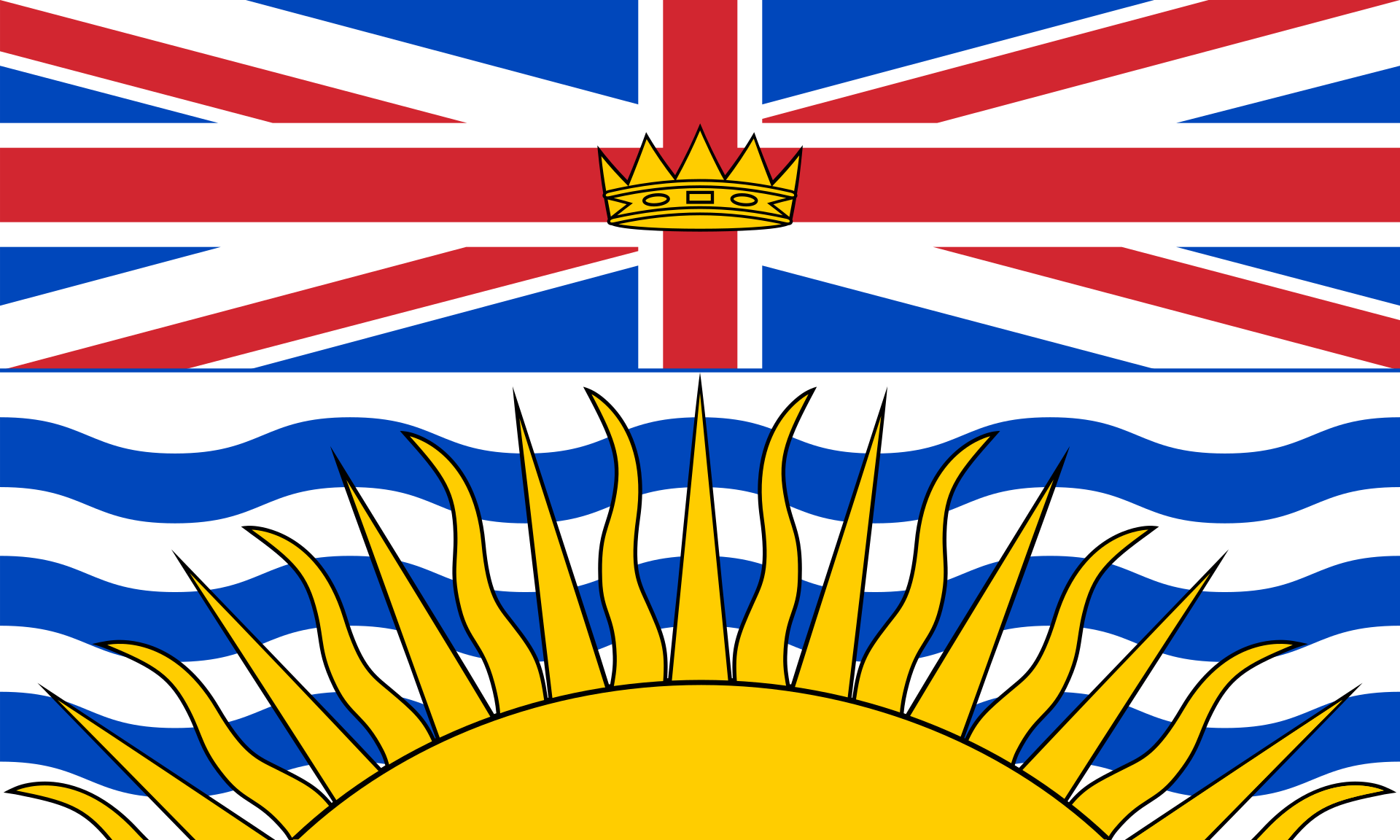 British Columbia-BC
FIFA Fussball-Weltmeisterschaft 2026
Fußball-Weltmeisterschaft der Frauen 2015
British Columbia-BC
FIFA Fussball-Weltmeisterschaft 2026
Fußball-Weltmeisterschaft der Frauen 2015
 Geographie
*Lebenswerteste Städte der Welt
ITU World Championship Series
Kanada
Olympische Winterspiele
Geographie
Geographie
*Lebenswerteste Städte der Welt
ITU World Championship Series
Kanada
Olympische Winterspiele
 Skiurlaub
Sport
Triathlon
Skiurlaub
Sport
Triathlon
 Wichtiger Hafen
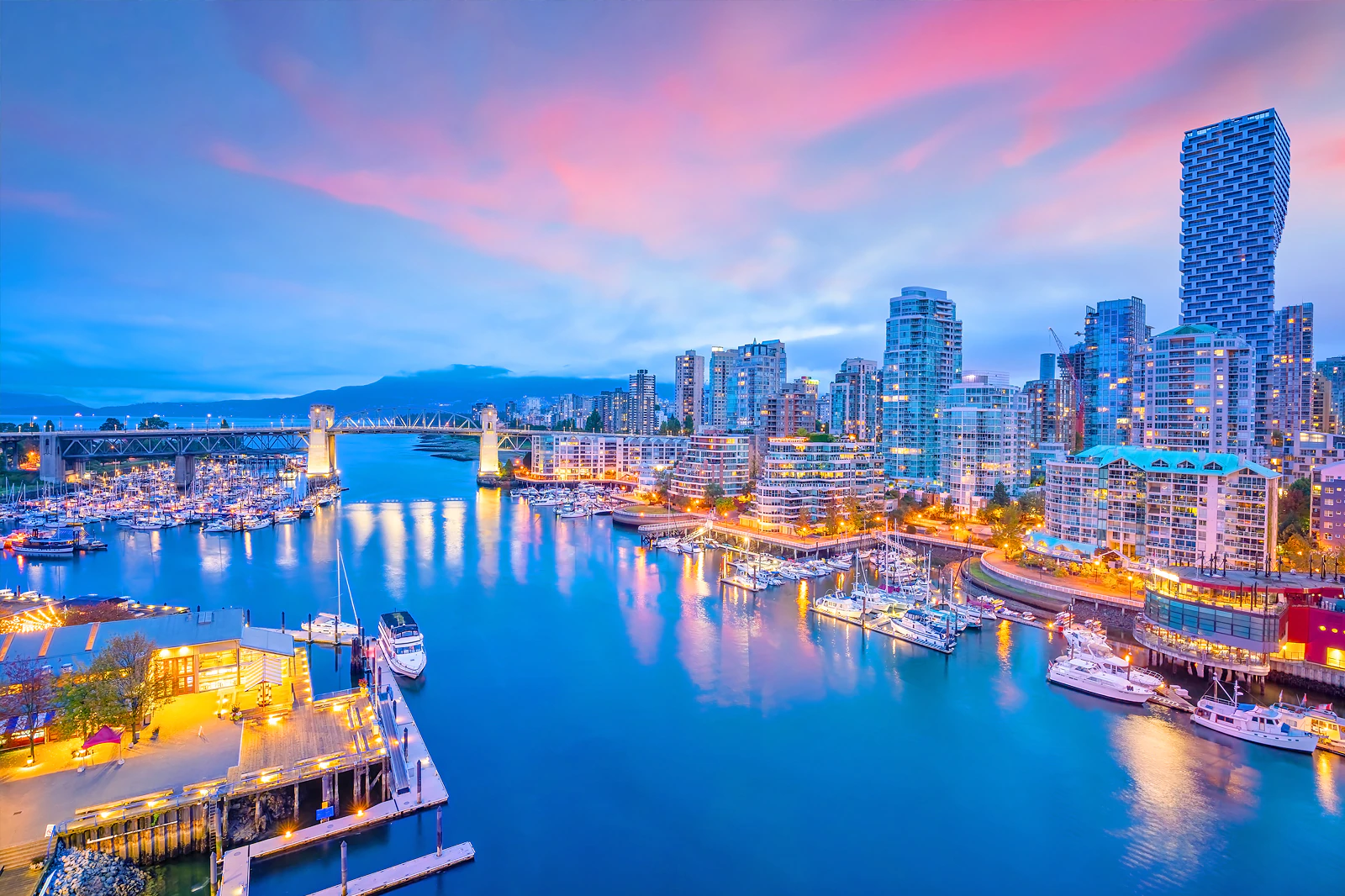
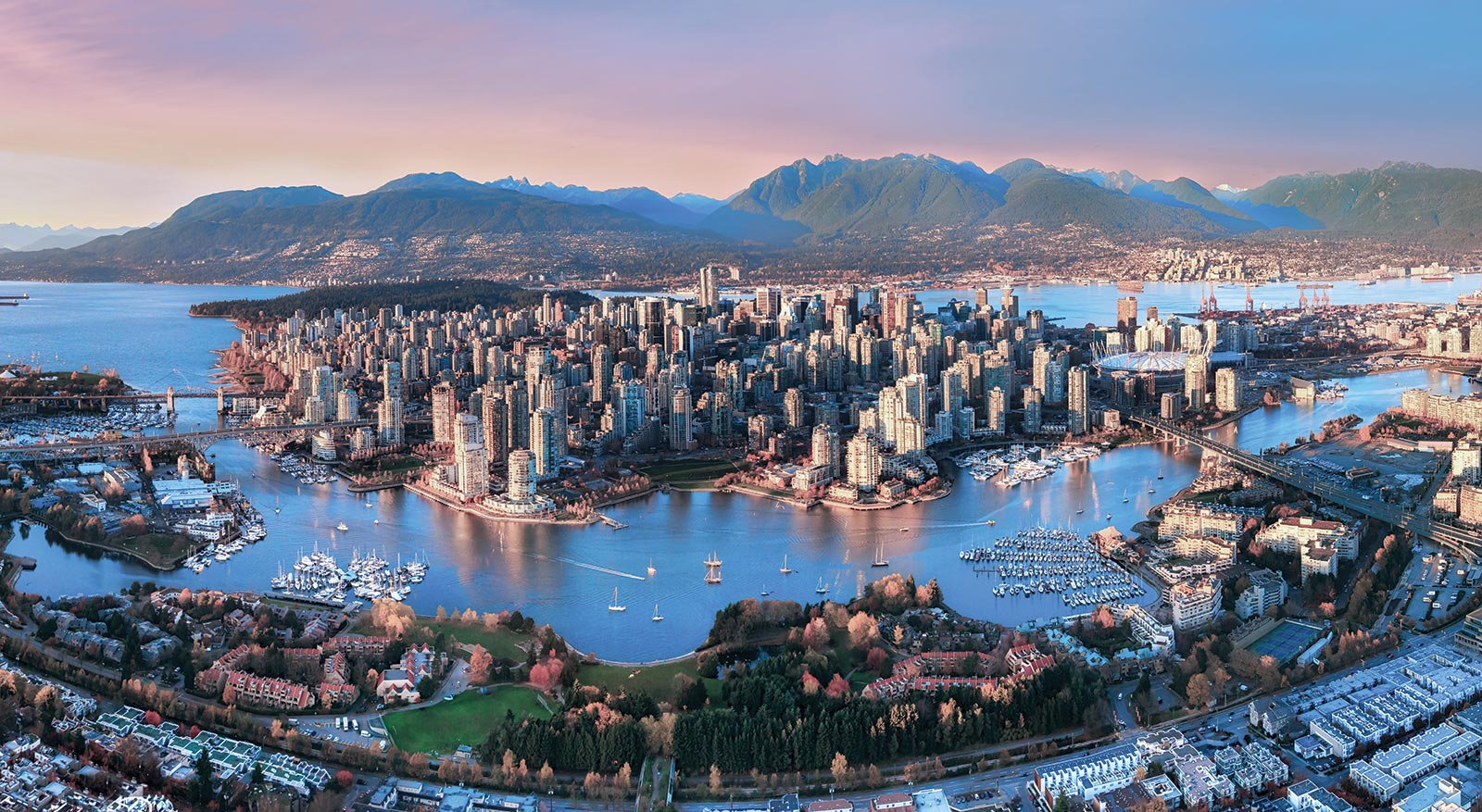
一般所说的”温哥华”泛指”大温地区”(请参考温哥华概况介绍)。温哥华市中心位于一个半岛上,主要分成几块区域:西尾区与水滨(West End & Waterfront)、耶鲁镇(Yaletown)、盖士镇与华埠(Gastown & Chinatown)。市中心往南的温哥华市以Carrall街与Ontario街分成温西(West Side)与温东(East Side)。外地人常把温西与西温哥华(West Vancouver)搞混,后者是温哥华北岸的一个城市,从温哥华市中心向北跨越狮门大桥(Lions Gate Bridge)即可抵达。
西尾区(West End)在市中心西端,北与史丹利公园、南与市中心商业区紧邻,是由整片新兴的高级住宅大楼与罗布森街(Robson Street)购物区、各国风味餐厅、海滩、游艇码头等所组成的热闹区域。到温哥华旅游如果不自行开车,在西尾区住宿是明智选择。
耶鲁镇(Yaletown)是位于市中心东缘的新兴小区,这里有许多杂错的红砖仓库改建成精致典雅的新购物娱乐区与艺术家工作室。一栋栋平房红砖墙的建筑 及巷道上的石板路,将素有“Funky Town"之称的耶鲁镇特色表露无遗。耶鲁镇有电影制片公司、美发沙龙、室内设计工作室、小型设计师家具店、古董店、精品服饰店,加上各种特色美食与露天 咖啡座、小酒馆,让耶鲁镇的雅痞色彩十足,成为温哥华时尚一族抢着进驻的地区。
盖士镇(Gastown)是温哥华的发源地,是个以2条横街和3条直街组成的三角地带。卑诗省政府将盖士镇规划程成为独特的观光区与历史维护区。如今这里 保存完好的19世纪初维多利亚式建筑、铺满圆石的悠长街道、别致的露天咖啡屋,复古的路灯及一座座低矮的历史建筑,行走其间宛如时空错置。也是游客来温哥 华必至之处。(Quelle:http://www.usatrip.cn/jdjs/jdjs_Vancouver.asp)
温哥华市(City of Vancouver)是加拿大不列颠哥伦比亚省低陆平原地区一沿岸城市。根据2016年加拿大统计局人口普查,温哥华市人口有631,486人,而大温哥华地区的人口为246万,[1]是不列颠哥伦比亚省以至加拿大西部最大的都会区,以及全国第三大都会区;市内人口则在全国排行第八。[2][3]
温哥华以英国航海家乔治·温哥华命名,欧洲人抵达温哥华一带后,区内经济早期主要依赖于林木业。加拿大太平洋铁路于1887年延至温哥华后,温哥华成为北美西岸水陆路交通的主要枢纽之一,更构成远东地区、加拿大东部和英国之间贸易往来的重要一环。[4][5]温哥华港现时是加拿大最大和最繁忙的港口,以货物总吨数计也是北美第四大港口。[6]此外,温哥华的自然环境深受游客欢迎,令旅游业成为市内第二大经济支柱。[7]温哥华也是北美第三大制片中心,有“北方好莱坞”之称。[8][9]也是20世纪后,与美国旧金山同为华人在北美最集中的地区。
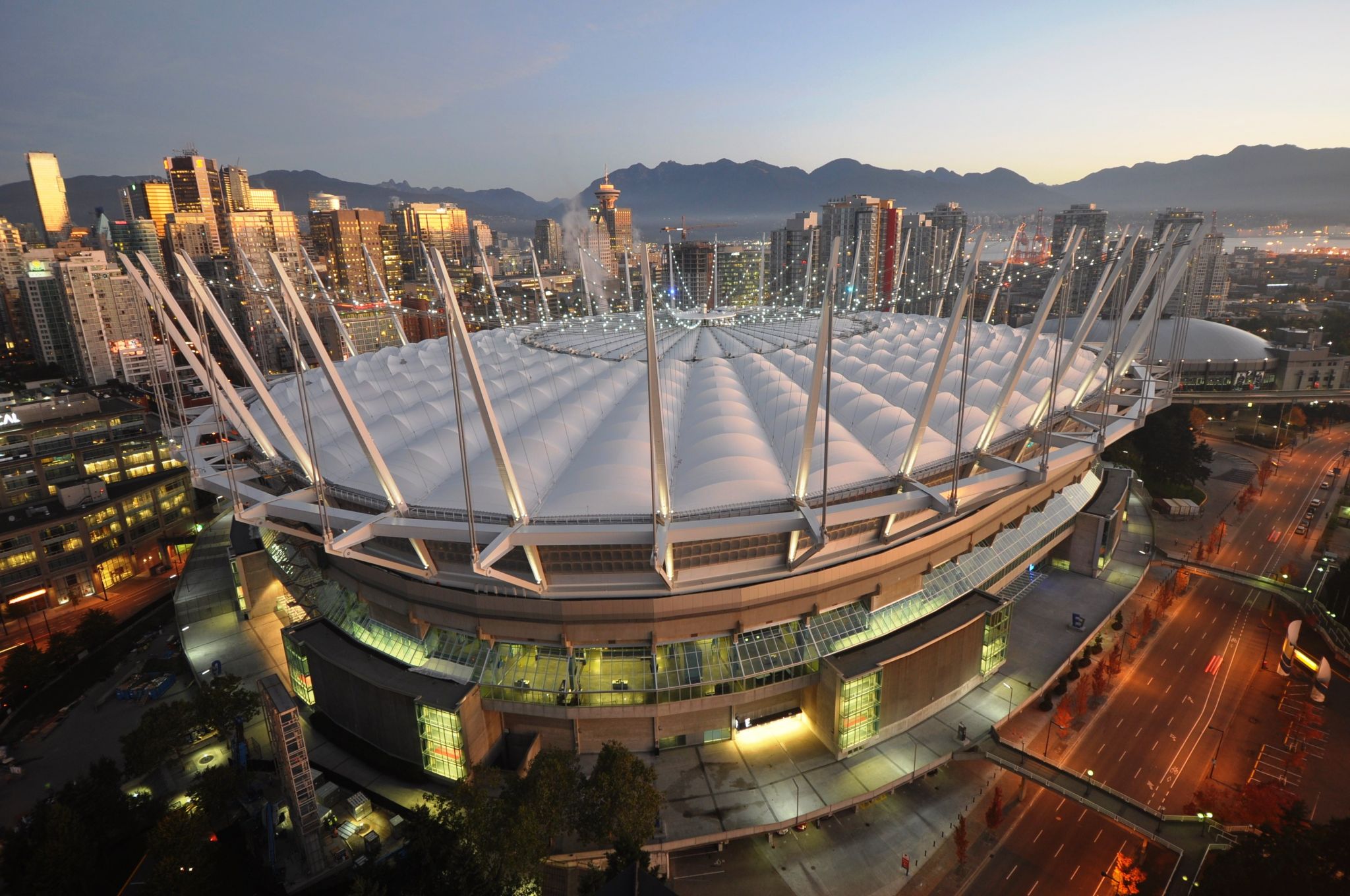
温哥华近年经常在各项世界最佳居住城市的调查中名列前茅。[10][11]温哥华亦曾于2010年与125公里以外的惠斯勒联手举办冬季奥运会和冬季残奥会。[12]此外温哥华还曾举办2015年女子世界杯足球赛,决赛场地即设在不列颠哥伦比亚体育馆。
Vancouver (englische Aussprache [væŋˈkuːvɚ] oder [vænˈkuːvɚ]) ist eine Stadt im Südwesten von British Columbia an der Westküste Kanadas. Sie liegt zwischen der Straße von Georgia und den Coast Mountains, rund 45 Kilometer nordwestlich der Grenze zu den USA. Die Stadt gehört zum Regionaldistrikt Metro Vancouver, der mit 2.463.431 Einwohnern[1] die größte Metropolregion Westkanadas und nach Toronto und Montreal die drittgrößte des Landes bildet. Die Bevölkerungszahl der eigentlichen Stadt Vancouver beträgt 631.486.[2] Benannt ist die Stadt nach dem britischen Kapitän George Vancouver, der die Region Ende des 18. Jahrhunderts erforschte und vermaß. Der Name Vancouver selbst stammt vom niederländischen „van Coevorden“, abgeleitet von der Stadt Coevorden.
Die Stadt entstand in den 1860er Jahren als Folge der Einwanderungswelle während des Fraser-Canyon-Goldrauschs und entwickelte sich nach der Eröffnung der transkontinentalen Eisenbahn im Jahr 1887 innerhalb weniger Jahrzehnte von einer kleinen Sägewerkssiedlung zu einer Metropole. Die Wirtschaft basierte zu Beginn auf der Ausbeutung der natürlichen Ressourcen von British Columbia: Forstwirtschaft, Bergbau, Fischerei und Landwirtschaft. Der Hafen Vancouver erlangte nach der Eröffnung des Panamakanals internationale Bedeutung. Er ist heute der größte in Kanada und exportiert mehr Güter als jeder andere Hafen in Nordamerika.
Vancouver wandelte sich mit der Zeit zu einem Dienstleistungszentrum und (insbesondere nach der Weltausstellung Expo 86) zu einem Reiseziel für Touristen. Die Stadt ist darüber hinaus hinter Los Angeles und New York der drittwichtigste Standort der nordamerikanischen Filmindustrie und wird daher auch als „Hollywood North“ bezeichnet. Die Finanzwirtschaft spielt ebenfalls eine bedeutende Rolle. In einer Rangliste der wichtigsten Finanzzentren weltweit belegt Vancouver den 15. Platz (Stand: 2018).[3]
Vancouver veranstaltete vom 12. bis 28. Februar 2010 die XXI. Olympischen Winterspiele. Einige Wettbewerbe der Spiele fanden im 125 Kilometer von Vancouver entfernten Whistler statt. Nach Montreal im Jahr 1976 und Calgary im Jahr 1988 war Vancouver die dritte kanadische Stadt, die Olympische Spiele veranstaltet hat.
バンクーバー(英語: Vancouver)は、カナダ連邦ブリティッシュコロンビア州南西部にある都市。同州最大の都市である。ヴァンクーヴァーと表記されることもある[3]。
バンクーバーを中心とする都市圏人口は210万人とカナダ国内第3位の都市圏を形成している[4]。バンクーバー市のみの人口では同国内で第8位の約64万人[5]である。民族や言語が多様で、人口のおよそ52%は第一言語が同州の公用語にあたる英語ではない[6]。北米有数の世界都市であり、2016年に発表された「世界の都市総合力ランキング」では、世界28位と評価された[7]。
1867年に製材所ができ、これらを中心とする入植地であったギャスタウンは発展を続け、グランビルとして町は拡大した。東カナダから続く鉄道の終着駅が町まで敷かれることになった1886年に町はバンクーバーとして改名され市政となる。
林業が同市最大の産業で、都市部ながら自然に囲まれた都市として知られていることから、観光業が発達しており、同市第2の産業となっている[8]。同市にあるメトロバンクーバー港は同国最大の港であり、北米においても積載量で第4位の規模を持つ[9]。同市および隣のバーナビー市には、主要な各映画製作会社が拠点を置いており、ロサンゼルス、ニューヨークに続く北米第3位の規模となる映画製作拠点となっている。このため、通称ハリウッドノースとも呼ばれる[10][11]。国際会議や国際競技が数多く開催されており、2010年には第21回冬季オリンピック(バンクーバーオリンピック)が開催された。
Vancouver (/vænˈkuːvər/ ( listen)) is a coastal seaport city in western Canada, located in the Lower Mainland region of British Columbia. As the most populous city in the province, the 2016 census recorded 631,486 people in the city, up from 603,502 in 2011. The Greater Vancouver area had a population of 2,463,431 in 2016, making it the third-largest metropolitan area in Canada. Vancouver has the highest population density in Canada with over 5,400 people per square kilometre,[5][6] which makes it the fifth-most densely populated city with over 250,000 residents in North America behind New York City, Guadalajara, San Francisco,[7] and Mexico City according to the 2011 census. Vancouver is one of the most ethnically and linguistically diverse cities in Canada according to that census; 52% of its residents have a first language other than English.[8][9] Roughly 30% of the city's inhabitants are of Chinese heritage.[10] Vancouver is classed as a Beta global city.
Vancouver is consistently named as one of the top five worldwide cities for livability and quality of life,[11][12] and the Economist Intelligence Unit acknowledged it as the first city ranked among the top-ten of the world's most well-living cities[13] for five consecutive years.[14] Vancouver has hosted many international conferences and events, including the 1954 British Empire and Commonwealth Games, UN Habitat I, Expo 86, the World Police and Fire Games in 1989 and 2009; and the 2010 Winter Olympics and Paralympics which were held in Vancouver and Whistler, a resort community 125 km (78 mi) north of the city.[15] In 2014, following thirty years in California, the TED conference made Vancouver its indefinite home. Several matches of the 2015 FIFA Women's World Cup were played in Vancouver, including the final at BC Place.[16]
The original settlement, named Gastown, grew up on clearcuts on the west edge of the Hastings Mill logging sawmill's property, where a makeshift tavern had been set up on a plank between two stumps and the proprietor, Gassy Jack, persuaded the curious millworkers to build him a tavern, on July 1, 1867. From that first enterprise, other stores and some hotels quickly appeared along the waterfront to the west. Gastown became formally laid out as a registered townsite dubbed Granville, B.I. ("B.I" standing for "Burrard Inlet"). As part of the land and political deal whereby the area of the townsite was made the railhead of the Canadian Pacific Railway (CPR), it was renamed "Vancouver" and incorporated shortly thereafter as a city, in 1886. By 1887, the Canadian Pacific transcontinental railway was extended westward to the city to take advantage of its large natural seaport to the Pacific Ocean, which soon became a vital link in a trade route between the Orient / East Asia, Eastern Canada, and Europe.[17][18] As of 2014, Port Metro Vancouver is the third-largest port by tonnage in the Americas (recently displacing New York City), 27th in the world,[19] the busiest and largest in Canada, and the most diversified port in North America.[20] While forestry remains its largest industry, Vancouver is well known as an urban centre surrounded by nature, making tourism its second-largest industry.[21]
Major film production studios in Vancouver and nearby Burnaby have turned Greater Vancouver and nearby areas into one of the largest film production centres in North America,[22][23] earning it the nickname "Hollywood North".[24][25][26]
Vancouver /vãkuvaɛ̯ʁ/a Écouter ou /vɑ̃kuvɛʁ/b (en anglais : /væŋˈkuvɚ/c Écouter) est une cité1 portuaire du pourtour du Pacifique située dans les basses-terres continentales de la province de Colombie-Britannique, au Canada. Avec 631 486 habitants selon le recensement du Canada de 2016, elle est la huitième plus grande municipalité canadienne3. Son agglomération de 2 463 431 est la troisième aire urbaine du pays, et la plus peuplée de l'Ouest canadien. Vancouver est une des villes les plus cosmopolites du Canada, 52 % des résidents ont une autre langue maternelle que l'anglais4. Vancouver est considérée comme une ville mondiale de classe beta. La superficie de Vancouver est de 114,97 km2, donnant une densité de population de 5 493 au kilomètre carré, faisant d'elle la municipalité canadienne la plus densément peuplée et la quatrième en Amérique du Nord, après New York, San Francisco et Mexico5. Elle est la vingt-troisième ville la plus peuplée d'Amérique du Nord6.
Le premier établissement, nommé Gastown, s'est développé autour d'une scierie appelé Hastings Mills, en 1867. Le site fut renommé Vancouver et incorporé comme cité en 1886. En 1887, le chemin de fer transcontinental a été étendu jusqu'à elle pour profiter de son grand port naturel, qui est rapidement devenu un maillon essentiel d'une route commerciale entre la côte est du Canada, l'Orient et l'Europe7,8. En 2009, Port Metro Vancouver est le port le plus grand et le plus achalandé du Canada, et le plus diversifié d'Amérique du Nord9. Même si l'exploitation forestière demeure sa plus grande industrie, Vancouver est réputée pour être un centre urbain entouré par la nature, faisant du tourisme sa deuxième industrie10. Les studios de production cinématographique de Vancouver et de Burnaby ont fait de la métropole l'un des plus grands centres cinématographiques en Amérique du Nord11,12, ce qui lui a valu le surnom de Hollywood North13,14,15.
Vancouver est régulièrement citée comme l'une des cinq meilleures villes au monde pour sa qualité de vie16,17, et l'Economist Intelligence Unit l'a classée parmi les dix villes les plus agréables durant cinq années consécutives18,19. Vancouver fut l'hôte de nombreux évènements internationaux, comme les Jeux de l'Empire britannique et du Commonwealth de 1954, la conférence Habitat I par l'Organisation des Nations unies en 1976, l'Exposition internationale de 1986 et les Jeux olympiques d'hiver de 201020. En 2015, elle a accueilli la finale de la Coupe du monde féminine de football21. La ville accueillera en 2018 le Congrès ornithologique international.
Vancouver (AFI: [vanˈkuver][1]) è una città canadese, sulla costa Pacifica della provincia canadese della Columbia Britannica (British Columbia). È situata nella parte meridionale della provincia e rappresenta uno dei maggiori porti dell'Oceano Pacifico. È delimitata dallo Stretto di Georgia (Georgia Strait), dal fiume Fraser, e dalla catena montuosa delle Montagne Costiere. Il nome è in onore del capitano George Vancouver, esploratore britannico.
La popolazione della città è di 603 502 abitanti, mentre l'area urbana ne conta 2 135 201. Vancouver fa parte della regione metropolitana, conosciuta come la "Greater Vancouver Regional District" (GVRD) o Metro Vancouver, nella quale vivono 2 463 700 (stima del 2012)[2]. Questo la rende la più grande area metropolitana nel Canada occidentale, e la terza più grande nel paese. Come in buona parte del Canada, anche Vancouver etnicamente è molto diversificata, basti pensare che il 52% dei residenti[3][4] della città e il 43% dell'area metropolitana hanno come prima lingua un idioma diverso dall'inglese[5].
La popolazione metropolitana è proiettata a raggiungere i 3 milioni di abitanti entro il 2021[6]. La densità di popolazione è tra le più alte del Nord America, e la pone al quarto posto dopo New York, San Francisco e Città del Messico. Il trend porta a stimare che possa raggiungere il secondo posto entro il 2021[7].
L'economia di Vancouver ha tradizionalmente fatto leva sulle risorse della Columbia Britannica: forestali, minerarie, pesca e agricoltura. Ma tuttavia è andata diversificandosi nel tempo, ed oggi Vancouver ha un'importante e vitale industria nel settore dei servizi e del turismo. La città è diventata il terzo più grande polo di produzione cinematografico del Nord America dopo Los Angeles e New York, tanto da guadagnarsi il soprannome di Hollywood del Nord[8][9][10]. Vancouver ha avuto un'espansione nell'industria dell'high-tech, in particolare nello sviluppo dei videogiochi.
Vancouver è costantemente classificata fra le prime tre città più vivibili del mondo[11][12][13]. Secondo il rapporto 2010 della Mercer Human Resource Consulting, ad esempio, Vancouver è considerata la prima città al mondo per qualità della vita. Nel 2007 Vancouver era la seconda città più cara del Canada dopo Toronto e la 89ª a livello globale.
Nel 2010 Vancouver, insieme a Whistler, situata 125 km a nord della città, ha ospitato i Giochi olimpici invernali e i Giochi Paralimpici invernali.
Vancouver (en inglés: /væŋ'ku:vɚ/ (?·i), en español /baŋ'kuβ̞eɾ/) es una ciudad de la costa pacífica de Canadá, ubicada en el suroeste de la provincia de Columbia Británica, entre el estrecho de Georgia y las Montañas Costeras. La ciudad fue llamada así en honor del capitán George Vancouver, un explorador inglés.
Es parte del área metropolitana del Distrito Regional del Gran Vancouver, el cual, con una población de 2 313 328 habitantes (2011),1 constituye el área metropolitana más grande del oeste canadiense y la tercera en el país después de Toronto y Montreal.2 Vancouver en sí mismo cuenta con 603 502 habitantes.1 El gentilicio utilizado para referirse a los residentes de Vancouver es vancuverita o vancouverense,3 (en inglés Vancouverite).
Vancouver, en los últimos años, siempre ha sido considerada como una de las cinco ciudades con mejor calidad de vida en el mundo.4567 En 2013, obtuvo el puesto 21º entre las ciudades en que es más caro vivir y resultó ser la más cara de Norteamérica. 8 También es una de las ciudades más seguras del mundo, debido a sus bajísimas tasas de criminalidad.
Los Juegos Olímpicos y Paralímpicos de invierno de 2010 se llevaron a cabo en Vancouver y en la cercana localidad de Whistler.91011
Ванку́вер (англ. Vancouver) — город на западе Канады, крупнейший населённый пункт провинции Британская Колумбия и третий по величине в Канаде. В 2010 году в Ванкувере проводились XXI зимние Олимпийские игры. Исследовательская группа Economist Intelligence Unit (EIU) британского издания The Economist трижды — в 2005, 2007, 2009 годах — присваивала Ванкуверу звание «лучшего города Земли»[2][3][4].
Население самого города — 631 486 чел. (на 2016 год). В агломерации Большой Ванкувер (англ.)русск. проживает свыше 2 463 431 чел. (на 2016 год) — это третья по величине агломерация в Канаде. Ванкувер является наиболее этнически и лингвистически разнообразным городом страны — 52 % его жителей считают своим родным языком не английский[5].
Fußball-Weltmeisterschaft der Frauen 2015
ITU World Championship Series
Kanada
Olympische Sommerspiele
 Quebec-QC
Sport
Triathlon
Wichtiger Hafen
Quebec-QC
Sport
Triathlon
Wichtiger Hafen


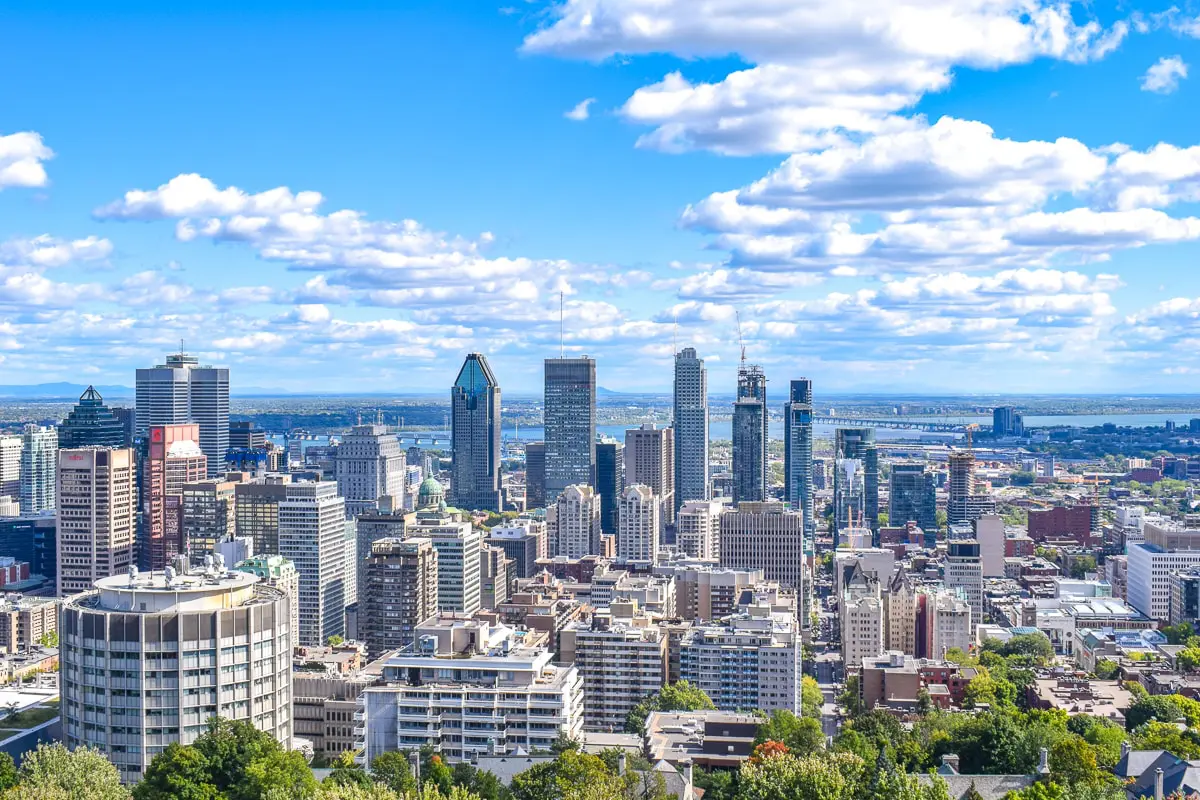
蒙特利尔(法语:Montréal,[mɔ̃ʁeal]  聆听;英语:Montreal,/ˌmʌntriːˈɒl/ ( 聆听)),蒙特利尔,港澳称为满地可,台湾称为蒙特娄[5][6]、蒙特利尔[6],是一座位于加拿大魁北克省西南部的城市,主要位于圣劳伦斯河和渥太华河汇合处的蒙特利尔岛及周边小岛上。根据2011年人口普查,蒙特利尔人口约为342万[9],是魁北克省内最大城市、加拿大第二大城市及北美第十五大城市。“蒙特利尔”一词来源于中古法语“Mont Royal”,意思为“皇家山”,至今蒙特利尔城中心的地标皇家山仍以此命名。法语是蒙特利尔的官方语言,也是城市里最常用的语言,使用人口占城市总人口的60.5%,使得蒙特利尔成为世界上仅次于巴黎的第二大法语城市。
蒙特利尔曾经是加拿大经济首都,拥有最多的人口及最发达的经济,但是在1976年蒙特利尔奥运会后被安大略省的多伦多超过。今天蒙特利尔仍然是加拿大最重要的经济中心之一,航空工业、金融、设计、电影工业等行业发达。蒙特利尔被认为是世界最佳宜居城市,并被联合国教育、科学及文化组织认定为设计之城。1999年第35届国际技能竞赛在这里举行。
Montreal (deutsch [mɔntʁeˈa:l]) bzw. Montréal (französisch [mɔ̃ʁeˈal], englisch [ˌmʌntɹiːˈɒl]) ist eine Millionenstadt in Kanada. Sie liegt im Südwesten der Provinz Québec auf der Île de Montréal, der größten Insel im Hochelaga-Archipel, die vom Sankt-Lorenz-Strom und von Mündungsarmen des Ottawa umflossen wird. Die Nachbarprovinz Ontario liegt knapp 60 Kilometer westlich, die Grenze zu den USA etwas mehr als 50 Kilometer südlich. Das Stadtbild wird vom Mont Royal geprägt, einem 233 Meter hohen Hügelzug vulkanischen Ursprungs im Zentrum der Insel, von dem sich der Name der Stadt ableitet.
Als der französische Seefahrer Jacques Cartier im Jahr 1535 als erster Europäer die Gegend erforschte, lebten Sankt-Lorenz-Irokesen auf der Insel. 1642 gründeten Paul Chomedey de Maisonneuve und Jeanne Mance das Fort Ville-Marie, eine katholische Missionsstation. Daraus entwickelte sich in der Folge die Siedlung Montreal, die 1760 unter britische Herrschaft kam. Montreal erhielt 1832 die Stadtrechte. Die Stadt wuchs rasch und entwickelte sich zum wirtschaftlichen und kulturellen Zentrum des Landes, verlor aber im letzten Viertel des 20. Jahrhunderts diese führende Rolle an Toronto. Bedeutende Ereignisse von weltweiter Ausstrahlung waren die Weltausstellung Expo 67 und die Olympischen Sommerspiele 1976.
Die Wirtschaft Montreals ist stark diversifiziert. Wichtige Pfeiler des Dienstleistungssektors sind Finanzdienstleistungen, Medien, Handel und Design. Von großer Bedeutung ist auch der Tourismus, dies aufgrund der Sehenswürdigkeiten und des vielfältigen kulturellen Angebots, das neben Museen auch zahlreiche Festivals in den Bereichen Film, Theater und Musik umfasst. Mehr als 60 internationale Organisationen haben ihren Sitz in Montreal. Im Industriesektor sind Luftfahrt-, Pharma- und Spitzentechnologieunternehmen vorherrschend. Mit vier Universitäten und mehreren weiteren Hochschulen ist Montreal ein bedeutender Bildungsstandort. Außerdem ist die Stadt ein Knotenpunkt im Schienen- und Straßennetz und verfügt darüber hinaus über den größten Binnenhafen auf dem amerikanischen Kontinent.
Mit einer Bevölkerungszahl von 1.649.519 Einwohnern (Stand: 2011)[1] ist Montreal die zweitgrößte Stadt Kanadas nach Toronto und die größte der Provinz Québec. Die Verwaltungsregion, die alle Gemeinden auf der Insel umfasst, zählt 1.886.481 Einwohner (2011).[2] Der Ballungsraum Communauté métropolitaine de Montréal, der urbane Gebiete im näheren Umkreis miteinbezieht, zählt 3.824.221 Einwohner (2011).[3] Französisch ist Montreals Amtssprache und die Hauptsprache von 56,9 % der Bevölkerung, während 18,6 % hauptsächlich Englisch sprechen. Der Rest entfällt auf verschiedene Sprachen von Einwanderern, womit Montreal eine multikulturelle Bevölkerung besitzt.[4]
Montreal ist die zweitgrößte Stadt der Welt nach Paris, in der Französisch als Muttersprache gesprochen wird.[5][6][7][8] Montreal gehört auch weltweit zu den größten Städten, in denen Französisch die offizielle Sprache ist. Die Stadt stand früher an zweiter Stelle nach Paris, hat aber diesen Rang in den letzten Jahren an Kinshasa[9] und Abidjan[10] abgegeben.
モントリオール(英語: Montreal [ˌmɒntrɪˈɔːl] ( 音声ファイル))、モンレアル(フランス語: Montréal[mɔ̃ʁeal] ( 音声ファイル))は、カナダ・ケベック州の都市。セントローレンス川沿いに位置し、アメリカ合衆国との国境や、カナダのオンタリオ州との州境に近い。
モントリオール市は、カナダではオンタリオ州のトロントに次ぎ人口・経済規模で第二の都市である[5]。ケベック州では最大の都市である。2015年、アメリカのシンクタンクが公表したビジネス・人材・文化・政治などを対象とした総合的な世界都市ランキングにおいて、世界第24位の都市と評価された[6]。
住民の大半がフランス系カナダ人を中心にしたヨーロッパ系だが、市内の人口の31.7%は非白人と世界各地からの移民も多い多民族都市である。
周辺地域を含むモントリオール大都市圏の人口は約380万人であり、これは北米で15番目、世界でも第77位の規模。面積は約4千km2。モントリオール大都市圏の住民の7割弱が第一言語をフランス語とし、フランス語圏ではパリとキンシャサ[7]に次ぐ規模である。
フランス文化の薫り高い異国的な雰囲気、美食の町、石造りの住宅街、街中にある数多くの教会、石畳のヨーロッパ調の旧市街の街並みなどから観光客向けに「北米のパリ」と宣伝される。一方では、都市圏の住民の1割強の第一言語は英語であり、19世紀の終わりから20世紀の始めにかけて英国系移民によって街が発展してきたことからヴィクトリア朝の建物が多いなど英国文化も色濃く残り、北米文化と混合している側面も持つ。
Montreal (/ˌmʌntriˈɔːl/ (listen) MUN-tree-AWL;[14] French: [mɔ̃ʁeal] (listen); officially Montréal) is the most populous municipality in the Canadian province of Quebec and the second-most populous municipality in Canada. Originally called Ville-Marie, or "City of Mary",[15] it is named after Mount Royal,[16] the triple-peaked hill in the heart of the city. The city is centred on the Island of Montreal, which took its name from the same source as the city,[17][18] and a few much smaller peripheral islands, the largest of which is Île Bizard. It has a distinct four-season continental climate with warm to hot summers and cold, snowy winters.[19]
In 2016, the city had a population of 1,704,694,[9] with a population of 1,942,044 in the urban agglomeration, including all of the other municipalities on the Island of Montreal.[9] The broader metropolitan area had a population of 4,098,927.[11] French is the city's official language[20][21] and is the language spoken at home by 49.8% of the population of the city, followed by English at 22.8% and 18.3% other languages (in the 2016 census, not including multi-language responses).[9] In the larger Montreal Census Metropolitan Area, 65.8% of the population speaks French at home, compared to 15.3% who speak English.[11] The agglomeration Montreal is one of the most bilingual cities in Quebec and Canada, with over 59% of the population able to speak both English and French.[9] Montreal is the second-largest primarily French-speaking city in the world, after Paris.[22][23][24][25] It is situated 258 kilometres (160 mi) south-west of Quebec City.
Historically the commercial capital of Canada, Montreal was surpassed in population and in economic strength by Toronto in the 1970s.[26] It remains an important centre of commerce, aerospace, transport, finance, pharmaceuticals, technology, design, education, art, culture, tourism, food, fashion, gaming, film, and world affairs. Montreal has the second-highest number of consulates in North America,[27] serves as the location of the headquarters of the International Civil Aviation Organization, and was named a UNESCO City of Design in 2006.[28][29] In 2017, Montreal was ranked the 12th most liveable city in the world by the Economist Intelligence Unit in its annual Global Liveability Ranking,[30] and the best city in the world to be a university student in the QS World University Rankings.[31]
Montreal has hosted multiple international conferences and events, including the 1967 International and Universal Exposition and the 1976 Summer Olympics.[32][33] It is the only Canadian city to have held the Summer Olympics. In 2018, Montreal was ranked as an Alpha− world city.[34] As of 2016 the city hosts the Canadian Grand Prix of Formula One,[35] the Montreal International Jazz Festival[36] and the Just for Laughs festival.[37]
Montréal [ˈmɔ̃ˌʁeal]3 Écouter est la deuxième ville la plus peuplée du Canada. Elle se situe principalement sur l’île fluviale de Montréal, sur le fleuve Saint-Laurent (entre Québec et le lac Ontario) dans le Sud de la province de Québec, dont elle est la métropole4.
En 2016, la ville comptait 1 704 694 habitants1 et son aire urbaine (appelée Région métropolitaine de Montréal) plus de 4 millions, soit environ la moitié de la population du Québec5. Montréal est ainsi la 19e agglomération la plus peuplée d'Amérique du Nord6 et la 122e ville la plus peuplée du monde7.
Ville francophone la plus peuplée d'Amérique8, Montréal est considérée comme ayant la deuxième population francophone au monde après ParisNote 1,9,10. En 2011, environ 50 % de la population de Montréal était de langue maternelle française, 13 % était de langue anglaise et 33 % était d'une autre langue11, ce qui fait d'elle l'une des villes les plus cosmopolites du monde12.
Montréal est le 3e plus grand centre financier d'Amérique du Nord et le 12e au monde13. Cœur économique du Québec, Montréal est aussi la seconde place financière du Canada et possède une économie fortement diversifiée14 par le commerce, l’éducation, les technologies de l'information et les industries aérospatiale, pharmaceutique, du tourisme et du cinéma. La ville est la 3e en importance dans l'industrie mondiale du jeu vidéo15. Classée ville mondiale en 2012, Montréal est la deuxième ville consulaire d'Amérique du Nord, abrite le siège de l'Organisation de l'aviation civile internationale et est le siège de plus de 65 organisations internationales gouvernementales et non gouvernementales16, ce qui fait d'elle la 3e ville en importance en Amérique du Nord pour ce qui est du nombre de siège sociaux d'organisations internationales, derrière New York et Washington17. De plus, la ville est la première d'Amérique du Nord pour le nombre de congrès internationaux18. En 2017, Montréal est consacrée « meilleure ville étudiante » au monde19 et est considérée comme la « Métropole universitaire du Canada, avec six universités et 450 centres de recherche »20.
Montréal a accueilli plusieurs événements internationaux d'envergure, dont l'Exposition universelle de 1967 et les Jeux olympiques d'été de 1976. Hôte du Grand Prix de Formule 1 du Canada, elle accueille annuellement de nombreux festivals, tels le Festival international de jazz de Montréal, les FrancoFolies, et le festival Juste pour rire. Le club de hockey des Canadiens de Montréal y a élu domicile dès sa création en 1909.
Montréal (in francese, pronuncia: /mɔ̃ʁeal/ ascolta[?·info]) o Montreal (pronuncia: [ˈmɔntreal][2]; in inglese: /mʌntriːˈɒl/ ascolta[?·info]), in italiano Monreale, è una città del Canada. È il centro più popoloso della provincia del Québec e il suo più importante polo economico, oltre a essere la seconda città più popolosa del Canada. Montréal è anche la seconda agglomerazione urbana del paese dopo quella di Toronto. In francese viene detta la Métropole e la sua area metropolitana conta all'incirca 4 milioni di abitanti[3]. Il centro storico di Montréal è il Vieux-Montréal (Vecchia Montréal).
Montreal (Montréal1 en la grafía oficial de la ciudad, en francés; pronunciación en francés: /mɔ̃.ʀe.al/ ( escuchar), pronunciación en inglés: /ˌmʌn.tɹiˈɒːl/ ( escuchar)) es la mayor ciudad de la provincia de Quebec, en Canadá y la segunda más poblada del país.2 Es también una región administrativa de Quebec. Se sitúa en la isla del mismo nombre entre el río San Lorenzo y la Rivière des Prairies. Es uno de los principales centros industriales, comerciales y culturales de Norteamérica.
Montreal es la cuarta ciudad francófona más poblada del mundo, detrás de París, Kinshasa y Abiyán.34 Sin embargo, Montreal también tiene una considerable comunidad anglófona,5 y un creciente número de personas cuyo idioma materno no es ni el francés ni el inglés.
La palabra «Montreal» es la versión arcaica, en francés antiguo, de «Mont-Royal» (cuando «royal» se decía y se escribía «real» sin acento, como en castellano), un monte localizado en la ciudad, en el centro de la isla.67 Montreal es uno de los centros culturales más importantes de Canadá, puesto que acoge varios acontecimientos nacionales e internacionales. Entre ellos, podemos citar el festival Juste pour Rire, uno de los mayores festivales de humor del mundo, el Festival de Jazz de Montréal, uno de los mayores festivales de jazz del mundo, y el Grand Prix de Montréal. La ciudad, en total, acoge más de 70 eventos internacionales al año.
La población de Montreal es de las mejor formadas del mundo, poseyendo la mayor concentración de estudiantes universitarios per cápita de toda Norte América. La ciudad posee cuatro universidades —dos francófonas y dos anglófonas— y doce facultades. Es un centro de la industria de alta tecnología, especialmente en el área de medicina y de la industria aeroespacial.8
Fundada en 1642, Montreal fue una de las primeras ciudades de Canadá. Desde entonces, y hasta la década de 1960, fue el principal centro financiero e industrial de Canadá, así como la mayor ciudad del país. Considerada hasta entonces la capital económica de Canadá, también era considerada una de las ciudades más importantes del mundo. Sin embargo, durante la década de 1970, la anglófona Toronto le arrebató el puesto de capital financiera e industrial del país. En 2001, los 27 municipios de la isla de Montreal fueron fusionados con la ciudad de Montreal. En 2004, tras los resultados de un referéndum, 15 de estos municipios nuevamente volvieron a ser ciudades independientes.
Монреа́ль (фр. Montréal, [mɔ̃ʁeˈal], англ. Montreal) — самый крупный город в провинции Квебек и второй по величине город в Канаде. Первоначально назывался Вилль-Мари — город Марии. Название Монреаль произошло от горы Мон-Руаяль (Королевская гора)[2], находящейся в центре города[3][4], форма Монреаль возникла под влиянием окситанского языка части первых поселенцев.
По данным 2016 года, население Большого Монреаля составляло 4 098 927 человек[5]. Население самого города Монреаль составляет в 1 704 694 человек[6].
Единственный официальный язык в городе — французский, для 59,8 % жителей города этот язык является родным, затем по количеству носителей следует английский язык — 19,4 %[7][8]. В Большом Монреале доля носителей французского составляет 67,9 % от населения, второе место занимает английский — 16,5 %[9]. Больше половины населения города владеет в той или иной степени обоими языками[10]. До 2014 года Монреаль был вторым по населению франкоязычным городом мира после Парижа, но к 2015 году на 3-ю позицию его сместил африканский Абиджан[11]. Также в мире есть и другие крупные франкоязычные города — африканские Киншаса, Касабланка, Алжир, но в этих городах французский используется преимущественно в письменном виде или же в качестве второго языка[12][13].
Монреаль обыкновенно занимает самые высокие места в рейтинге самых удобных для жизни городов в мире. Журнал Monocle Magazine назвал город «культурной столицей Канады», а недавно ЮНЕСКО назвало Монреаль городом дизайна[14][15]. Уступив в середине 70-х титул экономической столицы Торонто, Монреаль остается важным деловым, промышленным и культурным центром Канады. В числе наиболее значимых отраслей: аэрокосмическая, биотехнологическая, фармацевтическая, отрасль информационных технологий, туризм, киноиндустрия, а также развитая индустрия компьютерных игр[16][нет в источнике].
 Geschichte

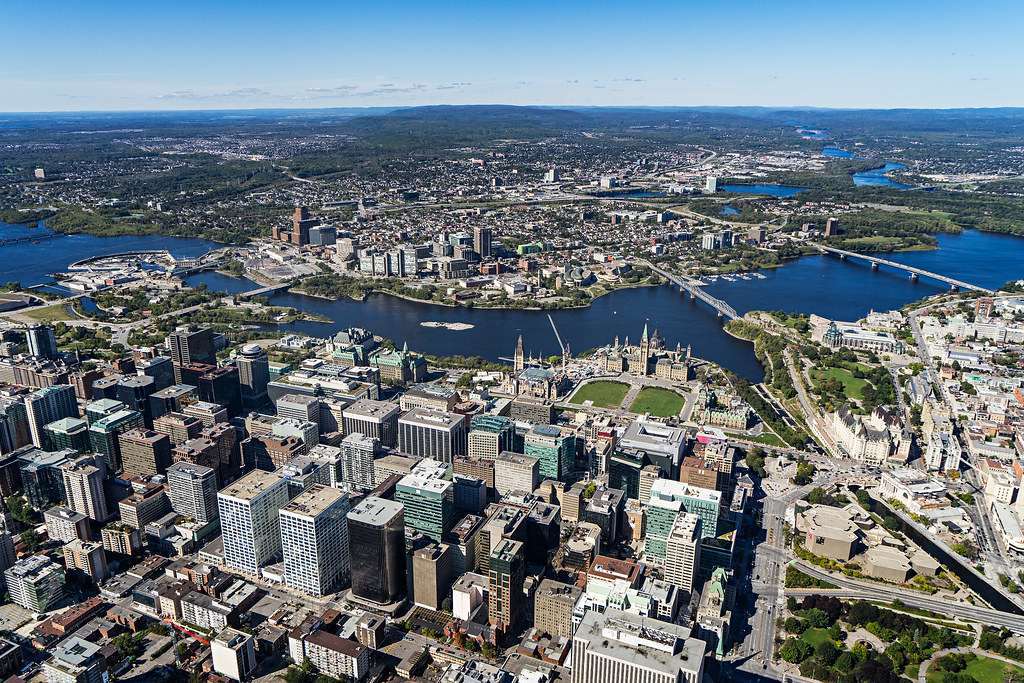
渥太华(Ottawa)是加拿大的首都,全国第四大城市,面积2,779平方公里,位于安大略省东南部,渥太华河南岸,多伦多以东400公里,蒙特利尔以西190公里。在2011年人口统计中,渥太华城市有883,391人,市区有1,236,324人,使其成为人口普查都会区域(CMA)第四的城市。
在1826年9月26日以“Bytown”之名建立,1850年1月1日合并为一个城镇,[8]并于1855年1月1日以“渥太华”之名合并取代。并不断发展成为加拿大的政治和工业技术中心。城市的原有边界由后来经过多次的小规模兼并而扩大的。“渥太华”这个名称是来自亚冈昆语(Algonquin language)adawe,意思为“贸易”。[9]渥太华常被华人简称为渥京。
加拿大与美国、澳大利亚等国不同,没有将首都城市设为联邦直辖的行政区,但是渥太华的土地管理和城市规划是由国家首都委员会(National Capital Commission)负责。
渥太华最初为爱尔兰和法国的基督教乡镇,现在已成为一个具有多元文化、高水准生活水平,低失业率的大城市。
艾蒂安·布鲁尔(Étienne Brûlé)是第一位来到渥太华河的欧洲人,并于1610年去五大湖的途中经过了渥太华。[10]三年后,萨缪尔·德·尚普兰描述了在这个地区的瀑布和见到的阿尔衮琴人。阿尔衮琴人以使用渥太华河一词达百年了。[10]渥太华原是属于亚冈昆部落(Algonquian peoples)的加拿大原住民的家园。亚冈昆人将渥太华河称作“Kichi Sibi”或:Kichissippi“,意思是“大河”。[11]这些早期的探险家来到之后,许多传教士也陆续来到渥太华。[12][13][14]
1800年3月7日,企业家菲利门·怀特(Philemon Wright)在渥太华河北侧,位于渥太华对面的魁北克加蒂诺赫尔区域建立了第一个欧洲人定居点。[15][16]他与5名农民和25位劳工,[11]着手开始在此殖民地建立一个名叫“怀特城镇”(Wrightsville)的农业社区。[17]怀特发现这条河是介于渥太华河谷(Ottawa Valley)与蒙特利尔之间的绝佳木材运输通道,木材加工和贸易使渥太华地区很快繁荣起来。1812年战争之后,大量军人家庭在此定居,政府亦致力推动贫困的爱尔兰人向渥太华移民,在此后的几十年爱尔兰移民蜂拥而至。同时,法裔加拿大人也从魁北克南下,大部分人参与丽都运河修建工程或从事木材贸易。
1832年,约翰·拜(John By)上校主导的丽都运河工程竣工,将渥太华与金斯敦和安大略湖连为一体,使之成为地区重镇。运河西部是国会山所在地,称为“上城”;而东部介于运河与丽都河之间的地区称为“下城”。嘈杂拥挤的“下城”容易爆发传染病,著名的有1832年的霍乱和1847年的红热病。
1857年12月31日,维多利亚女王选择渥太华为加拿大省的首都(包括现在的安大略和魁北克)。虽然现代的渥太华是加拿大第四大城市,但在当年,她仅仅是一个木材贸易通道中的内陆小镇,并且距离殖民地的几个主要城市(东部的蒙特利尔和魁北克城;西部的多伦多和金斯敦)路途遥远。女王的顾问们建议渥太华成为首都之选有两大重要理由:首先,渥太华是唯一具有一定规模、并且位于加拿大省东西部边界地(现安大略与魁北克边界)的城市,定都于此是平衡两个殖民地及其英裔、法裔居民的聪明妥协之举;其次,1812年战争表明,其他主要城市容易受到美国人的攻击,因为过于靠近美加边界。渥太华位于腹地,易于防守,渥太华河及丽都运河使之与加拿大东西部之间交通极为便利。另外两个方面的考虑是:渥太华正好介于多伦多和魁北克城之间(距离这两个城市都是500公里),并且城市规模较小,因而不容易受到大规模的暴徒袭击,因为政治动机,以往的首都城市都受到过这种攻击。2001年,渥太华与郊区和周边地区小城镇合并,成为规模较大的地区都市。
Ottawa (englisch [ˈɒtəwə], französisch [ɔtaˈwa]) ist die Bundeshauptstadt Kanadas. Sie liegt im östlichen Teil der Provinz Ontario am Fluss Ottawa, unmittelbar an der Grenze zur Provinz Québec. Ottawa bedeutet „Händler“ in der Sprache der Algonkin, eines Volkes, das zur Zeit der Besiedlung am Fluss Handel trieb. Am anderen Ufer des Flusses liegt die Zwillingsstadt Gatineau. Ottawa selbst zählt 883.391 Einwohner und ist damit die sechstgrößte Stadt Kanadas, der Großraum Ottawa-Gatineau ist mit 1.236.324 Einwohnern (Volkszählung 2011) der viertgrößte Ballungsraum Kanadas.
Die Bevölkerung ist zu 63 % englisch- und zu 15 % französischsprachig. Ottawa ist in der Region die einzige offiziell zweisprachige Stadt. In der Stadt selbst überwiegt die englische Sprache, im Gegensatz zu dem auf der anderen Seite des Ottawa-Flusses gelegenen Gatineau, in dem die französische Sprache überwiegt. Durch eine große Einwandererzahl sind auch zahlreiche weitere Sprachen geläufig.
Die Wirtschaft der Hauptstadt wird hauptsächlich von zwei Sektoren getragen: zum einen durch die Arbeitsplätze der Bundesbehörden und der Bundesregierung, zum anderen von denen der Hochtechnologieindustrie. Ottawa belegt beim Bruttoinlandsprodukt und dem Nettoeinkommen der Angestellten vordere Plätze im landesweiten Vergleich und belegt den ersten Platz bei der Pro-Kopf-Zahl von Einwohnern mit akademischem Grad.
オタワ(英語: フランス語: Ottawa 英語発音: [ˈɒtəwə]  聞く[ヘルプ/ファイル])は、カナダの首都。オンタリオ州東部に位置する地方行政区の一つでもある。オタワ川を挟んで隣接するガティノーを含め連邦政府の行政機関が集中する行政都市である。
カナダにはアメリカの首都ワシントンD.C.とは違い、連邦政府の特別地区(Capital District)が存在せず、オタワはオンタリオ州内の一都市となっている。行政レベルはトロントなどと同じ単一層自治体に位置づけられる。
オタワはケベック州の都市ガティノーを含めた周辺都市とでオタワ首都圏(NCR、National Capital Region)を形成している。
2006年の市域人口はおよそ81万人でカナダ国内ではトロント・モントリオール・カルガリーに次ぐ4番目。広域圏の人口は113万人を数えるが、カナダの中ではトロント等のような大都会というわけではない。
1826年~1831年に軍事的目的でオタワ川とオンタリオ湖を結ぶリドー運河が建設されたが、この時測量を担当した軍人の名にちなんでバイタウン(Bytown)の小村が生まれ、これが今日のオタワの母体となった。
1854年に市街再編、川の名からオタワに改名された。当時首都の決定を巡ってケベック、モントリオール、キングストン、トロントの4都市が激しく競い合ったが、1858年、ビクトリア女王の独断で英仏両勢力のほぼ境界に位置するオタワ(当時人口は約2万人)が選定された。
第二次世界大戦中、オランダのユリアナ王女はカナダへ亡命し、オタワに身をよせていた。ユリアナ王女はオタワ滞在中に出産を迎えたが、カナダは出生地主義であり、カナダ領内で生まれた子供には自動的にカナダ国籍が与えられるため、二重国籍を認めていないオランダの法律下では生まれた子供がオランダ国籍を喪失する恐れがあった。そのため、カナダ政府は病室を一時的にカナダ領から外す特別措置をとった。この時に生まれたのが、ユリアナ王女の三女(ベアトリクス前女王の妹)マルフリート王女である。オランダ王室はこの恩義の返礼と感謝の意を込めて、毎年チューリップの球根を贈っている。オランダとの友好をも意味するチューリップが毎年5月にチューリップ・フェスティバルの会場いっぱいに咲くことから、オタワは「チューリップ・シティ」とも呼ばれる。その数は10万本以上で世界最大規模のチューリップ・フェスティバルとなっている。同会場のインターナショナルパビリオンには、日本のパビリオンもあり、地元の日系人関係者が日本パビリオンを主催している。
Ottawa (/ˈɒtəwə/ (listen), /-wɑː/; French pronunciation: [ɔtawa]) is the capital city of Canada. It stands on the south bank of the Ottawa River in the eastern portion of southern Ontario. Ottawa borders Gatineau, Quebec; the two form the core of the Ottawa–Gatineau census metropolitan area (CMA) and the National Capital Region (NCR).[12] As of 2016, Ottawa had a city population of 964,743 and a metropolitan population of 1,323,783 making it the fourth-largest city and the fifth-largest CMA in Canada.
Founded in 1826 as Bytown, and incorporated as Ottawa in 1855, the city has evolved into the political centre of Canada. Its original boundaries were expanded through numerous annexations and were ultimately replaced by a new city incorporation and amalgamation in 2001 which significantly increased its land area. The city name "Ottawa" was chosen in reference to the Ottawa River, the name of which is derived from the Algonquin Odawa, meaning "to trade".[13]
Ottawa has the most educated population among Canadian cities[14] and is home to a number of post-secondary, research, and cultural institutions, including the National Arts Centre, the National Gallery, and numerous national museums. Ottawa has the highest standard of living in the nation and low unemployment.
Ottawa2 (prononciation en français : /ɔ.ta.wa/, en anglais /ˈɒ.tə.wə/ ou /ˈɒ.tə.wɑː/) est la capitale du Canada. La ville est située dans l'est de l'Ontario, sur la rive sud de la rivière des Outaouais, face à la ville québécoise de Gatineau.
La ville est fondée en 1826 lors de la construction du canal Rideau3 et porte d'abord le nom de Bytown. Le 31 décembre 1857, l'emplacement est choisi pour accueillir la nouvelle capitale de la province du Canada. Devenue capitale de la Confédération canadienne, Ottawa accueille aujourd'hui les institutions fédérales du pays, tels que le Parlement et les résidences du gouverneur général et du Premier ministre.
En 2016, Ottawa comptait 934 243 habitants, ce qui en fait la quatrième ville la plus peuplée du Canada. Elle appartient à la région de la capitale nationale4 qui abrite 1,2 million d'habitants.
Ottawa compte un grand nombre de francophones5. Dans la capitale canadienne, 63,7 % de ses habitants déclarent avoir l'anglais comme langue maternelle et 15 % le français avec 34,1 % des habitants parlant les deux langues en 20116.
Ottawa (/ˈɔttawa/[1]; in inglese /ˈɑːtəwə/, in francese: /ɔtawa/) è la capitale federale del Canada, situata sulla sponda meridionale del fiume Ottawa, nell'omonima valle nella provincia dell'Ontario, al confine orientale con la provincia del Québec. Per popolazione è la quarta città nazionale dopo Toronto, Montréal e Calgary, se si esclude la popolazione della "Grande Vancouver", ed è anche quarta come area metropolitana, insieme alla città di Gatineau in Québec, situata sulla sponda settentrionale del fiume Ottawa. La città è il risultato della fusione nel 2000 della vecchia città di Ottawa con dieci municipalità limitrofe. Nel 2006 Ottawa contava 812.129 abitanti[2][3] (1.146.790 nell'area metropolitana cittadina).
In Canada non esiste un distretto federale della capitale; Ottawa è pertanto solo una municipalità all'interno della sua provincia. Ma, sebbene non rappresenti un separato distretto amministrativo, è parte della National Capital Region, che include al suo interno oltre alla città anche la municipalità di Gatineau. Ottawa è gestita da un consiglio cittadino formato da 24 membri: 23 rappresentanti delle circoscrizioni più un sindaco. L'attuale sindaco di Ottawa è Jim Watson, che è succeduto a Larry O'Brien il 25 ottobre 2010.
Ottawa è distante 400 km da Toronto e 200 km da Montréal[4].
La città basa la sua economia sulle attività dei ministeri, del governo federale e del Parlamento del Canada, ma un consistente segmento della forza lavoro è occupata nel settore dell'alta tecnologia e del turismo.
Ottawa3 (ing. [ˈɒtəwə], fr. [ɔtaˈwa]) es la capital de Canadá y la cuarta ciudad más grande del país. Se ubica en el extremo sureste de la provincia de Ontario, a orillas del río Ottawa, que conforma la frontera entre las provincias de Ontario y Quebec. Se localiza aproximadamente a 400 kilómetros al este de Toronto y 200 al oeste de Montreal.4
Según el censo del año 2011, la ciudad tiene 1.083.391 habitantes, aunque sumando la población de los suburbios la cifra se eleva a 2.148.785.1 Aunque en ella predomina la población anglófona, hay una significativa población francófona (32,6%). Además, todos los servicios municipales de la ciudad son bilingües (inglés y francés).5
El 31 de diciembre de 1857 la ciudad fue escogida por la Reina Victoria del Reino Unido para ser la capital de Canadá,6 por ser un territorio neutral a la vista de las comunidades de habla inglesa y francesa. Asimismo, tiene una distancia importante con la frontera de los Estados Unidos de América, que en ese entonces pensaba en invadir las colonias británicas al norte.
Cabe destacar que pese a que Canadá es un Estado federal, su división administrativa no posee ningún distrito federal que albergue a la Capital Federal, a semejanza de otros países como Alemania (Berlín), Brasil (Brasilia), Austria (Viena), Bélgica (Bruselas), Argentina (Capital Federal), Estados Unidos (Distrito de Columbia), México (Ciudad de México) o Australia (Territorio Capital)— sino que Ottawa pertenece a la provincia de Ontario como una municipalidad erigida en la Región de la Capital Nacional, que contiene a la región de Ottawa. Su área metropolitana incluye no sólo los pueblos cercanos de Ontario, sino también la ciudad de Gatineau y la región de Outaouais que se encuentran en el lado quebequés del río Ottawa.
A pesar de la falta de distrito federal, existe la Comisión de la Capital Nacional (en inglés National Capital Commission, en francés Commission de la capitale nationale), un departamento del gobierno federal cuya responsabilidad es embellecer la Región de la Capital Nacional y mantener sus parques y atracciones históricas.7
Отта́ва[1] (англ. Ottawa [ˈɒtəwɑː] слушать, фр. Ottawa) — столица Канады. Расположена в восточной части провинции Онтарио на берегу реки Оттавы, по которой проходит граница между провинциями Онтарио и Квебек. Оттава — четвёртый по величине город страны и второй по величине город Онтарио. Вместе с расположенным с квебекской стороны реки городом Гатино и рядом других муниципалитетов Оттава входит в Национальную столичную область.
Население Оттавы — 934 тысячи жителей, вместе с Гатино — 1 миллион 324 тысячи (по данным переписи населения 2016 года). Городское управление осуществляет муниципальный совет во главе с мэром. Пост мэра с 1 декабря 2010 года занимает Джим Уотсон.
Город был основан в 1820-е годы как лагерь солдат и ремесленников, строивших канал Ридо, а в 1850 году получил официальный статус города лесорубов и лесосплавщиков. До 1855 года город носил название Байтаун в честь подполковника Джона Бая, который руководил работами по постройке канала Ридо. С 31 декабря 1857 года Оттава — столица объединённой провинции Канада, с 1867 года — столица государства Канада. В дальнейшем город развивался как транспортный и промышленный центр, а во второй половине XX века пережил масштабную перестройку, направленную на улучшение городской экологии.
В конце XX и начале XXI века Оттава, ставшая центром развития высоких технологий, иногда удостаивается титула «северной Кремниевой долины». В качестве столицы Канады Оттава — место пребывания федеральных властных структур и крупнейших культурных центров, включая ведущие канадские музеи и Национальную картинную галерею.
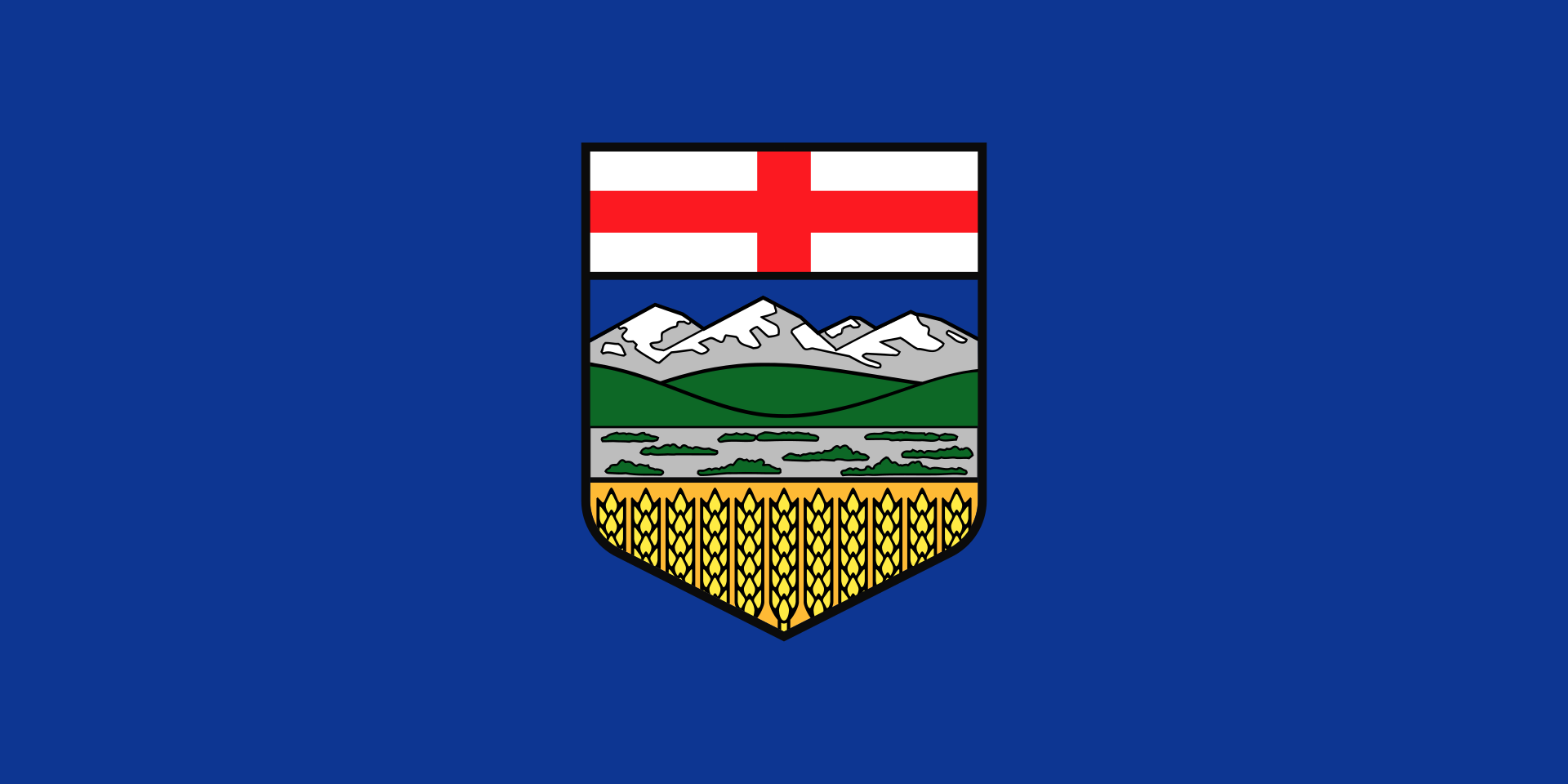 Alberta-AB
British Columbia-BC
FIFA
Fußball-Weltmeisterschaft der Frauen 2015
Kanada
Alberta-AB
British Columbia-BC
FIFA
Fußball-Weltmeisterschaft der Frauen 2015
Kanada
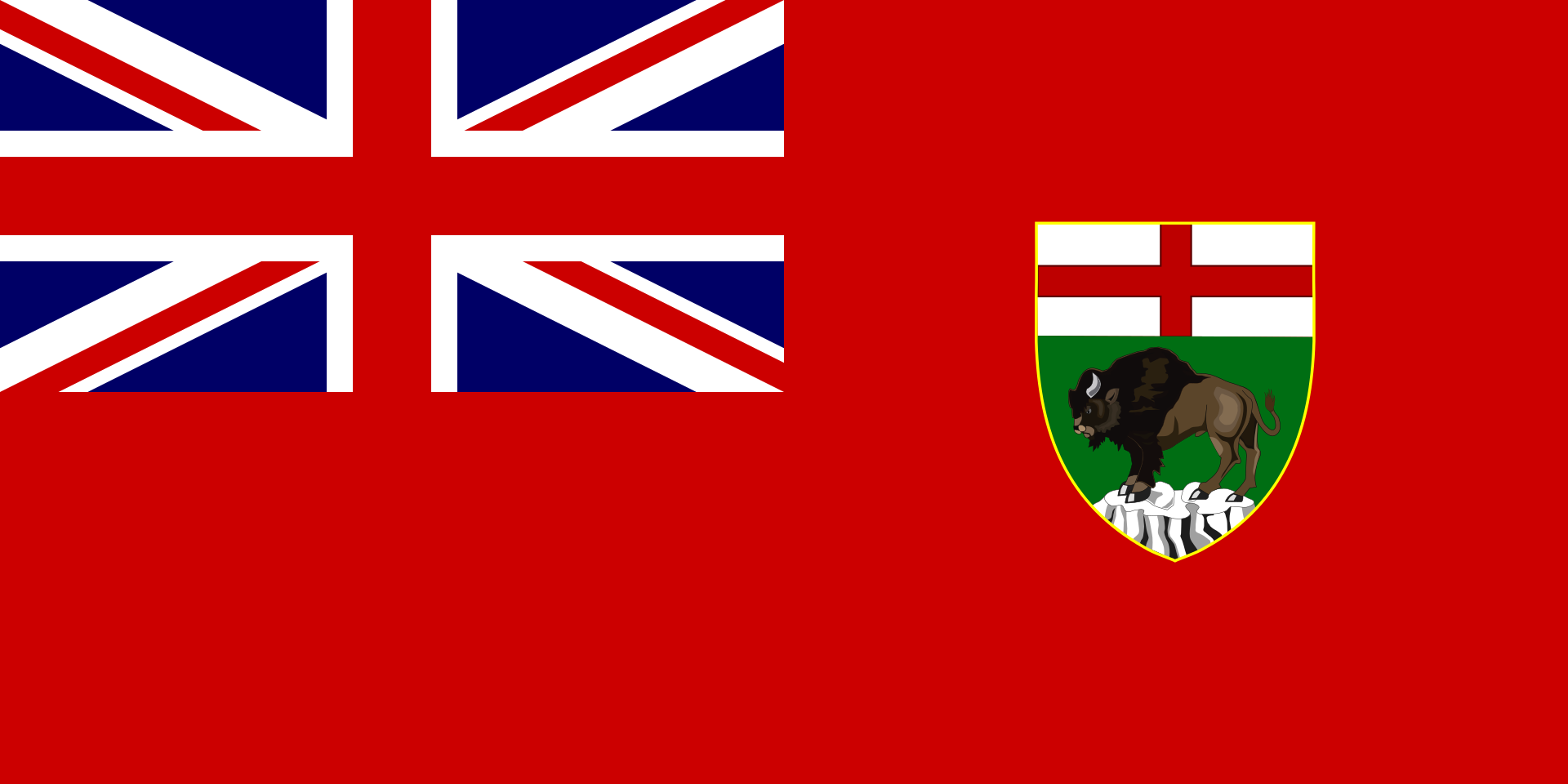 Manitoba-MB
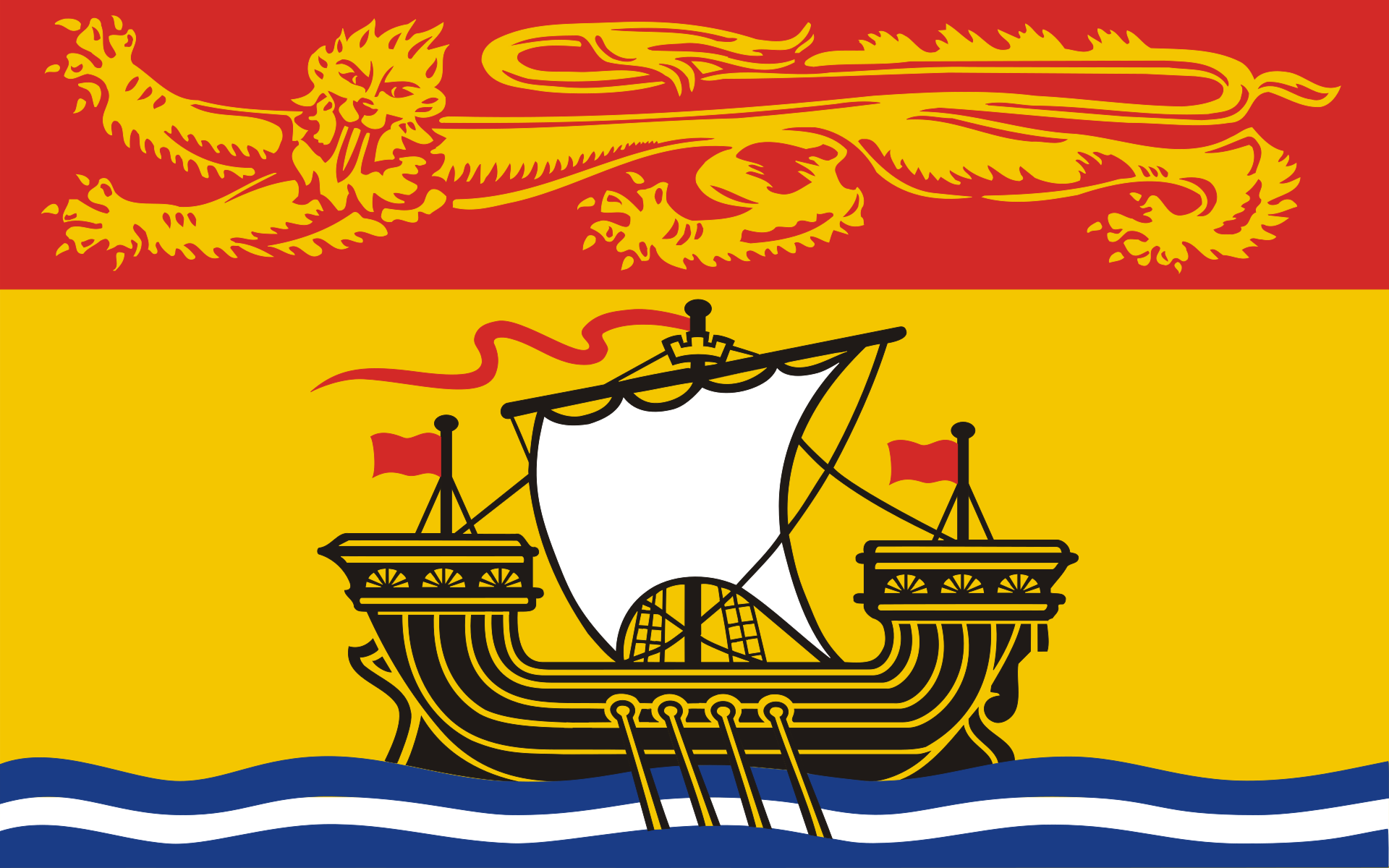 New Brunswick-NB
 Ontario-ON
Quebec-QC
Sport
(F)Fussball-Weltmeisterschaft
Ontario-ON
Quebec-QC
Sport
(F)Fussball-Weltmeisterschaft
 Alberta-AB
Fußball-Weltmeisterschaft der Frauen 2015
ITU World Championship Series
Kanada
Sport
Sport
Triathlon
Alberta-AB
Fußball-Weltmeisterschaft der Frauen 2015
ITU World Championship Series
Kanada
Sport
Sport
Triathlon
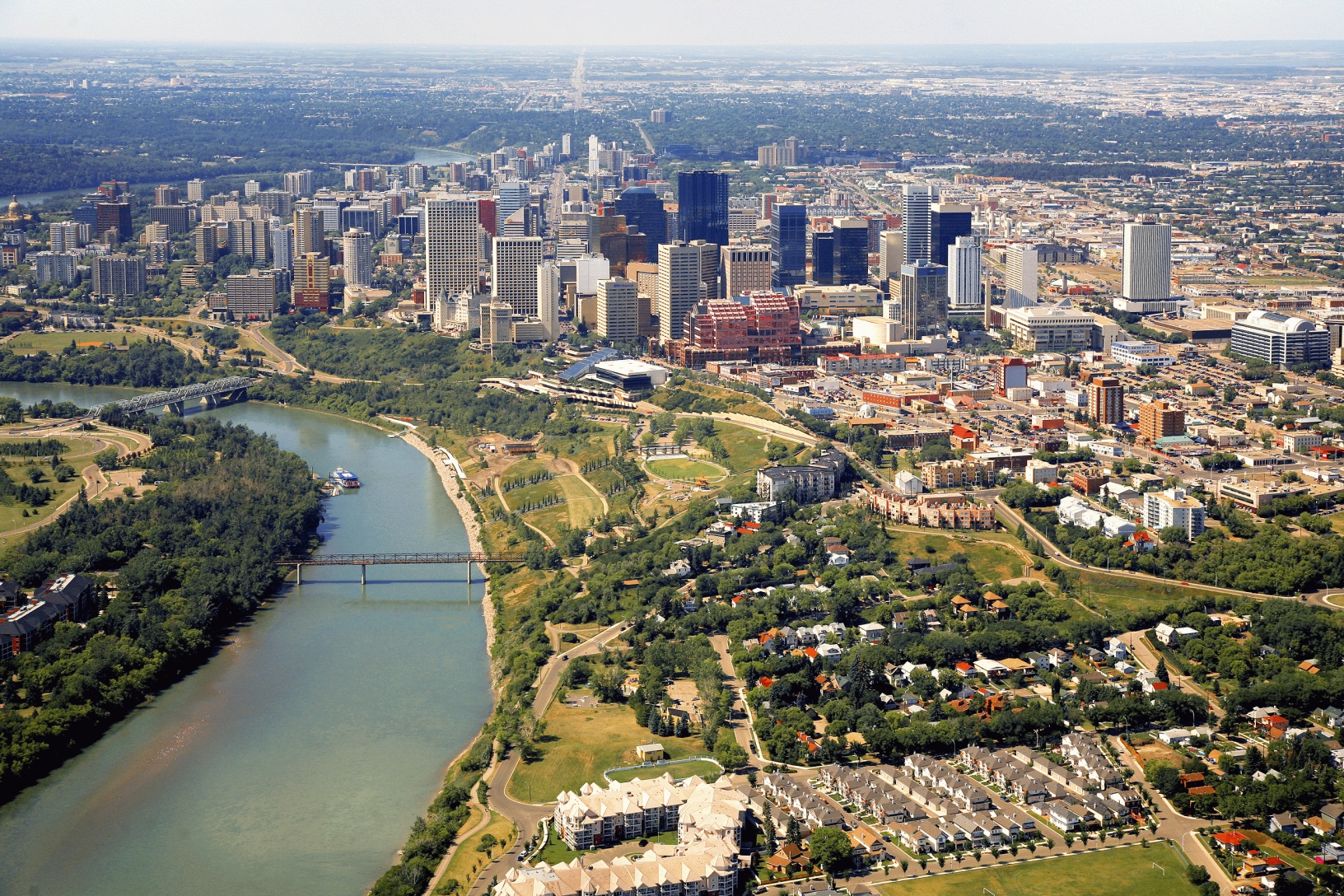
埃德蒙顿(英语:Edmonton,香港作爱民顿,台湾作艾德蒙顿,台山话作点问顿)是加拿大阿尔伯塔省的首府,该省的第二大城市(仅次于卡尔加里),城市人口为 899,447人(2016年数据),而大埃德蒙顿地区(CMA)人口为1,363,300(2015年数据)。埃德蒙顿是加拿大人口第二多的省会城市(排在多伦多之后)。埃德蒙顿是阿尔伯塔省的文化、政府和教育中心,城市拥有轻轨运输,一年有许多节日,大多集中在夏季,并有北美最大的室内购物中心——西部埃德蒙顿购物中心和加拿大最大的历史公园——埃德蒙顿炮台公园(Fort Edmonton Park)。2004年,埃德蒙顿庆祝其建市100周年(1904年)。
Edmonton [ˈedməntən] ist die Hauptstadt der kanadischen Provinz Alberta. Sie hat 932.546 Einwohner, hingegen hat die Metropolregion (CMA) 1.411.945 Einwohner (2017).[2] Damit ist Edmonton nach Calgary die zweitgrößte Stadt der Provinz und die fünftgrößte in Kanada. Mit 683 km² Gesamtfläche ist sie eine der flächengrößten Städte Nordamerikas, hat damit aber auch eine der niedrigsten Bevölkerungsdichten.
Indianische Siedlungen reichen mindestens 11.000 Jahre zurück, doch führt sich die Stadt auf ein Fort, das 1795 errichtet wurde, zurück. 1905 wurde Edmonton Hauptstadt der Provinz, die etwa bis zum Zweiten Weltkrieg stark von der Landwirtschaft abhing. Kriegsproduktion und Bodenschätze brachten der Stadt trotz des unwirtlichen Klimas einen lange anhaltenden industriellen Boom. Den bedeutendsten Wirtschaftszweig stellen heute die Dienstleistungsgewerbe dar, deren größter Arbeitgeber neben der Regierung die University of Alberta ist.
エドモントン(英: Edmonton[2])は、カナダのアルバータ州にある都市。同州の州都であり、州内ではカルガリーに次ぐ第2の都市である(国内5位)。また、カナダの州都としてはトロントに次ぐ第2位の人口規模を持つ。肥沃な農業地帯が広がるプレーリーに位置し、ノースサスカチュワン川が周辺地域の中心を流れている。
市内人口はおよそ81万人、広域圏人口はおよそ116万人で、北米の100万人都市としては最北端に位置する。州北部で盛んなオイルサンド産業と、ノースウエスト準州で運営されている大規模なダイヤモンド鉱への玄関口となっている。文化や行政、教育が盛んな地域でもある。「ザ・フェスティバル・シティ」[3]と呼ばれるほど年間を通してイベント行事が開催され、市内には北米最大のショッピングモール「ウェスト・エドモントン・モール」と最大の歴史公園「フォート・エドモントン(Fort Edmonton)」がある。
Edmonton (/ˈɛdməntən/ (listen); Cree: ᐊᒥᐢᑲᐧᒋᐊᐧᐢᑲᐦᐃᑲᐣ;[13] Blackfoot: Omahkoyis[14]) is the capital city of the Canadian province of Alberta. Edmonton is on the North Saskatchewan River and is the centre of the Edmonton Metropolitan Region, which is surrounded by Alberta's central region. The city anchors the north end of what Statistics Canada defines as the "Calgary–Edmonton Corridor".[15]
The city had a population of 932,546 in 2016, making it Alberta's second-largest city and Canada's fifth-largest municipality.[5] Also in 2016, Edmonton had a metropolitan population of 1,321,426, making it the sixth-largest census metropolitan area (CMA) in Canada.[7] Edmonton is North America's northernmost metropolitan area with a population over one million. A resident of Edmonton is known as an Edmontonian.[16]
Edmonton's historic growth has been facilitated through the absorption of five adjacent urban municipalities (Strathcona, North Edmonton, West Edmonton, Beverly and Jasper Place)[17] in addition to a series of annexations through 1982,[18] and the annexation of 8,260 ha (82.6 km2) of land from Leduc County and the city of Beaumont on January 1, 2019.[8] Known as the "Gateway to the North",[19] the city is a staging point for large-scale oil sands projects occurring in northern Alberta and large-scale diamond mining operations in the Northwest Territories.[20]
Edmonton is a cultural, governmental and educational centre. It hosts a year-round slate of festivals, reflected in the nickname "Canada's Festival City".[1] It is home to North America's largest mall, West Edmonton Mall (the world's largest mall from 1981 until 2004),[21] and Fort Edmonton Park, Canada's largest living history museum.[22]
Edmonton ( /ˈɛdməntən/ (?·i)) es la capital de la provincia canadiense de Alberta, así como sede de sus poderes y su administración. Está ubicada en la parte central de la provincia, una de las zonas más fértiles de las llanuras canadienses, en torno al río Saskatchewan Norte. 812 201 personas viven en Edmonton,1 lo que la convierte en la segunda ciudad más populosa de la provincia, detrás de Calgary, la segunda capital de provincia con más habitantes tras Toronto y la quinta de Canadá. Además, su área metropolitana es la sexta más poblada del país, con una población de 1 034 945 habitantes.2
La ciudad abarca 683 km², una superficie mayor que la de Chicago, Filadelfia, Toronto o Montreal. Sin embargo, tiene una de las densidades de población más bajas de América del Norte, alrededor del 9,4 % de la de Nueva York. El residente de Edmonton es conocido como edmontoniano.
Edmonton sirve como enlace a la zona norte del «Corredor Calgary-Edmonton», una de las cuatro regiones que en conjunto comprenden el 50 % de la población de Canadá. Desde ella se organizan proyectos a gran escala de arenas de alquitrán que se desarrollan en el norte de Alberta, así como para proyectos de minería de diamantes en los Territorios del Noroeste.
Es el centro cultural, gubernamental y educativo de Alberta. Es sede de varios festivales de talla mundial, lo que le ha valido para ganarse el título de «La ciudad festival» (The Festival City).3 En Edmonton está el centro comercial más grande de Norteamérica, el West Edmonton Mall (que fue el más grande del mundo desde 1981 hasta 2004), y el museo de historia viva más grande de Canadá, el Fort Edmonton Park. En 2004, la ciudad celebró el centenario de su fundación como ciudad.
Edmonton è il capoluogo della provincia canadese dell'Alberta. Si trova nella parte centro settentrionale della provincia, un'area che conta alcune delle più fertili terre agricole delle praterie canadesi. Dopo Calgary, è la seconda città dell'Alberta, con 932.546 abitanti. La sua area metropolitana, con una popolazione stimata nel 2016 in 1.392.600 abitanti,[2] è la quinta del Canada. Tra le città delle Americhe con più di un milione di abitanti è quella situata più a nord.
Edmonton ( /ˈɛdməntən/ (?·i)) es la capital de la provincia canadiense de Alberta, así como sede de sus poderes y su administración. Está ubicada en la parte central de la provincia, una de las zonas más fértiles de las llanuras canadienses, en torno al río Saskatchewan Norte. 812 201 personas viven en Edmonton,1 lo que la convierte en la segunda ciudad más populosa de la provincia, detrás de Calgary, la segunda capital de provincia con más habitantes tras Toronto y la quinta de Canadá. Además, su área metropolitana es la sexta más poblada del país, con una población de 1 034 945 habitantes.2
La ciudad abarca 683 km², una superficie mayor que la de Chicago, Filadelfia, Toronto o Montreal. Sin embargo, tiene una de las densidades de población más bajas de América del Norte, alrededor del 9,4 % de la de Nueva York. El residente de Edmonton es conocido como edmontoniano.
Edmonton sirve como enlace a la zona norte del «Corredor Calgary-Edmonton», una de las cuatro regiones que en conjunto comprenden el 50 % de la población de Canadá. Desde ella se organizan proyectos a gran escala de arenas de alquitrán que se desarrollan en el norte de Alberta, así como para proyectos de minería de diamantes en los Territorios del Noroeste.
Es el centro cultural, gubernamental y educativo de Alberta. Es sede de varios festivales de talla mundial, lo que le ha valido para ganarse el título de «La ciudad festival» (The Festival City).3 En Edmonton está el centro comercial más grande de Norteamérica, el West Edmonton Mall (que fue el más grande del mundo desde 1981 hasta 2004), y el museo de historia viva más grande de Canadá, el Fort Edmonton Park. En 2004, la ciudad celebró el centenario de su fundación como ciudad.
Эдмонтон (англ. Edmonton [ˈɛdməntən]) — административный центр канадской провинции Альберта.
 Architektur


 British Columbia-BC
FIFA Fussball-Weltmeisterschaft 2026
Fußball-Weltmeisterschaft der Frauen 2015
Kanada
British Columbia-BC
FIFA Fussball-Weltmeisterschaft 2026
Fußball-Weltmeisterschaft der Frauen 2015
Kanada
 Fußball-Weltmeisterschaft der Frauen 2015
Fußball-Weltmeisterschaft der Frauen 2019
Fußball-Weltmeisterschaft der Frauen 2023
Fußball-Weltmeisterschaft der Frauen 2015
Fußball-Weltmeisterschaft der Frauen 2019
Fußball-Weltmeisterschaft der Frauen 2023


 Fußball-Weltmeisterschaft der Frauen 2015
Fußball-Weltmeisterschaft der Frauen 2019
Fußball-Weltmeisterschaft der Frauen 2023
Fußball-Weltmeisterschaft der Frauen 2015
Fußball-Weltmeisterschaft der Frauen 2019
Fußball-Weltmeisterschaft der Frauen 2023
