
Deutsch-Chinesische Enzyklopädie, 德汉百科
 Musik
Musik


 Rueckblick

František Xaver Sandmann (1805–1856)
Composer: Bedřich Smetana Artists: Janáček Philharmonic Orchestra, Theodore Kuchar (conductor) Bedřich Smetana was a forerunner of the Nationalist music movement in 19th-century Czechoslovakia, and played a large part in developing the country’s musical identity. This disc comprises Smetana’s most renowned work, the inimitable Má vlast (My Homeland), a series of six tone poems – composed over five years – that depict different elements of the landscape of the composer’s native country. Vyšehrad, or The High Castle, is the first movement, based on the castle in Prague – the residence of early Czech kings. It opens with arpeggios played by a duo of harps, and later a military element is portrayed with the help of a march theme. The second movement Vltava (The Moldau), depicts the route of the river from the mountains to its end. Šárka, the third movement, explores the Czech folklore centred on the Bohemian Amazon maiden of the same name. This is followed by Z českých luhů a hájů (From Bohemia’s Meadows and Fields); a depiction of a beautiful landscape on a sunny day. These first four movements were intended to complete the work, but after a gap of four years Smetana composed another two: Tábor, portraying the Hussite warriors who founded and defended the city of Tábor in 1420, and Blaník, named after the mountain in central Bohemia. This, the final movement, begins with the same driving rhythms as Tábor and later relents into a joyful hymn. It is easy to see how this work paved the way for Smetana to be heralded as one of Czechoslovakia’s greatest composers and patriots. The works are performed by the Janáček Philharmonic Orchestra under the baton of Theodore Kuchar. Tracklist 00:00:00 Bedrich Smetana: Má Vlast, JB 1:112: I. Vyšehrad 00:14:57 Bedrich Smetana: Má Vlast, JB 1:112: II. Vltava (The Moldau) 00:26:36 Bedrich Smetana: Má Vlast, JB 1:112: III. Šárka 00:36:16 Bedrich Smetana: Má Vlast, JB 1:112: IV. From Bohemia’s Meadows and Forests 00:48:43 Bedrich Smetana: Má Vlast, JB 1:112: V. Tábor 01:00:16 Bedrich Smetana: Má Vlast, JB 1:112: VI. Blaník Thanks for watching! Feel free to subscribe and visit our channel for the best classical music from the greatest composers like: Bach, Satie, Mozart, Tchaikovsky, Beethoven, Chopin, Haydn, Ravel, Debussy, Verdi, Vivaldi, Handel, Brahms, Liszt, Schubert, Mendelssohn, Rachmaninoff, Wagner, Strauss, Handel, Dvorak, Schubert and many more! We upload complete albums, music for relaxing, working, studying, meditating, concentrating, instrumental music, opera, violin, classical piano music, sonatas and more!
 Architektur
 Thüringen
 Urlaub und Reisen


作品介绍: 《仲夏夜之梦》,门德尔松为莎士比亚的喜剧《仲夏夜之梦》共写过两部音乐作品,一部是在1826年作者十七岁那年所作的钢琴四手联弹《仲夏夜之梦》序曲,次年改编成管弦乐曲,被称为是音乐史上第一部浪漫主义标题性音乐会序曲;另一部是1843年为《仲夏夜之梦》所写的戏剧配乐,其中的序曲就选用了当年所作的序曲。 《仲夏夜之梦》序曲是门德尔松的代表作,它曲调明快、欢乐,是作者幸福生活、开朗情绪的写照。曲中展现了神话般的幻想、大自然的神秘色彩和诗情画意。全曲充满了一个十七岁的年轻人流露出的青春活力和清新气息,又体现了同龄人难以掌握的技巧和卓越的音乐表现力,充分表现出作曲家的创作风格及独特才华,是门德尔松创作历程中的一个里程碑。
作品介绍: 《a小调 第三交响曲"苏格兰"》,作于1842年,当年在柏林首演。这部作品是门德尔松1829年访问苏格兰时开始构想的,后赴意大利,开始写作,又搁置多年终于在1842年完成。门德尔松自己称它为"苏格兰交响曲",此曲奉献给当时。 该曲实际完成时间要比其第四和第五交响曲都晚,但编号相反。
小调《小提琴协奏曲》,这首小提琴协奏曲作于1838-1844年间,于1845年首次上演。门德尔松的小提琴协奏曲中,这一首是最为著名的,与贝多芬的 D大调,勃拉姆斯的D大调和柴科夫斯基的D大调小提琴协奏曲并称为世界四大小提琴协奏曲。整部作品充满了柔美的浪漫情绪和均匀齐整的形式美,小提琴的处理手法精妙绝伦,旋律优美,技巧华丽,达到了登峰造极的境界,不仅是门德尔松最杰出的作品,也是德国浪漫乐派诞生以来,最美丽的小提琴代表作。有人甚至认为这部作品是小提琴协奏曲的"压卷之作"。全曲由三个乐章构成,乐章之间不中断地连续演奏,这在当时算是新的手法,作曲者可能意在防止具有浪漫氛围的快速流动被切断;而各乐章却各自独立,体现了门德尔松以古典派传统为基础,并灌入新时代气息的典型作风。
 Musikinstrument

 Traditionen
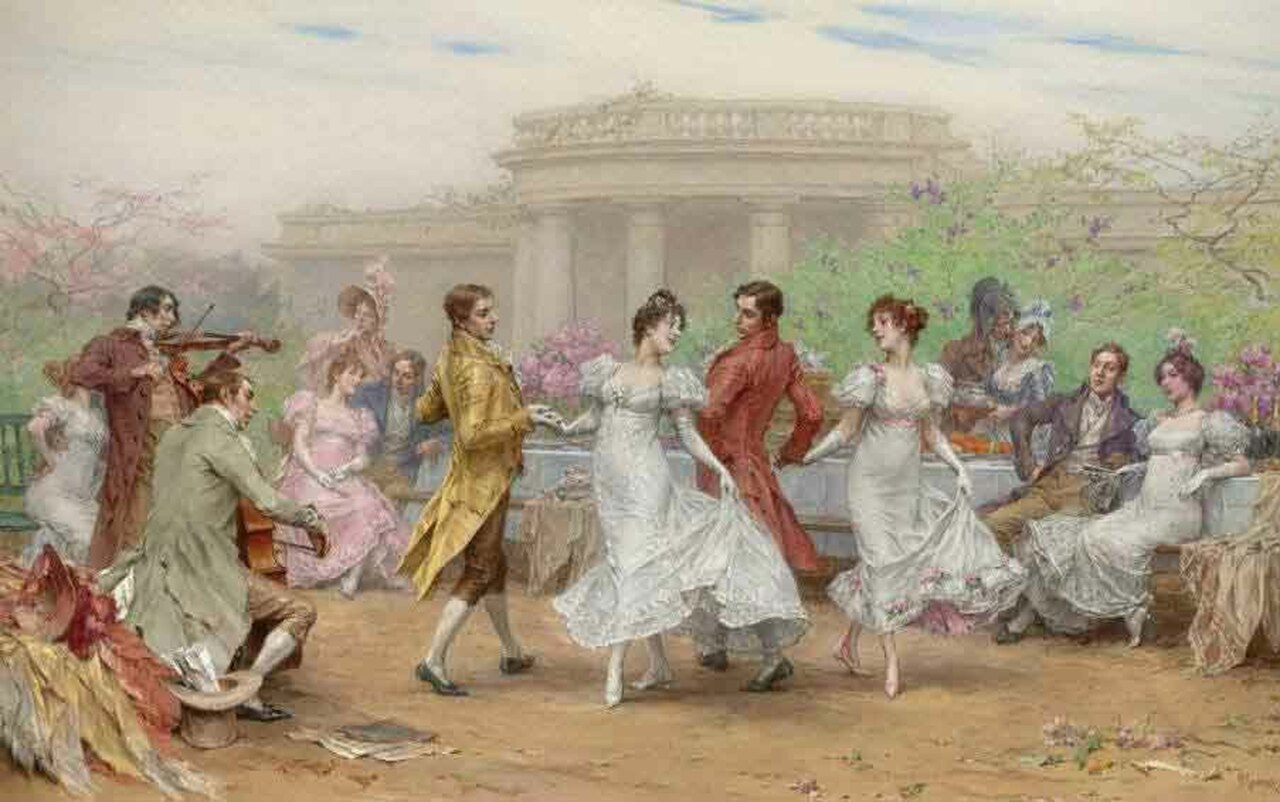
小步舞曲(minuet),是一种源于法国的三拍子舞曲,男女对舞。1650年—1750年间主宰了欧洲贵族舞曲。据传源自法国民间的普瓦图勃朗里舞。17世纪时由民间传入宫廷,受到法国国王路易十四的喜好和提倡,因此很快便传遍欧洲,盛行于18世纪。以其中庸的速度和优雅的风格为特色,舞蹈者按社会地位高低为序,讲究礼仪,极为壮观,常表演多种经过精心设计的花样或图案,并于起舞前向舞伴和观众行屈膝礼或鞠躬。早期小步舞曲大都是从第一拍开始,但到了古典时期则变成了从第三拍开始。用于舞蹈场所的小步舞曲,其速度一般都是比较慢的,重音多落在第二拍上;而作为单独演奏的乐曲,其速度通常都会较快。
海顿开始将小步舞曲用于写作奏鸣曲的第三乐章,以后许多音乐家也写作了小步舞曲作品,比较著名的有贝多芬的《小步舞曲六首》和莫札特的《D大调第十七嬉游曲》的第三乐章。已经脱离了舞蹈,成为纯粹的音乐作品,只是仍然采用小步舞的节奏。
Das Menuett (von französisch menuet; italienisch minuetto, menuetto, englisch minuet), aus dem Französischen von „menu pas“ (kleiner, zierlicher Schritt), ist ein alter höfischer Gesellschaftstanz französischen Ursprungs und ein wichtiger Tanz der Barockzeit und Klassik. Es steht im 3⁄4-Takt (selten in 3⁄8 oder 6⁄4), beginnt meistens abtaktig, und besteht meist aus einer Abfolge von 4-, 8- oder 16-taktigen Teilen.