
Deutsch-Chinesische Enzyklopädie, 德汉百科
 Finanz
 Deutschland
Eurovision Song Contest,ESC
FIFA Fussball-Weltmeisterschaft 2006
Finanz
Deutschland
Eurovision Song Contest,ESC
FIFA Fussball-Weltmeisterschaft 2006
Finanz
 ***Globales Finanzzentrum/Global Financial Center
 Fußball-Europameisterschaft 2024
Fußball-Weltmeisterschaft der Frauen 2011
Fußball-Europameisterschaft 2024
Fußball-Weltmeisterschaft der Frauen 2011
 Geographie
*Lebenswerteste Städte der Welt
Geographie
*Lebenswerteste Städte der Welt
Geographie
Geographie
*Lebenswerteste Städte der Welt
Geographie
*Lebenswerteste Städte der Welt
 Geschichte
N 2000 - 2100 nach Christus
Geschichte
N 2000 - 2100 nach Christus
 Hessen
Salzstraßen in Deutschland
Hessen
Salzstraßen in Deutschland
 Urlaub und Reisen
法兰克福的历史可以上溯到公元前后,那时莱茵河和多瑙河是罗马帝国的北方边界,但两河并不相连,其间无险可守,因此罗马人修筑了连接两河的长城。这座长城连绵数百里,从法兰克福附近经过。于是人们在这里设置了驻军营地,这一带成为边境要塞。随着罗马帝国的崩溃,这时军营圯毁,日渐荒芜,几乎被人遗忘,直到8世纪才再度兴起。传说,一天拂晓,漫天大雾,查理大帝打了败仗,逃到美因河边,找不到向导,无法渡河。危急之中看见一只母鹿,朝水边走来,他注意看那鹿,果然,这只鹿涉水过河了,大军也随之过河,转危为安。为了纪念这件事,查理大帝下令在当地建筑一座城市,取名法兰克福,意思是法兰克人(日耳曼民族中的一支)的渡口。公元794年法兰克福作为查理大帝的行都首次载入史册。此后法兰克福一直是德意志的重要政治舞台,目睹了多少大事件大庆典。神圣罗马帝国时期,皇帝由势力雄厚的诸侯即选帝侯选举。1152年,选帝侯们首次在法兰克福聚会,选聘书巴巴罗萨即红胡子一世为帝。 1356年卡尔四世颁布金牛诏书,正式规定,选皇帝在法兰克福举行。从1562年起,法兰克福又取代亚琛,成为皇帝加冕大曲举行地,前后有10位皇帝在这里加冕,登上皇帝宝座。神圣罗马帝国于1806年正式告终,从1816年到1866年,法兰克福又成为德意志邦联议会所在地。1848年在席卷欧洲大陆的革命风暴中,德意志各邦组成德意志国民议会,在法兰克福举行会议讨论德意志的统一问题,是为德国统一前奏。1866年法兰克福并入普鲁士,结束了从 1372年以来的帝国自由市的自治地位。法兰克福一直是一个繁荣的商业城市,德国统一后,这里工业迅速发展,化学工业尤为突出。德国三大化学工业公司之一的赫希斯特(Hoechst AG)公司就是在法兰克福起家的。1914年法兰克福又创办了约翰。沃尔夫冈·歌德大学(现已发展到3.7万多学生)。第二次世界大战中,33次大轰炸摧毁了法兰克福80%的建筑,留下1700万吨垃圾。千年古城,变为一片废墟。战后法兰克福迅速重建,发展惊人,令人咋舌,今天除化学、电子、机械工业外,第三产业如交通、金融、博览事业更是蓬勃发展,市区一改旧观,高楼林立,法兰克福一跃成为国际知名的大都市。 (Quelle:http://www.youer.com/)
法兰克福(德语:Frankfurt),正式全名为美因河畔法兰克福[1](Frankfurt am Main),是德国中西部黑森州的第一大城市,也是德国第五大城。城区拥有73万2688人[2],如合并周边城镇计算则约有230万人。整个法兰克福-莱茵河-美茵河都会区约有五百万人口,为仅次于莱茵-鲁尔的德国第二大都会区。法兰克福是一个民族文化多元化的城市,一半以上的人口有着移民背景,而四分之一的人口为外国公民。
自中世纪起,法兰克福即为德国的中心城市。公元794年时,法兰克福被授予帝国自由城市的地位。1815年,法兰克福自由市成为德意志州联的政治中心。在1848年革命时期,法兰克福国民议会在圣保罗教堂召开。在普奥战争中,与奥地利结盟的法兰克福被普鲁士王国所吞并后,在1866年正式失去城邦的主权。1875年时,法兰克福居民突破十万人,1928年时则已超过50万人。如今作为阿尔法级别的全球城市,法兰克福是许多欧洲及跨国大型企业的总部所在地。另外德国联邦银行、欧洲中央银行、法兰克福证券交易所及多家大型商业银行总部也设立在此,它是欧盟的经济中心。法兰克福掌握了全德国乃至全欧洲的钜大财富,遂有“美茵河畔曼哈顿”之戏称("Main"hattan 或 Manhattan am Main)[3]。
因其地理位置,法兰克福也是重要的交通枢纽。法兰克福高速立交桥是欧洲最为繁忙的陆路枢纽;火车总站为德国流量第二大的火车站,莱茵-美茵国际机场为德国规模最大的商用民航机场,也是欧洲重要的航空中转站。
法兰克福是歌德的诞生地,这位德国最受景仰的人文思想家,他的名字与德意志文化的传承及传播紧紧相连。法兰克福大学即以歌德为大学命名,德国政府也在世界各地成立“歌德学院”致力于德语教学。歌德在德语文化世界具备国粹瑰宝的地位,让这座城市始终散发着与有荣焉的光彩。
Frankfurt am Main ist mit etwa 736.000 Einwohnern die größte Stadt Hessens und die fünftgrößte Deutschlands. Sie ist kreisfrei und bildet das Zentrum des Ballungsraums Frankfurt mit etwa 2,5 Millionen[2] Einwohnern (mit Offenbach, Hanau und dem Vortaunus). In der gesamten Metropolregion Rhein-Main leben etwa 5,5 Millionen Menschen.
Seit dem Mittelalter gehört Frankfurt am Main zu den bedeutenden städtischen Zentren Deutschlands. Im Jahr 794 erstmals urkundlich erwähnt, war es seit 1372 Freie Reichsstadt und bis 1806 Wahl-, seit 1562 auch Krönungsstadt der römisch-deutschen Kaiser. Der Krönungsweg führte vom Römerberg über den Markt zum Kaiserdom. Von 1815 an war Frankfurt am Main Freie Stadt. Hier tagten die Bundesversammlung des Deutschen Bundes und 1848/49 in der Paulskirche mit der Nationalversammlung das erste deutsche Parlament. Nach dem Deutschen Krieg wurde der zuvor fast 500 Jahre unabhängige Stadtstaat Frankfurt 1866 Bestandteil von Preußen. Durch die rasche Industrialisierung setzte ein Bevölkerungsschub ein. Seit 1875 zählte die Stadt über 100.000 Einwohner, seit 1928 mehr als 500.000, im Jahr 2013 erstmals über 700.000. Als Zeichen der Verpflichtung zur europäischen Einigung nennt sich Frankfurt seit 1998 Europastadt.[3]
Heute ist Frankfurt einer der wichtigsten internationalen Finanzplätze, bedeutendes Industrie-, Dienstleistungs- und Messezentrum und zählt zu den Weltstädten.[4] Frankfurt am Main ist Sitz der Europäischen Zentralbank, der Deutschen Bundesbank, der Frankfurter Wertpapierbörse, zahlreicher Finanzinstitute (darunter Deutsche Bank, Commerzbank, DZ Bank, KfW), der Aufsichtsbehörden BaFin und EIOPA und der Messe Frankfurt. Die Internationale Automobil-Ausstellung, die Frankfurter Buchmesse und die Musikmesse gelten als Weltleitmessen ihrer Sparten. Die Stadt ist zudem Sitz der Sportverbände Deutscher Olympischer Sportbund, Deutscher Fußball-Bund und Deutscher Motor Sport Bund.
Dank seiner zentralen Lage ist Frankfurt am Main ein europäischer Verkehrsknotenpunkt. Der Flughafen gehört zu den größten der Welt, der Hauptbahnhof ist ein zentraler Bahnknotenpunkt und das Frankfurter Kreuz der meistbefahrene Straßenknotenpunkt Deutschlands. Darüber hinaus ist der DE-CIX in Frankfurt, gemessen am Durchsatz, der weltweit größte Internet-Knoten.
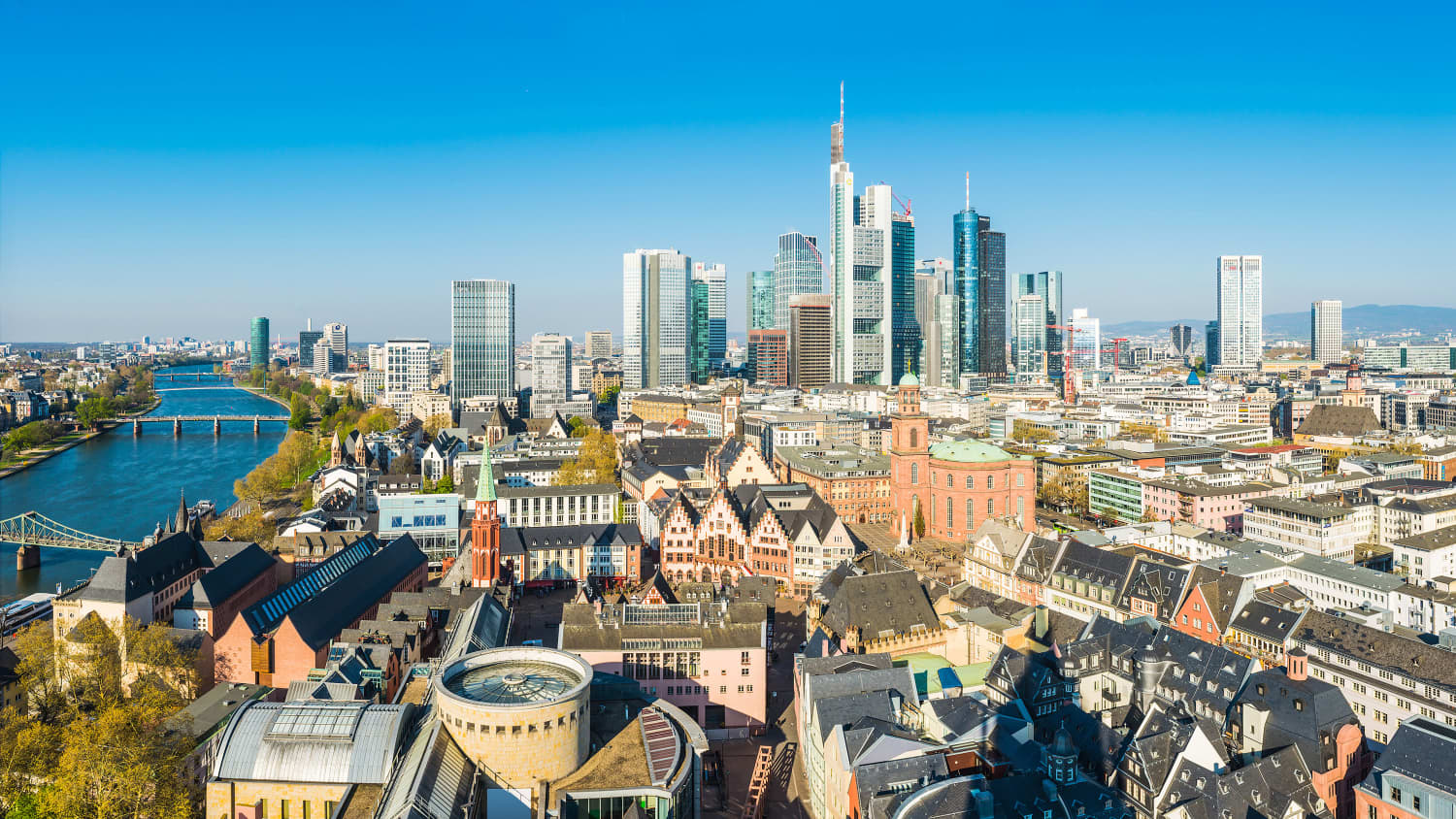
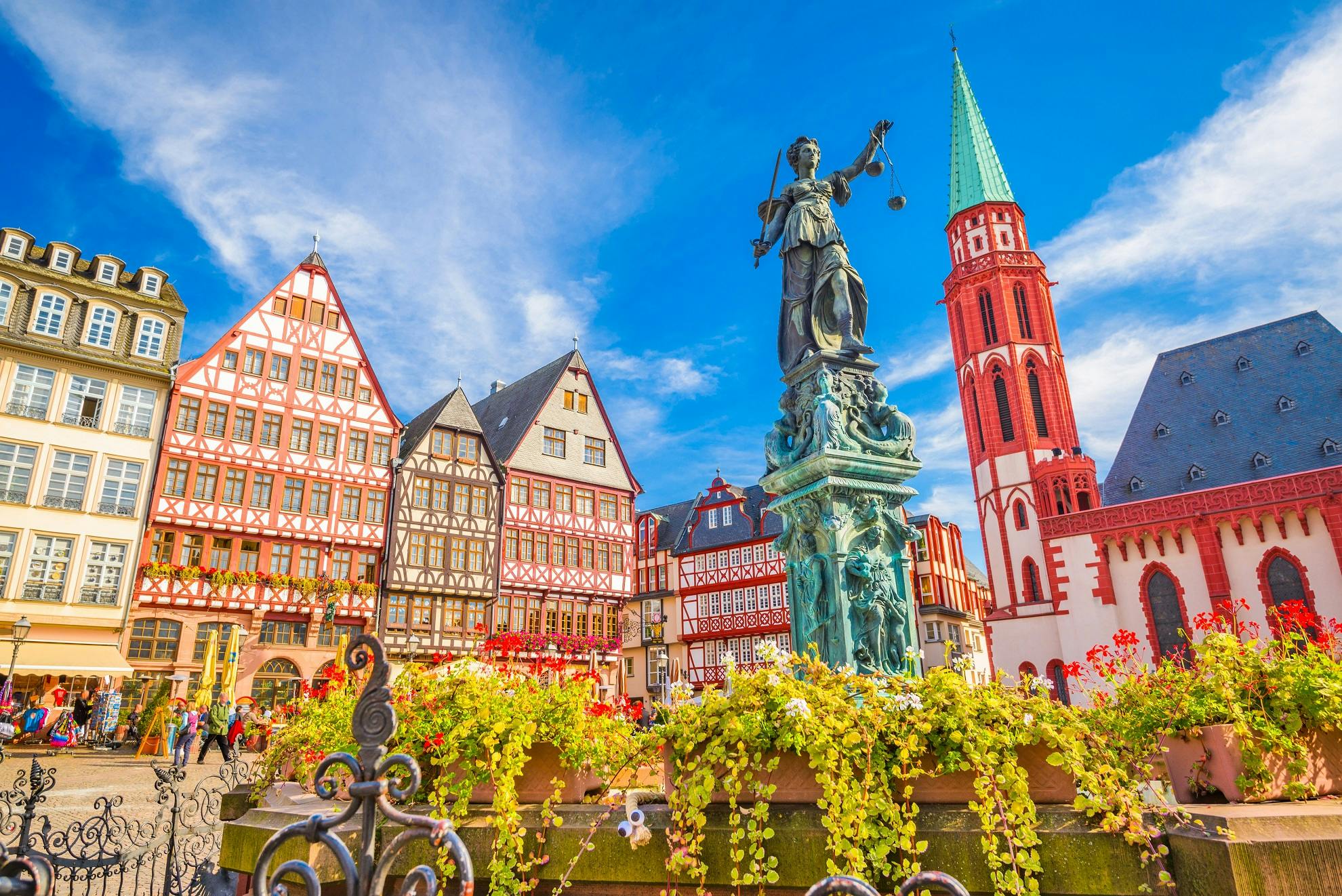
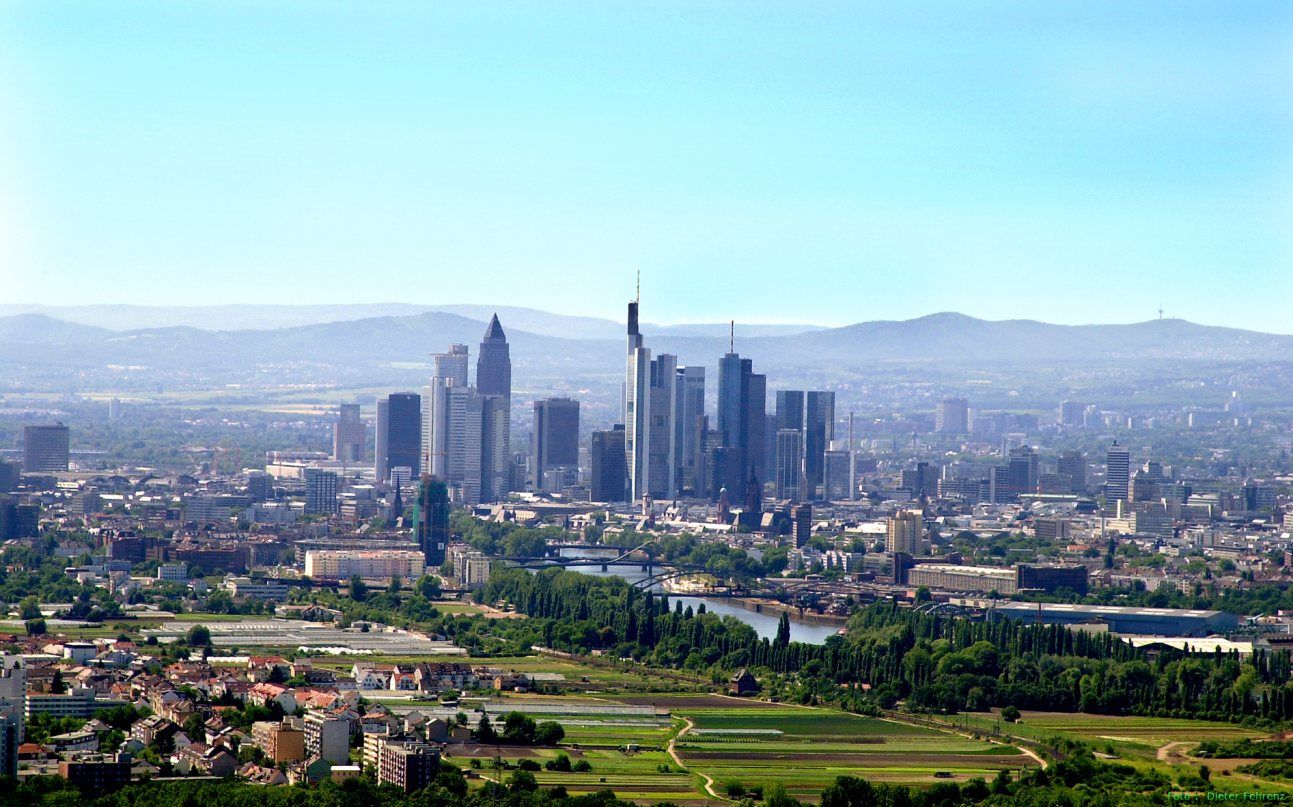
Eine Besonderheit für eine europäische Stadt ist die stetig wachsende Hochhaus-Skyline Frankfurts. Wegen der Ballung von Hochhäusern, die zu den höchsten Europas gehören, wird Frankfurt am Main mitunter als Mainhattan bezeichnet. Historische Wahrzeichen der Stadt sind das rekonstruierte Ensemble der Altstadt mit Römerberg samt Rathaus Römer, Dom-Römer-Areal und der Kaiserdom. Mehr als 40 Prozent des Stadtgebiets sind Parks und Landschaftsschutzgebiete, darunter der Frankfurter Grüngürtel mit dem seit 1372 im Besitz der Stadt befindlichen Frankfurter Stadtwald.
Das kulturelle Leben der Stadt ist wesentlich von bürgerlichen Stiftungen, Mäzenatentum und liberalen Privateninitiativen geprägt. Dazu gehören die Städtischen Bühnen mit den beiden Sparten Oper Frankfurt und Schauspiel Frankfurt, das Frankfurter Museumsufer, das Senckenberg Naturmuseum, die Schirn Kunsthalle und das Museum für Moderne Kunst, das Historische Museum und Goethes Geburtshaus in der Altstadt, die Alte Oper, das English Theatre, der Zoo und der Palmengarten. Die 1914 durch eine Bürgerstiftung als Königliche Universität gegründete Goethe-Universität ist die viertgrößte deutsche Hochschule nach Anzahl der Studenten. Sie brachte mehrere Leibniz- und Nobelpreisträger hervor. Darüber hinaus gibt es in der Stadt sieben weitere staatliche, kirchliche und private Hochschulen mit zusammen über 60.000 Studenten.
フランクフルト・アム・マイン (Frankfurt am Main) は、ドイツ連邦共和国ヘッセン州に属す郡独立市である。一般にフランクフルトと通称される。人口 72万人を超えるヘッセン州最大の都市(2016年現在)であり[2]、ドイツ全体でもベルリン、ハンブルク、ミュンヘン、ケルンに次ぐ第5の都市である。
中世以来、フランクフルトはドイツの中心都市の一つであった。794年には初めて文献に記録され、中世盛期の帝国自由都市であった。13世紀のライン都市同盟に参加している。
1806年まで神聖ローマ皇帝の選挙が行われる諸侯会議が開催された地であり、1562年以降は皇帝の戴冠式もこの都市で挙行された。1816年からドイツ連邦の議会がフランクフルト自由都市で開催され、1848年から49年にかけてはフランクフルト国民議会が開催された。1866年の普墺戦争により都市国家としての独立を喪失し、プロイセンに併合された。フランクフルトの人口は、1875年に10万人、1928年には50万人を超えた。
現在のフランクフルトは国際金融の中心地であり、工業や産業の中心でもある。経済的側面から世界都市の一つに数えられており[3]、欧州中央銀行、ドイツ連邦銀行、フランクフルト証券取引所、ドイツ銀行、コメルツ銀行、ドイツ復興金融公庫、DZ銀行、ヘッセン=テューリンゲン州立銀行(ヘラバ)の本社がある。ここに挙げきれない金融機関も多数存在する。
工業・産業・交通の要衝でもある。メッセ・フランクフルトは、世界最大の見本市会場の一つである。フランクフルト空港は世界最大級のハブ空港であり、鉄道についてもヨーロッパ最大級のターミナル駅であるフランクフルト中央駅がある。また、道路においてもフランクフルト・ジャンクションはドイツで最も自動車交通量が多いジャンクションの1つである[4]。フランクフルトの DE-CIX は、データ転送量において世界最大のインターネット中継点である。
Frankfurt, officially the City of Frankfurt am Main (German: [ˈfʁaŋkfʊɐ̯t ʔam ˈmaɪn] ( listen); lit. "Frankfurt on the Main"), is a metropolis and the largest city in the German state of Hesse and the fifth-largest city in Germany. Frankfurt was a city state, the Free City of Frankfurt, for nearly five centuries, and was one of the most important cities of the Holy Roman Empire; it lost its sovereignty in 1866.
In 2015, Frankfurt had a population of 732,688 within its administrative boundaries,[4] and 2.3 million in its urban area.[2][5] The city is at the centre of the larger Frankfurt Rhine-Main Metropolitan Region, which has a population of 5.5 million[1] and is Germany's second-largest metropolitan region after Rhine-Ruhr. Since the enlargement of the European Union in 2013, the geographic centre of the EU is about 40 km (25 mi) to the east of Frankfurt's central business district, the Bankenviertel. Frankfurt is culturally and ethnically diverse, with around half of the population, and a majority of young people, having a migration background. A quarter of the population are foreign nationals, including many expatriates.
Frankfurt is an alpha world city and a global hub for commerce, culture, education, tourism and transportation. It is the site of many global and European corporate headquarters. Frankfurt Airport is among the world's busiest. Frankfurt is the major financial centre of the European continent, with the headquarters of the European Central Bank, German Federal Bank, Frankfurt Stock Exchange, Deutsche Bank, DZ Bank, KfW, Commerzbank, several cloud and fintech startups[6] and other institutes. Automotive, technology and research, services, consulting, media and creative industries complement the economic base. Frankfurt's DE-CIX is the world's largest internet exchange point. Messe Frankfurt is one of the world's largest trade fairs. Major fairs include the Frankfurt Motor Show, the world's largest motor show, the Music Fair, and the Frankfurt Book Fair, the world's largest book fair.
Frankfurt is home to influential educational institutions, including the Goethe University, the UAS, the FUMPA, and graduate schools like the Frankfurt School of Finance & Management. Its renowned cultural venues include the concert hall Alte Oper, Europe's largest English Theatre and many museums (e.g. the Museumsufer ensemble with Städel and Liebieghaus, Senckenberg Natural Museum, Goethe House), the Schirn art venue at the old town. Frankfurt's skyline is shaped by some of Europe's tallest skyscrapers. The city is also characterised by various green areas and parks, including the central Wallanlagen, the City Forest and two major botanical gardens, the Palmengarten and the University's Botanical Garden. In electronic music, Frankfurt has been a pioneering city since the 1980s, with renowned DJs including Sven Väth, Marc Trauner, Scot Project, Kai Tracid, and the clubs Dorian Gray, U60311, Omen and Cocoon. In sports, the city is known as the home of the top tier football club Eintracht Frankfurt, the basketball club Frankfurt Skyliners, the Frankfurt Marathon and the venue of Ironman Germany.
Francfort-sur-le-Main (Frankfurt am Main en allemand), est une ville d’Allemagne, généralement appelée simplement Francfort malgré le risque de confusion avec la ville de Francfort-sur-l'Oder. Située sur le Main, la ville est, avec ses 731 095 habitants1 (les Francfortois), la cinquième ville d'Allemagne par sa population et la plus grande du Land de Hesse. Son aire urbaine compte 2 517 561 habitants2, dont un tiers ne possède pas la nationalité allemande.
Francfort est la quatrième place financière d'Europe ainsi que la ville la plus riche d'Allemagne avec un PIB par habitant de 85 300 euros. Elle est notamment le siège de la Banque centrale européenne (BCE), de la Banque fédérale allemande (Deutsche Bundesbank) et de la bourse de Francfort. Francfort est également un carrefour majeur européen. Son aéroport international est le troisième d'Europe après l'aéroport Paris-Charles-de-Gaulle et l'aéroport international de Londres Heathrow. La ville se caractérise par un nombre important de gratte-ciel. La ville est parfois surnommée Mainhattan en référence au cours d'eau qui la traverse et au quartier de Manhattan à New York. Son bâtiment le plus élevé est la Commerzbank Tower, siège social du groupe bancaire Commerzbank, culminant hors antenne à 259 mètres, et construit par Norman Foster.
Francfort est considérée à ce titre comme une ville mondiale de premier plan grâce à sa puissance économique, ses infrastructures et sa richesse culturelleNote 1. The Economist classe Francfort première de son classement des 140 villes les plus chères en Allemagne pour un expatrié en 2012 et dixième au monde3. Enfin, la qualité de vie à Francfort est l'une des plus agréables au monde selon le classement Mercer4.
Francoforte sul Meno (in tedesco Frankfurt am Main) è una città extracircondariale della Germania sud-occidentale, la quinta tedesca per numero di abitanti dopo Berlino, Amburgo, Monaco e Colonia. La città di 732 688 abitanti (2,2 milioni nell'area urbana) è al centro di una vasta area metropolitana di 14 800 km² denominata Rhein-Main, con una popolazione che supera i 5,5 milioni di abitanti.
Situata sul fiume Meno, Francoforte è il centro finanziario della Germania e uno dei principali in Europa. Qui hanno sede la Banca centrale europea, la Banca Federale Tedesca e la Borsa di Francoforte (terza al mondo per volume di scambi azionari).
L'aeroporto di Francoforte sul Meno è uno degli scali più trafficati del mondo, la stazione centrale della città è uno dei terminal più grandi in Europa, con oltre 130 milioni di passeggeri annui, e l'interscambio dell'autobahn A3-A5, che si trova nell'area urbana della città, è il più utilizzato del continente.
Francoforte è anche soprannominata "Bankfurt", "Mainhattan" (gioco di parole tra Main, il fiume Meno, e Manhattan, cuore finanziario di New York) o "Big Äppel" (altro riferimento a New York, dove l'Äppelwoi è un tipico prodotto locale).
Fráncfort del Meno2 ( /ˈfʁaŋkfʊɐ̯t am ˈmaɪ̯n/ (?·i) en alemán, Frankfurt am Main), comúnmente llamada Fráncfort,nota 1 es la ciudad más poblada del estado federado de Hesse, Alemania. Con 732 688 habitantes es también la quinta ciudad más grande del país (tras Berlín, Hamburgo, Múnich y Colonia). De acuerdo con Eurostat, la aglomeración urbana de la que Fráncfort forma parte, cuenta con 2 500 000 de habitantes.3Aunque la capital administrativa de Hesse es Wiesbaden, Fráncfort tiene una importancia económica mayor.
Desde la Edad Media Fráncfort se encuentra entre los centros urbanos más importantes de Alemania. Su nombre aparece por primera vez mencionado en el año 794. Desde la Alta Edad Media fue Ciudad Imperial Libre, hasta 1806 era la ciudad en que se elegía al emperador y desde 1562 también la ciudad en que se coronaba al emperador alemán del Sacro Imperio Romano Germánico. Entre 1816 y 1866 fue sede de la Confederación Germánica y en 1848/49, del primer parlamento alemán libremente elegido.
En la época actual Fráncfort es un centro económico y financiero importante en Europa (en ocasiones se le denomina inoficialmente «capital económica y financiera de la Unión Europea».4 La ciudad aloja al Banco Central Europeo (BCE), al Deutsche Bundesbank, a la Bolsa de Fráncfort y a la Messe Frankfurt, esta última, sede de importantes exposiciones, ferias y salones internacionales, entre otras, el Salón del Automóvil de Fráncfort, el más grande de su género, o el de la Feria del libro, la más importante del mundo.
Debido a su ubicación céntrica, Fráncfort es un nudo de transporte muy relevante en Europa. Dan cuenta de ello las instalaciones del Aeropuerto de Fráncfort, la Estación Central de Fráncfort del Meno y el nudo de autopistas más denso del mundo.5 La ciudad alcanzó por primera vez los 100 000 habitantes en 1875, en 1928 llegó a sumar por primera vez 500 000. En las regiones más cercanas a Fráncfort viven actualmente cerca de 1 800 000 habitantes, en toda la región del Rin-Meno 5 800 000.
Una particularidad de Fráncfort entre las ciudades alemanas es la concentración de edificios de altura en el centro, que dibujan un perfil característico, conocido localmente como la Frankfurter Skyline. Debido a estos rascacielos, que se cuentan entre los edificios más altos de Europa, se ha ganado el apodo de Mainhattan. Entre los edificios históricos que constituyen los símbolos de la ciudad se cuenta el casco antiguo reconstruido en el Römerberg y que incluye el Römer (edificio que aloja al Ayuntamiento de la ciudad) y la Catedral Imperial de San Bartolomé. Más del 40 % del área de la ciudad está cubierta por parques y áreas verdes protegidas, entre ellas, el «cinturón verde de Fráncfort» que incluye un bosque emplazado en terrenos que desde 1372 pertenecen a la ciudad.
Las instituciones ciudadanas e infraestructura tradicional que frecuentemente tuvieron su origen en fundaciones e iniciativas privadas desempeñan un papel significativo en la vida cultural de la ciudad. Se incluyen aquí las salas de espectáculos de la ciudad (Städtischen Bühnen, que alberga dos instituciones: la Ópera de Fráncfort y el Teatro de Fráncfort), la orilla de los museos (Museumsufer), el Museo Senckenberg de Historia Natural, la Schirn Kunsthalle y el Museum für Moderne Kunst (museo de arte contemporáneo), el Historisches Museum Frankfurt (museo histórico de Fráncfort), la casa natal de Goethe (Goethe-Haus, el teatro inglés (The English Theatre Frankfurt), el zoológico de Fráncfort y el jardín botánico (Palmengarten). La Universidad Johann Wolfgang Goethe fue fundada en 1914 y es, según el número de estudiantes, la cuarta más grande de Alemania. Varios galardonados con los Nobel y Leibniz se formaron en sus aulas. Además hay otras siete universidades e instituciones de educación superior en Fráncfort que en conjunto suman una matrícula de 60 000 estudiantes.
Фра́нкфурт-на-Ма́йне (нем. Frankfurt am Main [ˈfʁaŋkfʊɐ̯t ʔam ˈmaɪn] ), часто называемый просто Франкфурт — крупнейший город земли Гессен и пятый по величине в Германии с населением в 732 тыс. человек (по состоянию на 2015 год).
Город является центром крупного региона-метрополии Рейн — Майн (нем. Rhein-Main-Gebiet) с населением в 5,6 млн человек[4], второго по величине региона Германии. Город расположен на древней переправе (нем. «furt») на реке Майн и находится на территории Франконии, земли, населённой франками. Отсюда и происходит название города — «переправа франков»[5].
Франкфурт считается мировым «альфа-городом»[6] и является центром коммерции, культуры, образования, туризма и транспортным узлом[7]. Здесь находятся Европейский центральный банк, Федеральный банк Германии, Франкфуртская биржа и Франкфуртская ярмарка. Франкфуртский аэропорт (нем. Flughafen Frankfurt am Main/Rhein-Main-Flughafen) — один из наиболее загруженных международных аэропортов, а Центральный вокзал (нем. Frankfurt Hauptbahnhof) и Франкфуртская автомобильная развязка (нем. Frankfurter Kreuz) — одна из наиболее загруженных транспортных магистралей континентальной Европы. Франкфурт — единственный из городов Германии, вошедший в «двадцатку альфа-городов мира»[8]. Во Франкфурте располагалась штаб-квартира американской армии в Германии, а сам город после окончания Второй мировой войны находился в американской зоне оккупации (нем. Besatzungszone).
Согласно исследованию компании Mercer Human Resource Consulting, Франкфурт является вторым городом Германии и сорок восьмым в мире по уровню стоимости жизни[9][10][11].
В 2011 году Франкфурт-на-Майне был признан «криминальной столицей» Германии[12]. Однако надо учитывать, что в статистику включена контрабанда, которую выявляют во Франкфуртском аэропорту.
В Германии существует два города с названием Франкфурт: Франкфурт-на-Майне (земля Гессен) и Франкфурт-на-Одере (земля Бранденбург). В Германии в повседневной речи «по умолчанию» под именем Франкфурт понимают Франкфурт-на-Майне.
Finanz
*China-Konjunkturdaten
Finanz
*Brasilien-Konjunkturdaten
Finanz
*Deutschland-Konjunkturdaten
Finanz
*Europäische Union-Konjunkturdaten
Finanz
*Frankreich-Konjunkturdaten
Finanz
*Indien-Konjunkturdaten
Finanz
*Indonesien-Konjunkturdaten
Finanz
*Italien-Konjunkturdaten
Finanz
*Japan-Konjunkturdaten
Finanz
*Kanada-Konjunkturdaten
Finanz
*Russland-Konjunkturdaten
Finanz
*Vereinigte Staaten-Konjunkturdaten
Finanz
*Vereinigtes Königreich-Konjunkturdaten
Finanz
Staatsverschuldung

Staatsschulden sind jedoch nicht per se schlecht. Tatsächlich sind Staatsschulden ein wichtiges Instrument der Finanzpolitik und sie zu erhöhen, ist in der Krise richtig. Durch den gezielten Einsatz von Staatsschulden können Wirtschaft und die Einkommen gestützt und ein größerer wirtschaftlicher Einbruch vermieden werden.
Gleichzeitig ist es wichtig, nach der Krise rechtzeitig wieder umzusteuern. Derzeit erlauben es niedrige, teils sogar negative Zinsen, mit hohen Staatsschulden zu leben, ohne dass die öffentlichen Haushalte durch Zinszahlungen überlastet werden. Hinzu kommt, dass viele Investoren in der Krise sichere Anlagemöglichkeiten suchen, zu denen Staatsanleihen zumindest der finanziell stabileren Länder in Europa gehören. Die niedrigen Zinsen bleiben jedoch nur bestehen, solange die Gläubiger das Vertrauen haben, ihr Geld sicher zurückzuerhalten.
Die Corona-Pandemie wird sicherlich nicht die letzte Wirtschaftskrise sein. Es ist wichtig, die Schuldenquote in den Jahren nach der Krise zurückzuführen, damit beim nächsten Einbruch der Wirtschaft neue Spielräume zur Stabilisierung verfügbar sind. Deshalb ist es wichtig, sich in Deutschland und Europa darauf festzulegen, die Schuldenquote mittelfristig wieder in Richtung 60 Prozent des BIP zu senken.
Diese Politik würde nicht nur Handlungsspielräume für die Zukunft schaffen, sondern auch das Vertrauen der Gläubiger stärken und die Zinskosten niedrig halten. Der sanfteste Weg zum Abtragen der Staatsschulden führt über wirtschaftliches Wachstum. Falls darüber hinaus Ausgabenkürzungen und Steuererhöhungen notwendig werden, sollten Lasten fair verteilt und das Wirtschaftswachstum möglichst wenig beeinträchtigt werden.
Finanz
Finanz
*Brasilien-Konjunkturdaten
Finanz
*China-Konjunkturdaten
Finanz
*Deutschland-Konjunkturdaten
Finanz
*Europäische Union-Konjunkturdaten
Finanz
*Frankreich-Konjunkturdaten
Finanz
*Indien-Konjunkturdaten
Finanz
*Indonesien-Konjunkturdaten
Finanz
*Italien-Konjunkturdaten
Finanz
*Japan-Konjunkturdaten
Finanz
*Kanada-Konjunkturdaten
Finanz
*Russland-Konjunkturdaten
Finanz
*Vereinigte Staaten-Konjunkturdaten
Finanz
*Vereinigtes Königreich-Konjunkturdaten
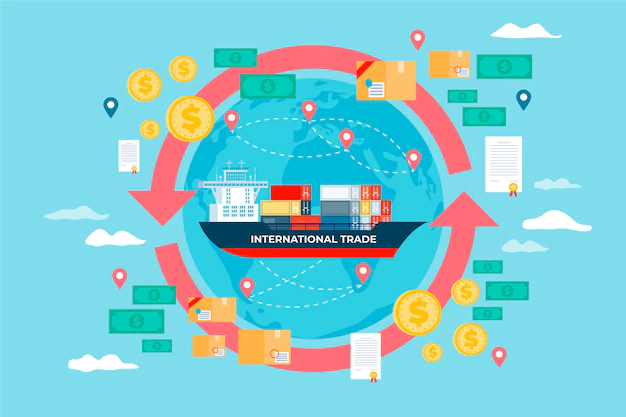
Der Schlüsselbegriff Markt gibt dem Wirtschaftssystem Marktwirtschaft den Namen. Der Markt ist der „ökonomische Ort“ des Zusammentreffens von Angebot und Nachfrage. Historisch ist er aus den einfachen Tauschbeziehungen Ware gegen Ware entstanden. Zunächst ist er lokal begrenzt. Mit dem Fernhandel und dem Geld als allgemein akzeptiertes Tauschmittel entwickeln sich die Märkte regional. Schließlich entstehen durch die industrielle Revolution und das damit verbundene Fabriksystem im Verlauf des 19. Jh.s große (nationale) Binnenmärkte die durch die Freihandelspolitik in einem Weltmarkt verbunden sind. Der am Ende des 19. Jh.s sich ausbreitende Protektionismus konnte die weltweite Arbeitsteilung und den Welthandel grundsätzlich nicht „zurückdrehen“, wenn er auch zu bedrohlichen Konflikten führte. Unter den Bedingungen der Globalisierung wird der Weltmarkt heute zunehmend zu einem „Weltbinnenmarkt“. Dabei werden Interessenkonflikte der „Gewinner“ und „Verlierer“ der Globalisierung auf staatlichen und nichtstaatlichen Ebenen ausgetragen. © Duden Learnattack GmbH
Finanz
*China-Konjunkturdaten
Finanz
*Brasilien-Konjunkturdaten
Finanz
*Deutschland-Konjunkturdaten
Finanz
*Europäische Union-Konjunkturdaten
Finanz
*Frankreich-Konjunkturdaten
Finanz
*Indien-Konjunkturdaten
Finanz
*Indonesien-Konjunkturdaten
Finanz
*Italien-Konjunkturdaten
Finanz
*Japan-Konjunkturdaten
Finanz
*Kanada-Konjunkturdaten
Finanz
*Russland-Konjunkturdaten
Finanz
*Vereinigte Staaten-Konjunkturdaten
Finanz
*Vereinigtes Königreich-Konjunkturdaten


 Bayern
Deutschland
Finanz
IAA Mobility
IAA Mobility
2025
Bayern
Deutschland
Finanz
IAA Mobility
IAA Mobility
2025
 Medizin, Pharma, Rehabilitation
****Große Krankenkasse
Partner des Organisationskomitees von Paris 2024
Medizin, Pharma, Rehabilitation
Medizin, Pharma, Rehabilitation
****Große Krankenkasse
Partner des Organisationskomitees von Paris 2024
 Unternehmen
*Größte Versicherungsunternehmen
Unternehmen
*Jahrhundertealte Unternehmen der Welt
Unternehmen
*Größte Versicherungsunternehmen
Unternehmen
*Jahrhundertealte Unternehmen der Welt
 Versicherungen
Private Krankenversicherung
Versicherungen
*Zahnzusatzversicherungen
Versicherungen
Versicherungen
Private Krankenversicherung
Versicherungen
*Zahnzusatzversicherungen
 Wirtschaft und Handel
 Finanz
*China-Konjunkturdaten
Finanz
*Brasilien-Konjunkturdaten
Finanz
*Deutschland-Konjunkturdaten
Finanz
*Indonesien-Konjunkturdaten
Finanz
*Kanada-Konjunkturdaten
Finanz
*Vereinigte Staaten-Konjunkturdaten
Finanz
*Europäische Union-Konjunkturdaten
Finanz
*Italien-Konjunkturdaten
Finanz
*Frankreich-Konjunkturdaten
Finanz
*Japan-Konjunkturdaten
Finanz
*Russland-Konjunkturdaten
Finanz
*Indien-Konjunkturdaten
Finanz
*Vereinigtes Königreich-Konjunkturdaten
Finanz
*China-Konjunkturdaten
Finanz
*Brasilien-Konjunkturdaten
Finanz
*Deutschland-Konjunkturdaten
Finanz
*Indonesien-Konjunkturdaten
Finanz
*Kanada-Konjunkturdaten
Finanz
*Vereinigte Staaten-Konjunkturdaten
Finanz
*Europäische Union-Konjunkturdaten
Finanz
*Italien-Konjunkturdaten
Finanz
*Frankreich-Konjunkturdaten
Finanz
*Japan-Konjunkturdaten
Finanz
*Russland-Konjunkturdaten
Finanz
*Indien-Konjunkturdaten
Finanz
*Vereinigtes Königreich-Konjunkturdaten
 Finanz
*Deutschland-Konjunkturdaten
Finanz
*China-Konjunkturdaten
Finanz
*Europäische Union-Konjunkturdaten
Finanz
*Frankreich-Konjunkturdaten
Finanz
*Vereinigtes Königreich-Konjunkturdaten
Finanz
*Indien-Konjunkturdaten
Finanz
*Japan-Konjunkturdaten
Finanz
*Vereinigte Staaten-Konjunkturdaten
NuetzlicheInfo
Finanz
*Deutschland-Konjunkturdaten
Finanz
*China-Konjunkturdaten
Finanz
*Europäische Union-Konjunkturdaten
Finanz
*Frankreich-Konjunkturdaten
Finanz
*Vereinigtes Königreich-Konjunkturdaten
Finanz
*Indien-Konjunkturdaten
Finanz
*Japan-Konjunkturdaten
Finanz
*Vereinigte Staaten-Konjunkturdaten
NuetzlicheInfo


通货膨胀(英语:inflation,在中华民国简称通膨,在中华人民共和国简称为通胀)本意为货币发行数量增加,但现在经常指向,一般物价水准在某一时期内,连续性地以相当的幅度上涨的状态,也就是物价上 升的现象。“通货”意指流通的货币,通货膨胀指货币发行数量上升,而物价上涨是因货币消费,需求增加,“太多的货币追逐太少的商品”所形成,但现在人们经 常将两者混淆,直接使用“通货膨胀”一词来作为表示“物价上升”。而货币发行数量上升,不等于物价上升,而某些情况,比如说,若是流向生产端扩充产能,反 而可能造成供过于求,物价反而会下跌[1],形成货币发行数量增加但物价却下跌,与常识相悖的经济现象。
通货膨胀与货币贬值不同,整体通货膨胀为特定经济体内之货币购买力的下降,而货币贬値为货币在不同经济体间之相对价値的降低。前者影响此货币在使用国内的价値,而后者影响此货币在国际市场上的价値,两者之相关性为经济学上的争议之一。
因为不同物价影响不同人,通货膨胀有许多不同的衡量方式,最常见两种衡量指数为衡量账面消费者物价的消费者物价指数,和衡量新出现的商品和服务的通货膨胀的GDP平减指数。
主流经济学家对于通货膨胀起因的看法可大略分为两派,“货币主义者”相信货币是通胀率数值最主要的影响,“凯恩斯主义者”相信货币、利率和产出间的相互作用才是最主要的影响,凯恩斯主义者也倾向除了一般标准消费性商品物价通胀外再另附上生产性商品(资本)通胀。其他理论,例如奥地利经济学派,相信通胀是中央银行增加货币供给导致。简单地说,当政府发行了过多货币时,货币贬値,物价上升。

银瑞达集团(瑞典语:Investor Aktiebolag,英语:Investor AB,直译投资者集团)为1916年成立的一家瑞典投资公司,自成立以来一直由瓦伦堡家族所控制,目前该家族透过其资产管理公司FAM AB实际掌控银瑞达集团。
Die Investor AB ist eine schwedische Finanzholding, die 1916 von der Familie Wallenberg gegründet wurde. Die Aktien der Gesellschaft werden an der Stockholmer Börse gehandelt, die Mehrheit der Stimmrechte liegen bei der Familie Wallenberg.
 Baden-Württemberg

 Europäische Union
Geschichte der Europäischen Union
Europäische Union
*Gründerstaaten
Eurovision Song Contest,ESC
Finanz
***Globales Finanzzentrum/Global Financial Center
Geographie
Geographie
***IWF Entwickelte Länder
Geschichte
M 1500 - 2000 nach Christus
Geschichte
N 2000 - 2100 nach Christus
Europäische Union
Geschichte der Europäischen Union
Europäische Union
*Gründerstaaten
Eurovision Song Contest,ESC
Finanz
***Globales Finanzzentrum/Global Financial Center
Geographie
Geographie
***IWF Entwickelte Länder
Geschichte
M 1500 - 2000 nach Christus
Geschichte
N 2000 - 2100 nach Christus
 Internationale Städte
*Kulturhauptstadt Europas
Internationale Städte
Europäische Stadt
IWF entwickelte Länder
IWF entwickelte Länder
TOP6
Luxemburg
Internationale Städte
*Kulturhauptstadt Europas
Internationale Städte
Europäische Stadt
IWF entwickelte Länder
IWF entwickelte Länder
TOP6
Luxemburg
 Mitglieder der NATO
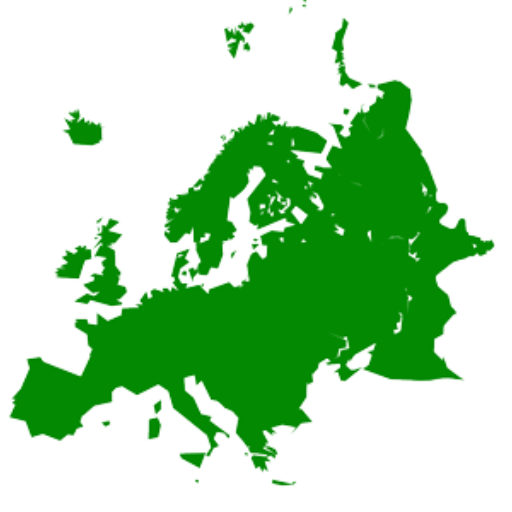 Staaten Europas

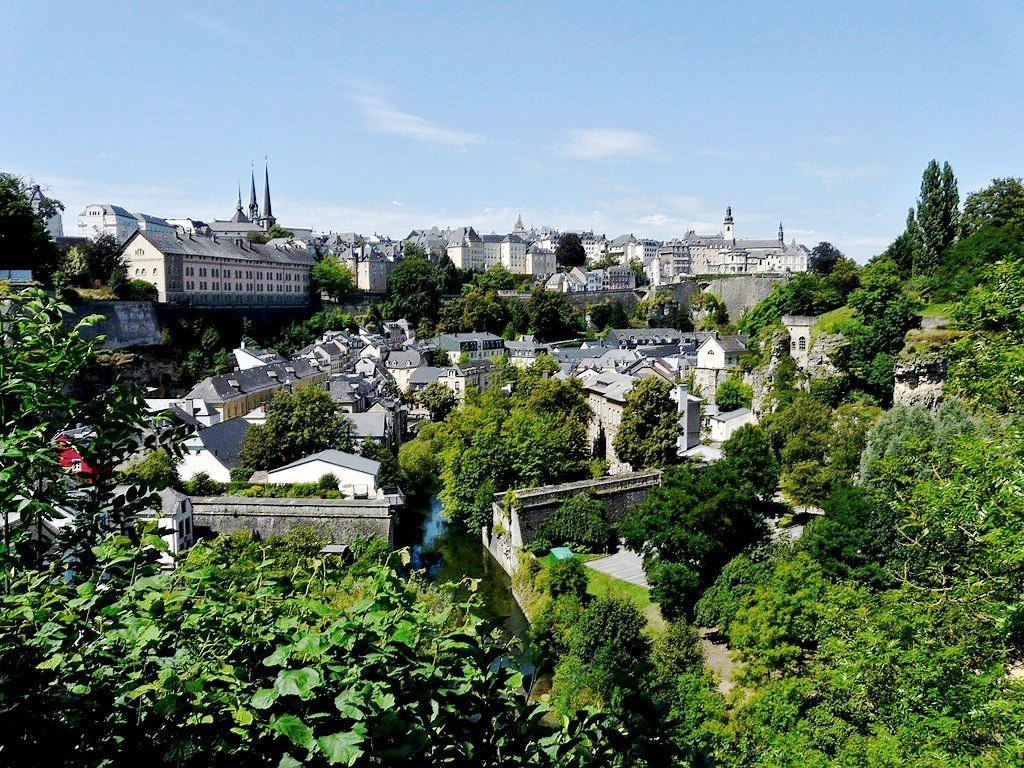
卢森堡是一个高度发达的资本主义国家,也是欧盟和北约创始成员国之一,拥有欧盟多个下设机构,如欧洲法院、欧洲审计院以及欧洲投资银行,被称为继布鲁塞尔和斯特拉斯堡之后的欧盟“第三首都”。同时是高度发达的工业国家,还是欧元区内最重要的私人银行中心,及全球第二大仅次于美国的投资信托中心。金融、广播电视、钢铁是其三大经济支柱产业,该国失业率极低,人均寿命80岁。
卢森堡大公国(卢森堡语:Groussherzogtum Lëtzebuerg[注 1];法语:Grand-Duché de Luxembourg; 德语:Großherzogtum Luxemburg[注 2]),通称卢森堡(卢森堡语:Lëtzebuerg;法语:Luxembourg;德语:Luxemburg),被邻国法国、德国和比利时包围,是一个位于欧洲的内陆国家,也是现今欧洲大陆仅存的大公国,首都卢森堡市。卢森堡是欧盟成员国,因境内有欧洲法院、欧洲审计院、欧洲投资银行等多个欧盟机构被称为继布鲁塞尔和斯特拉斯堡之后的欧盟“第三首都”。
Das Großherzogtum Luxemburg (luxemburgisch Groussherzogtum Lëtzebuerg [ˈgʀəʊsˌhɛχtsoːktuːm ˈlətsəbuəɕ], französisch Grand-Duché de Luxembourg [ɡʁɑ̃ dyʃe də lyksɑ̃buʁ]) ist ein demokratischer Staat in Form einer parlamentarischen Monarchie[1] im Westen Mitteleuropas. Es ist das letzte Großherzog- bzw. Großfürstentum (von einst zwölf) in Europa. Das Land gehört zum mitteldeutschen Sprachraum. Landessprache ist Luxemburgisch, Verwaltungs- und Amtssprachen sind Französisch, Deutsch und Luxemburgisch. Gemeinsam mit seinem Nachbarn Belgien und mit den Niederlanden bildet Luxemburg die Beneluxstaaten.
ルクセンブルク大公国(ルクセンブルクたいこうこく)、通称ルクセンブルクは、西ヨーロッパに位置する立憲君主制国家。首都は国名と同名のルクセンブルク市。隣接国は、南のフランス、西と北のベルギー、東のドイツである。ベルギー、オランダと併せてベネルクスと呼ばれる。
Luxembourg (/ˈlʌksəmbɜːrɡ/ ( listen)) (Luxembourgish: Lëtzebuerg [ˈlətsəbuə̯ɕ] ( listen); French: Luxembourg ; German: Luxemburg), officially the Grand Duchy of Luxembourg,[note 2] is a small landlocked country in western Europe. It is bordered by Belgium to the west and north, Germany to the east, and France to the south. Its capital, Luxembourg City, together with Brussels and Strasbourg, is one of the three official capitals of the European Union[6] and the seat of the European Court of Justice, the highest judicial authority in the EU. Its culture, people, and languages are highly intertwined with its neighbours, making it essentially a mixture of French and German cultures, as evident by the nation's three official languages: French, German, and the national language, Luxembourgish (sometimes considered a dialect of German). The repeated invasions by Germany, especially in World War II, resulted in the country's strong will for mediation between France and Germany and, among other things, led to the foundation of the European Union.[7]
With an area of 2,586 square kilometres (998 sq mi), it is one of the smallest sovereign states in Europe.[8] In 2016, Luxembourg had a population of 576,249, which makes it one of the least-populous countries in Europe,[9] but by far the one with the highest population growth rate.[10] Foreigners account for nearly half of Luxembourg's population.[11] As a representative democracy with a constitutional monarch, it is headed by Grand Duke Henri and is the world's only remaining grand duchy. Luxembourg is a developed country, with an advanced economy and one of the world's highest GDP (PPP) per capita. The City of Luxembourg with its old quarters and fortifications was declared a UNESCO World Heritage Site in 1994 due to the exceptional preservation of the vast fortifications and the old city.[12]
The history of Luxembourg is considered to begin in 963, when count Siegfried I acquired a rocky promontory and its Roman-era fortifications known as Lucilinburhuc, ′little castle′, and the surrounding area from the Imperial Abbey of St. Maximin in nearby Trier.[13][14] Siegfried's descendants increased their territory through marriage, war and vassal relations. At the end of the 13th century, the Counts of Luxembourg reigned over a considerable territory. [15] In 1308, Henry VII, Count of Luxembourg became King of the Germans and Holy Roman Emperor. The House of Luxembourg produced four Holy Roman Emperors at the high time of the Middle Ages. In 1354, Charles IV elevated the County to the Duchy of Luxembourg. Since Sigismund had no male heir, the Duchy became part of the Burgundian Circle and then one of the Seventeen Provinces of the Habsburg Netherlands.[16] Over the centuries, the City and Fortress of Luxembourg, of great strategic importance situated between the Kingdom of France and the Habsburg territories, was gradually built up to be one of the most reputed fortifications in Europe. After belonging to both the France of Louis XIV and the Austria of Maria Theresia, Luxembourg became part of the First French Republic and Empire under Napoleon.[17]
The present-day state of Luxembourg first emerged at the Congress of Vienna in 1815. The Grand-Duchy, with its powerful fortress, became an independent state under the personal possession of William I of the Netherlands with a Prussian garrison to guard the city against another invasion from France. [18] In 1839, following the turmoil of the Belgian Revolution, the purely Oil-speaking part of Luxembourg was ceded to Belgium and the Luxembourgish-speaking part (except the Arelerland, the area around Arlon) became what is the present state of Luxembourg. [19]
The steel industry exploiting the Red Lands' rich iron-ore grounds in the beginning of the 20th century drove the country's industrialisation. ArcelorMittal, the world's largest steel producer with headquarters in Luxembourg City, is still a reminder of these times. After the decline of the steel industry in the 1970s, the country focused on establishing itself as a global financial centre and developed into the banking hub it is reputed for. Since the beginning of the 21st century, its governments have focused on developing the country into a knowledge economy, with the founding of the University of Luxembourg and a national space programme, projecting the first involvement in a robotic lunar expedition by 2020.[20]
Luxembourg is a founding member of the European Union, OECD, United Nations, NATO, and Benelux. The city of Luxembourg, which is the country's capital and largest city, is the seat of several institutions and agencies of the EU. Luxembourg served on the United Nations Security Council for the years 2013 and 2014, which was a first in the country's history.[21] In 2016 Luxembourgish citizens had visa-free or visa-on-arrival access to 172 countries and territories, ranking the Luxembourgish passport 15th in the world, tied with countries such as Canada and Switzerland.[22]
Le Luxembourg, en forme longue le Grand-Duché de Luxembourg2,b,c ou le grand-duché de Luxembourgd, en luxembourgeois Lëtzebuerg et Groussherzogtum Lëtzebuerg, en allemand Luxemburg et Großherzogtum Luxemburg, est un pays d'Europe de l'Ouest sans accès à la mere Il est bordé par la Belgique à l'ouest et au nord, l'Allemagne à l'est, et la France au sud. Il comprend deux régions principales : l'Oesling au nord, qui est une partie du massif des Ardennes, et le Gutland au sud, prolongement de la Lorraine au sens géologique du terme. Le Luxembourg compte 602 005 habitants au 1er janvier 20181, et s'étend sur une superficie de 2 586 km2, faisant de lui l'une des plus petites nations souveraines d'Europe.
Le Luxembourg est une démocratie représentative et une monarchie constitutionnelle avec un grand-duc pour chef d'État, faisant du pays le seul grand-duché encore existant. Son économie dynamique en fait un des pays les plus riches et des plus prospères du monde, avec le PIB par habitant le plus élevé du monde selon le FMI en 2014. L'économie est principalement centrée sur les activités financières (environ la moitié du produit intérieur brut), favorisée par une fiscalité attractive voire dérisoire dans certains domaines (quasi-exonération d'impôts pour les bénéfices issus de l'exploitation de brevets ou de logiciels). La localisation centrale du territoire luxembourgeois en Europe a historiquement fait de lui un lieu d'une grande importance stratégique pour de nombreuses puissances, depuis sa fondation en tant que fortin romain7, son accueil d'un château franc durant le Haut Moyen Âge, et son rôle de bastion pour le chemin des Espagnols entre les XVIe et XVIIe siècles.
Le Luxembourg est le plus petit membre fondateur de l'Union européenne, de la zone euro, de l'OTAN, de l'OCDE, de l'ONU, de l'OSCE, du Conseil de l'Europe8,9,10,11 et du Benelux, reflétant son consensus politique en faveur de l'intégration économique, politique et militaire. La ville de Luxembourg, sa capitale et sa plus grande ville, est le siège de plusieurs établissements et institutions de l'UE. En 2012, le Luxembourg a été élu pour la première fois de son histoire à un siège temporaire au Conseil de sécurité des Nations unies. En raison de sa position géographique, la culture luxembourgeoise est une fusion de l'Europe germanique et romane, intégrant chacune des deux. De ce fait, le Luxembourg est un pays trilingue : le luxembourgeois, le français et l'allemand sont les trois langues officielles et, depuis 1984, le luxembourgeois a légalement le statut de « langue nationale »12.
Il Granducato di Lussemburgo (in francese: le Grand-Duché de Luxembourg; in lussemburghese: Groussherzogtum Lëtzebuerg; in tedesco: Großherzogtum Luxemburg) è un paese membro dell'Unione europea situato tra Germania, Francia e Belgio. È uno stato senza sbocco sul mare.
Membro fondatore dell'Unione europea, della NATO, del Benelux e delle Nazioni Unite, la sua capitale, l'omonima città di Lussemburgo, è sede di numerose istituzioni e agenzie europee oltre ad essere uno snodo finanziario di primaria importanza.
È l'unico granducato rimasto al mondo.
Luxemburgo, oficialmente denominado Gran Ducado de Luxemburgo (luxemburgués: Groussherzogtum Lëtzebuerg, francés: Grand-Duché de Luxembourg, alemán: Großherzogtum Luxemburg), es un pequeño país de Europa Central que forma parte de la Unión Europea. Se trata de un Estado sin litoral, rodeado por Francia, Alemania y Bélgica. Luxemburgo cuenta con una población de medio millón de habitantes sobre un área de 2586 kilómetros cuadrados.1
El gobierno de Luxemburgo es una monarquía constitucional y parlamentaria, siendo el único gran ducado soberano en la actualidad. El Estado tiene una economía altamente desarrollada, con el mayor producto interior bruto por cápita del mundo de acuerdo al Banco Mundial, y el segundo de acuerdo al Fondo Monetario Internacional.
Luxemburgo es miembro de la Unión Europea, la Organización del Tratado del Atlántico Norte, la Organización para la Cooperación y el Desarrollo Económico, las Naciones Unidas y el Benelux, reflejando la orientación política a favor de la integración económica, política y militar. Su capital, Luxemburgo, es sede de numerosas instituciones y agencias de la Unión Europea.
Luxemburgo posee culturas y tradiciones diversas por encontrarse entre la Europa romana y la Europa germánica. El país tiene tres lenguas oficiales: alemán, francés y luxemburgués. La localidad Schengen, que dio su nombre al espacio de Schengen, está ubicada en Luxemburgo.
Люксембу́рг (люксемб. Lëtzebuerg), официально Вели́кое Ге́рцогство Люксембу́рг (люксемб. Groussherzogtum Lëtzebuerg, фр. Grand-Duché de Luxembourg, нем. Großherzogtum Luxemburg) — государство (великое герцогство) в Западной Европе. Граничит с Бельгией на севере, на западе и на юге с Францией, на востоке с Германией, не имеет выхода к морю. Название происходит от древневерхненемецкого «lucilinburch» — «малый город». Общая площадь Люксембурга составляет 2586,4 км², что делает его одним из самых маленьких суверенных государств в Европе[5]. Население на 1 января 2018 года составляет 602 005 человек[2].
Член Европейского союза с 1957 года, также является членом НАТО, ОЭСР и ООН. Вместе с Бельгией и Нидерландами входит в состав Бенилюкса.