
漢德百科全書 | 汉德百科全书
 Australia
 Eat and Drink
 South Australia-SA
 Financial

Source: Building Societies Association updated for subsequent mergers
| Name | Group assets [11] | Other building society trading names | Number of branches & agencies | No. of full time staff | No. of part time staff | Provides current account | |
|---|---|---|---|---|---|---|---|
| 1 | Nationwide Building Society | £208,939m | 650 branches | c.14,400 | c.4000 | Yes | |
| 2 | Yorkshire Building Society | £39,600m | Uses the former Norwich & Peterborough and Chelsea building societies as trading names. | 230 branches & 96 agencies | 3599 | 96 | No |
| 3 | Coventry Building Society[* 1] | £38,300m | 70 branches & 19 agencies | 1592 | 642 | No (Basic bank account with cash card available instead) | |
| 4 | Skipton Building Society[12][13] | £19,000m | 95 branches & 3 agencies (87 by 30/09/17) | 1398 | 374 | No | |
| 5 | Leeds Building Society | £15,900m | Formerly Leeds and Holbeck Building Society. Adopted current name after the un-connected Leeds Permanent Building Society merged with the Halifax Building Society in 1995 | 57 branches | 1027 | 214 | No |
| 6 | Principality Building Society | £8,202m | 53 branches & 18 agencies | 887 | 232 | No | |
| 7 | West Bromwich Building Society | £5,737m | 37 branches | 615 | 138 | No | |
| 8 | Newcastle Building Society | £3,622m | 27 branches (25 by Dec 17) & 1 agency | 672 | 279 | No | |
| 9 | Nottingham Building Society | £3,600m | 56 branches | 477 | 201 | No | |
| 10 | Cumberland Building Society | £2,130m | 34 branches | 311 | 191 | Yes (If customer resides within their branch operating area) | |
| 11 | Progressive Building Society[* 1] | £1,794m | 12 branches & 39 agencies | 120 | 58 | No | |
| 12 | National Counties Building Society | £1,569m | Uses the Family Building Society as a trading name. | 1 branch | 130 | 13 | No |
| 13 | Cambridge Building Society | £1,194m | 13 branches | 143 | 49 | No | |
| 14 | Saffron Building Society | £1,115m | 11 branches & 7 agencies | 146 | 35 | No | |
| 15 | Monmouthshire Building Society | £1,073m | 11 branches & 18 agencies | 85 | 60 | No | |
| 16 | Leek United Building Society | £891m | 12 branches & 2 agencies | 120 | 44 | No | |
| 17 | Furness Building Society | £883m | 9 branches & 14 agencies | 96 | 81 | No | |
| 18 | Newbury Building Society | £869m | 11 branches | 107 | 40 | No | |
| 19 | Hinckley & Rugby Building Society | £636m | 8 branches & 4 agencies | 87 | 29 | No | |
| 20 | Ipswich Building Society[* 1] | £584m | 9 branches & 4 agencies | 71 | 52 | No | |
| 21 | Darlington Building Society | £532m | 10 branches | 86 | 27 | No | |
| 22 | Market Harborough Building Society | £427m | 6 branches & 1 agency | 68 | 50 | No | |
| 23 | Melton Mowbray Building Society[* 1] | £419m | 3 branches | 58 | 30 | No | |
| 24 | Marsden Building Society | £416m | 8 branches | 63 | 16 | No | |
| 25 | Scottish Building Society | £389m | 6 branches & 62 agencies | 52 | 19 | No | |
| 26 | Manchester Building Society | £382m | 1 branch & 4 agencies | 43 | 7 | No | |
| 27 | Hanley Economic Building Society | £378m | 6 branches & 1 agency | 51 | 22 | No | |
| 28 | Tipton & Coseley Building Society[* 1] | £372m | 4 branches | 53 | 30 | No | |
| 29 | Dudley Building Society | £354m | 6 branches | 52 | 39 | No | |
| 30 | Mansfield Building Society[* 1] | £329m | 4 branches | 53 | 20 | No | |
| 31 | Harpenden Building Society[* 1] | £317m | 6 branches | 41 | 23 | No | |
| 32 | Loughborough Building Society[* 1] | £303m | 3 branches & 2 agencies | 42 | 13 | No | |
| 33 | Vernon Building Society | £300m | 6 branches | 43 | 25 | No | |
| 34 | Bath Building Society | £299m | 2 branches & 6 agencies | 53 | 14 | No | |
| 35 | Stafford Railway Building Society[* 1] | £271m | 1 branch | 12 | 19 | No | |
| 36 | Swansea Building Society | £268m | 3 branches | 22 | 14 | No | |
| 37 | Teachers Building Society | £253m | 1 branch | 29 | 10 | No | |
| 38 | Buckinghamshire Building Society[* 1] | £225m | 1 branch | 25 | 14 | No | |
| 39 | Chorley & District Building Society[* 1] | £220m | 3 branches | 36 | 14 | No | |
| 40 | Beverley Building Society[* 1] | £191m | 1 branch | 15 | 7 | No | |
| 41 | Holmesdale Building Society[* 1] | £190m | 1 branch | 21 | 3 | No | |
| 42 | Ecology Building Society[* 1] | £146m | 1 branch | 23 | 2 | No | |
| 43 | Earl Shilton Building Society[* 1] | £124m | 2 branches | 17 | 10 | No | |
| 44 | Penrith Building Society[* 1] | £106m | 1 branch | 14 | 7 | No |
 Law
Law
 Companies
 Economy and trade

金杜律师事务所(英语:King & Wood Mallesons)是国际综合律师事务所,位於澳大利亚、中国、中国香港、日本(东京)、新加坡和美国(纽约市和门洛帕克)都有办公室。现时,由于只有中国律师事务所可以在中国大陆提供中国法服务,因此中国注册的金杜律师事务所是全球唯一一家同时受当地监管机构允许提供中国法、澳大利亚法及香港法服务的国际律所。[1]金杜律师事务所澳大利亚分部前身Mallesons Stephen Jaques是澳洲六大律所之一。金杜律师事务所中国大陆分部前身则是金杜律师事务所,一家总部在北京的中国大陆律师事务所,属八家红圈所之一。
King & Wood Mallesons (KWM) ist eine internationale Wirtschaftskanzlei mit mehr als 2.400 Anwälten in 28 Büros in Europa und vor allem in China, Hong Kong und Australien. Die Kanzlei entstand zunächst durch den Zusammenschluss von King & Wood und Mallesons Stephen Jacques 2012. 2013 schloss sich SJ Berwin an.
 Transport and traffic
 New South Wales-NSW

Australia
Belgium
Chile
Denmark
Germany
Estonia
Finland
France
Greece
Ireland
Iceland
Israel
Italy
Japan
Canada
Luxembourg
Mexico
New Zealand
Netherlands
Norwegen
OECD
 Emiel van Lennep
OECD
Don Johnston
OECD
Jean-Claude Paye
OECD
José Ángel Gurría
OECD
Staffan Sohlman
OECD
Thorkil Kristensen
Austria
Poland
Portugal
Republic of Korea
Sweden
Switzerland
Slovakia
Slovenia
Spain
Czech Republic
Turkey
Hungary
United States
United Kingdom
Emiel van Lennep
OECD
Don Johnston
OECD
Jean-Claude Paye
OECD
José Ángel Gurría
OECD
Staffan Sohlman
OECD
Thorkil Kristensen
Austria
Poland
Portugal
Republic of Korea
Sweden
Switzerland
Slovakia
Slovenia
Spain
Czech Republic
Turkey
Hungary
United States
United Kingdom
 Important International Organizations

経済協力開発機構(けいざいきょうりょくかいはつきこう)は、国際経済全般について協議することを目的とした国際機関。公用語の正式名称は、英語では"Organisation[1] for Economic Co-operation and Development"(イギリス英語表記)、フランス語では"Organisation de Coopération et de Développement Economiques"。略称は英語ではOECD、フランス語ではOCDE。
本部事務局はパリ16区の旧ラ・ミュエット宮殿に置かれている。事務総長はアンヘル・グリア。
The Organisation for Economic Co-operation and Development (OECD; French: Organisation de Coopération et de Développement Économiques, OCDE) is an intergovernmental economic organisation with 37 member countries,[1] founded in 1961 to stimulate economic progress and world trade. It is a forum of countries describing themselves as committed to democracy and the market economy, providing a platform to compare policy experiences, seek answers to common problems, identify good practices and coordinate domestic and international policies of its members. Generally, OECD members are high-income economies with a very high Human Development Index (HDI) and are regarded as developed countries. As of 2017, the OECD member countries collectively comprised 62.2% of global nominal GDP (US$49.6 trillion)[3] and 42.8% of global GDP (Int$54.2 trillion) at purchasing power parity.[4] The OECD is an official United Nations observer.[5]
In 1948, the OECD originated as the Organisation for European Economic Co-operation (OEEC),[6] led by Robert Marjolin of France, to help administer the Marshall Plan (which was rejected by the Soviet Union and its satellite states).[7] This would be achieved by allocating United States financial aid and implementing economic programs for the reconstruction of Europe after World War II. (Similar reconstruction aid was sent to the war-torn Republic of China and post-war Korea, but not under the name "Marshall Plan".)[8]
In 1961, the OEEC was reformed into the Organisation for Economic Co-operation and Development by the Convention on the Organisation for Economic Co-operation and Development and membership was extended to non-European states.[9][10] The OECD's headquarters are at the Château de la Muette in Paris, France.[11] The OECD is funded by contributions from member countries at varying rates and had a total budget of €386 million in 2019.[2]
Although OECD does not have a power to enforce its decisions, which further require unanimous vote from its members, it is recognized as highly influential publisher of mostly economic data through publications as well as annual evaluations and rankings of members countries.[12]
L'Organisation de coopération et de développement économiques (OCDE) est une organisation internationale d'études économiques, dont les pays membres — des pays développés pour la plupart — ont en commun un système de gouvernement démocratique et une économie de marché. Elle joue essentiellement un rôle d'assemblée consultative1.
L'OCDE a succédé à l'Organisation européenne de coopération économique (OECE) issue du plan Marshall et de la Conférence des Seize (Conférence de coopération économique européenne) qui a existé de 1948 à 1960. Son but était l'établissement d'une organisation permanente chargée en premier lieu d'assurer la mise en œuvre du programme de relèvement commun (le plan Marshall), et, en particulier, d'en superviser la répartition2.
En 2020, l'OCDE compte 37 pays membres et regroupe plusieurs centaines d'experts. Elle publie fréquemment des études économiques et sociales — analyses, prévisions et recommandations de politique économique — et des statistiques, principalement concernant ses pays membres.
Le siège de l'OCDE se situe à Paris (16e), au château de la Muette. L'organisation possède également des bureaux dans plusieurs autres métropoles, notamment à Berlin, Mexico, Tokyo et Washington.
L'Organizzazione per la cooperazione e lo sviluppo economico (OCSE) – in inglese Organization for Economic Co-operation and Development (OECD), e in francese Organisation de coopération et de développement économiques (OCDE) – è un'organizzazione internazionale di studi economici per i paesi membri, paesi sviluppati aventi in comune un'economia di mercato.
L'organizzazione svolge prevalentemente un ruolo di assemblea consultiva che consente un'occasione di confronto delle esperienze politiche, per la risoluzione dei problemi comuni, l'identificazione di pratiche commerciali e il coordinamento delle politiche locali e internazionali dei paesi membri[1]. Ha sede a Parigi nello Château de la Muette[2].
Gli ultimi paesi ad aver aderito all'OCSE sono la Colombia (28 aprile 2020),la Lettonia (1º luglio 2016) e la Lituania (5 luglio 2018), per un totale di 36 paesi membri.
La Organización para la Cooperación y el Desarrollo Económico1 (OCDE) es un organismo de cooperación internacional, compuesto por 37 estados,34 cuyo objetivo es coordinar sus políticas económicas y sociales. La OCDE fue fundada en 1961 y su sede central se encuentra en el Château de la Muette en París (Francia). Los idiomas oficiales de la entidad son el francés y el inglés.2
En la OCDE, los representantes de los países miembros se reúnen para intercambiar información y armonizar políticas con el objetivo de maximizar su crecimiento económico y colaborar a su desarrollo y al de los países no miembros.
Conocida como «club de los países ricos»,56 a partir de 2017, sus países miembros comprendieron colectivamente el 62,2 % del PIB nominal global (US$49,6 billones) y el 42,8 % del PIB global (Int US$54,2 billones).7
Организа́ция экономи́ческого сотру́дничества и разви́тия (сокр. ОЭСР, англ. Organisation for Economic Co-operation and Development, OECD) — международная экономическая организация развитых стран, признающих принципы представительной демократии и свободной рыночной экономики.
Создана в 1948 году под названием Организа́ция европе́йского экономи́ческого сотру́дничества (англ. Organisation for European Economic Co-operation, OEEC) для координации проектов экономической реконструкции Европы в рамках плана Маршалла.
Штаб-квартира организации располагается в Шато де ла Мюетт, в Париже. Генеральный секретарь (с 2006 года) — Хосе Анхель Гурриа Тревиньо (Мексика). Руководящим органом ОЭСР является совет представителей стран — членов организации. Все решения в нём принимаются на основе консенсуса.
По данным на 2011 год, в странах ОЭСР проживало 18 % населения мира[2].
 Architecture
 Australian Capital Territory-ACT
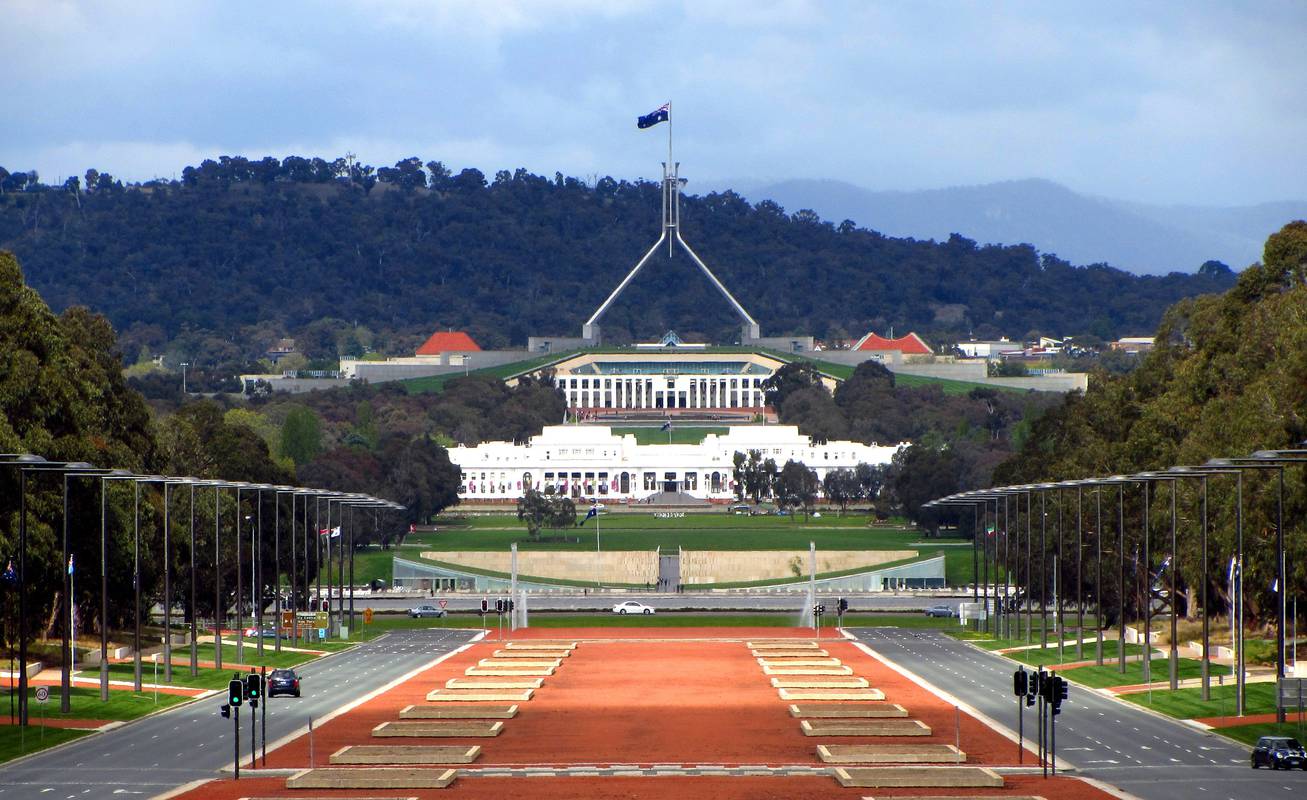
 Animal world
 Northern Territory - NT
 International cities
Canberra (
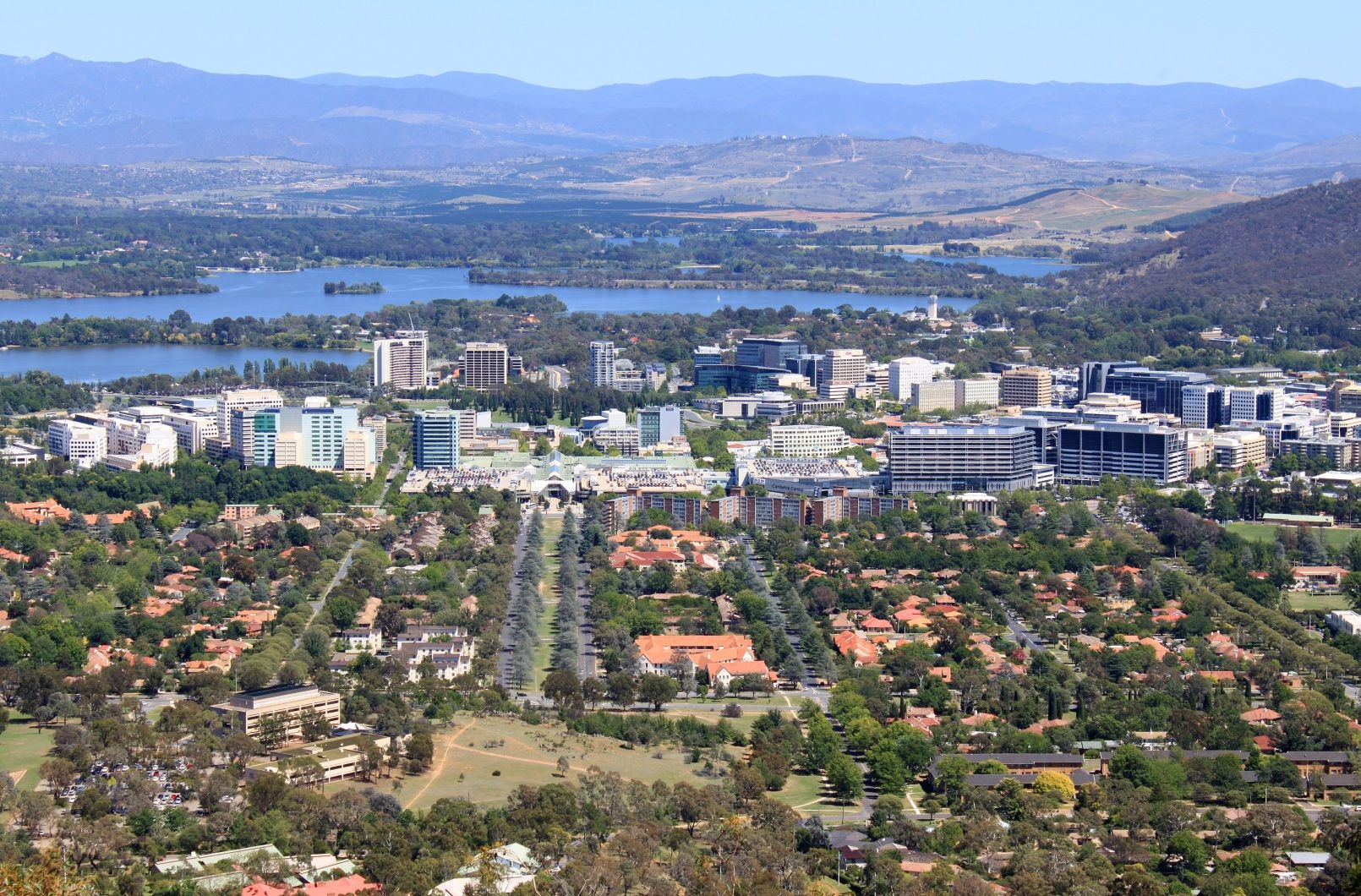
 [ˈkænbɹə][2]) ist die Hauptstadt, die achtgrößte und die größte im Landesinneren liegende Stadt Australiens. Sie befindet sich im Australian Capital Territory (ACT), 248 km südwestlich von Sydney und 654 km nordöstlich von Melbourne.[3][4] Canberra wurde 1908 aufgrund der Rivalität zwischen Melbourne und Sydney als Kompromisslösung bzw. als Planhauptstadt bestimmt. Nach einem internationalen Städtebauwettbewerb entschied sich die australische Bundesregierung für den Entwurf der amerikanischen Architekten Walter Burley Griffin und Marion Mahony Griffin. Die Bauarbeiten begannen wenige Wochen vor der offiziellen Stadtgründung am 13. März 1913, den Status als Hauptstadt erhielt Canberra am 9. Mai 1927.
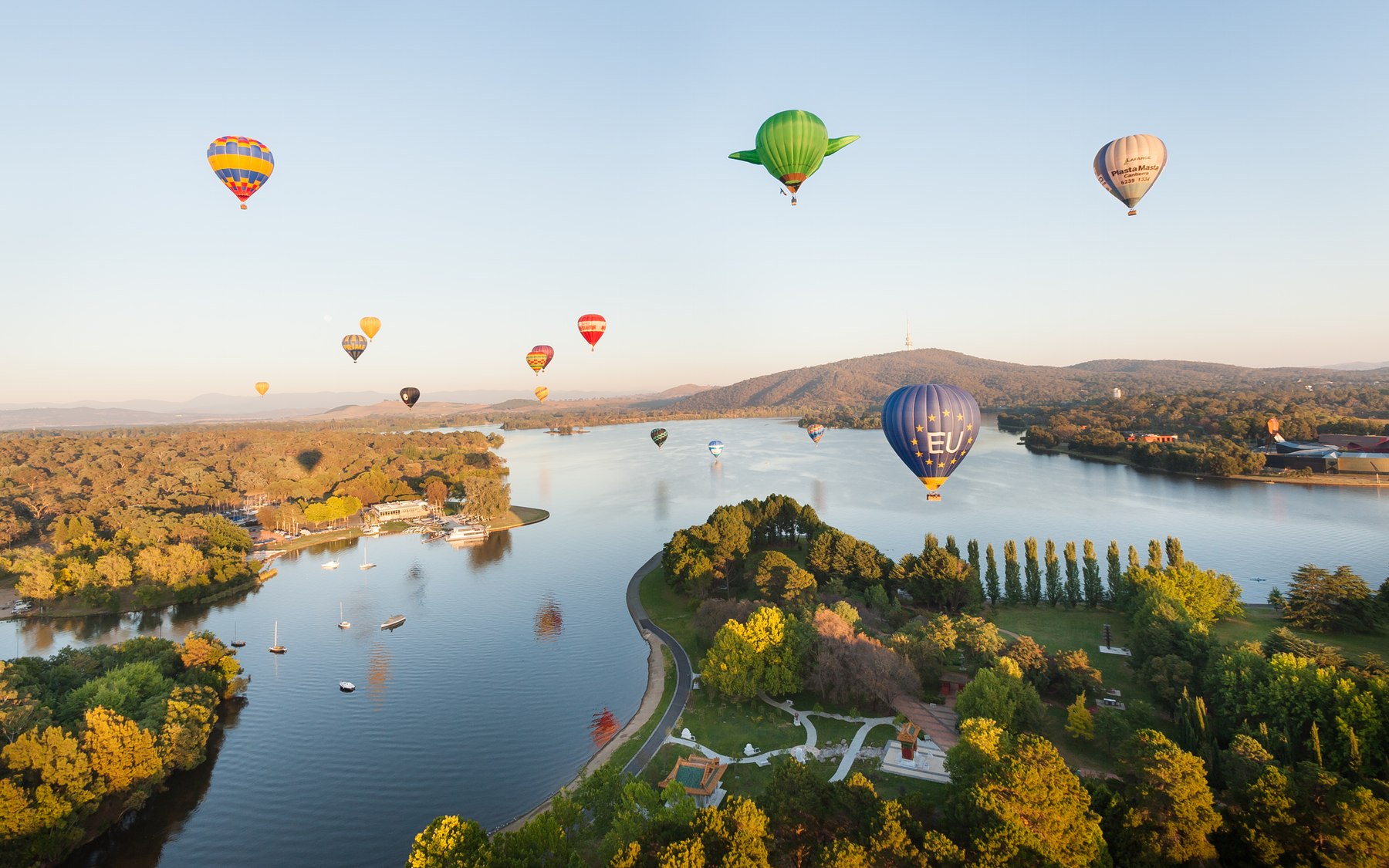
Die Struktur des Stadtzentrums beruht auf geometrischen Motiven wie Kreisen, Sechsecken und Dreiecken. Sie ist auf Achsen ausgerichtet, die sich an topographischen Landmarken im ACT orientieren, insbesondere den Stausee Lake Burley Griffin. Das Design der Stadt ist von den Prinzipien der Gartenstadtbewegung beeinflusst und bezieht bedeutende Bereiche mit natürlicher Vegetation mit ein. Wurde die Entwicklung der Stadt durch den Ersten Weltkrieg und die Weltwirtschaftskrise noch erheblich gebremst, so setzte nach dem Zweiten Weltkrieg ein starkes Bevölkerungswachstum ein, das bis heute anhält. Als Hauptstadt ist Canberra Sitz der Verfassungsorgane des australischen Staatswesens mitsamt deren Ministerien, Verwaltungen und Gerichten. Diese generieren den Hauptteil des Bruttosozialprodukts und sind auch der größte Arbeitgeber. Außerdem haben zahlreiche soziale, wissenschaftliche und kulturelle Institutionen von nationaler Bedeutung ihren Sitz in Canberra.
Canberra hat keinen Stadtrat und keine eigene Stadtverwaltung wie andere australische Städte. Die Australian Capital Territory Legislative Assembly nimmt sowohl die Rolle eines Stadtrates für Canberra als auch die einer Territorialregierung für das übrige Hauptstadtterritorium wahr. Die überwiegende Mehrheit der Bevölkerung des Territoriums wohnt in Canberra selbst, weshalb die Stadt dennoch der Hauptschwerpunkt der territorialen Regierungstätigkeit ist. Die Bundesregierung behält die Autorität über das Territorium und kann lokale Gesetze aufheben. Über die National Capital Authority übt sie weiterhin großen Einfluss auf Planungsentscheidungen in der Stadt aus.
堪培拉(英语:Canberra),或译坎培拉,是澳大利亚首都,同时也是首都领地的首府。堪培拉是澳大利亚最大的内陆城市,人口超过36.7万人,在澳大利亚所有城市里排名第八。座落于澳大利亚首都领地北端,距离澳大利亚东岸两大都会城市悉尼和墨尔本分别为280千米和660千米。[10]
澳大利亚联邦1908年决定在悉尼和墨尔本两大城市之间的折中地理位置定都,即今天的堪培拉。它是澳大利亚少数全城规划兴建的规划城市,1913年动工,总体规划由美国芝加哥建筑师沃尔特·伯利·格里芬和玛丽恩·马奥尼·格里芬夫妇设计。格里芬夫妇的设计在当时的全球设计竞赛中脱颖而出,结合圆形、六边形、三角形等几何图案,并以以首都领地的地形特色为主轴打造而成。城市的设计受到花园城市运动影响,抛掉以公园作为点缀的旧有观念,将许多重要区域直接融入天然植被,因而享有“天然首都”美誉。然而,堪培拉的发展之初便面临到第一次世界大战和经济大恐慌,计划歧见剧增、都市发展速度大幅下滑。二次大战结束后,在总理罗伯特·孟席斯倡议下,国家首都发展委员会成立,统筹堪培拉的发展,堪培拉开始以新兴首都之姿蓬勃发展。澳大利亚首都领地现属自治领地,同时兼负州级政府和堪培拉地方政府的职责,但部分权力仍由联邦政府的国家首都局掌控。
 Sport
Sport
 Geography
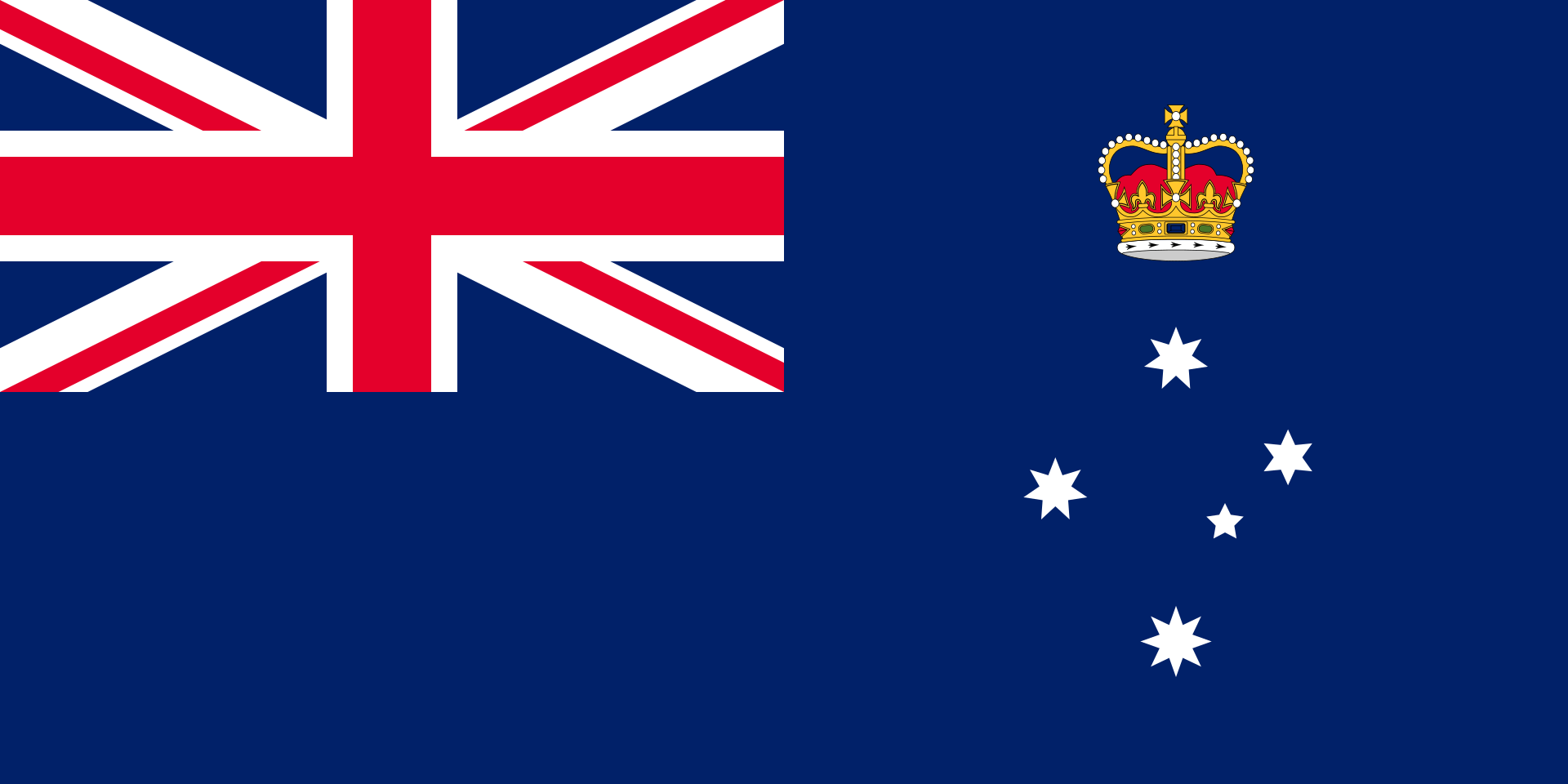 Victoria-VIC


