
Deutsch-Chinesische Enzyklopädie, 德汉百科
 Music
Music

 Performing Arts
 Vacation and Travel

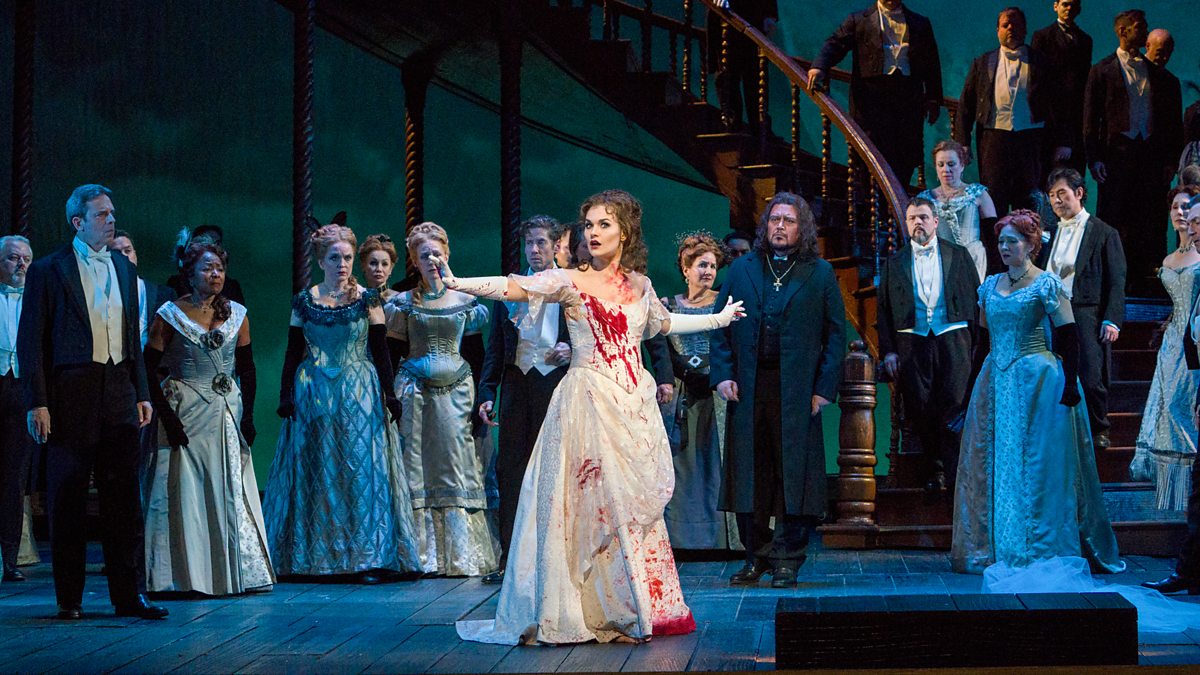
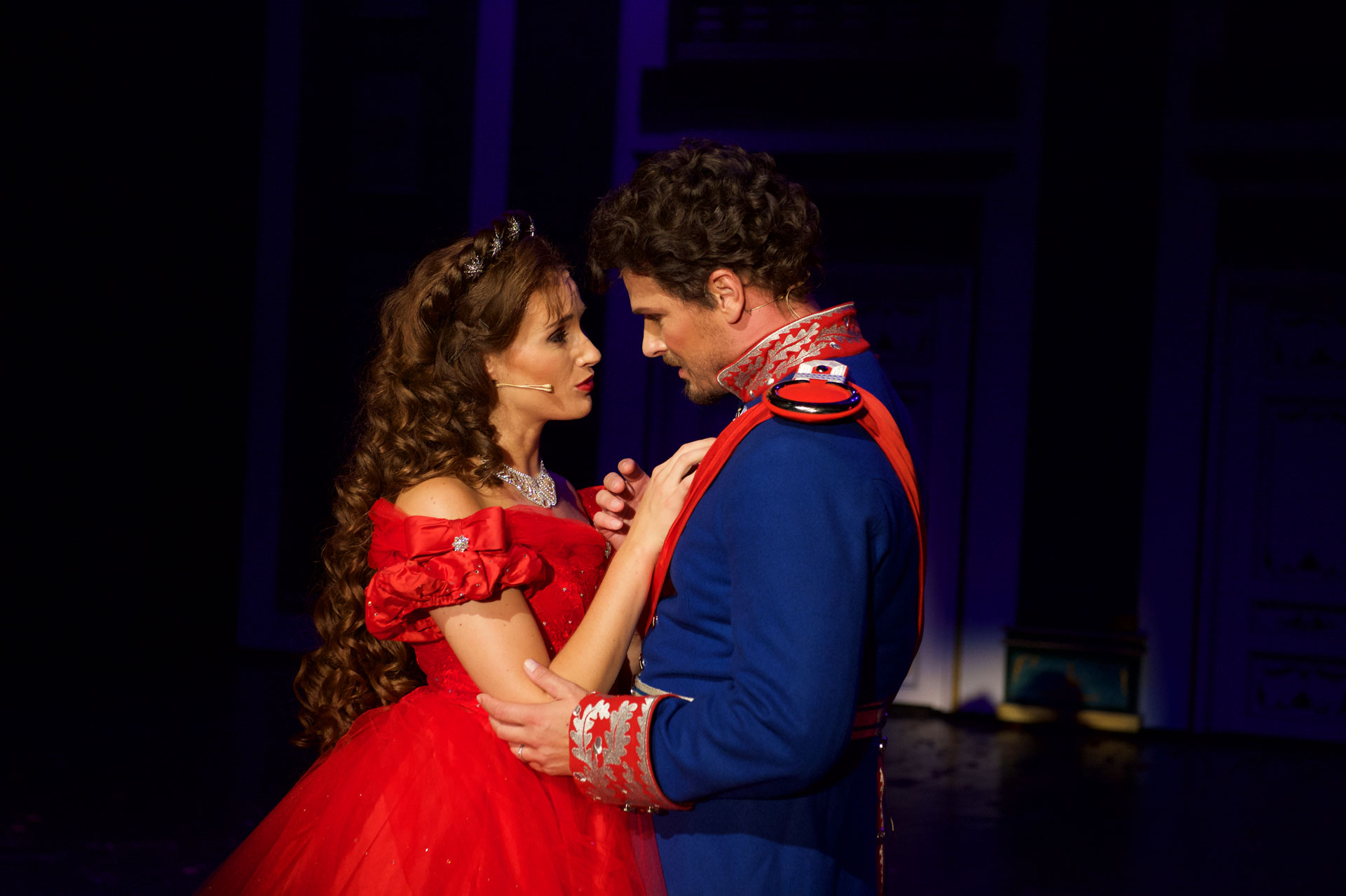
Lucia di Lammermoor ist eine Oper (Originalbezeichnung: „dramma lirico“) in zwei Teilen und drei Akten von Gaetano Donizetti. Die Uraufführung erfolgte am 26. September 1835 am Teatro San Carlo in Neapel. Eine von Donizetti überarbeitete französische Version hatte im Théâtre de la Renaissance in Paris am 6. August 1839 Premiere. Das Libretto schrieb Salvadore Cammarano, nach dem Roman Die Braut von Lammermoor (The Bride of Lammermoor) von Walter Scott. Die Oper handelt von zwei Liebenden aus den beiden verfeindeten Adelsfamilien Ashton und Ravenswood, die erst im Tode vereint werden. Donizettis Werk gilt als einer der Höhepunkte in der Epoche des Belcanto und als Meilenstein der romantischen italienischen Oper mit Lucias Wahnsinnsszene (Il dolce suono) als Höhepunkt.
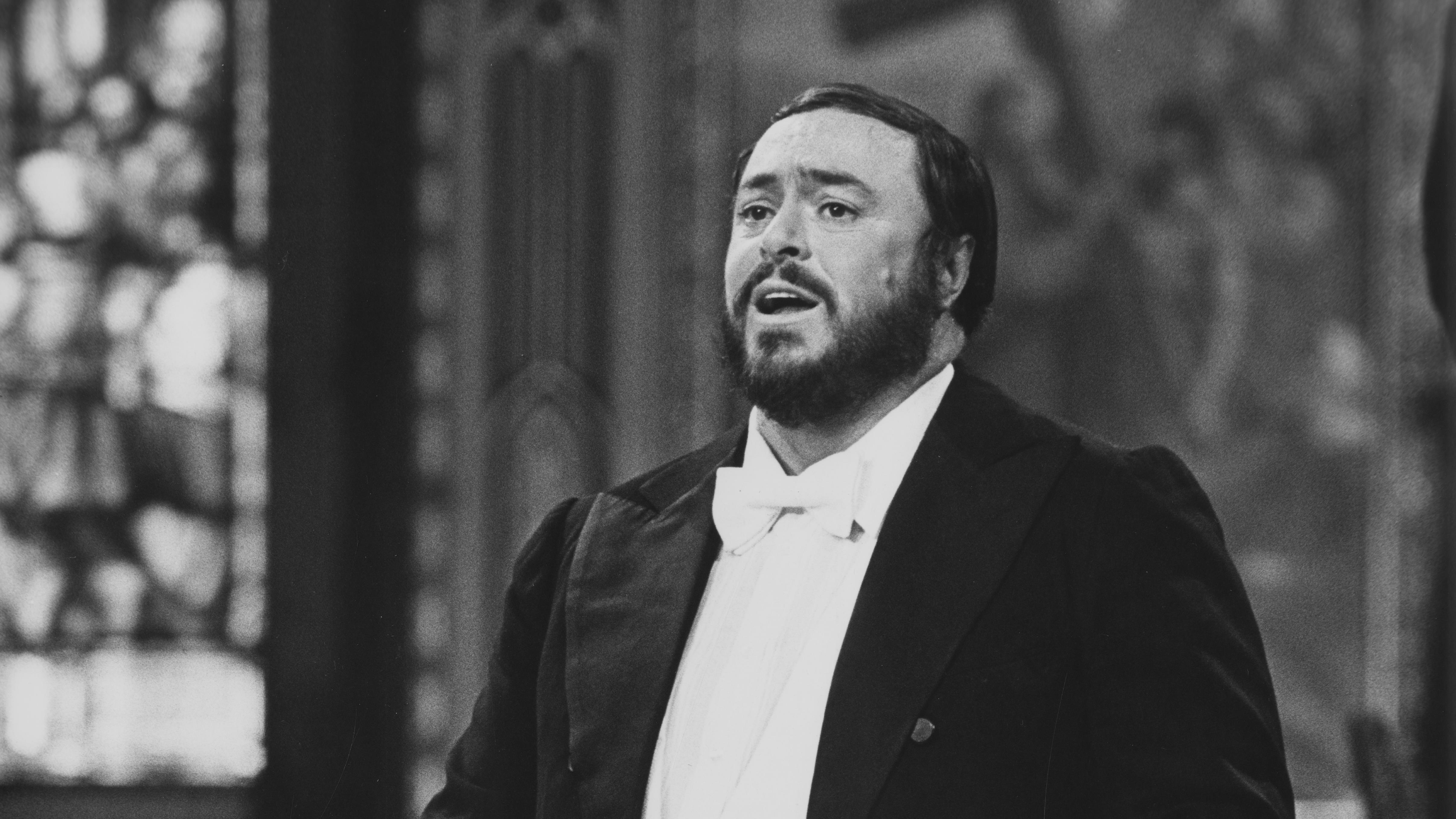
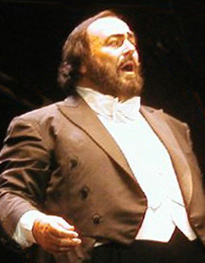
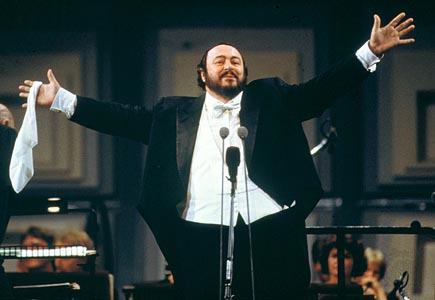

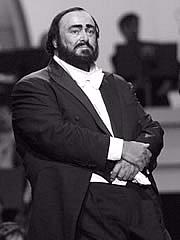
卢恰诺·帕瓦罗蒂(意大利语:Luciano Pavarotti,1935年10月12日-2007年9月6日),意大利男高音歌唱家,也是20世纪后半叶的世界三大男高音之一,别号“高音C之王”。
Luciano Pavarotti (* 12. Oktober 1935 in Modena; † 6. September 2007 ebenda) war ein italienischer Opernsänger (Tenor). Er gilt über die Grenzen der Oper und Klassik hinaus als einer der bedeutendsten Tenöre aller Zeiten. Als Mitglied der Drei Tenöre und als Duettpartner vieler Pop-Künstler wurde Pavarotti zum Superstar. Seinen Ruhm nutzte er auch für Benefizkonzerte. Während seiner Karriere hat er mehr als 26,3 Millionen Tonträger verkauft, davon alleine in seiner Heimat über 115.000. Die erfolgreichste Veröffentlichung von Luciano Pavarotti ist das Album The Three Tenors in Concert mit über 7,2 Millionen verkauften Einheiten.
ルチアーノ・パヴァロッティ(Luciano Pavarotti、1935年10月12日 - 2007年9月6日)は、イタリアのオペラ歌手。声域はテノール。“神に祝福された声”・“キング・オブ・ハイC(二点ハの王者)”・“イタリアの国宝”と評された豊麗な美声、申し分ない声量、明晰な発音、輝かしい高音が魅力の、20世紀後半を代表するオペラ歌手の1人。
プラシド・ドミンゴ、ホセ・カレーラスと共に三大テノールとしても知られる(3人の中でパヴァロッティが最年長)。
Luciano Pavarotti Cavaliere di Gran Croce OMRI (/ˌpævəˈrɒti/, US also /ˌpɑːv-/, Italian: [luˈtʃaːno pavaˈrɔtti]; 12 October 1935 – 6 September 2007) was an Italian operatic tenor who during the late part of his career crossed over into popular music, eventually becoming one of the most acclaimed and loved tenors of all time. He made numerous recordings of complete operas and individual arias, gaining worldwide fame for the quality of his tone, and eventually established himself as one of the finest tenors of the 20th century, achieving the honorific title "King of the High Cs".[1][2]
Luciano Pavarotti, né le 12 octobre 1935 à Modène, où il meurt le 6 septembre 2007, est un ténor italien.
Souvent cité comme le plus grand et le plus populaire chanteur d'opéra depuis Enrico Caruso1,2, il chante les plus grands airs du bel canto — notamment Verdi et Puccini — et collabore avec des artistes venus de divers univers musicaux lors de concerts à but humanitaire (Pavarotti and Friends)3, comme Stevie Wonder, Lucio Dalla, Ian Gillan, Eros Ramazzotti, Bryan Adams, Mariah Carey, Jon Bon Jovi, Eric Clapton, Queen, Florent Pagny, U2, Sting, Elton John, Céline Dion, Barry White, James Brown, Zucchero, Dolores O'Riordan4, ou encore les Spice Girls5.
Luciano Pavarotti (Modena, 12 ottobre 1935 – Modena, 6 settembre 2007[1]) è stato un tenore italiano.
È ricordato tra i dieci tenori più grandi di tutti i tempi, dalla voce squillante negli acuti e ricca nel mezzo, con un fraseggio chiaro e timbro limpido[2]. Con Carlo Bergonzi, Enrico Caruso, Franco Corelli, Mario Del Monaco, Giuseppe Di Stefano, Beniamino Gigli e Tito Schipa, permane uno dei tenori italiani "storici" di notorietà mondiale.[3] Con il Pavarotti & Friends e le sue numerose collaborazioni (fra le quali è da ricordare in particolare la costituzione del gruppo dei Tre Tenori, con Plácido Domingo e José Carreras), ha consolidato una popolarità che gli ha dato fama mondiale anche al di fuori dell'ambito musicale[4]. Con oltre 100 milioni di copie vendute nel mondo[5], si stima sia, anche per vendite, fra i primissimi cantanti di ogni genere musicale, nonché il cantante italiano di maggior successo a livello internazionale.
Luciano Pavarotti (Italiano: [luˈtʃaːno pavaˈrɔtti]; Módena, 12 de octubre de 1935-Ib., 6 de septiembre de 2007)1 fue un tenor italiano, uno de los cantantes contemporáneos más famosos de las últimas décadas tanto en el mundo del canto lírico como en otros géneros musicales, considerado uno de los mejores de toda la historia.234 Fue muy conocido por sus conciertos televisados y como uno de Los Tres Tenores junto con Plácido Domingo y José Carreras. Su rol más representativo fue Rodolfo de la ópera La bohème de Giacomo Puccini.
Луча́но Паваро́тти (итал. Luciano Pavarotti; 12 октября 1935, Модена — 6 сентября 2007, Модена) — итальянский оперный певец (тенор), один из самых выдающихся оперных певцов второй половины XX века.
Отмечают, что благодаря своему вокальному мастерству, характерной лёгкости звукоизвлечения, сочетающимся «с высокой индивидуальностью, излучающей тепло и жизнерадостность», Паваротти стал «одной из „суперзвёзд“ оперной сцены 20 столетия». Его популярности способствовали также частые появления в прессе и трансляции выступлений певца по телевидению.
Лучано Паваротти вошёл в поп-культуру после исполнения арии Nessun Dorma на церемонии открытия мирового кубка ФИФА в 1990 году в Италии. В этот же период начинается сотрудничество Паваротти с Пласидо Доминго и Хосе Каррерасом в проекте «Три тенора» — цикле концертов трёх артистов, призванных донести оперный репертуар до широкой аудитории. В дальнейшем «Три тенора» продолжали совместные выступления в течение 15 лет, имея большой коммерческий успех. Кроме того, певец поддерживал дружеские отношения со многими поп- и рок-исполнителями, и неоднократно участвовал с ними в совместных концертах, которые носили название «Паваротти и друзья». При этом Паваротти постоянно поддерживал свой статус в мире оперы, оставаясь академическим певцом.
Паваротти уделял большое внимание благотворительной деятельности, он был отмечен наградами за работу по сбору денежных средств для беженцев и Красного Креста.
 History
 M 1500 - 2000 AD
Ludwig van Beethoven
Music
Classic
Music
Music
Rococo period music
Music
*Development of music
Music
*Art Songs
Music
Gesang
Music
Opera
New Year's Concert of the Vienna Philharmonic
Viennese Classicism
M 1500 - 2000 AD
Ludwig van Beethoven
Music
Classic
Music
Music
Rococo period music
Music
*Development of music
Music
*Art Songs
Music
Gesang
Music
Opera
New Year's Concert of the Vienna Philharmonic
Viennese Classicism
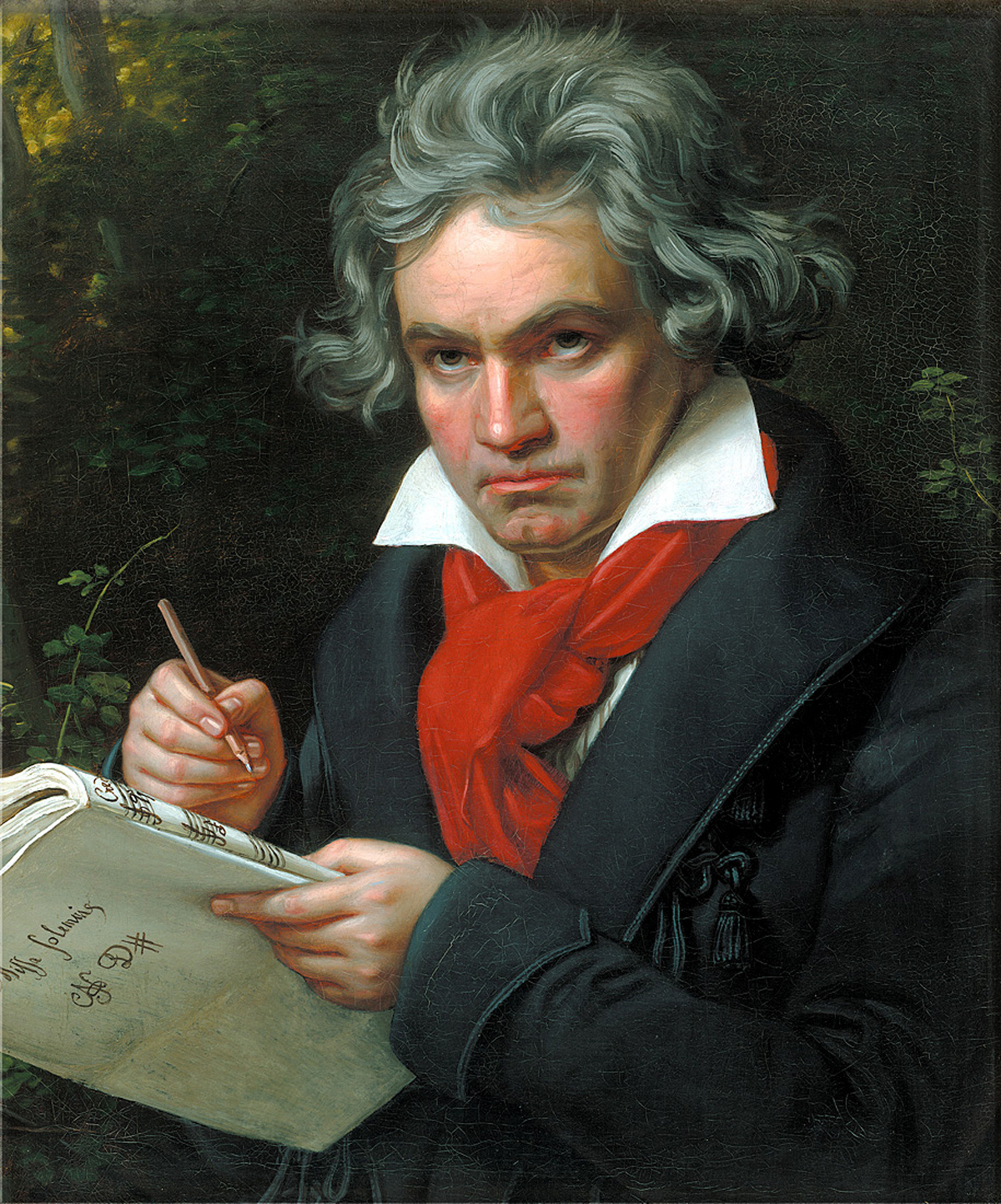
路德维希·凡·贝多芬(1770-1827) 是十八世纪后年叶以来世界最著名的德国音乐家。1770年12月26日贝多芬诞生于 德国莱茵河畔的波恩城。贝多芬生长的年代,正是约瑟夫二 世实行"开明专制"的时期,波恩的统治者也实行了一些改良的 措施。波恩成了当时德国启蒙运动的中心地之一。贝多芬的幼年 就是在这样的环境下成长起来的。但是,贝多芬童年很不幸福, 这种严酷的童 年生活,使贝多芬很早就走上了独立的以音乐谋生的道路,同时 也就养成了他坚毅倔强的性格。 从1781 年起,贝多芬在剧院工作的同时,跟乐队指挥奈弗学 习巴赫的《平均律钢琴曲》和作曲法。奈弗是位很有修养、倾向于启蒙运动的作曲家.指挥家,他对发展德国的民族歌剧、清唱 剧都曾有过贡献。贝多芬通过向这位老师学习,认识到学习德国民族音乐传统的重要,并在奈弗的引导下也接受了启蒙运动的影 响,对德国当时的进步文学发生了浓厚的兴趣。(节选)
路德维希·范·贝多芬(德语:Ludwig van Beethoven,1770年12月16日-1827年3月26日)是集古典主义大成,并一手开启浪漫主义音乐的德国作曲家,也是钢琴演奏家。自1814年开始他的听力急剧下降,于是放弃了钢琴演奏和指挥,但却坚持创作:他被誉为最伟大的作品几乎都是在双耳全聋时创作的。贝多芬对后世影响深远。一生共创作了9首编号交响曲、36首钢琴奏鸣曲(其中32首带有编号,1首未完成)、10部小提琴奏鸣曲、16首弦乐四重奏、1部歌剧及2部弥撒曲等等。这些作品对音乐发展有着深远影响,贝多芬因此在华语世界中被尊称为乐圣[1][2]。
Ludwig van Beethoven (getauft 17. Dezember 1770 in Bonn, Kurköln; † 26. März 1827 in Wien, Kaisertum Österreich) war ein deutscher Komponist und Pianist. Er führte die Wiener Klassik zu ihrer höchsten Entwicklung und bereitete der Musik der Romantik den Weg.
Zu Beginn seiner musikalischen Karriere machte sich Beethoven zunächst als Klaviervirtuose einen Namen. Zu seinen Stärken gehörte das freie Improvisieren und Fantasieren auf dem Instrument. Nach dem Umzug von Bonn nach Wien führte ihn sein Talent bald in die höchsten gesellschaftlichen Kreise der habsburgischen Metropole. Ein Gehörleiden, das sich im Laufe der Zeit zur völligen Taubheit verschlimmerte, setzte seiner Karriere als Pianist jedoch ein vorzeitiges Ende. Die Krankheit löste eine Krise aus, über die Beethoven 1802 in seinem Heiligenstädter Testament Zeugnis ablegte. Beethoven pflegte vielerlei Kontakte zu Frauen aus seinem Umfeld. Berühmt ist sein 1812 geschriebener Brief an die unsterbliche Geliebte, deren Identität bis heute nicht zweifelsfrei geklärt ist. Eine Kandidatin ist Josephine Brunsvik, deren Tochter Minona möglicherweise aus der Affäre mit Beethoven hervorging.
Mit der Verschlechterung seines Gehörs konzentrierte sich Beethoven mehr und mehr aufs Komponieren. Während andere Komponisten ihre Werke oft schnell zu Papier brachten, rang Beethoven um jede Note. Immer wieder wurde nachgearbeitet und verbessert.[1] Aus seinem umfangreichen konzertanten Werk stechen insbesondere seine neun Sinfonien hervor. Daneben schuf er u. a. fünf Klavierkonzerte, ein Violinkonzert, mehrere Ouvertüren, die Oper Fidelio, die Missa solemnis sowie eine Vielzahl kammermusikalischer Werke. Beethoven ist seinem Anspruch, ein bleibendes musikalisches Werk für die Nachwelt zu hinterlassen,[1] gerecht geworden. Seine Popularität ist ungebrochen, und heute gehört er zu den meistgespielten Komponisten der Welt.[2]
ルートヴィヒ・ヴァン・ベートーヴェン(独: Ludwig van Beethoven、標準ドイツ語ではルートヴィヒ・ファン・ベートホーフェンに近い[1]、1770年12月16日ごろ[2] - 1827年3月26日)は、ドイツの作曲家、ピアニスト。J.S.バッハなどと並んで音楽史上きわめて重要な作曲家であり、日本では「楽聖」とも呼ばれる。その作品は古典派音楽の集大成かつロマン派音楽の先駆けとされている。
Ludwig van Beethoven (/ˈlʊdvɪɡ væn ˈbeɪt(h)oʊvən/ ( listen); German: [ˈluːtvɪç fan ˈbeːthoːfn̩] ( listen); baptised 17 December 1770[1] – 26 March 1827) was a German composer and pianist. A crucial figure in the transition between the Classical and Romantic eras in Classical music, he remains one of the most recognised and influential of all composers. His best-known compositions include 9 symphonies; 5 piano concertos; 1 violin concerto; 32 piano sonatas; 16 string quartets; a mass, the Missa solemnis; and an opera, Fidelio.
Beethoven was born in Bonn, then the capital of the Electorate of Cologne and part of the Holy Roman Empire. He displayed his musical talents at an early age and was taught by his father Johann van Beethoven and composer and conductor Christian Gottlob Neefe. At the age of 21 Beethoven moved to Vienna, where he began studying composition with Joseph Haydn and gained a reputation as a virtuoso pianist. He lived in Vienna until his death. By his late 20s his hearing began to deteriorate, and by the last decade of his life he was almost completely deaf. In 1811 he gave up conducting and performing in public but continued to compose; many of his most admired works come from these last 15 years of his life.
Ludwig van Beethoven (prononcé en allemand : [ˈluːtvɪç fan ˈbeːtˌhoːfn̩] Écoutera) est un compositeur allemand né à Bonn le 15 ou 16 décembre 1770 et mort à Vienne le 26 mars 1827.
Dernier grand représentant du classicisme viennois (après Gluck, Haydn et Mozart), Beethoven a préparé l’évolution vers le romantisme en musique et influencé la musique occidentale pendant une grande partie du XIXe siècle. Inclassable (« Vous me faites l’impression d’un homme qui a plusieurs têtes, plusieurs cœurs, plusieurs âmes » lui dit Haydn vers 1793b), son art s’est exprimé à travers différents genres musicaux, et bien que sa musique symphonique soit la principale source de sa popularité, il a eu un impact également considérable dans l’écriture pianistique et dans la musique de chambre.
Surmontant à force de volonté les épreuves d’une vie marquée par la surdité qui le frappe à vingt-sept ans, célébrant dans sa musique le triomphe de l’héroïsme et de la joie quand le destin lui prescrivait l’isolement et la misère, il est récompensé par cette affirmation de Romain Rolland : « Il est bien davantage que le premier des musiciens. Il est la force la plus héroïque de l’art moderne2 ». Expression d’une inaltérable foi en l’homme et d’un optimisme volontaire, affirmant la création musicale comme action d’un artiste libre et indépendant, l’œuvre de Beethoven a fait de lui une des figures les plus marquantes de l’histoire de la musique.
Ludwig van Beethoven ([beˈtɔven] o [beˈtoven][1]; in tedesco [ˈluːtvɪç fan ˈbeːthoːfn̩][2][3]; Bonn, 16 dicembre[4] 1770 – Vienna, 26 marzo 1827) è stato un compositore e pianista tedesco.
Figura cruciale della musica colta occidentale, Beethoven fu l'ultimo rappresentante di rilievo del classicismo viennese ed è considerato uno dei più grandi e influenti compositori di tutti i tempi. Annoverato tra i massimi geni della storia della musica, nonostante la sordità (ipoacusia) che lo colpì prima ancora di aver compiuto i trent'anni, egli continuò a comporre, dirigere e suonare.
Beethoven ha lasciato una produzione musicale fondamentale, straordinaria per forza espressiva e per la capacità di evocare emozioni.[5]
L'influenza di Beethoven fu di vitale importanza per il linguaggio musicale del XIX secolo e per quelli successivi, tanto da rappresentare un modello per molti compositori. Il mito del Beethoven "artista eroico", capace di trasmettere attraverso la sua opera ogni sua emozione, esperienza personale o sentimento, crebbe moltissimo nel periodo Romantico;[6] tuttavia, pur anticipando molti aspetti del futuro Romanticismo,[7][8] la sua adesione alle regole dell'armonia nelle modulazioni, il rigetto dei cromatismi nelle melodie, la cura dell'equilibrio formale dei brani lo collocano nel solco della tradizione del classicismo.[9]
Nel catalogo delle composizioni beethoveniane hanno grande rilievo la sua produzione cameristica, quella sinfonica e le opere pianistiche.
Ludwig van Beethoven1 (Bonn, Alemania, 16 de diciembre de 17702-Viena, 26 de marzo de 1827) fue un compositor, director de orquesta y pianista alemán. Su legado musical abarca, cronológicamente, desde el Clasicismo hasta los inicios del Romanticismo. Es considerado generalmente como uno de los compositores más preclaros e importantes de la historia de la música y su legado ha influido de forma decisiva en la evolución posterior de este arte.
Siendo el último gran representante del clasicismo vienés (después de Christoph Willibald Gluck, Joseph Haydn y Wolfgang Amadeus Mozart), Beethoven consiguió hacer trascender la música del Romanticismo, influyendo en diversidad de obras musicales del siglo XIX. Su arte se expresó en numerosos géneros y aunque las sinfonías fueron la fuente principal de su popularidad internacional, su impacto resultó ser principalmente significativo en sus obras para piano y música de cámara.
Su producción incluye los géneros pianístico (treinta y dos sonatas para piano), de cámara (incluyendo numerosas obras para conjuntos instrumentales de entre ocho y dos miembros), concertante (conciertos para piano, para violín y triple), sacra (dos misas, un oratorio), lieder, música incidental (la ópera Fidelio, un ballet, músicas para obras teatrales), y orquestal, en la que ocupan lugar preponderante Nueve sinfonías.
Лю́двиг ван Бетхо́вен (нем. Ludwig van Beethoven, произношение: [ˈluːtvɪç fan ˈbeːthoːfn̩] (слушать (инф.)); 16 декабря 1770[7], Бонн, Кёльнское курфюршество, Священная Римская Империя — 26 марта 1827, Вена, Эрцгерцогство Австрия, Австрийская империя) — немецкий композитор и пианист, последний представитель «венской классической школы».
Бетховен — ключевая фигура классической музыки в период между классицизмом и романтизмом, один из наиболее исполняемых композиторов в мире. Он писал во всех существовавших в его время жанрах, включая оперу, музыку к драматическим спектаклям, хоровые сочинения. Самыми значительными в его наследии считаются инструментальные произведения: фортепианные, скрипичные и виолончельные сонаты, концерты для фортепиано, для скрипки, квартеты, увертюры, симфонии. Творчество Бетховена оказало значительное воздействие на симфонизм XIX и XX веков[8].
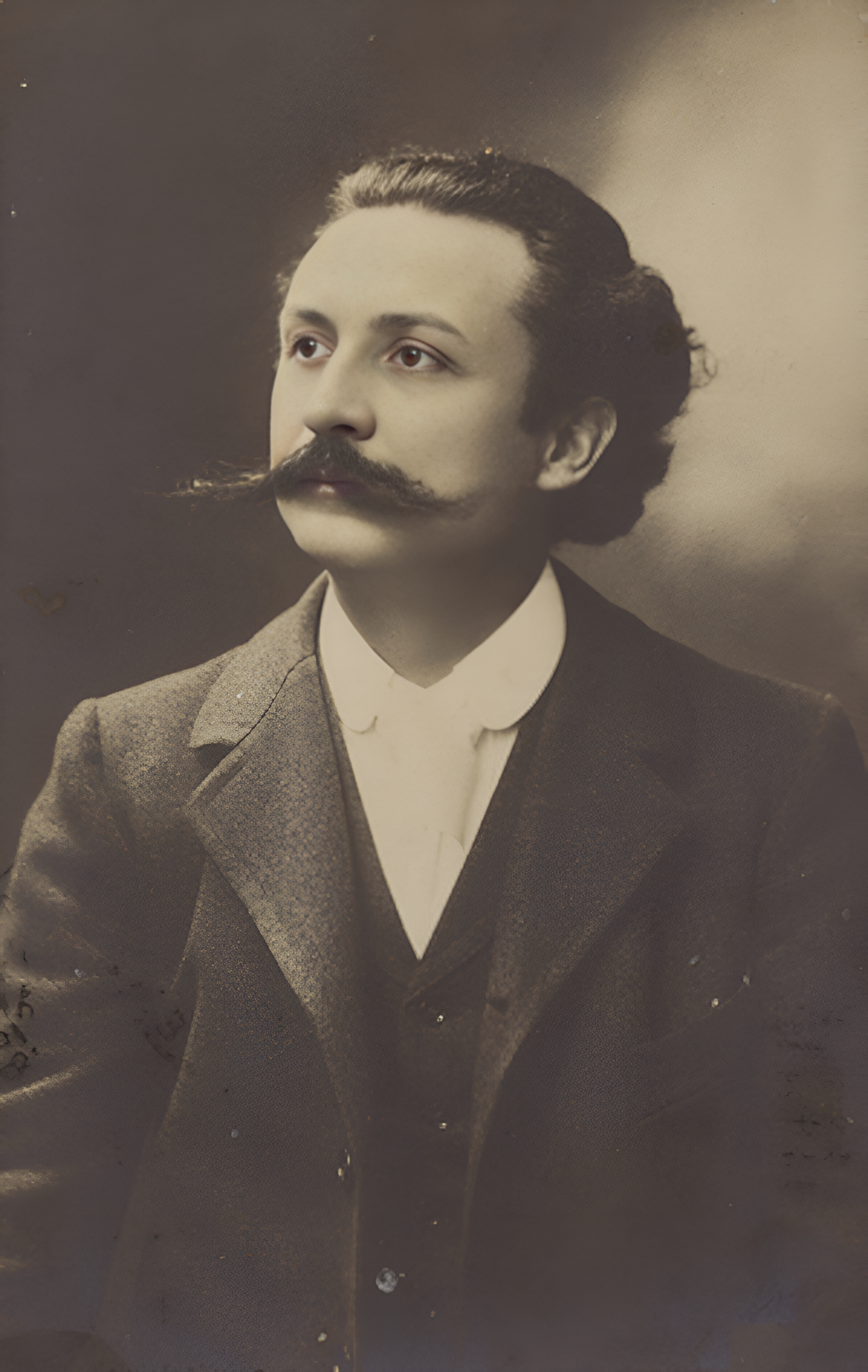
Ludwig Ritter von Brenner (* 19. September 1833 in Leipzig; † 9. Februar 1902 in Berlin) war ein deutscher Dirigent und Komponist.
Brenner studierte am Leipziger Konservatorium und ging später nach Sankt Petersburg. 1872 kehrte er nach Deutschland zurück und leitete das Berliner Symphonieorchester, bevor er 1876 die Neue Berliner Symphoniekapelle gründete. Die Berliner Philharmoniker beriefen ihn im März 1882 zu ihrem ersten ständigen Dirigenten, was er bis zum Jahr 1887 blieb. Später wirkte er als Orchesterleiter in Breslau.
Brenner ist auch als Kirchenmusikkomponist bekannt. Sein Werk umfasst vier Messen, zwei Te Deum, symphonische Gedichte, Ouvertüren und andere Orchesterwerke.