Deutsch-Chinesische Enzyklopädie, 德汉百科
 UEFA Europa League 2017/18
AFC Champions League 2015
AFC Champions League 2016
AFC Champions League 2017
AFC Champions League 2018
AFC Champions League 2019
Asian Football Confederation
CONCACAF
Confederación Sudamericana de Fútbol
Confederation of African Football
FIFA
FIFA Fussball-Weltmeisterschaft 1990
FIFA Fussball-Weltmeisterschaft 1994
FIFA Fussball-Weltmeisterschaft 1998
FIFA Fussball-Weltmeisterschaft 2002
FIFA Fussball-Weltmeisterschaft 2006
FIFA Fussball-Weltmeisterschaft 2010
UEFA Europa League 2017/18
AFC Champions League 2015
AFC Champions League 2016
AFC Champions League 2017
AFC Champions League 2018
AFC Champions League 2019
Asian Football Confederation
CONCACAF
Confederación Sudamericana de Fútbol
Confederation of African Football
FIFA
FIFA Fussball-Weltmeisterschaft 1990
FIFA Fussball-Weltmeisterschaft 1994
FIFA Fussball-Weltmeisterschaft 1998
FIFA Fussball-Weltmeisterschaft 2002
FIFA Fussball-Weltmeisterschaft 2006
FIFA Fussball-Weltmeisterschaft 2010
 FIFA Fussball-Weltmeisterschaft 2014
 FIFA Fussball-Weltmeisterschaft 2018
 FIFA Fussball-Weltmeisterschaft 2022
 FIFA Fussball-Weltmeisterschaft 2026
FIFA-Konföderationen-Pokal 2013
FIFA-Konföderationen-Pokal 2017
Fußball-Weltmeisterschaft der Frauen 1991
Fußball-Weltmeisterschaft der Frauen 1995
Fußball-Weltmeisterschaft der Frauen 1999
Fußball-Weltmeisterschaft der Frauen 2003
Fußball-Weltmeisterschaft der Frauen 2007
Fußball-Weltmeisterschaft der Frauen 2011
Fußball-Weltmeisterschaft der Frauen 2015
Fußball-Weltmeisterschaft der Frauen 2019
Oceania Football Confederation
Schweiz
FIFA Fussball-Weltmeisterschaft 2026
FIFA-Konföderationen-Pokal 2013
FIFA-Konföderationen-Pokal 2017
Fußball-Weltmeisterschaft der Frauen 1991
Fußball-Weltmeisterschaft der Frauen 1995
Fußball-Weltmeisterschaft der Frauen 1999
Fußball-Weltmeisterschaft der Frauen 2003
Fußball-Weltmeisterschaft der Frauen 2007
Fußball-Weltmeisterschaft der Frauen 2011
Fußball-Weltmeisterschaft der Frauen 2015
Fußball-Weltmeisterschaft der Frauen 2019
Oceania Football Confederation
Schweiz
 Zürich
 Sport
(F)Fußball-Weltmeisterschaft der Frauen
Sport
(F)AFC Champions League
Sport
(F)Internationale Fußball-Ligen
Sport
(F)CAF Champions League
Sport
(F)CONCACAF Champions League
Sport
(F)Copa Libertadores
Sport
(F)UEFA Champions League
Sport
(F)Fußball-Europameisterschaft
Sport
(F)FIFA U-20-Fußball-Weltmeisterschaft
Sport
(F)FIFA-Konföderationen-Pokal
Sport
(F)Fußball-Asienmeisterschaft
Sport
(F)Fußball-Afrikameisterschaft
UEFA Champions League 2015/16
UEFA Champions League 2016/17
UEFA Champions League 2017/18
UEFA Champions League 2018/19
UEFA Champions League 2019/20
UEFA Europa League 2017/18
UEFA Europa League 2018/19
UEFA Europa League 2019/20
UEFA Nations League
Union of European Football Associations
Sport
(F)Fußball-Weltmeisterschaft der Frauen
Sport
(F)AFC Champions League
Sport
(F)Internationale Fußball-Ligen
Sport
(F)CAF Champions League
Sport
(F)CONCACAF Champions League
Sport
(F)Copa Libertadores
Sport
(F)UEFA Champions League
Sport
(F)Fußball-Europameisterschaft
Sport
(F)FIFA U-20-Fußball-Weltmeisterschaft
Sport
(F)FIFA-Konföderationen-Pokal
Sport
(F)Fußball-Asienmeisterschaft
Sport
(F)Fußball-Afrikameisterschaft
UEFA Champions League 2015/16
UEFA Champions League 2016/17
UEFA Champions League 2017/18
UEFA Champions League 2018/19
UEFA Champions League 2019/20
UEFA Europa League 2017/18
UEFA Europa League 2018/19
UEFA Europa League 2019/20
UEFA Nations League
Union of European Football Associations
 Wichtige internationale Organisationen
国际足球联合会(法语:Fédération Internationale de Football Association;英语:International Federation of Association Football[注 1]),简称国际足联(FIFA),是管理英式足球、室内五人足球和沙滩足球的国际体育组织,下辖211个会员协会。总部设于瑞士苏黎世。现任主席为吉安尼·因凡蒂诺。国际足联负责组织世界重大足球赛事,当中最著名的是4年举行一次的世界杯。[3]
Die Fédération Internationale de Football Association (deutsch Internationaler Verband des Association Football), kurz FIFA oder Fifa, ist ein privater Verband, der „die Kontrolle des Association Football in all seinen Formen“ zum Zweck hat.[3] Der Weltfußballverband ist ein gemeinnütziger Verein im Sinne der Artikel 60 ff. des Schweizerischen Zivilgesetzbuches mit Sitz in Zürich und im Handelsregister eingetragen.[4][5][6] Die FIFA muss als nicht steuerbefreiter Verein im Kanton Zürich eine reduzierte Gewinnsteuer von 4 % entrichten.[1][2]
Die FIFA erwirtschaftet in ihrer aktuellen Vierjahresertragsperiode 5,66 Milliarden Dollar, die zu 89 % aus der Vermarktung der von ihr organisierten Männer-Fußball-WM stammen. Darüber hinaus organisiert sie auch die Frauen-Fußball-WM und zahlreiche weitere Turniere. Ihr Präsident ist Gianni Infantino.
国際サッカー連盟(こくさいサッカーれんめい、仏: Fédération Internationale de Football Association)は、サッカー(アソシエーション式フットボール)の国際競技連盟であり、スイスの法律に基づいた自立法人である。略称はFIFA(フランス語発音: [fifa] フィファ、英語発音: [ˈfiːfə] フィーファ)。本部はスイスのチューリッヒに置かれている。
2018年時点で全211の国内競技連盟が加盟し[1]、国際競技連盟としては世界最大である[3]。FIFAワールドカップ・FIFA女子ワールドカップの主催が、もっとも大きな任務となっている。
The Fédération Internationale de Football Association[a] (FIFA /ˈfiːfə/ FEE-fə; French for International Federation of Association Football; Spanish: Federación Internacional de Fútbol Asociación; German: Internationaler Verband des Association Football) is a non-profit organization which describes itself as an international governing body of association football, fútsal, beach soccer, and efootball. It is the highest governing body of football.
FIFA was founded in 1904[3] to oversee international competition among the national associations of Belgium, Denmark, France, Germany, the Netherlands, Spain, Sweden, and Switzerland. Headquartered in Zürich, its membership now comprises 211 national associations. Member countries must each also be members of one of the six regional confederations into which the world is divided: Africa, Asia, Europe, North & Central America and the Caribbean, Oceania, and South America.
Today, FIFA outlines a number of objectives in the organizational Statues, including growing football internationally, providing efforts to ensure football is accessible to everyone, and advocating for integrity and fair play.[4] FIFA is responsible for the organization and promotion of football's major international tournaments, notably the World Cup which commenced in 1930 and the Women's World Cup which commenced in 1991. Although FIFA does not solely set the rules of football, that being the responsibility of the International Football Association Board of which FIFA is a member, it applies and enforces the rules across all FIFA competitions.[5] All FIFA tournaments generate revenue from sponsorship; in 2018, FIFA had revenues of over US $4.6 billion, ending the 2015–2018 cycle with a net positive of US$1.2 billion, and had cash reserves of over US$2.7 billion.[6]
Reports by investigative journalists have linked FIFA leadership with corruption, bribery, and vote-rigging related to the election of FIFA president Sepp Blatter and the organization's decision to award the 2018 and 2022 World Cups to Russia and Qatar, respectively. These allegations led to the indictments of nine high-ranking FIFA officials and five corporate executives by the U.S. Department of Justice on charges including racketeering, wire fraud, and money laundering. On 27 May 2015, several of these officials were arrested by Swiss authorities, who were launching a simultaneous but separate criminal investigation into how the organization awarded the 2018 and 2022 World Cups. Those among these officials who were also indicted in the U.S. are expected to be extradited to face charges there as well.[7][8][9] Many officials were suspended by FIFA's ethics committee including Sepp Blatter[10] and Michel Platini.[11] In early 2017 reports became public about FIFA president Gianni Infantino attempting to prevent the re-elections[12] of both chairmen of the ethics committee, Cornel Borbély and Hans-Joachim Eckert, during the FIFA congress in May 2017.[13][14] On 9 May 2017, following Infantino's proposal,[15] FIFA Council decided not to renew the mandates of Borbély and Eckert.[15] Together with the chairmen, 11 of 13 committee members were removed.[16]
La Fédération internationale de football association2 (souvent désignée par l'acronyme FIFA) est la fédération sportive internationale du football, du futsal et du football de plage. Association des fédérations nationales fondée le 21 mai 1904 à Paris, elle a pour vocation de gérer et de développer le football dans le monde. La Coupe du monde de football est créée en 1924 par Jules Rimet3, président de la fédération internationale de 1920 à 1954. Le terme Football Association est le nom originel du football, utilisé pour le distinguer des autres sports de ballon.
Fondée par les fédérations d'Allemagne, de Belgique, du Danemark, d'Espagne, de France, des Pays-Bas, de Suède et de Suisse, elle compte au 13 mai 2016 211 associations nationales affiliées à travers le monde, qui doivent être reconnues par l'une des six confédérations continentales. Son siège est situé depuis 1932 à Zurich, en Suisse.
Bien qu'étant officiellement une association à but non lucratif, la FIFA brasse un chiffre d'affaires très important du fait de l'organisation des compétitions et de leur sponsoring. En 2013, la FIFA génère 1,3 milliard de dollars de chiffre d'affaires, et dispose de réserves évaluées à 1,4 milliard de dollars4. La FIFA est chargée de l'organisation des grands tournois mondiaux, et notamment des Coupes du monde masculines, depuis le 13 juillet 1930, et féminines, depuis le 30 novembre 1991.
Après plusieurs années de rumeurs et d'enquêtes de journalistes sur les affaires financières au sein de la FIFA, notamment autour de l'attribution de l'organisation des Coupes du monde de 2018 et 2022 à la Russie et au Qatar, une enquête lancée par le département de la Justice des États-Unis pour des faits de corruption aboutit à un grand scandale en 2015, à la suite duquel le président Sepp Blatter, le 2 juin 2015, trois jours après sa réélection pour un cinquième mandat, annonce qu'il convoque un congrès extraordinaire, prévu en février 2016, afin de remettre son mandat de président à disposition. Le 8 octobre 2015, la commission d'éthique de la FIFA suspend Sepp Blatter de manière provisoire, pendant 90 jours5. Le 21 décembre 2015, la commission suspend Sepp Blatter pour 8 ans6. Cette suspension est ramenée à six ans le 24 février 2016, peu avant l'élection de son successeur, Gianni Infantino, le 26 février 2016.
La Fédération Internationale de Football Association (in italiano "Federazione internazionale di calcio"[Nota 1]), più nota con l'acronimo FIFA, è la federazione internazionale che governa gli sport del calcio, del calcio a 5 e del beach soccer. La sua sede si trova a Zurigo, in Svizzera, e il presidente è Gianni Infantino, eletto nel 2016.
La federazione fu fondata a Parigi il 21 maggio 1904 e si occupa dell'organizzazione di tutte le manifestazioni intercontinentali degli sport sopraccitati, tra le quali la più importante è sicuramente il Campionato mondiale di calcio, che premia il vincitore con il trofeo della Coppa del Mondo. Tale torneo viene disputato ogni quattro anni dal 1930, eccetto che per il 1942 e il 1946 a causa della Seconda guerra mondiale, e la federazione ha il compito di scegliere il paese organizzatore che ospita la fase finale della manifestazione.
La Fédération Internationale de Football Association2 (en español: Federación Internacional de Fútbol Asociación),3 universalmente conocida por sus siglas FIFA, es la institución que gobierna las federaciones de fútbol en todo el planeta. Se fundó el 21 de mayo de 1904 y tiene su sede en Zúrich, Suiza. Forma parte del IFAB, organismo encargado de modificar las reglas del juego. Además, la FIFA organiza la Copa Mundial de Fútbol, los otros campeonatos del mundo en sus distintas categorías, ramas y variaciones de la disciplina, y los Torneos Olímpicos a la par del COI.
La FIFA agrupa 211 asociaciones o federaciones de fútbol de distintos países, contando con 17 países afiliados más que la Organización de las Naciones Unidas, tres menos que la Asociación Internacional de Federaciones de Atletismo y dos menos que la Federación Internacional de Baloncesto.45
Междунаро́дная федера́ция футбо́ла[1] (фр. Fédération Internationale de Football Association, сокращённо FIFA, в русской транслитерации — ФИФА́) — главная футбольная организация, являющаяся крупнейшим международным руководящим органом в футболе, мини-футболе и пляжном футболе. Штаб-квартира ФИФА находится в швейцарском городе Цюрихе.
Под эгидой ФИФА проходят все футбольные турниры всемирного масштаба, в числе которых чемпионат мира ФИФА, аналогичный турнир среди женщин, молодёжные и юношеские турниры, Кубок конфедераций и клубный чемпионат мира.
 Berlin
Bundesliga
Fußball-Bundesliga 2015/16
Fußball-Bundesliga 2016/17
Fußball-Bundesliga 2017/18
Fußball-Bundesliga 2018/19
Fußball-Bundesliga 2019/20
Otto Rehhagel
UEFA Europa League 2017/18
Gruppe J
Berlin
Bundesliga
Fußball-Bundesliga 2015/16
Fußball-Bundesliga 2016/17
Fußball-Bundesliga 2017/18
Fußball-Bundesliga 2018/19
Fußball-Bundesliga 2019/20
Otto Rehhagel
UEFA Europa League 2017/18
Gruppe J

Sport
(F)Internationale Fußball-Ligen
UEFA Europa League 2017/18
UEFA Europa League 2018/19
UEFA Europa League 2019/20
Union of European Football Associations

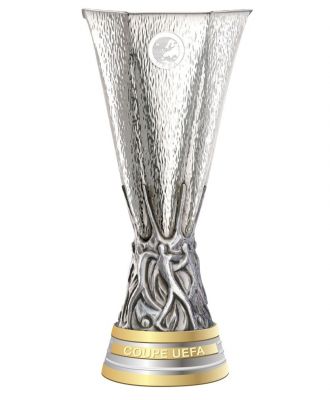
欧洲联赛(英语:UEFA Europa League;简称欧联,或音译作欧罗巴联赛)是由欧洲足联每年举行由欧洲俱乐部角逐的足球杯赛竞赛,重要性仅次于欧洲冠军联赛。俱乐部按国内联赛及杯赛的表现取得参赛资格。
其前身为欧洲联盟杯(UEFA Cup),随着赛制的改变,于2009年6月展开的2009–10年改为今名[1][2]。但必须注意的是,改制后仍继承自1971年以来的各种纪录,不可分开计算。
这项杯赛最初为于1955年成立的国际城市博览会杯(Inter-Cities Fairs Cup),于1971/1972年赛季开始由欧洲足联接办并更名为欧洲联盟杯(UEFA Cup)。不过,虽然城市博览会杯是视为欧洲联盟杯的前身,但欧洲足联并不将城市博览会杯视为欧洲足联认可赛事,所以城市博览会杯的纪录并不计算入欧洲联盟杯的纪录[3]。
欧洲优胜者杯(UEFA Cup Winners' Cup)于1999年停办并且并入欧洲联盟杯[4]。于2004–05年首次引入在淘汰赛阶段前进行小组赛。而于2009年的重组同时,欧洲足联国际托托杯(UEFA Intertoto Cup)合并入欧洲联赛,成为一个扩大的竞赛赛制,而小组赛规模亦相应扩大及修改相关参赛资格。
2009年9月17日热那亚的西班牙球员阿尔韦托·萨帕特尔(Alberto Zapater)只用了4分钟便成首名欧洲联赛小组赛进球者[5]。翌年5月12日,西班牙的马德里竞技于决赛以 2–1 击败英格兰的富勒姆,成为这项赛事的首位冠军得主。塞维利亚为欧洲联赛最成功的俱乐部,于2014至2016年连续三届成为冠军[6]。
Die UEFA Europa League ist nach der UEFA Champions League der zweithöchste von der UEFA (Union Europäischer Fußballverbände) organisierte Fußball-Europapokalwettbewerb für Vereinsmannschaften. Sie wurde 1971 unter dem Namen UEFA Cup, zu Deutsch in Deutschland UEFA-Pokal, in Österreich und in der Schweiz UEFA-Cup, als dritter Europapokalwettbewerb (EC3) begründet und 1999/2000 mit dem aufgegebenen Europapokal der Pokalsieger zusammengelegt. Ihren heutigen Namen erhielt sie nach der Saison 2008/09. Der Wettbewerb umfasst in seiner derzeitigen Form eine aus drei Runden bestehende Qualifikationsphase, eine Play-off-Runde und den Hauptwettbewerb, der aus einer Gruppenphase und fünf daran anschließenden K.-o.-Runden besteht.[1] Der Gewinner des Wettbewerbs spielt seit 2000 gegen den Sieger der UEFA Champions League um den UEFA Super Cup und erhält seit der Saison 2014/15 einen Startplatz in der UEFA Champions League der folgenden Saison.[2] Rekordsieger ist mit fünf Titeln der FC Sevilla.
UEFAヨーロッパリーグ(英: UEFA Europa League)は、欧州サッカー連盟(UEFA)の主催で毎年9月から翌年の5月にかけて行われる、クラブチームによるサッカーの国際大会である。略称はUEL、EL。
それまで行われていたUEFAカップ(英: UEFA Cup)の名称と大会形式が一新され、2009-10シーズンから新たに始まった国際大会である。この項ではUEFAカップ時代についても記述する。
The UEFA Europa League (abbreviated as UEL) is an annual football club competition organised by UEFA since 1971 for eligible European football clubs. Clubs qualify for the competition based on their performance in their national leagues and cup competitions. It is the second-tier competition of European club football, ranking below the UEFA Champions League.[1]
Previously called the UEFA Cup, the competition has been known as the UEFA Europa League since the 2009–10 season,[2][3] following a change in format. For UEFA footballing records purposes, the UEFA Cup and UEFA Europa League are considered the same competition, with the change of name being simply a rebranding.[4]
In 1999, the UEFA Cup Winners' Cup was abolished and merged with the UEFA Cup.[5] For the 2004–05 competition a group stage was added prior to the knockout phase. The 2009 re-branding included a merge with the UEFA Intertoto Cup, producing an enlarged competition format, with an expanded group stage and a change in qualifying criteria. The winner of the UEFA Europa League qualifies for the UEFA Super Cup and, since the 2014–15 season, the following season's UEFA Champions League, entering at the group stage.
The title has been won by 28 clubs, 13 of which have won the title more than once. The most successful club in the competition is Sevilla, with five titles. The current champions are Chelsea, after defeating Arsenal 4–1 in the 2019 final to win their second title.
La Ligue Europa de l'UEFA (UEFA Europa League), parfois abrégée en C3 et anciennement dénommée Coupe UEFA (de sa création en 1971 jusqu'en 2009)1, est une compétition annuelle de football organisée par l'Union des associations européennes de football (UEFA).
Depuis 2015, le vainqueur de la compétition est automatiquement qualifié pour la Ligue des champions de l'UEFA. Il participe également à la supercoupe de l'UEFA.
Chelsea FC est le tenant du titre tandis que le Séville FC est le club le plus titré dans l’histoire de la compétition avec cinq victoires2.
La UEFA Europa League è una competizione sportiva organizzata dall'Unione delle Federazioni Calcistiche Europee (UEFA), la seconda per prestigio dopo la Champions League. Fino al 2009 si chiamava Coppa UEFA, istituita nel 1971 dalla confederazione calcistica europea. Questo torneo, a sua volta, aveva preso il posto della Coppa delle Fiere, inizialmente disputata su invito e non per diritto acquisito da rappresentative di grandi città dell'Europa che ospitavano fiere commerciali. L'UEFA ha definito la Coppa delle Fiere come antenata della successiva Coppa UEFA/Europa League; tuttavia, non essendone stata l'organizzatrice, non è mai stata riconosciuta come manifestazione ufficiale dalla confederazione continentale. Per tale motivo la Coppa delle Fiere non viene inclusa neppure nelle statistiche riguardanti l'Europa League.
È riservata alle compagini classificatesi nei rispettivi campionati nazionali immediatamente dopo quelle aventi diritto a partecipare alla Champions League. Dal 1999, in seguito all'abolizione della Coppa delle Coppe, ha inglobato anche le tradizionali partecipanti a quella competizione, ossia le vincitrici o (fino al 2015) le finaliste perdenti delle varie coppe nazionali. Nel 2009, dopo trentotto edizioni, ne è stato modificato il format in seguito all'abolizione dell'Intertoto, dando vita all'Europa League che segue un modello più simile a quello della Champions League, allo scopo di rendere la kermesse più spettacolare e maggiormente appetibile anche dal punto di vista dei diritti televisivi, nonché da parte degli sponsor.[3] Dal 2000, in luogo della soppressa Coppa delle Coppe, la squadra vincitrice della competizione acquisisce inoltre il diritto di partecipare alla Supercoppa UEFA contro la detentrice della Champions League.
Il trofeo è stato vinto finora da ventotto società diverse, tredici delle quali hanno conquistato il trofeo due o più volte. La squadra più titolata è il Siviglia, con cinque successi, formazione che ha disputato anche il maggior numero di finali (5), senza mai perdere; è stato inoltre l'unico club capace di aggiudicarsi la manifestazione per tre stagioni consecutive.
La Liga Europa de la UEFA (en inglés y oficialmente: UEFA Europa League), originariamente denominada Copa de la UEFA, es una competición continental de clubes organizada por la Unión de Asociaciones Europeas de Fútbol (UEFA), considerada la segunda más prestigiosa de Europa, tras la Liga de Campeones.1
La competición fue inaugurada en la temporada 1971-72,2 reemplazando a la Copa de Ferias, competición preexistente y ajena al organismo continental.3 La temporada 1999-2000 absorbió a la Recopa de Europa, que disputaban los campeones nacionales de copa, fusionándose ambas competiciones.4 Diez años después, la temporada 2009-10, toma su actual denominación tras integrar a la Copa Intertoto, que era un torneo estival, clasificatorio para esta competición.56 Desde 2015, su campeón obtiene plaza para disputar la siguiente edición de la Liga de Campeones.7
El ganador de esta competición, disputa la Supercopa de Europa ante el vencedor de la Liga de Campeones. El vigente campeón es el Chelsea Football Club quien ganó su segundo título tras vencer al Arsenal Football Club situándose como sexto club más laureado,n. 1 posición que ostenta el Sevilla Fútbol Club con cinco.8 La federación española es la que más campeonatos ha logrado con once, seguido por los nueve de Italia e Inglaterra,9 entre los 972 participantes históricos de la competición.10
Ли́га Евро́пы УЕФА (англ. UEFA Europa League) — ежегодный международный турнир по футболу среди клубов, основанный в 1971 году под названием Кубок УЕФА (англ. UEFA Cup)[1]. Считается вторым по значимости турниром для футбольных клубов, входящих в УЕФА (Союз европейских футбольных ассоциаций), после Лиги чемпионов. В розыгрыше Лиги Европы принимают участие клубы, занявшие по окончании сезона национального чемпионата определённые места в турнирной таблице, в зависимости от рейтинга УЕФА, а также победители национальных кубков, если они не завоевали право участия в Лиге чемпионов по итогам национального чемпионата (с сезона-2015/16 финалист национального кубка не попадает в Лигу Европы (по линии кубка) ни при каких обстоятельствах, даже если победитель кубка завоевал право на участие в Лиге чемпионов по итогам национального чемпионата[2]).
С момента первого розыгрыша в сезоне 1971/72 и по сезон 2008/09 турнир назывался Кубком УЕФА (англ. UEFA Cup). До сезона 1998/99 в этом турнире не принимали участие клубы-обладатели национальных кубков, так как существовал Кубок обладателей кубков УЕФА, который на то время считался вторым по значимости после Лиги чемпионов УЕФА, но в результате слияний Кубка УЕФА и Кубка обладателей кубков УЕФА появился единый турнир со старым названием — Кубок УЕФА[3]. С сезона 2009/10 он получил название Лига Европы УЕФА с изменением формата турнира по аналогии с Лигой чемпионов[4][5].
Предшественником Кубка УЕФА считается Кубок ярмарок, но УЕФА официально не признаёт этот турнир, и, следовательно, победы в этом турнире не признаются победами в Кубке УЕФА[6]. Ярким примером тому является «Лидс Юнайтед», который является дважды обладателем Кубка ярмарок, но не признаётся УЕФА как клуб, выигравший еврокубок.
С сезона 2004/05 в розыгрыше турнира был добавлен групповой этап, перед стадией плей-офф. С 2009 года в результате ребрендинга еврокубков, произошло объединение Кубка УЕФА с Кубком Интертото, произошло расширение формата конкурса, в результате добавления команд из Кубка Интертото, которые начинают розыгрыш с четырёх квалификационных раундов. Победитель Лиги Европы имеет право участвовать в Суперкубке УЕФА и Лиге чемпионов следующего сезона.
Первым победителем турнира является лондонский «Тоттенхэм Хотспур», обыгравший по результатам двух матчей другой английский клуб «Вулверхэмптон Уондерерс» с общим счётом 3:2 в 1972 году[7]. В общей сложности титул победителя этого турнира был завоеван 26 различными клубами, 11 из которых завоевали его более одного раза. «Севилья» является обладателем рекорда по количеству побед в турнире, выиграв его 5 раз: в 2006, 2007 и 2014, 2015, 2016 годах. Испания является рекордсменом по количеству побед в турнире — 11 раз[8]. Английский футбольный клуб «Ливерпуль», испанский клуб «Атлетико Мадрид», а также итальянские клубы «Ювентус» и «Интер» выигрывали данный турнир по 3 раза. Французский клуб «Олимпик Марсель» и португальская «Бенфика» проигрывали в финальных матчах чаще других клубов — 3 раза, также пять других клубов проигрывали в финальных матчах по 2 раза: «Атлетик Бильбао», «Боруссия Мёнхенгладбах», «Боруссия Дортмунд», «Эспаньол» и «Арсенал».
 Baden-Württemberg
Bundesliga
Fußball-Bundesliga 2015/16
Fußball-Bundesliga 2016/17
Fußball-Bundesliga 2017/18
Fußball-Bundesliga 2018/19
Fußball-Bundesliga 2019/20
Sport
(F)UEFA Champions League
UEFA Champions League 2018/19
Gruppe F
UEFA Europa League 2017/18
Gruppe C
Baden-Württemberg
Bundesliga
Fußball-Bundesliga 2015/16
Fußball-Bundesliga 2016/17
Fußball-Bundesliga 2017/18
Fußball-Bundesliga 2018/19
Fußball-Bundesliga 2019/20
Sport
(F)UEFA Champions League
UEFA Champions League 2018/19
Gruppe F
UEFA Europa League 2017/18
Gruppe C

Bundesliga
Fußball-Bundesliga 2015/16
Fußball-Bundesliga 2016/17
Fußball-Bundesliga 2017/18
Fußball-Bundesliga 2019/20
UEFA Europa League 2017/18
Gruppe H
England
Premier League
Premier League 2015/16
Premier League 2016/17
Premier League 2017/18
Premier League 2018/19
Sport
(F)UEFA Europa League
UEFA Champions League 2015/16
UEFA Champions League 2016/17
Gruppe A
UEFA Champions League 2025/26
UEFA Europa League 2017/18
Gruppe H
UEFA Europa League 2018/19
Gruppe E
UEFA Europa League 2019/20
Gruppe F

Alberto Zaccheroni
La Serie A
La Serie A 2015/16
La Serie A 2016/17
La Serie A 2017/18
La Serie A 2018/19
 Lazio
Sport
(F)UEFA Europa League
Sven-Göran Eriksson
UEFA Europa League 2017/18
Gruppe K
UEFA Europa League 2018/19
Gruppe H
UEFA Europa League 2019/20
Gruppe E
Lazio
Sport
(F)UEFA Europa League
Sven-Göran Eriksson
UEFA Europa League 2017/18
Gruppe K
UEFA Europa League 2018/19
Gruppe H
UEFA Europa League 2019/20
Gruppe E

 Aimé Jacquet
 Auvergne-Rhône-Alpes
Frankreich
Ligue 1
Ligue 1 2015/16
Ligue 1 2016/17
Ligue 1 2017/18
Ligue 1 2018/19
Sport
(F)UEFA Europa League
UEFA Champions League 2015/16
UEFA Champions League 2016/17
Gruppe H
UEFA Champions League 2018/19
Gruppe F
UEFA Champions League 2019/20
Gruppe G
UEFA Europa League 2017/18
Gruppe E
Auvergne-Rhône-Alpes
Frankreich
Ligue 1
Ligue 1 2015/16
Ligue 1 2016/17
Ligue 1 2017/18
Ligue 1 2018/19
Sport
(F)UEFA Europa League
UEFA Champions League 2015/16
UEFA Champions League 2016/17
Gruppe H
UEFA Champions League 2018/19
Gruppe F
UEFA Champions League 2019/20
Gruppe G
UEFA Europa League 2017/18
Gruppe E
 Frankreich
Ligue 1
Ligue 1 2015/16
Ligue 1 2016/17
Ligue 1 2017/18
Ligue 1 2018/19
Frankreich
Ligue 1
Ligue 1 2015/16
Ligue 1 2016/17
Ligue 1 2017/18
Ligue 1 2018/19
 Provence-Alpes-Côte d´Azur
Sport
(F)UEFA Europa League
UEFA Champions League 2025/26
UEFA Europa League 2017/18
Gruppe I
UEFA Europa League 2018/19
Gruppe H
Provence-Alpes-Côte d´Azur
Sport
(F)UEFA Europa League
UEFA Champions League 2025/26
UEFA Europa League 2017/18
Gruppe I
UEFA Europa League 2018/19
Gruppe H
Alberto Zaccheroni
Audi Cup
Carlo Ancelotti
Fabio Capello
Giovanni Trapattoni
Italien
La Serie A
La Serie A 2015/16
La Serie A 2016/17
La Serie A 2017/18
La Serie A 2018/19
 Lombardia
Sport
(F)UEFA Europa League
UEFA Europa League 2017/18
Gruppe D
UEFA Europa League 2018/19
Gruppe F
Lombardia
Sport
(F)UEFA Europa League
UEFA Europa League 2017/18
Gruppe D
UEFA Europa League 2018/19
Gruppe F
Sport
(F)UEFA Champions League
UEFA Champions League 2015/16
UEFA Champions League 2016/17
Gruppe B
UEFA Europa League 2017/18
Gruppe B
UEFA Europa League 2018/19
Gruppe K
UEFA Europa League 2019/20
Gruppe B
Ukraine
 Russland
Sport
(F)UEFA Europa League
UEFA Champions League 2015/16
UEFA Champions League 2019/20
Gruppe G
UEFA Europa League 2017/18
Gruppe L
UEFA Europa League 2018/19
Gruppe C
Russland
Sport
(F)UEFA Europa League
UEFA Champions League 2015/16
UEFA Champions League 2019/20
Gruppe G
UEFA Europa League 2017/18
Gruppe L
UEFA Europa League 2018/19
Gruppe C