
漢德百科全書 | 汉德百科全书
 Italy
Italy
 Eat and Drink
 Toscana
 Theme park
 Veneto

 Geography
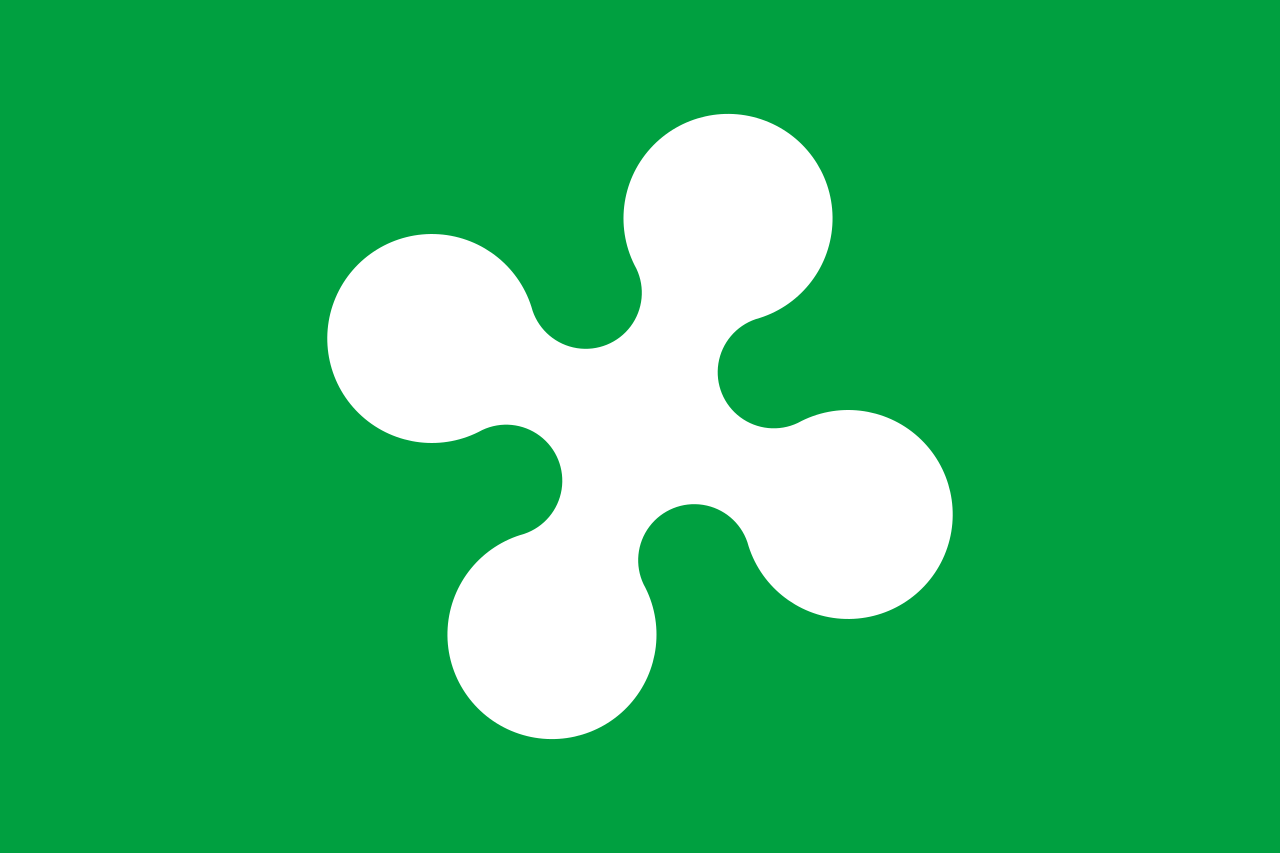 Lombardia
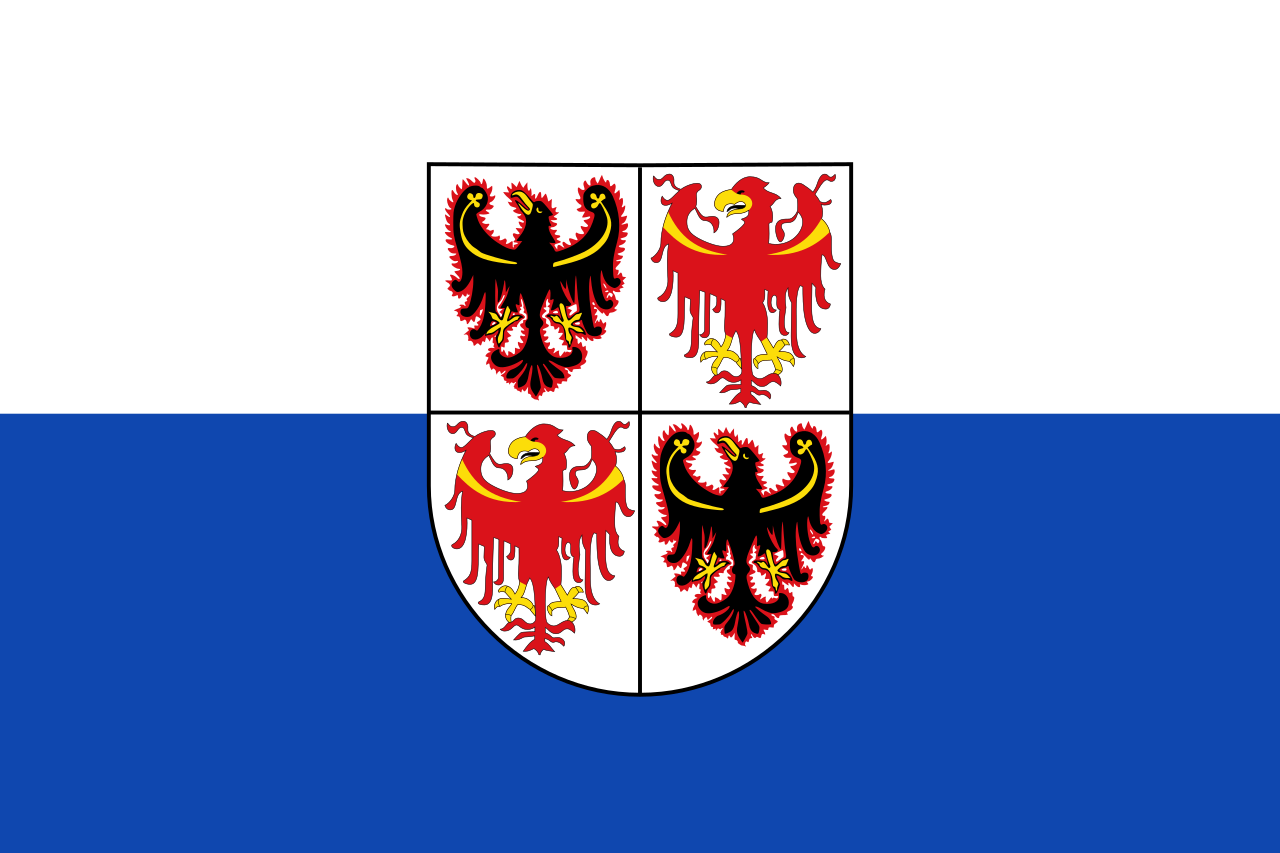 Trentino-Alto Adige
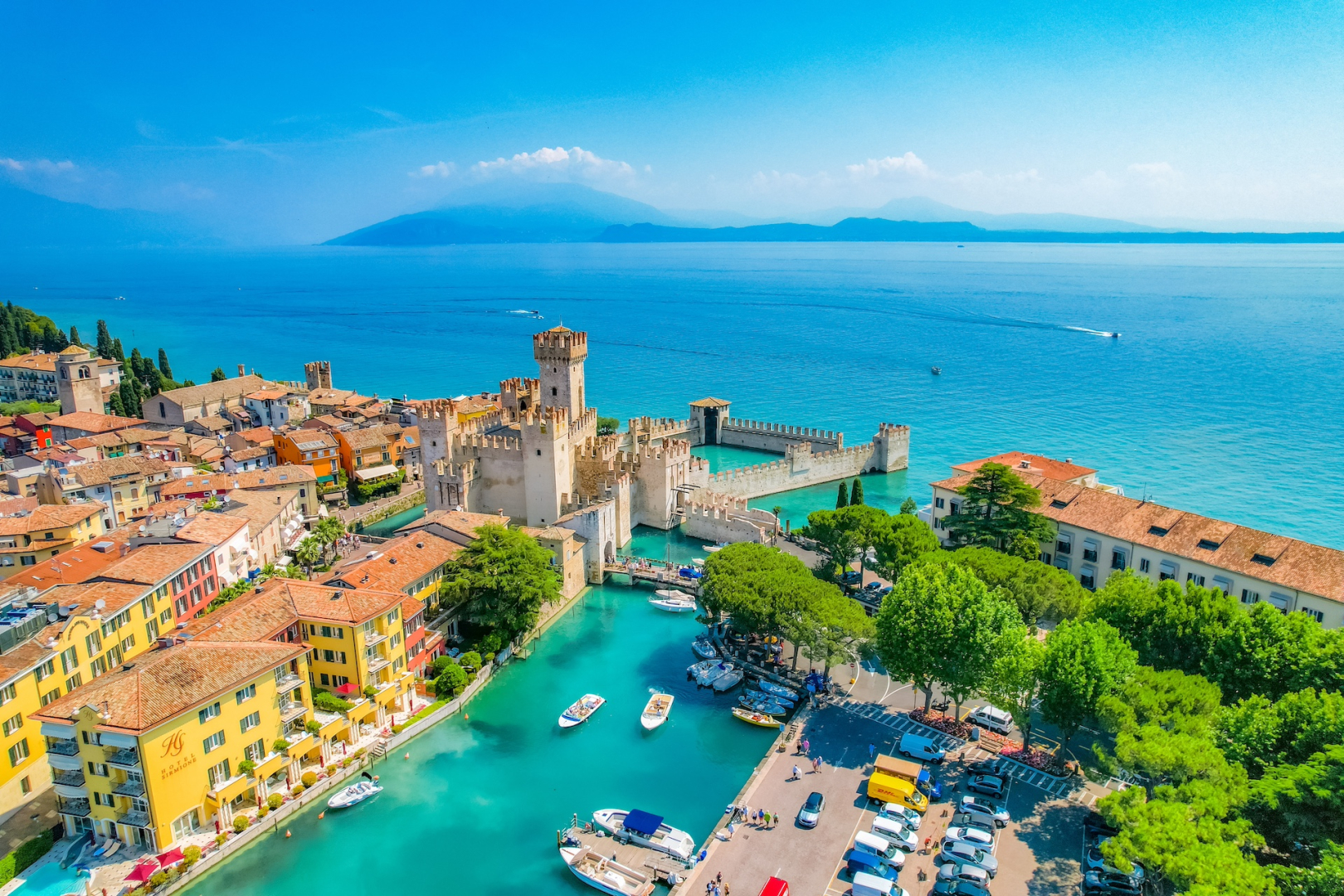
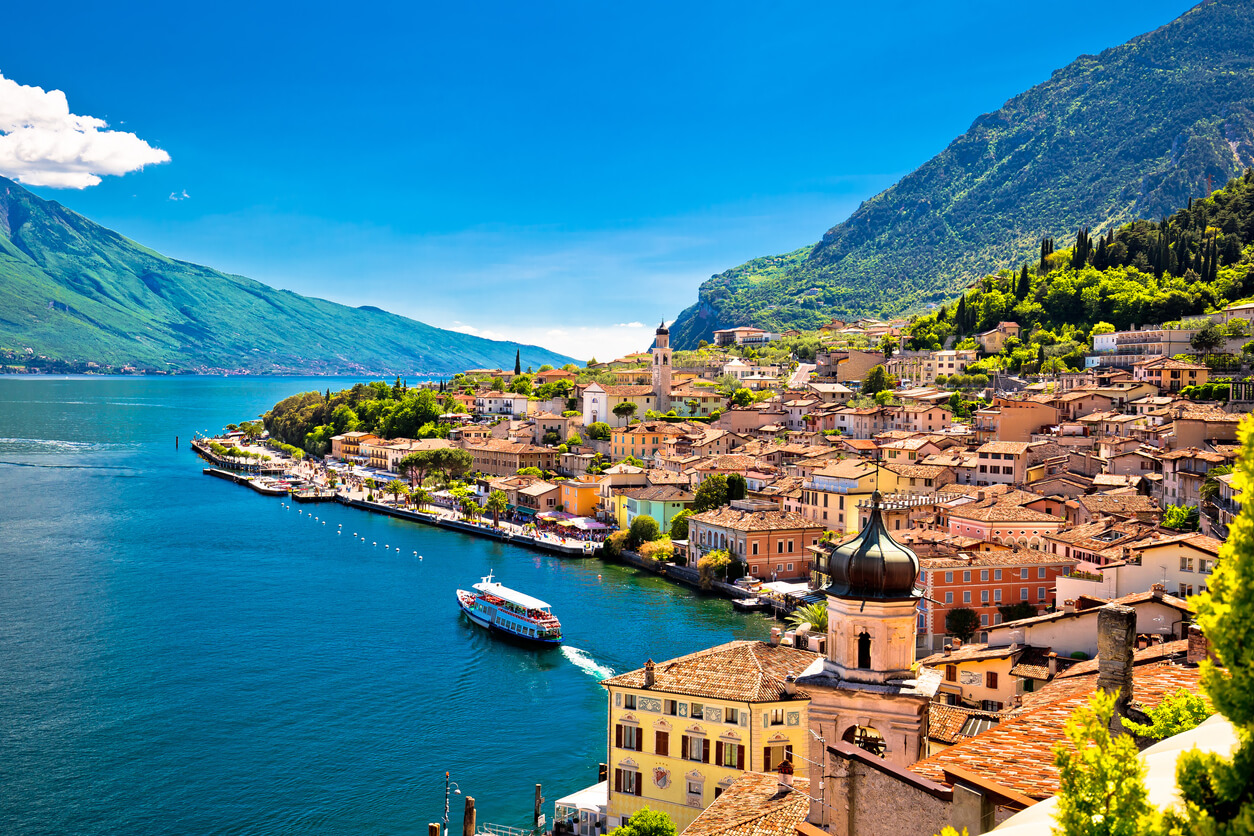
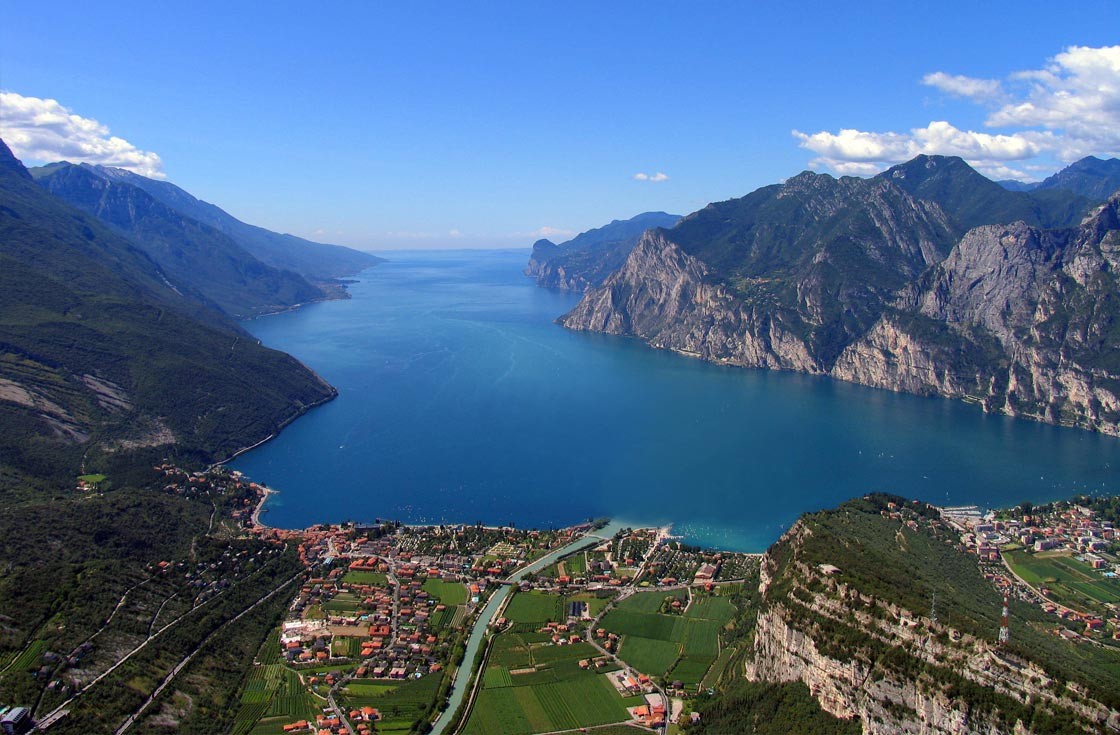
Der Gardasee (italienisch Lago di Garda oder Benaco), einer der oberitalienischen Seen, ist der größte See Italiens, benannt nach der Gemeinde Garda am Ostufer. Sein antiker Name lautete von etwa 200 v. Chr. bis 800 n. Chr. Lacus benacus. Der Name soll von einer alten Gottheit namens Benacus abstammen. Der Gardasee wurde in der vergangenen Eiszeit durch einen Seitenast des Etschgletschers geformt, dessen Spuren noch verfolgt werden können, insbesondere durch die Endmoränen um das Südufer z. B. bei Lonato del Garda, Solferino, Valeggio sul Mincio und Custoza. Erste Besiedlungen des Seeufers datieren um das Jahr 2000 v. Chr.
加尔达湖(意大利语:Lago di Garda)是意大利面积最大的湖泊,位于该国北部,约在威尼斯和米兰的半途之间,座落于阿尔卑斯山南麓,在上一次冰川时期结束时因为冰川融化而形成。现在的加尔达湖分别划归维罗纳(位于湖泊之东南方)、布雷西亚(西南)和特伦托(北)三省管辖。
通过布伦纳山口可以从北面轻易到达加尔达湖,因此该湖泊是一个热门的旅游景点,其岸边有不少高档酒店和旅馆。
 Religion

 Military, defense and equipment

教皇的象征性军队是瑞士卫队,其漂亮的服装是米开朗基罗设计的。按照古老的传统,这支卫队由瑞士青年组成,他们是经过严格挑选后被招募来的。他们配备 有短剑和戟,即一种长矛,但他们也配备有相当现代化的武器。他们对教皇的忠诚是绝对的。1527年,罗马失陷,教皇逃到圣天使古堡,为保卫教皇,瑞士卫队 全体战死。(Quelle: www.worlddiy.net)
宗座瑞士近卫队(拉丁语:Pontificia Cohors Helvetica;德语:Päpstliche Schweizergarde;意大利语:Guardia Svizzera Pontificia;英语:Pontifical Swiss Guard),于1506年由教宗儒略二世建立。瑞士近卫队是现存最古老的军事组织之一。
瑞士近卫队的制服包含蓝色、红色、橙色和黄色,具有明显的文艺复兴时期外观。现代瑞士近卫队的性质,就如同教宗的保镖一样。瑞士近卫队配备的武器包含了传统的斧枪以及多项现代武器。
Die Päpstliche Schweizergarde (italienisch Guardia Svizzera Pontificia (GSP), lateinisch Pontificia Cohors Helvetica, auch Cohors Pedestris Helvetiorum a Sacra Custodia Pontificis) ist das einzige verbliebene päpstliche Militärkorps in Waffen. Sie sichert den Apostolischen Palast, die Zugänge zur Vatikanstadt sowie die Zugänge zur Sommerresidenz des Papstes im Städtchen Castel Gandolfo, und ist für die persönliche Sicherheit des Papstes verantwortlich. Die offiziellen Sprachen (Kommandosprachen) der Garde sind Deutsch und Italienisch. Die Gardisten vertreten öfter alle vier schweizerischen Landessprachen. Das Korps wurde im Jahre 1506 durch Papst Julius II. gegründet.
The Pontifical Swiss Guard (also Papal Swiss Guard, or just Swiss Guard; Latin: Pontificia Cohors Helvetica or Cohors Pedestris Helvetiorum a Sacra Custodia Pontificis; Italian: Guardia Svizzera Pontificia; German: Päpstliche Schweizergarde; French: Garde suisse pontificale) is a small force maintained by the Holy See that is responsible for the safety of the Pope, including the security of the Apostolic Palace. The Swiss Guard serves as the de facto military of Vatican City. Established in 1506 under Pope Julius II, the Pontifical Swiss Guard is among the oldest military units in continuous operation.[2]
The dress uniform is of blue, red, orange and yellow with a distinctly Renaissance appearance. The modern guard has the role of bodyguard of the Pope. The Swiss Guard is equipped with traditional weapons, such as the halberd, as well as with modern firearms. Since the assassination attempt on Pope John Paul II in 1981, a much stronger emphasis has been placed on the guard's non-ceremonial roles, and has seen enhanced training in unarmed combat and small arms.
Recruits to the guards must be unmarried Swiss Catholic males between 19 and 30 years of age who have completed basic training with the Swiss Armed Forces.[3]
La Garde suisse pontificale (en latin : Cohors Helvetica Pontificia) est une force militaire chargée de veiller à la sécurité du pape et du Vatican. Elle est la dernière Garde suisse encore existante (des détachements de mercenaires suisses servaient de garde rapprochée et protocolaire dans différentes cours européennes à partir du XVe siècle). Créée le 22 janvier 1506 sur l'ordre du pape Jules II, elle est la 2ème plus petite armée du monde avec 135 militaires contre 120 à la Compagnie des Carabiniers du Prince de Monaco.
La Guardia svizzera pontificia (detta anche semplicemente Guardia svizzera; in latino: Pontificia Cohors Helvetica o Cohors Pedestris Helvetiorum a Sacra Custodia Pontificis; in tedesco: Päpstliche Schweizergarde; in francese: Garde suisse pontificale) è un corpo armato fedelmente al servizio del papato dal 22 gennaio 1506. Si tratta dell'unico corpo di guardie svizzere ancora operativo.
La tipica uniforme colorata di foggia rinascimentale per le cerimonie solenni si accompagna ad abiti più sobri a livello operativo. La moderna guardia ha il ruolo di difesa personale del pontefice. La guardia svizzera pontificia è equipaggiata formalmente con armi tradizionali come alabarde, ma possiede in dotazione per tutte le guardie anche moderne armi da fuoco di piccola taglia.
Dal tentativo di assassinio di Giovanni Paolo II nel 1981, la guardia svizzera è stata orientata dal tradizionale ruolo meramente cerimoniale ad un ruolo più attivo nella difesa della persona del papa.
Le reclute di questo corpo devono essere necessariamente cittadini svizzeri dalla nascita, cattolici, maschi tra i 19 ed i 30 anni e devono aver fatto un periodo di formazione presso l'esercito svizzero.[1]
La Guardia Suiza (en latín: Custodes Helvetici; en italiano: Guardia Svizzera) es un cuerpo militar encargado de la seguridad del papa y de la Santa Sede. Otro cuerpo de guardias de origen suizo se encargó también de la seguridad del palacio de Versalles (Francia) durante el reinado de Luis XVI. El jefe ceremonial de la Guardia Suiza es el papa, soberano de la Ciudad del Vaticano. En la actualidad, se trata del ejército profesional más pequeño del mundo, con alrededor de 100 soldados.
Швейца́рская гва́рдия (полное название — лат. Cohors pedestris Helvetiorum a sacra custodia Pontificis «Пехотная когорта швейцарцев священной охраны Римского папы») — единственный в настоящее время вид вооружённых сил Ватикана. Её по праву можно считать старейшей армией мира, сохранившейся до наших дней. Основанная ещё в 1506 году, она на данный момент включает в себя около 100 гвардейцев, которые готовятся в швейцарских вооружённых силах и служат в Ватикане.
 Life and Style
 Fashion world
 Companies

 Sport
Argentina
Brazil
Germany
Diego Forlán
Sport
Argentina
Brazil
Germany
Diego Forlán
 FIFA Fussball-Weltmeisterschaft 2014
 FIFA Fussball-Weltmeisterschaft 2018
 FIFA Fussball-Weltmeisterschaft 2022
 FIFA Fussball-Weltmeisterschaft 2026
FIFA WM Goldener Ball
France
Italy
Croatia
Lionel Messi
Luka Modrić
Maradona
Oliver Kahn
Paolo Rossi
Romário
Ronaldo
Salvatore Schillaci
Uruguay
Zinédine Zidane
FIFA Fussball-Weltmeisterschaft 2026
FIFA WM Goldener Ball
France
Italy
Croatia
Lionel Messi
Luka Modrić
Maradona
Oliver Kahn
Paolo Rossi
Romário
Ronaldo
Salvatore Schillaci
Uruguay
Zinédine Zidane


 Argentina
Brazil
Bulgaria
Chile
Columbia
Germany
FIFA Fussball-Weltmeisterschaft 2014
FIFA Fussball-Weltmeisterschaft 2018
FIFA Fussball-Weltmeisterschaft 2022
FIFA Fussball-Weltmeisterschaft 2026
FIFA WM Goldener Schuh
France
Italy
Croatia
Poland
Portugal
Russia
Czech Republic
Hungary
United Kingdom
Argentina
Brazil
Bulgaria
Chile
Columbia
Germany
FIFA Fussball-Weltmeisterschaft 2014
FIFA Fussball-Weltmeisterschaft 2018
FIFA Fussball-Weltmeisterschaft 2022
FIFA Fussball-Weltmeisterschaft 2026
FIFA WM Goldener Schuh
France
Italy
Croatia
Poland
Portugal
Russia
Czech Republic
Hungary
United Kingdom

| Top goalscorer[45][46] | ||||||
|---|---|---|---|---|---|---|
| World Cup | Top goalscorer | Goals | Runners-up | Goals | Third place | Goals |
| 1930 Uruguay |  Guillermo Stábile Guillermo Stábile |
8 |  Pedro Cea Pedro Cea |
5 |  Bert Patenaude Bert Patenaude |
4 |
| 1934 Italy |  Oldřich Nejedlý Oldřich Nejedlý |
5[a] |  Edmund Conen Edmund Conen Angelo Schiavio Angelo Schiavio |
4 | None |
— |
| 1938 France |  Leônidas Leônidas |
7[b] |  György Sárosi Gyula Zsengellér Silvio Piola György Sárosi Gyula Zsengellér Silvio Piola |
5 | None |
— |
| 1950 Brazil | Ademir |
9[c] | Óscar Míguez |
5 | Alcides Ghiggia Chico Estanislau Basora Telmo Zarra Estanislau Basora Telmo Zarra |
4 |
| 1954 Switzerland |  Sándor Kocsis Sándor Kocsis |
11 |  Josef Hügi Josef Hügi Max Morlock Max Morlock Erich Probst Erich Probst |
6 | None |
— |
| 1958 Sweden |  Just Fontaine Just Fontaine |
13 | Pelé Helmut Rahn |
6 | None |
— |
| 1962 Chile |  Flórián Albert Flórián Albert Valentin Ivanov Valentin Ivanov Garrincha Vavá Garrincha Vavá Dražan Jerković Dražan Jerković Leonel Sánchez Leonel Sánchez |
4 | None |
— |
None |
— |
| 1966 England |  Eusébio Eusébio |
9 | Helmut Haller |
6 | Franz Beckenbauer Ferenc Bene Geoff Hurst Valeriy Porkujan Geoff Hurst Valeriy Porkujan |
4 |
| 1970 Mexico | Gerd Müller |
10 |  Jairzinho Jairzinho |
7 |  Teófilo Cubillas Teófilo Cubillas |
5 |
| 1974 West Germany |  Grzegorz Lato Grzegorz Lato |
7 |  Johan Neeskens Andrzej Szarmach Johan Neeskens Andrzej Szarmach |
5 | None |
— |
| 1978 Argentina[50] | Mario Kempes |
6 | Teófilo Cubillas |
5 | Rob Rensenbrink |
5 |
| Golden Shoe[44] | ||||||
| World Cup | Golden Shoe | Goals | Silver Shoe | Goals | Bronze Shoe | Goals |
| 1982 Spain |  Paolo Rossi Paolo Rossi |
6 | Karl-Heinz Rummenigge |
5 | Zico |
4 |
| 1986 Mexico | Gary Lineker |
6 |  Emilio Butragueño Careca Diego Maradona Emilio Butragueño Careca Diego Maradona |
5 | None[51] | |
| 1990 Italy | Salvatore Schillaci |
6 | Tomáš Skuhravý |
5 | Gary Lineker Roger Milla Roger Milla |
4 |
| 1994 United States |  Oleg Salenko[d] Oleg Salenko[d] Hristo Stoichkov[e] Hristo Stoichkov[e] |
6 | None |
— |
 Kennet Andersson Kennet Andersson Romário Romário |
5[f] |
| 1998 France[54] |  Davor Šuker Davor Šuker |
6 | Gabriel Batistuta Christian Vieri |
5 | None[g] | |
| 2002 South Korea/Japan[55] | Ronaldo |
8[h] | Miroslav Klose Rivaldo |
5 | ||
| 2006 Germany[57] | Miroslav Klose |
5 | Hernán Crespo |
3[i] | Ronaldo |
3[i] |
| Golden Boot[44] | ||||||
| World Cup | Golden Boot | Goals | Silver Boot | Goals | Bronze Boot | Goals |
| 2010 South Africa | Thomas Müller |
5[j] | David Villa |
5[j] | Wesley Sneijder |
5[j] |
| 2014 Brazil |  James Rodríguez James Rodríguez |
6 | Thomas Müller |
5 | Neymar |
4[k] |
| 2018 Russia | Harry Kane |
6 |  Antoine Griezmann Antoine Griezmann |
4[l] |  Romelu Lukaku Romelu Lukaku |
4[l] |
| 2022 Qatar | Kylian Mbappé |
8 | Lionel Messi |
7 | Olivier Giroud |
4[m] |
| Notes | ||||||
|
||||||

 Economy and trade
Australia
Belgium
Chile
Denmark
Germany
Estonia
Finland
France
Greece
Ireland
Iceland
Israel
Italy
Japan
Canada
Luxembourg
Mexico
New Zealand
Netherlands
Norwegen
OECD
Economy and trade
Australia
Belgium
Chile
Denmark
Germany
Estonia
Finland
France
Greece
Ireland
Iceland
Israel
Italy
Japan
Canada
Luxembourg
Mexico
New Zealand
Netherlands
Norwegen
OECD
 Emiel van Lennep
OECD
Don Johnston
OECD
Jean-Claude Paye
OECD
José Ángel Gurría
OECD
Staffan Sohlman
OECD
Thorkil Kristensen
Austria
Poland
Portugal
Republic of Korea
Sweden
Switzerland
Slovakia
Slovenia
Spain
Czech Republic
Turkey
Hungary
United States
United Kingdom
Emiel van Lennep
OECD
Don Johnston
OECD
Jean-Claude Paye
OECD
José Ángel Gurría
OECD
Staffan Sohlman
OECD
Thorkil Kristensen
Austria
Poland
Portugal
Republic of Korea
Sweden
Switzerland
Slovakia
Slovenia
Spain
Czech Republic
Turkey
Hungary
United States
United Kingdom
 Important International Organizations

経済協力開発機構(けいざいきょうりょくかいはつきこう)は、国際経済全般について協議することを目的とした国際機関。公用語の正式名称は、英語では"Organisation[1] for Economic Co-operation and Development"(イギリス英語表記)、フランス語では"Organisation de Coopération et de Développement Economiques"。略称は英語ではOECD、フランス語ではOCDE。
本部事務局はパリ16区の旧ラ・ミュエット宮殿に置かれている。事務総長はアンヘル・グリア。
The Organisation for Economic Co-operation and Development (OECD; French: Organisation de Coopération et de Développement Économiques, OCDE) is an intergovernmental economic organisation with 37 member countries,[1] founded in 1961 to stimulate economic progress and world trade. It is a forum of countries describing themselves as committed to democracy and the market economy, providing a platform to compare policy experiences, seek answers to common problems, identify good practices and coordinate domestic and international policies of its members. Generally, OECD members are high-income economies with a very high Human Development Index (HDI) and are regarded as developed countries. As of 2017, the OECD member countries collectively comprised 62.2% of global nominal GDP (US$49.6 trillion)[3] and 42.8% of global GDP (Int$54.2 trillion) at purchasing power parity.[4] The OECD is an official United Nations observer.[5]
In 1948, the OECD originated as the Organisation for European Economic Co-operation (OEEC),[6] led by Robert Marjolin of France, to help administer the Marshall Plan (which was rejected by the Soviet Union and its satellite states).[7] This would be achieved by allocating United States financial aid and implementing economic programs for the reconstruction of Europe after World War II. (Similar reconstruction aid was sent to the war-torn Republic of China and post-war Korea, but not under the name "Marshall Plan".)[8]
In 1961, the OEEC was reformed into the Organisation for Economic Co-operation and Development by the Convention on the Organisation for Economic Co-operation and Development and membership was extended to non-European states.[9][10] The OECD's headquarters are at the Château de la Muette in Paris, France.[11] The OECD is funded by contributions from member countries at varying rates and had a total budget of €386 million in 2019.[2]
Although OECD does not have a power to enforce its decisions, which further require unanimous vote from its members, it is recognized as highly influential publisher of mostly economic data through publications as well as annual evaluations and rankings of members countries.[12]
L'Organisation de coopération et de développement économiques (OCDE) est une organisation internationale d'études économiques, dont les pays membres — des pays développés pour la plupart — ont en commun un système de gouvernement démocratique et une économie de marché. Elle joue essentiellement un rôle d'assemblée consultative1.
L'OCDE a succédé à l'Organisation européenne de coopération économique (OECE) issue du plan Marshall et de la Conférence des Seize (Conférence de coopération économique européenne) qui a existé de 1948 à 1960. Son but était l'établissement d'une organisation permanente chargée en premier lieu d'assurer la mise en œuvre du programme de relèvement commun (le plan Marshall), et, en particulier, d'en superviser la répartition2.
En 2020, l'OCDE compte 37 pays membres et regroupe plusieurs centaines d'experts. Elle publie fréquemment des études économiques et sociales — analyses, prévisions et recommandations de politique économique — et des statistiques, principalement concernant ses pays membres.
Le siège de l'OCDE se situe à Paris (16e), au château de la Muette. L'organisation possède également des bureaux dans plusieurs autres métropoles, notamment à Berlin, Mexico, Tokyo et Washington.
L'Organizzazione per la cooperazione e lo sviluppo economico (OCSE) – in inglese Organization for Economic Co-operation and Development (OECD), e in francese Organisation de coopération et de développement économiques (OCDE) – è un'organizzazione internazionale di studi economici per i paesi membri, paesi sviluppati aventi in comune un'economia di mercato.
L'organizzazione svolge prevalentemente un ruolo di assemblea consultiva che consente un'occasione di confronto delle esperienze politiche, per la risoluzione dei problemi comuni, l'identificazione di pratiche commerciali e il coordinamento delle politiche locali e internazionali dei paesi membri[1]. Ha sede a Parigi nello Château de la Muette[2].
Gli ultimi paesi ad aver aderito all'OCSE sono la Colombia (28 aprile 2020),la Lettonia (1º luglio 2016) e la Lituania (5 luglio 2018), per un totale di 36 paesi membri.
La Organización para la Cooperación y el Desarrollo Económico1 (OCDE) es un organismo de cooperación internacional, compuesto por 37 estados,34 cuyo objetivo es coordinar sus políticas económicas y sociales. La OCDE fue fundada en 1961 y su sede central se encuentra en el Château de la Muette en París (Francia). Los idiomas oficiales de la entidad son el francés y el inglés.2
En la OCDE, los representantes de los países miembros se reúnen para intercambiar información y armonizar políticas con el objetivo de maximizar su crecimiento económico y colaborar a su desarrollo y al de los países no miembros.
Conocida como «club de los países ricos»,56 a partir de 2017, sus países miembros comprendieron colectivamente el 62,2 % del PIB nominal global (US$49,6 billones) y el 42,8 % del PIB global (Int US$54,2 billones).7
Организа́ция экономи́ческого сотру́дничества и разви́тия (сокр. ОЭСР, англ. Organisation for Economic Co-operation and Development, OECD) — международная экономическая организация развитых стран, признающих принципы представительной демократии и свободной рыночной экономики.
Создана в 1948 году под названием Организа́ция европе́йского экономи́ческого сотру́дничества (англ. Organisation for European Economic Co-operation, OEEC) для координации проектов экономической реконструкции Европы в рамках плана Маршалла.
Штаб-квартира организации располагается в Шато де ла Мюетт, в Париже. Генеральный секретарь (с 2006 года) — Хосе Анхель Гурриа Тревиньо (Мексика). Руководящим органом ОЭСР является совет представителей стран — членов организации. Все решения в нём принимаются на основе консенсуса.
По данным на 2011 год, в странах ОЭСР проживало 18 % населения мира[2].
 Hand in Hand

 History
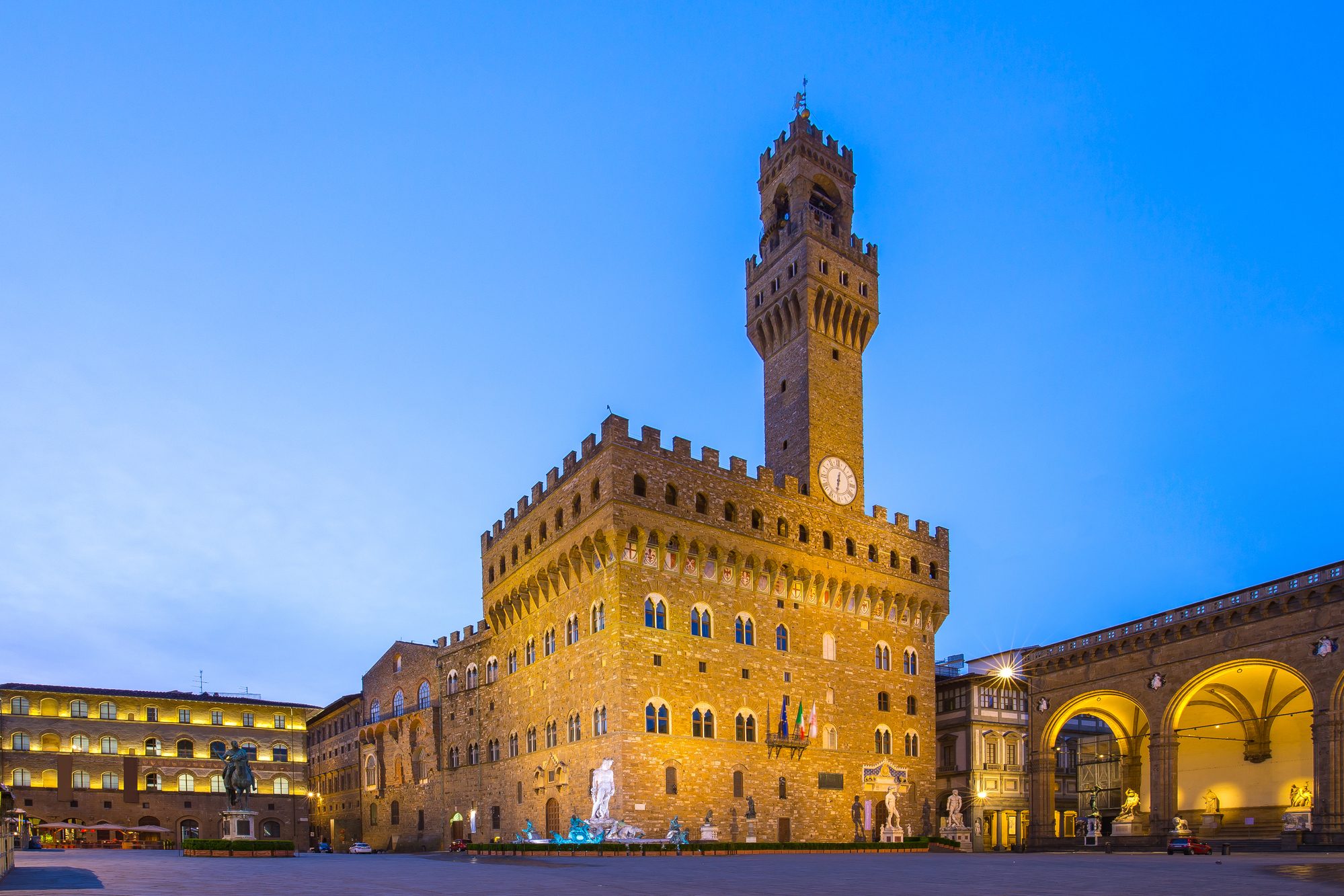
Der Palazzo Vecchio [paˈlatːso ˈvɛkːjo] („alter Palast“) stellte als Sitz des Stadtparlaments den Mittelpunkt der weltlichen Macht im Florenz des 14. Jahrhunderts dar. Er wurde 1314 fertiggestellt und hieß ursprünglich Palazzo della Signoria (die Signoria war die Regierung der Republik), bis die Verwaltung unter Herzog Cosimo I. aus dem Haus Medici in die Uffizien umzog. Infolge der Septemberkonvention diente der Palazzo Vecchio ab 1865 für einige Jahre als Sitz der Camera dei deputati des Königreichs Italien, nach der Verlegung der italienischen Staatsorgane nach Rom seit 1872 als Rathaus von Florenz.
 Architecture
Roman architecture
Architecture
*Triumphal arch
Italy
Architecture
Roman architecture
Architecture
*Triumphal arch
Italy
 Art
Art
 Lazio
Lazio
 World Heritage
 Civilization
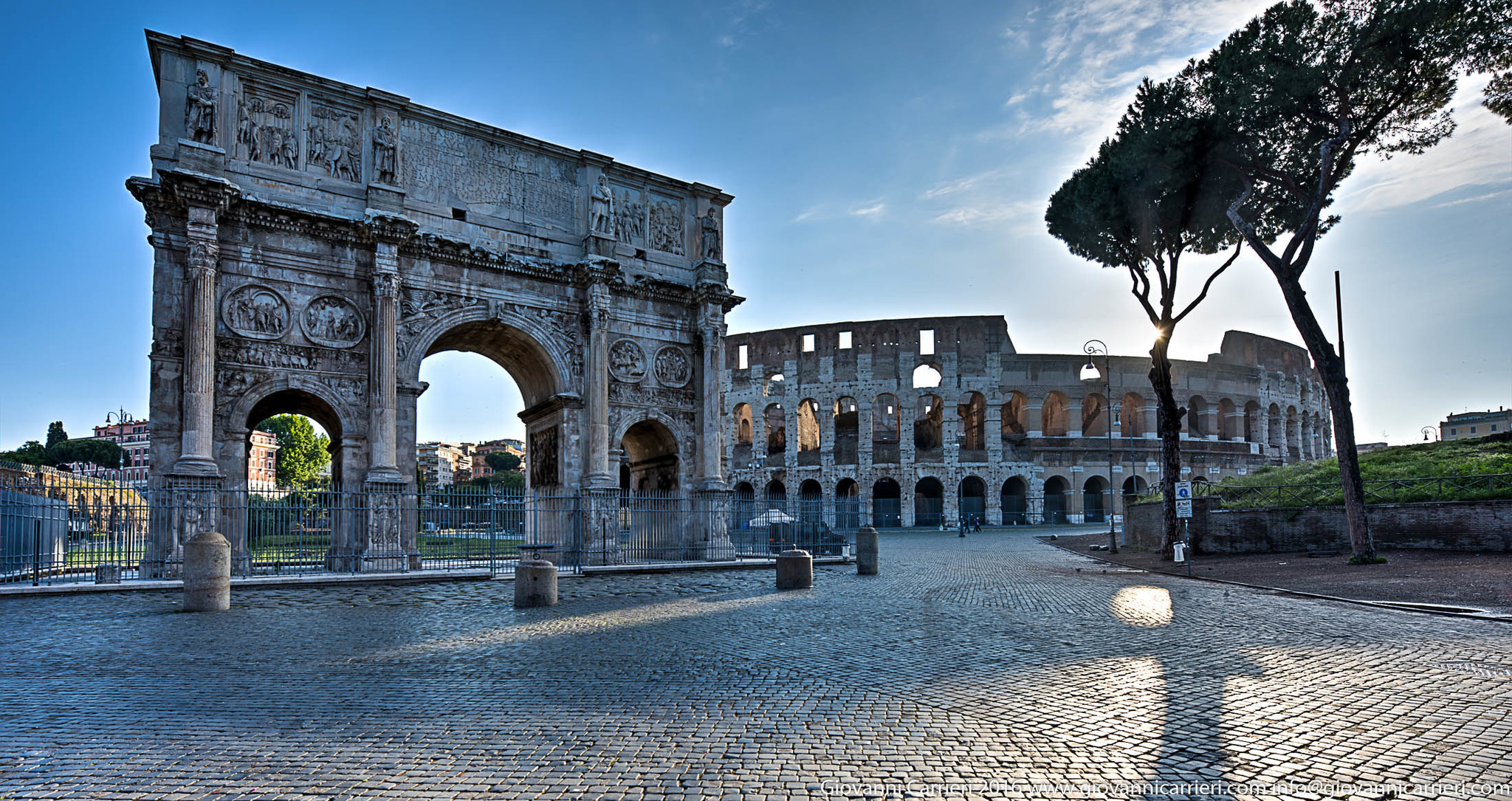
Der Konstantinsbogen wurde bereits 312 begonnen und am 25. Juli 315 geweiht. An diesem Tag feierte Konstantin den Beginn seines zehnten Regierungsjahres (decennalia). Auftraggeber für das Werk war der Senat. Der Bogen wurde an prominenter Stelle errichtet: Er überspannt in unmittelbarer Nähe des Kolosseums die Via Triumphalis, die sich nur wenige Meter nach dem Bogen mit der Via Sacra verbindet. Diesen Weg schlugen traditionell alle Triumphatoren ein, wenn sie vom Circus Maximus kommend den Palatin umrundeten, um dann über die Via Sacra und das Forum zum Kapitol zu gelangen. Ursprünglich soll der Bau von einer Quadriga gekrönt gewesen sein, die jedoch bei der Plünderung Roms durch die Westgoten unter Alarich im Jahr 410 oder die Plünderung Roms durch die Vandalen unter Geiserich 455 abhandengekommen sein soll.
Im Mittelalter integrierte man den Triumphbogen, ebenso wie das Kolosseum, in die Stadtbefestigungsanlagen. Zu Beginn des 19. Jahrhunderts wurde er in den derzeitigen baulichen Zustand versetzt. Im modernen Rom litt der Bogen, wie viele andere antike Monumente auch, sehr stark unter den Belastungen durch den motorisierten Straßenverkehr.
Der Konstantinsbogen ist der größte und der jüngste unter den drei Triumphbögen, die im antiken Viertel um das Forum Romanum erhalten sind. Er ist 21 Meter hoch, 25,7 Meter breit und hat eine Durchgangstiefe von über 7 Metern. Von anderen Bauwerken unterscheidet er sich aber vor allem dadurch, dass etliche Teile des Zierrats sowie die kannelierten korinthischen Säulen aus älteren Denkmälern und Gebäuden stammen.
An den frontalen Seiten prägen je vier Säulen das Bild, ähnlich der Bauweise bei seinem architektonischen Vorbild, dem Septimius-Severus-Bogen. Die Sockel der Säulen tragen Reliefs von Siegesgöttinnen, Soldaten und gefangenen Barbaren. In den Bogenwinkeln sind allegorische Dekorationen und Figuren zu erkennen: Gottheiten, die personifizierten Jahreszeiten, Flussgötter. Über den Hauptbogen legen sich geflügelte Siegesgötter. Es folgt ein umlaufendes Relief über den kleinen Bögen, das die Geschichte von Konstantins Feldzug, seinem Sieg und der Machtübernahme in Rom erzählt: Es beginnt an der westlichen Schmalseite mit dem „Aufbruch aus Mailand“ (profectio), dann folgen an der Südseite die Belagerung einer Stadt, wohl Verona (obsidio) und die Darstellung der Schlacht bei der Milvischen Brücke (proelium). An der Ostseite ist der Einzug des siegreichen Kaisers in Rom abgebildet (adventus), und an der Nordseite die Rede des Kaisers auf dem Forum Romanum (oratio) sowie die Verteilung von Geldgeschenken an das Volk (largitio). Soweit die konstantinische Dekoration, welche zum großen Teil die künstlerische Feinheit und Ausdruckskraft vergangener Jahrhunderte vermissen lässt.
Die acht auffälligen, paarweise positionierten Tondi an den Frontseiten stammen aus der Zeit Kaiser Hadrians. Sie zeigen vier Jagdszenen und vier Opferszenen. Die Hauptfigur ist Hadrian, doch wurde sein Kopf auf vier Reliefs durch den Konstantins ersetzt, auf den übrigen vier durch Konstantins Vater Constantius I. oder Konstantins oströmischen Mitregenten Licinius (die Identifizierung ist nicht gesichert). Die Reliefs des Hauptdurchgangs stammen aus der Basilica Ulpia am Trajansforum.
Die Statuen, die die Säulen in Höhe der Attika krönen, stellen Daker dar, welche an den Daker-Feldzug Trajans erinnern. Zwischen den Statuen finden sich wiederum paarweise rechteckige Reliefs mit Motiven der Markomannenkriege des Marcus Aurelius. Sie erzählen die Geschichte vom Aufbruch, dem Krieg und der Heimkehr des Kaisers im Jahr 173. Über dem Hauptbogen ist in großen Lettern, jedoch im Detail unsauber gearbeitet, die Widmungsinschrift angebracht.
In der Forschung ist es umstritten, ob die Wiederverwertung älterer Werke (Spolienzyklen) von möglichen finanziellen Schwierigkeiten und Sparzwang zeugt, oder ob Konstantin dadurch in die Tradition früherer, in der senatorischen Geschichtsschreibung hochgelobter Kaiser gestellt werden sollte.[1] Es wird teils vermutet, dass der Bogen bereits einen Vorgängerbau aus Hadrians Zeit hatte, der lediglich mit der Attika aufgestockt und neu verkleidet wurde. Die aufbereiteten und überarbeiteten Reliefs stammen aus den Regierungsjahren der Kaiser Trajan (98–117), Hadrian (117–138) und Marcus Aurelius (161–180).
Der Stil ist streng, es existiert eine unräumliche Reihung und Staffelung der frontal und symmetrisch angeordneten Figuren. Die Bedeutungsperspektive unterstreicht sinnfällig die sozialen Gegensätze und die gesellschaftliche Hierarchie in der Zeit des Dominats. Der Kaiser wird, unabhängig von seiner Stellung innerhalb des Reliefs, größer als die ihn umgebenden Personen dargestellt; ihm folgen, der Größe nach gestaffelt, die Hofbeamten und die Soldaten.
君士坦丁凯旋门高21米,宽25.7米,纵深7.4米。它拥有3个拱门,中央的拱门高11.5米,宽6.5米;两侧的拱门则高7.4米,宽3.4米。拱门上方由砖块所砌成,表面则有雕刻图案。君士坦丁凯旋门主体是由几根分开的圆柱及刻有铭文的顶楼所构成,设计类似位在古罗马广场的塞维鲁凯旋门。而拱门的下半部则被认为是建筑师参考更古老的纪念碑来设计的,也许是来自于哈德良皇帝时代。
因为君士坦丁凯旋门横跨在凯旋大道(Via Triumphalis)上,所以当时罗马皇帝在凯旋式时会从这条路进入罗马。这条路线是从战神广场开始,穿过马克西穆斯竞技场(Circus Maximus),随后沿着帕拉蒂尼山前进。在通过君士坦丁凯旋门后,队伍马上在圆锥水泉(Meta Sudans)左转,沿着神圣大道(拉丁语:Via Sacra)到达古罗马广场并登上卡比托利欧山到达终点朱庇特神庙,途中也会穿过提图斯凯旋门。
君士坦丁凯旋门的表面大量使用其他更古老的纪念建筑材料来装饰,并集合成君士坦丁时代的建筑。它赞扬了君士坦丁在战争中获胜,这座“历史性”的建筑则描述他在罗马活动的核心思想:同时在战争及执行公民任务方面赞美皇帝。一种看法认为君士坦丁凯旋门的装饰采用图拉真、哈德良与马尔库斯·奥列里乌斯这些皇帝在位的“黄金时代”暗指君士坦丁也将会成为这些“优秀皇帝”的其中之一。
另一种解释则认为君士坦丁凯旋门开始建造(最早是在312年末)到外部开始装饰的时间(315年夏季)并不长,所以建筑师采用现存的技术是因为来不及创造全新的设计艺术。而另一个可能的原因则是:4世纪的罗马帝国缺乏艺术技术去创造合适的艺术品,所以只好搜刮古代建筑表面的艺术品来装饰君士坦丁凯旋门。这些不同的因素之间也可能互相影响才真正造成这种现象。
拱门上方的顶阁表面刻有铭文,而且两个面都完全相同。而位在拱门上端两侧则装饰著8个长方形浮雕。这些浮雕原先是一座纪念马尔库斯·奥列里乌斯的未知建筑物上面的装饰物,可能是从纪念马尔库斯·奥列里乌斯在马克曼尼人战争(Marcomannic Wars)获胜的凯旋纪念物上移走的。不过建筑师将马尔库斯·奥列里乌斯皇帝的头像重新雕刻成君士坦丁。
君士坦丁凯旋门每根圆柱顶端的达基亚囚犯大理石雕像是图拉真时代的产物,很可能是来自于图拉真广场。
コンスタンティヌスの凱旋門(コンスタンティヌスのがいせんもん、ラテン語: Arcus Constantini,イタリア語: Arco di Costantino)は、イタリアの首都ローマにある古代ローマ時代の凱旋門で、ローマ建築の代表的なものである。 フラウィウス円形闘技場(コロッセオ)とパラティウムの丘、フォルム・ロマヌムの間に位置している。西の副帝であったコンスタンティヌスが、ミルウィウス橋の戦いで正帝マクセンティウスに勝利し、西ローマの唯一の皇帝となった事を記念し建てられた。フランスのパリに建設されたカルーゼル凱旋門のモデルにもなっている。
後にローマ帝国唯一の皇帝となるコンスタンティヌスは、当時西ローマの副帝の地位にあったが、サクサ・ルブラで正帝マクセンティウスの軍団を撃破し、312年10月28日に、ミルウィウス(現ミルヴィオ)においてマクセンティウスを河畔に追いつめ、溺死させることに成功した(ミルウィウス橋の戦い)。コンスタンティヌスはローマに入城すると、フォルム・ロマヌム(現フォロ・ロマーノ)のロストラに立って凱旋演説を行い、フォルム・ユリウム(現フォロ・ジュリアーノ)にて市民に賜金を施した。コンスタンティヌスの凱旋門は、このコンスタンティヌス帝の在位10年目にあたる312年の勝利を記念して造られたものである。奉献式典は315年に行われた。
ただし、この凱旋門には、コンスタンティヌスの時代から遡ること200年前の建築物の装飾が用いられているため、近年、この凱旋門は実は2世紀頃に建設されたものであり、コンスタンティヌスはこれを改変しただけであるとする説も提唱されている。1960年のローマオリンピックでは、マラソン競技のゴール地点に選ばれた。
高さ21m、幅25.7m、奥行き約7.4m。3つの門を有し、中央の門が高さ約11m、幅約6.5m、左右の門が高さ約7m、幅3mであり、ローマにある凱旋門では最大である。構成は、フォルム・ロマヌムにあるセプティミウス・セウェルスの凱旋門のものを踏襲している。
基礎と下部構造は石灰華、最上部は煉瓦(外装は大理石)、円柱は黄色大理石、それ以外は白大理石から構成される。装飾は古い建築物からの転用材で、南北面の円形浮き彫りはハドリアヌス帝の時代の建築物から、最上層(アティック)の8枚のパネルは176年に建設されたマルクス・アウレリウス・アントニヌスの凱旋門からはぎ取られたものである。やはり最上層にある8体の彫像と南北面のパネル、中央の門の両側にあるパネルは、トラヤヌス帝が建設したトラヤヌスのフォルムからの転用材である。8本の黄色大理石の円柱も、由来不明だが、どこかの建物からもたらされたものと考えられている。これら以外の彫刻は、コンスタンティヌスの時代のものである。
The Arch of Constantine (Italian: Arco di Costantino) is a triumphal arch in Rome, situated between the Colosseum and the Palatine Hill. It was erected by the Roman Senate to commemorate Constantine I's victory over Maxentius at the Battle of Milvian Bridge in 312.[a] Dedicated in 315, it is the largest Roman triumphal arch.[1] The arch spans the Via triumphalis, the way taken by the emperors when they entered the city in triumph.
Though dedicated to Constantine, much of the decorative material incorporated earlier work from the time of the emperors Trajan (98–117), Hadrian (117–138) and Marcus Aurelius (161–180), and is thus a collage.[2] The last of the existing triumphal arches in Rome, it is also the only one to make extensive use of spolia,[3] reusing several major reliefs from 2nd century imperial monuments, which give a striking and famous stylistic contrast to the sculpture newly created for the arch. This earned it the derisive nickname of Cornacchia di Esopo Aesop's Crow.[4]
The arch is 21 m high, 25.9 m wide and 7.4 m deep. It has three archways, the central one being 11.5 m high and 6.5 m wide and the lateral archways 7.4 m by 3.4 m each. Above the archways is placed the attic, composed of brickwork revetted (faced) with marble. A staircase within the arch is entered from a door at some height from the ground, on the west side, facing the Palatine Hill. The general design with a main part structured by detached columns and an attic with the main inscription above is modelled after the example of the Arch of Septimius Severus on the Roman Forum.
The arch, which was constructed between 312 and 315 AD, was dedicated by the Senate to commemorate ten years (decennalia[b]) of Constantine's reign (306–337) and his victory over the then reigning emperor Maxentius (306–312) at the Battle of Milvian Bridge on 28 October 312,[6] as described on its attic inscription,[7] and officially opened on 25 July 315. Not only did the Roman senate give the arch for Constantine's victory, they also were celebrating decennia, a series of games that happens every decade for the Romans. On this occasion they also said many prayers.[8] However, Constantine had actually entered Rome on 29 October 312, amidst great rejoicing, and the Senate then commissioned the monument.[9] Constantine then left Rome within two months and did not return till 326.[10]
The location, between the Palatine Hill and the Caelian Hill, spanned the ancient route of Roman triumphs (Via triumphalis) at its origin, where it diverged from the Via sacra.[6][4][11] This route was that taken by the emperors when they entered the city in triumph. This route started at the Campus Martius, led through the Circus Maximus, and around the Palatine Hill; immediately after the Arch of Constantine, the procession would turn left at the Meta Sudans and march along the Via sacra to the Forum Romanum and on to the Capitoline Hill, passing through both the Arches of Titus and Septimius Severus.
During the Middle Ages, the Arch of Constantine was incorporated into one of the family strongholds of ancient Rome, as shown in the painting by Herman van Swanevelt, here. Works of restoration were first carried out in the 18th century,[3][c] the last excavations have taken place in the late 1990s, just before the Great Jubilee of 2000. The arch served as the finish line for the marathon athletic event for the 1960 Summer Olympics.
L’Arc de Constantin est un arc de triomphe à Rome, situé entre le Colisée et le Palatin. Il se trouve de nos jours dans le rione du Celio, l'ancienne route des triomphes.
Il fut construit par le Sénat romain pour commémorer à la fois la victoire de Constantin au Pont Milvius contre Maxence le 28 octobre 312 ainsi que ses 10 années de pouvoir. Il fut placé près du Colisée et de la Meta Sudans, Constantin voulant associer son règne à celui de la dynastie flavienne qui avait érigé ces monuments1.
Inauguré le 25 juillet 315 (date correspondant aux decennalia du règne de l'empereur), c'est le dernier de la série des arcs de triomphe à Rome, dans laquelle il se distingue par son utilisation systématique de réemplois (spolia) de monuments antérieurs.
L'arc mesure 21,10 m de haut, 25,7 m de large et 7,4 m de profondeur. Il possède trois baies : la baie centrale est la plus grande, avec 11,5 m de haut pour 6,5 m de large, tandis que les passages latéraux mesurent 7,4 m de haut pour 4,4 m de large. La partie inférieure du monument est construite de blocs de marbre, tandis que la partie supérieure, l'attique, est en maçonnerie de briques revêtue d'un placage de marbre. Un escalier est aménagé dans l'épaisseur de l'arc ; on y accède par une porte située en hauteur sur le côté situé du côté du Palatin.
La conception générale du monument, avec une partie centrale structurée par quatre colonnes libres (et non engagées comme sur beaucoup d'arcs) et un attique comportant au centre une inscription monumentale, est inspirée du modèle de l'Arc de Septime Sévère sur le Forum Romain. Certains auteurs ont suggéré que la partie inférieure de l'édifice remontait en fait à un monument antérieur, probablement de l'époque d'Hadrien plutôt qu'à la construction du IVe siècle.
L'arc chevauche la Via Triumphalis, la route prise par les empereurs lorsqu'ils entrent dans la cité pour célébrer leur triomphe. L'itinéraire de cette route commence au Champ de Mars, conduit au Cirque Maxime et fait le tour du Palatin. Immédiatement après avoir franchi l'Arc de Constantin, la procession triomphale tourne vers la gauche et suit la Via Sacra jusqu'au Forum Romain, puis au Capitole, en franchissant à la fois l'Arc de Titus et l'Arc de Septime Sévère.
Au Moyen Âge, l'Arc de Constantin est incorporé dans une des forteresses familiales de Rome. Des travaux de restauration sont entrepris pour la première fois dans les années 1990.
L'arco di Costantino è un arco trionfale a tre fornici (con un passaggio centrale affiancato da due passaggi laterali più piccoli), situato a Roma, a breve distanza dal Colosseo. Oltre alla notevole importanza storica come monumento, l'Arco può essere considerato come un vero e proprio museo di scultura romana ufficiale, straordinario per ricchezza e importanza[1]. Le dimensioni generali del prospetto sono di 21 m di altezza, 25,9 metri di larghezza e 7,4 m di profondità.
L'arco fu dedicato dal senato per commemorare la vittoria di Costantino I contro Massenzio nella battaglia di Ponte Milvio (28 ottobre 312) e inaugurato nel 315 in occasione dei decennalia (dieci anni di regno) dell'imperatore;[2] la collocazione, tra il Palatino e il Celio, era sull'antico percorso dei trionfi.
L'arco è uno dei tre archi trionfali sopravvissuti a Roma, in via dei Fori imperiali: gli altri due sono l'arco di Tito (81–90 circa) e l'arco di Settimio Severo (202–203). L'arco, come anche quello di Tito, è quasi del tutto ignorato dalle fonti letterarie antiche e le informazioni che si conoscono derivano in gran parte dalla lunga iscrizione di dedica, ripetuta su ciascuna faccia principale dell'attico.
Nonostante la tradizione agiografica dell'apparizione della Croce durante la battaglia di Ponte Milvio, all'epoca della costruzione dell'arco Costantino non aveva ancora reso pubblica alcuna simpatia verso il Cristianesimo; l'imperatore, che aveva ribadito libertà di culto alle popolazioni dell'Impero Romano nel 313, partecipò solo nel 325 al concilio di Nicea. Nonostante la discussa frase instinctu divinitatis («per ispirazione divina») sull'iscrizione, è verosimile che all'epoca Costantino mantenesse perlomeno una certa equidistanza tra le religioni, anche per ragioni di interesse politico. Tra i rilievi dell'arco sono infatti presenti scene di sacrificio a diverse divinità pagane (nei tondi adrianei) e busti di divinità sono presenti anche nei passaggi laterali, mentre altre divinità pagane erano raffigurate sulle chiavi dell'arco. Significativamente però, tra i pannelli riciclati da un monumento dell'epoca di Marco Aurelio, furono tralasciati nel reimpiego proprio quelli che si riferiscono al trionfo e al sacrificio capitolino (che oggi sono ai Musei Capitolini), raffiguranti quindi la più alta cerimonia della religione di Stato pagana.
Nel 1530 Lorenzino de' Medici venne cacciato da Roma per aver tagliato per divertimento le teste sui rilievi dell'arco, che vennero in parte reintegrate nel XVIII secolo.
Nel 1960, durante i Giochi della XVII Olimpiade di Roma, l'arco di Costantino fu lo spettacolare traguardo della leggendaria maratona vinta a piedi scalzi dall'etiope Abebe Bikila.
El arco de Constantino (en latín, arcus Constantinianus) es un arco del triunfo que se encuentra entre el Coliseo y la colina del Palatino, en Roma. Se irguió para conmemorar la victoria de Constantino I el Grande en la batalla del Puente Milvio, el 28 de octubre de 312, y a otros emperadores anteriores. Dedicado en 315, es el más moderno de los arcos triunfales alzados en la Roma Antigua, de los que difiere por haberse construido gracias al expolio de edificios anteriores.
El arco mide 21 metros de alto, 25,7 m de ancho y 7,4 m de profundidad. Tiene tres arcos, siendo el central de 11,5 metros de alto y 6,5 de ancho, y los laterales de 7,4 de alto y 3,4 m de ancho cada uno. La parte inferior del monumento está construida con bloques de mármol, mientras que la parte superior (llamada ático) es de ladrillo con remates de mármol. A cierta altura desde el suelo, en el lado que mira al Palatino, hay una puerta a través de la cual se accede a una escalera formada en el grosor del arco. El estilo es el imperial romano, ya que extrae la mayoría de los relieves de otras construcciones. Pero también hay un claro ejemplo de transición hacia el estilo medieval. Todo esto se debe al agotamiento de las formas artísticas y la decadencia del Imperio, un Imperio que estaba al borde de su aniquilación parcial (el Impero de Oriente aguantaría hasta que en 1453 los turcos otomanos entrasen en Constantinopla) El diseño general con una parte principal estructurada por columnas adosadas y un ático con la principal inscripción encima está realizado según el ejemplo del Arco de Septimio Severo en el Foro Romano. Se ha sugerido que la parte inferior del arco proviene directamente de un monumento anterior, probablemente de los tiempos del emperador Adriano
El arco cruza la Via Triumphalis, la ruta que tomaban los emperadores cuando entraban en la ciudad en triunfo. Este itinerario comenzaba en el Campo de Marte, pasaba por el Circo Máximo y alrededores de la colina Palatina; inmediatamente después el Arco de Constantino, la procesión giraría a la izquierda en la Meta Sudans y marcharía a lo largo de la Vía Sacra hacia el Foro romano y la colina Capitolina, pasando tanto por el Arco de Tito como por el de Septimio Severo.
Durante la Edad Media, el Arco de Constantino fue incorporado a una de las fortalezas familiares de la antigua Roma. Se restauró por vez primera en el siglo XVIII; las últimas excavaciones se han realizado a finales de los años 1990, justo antes del Gran Jubileo de 2000.
Триумфальная арка Константина (лат. Arcus Constantini, итал. Arco di Costantino) — трёхпролётная арка, расположенная в Риме между Колизеем и Палатином на древней Via Triumphalis. Построена в 315 году и посвящена победе Константина над Максенцием в битве у Мильвийского моста 28 октября 312 года. Является позднейшей из сохранившихся римских триумфальных арок, использует элементы декора, снятые с более древних монументов (сполии). Кроме того, это единственная в Риме арка, построенная в честь победы не над внешним врагом, а в гражданской войне. Арка имеет высоту 21 м, ширину 25,7 м и глубину 7,4 м. Центральный пролёт 11,5 м высотой и 6,5 шириной, боковые: по 7,4 м и 3,4 м. Основная часть монумента выполнена из мраморных блоков, аттик кирпичный, облицованный мрамором.