
Deutsch-Chinesische Enzyklopädie, 德汉百科
 Mexico
 Motorsport
Azerbaijan
Australia
Bahrain
Belgium
Brazil
China
Germany
Motorsport
Azerbaijan
Australia
Bahrain
Belgium
Brazil
China
Germany
 Emilia-Romagna
England
Emilia-Romagna
England
 Florida-FL
Formel-1-Weltmeisterschaft 2017
Formel-1-Weltmeisterschaft 2018
Florida-FL
Formel-1-Weltmeisterschaft 2017
Formel-1-Weltmeisterschaft 2018
 Formula 1 World Championship 2025
France
India
Italy
Japan
Canada
Katar
Kinki
Formula 1 World Championship 2025
France
India
Italy
Japan
Canada
Katar
Kinki
 Lombardia
Mexico
Monaco
Lombardia
Mexico
Monaco
 Nevada-NV
Austria
Nevada-NV
Austria
 Quebec-QC
Russia
São Paulo
Saudi Arabia
Switzerland
Shanghai Shi-SH
Singapore
Spain
Quebec-QC
Russia
São Paulo
Saudi Arabia
Switzerland
Shanghai Shi-SH
Singapore
Spain
 Sport
Sport
 Styria
 Texas-TX
Hungary
United Arab Emirates
United States
United Kingdom
Texas-TX
Hungary
United Arab Emirates
United States
United Kingdom
 Victoria-VIC

一级方程式赛车(英语:Formula One,也叫Formula 1或者F1)是由国际汽车联盟举办的最高等级的年度系列场地方程式赛车比赛,正式名称为“国际汽车联合会世界一级方程式锦标赛”。名称中“方程式”是指一组所有参赛车辆都必须遵守的规则[1]。F1赛季包括一系列的比赛,而这些所谓的“大奖赛”(Grand Prix,出自法语,本意Great Prizes)的场地是全封闭的专门赛道或者是临时封闭的普通公路。每场比赛的结果算入积分系统并以此确定两个年度世界冠军:一个给车手和另一个给制造商。F1的车手、制造商、组织者以及赛道都必须持有FIA超级驾驶执照,这是国际汽联颁发的最高级别执照。
一级方程式赛车通过产生大量的空气动力学下压力达到非常高的过弯速度,是风靡全球的赛车运动。发动机性能限制在每分钟最多15000转时,其比赛最高速度就可以超过360公里/小时。赛车过弯的横向加速度超过5个标准重力。F1赛车的性能非常依赖电子系统(牵引力控制系统和其他辅助驾驶装置自2008年已被禁止)、空气动力学、悬挂和轮胎。
Die Formel 1 ist eine vom Automobil-Dachverband Fédération Internationale de l’Automobile (FIA) festgelegte Formelserie. Hersteller konstruieren Autos, die den Formel-1-Regeln entsprechen. Diese Autos treten im Rahmen der Formel-1-Weltmeisterschaft zu Rennen in ungefähr 20 Orten pro Jahr an. Am Ende der Saison wird der Fahrer mit den meisten Punkten F1 Fahrerweltmeister und der Hersteller mit den meisten Punkten Konstrukteursweltmeister.
Die Formel 1 ist die höchstrangige von der FIA veranstaltete Rennserie des Formelsports. Sie wird als Königsklasse des Automobilsports bezeichnet, da sie den Anspruch erhebt, die höchsten technischen, fahrerischen, aber auch finanziellen Anforderungen aller Rennserien an Fahrer und Konstrukteure zu stellen. Sie wird auch kurz F1 genannt. Die F1 Weltmeisterschaft heißt offiziell FIA Formula One World Championship, bis 1980 hat sie Automobil-Weltmeisterschaft geheissen.
Formula One (also Formula 1 or F1) is the highest class of single-seater auto racing sanctioned by the Fédération Internationale de l'Automobile (FIA) and owned by the Formula One Group. The FIA Formula One World Championship has been one of the premier forms of racing around the world since its inaugural season in 1950. The "formula" in the name refers to the set of rules to which all participants' cars must conform.[2] A Formula One season consists of a series of races, known as Grands Prix (French for "grand prizes" or "great prizes"), which are held worldwide on purpose-built circuits and public roads.
The results of each race are evaluated using a points system to determine two annual World Championships: one for drivers, the other for constructors. Drivers must hold valid Super Licences, the highest class of racing licence issued by the FIA.[3] The races are required to be held on tracks graded "1" (formerly "A"), the highest grade rating issued by the FIA.[3] Most events are held in rural locations on purpose-built tracks, but there are several events in city centres throughout the world, with the Monaco Grand Prix being the most well-known.
Formula One cars are the fastest regulated road course racing cars in the world, owing to very high cornering speeds achieved through the generation of large amounts of aerodynamic downforce. The cars underwent major changes in 2017,[4] allowing wider front and rear wings, and wider tyres, resulting in cornering forces closing in on 8g and top speeds of up to approximately 375 km/h (230 mph).[5] The hybrid engines are currently limited in performance to a maximum of 15,000 rpm and the cars are very dependent on electronics—although traction control and other driving aids have been banned since 2008—and also on aerodynamics, suspension, and tyres.
While Europe is the sport's traditional base, the championship is truly global, with 11 of the 21 races in the 2018 season taking place outside Europe. With the annual cost of running a mid-tier team—designing, building, and maintaining cars, pay, transport—being US$120 million,[6] Formula One has a significant economic and job-creation effect, and its financial and political battles are widely reported. Its high profile and popularity have created a major merchandising environment, which has resulted in large investments from sponsors and budgets (in the hundreds of millions for the constructors). On 8 September 2016, it was announced that Liberty Media had agreed to buy Delta Topco, the company that controls Formula One, from private equity firm CVC Capital Partners for $4.4 billion in cash, stock, and convertible debt.[7] On 23 January 2017, it was confirmed that the acquisition had been completed, for $8 billion.[8]
La Formule 1, communément abrégée en F1, est une discipline de sport automobile considérée comme la catégorie reine de ce sport. Elle a pris au fil des ans une dimension mondiale et elle est, avec les Jeux olympiques et la Coupe du monde de football, l'un des événements sportifs les plus médiatisés.
Chaque année depuis 1950, un championnat mondial des pilotes est organisé, complété depuis 1958 par un championnat mondial des constructeurs automobiles. La compétition est basée sur des Grands Prix, courses à bord de voitures monoplaces disputées sur circuits routiers fermés permanents mais parfois tracés en ville et temporaires, comme à Monaco, Valence, Singapour, et Bakou.
Cette discipline sportive, régie par la Fédération internationale de l'automobile (FIA), est gérée par la Formula One Administration (FOA) et un ensemble de sociétés satellites contrôlées par Liberty Media. Après l'ère des artisans des années 1960 et 1970, elle a peu à peu attiré les grands constructeurs automobiles mondiaux qui y investissent des sommes élevées, en espérant tirer profit des retombées médiatiques d'éventuels succès. La Formule 1 est considérée comme la vitrine technologique de l'industrie automobile qui y expérimente des nouveautés techniques, parfois issues de la technologie spatiale et susceptibles d'être adaptées ensuite sur les voitures de série.
Outre la compétition, le terme Formule 1 désigne l'ensemble des règles techniques des voitures monoplaces qui sont mises à jour tous les ans par la FIA. Ces règles sont très strictes sur les dimensions des voitures, la cylindrée des moteurs, les technologies mises en œuvre ; elles définissent également les mesures de sécurité des voitures pour assurer la protection du pilote. Les monoplaces de course répondant aux caractéristiques de la réglementation de la Formule 1 sont généralement désignées sous le terme générique de Formules 1.
La Formula 1 o Formula Uno,[1] in sigla F1, è la massima categoria (in termini prestazionali) di vetture monoposto a ruote scoperte da corsa su circuito definita dalla Federazione Internazionale dell'Automobile (FIA).
La categoria è nata nel 1948 (in sostituzione della Formula A, a sua volta sorta solo qualche anno prima, nel 1946), diventando poi a carattere mondiale nella stagione 1950. Inizialmente definita dalla Commissione Sportiva Internazionale (CSI) dell'Associazione Internazionale degli Automobil Club Riconosciuti (AIACR), associazione antesignana della Federazione Internazionale dell'Automobile, oggi la Formula Uno è regolata dal Consiglio Mondiale degli Sport Motoristici (in inglese: World Motor Sport Council, WMSC) della Federazione Internazionale dell'Automobile.
Il termine "formula", presente nel nome, fa riferimento a un insieme di regole alle quali tutti i partecipanti, le macchine e i piloti, devono adeguarsi; esse introducono un numero di restrizioni e specifiche nelle auto, al fine di evitare le eccessive disparità tecniche tra le auto, di porre dei limiti al loro sviluppo e di ridurre i rischi di incidenti. La formula ha avuto molti cambiamenti durante la sua storia. Ad esempio, ci sono stati differenti tipi di motori, con schemi da quattro fino a sedici cilindri e con cilindrate da 1,5 a 4,5 l.
La Fórmula 1, abreviada como F1 y también denominada la «categoría reina del automovilismo»1 o «la máxima categoría del automovilismo»,23 es la competición de automovilismo internacional más popular y prestigiosa, superando a categorías de automovilismo como la NASCAR, el Campeonato Mundial de Rally, el Campeonato Mundial de Turismos o la Fórmula E, entre otras.4 A cada carrera se le denomina Gran Premio y el torneo que las agrupa se denomina Campeonato Mundial de Fórmula 1. La entidad que la dirige es la Federación Internacional del Automóvil (FIA). El Formula One Group es controlado por la empresa estadounidense Liberty Media desde septiembre de 2016.5
Los automóviles utilizados son monoplazas con la última tecnología disponible, siempre limitadas por un reglamento técnico; algunas mejoras que fueron desarrolladas en la Fórmula 1 terminaron siendo utilizadas en automóviles comerciales, como el freno de disco.6 La mayoría de los circuitos de carreras donde se celebran los Grandes Premios son autódromos, aunque también se utilizan circuitos callejeros y anteriormente se utilizaron circuitos ruteros.
El inicio de la Fórmula 1 moderna se remonta al año 1950, en el que participaron escuderías como Ferrari, Alfa Romeo y Maserati. Algunas fueron reemplazadas por otras nuevas como McLaren, Williams, Red Bull y Renault, que se han alzado varias veces con el Campeonato Mundial de Constructores. Las escuderías tienen que planear sus fichajes y renovación de contratos 2 o 3 carreras antes del fin de la temporada. Por su parte, los pilotos deben contar con la superlicencia de la FIA para competir, que se obtiene sobre la base de resultados en otros campeonatos.
Argentina
Brazil
Brazil
Brazil
Brazil
Denmark
FIFA-Konföderationen-Pokal 2013
FIFA-Konföderationen-Pokal 2017
France
France
Mexico

 Eat and Drink
 Botany
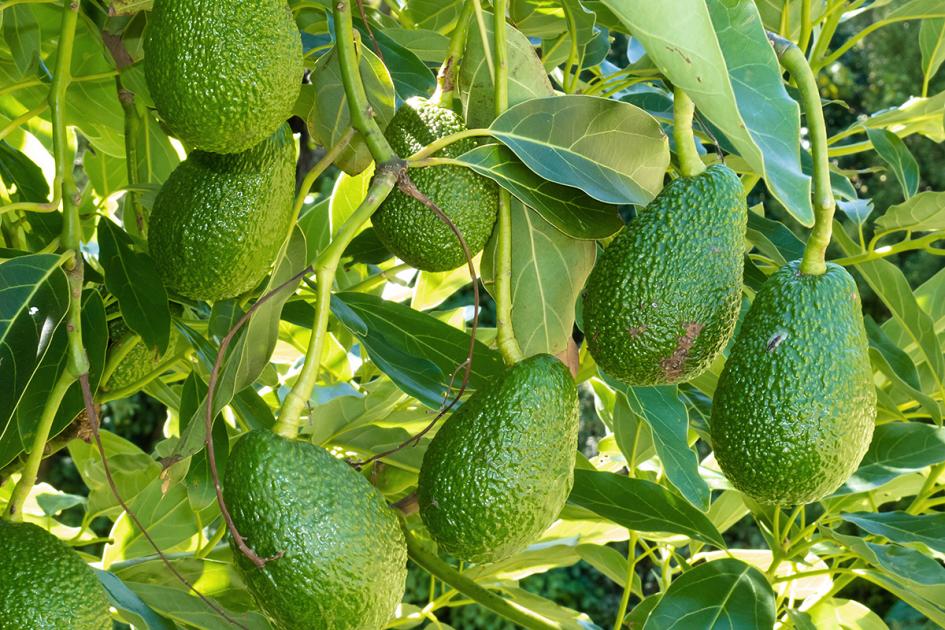
原产于美洲的墨西哥至哥伦比亚和西印度群岛。油梨果肉含脂肪8-30%。蛋白质1-3%。碳水化合物2-9%。多种氨基酸的含量均约为鸡蛋的1/15。为高能低糖易消化的保健食品。鳄梨油常见于美容化妆品。

 FIFA Fussball-Weltmeisterschaft 2026
 International cities
 *World Design Capital
League of Legends
League of Legends
League of Legends World Championship
Mexico
Olympic Summer Games
*World Design Capital
League of Legends
League of Legends
League of Legends World Championship
Mexico
Olympic Summer Games
 World Heritage
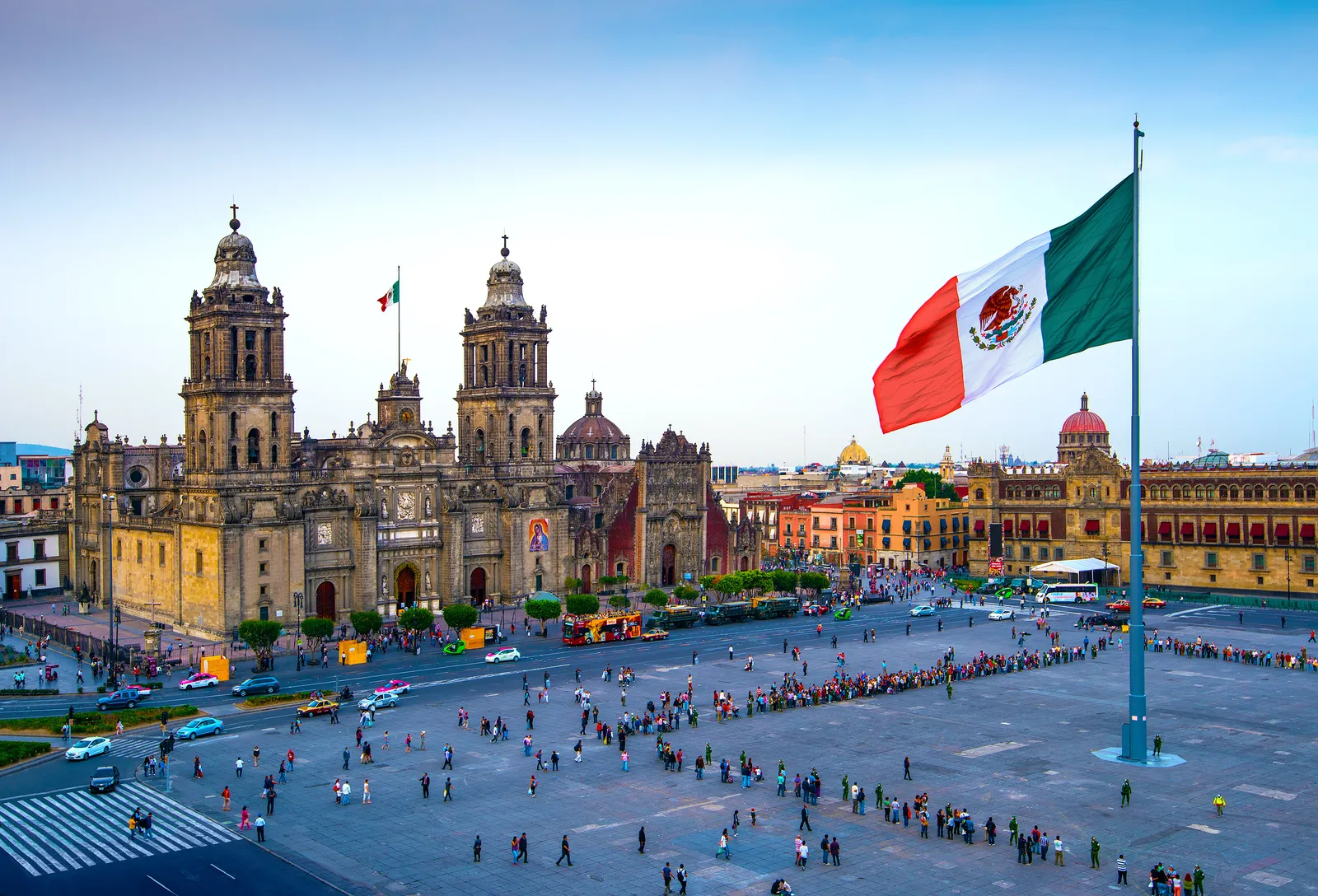
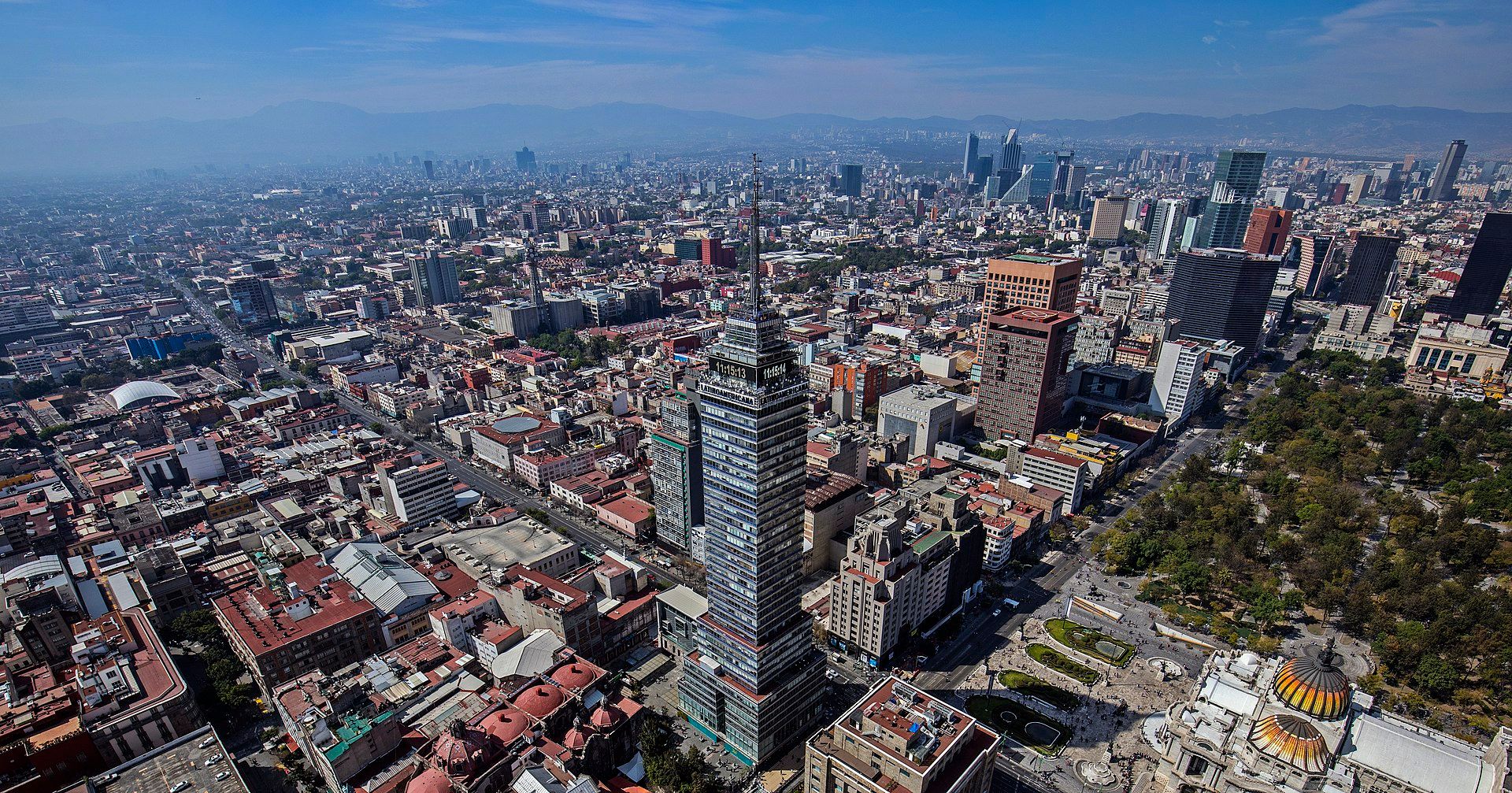
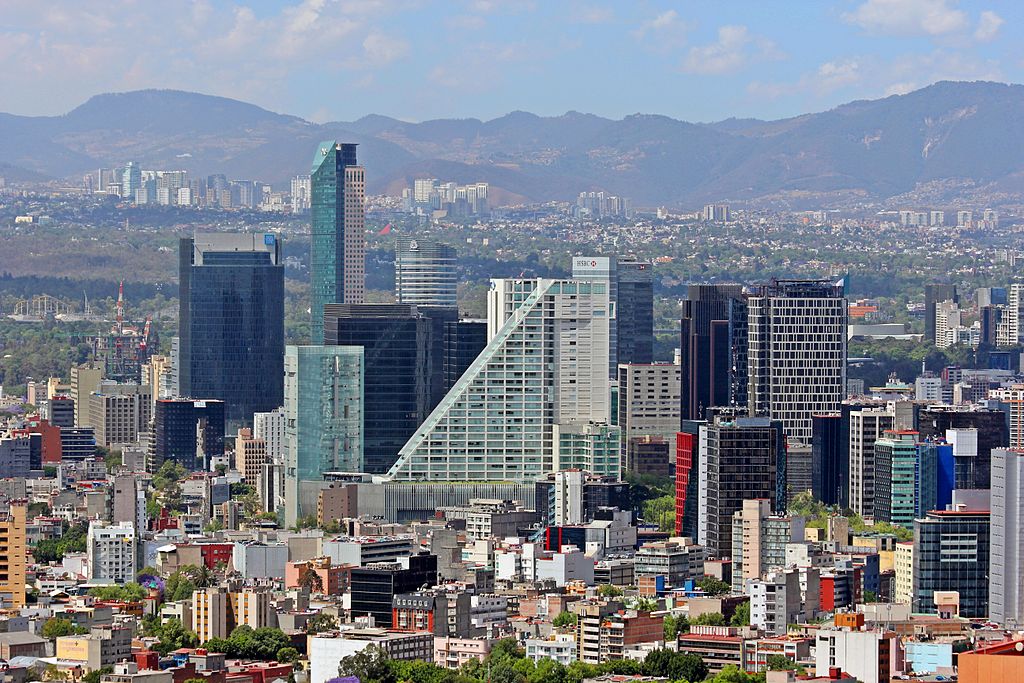
墨西哥城(西班牙语:Ciudad de México 西班牙语发音:[sjuˈða(ð) ðe ˈmexiko] ( 聆听),缩写为CDMX)是墨西哥合众国首都暨政治、经济、文化中心,亦为世界上最大的都市之一。墨西哥城位于墨西哥中部的高原地区中央,其与周围的卫星城市原合称墨西哥联邦特区(México, D.F.),行政级别上与该国其他31个州(Estados)同等但在行政上直属中央[8]。2016年1月29日,墨西哥联邦特区改制为墨西哥市(Ciudad de México),改制后的墨西哥市拥有相当程度的自治权,包括自己的市自治法与和其他州级行政区类似的市议会机构[8]。原本联邦区下各区(delegaciones)也一并改制为市镇(municipio)并选出各自的市长。
Mexiko-Stadt (spanisch Ciudad de México oder México D.F.) ist die Hauptstadt von Mexiko. Sie gehört zu keinem Bundesstaat, sondern bildet einen bundesunmittelbaren Hauptstadtbezirk (Distrito Federal), in dem 8,8 Millionen Menschen (2009) leben. Die Metropolregion Zona Metropolitana del Valle de México (ZMVM), zu der Mexiko-Stadt, der östliche Teil des Bundesstaates México und eine Gemeinde aus dem Staat Hidalgo gehören, ist mit 20 Millionen Einwohnern[1] eine der größten der Erde.
Die Stadt ist politischer, wirtschaftlicher, sozialer und kultureller Mittelpunkt sowie größter Verkehrsknotenpunkt des Landes. Sie ist Sitz des Erzbistums Mexiko sowie zahlreicher Universitäten, Hoch- und Fachschulen. Die UNESCO hat ihr historisches Zentrum mit den Überresten der Aztekenhauptstadt Tenochtitlan sowie die Wassergärten im Stadtteil Xochimilco 1987 und den zentralen Universitätscampus der Universidad Nacional Autónoma de México[2] im Jahr 2007 zum Weltkulturerbe erklärt.
メキシコシティ(西: Ciudad de México スペイン語発音: [sjuˈða(ð) ðe ˈmexiko] ( 音声ファイル)、英語: Mexico City)は、メキシコ合衆国の首都。同国を構成する32州のひとつ[注 1]。中米屈指の世界都市。
なお、国名と同一名称のため「市」に相当する単語を付けて呼ばれるのが通例となっており、メキシコの公用語であるスペイン語では「シウダー・デ・メヒコ」(Ciudad de México) と発音される[1]。日本では、主に用いられる英語名の他にメキシコ市と呼ばれる場合もある[2]。
メキシコ最大の都市であり、2016年の近郊を含む都市圏人口は2,023万人であり、世界第12位である[3]。メキシコのみならずラテンアメリカの経済の中心地の一つであり、2014年の都市圏GDPは3,837億ドルである[4]。これはラテンアメリカではサンパウロに次ぐ第2位であり、世界では第18位に位置する。
日本の民間研究所が2016年に発表した「世界の都市総合力ランキング」では、世界37位と評価されており、ラテンアメリカでは首位である[5]。また、アメリカのシンクタンクが2016年に発表した世界都市ランキングにおいて、世界39位と評価されており、ラテンアメリカではブエノスアイレス、サンパウロに次ぐ3位である[6]。
かつて行政上の正式名称は連邦区(Distrito Federal、D.F.)だったが、2016年にメキシコシティ(Ciudad de México)に変更され、独立した州となった[7][8]。
Mexico City (Spanish: Ciudad de México, locally [sjuˈða(ð) ðe ˈmexiko] (listen);[13] abbreviated as CDMX; Nahuatl languages: Āltepētl Mēxihco) is the capital and largest city of Mexico and the most-populous city in North America.[14][15] Mexico City is one of the most important cultural and financial centres in the world.[16] It is located in the Valley of Mexico (Valle de México), a large valley in the high plateaus in the center of Mexico, at an altitude of 2,240 meters (7,350 ft). The city has 16 subdivisions, formerly known as boroughs.
The 2009 population for the city proper was approximately 8.84 million people,[17] with a land area of 1,485 square kilometers (573 sq mi).[18] According to the most recent definition agreed upon by the federal and state governments, the population of Greater Mexico City is 21.3 million, which makes it the second largest metropolitan area of the Western Hemisphere (behind São Paulo, Brazil), the eleventh-largest agglomeration (2017), and the largest Spanish-speaking city in the world.[19]
Greater Mexico City has a GDP of $411 billion in 2011, making Greater Mexico City one of the most productive urban areas in the world.[20] The city was responsible for generating 15.8% of Mexico's GDP, and the metropolitan area accounted for about 22% of total national GDP.[21] If it were an independent country, in 2013, Mexico City would be the fifth-largest economy in Latin America, five times as large as Costa Rica and about the same size as Peru.[22]
Mexico's capital is both the oldest capital city in the Americas and one of two founded by indigenous people, the other being Quito, Ecuador. The city was originally built on an island of Lake Texcoco by the Aztecs in 1325 as Tenochtitlan, which was almost completely destroyed in the 1521 siege of Tenochtitlan and subsequently redesigned and rebuilt in accordance with the Spanish urban standards. In 1524, the municipality of Mexico City was established, known as México Tenochtitlán,[23] and as of 1585, it was officially known as Ciudad de México (Mexico City).[23] Mexico City was the political, administrative, and financial center of a major part of the Spanish colonial empire.[24] After independence from Spain was achieved, the federal district was created in 1824.
After years of demanding greater political autonomy, residents were finally given the right to elect both a head of government and the representatives of the unicameral Legislative Assembly by election in 1997. Ever since, left-wing parties (first the Party of the Democratic Revolution and later the National Regeneration Movement) have controlled both of them.[25] The city has several progressive policies, such as abortion on demand, a limited form of euthanasia, no-fault divorce, and same-sex marriage.
On 29 January 2016, it ceased to be the Federal District (Spanish: Distrito Federal or D.F.) and is now officially known as Ciudad de México (or CDMX), with a greater degree of autonomy.[26][27] A clause in the Constitution of Mexico, however, prevents it from becoming a state within the Mexican federation, as it is the seat of power in the country, unless the capital of the country were to be relocated elsewhere.[28]
Mexico (nom complet : Ville de Mexico, en espagnol : Ciudad de México /sjuˈða(ð) ðe ˈmexiko/ Écouter, en abrégé CDMX) est une entité fédérative1 et la capitale du Mexique2.
Cette entité fédérative n'est ni une ville ni un État au sens des articles 43, 44 et 122 de la Constitution mexicaine3.
Mexico est un centre financier et culturel important avec une économie agricole très présente dans les périphéries4.
Fondée au début du XIVe siècle par les Mexicas (Aztèques) sur un îlot du lac Texcoco, la ville précolombienne de Tenochtitlan a été remplacée par les conquérants espagnols lors de la chute de l'Empire aztèque en 1521 par la première grande ville de tracé européen du continent. Dès 1522, Hernán Cortés prend la décision de construire au même endroit la capitale de la Nouvelle-Espagne, qu'il nomme « México ».
Appelée « District Fédéral » (Distrito Federal) avant la réforme de janvier 2016 (es)5, Mexico possède un statut constitutionnel particulier car elle est le siège des pouvoirs de la Nation, et constitue, sans avoir le statut d'État, la 32e entité fédérative du Mexique.
Mexico est divisé en seize arrondissements qui sont dès fin 2017 dirigées par un maire élu au suffrage universel et ont un statut comparable a celui d'une municipalité.
Cette entité fédérative, qui couvre 0,08 % du territoire national6 se trouve au centre du pays, sur un plateau situé à une altitude de 2 400 mètres, entouré de sommets volcaniques culminant à plus de 5 000 mètres au-dessus du niveau de la mer7, 307 km2 de son territoire se situent en zone agricole8.
La zone métropolitaine de la vallée de Mexico (ZMVM) est une aire urbaine définie, mais non une démarcation politique, peuplée de 18 050 000 habitants, la majorité d'entre eux vivant dans l'État de Mexico et dans l'entité fédérative de Mexico9. C'est l'aire urbaine la plus peuplée parmi celles de langue espagnole, une des 3 plus peuplées du continent américain (avec New York et São Paulo) et une des 5 à 15 plus peuplées du monde10. Elle comprend 76 entités administratives distinctes dont les 16 délégations, 59 municipalités de l'État de Mexico et une de l'État d'Hidalgo.
En 2018, Mexico a rejoint le mouvement Fab City, suivant l'appel lancé par le maire de Barcelone, Xavier Trias, à ce que toutes les villes du monde deviennent autosuffisantes pour 205411.
Città del Messico (in spagnolo Ciudad de México; in nahuatl Āltepētl Mēxihco) è la capitale del Messico e uno dei suoi 32 stati federati; in lingua originale era chiamata ufficialmente, fino al 31 gennaio 2016, México Distrito Federal[1][2][3] e in italiano è talora chiamata Città di Messico[4]. Centro politico, economico e culturale, raccoglie un decimo della popolazione nazionale e occupa una decima parte della Valle del Messico nel centro-sud del Paese, su un'area che era parte della conca lacustre del lago di Texcoco.
Si tratta del più grande centro del Paese, nonché una delle città più popolose del mondo e, in assoluto, la più popolosa città ispanofona con 8 851 080 abitanti nel 2010[5]. Con il passare dei secoli la città ha inglobato numerosi villaggi e cittadine che si trovavano nelle vicinanze, tanto che all'inizio del XXI secolo l'area metropolitana usciva dai confini del Distretto Federale estendendosi su 40 comuni dello Stato del Messico e un comune dello Stato di Hidalgo. La zona metropolitana della città era abitata nel 2005 da circa 19 311 365 abitanti registrati, circa il 20% dell'intera popolazione del Messico. Nel 2007 fu stimata una popolazione di 9 755 980 abitanti per la città e 24 748 250 per l'area metropolitana[6]. Secondo il rapporto urbanistico delle Nazioni Unite, la zona metropolitana di Città del Messico è l'agglomerato urbano più grande dell'emisfero occidentale e il secondo più grande del mondo dopo Tokyo[7].
Dallo studio realizzato da PricewaterhouseCoopers Città del Messico occupa l'ottavo posto nella speciale classifica sulle città più ricche del mondo avendo un PIL di 331 miliardi di dollari che si raddoppieranno, secondo lo stesso studio, nel 2020, collocandola al settimo posto della graduatoria dietro solo a città come Tokyo, New York, Chicago, Los Angeles, Londra e Parigi[8]. La città conta, inoltre, più di 500 grattacieli. Con 8 punti è una città globale di classe beta. Le enormi dimensioni della città si caratterizzano per una latitudine di più di 50 km e una longitudine di 35 km.
Ciudad de México (coloquialmente, la Ciudad de México), abreviado como CDMX y anteriormente denominada Distrito Federal o D.F.,nota 1 es una de las 32 entidades federativas de México,272829 así como la capital de los Estados Unidos Mexicanos.3031 Se localiza en el Valle de México, a una altitud media de 2240 m s. n. m. Tiene una superficie de 1495 km², y se divide administrativamente en 16 demarcaciones. Su población es de 8.9 millones de habitantes, aproximadamente. Sin embargo, cuando se considera también la Zona Metropolitana del Valle de México,32 suma entonces una población total de más de 22 millones de habitantes, lo que la coloca en el noveno puesto de las aglomeraciones urbanas más grandes y más pobladas del mundo, y con ello la más grande del continente americano y del mundo hispanohablante.33
Es el núcleo urbano más grande de la República mexicana y también su principal centro político, económico, social, académico, financiero, empresarial, turístico, cultural, de comunicaciones, de entretenimiento y de moda. Ha sido el escenario de varios de los acontecimientos históricos y mediáticos más importantes de dicha nación. Ciudad de México tuvo un PIB, en 2017, de 568 445 millones de dólares,13 con un crecimiento medio en ese año de 3.2 % (por encima de la media nacional); dichas cifras representaron el 17 % del total del PIB nacional, siendo la principal economía de México, además de significar una aportación del 25 % al crecimiento económico del país ese año.34 Catalogada como ciudad global, es uno de los centros financieros y culturales más importantes del mundo, con una de las economías más dinámicas a nivel internacional, y es la número quince a nivel mundial, por el tamaño de su PIB.35363738
No hay consenso científico sobre la fecha de la fundación de la ciudad, pero pudo ocurrir a inicios del siglo XIV. Correlaciones hechas en el periodo de la Nueva España sugieren que la fundación fue llevada a cabo por los mexicas el 13 de marzo de 1325, en una isla del lago de Texcoco, con el nombre de Cuauhmixtitlan y renombrada México-Tenochtitlan por Acamapichtli en 1376 como homenaje al caudillo Ténoch. Ese núcleo urbano se convirtió, con el tiempo, en la capital del Imperio mexica. El 13 de agosto de 1521, los mexicas fueron derrotados con la toma de la ciudad, a manos de los españoles y sus aliados indígenas al mando del conquistador castellano Hernán Cortés, acontecimiento que marcó el inicio de la época virreinal.39
En 1535, se creó oficialmente el Virreinato de la Nueva España, y se estableció la nueva Ciudad de México encima de la antigua México-Tenochtitlan, reconocida por una cédula real, de 1545, como Muy Noble, Insigne, Muy Leal e Imperial Ciudad de México por Carlos I de España.40 En ese momento, fue declarada capital del virreinato, y funcionó a partir de entonces como centro político, financiero y administrativo de los territorios del Imperio español en Norteamérica, Centroamérica, Asia y Oceanía. El dominio español de esa época sobre la ciudad capital llegó a su fin cuando concluyó la guerra de independencia en 1821, con la entrada del Ejército Trigarante a la ciudad. El estatus de sede de gobierno fue ratificado en el Acta de Independencia del Imperio Mexicano, que la nombraba Capital del Imperio.4139
En 1823, con la proclamación de la Primera República Federal, terminó de manera oficial el Primer Imperio mexicano (1821-1823), y el 18 de noviembre de 1824, el Congreso decidió crear un Distrito Federal (es decir, una entidad distinta a los demás estados), para albergar los poderes Ejecutivo, Legislativo y Judicial en un territorio que no perteneciese a ningún estado en particular, a fin de evitar la hegemonía de un estado sobre los demás de la federación. Gracias a fray Servando Teresa de Mier y a algunas otras personas que apoyaron su causa, Ciudad de México fue elegida como el lugar donde se concentrasen los poderes de la unión.42
En 1929, se extinguieron las libertades municipales del Distrito Federal.4344 Las progresivas modificaciones al estatus de la ciudad comenzaron en 1988 con la conformación de un órgano legislativo de elección popular (Asamblea de Representantes del Distrito Federal), continuaron en 1997 con la elección de un poder ejecutivo propio (jefe de Gobierno del D.F.); Desde entonces, una mayoría de los habitantes de Ciudad de México han decidido elegir jefes de gobierno de centroizquierda/izquierda para la capital; y concluyeron en 2016 con la reforma política que redactó su propia constitución política (entró en vigor plenamente en 2018); este proceso político también concluyó otorgándole en la carta magna federal, los mismos derechos y facultades de cualquier estado, pero que, considerando su categoría de capital de la república, conserva la denominación de entidad federativa; también se dejan de emplear los nombres México D.F. y Distrito Federal, para usar únicamente el término Ciudad de México.454639
En Ciudad de México, se encuentran enclavados cuatro de los 35 sitios Patrimonio de la Humanidad con los que cuenta el país: el Centro Histórico, Xochimilco, el Campus Central de la Ciudad Universitaria de la Universidad Nacional Autónoma de México y la Casa y estudio de Luis Barragán. En 1968, fue la primera ciudad de Latinoamérica y del mundo de habla hispana sede de unos Juegos Olímpicos.
La ciudad cuenta con la segunda mayor cantidad de museos (151) en el mundo, solo por debajo de Londres.47
Ме́хико (исп. Ciudad de México, аст. Āltepētl Mēxihco) — город, столица Мексики. Образует федеральный округ, разделённый на 16 районов. С 1325 по 1521 годы город имел название Теночтитлан. В 1521 году был разрушен и отстроен заново испанским завоевателем Эрнаном Кортесом. С 1821 года — столица независимой Мексики.
Население — 9 миллионов человек, крупнейший испаноязычный город мира. В пределах агломерации проживают 22 млн человек (оценка 2015 года, четвёртая по величине агломерация в мире[5]). Расположен в межгорной котловине на Мексиканском нагорье, на высоте 2240 метров над уровнем моря. Климат субтропический.
Главный политический, экономический и культурный центр Мексики. Относится к глобальным городам «альфа», ведущим финансовым центрам Северной Америки[6].
 Architecture
 History
F 2000 - 1500 BC
History
E 2500 - 2000 BC
History
G 1500 - 1000 BC
History
H 1000 - 500 BC
History
I 500 - 0 BC
History
J 0 - 500 AD
History
K 500 - 1000 AD
History
L 1000 - 1500 AD
History
M 1500 - 2000 AD
Mexico
World Heritage
History
F 2000 - 1500 BC
History
E 2500 - 2000 BC
History
G 1500 - 1000 BC
History
H 1000 - 500 BC
History
I 500 - 0 BC
History
J 0 - 500 AD
History
K 500 - 1000 AD
History
L 1000 - 1500 AD
History
M 1500 - 2000 AD
Mexico
World Heritage
 Civilization

玛雅文明,是古代分布于今墨西哥东南部、危地马拉、洪都拉斯、萨尔瓦多和伯利兹5个国家的丛林文明。虽然处于新石器时代,惟在天文学、数学、农业、艺术及文字等方面都有极高成就[1]。[2]与印加帝国及阿兹特克并列为美洲三大文明(阿兹特克与玛雅文明位于中美洲;印加帝国位于南美洲安地斯山一带)。
依据中美洲编年,玛雅历史分成前古典期、古典期及后古典期。前古典期(公元前2600年-公元250年)也称形成期,历法及文字的发明、纪念碑的设立及建筑的兴建均在此时期;古典期是全盛期(约3世纪-9世纪),此时期文字的使用、纪念碑的设立、建筑的兴建及艺术的发挥均在此时期达于极盛;后古典期(约10世纪-16世纪),此时期北部兴起奇琴伊察及乌斯马尔等城邦兴起,文化也逐渐式微(衰弱)。玛雅从来不像中国、罗马及埃及等文明拥有一个统一的强大帝国,全盛期的玛雅地区分成数以百计的城邦,然而玛雅各邦在语言、文字、宗教信仰及习俗传统上却属于同一个文化圈,但因为没有冶金术,农业技术薄弱,无法支撑起庞大的人口,帝国在10世纪之后又逐步回到分散部落的型态。16世纪时,玛雅文化的传承者阿兹特克帝国[来源请求]被西班牙帝国带来的瘟疫消灭了大量居民,唯一的美洲文字也被基督徒视为宗教异端而加以抹除,侵略者造成了前所未有的破坏,直到19世纪遗址才被重新发现,今天的玛雅原住民已经不知道过去的文明历史。
In ihrer Blütezeit stellten die Maya eine mächtige Hochkultur dar. Man spricht zumeist von einer Maya-Kultur; tatsächlich gibt es auch viele Gemeinsamkeiten zwischen den verschiedenen Fundstellen aus der Vergangenheit – doch stehen hinter dieser Kultur verschiedene Völker mit miteinander mehr oder weniger eng verwandten Maya-Sprachen. Nicht nur wegen der räumlichen Gegebenheiten unterscheidet man traditionell zwischen Hochland-Maya (in Chiapas und Guatemala) und Tiefland-Maya (auf der Halbinsel Yucatán, in Petén und Belize). Im Lauf der Geschichte lässt sich eine Verlagerung der kulturellen Zentren vom Hochland ins Tiefland und dann in den Norden der Halbinsel Yucatán (z. B. Chichen Itza) beobachten.
Zur Zeit der Ankunft der Spanier Ende des 15. Jahrhunderts lagen die meisten Zentren der nachklassischen Maya-Kultur im Norden von Yucatán, während das zentrale Tiefland nur noch dünn besiedelt war. Im südwestlichen Hochland existierten zu diesem Zeitpunkt recht eigenständige Maya-Kulturen, bspw. die Kultur der Quiché (Q'umarkaj), der Cakchiquel (Iximché), der Mam (Zaculeu) oder der Pocomam (Mixco Viejo). Im Gegensatz zu vielen anderen indigenen Völkern existieren die Maya noch heute und leben im mexikanischen Teil von Yucatán, in Chiapas und in Tabasco, sowie in Belize und Guatemala, ferner auch in El Salvador und Honduras.
Berühmt sind die Maya für den Anbau von Mais, ihre Mathematik und für ihren hoch entwickelten Kalender, geschrieben in Maya-Schrift. Die mittlerweile weitgehend entzifferte Schrift war bis zur Ankunft der Spanier das einzige bekannte voll entwickelte Schriftmedium in Amerika. Kunsthandwerk (Bearbeitung von Stein, Keramik, Holz, Textilien) und Malerei waren hoch entwickelt, Metallverarbeitung (Gold, Silber, Kupfer) spielte erst spät und fast nur für rituelle Zwecke eine Rolle, nicht für die Werkzeugherstellung. In den Städten gab es bis zu 75 m hohe Stufenpyramiden, Maya-Akropolis, Paläste, Observatorien und Ballspielplätze.
マヤ文明(マヤぶんめい)とは、メキシコ南東部、グアテマラ、ベリーズなどいわゆるマヤ地域を中心として栄えた文明である。メソアメリカ文明に数えられる。また、高度に発達したマヤ文字をもつ文明でもあった。
マヤ文明の栄えたマヤ地域は、北から順にマヤ低地北部、マヤ低地南部、マヤ高地の三地域に分かれている。マヤ低地北部は現在のユカタン半島北部に当たり、乾燥したサバナ気候であり、またほとんど河川が存在しないため、生活用水は主にセノーテと呼ばれる泉に頼っている。マヤ低地北部は800年ごろから繁栄期に入り、ウシュマルやチチェン・イッツァ、マヤパンなどの都市が繁栄した。なかでももっとも乾燥している北西部においては塩が塩田によって大量に生産され、この地域の主要交易品となっていた。
現在のチアパス州北部からグアテマラ北部のペテン盆地、ベリーズ周辺にあたるマヤ低地南部はもっとも古くから栄えた地域で、紀元前900年ごろからいくつもの大都市が盛衰を繰り返した。気候としては熱帯雨林気候に属し、いくつかの大河川が存在したものの、都市は河川のあまり存在しない場所にも建設されていた。交易品としてはカカオ豆などの熱帯雨林の産物を主としていた。この地域は古典期までマヤ文明の中心地域として栄え、8世紀には絶頂を迎えたものの、9世紀に入ると急速に衰退し、繁栄はマヤ低地北部やマヤ高地へと移った。
現在のチアパス州南部からグアテマラ高地、ホンジュラス西部、エルサルバドル西部にあたるマヤ高地は標高が高く冷涼で、起伏は多いが火山灰土壌による肥沃な土地に恵まれ、多くの都市が建設された。マヤ文明においてもっとも重要な資材である黒曜石はマヤ内ではこの地方にしか産出せず、この地方の主力交易品となっていた。低地と異なり、建築物は火山からの噴出物(軽石など)と粘土を練り合わせた材料で作っていた。カミナルフユのように先古典期から発達した都市があったが、古典期の低地マヤの諸都市に見られるような石の建造物や石碑が発達しなかったため、この地域の歴史には今も不明な点が多い[1]。
The Maya civilization (/ˈmaɪə/) was a Mesoamerican civilization developed by the Maya peoples, and noted for its logosyllabic script—the most sophisticated and highly developed writing system in pre-Columbian Americas—as well as for its art, architecture, mathematics, calendar, and astronomical system. The Maya civilization developed in an area that encompasses southeastern Mexico, all of Guatemala and Belize, and the western portions of Honduras and El Salvador. This region consists of the northern lowlands encompassing the Yucatán Peninsula, and the highlands of the Sierra Madre, running from the Mexican state of Chiapas, across southern Guatemala and onwards into El Salvador, and the southern lowlands of the Pacific littoral plain.
The Archaic period, prior to 2000 BC, saw the first developments in agriculture and the earliest villages. The Preclassic period (c. 2000 BC to 250 AD) saw the establishment of the first complex societies in the Maya region, and the cultivation of the staple crops of the Maya diet, including maize, beans, squashes, and chili peppers. The first Maya cities developed around 750 BC, and by 500 BC these cities possessed monumental architecture, including large temples with elaborate stucco façades. Hieroglyphic writing was being used in the Maya region by the 3rd century BC. In the Late Preclassic a number of large cities developed in the Petén Basin, and the city of Kaminaljuyu rose to prominence in the Guatemalan Highlands. Beginning around 250 AD, the Classic period is largely defined as when the Maya were raising sculpted monuments with Long Count dates. This period saw the Maya civilization develop a large number of city-states linked by a complex trade network. In the Maya Lowlands two great rivals, the cities of Tikal and Calakmul, became powerful. The Classic period also saw the intrusive intervention of the central Mexican city of Teotihuacan in Maya dynastic politics. In the 9th century, there was a widespread political collapse in the central Maya region, resulting in internecine warfare, the abandonment of cities, and a northward shift of population. The Postclassic period saw the rise of Chichen Itza in the north, and the expansion of the aggressive K'iche' kingdom in the Guatemalan Highlands. In the 16th century, the Spanish Empire colonized the Mesoamerican region, and a lengthy series of campaigns saw the fall of Nojpetén, the last Maya city, in 1697.
Classic period rule was centred on the concept of the "divine king", who acted as a mediator between mortals and the supernatural realm. Kingship was patrilineal, and power would normally pass to the eldest son. A prospective king was also expected to be a successful war leader. Maya politics was dominated by a closed system of patronage, although the exact political make-up of a kingdom varied from city-state to city-state. By the Late Classic, the aristocracy had greatly increased, resulting in the corresponding reduction in the exclusive power of the divine king. The Maya civilization developed highly sophisticated artforms, and the Maya created art using both perishable and non-perishable materials, including wood, jade, obsidian, ceramics, sculpted stone monuments, stucco, and finely painted murals.
Maya cities tended to expand haphazardly, and the city centre would be occupied by ceremonial and administrative complexes, surrounded by an irregular sprawl of residential districts. Different parts of a city would often be linked by causeways. The principal architecture of the city consisted of palaces, pyramid-temples, ceremonial ballcourts, and structures aligned for astronomical observation. The Maya elite were literate, and developed a complex system of hieroglyphic writing that was the most advanced in the pre-Columbian Americas. The Maya recorded their history and ritual knowledge in screenfold books, of which only three uncontested examples remain, the rest having been destroyed by the Spanish. There are also a great many examples of Maya text found on stelae and ceramics. The Maya developed a highly complex series of interlocking ritual calendars, and employed mathematics that included one of the earliest instances of the explicit zero in the world. As a part of their religion, the Maya practised human sacrifice.
La civilisation maya est une ancienne civilisation de Mésoamérique principalement connue pour ses avancées dans les domaines de l'écriture, de l'art, de l'architecture, de l'agriculture, des mathématiques et de l'astronomie. C'est une des civilisations précolombiennes les plus étudiées avec celles des Aztèques et des Incas.
Elle occupait à l'époque précolombienne un territoire centré sur la péninsule du Yucatán, correspondant actuellement à une partie du sud du Mexique, au Belize, au Guatemala, au Honduras et au Salvador.
C'est une des plus anciennes civilisations d'Amérique : ses origines remontent à la préhistoire. La sédentarisation de populations est attestée, dans l'aire maya, à l'époque archaïque, entre le VIIe et le IIIe millénaire av. J.-C., les villages les plus anciens ayant été retrouvés sur les côtes de la mer des Caraïbes et de l'océan Pacifique1. Les premiers indices de stratification sociale remontent à l'époque préclassique ancienne, au IIe millénaire av. J.-C., et se multiplient à l'époque préclassique moyenne, entre 1000 et 400 av. J.-C.2, avant l'émergence progressive d'États au préclassique récent3. D'importantes cités-États mayas des Basses-Terres du sud, telles que Copán, Tikal ou Palenque, connurent leur niveau de développement le plus élevé à la période classique, entre le VIe et le IXe siècle de notre ère, avant d’être rapidement abandonnées entre la fin du VIIIe et du IXe siècle. D'autres cités subsistèrent ou se développèrent alors dans les Basses-Terres du nord ainsi que dans les Hautes-Terres du sud, avant d'entrer en décadence puis d'être quasiment toutes abandonnées ou refondées par les Espagnols peu après la conquête de l'Amérique au XVIe siècle. Les spécificités culturelles mayas ont alors été profondément modifiées par la colonisation espagnole, aboutissant à la culture maya moderne caractérisée par un fort syncrétisme (religieux, notamment)2.
Le monde ne savait presque rien des Mayas il y a deux cents ans. La forêt avait repris ses droits sur la plupart de leurs cités, et, peu après la conquête espagnole, au XVIe et XVIIe siècles, les prêtres européens avaient brûlé la quasi-totalité des livres en écorce de figuier laissés par les Mayas. Seuls quatre d'entre eux ont été retrouvés.
Les premiers explorateurs à approcher les vestiges de la civilisation maya au XIXe siècle ont contribué à lui forger une image romantique mais bien différente de la réalité : « qui n’a pas entendu parler, par exemple, d’un ancien Empire maya, véritable âge d’or durant lequel un peuple laborieux et éminemment pacifique se serait adonné, dans le calme de ses cités protégées par la forêt dense, à la seule contemplation des astres? »4. De nos jours l’évolution des connaissances a permis de renverser cette vision simpliste et sans nuance. Car si les anciens Mayas étaient bâtisseurs, artistes et savants, ils n’en étaient pas moins résolument guerriers. Du fait de leur organisation politique en cités rivales, la comparaison des Mayas classiques avec les cités grecques de l’époque classique ou avec les cités italiennes de la Renaissance peut être fondée5.
Gli antichi maya furono una popolazione insediatasi in Mesoamerica dove svilupparono una civiltà nota per l'arte, per l'architettura, per i raffinati sistemi matematici e astronomici, e per la scrittura, l'unico sistema noto di scrittura pienamente sviluppato nelle Americhe precolombiane. La civiltà dei maya si sviluppò in una zona che comprende l'odierno sudest messicano, il Guatemala e il Belize, oltre a porzioni occidentali dell'Honduras e di El Salvador. Questa regione è costituita dalle pianure del nord, che comprendono la penisola dello Yucatán, dagli altopiani della Sierra Madre, che si estendono dallo stato messicano del Chiapas verso tutto il sud del Guatemala e poi in El Salvador, e dalle pianure meridionali del litorale del Pacifico.
Durante il periodo preclassico, questa civiltà costituì le prime comunità stanziali e adottò la coltivazione degli alimenti che diventarono base della loro alimentazione, tra cui mais, fagioli, zucche e peperoncini. Le prime città maya si svilupparono tra il 750 a.C. e il 500 a.C. ed esse vantavano monumentali architetture, come i grandi templi impreziositi da elaborate facciate in stucco. La scrittura geroglifica fu utilizzata a partire dal III secolo a.C. Nel tardo periodo preclassico, un certo numero di grandi città crebbero nel Bacino di Petén e Kaminaljuyu diventò un centro molto importante negli altopiani del Guatemala. Con l'avvento delle costruzioni dei monumenti scolpiti con le date del lungo computo, avvenuto intorno al 250 d.C., si fa coincidere l'inizio del periodo classico.
Tale periodo vide i Maya fondare numerose città-stato collegate da una fitta rete commerciale. Due città rivali, Tikal e Calakmul, divennero molto potenti. Il periodo classico fu caratterizzato anche dall'intervento intrusivo della città messicana di Teotihuacan nella loro politica dinastica. Nel IX secolo vi fu un diffuso collasso politico nella regione centrale che sfociò in una guerra civile con un conseguente abbandono delle città e uno spostamento verso nord della popolazione. Il successivo periodo postclassico, vide sorgere a nord l'insediamento di Chichén Itzá e l'espansione dell'aggressivo regno Quiché di Q'umarkaj nelle regioni collinari del Guatemala. Nel XVI secolo, l'impero spagnolo colonizzò la regione mesoamericana e, dopo una lunga serie di campagne militari, l'ultima città maya cadde definitivamente nel 1697.
La legge del periodo classico fu centrata intorno al concetto di "re divinità", che agiva come mediatore tra i mortali e il regno soprannaturale. Il potere sovrano era patrilineare e veniva normalmente passato al figlio maggiore. La politica maya fu caratterizzata da un sistema chiuso di patronato, anche se l'esatto sistema amministrativo variava da una città-stato all'altra. Verso la fine del periodo classico, gli appartenenti all'aristocrazia risultarono numericamente aumentati, con una conseguente riduzione del potere esclusivo del re divino. La civiltà maya sviluppò forme d'arte altamente sofisticate, utilizzando per le loro opere materiali sia deperibili che non deperibili, tra cui legno, la giada, l'ossidiana, la ceramica, la pietra scolpita, gli stucchi e gli affreschi finemente dipinti.
Le città maya tendevano ad espandersi casualmente e il centro cittadino era occupato da complessi commerciali e amministrativi, circondati da una serie di quartieri residenziali edificati disordinatamente. Spesso, diverse zone della città erano collegate da strade rialzate. Le costruzioni principali erano i palazzi, i templi-piramide, i campi per il gioco della palla e le strutture dedicate all'osservazione astronomica. La classe elitaria maya era in grado di leggere e scrivere e sviluppò un complesso sistema di scrittura geroglifica che fu la più avanzata delle Americhe precolombiane. I Maya raccolsero la loro storia e la loro conoscenza in alcuni libri, di cui rimangono solo tre esemplari, i restanti furono distrutti dagli spagnoli. Tuttavia vi sono anche un gran numero di testimonianze ritrovate su steli e ceramiche. I Maya svilupparono un sistema altamente complesso di calendari rituali e la loro matematica comprendeva uno dei primi casi di zero esplicito nel mondo.
La cultura maya se refiere a la propia de una civilización mesoamericana que destacó a lo largo de 18 siglos en numerosos aspectos socio-culturales tales como su escritura jeroglífica, uno de los pocos sistemas de escritura plenamente desarrollados del continente americano precolombino, su arte, la arquitectura y sus notables sistemas de numeración, así como en astronomía, matemáticas y comprensión de la ecología.1 Se desarrolló en la región que abarca el sureste de México, correspondiente a los estados de Yucatán, Campeche, Tabasco, Quintana Roo y la zona oriental de Chiapas, así como en la mayoría del territorio de Guatemala, en Belice, la parte occidental de Honduras y en El Salvador.
Durante el periodo formativo, antes de 2000 a. C., se inició el desarrollo de la agricultura y la población se hizo sedentaria estableciéndose en las primeras aldeas. En el período Preclásico (c. 2000 a. C. hasta 250 d. C.) se desarrollaron las primeras sociedades complejas y se cultivaron los alimentos básicos de la dieta maya: el maíz, el frijol, la calabaza y el chile. Las primeras ciudades mayas se desarrollaron en torno a 750 a. C. Alrededor de 500 a. C. estas ciudades poseían una arquitectura monumental, incluyendo grandes templos con fachadas de estuco. La escritura glífica se utilizó desde el siglo iii a. C. En el preclásico tardío se desarrollaron grandes ciudades en la Cuenca del Petén, y Kaminaljuyú alcanzó prominencia en el altiplano guatemalteco. Desde alrededor de 250 d. C., el período clásico se define en gran medida por el levantamiento de monumentos esculpidos empleando las fechas de Cuenta Larga. En este período se desarrolló un gran número de ciudades-Estado vinculadas entre sí por una compleja red de comercio. En las tierras bajas mayas surgieron dos grandes poderes rivales, Tikal y Calakmul. Se vio también la intervención extranjera en la política dinástica maya de la ciudad de Teotihuacan del centro de México. En el siglo ix, se produjo un colapso político general en la región central maya, que originó guerras internas, el abandono de las ciudades, y un desplazamiento poblacional hacia el norte. Durante el período Posclásico surgió Chichén Itzá en el norte, y se produjo la expansión del reino quiché en el altiplano de Guatemala. En el siglo xvi el Imperio español conquistó la región mesoamericana, y tras una larga serie de campañas militares la última ciudad maya cayó en 1697.
El poder político durante el periodo Clásico se centró en el concepto del «rey divino», que actuaba como mediador entre los mortales y el ámbito sobrenatural. La monarquía era usualmente hereditaria y patrilineal, y el poder pasaba al hijo mayor, aunque en más de un caso mujeres ostentaron el poder como regentes de sus hijos menores de edad o por derecho propio.2 La política maya estaba dominada por un sistema de patrocinio, aunque la exacta composición política de un reino variaba de una ciudad-Estado a otra. Generalmente cada aldea tenía un líder tribal, que respondía a un señor regional (Ajaw) supereditado por un señor divino (Kuhul Ajaw) y en algunos casos como el de Tikal, había un gobernante superior (rey de reyes) denominado Kalomté.3 Hacia el Clásico Tardío, la aristocracia había aumentado considerablemente y se había reducido el poder exclusivo del rey divino.
La civilización maya desarrolló formas de arte sofisticadas utilizando tanto materiales perecederos como durables, incluyendo madera, jade, obsidiana, cerámica, monumentos de piedra tallada, estucos y murales finamente pintados.
En las ciudades mayas el centro de la ciudad era ocupado por complejos ceremoniales y administrativos, rodeado por una irregular expansión de barrios residenciales. A menudo las diferentes partes de una ciudad eran conectadas por calzadas. La arquitectura principal de la ciudad se componía de palacios, templos piramidales, juegos de pelota ceremoniales, y estructuras alineadas para la observación astronómica. La élite maya sabía leer y escribir, y desarrolló un complejo sistema de escritura glífica, una de las más avanzadas en América precolombina. Los mayas grabaron su historia y conocimiento ritual en libros en forma de biombo, de los que solo permanecieron tres ejemplos con incuestionable autenticidad, el resto fue destruido por los conquistadores españoles. También existe un gran número de ejemplos de inscripciones mayas en las estelas y la cerámica. Los mayas desarrollaron una compleja serie de calendarios rituales entrelazados, emplearon la matemática y fueron uno de los primeros pueblos en utilizar el cero explícito en el mundo. Los mayas practicaban el sacrificio humano como parte de su religión.4Ма́йя — цивилизация Мезоамерики, известная благодаря своей письменности, искусству, архитектуре, математической и астрономической системам. Начало её формирования относят к предклассической эре (2000 год до н. э. — 250 год н. э.), большинство городов майя достигло пика своего развития в классический период (250—900 годы н. э.). К моменту прибытия конкистадоров была в глубоком упадке. Майя строили каменные города, многие из которых были покинуты задолго до прихода европейцев, другие были обитаемы и после. Календарь, разработанный майя, использовали и другие народы Центральной Америки. Применялась иероглифическая система письма, частично расшифрованная. Сохранились многочисленные надписи на памятниках. Создали эффективную систему земледелия, имели глубокие знания в области астрономии.
Потомками древних майя являются не только современные народы майя, сохранившие язык предков, но и часть испаноязычного населения южных штатов Мексики, Гватемалы, Гондураса. Некоторые города майя включены ЮНЕСКО в список объектов Всемирного наследия: Паленке, Чичен-Ица, Ушмаль в Мексике, Тикаль и Киригуа в Гватемале, Копан в Гондурасе, Хойя-де-Серен в Сальвадоре — небольшая деревня майя, которая была погребена под вулканическим пеплом и сейчас раскопана.
Историю культуры этого народа принято делить на три периода:
- Первый период (с древности до 317 года) — время возникновения городов-государств, примитивного подсечного земледелия, изготовления хлопчатобумажных тканей и др.
- Второй период (317—987) — древнее царство, или классический период, — время роста городов (Паленке, Чичен-Ица, Тулума) и одновременно таинственного исхода из них населения в начале X века.
- Третий период (987 год — XVI век) — новое царство, или постклассический период, — время прихода европейских конкистадоров, принятия новых законов, стилей в жизни и искусстве, смешения культур, братоубийственных войн и т. д.
 Agriculture, forestry, livestock, fishing

 Kansas-KS


 Economy and trade
Asia-Pacific Economic Cooperation,APEC
Economy and trade
Asia-Pacific Economic Cooperation,APEC
 Australian Capital Territory-ACT
Australia
Beijing Shi-BJ
Australian Capital Territory-ACT
Australia
Beijing Shi-BJ
 British Columbia-BC
Brunei Darussalam
Chile
China
British Columbia-BC
Brunei Darussalam
Chile
China
 Hand in Hand
 Hawaii-HI
Hongkong Tebiexingzhengqu-HK
Indonesia
Japan
Canada
Kantō
Kinki
Malaysia
Mexico
New Zealand
Hawaii-HI
Hongkong Tebiexingzhengqu-HK
Indonesia
Japan
Canada
Kantō
Kinki
Malaysia
Mexico
New Zealand
 New South Wales-NSW
Papua-Neuguinea
New South Wales-NSW
Papua-Neuguinea
 Party and government
Asia-Pacific Economic Cooperation,APEC
Peru
Philippines
Republic of Korea
Russia
Shanghai Shi-SH
Singapore
Taiwan Sheng-TW
Thailand
United States
Vietnam
Party and government
Party and government
Asia-Pacific Economic Cooperation,APEC
Peru
Philippines
Republic of Korea
Russia
Shanghai Shi-SH
Singapore
Taiwan Sheng-TW
Thailand
United States
Vietnam
 Washington-WA
 Important International Organizations
亚太经济合作组织(简称亚太经合组织;英语:Asia-Pacific Economic Cooperation,缩写:APEC),是亚太区内各地区之间促进经济成长、合作、贸易、投资的论坛。此组织的创办在历史上取代了该区域的冷战结构,但由于日本在该区域会因过去历史记忆引发负面评价,所以由澳大利亚主导创始事项[1]。
始设于1989年,现有21个经济体成员。亚太经合组织是经济合作的论坛平台,其运作是通过非约束性的承诺与成员的自愿,强调开放对话及平等尊重各成员意见,不同于其他经由条约确立的政府间组织。“APEC”与“Asia-Pacific Economic Cooperation”均是亚太经济合作组织的注册商标。[2]
Die Asiatisch-Pazifische Wirtschaftsgemeinschaft (für englisch Asia-Pacific Economic Cooperation, kurz APEC, auch übersetzt als Asiatisch-Pazifische Wirtschaftskooperation oder Asien-Pazifik-Forum) ist eine internationale Organisation, die es sich zum Ziel gesetzt hat, im pazifischen Raum eine Freihandelszone einzurichten.
In den 21 APEC-Staaten lebt knapp die Hälfte der Weltbevölkerung. Der Wirtschaftsraum erbringt mehr als die Hälfte der Weltwirtschaftsleistung und ist eine der am schnellsten wachsenden Wirtschaftsregionen der Welt.
アジア太平洋経済協力会議(アジアたいへいようけいざいきょうりょくかいぎ、英: Asia-Pacific Economic Cooperation)は、環太平洋地域における多国間経済協力を進めるための非公式なフォーラム[2]である。略称、APEC(エイペック[3][4])。
「アジア太平洋」という概念が最初に打ち出されたのは、永野重雄が1967年に発足させた太平洋経済委員会(PBEC)という経済団体の設立時であるとされるが[5][6][7]、具体的にこうした地域概念が政府レベルの協力枠組みに発展する萌芽は、1978年、日本の大平正芳首相が就任演説で「環太平洋連帯構想」を呼びかけたことにある。これを具体化した大平政権の政策研究会「環太平洋連帯研究グループ」(議長:大来佐武郎、幹事佐藤誠三郎)の報告を受け、大平がオーストラリアのマルコム・フレイザー首相に提案して強い賛同を得たことが、1980年9月の太平洋経済協力会議(PECC)の設立につながった。PECCは地域における様々な課題を議論し研究するセミナーといった趣のものであったが、これを土台にして、各国政府が正式に参加する会合として設立されたのが、APECである[8][9]。
APECは、1989年にオーストラリアのホーク首相の提唱で、日本・アメリカ合衆国・カナダ・韓国・オーストラリア・ニュージーランド及び当時の東南アジア諸国連合(ASEAN)加盟6か国の計12か国で発足し、同国のキャンベラで閣僚会議(Ministerial Meeting)を開催した。また、1993年には米国のシアトルで初の首脳会議(Economic Leaders' Meeting)がもたれた。現在は、首脳会議、及び、外相、経済担当相による閣僚会議をそれぞれ年1回開いている。シンガポールに常設事務局を置き、開催国から任期1年で事務局長が選任されている[10]。 参加しているメンバーは、21カ国・地域で、2012年現在、人口では世界の41.4%、GDP(国内総生産)では57.8%、貿易額では47%を占めている。
APECは、開かれた地域協力によって経済のブロック化を抑え、域内の貿易・投資の自由化を通じて、世界貿易機関(WTO)のもとでの多角的自由貿易体制を維持・発展することを目的としてきたが、近年のWTOの新ラウンドの停滞や自由貿易協定締結の動きの活発化などによって、その存在意義が問われている。
Asia-Pacific Economic Cooperation (APEC) is an inter-governmental forum for 21 Pacific Rim member economies[2] that promotes free trade throughout the Asia-Pacific region. Inspired from the success of Association of Southeast Asian Nations (ASEAN)’s series of post-ministerial conferences launched in the mid-1980s, the APEC was established in 1989 in response to the growing interdependence of Asia-Pacific economies and the advent of regional trade blocs in other parts of the world; and to establish new markets for agricultural products and raw materials beyond Europe.[3][4][5] Headquartered in Singapore, the APEC is recognised as one of the oldest forums and highest-level multilateral blocs in the Asia-Pacific region, and exerts a significant global influence.[6][7][8][9][10][11]
An annual APEC Economic Leaders' Meeting is attended by the heads of government of all APEC members except Republic of China (Taiwan) (which is represented by a ministerial-level official under the name Republic of China as economic leader).[12] The location of the meeting rotates annually among the member economies, and a famous tradition, followed for most (but not all) summits, involves the attending leaders dressing in a national costume of the host country. APEC has three official observers: the Association of Southeast Asian Nations Secretariat, the Pacific Economic Cooperation Council and the Pacific Islands Forum Secretariat.[13] APEC's Host Economy of the Year is considered to be invited in the first place for geographical representation to attend G20 meetings following G20 guidelines.[14][15][16][17]
La Coopération économique pour l'Asie-Pacifique (en anglais : Asia-Pacific Economic Cooperation, APEC) est un forum économique intergouvernemental visant à faciliter la croissance économique, la coopération, les échanges et l'investissement de la région Asie Pacifique. Elle se réunit chaque année1.
L'Asia-Pacific Economic Cooperation (APEC), ossia Cooperazione Economica Asiatico-Pacifica, è un organismo nato nel 1989 allo scopo di favorire la cooperazione (o, più in generale, la crescita) economica, il libero scambio e gli investimenti nell'area asiatico-pacifica. Tale area (come suggerisce il logo stesso dell'APEC) coincide non solo con l'Asia Pacifica, ma potenzialmente con l'intero Pacific Rim.
L'APEC ha sede a Singapore, Paese considerato una delle tigri dell'Asia.
Dal punto di vista del diritto internazionale l'APEC si definisce organismo e non organizzazione internazionale perché, essendo composto da economie e non da Stati, è privo di una piena personalità giuridica. Ciò spiega, fra l'altro, come mai possano farne parte contemporaneamente la Cina continentale, Hong Kong e Taiwan, ossia tre realtà che, territorialmente (secondo Pechino e secondo tutti i governi che intrattengono relazioni diplomatiche con Pechino), appartengono a un unico Stato: la Repubblica Popolare di Cina.
APEC (Asia-Pacific Economic Cooperation, en español Foro de Cooperación Económica Asia-Pacífico) es un foro multilateral creado en 1989, con el fin de consolidar el crecimiento y la prosperidad de los países del Pacífico, que trata temas relacionados con el intercambio comercial, coordinación económica y cooperación entre sus integrantes.1
Como mecanismo de cooperación y concertación económica, está orientado a la promoción y facilitación del comercio, las inversiones, la cooperación económica y técnica y al desarrollo económico regional de los países y territorios de la cuenca del océano Pacífico. Fomentando un crecimiento económico inclusivo, equitativo, sustentable e innovador.2
La suma del Producto Nacional Bruto de las veintiuna economías que conforman el APEC equivale al 56 % de la producción mundial, en tanto que en su conjunto representan el 46 % del comercio global.
La APEC no tiene un tratado formal. Sus decisiones se toman por consenso y funciona con base en declaraciones no vinculantes. Tiene una Secretaría General, con sede en Singapur, que es la encargada de coordinar el apoyo técnico y de consultoría. Cada año uno de los países miembros es huésped de la reunión anual de la APEC. La vigésimo novena cumbre se realizó en noviembre de 2017 en Da Nang, Vietnam; y la próxima será en Santiago, Chile.
Азиатско-Тихоокеанское экономическое сотрудничество (АТЭС) (англ. Asia-Pacific Economic Cooperation, APEC) — форум 21 экономики Азиатско-Тихоокеанского региона для сотрудничества в области региональной торговли и облегчения и либерализации капиталовложений.
Целью АТЭС является повышение экономического роста, процветания в регионе и укрепление азиатско-тихоокеанского сообщества. В экономиках-участницах проживает около 40 % мирового населения, на них приходится приблизительно 54 % ВВП и 44 % мировой торговли[1].
Argentina
Bolivia
Brazil
Chile
Columbia
Costa Rica
Ecuador
Honduras
Jamaika
Japan
Mexico
Paraguay
Peru
Uruguay
Venezuela
United States

美洲杯(Copa América)是一项由南美足协成员国参加的最重要的国家级足球赛事,赛事前身名为南美足球锦标赛(Campeonato Sud Americano de Football),亦是全世界历史最悠久的国家级足球赛事,也是世界上观看人数第三多的比赛。在1916年7月2日至17日于阿根廷举行首届赛事,该届赛事同时为了庆祝阿根廷独立一百周年,安排在独立日内进行赛事。通常每二年举行一届,但相隔举行的时间常出现变化,现在每四年举行一届。由于南美足协只有10支球队,所以本赛事也是唯一不举行资格赛的洲际国家级赛事。同时南美足协亦会邀请两支非南美足协球队参与赛事。
自1916年赛事举办以来,10支南美足协参赛球队中有8支在47场比赛中至少赢得过一次比赛,只有厄瓜多尔和委内瑞拉尚未获胜。阿根廷和乌拉圭在世界杯历史上夺冠次数最多,各夺得15座奖杯。阿根廷于1916年举办了首届赛事,举办次数最多( 次)。 自2016年以来,美国是唯一一个主办这项赛事的非南美足协国家。该赛事曾三次(1975年、1979年和1983年)在多个南美国家举行。
Die Copa América – bis 1972 Campeonato Sudamericano de Fútbol – ist ein kontinentales Turnier für Fußball-Nationalmannschaften zur Ermittlung des Südamerikameisters im Fußball, das seit 1916 von der CONMEBOL ausgerichtet wird. Der Austragungsmodus wurde mehrfach verändert. Teilnehmer sind traditionell die Mitglieder des Verbandes, nämlich die südamerikanischen Staaten Argentinien, Bolivien, Brasilien, Chile, Ecuador, Kolumbien, Paraguay, Peru, Uruguay und Venezuela.
Seit 1993 werden auch Fußballmannschaften aus Nord- und Mittelamerika eingeladen. Für gewöhnlich sind dies der Sieger und der Zweitplatzierte des CONCACAF Gold Cup, der Kontinentalmeisterschaft des nord- und mittelamerikanischen Verbandes CONCACAF. Weit seltener wird auch eine Mannschaft aus Asien eingeladen. In den Jahren 1999 und 2019 war dies die japanische Fußballnationalmannschaft. Im Jahr 2019 nahm zudem die katarische Fußballnationalmannschaft teil, da eine Teilnahme von Ländern des CONCACAF aufgrund des parallel stattfindenden CONCACAF Gold Cup 2019 nicht möglich war.
 Afghanistan
Egypt
Albania
Angola
Antigua and Barbuda
Argentina
Armenia
Australia
Bahrain
Bangladesh
Barbados
Belgium
Belize
Benin
Bolivia
Botsuana
Brazil
Brunei Darussalam
Bulgaria
Burkina Faso
Burundi
Chile
China
Columbia
Costa Rica
Côte d´Ivoire
Cuba
Denmark
Demokratische Republik Kongo
Germany
Dominica
Dominikanische Republik
Djibouti
Ecuador
Estonia
Afghanistan
Egypt
Albania
Angola
Antigua and Barbuda
Argentina
Armenia
Australia
Bahrain
Bangladesh
Barbados
Belgium
Belize
Benin
Bolivia
Botsuana
Brazil
Brunei Darussalam
Bulgaria
Burkina Faso
Burundi
Chile
China
Columbia
Costa Rica
Côte d´Ivoire
Cuba
Denmark
Demokratische Republik Kongo
Germany
Dominica
Dominikanische Republik
Djibouti
Ecuador
Estonia
 European Union
Fidschi
European Union
Fidschi
 Financial
Finland
France
Gabun
Gambia
Georgia
Ghana
Grenada
Greece
Guatemala
Guinea
Guinea-Bissau
Guyana
Honduras
Hongkong Tebiexingzhengqu-HK
India
Indonesia
Ireland
Iceland
Israel
Italy
Jamaika
Japan
Yemen
Jordan
Cambodia
Cameroon
Canada
Kap Verde
Kasachstan
Katar
Kenya
Kyrgyzstan
Croatia
Kuwait
Laos
Lesotho
Latvia
Liberia
Liechtenstein
Lithuania
Luxembourg
Macau Tebiexingzhengqu-MO
Madagaskar
Malawi
Malta
Morocco
Mauritania
Mauritius
Mexico
Moldawien
Financial
Finland
France
Gabun
Gambia
Georgia
Ghana
Grenada
Greece
Guatemala
Guinea
Guinea-Bissau
Guyana
Honduras
Hongkong Tebiexingzhengqu-HK
India
Indonesia
Ireland
Iceland
Israel
Italy
Jamaika
Japan
Yemen
Jordan
Cambodia
Cameroon
Canada
Kap Verde
Kasachstan
Katar
Kenya
Kyrgyzstan
Croatia
Kuwait
Laos
Lesotho
Latvia
Liberia
Liechtenstein
Lithuania
Luxembourg
Macau Tebiexingzhengqu-MO
Madagaskar
Malawi
Malta
Morocco
Mauritania
Mauritius
Mexico
Moldawien
 Mongolei
Montenegro
Mosambik
Myanmar
Namibia
Nepal
New Zealand
Nicaragua
Netherlands
Niger
Nigeria
Nordmazedonien
Norwegen
Oman
Austria
Pakistan
Panama
Papua-Neuguinea
Paraguay
Peru
Philippines
Poland
Portugal
Republik El Salvador
Republik Haiti
Republik Kongo
Republic of Korea
Ruanda
Romania
Russia
Salomonen
Sambia
Samoa
Saudi Arabia
Sweden
Sweden
Switzerland
Genf
Senegal
Seychellen
Sierra Leone
Simbabwe
Singapore
Slovakia
Slovenia
Spain
Sri Lanka
Saint Kitts and Nevis
St. Lucia
St. Vincent and the Grenadines
South Africa
Suriname
Swasiland
Tajikistan
Taiwan Sheng-TW
Tansania
Thailand
Togo
Tonga
Trinidad und Tobago
Tschad
Czech Republic
Tunisia
Turkey
Uganda
Ukraine
Hungary
Uruguay
Vanuatu
Venezuela
United Arab Emirates
United States
United Kingdom
Vietnam
Important International Organizations
World Trade Organization
Roberto Azevêdo
World Trade Organization
Mike Moore
World Trade Organization
Ngozi Okonjo-Iweala
World Trade Organization
Pascal Lamy
World Trade Organization
Peter Sutherland
World Trade Organization
Renato Ruggiero
World Trade Organization
Supachai Panitchpakdi
Central African Republic
Cyprus
Mongolei
Montenegro
Mosambik
Myanmar
Namibia
Nepal
New Zealand
Nicaragua
Netherlands
Niger
Nigeria
Nordmazedonien
Norwegen
Oman
Austria
Pakistan
Panama
Papua-Neuguinea
Paraguay
Peru
Philippines
Poland
Portugal
Republik El Salvador
Republik Haiti
Republik Kongo
Republic of Korea
Ruanda
Romania
Russia
Salomonen
Sambia
Samoa
Saudi Arabia
Sweden
Sweden
Switzerland
Genf
Senegal
Seychellen
Sierra Leone
Simbabwe
Singapore
Slovakia
Slovenia
Spain
Sri Lanka
Saint Kitts and Nevis
St. Lucia
St. Vincent and the Grenadines
South Africa
Suriname
Swasiland
Tajikistan
Taiwan Sheng-TW
Tansania
Thailand
Togo
Tonga
Trinidad und Tobago
Tschad
Czech Republic
Tunisia
Turkey
Uganda
Ukraine
Hungary
Uruguay
Vanuatu
Venezuela
United Arab Emirates
United States
United Kingdom
Vietnam
Important International Organizations
World Trade Organization
Roberto Azevêdo
World Trade Organization
Mike Moore
World Trade Organization
Ngozi Okonjo-Iweala
World Trade Organization
Pascal Lamy
World Trade Organization
Peter Sutherland
World Trade Organization
Renato Ruggiero
World Trade Organization
Supachai Panitchpakdi
Central African Republic
Cyprus

世界贸易组织(简称世贸组织或世贸;英语:World Trade Organization,缩写为 WTO;法语:Organisation Mondiale du Commerce,缩写为 OMC;西班牙语:Organización Mundial del Comercio,缩写为 OMC)是负责监督成员经济体之间各种贸易协议得到执行的一个国际组织,前身是1948年起实施的关税及贸易总协定的秘书处。
世贸总部位于瑞士日内瓦,现任总干事是罗伯托·阿泽维多。截至2016年7月29日,世界贸易组织共有164个成员。[5]世界贸易组织的职能是调解纷争,加入WTO不算签订一种多边贸易协议,但其设置的入会门槛可以做为愿意降低关税、法政上配合、参与国际贸易的门票,它是贸易体制的组织基础和法律基础,是众多贸易协定的管理者,是各成员贸易立法的监督者,是就贸易提供解决争端和进行谈判的场所。该机构是当代最重要的国际经济组织之一,其成员间的贸易额占世界贸易额的绝大多数,被称为“经济联合国”。
Die Welthandelsorganisation (englisch World Trade Organization, WTO; französisch Organisation mondiale du commerce, OMC; spanisch Organización Mundial de Comercio, OMC) ist eine internationale Organisation mit Sitz in Genf, die sich mit der Regelung von Handels- und Wirtschaftsbeziehungen beschäftigt. Sie wurde am 15. April 1994 aus dem General Agreement on Tariffs and Trade (GATT) in der Uruguay-Runde nach siebenjähriger Verhandlungszeit gegründet. Am 1. Januar 1995 nahm sie ihre Arbeit in Genf auf. Die WTO ist neben dem IWF und der Weltbank eine der zentralen internationalen Organisationen, die Handels- und Wirtschaftspolitik mit globaler Reichweite verhandelt.
世界貿易機関(せかいぼうえききかん、英: World Trade Organization、略称:WTO)は、自由貿易促進を主たる目的として創設された国際機関である。常設事務局がスイスのジュネーブに置かれている。
GATT(ガット)ウルグアイ・ラウンドにおける合意によって、世界貿易機関を設立するマラケシュ協定(WTO設立協定)に基づいて1995年1月1日にGATTを発展解消させて成立した。
本来GATTは、第二次世界大戦後の安定を見据え、国際通貨基金および国際復興開発銀行とともに設立が予定されていた国際貿易機関(ITO)の設立準備の際に、暫定協定として結ばれたものであった。国際貿易機関の設立が廃案となり、GATTがその代替として発展強化されていくうちに、再びこの分野の常設機関が求められ、WTOが設立されることとなった。発展解消であるため、GATTの事務局及び事務局長もWTOへと引き継がれることとなった[4]。
WTOはGATTを継承したものであるが、GATTが協定(Agreement)に留まったのに対し、WTOは機関(Organization)であるのが根本的な違いである。
を基本原則としている。また、物品貿易だけでなく金融、情報通信、知的財産権やサービス貿易も含めた包括的な国際通商ルールを協議する場である。
対抗処置の発動では、紛争処理機関(パネル)の提訴に対し全加盟国による反対がなければ採択されるというネガティブ・コンセンサス方式(逆コンセンサス方式)を採用した強力な紛争処理能力を持つ。これは国際組織としては稀な例であり、コンセンサス方式を採っていたGATTとの大きな違いで、WTOの特徴の一つといえる。
新多角的貿易交渉(新ラウンド)は、2001年11月にカタールのドーハで行われた第4回WTO閣僚会議で開始を決定し、ドーハ・ラウンドと呼ばれていた。2002年2月1日の貿易交渉委員会で新ラウンドがスタートした。しかし9年に及ぶ交渉は先進国と、急速に台頭してきたBRICsなど新興国との対立によって中断と再開を繰り返した末、ジュネーブで行われた第4回WTO閣僚会議(2011年12月17日)で「交渉を継続していくことを確認するものの、近い将来の妥結を断念する」(議長総括)となり事実上停止状態になった。
その後、2013年のバリ島における閣僚会議で、貿易円滑化協定を含む合意が成立し、2014年7月まで貿易円滑化協定をWTO協定に加える(附属書1Aに追加)するための文書を一般理事会で採択すべきとされた[5]。しかしインドが合意を蒸し返す状態で反対したため期限までに採択できなかった[6]。その後食糧備蓄への補助金の問題で先進国側が譲歩することでようやくインドが合意し、2014年11月27日の一般理事会で貿易円滑化協定が採択された[6]。WTO加盟国の3分の2が改正を受諾した日に発効することになっており、2017年2月22日にこの要件を満たし、協定が発効した。
The World Trade Organization (WTO) is an intergovernmental organization that regulates international trade. The WTO officially commenced on 1 January 1995 under the Marrakesh Agreement, signed by 124 nations on 15 April 1994, replacing the General Agreement on Tariffs and Trade (GATT), which commenced in 1948. It is the largest international economic organization in the world.[5][6]
The WTO deals with regulation of trade in goods, services and intellectual property between participating countries by providing a framework for negotiating trade agreements and a dispute resolution process aimed at enforcing participants' adherence to WTO agreements, which are signed by representatives of member governments[7]:fol.9–10 and ratified by their parliaments.[8] The WTO prohibits discrimination between trading partners, but provides exceptions for environmental protection, national security, and other important goals.[9] Trade-related disputes are resolved by independent judges at the WTO through a dispute resolution process.[9]
The WTO's current Director-General is Roberto Azevêdo,[10][11] who leads a staff of over 600 people in Geneva, Switzerland.[12] A trade facilitation agreement, part of the Bali Package of decisions, was agreed by all members on 7 December 2013, the first comprehensive agreement in the organization's history.[13][14] On 23 January 2017, the amendment to the WTO Trade Related Aspects of Intellectual Property Rights (TRIPS) Agreement marks the first time since the organization opened in 1995 that WTO accords have been amended, and this change should secure for developing countries a legal pathway to access affordable remedies under WTO rules.[15]
Studies show that the WTO boosted trade,[16][17][9] and that barriers to trade would be higher in the absence of the WTO.[18] The WTO has highly influenced the text of trade agreements, as "nearly all recent [preferential trade agreements (PTAs)] reference the WTO explicitly, often dozens of times across multiple chapters... in many of these same PTAs we find that substantial portions of treaty language—sometime the majority of a chapter—is copied verbatim from a WTO agreement."[19]
L'Organisation mondiale du commerce (OMC ; en anglais : World Trade Organization, WTO, en espagnol : Organización Mundial del Comercio, OMC) est une organisation internationale qui s'occupe des règles régissant le commerce international entre les pays. Au cœur de l'organisation se trouvent les accords de l'OMC, négociés et signés en avril 1994 à Marrakech1 par la majeure partie des puissances commerciales du monde2 et ratifiés par leurs assemblées parlementaires. L'OMC a pour but principal de favoriser l'ouverture commerciale. Pour cela, elle tâche de réduire les obstacles au libre-échange, d'aider les gouvernements à régler leurs différends commerciaux et d'assister les exportateurs, les importateurs et les producteurs de marchandises et de services dans leurs activités.
Depuis 2001, le cycle de négociation mené par l'OMC est le Cycle de Doha3. Bien que l'OMC ne soit pas une agence spécialisée de l'ONU, elle entretient des liens avec cette dernière4. Le siège de l'OMC est au Centre William-Rappard, à Genève. Depuis le 1er septembre 2013, l'organisation est présidée par le Brésilien Roberto Azevêdo qui a été élu directeur général.
L'Organizzazione mondiale del commercio, abbreviato in OMC (in inglese: World Trade Organization, WTO), è un'organizzazione internazionale creata allo scopo di supervisionare numerosi accordi commerciali tra gli stati membri. Vi aderiscono[3] 164 Paesi, a cui se ne aggiungono altri 22 con ruolo di osservatori,[4] comprendendo così oltre il 95% del commercio mondiale di beni e servizi.[5]
La sede dell'OMC si trova, dal 1995, presso il Centro William Rappard a Ginevra, Svizzera.[6]
La Organización Mundial del Comercio (OMC) fue establecida en 1995. Tiene su sede en Ginebra, Suiza, y sus idiomas oficiales son el inglés, el francés y el español. La OMC no forma parte del sistema de las Naciones Unidas, y tampoco de los organismos de Bretton Woods como el Banco Mundial o el FMI.Nota 1
Всеми́рная торго́вая организа́ция (ВТО; англ. World Trade Organization (WTO), фр. Organisation mondiale du commerce (OMC), исп. Organización Mundial del Comercio) — международная организация, созданная 1 января 1995 года с целью либерализации международной торговли и регулирования торгово-политических отношений государств-членов. ВТО образована на основе Генерального соглашения по тарифам и торговле (ГАТТ), заключенного в 1947 году и на протяжении почти 50 лет фактически выполнявшего функции международной организации, но не являвшегося тем не менее международной организацией в юридическом смысле.
ВТО отвечает за разработку и внедрение новых торговых соглашений, а также следит за соблюдением членами организации всех соглашений, подписанных большинством стран мира и ратифицированных их парламентами. ВТО строит свою деятельность, исходя из решений, принятых в 1986—1994 годах в рамках Уругвайского раунда и более ранних договоренностей ГАТТ. Обсуждения проблем и принятие решений по глобальным проблемам либерализации и перспективам дальнейшего развития мировой торговли проходят в рамках многосторонних торговых переговоров (раунды). К настоящему времени проведено 8 раундов таких переговоров, включая Уругвайский, а в 2001 году стартовал девятый в Дохе, Катар. Организация пытается завершить переговоры по Дохийскому раунду переговоров, который был начат с явным акцентом на удовлетворение потребностей развивающихся стран. По состоянию на декабрь 2012 года будущее раунда переговоров в Дохе остаётся неопределённым: программа работы состоит из 21 части, а первоначально установленный окончательный срок 1 января 2005 года был давно пропущен[3]. В ходе переговоров возник конфликт между стремлением к свободной торговле и стремлением множества стран к протекционизму, особенно в плане сельскохозяйственных субсидий. До сих пор эти препятствия остаются главными и мешают любому прогрессу для запуска новых переговоров в рамках Дохийского раунда. По состоянию на июль 2012 года, существуют различные группы переговоров в системе ВТО для решения текущих вопросов в плане сельского хозяйства, что приводит к застою в самих переговорах[4].
Штаб-квартира ВТО расположена в Женеве, Швейцария. Глава ВТО (генеральный директор) — Роберту Карвалью ди Азеведу, в штате самой организации около 600 человек[5].
На 26 апреля 2015 года в ВТО состояли 162 страны[6].
Правила ВТО предусматривают ряд льгот для развивающихся стран. В настоящее время развивающиеся страны — члены ВТО имеют (в среднем) более высокий относительный уровень таможенно-тарифной защиты своих рынков по сравнению с развитыми. Тем не менее, в абсолютном выражении общий размер таможенно-тарифных санкций в развитых странах гораздо выше, вследствие чего доступ на рынки высокопередельной продукции из развивающихся стран серьёзно ограничен[7].
Правила ВТО регулируют только торгово-экономические вопросы. Попытки США и ряда европейских стран начать дискуссию об условиях труда (что позволило бы считать недостаточную законодательную защиту работников конкурентным преимуществом) были отвергнуты из-за протестов развивающихся стран, которые утверждали, что такие меры только ухудшат благосостояние работников в связи с сокращением числа рабочих мест, снижением доходов и уровня конкурентоспособности[7].
Mitglieder der WTO
| Staat | Beitrittsdatum |
|---|---|
 Ägypten Ägypten |
30. Juni 1995 |
 Afghanistan Afghanistan |
29. Juli 2016 |
 Albanien Albanien |
8. September 2000 |
 Angola Angola |
23. November 1996 |
 Antigua und Barbuda Antigua und Barbuda |
1. Januar 1995 |
 Argentinien Argentinien |
1. Januar 1995 |
 Armenien Armenien |
5. Februar 2003 |
 Australien Australien |
1. Januar 1995 |
 Bahrain Bahrain |
1. Januar 1995 |
 Bangladesch Bangladesch |
1. Januar 1995 |
 Barbados Barbados |
1. Januar 1995 |
 Belgien Belgien |
1. Januar 1995 |
 Belize Belize |
1. Januar 1995 |
 Benin Benin |
22. Februar 1996 |
 Bolivien Bolivien |
12. September 1995 |
 Botswana Botswana |
31. Mai 1995 |
 Brasilien Brasilien |
1. Januar 1995 |
 Brunei Brunei |
1. Januar 1995 |
 Bulgarien Bulgarien |
1. Dezember 1996 |
 Burkina Faso Burkina Faso |
3. Juni 1995 |
 Burundi Burundi |
23. Juli 1995 |
 Chile Chile |
1. Januar 1995 |
 Volksrepublik China Volksrepublik China |
11. Dezember 2001 |
 Costa Rica Costa Rica |
1. Januar 1995 |
 Dänemark Dänemark |
1. Januar 1995 |
 Deutschland Deutschland |
1. Januar 1995 |
 Dominica Dominica |
1. Januar 1995 |
 Dominikanische Republik Dominikanische Republik |
9. März 1995 |
 Dschibuti Dschibuti |
31. Mai 1995 |
 Ecuador Ecuador |
21. Januar 1996 |
 El Salvador El Salvador |
7. Mai 1995 |
 Elfenbeinküste Elfenbeinküste |
1. Januar 1995 |
 Estland Estland |
13. November 1999 |
 Eswatini Eswatini |
1. Januar 1995 |
 Europäische Union Europäische Union |
1. Januar 1995 |
 Fidschi Fidschi |
14. Januar 1996 |
 Finnland Finnland |
1. Januar 1995 |
 Frankreich Frankreich |
1. Januar 1995 |
 Gabun Gabun |
1. Januar 1995 |
 Gambia Gambia |
23. Oktober 1996 |
 Georgien Georgien |
14. Juni 2000 |
 Ghana Ghana |
1. Januar 1995 |
 Grenada Grenada |
22. Februar 1996 |
 Griechenland Griechenland |
1. Januar 1995 |
 Guatemala Guatemala |
21. Juli 1995 |
 Guinea Guinea |
25. Oktober 1995 |
 Guinea-Bissau Guinea-Bissau |
31. Mai 1995 |
 Guyana Guyana |
1. Januar 1995 |
 Haiti Haiti |
30. Januar 1996 |
 Honduras Honduras |
1. Januar 1995 |
 Hongkong Hongkong |
1. Januar 1995 |
 Indien Indien |
1. Januar 1995 |
 Indonesien Indonesien |
1. Januar 1995 |
 Irland Irland |
1. Januar 1995 |
 Island Island |
1. Januar 1995 |
 Israel Israel |
21. April 1995 |
 Italien Italien |
1. Januar 1995 |
 Jamaika Jamaika |
9. März 1995 |
 Jemen Jemen |
26. Juni 2014 |
 Japan Japan |
1. Januar 1995 |
 Jordanien Jordanien |
11. April 2000 |
 Kambodscha Kambodscha |
13. Oktober 2004 |
 Kamerun Kamerun |
13. Dezember 1995 |
 Kanada Kanada |
1. Januar 1995 |
 Kap Verde Kap Verde |
23. Juli 2008 |
 Kasachstan Kasachstan |
30. November 2015 |
 Katar Katar |
13. Januar 1996 |
 Kenia Kenia |
1. Januar 1995 |
 Kirgisistan Kirgisistan |
20. Dezember 1998 |
 Kolumbien Kolumbien |
30. April 1995 |
 Demokratische Republik Kongo Demokratische Republik Kongo |
1. Januar 1997 |
 Republik Kongo Republik Kongo |
27. März 1997 |
 Kroatien Kroatien |
30. November 2000 |
 Kuba Kuba |
20. April 1995 |
 Kuwait Kuwait |
1. Januar 1995 |
 Laos Laos |
2. Februar 2013 |
 Lesotho Lesotho |
31. Mai 1995 |
 Lettland Lettland |
10. Februar 1999 |
 Liberia Liberia |
14. Juli 2016 |
 Liechtenstein Liechtenstein |
1. September 1995 |
 Litauen Litauen |
31. Mai 2001 |
 Luxemburg Luxemburg |
1. Januar 1995 |
 Macau Macau |
1. Januar 1995 |
 Madagaskar Madagaskar |
17. November 1995 |
 Montenegro Montenegro |
29. April 2012 |
 Malawi Malawi |
31. Mai 1995 |
 Malaysia Malaysia |
1. Januar 1995 |
 Malediven Malediven |
31. Mai 1995 |
 Mali Mali |
31. Mai 1995 |
 Malta Malta |
1. Januar 1995 |
 Marokko Marokko |
1. Januar 1995 |
 Mauretanien Mauretanien |
31. Mai 1995 |
 Mauritius Mauritius |
1. Januar 1995 |
 Nordmazedonien Nordmazedonien |
4. April 2003 |
 Mexiko Mexiko |
1. Januar 1995 |
 Moldau Moldau |
26. Juli 2001 |
 Mongolei Mongolei |
29. Januar 1997 |
 Mosambik Mosambik |
26. August 1995 |
 Myanmar Myanmar |
1. Januar 1995 |
 Namibia Namibia |
1. Januar 1995 |
 Nepal Nepal |
23. April 2004 |
 Neuseeland Neuseeland |
1. Januar 1995 |
 Nicaragua Nicaragua |
3. September 1995 |
 Niederlande Niederlande |
1. Januar 1995 |
 Niger Niger |
13. Dezember 1996 |
 Nigeria Nigeria |
1. Januar 1995 |
 Norwegen Norwegen |
1. Januar 1995 |
 Oman Oman |
9. November 2000 |
 Österreich Österreich |
1. Januar 1995 |
 Pakistan Pakistan |
1. Januar 1995 |
 Panama Panama |
6. September 1997 |
 Papua-Neuguinea Papua-Neuguinea |
9. Juni 1996 |
 Paraguay Paraguay |
1. Januar 1995 |
 Peru Peru |
1. Januar 1995 |
 Philippinen Philippinen |
1. Januar 1995 |
 Polen Polen |
1. Juli 1995 |
 Portugal Portugal |
1. Januar 1995 |
 Ruanda Ruanda |
22. Mai 1996 |
 Rumänien Rumänien |
1. Januar 1995 |
 Russland Russland |
22. August 2012 |
 Salomonen Salomonen |
26. Juli 1996 |
 Sambia Sambia |
1. Januar 1995 |
 Saudi-Arabien Saudi-Arabien |
11. Dezember 2005 |
 Samoa Samoa |
10. Mai 2012 |
 Schweden Schweden |
1. Januar 1995 |
 Schweiz Schweiz |
1. Januar 1995 |
 Senegal Senegal |
1. Januar 1995 |
 Seychellen Seychellen |
26. April 2015 |
 Sierra Leone Sierra Leone |
23. Juli 1995 |
 Simbabwe Simbabwe |
5. März 1995 |
 Singapur Singapur |
1. Januar 1995 |
 Slowakei Slowakei |
1. Januar 1995 |
 Slowenien Slowenien |
30. Juli 1995 |
 Spanien Spanien |
1. Januar 1995 |
 Sri Lanka Sri Lanka |
1. Januar 1995 |
 St. Kitts und Nevis St. Kitts und Nevis |
21. Februar 1996 |
 St. Lucia St. Lucia |
1. Januar 1995 |
 St. Vincent und die Grenadinen St. Vincent und die Grenadinen |
1. Januar 1995 |
 Südafrika Südafrika |
1. Januar 1995 |
 Südkorea Südkorea |
1. Januar 1995 |
 Suriname Suriname |
1. Januar 1995 |
 Tadschikistan Tadschikistan |
2. März 2013 |
 Taiwan[1] Taiwan[1] |
1. Januar 2002 |
 Tansania Tansania |
1. Januar 1995 |
 Thailand Thailand |
1. Januar 1995 |
 Togo Togo |
31. Mai 1995 |
 Tonga Tonga |
27. Juli 2007 |
 Trinidad und Tobago Trinidad und Tobago |
1. März 1995 |
 Tschad Tschad |
19. Oktober 1996 |
 Tschechien Tschechien |
1. Januar 1995 |
 Tunesien Tunesien |
29. März 1995 |
 Türkei Türkei |
26. März 1995[2] |
 Uganda Uganda |
1. Januar 1995 |
 Ukraine Ukraine |
16. Mai 2008 |
 Ungarn Ungarn |
1. Januar 1995 |
 Uruguay Uruguay |
1. Januar 1995 |
 Venezuela Venezuela |
1. Januar 1995 |
 Vereinigte Arabische Emirate Vereinigte Arabische Emirate |
10. April 1996 |
 Vereinigtes Königreich Vereinigtes Königreich |
1. Januar 1995 |
 Vereinigte Staaten Vereinigte Staaten |
1. Januar 1995 |
 Vanuatu Vanuatu |
24. August 2012 |
 Vietnam Vietnam |
11. Januar 2007 |
 Zentralafrikanische Republik Zentralafrikanische Republik |
31. Mai 1995 |
 Zypern Zypern |
30. Juli 1995 |