Deutsch-Chinesische Enzyklopädie, 德汉百科
 Musée du Louvre
 Kunst
Kunst

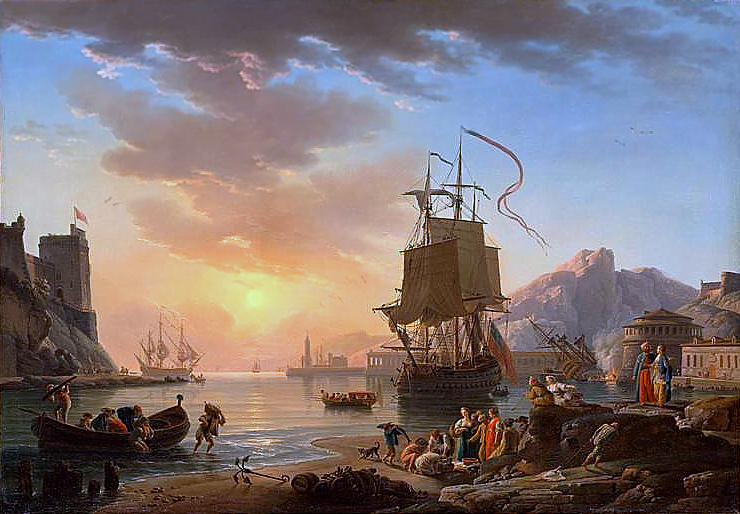
夕阳下的舰队/Marine, soleil couchant
玛丽马
The Marly Horses are two 1743–1745 Carrara marble sculpted groups by Guillaume Coustou, showing two rearing horses with their groom. They were commissioned by Louis XV of France for the trough at the entrance to the grounds of his château de Marly. Coustou's last works, they were intended to replace two other sculpted groups, Mercury on Pegasus and Pegasus, Renown of Horses, both by Antoine Coysevox, which had been removed to the Tuileries Gardens in 1719.

馬克西米利安的狩獵 马克西米利安的狩猎/Tenture Les Chasses de Maximilien
Datierung zwischen 1528 und 1533 Material Wolle, Seide, Gold, Silber Abmessungen Höhe: 447,2 cm (14,6 ft) ; Breite: 552,5 cm (18,1 ft) Wandteppichweber: Willem Dermoyen (fl. zwischen 1525 und 1550) Maler: Jan Tons II (1503-) Maler: Bernard van Orley (um 1491/1492-1542)

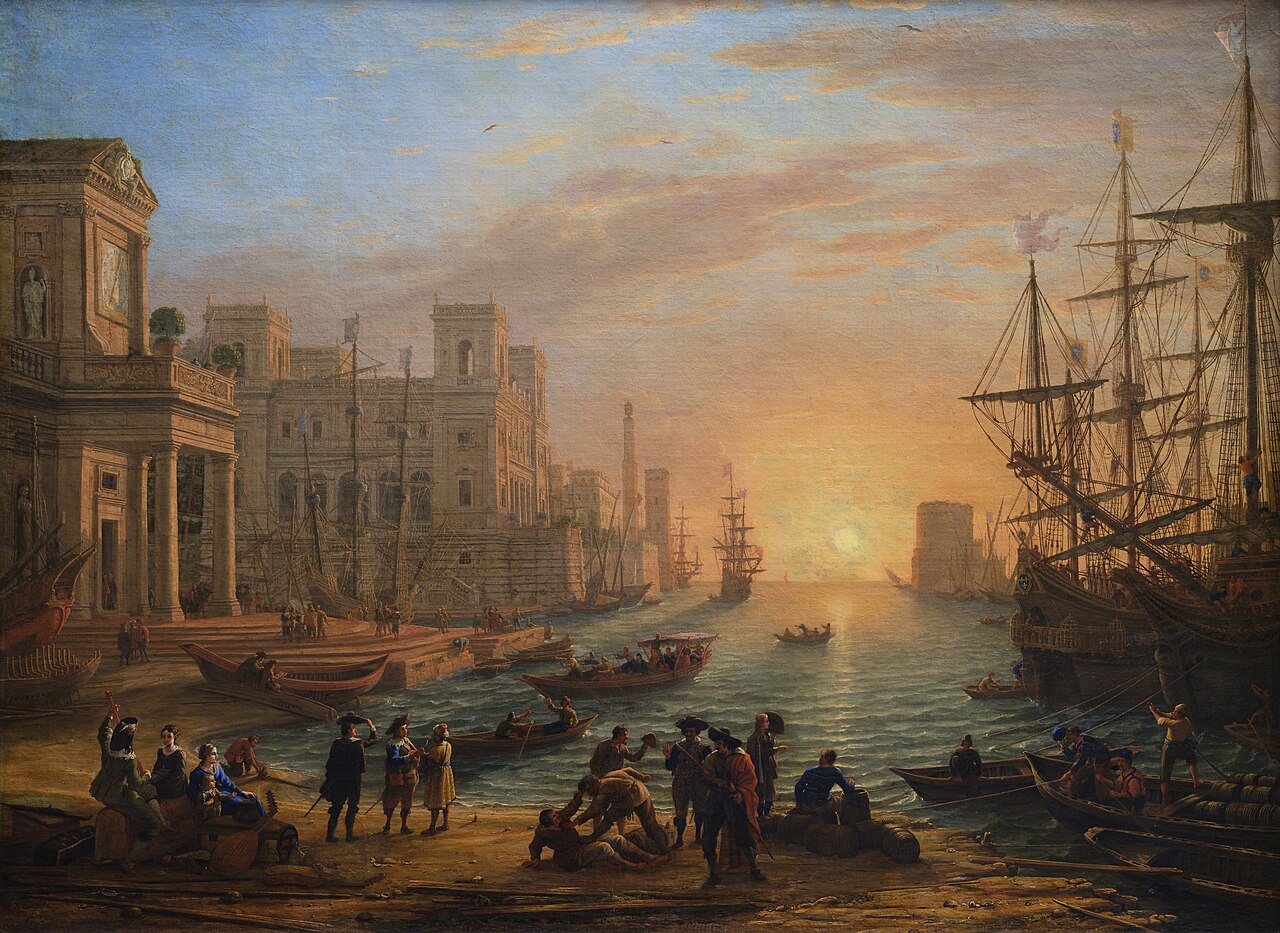
日落時分的海濱 日落时分的海滨/Port de mer au soleil couchant
Datierung 1639 Medium Öl auf Leinwand Abmessungen Höhe: 1 m (40,5 in); Breite: 1,3 m (53,9 in)
 Geschichte


 Architektur
盧浮宮博物館 卢浮宫博物馆
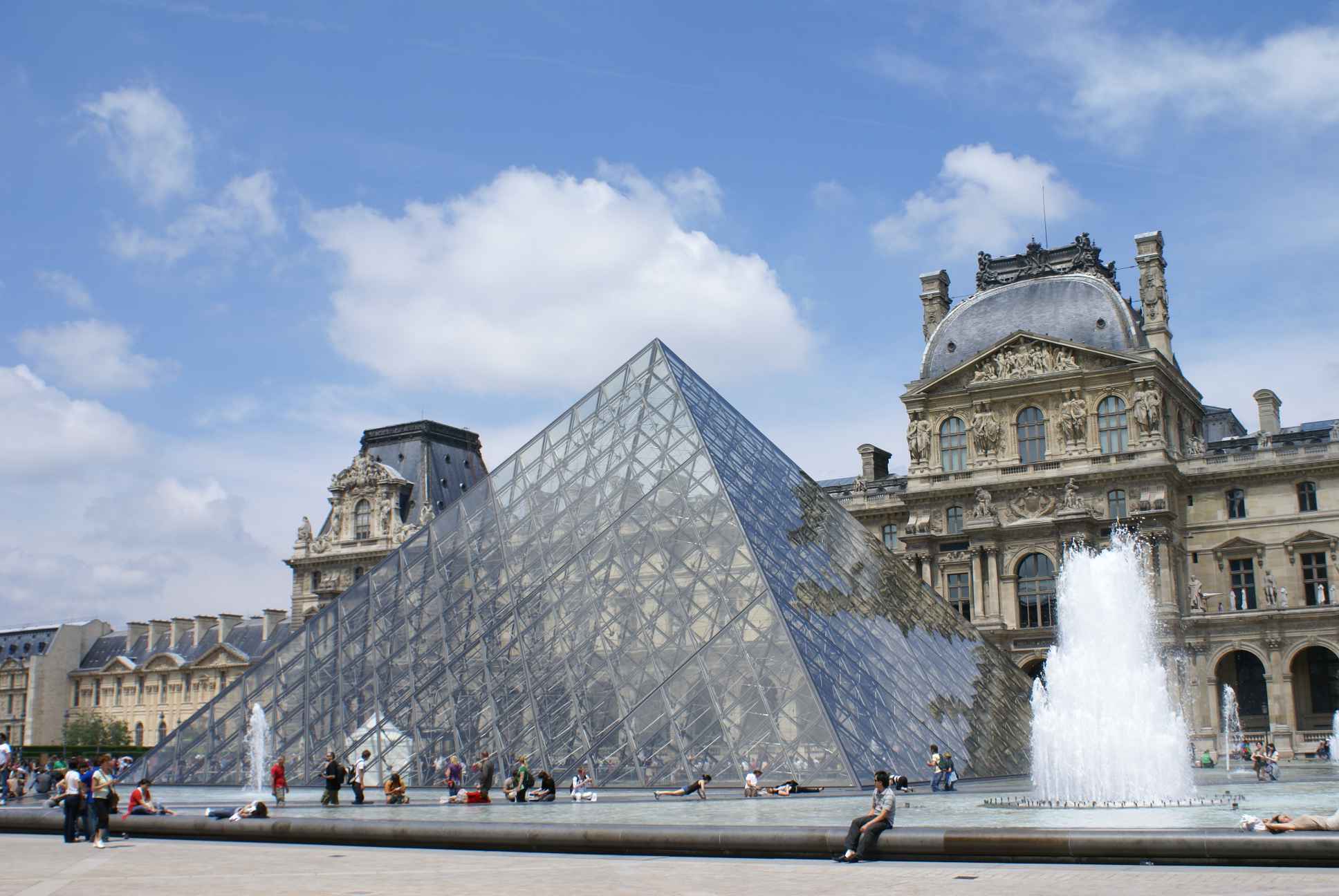
Der Louvre ist ein Kunstmuseum im 1. Arrondissement von Paris. Er befindet sich im historischen Louvre-Palast, der ehemaligen Residenz der französischen Könige, am rechten Ufer der Seine. Seit der Eröffnung im Jahr 1793 ist seine Sammlung auf mehr als 380.000 Objekte gewachsen, von denen etwa 35.000 ausgestellt sind. Mit 72.735 Quadratmetern Fläche und 9,6 Millionen Besuchern im Jahr 2019 ist der Louvre das größte und meistbesuchte Kunstmuseum der Welt.

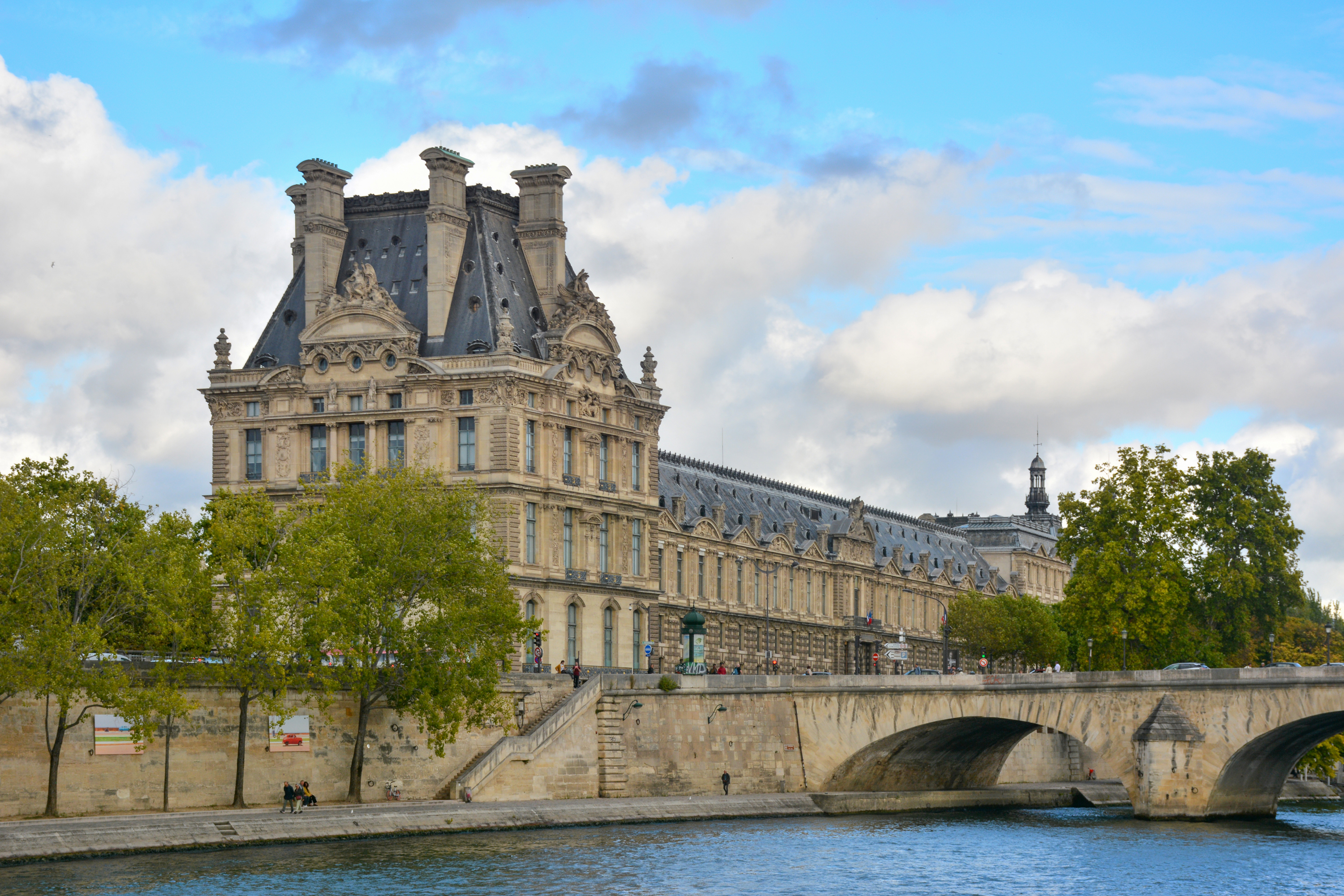
花神馆
The Pavillon de Flore, part of the Palais du Louvre in Paris, France, stands at the southwest end of the Louvre, near the Pont Royal. It was originally constructed in 1607–1610, during the reign of Henry IV, as the corner pavilion between the Tuileries Palace to the north and the Louvre's Grande Galerie to the east.