漢德百科全書 | 汉德百科全书
 Berlin
 Art
Art
 Science and technology

 Alberta-AB
Argentina
Australia
Alberta-AB
Argentina
Australia
 Auvergne-Rhône-Alpes
 Bavaria
Beijing Shi-BJ
Berlin
Bosnia Herzegovina
Brazil
Bavaria
Beijing Shi-BJ
Berlin
Bosnia Herzegovina
Brazil
 British Columbia-BC
 California-CA
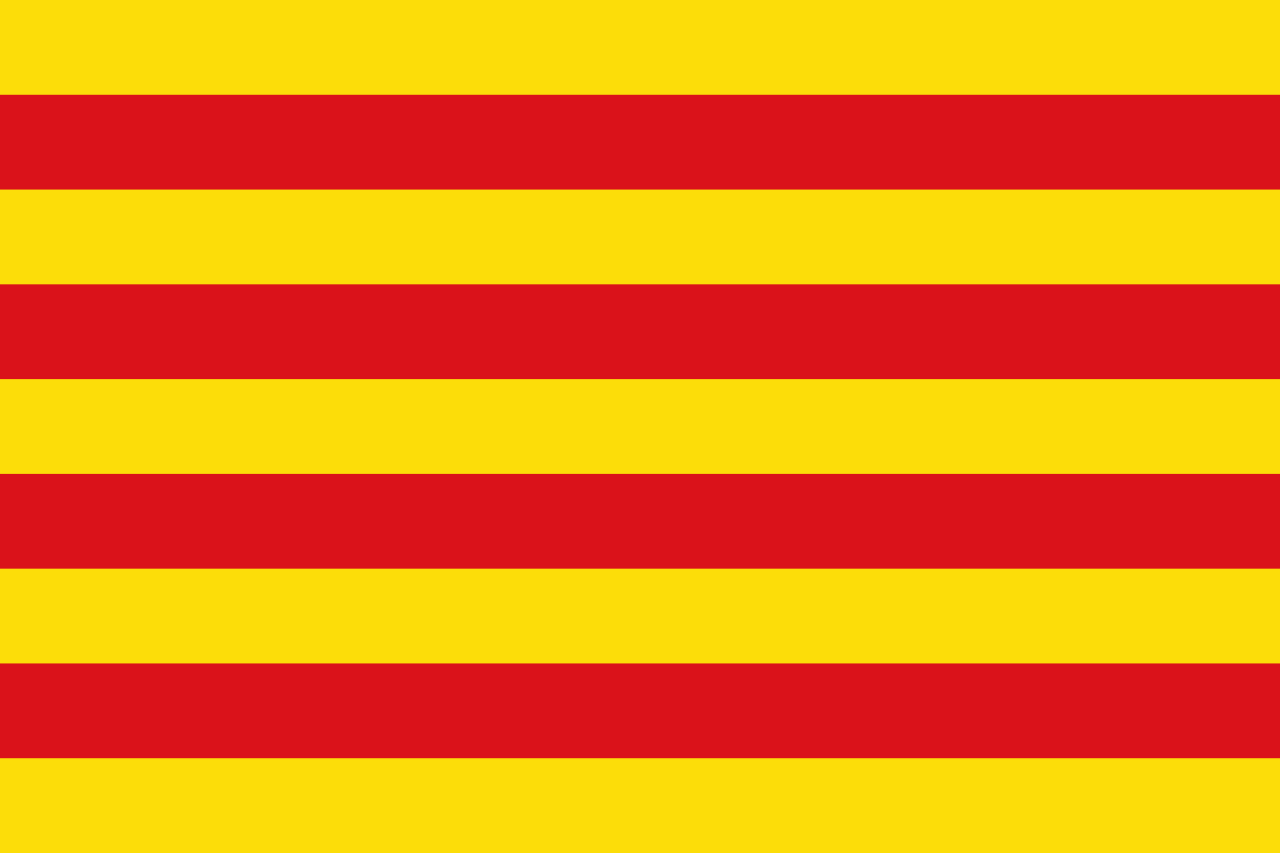 Cataluña
China
Chūbu
Germany
England
France
Cataluña
China
Chūbu
Germany
England
France
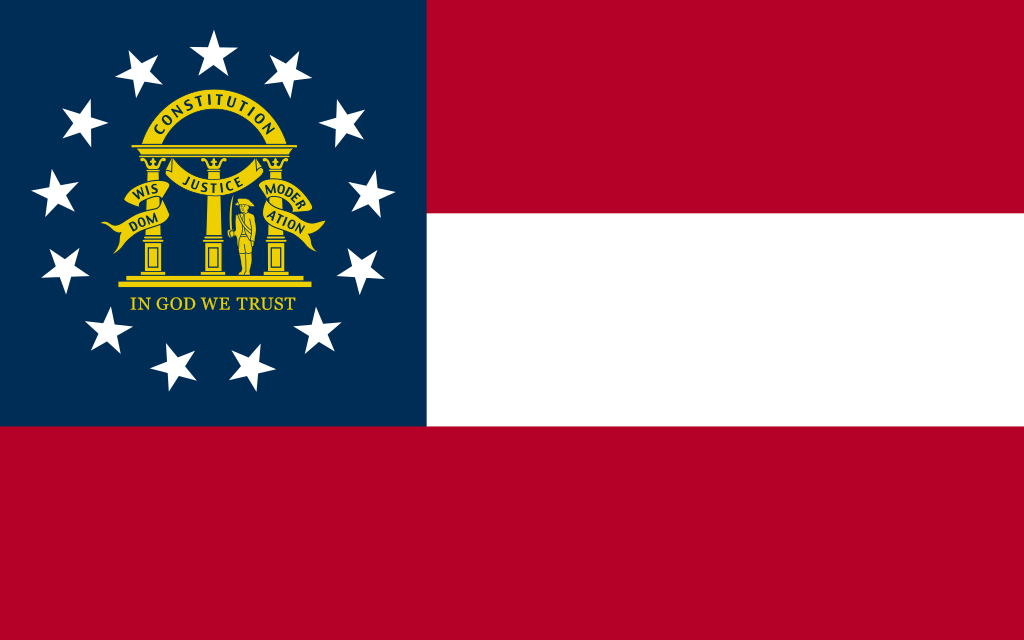 Georgia-GA
Greece
Hokkaidō
Georgia-GA
Greece
Hokkaidō
 Ile-de-France
Italy
Japan
Jiangsu Sheng-JS
Canada
Kantō
Ile-de-France
Italy
Japan
Jiangsu Sheng-JS
Canada
Kantō
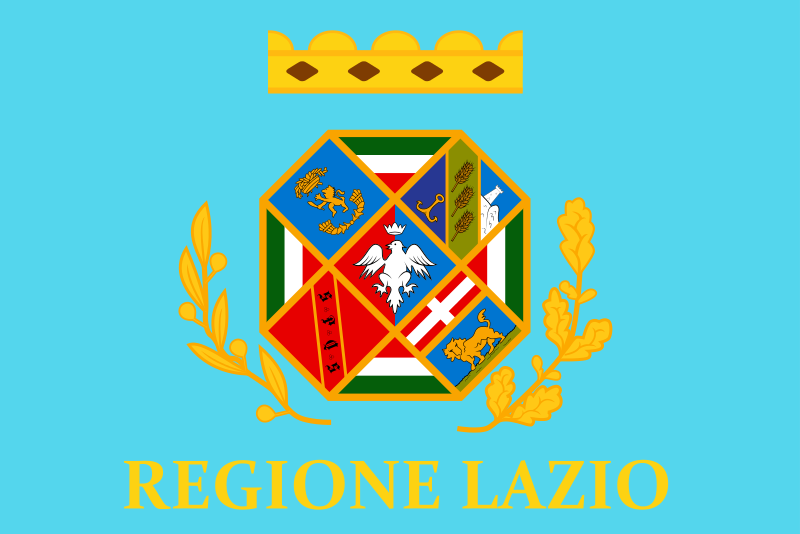 Lazio
Lazio
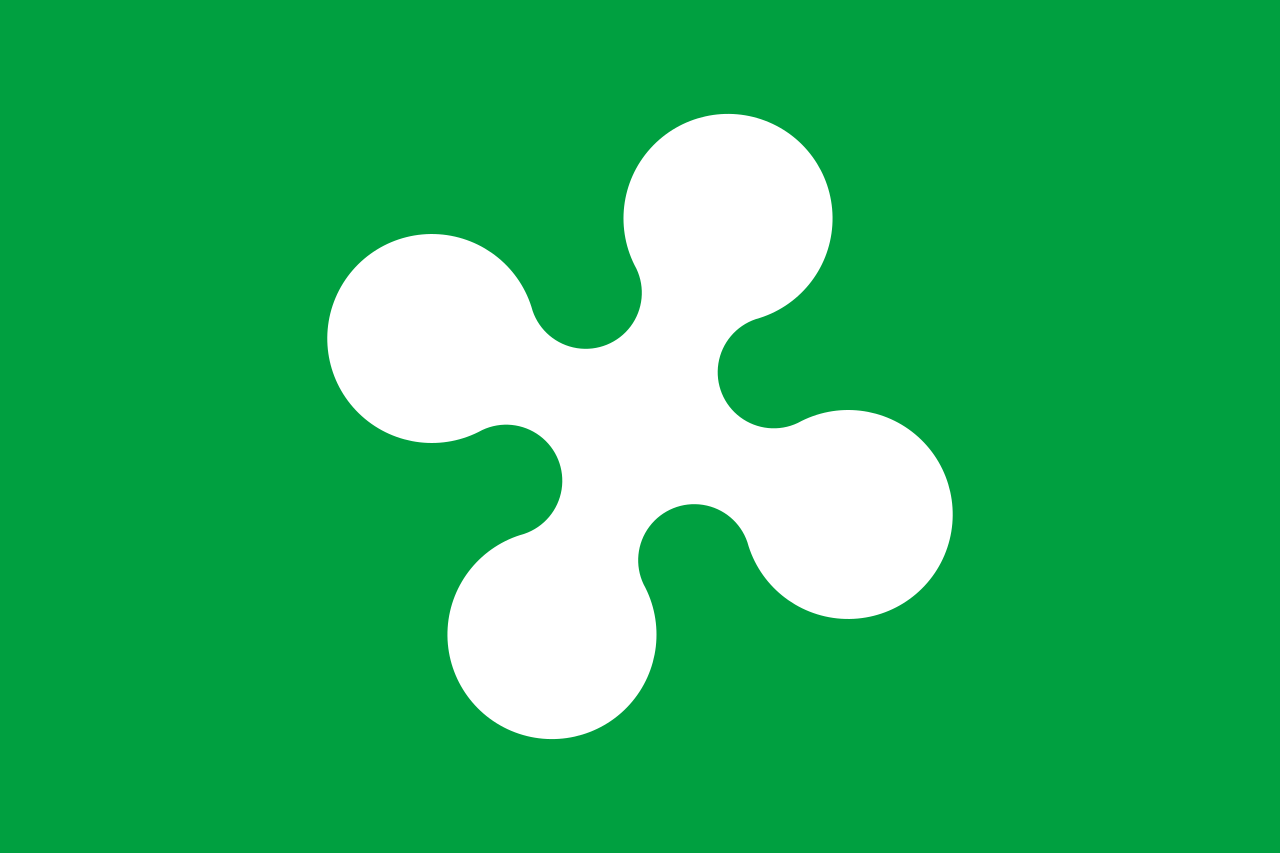 Lombardia
Mexico
Lombardia
Mexico
 New South Wales-NSW
 New York-NY
Norwegen
Austria
New York-NY
Norwegen
Austria
 Piemonte
 Quebec-QC
 Queensland-QLD
Republic of Korea
Rio de Janeiro
Russia
Switzerland
Senegal
Singapore
Spain
Queensland-QLD
Republic of Korea
Rio de Janeiro
Russia
Switzerland
Senegal
Singapore
Spain
 Tyrol
Tyrol
 Utah-UT
United States
United Kingdom
Utah-UT
United States
United Kingdom

| 奥林匹克圣歌 | ||
|---|---|---|
| 希腊文歌词 | 英文歌词 | 中文歌词 |
| Αρχαίο Πνεύμ' αθάνατο, αγνέ πατέρα του ωραίου, του μεγάλου και τ'αληθινού, κατέβα, φανερώσου κι άστραψ'εδώ πέρα στην δόξα της δικής σου γης και τ'ουρανού. |
Immortal spirit of antiquity, Father of the true, beautiful and good, Descend, appear, shed over us thy light Upon this ground and under this sky Which has first witnessed thy unperishable fame. |
古代不朽之神, 美丽、伟大而正直的圣洁之父。 祈求降临尘世以彰显自己, 让受人瞩目的英雄在这大地苍穹之中, 作为你荣耀的见证。 |
| Στο δρόμο και στο πάλεμα και στο λιθάρι, στων ευγενών Αγώνων λάμψε την ορμή, και με τ' αμάραντο στεφάνωσε κλωνάρι και σιδερένιο πλάσε κι άξιο το κορμί. |
Give life and animation to those noble games! Throw wreaths of fadeless flowers to the victors In the race and in the strife! Create in our breasts, hearts of steel! |
请照亮跑步、角力与投掷项目, 这些全力以赴的崇高竞赛。 把用橄榄枝编成的花冠颁赠给优胜者, 塑造出钢铁般的躯干。 |
| Κάμποι, βουνά και θάλασσες φέγγουν μαζί σου σαν ένας λευκοπόρφυρος μέγας ναός, και τρέχει στο ναό εδώ, προσκυνητής σου, Αρχαίο Πνεύμ' αθάνατο, Kάθε λαός. |
In thy light, plains, mountains and seas Shine in a roseate hue and form a vast temple To which all nations throng to adore thee, Oh immortal spirit of antiquity! |
溪谷、山岳、海洋与你相映生辉, 犹如以色彩斑斓的岩石建成的神殿。 这巨大的神殿, 世界各地的人们都来膜拜, 啊!永远不朽的古代之神。 |
Die olympische Hymne (griechisch Ολυμπιακός Ύμνος Olympiakos Ymnos) gehört zu den olympischen Symbolen. Die Melodie stammt von dem Komponisten Spyros Samaras, der Text von Kostis Palamas und wurde eigens für die 1. Olympischen Spiele der Neuzeit 1896 in Athen geschrieben. Sie ist die einzige offizielle olympische Festmusik und Bestandteil aller wichtigen Ereignisse der olympischen Bewegung.
《奥林匹克圣歌》(又称《奥林匹克颂》;希腊语:Ολυμπιακός Ύμνος,法语:Hymne Olympique,英语:Olympic Hymn)是奥林匹克会歌(英语:Olympic Anthem),是合唱清唱套曲,1958年第54次国际奥委会全体会议上定为奥林匹克会歌。奥林匹克会歌由国际奥林匹克委员会的第一任主席泽麦特里乌斯·维凯拉斯亲自选择的;由希腊歌剧作曲家斯皮罗·萨马拉斯作曲、希腊作家兼诗人科斯蒂斯·帕拉马斯作词。
Alberta-AB
Australia
Auvergne-Rhône-Alpes
Bavaria
Beijing Shi-BJ
Belgium
Berlin
Bosnia Herzegovina
Brazil
British Columbia-BC
California-CA
Cataluña
China
Chūbu
Germany
England
Finland
France
Georgia-GA
Greece
Hebei Sheng-HE
Hokkaidō
Ile-de-France
Italy
Japan
Canada
Kantō
Lazio
Mexico
 Missouri-MO
New South Wales-NSW
New York-NY
Netherlands
Norwegen
2016 Summer Olympics
2002 Winter Olympics
2006 Winter Olympics
2010 Winter Olympics
2014 Winter Olympics
2018 Winter Olympics
2018 Winter Olympics
2022 Winter Olympics
Austria
Piemonte
Quebec-QC
Republic of Korea
Rio de Janeiro
Russia
Missouri-MO
New South Wales-NSW
New York-NY
Netherlands
Norwegen
2016 Summer Olympics
2002 Winter Olympics
2006 Winter Olympics
2010 Winter Olympics
2014 Winter Olympics
2018 Winter Olympics
2018 Winter Olympics
2022 Winter Olympics
Austria
Piemonte
Quebec-QC
Republic of Korea
Rio de Janeiro
Russia
 Schleswig-Holstein
Sweden
Switzerland
Spain
Schleswig-Holstein
Sweden
Switzerland
Spain
 Sport
Tyrol
Utah-UT
Sport
Tyrol
Utah-UT
 Veneto
United States
United Kingdom
Veneto
United States
United Kingdom
 Victoria-VIC
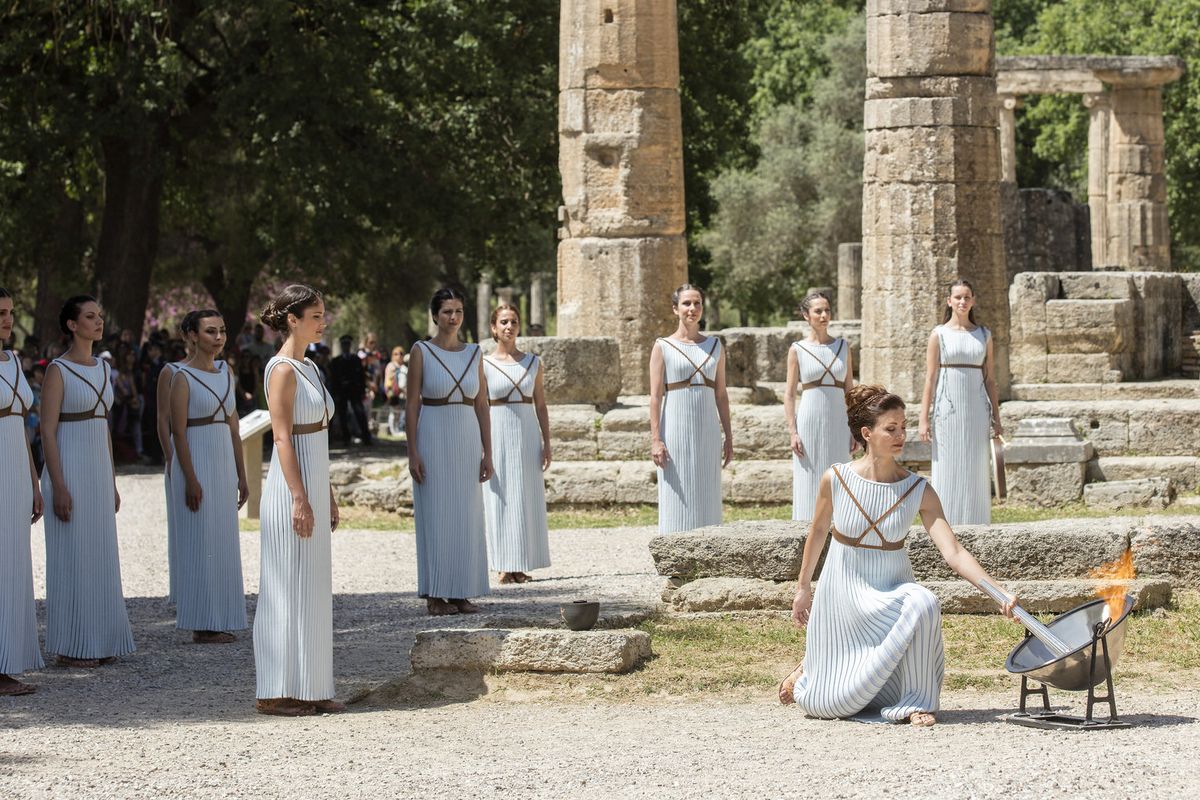
奥林匹克圣火(英语:Olympic Flame)是奥林匹克运动会的标志。它在古代奥运会上燃烧以纪念古希腊神话中,普罗米修斯从宙斯手中偷来的火。从1928年开始,奥林匹克圣火又重新成为了奥运会的一部分。从1936年柏林奥运会开始出现了圣火传递。它有着传承火焰,生生不息的意义。
Das olympische Feuer ist ein Symbol der olympischen Bewegung. Es ist auch ein Symbol der Kontinuität zwischen den antiken und den modernen Spielen.[1] Das olympische Feuer wird einige Monate vor den Olympischen Spielen in Olympia, Griechenland, entzündet. Mit dieser Zeremonie beginnt der olympische Fackellauf, der offiziell mit dem Entzünden des olympischen Kessels während der Eröffnungsfeier der Olympischen Spiele endet. Die Flamme brennt dann während der gesamten Dauer der Spiele im Kessel weiter, bis sie bei der Abschlusszeremonie gelöscht wird.
 Architecture

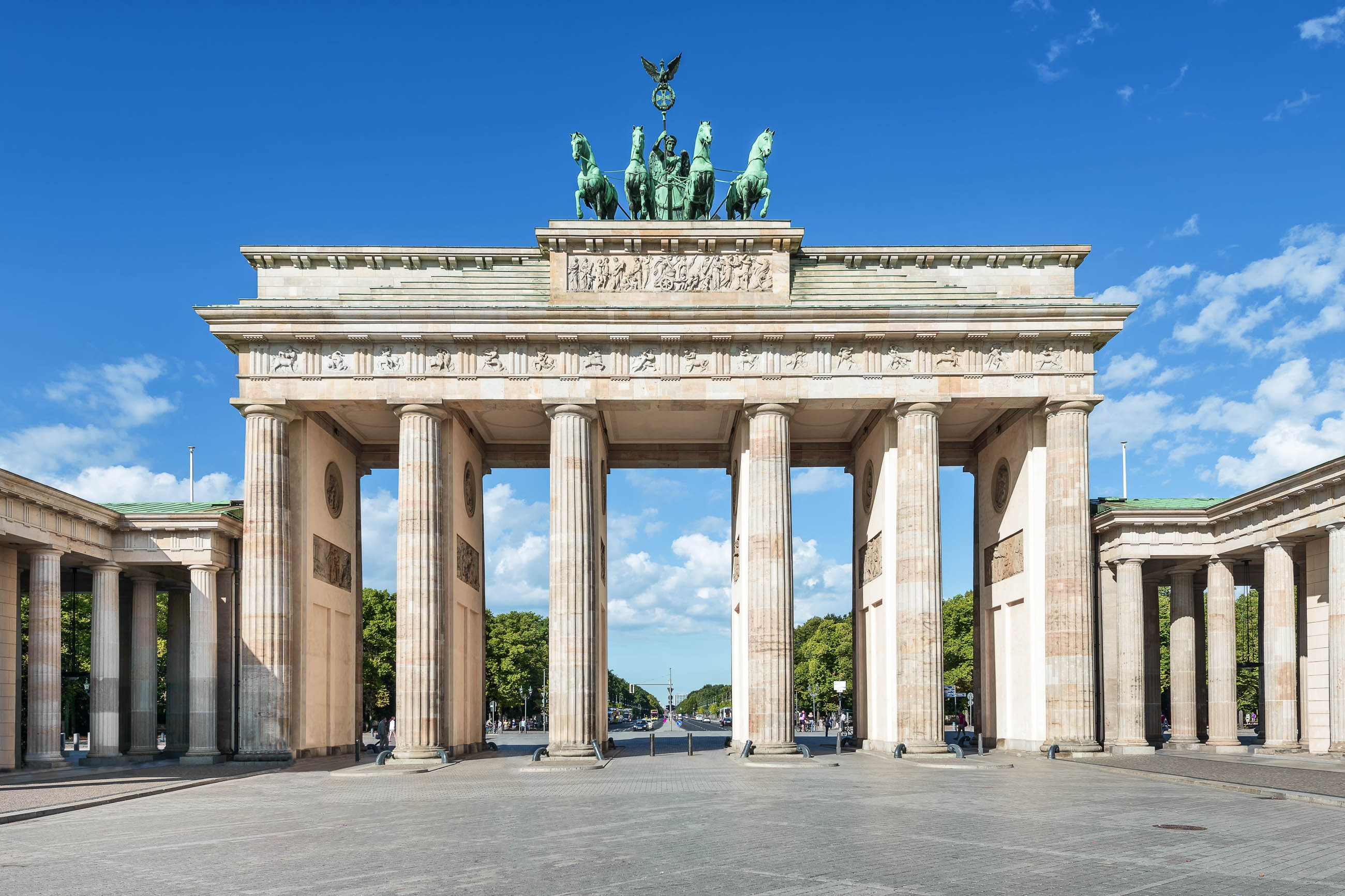
巴黎广场(Pariser Platz)是德国首都柏林市中心的一个广场,位于勃兰登堡门内,菩提树下大街的西端,西面勃兰登堡门外是大蒂尔加滕公园。它得名于法国首都巴黎,以纪念1814年反法同盟占领巴黎,是该市的主要焦点之一。
Der Pariser Platz ist ein bei der Stadterweiterung im Jahr 1734 angelegter Platz am Ende der Prachtstraße Unter den Linden im Berliner Ortsteil Mitte des gleichnamigen Bezirks. Im Zweiten Weltkrieg zerstört, lag er 1961–1989 im Grenzgebiet der geteilten Stadt und wurde danach wieder aufgebaut. Am westlichen Rand des quadratischen Platzes befindet sich das Brandenburger Tor von Carl Gotthard Langhans. Er gilt als „gute Stube Berlins“.[1]
 Berlin
Germany
FIFA Fussball-Weltmeisterschaft 2006
Berlin
Germany
FIFA Fussball-Weltmeisterschaft 2006
 UEFA European Championship 2024
Women's Soccer World Cup 2011
UEFA European Championship 2024
Women's Soccer World Cup 2011
 Geography
Geography
Geography
 *World's Most Livable Cities
 History
 International cities
*European Capital of Culture
League of Legends
League of Legends World Championship
Olympic Summer Games
International cities
*European Capital of Culture
League of Legends
League of Legends World Championship
Olympic Summer Games
 World Heritage
柏林(德语:Berlin,德语发音: [bɛɐ̯ˈliːn] ( listen))是德国首都,也是德国最大的城市,现有居民约340万人。柏林位于德国东北部,四面被勃兰登堡州环绕,施普雷河和哈维尔河流经该市。柏林也是德国十六个联邦州之一,和汉堡、不来梅同为德国僅有的三個的城市州。
柏林是欧盟區內人口第2多的城市以及城市面积第8大的城市。它是柏林-勃兰登堡都会区的中心,有来自超过190个国家的5百万人口。地理上位于欧洲平原,受温带季节性气候影响。城市周围三分之一的土地由森林、公园、花园、河流和湖泊组成。
该市第一次有文字记载是在13世纪,柏林连续的成为以下这些国家的首都:普鲁士王国(1701年-1870年)、德意志帝国(1871年-1918年)、魏玛共和国(1919年-1933年)、納粹德國(1933年-1945年)。在1920年代,柏林是世界第3大自治市。第二次世界大战后,城市被分割;东柏林成为了东德的首都,而西柏林事实上成为了西德在东德的一块飛地,被柏林墙围住。直到1990年两德统一,该市重新获得了全德国首都的地位,驻有147个外国大使馆。
柏林无论是从文化、政治、传媒还是科学上讲都称的上是世界级城市。该市经济主要基于服务业,包括多种多样的创造性产业、传媒集团、议会举办地点。柏林扮演了一个欧洲大陆上航空与铁路运输交通枢纽的角色,同时它也是欧盟内游客数量最多的城市之一。主要的产业包括信息技术、制药、生物工程、生物科技、光学电子、交通工程和可再生能源。
柏林都会区有知名大学、研究院、体育赛事、管弦乐队、博物馆和知名人士。城市的历史遗存使该市成为国际电影产品的交流中心。该市在节日活动、建筑的 多样化、夜生活、当代艺术、公共交通网络以及高质量生活方面得到了广泛认可。柏林已经发展成一个全球焦点城市,以崇尚自由生活方式和现代精神的年轻人和艺 术家而闻名。
ベルリン(独: Berlin ドイツ語発音: [bɛɐ̯ˈliːn] ( 音声ファイル)、伯林)は、ドイツ北東部、ベルリン・ブランデンブルク大都市圏地域の中心に位置する都市である。16ある連邦州のうちの一つで、市域人口は350万人[1]とドイツでは最大の都市で欧州連合の市域人口ではロンドンに次いで2番目に多く、都市的地域の人口は7番目に多い。[3]同国の首都と定められている[4]。
ベルリンが属するベルリン・ブランデンブルク大都市圏地域(英語版)の人口は590万人に達し[6]、190カ国を超える海外出身者も暮らす[7]。ベルリンはヨーロッパ平原(英語版)に位置し温帯の季節的な気候の影響を受ける。市域の3分の1は森林、公園、庭園、河川や湖で構成されている[8]。ベルリンが最初に文書に言及されたのは13世紀のことで、それ以後プロイセン王国(1701-1918)やドイツ帝国(1871-1918)、ヴァイマル共和政(1919-1933)、ナチス・ドイツ(1933-1945)の首都であった[9]。1920年には「大ベルリン」の成立により市域が大幅に拡大し、現在とほぼ同じ領域となった。1920年代には世界で3番目に大きな都市であった[10]。第二次世界大戦後、ベルリンは東ドイツの首都である東ベルリンと、西ドイツの事実上の飛び地で周辺をベルリンの壁(1961-1989)で囲まれた西ベルリンに分断された[11]。1990年のドイツ再統一によりベルリンは再び首都としての地位を得て[12]、147の大使館が置かれる[13][14]。ベルリンは文化や政治、メディア、科学の世界都市である[15][16][17]。アメリカのシンクタンクが2017年に発表した総合的な世界都市ランキングにおいて、世界14位の都市と評価された[18]。
経済的にはサービス産業を基盤とし創造産業やメディア産業、コンベンション会場などが包括されている。ベルリンはまた、欧州大陸の航空や鉄道交通の中枢でもあり[19][20] 、代表的な観光地である。重要な産業にはIT、製薬、生物医学技術、生物工学、電子工学、交通工学、再生可能エネルギーが含まれる。 ベルリンは有名な大学や調査機関、管弦楽団、博物館、著名人が本拠としており多くのスポーツイベントも催されている他[21]、都市の光景や歴史的な遺産は国際的な映画製作には人気な場所となっている[22]。ベルリンでは多く祭典や多様な建築、ナイトライフ、現代芸術、公共交通機関の路線網、世界で最も居住に適した都市など様々な分野でも良く知られた都市である[23]。
ドイツ最大の都市であり立法・行政の中心地ではあるが、地方分権の歴史が長いドイツでは、司法の中心地はカールスルーエ、金融と交通の中心地はフランクフルト、産業の中心地はルール地方、ミュンヘン、シュトゥットガルト、ケルンとされ、東京(日本)やソウル(韓国)、パリ(フランス)のような一極集中という状態はない[24]。戦間期には科学技術や文学、哲学、芸術などが発展しヴァイマル文化によりドイツはもっとも進んだ国となった[25][26]。1988年の欧州文化首都に選ばれている[27]。現代の都市ベルリンは発展の一方で、特に東側の人口停滞などから都市構造の変革が進められている[28]。
Berlin  [bɛɐ̯ˈliːn] ist die Bundeshauptstadt der Bundesrepublik Deutschland und zugleich eines ihrer Länder.[12] Die Stadt Berlin ist mit rund 3,6 Millionen Einwohnern die bevölkerungsreichste und mit 892 Quadratkilometern die flächengrößte Gemeinde Deutschlands.[5] Sie bildet das Zentrum der Metropolregion Berlin/Brandenburg (rund 6 Millionen Einwohner) und der Agglomeration Berlin (rund 4,5 Millionen Einwohner). Der Stadtstaat besteht aus zwölf Bezirken. Neben den Flüssen Spree und Havel befinden sich im Stadtgebiet kleinere Fließgewässer sowie zahlreiche Seen und Wälder.
Urkundlich erstmals im 13. Jahrhundert erwähnt, war Berlin im Verlauf der Geschichte und in verschiedenen Staatsformen Residenz- und Hauptstadt Brandenburgs, Preußens und des Deutschen Reichs. Ab 1949 war der Ostteil der Stadt Hauptstadt der Deutschen Demokratischen Republik. Mit der deutschen Wiedervereinigung im Jahr 1990 wurde Berlin wieder gesamtdeutsche Hauptstadt und in der Folge Sitz der Bundesregierung, des Bundespräsidenten, des Bundestages, des Bundesrates sowie zahlreicher Bundesministerien und Botschaften.
Zu den bedeutenden Wirtschaftszweigen in Berlin gehören unter anderem der Tourismus, die Kreativ- und Kulturwirtschaft, die Biotechnologie und Gesundheitswirtschaft mit Medizintechnik und pharmazeutischer Industrie, die Informations- und Kommunikationstechnologien, die Bau- und Immobilienwirtschaft, der Handel, die Optoelektronik, die Energietechnik sowie die Messe- und Kongresswirtschaft. Die Stadt ist ein europäischer Knotenpunkt des Schienen- und Luftverkehrs. Berlin zählt zu den aufstrebenden, internationalen Zentren für innovative Unternehmensgründer und verzeichnet jährlich hohe Zuwachsraten bei der Zahl der Erwerbstätigen.[13]
Berlin gilt als Weltstadt der Kultur, Politik, Medien und Wissenschaften.[14][15][16][17] Die Universitäten, Forschungseinrichtungen, Sportereignisse und Museen Berlins genießen internationalen Ruf.[18] Die Metropole trägt den UNESCO-Titel Stadt des Designs und ist eines der meistbesuchten Zentren des Kontinents.[19] Berlins Architektur, Festivals, Nachtleben und vielfältige Lebensbedingungen sind weltweit bekannt.[20]
Berlin (/bɜːrˈlɪn/; German pronunciation: [bɛɐ̯ˈliːn]) is the capital and the largest city of Germany, as well as one of its 16 constituent states. With a steadily growing population of approximately 3.7 million,[4] Berlin is the second most populous city proper in the European Union behind London and the seventh most populous urban area in the European Union.[5] Located in northeastern Germany on the banks of the rivers Spree and Havel, it is the centre of the Berlin-Brandenburg Metropolitan Region, which has roughly 6 million residents.[6][7][8][9] Due to its location in the European Plain, Berlin is influenced by a temperate seasonal climate. Around one-third of the city's area is composed of forests, parks, gardens, rivers, canals and lakes.[10]
First documented in the 13th century and situated at the crossing of two important historic trade routes,[11] Berlin became the capital of the Margraviate of Brandenburg (1417–1701), the Kingdom of Prussia (1701–1918), the German Empire (1871–1918), the Weimar Republic (1919–1933), and the Third Reich (1933–1945).[12] Berlin in the 1920s was the third largest municipality in the world.[13] After World War II and its subsequent occupation by the victorious countries, the city was divided; West Berlin became a de facto West German exclave, surrounded by the Berlin Wall (1961–1989) and East German territory.[14] East Berlin was declared capital of East Germany, while Bonn became the West German capital. Following German reunification in 1990, Berlin once again became the capital of all of Germany.
Berlin is a world city of culture, politics, media and science.[15][16][17][18] Its economy is based on high-tech firms and the service sector, encompassing a diverse range of creative industries, research facilities, media corporations and convention venues.[19][20] Berlin serves as a continental hub for air and rail traffic and has a highly complex public transportation network. The metropolis is a popular tourist destination.[21] Significant industries also include IT, pharmaceuticals, biomedical engineering, clean tech, biotechnology, construction and electronics.
Berlin is home to world-renowned universities, orchestras, museums, and entertainment venues, and is host to many sporting events.[22] Its Zoological Garden is the most visited zoo in Europe and one of the most popular worldwide. With the world's oldest large-scale movie studio complex, Berlin is an increasingly popular location for international film productions.[23] The city is well known for its festivals, diverse architecture, nightlife, contemporary arts and a very high quality of living.[24] Since the 2000s Berlin has seen the emergence of a cosmopolitan entrepreneurial scene.[25]
Berlin (prononcé [bɛʁ.lɛ̃] ; en allemand Berlin [bɛɐ̯.ˈliːn] Écouter) est la capitale1 et la plus grande ville d'Allemagne. Institutionnellement, c’est une ville-État nommée Land de Berlin.
Située dans le nord-est du pays, Berlin compte environ 3,7 millions d'habitants2. Ses habitants s'appellent les Berlinois. Elle est la deuxième ville et la septième agglomération la plus peuplée de l'Union européenne. L'agglomération de Berlin s'étend sur 892 km2 et compte 4,4 millions d'habitants. La région métropolitaine de Berlin-Brandebourg qui cumule les Länder de Berlin et de Brandebourg regroupe au total près de 6 millions d'habitants.
Fondée au XIIIe siècle, Berlin a été successivement capitale de l'électorat du Brandebourg (1247-1701), du royaume de Prusse (1701-1871), de l'Empire allemand (1871-1918), de la République de Weimar (1919-1933) et du Troisième Reich (1933-1945). Après 1945 et jusqu'à la chute du mur de Berlin en 1989, la ville est partagée en quatre secteurs d'occupation. Pendant la Guerre froide, le secteur soviétique de la ville, nommé Berlin-Est, est devenu la capitale de la République démocratique allemande, tandis que Berlin-Ouest était politiquement rattachée à la République fédérale d'Allemagne, devenant ainsi un bastion avancé du « Monde libre » à l'intérieur du Bloc communiste. Après la chute du mur, Berlin redevint, en 1990, la capitale de l'Allemagne alors réunifiée, et les principales institutions fédérales y emménagèrent en 1999.
Berlin est une ville mondiale culturelle et artistique de premier plan. La ville abrite 166 musées, 142 bibliothèques et 60 théâtres. En 2014, Berlin a accueilli 11,87 millions de visiteurs (+4,8 % plus qu'en 2013)3, dont 4,52 millions de visiteurs étrangers (+5,2 %).
Berlino (AFI: /berˈlino/[2]; in tedesco: Berlin, /bɛɐ̪ ˈliːn/, ascolta[?·info]) è la maggiore città e anche un Bundesland della Germania, quindi una "città-stato". Capitale federale della Repubblica Federale di Germania e sede del suo governo, è uno dei più importanti centri politici, culturali, scientifici, fieristici e mediatici d'Europa e, dopo Londra, il secondo comune più popoloso dell'Unione europea, con 3.531.201 abitanti.
In passato è stata la capitale della Marca di Brandeburgo (1417-1801), del Regno di Prussia (1701-1918), dell'Impero tedesco (1871-1918), della Repubblica di Weimar (1919-1933) e del Terzo Reich (1933-1945).
L'area metropolitana ha una superficie complessiva di 2.851 km² ed una popolazione di 5.103.778 abitanti, mentre la regione metropolitana di Berlino e Brandeburgo ha una superficie di 30.370 km² ed una popolazione[3] di 7.220.12 abitanti.
Berlín (Berlin en alemán ( [bɛɐ̯ˈliːn] (?·i))) es la capital de Alemania y uno de los dieciséis estados federados alemanes. Se localiza al noreste de Alemania. Por la ciudad fluyen los ríos Esprea, Havel, Panke, Dahme y Wuhle. Con una población de 3,5 millones de habitantes, Berlín es la ciudad más poblada del país y de Europa Central, así como la primera ciudad en población y la séptima aglomeración urbana entre los países de la Unión Europea (si bien se convertirá en la sexta una vez la salida del Reino Unido de la Unión Europea se haga efectiva).2
Fundada en 1237 como Cölln, Berlín fue sucesivamente capital del Reino de Prusia (1701-1918), de la República de Weimar (1919-1933) y del Tercer Reich (1933-1945). Después de la Segunda Guerra Mundial, la ciudad fue dividida; la parte este de la ciudad se convirtió en la capital de la República Democrática Alemana, mientras que la región oeste de la ciudad se convirtió en un enclave de la República Federal de Alemania en el interior de la Alemania Oriental.
Berlín es una ciudad mundial y un centro cultural y artístico de primer nivel. Es una de las ciudades más influyentes en el ámbito político de la Unión Europea y en 2006 fue elegida Ciudad Creativa por la Unesco.3 En 2009 la ciudad recibió el Premio Príncipe de Asturias de la Concordia.
Берли́н (нем. Berlin [bɛɐ̯ˈliːn], произношение (инф.)) — столица и крупнейший город Германии, второй по населению (после Лондона) и пятый по площади город Евросоюза.
Является одной из 16 земель в составе ФРГ. Город расположен на берегах рек:
- Шпрее (в связи с чем его называют «Афинами на Шпрее»),
- Хафель в центре федеральной земли Бранденбург (частью последней Берлин не является с 1920 года).
Около 1200 года на месте современного Берлина располагались два торговых поселения — Кёлльн и Берлин. Точная дата получения ими городских прав неизвестна. Городские права Кёльна впервые упоминаются в 1237 году, городские права Берлина — в 1244 году. В 1307 году города объединились и образовали общую городскую управу. В 1400 году население объединённого Берлина составляло 8000 человек. Историческое название «Кёльн» нашло своё отражение в названии берлинского района Нойкёльн.
Берлин был столицей маркграфства/курфюршества Бранденбургского (с 1417 года), Пруссии (после объединения курфюршества Бранденбург с герцогством Пруссия) и после создания Германской империи стал её столицей.
После Второй мировой войны в соответствии с решениями Ялтинской конференции Берлин, хоть и находился на территории советской зоны оккупации Германии, был разделён четырьмя державами-победительницами на оккупационные секторы. Позднее три сектора оккупации союзников были преобразованы в Западный Берлин, получивший статус особого государственного образования, но безусловно тесно связанного с ФРГ. Передвижение между секторами Берлина длительное время оставалось относительно свободным, и в целях предотвращения утечки населения в западные секторы правительством ГДР было принято решение о возведении Берлинской стены, окружившей с 13 августа 1961 года Западный Берлин. Берлинская стена, ставшая одним из главных символов холодной войны, просуществовала до 1989 года. После объединения Германии в 1990 году её столицей стал воссоединённый Берлин. В 1994 году туда переехала из Бонна администрация президента и в 1999 году — бундестаг и ведомство федерального канцлера вместе с федеральными министерствами.
Сегодня Берлин является мировым культурным центром. Это крупный европейский транспортный узел и один из самых посещаемых городов на континенте. Университеты, исследовательские институты и музеи Берлина известны во всём мире. В городе живут и работают художники, дипломаты и иммигранты со всех уголков планеты.

 Automobile
 Brandenburg

 Music
Music
 Performing Arts

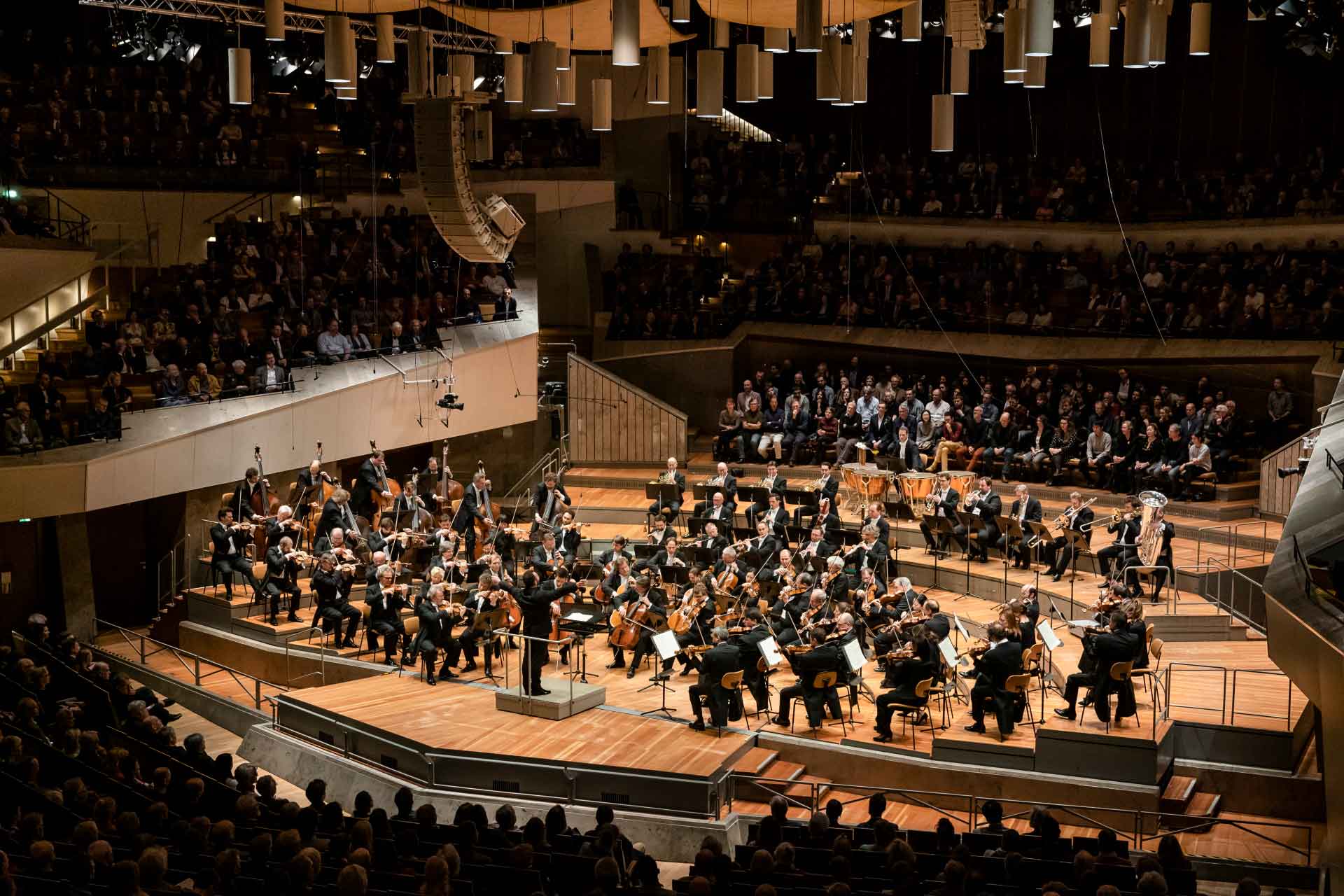
柏林爱乐厅由设计师 Hans Scharoun 设计,其金顶建筑颇具特色, 是著名的柏林爱乐乐团举行音乐会的主要场地之一。1963 年10 月 5 日的首次对外开放,当时即由著名的艺术家卡拉扬担当指挥;爱乐厅内部设计奇特, 高矮不一,其中许多柱子、阶梯和进口,使这个音乐厅的前厅的空间形状极其复杂,路线非常曲折。给人一种扑朔迷离、摸不清门路而丰 富诱人的印象. 正是由于这种曲折的内部构造, 传声效果极佳。
(Quelle:http://www.classictic.com/ch/Special/Berlin-Philharmonie-Concerts)